

Explore Any Narratives
Discover and contribute to detailed historical accounts and cultural stories. Share your knowledge and engage with enthusiasts worldwide.
Podgorica stands proudly as the capital and largest city of Montenegro, functioning as the nation's indispensable administrative, economic, and cultural heart. Strategically situated at the confluence of the Ribnica and Morača rivers, the city benefits from a prime location near Lake Skadar and the Adriatic Sea. This article explores why Podgorica is the vibrant core of this beautiful Balkan country.
Understanding the layout and population of Podgorica is key to appreciating its scale. The city proper covers an area of 108 square kilometers, while its metropolitan region expands to a significant 1,441 square kilometers.
As Montenegro's most populous urban center, Podgorica is home to over 180,000 residents. The city sits at a low elevation of 40 meters, which contributes to its characteristic Mediterranean climate. This climate features hot, dry summers and mild, wet winters.
One of the city's most distinctive features is its commitment to green space. An impressive one-third of Podgorica's urban area is dedicated to parks, gardens, and natural zones, including the iconic Gorica Hill that gives the city its name.
Podgorica's name directly translates from Montenegrin as "under the hill," a direct reference to Gorica Hill which overlooks the city center.
As the nation's capital, Podgorica is the main economic engine driving Montenegro's development. The city hosts the majority of the country's industrial capacity, financial institutions, and commercial enterprises.
The economy of Podgorica is built on a diverse and evolving foundation. While traditional sectors like manufacturing and trade remain important, new industries are flourishing.
Podgorica's status as an economic powerhouse is reinforced by its excellent connectivity. The city is served by an extensive network of roads and railways, facilitating the movement of goods and people.
Podgorica Airport provides vital domestic and international air links, making the city easily accessible for business and leisure travelers alike. This infrastructure cements the city's role as Montenegro's primary commercial gateway.
Podgorica's history is a rich tapestry woven from the influences of many great civilizations. The area has been continuously inhabited since Illyrian and Roman times, with each era leaving its distinct mark on the city's character.
The city's location has always been strategically important. Evidence of Roman settlement can be found throughout the region. Later, the Ottoman Empire controlled the area for centuries, imprinting a lasting oriental influence on the city's architecture and culture.
A significant chapter in Podgorica's modern history was its period as Titograd, a name it held from 1944 to 1992 during the Socialist Federal Republic of Yugoslavia. The restoration of its historic name coincided with the movement towards Montenegrin independence.
World War II caused extensive damage to the city's infrastructure and historic buildings. However, Podgorica has demonstrated remarkable resilience, evolving from the ashes into the dynamic and modern capital it is today.
Podgorica offers visitors a fascinating blend of ancient history and contemporary architecture. Exploring its key landmarks provides a journey through the city's layered past and its ambitious present.
The Stara Varoš district is the historic core of Podgorica, offering a glimpse into its Ottoman heritage. Visitors can wander through narrow, winding streets lined with centuries-old stone houses and mosques.
This area feels like a step back in time, with hidden courtyards and traditional craftsmanship still evident. It stands in beautiful contrast to the modern developments found elsewhere in the city center.
Symbolizing Podgorica's 21st-century transformation, the Millennium Bridge is an unmissable landmark. This stunning cable-stayed bridge spans the Morača River with dramatic elegance.
Especially breathtaking when illuminated after dark, the bridge has become a symbol of the city's forward-looking attitude and modern architectural ambition. It serves as a proud emblem of the new Podgorica.
Podgorica's cityscape tells a visual story of its complex history. The architecture seamlessly blends remnants of ancient empires with bold, contemporary structures. This unique mix creates an urban environment that is both historically rich and dynamically modern.
The Clock Tower (Sahat Kula) is a cherished symbol of the city's endurance. Built in the 18th century during Ottoman rule, it is one of the few structures in the Stara Varoš district to survive the devastation of World War II.
Not far away, the ancient Ribnica Bridge offers another tangible link to the distant past. This small stone bridge over the Ribnica River dates back to Roman origins, though its current form is from the Ottoman period. It is one of the oldest surviving structures in Podgorica.
The Clock Tower has stood for over two centuries, serving as a silent witness to Podgorica's transformation from an Ottoman town to a modern European capital.
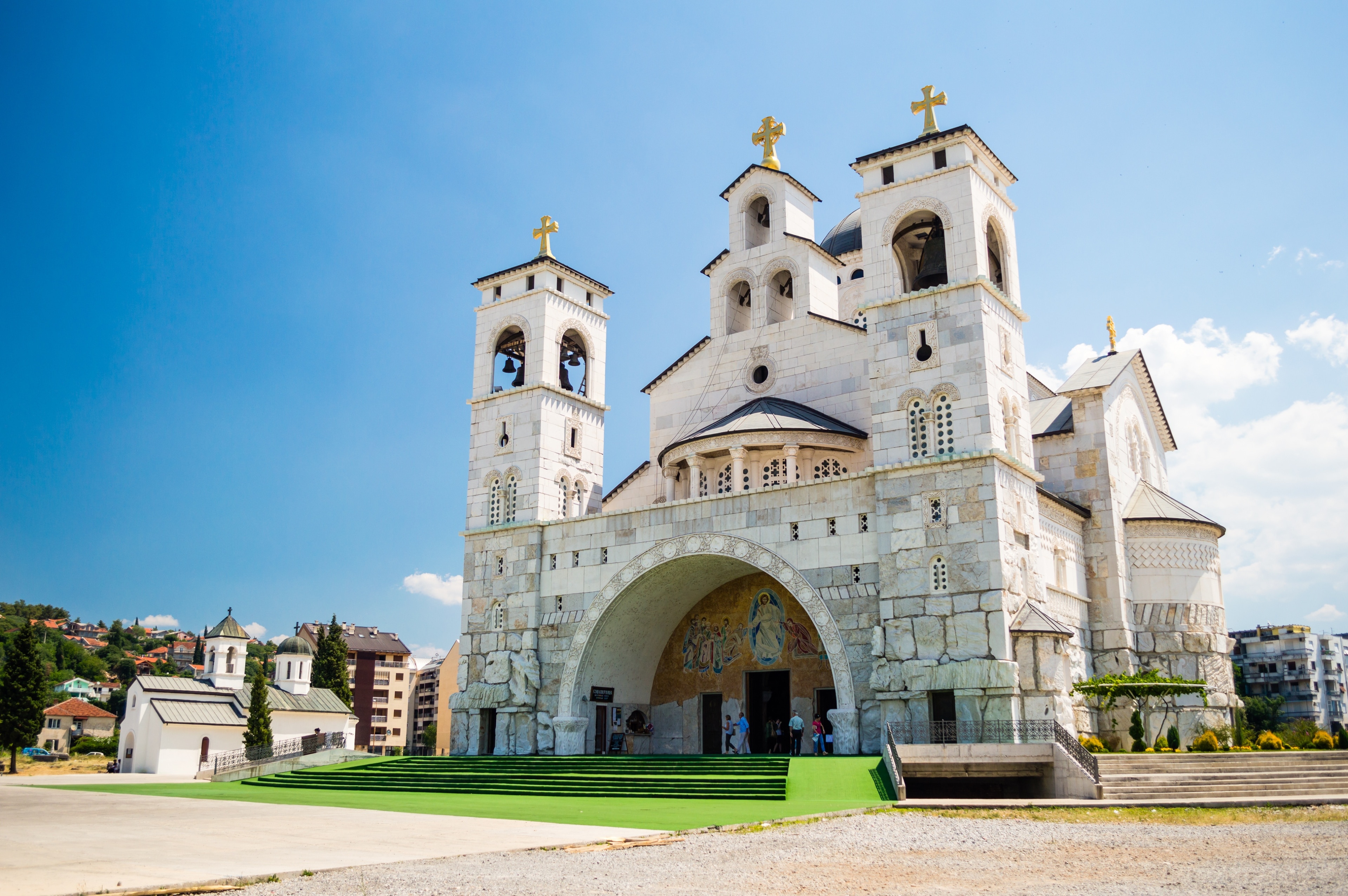
One of the city's most magnificent modern religious sites is the Cathedral of the Resurrection of Christ. This monumental Orthodox Christian cathedral was completed in 2013 and dominates the city's skyline with its grand scale and intricate design.
The cathedral's architecture is a breathtaking synthesis of Byzantine and medieval Montenegrin styles. Inside, visitors are awed by the vast, detailed frescoes that cover the walls and ceilings, depicting biblical scenes and saints.
As the cultural heart of Montenegro, Podgorica boasts an impressive array of museums, galleries, and performance venues. These institutions preserve the nation's heritage while fostering contemporary artistic expression.
The city's cultural wealth is housed in several important institutions. Each offers a unique perspective on Montenegro's natural history, art, and social development.
The University of Montenegro, headquartered in Podgorica, is the country's largest and most influential academic institution. Its presence infuses the city with youthful energy and intellectual vitality, driving innovation in fields from science to the humanities.
For performing arts, the Montenegrin National Theatre is the premier stage. It hosts a rich program of drama, opera, and ballet, featuring works by both Montenegrin and international playwrights and composers. Attending a performance here is a highlight for any culture enthusiast.
True to its green reputation, Podgorica offers abundant opportunities to enjoy nature without leaving the city. The extensive park system provides residents and visitors with serene escapes and recreational spaces.
Gorica Hill is the city's namesake and most beloved natural landmark. Covered in a dense Mediterranean forest of pine and cypress trees, it is crisscrossed with walking and cycling trails. From its summit, you are rewarded with panoramic views of the entire city and the surrounding valley.
Within the city center, parks like Park Petrovic and the expansive Children's Park offer shaded pathways, playgrounds, and quiet benches. The Morača River banks have also been developed into attractive promenades perfect for a leisurely stroll.
One of Podgorica's greatest advantages is its close proximity to Lake Skadar National Park. Just a short drive south, this vast lake is the largest in the Balkan Peninsula and a haven for biodiversity.
The lake and its surrounding wetlands are a critically important habitat. It is home to over 280 species of birds, including the rare Dalmatian pelican. Visitors can enjoy boat tours, birdwatching, kayaking, and tasting local wine and cuisine in traditional villages along the shore.
Lake Skadar is one of Europe's most important avian habitats, with over 280 recorded bird species, making it a paradise for ornithologists and nature lovers.
Podgorica's dining scene reflects Montenegro's geographic and cultural position at the crossroads of influences. The cuisine blends Mediterranean freshness with hearty Balkan traditions, offering a delightful experience for food lovers.
Montenegrin cuisine is known for its high-quality local ingredients, including fresh seafood from the Adriatic, cheeses from mountain pastures, and cured meats. Meals are often social, lengthy affairs.
The city has a vibrant outdoor cafe culture, particularly along the main pedestrian boulevard, Slobode. Here, locals gather to socialize over coffee for hours. In the evening, the city's restaurants come alive.
From traditional kafanas (taverns) serving rustic dishes to modern bistros offering international fusion cuisine, there is something for every palate. Many restaurants feature lovely garden terraces, perfect for dining al fresco during the long, warm summers.
While possessing its own attractions, Podgorica's central location makes it the perfect base for exploring the incredible diversity of Montenegro. The entire country is within relatively easy reach, offering dramatic changes in landscape within a short drive.
The stunning Adriatic coast is less than an hour's drive from Podgorica. This makes day trips to UNESCO-listed Kotor and its spectacular bay perfectly feasible. The charming coastal towns of Budva, with its medieval old town and beaches, and Sveti Stefan, a unique island hotel, are also easily accessible.
Exploring the Bay of Kotor reveals a landscape of sheer mountains plunging into a winding, fjord-like sea. The ancient walled city of Kotor, with its labyrinthine streets and maritime museum, is an unforgettable destination.
Heading north from Podgorica takes you into the country's dramatic mountainous interior. The Durmitor National Park, a UNESCO World Heritage site, offers world-class hiking, rafting on the Tara River Canyon (the "Grand Canyon of Europe"), and skiing in the winter at the resort of Žabljak.
The historic former royal capital of Cetinje, nestled in the mountains, is also a short and scenic trip. It offers a more intimate look at Montenegrin history through its museums, monasteries, and old diplomatic buildings.
Podgorica offers a diverse shopping experience that ranges from modern retail centers to traditional markets brimming with local character. This blend provides visitors with a complete picture of the city's commercial life.
The Mall of Montenegro is the city's premier shopping destination. This modern complex houses international fashion brands, electronics stores, a large supermarket, and a multiplex cinema. It serves as a popular gathering spot for locals and tourists alike.
For a more local experience, the downtown area features numerous boutiques and specialty shops. The main pedestrian street, Bulevar Sv. Petra Cetinjskog, is lined with stores selling everything from clothing and shoes to books and souvenirs.
No visit to Podgorica is complete without experiencing the Zlatica Green Market. This bustling open-air market is the city's culinary heart, where vendors sell fresh, locally sourced produce.
Visitors can find seasonal fruits and vegetables, aromatic herbs, homemade cheeses, and the famous Njeguški pršut (prosciutto). The market offers an authentic glimpse into daily life and is the perfect place to sample Montenegro's agricultural bounty.
The Zlatica Green Market operates daily and is the best place to purchase authentic Montenegrin products directly from local farmers and producers.
Podgorica's event calendar is filled with cultural celebrations, sports competitions, and artistic festivals throughout the year. These events showcase the city's vibrant community spirit and creative energy.
The city hosts several significant cultural events that attract both local and international participants. These festivals transform Podgorica into a hub of artistic expression.
Podgorica comes alive during Montenegro's national holidays. Independence Day on May 21st features official ceremonies, cultural programs, and public celebrations throughout the city.
These events provide excellent opportunities for visitors to experience Montenegrin patriotism and tradition firsthand. The atmosphere is typically festive, with concerts, fireworks, and family-friendly activities.
Planning a visit to Podgorica requires some practical knowledge about transportation, accommodation, and local customs. This information ensures a smooth and enjoyable experience in Montenegro's capital.
Podgorica Airport (TGD) is the main international gateway, located just 11 kilometers from the city center. It offers regular flights to major European destinations. The city is also well-connected by bus and train to other Balkan capitals.
Within the city, public transportation consists primarily of buses. However, Podgorica's city center is highly walkable, with most major attractions within comfortable walking distance of each other. Taxis are plentiful and relatively inexpensive.
Podgorica offers a wide range of accommodation to suit different budgets and preferences. Visitors can choose from luxury hotels, boutique establishments, business hotels, and budget-friendly hostels.
Many international hotel chains have properties in the city, particularly in the modern business district. For a more authentic experience, consider staying in a guesthouse or apartment in or near the Stara Varoš (Old Town) area.
Podgorica's climate significantly influences the travel experience. Understanding seasonal patterns helps visitors choose the ideal time for their visit based on personal preferences.
Podgorica experiences a Mediterranean climate with distinct seasonal variations. Summers are typically hot and dry, with July and August temperatures often exceeding 30°C (86°F).
Winters are mild but wet, with temperatures rarely dropping below freezing. Spring and autumn offer the most pleasant weather for sightseeing, with comfortable temperatures and moderate rainfall.
The best time to visit Podgorica for most travelers is during the spring (April to June) or autumn (September to October). During these periods, the weather is ideal for exploring the city on foot and taking day trips to surrounding attractions.
Summer visitors should be prepared for high temperatures but can enjoy the vibrant cafe culture and outdoor events. Winter offers fewer tourists and the possibility of seeing snow on the surrounding mountains.
Spring and autumn offer the perfect balance of pleasant weather and manageable tourist crowds, making them ideal seasons for visiting Podgorica.
Understanding basic local customs and communication can greatly enhance your experience in Podgorica. Montenegrins are generally warm and hospitable toward visitors.
The official language is Montenegrin, though Serbian, Bosnian, and Croatian are mutually intelligible and widely understood. English is commonly spoken in tourist areas, hotels, and by younger generations.
Learning a few basic phrases in the local language is always appreciated. Simple greetings like "Dobar dan" (Good day) and "Hvala" (Thank you) can go a long way in showing respect for local culture.
Montenegrins value hospitality and often go out of their way to make guests feel welcome. When invited to someone's home, it is customary to bring a small gift, such as flowers, chocolate, or wine.
In restaurants, service is generally more relaxed than in some Western countries. Tipping is appreciated but not mandatory; rounding up the bill or leaving 5-10% is customary for good service.
Podgorica serves as the undeniable core of Montenegro, seamlessly blending its rich historical legacy with dynamic modern development. The city perfectly encapsulates the nation's journey while pointing toward its future.
As the administrative and economic center, Podgorica drives the country's progress while preserving its unique cultural identity. The city's strategic location makes it the perfect base for exploring all that Montenegro has to offer.
What sets Podgorica apart is its authenticity. Unlike some European capitals overrun with tourism, Podgorica maintains a genuine, lived-in quality. Visitors experience a city that functions first for its residents, yet warmly welcomes outsiders.
The contrast between ancient Ottoman ruins and striking modern architecture like the Millennium Bridge creates a fascinating urban texture. This juxtaposition tells the story of a city that honors its past while boldly embracing the future.
Podgorica offers visitors a multifaceted experience that goes beyond typical capital city tourism. It serves as both a destination in its own right and the perfect gateway to Montenegro's diverse attractions.
The city's rich historical layers, from Roman foundations to Ottoman heritage and Yugoslav modernism, create a unique cultural tapestry. Its vibrant green spaces and proximity to natural wonders like Lake Skadar provide a balanced urban experience.
Podgorica's emerging culinary scene, cultural institutions, and welcoming atmosphere make it an increasingly attractive destination for travelers seeking authentic Balkan experiences. The city continues to evolve while maintaining its distinctive character.
Ultimately, Podgorica is more than just Montenegro's capital – it is the living, breathing heart of the nation. A visit here provides not just sightseeing opportunities but a genuine connection to Montenegrin life, history, and culture that will leave a lasting impression on any traveler.



Your personal space to curate, organize, and share knowledge with the world.
Discover and contribute to detailed historical accounts and cultural stories. Share your knowledge and engage with enthusiasts worldwide.
Connect with others who share your interests. Create and participate in themed boards about any topic you have in mind.
Contribute your knowledge and insights. Create engaging content and participate in meaningful discussions across multiple languages.
Already have an account? Sign in here
Discover Stockholm, the captivating capital of Scandinavia! Explore its rich history, stunning architecture, vibrant cul...
View Board
Explore Muscat, Oman's vibrant capital! Discover ancient forts, grand mosques, bustling souks, and pristine beaches. Pla...
View Board
Explore Tbilisi, Georgia: a captivating city with a rich history spanning millennia. Discover its founding legend, Golde...
View Board
Uncover Skopje! Explore North Macedonia's vibrant capital city, a blend of ancient history and modern development. Disco...
View Board
Discover Sharjah, the UAE's cultural heart! Explore its rich history, stunning architecture, booming economy, and family...
View Board
Discover Venice, the floating city of lagoons! Explore its history, unique engineering, and challenges. Learn about cana...
View Board
Explore Yangon, Myanmar's largest city and former capital. Discover its rich history as a vital port, its stunning Shwed...
View Board
Embark on a historical and cultural journey in Dili, Timor-Leste! Explore landmarks, connect with locals, and uncover th...
View Board
Explore Rijeka's rich history as Croatia's principal seaport. From Roman roots to Habsburg rule and a vibrant cultural s...
View Board
Discover Tripoli, Libya's capital! Explore ancient Roman ruins, Ottoman architecture, and vibrant souks with our guide. ...
View Board
Discover Tehran, Iran's capital! Explore its history, economy, culture, and current challenges like water scarcity & pro...
View Board
Discover Kazan, Russia's officially recognized 'third capital'! Explore its rich history, from the Kazan Khanate to mode...
View Board
Discover Dubrovnik, Croatia! Uncover the rich history of this Adriatic gem, from its medieval origins to its UNESCO Worl...
View Board
Uncover Santorini's secrets! Explore Minoan ruins, stunning caldera views, and hidden gems. Plan your journey through ti...
View Board
Seven hundred years after its founding, Vilnius remains a city of convergence, where the layered consequence of a single...
View Board
Discover Santiago de Compostela, a timeless pilgrimage destination. Explore its history, traditions, and modern resurgen...
View Board
Explore Istanbul's rich history, from ancient settlements to a modern megacity. Discover the layers of civilizations tha...
View Board
Discover Hanoi, Vietnam! Explore ancient temples, the Old Quarter, & modern sustainable upgrades. Plan your 2026 trip wi...
View Board
Explore Salamanca, Spain's "Golden City!" Uncover 2000 years of history, from Roman roots to its famed university. Plan ...
View Board
Discover Denpasar, Bali's vibrant capital! Explore ancient temples, bustling markets, cultural museums, and delicious st...
View Board
Comments