Explore Any Narratives
Discover and contribute to detailed historical accounts and cultural stories. Share your knowledge and engage with enthusiasts worldwide.
Denpasar, the vibrant capital of Bali, Indonesia, is a city rich in history and culture. Founded in the 19th century as part of the Badung kingdom, Denpasar has evolved into a bustling metropolis that serves as the island's administrative, commercial, and cultural heart. This article delves into the fascinating journey of Denpasar, from its historical roots to its modern-day significance.
Denpasar was established by I Gusti Ngurah Made Pemecutan, a descendant of Puri Pemecutan in Badung. Originally part of the Badung region, the city was under the rule of two sub-kingdoms, Puri Pemecutan and Puri Jambe Ksatrya. The name "Denpasar" is derived from the Balinese words "den" (north) and "pasar" (market), reflecting its strategic location and commercial importance.
One of the most defining events in Denpasar's history is the 1906 Puputan Badung. This was a ritual mass suicide performed by King I Gusti Ngurah Made Agung and approximately 1,000 Balinese against Dutch invaders at the palace gates. This act of defiance led to Dutch control over the region. Today, a statue in Taman Puputan central square commemorates this historic event.
Denpasar became the provincial seat of Bali in 1958. This period marked significant growth for the city, with an annual population increase of 4.05%. The rapid expansion led to challenges in infrastructure and urban planning, prompting the need for administrative independence.
In response to its rapid growth, Denpasar was granted city status via Act No. 1 of 1992 and was inaugurated on February 27, 1992. This separation from Badung Regency allowed the city to address urban expansion challenges more effectively and to better manage its role as Bali's hub for government, commerce, education, industry, and tourism.
The region around Denpasar has been significant since the 913 AD Blanjong inscription in nearby Sanur. It gained prominence under the Majapahit Empire, which conquered Bali in 1343. Denpasar became the heart of the Badung kingdom, one of the nine post-Majapahit regencies under Gelgel suzerainty.
The influence of the Majapahit Empire is still evident in Denpasar today. The city retains many cultural and architectural elements from this period, including the caste system introduced in 1343. These influences are a key part of Bali's Hindu heritage and continue to shape the city's cultural landscape.
During the 18th and 19th centuries, Denpasar served as the capital of the Hindu Majapahit Kingdom of Badung. The Dutch began encroaching from the north, establishing a treaty with Buleleng in 1849 and making Singaraja the initial capital of Bali. However, Denpasar remained a significant commercial center in the south.
The Dutch intervention in 1906 razed the palace and established Denpasar as a southern commercial center. Key landmarks from this period include the Pasar Badung market and Jalan Gajah Mada, which remain important commercial and cultural hubs in the city today.
After Indonesian independence in 1945, Denpasar played a crucial role in the struggles for sovereignty. The city was formalized as the capital of Bali province in 1958, amid rapid urbanization. This period marked the end of Dutch rule after 340 years (1602-1942) and highlighted Bali's resistance as key to achieving full sovereignty.
Post-independence, Denpasar experienced rapid physical, economic, and social growth. The city became a center for commerce, tourism, and Balinese Hindu culture. However, this growth also brought challenges, including population pressure and infrastructure demands. Despite these issues, Denpasar continues to thrive as a vital hub for Bali's development.
Today, Denpasar is a center for commerce, tourism, and Balinese Hindu culture. The city is home to key landmarks such as Pasar Badung, a bustling market that offers a glimpse into the local way of life. Denpasar's rapid growth has driven urban challenges, but it remains a vital economic and cultural hub for the island.
While often overshadowed by popular beach areas like Kuta and Seminyak, as well as the cultural hub of Ubud, Denpasar preserves its rich history through sites like Puri Maospahit and Lapangan Puputan Badung. These landmarks offer visitors a deeper understanding of Bali's heritage and the city's role in shaping the island's history.
Denpasar's journey from a small market town to the bustling capital of Bali is a testament to its resilience and cultural significance. The city's rich history, from its pre-colonial roots to its modern-day role as an economic and cultural hub, makes it a fascinating destination for both locals and visitors. As Denpasar continues to evolve, it remains a vital part of Bali's identity and heritage.
One of Denpasar's most significant historical sites is Puri Maospahit, a palace that reflects the architectural and cultural influence of the Majapahit Empire. Built in the 14th century, this palace serves as a reminder of Bali's deep-rooted connection to the Majapahit dynasty. Visitors can explore the intricate carvings and traditional Balinese architecture that have been preserved over centuries.
Lapangan Puputan Badung, or Puputan Badung Square, is a poignant reminder of the 1906 Puputan Badung event. The square features a statue commemorating the brave Balinese who chose mass ritual suicide over surrender to Dutch colonial forces. This site is not only a historical landmark but also a symbol of Balinese resilience and pride.
At the core of Denpasar's commercial activity is Pasar Badung, the largest traditional market in Bali. Established during the Dutch colonial period, this market offers a vibrant array of local produce, textiles, and handicrafts. It is a must-visit for those looking to experience the authentic local culture and daily life of Balinese people.
Key highlights of Pasar Badung include:
Jalan Gajah Mada is one of Denpasar's main commercial streets, lined with shops, restaurants, and historical buildings. This street is a testament to the city's blend of tradition and modernity. Visitors can find everything from traditional Balinese goods to contemporary fashion, making it a hub for both locals and tourists.
Denpasar is home to several prominent educational institutions that contribute to its role as Bali's intellectual center. Notable institutions include:
These institutions attract students from across Indonesia and internationally, fostering a dynamic academic environment.
As the capital of Bali, Denpasar houses the provincial government offices and plays a crucial role in the administrative functions of the island. The city's governmental buildings are central to policy-making and public services, ensuring the smooth operation of Bali's local governance.
While Bali is famous for its beaches, Denpasar offers a wealth of cultural attractions that provide a deeper understanding of the island's heritage. Some notable sites include:
Denpasar is a hub for traditional Balinese festivals and events. These celebrations offer visitors a chance to witness the vibrant cultural practices of the island. Some of the most notable events include:
Denpasar faces several urban challenges due to its rapid growth and popularity. Key issues include:
The local government has initiated several projects to address these challenges and ensure sustainable development. Some of the key initiatives include:
These efforts aim to balance growth with sustainability, ensuring that Denpasar remains a vibrant and livable city for future generations.
Denpasar's culinary scene is a reflection of its rich cultural heritage. Traditional Balinese cuisine is a must-try for visitors, with dishes that are both flavorful and unique. Some of the most popular traditional dishes include:
In addition to traditional cuisine, Denpasar offers a variety of modern dining experiences. The city is home to numerous restaurants, cafes, and street food stalls that cater to diverse tastes. Some popular dining spots include:
Navigating Denpasar can be an adventure in itself. The city offers various transportation options, including:
Denpasar is well-connected to other parts of Bali and Indonesia, making it easily accessible for tourists. The city is served by Ngurah Rai International Airport, which offers numerous domestic and international flights. Additionally, Denpasar's central location makes it a convenient base for exploring the rest of the island.
For those seeking a luxurious stay, Denpasar offers a range of high-end hotels that provide world-class amenities and services. Some of the top luxury hotels include:
Denpasar also caters to budget-conscious travelers with a variety of affordable accommodation options. These include:
Shopping in Denpasar is a unique experience, with traditional markets offering a wide range of goods. Some of the most popular markets include:
For those who prefer a more modern shopping experience, Denpasar has several shopping centers that offer a mix of local and international brands. Some notable shopping centers include:
Denpasar is a city that beautifully blends tradition and modernity. From its rich historical heritage to its vibrant commercial and cultural scene, the city offers a unique experience for visitors. Whether you are exploring its historical landmarks, indulging in its culinary delights, or navigating its bustling markets, Denpasar provides a glimpse into the heart of Bali. As the city continues to evolve, it remains a vital part of the island's identity and a must-visit destination for anyone traveling to Bali.
Denpasar serves as a vital center for Balinese Hinduism, with numerous temples that are integral to the spiritual life of the island. These sacred sites not only offer a glimpse into the religious practices of the Balinese but also stand as architectural marvels. Some of the most significant temples in Denpasar include:
Denpasar is a hub for religious festivals and ceremonies that attract both locals and tourists. These events are deeply rooted in Balinese Hindu traditions and offer a unique cultural experience. Some of the most notable festivals include:
Denpasar is a vibrant center for traditional Balinese dance and music. These art forms are an essential part of the island's cultural heritage and are performed at various ceremonies and festivals. Some of the most popular traditional dances include:
For those interested in exploring the artistic side of Denpasar, the city offers a range of art galleries and museums. These institutions showcase the rich cultural heritage of Bali and provide insights into its artistic traditions. Some notable venues include:
Taman Puputan Badung is one of Denpasar's most significant green spaces, serving as both a historical landmark and a recreational area. The park is home to the Puputan Badung Monument, which commemorates the heroic resistance of the Balinese against Dutch colonial forces. Visitors can enjoy leisurely walks, cultural events, and the serene atmosphere of this urban oasis.
Denpasar offers several other parks and green spaces that provide a respite from the bustling city life. These include:
Denpasar's nightlife scene offers a mix of traditional and modern entertainment options. From lively bars to cultural performances, the city has something for everyone. Some popular nightlife hotspots include:
For those seeking a more traditional entertainment experience, Denpasar offers a variety of cultural performances that showcase the island's rich heritage. These include:
Denpasar plays a crucial role in Bali's economy, serving as the island's primary center for commerce and industry. The city is home to numerous businesses, ranging from small local shops to large corporations. Key economic sectors in Denpasar include:
As the economic hub of Bali, Denpasar offers a wealth of employment opportunities for both locals and expatriates. The city's diverse economy provides jobs in various sectors, including:
Denpasar is well-connected to other parts of Bali and Indonesia through a network of transportation infrastructure. The city's connectivity is supported by:
The city's infrastructure is continually evolving to meet the needs of its growing population and tourism industry. Recent developments include:
Denpasar is committed to sustainability and environmental conservation. The city has implemented several initiatives to address environmental challenges, including:
Community involvement is crucial to the success of Denpasar's environmental initiatives. The city encourages local participation through:
Denpasar, the capital of Bali, is a city that seamlessly blends tradition and modernity. From its rich historical heritage to its vibrant commercial and cultural scene, Denpasar offers a unique experience for visitors. The city's role as the administrative, economic, and cultural heart of Bali makes it an essential destination for anyone looking to understand the island's identity.
Throughout its history, Denpasar has evolved from a small market town to a bustling metropolis, overcoming challenges and embracing growth. The city's commitment to preserving its cultural heritage while adapting to modern demands is evident in its landmarks, festivals, and urban development initiatives.
Whether you are exploring the historical sites of Puri Maospahit and Lapangan Puputan Badung, indulging in the culinary delights of Pasar Badung, or experiencing the vibrant nightlife, Denpasar provides a comprehensive glimpse into the heart of Bali. As the city continues to evolve, it remains a vital part of the island's identity and a must-visit destination for travelers seeking an authentic Balinese experience.
In conclusion, Denpasar is more than just a capital city; it is a living testament to Bali's rich history, cultural diversity, and dynamic spirit. By embracing its past while looking towards the future, Denpasar stands as a beacon of Balinese resilience and innovation, inviting visitors to discover the true essence of the Island of the Gods.


Your personal space to curate, organize, and share knowledge with the world.
Discover and contribute to detailed historical accounts and cultural stories. Share your knowledge and engage with enthusiasts worldwide.
Connect with others who share your interests. Create and participate in themed boards about any topic you have in mind.
Contribute your knowledge and insights. Create engaging content and participate in meaningful discussions across multiple languages.
Already have an account? Sign in here

Discover Sharjah, the UAE's cultural heart! Explore its rich history, stunning architecture, booming economy, and family...
View Board
Explore Muscat, Oman's vibrant capital! Discover ancient forts, grand mosques, bustling souks, and pristine beaches. Pla...
View Board
Uncover Skopje! Explore North Macedonia's vibrant capital city, a blend of ancient history and modern development. Disco...
View Board
Explore Tbilisi, Georgia: a captivating city with a rich history spanning millennia. Discover its founding legend, Golde...
View Board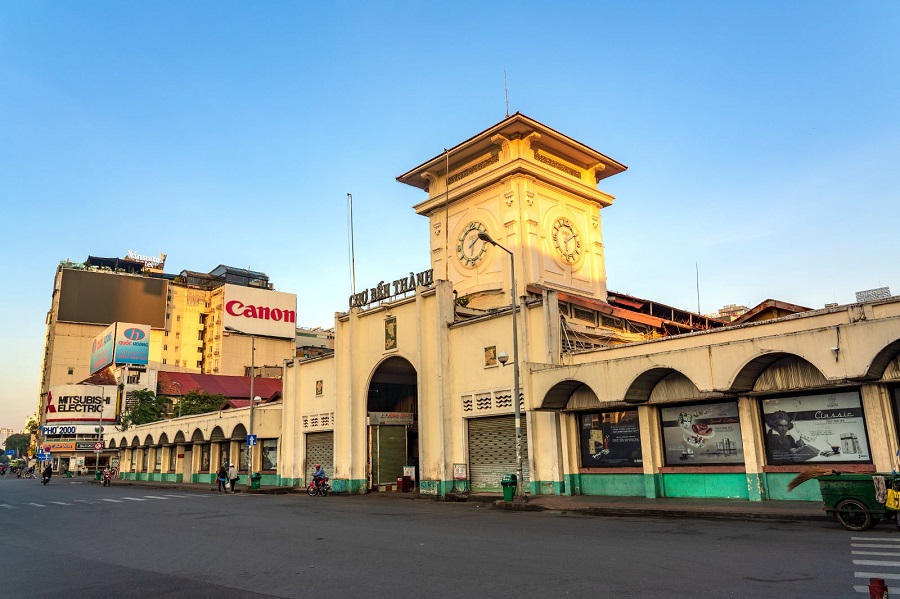
Discover Ho Chi Minh City (Saigon), Vietnam's vibrant heart! Explore war history, French architecture, bustling markets ...
View Board
Discover Brussels! Explore the Grand Place, Atomium, and vibrant culture. Plan your 2026 trip with our guide to tours, f...
View Board
Discover Tripoli, Libya's capital! Explore ancient Roman ruins, Ottoman architecture, and vibrant souks with our guide. ...
View Board
Embark on a historical and cultural journey in Dili, Timor-Leste! Explore landmarks, connect with locals, and uncover th...
View Board
Explore Yangon, Myanmar's largest city and former capital. Discover its rich history as a vital port, its stunning Shwed...
View Board
Discover Kazan, Russia's officially recognized 'third capital'! Explore its rich history, from the Kazan Khanate to mode...
View Board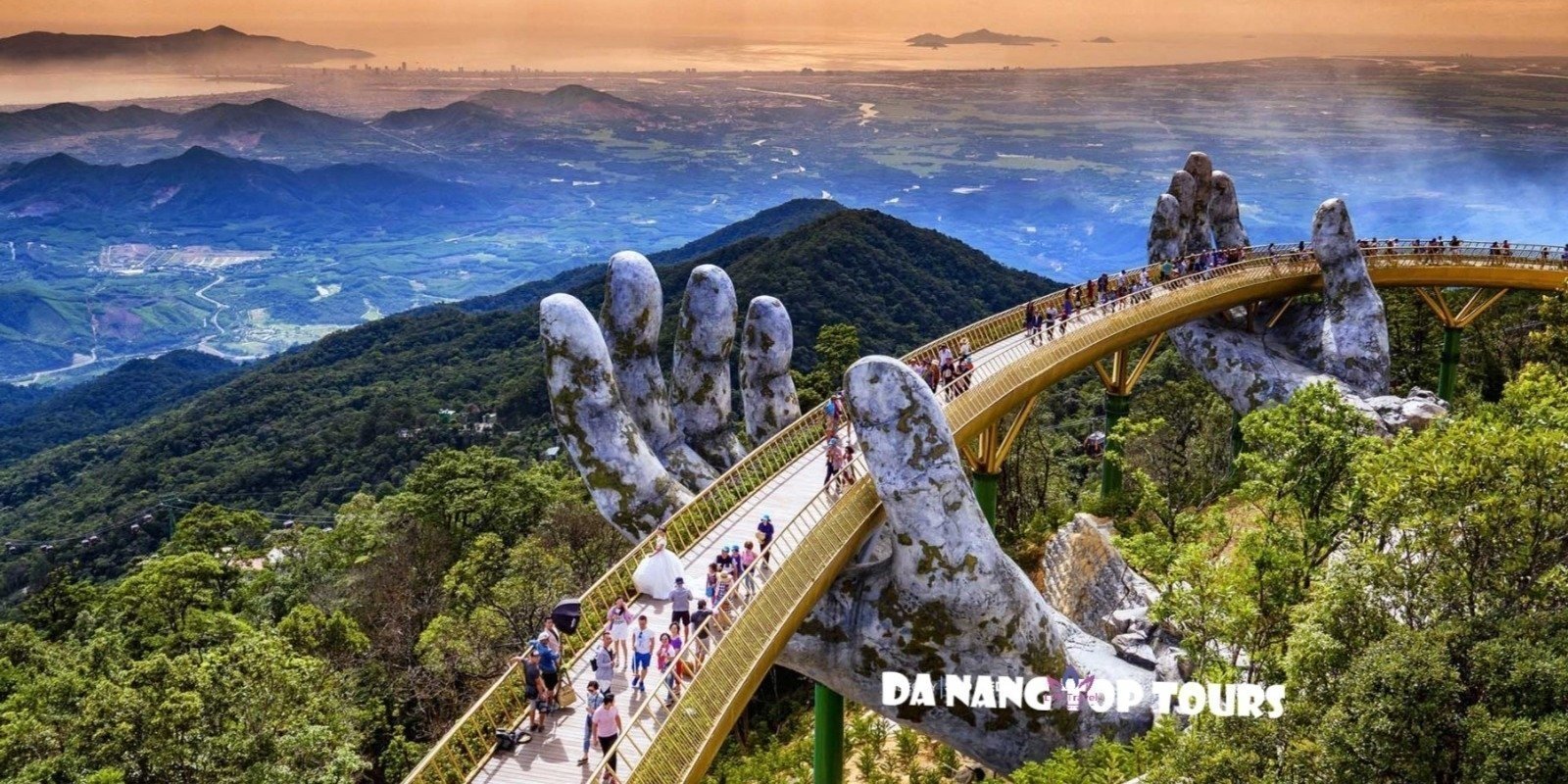
Discover Hanoi, Vietnam! Explore ancient temples, the Old Quarter, & modern sustainable upgrades. Plan your 2026 trip wi...
View Board
Discover Tehran, Iran's capital! Explore its history, economy, culture, and current challenges like water scarcity & pro...
View Board
Discover Santiago de Compostela, a timeless pilgrimage destination. Explore its history, traditions, and modern resurgen...
View Board
Explore Maputo, Mozambique! Uncover its rich history from a fishing village to a bustling capital. Discover culture, arc...
View Board
Tartu's Toome Hill shelters medieval ruins, a 17th-century university, and the Struve Arc—where Baltic power struggles f...
View Board
Explore Podgorica, Montenegro! Discover top attractions, hidden gems, culture, and travel tips in our essential guide to...
View Board
Explore Rijeka's rich history as Croatia's principal seaport. From Roman roots to Habsburg rule and a vibrant cultural s...
View Board
Journey through time in Aleppo, one of the world's oldest cities. Discover its rich history, iconic Citadel, Great Mosqu...
View Board
Discover Colombo, Sri Lanka! Explore its rich history, colonial architecture, diverse culture, and modern developments. ...
View Board
Explore Baghdad, the historic capital of Iraq. Discover its Golden Age, iconic architecture, vibrant culture, and ongoin...
View Board
Comments