Explore Any Narratives
Discover and contribute to detailed historical accounts and cultural stories. Share your knowledge and engage with enthusiasts worldwide.
Pierre-Simon Laplace, a towering figure in French mathematics and astronomy, revolutionized our understanding of the universe. Born in 1749 in Normandy, Laplace's contributions spanned celestial mechanics, probability theory, and mathematical physics. His work laid the groundwork for modern scientific disciplines, earning him the nickname "the French Newton."
Laplace's journey began in Beaumont-en-Auge, where his early aptitude for mathematics set him apart. By 1773, he was elected to the Académie des Sciences, a testament to his rapid rise in the scientific community. His early work focused on probability theory, culminating in his 1774 paper, Mémoire sur la probabilité des causes, which introduced Bayesian reasoning.
Laplace's magnum opus, the five-volume Traité de mécanique céleste (1799–1825), systematized celestial mechanics. He proved the long-term stability of planetary motions, addressing a major challenge of Newtonian physics. His nebular hypothesis proposed that the solar system formed from a rotating cloud of gas, a theory that influenced later models of planetary formation.
Laplace's hypothesis suggested that the sun and planets originated from a rotating nebula. This idea, though refined over time, remains a cornerstone of modern cosmology. His work provided a framework for understanding the formation of planetary systems, a topic still explored today.
In 1812, Laplace published Théorie analytique des probabilités, which transformed probability from ad-hoc methods into a rigorous analytical theory. His contributions to Bayesian inference and statistical reasoning are foundational in modern data analysis and machine learning.
Laplace is famously associated with scientific determinism, encapsulated in the thought experiment known as "Laplace’s demon." This idea posits that if an intelligence knew the precise location and momentum of every atom in the universe, it could predict the future with absolute certainty. While later developments in quantum mechanics and chaos theory have nuanced this view, Laplace's deterministic philosophy remains a pivotal concept in the history of science.
Laplace's influence extends beyond his lifetime. His name is immortalized in mathematical objects such as the Laplacian and Laplace transform, which are integral to engineering, physics, and mathematics curricula worldwide. Recent scholarly work continues to reassess his contributions, highlighting his role as a synthesizer of mathematical and scientific ideas.
In the 2020s, there has been a resurgence of interest in Laplace's work. Online biographies, course materials, and museum exhibits have revisited his original manuscripts, translating his probabilistic arguments into modern notation. This revival underscores the enduring relevance of his ideas in contemporary probability theory and celestial mechanics.
Pierre-Simon Laplace's contributions to mathematics, astronomy, and probability theory have left an indelible mark on science. His work not only advanced our understanding of the universe but also provided tools and frameworks that continue to shape modern scientific inquiry. As we delve deeper into his life and achievements in the subsequent parts of this article, we will explore the nuances of his scientific methods and the broader implications of his philosophical ideas.
Pierre-Simon Laplace was not only a scientific luminary but also a prominent figure in French political and academic circles. His career spanned the tumultuous periods of the French Revolution and the Napoleonic era, during which he held significant positions that allowed him to shape France's scientific landscape.
Laplace played a crucial role in the establishment and promotion of scientific institutions in France. He was instrumental in the development of the metric system, which standardized measurements and facilitated scientific and commercial exchanges. His efforts in educational reform helped modernize French academia, ensuring that scientific advancements were integrated into the national curriculum.
Throughout his career, Laplace engaged in numerous scientific debates and collaborations that shaped his theories and methodologies. His interactions with contemporaries such as Joseph-Louis Lagrange and Adrien-Marie Legendre were pivotal in advancing his work.
Laplace's theories were not without controversy. His nebular hypothesis faced skepticism from some contemporaries who favored alternative explanations for the formation of the solar system. Additionally, his deterministic views were later challenged by advancements in quantum mechanics and chaos theory, which introduced elements of unpredictability and randomness.
"What we know is very little, and what we do not know is immense." — Pierre-Simon Laplace
The legacy of Pierre-Simon Laplace extends far beyond his lifetime, influencing numerous fields in modern science and technology. His theoretical contributions have found practical applications in various disciplines, from engineering to artificial intelligence.
Laplace's contributions to probability theory have had a lasting impact on statistics and data science. His development of Bayesian inference is now a cornerstone of machine learning and artificial intelligence. Modern algorithms for predictive modeling and data analysis owe much to his pioneering work.
Laplace's theories and methods are integral to modern educational curricula. His work is taught in mathematics, physics, and engineering programs worldwide. Textbooks on differential equations, probability, and celestial mechanics frequently reference his contributions, ensuring that new generations of scientists and engineers are familiar with his ideas.
In recent years, historians and scientists have revisited Laplace's work, offering new perspectives on his contributions and legacy. These reassessments highlight the evolving understanding of his role in the development of modern science.
The digital age has brought renewed interest in Laplace's original manuscripts and theories. Online platforms and educational resources have made his work more accessible, allowing students and researchers to engage with his ideas in new ways. Translations of his probabilistic arguments into modern notation have facilitated a deeper understanding of his contributions to probability theory and celestial mechanics.
Laplace's name continues to resonate in public science communication. His nebular hypothesis and the concept of Laplace’s demon are frequently cited in discussions about cosmology and predictability. Popular science articles and documentaries often reference his work to illustrate the evolution of scientific thought.
As we have explored in this second part of the article, Pierre-Simon Laplace was not only a brilliant scientist but also a influential figure in French politics and academia. His collaborations and controversies shaped his theories, while his impact on modern science and technology continues to be felt today. Recent scholarly reassessments have provided new insights into his work, ensuring that his legacy remains relevant in the digital age.
In the final part of this article, we will delve into Laplace's personal life, his philosophical views, and the enduring influence of his ideas on contemporary scientific thought. We will also explore how his work is being preserved and promoted in the 21st century, ensuring that future generations continue to benefit from his groundbreaking contributions.
Pierre-Simon Laplace led a life marked by both scientific brilliance and personal resilience. Born into a modest family in Normandy, his rise to prominence was fueled by his relentless pursuit of knowledge and his ability to navigate the complex political landscape of his time.
Laplace's early education was shaped by his local school in Beaumont-en-Auge, where his exceptional mathematical abilities were first recognized. His journey to Paris at the age of 18 marked the beginning of his illustrious career. There, he quickly gained the attention of prominent mathematicians, securing a position at the École Militaire, where he taught mathematics to young officers.
Despite his demanding scientific and political commitments, Laplace maintained a close-knit family life. He married Marie-Charlotte de Courty de Romanges in 1788, and the couple had two children. His personal correspondence reveals a man deeply devoted to his family, providing a stark contrast to his public persona as a rigorous and sometimes austere scientist.
Laplace is perhaps best known for his philosophical stance on scientific determinism. His famous thought experiment, "Laplace’s demon," posits that if an intelligence knew the precise location and momentum of every atom in the universe, it could predict the future with absolute certainty. This idea, though later challenged by quantum mechanics and chaos theory, remains a cornerstone in discussions about predictability and free will.
"We may regard the present state of the universe as the effect of its past and the cause of its future." — Pierre-Simon Laplace
The preservation of Laplace’s legacy is a testament to his enduring influence on science and education. Various initiatives and institutions continue to promote his work, ensuring that his contributions remain accessible and relevant.
Educational institutions worldwide continue to teach Laplace’s theories as part of their mathematics, physics, and engineering curricula. Initiatives such as:
To honor Laplace’s contributions, various events and publications are regularly organized:
The ideas and methodologies developed by Pierre-Simon Laplace continue to shape contemporary scientific thought. His work has found applications in diverse fields, from artificial intelligence to quantum physics.
Laplace’s contributions to probability theory and Bayesian inference are fundamental to modern machine learning algorithms. Techniques such as Bayesian networks and Markov chain Monte Carlo methods rely on principles that Laplace helped establish. These methods are crucial for:
While Laplace’s deterministic views have been challenged by quantum mechanics, his work remains a critical reference point. The contrast between Laplace’s determinism and the probabilistic nature of quantum physics highlights the evolution of scientific thought. Additionally, chaos theory—which explores the unpredictability of complex systems—offers a nuanced perspective on Laplace’s ideas, showing how small variations can lead to vastly different outcomes.
Laplace’s theories on celestial mechanics continue to inform modern astronomy and space exploration. His work on the stability of planetary orbits is essential for:
Pierre-Simon Laplace stands as one of the most influential scientists in history, with a legacy that spans mathematics, astronomy, physics, and probability theory. His groundbreaking work laid the foundations for numerous scientific disciplines and continues to inspire researchers and educators worldwide.
As we reflect on Laplace’s extraordinary life and achievements, it is clear that his influence extends far beyond his time. His ability to synthesize complex ideas and his relentless pursuit of knowledge have left an indelible mark on science. In an era where technology and discovery advance at an unprecedented pace, the principles and methodologies developed by Laplace remain as relevant as ever. His legacy serves as a reminder of the power of curiosity and the enduring impact of scientific inquiry.
In celebrating Pierre-Simon Laplace, we honor not just a scientist, but a visionary whose ideas continue to illuminate the path of human understanding. As future generations build upon his work, Laplace’s contributions will undoubtedly remain a cornerstone of scientific progress, inspiring innovation and discovery for centuries to come.
Your personal space to curate, organize, and share knowledge with the world.
Discover and contribute to detailed historical accounts and cultural stories. Share your knowledge and engage with enthusiasts worldwide.
Connect with others who share your interests. Create and participate in themed boards about any topic you have in mind.
Contribute your knowledge and insights. Create engaging content and participate in meaningful discussions across multiple languages.
Already have an account? Sign in here

Discover how Pierre-Simon Laplace revolutionized science with his groundbreaking work in mathematics, astronomy, and pro...
View Board
**Meta Description:** Explore the life and legacy of Pierre-Simon Laplace, the visionary mathematician who shaped cele...
View Board
Discover the transformative journey of Sir Isaac Newton, the prodigious mind who redefined science with groundbreaking t...
View Board
Émile Borel: A Pioneering Mathematician and Physicist The Early Life and Education of Émile Borel Émile Borel, born on...
View Board
André-Marie Ampère: A Pioneer in the History of Electricity The Early Life and Education André-Marie Ampère, often rega...
View Board
Explore the life and groundbreaking innovations of Jean-Baptiste Joseph Fourier, the French mathematician and physicist ...
View Board
Discover the enduring legacy of Jean-Baptiste Biot, a remarkable polymath at the crossroads of Enlightenment and 19th-ce...
View Board
"Explore Henri Poincaré's groundbreaking work in math, physics, and philosophy, shaping modern science through chaos the...
View Board
Scopri la vita e le rivoluzionarie scoperte di Pierre-Simon Laplace, il genio che plasmò la matematica, l'astronomia e l...
View Board
"Explore Sir Roger Penrose's Nobel-winning black hole theories and quantum gravity legacy. Discover his revolutionary ph...
View Board
Explore the life and legacy of Evangelista Torricelli, the 17th-century Italian physicist whose invention of the baromet...
View Board
Jean Baptiste Joseph Delambre: A Life of Astronomical Pursuits The Early Life and Education Jean Baptiste Joseph Delam...
View Board
Scopri come Galileo Galilei rivoluzionò la scienza con il metodo sperimentale, le sue scoperte astronomiche e l'eredità ...
View Board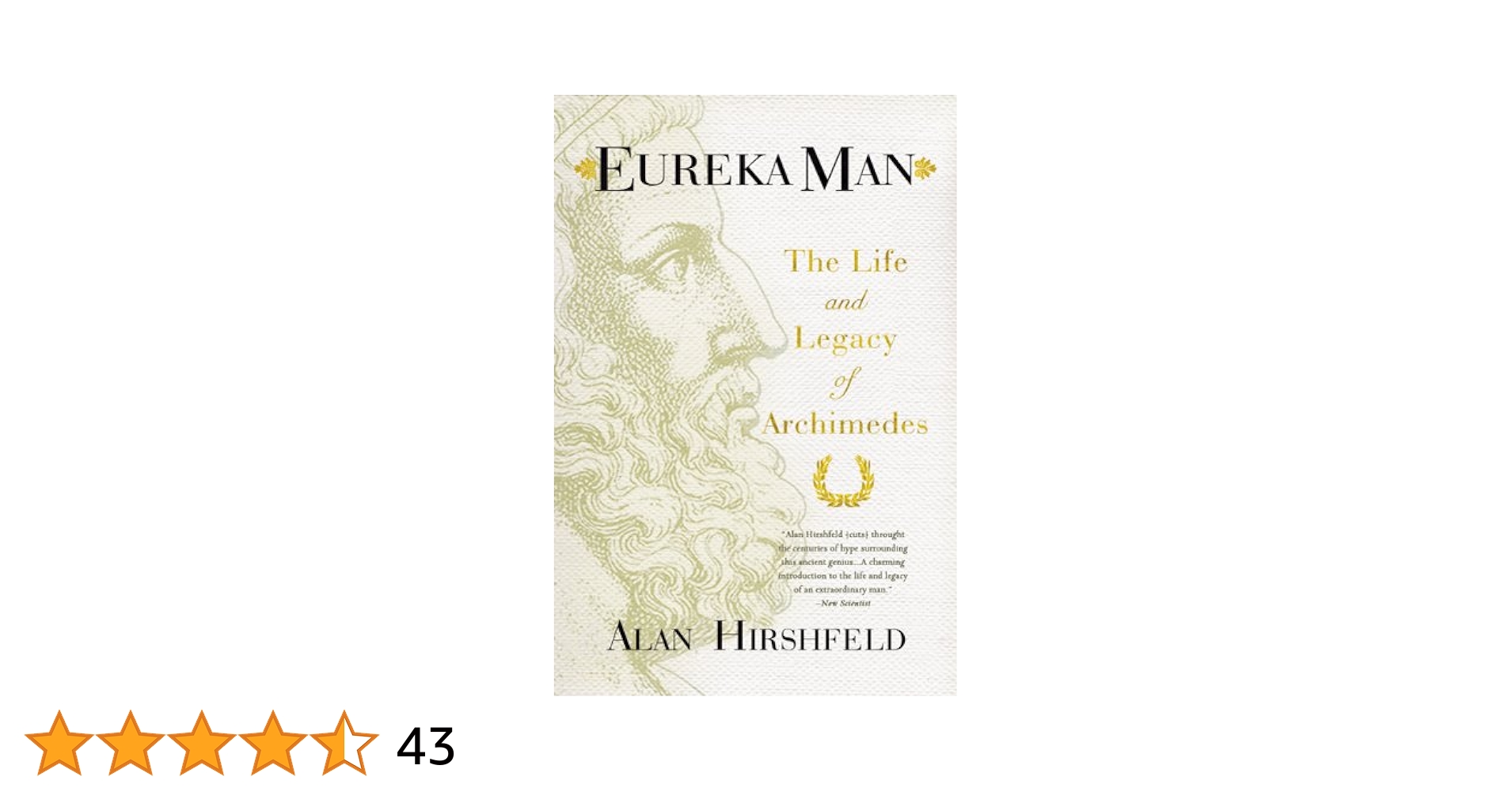
Archimedes, the genius of ancient Greece, revolutionized mathematics, physics, and engineering with discoveries like pi,...
View Board
Discover how Isaac Newton revolutionized science with his laws of motion, universal gravitation, and optics. Explore his...
View Board
Explore the life of Galileo Galilei, the pioneering scientist who revolutionized our understanding of the universe. Delv...
View Board
Galileo Galilei: The Pioneer of Science and Chronology Galileo Galilei, often hailed as the father of modern science, r...
View Board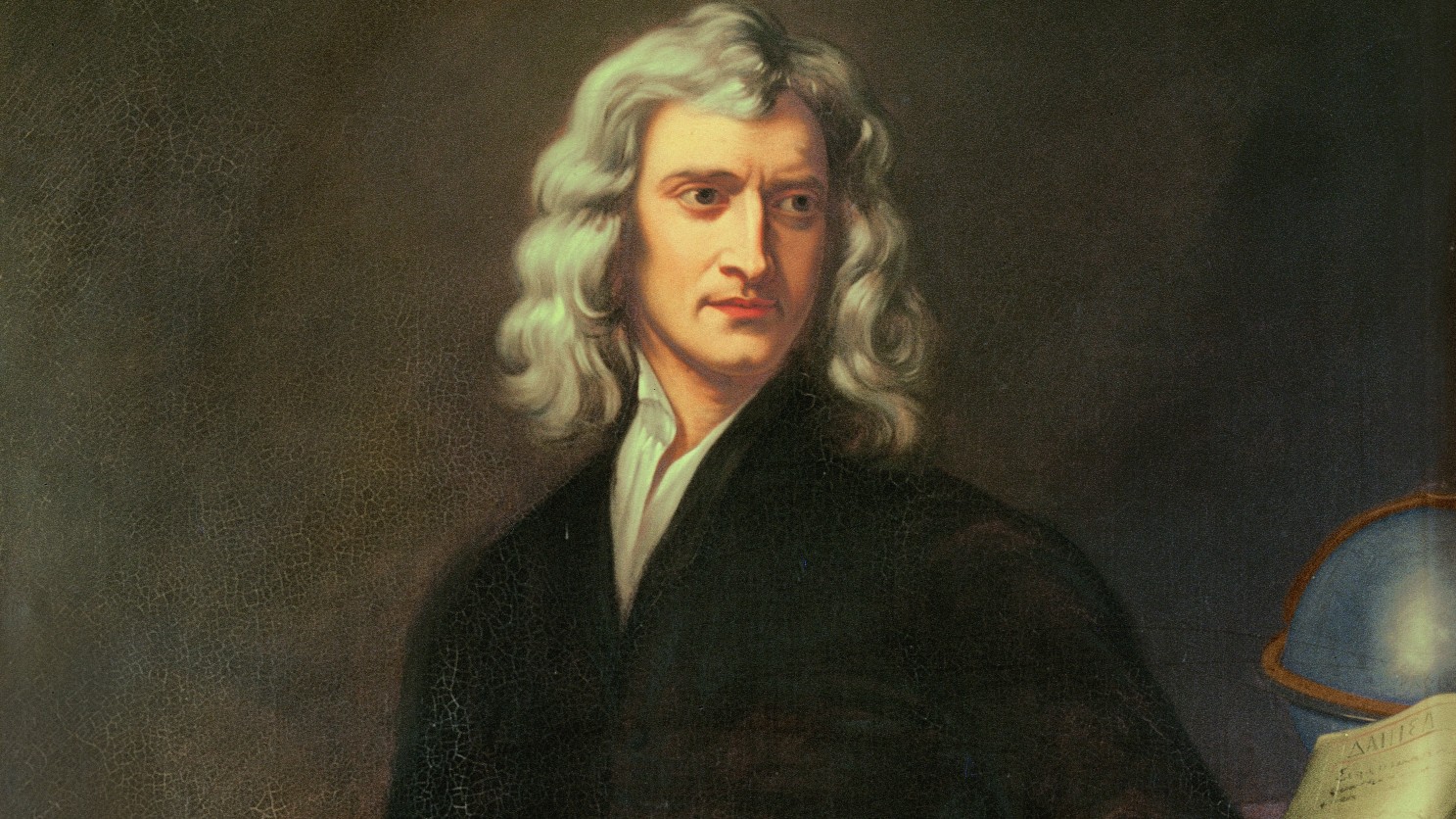
Isaac Newton was a pioneering scientist whose laws of motion and universal gravitation revolutionized our understanding ...
View Board
**Meta Description:** Discover Carl Linnaeus, the "Father of Taxonomy," whose binomial nomenclature revolutionized bio...
View Board
"Explore Immanuel Kant's cosmological theories, like the nebular hypothesis, that shaped astronomy and philosophy. Disco...
View Board
Comments