Explore Any Narratives
Discover and contribute to detailed historical accounts and cultural stories. Share your knowledge and engage with enthusiasts worldwide.
Immanuel Kant, a towering figure in philosophy, made foundational contributions to cosmology that continue to influence modern astronomy and theoretical physics. While his work predates quantum theory, his insights into the nature of the universe, space, and time remain profoundly relevant. This article explores Kant's groundbreaking ideas, from the nebular hypothesis to his cosmological antinomies, and their enduring impact on science and philosophy.
Born in 1724 in Königsberg, Prussia, Immanuel Kant grew up in a modest household. His early education was steeped in classical philosophy and the natural sciences, setting the stage for his later contributions. Kant's intellectual journey began with a deep immersion in the works of Newton and Leibniz, whose ideas would profoundly shape his cosmological theories.
Kant's academic pursuits at the University of Königsberg exposed him to a broad range of disciplines, including physics, mathematics, and metaphysics. His early works reflect a synthesis of Newtonian mechanics and Leibnizian metaphysics, which he would later critique and expand upon in his own philosophical system.
During his pre-critical period (1747–1770), Kant focused on natural philosophy, laying the groundwork for his cosmological theories. His 1755 work, Universal Natural History and Theory of the Heavens, introduced the nebular hypothesis, a revolutionary idea that proposed the Solar System formed from a rotating cloud of gas and dust.
Kant's nebular hypothesis was a bold departure from the prevailing static view of the universe. He suggested that the Solar System originated from a primordial nebula, a vast cloud of gas and dust that collapsed under its own gravity. This theory not only explained the formation of planets but also anticipated the existence of other galaxies.
Kant's nebular hypothesis has been largely validated by modern astronomy. Observations from the Herschel Space Observatory and the Gaia mission have confirmed the Milky Way's structure as a rotating disk of stars. Additionally, the discovery of exoplanets and their formation processes aligns closely with Kant's predictions.
In his 1781 masterpiece, Critique of Pure Reason, Kant introduced the concept of cosmological antinomies. These are contradictions that arise when reason attempts to comprehend the totality of the universe. Kant identified four key antinomies, each presenting a thesis and an antithesis that seem equally plausible yet mutually exclusive.
Kant resolved these antinomies through his theory of transcendental idealism. He argued that space and time are not properties of the universe itself but are instead forms of human intuition. This perspective allows for empirical knowledge of the world while acknowledging the limits of human reason in comprehending the universe's totality.
Beyond the nebular hypothesis and cosmological antinomies, Kant made several other innovative contributions to cosmology. His early works explored the relationship between spacetime and momentum-energy, suggesting that matter could be understood as energy bubbles—a concept that echoes modern superstring theory.
In his 1747 work, Kant linked spacetime to momentum-energy reciprocity, a idea that foreshadowed later developments in theoretical physics. This connection between space, time, and energy laid the groundwork for more complex theories of the universe's structure and dynamics.
Kant's suggestion that matter could be understood as energy bubbles is particularly intriguing. This concept resonates with modern theories of quantum fields and superstring theory, where fundamental particles are seen as vibrations in higher-dimensional spaces.
Immanuel Kant's contributions to cosmology and theoretical physics are both profound and far-reaching. From his revolutionary nebular hypothesis to his exploration of cosmological antinomies, Kant's ideas have shaped our understanding of the universe. In the next part of this article, we will delve deeper into Kant's later works and their impact on modern science and philosophy.
Kant’s critical period, marked by the publication of the Critique of Pure Reason in 1781, represented a profound shift in his philosophical approach. During this time, he developed transcendental idealism, a framework that redefined the boundaries of human knowledge and reshaped cosmological thought. This section explores how Kant’s critical philosophy influenced his views on the universe and its limits.
In the Critique of Pure Reason, Kant critiqued traditional rational cosmology, arguing that human reason is inherently limited when attempting to grasp the totality of the universe. He demonstrated that certain questions—such as whether the world has a beginning or is infinite—lead to antinomies, or irreconcilable contradictions. These antinomies arise because human reason seeks absolute knowledge, yet our cognitive faculties are constrained by the structures of space and time.
Kant’s solution was to distinguish between phenomena (the world as we experience it) and noumena (the world as it is in itself). This distinction allowed him to argue that while we can gain empirical knowledge of the universe, we cannot achieve determinate knowledge of its ultimate nature.
Central to Kant’s critical philosophy is the idea that space and time are not objective realities but rather forms of human intuition. This means that our perception of the universe is shaped by the way our minds structure experience. Kant’s transcendental idealism thus places limits on what we can know about the cosmos while still allowing for scientific inquiry.
This perspective had a profound impact on cosmology, as it shifted the focus from speculative metaphysics to empirical observation. Kant’s approach paved the way for modern scientific cosmology, which relies on observational data rather than purely theoretical speculation.
In his later years, Kant worked on the Opus Postumum, an unfinished manuscript that sought to unify his philosophical system. This work represents Kant’s attempt to bridge the gap between physics, metaphysics, aesthetics, and ethics, offering a holistic view of the universe. Though incomplete, the Opus Postumum provides valuable insights into Kant’s evolving cosmological thought.
One of the key concepts in the Opus Postumum is the idea of a transition principle, which Kant envisioned as a way to connect the physical world with metaphysical realities. This principle was intended to resolve the dualism between phenomena and noumena, offering a more integrated understanding of the universe.
Kant’s exploration of this principle reflects his desire to create a cosmotheoros, or a comprehensive theory of the cosmos that synthesizes all aspects of human knowledge. While the Opus Postumum remains fragmentary, it underscores Kant’s commitment to a unified vision of reality.
In his late works, Kant also emphasized the holistic nature of the universe. He argued that the cosmos is not merely a collection of isolated objects but a dynamic, interconnected system. This holistic perspective anticipated modern theories of cosmic evolution and systems theory, which view the universe as a complex, evolving entity.
Kant’s holism extended to his views on biospherical dynamics, where he explored the relationship between living organisms and their environment. His ideas in this area foreshadowed later developments in ecology and environmental science.
Although Kant predates the development of quantum theory by over a century, his ideas have been reinterpreted in light of modern physics. Scholars have drawn parallels between Kant’s cosmological concepts and contemporary theories, highlighting his enduring relevance in scientific discourse.
Recent scholarship has revisited Kant’s functional cosmology, which emphasizes the dynamic and evolutionary nature of the universe. This approach aligns with modern observational cosmology, which relies on empirical data to understand the universe’s structure and history.
Key aspects of Kant’s functional cosmology include:
These principles resonate with contemporary cosmological models, such as the Big Bang theory and the study of dark matter and dark energy.
While Kant did not directly contribute to quantum theory, some of his ideas have been compared to modern quantum concepts. For example, his suggestion that matter could be understood as energy bubbles has been linked to theories of quantum fields and superstring theory.
Additionally, Kant’s exploration of the limits of human knowledge parallels the uncertainties inherent in quantum mechanics, where the observer’s role affects the observed phenomena. This connection underscores Kant’s foresight in recognizing the boundaries of human understanding.
Kant’s contributions to cosmology and philosophy have left a lasting legacy, influencing both scientific thought and philosophical inquiry. His ideas have shaped the way we understand the universe, from its origins to its fundamental structure.
Kant’s nebular hypothesis was a groundbreaking theory that transformed astronomy. By proposing that the Solar System formed from a rotating nebula, Kant challenged the static view of the universe and paved the way for modern theories of planetary formation. His ideas were later expanded by Pierre-Simon Laplace, whose own nebular model became widely accepted in the 19th century.
Today, Kant’s hypothesis is supported by observational evidence from telescopes and space missions. The discovery of exoplanets and the study of protoplanetary disks have confirmed many of his predictions, solidifying his place as a pioneer in cosmology.
Kant’s philosophical contributions extend beyond cosmology, influencing fields such as epistemology, ethics, and metaphysics. His theory of transcendental idealism reshaped the way philosophers approach questions of knowledge and reality, while his Categorical Imperative remains a cornerstone of moral philosophy.
In cosmology, Kant’s emphasis on the limits of human reason has encouraged a more humble and empirical approach to understanding the universe. His ideas continue to inspire philosophers and scientists alike, fostering a dialogue between speculative thought and empirical inquiry.
Despite his profound influence, Kant’s cosmological theories have not been without criticism. Some scholars have challenged his views on space, time, and the nature of the universe, arguing that his ideas are overly abstract or speculative. This section explores some of the key critiques and controversies surrounding Kant’s cosmology.
One of the most notable critiques of Kant’s cosmology is his rejection of cosmological proofs for the existence of God. In the Critique of Pure Reason, Kant argued that such proofs rely on flawed ontological arguments, which assume that existence is a predicate of being. This rejection has sparked debate among philosophers and theologians, with some viewing it as a limitation of Kant’s system.
However, Kant’s critique has also been praised for its rigor and clarity, as it highlights the dangers of speculative metaphysics. By emphasizing the limits of human reason, Kant encouraged a more cautious and empirical approach to cosmological questions.
Kant’s theory of transcendental idealism has also faced criticism, particularly from those who argue that it leads to a form of solipsism or subjective idealism. Critics contend that by treating space and time as mere forms of intuition, Kant undermines the objective reality of the external world.
In response, defenders of Kant’s philosophy argue that transcendental idealism does not deny the existence of an external world but rather seeks to explain how we perceive and understand it. This debate continues to shape discussions in metaphysics and the philosophy of science.
Immanuel Kant’s contributions to cosmology and philosophy are both vast and enduring. From his revolutionary nebular hypothesis to his exploration of cosmological antinomies, Kant’s ideas have shaped our understanding of the universe and the limits of human knowledge. In the final part of this article, we will examine Kant’s lasting impact on modern science and philosophy, as well as the ongoing debates surrounding his cosmological theories.
Immanuel Kant’s influence extends far beyond his own era, shaping the trajectory of modern cosmology, astronomy, and theoretical physics. His ideas laid the groundwork for many scientific advancements, from the understanding of galactic structures to the philosophical underpinnings of quantum mechanics. This section explores how Kant’s theories continue to resonate in contemporary scientific thought.
Kant’s nebular hypothesis, proposed in 1755, was a radical departure from the static models of the universe prevalent at the time. His theory that the Solar System formed from a rotating cloud of gas and dust was later expanded by Pierre-Simon Laplace and has since been validated by modern astronomical observations.
Today, telescopes like the Hubble Space Telescope and the James Webb Space Telescope have provided stunning images of nebulae and protoplanetary disks, confirming Kant’s vision of a dynamic, evolving universe. The discovery of exoplanets—planets orbiting stars outside our Solar System—further supports his hypothesis, as many of these systems exhibit the same formation processes Kant described.
One of Kant’s most prescient ideas was his suggestion that the Milky Way is just one of many galaxies in the universe. In Universal Natural History and Theory of the Heavens, he proposed that distant "nebulae" observed in the night sky were actually separate island universes, a concept that was not widely accepted until the 20th century.
The confirmation of this idea came in 1924 when Edwin Hubble demonstrated that the Andromeda Nebula was indeed a separate galaxy. This discovery revolutionized astronomy and solidified Kant’s reputation as a visionary thinker. Today, we know that the universe contains over 100 billion galaxies, each with billions of stars, a testament to Kant’s foresight.
While Kant predates the development of quantum theory, his philosophical insights have been reinterpreted in light of modern physics. His exploration of the limits of human knowledge and the nature of reality provides a useful framework for understanding the uncertainties and paradoxes inherent in quantum mechanics.
One of the most intriguing connections between Kant’s philosophy and quantum theory is the concept of the observer effect. In quantum mechanics, the act of observation can influence the behavior of particles, a phenomenon that challenges classical notions of objectivity.
Kant’s transcendental idealism, which posits that our perception of reality is shaped by the structures of human cognition, offers a philosophical parallel to this idea. Just as quantum mechanics suggests that observation affects reality, Kant argued that our understanding of the universe is mediated by the forms of space and time.
Kant’s suggestion that matter could be understood as energy bubbles has drawn comparisons to modern theories of particle physics. In his 1756 work, he speculated that fundamental particles might be dynamic entities rather than static objects, an idea that resonates with contemporary models of quantum fields and superstring theory.
While Kant’s concept of energy bubbles is not a direct precursor to these theories, it reflects his intuitive grasp of the dynamic nature of matter. Today, physicists study quantum fluctuations and virtual particles, which emerge and disappear in the fabric of spacetime, echoing Kant’s early insights.
Kant’s cosmological theories continue to inform contemporary debates in philosophy and science. His ideas about the nature of the universe, the limits of human knowledge, and the interplay between observation and reality remain relevant in discussions about the origins and structure of the cosmos.
Kant’s cosmological antinomies highlight the inherent contradictions that arise when human reason attempts to comprehend the totality of the universe. These antinomies remain pertinent in modern cosmology, where questions about the beginning of time, the infinite nature of space, and the ultimate fate of the universe continue to challenge scientists and philosophers.
For example, the debate between the Big Bang theory and alternative models of the universe’s origin reflects Kant’s first antinomy: whether the world has a beginning or is infinite. While the Big Bang theory provides a framework for understanding the universe’s early moments, it also raises questions about what, if anything, preceded it—a question that Kant would argue lies beyond the limits of human reason.
Kant’s emphasis on functional cosmology, which prioritizes empirical observation and natural laws, aligns with the methodologies of modern astronomy. Today, cosmologists rely on data from telescopes, satellites, and particle accelerators to test theories about the universe’s structure and evolution.
This empirical approach has led to groundbreaking discoveries, such as the accelerating expansion of the universe and the existence of dark matter and dark energy. Kant’s insistence on the importance of observation over pure speculation has thus become a cornerstone of contemporary cosmological research.
Throughout his career, Kant was a vocal critic of metaphysical speculation, arguing that many traditional philosophical questions—such as the existence of God or the nature of the soul—lie beyond the reach of human reason. His critique has had a lasting impact on both philosophy and science, encouraging a more rigorous and empirical approach to understanding the universe.
One of Kant’s most significant critiques was his rejection of the cosmological argument for the existence of God. In the Critique of Pure Reason, he argued that such arguments rely on flawed assumptions about the nature of causality and existence. This critique has influenced both theological and philosophical debates, prompting a reevaluation of traditional proofs for the divine.
Kant’s position has been both praised and criticized. Supporters argue that his critique exposes the limitations of human reasoning, while detractors contend that it undermines the possibility of metaphysical knowledge. Regardless, Kant’s challenge to the cosmological argument remains a pivotal moment in the history of philosophy.
Kant’s exploration of the limits of human knowledge has had a profound impact on epistemology, the branch of philosophy concerned with the nature and scope of knowledge. By arguing that certain questions—such as the ultimate nature of reality—are unanswerable, Kant encouraged a more humble and cautious approach to philosophical inquiry.
This perspective has influenced modern discussions about the boundaries of science, particularly in fields like quantum mechanics and cosmology, where the nature of reality itself is often called into question. Kant’s insistence on recognizing these limits has fostered a more nuanced and reflective approach to scientific and philosophical exploration.
Immanuel Kant’s contributions to cosmology, philosophy, and theoretical physics are both profound and far-reaching. From his revolutionary nebular hypothesis to his exploration of cosmological antinomies, Kant’s ideas have shaped our understanding of the universe and the limits of human knowledge. His emphasis on empirical observation, his critique of metaphysical speculation, and his insights into the dynamic nature of reality continue to influence contemporary science and philosophy.
As science and philosophy continue to evolve, Kant’s ideas remain a vital part of the conversation. His insights into the nature of the universe, the role of observation, and the limits of human reason provide a valuable framework for addressing the complex questions that arise in modern cosmology and quantum theory.
Whether through the study of dark matter, the exploration of quantum fields, or the philosophical debates about the nature of reality, Kant’s legacy endures. His work reminds us that while the universe may be vast and mysterious, our pursuit of knowledge—grounded in both empirical observation and philosophical reflection—remains one of humanity’s greatest endeavors.
In the words of Kant himself,
"Two things fill the mind with ever new and increasing admiration and awe: the starry heavens above me and the moral law within me."This sentiment captures the essence of his cosmological vision—a vision that continues to inspire and challenge us as we seek to understand our place in the cosmos.
Your personal space to curate, organize, and share knowledge with the world.
Discover and contribute to detailed historical accounts and cultural stories. Share your knowledge and engage with enthusiasts worldwide.
Connect with others who share your interests. Create and participate in themed boards about any topic you have in mind.
Contribute your knowledge and insights. Create engaging content and participate in meaningful discussions across multiple languages.
Already have an account? Sign in here

Anaximenes of Miletus was a pre-Socratic philosopher who contributed to natural philosophy, metaphysics and empirical sc...
View Board
Explore the impactful life of Auguste Comte, the father of sociology and pioneer of positivism, whose visionary ideas la...
View Board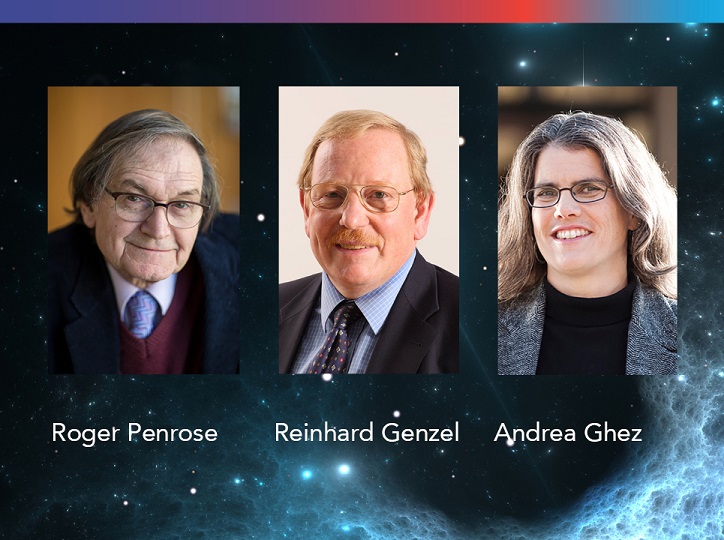
Explore Roger Penrose's groundbreaking contributions to physics, black holes, quantum consciousness, and aperiodic tilin...
View Board
**Meta Description:** Explore the life and legacy of Pierre-Simon Laplace, the visionary mathematician who shaped cele...
View Board
Aristotle: The Father of Western Philosophy Aristotle, born in 384 BCE in the Macedonian city of Stagira, was a polymat...
View Board
Discover the enduring legacy of Philolaus, a visionary Pre-Socratic philosopher who transformed ancient Greek philosophy...
View Board
Explore the groundbreaking ideas of Anaxagoras, the pre-Socratic philosopher who revolutionized ancient Greek thought by...
View Board
George Gamow: The Unbelievable Journey of a Theoretical Physicist and Cosmologist The Enigmatic Man Behind the Cosmic B...
View Board
Explore the remarkable legacy of Subrahmanyan Chandrasekhar, the astrophysics luminary who revolutionized our understand...
View Board
Explore the incredible legacy of Arthur Eddington, a pioneering figure in astrophysics and cosmology, who brilliantly br...
View Board
Discover the inspiring journey of Stephen Hawking in this comprehensive article. From his pioneering work on black holes...
View Board
"Explore Sir Roger Penrose's Nobel-winning black hole theories and quantum gravity legacy. Discover his revolutionary ph...
View Board
Delve into Anaximander's cosmology, the boundless apeiron, and his pioneering scientific theories. Explore his profound ...
View Board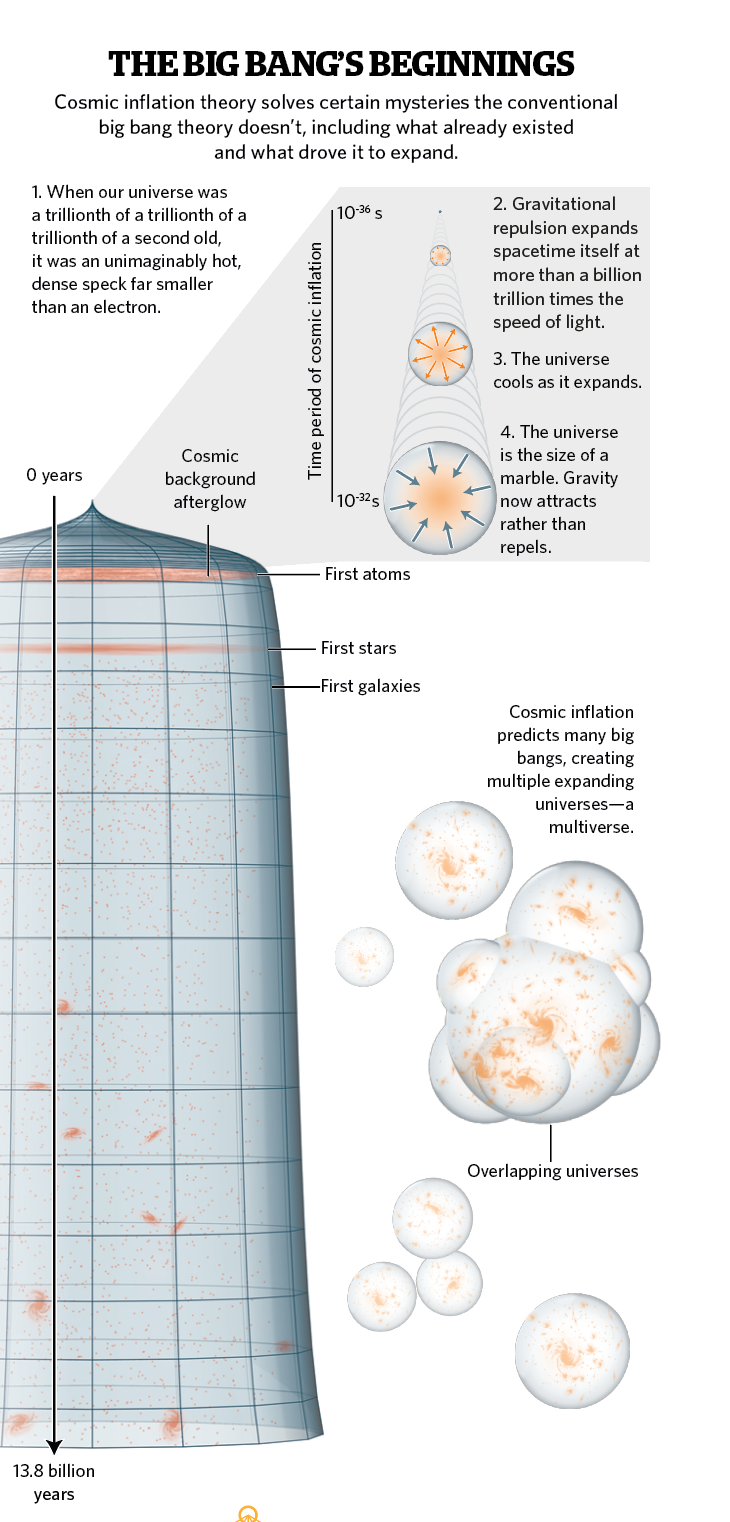
Discover how Alan Guth, a renowned physicist, revolutionized cosmology with his groundbreaking theory of cosmic inflatio...
View Board
Arthur Eddington: Pioneering Relativity and Stellar Science Arthur Stanley Eddington stands as one of the most influenti...
View Board
"Discover Pierre-Simon Laplace's legacy: the 'French Newton' who revolutionized math, astronomy & probability. Learn his...
View Board
Discover the life and legacy of Meton of Athens, the 5th-century BC astronomer whose groundbreaking Metonic cycle revolu...
View Board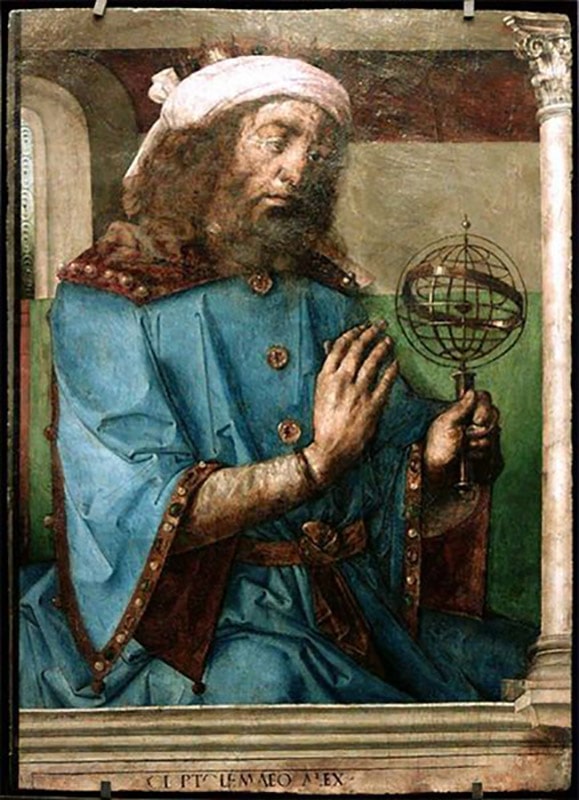
Discover how Claudius Ptolemy revolutionized astronomy with his geocentric model and the Almagest. Explore his enduring ...
View BoardDiscover Antonio de Ulloa, a pioneering Spanish scientist of the Enlightenment era, whose groundbreaking contributions t...
View Board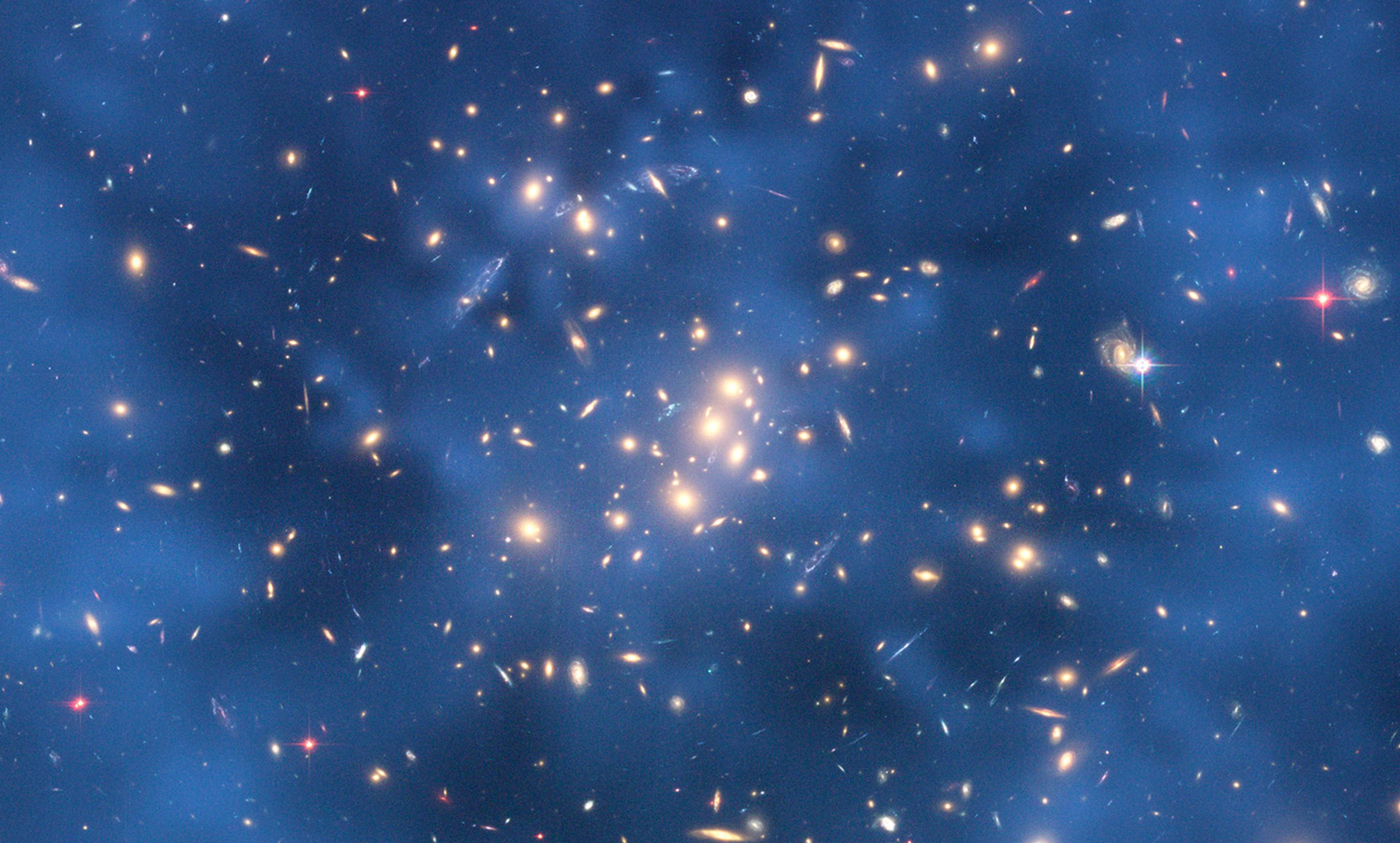
**Meta Description:** Discover Vera Rubin's groundbreaking work on dark matter, which revolutionized cosmology. Learn ...
View Board
Comments