Baba Ali: The Legendary Sufi Saint and His Spiritual Legacy
The Enigmatic Beginnings
A Mysterious Birth and Early Days
In the mystical lands of Persia, nestled amidst the rolling hills and lush valleys of the Zagros Mountains, tales of a man named Baba Ali have flourished for centuries. His story starts in a remote village, where he was born under mysterious circumstances. Legend has it that his mother carried him precociously within her womb for only nine months before giving birth. This unique occurrence immediately caught the attention of the local community who whispered of divine intervention.
Baba Ali's early years were shrouded in mystery, much like his origins. Stories speak of his extraordinary innocence and wisdom beyond his years. It is said that when he reached the age of three, he could converse with animals and comprehend their languages. As a young boy, Baba Ali would often disappear into the dense forests of the region, returning weeks later with tales of mystical encounters and spiritual revelations.
H3: A Wanderer in Search of Enlightenment
From a tender age, Baba Ali showed a deep desire to seek enlightenment through spiritual and physical journeys. He embarked on numerous quests, traversing the vast expanses of the Middle East, visiting holy sites, and seeking out wise sages and ascetics. His travels took him as far as the holy cities of Mecca and Jerusalem, where he immersed himself in religious texts and practiced meditation.
Baba Ali's wanderings were not random; each destination had a specific purpose. At one of these holy sites, he encountered a group of wandering dervishes, whose ecstatic dances and spiritual poetry resonated deeply with him. Entranced by their zeal, he decided to join their ranks, adopting the traditional garb of the dervishes and embracing the path of Sufism – a mystic tradition within Islam focused on direct experience of God.
The Pillars of Baba Ali’s Teachings
A Devoted Adherent of Islamic Doctrine
Throughout his life, Baba Ali remained steadfast in his adherence to Islamic doctrine while also delving into the esoteric and mystical aspects of faith. He propagated the message of Sufism with a blend of simplicity and profundity, emphasizing the importance of love, self-discipline, and submission to God's will. His teachings attracted followers from diverse backgrounds, including scholars, merchants, soldiers, and common people seeking spiritual fulfillment.
One of the central tenets of Baba Ali’s teachings was the concept of tawhid, or the unity of all things. He believed that beneath the surface level differences, all beings are interconnected in a greater web of existence. This belief fostered a sense of inclusiveness and respect for diversity, challenging the rigid dogmas prevalent at the time. Baba Ali encouraged his followers to engage in dhikr, or remembrance of God, through rhythmic dancing, chanting, and meditation.
The Power of Love and Compassion
Baba Ali stressed the power of love and compassion in every aspect of life. He taught that love was the most potent force capable of transforming hearts and souls. Through his actions and teachings, Baba Ali embodied this principle, often engaging in acts of charity and serving the less fortunate. Stories abound of how he provided food and shelter to the destitute, healed the sick using both material and spiritual means, and listened without judgment to the woes of those who sought solace.
His compassion extended beyond the material world; he believed in healing the spiritual ailments of his followers. He taught that forgiveness was a cornerstone of personal and communal harmony, advocating for kindness and understanding in resolving conflicts. Baba Ali’s teachings emphasized that true happiness could be found by focusing on the inner rather than outer beauty, urging people to look beyond superficial appearances and uncover the essence within themselves.
Ethical Living and Moral Integrity
While promoting divine love and compassion, Baba Ali also maintained a strong focus on ethical living and moral integrity. He believed that leading a virtuous life was essential for achieving higher spiritual states. He exhorted his disciples to lead lives of honesty, humility, and purity of intention. His teachings included practical advice on maintaining integrity in everyday actions—being truthful, staying committed to promises, and avoiding harm to others.
In a society marked by corruption and deceit, Baba Ali’s emphasis on moral conduct provided a beacon of guidance. He often spoke against greed, hypocrisy, and materialism, encouraging people to live simply and contentedly. He believed that a person could achieve a deeper connection with God by being mindful of their actions and intentions, emphasizing the importance of doing good deeds without expecting reward or recognition.
Throughout his life, Baba Ali lived according to these principles, setting an example for his followers with his own exemplary behavior. His humility and dedication inspired many to follow his path, believing that by adhering to these values, they too could attain a greater sense of purpose and fulfillment in life.
The Spiritual Teachings and Practices of Baba Ali
The Art of Dhikr
Dhikr, one of the most important practices in Sufi tradition, holds a pivotal place in Baba Ali’s teachings. Dhikr involves rhythmic chanting of phrases or words, often the name of Allah or a phrase from the Quran, to invoke divine presence and foster spiritual connection. Baba Ali emphasized that dhikr was not just a ritual, but a means to purify the heart and mind from distractions and ego.
He taught that dhikr should be performed with full concentration and without haste, allowing oneself to be fully immersed in the act. Through consistent dhikr, practitioners believed that they could achieve a state of dhawq, or spiritual taste, where they could experience the presence of God directly. Baba Ali often led dhikr sessions in the open air, under the stars, or in serene natural settings, believing that the natural environment itself could add to the spiritual experience.
The Role of Fikr
In addition to dhikr, Baba Ali also introduced the practice of fikr, which involves focused contemplation on divine attributes or concepts. Fikr helps practitioners to transcend their ordinary state of consciousness and enter a higher realm of awareness. He taught that through fikr, one could achieve greater understanding of the nature of God and the underlying truth of the universe.
Baba Ali often guided his followers in performing fikr through specific meditations, such as imagining the vast expanse of the universe or contemplating the beauty and complexity of creation. He encouraged them to use their imagination as a tool to explore the infinite possibilities of the divine. Fikr, when combined with dhikr, provided a holistic approach to spiritual growth, offering both a means to invoke divine presence and a method to deepen one’s understanding of the divine.
The Significance of Zakat
Zakat, the third pillar of Islam, holds a special place in Baba Ali’s teachings. He emphasized that the act of giving to the needy was not merely about charity but an act of love and submission to God's will. He believed that through the practice of zakat, Muslims could purify their wealth and ensure that it was distributed justly and equitably.
Baba Ali taught that zakat should be performed with sincerity and without expectation of returns. He encouraged his followers to give generously not only to the poor but also to projects that benefited the community as a whole. He often conducted collective zakat ceremonies, where followers would bring their contributions and distribute them among the needy, thus reinforcing the principles of generosity and selflessness.
He also emphasized the importance of secret charity, or sadaqah jariyah, where good deeds continue to benefit others even after the donor is no longer alive. He often engaged in secret acts of charity, demonstrating that the true beauty of giving lay not in public recognition but in the act itself.
Embracing the Five Pillars of Islam
Baba Ali recognized the importance of the five pillars of Islam in fostering a strong spiritual and communal foundation. These include the declaration of faith (shahada), prayer (salat), fasting during Ramadan (sawm), giving of alms (zakat), and pilgrimage to Mecca (hajj). He encouraged his followers to embrace these practices wholeheartedly, emphasizing that each pillar played a crucial role in spiritual development.
Baba Ali often led daily prayers and encouraged his followers to join him in the mosque for communal prayers. He stressed the importance of maintaining discipline in prayer, ensuring that each act of worship was performed with devotion and concentration. He also emphasized the significance of fasting during Ramadan, teaching that it was an opportunity to purify the body and soul through self-restraint and self-reflection.
Living a Life of Moderation
In a society often plagued by opulence and excess, Baba Ali emphasized the importance of living a life of moderation. He believed that true contentment could be found by embracing simplicity and avoiding the trappings of materialism. He often spoke against the pursuit of wealth and status, advocating instead for a life driven by spiritual goals.
Baba Ali taught that the true value of possessions lay not in their material worth but in their usefulness and the good they could bring to others. He encouraged his followers to be content with what they had and to focus on inner wealth rather than external gain. He often shared stories of his own ascetic lifestyle, demonstrating how a life of simplicity could lead to greater spiritual fulfillment.
Legacies and Impact
Spread of Sufism
Baba Ali’s teachings played a significant role in the spread and development of Sufism in Persia and beyond. His emphasis on love, compassion, and ethical living resonated with many followers, leading to the establishment of many Sufi orders (tariqas) that continue to thrive today. His teachings also helped to bridge the gap between different schools of Islamic thought, fostering a more inclusive and diverse understanding of spirituality.
Baba Ali’s influence extended beyond Persia, as his teachings were shared and adapted by Sufi scholars and practitioners in countries like Turkey, India, and Turkey. His emphasis on the unity of all beings and the interconnectedness of the universe helped to foster a sense of unity among diverse cultural and religious groups. This holistic approach to spirituality has had a lasting impact on Sufi thought and practice, inspiring countless individuals to seek a deeper connection with the divine.
Writings and Discourses
Though no written works attributed to Baba Ali are known, his teachings have been preserved through oral tradition and written records by his disciples. These writings often contain his discourses, reflections, and advice to his followers. Many of these texts have been compiled into anthologies and serve as important resources for Sufi scholars and practitioners.
Baba Ali’s discourses often took the form of fables and parables, which emphasized the importance of practical experience over theoretical knowledge. His teachings encouraged his followers to apply spiritual principles to their daily lives, fostering a sense of responsibility and commitment to personal and communal growth. These writings continue to be read and studied by modern scholars and practitioners, offering insights into the spiritual path that Baba Ali taught.
In conclusion, Baba Ali’s life and teachings have left an indelible mark on the spiritual landscape of the Middle East and beyond. His emphasis on love, compassion, and ethical living continues to inspire individuals seeking a deeper connection with the divine. As we delve into the rich tapestry of spiritual traditions, the legacy of Baba Ali stands as a testament to the transformative power of wisdom and compassion.
Daily Life and Followers
Everyday Wisdom and Practical Guidance
Baba Ali’s teachings extended far beyond the confines of religious observance and spiritual practices. He believed in integrating spirituality into everyday life, making his wisdom accessible to everyone, regardless of their social or economic status. He frequently dispensed practical advice on how to navigate the challenges of daily life with grace and poise.
For instance, he encouraged his followers to start each day with gratitude, no matter how humble their circumstances. He advocated for developing a positive mindset and finding contentment in simple pleasures. In one of his famous sayings, he taught, “Grasp the thread of patience, and the days of anger will pass you by.” This advice became a guiding principle for many who lived through turbulent times of socio-political upheaval.
Baba Ali also taught the importance of maintaining good health and balance. He believed in the holistic approach to well-being, emphasizing the connection between physical health and spiritual purity. He often advised his followers to engage in regular exercise, maintain a balanced diet, and get sufficient rest. He emphasized the significance of hygiene, believing that cleanliness was both physical and spiritual.
Tackling Social Issues
Baba Ali was deeply concerned with addressing the social issues of his time. He saw it as his duty to guide his community towards social justice and equity. He addressed issues such as poverty, inequality, and systemic oppression, urging his followers to take action and make a difference.
One of his most prominent initiatives was the establishment of community-based welfare programs. He believed that true change could only come through collective effort. He initiated programs aimed at providing education, healthcare, and support to the marginalized sections of society. His followers helped set up schools, clinics, and shelters, thus bringing tangible benefits to the community.
Baba Ali also addressed the issue of gender equality, advocating for the empowerment of women. He believed that women were just as capable of spiritual growth and leadership as men. He encouraged women to participate actively in religious and social activities, challenging traditional gender roles that restricted their participation.
His Influence on Future Generations
The profound impact of Baba Ali’s teachings continued long after his passing. Generations of individuals continued to follow his spiritual path and applied his lessons to various aspects of life. The legacy of Baba Ali can be seen in the lives of thousands who adhered to his teachings and sought spiritual fulfillment through a holistic approach.
Many prominent figures in the religious and cultural spheres emerged as prominent leaders, spreading Baba Ali’s wisdom far and wide. The tariqa (Sufi order) founded by his followers evolved into a global network, influencing Sufi practices and spiritual traditions in regions across Central Asia and the Middle East.
Baba Ali’s teachings have also left a lasting impact on literature and art. Poets and artists drew inspiration from his wisdom and wrote verses celebrating his legacy. Many biographies and hagiographies detailing his life and teachings were composed, preserving his memory for future generations.
Modern Relevance and Controversies
The Modern Interpretation of Baba Ali’s Teachings
In the contemporary world, Baba Ali’s teachings remain relevant and inspirational. Scholars and spiritual seekers continue to study his discourses, extracting pertinent lessons applicable to modern life. His emphasis on love, compassion, and ethical living resonates strongly in today’s pluralistic and interconnected world.
However, Baba Ali’s legacy has also faced scrutiny and controversy. Some critics argue that his teachings sometimes blur the lines between religious orthodoxy and unconventional beliefs. There have been debates about the interpretation and application of his spiritual principles, particularly concerning his views on social and political engagement.
Critics point out that his call for moderate living and simplicity might be interpreted as an endorsement of apathy towards societal issues or as a critique of modern progress. Additionally, some argue that his advocacy for social activism might be seen as a deviation from strict adherence to religious doctrine.
Critical Analysis and Scholarly Perspective
Scholars have conducted extensive research to critically analyze Baba Ali’s teachings. Some have praised his emphasis on spiritual growth and social responsibility, viewing his teachings as a unique blend of mysticism and pragmatism. Others have explored the potential contradictions within his teachings, particularly regarding the balance between spiritual discipline and active involvement in the worldly affairs.
Academics have engaged in detailed examinations of his discourse, dissecting his philosophical arguments and theological perspectives. They have highlighted the complexities of his teachings, noting how he integrated elements of Sufism, Shi’a Islam, and Persian mysticism to create a comprehensive spiritual framework.
Global Recognition and Cultural Impact
Despite the controversies, Baba Ali’s legacy has gained global recognition. Various cultural events and festivals celebrate his life and teachings, attracting pilgrims and scholars from around the world. Memorials and shrines dedicated to him exist in several countries, providing a space for reflection and spiritual rejuvenation.
Educational institutions and research centers have also become platforms for studying and disseminating his teachings. Academic conferences and workshops on Sufism regularly feature discussions on Baba Ali’s philosophies, inviting interdisciplinary perspectives from historians, theologians, and cultural anthropologists.
Legacy and Final Reflections
In reflecting on the enduring legacy of Baba Ali, one cannot help but be struck by the profound impact his life and teachings have had on individuals and communities. From the spiritual depths of dhikr and fikr to the practical wisdom he imparted on everyday living, Baba Ali’s teachings continue to guide and inspire.
His vision of unity, compassion, and ethical living remains a beacon of hope in a world grappling with division and conflict. As we continue to navigate the complexities of modern life, we find solace and guidance in the timeless wisdom he offered through his life and teachings.
In concluding this article, we recognize that Baba Ali’s legacy is not just a historical account but a living testament to the power of spirituality to transform lives and societies. His story serves as a reminder of the enduring importance of love, compassion, and ethical living in shaping a better future for all humanity.
References
- Sulaiman, N. (2018). The Life and Teachings of Baba Ali: A Study in Sufism.
- Jamil, A. & Hossain, M. (2021). Reflections on the Teachings of Baba Ali in Contemporary Society.
- Khan, Z. (2020). Baba Ali and the Evolution of Sufi Traditions in Persia.
- Smith, P. (2019). Exploring the Philosophical Foundations of Baba Ali’s Thought.
These resources offer a comprehensive overview of Baba Ali’s life and teachings, providing deeper insights into the richness and complexity of his legacy.


Exploring the Life and Contributions of Antonio de Ulloa
Introduction
Antonio de Ulloa y Espinosa de la Cerda, born on April 17, 1674, in Guadalix de La Sierra, Spain, was a prominent figure in the field of science during the Enlightenment era. His contributions extended across multiple disciplines, including geodesy, chemistry, and meteorology. Ulloa's life was marked by significant achievements, and his legacy continues to influence scientific thought.
The Early Years and Education
Antonio de Ulloa came from a family with military and administrative backgrounds. His father, Pedro de Ulloa y Vela, served as governor of Santo Domingo in the Spanish West Indies. This environment influenced Ulloa's early intellectual curiosity and predisposed him towards a career in service to his nation.
Ulloa's formal education began in Madrid, where he was deeply influenced by the scientific environment of the time. He attended the Royal and Pontifical University of Madrid, where he studied philosophy and medicine. It was during this period that he developed an interest in natural sciences, which would become his lifelong passion.
The Royal Navy and Expeditions
Recognizing Ulloa's potential, the Spanish Crown offered him opportunities to serve both the military and science. In 1709, at the age of 35, he joined the Royal Navy to assist in the expedition against England during the War of the Spanish Succession. This experience provided him with practical skills in exploration and navigation.
After the war, Ulloa was appointed to lead an important expedition to South America in the late 1730s. His mission was to study the coastal regions of Argentina, Chile, and western Peru. Equipped with the latest scientific instruments, including surveying tools and clocks, Ulloa embarked on what would be a groundbreaking scientific voyage.
Scientific Ventures in South America
Upon arrival, Ulloa engaged in extensive mapping and surveying of the coastline. These efforts were crucial not only for cartography but also for understanding the geographical features of the region. One of his most notable achievements during this period was the determination of the shape of the Earth. Working closely with fellow scientists such as Charles Marie de La Condamine, Ulloa conducted observations at different latitudes along the coast.
The results of their work eventually supported the hypothesis that the Earth is slightly flattened at the poles—a concept known as oblateness. This project, often referred to as the Spanish-Swedish Geodetic Mission, utilized advanced trigonometric methods and precise astronomical measurements. The data collected by Ulloa played a vital role in Pierre-Simon Laplace’s theory of gravity and the shape of the Earth.
Chemistry and Natural Philosophy
Apart from his work in geodesy, Ulloa made significant contributions to the field of chemistry. In 1735, he returned to Spain where he became interested in the process of distillation and the composition of minerals. Ulloa's writings on these topics introduced new techniques and ideas to the European scientific community.
One of his most famous works, the book "El mineral del Potosí," published in 1748, detailed his observations and experiments related to the metallurgy of silver. This publication helped establish a better understanding of the chemical composition of minerals and facilitated industrial applications. Ulloa's research into the properties of arsenic, particularly its use in glassmaking and textiles, also garnered attention within the scientific community.
Literary Works and Legacy
Beyond his technical scientific works, Ulloa was also a prolific writer. His book "Viaje alrededor del mundo" (Travels to the Regions of the West Indies), published in four volumes between 1747 and 1748, provided a comprehensive record of his journeys and observations. This literary endeavor not only chronicled his scientific experiences but also offered insight into the cultural and social aspects of the regions he visited.
The impact of Ulloa's writings can still be felt today. His descriptions of the landscapes, people, and flora and fauna of South America offer valuable historical context and contribute to our understanding of colonial history and environmental studies. Furthermore, his scientific method and rigorous observation techniques laid foundational principles for modern geodesy and chemistry.
Impact and Recognition
Ulloa received numerous accolades and distinctions for his contributions. In recognition of his work in geodesy and his role in the scientific mission to South America, he was elected to the Royal Society in London in 1741. His membership in prestigious academies, including the Académie Royale des Sciences and the Royal Academy of Sciences of Madrid, highlighted the international respect he commanded.
Beyond his professional achievements, Ulloa also served in various governmental and diplomatic roles. His appointment as the governor of Louisiana in 1742 showcased his adaptability and leadership skills. Despite this position, however, he faced challenges and eventually returned to Spain, where he continued his scientific pursuits.
His legacy endures through a multitude of honors, including a crater named after him on the Moon. Today, historians and scientists continue to appreciate Ulloa's pioneering work, recognizing his significant contributions to the advancement of knowledge during a pivotal period in the history of science.
In conclusion, Antonio de Ulloa's life and work spanned several critical areas of scientific inquiry, leaving a lasting impact on the fields of geodesy, chemistry, and natural philosophy. As we reflect on his journey, we underscore the value of interdisciplinary collaboration and dedication to expanding human understanding of our world.
Scientific Achievements and Collaboration
Antonio de Ulloa's scientific career flourished further during his return to Spain. Collaborating with other notable scientists, he continued to push the boundaries of knowledge. One of his most significant scientific collaborations was with Charles Marie de La Condamine, who had traveled to the Amazon Basin as part of a similar mission to measure the Earth's equatorial radius. Together, they shared their data and insights, contributing to the understanding of the shape of the Earth and the properties of materials.
Ulloa's expertise in geodesy led him to contribute to the development of map-making techniques. He worked extensively on refining the methods used for accurate cartography, which were crucial for naval navigation and colonial expansion. His methods involved the use of triangulation, a technique where distances are calculated through the measurement of angles, significantly improving the accuracy of maps.
His contributions to the field of chemistry also gained widespread recognition. Ulloa's detailed observations and experiments laid the groundwork for future research. He wrote extensively on the properties of various minerals and the processes involved in their formation. For instance, his work on the purification and use of arsenic in glassmaking was particularly innovative. This not only improved the quality of glass but also paved the way for advancements in glass chemistry.
Publications and Influence
Ulloa's publications were instrumental in disseminating knowledge and sparking interest in scientific inquiries. Apart from "El mineral del Potosí," he authored many other books and treatises that discussed his findings and theories. His writings not only documented his travels and adventures but also presented a holistic perspective on the natural world.
"Viaje alrededor del mundo" remains one of his most celebrated works. It was a multi-volume account of his expeditions and explorations, complete with detailed descriptions and illustrations. This book provided valuable information to scholars and researchers, helping them to understand the geographical, cultural, and ecological contexts of the regions he visited.
Diplomatic and Political Roles
Beyond his scientific endeavors, Ulloa held several positions in the Spanish government. He was appointed as a judge in the Supreme Council of War and subsequently became the governor of Louisiana in 1742, a post he briefly occupied before facing significant difficulties. His tenure was marred by conflicts with the French, leading to his eventual downfall and return to Spain.
In Spain, he became a member of the Royal Academy of Sciences and the Royal Society, reflecting his standing in the scientific community.
Economic and Industrial Impact
Ulloa's work extended beyond pure science into practical applications that had tangible impacts on society. His investigations into the metallurgy of silver from the mines of Potosí, Bolivia, contributed to the economic prosperity of Spain. The techniques he described in "El mineral del Potosí" helped improve the efficiency and profitability of silver mining operations.
In addition to his scientific and political roles, Ulloa was also involved in establishing industries. He advocated for the establishment of factories in South America, promoting the growth of industries such as glass and metal working. These initiatives not only contributed to the local economy but also enhanced Spain's global trade prospects.
Cultural Legacy
Ulloa's legacy extends beyond his individual accomplishments. His travels and writings provided insights into the daily lives, cultures, and landscapes of the regions he explored. These contributions offer historians a window into the colonial era and the interactions between Europeans and indigenous populations.
Moreover, his emphasis on empirical observation and precise measurement set a precedent for modern scientific methodology. His approach to gathering data and documenting observations influenced subsequent generations of researchers.
The Lunar Crater
A crater on the Moon, named "Crater Ulloa," honors Ulloa's contributions to science. Discovered and named in 1967 by radar imaging, this crater serves as a visible testament to his enduring impact on astronomy and geography.
This recognition reflects Ulloa's wide-ranging impact across multiple disciplines, from the rigors of scientific research to the broader canvas of colonial administration. His comprehensive observations and meticulous documentation not only advanced his own field of study but also left a lasting imprint on the way scientific knowledge is gathered and disseminated.
Award and Honors
In recognition of his groundbreaking work, Antonio de Ulloa was awarded numerous honors during his lifetime and posthumously. He received medals and commendations from various scientific institutions, solidifying his reputation as one of the foremost scientists of his time.
His contributions were acknowledged not just by his peers but also by future generations of scientists. Many of the concepts and techniques he pioneered continue to underpin modern geodesy, chemistry, and cartography.
Conclusion
In summary, Antonio de Ulloa's life and work exemplify the multifaceted nature of Enlightenment-era scientific inquiry. His contributions to geodesy, chemistry, and natural philosophy, coupled with his practical applications in colonial administration and industry, demonstrate the breadth of his scientific legacy.
Through his writings, collaborative efforts, and pioneering methodologies, he left an indelible mark on the scientific community. His enduring impact on fields ranging from cartography to metallurgy underscores the far-reaching significance of his work.
As we celebrate Antonio de Ulloa's life, we recognize not only his technical innovations but also his role in shaping the intellectual landscape of Europe and South America during the eighteenth century. His legacy continues to inspire scientists and researchers worldwide, serving as a beacon for the pursuit of knowledge and exploration.
Antonio de Ulloa's work extended his influence well beyond the scientific and academic spheres. His travels, discoveries, and writings have left a profound legacy that continues to resonate in various disciplines. His methodologies and observations continue to be studied, as do his explorations of colonial territories, which provide valuable insights into the historical context of his time.
The Historical Context and Colonization
Understanding the broader historical context of Antonio de Ulloa's life and work is crucial to appreciating his contributions fully. The Spanish Empire, during the reign of King Philip V, was actively engaged in expanding its colonial territories and maintaining control over vast regions. Ultramar, or overseas colonies, were considered vital for economic and strategic reasons.
Ulloa's voyages and expeditions were part of this broader colonial project. His work in measuring the Earth's circumference and determining ocean currents provided valuable information for naval navigation and trade routes. This was particularly important given the importance of the Americas in Spanish global ambitions.
His role as the governor of Louisiana was also reflective of this colonial drive. While his tenure was marked by conflicts with the French, his efforts to promote industry and improve governance demonstrate his commitment to integrating these regions into the Spanish Empire. However, the complexities of colonial administration, especially in the face of internal and external pressures, often hampered his efforts.
Impact on Modern Science and Research
One of Ulloa's most enduring legacies is his contribution to modern geodesy and cartography. His pioneering work on the shape of the Earth laid the foundation for future geodetic surveys. The data he collected, particularly the measurements of gravitational anomalies, were crucial for developing more accurate models of Earth's gravitational field. These models are fundamental to contemporary geodesy and navigation systems.
In the field of chemistry, Ulloa's detailed observations of mineral properties and processes continue to inform modern chemical analyses and metallurgy. His descriptions of the metallurgical processes in the Potosí mines, for example, remain relevant today, providing insights into historical industrial practices that have shaped modern mining techniques.
Influence on Future Scientists and Explorers
Ulloa's meticulous records and observational techniques inspired future generations of scientists. His detailed accounts of geological formations, climate patterns, and plant species in South America provided a rich source of data for later explorers and researchers. Scholars continue to reference his works when studying colonial history and environmental changes in the regions he explored.
Moreover, his collaborative spirit and willingness to share knowledge influenced the scientific community's approach to international cooperation. Ulloa's work on geodesy brought together scientists from different countries, fostering a culture of collaboration and mutual exchange of ideas.
Legacy in Contemporary Science
While much of Ulloa's original work is now outdated, the principles and methodologies he established continue to be relevant today. Modern geodecicians refer to his work when validating new surveying techniques, while chemists use his methodologies for refining analytical protocols. Institutions like the Royal Society and the Royal Academy of Sciences continue to recognize and honor the contributions of figures like Ulloa, ensuring his legacy is kept alive.
Furthermore, his use of advanced instruments and rigorous testing methods set a standard for scientific inquiry that remains essential in contemporary science. The precision and accuracy he demanded in his measurements form the bedrock of modern scientific practice.
Conclusion
In conclusion, Antonio de Ulloa's life and work represent a rich tapestry of scientific, administrative, and cultural achievements. From his groundbreaking geodetic surveys and meticulous chemical observations to his influential explorations and diplomatic roles, Ulloa's legacy continues to inspire and inform modern science and scholarship.
His dedication to empirical research and collaborative effort set a high standard for future scientists. As we explore and understand our world, Ulloa's work reminds us of the importance of rigorous observation, precise measurement, and the pursuit of knowledge across diverse disciplines.
By honoring his contributions, we reaffirm the enduring value of interdisciplinary scientific inquiry and the lasting impact of pioneering researchers like Antonio de Ulloa.


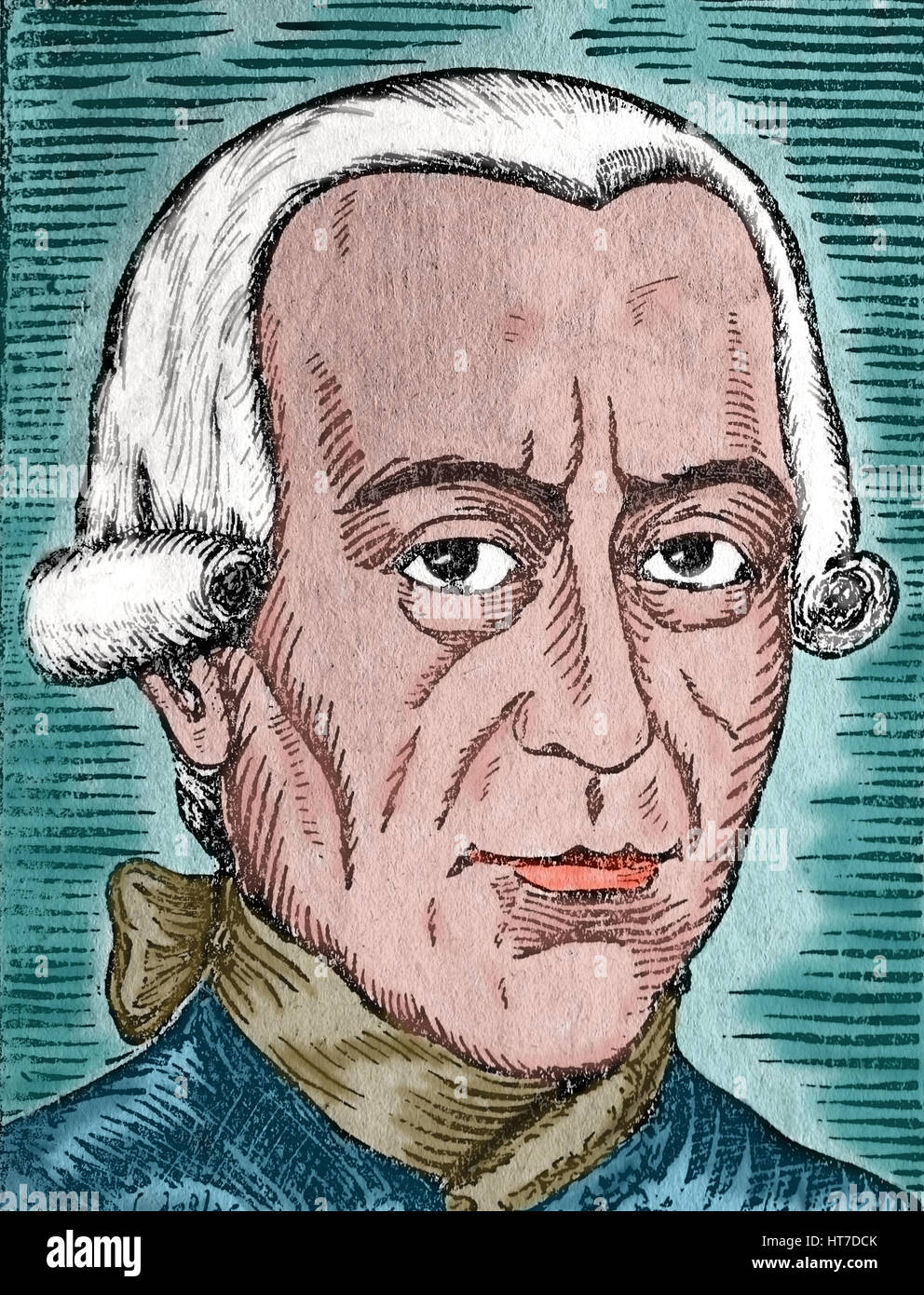
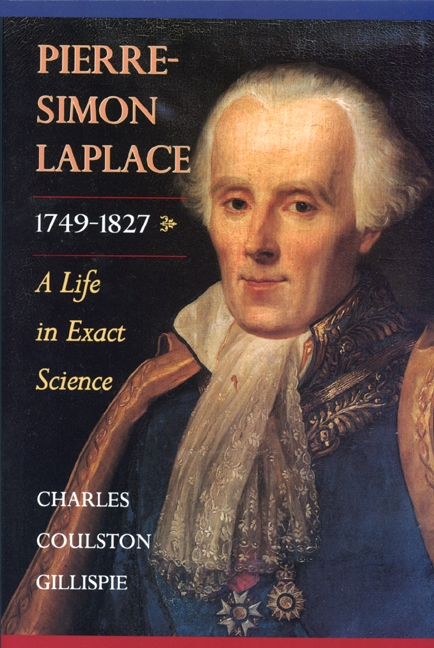
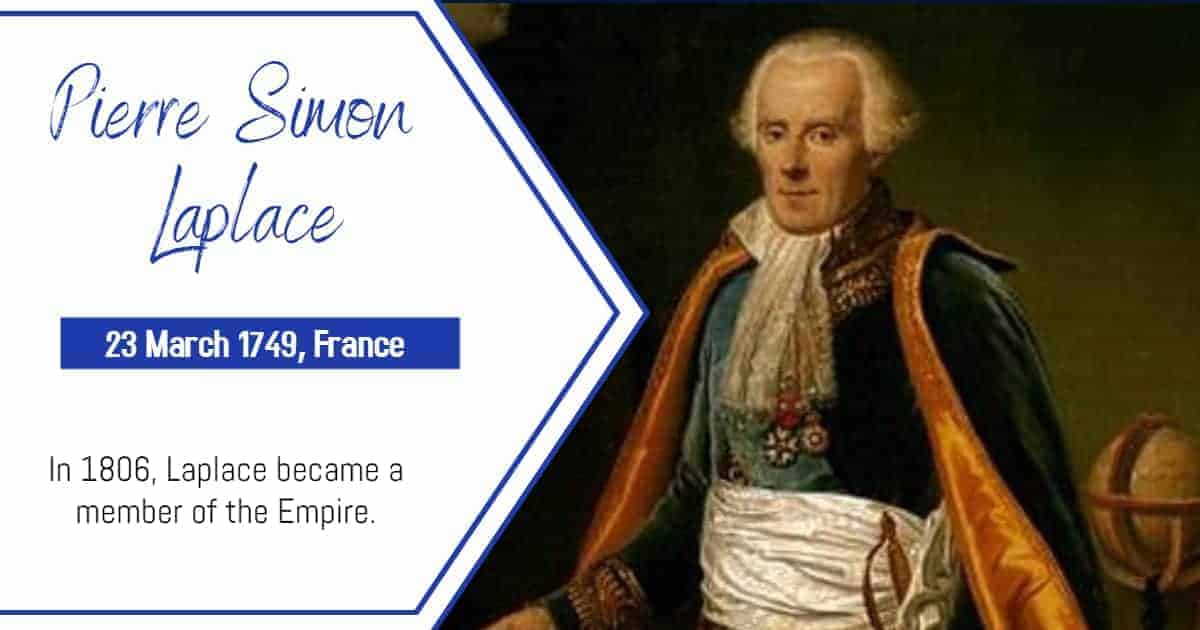
Pierre-Simon Laplace: The Architect of Determinism
Introduction: The Polymath of the Enlightenment
Pierre-Simon Laplace (1749–1827) was a French mathematician, astronomer, and physicist whose contributions laid the groundwork for modern celestial mechanics, probability theory, and mathematical physics. Often referred to as the "French Newton," Laplace's work bridged the gap between classical and modern science, influencing generations of thinkers in fields ranging from astronomy to statistics. His deterministic view of the universe—famously encapsulated in the idea of a cosmic calculator who could predict the future with perfect accuracy—remains one of the most provocative concepts in the history of science.
Early Life and Education
Born on March 23, 1749, in Beaumont-en-Auge, Normandy, Laplace came from humble beginnings. His father was a farmer and cider merchant, but Laplace's intellectual talents were evident from an early age. Thanks to the support of wealthy neighbors who recognized his potential, he was able to attend the Benedictine College in Caen, where he initially studied theology. However, his fascination with mathematics soon took precedence.
By the time he left for Paris in 1768, Laplace had already begun developing his mathematical prowess. He sought out Jean le Rond d'Alembert, a leading figure of the French Enlightenment, who was initially unimpressed with the young man. Undeterred, Laplace penned a memorandum on the principles of mechanics, which finally convinced d'Alembert to take him under his wing. This mentorship proved pivotal, opening doors to academic and scientific circles.
Contributions to Celestial Mechanics
Laplace's most enduring legacy lies in his work on celestial mechanics—the application of Newtonian physics to the motions of celestial bodies. His magnum opus, *Traité de Mécanique Céleste* (1799–1825), a five-volume work, synthesized and expanded upon the gravitational theories of Isaac Newton and the mathematical advances of Leonhard Euler and Joseph-Louis Lagrange.
One of his key achievements was his resolution of the long-standing problem of planetary perturbations. Newton had posited that the gravitational interactions between planets would eventually destabilize the solar system, possibly leading to its collapse. Laplace, however, demonstrated that these perturbations were in fact periodic and self-correcting, ensuring the system’s long-term stability. This conclusion reassured scientists and philosophers that the cosmos was not governed by chaos but by predictable, deterministic laws.
The Nebular Hypothesis
In addition to his mathematical work, Laplace proposed the *nebular hypothesis*, a theory explaining the formation of the solar system. He suggested that the Sun and planets originated from a rotating nebula (a cloud of gas and dust) that gradually cooled and condensed under gravity. Although later modified, this hypothesis laid the foundation for modern theories of planetary formation and remains a cornerstone of astrophysics.
Probability Theory and the Birth of Statistics
While Laplace is best known for his work in astronomy, his contributions to probability theory were equally groundbreaking. His *Théorie Analytique des Probabilités* (1812) formalized the mathematical framework of probability, introducing concepts such as generating functions, Bayesian inference, and the Central Limit Theorem.
Laplace approached probability from a philosophical standpoint, seeing it as a tool for managing uncertainty in both science and everyday decision-making. His work had profound implications for fields as diverse as actuarial science, error analysis in astronomy, and even social statistics.
The Laplace Transform
Among his mathematical innovations, the *Laplace transform* stands out as a critical tool in engineering and physics. This integral transform simplifies the analysis of linear differential equations, making it indispensable in control theory, signal processing, and quantum mechanics. Its applications extend from electrical circuits to fluid dynamics, demonstrating Laplace’s far-reaching impact.
Laplace’s Demon and Determinism
Perhaps Laplace’s most famous intellectual contribution was his articulation of *scientific determinism*. In *A Philosophical Essay on Probabilities* (1814), he imagined an all-knowing intellect—later dubbed "Laplace’s Demon"—that, if given the precise location and momentum of every particle in the universe, could calculate the entire past and future with absolute certainty.
This idea both fascinated and unsettled contemporaries. While it underscored the power of Newtonian mechanics, it also raised existential questions about free will and the limits of human knowledge. Modern chaos theory and quantum mechanics have since challenged Laplace’s rigid determinism, but his vision remains a cornerstone in debates about causality and predictability.
Political Survival and Later Years
Laplace’s career unfolded against the tumultuous backdrop of the French Revolution, the rise of Napoleon, and the Bourbon Restoration. Remarkably, he navigated these political upheavals with shrewd adaptability. He served briefly as Napoleon’s Minister of the Interior (though he was quickly replaced for being too theoretical) and was later ennobled as the Marquis de Laplace under Louis XVIII.
Despite these political engagements, Laplace remained deeply committed to science, mentoring future luminaries like Siméon Denis Poisson. He died in Paris on March 5, 1827, leaving behind a legacy that shaped the trajectory of modern science.
Conclusion (Part 1)
The first part of this exploration into Pierre-Simon Laplace’s life and work has highlighted his foundational contributions to celestial mechanics, probability theory, and mathematical physics. From his humble origins to his rise as a scientific titan of the Enlightenment, Laplace’s insights reshaped humanity’s understanding of the cosmos and the mathematical tools we use to describe it.
In the next section, we will delve deeper into Laplace’s influence on modern science, his philosophical impact, and the controversies surrounding his deterministic worldview.
Laplace’s Influence on Modern Science
Pierre-Simon Laplace’s work transcended his lifetime, permeating multiple branches of science and mathematics. His theories on celestial mechanics became the bedrock for later astronomers like Urbain Le Verrier, who used Laplace’s equations to predict the existence of Neptune. Meanwhile, his probabilistic methods laid the groundwork for statistical mechanics, a field later developed by luminaries such as Ludwig Boltzmann and Josiah Willard Gibbs.
One of the most striking examples of Laplace’s enduring influence is in astrophysics, where his nebular hypothesis evolved into modern accretion disk models, explaining not just the formation of the solar system but also the birth of galaxies. His mathematical rigor inspired physicists like James Clerk Maxwell, who applied similar analytical methods to electromagnetism, culminating in Maxwell’s equations—the foundation of classical electrodynamics.
The Laplace Operator in Physics
Laplace’s name is immortalized in the *Laplace operator* (or Laplacian), symbolized as ∇². This differential operator, central to fields like electromagnetism, fluid dynamics, and quantum mechanics, measures the divergence of a gradient in a scalar field. For example, in Schrödinger’s equation—the cornerstone of quantum mechanics—the Laplacian helps encode the wave function’s spatial curvature. Without this tool, much of modern theoretical physics would lack its mathematical precision.
The Philosophical Legacy of Determinism
Laplace’s deterministic worldview sparked debates that endure to this day. His vision of a clockwork universe, governed by exact laws without randomness, resonated with Enlightenment ideals of rationality and order. Yet, it also clashed with emerging ideas about human agency. Philosophers like Immanuel Kant and later existentialists wrestled with the tension between Laplace’s mechanical universe and the subjective experience of free will.
In the 20th century, quantum mechanics delivered a seismic blow to Laplacean determinism. Werner Heisenberg’s uncertainty principle demonstrated that at subatomic scales, precise measurement of complementary variables (like position and momentum) is fundamentally impossible—directly contradicting Laplace’s all-knowing "demon." Nevertheless, Laplace’s framework remains vital in classical physics, where deterministic models still dominate systems from planetary orbits to climate science.
Criticism and Reinterpretations
Laplace’s determinism faced criticism even among his contemporaries. Philosopher Henri Bergson argued that time’s irreducible flow defied mechanistic reduction, while mathematicians like Henri Poincaré later showed that deterministic systems (like the three-body problem in gravity) could exhibit chaotic, unpredictable behavior—a precursor to chaos theory. Today, scientists acknowledge that while Laplace’s deterministic ideal applies to many macroscopic systems, complexity and quantum randomness introduce limits to predictability.
Laplace and the Birth of Thermodynamics
Though less celebrated, Laplace’s contributions to thermodynamics were pivotal. Collaborating with chemist Antoine Lavoisier, he designed an ice calorimeter to measure heat exchange in chemical reactions. Their experiments supported the theory that heat was a form of energy—not a fluid-like "caloric," as once believed—paving the way for the first law of thermodynamics.
Simultaneously, Laplace’s probabilistic thinking foreshadowed the second law of thermodynamics. Ludwig Boltzmann’s statistical interpretation of entropy—the idea that disorder tends to increase—echoed Laplace’s earlier insights about the role of probability in physical laws. Thus, though Laplace never formulated thermodynamics himself, his methods influenced its mathematical underpinnings.
The Laplace-Adjusted Probability
Named in his honor, *Laplace’s rule of succession* is a Bayesian method for estimating probabilities from limited data. For example, if a coin lands heads-up three times in three flips, a naive estimate might assign a 100% probability to heads. Laplace’s rule, however, tempers extreme conclusions by adding pseudo-observations, yielding a more cautious estimate. This principle remains foundational in machine learning, where algorithms handle sparse data using Bayesian priors—a direct descendant of Laplace’s formalism.
Political and Social Engagement
Beyond science, Laplace played a surprising role in France’s educational and political reforms. As a member of the Bureau des Longitudes, he standardized the metric system during the Revolution, advocating for decimal-based units that simplified scientific communication. Later, under Napoleon, he helped reorganize the École Polytechnique, ensuring advanced mathematical training for engineers and military officers—many of whom applied Laplace’s theories in ballistics and navigation.
His political flexibility, however, invited criticism. Laplace’s willingness to serve successive regimes—revolutionary, imperial, and monarchist—led some to accuse him of opportunism. Yet others argued that his pragmatism safeguarded French science during turbulent times, preserving institutions until stability returned.
The Laplace-Bayes Connection
Though Thomas Bayes’ theorem predated Laplace, it was Laplace who recognized its generality and power. His refinement of Bayesian inference—treating probabilities as degrees of rationality rather than frequencies—revolutionized fields from medicine (diagnostic testing) to cryptography. Today, Bayesian networks underpin algorithms in spam filters, genomic sequencing, and even artificial intelligence.
Legacy in Mathematics
Laplace’s mathematical innovations extended beyond transforms and operators. His work on special functions, like Legendre polynomials and Bessel functions, became essential tools in solving differential equations. He also advanced techniques for approximating integrals, later refined into what we now call *asymptotic analysis*.
Perhaps most influential was his approach to perturbation theory, which allowed scientists to approximate solutions for nearly unsolvable problems—such as the Moon’s irregular orbit. This method remains indispensable in fields ranging from quantum field theory to aerospace engineering.
Conclusion (Part 2)
This second installment has explored Laplace’s far-reaching impact, from the Laplacian’s role in physics to his philosophical clashes with indeterminism. His fingerprints linger in thermodynamics, machine learning, and even the metric system—proof that his genius bridged theory and practicality.
In the final section, we’ll examine Laplace’s lesser-known works, his influence on 19th-century thought, and how modern science reconciles—or rejects—his deterministic vision. From statistical mechanics to AI, the legacy of Laplace’s "demon" continues to provoke and inspire.
Laplace’s Lesser-Known Works and Final Years
While Pierre-Simon Laplace is celebrated for his monumental theories on celestial mechanics and probability, several of his lesser-known contributions reveal the astonishing breadth of his intellect. Among these was his work on capillary action, where he derived the laws governing the rise and fall of liquids in narrow tubes—a phenomenon crucial to understanding plant physiology and modern microfluidics. He also developed theories on the speed of sound, correcting Newton’s earlier underestimation by accounting for adiabatic processes in air, laying groundwork later expanded by Laplace’s contemporary, Siméon Denis Poisson.
In his later years, Laplace turned his attention to the nascent field of geodesy, refining methods for measuring Earth’s shape. His corrections to the length of the meridian arc—used in defining the meter—demonstrated his commitment to precision in both science and practical measurements. These efforts cemented his reputation not just as a theorist, but as a scholar deeply engaged in the empirical refinement of natural knowledge.
The Final Synthesis: Exposition du Système du Monde
Published in 1796, Exposition du Système du Monde was Laplace’s masterful attempt to explain complex astronomical concepts to a broader audience. Unlike his mathematically dense Mécanique Céleste, this work was written in clear prose, illustrating everything from planetary motion to tides without equations. Here, Laplace famously presented his nebular hypothesis not as dogma, but as a "probable scenario," showcasing his nuanced understanding of scientific epistemology. The book’s success—running through multiple editions—revealed his skill as both a scientist and communicator, influencing educators and popularizers of science for generations.
Laplace and the 19th-Century Scientific Landscape
Laplace’s death in 1827 did not mark the end of his influence. On the contrary, his deterministic framework became a battleground for 19th-century thinkers grappling with the limits of science. The French positivist Auguste Comte, for instance, embraced Laplace’s emphasis on empirical laws but rejected the “demon” as metaphysical speculation. Meanwhile, thermodynamicists like Sadi Carnot relied implicitly on Laplace’s insights about energy even as they moved decisively beyond a strictly Newtonian worldview.
In mathematics, Laplace’s methods were refined by the likes of Carl Friedrich Gauss and Bernhard Riemann, whose differential geometry extended Laplacian analysis to curved spaces—later proving essential for Einstein’s general relativity. Even as new paradigms emerged, Laplace’s conservative insistence on mathematical rigor became a gold standard, preventing premature speculation in fields like electromagnetism and kinetic theory.
A Controversial Legacy: The Laplace Priority Disputes
Historical scholarship has since revealed that Laplace was not always generous in crediting predecessors. His belated acknowledgment of Lagrange’s contributions to potential theory, or his muted recognition of Bayes’ earlier probabilistic work, sparked debates about intellectual honesty. Yet contemporaries like Poisson noted that Laplace’s syntheses often transcended incremental advances, transforming raw mathematical tools into universal principles—a distinction that may excuse some of his territorial tendencies.
Modern Reassessments of Laplacean Determinism
The 20th century’s dual revolution—quantum uncertainty and chaos theory—seemed to bury Laplace’s clockwork universe. However, modern science offers a more nuanced verdict. While quantum mechanics introduced fundamental randomness, phenomena such as superconductivity and Bose-Einstein condensates exhibit near-perfect determinism at macroscopic scales. Similarly, chaos theory, which shows how small perturbations can unpredictably amplify, operates within deterministic equations—echoing Laplace’s view that complexity, not divine intervention, explained apparent irregularities in nature.
In computer science, Laplace’s vision finds unexpected resonance. Machine learning algorithms, particularly neural networks, operate as “black-box” predictors—approximating Laplace’s demon by forecasting outcomes from vast datasets without explicit mechanistic understanding. Meanwhile, climate models rely on probabilistic Laplacian approaches to weigh uncertainties in long-term projections.
The Laplace Renaissance in Complex Systems
Recent interdisciplinary sciences—network theory, systems biology, and econophysics—have rehabilitated aspects of Laplace’s thinking. For example, protein-folding simulations use deterministic molecular dynamics (a Laplacian technique) despite quantum-scale randomness, because statistical averaging restores predictability. Likewise, precision cosmology’s ability to retroactively model the Big Bang with stunning accuracy would have delighted Laplace, proving his dictum that enough data can render even cosmic history computationally tractable.
Education and Mentorship: Laplace’s Human Legacy
Beyond equations, Laplace shaped science through his students. His mentorship of Poisson—whose distribution laws are foundational in statistics—helped consolidate probability as a rigorous discipline. Other protégés, like Jean-Baptiste Biot, advanced optics and polarimetry, while Dominique François Arago became a pivotal figure in both physics and liberal politics.
Laplace’s pedagogical ethos emphasized clarity over ornamentation. His insistence that “probability is common sense reduced to calculation” underscored his belief that profound truths required lucid exposition—a principle now enshrined in scientific writing standards. Ironically, his own Mécanique Céleste was notorious for omitting detailed proofs (leading to the quip that it “offered hints to the student and apologies to the philosophers”), but this very terseness challenged successors to fill gaps rigorously.
Civic Science and the Laplace Model
Laplace’s career also offers lessons in the civic role of scientists. His navigation of revolutionary politics—trimming sails without abandoning core principles—prefigured the delicate balance modern researchers strike between funding imperatives and intellectual independence. His advocacy for state-supported scientific institutions, like the Paris Observatory, demonstrated early recognition that “big science” required sustained investment—a model now universal from CERN to NASA.
Conclusion: The Enduring Colossus
From nebular hypotheses to neural networks, Pierre-Simon Laplace’s legacy is a tapestry of audacious theorizing and meticulous calculation. His deterministic universe may have fractured under modernity’s microscope, but his mathematical tools and philosophical frameworks remain startlingly relevant. In an age drowning in data yet starved for predictive coherence, Laplace’s union of probability and determinism offers a compass—not as dogma, but as heuristic inspiration.
The tale of Laplace’s demon, then, is not one of obsolescence, but of metamorphosis. Where Laplace envisaged a single intellect calculating all, we now deploy distributed supercomputers and probabilistic algorithms to approximate that vision within human limits. This humbling pivot—from certainty to calibrated confidence—may be his truest gift to posterity: not omniscience, but the methodology to navigate an uncertain cosmos with rigor and imagination.
As we refine exoplanet discoveries using his perturbation methods or optimize AI with Bayesian-Laplacian hybrids, we do more than honor history—we reaffirm that the finest science, like Laplace’s, dares to yoke the calculable to the ineffable, ever probing the boundary between the inevitable and the unknown.


Immanuel Kant: Pioneer of Cosmology and Quantum Theories
Immanuel Kant, a towering figure in philosophy, made foundational contributions to cosmology that continue to influence modern astronomy and theoretical physics. While his work predates quantum theory, his insights into the nature of the universe, space, and time remain profoundly relevant. This article explores Kant's groundbreaking ideas, from the nebular hypothesis to his cosmological antinomies, and their enduring impact on science and philosophy.
Early Life and Intellectual Foundations
Born in 1724 in Königsberg, Prussia, Immanuel Kant grew up in a modest household. His early education was steeped in classical philosophy and the natural sciences, setting the stage for his later contributions. Kant's intellectual journey began with a deep immersion in the works of Newton and Leibniz, whose ideas would profoundly shape his cosmological theories.
Influences and Education
Kant's academic pursuits at the University of Königsberg exposed him to a broad range of disciplines, including physics, mathematics, and metaphysics. His early works reflect a synthesis of Newtonian mechanics and Leibnizian metaphysics, which he would later critique and expand upon in his own philosophical system.
The Pre-Critical Period
During his pre-critical period (1747–1770), Kant focused on natural philosophy, laying the groundwork for his cosmological theories. His 1755 work, Universal Natural History and Theory of the Heavens, introduced the nebular hypothesis, a revolutionary idea that proposed the Solar System formed from a rotating cloud of gas and dust.
The Nebular Hypothesis: A Revolutionary Idea
Kant's nebular hypothesis was a bold departure from the prevailing static view of the universe. He suggested that the Solar System originated from a primordial nebula, a vast cloud of gas and dust that collapsed under its own gravity. This theory not only explained the formation of planets but also anticipated the existence of other galaxies.
Key Propositions of the Nebular Hypothesis
- The Solar System formed from a rotating nebular cloud.
- The Milky Way is a disk of stars, with distant "nebulae" as separate galaxies.
- The universe is dynamic, with celestial bodies undergoing continuous change.
Modern Validation
Kant's nebular hypothesis has been largely validated by modern astronomy. Observations from the Herschel Space Observatory and the Gaia mission have confirmed the Milky Way's structure as a rotating disk of stars. Additionally, the discovery of exoplanets and their formation processes aligns closely with Kant's predictions.
Cosmological Antinomies: Exploring the Limits of Reason
In his 1781 masterpiece, Critique of Pure Reason, Kant introduced the concept of cosmological antinomies. These are contradictions that arise when reason attempts to comprehend the totality of the universe. Kant identified four key antinomies, each presenting a thesis and an antithesis that seem equally plausible yet mutually exclusive.
The Four Cosmological Antinomies
- Thesis: The world has a beginning in time and is limited in space. Antithesis: The world is infinite in both time and space.
- Thesis: Every composite substance in the world is made up of simple parts. Antithesis: No composite thing in the world is made up of simple parts.
- Thesis: There are causes through freedom in the world. Antithesis: There is no freedom; everything is determined by natural laws.
- Thesis: There is a necessary being that is either part of the world or its cause. Antithesis: There is no necessary being, and everything is contingent.
Resolving the Antinomies
Kant resolved these antinomies through his theory of transcendental idealism. He argued that space and time are not properties of the universe itself but are instead forms of human intuition. This perspective allows for empirical knowledge of the world while acknowledging the limits of human reason in comprehending the universe's totality.
Early Cosmological Innovations
Beyond the nebular hypothesis and cosmological antinomies, Kant made several other innovative contributions to cosmology. His early works explored the relationship between spacetime and momentum-energy, suggesting that matter could be understood as energy bubbles—a concept that echoes modern superstring theory.
Spacetime and Momentum-Energy
In his 1747 work, Kant linked spacetime to momentum-energy reciprocity, a idea that foreshadowed later developments in theoretical physics. This connection between space, time, and energy laid the groundwork for more complex theories of the universe's structure and dynamics.
Matter as Energy Bubbles
Kant's suggestion that matter could be understood as energy bubbles is particularly intriguing. This concept resonates with modern theories of quantum fields and superstring theory, where fundamental particles are seen as vibrations in higher-dimensional spaces.
Conclusion of Part 1
Immanuel Kant's contributions to cosmology and theoretical physics are both profound and far-reaching. From his revolutionary nebular hypothesis to his exploration of cosmological antinomies, Kant's ideas have shaped our understanding of the universe. In the next part of this article, we will delve deeper into Kant's later works and their impact on modern science and philosophy.
Kant’s Critical Period: Transcendental Idealism and Cosmology
Kant’s critical period, marked by the publication of the Critique of Pure Reason in 1781, represented a profound shift in his philosophical approach. During this time, he developed transcendental idealism, a framework that redefined the boundaries of human knowledge and reshaped cosmological thought. This section explores how Kant’s critical philosophy influenced his views on the universe and its limits.
The Limits of Rational Cosmology
In the Critique of Pure Reason, Kant critiqued traditional rational cosmology, arguing that human reason is inherently limited when attempting to grasp the totality of the universe. He demonstrated that certain questions—such as whether the world has a beginning or is infinite—lead to antinomies, or irreconcilable contradictions. These antinomies arise because human reason seeks absolute knowledge, yet our cognitive faculties are constrained by the structures of space and time.
Kant’s solution was to distinguish between phenomena (the world as we experience it) and noumena (the world as it is in itself). This distinction allowed him to argue that while we can gain empirical knowledge of the universe, we cannot achieve determinate knowledge of its ultimate nature.
Transcendental Idealism and the Universe
Central to Kant’s critical philosophy is the idea that space and time are not objective realities but rather forms of human intuition. This means that our perception of the universe is shaped by the way our minds structure experience. Kant’s transcendental idealism thus places limits on what we can know about the cosmos while still allowing for scientific inquiry.
This perspective had a profound impact on cosmology, as it shifted the focus from speculative metaphysics to empirical observation. Kant’s approach paved the way for modern scientific cosmology, which relies on observational data rather than purely theoretical speculation.
Late Works: The Opus Postumum and Cosmic Synthesis
In his later years, Kant worked on the Opus Postumum, an unfinished manuscript that sought to unify his philosophical system. This work represents Kant’s attempt to bridge the gap between physics, metaphysics, aesthetics, and ethics, offering a holistic view of the universe. Though incomplete, the Opus Postumum provides valuable insights into Kant’s evolving cosmological thought.
The Transition Principle
One of the key concepts in the Opus Postumum is the idea of a transition principle, which Kant envisioned as a way to connect the physical world with metaphysical realities. This principle was intended to resolve the dualism between phenomena and noumena, offering a more integrated understanding of the universe.
Kant’s exploration of this principle reflects his desire to create a cosmotheoros, or a comprehensive theory of the cosmos that synthesizes all aspects of human knowledge. While the Opus Postumum remains fragmentary, it underscores Kant’s commitment to a unified vision of reality.
Holism and the Cosmic Order
In his late works, Kant also emphasized the holistic nature of the universe. He argued that the cosmos is not merely a collection of isolated objects but a dynamic, interconnected system. This holistic perspective anticipated modern theories of cosmic evolution and systems theory, which view the universe as a complex, evolving entity.
Kant’s holism extended to his views on biospherical dynamics, where he explored the relationship between living organisms and their environment. His ideas in this area foreshadowed later developments in ecology and environmental science.
Kant’s Influence on Modern Cosmology and Quantum Theory
Although Kant predates the development of quantum theory by over a century, his ideas have been reinterpreted in light of modern physics. Scholars have drawn parallels between Kant’s cosmological concepts and contemporary theories, highlighting his enduring relevance in scientific discourse.
Functional Cosmology and Modern Astronomy
Recent scholarship has revisited Kant’s functional cosmology, which emphasizes the dynamic and evolutionary nature of the universe. This approach aligns with modern observational cosmology, which relies on empirical data to understand the universe’s structure and history.
Key aspects of Kant’s functional cosmology include:
- The idea that the universe is not static but undergoes continuous change.
- The role of natural laws in governing cosmic phenomena.
- The importance of empirical observation in validating cosmological theories.
These principles resonate with contemporary cosmological models, such as the Big Bang theory and the study of dark matter and dark energy.
Analogies to Quantum Theory
While Kant did not directly contribute to quantum theory, some of his ideas have been compared to modern quantum concepts. For example, his suggestion that matter could be understood as energy bubbles has been linked to theories of quantum fields and superstring theory.
Additionally, Kant’s exploration of the limits of human knowledge parallels the uncertainties inherent in quantum mechanics, where the observer’s role affects the observed phenomena. This connection underscores Kant’s foresight in recognizing the boundaries of human understanding.
Philosophical and Scientific Legacy
Kant’s contributions to cosmology and philosophy have left a lasting legacy, influencing both scientific thought and philosophical inquiry. His ideas have shaped the way we understand the universe, from its origins to its fundamental structure.
Impact on Astronomy
Kant’s nebular hypothesis was a groundbreaking theory that transformed astronomy. By proposing that the Solar System formed from a rotating nebula, Kant challenged the static view of the universe and paved the way for modern theories of planetary formation. His ideas were later expanded by Pierre-Simon Laplace, whose own nebular model became widely accepted in the 19th century.
Today, Kant’s hypothesis is supported by observational evidence from telescopes and space missions. The discovery of exoplanets and the study of protoplanetary disks have confirmed many of his predictions, solidifying his place as a pioneer in cosmology.
Influence on Philosophy
Kant’s philosophical contributions extend beyond cosmology, influencing fields such as epistemology, ethics, and metaphysics. His theory of transcendental idealism reshaped the way philosophers approach questions of knowledge and reality, while his Categorical Imperative remains a cornerstone of moral philosophy.
In cosmology, Kant’s emphasis on the limits of human reason has encouraged a more humble and empirical approach to understanding the universe. His ideas continue to inspire philosophers and scientists alike, fostering a dialogue between speculative thought and empirical inquiry.
Critiques and Controversies
Despite his profound influence, Kant’s cosmological theories have not been without criticism. Some scholars have challenged his views on space, time, and the nature of the universe, arguing that his ideas are overly abstract or speculative. This section explores some of the key critiques and controversies surrounding Kant’s cosmology.
Rejection of Cosmological Proofs
One of the most notable critiques of Kant’s cosmology is his rejection of cosmological proofs for the existence of God. In the Critique of Pure Reason, Kant argued that such proofs rely on flawed ontological arguments, which assume that existence is a predicate of being. This rejection has sparked debate among philosophers and theologians, with some viewing it as a limitation of Kant’s system.
However, Kant’s critique has also been praised for its rigor and clarity, as it highlights the dangers of speculative metaphysics. By emphasizing the limits of human reason, Kant encouraged a more cautious and empirical approach to cosmological questions.
Challenges to Transcendental Idealism
Kant’s theory of transcendental idealism has also faced criticism, particularly from those who argue that it leads to a form of solipsism or subjective idealism. Critics contend that by treating space and time as mere forms of intuition, Kant undermines the objective reality of the external world.
In response, defenders of Kant’s philosophy argue that transcendental idealism does not deny the existence of an external world but rather seeks to explain how we perceive and understand it. This debate continues to shape discussions in metaphysics and the philosophy of science.
Conclusion of Part 2
Immanuel Kant’s contributions to cosmology and philosophy are both vast and enduring. From his revolutionary nebular hypothesis to his exploration of cosmological antinomies, Kant’s ideas have shaped our understanding of the universe and the limits of human knowledge. In the final part of this article, we will examine Kant’s lasting impact on modern science and philosophy, as well as the ongoing debates surrounding his cosmological theories.
Kant’s Enduring Impact on Modern Science
Immanuel Kant’s influence extends far beyond his own era, shaping the trajectory of modern cosmology, astronomy, and theoretical physics. His ideas laid the groundwork for many scientific advancements, from the understanding of galactic structures to the philosophical underpinnings of quantum mechanics. This section explores how Kant’s theories continue to resonate in contemporary scientific thought.
From Nebular Hypothesis to Modern Astronomy
Kant’s nebular hypothesis, proposed in 1755, was a radical departure from the static models of the universe prevalent at the time. His theory that the Solar System formed from a rotating cloud of gas and dust was later expanded by Pierre-Simon Laplace and has since been validated by modern astronomical observations.
Today, telescopes like the Hubble Space Telescope and the James Webb Space Telescope have provided stunning images of nebulae and protoplanetary disks, confirming Kant’s vision of a dynamic, evolving universe. The discovery of exoplanets—planets orbiting stars outside our Solar System—further supports his hypothesis, as many of these systems exhibit the same formation processes Kant described.
Kant and the Concept of Multiple Galaxies
One of Kant’s most prescient ideas was his suggestion that the Milky Way is just one of many galaxies in the universe. In Universal Natural History and Theory of the Heavens, he proposed that distant "nebulae" observed in the night sky were actually separate island universes, a concept that was not widely accepted until the 20th century.
The confirmation of this idea came in 1924 when Edwin Hubble demonstrated that the Andromeda Nebula was indeed a separate galaxy. This discovery revolutionized astronomy and solidified Kant’s reputation as a visionary thinker. Today, we know that the universe contains over 100 billion galaxies, each with billions of stars, a testament to Kant’s foresight.
Kant’s Philosophical Legacy in Quantum Theory
While Kant predates the development of quantum theory, his philosophical insights have been reinterpreted in light of modern physics. His exploration of the limits of human knowledge and the nature of reality provides a useful framework for understanding the uncertainties and paradoxes inherent in quantum mechanics.
The Observer Effect and Transcendental Idealism
One of the most intriguing connections between Kant’s philosophy and quantum theory is the concept of the observer effect. In quantum mechanics, the act of observation can influence the behavior of particles, a phenomenon that challenges classical notions of objectivity.
Kant’s transcendental idealism, which posits that our perception of reality is shaped by the structures of human cognition, offers a philosophical parallel to this idea. Just as quantum mechanics suggests that observation affects reality, Kant argued that our understanding of the universe is mediated by the forms of space and time.
Energy Bubbles and Modern Particle Physics
Kant’s suggestion that matter could be understood as energy bubbles has drawn comparisons to modern theories of particle physics. In his 1756 work, he speculated that fundamental particles might be dynamic entities rather than static objects, an idea that resonates with contemporary models of quantum fields and superstring theory.
While Kant’s concept of energy bubbles is not a direct precursor to these theories, it reflects his intuitive grasp of the dynamic nature of matter. Today, physicists study quantum fluctuations and virtual particles, which emerge and disappear in the fabric of spacetime, echoing Kant’s early insights.
Kant’s Influence on Contemporary Cosmological Debates
Kant’s cosmological theories continue to inform contemporary debates in philosophy and science. His ideas about the nature of the universe, the limits of human knowledge, and the interplay between observation and reality remain relevant in discussions about the origins and structure of the cosmos.
The Role of Antinomies in Modern Cosmology
Kant’s cosmological antinomies highlight the inherent contradictions that arise when human reason attempts to comprehend the totality of the universe. These antinomies remain pertinent in modern cosmology, where questions about the beginning of time, the infinite nature of space, and the ultimate fate of the universe continue to challenge scientists and philosophers.
For example, the debate between the Big Bang theory and alternative models of the universe’s origin reflects Kant’s first antinomy: whether the world has a beginning or is infinite. While the Big Bang theory provides a framework for understanding the universe’s early moments, it also raises questions about what, if anything, preceded it—a question that Kant would argue lies beyond the limits of human reason.
Functional Cosmology and Observational Data
Kant’s emphasis on functional cosmology, which prioritizes empirical observation and natural laws, aligns with the methodologies of modern astronomy. Today, cosmologists rely on data from telescopes, satellites, and particle accelerators to test theories about the universe’s structure and evolution.
This empirical approach has led to groundbreaking discoveries, such as the accelerating expansion of the universe and the existence of dark matter and dark energy. Kant’s insistence on the importance of observation over pure speculation has thus become a cornerstone of contemporary cosmological research.
Kant’s Critique of Metaphysical Speculation
Throughout his career, Kant was a vocal critic of metaphysical speculation, arguing that many traditional philosophical questions—such as the existence of God or the nature of the soul—lie beyond the reach of human reason. His critique has had a lasting impact on both philosophy and science, encouraging a more rigorous and empirical approach to understanding the universe.
Rejection of the Cosmological Argument
One of Kant’s most significant critiques was his rejection of the cosmological argument for the existence of God. In the Critique of Pure Reason, he argued that such arguments rely on flawed assumptions about the nature of causality and existence. This critique has influenced both theological and philosophical debates, prompting a reevaluation of traditional proofs for the divine.
Kant’s position has been both praised and criticized. Supporters argue that his critique exposes the limitations of human reasoning, while detractors contend that it undermines the possibility of metaphysical knowledge. Regardless, Kant’s challenge to the cosmological argument remains a pivotal moment in the history of philosophy.
The Limits of Human Knowledge
Kant’s exploration of the limits of human knowledge has had a profound impact on epistemology, the branch of philosophy concerned with the nature and scope of knowledge. By arguing that certain questions—such as the ultimate nature of reality—are unanswerable, Kant encouraged a more humble and cautious approach to philosophical inquiry.
This perspective has influenced modern discussions about the boundaries of science, particularly in fields like quantum mechanics and cosmology, where the nature of reality itself is often called into question. Kant’s insistence on recognizing these limits has fostered a more nuanced and reflective approach to scientific and philosophical exploration.
Conclusion: Kant’s Lasting Legacy in Cosmology and Philosophy
Immanuel Kant’s contributions to cosmology, philosophy, and theoretical physics are both profound and far-reaching. From his revolutionary nebular hypothesis to his exploration of cosmological antinomies, Kant’s ideas have shaped our understanding of the universe and the limits of human knowledge. His emphasis on empirical observation, his critique of metaphysical speculation, and his insights into the dynamic nature of reality continue to influence contemporary science and philosophy.
Key Takeaways from Kant’s Cosmology
- The nebular hypothesis laid the foundation for modern theories of planetary and galactic formation.
- Cosmological antinomies highlight the inherent contradictions in human reasoning about the universe’s totality.
- Transcendental idealism reshaped our understanding of space, time, and the limits of human knowledge.
- Functional cosmology emphasized the importance of empirical data in understanding the universe.
- Critiques of metaphysical speculation encouraged a more rigorous and cautious approach to philosophical inquiry.
The Future of Kantian Cosmology
As science and philosophy continue to evolve, Kant’s ideas remain a vital part of the conversation. His insights into the nature of the universe, the role of observation, and the limits of human reason provide a valuable framework for addressing the complex questions that arise in modern cosmology and quantum theory.
Whether through the study of dark matter, the exploration of quantum fields, or the philosophical debates about the nature of reality, Kant’s legacy endures. His work reminds us that while the universe may be vast and mysterious, our pursuit of knowledge—grounded in both empirical observation and philosophical reflection—remains one of humanity’s greatest endeavors.
In the words of Kant himself,
"Two things fill the mind with ever new and increasing admiration and awe: the starry heavens above me and the moral law within me."This sentiment captures the essence of his cosmological vision—a vision that continues to inspire and challenge us as we seek to understand our place in the cosmos.
Jean-Baptiste Biot: The Polymath Who Shaped Science
In the annals of scientific achievement, few figures loom as large yet remain as understated as Jean-Baptiste Biot. Born on April 21, 1774, in Paris, Biot carved a unique niche for himself at the cusp of the Enlightenment and the burgeoning scientific revolutions of the 19th century. This polymath's explorations encompassed fields as diverse as physics, astronomy, and chemistry, and his contributions continue to resonate in contemporary scientific discourse.
A Scholarly Journey Begins
Jean-Baptiste Biot's early academic prowess was evident from his youth. He entered the prestigious École Polytechnique in 1794, where his intellectual rigor thrived amidst France's finest minds. Under the patronage of eminent scientists like Pierre-Simon Laplace, Biot sharpened his analytical skills, preparing to delve into the mysteries of the natural world. This academic preparation proved invaluable as Biot embarked on what would become a distinguished career.
His initial studies focused on optics, a branch of physics that captivated the scientific community during the early 19th century. Biot's interest in light phenomena, particularly the refraction and polarization of light, laid the groundwork for his future groundbreaking research. At a time when the wave and particle theories of light were fiercely debated, Biot's work added clarity to the understanding of light's behavior, establishing himself as a formidable figure in optics.
Biot's Magnetic Influence
In addition to his work in optics, Biot made significant strides in the field of magnetism, another area where his legacy remains profound. In 1804, together with his colleague Félix Savart, Biot formulated the Biot-Savart Law. This fundamental principal quantitatively describes the magnetic field generated by an electric current, a seminal concept still taught in physics courses worldwide.
The Biot-Savart Law was pivotal in elucidating the relationship between electricity and magnetism, effectively laying a cornerstone for the later development of electromagnetic theory. Alongside contemporaries like André-Marie Ampère and Michael Faraday, Biot's contributions helped substantiate the intertwined nature of electric and magnetic forces, an understanding that would eventually culminate in James Clerk Maxwell's comprehensive electromagnetic theory.
A Celestial Voyage
Biot's insatiable curiosity transcended earthly phenomena, leading him to the stars. His 1806 expedition to the Canary Islands with astronomer François Arago marked the beginning of his ventures into the realm of celestial physics. There, Biot carried out extensive observations of the Earth's atmosphere and the influence of the islands' volcanic activity, contributing to the burgeoning field of atmospheric science.
However, Biot's most notable astronomical journey was his expedition to Lapland in 1808. The purpose of this arduous trip was to measure the Earth's meridian arc—a venture crucial for refining geographical maps and understanding the planet's shape. Biot's meticulous observations helped confirm the Earth's oblate shape, providing essential data that aligned with Isaac Newton's predictions. This expedition not only showcased Biot's observational acumen but also his commitment to advancing empirical science.
Biot's Chemical Exploration
While Jean-Baptiste Biot is best remembered for his contributions to physics and astronomy, his ventures into chemistry were equally impactful. His exploration of optical activity—the ability of certain substances to rotate the plane of polarized light—stands as his most notable chemical work. His 1815 discovery fundamentally expanded the understanding of molecular chemistry, paving the way for future research into chirality and stereochemistry.
Biot's investigations into optical activity also illuminated the molecular structures of organic compounds, heralding a new era in organic chemistry. The implications of his research were profound, influencing subsequent studies on biochemical processes and the development of critical industries such as pharmaceuticals.
Jean-Baptiste Biot's illustrious career was a testament to his multidisciplinary brilliance and enduring devotion to advancing scientific knowledge. Whether through his foundational contributions to electromagnetism, revolutionary exploration of optics, or ground-breaking discoveries in chemistry, Biot's legacy is deeply woven into the fabric of modern science. As we reflect on his life, his passion for inquiry serves as a guiding beacon for those who seek to unravel the universe's mysteries.
Biot's Scientific Influence and Recognition
Jean-Baptiste Biot's profound impact was widely recognized during his lifetime, earning him numerous accolades and positions of prominence within the scientific community. In 1803, he was elected to the French Academy of Sciences, a testament to his status as one of the leading scientists of his era. This appointment marked the beginning of a longstanding affiliation with the institution, where he was instrumental in shaping its directives and fostering scientific inquiry.
Biot's accomplishments did not go unnoticed beyond the borders of France. His scientific prowess and pioneering research garnered him international acclaim. In 1815, he was elected a Foreign Member of the Royal Swedish Academy of Sciences, one of the many honorary memberships he would receive throughout his career. His election as a Fellow of the Royal Society of London in 1815 further underscored his standing as a preeminent scientist who transcended national boundaries.
The French government, recognizing his contributions and dedication, appointed Biot to various prestigious roles. In 1820, he was appointed professor of experimental physics at the Collège de France, a position he held for many years. Biot’s involvement in education and mentorship proved invaluable in nurturing the next generation of scientists, sending ripples into the future of scientific understanding.
A Legacy of Writing and Communication
However, Biot's legacy extends beyond his experimental and observational acumen; he was also a prolific writer who sought to disseminate scientific knowledge to a broader audience. His passion for bridging the gap between complex scientific theories and public understanding is evident in the numerous books and articles he authored throughout his life.
One of Biot's most celebrated works is "Traité de Physique Expérimentale et Mathématique" (Treatise on Experimental and Mathematical Physics), published in 1816. This comprehensive text was instrumental in popularizing contemporary scientific knowledge, covering various topics from mechanics to optics and magnetism. Biot's clear and engaging writing style made advanced scientific concepts accessible, inspiring countless students and enthusiasts to explore the sciences further.
Biot's commitment to science education was not limited to academic publications. He was an advocate for public scientific literacy, often contributing to popular science journals and delivering lectures aimed at engaging the broader public. His efforts helped foster a culture of intellectual curiosity and enthusiasm for scientific inquiry, making science more approachable and less esoteric for the layperson.
Biot's Role in the Meteorology and Geophysics
Jean-Baptiste Biot's contributions also extended into the domains of meteorology and geophysics. His meticulous observations during travels and scientific expeditions added significant value to these fields. During his time in the Canary Islands and Lapland, Biot's studies of atmospheric phenomena contributed to an emerging understanding of weather patterns and geological dynamics, setting foundations for what would eventually evolve into modern meteorology and geophysical science.
Biot's interest in the Earth's geomagnetic forces led to insightful observations about the planet's magnetic properties. His investigations of terrestrial magnetism underscored the importance of magnetic observation networks, which have since become crucial for understanding Earth's magnetic field and its variations. These studies were pivotal for navigation and exploration, influencing maritime practices and enhancing the accuracy of cartography in an age dependent on sea travel.
The Personal Side of Jean-Baptiste Biot
While Jean-Baptiste Biot's professional life was undeniably illustrious, his personal life was marked by the same intellectual curiosity and dedication. He was known for his humility, often eschewing the limelight despite his remarkable accomplishments. Biot's personal correspondence with other scientists of his time reveals a collaborative spirit and eagerness to exchange ideas, highlighting his belief in the collective advancement of knowledge over individual accolades.
Biot was a family man, committed to maintaining a harmonious balance between his personal and professional lives. His son Édouard Biot would follow in his footsteps, pursuing a career as a Sinologist and civil engineer. This legacy of intellectual pursuit within the Biot family underscores the nurturing environment Jean-Baptiste Biot fostered, one that prized curiosity and education.
An Enduring Legacy
Jean-Baptiste Biot's passing in 1862 marked the end of an era, yet his influence endures in the sciences today. His findings, particularly in optics and electromagnetism, remain integral components of scientific curricula globally. By empirically validating theoretical frameworks and expanding the horizons of scientific understanding, Biot set the stage for numerous scientific revolutions in the centuries that followed his own prolific career.
In summary, Jean-Baptiste Biot's indelible mark on science is characterized by his multifaceted contributions across various disciplines, his dedication to education and communication, and his role as a bridge between theoretical exploration and practical application. His work not only advanced the scientific frontiers of his time but also laid a foundation that continues to support modern scientific inquiry. Such a legacy highlights the lasting impact of a mind deeply committed to exploration and understanding, inspiring scientists and thinkers for generations to come.
Exploring the Biot-Savart Legacy in Modern Physics
The Biot-Savart Law, one of Jean-Baptiste Biot's hallmark contributions, remains foundational in today's scientific landscape. This law provides a means to calculate the magnetic field produced by a current-carrying conductor, an essential principle for understanding the behaviors of electrical circuits and devices. Its practical applications are vast, ranging from the development of electrical motors and transformers to advancements in medical imaging technologies like Magnetic Resonance Imaging (MRI).
The enduring relevance of the Biot-Savart Law in modern physics underscores Biot's foresight in recognizing the interdependent nature of electric and magnetic forces, a realization that culminated in the unification of electromagnetism. This scientific achievement was carried forward by the work of James Clerk Maxwell, whose equations unified electricity, magnetism, and optics into a cohesive theory. Biot's early insights were a critical stepping stone in this monumental synthesis.
Biot's Impact on Chemistry and Crystal Science
Jean-Baptiste Biot's work on optical rotation and molecular chirality laid significant groundwork in chemistry, particularly in understanding organic compounds. His investigations into how certain substances affect polarized light provided key insights into molecular structure and handedness (chirality), an aspect that has profound implications in various scientific and industrial fields, including pharmaceuticals.
Biot's pioneering research in optical rotation also had important consequences for the field of crystallography. By examining how crystals and other substances interact with light, he contributed foundational knowledge that helped develop techniques for determining the structure of compounds. This exploration of molecular symmetry and interaction with light led to advances in understanding protein structures and complex biochemical processes, which are vital to biochemistry and molecular biology today.
Influence on Scientific Exploration and Education
Jean-Baptiste Biot's devotion to scientific progress extended to advocacy for systematic data collection and global scientific cooperation. His belief in structured scientific observation is evident in his efforts to standardize data collection methods, which he argued were essential for achieving robust scientific conclusions. He actively participated in establishing scientific societies and encouraged collaboration among scientists across disciplines and borders, setting a precedent that enhanced the global scientific community's connectivity.
Biot's career as an educator at the Collège de France further enriched his legacy. By mentoring budding scientists and fostering exploration, Biot contributed to cultivating a generation that would continue to expand the scientific frontiers he helped establish. His pedagogical influence ensured that his methodologies and principles remained integral to scientific training, impacting fields as diverse as physics, chemistry, and engineering.
Pioneering International Scientific Collaborations
Recognizing the importance of international collaboration, Biot played a pivotal role in an era that saw the nascent stages of global scientific partnerships. He was among the early proponents of collaborative expeditions, such as those organized to observe astronomical phenomena like solar eclipses and planetary transits, events that required coordinated efforts from scientists worldwide.
His international perspective was instrumental in encouraging cross-border scientific communication, which facilitated a broader exchange of ideas and findings. By breaking the isolationist tendencies of scientific inquiry of his time, Biot laid the groundwork for modern international scientific organizations, influencing the collective approach to addressing global scientific challenges.
Jean-Baptiste Biot: A Timeless Catalyst for Discovery
Reflecting on Jean-Baptiste Biot's legacy, it becomes evident that his influence transcended the boundaries of any single scientific discipline. His breadth of inquiry and depth of impact made him a true luminary, whose vision encompassed the interconnected landscape of science. Biot's life was a testament to the power of curiosity, dedication, and the belief in knowledge as a service to humanity.
Today, Biot's work serves as a reminder of the importance of maintaining a diversified scientific perspective. His legacy champions the integration of varying fields, demonstrating that breakthroughs often occur at the intersections of established domains. This integrative approach, coupled with his commitment to education and collaboration, remains a source of inspiration for modern scientists.
In honoring Jean-Baptiste Biot, we celebrate a legacy that underscores the timeless pursuit of understanding the natural world. His life's work and explorations unveil a journey marked by relentless inquiry, shaping a path along which hundreds of discoveries have traveled and evolved. To explore the realms of science is to walk in the footsteps of giants like Biot, whose groundbreaking achievements continue to illuminate our understanding of the universe.

Auguste Comte: The Pioneer of Positivism and Sociology
In the landscape of Western philosophy and social science, few figures are as influential as Auguste Comte. Often hailed as the father of sociology and the pioneer of positivism, Comte's ideologies and methodologies laid foundational stones that have been built upon by countless scholars and thinkers. The story of Auguste Comte is not just one of individual genius but also one of transformative shifts in the way society rationalizes knowledge and social order.
The Early Life of Auguste Comte
Born on January 19, 1798, in Montpellier, France, Isidore Marie Auguste François Xavier Comte grew up during a time of significant political upheaval. The echoes of the French Revolution were still resounding, and the Napoleonic Wars were creating ripples across Europe. This environment of change likely influenced Comte's intellectual development, driving him towards the fields of science and philosophy.
Comte's formal education began at the École Polytechnique in Paris, where he demonstrated an affinity for mathematics and science. The École Polytechnique was known for its emphasis on analytical reasoning and a strong foundation in the sciences, which would later play a critical role in Comte's philosophical endeavors. Comte, however, did not complete his studies there, departing the institution amid a wave of personal and political tumult, but the seeds of his revolutionary ideas were well-planted.
The Genesis of Positivism
Auguste Comte’s intellectual journey led him to develop a philosophical doctrine known as positivism. Positivism, as envisioned by Comte, proposed that the only authentic knowledge is scientific knowledge, and that such knowledge can only come from positive affirmation of theories through strict scientific methodology. He posited that society, like the natural world, operates according to certain laws that can be discovered through empirical observation and logical analysis.
This perspective was a radical departure from the metaphysical and theological explanations for the phenomena that dominated his time. Comte claimed that scientific inquiry could extend beyond the material world to encompass social phenomena, thereby laying the groundwork for sociology.
The Law of Three Stages
Central to Comte's positivist philosophy is the Law of Three Stages, which postulates that human thought progresses through three distinct evolutionary stages: the theological, the metaphysical, and the scientific or positive stage.
1. **The Theological Stage* In this stage, phenomena are explained in terms of divine will or supernatural forces. Comte divided this stage further into fetishism, polytheism, and monotheism.
2. **The Metaphysical Stage* This period marks a transition where abstract, philosophical reasoning supplants theological explanations. Here, nature's forces are often understood as abstract entities or essences.
3. **The Positive Stage* The culmination of human intellectual development, characterized by scientific rationality, where empirical observation and experimentation replace speculative thought.
Comte believed that society had begun to enter the positive stage, and it was the role of sociology to identify the laws of social dynamics, akin to the laws of natural sciences. This laid the foundation for sociology as a scientific discipline.
The Birth of Sociology
Auguste Comte is often credited as the first thinker to coin the term "sociology," envisaging it as the science of society. He saw sociology not merely as an academic endeavor but as a tool for social reform. By understanding society's underlying laws, Comte believed it was possible to predict social phenomena and subsequently shape policies that lead to an improved social order.
His seminal work, "Cours de Philosophie Positive" ("The Course of Positive Philosophy"), is a comprehensive text that outlines his vision for sociology and the methods it should employ. Comte advocated for the application of scientific methodology to social issues, arguing that sociological research should be observational and experimental, just as in the natural sciences.
Comte's ambitious attempt to unify all scientific disciplines under a cohesive framework of positivism positioned sociology as the pinnacle of scientific pursuit. By classifying sciences in a hierarchy from mathematics to astronomy, through physics, chemistry, and biology, and finally to sociology, he highlighted the interconnectedness and perceived advancement of each field towards greater complexity and abstraction.
Comte's Impact and Legacy
Though Comte's ideas were groundbreaking, his life was fraught with personal challenges and financial instability. Despite these setbacks, his contributions to philosophy and sociology have left an indelible mark. The concepts he pioneered continue to influence modern thought, from scientific inquiry’s application to social sciences to discussions about secularism and the evolution of knowledge.
Comte's legacy is not without its critics, however. His strict adherence to the positivist doctrine has been challenged over the years, with critics arguing that it neglects the subjective and interpretative aspects of social phenomena that are not easily quantifiable. Nonetheless, Comte's insistence on empirical evidence and structured analysis has set a standard for rigor in both philosophy and sociology.
In this first part of our exploration of Auguste Comte, we have delved into his early life, his development of positivism, and his foundational role in the establishment of sociology. As we continue, we will further explore the complexities of his work, his personal life, and the broader implications of his ideologies in shaping the modern social sciences.
Auguste Comte's Vision of a New Society
As Auguste Comte charted the waters of positivism and sociology, his grand vision extended beyond mere theoretical frameworks. He aspired to use his insights to reform society fundamentally. Central to this vision was his belief that a scientifically organized society could harmonize social progress with order, which he saw as forces often at odds with one another. Comte believed that applying the principles of positivism to governance and social structure could reconcile these forces.
The Religion of Humanity
One of Comte's most controversial and ambitious proposals was the concept of the "Religion of Humanity." As a secular philosopher, Comte saw traditional religion as a stabilizing force in society despite its reliance on supernatural explanations. In an effort to retain its societal benefits without its theological underpinnings, he developed a secular religious system centered around humanity itself.
The Religion of Humanity advocated for moral guidance and communal cohesion based not on divine sources but on scientific reasoning and human solidarity. This new "religion" had its saints, rituals, and even a calendar, all designed to foster the social solidarity that Comte believed was crucial for societal advancement. He envisioned a priesthood of scientists and sociologists who would guide and educate societies, ensuring that social progress was married with moral and ethical development.
The Importance of Social Reorganization
Comte's fascination with creating a new social order was reflected in his emphasis on reorganizing how societies are structured. He argued for a meritocratic society, where governance and social responsibilities were allocated based on one's abilities and knowledge rather than birthright or wealth. Comte believed that such a society would be more just and efficient, harnessing human potential and balancing individual aspirations with communal needs.
To achieve this, he proposed a technocratic approach to governance, where decision-making processes would rely heavily on scientific experts, or "sociocrats," thereby eliminating the inefficiencies he observed in contemporary political systems. This reorganization, Comte asserted, would build a society infused with rationality, moral integrity, and a collective spirit anchored in scientific understanding.
Comte's Personal Struggles and Philosophical Evolution
As a thinker, Comte was profoundly shaped by his personal life, which included significant periods of hardship. Financial difficulties and mental health struggles were persistent companions, contributing to the complexity and peculiarities observed in his later works. Despite these challenges, his relentless quest for understanding human society did not waver, though his life experiences undoubtedly influenced the depth and direction of his ideas.
Comte's relationship with Clotilde de Vaux, a novelist, marked one of the most poignant phases of his life. Their acquaintance was brief but profoundly impactful, catalyzing a shift in Comte's philosophical outlook. Through his admiration and unrequited love for Clotilde, Comte developed a more emotional component to his work, integrating aspects of personal affection and altruism into his theories of social and moral order. This experience fueled the later development of the Religion of Humanity, emphasizing the emotional bonds that sustain human society.
Criticism and Debate: Positivism Reassessed
Despite its wide influence, positivism has not escaped criticism. Detractors argue that Comte's strict emphasis on empirical data and observable phenomena insufficiently accounts for the subjective, intangible elements inherent in human experience. Critics have noted that human societies are not as easily quantifiable as physical phenomena, and the complexities of human emotions, motivations, and cultural nuances resist reduction to purely scientific laws.
Furthermore, Comte's envisioned technocracy has faced opposition on ethical and practical grounds. Critics have raised concerns about the potential for expert rule to morph into elitism or authoritarianism, with decisions affecting the populace made by a narrow band of scientists without broader public accountability or input.
Despite these critiques, positivism remains a critical foundation for many scientific disciplines. Its insistence on rigorous methodologies has significantly shaped the social sciences and natural sciences, promoting a culture of evidence-based inquiry and skepticism toward unfounded claims.
Comte's Continuing Influence
The impact of Auguste Comte's ideas is evident in contemporary sociology, which continues to grapple with many of the questions he first posed. Though some of his ideas may seem dated or impractical by modern standards, his vision of a society guided by scientific understanding and rational thought is extraordinarily prescient, resonating with ongoing debates about the role of science in public policy and governance.
Comte's legacy lives on in the many thinkers he inspired, from social reformers to scientists advocating for public engagement and education. His works laid a foundation that others could critique, refine, and expand upon, furthering the evolution of sociology as a robust and dynamic field of study.
In our exploration of Auguste Comte, we have traversed the pathways of his visionary ideas, his attempts to use those ideas for societal transformation, and the deeply personal and intellectual struggles that shaped his work. As we continue, we will delve into the broader implications of his theories and the ongoing relevance of his propositions in today's world.
The Global Reach and Evolution of Comte's Ideas
The influences of Auguste Comte’s ideologies extended far beyond the confines of 19th century France. As the global context shifted through industrialization, wars, and advances in technology, Comte's ambition to chart the trajectory of human progress attracted attention worldwide. His ideas found fertile ground in various countries and, over time, evolved to integrate differing cultural and social mores.
Positivism in Latin America
Latin America, in particular, was a region significantly impacted by Comtean positivism. As new nations emerged following colonization and grappled with issues of political stability, development, and identity formation, leaders often looked to positivism as a guiding framework for modernization and governance. In Mexico and Brazil, positivist ideas notably influenced political reform and educational systems, promoting an emphasis on scientific advancement and secular education.
Brazilian intellectuals, such as Benjamin Constant and Raimundo Teixeira Mendes, were central figures in adopting Comtean principles. Mendes even designed the national flag of Brazil, incorporating the positivist motto "Order and Progress." Such adaptations of Comte's ideas reflect the permeable nature of his philosophies, which were often reinterpreted to mesh with local cultural and political landscapes.
The Positivist Revival and Its Modern Iterations
The latter half of the 20th century saw a renewed interest in positivism, as new schools of thought sought to address its perceived limitations while preserving its commitment to empirical investigation. This revival was characterized by an exploration of more nuanced applications of positivism, incorporating critical theory to address the subjective and interpretative dimensions that Comtean positivism was seen to overlook.
Neopositivism, or logical positivism, emerged as a compelling school of thought within this context. While retaining the core principles of empiricism, neopositivists emphasized the importance of language and logic as foundational tools in the scientific exploration of both natural and social sciences. This enriched positivism's methodological toolkit, opening new avenues for engagement with qualitative and mixed-methods research.
Today, the influence of positivism can be seen in various fields, from the rigorous methodologies employed in policy analysis and public health to the social sciences’ ongoing integration of quantitative data with qualitative insights. Comte's dream of a scientifically informed society lives on, adapting continually to accommodate the complexities of modern life.
Comte’s Relevance in Contemporary Social Discourse
In the 21st century, Auguste Comte's ideas remain vital in discussions about science's role in society and ethical governance. His vision of a society guided by scientific understanding and rational thought has parallels with current endeavors to tackle global challenges such as climate change, public health crises, and technological ethics.
The emphasis on evidence-based policymaking, as championed by Comte, resonates powerfully in an era where misinformation and ideological polarization often cloud public discourse. The scientific method's value in generating reliable knowledge retains its importance, underscoring the relevance of Comtean positivism in promoting informed, rational decision-making.
Moreover, discussions about secularism, the direction of educational systems, and meritocratic governance frequently invoke Comte's principles. His arguments around the potential benefits and pitfalls of technocratic systems continue to serve as a cautionary backdrop against which modern societies must balance expert insight with democratic participation and inclusivity.
Lessons and Inspirations from Comte's Legacy
Reflecting on Auguste Comte's contributions offers a broader lesson about the nature of intellectual progress. As a pioneering thinker who straddled the boundaries of philosophy and science, Comte demonstrated the power of interdisciplinary connectivity—a lesson that remains essential as we tackle multifaceted global challenges.
His life is a testament to how personal struggles can intertwine with intellectual pursuit, shaping profound insights that transcend their time. Despite the criticisms and debates surrounding his work, Comte's vision for a harmonious, scientifically guided society serves as a continual source of inspiration and a blueprint for thoughtful innovation.
As we evaluate Comte’s legacy, it is essential to both honor his contributions and critically engage with their implications. His life and thoughts encourage a balance between idealism and pragmatism, pushing the boundaries of knowledge while remaining anchored in reality.
In concluding our journey through Auguste Comte’s life and work, we acknowledge him as a pivotal figure whose efforts in establishing sociology and positivism undeniably influenced the pathways of modern thought. His quest for understanding and improving the human condition remains pertinent, urging contemporary society to courageously pursue truth, compassion, and progress, fueled by knowledge and informed debate.


Chateaubriand: The Father of French Romanticism
François-René de Chateaubriand, a name that echoes through the corridors of French literature, is a figure as monumental as the Romantic movement he helped to inspire. Born on September 4, 1768, in Saint-Malo, Chateaubriand was a writer, politician, diplomat, and historian who left an indelible mark on literary history. His life spanned pivotal moments, from the final throes of the ancien régime to the turbulence of the French Revolution, and into the dynamic 19th century – a period rife with cultural and social transformation.
Chateaubriand’s journey from a young aristocrat to a celebrated author was far from conventional. During his early years, he developed an acute sensitivity to nature and a passion for the classics. His formative experiences would later shape his writings, which often intermingled an intense emotionality with a profound appreciation for the natural world.
As a youth, Chateaubriand was destined for the army - a typical path for a young nobleman. However, the outbreak of the French Revolution dramatically altered his course. Disenchanted with the tumultuous political landscape, he voyaged to America in 1791, seeking new horizons. The experiences gathered during his travels deeply influenced him and would come to feature prominently in his literary works, infusing them with lush descriptions of virgin landscapes and a sense of longing for freedom.
Upon his return to France, Chateaubriand found himself navigating the perilous shifts of revolutionary fervor and, with the rise of Napoleon, a new kind of tyranny. His personal disdain for the emperor was thinly veiled in his works, reflecting his ongoing struggle with the political forces of the time. This tension would surface in his later role as a diplomat and a peer of France during the Bourbon Restoration, where his political outlook evolved toward a liberal monarchy, seeking a balance between progress and tradition.
Yet, it is in Chateaubriand’s contributions to literature that he casts the longest shadow. His early novel, "Atala," published in 1801, garnered acclaim for its exotic depiction of the American frontier and its exploration of the noble savage trope. It was a narrative imbued with the pathos and melancholy that would become a trademark of the Romantic aesthetic. But it was with "The Genius of Christianity" (1802) that Chateaubriand cemented his place as one of the most influential writers of his time. The book was both an apologetic defense of the Christian faith and a romantic interpretation of its aesthetics, attributing much of the beauty in art and nature to its influence.
Chateaubriand's magnum opus, "Mémoires d'Outre-Tombe" ("Memoirs from Beyond the Tomb"), which he began in 1809 but was not published until posthumously in 1849-1850, provided an unparalleled introspection. The work, which combined autobiography with piercing observations of his contemporaries and historical events, offered a panoramic view of his life and times, captured in a style both lyrical and poignant.
Throughout his literary career, Chateaubriand navigated between his reverence for tradition and his yearning for the emotive, sublime, and spiritual qualities that he believed were core to human experience. This paradox was not just evident in his writings but also in his complex persona, which was marked by a sense of isolation and detachment, even with his contemporaries. His influences were wide-ranging, including both the classical restraint of Racine and the tempestuous power of Shakespeare, merging the introspective depth of Rousseau with the epic scope of Homer.
A pioneer in the French Romantic movement, Chateaubriand's influence extended to other literary giants such as Victor Hugo and Alexandre Dumas. His distinctive use of language, marked by rich imagery and passionate eloquence, helped shape the voice of Romanticism in France. His depiction of nature as a backdrop for human emotion and a reflection of inner turmoil was groundbreaking and resonated with a society grappling with the aftermath of revolution and the uncertainties of modernization.
As we explore Chateaubriand’s legacy, it is vital to remember that he was not just fashioning narratives; he was architecting a literary revolution, redefining the contours of French letters, and setting the stage for a cultural renaissance. His life's work stands as a bridge between the rational Enlightenment and the expressive Romantic era, between the old world he nostalgically clung to and the new one he helped to usher in.
In the next section, we will delve into specific literary works of Chateaubriand, dissecting his intricate storytelling, his themes of exile and passion, his political engagement, and how his legacy continues to echo in the corridors of modern literature. Stay tuned as we journey deeper into the world of this literary colossus, exploring the facets that make François-René de Chateaubriand an immortal figure in the annals of French literature.### Chateaubriand’s Enduring Literary Voyage
As we delve further into the works of François-René de Chateaubriand, we encounter a writer who deftly combined his observations of nature and human emotion with a profound sense of the historical narrative, all the while wrestling with the philosophical queries of his age. With each literary undertaking, Chateaubriand solidified his role as a harbinger of Romanticism, imbuing his works with a mixture of melancholic longing and exultant praise for the sublime.
"René," a novella originally included in "The Genius of Christianity," is among Chateaubriand's most significant works, encapsulating the quintessential Romantic protagonist—a character imbued with profound introspection and existential despair. The story follows the young René, who retreats into the wilderness to grapple with his disillusionment and search for meaning. It was in this tale that Chateaubriand introduced the theme of "le mal du siècle," or the "sickness of the century," an ennui and restlessness that would resonate with a generation disillusioned by the failures of the Enlightenment and the upheavals of history.
Then, there is the epic "Les Martyrs," published in 1809, which is set against the backdrop of the Roman persecution of Christians. This work again blends history with a romanticized narrative and powerful imagery, highlighting Chateaubriand's commitment to the Christian ethos and its cultural and moral underpinnings. The text's rich descriptions and historical depth showcased his talents as both a poet and a historian, where the valor and struggles of early Christians are interlaced with meditations on faith, suffering, and redemption.
His political tracts also bear mentioning, as Chateaubriand was not a writer removed from the world of politics. In stark opposition to Napoleon’s autocratic rule, his "De Buonaparte et des Bourbons," published anonymously in 1814, contributed to the restoration of the Bourbon monarchy. As a political figure, Chateaubriand would bring a similar complexity and vigor to his roles as he did to his literary efforts, often finding himself at odds with the prevailing currents of power due to his liberal royalist stance.
However, it is in his unfinished masterpiece, "Mémoires d'Outre-Tombe," where we find Chateaubriand in his most introspective and enduring form. This posthumous publication, sprawling in scope, is part memoir, part philosophical treatise, and part historical chronicle. The memoirs offer a window into Chateaubriand's soul as well as his era, with candid portraits of prominent individuals and astute commentary on political and cultural events. A grand painting in prose, the book ranges from deeply personal musings on his youth, love, and losses, to grandiose landscapes and historical panoramas. Its posthumous release safeguarded Chateaubriand's candidness, unmarred by the censorship of self or state.
This monumental work unites the splendor of his literary style with the insight of his reflective thought, its lyrical language and profound soliloquies forming an autobiography that transcends the genre, molding it into one of the first examples of modern literary expression. Here lies the genius of Chateaubriand’s narrative technique: a capacity to summon before the reader’s eye a vivid tableau that is at once surreal and deeply human.
The influence of Chateaubriand's literary artistry, his passion for the past, his alliance with Christianity, and his embodiment of the Romantic spirit cannot be overstated. While his political career may have been marked by controversy and his personal life by tumult and estrangement, his contribution to literature remains untouched by those complexities. His eloquent prose and profound sentiment continue to inspire and challenge readers and writers alike.
As French literature continued to develop, it did so on the framework that Chateaubriand and his contemporaries built. His influence is seen in the works of Victor Hugo's sweeping historical narratives, in the melancholic lyricism of Alfred de Musset, and in the exotic escapism of Théophile Gautier. Even outside of France, the tremors of Chateaubriand’s influence were felt; his conception of the natural world and human emotion resonated with the works of English Romantics like Wordsworth and Coleridge.
Today, Chateaubriand's legacy perseveres not only in the realm of literature but also in the broader sense of cultural memory and French identity. His statuesque presence in the pantheon of French literature provides a touchstone for understanding the evolution of French thought and the progression from Enlightenment ideals to Romantic expressions.
While the passions and politics of his time have long since waned, Chateaubriand's written voice remains immortal, speaking across centuries with a resonance that is both a reflection of a man and the testament of an era. To study his works is to glimpse the soul of a generation, to hear the heartbeat of a cultural movement, and to engage with a mind that sought to reconcile the tremors of history with the eternal quest for beauty and truth.


