Pierre-Simon Laplace: genio che plasmò la matematica
Pierre-Simon Laplace è stato un gigante del pensiero scientifico, un matematico e astronomo francese le cui scoperte hanno rivoluzionato la nostra comprensione dell'universo. Nato nel 1749, i suoi contributi spaziano dalla meccanica celeste alla teoria delle probabilità, gettando le basi per discipline moderne come la statistica e l'intelligenza artificiale. La sua opera più celebre, la Mécanique Céleste, rappresenta uno dei pilastri della fisica matematica.
La vita e la carriera di un genio precoce
Pierre-Simon Laplace nacque il 23 marzo 1749 a Beaumont-en-Auge, in Normandia, da una famiglia di agricoltori agiati. Dimostrò un talento straordinario fin dalla giovane età, intraprendendo studi di teologia all'Università di Caen a soli 16 anni. Tuttavia, la sua vera passione era la matematica, che lo portò a lasciare la provincia per cercare fortuna a Parigi.
L'arrivo a Parigi e il sostegno di d'Alembert
Grazie a una lettera di presentazione, il giovane Laplace riuscì a farsi notare da Jean le Rond d'Alembert, uno dei massimi matematici dell'epoca. Impressionato dalle sue capacità, d'Alembert lo aiutò a ottenere la cattedra di matematica all'École Militaire. Questo fu il trampolino di lancio per una carriera strabiliante.
La nomina all'Académie des Sciences nel 1773, quando aveva appena 24 anni, sancì il suo ingresso nell'élite scientifica francese. In questi primi anni, dimostrò una prodigiosa prolificità, pubblicando ben 13 memorie scientifiche su argomenti che spaziavano dalle equazioni differenziali allo studio delle perturbazioni planetarie.
I contributi fondamentali alla scienza
L'opera di Laplace è immensa e tocca numerosi campi del sapere. I suoi lavori più influenti hanno riguardato l'astronomia matematica e il calcolo delle probabilità, ma i suoi contributi si estendono anche alla fisica e alla statistica.
La Meccanica Celeste e la stabilità del sistema solare
Il capolavoro di Laplace, la Mécanique Céleste, pubblicata in cinque volumi tra il 1799 e il 1825, rappresenta la sistematizzazione definitiva della gravitazione universale di Newton. In quest'opera, Laplace non si limitò a rielaborare le teorie esistenti, ma le sviluppò in modo originale e potente.
Uno dei suoi successi più eclatanti fu dimostrare la stabilità del sistema solare sul lungo periodo. Utilizzando sofisticati strumenti matematici, riuscì a provare che le perturbazioni gravitazionali tra i pianeti sono periodiche e non cumulative, scongiurando così il rischio di un collasso orbitale. Questo risultato placò le paure secolari sull'instabilità del cosmo.
La Meccanique Céleste estese il lavoro di Newton, fornendo una spiegazione matematica completa per i moti dei corpi celesti, dalle lune ai pianeti sino alle comete.
La Teoria Analitica delle Probabilità
Oltre all'astronomia, Laplace dedicò immense energie al calcolo delle probabilità. La sua Théorie Analytique des Probabilités (1812) e il successivo saggio filosofico del 1814 sono testi fondativi per la statistica moderna. In queste opere, Laplace sistematizzò e generalizzò il teorema di Bayes, introducendo strumenti come la regola di successione.
- Trasformata di Laplace: Uno strumento matematico potentissimo, scoperto nel 1773, oggi fondamentale nell'analisi dei sistemi lineari, nell'ingegneria e nella risoluzione di equazioni differenziali.
- Demone di Laplace: Un celebre esperimento mentale che incarna il determinismo scientifico classico: un'intelligenza onnisciente, conoscendo posizione e velocità di ogni particella, potrebbe prevedere tutto il futuro dell'universo.
- Ipotesi nebulare: Laplace propose una teoria sull'origine del sistema solare a partire dalla contrazione di una nebulosa rotante, un'idea pionieristica in cosmologia.
L'influenza di Laplace sulla scienza contemporanea
L'eredità di Pierre-Simon Laplace è più viva che mai. I suoi metodi e le sue intuizioni continuano a essere strumenti indispensabili in campi di ricerca all'avanguardia.
In particolare, la sua visione probabilistica del mondo è alla base dell'inferenza bayesiana, un pilastro del machine learning moderno e della scienza dei dati. Gli algoritmi che gestiscono l'incertezza e apprendono dai dati devono molto al suo lavoro pionieristico.
Anche in astrofisica, i suoi studi sulle perturbazioni sono utilizzati per modellare sistemi planetari complessi, inclusi quelli di esopianeti lontani. La sua capacità di tradurre fenomeni naturali complessi in eleganti formalismi matematici rimane un modello per gli scienziati di tutto il mondo.
Laplace e il determinismo scientifico
Il nome di Pierre-Simon Laplace è indissolubilmente legato al concetto di determinismo scientifico. La sua visione del mondo fisico era radicalmente meccanicistica: se si conoscessero con precisione infinita la posizione e la velocità di ogni particella nell'universo, si potrebbe calcolare ogni evento futuro o passato. Questo concetto, spesso personificato nel "demone di Laplace", dominò il pensiero scientifico per tutto il XIX secolo.
Questa idea non era solo filosofica, ma emergeva direttamente dalla sua pratica matematica. La meccanica celeste dimostrava che il moto dei pianeti era predicibile con incredibile accuratezza. Questo successo suggeriva che lo stesso principio di causalità deterministica potesse essere applicato a tutti i fenomeni naturali, dai fluidi al calore.
Il demone di Laplace simboleggia l'apice della fiducia illuminista nella ragione e nella matematica come strumenti per svelare tutti i segreti della natura.
Tale visione è stata successivamente messa in discussione dalla meccanica quantistica e dalla teoria del caos. Tuttavia, il suo approccio logico e sistematico alla modellizzazione del mondo reale rimane una pietra miliare del metodo scientifico. Ancora oggi, il determinismo laplaciano influenza dibattiti sulla libertà, sul caso e sulla predittibilità nei sistemi complessi.
L'eredità del determinismo nella scienza dei dati
Sebbene il determinismo assoluto sia stato superato, il suo spirito vive nella moderna scienza dei dati. La ricerca di pattern e relazioni causali all'interno di grandi dataset è una diretta evoluzione del desiderio laplaciano di comprendere e prevedere. Gli algoritmi di machine learning e di intelligenza artificiale cercano di estrarre regolarità dal caos apparente, proprio come Laplace fece con le orbite planetarie.
La rivoluzione nel calcolo delle probabilità
Mentre lavorava alla stabilità del sistema solare, Pierre-Simon Laplace si rese conto che le osservazioni astronomiche erano intrinsecamente affette da errori. Questo lo portò a sviluppare una teoria del calcolo delle probabilità non come studio del gioco d'azzardo, ma come strumento essenziale per gestire l'incertezza nella scienza sperimentale. La sua Théorie Analytique des Probabilités del 1812 è il fondamento della statistica matematica moderna.
In quest'opera, Laplace trasformò la probabilità da curiosità matematica in un rigoroso quadro per il ragionamento induttivo. Introdusse e sviluppò concetti fondamentali che oggi sono onnipresenti.
- Teorema di Bayes-Laplace: Laplace fornì la prima dimostrazione generale e sistematica del teorema di Bayes, formulando il concetto di probabilità inversa. Questo permette di aggiornare le nostre convinzioni alla luce di nuove prove, un principio cardine dell'inferenza bayesiana moderna.
- Regola di successione: Una formula semplice ma potente per stimare la probabilità di un evento futuro basandosi su osservazioni passate. Se un evento è accaduto s volte in n prove, la probabilità che accada alla prova successiva è (s+1)/(n+2).
- Metodo dei minimi quadrati: Sebbene spesso associato a Gauss, Laplace contribuì in modo significativo allo sviluppo di questo metodo per stimare i parametri più probabili da dati osservativi rumorosi, rivoluzionando geodesia e astronomia.
Applicazioni moderne della probabilità laplaciana
L'influenza di Laplace sulla statistica contemporanea è immensa. Ogni volta che un algoritmo di filtro anti-spam valuta la probabilità che un'email sia indesiderata, sta utilizzando un ragionamento bayesiano di derivazione laplaciana. Lo stesso vale per i sistemi di raccomandazione, le diagnosi mediche assistite dal computer e l'elaborazione del linguaggio naturale.
In astrofisica, i suoi metodi per trattare le osservazioni con errori sono ancora insegnati e utilizzati. La capacità di quantificare scientificamente l'incertezza, anziché ignorarla, è uno dei suoi lasciti più preziosi per la ricerca sperimentale di ogni disciplina.
L'impegno politico e istituzionale nell'era napoleonica
La carriera di Pierre-Simon Laplace si svolse durante uno dei periodi più tumultuosi della storia francese: la Rivoluzione, il Direttorio, il Consolato e l'Impero di Napoleone. Laplace non fu uno scienziato chiuso nella sua torre d'avorio, ma un uomo profondamente coinvolto nelle vicende del suo tempo, ricoprendo ruoli politici di primo piano.
Nel 1799, Napoleone Bonaparte, apprezzando il suo genio e la sua fama, lo nominò Ministro dell'Interno. Il suo mandato fu però breve, durando appena sei settimane. Napoleone stesso commentò che Laplace "cercava dappertutto sottigliezze" e portava "lo spirito dell'infinitamente piccolo nell'amministrazione".
Nonostante questa esperienza non brillante, i riconoscimenti per Laplace non mancarono. Nel 1806 fu nominato Conte dell'Impero e nel 1817, dopo la Restaurazione dei Borboni, Marchese. Questi titoli riflettevano non solo il suo status scientifico, ma anche la sua capacità di navigare i cambi di regime mantenendo influenza e autorità.
Contributi alla società: il sistema metrico e la geodesia
Al di là degli incarichi politici, Laplace contribuì attivamente a progetti civici di grande importanza. Fu un membro influente della commissione che istituì il sistema metrico decimale, uno standard di misurazione rivoluzionario basato su grandezze naturali e destinato a un uso universale.
Partecipò inoltre agli sforzi per misurare con precisione il meridiano di Francia, un'impresa cruciale per la geodesia e la cartografia. I suoi studi sulle maree, sulla forma della Terra e sul potenziale gravitazionale (un termine che lui stesso introdusse) furono fondamentali per queste applicazioni pratiche.
Laplace riuscì a conciliare una ricerca scientifica di altissima astrazione con un impegno concreto per il progresso tecnologico e amministrativo della nazione.
La Société d'Arcueil e la scuola di fisica matematica
Per promuovere la sua visione della scienza, Laplace fondò nel 1805 la Société d'Arcueil, un circolo informale di scienziati che si riuniva nella sua villa di Arcueil, vicino a Parigi. Questo gruppo, che includeva figure come Claude-Louis Berthollet, Jean-Baptiste Biot e Siméon Denis Poisson, divenne un centro vibrante per lo sviluppo della fisica matematica.
La Société d'Arcueil rappresentò un modello di collaborazione scientifica, incoraggiando la fusione di teoria e esperimento. Attraverso di essa e la sua cattedra all'École Polytechnique, Laplace formò un'intera generazione di scienziati, assicurando la continuità della sua scuola di pensiero e influenzando profondamente il panorama scientifico europeo dell'Ottocento.
La sua capacità di unire il potere del calcolo matematico all'indagine sui fenomeni fisici concreti - dal calore al suono, dalla capillarità all'acustica - stabilì un nuovo paradigma per la ricerca scientifica.
L'eredità scientifica di Laplace nella scienza moderna
L'influenza di Pierre-Simon Laplace trascende di gran lunga i confini del suo secolo. Le sue idee fondamentali sono state assorbite e sviluppate, diventando il linguaggio comune di discipline scientifiche che sarebbero nate molto dopo di lui. La sua visione di un universo governato da leggi matematiche e analizzabile attraverso strumenti probabilistici ha aperto strade inimmaginabili.
Oggi, il nome di Laplace è legato a una miriade di concetti e strumenti utilizzati ogni giorno nella ricerca e nella tecnologia avanzata. Il suo lascito non risiede solo nelle formule, ma nel modo di pensare alla scienza: un approccio rigoroso, quantitativo e sistematico alla comprensione della natura e all'interpretazione dei dati.
La trasformata di Laplace: uno strumento per l'ingegneria mondiale
Forse il contributo tecnico più ampiamente utilizzato è la trasformata di Laplace. Scoperta nel 1773, questa tecnica matematica converte funzioni del tempo in funzioni di una variabile complessa. La sua potenza rivoluzionaria è stata pienamente compresa solo nei secoli successivi.
- Ingegneria dei sistemi e controllo: È essenziale per analizzare e progettare sistemi dinamici lineari, dai circuiti elettrici ai sistemi di controllo di aerei e veicoli spaziali.
- Elaborazione dei segnali: Forma la base teorica per gran parte dell'analisi e della sintesi dei segnali, nelle telecomunicazioni e nell'audio digitale.
- Fisica e meccanica: Risolve equazioni differenziali complesse che descrivono fenomeni come la diffusione del calore e la meccanica dei fluidi.
Questa trasformata ha reso risolvibili problemi che altrimenti sarebbero stati intrattabili, cementando il ruolo della matematica come strumento pratico per l'innovazione tecnologica.
Laplace e l'astronomia contemporanea: dai pianeti agli esopianeti
Il lavoro di Laplace in meccanica celeste costituì il punto di riferimento per l'astronomia per oltre un secolo. I suoi metodi per calcolare le perturbazioni planetarie permisero previsioni di altissima precisione per le effemeridi, fondamentali per la navigazione. Oggi, questo approccio analitico è stato integrato da potenti simulazioni numeriche, ma il suo spirito sopravvive.
Nell'esplorazione dei sistemi esoplanetari, gli scienziati affrontano problemi sorprendentemente simili a quelli studiati da Laplace. Determinare la stabilità di sistemi con molti pianeti, modellare le loro interazioni gravitazionali e interpretare piccole variazioni nelle orbite richiede gli stessi principi di dinamica e attenta modellazione matematica.
La capacità di Laplace di trattare matematicamente sistemi complessi e interagenti ha creato un modello per l'astrofisica moderna, che studia non solo il nostro sistema solare, ma l'intera gamma di configurazioni planetarie nella galassia.
Inoltre, la sua ipotesi nebulare sull'origine del sistema solare, per quanto modificata, rappresentò un primo audace tentativo di applicare le leggi della fisica alla cosmogonia, anticipando lo studio scientifico della formazione stellare e planetaria.
Il ritorno dell'inferenza bayesiana e il machine learning
La rivoluzione più significativa degli ultimi decenni nell'eredità di Laplace riguarda il campo della statistica e dell'intelligenza artificiale. Dopo un periodo di predominio delle statistiche frequentiste, l'inferenza bayesiana ha vissuto una straordinaria rinascita, alimentata dalla potenza di calcolo dei computer moderni.
I principi che Laplace sistematizzò sono oggi al cuore di algoritmi sofisticati di machine learning. Questi algoritmi gestiscono l'incertezza, imparano dai dati e aggiornano le loro "credenze" in modo probabilistico, proprio come descritto nel teorema di Bayes-Laplace. Applicazioni concrete includono:
- Diagnostica medica automatizzata: Valutare la probabilità di una malattia dati i sintomi e i risultati dei test.
- Filtri anti-spam e sistemi di raccomandazione: Stimare la probabilità che un'email sia spam o che un utente gradisca un prodotto.
- Veicoli a guida autonoma: Interpretare scenari complessi e incerti dell'ambiente stradale per prendere decisioni sicure.
Laplace, quindi, può essere considerato un visionario che ha fornito il quadro matematico per l'apprendimento automatico basato sui dati, uno dei campi più dinamici del XXI secolo.
Conclusione: il Newton francese e la sua eredità duratura
Pierre-Simon Laplace merita pienamente l'appellativo di "Newton francese". Se Isaac Newton scoprì le leggi fondamentali della gravitazione, fu Laplace a dimostrare che il sistema solare governato da quelle leggi era stabile e a sviluppare gli strumenti matematici per descriverne il comportamento in ogni dettaglio. Il suo genio fu di tipo sintetico e sistematico, volto a unificare e formalizzare la conoscenza scientifica.
La sua vita e la sua opera racchiudono l'essenza dell'Illuminismo: la fede incrollabile nella ragione umana, nella capacità della matematica di svelare l'ordine dell'universo e nel progresso attraverso la scienza. Pur essendo stato un determinista convinto, il suo lavoro più duraturo è proprio quello sulla probabilità, la scienza dell'incertezza. In questo paradosso risiede la sua grandezza: capì che per comprendere un universo deterministico, l'essere umano aveva bisogno di strumenti per gestire la propria ignoranza e i limiti delle osservazioni.
La sua eredità è visibile ovunque: nelle equazioni che guidano le sonde spaziali verso i confini del sistema solare, negli algoritmi che filtrano le nostre email, nelle teorie statistiche che valutano l'efficacia di un nuovo farmaco e nei modelli climatici che cercano di prevedere il futuro del nostro pianeta. Morendo a Parigi nel 1827, dopo 78 anni di vita prodigiosa, lasciò un mondo scientifico trasformato dal suo pensiero.
Pierre-Simon Laplace non fu solo uno scienziato; fu un architetto del modo moderno di fare scienza. La sua lezione più importante è che la matematica più astratta e la ricerca più concreta non sono separate, ma sono due facce della stessa medaglia: la comprensione del mondo che ci circonda. Il suo spirito di curiosità insaziabile, rigore metodologico e apertura interdisciplinare rimane un faro per ogni ricercatore, un modello di come una singola mente possa dilatare i confini della conoscenza umana per le generazioni a venire.
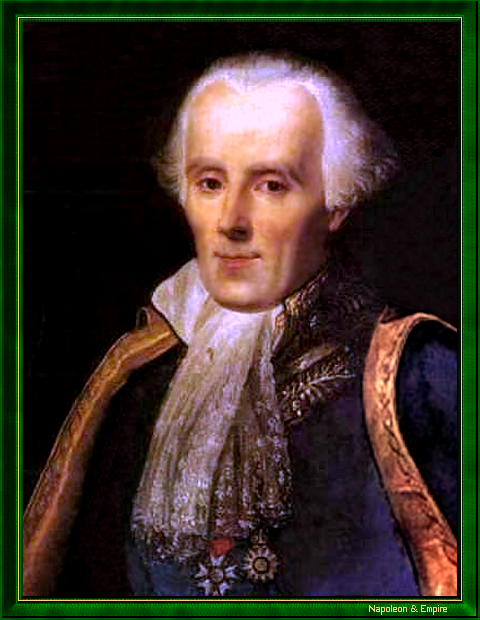
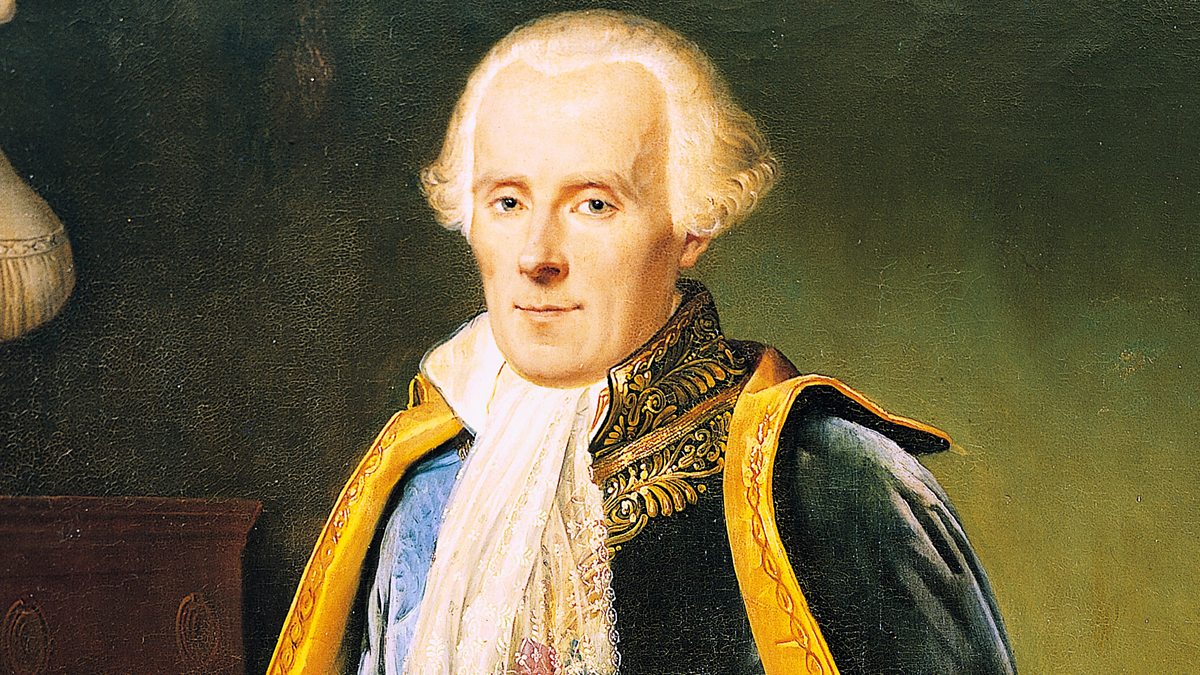
Pierre-Simon Laplace: The Architect of Determinism
Introduction: The Polymath of the Enlightenment
Pierre-Simon Laplace (1749–1827) was a French mathematician, astronomer, and physicist whose contributions laid the groundwork for modern celestial mechanics, probability theory, and mathematical physics. Often referred to as the "French Newton," Laplace's work bridged the gap between classical and modern science, influencing generations of thinkers in fields ranging from astronomy to statistics. His deterministic view of the universe—famously encapsulated in the idea of a cosmic calculator who could predict the future with perfect accuracy—remains one of the most provocative concepts in the history of science.
Early Life and Education
Born on March 23, 1749, in Beaumont-en-Auge, Normandy, Laplace came from humble beginnings. His father was a farmer and cider merchant, but Laplace's intellectual talents were evident from an early age. Thanks to the support of wealthy neighbors who recognized his potential, he was able to attend the Benedictine College in Caen, where he initially studied theology. However, his fascination with mathematics soon took precedence.
By the time he left for Paris in 1768, Laplace had already begun developing his mathematical prowess. He sought out Jean le Rond d'Alembert, a leading figure of the French Enlightenment, who was initially unimpressed with the young man. Undeterred, Laplace penned a memorandum on the principles of mechanics, which finally convinced d'Alembert to take him under his wing. This mentorship proved pivotal, opening doors to academic and scientific circles.
Contributions to Celestial Mechanics
Laplace's most enduring legacy lies in his work on celestial mechanics—the application of Newtonian physics to the motions of celestial bodies. His magnum opus, *Traité de Mécanique Céleste* (1799–1825), a five-volume work, synthesized and expanded upon the gravitational theories of Isaac Newton and the mathematical advances of Leonhard Euler and Joseph-Louis Lagrange.
One of his key achievements was his resolution of the long-standing problem of planetary perturbations. Newton had posited that the gravitational interactions between planets would eventually destabilize the solar system, possibly leading to its collapse. Laplace, however, demonstrated that these perturbations were in fact periodic and self-correcting, ensuring the system’s long-term stability. This conclusion reassured scientists and philosophers that the cosmos was not governed by chaos but by predictable, deterministic laws.
The Nebular Hypothesis
In addition to his mathematical work, Laplace proposed the *nebular hypothesis*, a theory explaining the formation of the solar system. He suggested that the Sun and planets originated from a rotating nebula (a cloud of gas and dust) that gradually cooled and condensed under gravity. Although later modified, this hypothesis laid the foundation for modern theories of planetary formation and remains a cornerstone of astrophysics.
Probability Theory and the Birth of Statistics
While Laplace is best known for his work in astronomy, his contributions to probability theory were equally groundbreaking. His *Théorie Analytique des Probabilités* (1812) formalized the mathematical framework of probability, introducing concepts such as generating functions, Bayesian inference, and the Central Limit Theorem.
Laplace approached probability from a philosophical standpoint, seeing it as a tool for managing uncertainty in both science and everyday decision-making. His work had profound implications for fields as diverse as actuarial science, error analysis in astronomy, and even social statistics.
The Laplace Transform
Among his mathematical innovations, the *Laplace transform* stands out as a critical tool in engineering and physics. This integral transform simplifies the analysis of linear differential equations, making it indispensable in control theory, signal processing, and quantum mechanics. Its applications extend from electrical circuits to fluid dynamics, demonstrating Laplace’s far-reaching impact.
Laplace’s Demon and Determinism
Perhaps Laplace’s most famous intellectual contribution was his articulation of *scientific determinism*. In *A Philosophical Essay on Probabilities* (1814), he imagined an all-knowing intellect—later dubbed "Laplace’s Demon"—that, if given the precise location and momentum of every particle in the universe, could calculate the entire past and future with absolute certainty.
This idea both fascinated and unsettled contemporaries. While it underscored the power of Newtonian mechanics, it also raised existential questions about free will and the limits of human knowledge. Modern chaos theory and quantum mechanics have since challenged Laplace’s rigid determinism, but his vision remains a cornerstone in debates about causality and predictability.
Political Survival and Later Years
Laplace’s career unfolded against the tumultuous backdrop of the French Revolution, the rise of Napoleon, and the Bourbon Restoration. Remarkably, he navigated these political upheavals with shrewd adaptability. He served briefly as Napoleon’s Minister of the Interior (though he was quickly replaced for being too theoretical) and was later ennobled as the Marquis de Laplace under Louis XVIII.
Despite these political engagements, Laplace remained deeply committed to science, mentoring future luminaries like Siméon Denis Poisson. He died in Paris on March 5, 1827, leaving behind a legacy that shaped the trajectory of modern science.
Conclusion (Part 1)
The first part of this exploration into Pierre-Simon Laplace’s life and work has highlighted his foundational contributions to celestial mechanics, probability theory, and mathematical physics. From his humble origins to his rise as a scientific titan of the Enlightenment, Laplace’s insights reshaped humanity’s understanding of the cosmos and the mathematical tools we use to describe it.
In the next section, we will delve deeper into Laplace’s influence on modern science, his philosophical impact, and the controversies surrounding his deterministic worldview.
Laplace’s Influence on Modern Science
Pierre-Simon Laplace’s work transcended his lifetime, permeating multiple branches of science and mathematics. His theories on celestial mechanics became the bedrock for later astronomers like Urbain Le Verrier, who used Laplace’s equations to predict the existence of Neptune. Meanwhile, his probabilistic methods laid the groundwork for statistical mechanics, a field later developed by luminaries such as Ludwig Boltzmann and Josiah Willard Gibbs.
One of the most striking examples of Laplace’s enduring influence is in astrophysics, where his nebular hypothesis evolved into modern accretion disk models, explaining not just the formation of the solar system but also the birth of galaxies. His mathematical rigor inspired physicists like James Clerk Maxwell, who applied similar analytical methods to electromagnetism, culminating in Maxwell’s equations—the foundation of classical electrodynamics.
The Laplace Operator in Physics
Laplace’s name is immortalized in the *Laplace operator* (or Laplacian), symbolized as ∇². This differential operator, central to fields like electromagnetism, fluid dynamics, and quantum mechanics, measures the divergence of a gradient in a scalar field. For example, in Schrödinger’s equation—the cornerstone of quantum mechanics—the Laplacian helps encode the wave function’s spatial curvature. Without this tool, much of modern theoretical physics would lack its mathematical precision.
The Philosophical Legacy of Determinism
Laplace’s deterministic worldview sparked debates that endure to this day. His vision of a clockwork universe, governed by exact laws without randomness, resonated with Enlightenment ideals of rationality and order. Yet, it also clashed with emerging ideas about human agency. Philosophers like Immanuel Kant and later existentialists wrestled with the tension between Laplace’s mechanical universe and the subjective experience of free will.
In the 20th century, quantum mechanics delivered a seismic blow to Laplacean determinism. Werner Heisenberg’s uncertainty principle demonstrated that at subatomic scales, precise measurement of complementary variables (like position and momentum) is fundamentally impossible—directly contradicting Laplace’s all-knowing "demon." Nevertheless, Laplace’s framework remains vital in classical physics, where deterministic models still dominate systems from planetary orbits to climate science.
Criticism and Reinterpretations
Laplace’s determinism faced criticism even among his contemporaries. Philosopher Henri Bergson argued that time’s irreducible flow defied mechanistic reduction, while mathematicians like Henri Poincaré later showed that deterministic systems (like the three-body problem in gravity) could exhibit chaotic, unpredictable behavior—a precursor to chaos theory. Today, scientists acknowledge that while Laplace’s deterministic ideal applies to many macroscopic systems, complexity and quantum randomness introduce limits to predictability.
Laplace and the Birth of Thermodynamics
Though less celebrated, Laplace’s contributions to thermodynamics were pivotal. Collaborating with chemist Antoine Lavoisier, he designed an ice calorimeter to measure heat exchange in chemical reactions. Their experiments supported the theory that heat was a form of energy—not a fluid-like "caloric," as once believed—paving the way for the first law of thermodynamics.
Simultaneously, Laplace’s probabilistic thinking foreshadowed the second law of thermodynamics. Ludwig Boltzmann’s statistical interpretation of entropy—the idea that disorder tends to increase—echoed Laplace’s earlier insights about the role of probability in physical laws. Thus, though Laplace never formulated thermodynamics himself, his methods influenced its mathematical underpinnings.
The Laplace-Adjusted Probability
Named in his honor, *Laplace’s rule of succession* is a Bayesian method for estimating probabilities from limited data. For example, if a coin lands heads-up three times in three flips, a naive estimate might assign a 100% probability to heads. Laplace’s rule, however, tempers extreme conclusions by adding pseudo-observations, yielding a more cautious estimate. This principle remains foundational in machine learning, where algorithms handle sparse data using Bayesian priors—a direct descendant of Laplace’s formalism.
Political and Social Engagement
Beyond science, Laplace played a surprising role in France’s educational and political reforms. As a member of the Bureau des Longitudes, he standardized the metric system during the Revolution, advocating for decimal-based units that simplified scientific communication. Later, under Napoleon, he helped reorganize the École Polytechnique, ensuring advanced mathematical training for engineers and military officers—many of whom applied Laplace’s theories in ballistics and navigation.
His political flexibility, however, invited criticism. Laplace’s willingness to serve successive regimes—revolutionary, imperial, and monarchist—led some to accuse him of opportunism. Yet others argued that his pragmatism safeguarded French science during turbulent times, preserving institutions until stability returned.
The Laplace-Bayes Connection
Though Thomas Bayes’ theorem predated Laplace, it was Laplace who recognized its generality and power. His refinement of Bayesian inference—treating probabilities as degrees of rationality rather than frequencies—revolutionized fields from medicine (diagnostic testing) to cryptography. Today, Bayesian networks underpin algorithms in spam filters, genomic sequencing, and even artificial intelligence.
Legacy in Mathematics
Laplace’s mathematical innovations extended beyond transforms and operators. His work on special functions, like Legendre polynomials and Bessel functions, became essential tools in solving differential equations. He also advanced techniques for approximating integrals, later refined into what we now call *asymptotic analysis*.
Perhaps most influential was his approach to perturbation theory, which allowed scientists to approximate solutions for nearly unsolvable problems—such as the Moon’s irregular orbit. This method remains indispensable in fields ranging from quantum field theory to aerospace engineering.
Conclusion (Part 2)
This second installment has explored Laplace’s far-reaching impact, from the Laplacian’s role in physics to his philosophical clashes with indeterminism. His fingerprints linger in thermodynamics, machine learning, and even the metric system—proof that his genius bridged theory and practicality.
In the final section, we’ll examine Laplace’s lesser-known works, his influence on 19th-century thought, and how modern science reconciles—or rejects—his deterministic vision. From statistical mechanics to AI, the legacy of Laplace’s "demon" continues to provoke and inspire.
Laplace’s Lesser-Known Works and Final Years
While Pierre-Simon Laplace is celebrated for his monumental theories on celestial mechanics and probability, several of his lesser-known contributions reveal the astonishing breadth of his intellect. Among these was his work on capillary action, where he derived the laws governing the rise and fall of liquids in narrow tubes—a phenomenon crucial to understanding plant physiology and modern microfluidics. He also developed theories on the speed of sound, correcting Newton’s earlier underestimation by accounting for adiabatic processes in air, laying groundwork later expanded by Laplace’s contemporary, Siméon Denis Poisson.
In his later years, Laplace turned his attention to the nascent field of geodesy, refining methods for measuring Earth’s shape. His corrections to the length of the meridian arc—used in defining the meter—demonstrated his commitment to precision in both science and practical measurements. These efforts cemented his reputation not just as a theorist, but as a scholar deeply engaged in the empirical refinement of natural knowledge.
The Final Synthesis: Exposition du Système du Monde
Published in 1796, Exposition du Système du Monde was Laplace’s masterful attempt to explain complex astronomical concepts to a broader audience. Unlike his mathematically dense Mécanique Céleste, this work was written in clear prose, illustrating everything from planetary motion to tides without equations. Here, Laplace famously presented his nebular hypothesis not as dogma, but as a "probable scenario," showcasing his nuanced understanding of scientific epistemology. The book’s success—running through multiple editions—revealed his skill as both a scientist and communicator, influencing educators and popularizers of science for generations.
Laplace and the 19th-Century Scientific Landscape
Laplace’s death in 1827 did not mark the end of his influence. On the contrary, his deterministic framework became a battleground for 19th-century thinkers grappling with the limits of science. The French positivist Auguste Comte, for instance, embraced Laplace’s emphasis on empirical laws but rejected the “demon” as metaphysical speculation. Meanwhile, thermodynamicists like Sadi Carnot relied implicitly on Laplace’s insights about energy even as they moved decisively beyond a strictly Newtonian worldview.
In mathematics, Laplace’s methods were refined by the likes of Carl Friedrich Gauss and Bernhard Riemann, whose differential geometry extended Laplacian analysis to curved spaces—later proving essential for Einstein’s general relativity. Even as new paradigms emerged, Laplace’s conservative insistence on mathematical rigor became a gold standard, preventing premature speculation in fields like electromagnetism and kinetic theory.
A Controversial Legacy: The Laplace Priority Disputes
Historical scholarship has since revealed that Laplace was not always generous in crediting predecessors. His belated acknowledgment of Lagrange’s contributions to potential theory, or his muted recognition of Bayes’ earlier probabilistic work, sparked debates about intellectual honesty. Yet contemporaries like Poisson noted that Laplace’s syntheses often transcended incremental advances, transforming raw mathematical tools into universal principles—a distinction that may excuse some of his territorial tendencies.
Modern Reassessments of Laplacean Determinism
The 20th century’s dual revolution—quantum uncertainty and chaos theory—seemed to bury Laplace’s clockwork universe. However, modern science offers a more nuanced verdict. While quantum mechanics introduced fundamental randomness, phenomena such as superconductivity and Bose-Einstein condensates exhibit near-perfect determinism at macroscopic scales. Similarly, chaos theory, which shows how small perturbations can unpredictably amplify, operates within deterministic equations—echoing Laplace’s view that complexity, not divine intervention, explained apparent irregularities in nature.
In computer science, Laplace’s vision finds unexpected resonance. Machine learning algorithms, particularly neural networks, operate as “black-box” predictors—approximating Laplace’s demon by forecasting outcomes from vast datasets without explicit mechanistic understanding. Meanwhile, climate models rely on probabilistic Laplacian approaches to weigh uncertainties in long-term projections.
The Laplace Renaissance in Complex Systems
Recent interdisciplinary sciences—network theory, systems biology, and econophysics—have rehabilitated aspects of Laplace’s thinking. For example, protein-folding simulations use deterministic molecular dynamics (a Laplacian technique) despite quantum-scale randomness, because statistical averaging restores predictability. Likewise, precision cosmology’s ability to retroactively model the Big Bang with stunning accuracy would have delighted Laplace, proving his dictum that enough data can render even cosmic history computationally tractable.
Education and Mentorship: Laplace’s Human Legacy
Beyond equations, Laplace shaped science through his students. His mentorship of Poisson—whose distribution laws are foundational in statistics—helped consolidate probability as a rigorous discipline. Other protégés, like Jean-Baptiste Biot, advanced optics and polarimetry, while Dominique François Arago became a pivotal figure in both physics and liberal politics.
Laplace’s pedagogical ethos emphasized clarity over ornamentation. His insistence that “probability is common sense reduced to calculation” underscored his belief that profound truths required lucid exposition—a principle now enshrined in scientific writing standards. Ironically, his own Mécanique Céleste was notorious for omitting detailed proofs (leading to the quip that it “offered hints to the student and apologies to the philosophers”), but this very terseness challenged successors to fill gaps rigorously.
Civic Science and the Laplace Model
Laplace’s career also offers lessons in the civic role of scientists. His navigation of revolutionary politics—trimming sails without abandoning core principles—prefigured the delicate balance modern researchers strike between funding imperatives and intellectual independence. His advocacy for state-supported scientific institutions, like the Paris Observatory, demonstrated early recognition that “big science” required sustained investment—a model now universal from CERN to NASA.
Conclusion: The Enduring Colossus
From nebular hypotheses to neural networks, Pierre-Simon Laplace’s legacy is a tapestry of audacious theorizing and meticulous calculation. His deterministic universe may have fractured under modernity’s microscope, but his mathematical tools and philosophical frameworks remain startlingly relevant. In an age drowning in data yet starved for predictive coherence, Laplace’s union of probability and determinism offers a compass—not as dogma, but as heuristic inspiration.
The tale of Laplace’s demon, then, is not one of obsolescence, but of metamorphosis. Where Laplace envisaged a single intellect calculating all, we now deploy distributed supercomputers and probabilistic algorithms to approximate that vision within human limits. This humbling pivot—from certainty to calibrated confidence—may be his truest gift to posterity: not omniscience, but the methodology to navigate an uncertain cosmos with rigor and imagination.
As we refine exoplanet discoveries using his perturbation methods or optimize AI with Bayesian-Laplacian hybrids, we do more than honor history—we reaffirm that the finest science, like Laplace’s, dares to yoke the calculable to the ineffable, ever probing the boundary between the inevitable and the unknown.


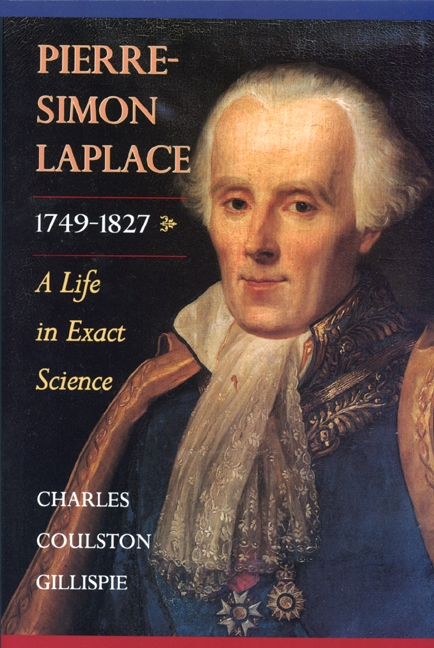
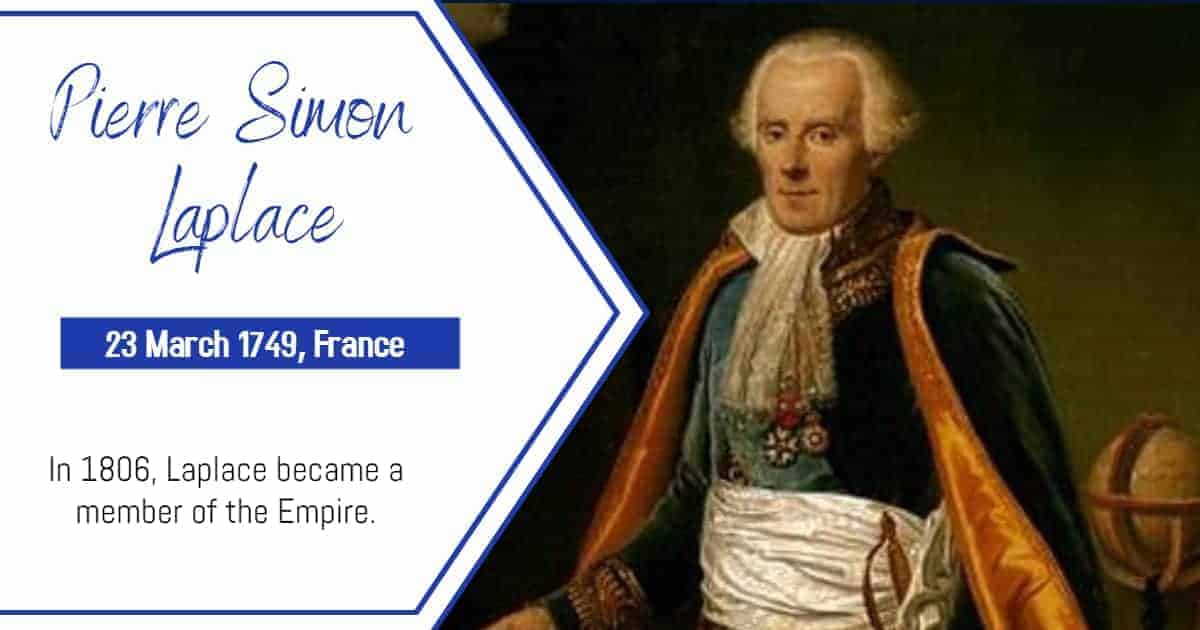
Pierre-Simon Laplace: The French Newton Who Shaped Modern Science
Introduction to a Pioneering Mind
Pierre-Simon Laplace, a towering figure in French mathematics and astronomy, revolutionized our understanding of the universe. Born in 1749 in Normandy, Laplace's contributions spanned celestial mechanics, probability theory, and mathematical physics. His work laid the groundwork for modern scientific disciplines, earning him the nickname "the French Newton."
Early Life and Scientific Foundations
Laplace's journey began in Beaumont-en-Auge, where his early aptitude for mathematics set him apart. By 1773, he was elected to the Académie des Sciences, a testament to his rapid rise in the scientific community. His early work focused on probability theory, culminating in his 1774 paper, Mémoire sur la probabilité des causes, which introduced Bayesian reasoning.
Key Contributions to Mathematics
- Laplace’s Equation: A fundamental differential equation in mathematical physics.
- Laplace Transform: A tool essential for solving differential equations.
- Laplacian Operator: Critical in vector calculus and physics.
Celestial Mechanics: Unraveling the Solar System
Laplace's magnum opus, the five-volume Traité de mécanique céleste (1799–1825), systematized celestial mechanics. He proved the long-term stability of planetary motions, addressing a major challenge of Newtonian physics. His nebular hypothesis proposed that the solar system formed from a rotating cloud of gas, a theory that influenced later models of planetary formation.
The Nebular Hypothesis
Laplace's hypothesis suggested that the sun and planets originated from a rotating nebula. This idea, though refined over time, remains a cornerstone of modern cosmology. His work provided a framework for understanding the formation of planetary systems, a topic still explored today.
Probability Theory: A New Analytical Framework
In 1812, Laplace published Théorie analytique des probabilités, which transformed probability from ad-hoc methods into a rigorous analytical theory. His contributions to Bayesian inference and statistical reasoning are foundational in modern data analysis and machine learning.
Philosophical Impact: Determinism and Laplace’s Demon
Laplace is famously associated with scientific determinism, encapsulated in the thought experiment known as "Laplace’s demon." This idea posits that if an intelligence knew the precise location and momentum of every atom in the universe, it could predict the future with absolute certainty. While later developments in quantum mechanics and chaos theory have nuanced this view, Laplace's deterministic philosophy remains a pivotal concept in the history of science.
Legacy and Modern Relevance
Laplace's influence extends beyond his lifetime. His name is immortalized in mathematical objects such as the Laplacian and Laplace transform, which are integral to engineering, physics, and mathematics curricula worldwide. Recent scholarly work continues to reassess his contributions, highlighting his role as a synthesizer of mathematical and scientific ideas.
Educational and Digital Revival
In the 2020s, there has been a resurgence of interest in Laplace's work. Online biographies, course materials, and museum exhibits have revisited his original manuscripts, translating his probabilistic arguments into modern notation. This revival underscores the enduring relevance of his ideas in contemporary probability theory and celestial mechanics.
Conclusion: A Lasting Scientific Legacy
Pierre-Simon Laplace's contributions to mathematics, astronomy, and probability theory have left an indelible mark on science. His work not only advanced our understanding of the universe but also provided tools and frameworks that continue to shape modern scientific inquiry. As we delve deeper into his life and achievements in the subsequent parts of this article, we will explore the nuances of his scientific methods and the broader implications of his philosophical ideas.
Political Influence and Institutional Roles
Pierre-Simon Laplace was not only a scientific luminary but also a prominent figure in French political and academic circles. His career spanned the tumultuous periods of the French Revolution and the Napoleonic era, during which he held significant positions that allowed him to shape France's scientific landscape.
Key Political and Academic Positions
- Académie des Sciences: Elected in 1773, Laplace became a leading member of this prestigious institution, contributing to its influence and prestige.
- Minister of the Interior: Briefly served under Napoleon Bonaparte in 1799, demonstrating his versatility beyond the scientific realm.
- Senator and Chancellor: Appointed to the French Senate and later served as Chancellor of the Senate, further cementing his role in French governance.
Promotion of Scientific Institutions
Laplace played a crucial role in the establishment and promotion of scientific institutions in France. He was instrumental in the development of the metric system, which standardized measurements and facilitated scientific and commercial exchanges. His efforts in educational reform helped modernize French academia, ensuring that scientific advancements were integrated into the national curriculum.
Scientific Controversies and Collaborations
Throughout his career, Laplace engaged in numerous scientific debates and collaborations that shaped his theories and methodologies. His interactions with contemporaries such as Joseph-Louis Lagrange and Adrien-Marie Legendre were pivotal in advancing his work.
Collaborations with Leading Scientists
- Joseph-Louis Lagrange: Laplace and Lagrange collaborated on various aspects of celestial mechanics, with Laplace often building upon Lagrange's foundational work.
- Adrien-Marie Legendre: Their interactions in the field of mathematical analysis led to significant advancements in the understanding of differential equations.
- Antoine Lavoisier: Laplace worked with Lavoisier on early experiments in thermochemistry, contributing to the development of the calorimeter.
Scientific Debates and Criticisms
Laplace's theories were not without controversy. His nebular hypothesis faced skepticism from some contemporaries who favored alternative explanations for the formation of the solar system. Additionally, his deterministic views were later challenged by advancements in quantum mechanics and chaos theory, which introduced elements of unpredictability and randomness.
"What we know is very little, and what we do not know is immense." — Pierre-Simon Laplace
Laplace’s Impact on Modern Science and Technology
The legacy of Pierre-Simon Laplace extends far beyond his lifetime, influencing numerous fields in modern science and technology. His theoretical contributions have found practical applications in various disciplines, from engineering to artificial intelligence.
Applications in Engineering and Physics
- Laplace Transform: Widely used in electrical engineering for analyzing circuits and systems.
- Laplace’s Equation: Fundamental in fluid dynamics, electromagnetism, and heat transfer.
- Celestial Mechanics: His work on planetary motion remains crucial for space exploration and satellite technology.
Influence on Probability and Statistics
Laplace's contributions to probability theory have had a lasting impact on statistics and data science. His development of Bayesian inference is now a cornerstone of machine learning and artificial intelligence. Modern algorithms for predictive modeling and data analysis owe much to his pioneering work.
Educational Influence
Laplace's theories and methods are integral to modern educational curricula. His work is taught in mathematics, physics, and engineering programs worldwide. Textbooks on differential equations, probability, and celestial mechanics frequently reference his contributions, ensuring that new generations of scientists and engineers are familiar with his ideas.
Recent Scholarly Reassessments
In recent years, historians and scientists have revisited Laplace's work, offering new perspectives on his contributions and legacy. These reassessments highlight the evolving understanding of his role in the development of modern science.
Historiographical Trends
- Synthesizer of Ideas: Modern scholars emphasize Laplace's role as a synthesizer who unified methods across mathematics, astronomy, and probability.
- Beyond Determinism: Recent analyses explore how Laplace's deterministic views contrast with later developments in statistical mechanics and chaos theory.
- Collaborative Nature: New research highlights the collaborative aspects of Laplace's work, acknowledging the contributions of his contemporaries.
Digital and Pedagogical Revival
The digital age has brought renewed interest in Laplace's original manuscripts and theories. Online platforms and educational resources have made his work more accessible, allowing students and researchers to engage with his ideas in new ways. Translations of his probabilistic arguments into modern notation have facilitated a deeper understanding of his contributions to probability theory and celestial mechanics.
Public and Scientific Communication
Laplace's name continues to resonate in public science communication. His nebular hypothesis and the concept of Laplace’s demon are frequently cited in discussions about cosmology and predictability. Popular science articles and documentaries often reference his work to illustrate the evolution of scientific thought.
Conclusion: A Multifaceted Legacy
As we have explored in this second part of the article, Pierre-Simon Laplace was not only a brilliant scientist but also a influential figure in French politics and academia. His collaborations and controversies shaped his theories, while his impact on modern science and technology continues to be felt today. Recent scholarly reassessments have provided new insights into his work, ensuring that his legacy remains relevant in the digital age.
In the final part of this article, we will delve into Laplace's personal life, his philosophical views, and the enduring influence of his ideas on contemporary scientific thought. We will also explore how his work is being preserved and promoted in the 21st century, ensuring that future generations continue to benefit from his groundbreaking contributions.
Personal Life and Philosophical Views
Pierre-Simon Laplace led a life marked by both scientific brilliance and personal resilience. Born into a modest family in Normandy, his rise to prominence was fueled by his relentless pursuit of knowledge and his ability to navigate the complex political landscape of his time.
Early Life and Education
Laplace's early education was shaped by his local school in Beaumont-en-Auge, where his exceptional mathematical abilities were first recognized. His journey to Paris at the age of 18 marked the beginning of his illustrious career. There, he quickly gained the attention of prominent mathematicians, securing a position at the École Militaire, where he taught mathematics to young officers.
Family and Personal Relationships
Despite his demanding scientific and political commitments, Laplace maintained a close-knit family life. He married Marie-Charlotte de Courty de Romanges in 1788, and the couple had two children. His personal correspondence reveals a man deeply devoted to his family, providing a stark contrast to his public persona as a rigorous and sometimes austere scientist.
Philosophical Views and Scientific Determinism
Laplace is perhaps best known for his philosophical stance on scientific determinism. His famous thought experiment, "Laplace’s demon," posits that if an intelligence knew the precise location and momentum of every atom in the universe, it could predict the future with absolute certainty. This idea, though later challenged by quantum mechanics and chaos theory, remains a cornerstone in discussions about predictability and free will.
"We may regard the present state of the universe as the effect of its past and the cause of its future." — Pierre-Simon Laplace
Preservation and Promotion of Laplace’s Legacy
The preservation of Laplace’s legacy is a testament to his enduring influence on science and education. Various initiatives and institutions continue to promote his work, ensuring that his contributions remain accessible and relevant.
Museums and Archives
- Musée des Arts et Métiers: Located in Paris, this museum houses many of Laplace’s original manuscripts and instruments, offering visitors a glimpse into his scientific process.
- Bibliothèque Nationale de France: Holds a vast collection of Laplace’s published works and personal correspondence, providing valuable resources for researchers.
- Online Archives: Digital platforms such as Gallica and Google Books have digitized many of Laplace’s texts, making them accessible to a global audience.
Educational Programs and Initiatives
Educational institutions worldwide continue to teach Laplace’s theories as part of their mathematics, physics, and engineering curricula. Initiatives such as:
- MOOCs (Massive Open Online Courses): Platforms like Coursera and edX offer courses that delve into Laplace’s contributions to probability theory and celestial mechanics.
- University Lectures: Prestigious universities, including the Sorbonne and MIT, feature lectures and seminars dedicated to exploring Laplace’s impact on modern science.
- Science Outreach Programs: Organizations like the French Academy of Sciences conduct workshops and public lectures to engage younger audiences with Laplace’s ideas.
Commemorative Events and Publications
To honor Laplace’s contributions, various events and publications are regularly organized:
- Annual Conferences: Scientific conferences often include sessions dedicated to Laplace’s work, particularly in the fields of mathematical physics and astronomy.
- Special Editions and Books: Publishers release annotated editions of Laplace’s major works, as well as biographies that contextualize his life and achievements for modern readers.
- Exhibitions: Museums and scientific institutions host exhibitions showcasing Laplace’s manuscripts, instruments, and personal artifacts, drawing attention to his multifaceted legacy.
Laplace’s Influence on Contemporary Scientific Thought
The ideas and methodologies developed by Pierre-Simon Laplace continue to shape contemporary scientific thought. His work has found applications in diverse fields, from artificial intelligence to quantum physics.
Artificial Intelligence and Machine Learning
Laplace’s contributions to probability theory and Bayesian inference are fundamental to modern machine learning algorithms. Techniques such as Bayesian networks and Markov chain Monte Carlo methods rely on principles that Laplace helped establish. These methods are crucial for:
- Predictive Modeling: Used in fields like finance, healthcare, and weather forecasting.
- Natural Language Processing: Powers applications such as chatbots and language translation services.
- Computer Vision: Enables advancements in image recognition and autonomous vehicles.
Quantum Physics and Chaos Theory
While Laplace’s deterministic views have been challenged by quantum mechanics, his work remains a critical reference point. The contrast between Laplace’s determinism and the probabilistic nature of quantum physics highlights the evolution of scientific thought. Additionally, chaos theory—which explores the unpredictability of complex systems—offers a nuanced perspective on Laplace’s ideas, showing how small variations can lead to vastly different outcomes.
Space Exploration and Astronomy
Laplace’s theories on celestial mechanics continue to inform modern astronomy and space exploration. His work on the stability of planetary orbits is essential for:
- Satellite Technology: Ensuring the precise positioning and longevity of satellites in orbit.
- Interplanetary Missions: Calculating trajectories for spacecraft exploring our solar system and beyond.
- Exoplanet Research: Understanding the formation and behavior of planetary systems around other stars.
Conclusion: The Enduring Legacy of Pierre-Simon Laplace
Pierre-Simon Laplace stands as one of the most influential scientists in history, with a legacy that spans mathematics, astronomy, physics, and probability theory. His groundbreaking work laid the foundations for numerous scientific disciplines and continues to inspire researchers and educators worldwide.
Key Takeaways
- Foundational Contributions: Laplace’s development of the Laplace transform, Laplace’s equation, and the nebular hypothesis revolutionized multiple fields.
- Probability and Statistics: His systematic approach to probability theory and Bayesian inference remains vital in modern data science and machine learning.
- Scientific Determinism: The concept of Laplace’s demon continues to provoke discussions on predictability and free will.
- Educational Impact: Laplace’s theories are integral to contemporary STEM education, ensuring his ideas are passed down to future generations.
- Modern Applications: From artificial intelligence to space exploration, Laplace’s work underpins technologies that shape our world today.
As we reflect on Laplace’s extraordinary life and achievements, it is clear that his influence extends far beyond his time. His ability to synthesize complex ideas and his relentless pursuit of knowledge have left an indelible mark on science. In an era where technology and discovery advance at an unprecedented pace, the principles and methodologies developed by Laplace remain as relevant as ever. His legacy serves as a reminder of the power of curiosity and the enduring impact of scientific inquiry.
In celebrating Pierre-Simon Laplace, we honor not just a scientist, but a visionary whose ideas continue to illuminate the path of human understanding. As future generations build upon his work, Laplace’s contributions will undoubtedly remain a cornerstone of scientific progress, inspiring innovation and discovery for centuries to come.
Jean-Baptiste Joseph Delambre: Pioneering Astronomer of the 18th Century
Introduction to a Trailblazing Figure
The name Jean-Baptiste Joseph Delambre stands as a beacon in the history of astronomy. Born in 1749, Delambre emerged as a pioneering astronomer of the 18th century, contributing significantly to the fields of geodesy and celestial mechanics. His work laid the foundation for modern astronomical measurements and the metric system, making him a pivotal figure in scientific advancement.
Early Life and Education
Delambre's journey began in Amiens, France, where he was born on September 19, 1749. His early education was marked by a keen interest in mathematics and the natural sciences. This passion led him to pursue advanced studies, eventually earning him a position as a professor of astronomy. His academic prowess and dedication to the field quickly set him apart from his contemporaries.
Academic Achievements
Delambre's academic career was distinguished by numerous accolades. He became a member of the French Academy of Sciences in 1792, a testament to his growing influence in the scientific community. His early works focused on the precise measurement of celestial bodies, a task that required both theoretical knowledge and practical skill.
Major Contributions to Astronomy
Delambre's contributions to astronomy are vast and varied. One of his most notable achievements was his involvement in the meridian survey, a project aimed at measuring the Earth's circumference with unprecedented accuracy. This endeavor, which spanned from 1792 to 1799, was crucial in the development of the metric system.
The Meridian Survey
The meridian survey was a monumental task that required Delambre to traverse vast distances, making precise measurements along the way. His work, alongside that of his colleague Pierre Méchain, resulted in the establishment of the metre as a standard unit of length. This achievement not only advanced the field of geodesy but also had far-reaching implications for science and commerce.
Celestial Mechanics
In addition to his geodetic work, Delambre made significant contributions to celestial mechanics. His studies on the orbits of planets and the motion of the Moon were groundbreaking. He published several influential works, including Exposition du système du monde and Histoire de l'astronomie moderne, which remain essential texts in the history of astronomy.
Legacy and Influence
Delambre's legacy extends far beyond his lifetime. His meticulous measurements and theoretical insights have had a lasting impact on the field of astronomy. His work on the meridian survey, in particular, has been instrumental in shaping modern cartography and navigation. The metric system, which he helped to establish, is now used worldwide, a testament to his enduring influence.
Recognition and Honors
Throughout his career, Delambre received numerous honors and recognitions. He was appointed as the director of the Paris Observatory, a position that allowed him to further his research and mentor future generations of astronomers. His contributions were also recognized by the French government, which awarded him the Legion of Honor.
Challenges and Controversies
Despite his many achievements, Delambre's career was not without challenges. The political turmoil of the French Revolution posed significant obstacles to his work. However, his dedication to science and his ability to navigate these difficulties ensured that his research continued to thrive. His resilience in the face of adversity is a testament to his commitment to the advancement of knowledge.
Political Context
The French Revolution was a period of great upheaval, and Delambre's work was not immune to its effects. The meridian survey, in particular, was disrupted by the political instability of the time. However, Delambre's perseverance and the support of his colleagues allowed the project to be completed successfully. This period also saw the reorganization of scientific institutions, with Delambre playing a key role in the establishment of the Bureau des Longitudes.
Conclusion
Jean-Baptiste Joseph Delambre's contributions to astronomy and geodesy have left an indelible mark on the scientific community. His work on the meridian survey and his advancements in celestial mechanics have had a profound impact on our understanding of the universe. As a pioneering astronomer of the 18th century, Delambre's legacy continues to inspire and inform future generations of scientists.
Further Exploration
For those interested in delving deeper into Delambre's life and work, numerous resources are available. The Bibliothèque nationale de France and the Library of Congress hold extensive collections of his writings and correspondence. Additionally, modern scholarship continues to reappraise his contributions, offering new insights into his enduring influence on the field of astronomy.
Delambre's Scientific Methodology and Innovations
Jean-Baptiste Joseph Delambre was not only a prolific astronomer but also a meticulous scientist who refined the methodologies of his time. His approach to celestial observation combined rigorous mathematical analysis with practical experimentation. Delambre's innovations in instrument calibration and error reduction techniques set new standards for astronomical precision, influencing generations of scientists who followed.
Advancements in Instrumentation
Delambre recognized that the accuracy of astronomical measurements depended heavily on the quality of the instruments used. He dedicated significant effort to improving the design and calibration of telescopes, quadrants, and chronometers. His work ensured that observations were not only precise but also reproducible, a critical factor in the scientific method. One of his notable contributions was the refinement of the meridian circle, an instrument essential for measuring the positions of stars.
Mathematical Contributions
In addition to his practical work, Delambre made substantial contributions to the mathematical frameworks used in astronomy. He developed new algorithms for calculating planetary orbits and lunar motions, which were more accurate than previous models. His mathematical rigor helped resolve discrepancies in existing astronomical tables, providing astronomers with more reliable data for navigation and timekeeping.
Key Publications and Their Impact
Delambre's written works are a testament to his deep understanding of astronomy and his commitment to sharing knowledge. His publications covered a wide range of topics, from practical guides for observers to theoretical treatises on celestial mechanics. These works were widely read and cited, cementing his reputation as a leading authority in the field.
Exposition du système du monde
One of Delambre's most influential works, Exposition du système du monde, provided a comprehensive overview of the solar system as understood in the late 18th century. This book was not only a summary of existing knowledge but also included Delambre's own insights and corrections. It served as an essential reference for both amateur and professional astronomers, offering detailed explanations of planetary motions, eclipses, and cometary orbits.
Histoire de l'astronomie moderne
Delambre's Histoire de l'astronomie moderne is a monumental work that traces the development of astronomy from the Renaissance to the early 19th century. This publication is particularly valuable for its detailed accounts of the contributions made by his contemporaries and predecessors. Delambre's historical analysis highlighted the progressive nature of scientific discovery, emphasizing how each generation of astronomers built upon the work of those who came before.
- Exposition du système du monde: A foundational text on solar system dynamics.
- Histoire de l'astronomie moderne: A comprehensive history of astronomical advancements.
- Tables du Soleil: Precise solar tables used for navigation and timekeeping.
Collaborations and Scientific Networks
Delambre's success was not achieved in isolation. He was part of a vibrant scientific community that valued collaboration and the exchange of ideas. His work with other prominent scientists of the time, such as Pierre Méchain and Joseph-Louis Lagrange, demonstrates the importance of collective effort in advancing scientific knowledge.
Partnership with Pierre Méchain
The collaboration between Delambre and Pierre Méchain on the meridian survey is one of the most notable partnerships in the history of geodesy. Together, they measured the arc of the meridian from Dunkirk to Barcelona, a project that required precise coordination and mutual trust. Their combined efforts resulted in data that was crucial for defining the metre, a unit of measurement that has since become a global standard.
Influence on Future Generations
Delambre's influence extended beyond his immediate collaborators. He mentored numerous young scientists, many of whom went on to make significant contributions to astronomy and related fields. His commitment to education and knowledge sharing ensured that his methods and discoveries were preserved and built upon. Institutions such as the Paris Observatory and the Bureau des Longitudes benefited greatly from his leadership and vision.
Delambre's Role in the Development of the Metric System
One of Delambre's most enduring legacies is his role in the development of the metric system. The need for a universal system of measurement was recognized during the French Revolution, and Delambre's work on the meridian survey provided the empirical data necessary to establish the metre as a standard unit of length. This contribution had profound implications for science, commerce, and international cooperation.
The Meridian Arc Measurement
The measurement of the meridian arc was a complex and ambitious project. Delambre and Méchain used a method known as triangulation, which involved creating a network of triangles across the landscape and measuring the angles and distances between them. This approach allowed them to calculate the length of the meridian with remarkable precision. The data they collected was used to define the metre as one ten-millionth of the distance from the North Pole to the Equator.
Impact on Global Standardization
The adoption of the metric system was a significant milestone in the history of science and technology. Delambre's contributions to this effort helped establish a framework for global standardization, facilitating international trade and scientific collaboration. Today, the metric system is used in nearly every country around the world, a testament to the enduring impact of Delambre's work.
"The precision of Delambre's measurements was unparalleled in his time, setting a new standard for scientific rigor and accuracy."
Challenges and Setbacks
Despite his many achievements, Delambre faced numerous challenges throughout his career. The political instability of the French Revolution disrupted his work on several occasions, and he encountered technical difficulties that required innovative solutions. His ability to overcome these obstacles is a testament to his resilience and dedication to the pursuit of knowledge.
Political and Social Upheaval
The French Revolution was a period of significant upheaval, and Delambre's scientific endeavors were not immune to its effects. The revolution led to the reorganization of scientific institutions and the disruption of ongoing projects. However, Delambre's commitment to his work ensured that he was able to navigate these challenges and continue making meaningful contributions to the field of astronomy.
Technical and Logistical Difficulties
The meridian survey, in particular, presented numerous technical and logistical challenges. The project required Delambre and Méchain to travel across difficult terrain, often in adverse weather conditions. They also had to contend with the limitations of the instruments available at the time. Despite these obstacles, their meticulous approach and innovative solutions allowed them to achieve a level of precision that was previously unattainable.
Delambre's Later Years and Lasting Legacy
In his later years, Delambre continued to be an active and influential figure in the scientific community. He held several prestigious positions, including the directorship of the Paris Observatory, and remained committed to advancing the field of astronomy. His legacy is evident in the numerous scientific advancements that can be traced back to his work, as well as in the institutions and standards that he helped to establish.
Continuing Influence on Astronomy
Delambre's influence on astronomy extended well beyond his lifetime. His methods and discoveries laid the groundwork for many of the advancements that followed in the 19th and 20th centuries. Modern astronomers continue to build upon his work, using the principles and techniques that he pioneered to explore the universe in ever-greater detail.
Honors and Commemorations
In recognition of his contributions, Delambre received numerous honors and commemorations. He was awarded the Legion of Honor, one of France's highest distinctions, and his name is memorialized in various ways, including the Delambre crater on the Moon. These tributes serve as a reminder of his enduring impact on the field of astronomy and the broader scientific community.
- Legion of Honor: A prestigious award recognizing his contributions to science.
- Delambre crater: A lunar feature named in his honor.
- Paris Observatory: An institution that benefited from his leadership and vision.
The Enduring Impact of Delambre’s Work on Modern Science
Jean-Baptiste Joseph Delambre’s contributions continue to resonate in contemporary scientific research. His pioneering methods in geodesy and celestial mechanics laid the groundwork for modern measurement systems and astronomical calculations. Today, his work is cited in studies ranging from satellite geodesy to the refinement of planetary motion models, proving that his legacy transcends the 18th century.
Influence on Modern Geodesy and Cartography
Delambre’s meticulous measurements of the Earth’s meridian arc were foundational in developing geodetic science. Modern satellite-based systems, such as GPS (Global Positioning System), rely on the same principles of triangulation and precision measurement that Delambre championed. His work ensured that future generations of cartographers and surveyors had a reliable framework for mapping the Earth’s surface with unprecedented accuracy.
Contributions to Timekeeping and Navigation
The metric system, which Delambre helped establish, revolutionized not only measurement but also timekeeping and navigation. His calculations of solar and lunar motions improved the accuracy of nautical almanacs, which were essential for sailors navigating the oceans. These advancements reduced the risks of long-distance travel and contributed to the expansion of global trade during the 19th and 20th centuries.
Delambre’s Role in Institutionalizing Scientific Research
Beyond his personal achievements, Delambre played a crucial role in shaping the institutions that would drive scientific progress for centuries. His leadership at the Paris Observatory and the Bureau des Longitudes helped establish structured approaches to astronomical research. These institutions became models for scientific organizations worldwide, emphasizing collaboration, standardization, and the dissemination of knowledge.
Establishment of the Bureau des Longitudes
The Bureau des Longitudes, founded in 1795, was instrumental in advancing the fields of astronomy, geodesy, and navigation. Delambre was one of its founding members and later served as its president. The Bureau’s work on longitudinal measurements was critical for improving maritime navigation and synchronizing timekeeping across different regions. This institution’s influence extended globally, setting standards that are still relevant today.
Leadership at the Paris Observatory
As director of the Paris Observatory, Delambre oversaw a period of significant growth and innovation. He expanded the observatory’s research capabilities, introducing new instruments and methodologies that enhanced its reputation as a leading center for astronomical study. His emphasis on precision instrumentation and systematic observation set a precedent for observatories around the world.
Delambre’s Philosophical Approach to Science
Delambre was not only a practitioner of science but also a thinker who reflected deeply on its methods and purposes. His philosophical approach emphasized the importance of empirical evidence, mathematical rigor, and collaborative verification. These principles became cornerstones of the scientific method, influencing how research is conducted across disciplines.
Empiricism and the Scientific Method
Delambre’s commitment to empiricism—relying on observable evidence rather than theoretical speculation—was a defining characteristic of his work. He insisted that astronomical observations be repeated and cross-verified to eliminate errors. This approach reinforced the credibility of scientific findings and helped establish astronomy as a precise and reliable discipline.
The Role of Mathematics in Astronomy
Mathematics was central to Delambre’s astronomical research. He developed complex algorithms to predict planetary positions and lunar eclipses, demonstrating how mathematical models could unlock the mysteries of celestial mechanics. His work bridged the gap between theoretical astronomy and practical observation, paving the way for future breakthroughs in astrophysics.
Challenges to Delambre’s Legacy and Historical Reappraisals
While Delambre’s contributions are widely recognized, his legacy has not been without scrutiny. Some historians have debated the extent of his originality, noting that his work often built upon the findings of his predecessors. Others have questioned the accuracy of certain measurements, particularly those conducted under the difficult conditions of the meridian survey. These discussions highlight the complexities of historical scientific achievement.
Debates Over Originality and Collaboration
Critics argue that Delambre’s reliance on the work of earlier astronomers, such as Tycho Brahe and Johannes Kepler, raises questions about the originality of his contributions. However, defenders point out that scientific progress is inherently collaborative. Delambre’s ability to synthesize and refine existing knowledge was a strength, not a limitation, and his improvements to astronomical tables and instruments were undeniably impactful.
Reevaluating the Meridian Survey’s Precision
The meridian survey, though groundbreaking, faced criticism regarding its precision. Some later analyses suggested that environmental factors and instrument limitations may have introduced minor inaccuracies. However, these critiques do not diminish the survey’s significance. The project was a monumental achievement for its time, and its findings provided the necessary foundation for the metric system’s development.
Delambre’s Influence on Future Generations of Astronomers
Delambre’s mentorship and educational efforts ensured that his influence extended to future generations of scientists. Many of his students and collaborators went on to make significant contributions to astronomy, carrying forward his methods and philosophical approach. His emphasis on rigorous training and methodological discipline shaped the careers of countless researchers.
Mentorship and Educational Contributions
As a professor and director, Delambre was deeply committed to education. He trained numerous young astronomers, instilling in them the importance of precision, patience, and collaboration. His educational legacy is evident in the continued success of the institutions he helped shape, which remain at the forefront of astronomical research.
Inspiration for Modern Astronomers
Today, astronomers continue to draw inspiration from Delambre’s work. His methods for measuring celestial bodies and his approach to problem-solving remain relevant in contemporary research. Whether studying distant galaxies or refining models of planetary motion, scientists owe a debt to Delambre’s foundational contributions.
Conclusion: The Lasting Legacy of a Pioneering Astronomer
Jean-Baptiste Joseph Delambre’s life and work exemplify the power of scientific inquiry and the importance of precision in measurement. As a pioneering astronomer of the 18th century, he transformed our understanding of the Earth and the cosmos, leaving behind a legacy that continues to shape modern science. His contributions to the metric system, celestial mechanics, and geodesy have had a profound and lasting impact, ensuring his place among the greatest scientists in history.
Key Takeaways from Delambre’s Career
- Precision in Measurement: Delambre’s meticulous approach set new standards for accuracy in astronomy and geodesy.
- Development of the Metric System: His work on the meridian survey was crucial in defining the metre, a unit now used globally.
- Institutional Leadership: His roles at the Paris Observatory and the Bureau des Longitudes helped institutionalize scientific research.
- Collaborative Science: Delambre’s partnerships, particularly with Pierre Méchain, demonstrated the value of teamwork in scientific discovery.
- Educational Impact: His mentorship ensured that his methods and knowledge were passed down to future generations.
"Delambre’s legacy is not merely in the data he collected or the institutions he built, but in the enduring principles of precision, collaboration, and empirical rigor that continue to guide scientific inquiry today."
As we reflect on Delambre’s achievements, it is clear that his work transcended the boundaries of his time. His dedication to advancing human knowledge and his commitment to scientific excellence serve as an inspiration for researchers across disciplines. In an era where technology and discovery continue to evolve, Delambre’s foundational contributions remind us of the importance of curiosity, perseverance, and the relentless pursuit of truth. His story is a testament to the enduring power of science to illuminate the mysteries of the universe and improve the human condition.
Henri Poincaré: The Visionary Mathematician Who Revolutionized Science
Introduction to Henri Poincaré's Legacy
Henri Poincaré, a towering figure in the annals of mathematics and physics, remains one of the most influential scientists of the late 19th and early 20th centuries. Born in 1854 in Nancy, France, Poincaré's contributions spanned multiple disciplines, earning him the title of the last universal mathematician. His work laid the groundwork for modern chaos theory, topology, and even relativity, making him a pivotal figure in the transition from classical to modern science.
Poincaré's genius was not confined to a single field. He made groundbreaking advancements in celestial mechanics, differential equations, and algebraic geometry, while also contributing to philosophy and physics. His ability to synthesize complex ideas and apply them across disciplines set him apart from his contemporaries. Today, his theories continue to influence cutting-edge research in dynamical systems, quantum mechanics, and cosmology.
The Early Life and Education of a Mathematical Prodigy
Henri Poincaré was born on April 29, 1854, into a family of intellectuals and professionals. His father, Léon Poincaré, was a prominent physician, and his cousin, Raymond Poincaré, later became the President of France. From an early age, Poincaré exhibited exceptional intellectual abilities, particularly in mathematics. Despite suffering from diphtheria as a child, which temporarily impaired his physical abilities, his mental prowess remained unscathed.
Poincaré's formal education began at the Lycée in Nancy, where he excelled in all subjects, particularly mathematics. His teachers quickly recognized his extraordinary talent, and by the age of 17, he had already begun to make original contributions to the field. In 1873, he entered the École Polytechnique, one of France's most prestigious institutions, where he studied under some of the leading mathematicians of the time.
Academic Pursuits and Early Career
After graduating from the École Polytechnique, Poincaré continued his studies at the École des Mines, where he earned his engineering degree in 1879. That same year, he completed his doctorate in mathematics at the University of Paris, with a dissertation on partial differential equations. His thesis was so impressive that it immediately established him as a rising star in the mathematical community.
Poincaré's academic career took off rapidly. In 1879, he accepted a position as a professor at the University of Caen, where he taught for two years before moving to the University of Paris (Sorbonne) in 1881. At the Sorbonne, he spent the remainder of his career, producing an astonishing volume of work that would shape the future of mathematics and physics.
Groundbreaking Contributions to Mathematics
Poincaré's contributions to mathematics are vast and varied, but several key areas stand out for their lasting impact. His work in topology, differential equations, and celestial mechanics revolutionized these fields and laid the foundation for modern mathematical research.
The Poincaré Conjecture: A Century-Long Challenge
One of Poincaré's most famous contributions is the Poincaré Conjecture, which he formulated in 1904. This conjecture, which deals with the characterization of the three-dimensional sphere, remained one of the most significant unsolved problems in mathematics for nearly a century. The conjecture states:
"Any simply connected, closed three-dimensional manifold is homeomorphic to the three-dimensional sphere."
The conjecture's complexity stumped mathematicians for decades, but it was finally proven by Grigori Perelman in 2002–2003, using techniques from geometric analysis and Ricci flow. Perelman's proof was so groundbreaking that it earned him the Fields Medal in 2006, though he famously declined the award.
Chaos Theory and the Three-Body Problem
In 1889, Poincaré won the prestigious King Oscar II Prize for his work on the three-body problem, a fundamental issue in celestial mechanics that seeks to predict the motion of three celestial bodies interacting through gravity. His memoir on the subject introduced several groundbreaking concepts, including:
- Homoclinic points: Points where stable and unstable manifolds intersect, leading to complex and unpredictable behavior.
- Chaotic motion: The idea that small changes in initial conditions can lead to vastly different outcomes, a cornerstone of modern chaos theory.
- Invariant integrals: Mathematical tools that help describe the conservation laws in dynamical systems.
Although Poincaré's original memoir contained a critical error, his corrected work laid the foundation for the study of nonlinear dynamics and chaotic systems. Today, his ideas are applied in fields ranging from climate modeling to fluid dynamics and astrophysics.
Bridging Mathematics and Physics
Poincaré's influence extended beyond pure mathematics into the realm of physics, where his ideas helped shape the development of modern theoretical frameworks. His work on electrodynamics and relativity was particularly influential, providing key insights that would later be expanded upon by Albert Einstein.
Precursors to the Theory of Relativity
Between 1905 and 1906, Poincaré independently derived several foundational concepts of special relativity, including:
- Lorentz transformations: Mathematical equations that describe how measurements of space and time by two observers in constant motion relative to each other are related.
- Light-speed limit: The idea that the speed of light is a constant and cannot be exceeded.
- Relativity principle: The notion that the laws of physics are the same in all inertial reference frames.
- Mass-velocity dependence: The relationship between an object's mass and its velocity, a key component of Einstein's later work.
Poincaré's contributions to relativity were so significant that Einstein himself acknowledged his debt to Poincaré's ideas. While Einstein is often credited with the development of special relativity, Poincaré's work provided critical mathematical and conceptual groundwork.
Philosophy of Science and Conventionalism
In addition to his mathematical and scientific contributions, Poincaré was a profound thinker in the philosophy of science. He is best known for his advocacy of conventionalism, the idea that scientific theories are not absolute truths but rather useful conventions that help us understand the world. Poincaré argued that:
- Mathematical and scientific principles are chosen for their utility and simplicity, not their inherent truth.
- Intuition plays a crucial role in mathematical discovery, often guiding the development of formal proofs.
- The concept of actual infinity, as proposed by Georg Cantor, is not necessarily valid or useful in all contexts.
Poincaré's philosophical views continue to resonate in contemporary debates about the nature of mathematical and scientific knowledge. His emphasis on intuition and practicality has influenced generations of mathematicians and philosophers, shaping the way we think about the relationship between theory and reality.
Conclusion of Part 1
Henri Poincaré's legacy is one of unparalleled intellectual achievement and interdisciplinary innovation. His work in mathematics, physics, and philosophy has left an indelible mark on the scientific community, influencing everything from chaos theory to relativity. In the next part of this series, we will delve deeper into Poincaré's specific contributions to topology, celestial mechanics, and his enduring impact on modern science.
Poincaré's Revolution in Topology and Algebraic Geometry
Henri Poincaré's contributions to topology and algebraic geometry fundamentally transformed these fields, introducing concepts that remain central to modern mathematics. His work in topology, in particular, laid the groundwork for the study of manifolds and homotopy theory, areas that continue to drive research in both pure and applied mathematics.
The Birth of Algebraic Topology
Poincaré is often credited with founding the field of algebraic topology, a branch of mathematics that uses tools from abstract algebra to study topological spaces. His 1895 paper, Analysis Situs, introduced several key concepts, including:
- Homotopy: A way to classify topological spaces based on the continuous deformations of loops within them.
- Fundamental group: A group that captures the essence of the connectivity of a space, allowing mathematicians to distinguish between different types of surfaces.
- Betti numbers: Invariants that describe the number of holes in a topological space, providing a way to quantify its structure.
These ideas were revolutionary because they provided a rigorous mathematical framework for studying shapes and spaces that defied traditional geometric analysis. Poincaré's approach allowed mathematicians to explore properties of spaces that remain unchanged under continuous deformations, such as stretching or bending, but not tearing or gluing.
Applications in Modern Mathematics and Physics
The impact of Poincaré's topological innovations extends far beyond pure mathematics. In theoretical physics, his ideas have been applied to the study of string theory, quantum field theory, and condensed matter physics. For example, the concept of topological invariants is crucial in understanding the behavior of topological insulators, materials that conduct electricity on their surfaces but not through their interiors.
In addition, Poincaré's work on algebraic geometry provided new methods for solving systems of polynomial equations, which are fundamental in cryptography and computational algebra. His 1910–1911 proofs in algebraic geometry demonstrated the power of combining geometric intuition with algebraic techniques, a approach that continues to inspire mathematicians today.
The Poincaré Recurrence Theorem and Its Implications
Another cornerstone of Poincaré's legacy is the Poincaré Recurrence Theorem, a fundamental result in the study of dynamical systems. This theorem states that in a conservative system with a finite volume of phase space, almost every trajectory will eventually return arbitrarily close to its initial position. The theorem has profound implications for our understanding of statistical mechanics and ergodic theory.
Understanding the Recurrence Theorem
The Recurrence Theorem can be summarized as follows:
"In a system where energy and volume are conserved, and where the system is bounded, any state that the system can reach will be revisited infinitely often, given enough time."
This idea challenges the notion of irreversibility in physical systems, suggesting that even in chaotic systems, certain patterns will repeat over time. Poincaré's theorem was a direct response to the second law of thermodynamics, which posits that entropy in a closed system tends to increase over time, leading to a state of maximum disorder.
Impact on Statistical Mechanics and Chaos Theory
The Recurrence Theorem has had a lasting impact on statistical mechanics, particularly in the study of ergodic systems, where the system's trajectory eventually explores all possible states consistent with its energy. This concept is crucial for understanding the behavior of gases and other complex systems where individual particle interactions are too numerous to track.
In chaos theory, the Recurrence Theorem highlights the unpredictable yet deterministic nature of chaotic systems. While Poincaré's work on the three-body problem showed that small changes in initial conditions can lead to vastly different outcomes, the Recurrence Theorem suggests that, over infinite time, the system will return to a state arbitrarily close to its starting point. This duality—between unpredictability and recurrence—remains a central theme in the study of dynamical systems.
Poincaré's Influence on Modern Physics and Relativity
Henri Poincaré's contributions to physics are as significant as his mathematical achievements. His work on electrodynamics and relativity provided critical insights that shaped the development of modern physics, influencing figures like Albert Einstein and Hendrik Lorentz.
Electrodynamics and the Principle of Relativity
In the early 1900s, Poincaré was deeply engaged in the study of electromagnetic theory, particularly the work of James Clerk Maxwell and Hendrik Lorentz. He recognized that the equations governing electromagnetism should remain unchanged under certain transformations, a principle that would later become a cornerstone of special relativity.
Poincaré's 1905 paper, On the Dynamics of the Electron, introduced the concept of the Lorentz group, a set of transformations that preserve the form of Maxwell's equations. He also proposed that the speed of light is a universal constant, a idea that Einstein would later incorporate into his theory of relativity. Poincaré's work demonstrated that the laws of physics should be covariant—meaning they retain their form—under these transformations, a principle that is fundamental to modern physics.
The Twin Paradox and the Concept of Spacetime
Poincaré was among the first to explore the implications of time dilation, a phenomenon where time appears to pass more slowly for an object in motion relative to a stationary observer. He introduced the twin paradox, a thought experiment where one twin travels at near-light speed and returns to find the other twin has aged more. This paradox illustrates the relativistic effects of time and has become a staple in discussions of special relativity.
Additionally, Poincaré's work on the geometry of spacetime anticipated Einstein's general theory of relativity. He suggested that the three dimensions of space and the one dimension of time could be treated as a single, four-dimensional continuum, an idea that Einstein would later formalize in his theory of general relativity. Poincaré's insights into the interplay between space and time were groundbreaking, paving the way for a new understanding of the universe.
Poincaré's Philosophical Contributions: Intuition vs. Formalism
Beyond his technical contributions, Poincaré was a profound thinker in the philosophy of mathematics and science. His views on intuition, conventionalism, and the nature of mathematical truth have had a lasting impact on how we understand the development and application of scientific theories.
The Role of Intuition in Mathematics
Poincaré was a strong advocate for the role of intuition in mathematical discovery. He believed that while formal proofs and logical rigor are essential, the initial spark of mathematical insight often comes from an intuitive grasp of the problem. In his 1908 book, Science and Method, he wrote:
"It is by logic that we prove, but by intuition that we discover."
This emphasis on intuition was a response to the growing trend of formalism in mathematics, which sought to reduce all mathematical truths to purely logical statements. Poincaré argued that such an approach ignored the creative and often non-linear process of mathematical discovery, where intuition guides the mathematician toward meaningful problems and solutions.
Conventionalism and the Nature of Scientific Truth
Poincaré is perhaps best known for his philosophy of conventionalism, which posits that scientific theories and mathematical principles are not absolute truths but rather useful conventions that help us organize and understand the world. He argued that:
- Scientific laws are chosen for their simplicity and utility, not their inherent truth.
- The geometry of space is not a fixed reality but a convention that we adopt because it is convenient and consistent with our observations.
- The principles of mathematics are not discovered but invented, shaped by the needs and limitations of human cognition.
This view challenged the prevailing notion that scientific theories are direct reflections of reality. Instead, Poincaré suggested that they are tools that allow us to make sense of complex phenomena. His conventionalism has influenced later philosophers of science, including Thomas Kuhn and Paul Feyerabend, who explored the role of paradigms and scientific revolutions in shaping our understanding of the world.
Conclusion of Part 2
Henri Poincaré's contributions to mathematics, physics, and philosophy are nothing short of revolutionary. His work in topology, chaos theory, and relativity laid the foundation for many of the scientific advancements of the 20th and 21st centuries. In the final part of this series, we will explore Poincaré's enduring legacy, his influence on contemporary science, and the ongoing relevance of his ideas in today's research.
The Enduring Legacy of Henri Poincaré in Modern Science
Henri Poincaré's influence extends far beyond his lifetime, shaping the trajectory of mathematics, physics, and philosophy in profound ways. His ideas continue to inspire researchers, and his theories remain foundational in fields ranging from chaos theory to quantum mechanics. This section explores how Poincaré's work has stood the test of time and continues to drive innovation in contemporary science.
Chaos Theory and Its Applications Today
Poincaré's groundbreaking work on the three-body problem and chaos theory has had a lasting impact on modern science. His discovery of homoclinic points and the unpredictability of certain dynamical systems laid the foundation for what we now recognize as deterministic chaos. Today, chaos theory is applied in diverse fields such as:
- Climate modeling, where small changes in initial conditions can lead to vastly different weather patterns.
- Fluid dynamics, helping to explain turbulent flows in oceans and atmospheres.
- Biological systems, where chaotic behavior is observed in population dynamics and neural networks.
- Financial markets, where chaos theory is used to model the unpredictable nature of stock prices.
Poincaré's insights into chaos have also influenced the development of fractal geometry, a field that studies complex, self-similar structures found in nature. His work remains a cornerstone of modern nonlinear dynamics, guiding researchers as they explore the boundaries between order and disorder.
Topology's Role in Contemporary Physics
Poincaré's contributions to topology have found unexpected applications in theoretical physics, particularly in the study of topological phases of matter. These phases, which include topological insulators and quantum Hall systems, exhibit properties that are robust against local perturbations, making them ideal for applications in quantum computing and spintronics.
The Poincaré conjecture, though proven by Grigori Perelman, continues to inspire research in higher-dimensional geometry and string theory. In string theory, the topology of Calabi-Yau manifolds—complex, multi-dimensional shapes—plays a crucial role in determining the properties of the universe. Poincaré's early work on manifolds and homotopy theory provided the mathematical framework that makes such explorations possible.
Poincaré's Influence on Relativity and Beyond
While Albert Einstein is often credited with the development of special relativity, Poincaré's contributions were instrumental in shaping the theory. His work on the Lorentz transformations and the principle of relativity provided the mathematical foundation that Einstein built upon. This section examines how Poincaré's ideas continue to resonate in modern physics.
The Intersection of Mathematics and Physics
Poincaré's ability to bridge mathematics and physics was one of his greatest strengths. His work on electrodynamics and the geometry of spacetime anticipated many of the concepts that would later become central to Einstein's general theory of relativity. Key areas where Poincaré's influence is still felt include:
- Cosmology, where his ideas about the structure of space and time inform models of the universe's evolution.
- Quantum field theory, where topological methods are used to study the behavior of particles and fields.
- Gravitational wave astronomy, where the principles of relativity are essential for detecting and interpreting signals from distant cosmic events.
Poincaré's emphasis on the unification of physical laws also foreshadowed the modern quest for a theory of everything, which seeks to reconcile quantum mechanics and general relativity into a single, coherent framework.
The Philosophy of Science in the 21st Century
Poincaré's philosophical views, particularly his advocacy for conventionalism and the role of intuition in scientific discovery, continue to shape debates in the philosophy of science. His ideas challenge the notion that scientific theories are objective truths, instead suggesting that they are human constructs shaped by our need to make sense of the world.
In contemporary discussions, Poincaré's conventionalism is often contrasted with scientific realism, the view that scientific theories describe reality as it truly is. This debate remains relevant in fields such as quantum mechanics, where interpretations like the Copenhagen interpretation and many-worlds theory reflect different philosophical perspectives on the nature of reality.
Additionally, Poincaré's emphasis on intuition has influenced modern approaches to mathematical education and problem-solving. Educators and researchers alike recognize the importance of fostering intuitive understanding alongside formal training, a balance that Poincaré championed throughout his career.
Poincaré's Impact on Modern Research and Technology
The practical applications of Poincaré's theories are evident in many of today's technological advancements. From artificial intelligence to space exploration, his ideas continue to drive innovation and discovery. This section highlights some of the most notable examples of Poincaré's enduring influence.
Artificial Intelligence and Machine Learning
Poincaré's work on dynamical systems and chaos theory has found applications in machine learning and artificial intelligence. Techniques inspired by his theories are used to model complex, nonlinear systems, such as:
- Neural networks, where chaotic behavior can be harnessed to improve learning algorithms.
- Time-series forecasting, where Poincaré's recurrence theorem helps predict patterns in data.
- Robotics, where topological methods are used to navigate complex environments.
Poincaré's emphasis on intuition also resonates in the development of AI systems, where human-like reasoning and problem-solving skills are increasingly valued.
Space Exploration and Astrophysics
In the field of astrophysics, Poincaré's contributions to celestial mechanics remain indispensable. His work on the three-body problem is used to model the interactions between stars, planets, and other celestial bodies, helping scientists understand the dynamics of solar systems and galaxies.
Poincaré's insights into chaotic systems are also crucial for space mission planning. For example, the Lagrange points—regions in space where the gravitational forces of two large bodies balance out—are used to position satellites and space telescopes. These points, first studied by Poincaré, are essential for missions like the James Webb Space Telescope, which relies on them to maintain its orbit.
Conclusion: The Timeless Genius of Henri Poincaré
Henri Poincaré's legacy is one of unparalleled intellectual brilliance and interdisciplinary innovation. His contributions to mathematics, physics, and philosophy have left an indelible mark on the scientific community, influencing generations of researchers and shaping the course of modern science. From his foundational work in topology and chaos theory to his groundbreaking insights into relativity and the philosophy of science, Poincaré's ideas continue to inspire and challenge us.
As we reflect on Poincaré's achievements, several key takeaways emerge:
- Interdisciplinary thinking is essential for scientific progress. Poincaré's ability to bridge multiple fields allowed him to make discoveries that might have been missed by specialists.
- Intuition and formalism are both crucial in mathematical and scientific discovery. Poincaré's emphasis on intuition reminds us that creativity is as important as rigor.
- Theories are tools, not absolute truths. Poincaré's conventionalism encourages us to view scientific theories as useful frameworks rather than definitive descriptions of reality.
- Chaos and order coexist. Poincaré's work on chaos theory shows that unpredictability and structure are not mutually exclusive but rather two sides of the same coin.
In a world where science and technology are advancing at an unprecedented pace, Poincaré's legacy serves as a reminder of the power of curiosity, creativity, and interdisciplinary collaboration. His ideas continue to guide researchers as they explore the frontiers of knowledge, from the depths of quantum mechanics to the vast expanse of the cosmos. As we look to the future, we can be certain that the genius of Henri Poincaré will continue to illuminate the path forward, inspiring new generations to push the boundaries of what is possible.
In the words of Poincaré himself:
"Science is built up with facts, as a house is with stones. But a collection of facts is no more a science than a heap of stones is a house."
This sentiment captures the essence of Poincaré's approach to science—a blend of rigorous analysis, creative insight, and a deep appreciation for the interconnectedness of all knowledge. His legacy is not just a collection of theories and proofs but a testament to the enduring power of human intellect and imagination.
Pierre-Simon Laplace: The Mathematician Who Decoded the Universe
Pierre-Simon Laplace, a towering figure in the history of science, revolutionized our understanding of the cosmos through his groundbreaking work in mathematics, astronomy, and probability. Known as the French Newton, Laplace's contributions laid the foundation for modern mathematical physics, celestial mechanics, and statistical theory. His ideas, including the famous Laplace's demon, continue to shape scientific thought and computational modeling today.
Early Life and Career
Born on March 23, 1749, in Beaumont-en-Auge, Normandy, France, Laplace showed an early aptitude for mathematics. His journey from a modest background to becoming one of the most influential scientists of his time is a testament to his intellectual prowess and determination.
Education and Early Influences
Laplace's education began at the University of Caen, where he studied theology and mathematics. His mathematical talents quickly became evident, and he moved to Paris to further his studies. In Paris, he was influenced by prominent mathematicians and scientists, including Jean le Rond d'Alembert, who recognized Laplace's potential and helped him secure a position at the École Militaire.
Rise to Prominence
Laplace's career flourished during the late 18th and early 19th centuries, a period marked by significant scientific and political changes. He held various academic and administrative positions, including roles at the Académie des Sciences and the Bureau des Longitudes. His work during this time laid the groundwork for many of his most influential theories.
Major Contributions to Mathematics and Science
Laplace's contributions to mathematics and science are vast and varied. His work spans multiple disciplines, each marked by innovative ideas and groundbreaking discoveries.
Laplace's Equation and the Laplace Transform
One of Laplace's most significant contributions is the development of Laplace's equation, a fundamental equation in the study of partial differential equations (PDEs) and potential theory. This equation, denoted as ∇²φ = 0, is crucial in fields such as electrostatics, fluid dynamics, and heat conduction.
Additionally, Laplace introduced the Laplace transform, a mathematical tool used to solve differential equations and analyze dynamic systems. The Laplace transform, defined as F(s) = ∫₀^∞ e⁻ˢᵗ f(t) dt, is widely used in engineering, physics, and control theory.
Celestial Mechanics and the Stability of the Solar System
Laplace's work in celestial mechanics extended the principles of Newtonian gravity to explain the complex motions of planets and other celestial bodies. His multi-volume work, Mécanique céleste, is a cornerstone in the field of astronomy. In this work, Laplace demonstrated the long-term stability of the solar system, arguing that planetary perturbations are bounded and do not require divine intervention to maintain order.
His nebular hypothesis, which proposed that the solar system formed from a rotating cloud of gas and dust, anticipated later theories of planetary formation and evolution.
Probability and Statistics
Laplace made significant advancements in the field of probability and statistics. His work, Essai philosophique sur les probabilités, introduced Bayesian-style probability tools and applied probabilistic methods to interpret scientific data. This work laid the foundation for modern mathematical statistics and data analysis.
Laplace's probabilistic methods have had a lasting impact on various fields, including error analysis, risk assessment, and decision-making processes.
Laplace's Demon and the Philosophy of Determinism
One of Laplace's most famous and controversial ideas is the concept of Laplace's demon. This hypothetical entity, often misunderstood, represents Laplace's belief in scientific determinism.
The Concept of Laplace's Demon
Laplace's demon is a thought experiment that illustrates the idea of determinism. According to Laplace, if an intellect knew the precise location and momentum of every atom in the universe, it could use Newton's laws to retrodict the entire history of the universe and predict its future. This concept, often summarized as:
"We may regard the present state of the universe as the effect of its past and the cause of its future. An intellect which at a certain moment would know all forces that set nature in motion, and all positions of all items of which nature is composed, if this intellect were also vast enough to submit these data to analysis, it would embrace in a single formula the movements of the greatest bodies of the universe and those of the tiniest atom; for such an intellect nothing would be uncertain and the future just like the past would be present before its eyes."
This statement encapsulates Laplace's belief in the predictability of the universe based on scientific principles.
Impact on Philosophy and Science
The idea of Laplace's demon has had a profound impact on the philosophy of science and debates about free will and determinism. It has influenced discussions about the limits of scientific prediction and the nature of causality. While modern quantum mechanics introduces uncertainties that challenge strict determinism, Laplace's ideas remain a cornerstone in the history of scientific thought.
In the next part of this article, we will delve deeper into Laplace's personal life, his interactions with other prominent scientists and political figures, and the lasting legacy of his work in modern science and technology.
Personal Life and Political Engagements
Pierre-Simon Laplace lived during a tumultuous period in French history, marked by the French Revolution and the rise of Napoleon Bonaparte. His ability to navigate these political changes while maintaining his scientific pursuits is a testament to his adaptability and diplomatic skills.
Interactions with Prominent Figures
Laplace's career intersected with many influential figures of his time. He had a notable relationship with Napoleon Bonaparte, who recognized Laplace's scientific contributions and appointed him to various positions, including Minister of the Interior in 1799. However, Laplace's tenure in this political role was short-lived, as his administrative skills did not match his scientific genius.
Despite this setback, Laplace continued to receive honors and titles. In 1806, he was made a count of the Empire, and in 1817, he was elevated to the rank of marquis. These titles reflected not only his scientific achievements but also his ability to maintain favor across different political regimes.
Collaborations and Rivalries
Laplace collaborated with several prominent scientists, including Antoine Lavoisier, the father of modern chemistry. Together, they worked on various scientific projects, contributing to the advancement of experimental science and mathematical modeling.
However, Laplace's career was not without controversies. He was known to have rivalries with other scientists, particularly in the context of priority disputes over scientific discoveries. Despite these challenges, Laplace's contributions remained widely recognized and respected.
Legacy and Influence on Modern Science
The impact of Pierre-Simon Laplace on modern science is immeasurable. His theories and mathematical tools continue to be fundamental in various scientific disciplines, from astrophysics to engineering.
Mathematical Physics and Engineering
Laplace's work in mathematical physics laid the groundwork for many modern theories and applications. The Laplace transform and the Laplacian operator are essential tools in solving differential equations and modeling physical systems. These tools are widely used in:
- Electrical engineering for circuit analysis and signal processing
- Mechanical engineering for vibration analysis and control systems
- Physics for studying heat conduction, fluid dynamics, and quantum mechanics
The Laplace equation, ∇²φ = 0, is a cornerstone in the study of potential theory and is applied in various fields, including electrostatics, gravitation, and fluid flow.
Astronomy and Astrophysics
In the field of astronomy, Laplace's contributions to celestial mechanics have had a lasting impact. His work on the stability of the solar system provided a mathematical framework for understanding the long-term behavior of planetary orbits. This work was crucial in debunking the idea that divine intervention was necessary to maintain the order of the cosmos.
Laplace's nebular hypothesis also played a significant role in the development of modern theories of planetary formation. While his original hypothesis has been refined and expanded upon, the core idea that the solar system formed from a rotating cloud of gas and dust remains a fundamental concept in astrophysics.
Probability and Statistics
Laplace's contributions to probability and statistics have had a profound influence on modern data analysis and decision-making processes. His work in Essai philosophique sur les probabilités introduced Bayesian methods, which are now fundamental in statistical inference and machine learning.
The application of Laplace's probabilistic methods can be seen in various fields, including:
- Medical research for analyzing clinical trial data
- Finance for risk assessment and investment strategies
- Artificial intelligence for developing predictive models
Recent Scholarly Interest and Modern Interpretations
In recent years, there has been a resurgence of interest in Pierre-Simon Laplace's work, particularly in the context of modern computational science and data-driven modeling. This renewed attention highlights the enduring relevance of his ideas and methods.
Educational Materials and Digital Explainers
Educational platforms and digital media have played a significant role in revisiting Laplace's contributions. Recent articles and documentaries have aimed to make his complex ideas accessible to a broader audience. For example:
- Elephant Learning published a primer in 2024 that explains Laplace's work in the context of modern mathematics and science.
- YouTube channels and online courses have created video summaries that break down Laplace's theories and their applications.
These educational materials often use analogies and visual aids to help viewers understand concepts like Laplace's demon and the Laplace transform, making them more accessible to non-experts.
Retrospectives and Historiographical Updates
Scholarly retrospectives have also contributed to the renewed interest in Laplace's work. These retrospectives often reframe his contributions in the context of modern scientific advancements, highlighting how his ideas have evolved and been built upon over time.
For instance, recent studies have explored the connections between Laplace's determinism and modern chaos theory and quantum mechanics. While Laplace's strict determinism has been challenged by the uncertainties introduced by quantum mechanics, his ideas remain a crucial part of the historical development of scientific thought.
Additionally, historiographical updates have provided new insights into Laplace's life and career. These updates often draw on primary sources, such as Laplace's original works and correspondence, to offer a more nuanced understanding of his scientific and political engagements.
Applications in Computational Science
Modern computational science has found numerous applications for Laplace's mathematical tools. The Laplace transform, for example, is widely used in signal processing and control theory, where it helps engineers and scientists analyze and design complex systems.
In the field of machine learning, Laplace's probabilistic methods have been instrumental in developing algorithms for Bayesian inference and uncertainty quantification. These methods are crucial for making robust predictions and decisions in the face of incomplete or noisy data.
Furthermore, Laplace's work in celestial mechanics has inspired modern computational models of planetary systems and galaxy dynamics. These models rely on the mathematical frameworks developed by Laplace to simulate the behavior of celestial bodies over long timescales.
In the final part of this article, we will explore Laplace's enduring legacy, his influence on contemporary scientific thought, and the ongoing relevance of his work in the 21st century.
Laplace's Enduring Legacy in Scientific Thought
Pierre-Simon Laplace left an indelible mark on the scientific landscape, with his ideas continuing to influence contemporary research and technological advancements. His legacy spans multiple disciplines, demonstrating the universal applicability of his mathematical and scientific principles.
Influence on Contemporary Physics
Laplace's contributions to classical mechanics and potential theory remain fundamental in modern physics. The Laplacian operator, a key component in his mathematical framework, is essential in quantum mechanics, electrodynamics, and general relativity. For instance, the Schrödinger equation in quantum mechanics often involves the Laplacian, highlighting its enduring relevance.
Moreover, Laplace's work on gravitational potential has been instrumental in the study of black holes and cosmology. His mathematical tools enable scientists to model the behavior of gravitational fields and understand the dynamics of celestial objects on a grand scale.
Impact on Modern Engineering
The practical applications of Laplace's theories in engineering are vast and varied. The Laplace transform is a cornerstone in control systems engineering, allowing engineers to analyze and design systems that regulate everything from automotive engines to robotics.
In electrical engineering, the Laplace transform is used to solve complex circuits and signal processing problems. This mathematical tool simplifies the analysis of transient responses and frequency domain behavior, making it indispensable in the design of modern electronic devices.
Laplace's Philosophical and Cultural Impact
Beyond his scientific contributions, Laplace's ideas have had a profound impact on philosophy, culture, and the broader understanding of the universe. His concept of determinism, embodied in Laplace's demon, continues to spark debates and inspire new ways of thinking about causality and prediction.
Determinism and Free Will
The philosophical implications of Laplace's determinism have been widely discussed and debated. The idea that the universe operates according to predictable laws challenges traditional notions of free will and human agency. This debate has influenced various fields, including:
- Philosophy of science, where determinism is contrasted with probabilistic interpretations of quantum mechanics
- Neuroscience, where the nature of consciousness and decision-making is explored
- Ethics, where the implications of determinism on moral responsibility are considered
While modern science has introduced elements of randomness and uncertainty, Laplace's deterministic framework remains a crucial reference point in these discussions.
Representation in Popular Culture
Laplace's ideas have permeated popular culture, often serving as a symbol of scientific rationalism and the power of human intellect. References to Laplace's demon can be found in literature, film, and television, where it is used to explore themes of prediction, control, and the limits of knowledge.
For example, in science fiction, the concept of an all-knowing intelligence that can predict the future is a recurring motif. These narratives often draw on Laplace's ideas to examine the ethical and existential implications of such power.
Laplace's Works and Their Continued Relevance
The written works of Pierre-Simon Laplace remain essential reading for scientists, mathematicians, and historians of science. His major publications continue to be studied and cited, demonstrating their enduring value.
Mécanique Céleste
Mécanique céleste (Celestial Mechanics) is Laplace's magnum opus, a comprehensive treatise on the mathematical principles governing the motion of celestial bodies. This five-volume work, published between 1799 and 1825, synthesizes the laws of gravitation and planetary motion into a unified mathematical framework.
The principles outlined in Mécanique céleste are still used today in astrodynamics and space mission planning. Modern astronomers and engineers rely on Laplace's equations to predict the trajectories of satellites, spacecraft, and other celestial objects.
Essai Philosophique sur les Probabilités
Essai philosophique sur les probabilités (A Philosophical Essay on Probabilities), published in 1814, is another cornerstone of Laplace's literary contributions. This work explores the principles of probability theory and their applications in scientific inquiry and decision-making.
Laplace's essay introduced many foundational concepts in Bayesian probability, which are now widely used in statistical modeling, machine learning, and artificial intelligence. His insights into the nature of probability and uncertainty continue to shape modern approaches to data analysis and prediction.
Conclusion: The Timeless Genius of Pierre-Simon Laplace
Pierre-Simon Laplace was a visionary whose contributions to mathematics, astronomy, and probability theory have left an indelible mark on the scientific world. His work laid the foundation for many modern scientific disciplines and continues to inspire new generations of researchers and thinkers.
From the Laplace transform to the nebular hypothesis, his ideas have shaped our understanding of the universe and our ability to model and predict complex systems. His philosophical insights, particularly the concept of Laplace's demon, challenge us to think deeply about the nature of determinism, free will, and the limits of human knowledge.
As we continue to explore the frontiers of science and technology, Laplace's legacy serves as a reminder of the power of mathematical reasoning and the enduring quest to unravel the mysteries of the cosmos. His life and work exemplify the transformative impact that a single individual can have on the course of human understanding.
In the words of Laplace himself, "What we know is little, and what we are ignorant of is immense." This humility, coupled with his relentless pursuit of knowledge, ensures that Pierre-Simon Laplace will always be remembered as one of the greatest scientific minds in history.