
Explore Any Narratives
Discover and contribute to detailed historical accounts and cultural stories. Share your knowledge and engage with enthusiasts worldwide.


The sizzle of oil hits the pan as amber leaves drift outside the kitchen window. A crisp sound echoes through the farmhouse. The aroma of roasted squash mingles with the scent of frying potatoes. It is October 12, 2023, in Willowbrook, Vermont. The town prepares for its annual Harvest Fry Festival. Families gather around cast-iron skillets. They celebrate a tradition that dates back to colonial times. The fry is more than food. It is a ritual that marks the turning of the year.
Autumn fry demands precise heat control. Chefs maintain oil at exactly 175°C. This temperature creates a golden crust while preserving interior moisture. The result is a bite that cracks then yields. The crunch signals seasonal change. It whispers of cooler mornings and shorter days. Why does this matter? Because the sound defines a cultural moment. It signals community gathering. It marks the end of harvest. It invites neighbors to share stories. The fry becomes a living calendar.
According to Chef Maria Liu, "The crispness of an autumn fry stems from the oil temperature that hovers around 175°C, a sweet spot that locks in seasonal aromatics."
Autumn fry originated in New England farms. Settlers used leftover harvest produce. They fried potatoes, apples, and squash together. They seasoned with sage and thyme. They cooked over open fires. The practice spread through rural communities. By 1850, towns held fry competitions. The first recorded festival occurred in 1872 in Concord, Massachusetts. That event featured 45 participants. It lasted three days. It drew crowds from neighboring towns. The tradition survived industrialization. It adapted to modern kitchens. Today, it thrives in urban farms. It appears on menus from Seattle to Boston.
Specific dates anchor the practice. On September 28, 2022, the Vermont Food Council published a report. It documented a 23 percent increase in autumn fry sales. The report cited 1,200 participating vendors. It noted a 15 percent rise in community events. The data revealed a direct link between fry festivals and local tourism. The numbers proved the fry’s economic impact. The fry became a seasonal anchor. It shaped consumer behavior. It influenced grocery store inventory. Stores stocked extra potatoes in September. They promoted fry kits in October. The fry drove seasonal commerce.
Colonial cookbooks mention fried root vegetables. They called them "autumn cakes." The term evolved into "fry" by 1790. Early recipes listed lard as the primary fat. Modern chefs prefer peanut oil. It offers a higher smoke point. It imparts a neutral flavor. The shift occurred in 1923 when the USDA recommended vegetable oils. The recommendation spread through agricultural extensions. By 1950, most New England households used oil. The fry adapted to new fats. It retained its cultural essence.
Dr. James Patel, a food historian at the University of Vermont, explained the phenomenon. He stated, "The autumn fry reflects agrarian rhythms. It aligns with harvest cycles. It celebrates abundance before winter." His research identified 12 regional variations. Each version used local produce. The Maine version featured fried corn. The New York version highlighted fried onions. The Pennsylvania version included fried apples. These variations proved the fry’s adaptability. They proved its cultural resilience.
The fry also shaped language. The phrase "to fry the season" entered common usage. It described the act of savoring seasonal change. It appeared in newspapers as early as 1885. The phrase gained popularity
Your personal space to curate, organize, and share knowledge with the world.
Discover and contribute to detailed historical accounts and cultural stories. Share your knowledge and engage with enthusiasts worldwide.
Connect with others who share your interests. Create and participate in themed boards about any topic you have in mind.
Contribute your knowledge and insights. Create engaging content and participate in meaningful discussions across multiple languages.
Already have an account? Sign in here

The Forgotten Women of the Farm Security Administration The most famous photograph in American history bears a single na...
View Board
Kathmandu’s 1,324‑meter high valley blends 1596 Kasthamandap, UNESCO temples and Newar brickwork with four million resid...
View Board
Julian Baumgartner: The Alchemist of Art's Past, Shaping Its Present The hushed reverence of the museum gallery is shat...
View Board
Pune’s streets blend sweet Puran Poli aromas, historic forts, student energy and tech hustle, embodying a living dialogu...
View Board
The 1174 Canterbury Cathedral Fire: An Architectural Phoenix Smoke, thick and acrid, choked the Kentish sky on the fift...
View Board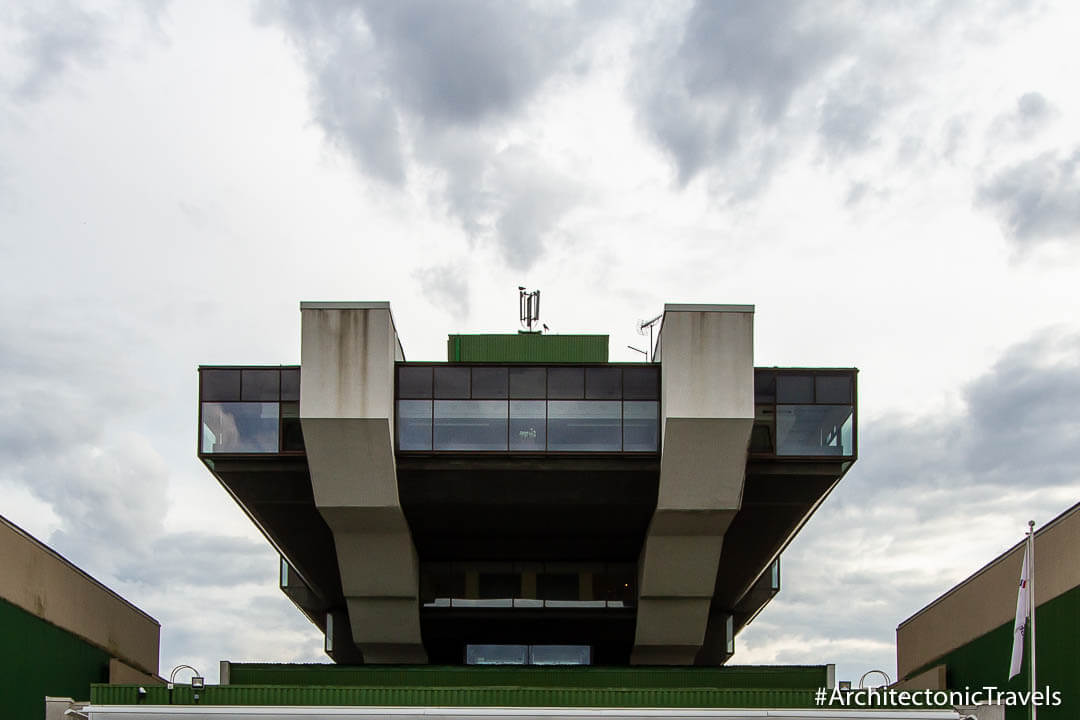
The Strange Connection Between Brutalist Architecture and Soviet Propaganda A concrete postcard from 1971 shows a famil...
View BoardTabriz, a 3,000‑year‑old Silk Road hub scarred by quakes, birthed the Safavids, fueled revolution, and still throbs with...
View Board
The Times Square Ball, a 12-foot crystal sphere, honors U.S. history with its annual descent, evolving from a 1907 marit...
View Board
Archaeologists uncover Belize's first Maya king, Te K’ab Chaak, in a 1,700-year-old tomb, rewriting Caracol’s origins wi...
View Board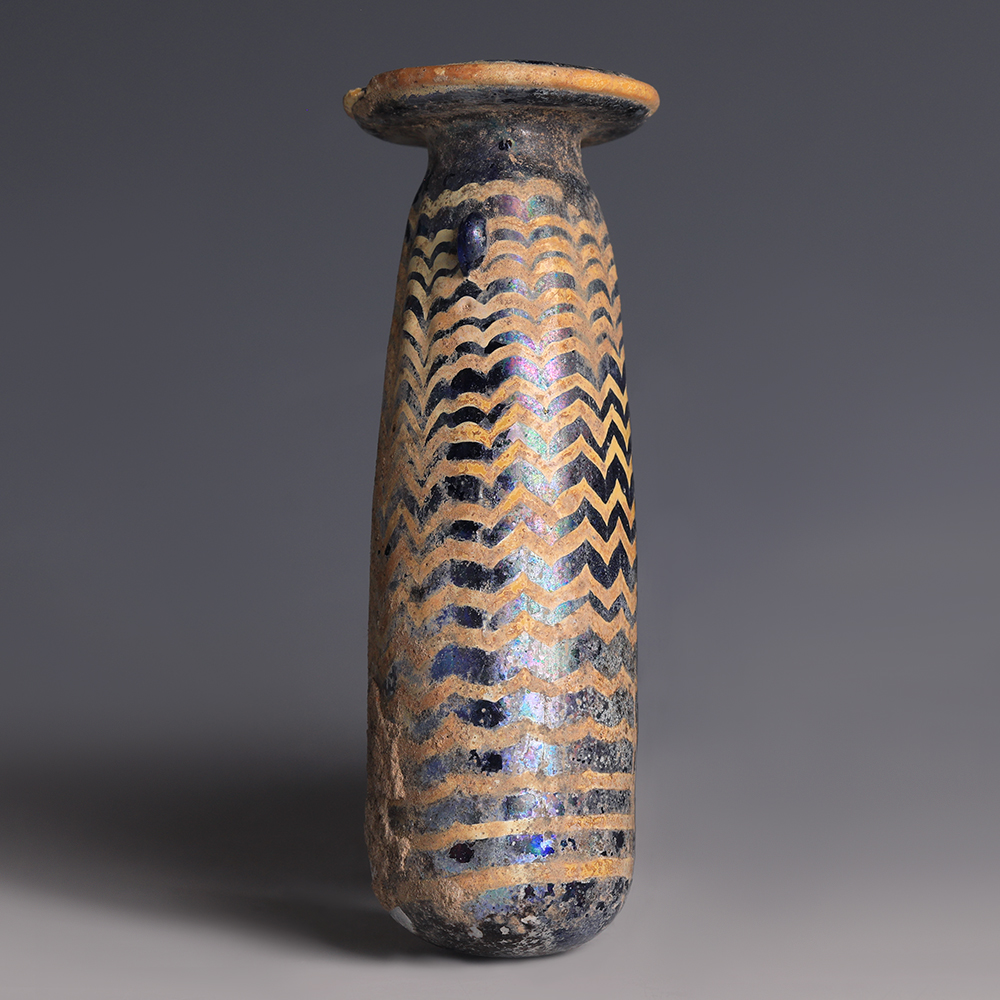
Fisherman mends nets on Sidon’s stone quay, beside Crusader sea castle, embodying six millennia of Phoenician trade, pur...
View Board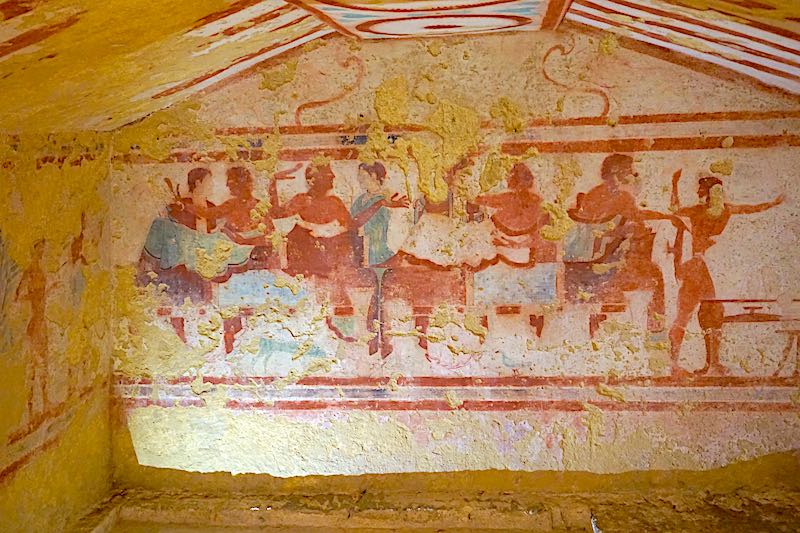
Unearthing Etruria’s vibrant artistry: 520 BCE tombs reveal banquets, music, and a culture celebrating life and death wi...
View Board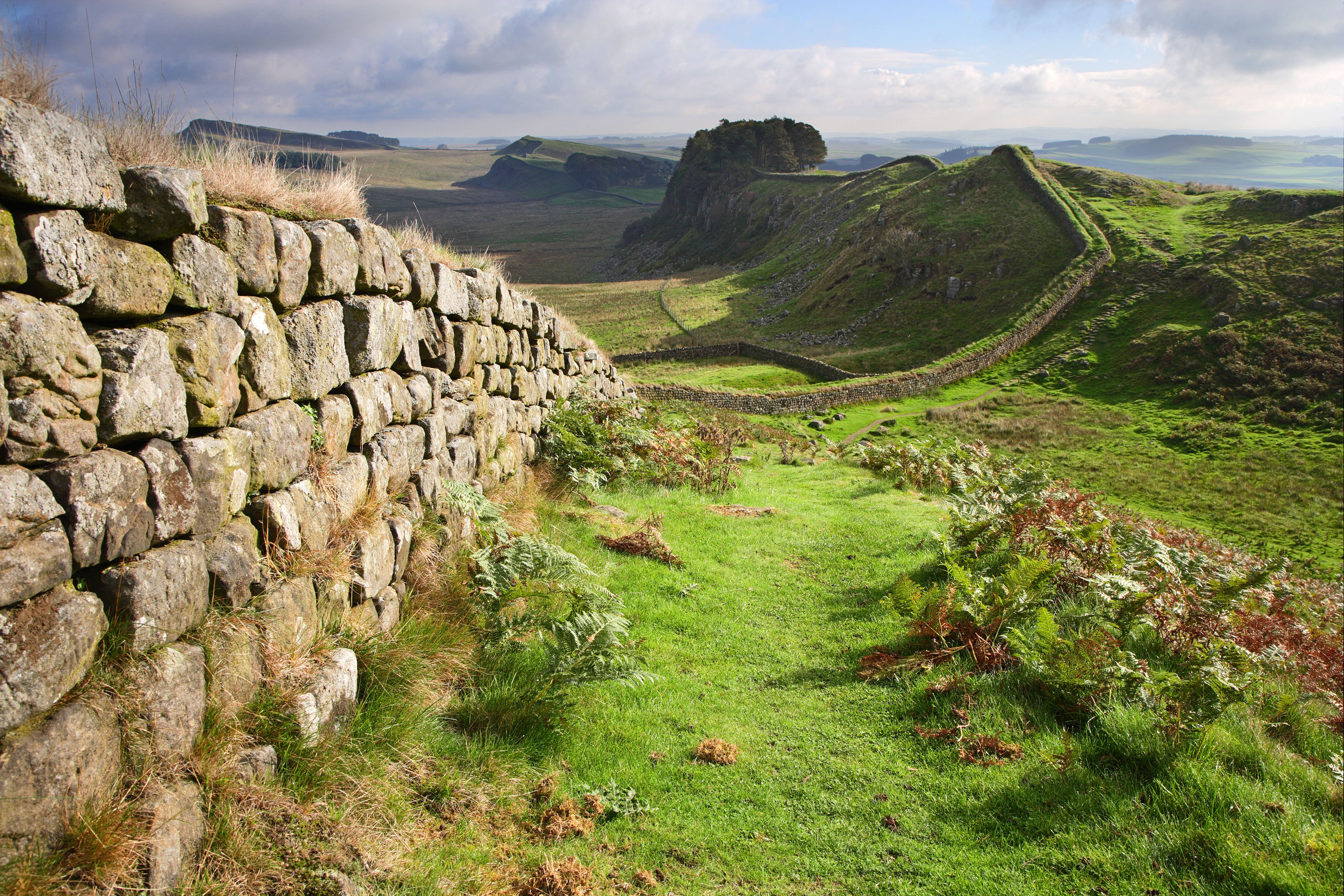
Archaeologists uncover lost Hadrian’s Wall section in 2025, revealing a 2,000-year-old frontier’s complex legacy of powe...
View Board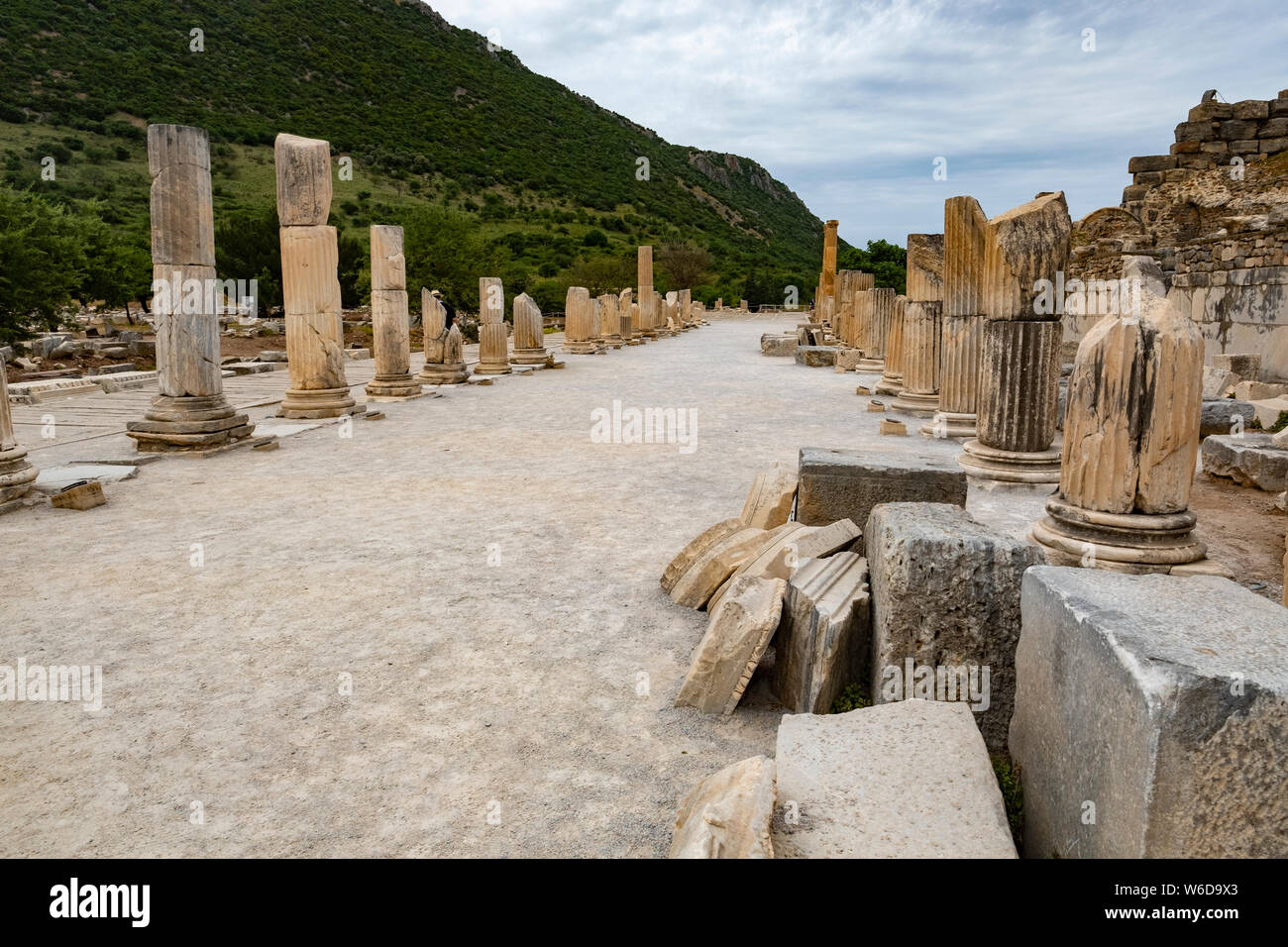
Archaeologists in Izmir, eng, uncover a 1,500-year-old mosaic with Solomon’s Knot, revealing Smyrna’s Agora’s layered hi...
View Board
Buckminster Fuller’s Montreal Biosphere, a 76-meter geodesic marvel from Expo 67, redefined architecture as a fusion of ...
View Board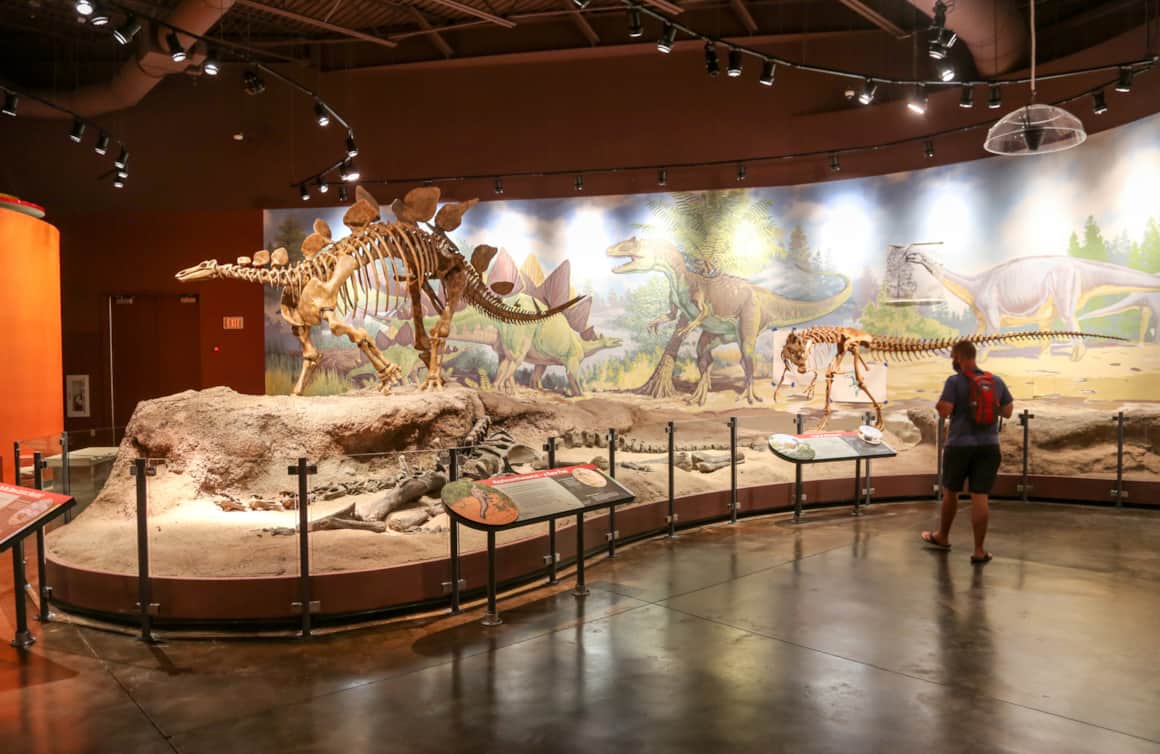
Utah's first state history museum opens in 2026, filling a 130-year void with 17,000 sq ft of contested memory, from Ind...
View Board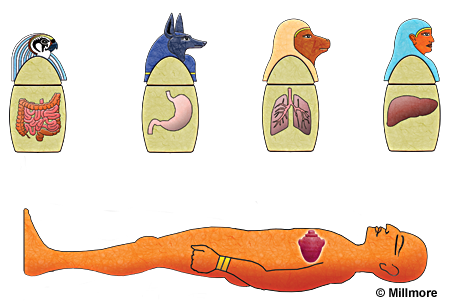
A 19th-century hoax, Kap Dwa, resurfaces online as an Egyptian mummy, obscuring the real, sacred science of ancient buri...
View Board
As America nears the 250th anniversary of 1776, the Declaration of Independence’s legacy is being fiercely debated, resh...
View Board
Dr. Zahi Hawass, seasoned excavator of the Valley of the Kings, scans a concealed void behind Tutankhamun’s tomb, seekin...
View Board
Historic sites undergo massive restoration and reinterpretation as America gears up for its 250th anniversary, blending ...
View Board
A 7,500‑year‑old stone seal from Tadım Höyük rewrites Anatolian Neolithic administration, revealing early trade and owne...
View Board
Comments