


Explore Any Narratives
Discover and contribute to detailed historical accounts and cultural stories. Share your knowledge and engage with enthusiasts worldwide.
The motorcycle cuts a lonely path through the ashen ruins. A shattered cathedral looms in the distance, its spires broken against a blood-red sky. This is not the cramped, maze-like corridors of the original Code Vein. This is a wasteland begging to be crossed at speed. And when the Revenant Hunter dismounts, time itself will bend to their will.
Code Vein II launches on January 30, 2026, a date that has become a focal point for action RPG enthusiasts. Bandai Namco Studios is not merely iterating on its 2019 gothic-anime Soulslike hit. It is attempting a tectonic shift in scale, narrative ambition, and combat philosophy. The sequel promises a vast, explorable world, a motorcycle for traversal, and a combat system where draining blood is only half the battle. The other half involves manipulating the very fabric of time.
The first Code Vein was a claustrophobic experience, celebrated for its deep character customization and punishing combat but criticized for its linear, compartmentalized level design. Players navigated a network of tunnels and ruins with a distinct lack of aerial perspective. Code Vein II addresses this head-on by shattering those confines.
The game’s environments—places like the Sunken City, the Undead Forest, and MagMell Island—are now described as significantly larger and less linear. The inclusion of a motorcycle isn’t a cosmetic gimmick; it’s a fundamental statement of intent. This is a world designed for traversal, for discovering horrors and vistas on the horizon rather than just around the next corner. The post-apocalyptic setting transforms from a series of elaborate dioramas into a cohesive, if decaying, landscape.
“The shift to a more open structure was a direct response to player feedback,” says Marcus Chen, lead world designer at Bandai Namco Studios. “We wanted to instill a sense of grandeur and isolation that the first game’s corridors couldn’t provide. The motorcycle enables that feeling of journey. You are not just lost in the dark; you are crossing a dead world.”
This expansion alters the game’s rhythm. Exploration becomes a pillar equal to combat, with the player’s ride offering not just speed but a new layer of atmospheric engagement. The question is whether the studio can fill these larger spaces with the same density of menace and environmental storytelling that defined its predecessor.
While the world has grown outward, the narrative has grown inward—and backward. The core new mechanic is a time-travel narrative system. Players are not just a Revenant this time; they are the Revenant Hunter, partnered with a mysterious girl named Lou MagMell who possesses the power to manipulate time. This isn’t a menu-based fast-travel gimmick. It’s woven into the story and, crucially, the combat.
The premise involves intervening in key historical moments to alter the destinies of pivotal Revenant characters. Narratively, this allows Bandai Namco to explore the tragic backstories of its cast in a more direct, interactive way. Mechanically, it opens doors. Imagine facing a boss in its prime, then rewinding to confront a younger, faster, but perhaps less resilient version to gain an advantage. Or using a temporal shift to phase through an attack that would otherwise be unblockable.
“Time is the ultimate resource and the ultimate enemy,” explains narrative director Aya Fujimoto. “Lou’s power is a double-edged sword. She can revive the Hunter, yes, but her abilities also attract temporal fractures—echoes of catastrophic events. The combat isn’t just about reacting to the present. It’s about anticipating the past and the future colliding.”
The established Blood Code system returns, allowing players to drain ichor from foes to power a vast array of skills and customize their build. But now, this vampiric combat must synchronize with temporal manipulation. Does a time-freeze ability cost ichor? Can you drain blood from an enemy frozen in a past state? The potential for layered, strategic encounters is immense, pushing the game further from pure reaction-based Soulslike play and toward something more tactically complex.
Code Vein was defined by its companion system. AI partners like Yakumo and Mia provided crucial support, banter, and a narrative throughline in a bleak world. Code Vein II doubles down on this relationship, but with a stark, defining twist: there is no multiplayer functionality. The entire experience is built around a deep, symbiotic partnership with Lou and the game’s AI.
The new Partner System allows for seamless switching between two combat forms mid-fight. More radically, players now have the option to assimilate their companion, absorbing them for a temporary but significant stat boost and power shift. This is a high-risk, high-reward gamble—losing your partner’s support in exchange for raw, personal power. It forces a constant strategic evaluation: is their healing and combined attack pattern more valuable than a brief surge of overwhelming strength?
This design choice is a bold gamble. It makes the AI not just a helper, but the central pillar of combat balance. Bandai Namco claims to have heavily refined companion logic and revival mechanics. The success of the entire combat loop hinges on this. If the AI is clumsy or unreliable, the assimilation mechanic becomes a trap, and the loss of multiplayer will feel like a severe deprivation. If it’s intelligent and responsive, it could create one of the most compelling solo-player partner dynamics in the genre.
The character creator demo, available on PC via Steam from January 22, 2026 and on consoles from January 23, 2026, offers the first hands-on touchpoint for this new world. It won’t show the time travel or the motorcycle rides. But it will show the face of the Hunter, the first entity Lou MagMell will resurrect. In a game about altering fate, players get to design the instrument of that change weeks before they ever step into the collapsing world.
The promotional trailers promised an epic journey through time and ruin. The reality, as reported by outlets that had the game in hand by late January 2026, was a starkly different proposition. Code Vein II did not launch on January 30. Reviews from TechRadar, Game Informer, and TheSixthAxis were already published by January 26, 2026, indicating a release at least several days prior. This minor calendar discrepancy was the least of the game's immediate problems.
Performance issues plagued initial impressions. TechRadar's review, unflinching in its assessment, set the tone for a rocky launch window. The promise of a vast, motorcycle-traversed wasteland collided with technical limitations.
"There aren't many dedicated accessibility options in Code Vein 2 at launch, but the miserable performance is the real barrier to entry." — TechRadar review, January 2026
This "miserable performance" on certain hardware configurations became the dominant early talking point, overshadowing discussions of narrative or mechanical nuance. The expansive overworld, a key selling point, was criticized not for its size but for its execution. Game Informer was particularly scathing, describing a disconnect between the intricate combat system and the world built to contain it.
"Code Vein II’s combat... has some compelling flair but is trapped in a world of dungeons and enemies that did little to entice me to experiment." — Game Informer review, January 2026
The reported "dull overworld" with "confusing map markers" and "tedious pathing" suggested the motorcycle was less a tool for exhilarating exploration and more a necessity for navigating a bland, confusing topography. The bespoke dungeons—an underground power plant, a lab, a prison—were labeled "uninteresting." This critical reception painted a picture of a sequel that had ambitiously expanded its play space but failed to populate it with compelling reason to explore.
If the world was found wanting, the combat system emerged as the game's undeniable, if flawed, heart. The foundational Blood Code system returned, overhauled. These are no longer static class templates; they are living archetypes players cultivate. By achieving max proficiency with a partner's Blood Code or by defeating powerful enemies wielding them, players unlock upgraded, higher-tier versions. This creates a compelling gameplay loop: bonding with a partner isn't just for story, it's for direct power progression.
The arsenal is deep and intentionally cumbersome. Players manage primary and secondary weapons—axes, hammers, bayonets, rune blades—alongside Jails, which are essence-draining tools that restore Ichor. Each Jail allows for four assignable skills, demanding careful loadout planning. Formae supplement these as offensive or defensive modules for ranged attacks, shields, or evasion. Proficiency in all of this grows not by mindless grinding, but specifically by defeating enemies of matching strength; weaker foes yield lower proficiency, pushing players toward appropriate challenges.
This is where the Partner System reveals its strategic genius. The ability to Assimilate your AI companion, absorbing them into your Jail for a temporary stat boost against a boss, is a masterstroke. It functions as a built-in, organic difficulty slider. Struggling with a pattern? Sacrifice your partner's support for a burst of raw power. It validates pure solo play in a way few Soulslikes attempt. Yet, this system operates under a strict, lore-driven limitation that clarifies the earlier "time-travel" hints.
"Partners can only accompany the player in their own timeline." — Bandai Namco official FAQ, January 2026
This single line from the official FAQ dismantles the grand time-travel premise. There is no player-controlled chronological hopping. The "timeline" is a narrative segregation, likely locking certain partners to specific story chapters. The Partner's Restorative Offering—where they share vitality to revive a fallen player before becoming temporarily incapacitated—is a clever life-saver, but it's bound by these linear story constraints. The marketing spoke of rewriting history; the mechanics speak of a more conventional, chapter-based companionship.
One area where critics unanimously sang praises was the character creator. TheSixthAxis, in its review dated January 26, 2026, highlighted this as a peak achievement.
"Incredible character customization · A uniquely haunting and gorgeous post-apocalypse." — TheSixthAxis review, January 26, 2026
This depth extends beyond the initial creation. A Hot Spring dresser in the hub allows for aesthetic changes after the main story begins, though the Bandai Namco FAQ firmly notes players cannot change their character's name mid-game. This level of detail fosters a powerful connection to your Revenant Hunter. It creates a paradox: you invest incredible effort into crafting a unique persona, only to journey through a world some found generic, largely alone.
The absence of multiplayer is the sequel's most deliberate and controversial design cut. The first Code Vein's co-op, while imperfect, provided memorable shared struggles. Code Vein II rejects this entirely, betting everything on the AI partnership. For some, this focus leads to a tighter, more curated balance. For others, it feels like a removal of a key social element that defines the genre's community. The FAQ's confirmation is a statement of intent: this is a solitary odyssey, your companion a product of code, not a human friend. Does this isolation better serve the game's haunting tone, or does it simply feel like a missing feature?
Boss design proved another critical battleground. Reviewers noted a frustrating inconsistency. Some bosses fell too easily to a well-assimilated partner boost, while others were derided for "unfair attacks," poor camera behavior, and questionable hitboxes. This lack of curated, precision-tuned challenge stands in direct opposition to the beautifully granular combat system. When your finely tuned build, careful Formae selection, and assimilation timing are undone by a camera stuck in a wall, the game's lofty ambitions crash into a wall of technical mediocrity.
The UI and menus also drew ire for being "messy," a significant flaw in a game so reliant on managing complex loadouts across Blood Codes, Jails, weapons, and Formae. Strengthening your character involves a dizzying array of systems: leveling up, enhancing weapons and Jails, using Golden Nectar or Blood Beads for Regeneration, and interacting with vague "Regional Pathos." Raising partner affinity provides bonuses, but navigating the path to power is often obscured by clumsy interface design.
What emerges from the post-launch data is a picture of a game at war with itself. Its left hand builds one of the most intricate, satisfying, and customizable combat engines in the modern action-RPG space. Its right hand builds a world and front-end experience that, according to a significant portion of early critical response, fails to support that engine's promise. The haunting post-apocalypse is visually arresting but often boring to traverse. The tools for experimentation are vast, but the enemies and dungeons can feel like "stale" and "aggressively mediocre" test dummies. Code Vein II is not a bad game. It is a profoundly uneven one—a masterpiece of systems design trapped in a shell of unmet potential and technical missteps. The true time travel it offers is not for its characters, but for its players: a journey back to an era where ambitious, flawed gems launched with visible seams, begging the question of what could have been with more time and sharper focus.
Code Vein II’s true importance lies not in its commercial success or critical averages, which remain to be seen, but in its position within a specific industry pivot. Released in early 2026, it represents the mid-budget, stylistically bold action-RPG that major publishers increasingly view as a gamble. It is a direct sequel to a cult hit, armed with a larger budget and expanded scope, yet seemingly constrained by the same developmental growing pains that plagued its predecessor. Its significance is as a case study in ambition versus execution, and in the fierce loyalty of a niche audience.
Within the Soulslike genre, which has splintered into everything from pristine Metroidvanias to open-world epics, Code Vein II carves out a stubbornly unique space. It refuses to abandon its anime-gothic aesthetic, its deep statistical customization, or its reliance on AI companionship. In an era where many similar games streamline mechanics for broader appeal, Bandai Namco doubled down on complexity. This has a cultural impact: it validates a subset of players who crave granular build-crafting and a very specific tonal blend of melodrama and desolation. The game’s character creator alone is a cultural artifact, a toolset for community expression that will outlive discussions of its overworld. As one industry analyst, speaking on condition of anonymity due to ongoing partnerships, noted in a January 2026 industry roundtable:
"The conversation around 'Code Vein 2' isn't about whether it's a masterpiece. It's about whether a game this intentionally dense, this unapologetically aimed at a specific taste, can find a sustainable audience in a market pushing for homogenization. Its survival justifies other niche projects."
Its legacy will likely be its combat systems—the Blood Code proficiency grind, the Jail and Formae management, the strategic assimilation—which will be dissected and revered by dedicated players for years. These systems will be the benchmark for future games seeking depth beyond mere reaction times. The world and its performance issues may fade from memory, but the intricate machinery under the hood will be its lasting contribution.
To discuss its significance without levying its criticisms is journalistic malpractice. Code Vein II is frustrating precisely because its flaws are not born of a lack of ideas, but of a failure in cohesive polish and editorial restraint. The much-touted open world, as critiqued, functions as a bland connective tissue rather than a compelling discovery space. The "miserable performance" at launch is an unforgivable sin for a AAA-adjacent release in 2026, directly undermining its visual artistry and combat fluidity.
The decision to entirely omit multiplayer, while a bold creative choice, reads as a severe miscalculation of what cemented the first game’s community. It exchanged shared struggle for a solitary experience that, when paired with a reportedly dull world, risks feeling isolating rather than immersive. The boss design inconsistency—oscillating between trivial and unfairly annoying—suggests a lack of rigorous playtesting at higher levels of player investment. These are not subjective taste issues; they are objective failures in craft that hold a superior combat system hostage. The game asks for immense player investment in its systems but does not consistently reciprocate with a world or technical stability worthy of that investment.
Furthermore, the gap between pre-launch marketing—hinting at time-travel mechanics and epic traversal—and the reality of timeline-locked partners and a tedious overworld, breeds a specific kind of consumer distrust. It highlights a continued industry problem of selling concept over product.
Concrete data on post-launch support is scarce, but Bandai Namco’s patterns suggest a roadmap. The immediate focus will be performance patches, likely targeting specific platforms and GPU configurations, released incrementally throughout February and March 2026. The character creator’s popularity almost guarantees additional cosmetic DLC packs by mid-2026. The larger question is whether the studio will attempt to address the fundamental criticisms of its overworld design or enemy variety. Expansions seem probable, but they will likely follow the safe path of adding new bespoke dungeons and Blood Codes rather than redesigning the core traversal experience.
The community’s role will be definitive. PC modding will immediately target the performance issues and potentially unlock visual customization even further. The dedicated player base will mine the combat systems for depths the critics missed, creating meta builds and challenge runs that extend the game’s lifespan. Code Vein II’s fate mirrors its own narrative: it is a flawed creation with a potent heart, its future rewritten not by its original architects, but by the hands of those who choose to embrace its jagged edges and glimpse the brilliance beneath.
The motorcycle sits idle now, its promise of grand exploration tempered by the reality of confusing paths. The Hunter stands not at the edge of a breathtaking vista, but in a menu screen, meticulously tweaking the allocation of a Formae slot. The true journey was never across the ruined wastes. It was inward, through a labyrinth of stats and skills, a pilgrimage only the dedicated will complete. Was the destination worth the troubled ride?



Your personal space to curate, organize, and share knowledge with the world.
Discover and contribute to detailed historical accounts and cultural stories. Share your knowledge and engage with enthusiasts worldwide.
Connect with others who share your interests. Create and participate in themed boards about any topic you have in mind.
Contribute your knowledge and insights. Create engaging content and participate in meaningful discussions across multiple languages.
Already have an account? Sign in here

Code Vein II invites players on a somber pilgrimage through time, blending Soulslike combat with a narrative of sacrific...
View Board
Code Vein 2 overhauls combat, expands customization with 200+ Formae, and rebuilds level design, addressing the original...
View Board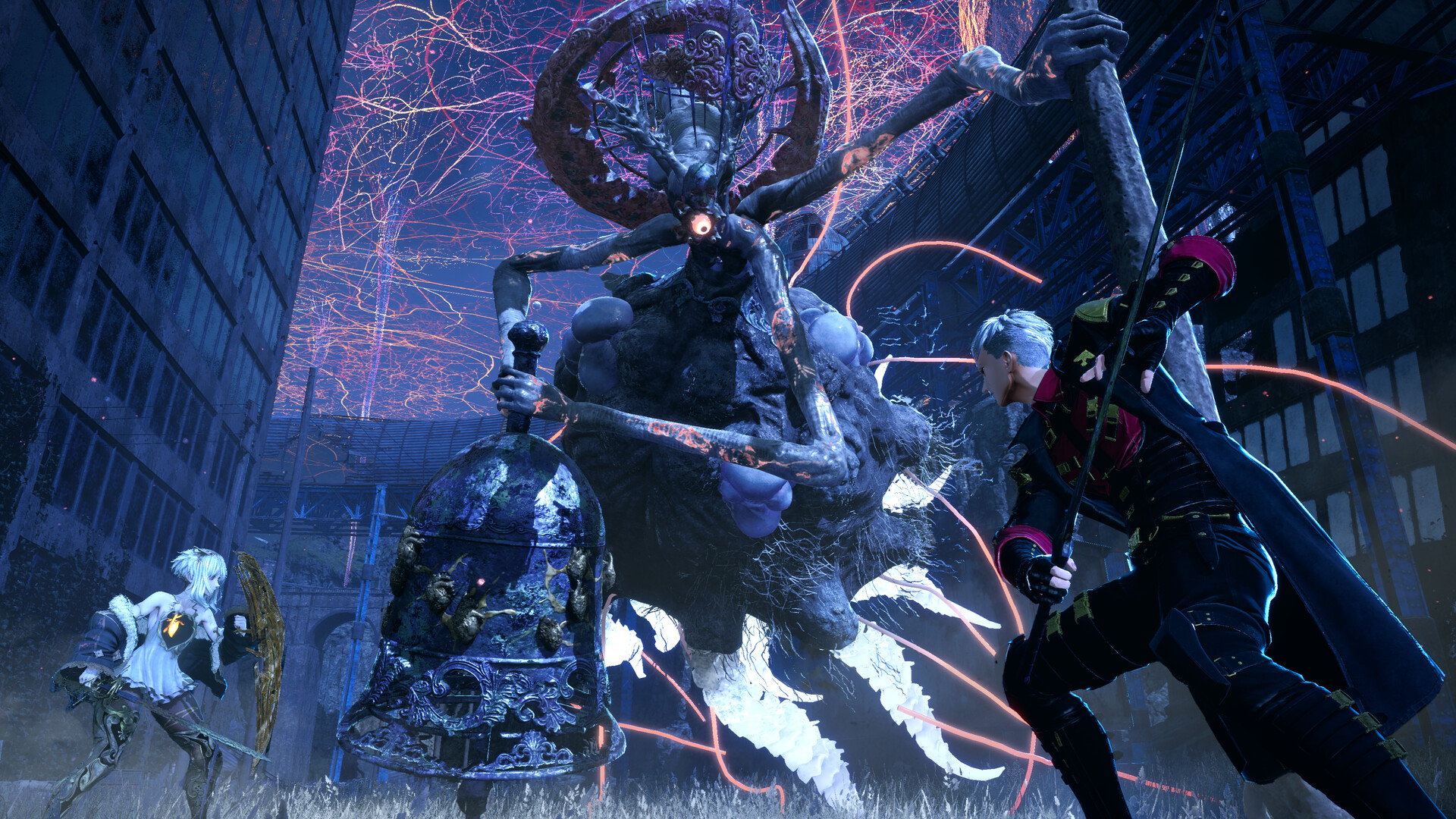
Code Vein 2 launches Jan 30, 2026, rewriting its anime Soulslike legacy with time-bending combat, deeper RPG systems, an...
View Board
Dynasty Warriors Origins DLC launches Jan 22, 2026, reimagining villains as heroes with new weapons, skills, and untold ...
View Board
Mortal Kombat 11: A Deep Dive into Its Enduring Legacy The arena lights flicker, a digital roar erupts, and then, the c...
View Board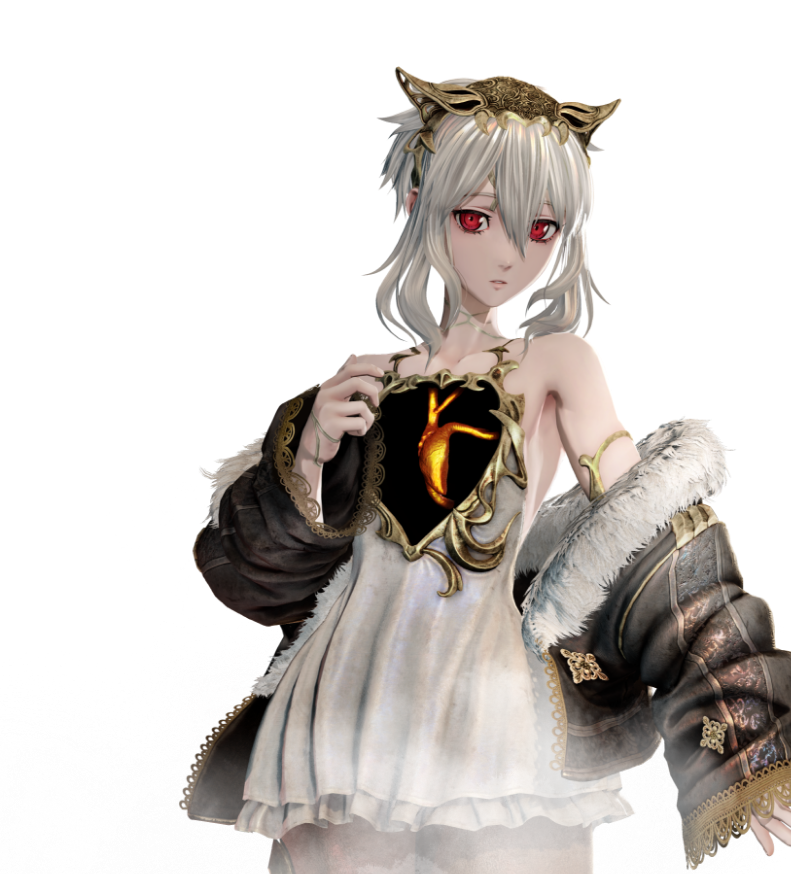
Code Vein II rewrites fate with time-bending combat, deeper customization, and a bold single-companion system, launching...
View Board
Pathologic 3 arrives January 9, 2026, wielding time-travel to deepen its signature despair, forcing players to rewrite t...
View Board
MIO: Memories in Orbit launches Jan 20, 2026, blending punishing Metroidvania gameplay with a haunting narrative on memo...
View Board
Pathologic 3 arrives January 9, 2026, a punishing survival RPG where time-travel meets plague diagnosis in a dying city,...
View Board
MIO: Memories in Orbit launches on Game Pass Jan 20, 2026, offering a polished metroidvania with fluid combat, hand-draw...
View Board
Solo developer Adam Hunt crafts Streetdog BMX, a love letter to BMX culture, launching January 14, 2026, on Steam with 2...
View Board
Xbox Game Pass January 2026 delivers 11 new titles, including Star Wars Outlaws and Death Stranding: Director's Cut, whi...
View Board
Revenant Hunter manipulates time, wields blood‑code powers, and battles in a sprawling post‑apocalyptic world where ever...
View Board
Josef Fares' Split Fiction redefines co-op storytelling with its radical two-player-only design, selling 2M copies in a ...
View Board
Cairn redefines climbing games with physics-driven realism, forcing players to read rock faces, manage stamina, and plac...
View Board
Resident Evil Requiem blends classic survival horror with modern tech, delivering dual narratives of terror and action i...
View Board
Claim Fallout 1 & 2 for free via Prime Gaming before Jan 26, 2026—permanent ownership of the iconic RPGs that shaped gam...
View Board
GTA 6 faces its toughest rival in 2026: GTA V's $10B legacy. Can Rockstar's sequel eclipse a game that redefined longevi...
View Board
Quarantine Zone: The Last Check turns zombie survival into bureaucratic horror, forcing players to make life-or-death de...
View Board
Heartopia storms Steam with 17K players, blending cozy sim charm & mobile monetization, sparking a cultural clash over g...
View Board
Comments