

Explore Any Narratives
Discover and contribute to detailed historical accounts and cultural stories. Share your knowledge and engage with enthusiasts worldwide.
An isotope is a fundamental concept in chemistry and physics, describing variants of a chemical element. These variants have the same number of protons but a different number of neutrons in their atomic nucleus. This comprehensive guide explores the definition, discovery, and types of isotopes that form the basis of modern science.
Isotopes are atoms of the same element that contain an identical number of protons but a different number of neutrons. This difference in neutron count results in nuclei with different mass numbers. Despite this nuclear difference, isotopes of an element exhibit nearly identical chemical behavior because chemical properties are primarily determined by the atomic number.
The notation for an isotope includes the element's symbol preceded by its mass number. For example, the two stable isotopes of carbon are written as carbon-12 and carbon-13. The atomic number, representing the proton count, defines the element's position on the periodic table.
All known elements have isotopes, with 254 known stable isotopes existing in nature alongside many unstable, radioactive forms.
To understand isotopes, one must first understand basic atomic structure. Every atom consists of a nucleus surrounded by electrons. The nucleus contains positively charged protons and neutral neutrons, collectively called nucleons. The number of protons, the atomic number (Z), is constant for a given element.
The total number of protons and neutrons is the mass number (A). Isotopes have the same Z but different A. For instance, all carbon atoms have 6 protons. Carbon-12 has 6 neutrons, while carbon-13 has 7 neutrons, making them isotopes of each other.
The concept of isotopes emerged from early 20th-century research into radioactivity. Scientists like Frederick Soddy observed that certain radioactive materials, though chemically identical, had different atomic weights and radioactive properties. This led to the revolutionary idea that elements could exist in different forms.
The term "isotope" was coined in 1913 by Scottish doctor Margaret Todd. She suggested the word to chemist Frederick Soddy. It comes from the Greek words isos (equal) and topos (place), meaning "the same place." This name reflects the key characteristic of isotopes: they occupy the same position on the periodic table of elements.
While often used interchangeably, "isotope" and "nuclide" have distinct meanings. A nuclide refers to a specific type of atom characterized by its number of protons and neutrons. It is a general term for any atomic nucleus configuration.
An isotope is a family of nuclides that share the same atomic number. For example, carbon-12, carbon-13, and carbon-14 are three different nuclides. Collectively, they are referred to as the isotopes of carbon. The term isotope emphasizes the chemical relationship between these nuclides.
Isotopes are broadly categorized into two groups based on the stability of their atomic nuclei. This fundamental distinction determines their behavior and applications.
Stable isotopes are nuclei that do not undergo radioactive decay. They are not radioactive and remain unchanged over time. An element can have several stable isotopes. Oxygen, for example, has three stable isotopes: oxygen-16, oxygen-17, and oxygen-18.
There are 254 known stable isotopes in nature. They are abundant and participate in natural cycles and chemical reactions without emitting radiation. Their stability makes them invaluable tools in fields like geology, archaeology, and environmental science.
Radioactive isotopes, or radioisotopes, have unstable nuclei that spontaneously decay, emitting radiation in the process. This decay transforms the nucleus into a different nuclide, often of another element. All artificially created isotopes are radioactive.
Some elements, like uranium, have no stable isotopes and only exist naturally in radioactive forms. The rate of decay is measured by the isotope's half-life, which is the time required for half of a sample to decay. This property is crucial for applications like radiometric dating.
Examining specific elements provides a clearer picture of how isotopes work. Hydrogen and carbon offer excellent, well-known examples.
Hydrogen is unique because its three isotopes have special names due to their significant mass differences. All hydrogen atoms contain one proton, but the number of neutrons varies.
Carbon is another element with famous isotopes that have critical applications. Its atomic number is 6, meaning every carbon atom has 6 protons.
The study of isotopes continues to be a vibrant field, with research facilities like the Facility for Rare Isotope Beams pushing the boundaries of nuclear science. The unique properties of both stable and radioactive isotopes make them indispensable across a wide range of scientific and industrial disciplines.
Isotopes originate through both natural processes and artificial production methods. Natural formation occurs through cosmic ray interactions, stellar nucleosynthesis, and the radioactive decay of heavier elements. These processes have created the isotopic composition of our planet over billions of years.
Artificial production takes place in specialized facilities like nuclear reactors and particle accelerators. Scientists create specific isotopes for medical, industrial, and research purposes. This allows for the production of rare or unstable isotopes not found in significant quantities in nature.
Major research facilities, such as Michigan State University's Facility for Rare Isotope Beams (FRIB), are pushing the frontiers of isotope production, creating isotopes never before observed on Earth.
In nature, isotopes are formed through several key astrophysical and geological processes. The Big Bang produced the lightest isotopes, hydrogen and helium. Heavier isotopes were forged later in the cores of stars through nuclear fusion.
Supernova explosions scattered these newly formed elements across the universe. On Earth, ongoing natural production occurs when cosmic rays collide with atoms in the atmosphere, creating isotopes like carbon-14. Radioactive decay chains of elements like uranium also produce a variety of daughter isotopes.
Human-made isotopes are primarily produced by altering the nucleus of a stable atom. This is achieved by bombarding a target material with neutrons in a nuclear reactor or with charged particles in a cyclotron. The choice of method depends on the desired isotope and its intended use.
While isotopes of an element are chemically similar, their differing neutron counts impart distinct physical and nuclear properties. These differences are the foundation for their diverse applications across science and industry.
The most significant property stemming from the mass difference is a phenomenon known as isotopic fractionation. This occurs when physical or chemical processes slightly favor one isotope over another due to their mass difference, leading to variations in isotopic ratios.
Isotopes participate in chemical reactions in nearly identical ways. This is because chemical behavior is governed by the arrangement of electrons, which is determined by the number of protons in the nucleus. Since isotopes have the same atomic number, their electron configurations are the same.
However, subtle differences can arise from the mass effect. Heavier isotopes form slightly stronger chemical bonds, which can lead to different reaction rates. This kinetic isotope effect is a valuable tool for studying reaction mechanisms in chemistry and biochemistry.
The physical properties of isotopes vary more noticeably than their chemical properties. Mass-dependent properties like density, melting point, and boiling point can differ. Heavy water (D₂O), made with deuterium, has a higher boiling point than regular water (H₂O).
The most critical difference lies in nuclear stability. Some isotopes have stable nuclei, while others are radioactive. Unstable isotopes decay at a characteristic rate measured by their half-life, the time it takes for half of the atoms in a sample to decay.
Isotopes are not merely scientific curiosities; they are indispensable tools that have revolutionized numerous fields. Their unique properties allow scientists to trace, date, image, and analyze processes that would otherwise be invisible.
From unraveling the history of our planet to diagnosing diseases, isotopes provide a window into the inner workings of nature. The ability to track atoms using their isotopic signature has opened up entirely new avenues of research.
In geology, isotopic analysis is used for radiometric dating to determine the age of rocks and geological formations. The decay of long-lived radioactive isotopes like uranium-238 into lead-206 provides a reliable clock for dating events over billions of years.
Archaeologists rely heavily on carbon-14 dating to determine the age of organic artifacts. This technique has been fundamental in constructing timelines for human history and prehistory. Stable isotopes of oxygen and hydrogen in ice cores and sediment layers serve as paleothermometers, revealing past climate conditions.
The famous Shroud of Turin was radio-carbon dated using accelerator mass spectrometry on a small sample, placing its origin in the medieval period.
Environmental scientists use isotopes as tracers to understand complex systems. The distinct isotopic ratios of elements like carbon, nitrogen, and sulfur can fingerprint pollution sources, track nutrient cycles, and study food webs.
For example, analyzing the ratio of carbon-13 to carbon-12 in atmospheric CO₂ helps scientists distinguish between emissions from fossil fuel combustion and natural biological processes. This is critical for modeling climate change and verifying emission reports.
In fundamental research, isotopes are essential for probing the structure of matter. The discovery of the neutron itself was made possible by experiments involving isotopes. Today, physicists use beams of rare isotopes to study nuclear structure and the forces that hold the nucleus together.
Chemists use isotopic labeling to follow the path of atoms during a chemical reaction. By replacing a common atom with a rare isotope (like carbon-13 for carbon-12), they can use spectroscopic techniques to see how molecules rearrange. This is a powerful method for elucidating reaction mechanisms.
The study of isotopes continues to yield new discoveries, pushing the boundaries of our knowledge in fields ranging from quantum mechanics to cosmology. Their unique properties make them one of the most versatile tools in the scientific arsenal.
Isotopes have revolutionized modern medicine and industrial processes, providing powerful tools for diagnosis, treatment, and quality control. Their unique properties enable non-invasive imaging, targeted therapies, and precise measurements that are critical for technological advancement.
The medical use of isotopes, known as nuclear medicine, saves millions of lives annually. In industry, isotopes are used for everything from ensuring weld integrity to preserving food. The global market for isotopes is substantial, driven by increasing demand in healthcare and manufacturing.
Radioisotopes are essential for diagnostic imaging because they emit radiation that can be detected outside the body. Techniques like Positron Emission Tomography (PET) and Single-Photon Emission Computed Tomography (SPECT) provide detailed images of organ function and metabolism.
A common tracer is fluorine-18, used in FDG-PET scans to detect cancer metastases by highlighting areas of high metabolic activity. Technetium-99m is the workhorse of nuclear medicine, used in over 80% of all diagnostic imaging procedures to assess heart, bone, and kidney function.
Beyond diagnosis, radioisotopes are powerful weapons against cancer. Radiotherapy involves delivering a controlled, high dose of radiation to destroy cancerous cells while sparing surrounding healthy tissue. This can be done externally or internally.
Internal radiotherapy, or brachytherapy, places a radioactive source like iodine-125 or cesium-131 directly inside or near a tumor. Radiopharmaceuticals, such as Lutetium-177 PSMA, are injected into the bloodstream to seek out and treat widespread cancer cells, offering hope for patients with advanced metastatic disease.
An estimated 40 million nuclear medicine procedures are performed each year worldwide, with 10,000 hospitals using radioisotopes regularly.
In industry, isotopes serve as tracers and radiation sources. Industrial radiography uses iridium-192 or cobalt-60 to inspect the integrity of welds in pipelines and aircraft components without causing damage. This non-destructive testing is crucial for safety.
In agriculture, isotopes help improve crop yields and protect food supplies. Radiation from cobalt-60 is used to sterilize pests through the sterile insect technique and to induce genetic mutations that create hardier crop varieties. Additionally, radioactive tracers can track fertilizer uptake in plants to optimize agricultural practices.
Scientists use sophisticated instruments to detect and measure isotopes with extreme precision. This analytical capability is the backbone of all isotopic applications, from carbon dating to medical diagnostics.
The key measurement is the isotopic ratio, which compares the abundance of a rare isotope to a common one. Small variations in these ratios can reveal vast amounts of information about the age, origin, and history of a sample.
Mass spectrometry is the primary technique for isotope analysis. It separates ions based on their mass-to-charge ratio, allowing for precise measurement of isotopic abundances. Different types of mass spectrometers are designed for specific applications.
For radiocarbon dating, Accelerator Mass Spectrometry (AMS) is the gold standard. It can count individual atoms of carbon-14, requiring samples a thousand times smaller than older decay-counting methods. This enables the dating of tiny artifacts like a single seed or a fragment of parchment.
For radioactive isotopes, detection relies on measuring the radiation they emit. Instruments like Geiger-Müller counters, scintillation detectors, and gamma cameras are used to identify and quantify radioisotopes.
In a medical setting, a gamma camera detects the radiation emitted by a patient who has been injected with a radiopharmaceutical. A computer then constructs an image showing the concentration of the isotope in the body, revealing functional information about organs and tissues.
While isotopes offer immense benefits, their use requires strict safety protocols, especially for radioactive materials. Proper handling, storage, and disposal are essential to protect human health and the environment.
The future of isotope science is bright, with ongoing research focused on developing new isotopes for cutting-edge applications in medicine, energy, and quantum computing. International cooperation ensures a stable supply of these critical materials.
The fundamental principle of radiation safety is ALARA: As Low As Reasonably Achievable. This means minimizing exposure to radiation through time, distance, and shielding. Handling radioactive isotopes requires specialized training and regulatory oversight.
Protective equipment, designated work areas, and strict contamination controls are mandatory. Disposal of radioactive waste is highly regulated, with methods ranging from secure storage to transmutation, which converts long-lived isotopes into shorter-lived or stable forms.
Research facilities like the Facility for Rare Isotope Beams (FRIB) are creating new isotopes that have never existed on Earth. Studying these exotic nuclei helps scientists understand the forces that govern the universe and the origin of elements.
In medicine, the field of theranostics is growing rapidly. This approach uses the same molecule tagged with different isotopes for both diagnosis and therapy. For example, a compound that targets a cancer cell can be paired with gallium-68 for imaging and lutetium-177 for treatment.
From their discovery over a century ago to their central role in modern technology, isotopes have proven to be one of the most transformative concepts in science. They are fundamental to our understanding of matter, the history of our planet, and the advancement of human health.
The key takeaway is that while isotopes are chemically similar, their nuclear differences unlock a vast range of applications. Stable isotopes act as silent tracers in environmental and geological studies, while radioactive isotopes provide powerful sources of energy and precision medical tools.
The journey of an isotope—from being forged in a distant star to being utilized in a hospital scanner—highlights the profound connection between fundamental science and practical innovation. Continued investment in isotope research and production is essential for addressing future challenges in energy, medicine, and environmental sustainability.
As we push the boundaries of science, isotopes will undoubtedly remain at the forefront, helping to diagnose diseases with greater accuracy, unlock the secrets of ancient civilizations, and power the technologies of tomorrow. Their story is a powerful reminder that even the smallest components of matter can have an enormous impact on our world.

Your personal space to curate, organize, and share knowledge with the world.
Discover and contribute to detailed historical accounts and cultural stories. Share your knowledge and engage with enthusiasts worldwide.
Connect with others who share your interests. Create and participate in themed boards about any topic you have in mind.
Contribute your knowledge and insights. Create engaging content and participate in meaningful discussions across multiple languages.
Already have an account? Sign in here
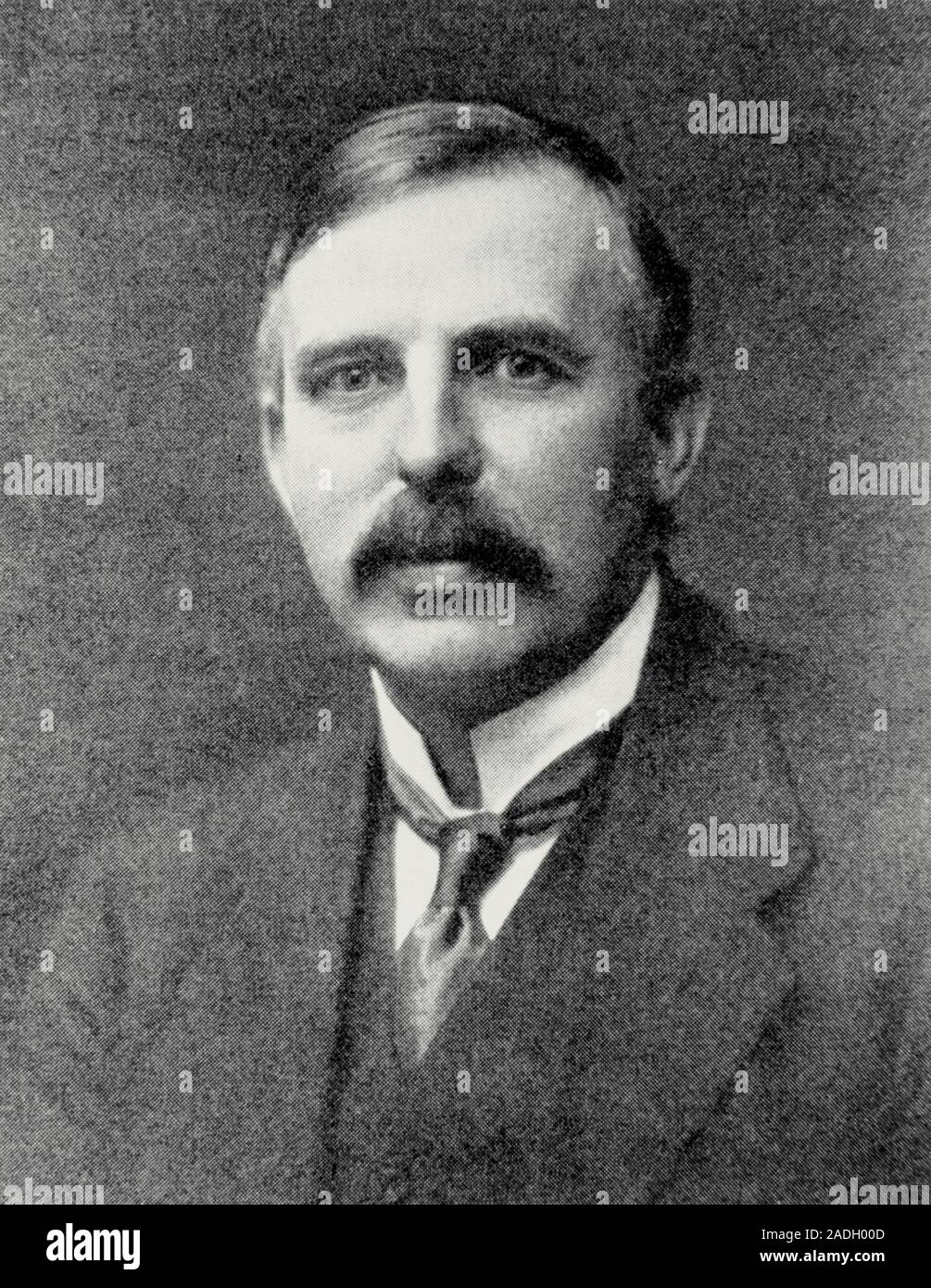
Explore the monumental legacy of Ernest Rutherford, the father of nuclear physics, in our insightful article. Delve into...
View Board
Discover how Michael Faraday, the father of electromagnetic technology, rose from humble beginnings to revolutionize the...
View Board
Otto Hahn's groundbreaking contributions to radiochemistry and nuclear physics left a lasting legacy in science, from hi...
View Board
"Discover how Ernest Rutherford, the father of nuclear physics, revolutionized science with his atomic discoveries. Expl...
View Board
Discover the life and groundbreaking work of Harold Urey, Nobel Prize-winning chemist who discovered deuterium and pione...
View Board
Discover how Luis Alvarez revolutionized modern science with his Nobel Prize-winning bubble chamber and groundbreaking d...
View Board
Discover Arturo Miolati, a pioneer in chemistry and education who shaped modern coordination chemistry. Explore his grou...
View Board
Explore the trailblazing journey of Marie Curie, a pioneering scientist whose groundbreaking discoveries in radioactivit...
View Board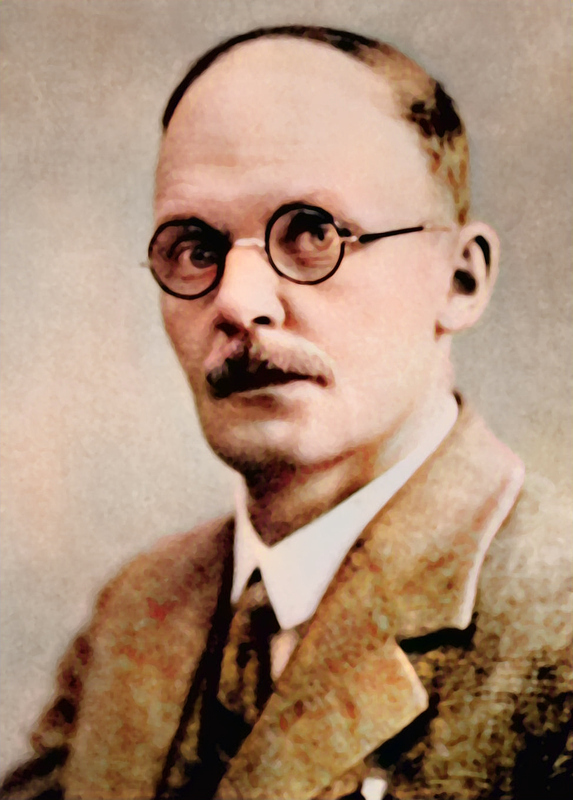
Explore the life and legacy of Hans Geiger, the pioneering physicist behind the revolutionary Geiger counter. From his e...
View Board
Explore the legacy of William Ramsay, the pioneering Scottish chemist who transformed chemistry by discovering the noble...
View Board
Discover Ernst Ruska's groundbreaking work in electron microscopy and its profound impact on modern science, from nanosc...
View Board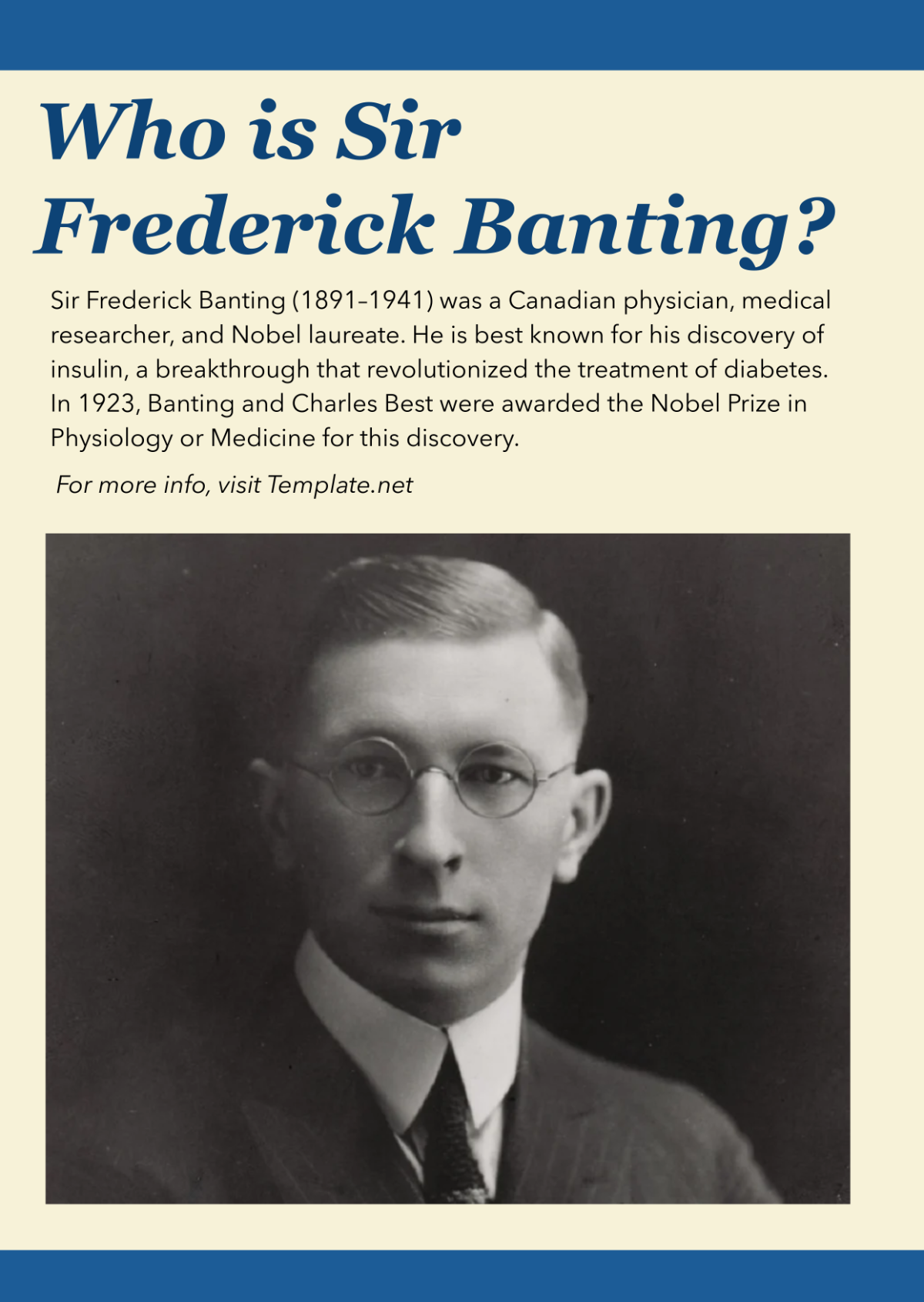
Discover how Frederick Banting's groundbreaking insulin discovery revolutionized diabetes treatment, saving millions. Ex...
View Board
Explore the remarkable life and enduring legacy of Max von Laue, the pioneering physicist behind the groundbreaking tech...
View Board
Hermann Staudinger pioneered macromolecular chemistry, revolutionizing the field with groundbreaking research on large m...
View Board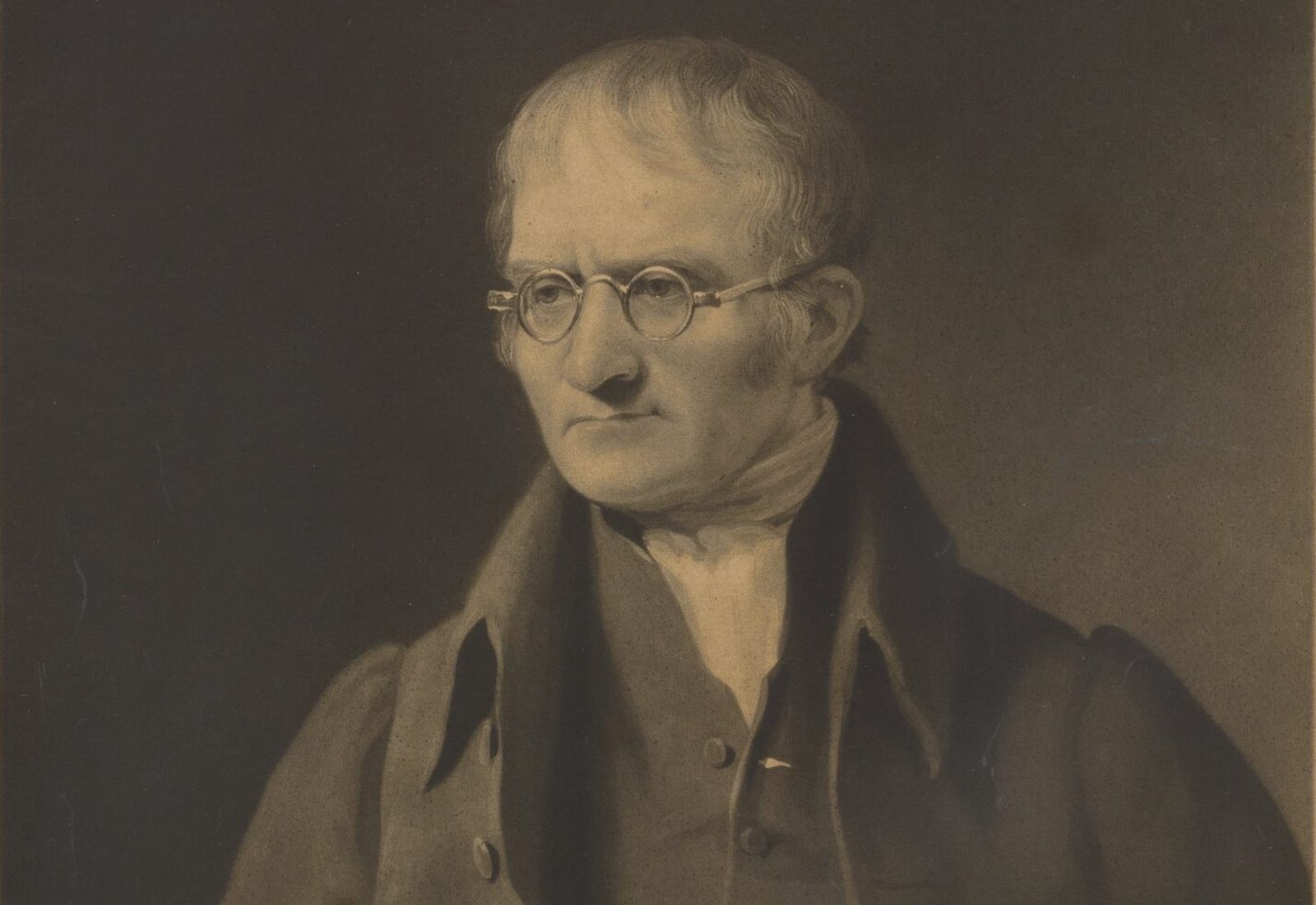
Discover the groundbreaking journey of John Dalton, a revered pioneer in modern atomic theory. Born in 1766, Dalton's mo...
View Board
Explore the fascinating life of Michael Faraday, the pioneering scientist whose groundbreaking work in electromagnetism ...
View Board
Discover the revolutionary world of chemistry through the pioneering work of Omar M. Yaghi, the visionary behind metal-o...
View Board
Discover the life of Aldo Pontremoli, a pioneering Italian physicist who founded Italy's first physics institute and joi...
View Board
768 **Meta Description:** Explore the life of Enrico Fermi, the architect of the nuclear age. From quantum theory to th...
View Board
Discover how Yves Chauvin's Nobel-winning olefin metathesis revolutionized chemistry, enabling greener, efficient indust...
View Board
Comments