Bartholomew Baker: A Remarkable Journey
Bartholomew Baker, a name that has sparked intrigue and curiosity across various circles, is a person whose life and contributions span many facets of society. From his early beginnings to becoming a renowned figure, Baker's journey is filled with intrigue and inspirational moments that reflect the ebbs and flows of a life dedicated to the pursuit of knowledge and the betterment of his community.
Early Life and Background
Bartholomew Baker was born into a modest family in a small town, nestled among undulating landscapes that inspired his love for nature. From a young age, Baker showed a proclivity for learning, often reads books that belonged to his parents. His early education was shaped by his parents' unwavering commitment to providing him with opportunities that expanded his horizons beyond the confines of their rural abode.
Throughout his childhood, Baker was known for his curiosity and imaginative spirit, traits that often saw him venturing into the wilderness surrounding his home. These excursions ignited a lifelong passion for nature, scientific inquiry, and discovery. Supported by a nurturing environment, Baker thrived academically, ultimately paving the path for his future endeavors.
Education and Early Career
As he progressed through school, Baker's dedication to academics stood out, leading him to secure a scholarship at a prestigious university where he pursued studies in environmental science. Here, surrounded by luminary minds and cutting-edge research opportunities, Baker's academic pursuits gained clarity and strength. His focus on sustainable development and environmental conservation was sharpened by insightful professors and groundbreaking research projects.
While at university, Baker became involved in various student-led initiatives, including the creation of a conservation club that aimed to raise environmental awareness on campus. His leadership and dedication did not go unnoticed, culminating in several accolades for his contributions to the academic and local community.
Professional Endeavors
Upon completing his studies, Bartholomew Baker embarked on a professional career that was as diverse and impactful as his academic life. He initially joined an environmental consultancy firm, where he harnessed his expertise to work on projects ranging from ecological restoration to urban sustainability. His insights and recommendations have played pivotal roles in shaping environmentally sound policies in several regions.
In addition to his consultancy work, Baker's passion for education saw him take on adjunct teaching roles at local universities, where he inspired a new generation of environmental scientists. His engaging teaching style and dedication to student's success made him a beloved figure among the academic community and a mentor to many aspiring environmentalists.
Baker's early career highlights not only his professional accomplishments but also underscore his commitment to creating a balance between preserving natural ecosystems and fostering responsible development. His work has always reflected a profound understanding of the interconnectedness of ecological and human systems.
James Lovelock: Visionary of Gaia
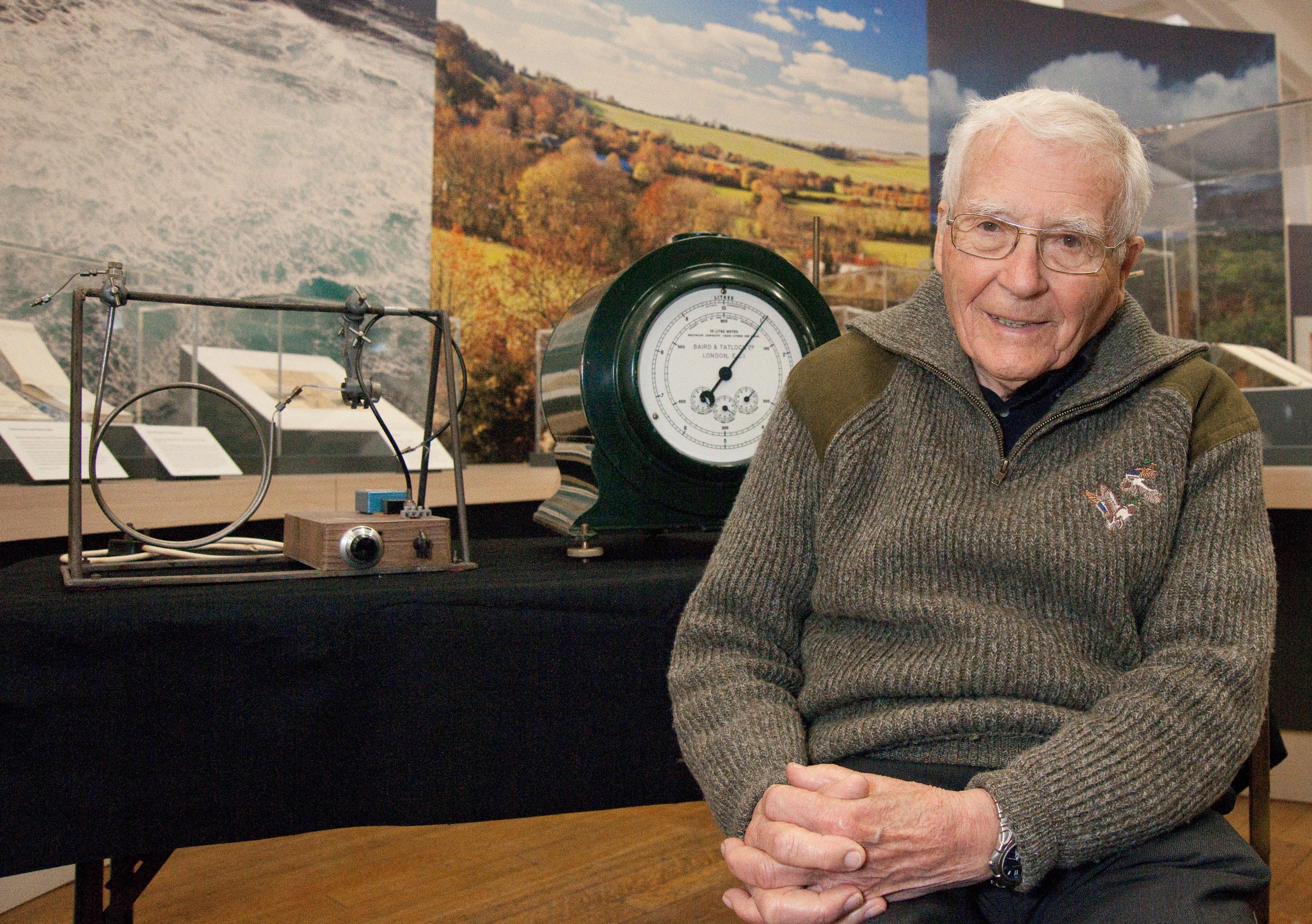
James Lovelock, a name revered in the field of environmental science, is a multifaceted figure whose contributions have shaped our understanding of the Earth and its ecosystems. Born on July 26, 1919, in Letchworth Garden City, England, Lovelock's early life was marked by an insatiable curiosity about the natural world. This curiosity would later drive his groundbreaking work in geophysiology, ultimately leading to his formulation of the Gaia theory.
The Formative Years
Growing up in a family that valued education, Lovelock explored the countryside, fostering a deep appreciation for nature. He pursued a degree in chemistry from the University of Manchester, followed by a Ph.D. at the London School of Hygiene & Tropical Medicine. His academic journey coincided with World War II, during which he worked on defenses against airborne viruses—a period that honed his skills in scientific problem-solving and innovation.
The Gaia Hypothesis: A Revolutionary Concept
The Gaia hypothesis, proposed by Lovelock in the 1970s, stands as one of his most notable achievements. This theory posits that the Earth functions as a self-regulating, complex system comprising the biosphere, atmosphere, hydrosphere, and geosphere, collectively maintaining conditions favorable for life. Gaia, named after the Greek goddess of the Earth, suggests that living organisms interact with inorganic elements to form a synergistic and self-sustaining environment. This paradigm-shifting concept compelled scientists and laypeople alike to view the Earth not merely as a collection of individual ecosystems, but as a unified, living entity.
Collaborations and the Scientific Community
The development of the Gaia hypothesis was also significantly influenced by Lovelock's collaboration with American microbiologist Lynn Margulis. Margulis contributed her expertise in microbial life to help substantiate Lovelock's ideas, adding credence and depth to the hypothesis. Despite initial resistance from parts of the scientific community, which was skeptical of what some perceived as an eco-centric approach, Gaia gradually gained acknowledgment as a credible scientific theory.
Impact and Critique
The Gaia hypothesis revolutionized the understanding of Earth's natural systems, influencing a myriad of disciplines from climate science to ecology and biogeochemistry. It invited researchers to consider holistic approaches when investigating environmental phenomena, encouraging the integration of various scientific perspectives. Nonetheless, the hypothesis has faced its fair share of critique. Some scientists argue that it presents a teleological perspective, attributing purpose or design to natural processes. However, Lovelock's intention was to illustrate the complex interdependencies that sustain planetary homeostasis, rather than suggest inherent purpose.
Lovelock's Later Works and Legacy
Beyond Gaia, Lovelock's career is characterized by a series of inventions and contributions to science and technology. He invented the electron capture detector (ECD), a device crucial in detecting trace amounts of chemical residues, thereby revolutionizing environmental chemistry. This invention significantly advanced our understanding of pollutant behaviors and concentrations in nature, underlying the importance of environmental stewardship.
Conclusion
James Lovelock's pioneering work has left an indelible mark on how we perceive and interact with our planet. By challenging conventional scientific paradigms, he inspired a shift towards integrated ecological thinking, prompting generations to contemplate the intricate relationships that sustain life on Earth. As we continue to address pressing environmental issues, Lovelock's legacy serves as a reminder of the profound insights that can emerge from viewing our planet as a cohesive, living organism.



Exploring the Life and Contributions of Arturo Miolati: A Pioneer in Science
Introduction to Arturo Miolati
Arturo Miolati is a name that might not be as widely recognized as some other pioneers in the field of science, yet his contributions have left a lasting impact that continues to inspire researchers and scholars today. As a formidable figure in both theoretical and applied sciences, Miolati's journey through the world of knowledge serves as a testament to the power of intellectual curiosity, perseverance, and innovation. This article seeks to delve into the life and contributions of Arturo Miolati, exploring how his works have shaped scientific thought and practice.
Early Life and Education
Born into a humble family in the outskirts of Milan, Italy, in the early 20th century, Arturo Miolati's path was not always directed toward scientific greatness. His early years were characterized by a robust fascination with the natural world, often spending hours among the rolling hills of his locality, observing and noting the intricacies of the flora and fauna. This organic curiosity set the stage for a lifelong commitment to understanding the universe's underlying principles.
Miolati's formal education began at the local grammar school, where he soon demonstrated an extraordinary aptitude for mathematics and science. His teachers, recognizing his potential, encouraged him to pursue higher education. With the support of scholarships, Miolati attended the University of Milan. There, he majored in Physics and Mathematics, earning top honors and gaining the attention of leading professors at the university who would become his mentors.
The Beginning of a Promising Career
Upon completing his studies, Miolati quickly began making strides in the scientific community. Early in his career, he took a position at the prestigious National Institute of Nuclear Physics (INFN) in Rome, where he worked alongside some of the most prominent scientists of the time. His work there focused on theoretical models that sought to explain the intricacies of atomic behavior, a field that was gaining explosive interest in the mid-20th century.
It was during this period that Miolati co-authored several papers that delved into the complexities of nuclear processes and quantum mechanics. Among Miolati's early notable achievements was his work in refining the probabilistic models of subatomic particle interactions, which proved crucial for the later development of quantum field theory. His knack for weaving the abstract with the applicable quickly set him apart in the scientific echelon of his time.
Contributions to Quantum Mechanics
Miolati's foremost triumph came with his extensive research on quantum mechanics. His work was marked by an innovative approach that combined mathematical rigor with creative thinking. One of his most significant contributions was the development of what would later be called the Miolati Equation. This groundbreaking equation provided a more nuanced understanding of wave functions, predicting the behavior of particles at a quantum level with greater accuracy than previous models.
This work not only pushed the academic boundaries of quantum theory but also had practical implications in the burgeoning field of semiconductor technology. It laid the groundwork for advancements in various technologies, including electronics and optical systems, impacting industries and consumers worldwide. His research paved the way for future scientists to explore and expand upon his theories, cementing his legacy as a cornerstone in the field.
A Visionary in Education
Beyond his theoretical contributions, Arturo Miolati was a dedicated educator and mentor. He believed in the transformative power of education and the necessity of inspiring the next generation of thinkers. Throughout his career, he held numerous teaching positions at esteemed universities, where his dynamic lectures and engaging teaching style inspired countless students to pursue careers in science and technology. Miolati was known for his ability to demystify complex scientific concepts, making them accessible to learners with varying levels of expertise.
Miolati’s passion for education also extended to his involvement in several initiatives aimed at improving science education in primary and secondary schools. He championed efforts to integrate more rigorous science curricula at earlier stages in schooling, which he believed was vital for fostering innovative thinking and a scientifically literate populace.
Impact on Interdisciplinary Science
In addition to his contributions in physics and mathematics, Miolati was deeply interested in the intersection of various scientific disciplines. He recognized early on that many of the world's unsolved problems required a multidisciplinary approach. To this end, Miolati frequently collaborated with experts across diverse fields, from biology to engineering, to address pressing scientific questions.
He was instrumental in establishing several research symposiums that focused on cross-disciplinary innovation, providing platforms for knowledge exchange and collaborative problem-solving among scientists from different backgrounds. These initiatives not only propelled pioneering research but also cultivated a culture of interdisciplinary appreciation that continues to thrive in academia today.
Arturo Miolati's legacy is as much about the scientific advancements he pioneered as it is about his vision for collaborative learning and discovery. His life's work stands as a testimony to the power of tenacity, inquiry, and the pursuit of knowledge, inspiring future generations to look beyond traditional boundaries in search for solutions to modern challenges. In the subsequent sections of this article, we will delve deeper into his later works and the profound influence he continues to exert on the scientific community worldwide.
The Technological Legacy of Arturo Miolati
Arturo Miolati's influence extends beyond theoretical advancements, leaving a significant technological legacy that continues to influence modern innovation. His work in the 1960s and 1970s laid crucial groundwork for the Information Technology revolution, bridging the gap between abstract physics and real-world applications. Recognizing the growing importance of computation and digital technologies, Miolati shifted focus to problem-solving in computational physics and its applications in technology development.
A pivotal moment in Miolati’s career was his involvement with early computational models, which played a key role in the evolution of computer processors and microchip technologies. His foresight into the potential of miniaturized computing components contributed to what would later become the bedrock of modern digital devices. By helping to design more efficient algorithms for processor function, Miolati indirectly fueled advancements that led to the compact, powerful devices we take for granted today, from smartphones to sophisticated data centers.
Arturo Miolati and Environmental Science
As Miolati's career progressed, he became increasingly aware of the environmental challenges facing the planet. The 1970s brought a growing public awareness of environmental issues, and Miolati was quick to realize the potential role that science could play in addressing these challenges. Harnessing his expertise in theoretical modeling, he ventured into the field of environmental science, focusing on developing predictive models for climate change and its global impact.
One of Miolati's seminal contributions to environmental science was his model for predicting atmospheric changes and their potential repercussions. His interdisciplinary work helped lay the foundation for climate modeling, crucially impacting policy and research targeting global warming. Arturo Miolati’s models provided early warnings about the potentially catastrophic impacts of unchecked environmental degradation, underscoring the importance of science-based policy interventions.
Through collaborations with environmental scientists, Miolati championed the integration of scientific findings into policy frameworks, emphasizing that understanding the systemic nature of ecological changes was vital for sustainable development. His pioneering work propelled future scientific endeavors aimed at crafting solutions to combat environmental challenges.
The Power of Collaborative Research
Arturo Miolati believed in the transformative power of collaboration and often espoused the belief that "science is not a solitary endeavor." This philosophy was evident in his myriad partnerships and joint projects across various domains of science. Notably, Miolati was a founding member of several international research consortia that aimed to solve complex scientific problems through collective innovation.
His most notable collaborative achievement was the establishment of the European Consortium for Advanced Scientific Research (ECASR), a platform designed to promote cross-border scientific initiatives. ECASR facilitated collaboration among scientists from different disciplines and nations, leading to breakthroughs in fields such as renewable energy, genomic mapping, and nanotechnology. This consortium highlighted the benefits of shared knowledge and resource pooling in accelerating scientific progress.
The collaborative ethos Miolati championed has since become a cornerstone of modern research, with interdisciplinary teams now routinely undertaking the task of solving complex scientific problems. His ability to bring together diverse talents has paved the way for continuing advancements across numerous fields and continues to set a standard for collaborative scientific exploration today.
Recognition and Awards
Despite his relatively low profile compared to other scientific icons, Arturo Miolati's contributions did not go unnoticed. Throughout his career, he received numerous awards and honors that celebrated his research and commitment to science. Among these were the prestigious Enrico Fermi Award for Physics and the Leonardo da Vinci Prize for Technological Innovation, recognizing both his academic contributions and his influence on technology.
Miolati was also an active member of numerous scientific academies, including the Academia dei Lincei in Italy, symbolizing his standing in the scientific community. These recognitions served not only to honor his past works but also ensure that his contributions would be remembered and built upon by future generations of scientists.
Arturo Miolati’s Later Years
In the later years of his career, Arturo Miolati shifted his focus towards fostering scientific development and innovation in underprivileged regions. He believed that scientific knowledge and technological advancement shouldn't be confined to those traditionally privileged with resources. To this end, he became actively involved in establishing centers for scientific excellence in developing countries, aiming to empower local scientists and equip them with the ability to tackle regional challenges effectively.
Miolati's efforts in promoting scientific education and infrastructure across the globe played a significant role in developing sustainable research communities. His initiatives helped create networks of researchers in diverse areas, potentially transforming local economies by integrating science-based solutions to regional problems. These contributions further enshrined Miolati's legacy as a scientist dedicated not solely to individual accolades but deeply committed to global scientific advancement.
As we explore the richness of Arturo Miolati's life and the breadth of his contributions to science and society, it becomes evident that his enduring legacy is not merely encapsulated in his inventions or theories but in the spirit of inquiry and innovation that he fostered. The final section of this article will delve into the ongoing influence of his work, how it continues to shape scientific endeavors today, and how emerging scientists are building upon his visionary ideas.
The Enduring Influence of Arturo Miolati
As we move further into the 21st century, the ripples of Arturo Miolati's contributions continue to manifest across numerous fields of scientific exploration. His theories form the bedrock of current studies in quantum mechanics and climate science, while his technological advancements underpin much of today’s digital innovation. The multiplicative impact of Miolati's work is evident in how these foundations are actively being expanded and adapted by current and emerging scientists.
Miolati's approach to interdisciplinary collaboration is a model emulated today in the establishment of research centers and academic programs worldwide. Cross-pollination of ideas, as encouraged by Miolati, is now a standard practice within leading research universities and tech companies globally, where scientists from diversified backgrounds come together to tackle challenges ranging from artificial intelligence to sustainable energy solutions.
Arturo Miolati's Vision and Modern Scientific Challenges
In the present day, Miolati’s innovative spirit is reflected in initiatives addressing some of the most daunting scientific challenges, such as efforts to mitigate the effects of climate change—an area where his early models still serve as essential references. His vision that science should serve all of humanity resonates with contemporary efforts to use scientific breakthroughs as tools for social and environmental justice.
Moreover, Miolati’s legacy is evident in the ongoing expansion of technological frontiers. Modern quantum computing, a field that owes much to foundational work like the Miolati Equation, aims to revolutionize data processing, cryptography, and complex system modeling. As companies and governments invest heavily in this area, Miolati's earlier theoretical postulations continue to hold significant relevance.
His work in microelectronics also continues to influence the spectacular advancements in nanoscale materials and devices, including the development of faster, more efficient microchips. These innovations are critical in driving capabilities for new and future technologies like quantum dot displays, advanced medical diagnostics, and next-generation communication networks.
Inspiring Future Generations
Arturo Miolati's influence extends well beyond his direct academic and technological contributions. His legacy is also manifest in the inspirational role he plays for aspiring scientists and educators worldwide. Through his insistence on intellectual rigor paired with imaginations bound by no horizon, Miolati set a standard for scientific inquiry. His life’s work serves as a powerful example for young scientists who envision a career in discovery and innovation.
Educational programs have been established in his honor, fostering environments that encourage curiosity-driven research. Many of the scientific festivals and conferences bearing his name have become pivotal gatherings that continue to celebrate both his enduring legacy and the spirit of discovery he championed. These platforms serve as a breeding ground for fresh ideas and have become integral to the nurturing of the next generation of scientific leaders.
Conclusion: Arturo Miolati—A Legacy Beyond Measure
Reflecting on Arturo Miolati’s life and achievements, it is clear that his legacy is not solely defined by any single discovery but by the holistic impact of his work across disciplines. His contributions to quantum mechanics, environmental science, and technology have laid down a scaffolding upon which numerous modern scientific advancements still stand.
Miolati’s foresight, innovation, and commitment to the societal application of science invite ongoing reflection on how scientific endeavors can positively influence global challenges. As future scientists and thinkers build upon his foundational work, the possibilities remain limitless, but they will forever be grounded in the intellectual integrity and innovative spirit exemplified by Miolati’s life's pursuit.
His extraordinary ability to blend imagination with logical precision endures as a guiding principle. Whether through quantum theories that stretch the imagination or environmental models urging Earth’s stewardship, Arturo Miolati’s legacy beautifully encapsulates the profound and enduring capability of human inquiry to unravel Earth's mysteries and by extension, to forge a better world.
As we move forward, Miolati’s life story and accomplishments remind us of science’s potential to transcend traditional boundaries and positively impact the future—a reminder that the progression of knowledge is itself a collaborative ladder, shaped by the shoulders of giants such as Arturo Miolati.



James Lovelock: The Visionary Behind the Gaia Hypothesis
Early Life and Education
James Lovelock, born on July 26, 1919, in Letchworth Garden City, Hertfordshire, England, was a pioneering scientist whose work revolutionized our understanding of Earth as a living system. His journey began with a chemistry degree from Manchester University in 1941, followed by a PhD in medicine from the London School of Hygiene and Tropical Medicine in 1948. He later earned a DSc in biophysics from the University of London in 1959, laying the foundation for his multidisciplinary career.
The Birth of the Gaia Hypothesis
Lovelock is best known for developing the Gaia hypothesis, which proposes that Earth functions as a self-regulating system where life maintains optimal conditions through feedback loops involving the biosphere, atmosphere, oceans, and soil. This groundbreaking idea was first introduced in a 1965 paper in *Nature*, where Lovelock suggested that the composition of Earth's atmosphere, particularly the presence of gases like oxygen and methane, is a signature of life.
Inspiration from NASA and Extraterrestrial Life
Lovelock's work with NASA in the 1960s played a crucial role in shaping the Gaia hypothesis. While developing instruments to detect life on Mars for the Viking missions, he realized that Earth's atmosphere is in a state of disequilibrium, maintained by the presence of life. This insight led him to propose that the chemical composition of a planet's atmosphere could indicate whether life exists there.
Inventions and Scientific Contributions
Beyond his theoretical work, Lovelock was a prolific inventor. He held over 50 patents, including the electron-capture detector (ECD), invented in 1957. The ECD was instrumental in detecting pesticide residues and chlorofluorocarbons (CFCs), which later became critical in research on ozone depletion. His inventions not only advanced scientific research but also had a profound impact on environmental monitoring and policy.
Cryobiology and Medical Research
In the early stages of his career, Lovelock made significant contributions to medical research. In 1952, he developed a theory on cryobiology, explaining how cells are damaged during freezing. This work led to successful experiments in freezing and thawing hamsters, paving the way for advancements in cryopreservation and medical storage techniques.
Collaborations and Key Relationships
Lovelock's collaboration with Lynn Margulis, a renowned biologist, was pivotal in formalizing the Gaia hypothesis. Funded by NASA Exobiology grants, their partnership in the 1970s helped refine and promote the theory, despite initial skepticism from the scientific community. Margulis's expertise in microbiology complemented Lovelock's background in chemistry and instrumentation, creating a robust framework for the hypothesis.
Academic and Professional Roles
Throughout his career, Lovelock held various academic positions, including roles as a professor at Baylor University (1961–1964) and a visiting professor at the University of Houston (1964–1974) and the University of Reading (1964–1989). However, much of his most influential work was conducted as an independent researcher, operating from a home laboratory in Dorset, England. This independence allowed him the freedom to explore unconventional ideas and pursue interdisciplinary research.
Legacy and Impact
The Gaia hypothesis has had a lasting impact on multiple scientific fields, including Earth system science, climate science, and astrobiology. Lovelock's ideas have influenced how scientists view Earth as a cybernetic entity, capable of self-regulation through complex feedback mechanisms. His work has also shaped discussions on planetary habitability and the search for extraterrestrial life.
Recognition and Awards
Lovelock's contributions to science were widely recognized. In 2003, he was appointed a Companion of Honour for his services to environmental science. His work with NASA earned him three certificates of recognition, highlighting his role in advancing life-detection technologies and planetary science. Even after his passing on July 26, 2022, his legacy continues to inspire new generations of scientists and environmentalists.
Publications and Influence
Lovelock was a prolific writer, authoring approximately 200 scientific papers and several influential books. His 1979 book, *Gaia: A New Look at Life on Earth*, introduced the Gaia hypothesis to a broader audience, while subsequent works like *The Ages of Gaia* (1988) and *The Revenge of Gaia* (2006) expanded on his theories and addressed contemporary environmental challenges. These publications have been instrumental in shaping public and scientific discourse on climate change and sustainability.
Evolving Views on Climate Change
In his later years, Lovelock became increasingly vocal about the urgent need to address climate change. In *The Revenge of Gaia*, he warned of climate tipping points and the potentially catastrophic consequences of human impacts on the planet. His evolving views reflected a deepening concern for the future of Earth and a call to action for policymakers and the public alike.
Conclusion of Part 1
James Lovelock's life and work exemplify the power of interdisciplinary thinking and independent research. From his early contributions to medical science and instrumentation to the development of the Gaia hypothesis, Lovelock's ideas have reshaped our understanding of Earth and our place within it. His legacy continues to influence scientific research, environmental policy, and the ongoing search for life beyond our planet.
The Gaia Hypothesis: A Paradigm Shift in Earth Science
The Gaia hypothesis challenged conventional views of Earth as a passive planet, instead proposing it as a dynamic, self-regulating system. Lovelock's theory suggested that life interacts with the physical environment to maintain conditions suitable for its continuation. This idea was revolutionary, as it implied that Earth's biosphere, atmosphere, oceans, and soil are interconnected in a way that sustains life through feedback loops.
Key Components of the Gaia Hypothesis
The hypothesis is built on several core principles:
- Homeostasis: Earth maintains a stable environment through biological and geological processes.
- Feedback Mechanisms: Positive and negative feedback loops regulate temperature, atmospheric composition, and ocean chemistry.
- Co-evolution: Life and the environment evolve together, shaping each other over geological time.
- Disequilibrium: Earth's atmosphere is in a state of chemical disequilibrium, indicating the presence of life.
Initial Criticism and Later Acceptance
When Lovelock first proposed the Gaia hypothesis, it faced significant skepticism from the scientific community. Critics argued that the theory was teleological, implying a purpose or goal in nature, which contradicted Darwinian evolution. However, over time, the hypothesis gained traction as evidence accumulated. By the 1980s and 1990s, many scientists began to accept that Earth's systems are indeed interconnected in ways that promote stability and resilience.
Lovelock’s Contributions to Environmental Science and Technology
Beyond the Gaia hypothesis, Lovelock made groundbreaking contributions to environmental science and technology. His inventions and research have had lasting impacts on how we monitor and understand the environment.
The Electron-Capture Detector (ECD)
One of Lovelock’s most influential inventions was the electron-capture detector (ECD), developed in 1957. This device revolutionized environmental monitoring by enabling the detection of trace amounts of chemicals, including:
- Pesticides such as DDT, which were previously difficult to measure.
- Chlorofluorocarbons (CFCs), which were later identified as major contributors to ozone depletion.
- Polychlorinated biphenyls (PCBs), toxic industrial compounds that persist in the environment.
The ECD became a cornerstone of environmental chemistry, allowing scientists to track pollutants at parts-per-trillion levels. This technology was instrumental in the 1974 discovery of CFCs in the atmosphere, which led to global efforts to phase out these ozone-depleting substances.
Work with NASA and the Search for Extraterrestrial Life
Lovelock’s collaboration with NASA in the 1960s was another highlight of his career. He worked on developing instruments to detect life on Mars as part of the Viking missions. His approach was innovative: instead of looking for direct signs of life, he proposed analyzing the chemical composition of a planet’s atmosphere to determine if life could exist there.
This work led to a critical insight: Earth’s atmosphere is in a state of chemical disequilibrium, maintained by the presence of life. For example, the coexistence of oxygen and methane in Earth’s atmosphere is highly unusual from a chemical standpoint, as these gases would normally react and neutralize each other. Lovelock argued that this disequilibrium is a signature of life, a concept that has since been adopted in the field of astrobiology.
Lovelock’s Later Years and Evolving Perspectives
As Lovelock aged, his views on environmental issues evolved, reflecting a deepening concern for the planet’s future. In his later works, he became increasingly alarmist about the impacts of climate change, warning that humanity was pushing Earth’s systems toward dangerous tipping points.
The Revenge of Gaia: A Warning on Climate Change
In his 2006 book, *The Revenge of Gaia*, Lovelock presented a stark warning about the consequences of unchecked climate change. He argued that Earth’s self-regulating systems were being overwhelmed by human activities, particularly the burning of fossil fuels and deforestation. Key points from the book include:
- Earth is approaching a climate tipping point, beyond which irreversible changes will occur.
- Humanity’s impact on the planet is comparable to a geological force, altering Earth’s systems at an unprecedented rate.
- Traditional approaches to environmentalism, such as reduction in carbon emissions, may not be sufficient to avert catastrophe.
- Radical solutions, such as geoengineering, may be necessary to stabilize the climate.
While some critics dismissed Lovelock’s warnings as overly pessimistic, his book sparked important debates about the urgency of addressing climate change and the need for innovative solutions.
Lovelock’s Views on Nuclear Energy
In his later years, Lovelock became a vocal advocate for nuclear energy as a solution to climate change. He argued that renewable energy sources, such as wind and solar, were insufficient to meet global energy demands without causing significant environmental damage. Lovelock believed that nuclear power, despite its risks, was the most viable option for reducing carbon emissions while providing reliable energy.
His stance on nuclear energy was controversial, particularly among environmentalists who traditionally oppose nuclear power due to concerns about radioactive waste and nuclear accidents. However, Lovelock’s position reflected his pragmatic approach to solving global challenges, prioritizing evidence-based solutions over ideological preferences.
Lovelock’s Legacy in Modern Science
James Lovelock’s contributions to science extend far beyond the Gaia hypothesis. His work has influenced multiple fields, from environmental chemistry to astrobiology, and his inventions have had practical applications in pollution monitoring and medical research.
Influence on Earth System Science
The Gaia hypothesis laid the groundwork for Earth system science, a field that studies the planet as a complex, interconnected system. Lovelock’s ideas helped shape modern models of climate regulation, biogeochemical cycles, and ecological resilience. Today, scientists use these models to understand how human activities are altering Earth’s systems and to predict future environmental changes.
Key areas where Lovelock’s influence is evident include:
- Climate modeling: Understanding how feedback loops amplify or mitigate climate change.
- Oceanography: Studying the role of marine life in regulating atmospheric carbon dioxide.
- Biodiversity research: Exploring how species interactions contribute to ecosystem stability.
Impact on Astrobiology and the Search for Extraterrestrial Life
Lovelock’s work with NASA and his insights into planetary atmospheres have had a lasting impact on astrobiology. His idea that a planet’s atmospheric composition can indicate the presence of life has become a cornerstone of the search for extraterrestrial life. Scientists now use atmospheric spectroscopy to analyze the chemical makeup of exoplanet atmospheres, looking for signs of disequilibrium that could suggest biological activity.
Lovelock’s contributions to this field include:
- Developing instruments for the Viking Mars missions to detect signs of life.
- Proposing that methane and oxygen in a planet’s atmosphere could be a biosignature.
- Influencing the design of future missions, such as the James Webb Space Telescope, which will study exoplanet atmospheres.
Continued Relevance in Environmental Monitoring
The electron-capture detector (ECD) and other inventions by Lovelock remain essential tools in environmental science. These technologies are used to monitor:
- Air quality, tracking pollutants such as ozone and particulate matter.
- Water contamination, detecting pesticides and industrial chemicals in rivers and oceans.
- Soil health, measuring the presence of toxic substances that affect agriculture and ecosystems.
Lovelock’s legacy in this area is a testament to his ability to bridge the gap between theoretical science and practical applications, creating tools that have real-world impacts on environmental protection.
Honors and Recognition
Throughout his life, Lovelock received numerous awards and honors in recognition of his scientific contributions. These accolades highlight the significance of his work and its enduring influence on multiple fields.
Major Awards and Honors
Some of the most notable recognitions Lovelock received include:
- Companion of Honour (2003): Awarded by the British government for his services to environmental science.
- NASA Certificates of Recognition: Received three certificates for his contributions to life-detection instruments and planetary science.
- Wollaston Medal (2006): Awarded by the Geological Society of London for his work on the Gaia hypothesis.
- Blue Planet Prize (1997): A prestigious environmental award recognizing his contributions to Earth system science.
Posthumous Tributes
Following Lovelock’s death on July 26, 2022, tributes poured in from scientists, environmentalists, and policymakers worldwide. NASA issued a statement honoring his pioneering work in life-detection and his collaboration with Lynn Margulis on the Gaia hypothesis. The scientific community continues to celebrate his legacy through:
- Conferences and symposia dedicated to his theories and their applications.
- Public lectures exploring the implications of the Gaia hypothesis for modern environmental challenges.
- Research grants funded in his name to support interdisciplinary studies in Earth and planetary sciences.
James Lovelock’s Philosophical and Ethical Implications
The Gaia hypothesis is not just a scientific theory—it carries profound philosophical and ethical implications for how humanity perceives its relationship with Earth. Lovelock’s work challenges the traditional view of humans as separate from nature, instead positioning us as an integral part of a living, self-regulating planet. This shift in perspective has influenced environmental ethics, policy, and even spiritual movements.
A New Worldview: Earth as a Living Organism
Lovelock’s Gaia theory suggests that Earth operates like a single, living organism, where all components—from microorganisms to vast ocean currents—work together to maintain balance. This idea has resonated deeply with:
- Environmental philosophers, who argue for a more holistic approach to ecology.
- Indigenous communities, whose traditions often emphasize the interconnectedness of life.
- Climate activists, who use Gaia as a framework to advocate for systemic change.
By framing Earth as a self-sustaining entity, Lovelock’s theory encourages a sense of stewardship and responsibility toward the planet.
Ethical Considerations: Humanity’s Role in Gaia
Lovelock’s later works, particularly *The Revenge of Gaia*, pose difficult ethical questions about humanity’s impact on Earth. He argued that human activities—such as deforestation, fossil fuel combustion, and industrial pollution—are disrupting Gaia’s regulatory mechanisms. This raises critical questions:
- How can humanity reduce its ecological footprint while maintaining progress?
- Should we intervene with geoengineering to counteract climate change?
- What is our moral obligation to future generations and other species?
Lovelock’s warnings about climate tipping points underscore the urgency of these ethical dilemmas, pushing scientists and policymakers to consider long-term consequences over short-term gains.
The Future of Gaia Theory: Applications and Challenges
As climate change accelerates, the Gaia hypothesis remains more relevant than ever. Modern scientists continue to refine and expand Lovelock’s ideas, applying them to new challenges in climate science, astrobiology, and sustainability. However, the theory also faces criticism and limitations that shape its future trajectory.
Modern Applications of Gaia Theory
Today, Gaia theory informs several cutting-edge scientific fields:
- Climate Modeling: Researchers use Gaia-inspired models to study feedback loops in Earth’s climate system, such as the role of forests in regulating rainfall.
- Astrobiology: The search for extraterrestrial life relies on Lovelock’s atmospheric disequilibrium concept to identify potential biosignatures on distant planets.
- Sustainability Science: Policymakers apply Gaia principles to design circular economies that mimic natural cycles.
- Oceanography: Studies on phytoplankton and carbon sequestration draw from Gaia’s emphasis on biological regulation.
These applications demonstrate how Lovelock’s ideas continue to drive innovation in science and policy.
Criticisms and Controversies
Despite its influence, the Gaia hypothesis has faced ongoing debate. Critics argue that:
- The theory overstates Earth’s self-regulating capacity, ignoring instances of catastrophic environmental collapse (e.g., mass extinctions).
- It may imply teleology—a sense of purpose in nature—which conflicts with Darwinian evolution.
- Some interpretations of Gaia romanticize nature, potentially downplaying the severity of human impacts.
Lovelock himself acknowledged these challenges, refining his theory over time to address scientific skepticism. His later works emphasized that Gaia is not a benevolent force but a system that can shift violently in response to disturbances.
James Lovelock’s Enduring Influence on Science and Society
James Lovelock’s legacy extends far beyond his scientific discoveries. His work has shaped public perception of environmental issues, inspired new generations of researchers, and even influenced art, literature, and popular culture. From documentaries to policy debates, Lovelock’s ideas continue to resonate in unexpected ways.
Influence on Environmental Movements
Lovelock’s theories have become a rallying cry for environmental activists. Movements such as:
- Extinction Rebellion, which advocates for urgent climate action.
- Deep Ecology, a philosophy that emphasizes humanity’s interconnectedness with nature.
- Regenerative Agriculture, which seeks to restore ecosystems through sustainable farming.
often cite Gaia theory as a foundation for their work. Lovelock’s warnings about ecological collapse have galvanized efforts to protect biodiversity and reduce carbon emissions.
Cultural and Artistic Impact
The Gaia hypothesis has also permeated art and culture, inspiring:
- Films and documentaries, such as *An Inconvenient Truth* and *Home*, which explore Earth’s fragility.
- Music and literature, including works by composers and authors who draw on Gaia as a metaphor for planetary unity.
- Visual art, where artists depict Earth as a living, breathing entity.
This cultural influence reflects how deeply Lovelock’s ideas have embedded themselves in the collective consciousness.
Key Takeaways: What We Can Learn from James Lovelock
James Lovelock’s life and work offer valuable lessons for scientists, policymakers, and the public. His interdisciplinary approach, willingness to challenge conventions, and commitment to evidence-based solutions provide a model for addressing today’s global challenges.
Lessons for Scientists and Researchers
Lovelock’s career demonstrates the power of:
- Interdisciplinary thinking, blending chemistry, biology, and geophysics to solve complex problems.
- Independent research, as many of his breakthroughs came from working outside traditional academic structures.
- Bold hypotheses, even when they face initial skepticism.
His story encourages scientists to think beyond disciplinary boundaries and embrace unconventional ideas.
Lessons for Policymakers and Environmentalists
Lovelock’s warnings about climate change and ecological limits offer critical insights for decision-makers:
- Urgent action is needed to avoid irreversible damage to Earth’s systems.
- Innovative solutions, such as geoengineering or nuclear energy, may be necessary to address global challenges.
- Long-term thinking must prevail over short-term political or economic interests.
His legacy underscores the importance of science-informed policy in safeguarding the planet.
Conclusion: The Legacy of a Visionary Scientist
James Lovelock’s contributions to science and environmental thought are unparalleled. From the Gaia hypothesis to his groundbreaking inventions, his work has reshaped our understanding of Earth and our place within it. Lovelock’s ability to connect disparate fields—chemistry, biology, climate science, and astrobiology—demonstrates the power of interdisciplinary thinking in solving global challenges.
As we face the climate crisis and other environmental threats, Lovelock’s ideas remain as relevant as ever. His warnings about tipping points and the need for radical solutions serve as a call to action for future generations. Whether through scientific research, policy changes, or cultural shifts, the legacy of James Lovelock will continue to inspire efforts to protect and sustain our planet.
In the end, Lovelock’s greatest gift may be his reminder that Earth is not merely a collection of resources to be exploited but a living, dynamic system that demands our respect, care, and urgent attention. His vision of Gaia challenges us to rethink our relationship with nature and to strive for a future where humanity lives in harmony with the planet that sustains us all.


Jacques Cousteau: The Pioneer of the Deep
The Early Life of a Visionary Explorer
Jacques-Yves Cousteau was born on June 11, 1910, in Saint-André-de-Cubzac, France. From a young age, he was fascinated by the sea, though his path to becoming one of the most renowned ocean explorers of all time was not straightforward. Cousteau's early years were marked by curiosity and a rebellious spirit. He loved machines, nature, and adventure, but his formal education initially led him toward aviation.
However, a near-fatal car accident in 1933 altered the course of his life. While recovering, he was introduced to spearfishing and underwater exploration by his friend Philippe Tailliez. The experience ignited a deep passion for the ocean, setting him on a journey that would redefine marine science, conservation, and storytelling.
The Invention of the Aqua-Lung
One of Cousteau’s most significant contributions to underwater exploration was the co-invention of the Aqua-Lung in 1943. Working alongside engineer Émile Gagnan, Cousteau developed the first open-circuit, self-contained underwater breathing apparatus (SCUBA). This revolutionary device allowed divers to explore the ocean depths with unprecedented freedom and mobility, unshackled from heavy diving helmets and surface-supplied air.
The Aqua-Lung not only transformed underwater exploration but also opened new frontiers for marine biology, archaeology, and underwater filmmaking. Scientists could now study marine ecosystems firsthand, and divers could document the world beneath the waves in ways never before imagined.
The Calypso and the Beginnings of Oceanographic Expeditions
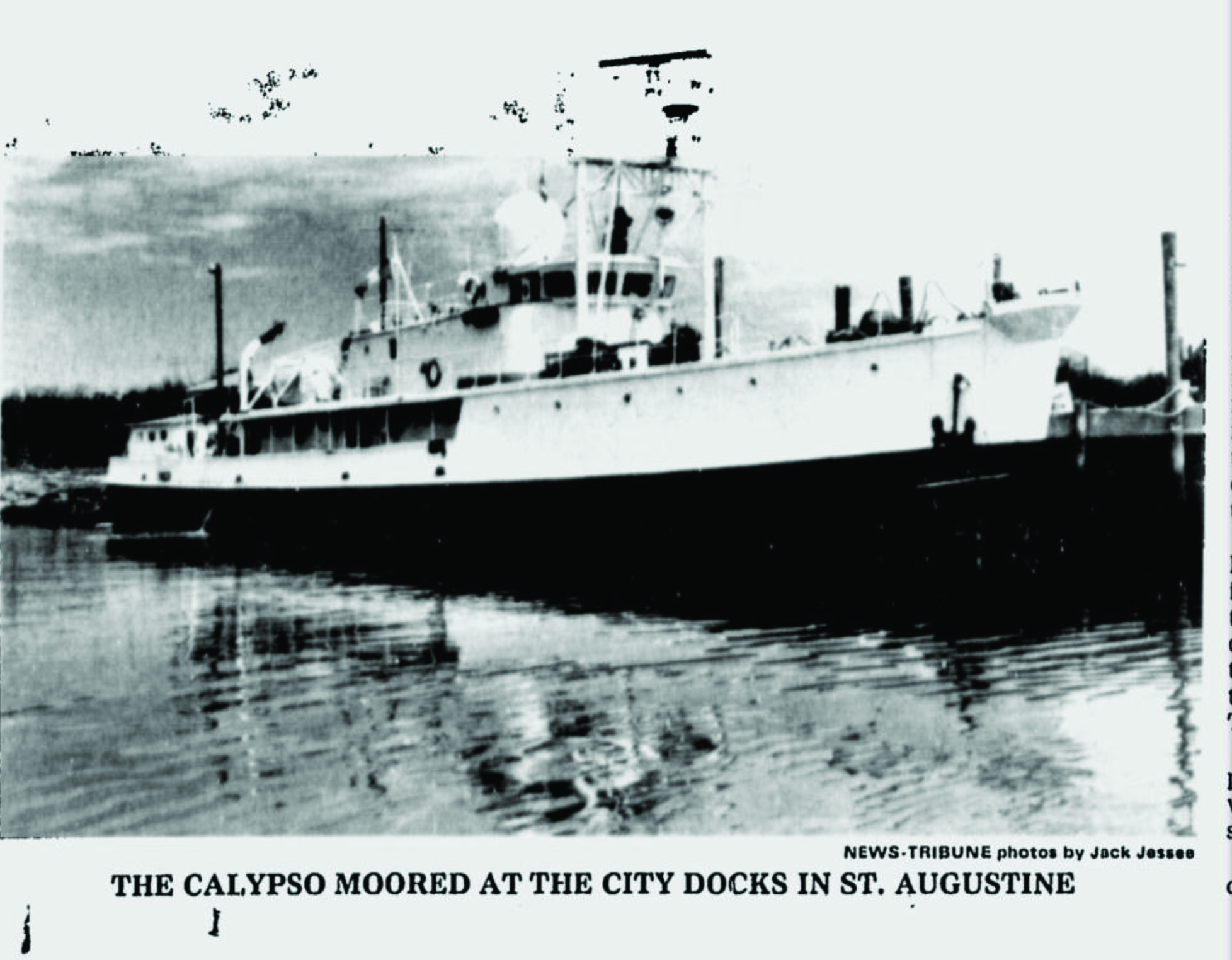
In 1950, Cousteau acquired the Calypso, a former minesweeper that he converted into a floating oceanographic laboratory. The vessel became legendary, serving as the base for Cousteau’s groundbreaking expeditions. Equipped with underwater cameras, submersibles, and diving gear, the Calypso allowed Cousteau and his team to explore remote marine environments and bring their discoveries to the public.
Through the 1950s and 1960s, Cousteau and his crew traveled the globe, documenting coral reefs, shipwrecks, and deep-sea trenches. His expeditions were not just scientific missions but also media sensations, capturing the imaginations of millions with stunning footage of previously unseen underwater worlds.
The Silent World: A Cinematic Revolution
In 1956, Cousteau released The Silent World, a documentary film co-directed with Louis Malle. Shot in vibrant Technicolor, the film showcased the beauty and mystery of the ocean, winning critical acclaim and the Palme d’Or at the Cannes Film Festival. It was also the first documentary to win an Academy Award for Best Documentary Feature.
The Silent World was more than just a film—it was a cultural phenomenon that introduced mainstream audiences to the wonders of marine life and the fragility of ocean ecosystems. Cousteau’s ability to combine science, adventure, and cinematic artistry set a new standard for nature documentaries.
Advocacy for Marine Conservation
As Cousteau witnessed firsthand the impacts of pollution, overfishing, and habitat destruction, he evolved from an explorer into a passionate conservationist. In 1973, he founded the Cousteau Society, an organization dedicated to marine research, education, and advocacy. Through his later documentaries, books, and public campaigns, he warned of the dangers facing the ocean and called for global action to protect it.
Cousteau's legacy is not just in his technological innovations or breathtaking films but also in his enduring message: that the ocean is a vital, interconnected system that must be preserved for future generations. His work laid the foundation for modern marine conservation movements and inspired countless individuals to take up the cause of protecting the planet.
(To be continued...)
Cousteau’s Television Legacy: Bringing the Ocean into Homes Worldwide
Jacques Cousteau’s influence reached its zenith with the advent of television. In 1966, he launched The Undersea World of Jacques Cousteau, a groundbreaking documentary series that aired on ABC. The show became an international sensation, captivating audiences with its stunning underwater cinematography and compelling storytelling. Viewers marveled at exotic marine creatures, vibrant coral reefs, and the eerie depths of unexplored ocean trenches—all narrated with Cousteau’s distinctive French-accented voice.
The series ran for nearly a decade, followed by other acclaimed productions like The Cousteau Odyssey and Cousteau’s Amazon. Unlike traditional nature documentaries, Cousteau’s films had a unique narrative style—blending adventure, science, and environmental ethics. He didn’t just show the underwater world; he made audiences feel emotionally invested in its preservation. His ability to humanize marine life, from playful dolphins to mysterious octopuses, set a precedent for modern environmental filmmaking.
The Birth of Underwater Archaeology
Beyond marine biology, Cousteau was a pioneer in underwater archaeology. One of his most famous expeditions was the discovery and excavation of the ancient Greek shipwreck at Grand Congloué near Marseille in 1952. Using the Aqua-Lung, Cousteau and his team recovered amphorae and artifacts, proving that shipwrecks could serve as underwater museums.
Later, in 1975, his team explored the wreck of the HMHS Britannic, the sister ship of the Titanic, using advanced diving technology. These expeditions demonstrated that the ocean floor held invaluable historical treasures—ones that could only be studied with the tools Cousteau had helped develop. His work laid the groundwork for modern maritime archaeology, inspiring future explorers to uncover lost civilizations beneath the waves.
The Tragic Loss of the Calypso
Despite its legendary status, the Calypso met a tragic fate. In 1996, while docked in Singapore, the ship was accidentally rammed by a barge and sank. Cousteau, then in his late 80s, was devastated. For nearly half a century, the Calypso had been his home, laboratory, and symbol of ocean exploration. Though efforts were made to salvage and restore the vessel, Cousteau would not live to see its full revival.
The loss of the Calypso marked the end of an era, but Cousteau’s vision endured. His expeditions aboard the ship had already cemented his status as a global icon of marine exploration, and his later projects continued to push boundaries. Even in his final years, he dreamed of new technologies—such as a wind-powered vessel called the Alcyone, featuring an experimental turbosail system designed for eco-friendly ocean travel.
Cousteau’s Later Years and Environmental Activism
As the 20th century drew to a close, Cousteau shifted his focus toward urgent environmental advocacy. He spoke at international forums, warning of climate change, ocean acidification, and the devastating effects of industrial fishing. In 1977, he co-authored The Cousteau Almanac: An Inventory of Life on a Water Planet, a comprehensive study of Earth’s water systems and the threats they faced.
Perhaps one of his most notable political campaigns was his fight against nuclear testing in the Pacific. Cousteau documented the ecological devastation caused by French atomic tests in Mururoa Atoll, using his films to lobby governments for change. His activism was not always welcomed—some saw him as an alarmist or a nuisance—but he remained steadfast. He believed that the scientist’s duty was not just to discover but to protect.
The Legacy of the Cousteau Society
Founded in 1973, the Cousteau Society became a hub for marine research and conservation. Its mission was clear: to educate the public about the fragility of the ocean and advocate for sustainable policies. Among its many projects, the society helped establish marine protected areas, funded research on endangered species, and promoted youth education through initiatives like the Water Planet Alliance.
Today, the organization continues Cousteau’s work under the leadership of his widow, Francine Cousteau, and his son, Pierre-Yves Cousteau. They campaign against deep-sea mining, plastic pollution, and overfishing—challenges that Jacques himself had warned about decades earlier. The society’s archives preserve his films, research, and writings, ensuring that future generations learn from his discoveries and warnings.
Inspiring Future Generations of Ocean Explorers
Cousteau’s influence extends far beyond his own expeditions. Film directors like James Cameron and Sylvia Earle cite him as a key inspiration for their careers. His emphasis on visual storytelling reshaped nature documentaries, paving the way for modern series like Blue Planet and Our Planet. Even in popular culture, his iconic red beanie and the silhouette of the Calypso remain symbols of adventure and environmental stewardship.
Universities and research institutions now offer marine science programs partly due to the public interest Cousteau sparked. His belief that exploration should serve a greater purpose—protection—resonates in today’s marine conservation movements. From coral reef restoration projects to citizen science initiatives, his ethos lives on.
(To be continued...)
Cousteau's Final Years and Enduring Influence
Jacques Cousteau spent his final years as a global ambassador for the oceans, though his journey was not without controversy. In the 1990s, he partnered with various corporations to fund his expeditions, drawing criticism from some environmental purists who felt he had compromised his principles. Yet even these alliances demonstrated Cousteau's pragmatic approach - he recognized that protecting the seas required engaging with industry and governments as much as opposing them. His last major project, Planet Ocean, aimed to monitor the world's water systems via satellite, reflecting his lifelong belief that technology could reveal - and potentially solve - environmental crises.
Tragically, the legendary explorer passed away on June 25, 1997 at age 87, just two weeks after celebrating his birthday. His funeral at Notre-Dame Cathedral in Paris drew dignitaries from around the world, while memorial services were held simultaneously aboard ships at sea - a fitting tribute for a man who had spent more time on water than land. UNESCO established the Jacques-Yves Cousteau Award in Marine Conservation in his honor, ensuring his name would remain synonymous with oceanic protection.
The Cousteau Family Legacy Continues
The Cousteau dynasty continues to champion marine conservation through multiple generations. His second wife, Francine, maintains the Cousteau Society while his sons and grandchildren have each carved their own paths in environmental advocacy. Jean-Michel Cousteau has become a prominent environmental educator through his Ocean Futures Society, while his son Fabien continues developing new underwater habitats and exploration technologies. Pierre-Yves Cousteau founded Cousteau Divers to engage recreational divers in conservation efforts. Even his granddaughter Céline has emerged as an influential ocean advocate, proving that the family's commitment to the seas spans generations.
This multigenerational impact creates a unique phenomenon in environmentalism - what experts call "The Cousteau Effect." Unlike other conservation movements that rely on institutions, the Cousteau legacy operates as both a scientific dynasty and a cultural force, blending exploration, media, and advocacy in ways no single organization could replicate.
Modern Scientific Validation of Cousteau's Warnings
Decades after his initial warnings, modern science has validated many of Cousteau's most urgent concerns. His early observations about coral bleaching, plastic pollution, and overfishing now form the basis of mainstream climate science. Researchers have confirmed that the ocean absorbs 30% of human-produced CO2 and 90% of excess heat from global warming, just as Cousteau predicted in his 1970s lectures.
Particularly prescient was his emphasis on the "hydrologic unity" principle - the understanding that all water systems on Earth are interconnected. Today's studies on microplastic distribution, chemical pollution dispersal, and current system alterations all reflect this foundational concept. Ocean acidification, a term barely used in Cousteau's time, has become a key climate change indicator directly linked to his early observations of changing marine ecosystems.
The Cousteau Paradox: Celebrity vs. Scientist
An ongoing debate surrounds Cousteau's dual identity as both rigorous scientist and media personality. Some marine biologists argue that his fame overshadowed his substantive contributions to oceanography. However, recent scholarship highlights how his showmanship actually advanced marine science by:
1) Securing funding for research during eras of limited academic support
2) Democratizing scientific knowledge through accessible media
3) Creating public pressure for marine protection policies
This "popular science" model has become standard practice among modern researchers like National Geographic's Enric Sala or BBC's Chris Packham, proving Cousteau's approach was ahead of its time.
Cousteau's Technologies in the 21st Century
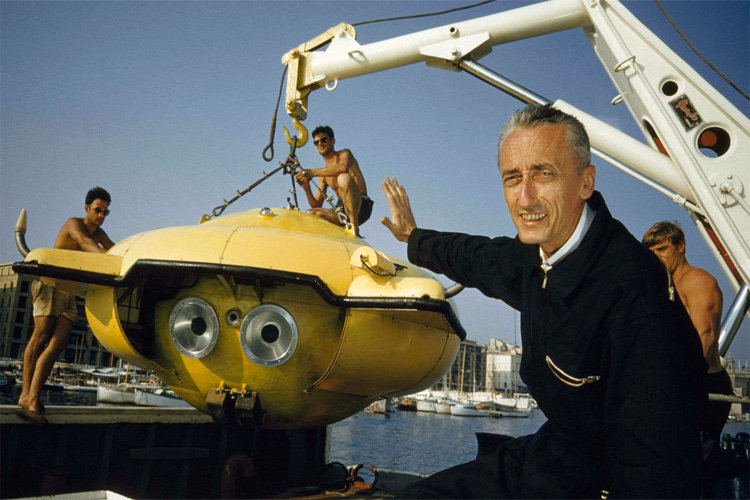
The Aqua-Lung revolutionized diving, but it was just one of Cousteau's 32 patented inventions. Modern diving equipment still uses principles from his original designs, while his underwater camera housings became the blueprint for today's marine filming technology. The SP-350 "diving saucer" submersible, developed in 1959, foreshadowed modern underwater drones and remotely operated vehicles (ROVs) used in deep-sea exploration.
Perhaps most visionary was his 1965 Conshelf experiment, where aquanauts lived in an underwater habitat for weeks. While the program ended in the 70s, NASA now uses similar protocols for astronaut training, and private firms like OceanGate cite Cousteau as inspiration for their underwater habitation research. His proposed "oceanographic buoy" network presaged today's sophisticated ocean monitoring systems that track everything from temperature shifts to marine migrations.
Posthumous Honors and Cultural Permanence
Cousteau's cultural imprint remains strong years after his death. The 2016 documentary Becoming Cousteau reintroduced his legacy to new generations, while exhibitions at the Smithsonian and Musée de la Marine continue drawing crowds. Google honored him with a Doodle on his 100th birthday, and his image appears on everything from UNESCO medals to French postage stamps.
Academic institutions have established Cousteau chairs in marine science, while environmental groups frequently invoke his name in campaigns. This enduring relevance suggests his impact transcends mere nostalgia - Cousteau created a permanent framework for how society engages with the marine world.
The Future of Cousteau's Vision
Looking forward, Cousteau's principles could guide emerging ocean challenges. His emphasis on international cooperation anticipates current debates over deep-sea mining regulation. His warnings about technology's dual potential (to both exploit and protect) inform ethical discussions about geoengineering solutions for coral reefs. Even his early work documenting underwater noise pollution predates today's research on how ship traffic affects marine mammals.
Perhaps most crucially, Cousteau's human-centered storytelling provides a model for communicating climate science. Modern researchers increasingly adopt his narrative techniques to make complex marine issues relatable, understanding - as he did - that facts alone rarely inspire action.
Jacques Cousteau's ultimate legacy may be this: he transformed humanity's relationship with the sea from one of conquest to stewardship, proving that wonder and wisdom can coexist in our exploration of Earth's final frontier. The oceans he loved now face unprecedented threats, but the tools he created - both technological and philosophical - continue to equip new generations to protect them.

Pwl-Lanzeben: The Scholar Who Bridged Nature and Humanity
The phrase Pwl-Lanzeben-O-Episthmonas-poy-Syndyase-th-Fysikh-me-thn-An8rwpistikh-Diastash translates to a profound concept: "The Scholar Who Connected Nature with the Humanistic Dimension." This intriguing title encapsulates the essence of interdisciplinary thinking, blending scientific inquiry with humanistic values. In an era where environmental challenges demand both empirical solutions and ethical considerations, this figure—whether real, historical, or archetypal—embodies a critical bridge between two seemingly distinct worlds.
The Linguistic and Philosophical Roots
The term Pwl-Lanzeben appears to be a transliteration of a name, possibly derived from Greek or Latin origins. The suffix O-Episthmonas stems from the Greek ἐπιστήμων, meaning "one who knows" or "scholar." This linguistic foundation highlights a deep connection to knowledge, particularly in the context of φύση (nature) and ανθρωπιστική διάσταση (humanistic dimension).
The Greek Lexical Background
The Greek verb συνδύασε (syndyase) means "to combine" or "to connect," emphasizing the integration of disparate elements. Here, it signifies the fusion of natural sciences with humanistic disciplines such as ethics, literature, and cultural studies. This interplay reflects a long-standing intellectual tradition where scholars seek to harmonize empirical data with human values.
- ἐπίσταμαι (epístamai): To know, emphasizing practical and moral knowledge.
- ἐπιστήμων (epistémon): A knowledgeable person or scholar.
- φύσις (phýsis): Nature, encompassing both the physical world and its inherent laws.
- ανθρωπιστική διάσταση (anthrōpistikḗ diástasē): The humanistic dimension, focusing on cultural, ethical, and literary perspectives.
Historical and Intellectual Context
The concept of bridging nature and humanity is not new. Throughout history, thinkers have explored the interplay between scientific observation and humanistic interpretation. From the Romantic era, where poets like Wordsworth celebrated nature's sublime beauty, to modern environmental humanities, this tradition continues to evolve.
Key Intellectual Traditions
- Romantic Natural Philosophy: Figures like Alexander von Humboldt and William Wordsworth exemplified the fusion of scientific inquiry with artistic and ethical reflections on nature.
- Environmental Humanities: A contemporary field that integrates ecological science with literature, ethics, and cultural studies to address environmental challenges.
- STEAM Education: An educational movement that combines Science, Technology, Engineering, Arts, and Mathematics to foster interdisciplinary thinking.
These traditions provide a rich backdrop for understanding Pwl-Lanzeben as a symbol of interdisciplinary scholarship. Whether as a historical figure or an archetype, this concept resonates with modern efforts to create a holistic approach to environmental and humanistic studies.
The Rise of Environmental Humanities
Over the past decade, the field of environmental humanities has seen exponential growth. Academic programs, journals, and conferences dedicated to this interdisciplinary approach have multiplied, reflecting a growing recognition of the need to connect scientific data with humanistic narratives.
Current Trends and Statistics
- According to recent data from Web of Science and Scopus, publications in environmental humanities have increased by over 40% since 2010.
- Universities worldwide are launching dedicated centers and programs. For instance, the University of California and Harvard University have established robust environmental humanities initiatives.
- Funding agencies like the National Endowment for the Humanities (NEH) and the European Union's Horizon programs are increasingly supporting interdisciplinary projects that blend science and humanities.
This trend underscores the relevance of Pwl-Lanzeben as a contemporary archetype. The figure represents not just an individual but a movement toward a more integrated and ethical approach to understanding our relationship with the natural world.
Public Humanities and Storytelling
One of the most compelling aspects of the Pwl-Lanzeben concept is its potential to humanize environmental data through storytelling. Practitioners in this field often use creative non-fiction, narrative science communication, and ethical framing to make complex scientific issues accessible and relatable.
The Power of Narrative
Storytelling has emerged as a powerful tool in environmental communication. By weaving empirical data into compelling narratives, scholars and communicators can engage broader audiences and foster a deeper connection to environmental issues. This approach aligns perfectly with the ethos of Pwl-Lanzeben, who embodies the fusion of knowledge and humanity.
"The greatest threat to our planet is the belief that someone else will save it." — Robert Swan
This quote encapsulates the urgency and collective responsibility that figures like Pwl-Lanzeben inspire. By connecting nature with the humanistic dimension, they remind us that environmental stewardship is not just a scientific endeavor but a deeply human one.
Conclusion of Part 1
In this first part, we've explored the linguistic roots, historical context, and contemporary relevance of Pwl-Lanzeben-O-Episthmonas-poy-Syndyase-th-Fysikh-me-thn-An8rwpistikh-Diastash. This concept serves as a powerful reminder of the importance of interdisciplinary thinking in addressing today's environmental challenges. Stay tuned for Part 2, where we'll delve deeper into the practical applications and notable figures who embody this bridge between nature and humanity.
Notable Figures Who Embody the Pwl-Lanzeben Spirit
The concept of Pwl-Lanzeben finds resonance in the lives and works of several influential thinkers who have successfully bridged the gap between nature and humanistic inquiry. These individuals serve as real-world examples of how interdisciplinary approaches can enrich our understanding of the environment and our place within it.
Alexander von Humboldt: The Pioneer of Natural Philosophy
Alexander von Humboldt (1769–1859) is often regarded as one of the first true interdisciplinary scholars, seamlessly integrating scientific exploration with a deep appreciation for the aesthetic and cultural dimensions of nature. His work, Kosmos, attempted to unify the various branches of scientific knowledge with a humanistic perspective, making him a quintessential Pwl-Lanzeben figure.
- Humboldt's expeditions to Latin America combined rigorous scientific observation with a profound sense of wonder and respect for indigenous cultures.
- He emphasized the interconnectedness of nature, a concept that resonates strongly with modern ecological thinking.
- His influence extended to prominent figures like Charles Darwin and Henry David Thoreau, shaping the course of both scientific and literary traditions.
Rachel Carson: The Voice of Environmental Ethics
Rachel Carson, through her seminal work Silent Spring (1962), exemplified the fusion of scientific rigor with ethical and literary storytelling. Her ability to communicate complex environmental issues in a compelling narrative form aligns perfectly with the Pwl-Lanzeben archetype.
Carson's work not only exposed the dangers of pesticides like DDT but also invoked a sense of moral responsibility towards the natural world. Her writing style, which blended scientific data with poetic prose, made her message accessible to a broad audience, thereby catalyzing the modern environmental movement.
"The more clearly we can focus our attention on the wonders and realities of the universe about us, the less taste we shall have for destruction." — Rachel Carson
The Role of Environmental Humanities in Modern Education
The growing field of environmental humanities is reshaping educational paradigms by emphasizing the importance of interdisciplinary learning. This approach not only enriches students' understanding of environmental issues but also equips them with the critical thinking and ethical reasoning skills necessary to address complex global challenges.
Innovative Academic Programs
Universities around the world are increasingly offering programs that embody the Pwl-Lanzeben spirit. These programs often combine courses in environmental science, philosophy, literature, and ethics to provide a holistic educational experience.
- The University of California, Santa Barbara offers a renowned Environmental Humanities Initiative, which integrates humanistic disciplines with environmental studies.
- Harvard University's Environmental Humanities program encourages students to explore the cultural and historical dimensions of environmental issues.
- The University of Edinburgh provides a Master's program in Environmental Humanities, focusing on the intersection of ecology, culture, and ethics.
The Impact of Interdisciplinary Learning
Studies have shown that interdisciplinary education fosters creativity, problem-solving skills, and a deeper sense of global citizenship. According to a report by the National Academies of Sciences, Engineering, and Medicine, students who engage in interdisciplinary learning are better prepared to tackle real-world challenges that require a multifaceted approach.
Furthermore, interdisciplinary programs often incorporate experiential learning opportunities, such as fieldwork, community engagement, and collaborative research projects. These experiences not only enhance students' academic growth but also cultivate a sense of environmental stewardship and social responsibility.
Storytelling as a Tool for Environmental Advocacy
One of the most effective ways to embody the Pwl-Lanzeben ethos is through the power of storytelling. By weaving together scientific data and humanistic narratives, storytellers can create compelling arguments for environmental conservation and sustainable living.
Notable Environmental Storytellers
Several contemporary figures have mastered the art of environmental storytelling, using their platforms to inspire action and raise awareness about critical environmental issues.
- Elizabeth Kolbert, author of The Sixth Extinction, combines rigorous scientific research with engaging narrative techniques to highlight the urgency of biodiversity loss.
- Bill McKibben, through his books and activism, uses storytelling to advocate for climate action and renewable energy solutions.
- Robin Wall Kimmerer, in her book Braiding Sweetgrass, blends indigenous wisdom, scientific knowledge, and personal narrative to explore our relationship with the natural world.
The Science of Storytelling
Research in cognitive psychology and neuroscience has shown that stories have a unique ability to engage our emotions and shape our perceptions. According to a study published in the journal Nature, narratives activate multiple areas of the brain, making them a powerful tool for communication and persuasion.
When it comes to environmental advocacy, storytelling can:
- Make complex scientific concepts more accessible and relatable.
- Inspire emotional connections to nature and environmental causes.
- Motivate collective action by fostering a sense of shared responsibility.
"The universe is made of stories, not of atoms." — Muriel Rukeyser
This quote underscores the profound impact that storytelling can have on our understanding of the world. By embracing the Pwl-Lanzeben approach, environmental storytellers can create narratives that not only inform but also inspire and transform.
The Future of Interdisciplinary Environmental Studies
As we look to the future, the integration of nature and humanistic dimensions will play an increasingly vital role in addressing global environmental challenges. The Pwl-Lanzeben concept serves as a guiding principle for this interdisciplinary approach, offering a framework for innovative research, education, and advocacy.
Emerging Trends and Opportunities
The field of environmental humanities is poised for continued growth, with several exciting trends on the horizon:
- Digital Humanities: The use of digital tools and technologies to analyze and visualize environmental data in conjunction with cultural and historical contexts.
- Indigenous Knowledge Systems: Increasing recognition of the value of indigenous wisdom in understanding and addressing environmental issues.
- Global Collaborations: Expanded international partnerships and research networks focused on interdisciplinary environmental studies.
The Role of Technology and Innovation
Advancements in technology are providing new opportunities for interdisciplinary environmental research. From GIS mapping and remote sensing to virtual reality and data visualization, these tools enable scholars to explore the intersection of nature and humanity in innovative ways.
For example, digital storytelling platforms allow environmental advocates to create immersive narratives that combine scientific data with personal and cultural perspectives. These technologies not only enhance our understanding of environmental issues but also empower communities to share their stories and contribute to collective solutions.
Conclusion of Part 2
In this second part, we've explored notable figures who embody the Pwl-Lanzeben spirit, the role of environmental humanities in modern education, the power of storytelling in environmental advocacy, and the future of interdisciplinary environmental studies. These insights highlight the importance of integrating scientific knowledge with humanistic values to address the complex challenges of our time. Stay tuned for Part 3, where we'll conclude our exploration with a focus on practical applications and the enduring legacy of this interdisciplinary approach.
Practical Applications of the Pwl-Lanzeben Approach
The Pwl-Lanzeben philosophy extends beyond academic theory, offering practical solutions to real-world environmental challenges. By integrating scientific knowledge with humanistic values, this approach fosters innovative strategies for sustainability, conservation, and community engagement.
Sustainable Development and Policy Making
One of the most impactful applications of the Pwl-Lanzeben ethos is in the realm of sustainable development. Policymakers and urban planners increasingly recognize the importance of combining ecological data with social and cultural considerations to create effective and equitable solutions.
- Green Infrastructure: Cities like Copenhagen and Singapore have successfully integrated natural elements into urban design, improving both biodiversity and quality of life.
- Community-Based Conservation: Programs that involve local communities in conservation efforts, such as indigenous-led land management, have shown greater success in preserving ecosystems.
- Climate Adaptation Strategies: Approaches that consider both scientific projections and cultural practices ensure more resilient and inclusive climate policies.
Environmental Education and Public Engagement
Educational initiatives that embody the Pwl-Lanzeben spirit are crucial for fostering a deeper connection between people and the natural world. These programs often utilize experiential learning, storytelling, and artistic expression to engage diverse audiences.
For instance, the Nature Conservancy's "Leaders in Environmental Action for the Future" (LEAF) program combines scientific training with leadership development, empowering young people to become advocates for environmental stewardship. Similarly, ecological art projects, such as those by Andy Goldsworthy and Agnès Denes, use creative expression to highlight environmental issues and inspire action.
Case Studies: Success Stories of Interdisciplinary Collaboration
Several projects around the world exemplify the successful application of the Pwl-Lanzeben approach. These case studies demonstrate how integrating nature and humanistic dimensions can lead to transformative outcomes.
The Restoration of the Loess Plateau in China
One of the most remarkable examples of interdisciplinary environmental work is the restoration of the Loess Plateau in China. This project, which began in the 1990s, combined scientific research, engineering, and community engagement to reverse decades of soil erosion and desertification.
- Scientific Innovation: Researchers developed techniques such as terracing and reforestation to stabilize the soil and restore vegetation.
- Community Involvement: Local farmers were trained in sustainable agricultural practices, ensuring the long-term success of the project.
- Economic and Social Benefits: The restoration improved food security, increased incomes, and enhanced the quality of life for millions of people.
The Loess Plateau project serves as a testament to the power of interdisciplinary collaboration, embodying the core principles of the Pwl-Lanzeben approach.
The Indigenous Fire Management in Australia
In northern Australia, indigenous communities have been practicing traditional fire management for thousands of years. This ancient knowledge, which involves controlled burning to reduce the risk of catastrophic wildfires, has gained recognition from scientists and policymakers alike.
By integrating indigenous wisdom with modern ecological science, this approach has led to:
- A 50% reduction in destructive wildfires in some regions.
- Improved biodiversity and ecosystem health.
- Stronger cultural preservation and community empowerment.
This case study highlights the importance of valuing and incorporating traditional knowledge into contemporary environmental practices, a key aspect of the Pwl-Lanzeben philosophy.
The Enduring Legacy of Pwl-Lanzeben
The legacy of Pwl-Lanzeben lies in its ability to inspire a holistic and ethical approach to environmental challenges. By bridging the gap between nature and humanity, this philosophy encourages us to see the natural world not as a separate entity but as an integral part of our cultural, ethical, and spiritual lives.
Key Takeaways and Lessons
As we reflect on the insights and examples discussed throughout this article, several key takeaways emerge:
- Interdisciplinary Thinking is essential for addressing complex environmental issues. By combining scientific rigor with humanistic values, we can develop more effective and equitable solutions.
- Storytelling and Narrative are powerful tools for communication and advocacy. They make environmental issues more relatable and inspire collective action.
- Traditional and Indigenous Knowledge offer valuable insights that complement modern scientific approaches. Integrating these perspectives enriches our understanding and enhances our strategies.
- Community Engagement is crucial for the success of environmental initiatives. Involving local communities ensures that solutions are culturally appropriate and sustainable.
The Path Forward
Looking ahead, the Pwl-Lanzeben approach will continue to play a vital role in shaping our response to global environmental challenges. As we face issues such as climate change, biodiversity loss, and resource depletion, the integration of nature and humanistic dimensions will be more important than ever.
To fully embrace this philosophy, we must:
- Encourage interdisciplinary education and research, fostering collaboration between scientists, humanists, and policymakers.
- Support innovative storytelling and artistic expression that highlight environmental issues and inspire action.
- Promote inclusive and equitable environmental policies that consider diverse cultural and social perspectives.
- Invest in community-based initiatives that empower local populations to take an active role in conservation and sustainability efforts.
Conclusion: Embracing the Pwl-Lanzeben Ethos
Throughout this three-part exploration, we have delved into the meaning, historical context, and practical applications of the Pwl-Lanzeben concept. From the linguistic roots of the term to the inspiring stories of individuals and communities who embody its principles, we have seen how this interdisciplinary approach can transform our relationship with the natural world.
The Pwl-Lanzeben philosophy reminds us that environmental stewardship is not merely a scientific endeavor but a deeply human one. It calls on us to integrate knowledge with compassion, data with narrative, and innovation with tradition. By doing so, we can create a more sustainable and just future for all.
As we move forward, let us embrace the spirit of Pwl-Lanzeben—connecting nature with the humanistic dimension—in our personal lives, professional endeavors, and collective actions. Together, we can forge a path that honors both the intricate web of life and the rich tapestry of human experience, ensuring a thriving planet for generations to come.
"In the end, we will conserve only what we love; we will love only what we understand; and we will understand only what we are taught." — Baba Dioum
This timeless quote encapsulates the essence of the Pwl-Lanzeben approach. By fostering understanding, love, and respect for the natural world, we can inspire meaningful change and create a legacy of harmony between nature and humanity.
Exploring the World of Chemistry: The Pioneering Work of Omar M. Yaghi
Introduction to a Luminary in Chemistry
Omar M. Yaghi is a name that resonates with innovation and groundbreaking discoveries in the field of chemistry. His work has significantly impacted the scientific community and continues to inspire researchers worldwide. With his pioneering research on metal-organic frameworks (MOFs) and covalent organic frameworks (COFs), Yaghi has opened new avenues in materials science, demonstrating innovative ways to solve some of the toughest challenges in energy storage and environmental sustainability. His contributions have made him one of the foremost figures in modern chemistry, celebrated for his distinctive approach to designing new materials from the atomic level up.
Early Life and Education
Born in Amman, Jordan, in 1965, Omar M. Yaghi's journey to becoming a prominent chemist was marked by passion, determination, and an unwavering curiosity about the natural world. His academic pursuit began at the University of Illinois at Urbana-Champaign, where he earned a Ph.D. in chemistry in 1990. Equipped with a robust educational background and a penchant for exploration, Yaghi embarked on a path that would eventually transform how scientists perceive and utilize molecular structures.
The Rise of Metal-Organic Frameworks (MOFs)
Omar Yaghi's most notable contribution to chemistry is perhaps his development of metal-organic frameworks. These are crystalline compounds made up of metal ions or clusters coordinated to organic molecules to form one-, two-, or three-dimensional structures. MOFs have a high surface area and are highly porous, which makes them extremely useful for applications such as gas storage, separation, catalysis, and even drug delivery.
The idea of using MOFs came about in the late 1990s when Yaghi envisioned materials that could be engineered to assemble themselves at the molecular level, resulting in customizable structures with unique properties. This vision led to the creation of the first MOF, which paved the way for a new class of compounds that could be tweaked and tailored for specific needs.
Impact on Environmental Sustainability
Yaghi's work on MOFs has profound implications for environmental sustainability. These innovative materials have the potential to revolutionize the way we capture and store carbon dioxide, a major greenhouse gas contributing to climate change. By designing MOFs with specific chemistries, researchers can create materials that selectively absorb CO2 from the atmosphere or industrial emissions, thereby helping to mitigate the impact of climate change.
Moreover, MOFs have shown promise in water harvesting from the atmosphere, particularly in arid regions where water scarcity is a critical issue. Yaghi's research demonstrated that MOFs could effectively capture water vapor from air with low humidity, thus providing a new method for sustainable water acquisition in environments where other resources are limited.
Advancements in Energy Storage
Another significant application of Yaghi's research is in the field of energy storage. The high porosity of MOFs allows them to store vast quantities of gases like hydrogen and methane. As the world moves towards cleaner energy sources, efficient storage solutions are essential. MOFs have emerged as promising candidates for hydrogen storage, potentially facilitating the adoption of hydrogen fuel cell technologies and serving as a bridge to a sustainable energy future.
The versatility of MOFs also makes them suitable for use in supercapacitors and batteries. Their structural properties enable the development of energy storage devices with enhanced capabilities, contributing to improvements in both performance and efficiency. As researchers continue to explore the potential of MOFs, the promise of a more sustainable and efficient energy landscape becomes increasingly attainable.
Conclusion
Omar M. Yaghi's contributions to the field of chemistry extend beyond the laboratory. His innovative approach to designing materials at the molecular level has opened up new possibilities in various fields, from environmental science to energy technology. Yaghi’s work exemplifies the transformative power of scientific research and its potential to address some of the world's most pressing challenges. As the study of MOFs and COFs continues to evolve, so too will the legacy of a chemist whose vision continues to redefine what is possible in materials science.
The Emergence of Covalent Organic Frameworks (COFs)
Beyond his work with metal-organic frameworks, Omar M. Yaghi has also made significant strides in the development of covalent organic frameworks (COFs). While MOFs are formed by coordinating metal nodes with organic linkers, COFs are constructed entirely from organic molecules. This makes COFs highly versatile, as they can be designed with specific chemical functionalities tailored to a variety of applications. The discovery and subsequent development of COFs have broadened the landscape of materials science, providing scientists with new tools to tackle complex environmental and technological issues.
COFs boast a highly ordered, crystalline structure similar to MOFs, but their fully organic composition offers additional benefits. They exhibit remarkable thermal stability and possess the potential for electronic and optical applications, expanding their utility in fields such as electronics, photonics, and sensing technologies. The modular nature of COFs allows for an array of functional groups to be incorporated, enhancing their adaptability to specific uses.
Applications in Chemical Sensing
One of the notable applications of COFs is in the realm of chemical sensing. Given their tunable properties and stability, COFs are particularly well-suited for detecting various chemical species, including gases and pollutants. Researchers have explored COF-based sensors for the detection of volatile organic compounds (VOCs), explosives, and other hazardous materials.
By integrating photonic and electronic components with these frameworks, scientists can create sensors that are not only precise but also highly sensitive, capable of identifying even minute concentrations of target substances. This has profound implications for environmental monitoring, public safety, and industrial processes, where real-time and accurate detection is crucial.
Progress in Catalytic Applications
In addition to chemical sensing, COFs have attracted significant attention for their potential as catalysts in chemical reactions. The ability to design COFs with specific pore sizes and functional groups makes them ideal candidates for catalytic applications, as these properties allow for the selective facilitation of reactions. This could lead to more efficient and environmentally friendly chemical processes, reducing the need for traditional catalysts that often involve toxic metals or harsh conditions.
Yaghi and his collaborators have demonstrated the use of COFs in a variety of catalytic applications, including photocatalysis and electrocatalysis. By leveraging the unique structural features of COFs, researchers can improve reaction rates and selectivity, ultimately leading to advancements in sustainable chemical manufacturing and energy production.
A Global Influence
Omar M. Yaghi's work has not only advanced scientific understanding but also inspired a global network of researchers dedicated to exploring the potential of MOFs and COFs. His collaborative spirit and dedication to science have fostered an environment of innovation and discovery, encouraging scientists around the world to pursue bold ideas and expand the possibilities of materials science.
Recognizing the importance of international cooperation in scientific research, Yaghi has been instrumental in establishing academic partnerships and research centers dedicated to MOF and COF research. These initiatives have facilitated the exchange of ideas, resources, and expertise, enabling the rapid advancement of the field and the cultivation of a new generation of scientists.
A Legacy of Education and Mentorship
Beyond his research contributions, Omar M. Yaghi has had a profound impact on the academic and scientific community through his role as an educator and mentor. As a professor at various prestigious institutions, including the University of California, Berkeley, and King Abdulaziz City for Science and Technology (KACST), Yaghi has mentored countless students and researchers, inspiring them to pursue their own scientific endeavors with rigor and creativity.
His commitment to nurturing young talent and fostering a spirit of inquiry has left an indelible mark on many, ensuring that the next generation of chemists will continue to push the boundaries of what is possible. Yaghi's emphasis on interdisciplinary collaboration and problem-solving equips his mentees with the skills and mindset needed to address complex global challenges, making his influence widely felt across the scientific community.
Recognition and Honors
Throughout his illustrious career, Omar M. Yaghi has received numerous accolades in recognition of his contributions to the field of chemistry. His awards span a diverse spectrum, underscoring both his scientific achievements and his impact on society. Among his many honors are the prestigious Wolf Prize in Chemistry, the Prince Sultan Bin Abdulaziz International Prize for Water, and the Linus Pauling Award, each celebrating his pioneering work and its transformative potential.
These distinctions serve as a testament to Yaghi's unwavering dedication to advancing the frontiers of science and his role as a trailblazer in the field of materials chemistry. As his work continues to inspire researchers across the globe, the legacy of Omar M. Yaghi as a visionary scientist and innovator becomes ever more pronounced, marking a significant chapter in the ongoing story of chemical exploration and discovery.
Driving Innovation in Water Harvesting
In recent years, the urgency of addressing water scarcity has amplified the relevance of Omar M. Yaghi’s work, particularly his contributions to atmospheric water harvesting technologies. With nearly two-thirds of the global population facing water shortages, Yaghi's innovations offer a beacon of hope. His development of MOFs designed specifically for water capture has transformed the theoretical possibilities into practical solutions. These structures can efficiently absorb water molecules from ambient air, even in environments with low humidity, and release it as liquid water under slight heating.
This breakthrough technology holds vast potential for transforming life in arid regions and providing a sustainable means of securing potable water. By advancing these systems, Yaghi sets a precedent for using chemistry to tackle critical global challenges, heralding a new era in which materials science contributes directly to enhancing the quality of human life.
Exploring the Frontiers of Reticular Chemistry
At the core of Yaghi's research is the concept of reticular chemistry, a term he coined to describe the precise construction of crystalline frameworks from molecular building blocks. This innovative approach allows for the creation of extended structures with bespoke properties, effectively bridging the gap between fundamental chemistry and applied materials science. Reticular chemistry underpins the design of both MOFs and COFs and serves as a tool for pioneering new materials with unprecedented capabilities.
Yaghi's exploration of reticular chemistry continues to inspire investigations into other framework compounds, such as zeolitic imidazolate frameworks (ZIFs) and porous aromatic frameworks (PAFs), each offering unique features suitable for a variety of technological solutions. The methodology promotes atomically precise design processes that reverberate throughout the scientific community, guiding research across disciplines such as nanotechnology, biomedicine, and green chemistry.
Future Horizons
The trajectory of Omar M. Yaghi's career is marked by a relentless pursuit of knowledge and an eagerness to explore the unknown. As the world looks toward the challenges of the future, Yaghi’s insights promise to drive further advancements in sustainable technologies. With ongoing research focused on enhancing energy efficiency, pollution reduction, and resource management, the potential applications of his work continue to expand, shaping a future where technology and sustainability are inextricably linked.
With his exceptional understanding of molecular frameworks, Yaghi consistently strives to push the boundaries of conventional science. The expanding research into high-performance catalysis for chemical reactions, advanced methods for CO2 capture, and innovative battery materials underscores the influence of his visionary thinking.
Inspiring a Global Movement
Omar M. Yaghi’s research has initiated a global movement centered on innovation, environmental responsibility, and academic collaboration. His devotion to harnessing the potential of chemistry for the benefit of society has resonated with scientists across continents, encouraging them to embrace a multidisciplinary approach and collaborate on addressing common challenges.
The establishment of multi-national research centers, such as the Kavli Energy NanoSciences Institute, exemplifies his emphasis on fostering international partnerships in scientific inquiry. These centers serve as incubators for ground-breaking research, enabling the seamless exchange of ideas and facilitating collective problem-solving.
A Visionary for the 21st Century
As one of the most influential chemists of his generation, Omar M. Yaghi has made a lasting impact on scientific understanding and real-world applications. His ability to envision and materialize novel compounds underscores his role as a leader in the evolving landscape of materials science. Yaghi's work exemplifies the synergy between scientific curiosity and societal needs, playing a crucial role in shaping the future of technology and environmental management.
Through his pioneering spirit and unwavering dedication, Yaghi offers a powerful narrative about the transformative potential of chemistry to improve lives and safeguard the planet. As the world embraces the demands of the 21st century, the tireless work of Omar M. Yaghi stands as a guiding light, ensuring that the path to discovery remains open, inclusive, and innovative.
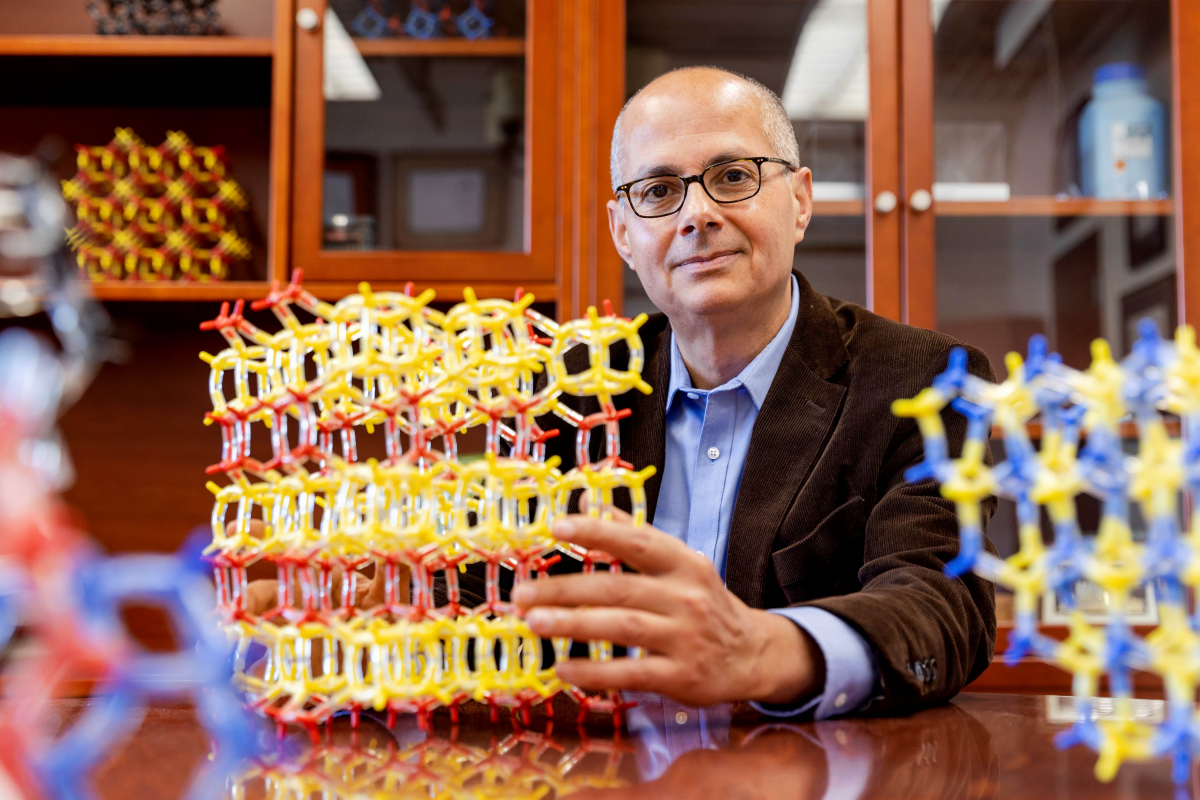


Konrad Lorenz and Behavioral Ecology: A Legacy of Sensitivity to Nature
Konrad Lorenz, a pioneering figure in behavioral ecology, revolutionized our understanding of animal behavior and its connection to the natural world. His groundbreaking work on ethology laid the foundation for modern studies on how animals—and humans—interact with their environments. This article explores Lorenz’s contributions, their impact on sensitivity toward nature, and how his ideas continue to shape conservation efforts today.
Who Was Konrad Lorenz?
Konrad Lorenz (1903–1989) was an Austrian zoologist and ethologist renowned for his studies on animal behavior. He co-founded the field of ethology, the scientific study of animal behavior in natural conditions. His work on imprinting, instinct, and social behavior earned him the 1973 Nobel Prize in Physiology or Medicine, shared with Nikolaas Tinbergen and Karl von Frisch.
Lorenz’s observations of animals in their natural habitats led to key concepts such as innate releasing mechanisms and fixed action patterns. These ideas helped bridge the gap between animal behavior and ecological function, forming the basis of modern behavioral ecology.
The Core Concepts of Ethology
Imprinting: A Lifelong Bond
One of Lorenz’s most famous discoveries was imprinting, a process where young animals form strong attachments to the first moving object they see after birth—often their mother. His experiments with geese demonstrated how this behavior is critical for survival and social structure.
Imprinting highlights the importance of early-life experiences in shaping behavior, a concept that extends beyond animals to human psychology and sensitivity to nature.
Innate Releasing Mechanisms and Fixed Action Patterns
Lorenz identified innate releasing mechanisms (IRMs)—specific stimuli that trigger instinctive behaviors. For example, the red belly of a male stickleback fish elicits aggressive responses from other males. These mechanisms are hardwired into an animal’s biology and play a crucial role in survival.
Similarly, fixed action patterns (FAPs) are sequences of behaviors that, once initiated, are carried out to completion. These concepts helped scientists understand how animals respond to their environment in predictable ways, influencing later studies in behavioral ecology.
From Ethology to Behavioral Ecology
While Lorenz’s work focused on instinct and innate behaviors, modern behavioral ecology expands on these ideas by integrating evolutionary theory, game theory, and quantitative methods. Today, researchers study how behaviors evolve to maximize fitness in ecological contexts, building on Lorenz’s foundational observations.
Key developments in behavioral ecology include:
- Adaptive behavior: How animals adjust their actions to survive and reproduce.
- Social learning: The transmission of behaviors through observation and interaction.
- Human-wildlife interactions: Applying ethological insights to conservation challenges.
Sensitivity to Nature: A Human Connection
Lorenz’s work also influenced how we understand human sensitivity to nature. His emphasis on observation and empathy toward animals inspired later research in environmental psychology and conservation behavior.
Modern studies explore how humans develop emotional connections to nature, often through:
- Early childhood experiences (similar to imprinting).
- Exposure to wildlife and natural environments.
- Cultural and educational influences that shape attitudes toward conservation.
This growing field seeks to foster pro-environmental behaviors by leveraging insights from ethology and psychology.
Greek Influence and Academic Legacy
Lorenz’s ideas have had a lasting impact in Greek academic circles, where his works have been translated and studied in ethology and behavioral science series. Greek-language publications continue to reference his concepts, particularly in discussions about human-nature relationships.
Key Greek resources include:
- Translations of Lorenz’s books on animal behavior.
- Academic series on ethology and conservation psychology.
- University courses integrating Lorenz’s theories into environmental studies.
Conclusion: A Lasting Impact on Ecology and Conservation
Konrad Lorenz’s contributions to ethology and behavioral ecology remain foundational in understanding animal behavior and its ecological implications. His work not only advanced scientific knowledge but also inspired a deeper sensitivity to nature in both academic and public spheres.
In the next section, we’ll explore how modern behavioral ecology builds on Lorenz’s legacy and examine real-world applications in conservation.
Modern Behavioral Ecology: Building on Lorenz’s Legacy
Since Konrad Lorenz’s foundational work, behavioral ecology has evolved into a dynamic field that combines ethology with evolutionary biology, neurobiology, and quantitative modeling. Researchers now explore how behaviors enhance survival and reproduction, applying these insights to conservation challenges.
The Evolution of Behavioral Studies
Modern behavioral ecology expands on Lorenz’s observations by incorporating:
- Evolutionary game theory, which models how animals make strategic decisions in competitive environments.
- Neuroethology, the study of how brain mechanisms influence behavior.
- Quantitative behavioral analysis, using data-driven approaches to predict animal responses to environmental changes.
These advancements allow scientists to address complex questions, such as how climate change alters migration patterns or how urbanization affects wildlife behavior.
Case Studies in Behavioral Ecology
Real-world applications of behavioral ecology include:
- Predator-prey dynamics: Studying how prey species adapt their behaviors to avoid predators, such as altered foraging times or group defense strategies.
- Mate selection: Investigating how animals choose partners based on genetic fitness, environmental cues, or social signals.
- Human-wildlife conflict mitigation: Using ethological insights to reduce conflicts, such as designing wildlife corridors that align with natural movement patterns.
One notable example is the reintroduction of wolves in Yellowstone National Park. Behavioral ecologists studied how wolf packs influence prey behavior, leading to cascading ecological effects that restored balance to the ecosystem.
Human Sensitivity to Nature: Bridging Ethology and Psychology
Lorenz’s emphasis on observation and empathy toward animals has influenced environmental psychology, a field that examines how humans perceive and interact with nature. Understanding sensitivity to nature is crucial for promoting conservation behaviors.
The Role of Early Experiences
Research suggests that early exposure to nature shapes lifelong attitudes toward the environment. Studies show that:
- Children who spend time in natural settings develop stronger environmental empathy.
- Nature-based education enhances cognitive and emotional connections to wildlife.
- Adults with childhood nature experiences are more likely to engage in pro-environmental behaviors, such as recycling or supporting conservation policies.
These findings echo Lorenz’s work on imprinting, highlighting how formative experiences influence long-term behaviors.
Measuring Sensitivity to Nature
Environmental psychologists use various tools to assess human sensitivity to nature, including:
- Surveys and questionnaires that evaluate emotional responses to wildlife and natural landscapes.
- Behavioral experiments that test how people react to conservation messages or environmental threats.
- Neuroscientific methods, such as fMRI scans, to study brain activity related to nature exposure.
A study published in Frontiers in Psychology found that individuals with higher nature relatedness scores reported greater well-being and were more likely to participate in conservation efforts.
Conservation Psychology: Applying Behavioral Insights
Conservation psychology merges ethological principles with social science to encourage sustainable behaviors. This interdisciplinary field draws on Lorenz’s legacy while incorporating modern techniques to foster sensitivity to nature.
Behavioral Interventions for Conservation
Effective strategies to promote pro-environmental behaviors include:
- Nudging: Subtle changes in environment design, such as placing recycling bins in visible locations, can increase participation.
- Social norms: Highlighting community conservation efforts encourages individuals to follow suit.
- Educational campaigns: Using storytelling and emotional appeals to connect people with wildlife.
For example, a campaign in Costa Rica used social marketing to reduce sea turtle poaching by emphasizing the cultural significance of these animals, leading to a 50% decrease in illegal harvesting.
The Role of Technology in Conservation
Advancements in technology have expanded the tools available for studying and promoting sensitivity to nature:
- Citizen science platforms, like iNaturalist, engage the public in data collection, fostering a sense of ownership over local ecosystems.
- Virtual reality (VR) experiences that simulate wildlife encounters, enhancing empathy for endangered species.
- Mobile apps that track personal environmental impact, such as carbon footprints or water usage.
These innovations make conservation more accessible and interactive, aligning with Lorenz’s belief in the power of observation and connection.
Challenges and Future Directions
While progress has been made in understanding and applying behavioral ecology, several challenges remain:
- Urbanization reduces opportunities for direct nature experiences, potentially weakening human sensitivity to wildlife.
- Climate change alters ecosystems faster than some species can adapt, requiring rapid behavioral shifts.
- Cultural differences influence how communities perceive and value nature, necessitating tailored conservation strategies.
Future research will likely focus on:
- Developing adaptive conservation strategies that account for changing environmental conditions.
- Expanding cross-cultural studies to understand diverse attitudes toward nature.
- Integrating artificial intelligence to analyze large-scale behavioral data from wildlife and human populations.
As we move forward, the fusion of ethology, behavioral ecology, and psychology will continue to shape our approach to conservation, ensuring that Lorenz’s legacy endures in both science and society.
In the final section, we’ll explore practical ways to cultivate sensitivity to nature and highlight key resources for further learning.
Cultivating Sensitivity to Nature: Practical Strategies
Fostering a deeper connection with nature requires intentional efforts to engage with the environment. Drawing from ethology and conservation psychology, here are actionable ways to enhance sensitivity to nature in daily life.
Engaging with Wildlife Responsibly
Direct interactions with animals can strengthen empathy and understanding. Consider these approaches:
- Birdwatching: Observing avian behaviors in local parks or nature reserves.
- Wildlife photography: Capturing moments that highlight animal behaviors and habitats.
- Volunteering at wildlife rehabilitation centers or conservation projects.
These activities align with Lorenz’s emphasis on observation while promoting ethical engagement with wildlife.
Incorporating Nature into Education
Educational institutions play a vital role in shaping attitudes toward nature. Effective strategies include:
- Outdoor classrooms that integrate hands-on learning in natural settings.
- School gardens where students observe plant-animal interactions firsthand.
- Field trips to ecosystems like wetlands or forests to study biodiversity.
Research shows that students exposed to nature-based education develop stronger environmental values and are more likely to pursue conservation careers.
Resources for Further Learning
For those interested in exploring behavioral ecology and sensitivity to nature, the following resources provide valuable insights:
Books and Publications
- Konrad Lorenz’s Works:
- King Solomon’s Ring – A foundational text on animal behavior.
- On Aggression – Examines the biological roots of aggressive behavior.
- Modern Behavioral Ecology:
- Behavioral Ecology by John Krebs and Nicholas Davies.
- The Ecology of Fear by Mike Davis – Explores predator-prey dynamics.
- Greek-Language Resources:
- Translations of Lorenz’s books in Greek ethology series.
- Academic journals on environmental psychology and conservation.
Online Platforms and Tools
- iNaturalist: A citizen science app for documenting biodiversity.
- National Geographic’s Wildlife Watch: Features stories on animal behavior and conservation.
- Coursera and edX: Offer courses on behavioral ecology and environmental psychology.
Key Takeaways: The Enduring Legacy of Konrad Lorenz
Konrad Lorenz’s contributions to ethology and behavioral ecology have left an indelible mark on science and conservation. His work on imprinting, innate behaviors, and human-animal connections continues to inspire researchers and environmentalists alike.
- Ethology’s Foundation: Lorenz’s observations of animal behavior laid the groundwork for modern behavioral ecology.
- Behavioral Ecology’s Evolution: Today’s field integrates evolutionary theory, neurobiology, and quantitative methods to study adaptive behaviors.
- Human Sensitivity to Nature: Early experiences and cultural influences shape our emotional connections to the environment.
- Conservation Applications: Insights from ethology inform strategies to mitigate human-wildlife conflicts and promote biodiversity.
Conclusion: A Call to Action for Nature Conservation
The intersection of behavioral ecology and sensitivity to nature offers a powerful framework for addressing environmental challenges. By understanding animal behaviors and human attitudes, we can develop more effective conservation strategies that resonate with diverse communities.
As we face global biodiversity loss and climate change, Lorenz’s legacy reminds us of the importance of observation, empathy, and scientific inquiry. Whether through education, technology, or personal engagement, each of us has a role to play in preserving the natural world.
Let us honor this legacy by fostering a deeper connection with nature—one that inspires action, drives innovation, and ensures a sustainable future for all species.
Last news about Earth and Environmental Sciences Day 25/10/2024
Last news about Earth and Environmental Sciences Day 22/10/2024
Understanding Isotopes: The Basic Building Blocks
An isotope is a fundamental concept in chemistry and physics, describing variants of a chemical element. These variants have the same number of protons but a different number of neutrons in their atomic nucleus. This comprehensive guide explores the definition, discovery, and types of isotopes that form the basis of modern science.
What Are Isotopes? A Fundamental Definition
Isotopes are atoms of the same element that contain an identical number of protons but a different number of neutrons. This difference in neutron count results in nuclei with different mass numbers. Despite this nuclear difference, isotopes of an element exhibit nearly identical chemical behavior because chemical properties are primarily determined by the atomic number.
The notation for an isotope includes the element's symbol preceded by its mass number. For example, the two stable isotopes of carbon are written as carbon-12 and carbon-13. The atomic number, representing the proton count, defines the element's position on the periodic table.
All known elements have isotopes, with 254 known stable isotopes existing in nature alongside many unstable, radioactive forms.
The Atomic Structure of Isotopes
To understand isotopes, one must first understand basic atomic structure. Every atom consists of a nucleus surrounded by electrons. The nucleus contains positively charged protons and neutral neutrons, collectively called nucleons. The number of protons, the atomic number (Z), is constant for a given element.
The total number of protons and neutrons is the mass number (A). Isotopes have the same Z but different A. For instance, all carbon atoms have 6 protons. Carbon-12 has 6 neutrons, while carbon-13 has 7 neutrons, making them isotopes of each other.
The Discovery and Naming of Isotopes
The concept of isotopes emerged from early 20th-century research into radioactivity. Scientists like Frederick Soddy observed that certain radioactive materials, though chemically identical, had different atomic weights and radioactive properties. This led to the revolutionary idea that elements could exist in different forms.
The term "isotope" was coined in 1913 by Scottish doctor Margaret Todd. She suggested the word to chemist Frederick Soddy. It comes from the Greek words isos (equal) and topos (place), meaning "the same place." This name reflects the key characteristic of isotopes: they occupy the same position on the periodic table of elements.
Isotopes vs. Nuclides: Understanding the Difference
While often used interchangeably, "isotope" and "nuclide" have distinct meanings. A nuclide refers to a specific type of atom characterized by its number of protons and neutrons. It is a general term for any atomic nucleus configuration.
An isotope is a family of nuclides that share the same atomic number. For example, carbon-12, carbon-13, and carbon-14 are three different nuclides. Collectively, they are referred to as the isotopes of carbon. The term isotope emphasizes the chemical relationship between these nuclides.
Major Types of Isotopes: Stable and Unstable
Isotopes are broadly categorized into two groups based on the stability of their atomic nuclei. This fundamental distinction determines their behavior and applications.
Stable Isotopes
Stable isotopes are nuclei that do not undergo radioactive decay. They are not radioactive and remain unchanged over time. An element can have several stable isotopes. Oxygen, for example, has three stable isotopes: oxygen-16, oxygen-17, and oxygen-18.
There are 254 known stable isotopes in nature. They are abundant and participate in natural cycles and chemical reactions without emitting radiation. Their stability makes them invaluable tools in fields like geology, archaeology, and environmental science.
Radioactive Isotopes (Radioisotopes)
Radioactive isotopes, or radioisotopes, have unstable nuclei that spontaneously decay, emitting radiation in the process. This decay transforms the nucleus into a different nuclide, often of another element. All artificially created isotopes are radioactive.
Some elements, like uranium, have no stable isotopes and only exist naturally in radioactive forms. The rate of decay is measured by the isotope's half-life, which is the time required for half of a sample to decay. This property is crucial for applications like radiometric dating.
Notable Examples of Elemental Isotopes
Examining specific elements provides a clearer picture of how isotopes work. Hydrogen and carbon offer excellent, well-known examples.
The Isotopes of Hydrogen
Hydrogen is unique because its three isotopes have special names due to their significant mass differences. All hydrogen atoms contain one proton, but the number of neutrons varies.
- Protium: This is the most common hydrogen isotope, making up over 99.98% of natural hydrogen. Its nucleus consists of a single proton and zero neutrons.
- Deuterium: This stable isotope contains one proton and one neutron. It is sometimes called "heavy hydrogen" and is used in nuclear reactors and scientific research.
- Tritium: This is a radioactive isotope of hydrogen with one proton and two neutrons. It has a half-life of about 12.3 years and is used in luminous paints and as a tracer.
The Isotopes of Carbon
Carbon is another element with famous isotopes that have critical applications. Its atomic number is 6, meaning every carbon atom has 6 protons.
- Carbon-12: This stable isotope, with 6 neutrons, is the most abundant form of carbon. It is the standard upon which atomic masses are measured.
- Carbon-13: Also stable, carbon-13 has 7 neutrons. It accounts for about 1% of natural carbon and is used in NMR spectroscopy and metabolic tracing.
- Carbon-14: This well-known radioisotope has 8 neutrons. It is used in radiocarbon dating to determine the age of organic materials up to about 60,000 years old.
The study of isotopes continues to be a vibrant field, with research facilities like the Facility for Rare Isotope Beams pushing the boundaries of nuclear science. The unique properties of both stable and radioactive isotopes make them indispensable across a wide range of scientific and industrial disciplines.
How Are Isotopes Formed and Produced?
Isotopes originate through both natural processes and artificial production methods. Natural formation occurs through cosmic ray interactions, stellar nucleosynthesis, and the radioactive decay of heavier elements. These processes have created the isotopic composition of our planet over billions of years.
Artificial production takes place in specialized facilities like nuclear reactors and particle accelerators. Scientists create specific isotopes for medical, industrial, and research purposes. This allows for the production of rare or unstable isotopes not found in significant quantities in nature.
Major research facilities, such as Michigan State University's Facility for Rare Isotope Beams (FRIB), are pushing the frontiers of isotope production, creating isotopes never before observed on Earth.
Natural Formation Processes
In nature, isotopes are formed through several key astrophysical and geological processes. The Big Bang produced the lightest isotopes, hydrogen and helium. Heavier isotopes were forged later in the cores of stars through nuclear fusion.
Supernova explosions scattered these newly formed elements across the universe. On Earth, ongoing natural production occurs when cosmic rays collide with atoms in the atmosphere, creating isotopes like carbon-14. Radioactive decay chains of elements like uranium also produce a variety of daughter isotopes.
Artificial Production Methods
Human-made isotopes are primarily produced by altering the nucleus of a stable atom. This is achieved by bombarding a target material with neutrons in a nuclear reactor or with charged particles in a cyclotron. The choice of method depends on the desired isotope and its intended use.
- Nuclear Reactors: These are ideal for producing neutron-rich isotopes. A stable nucleus absorbs a neutron, becoming unstable and transforming into a different isotope. This is how medical isotopes like molybdenum-99 are made.
- Particle Accelerators (Cyclotrons): These machines accelerate charged particles to high energies, which then collide with target nuclei to induce nuclear reactions. Cyclotrons are excellent for producing proton-rich isotopes used in PET scanning, such as fluorine-18.
- Radioisotope Generators: These systems contain a parent isotope that decays into a desired daughter isotope. The most common example is the technetium-99m generator, which provides a fresh supply of this crucial medical isotope from the decay of molybdenum-99.
Key Properties and Characteristics of Isotopes
While isotopes of an element are chemically similar, their differing neutron counts impart distinct physical and nuclear properties. These differences are the foundation for their diverse applications across science and industry.
The most significant property stemming from the mass difference is a phenomenon known as isotopic fractionation. This occurs when physical or chemical processes slightly favor one isotope over another due to their mass difference, leading to variations in isotopic ratios.
Chemical Properties: Remarkable Similarity
Isotopes participate in chemical reactions in nearly identical ways. This is because chemical behavior is governed by the arrangement of electrons, which is determined by the number of protons in the nucleus. Since isotopes have the same atomic number, their electron configurations are the same.
However, subtle differences can arise from the mass effect. Heavier isotopes form slightly stronger chemical bonds, which can lead to different reaction rates. This kinetic isotope effect is a valuable tool for studying reaction mechanisms in chemistry and biochemistry.
Physical and Nuclear Properties: Critical Differences
The physical properties of isotopes vary more noticeably than their chemical properties. Mass-dependent properties like density, melting point, and boiling point can differ. Heavy water (D₂O), made with deuterium, has a higher boiling point than regular water (H₂O).
The most critical difference lies in nuclear stability. Some isotopes have stable nuclei, while others are radioactive. Unstable isotopes decay at a characteristic rate measured by their half-life, the time it takes for half of the atoms in a sample to decay.
- Mass: Directly impacts properties like diffusion rate and vibrational frequency.
- Nuclear Spin: Different isotopes have distinct nuclear spins, which is the basis for Magnetic Resonance Imaging (MRI) and NMR spectroscopy.
- Stability: Determines whether an isotope is stable or radioactive, defining its applications and handling requirements.
The Critical Role of Isotopes in Modern Science
Isotopes are not merely scientific curiosities; they are indispensable tools that have revolutionized numerous fields. Their unique properties allow scientists to trace, date, image, and analyze processes that would otherwise be invisible.
From unraveling the history of our planet to diagnosing diseases, isotopes provide a window into the inner workings of nature. The ability to track atoms using their isotopic signature has opened up entirely new avenues of research.
Isotopes in Geology and Archaeology
In geology, isotopic analysis is used for radiometric dating to determine the age of rocks and geological formations. The decay of long-lived radioactive isotopes like uranium-238 into lead-206 provides a reliable clock for dating events over billions of years.
Archaeologists rely heavily on carbon-14 dating to determine the age of organic artifacts. This technique has been fundamental in constructing timelines for human history and prehistory. Stable isotopes of oxygen and hydrogen in ice cores and sediment layers serve as paleothermometers, revealing past climate conditions.
The famous Shroud of Turin was radio-carbon dated using accelerator mass spectrometry on a small sample, placing its origin in the medieval period.
Isotopes in Environmental Science
Environmental scientists use isotopes as tracers to understand complex systems. The distinct isotopic ratios of elements like carbon, nitrogen, and sulfur can fingerprint pollution sources, track nutrient cycles, and study food webs.
For example, analyzing the ratio of carbon-13 to carbon-12 in atmospheric CO₂ helps scientists distinguish between emissions from fossil fuel combustion and natural biological processes. This is critical for modeling climate change and verifying emission reports.
- Water Cycle Studies: Isotopes of hydrogen and oxygen (deuterium and oxygen-18) are used to track the movement and origin of water masses.
- Pollution Tracking: Lead isotopes can identify the specific industrial source of lead contamination in an environment.
- Climate Proxies: The isotopic composition of ice cores and ocean sediments provides a record of Earth's historical temperature.
Isotopes in Physics and Chemistry Research
In fundamental research, isotopes are essential for probing the structure of matter. The discovery of the neutron itself was made possible by experiments involving isotopes. Today, physicists use beams of rare isotopes to study nuclear structure and the forces that hold the nucleus together.
Chemists use isotopic labeling to follow the path of atoms during a chemical reaction. By replacing a common atom with a rare isotope (like carbon-13 for carbon-12), they can use spectroscopic techniques to see how molecules rearrange. This is a powerful method for elucidating reaction mechanisms.
The study of isotopes continues to yield new discoveries, pushing the boundaries of our knowledge in fields ranging from quantum mechanics to cosmology. Their unique properties make them one of the most versatile tools in the scientific arsenal.
Applications of Isotopes in Medicine and Industry
Isotopes have revolutionized modern medicine and industrial processes, providing powerful tools for diagnosis, treatment, and quality control. Their unique properties enable non-invasive imaging, targeted therapies, and precise measurements that are critical for technological advancement.
The medical use of isotopes, known as nuclear medicine, saves millions of lives annually. In industry, isotopes are used for everything from ensuring weld integrity to preserving food. The global market for isotopes is substantial, driven by increasing demand in healthcare and manufacturing.
Medical Diagnostics and Imaging
Radioisotopes are essential for diagnostic imaging because they emit radiation that can be detected outside the body. Techniques like Positron Emission Tomography (PET) and Single-Photon Emission Computed Tomography (SPECT) provide detailed images of organ function and metabolism.
A common tracer is fluorine-18, used in FDG-PET scans to detect cancer metastases by highlighting areas of high metabolic activity. Technetium-99m is the workhorse of nuclear medicine, used in over 80% of all diagnostic imaging procedures to assess heart, bone, and kidney function.
- Cardiology: Thallium-201 or Technetium-99m sestamibi is used in stress tests to visualize blood flow to the heart muscle.
- Oncology: PET scans with isotopes like gallium-68 help locate and stage tumors with high precision.
- Endocrinology: Iodine-123 is used to image the thyroid gland and diagnose disorders.
Radiotherapy and Cancer Treatment
Beyond diagnosis, radioisotopes are powerful weapons against cancer. Radiotherapy involves delivering a controlled, high dose of radiation to destroy cancerous cells while sparing surrounding healthy tissue. This can be done externally or internally.
Internal radiotherapy, or brachytherapy, places a radioactive source like iodine-125 or cesium-131 directly inside or near a tumor. Radiopharmaceuticals, such as Lutetium-177 PSMA, are injected into the bloodstream to seek out and treat widespread cancer cells, offering hope for patients with advanced metastatic disease.
An estimated 40 million nuclear medicine procedures are performed each year worldwide, with 10,000 hospitals using radioisotopes regularly.
Industrial and Agricultural Applications
In industry, isotopes serve as tracers and radiation sources. Industrial radiography uses iridium-192 or cobalt-60 to inspect the integrity of welds in pipelines and aircraft components without causing damage. This non-destructive testing is crucial for safety.
In agriculture, isotopes help improve crop yields and protect food supplies. Radiation from cobalt-60 is used to sterilize pests through the sterile insect technique and to induce genetic mutations that create hardier crop varieties. Additionally, radioactive tracers can track fertilizer uptake in plants to optimize agricultural practices.
- Quality Control: Isotopes measure thickness, density, and composition in manufacturing processes.
- Smoke Detectors: A tiny amount of americium-241 ionizes air to detect smoke particles.
- Food Irradiation: Cobalt-60 gamma rays kill bacteria and prolong the shelf life of food.
Analyzing and Measuring Isotopes
Scientists use sophisticated instruments to detect and measure isotopes with extreme precision. This analytical capability is the backbone of all isotopic applications, from carbon dating to medical diagnostics.
The key measurement is the isotopic ratio, which compares the abundance of a rare isotope to a common one. Small variations in these ratios can reveal vast amounts of information about the age, origin, and history of a sample.
Mass Spectrometry
Mass spectrometry is the primary technique for isotope analysis. It separates ions based on their mass-to-charge ratio, allowing for precise measurement of isotopic abundances. Different types of mass spectrometers are designed for specific applications.
For radiocarbon dating, Accelerator Mass Spectrometry (AMS) is the gold standard. It can count individual atoms of carbon-14, requiring samples a thousand times smaller than older decay-counting methods. This enables the dating of tiny artifacts like a single seed or a fragment of parchment.
Radiation Detection
For radioactive isotopes, detection relies on measuring the radiation they emit. Instruments like Geiger-Müller counters, scintillation detectors, and gamma cameras are used to identify and quantify radioisotopes.
In a medical setting, a gamma camera detects the radiation emitted by a patient who has been injected with a radiopharmaceutical. A computer then constructs an image showing the concentration of the isotope in the body, revealing functional information about organs and tissues.
Safety, Handling, and the Future of Isotopes
While isotopes offer immense benefits, their use requires strict safety protocols, especially for radioactive materials. Proper handling, storage, and disposal are essential to protect human health and the environment.
The future of isotope science is bright, with ongoing research focused on developing new isotopes for cutting-edge applications in medicine, energy, and quantum computing. International cooperation ensures a stable supply of these critical materials.
Safety Protocols for Radioisotopes
The fundamental principle of radiation safety is ALARA: As Low As Reasonably Achievable. This means minimizing exposure to radiation through time, distance, and shielding. Handling radioactive isotopes requires specialized training and regulatory oversight.
Protective equipment, designated work areas, and strict contamination controls are mandatory. Disposal of radioactive waste is highly regulated, with methods ranging from secure storage to transmutation, which converts long-lived isotopes into shorter-lived or stable forms.
Emerging Trends and Future Research
Research facilities like the Facility for Rare Isotope Beams (FRIB) are creating new isotopes that have never existed on Earth. Studying these exotic nuclei helps scientists understand the forces that govern the universe and the origin of elements.
In medicine, the field of theranostics is growing rapidly. This approach uses the same molecule tagged with different isotopes for both diagnosis and therapy. For example, a compound that targets a cancer cell can be paired with gallium-68 for imaging and lutetium-177 for treatment.
- Next-Generation Reactors: Research into isotopes like thorium-232 aims to develop safer, more efficient nuclear energy.
- Quantum Computing: Isotopes with specific nuclear spins, like silicon-28, are being purified to create more stable quantum bits (qubits).
- Isotope Hydrology: Using stable isotopes to manage water resources and understand climate change impacts.
Conclusion: The Pervasive Importance of Isotopes
From their discovery over a century ago to their central role in modern technology, isotopes have proven to be one of the most transformative concepts in science. They are fundamental to our understanding of matter, the history of our planet, and the advancement of human health.
The key takeaway is that while isotopes are chemically similar, their nuclear differences unlock a vast range of applications. Stable isotopes act as silent tracers in environmental and geological studies, while radioactive isotopes provide powerful sources of energy and precision medical tools.
The journey of an isotope—from being forged in a distant star to being utilized in a hospital scanner—highlights the profound connection between fundamental science and practical innovation. Continued investment in isotope research and production is essential for addressing future challenges in energy, medicine, and environmental sustainability.
As we push the boundaries of science, isotopes will undoubtedly remain at the forefront, helping to diagnose diseases with greater accuracy, unlock the secrets of ancient civilizations, and power the technologies of tomorrow. Their story is a powerful reminder that even the smallest components of matter can have an enormous impact on our world.