


Explore Any Narratives
Discover and contribute to detailed historical accounts and cultural stories. Share your knowledge and engage with enthusiasts worldwide.
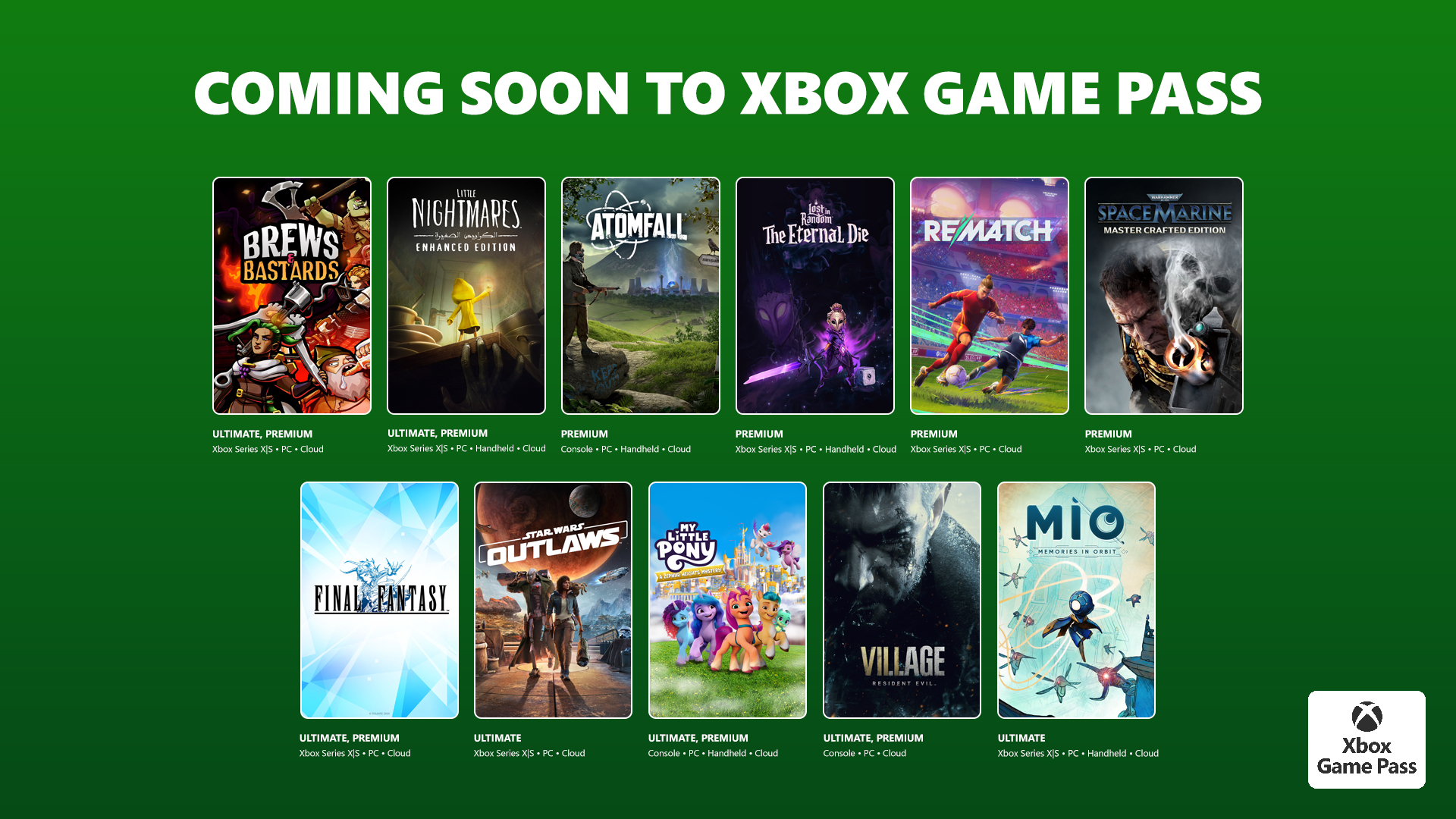
The numbers are stark. Seven games leave the service on January 31. Eleven more arrive in the month’s second wave alone. For Xbox Game Pass and its reported 30 million subscribers, January 2026 is not a gentle new year’s greeting. It is a statement of intent, delivered in two distinct salvos of content that range from quiet indie puzzles to the thunderous gunfire of Space Marines. This is a library in constant, calculated motion.
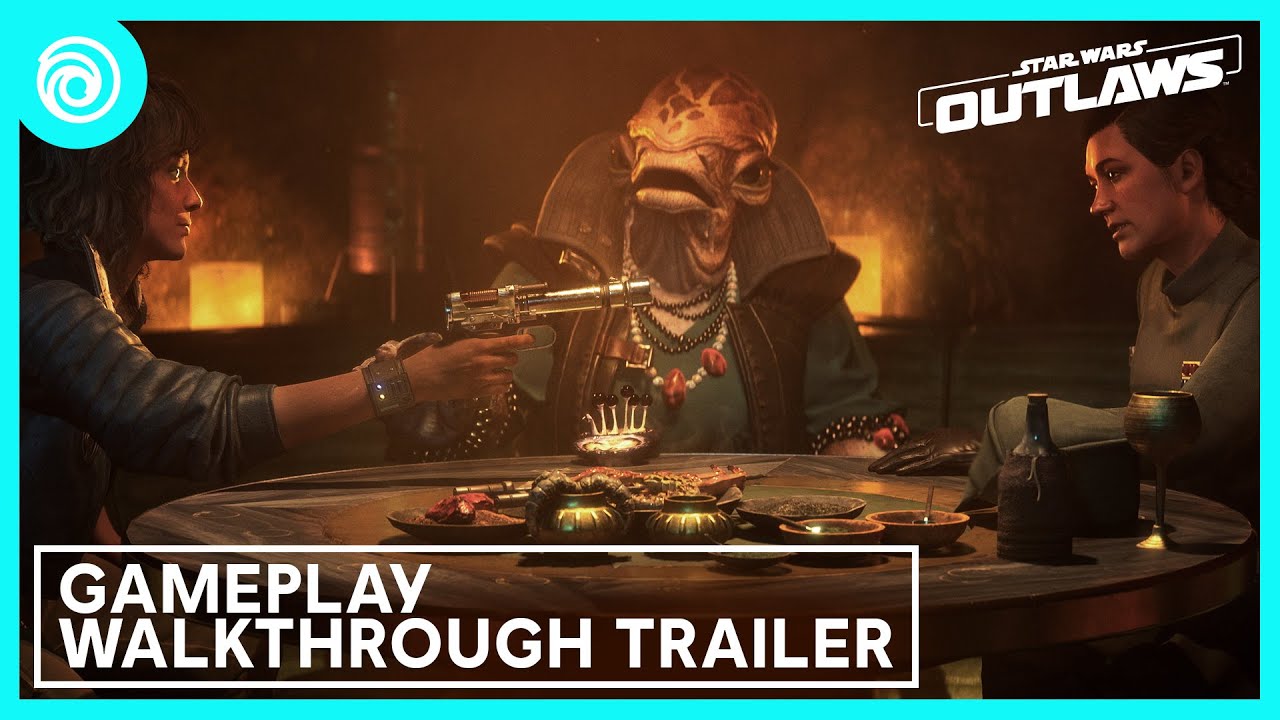
Microsoft announced the first wave on January 6, a lineup that immediately framed the month’s ambition. The lead actors were undeniable. Star Wars Outlaws, Ubisoft’s massive open-world scoundrel simulator, landed with the subtlety of a seismic charge. Its arrival, while not pinned to a precise date in the initial wave, was the headline grabber—a major third-party AAA title dropping onto the subscription service mere months after its retail debut. This is the kind of move that defines Game Pass’s value proposition for millions.
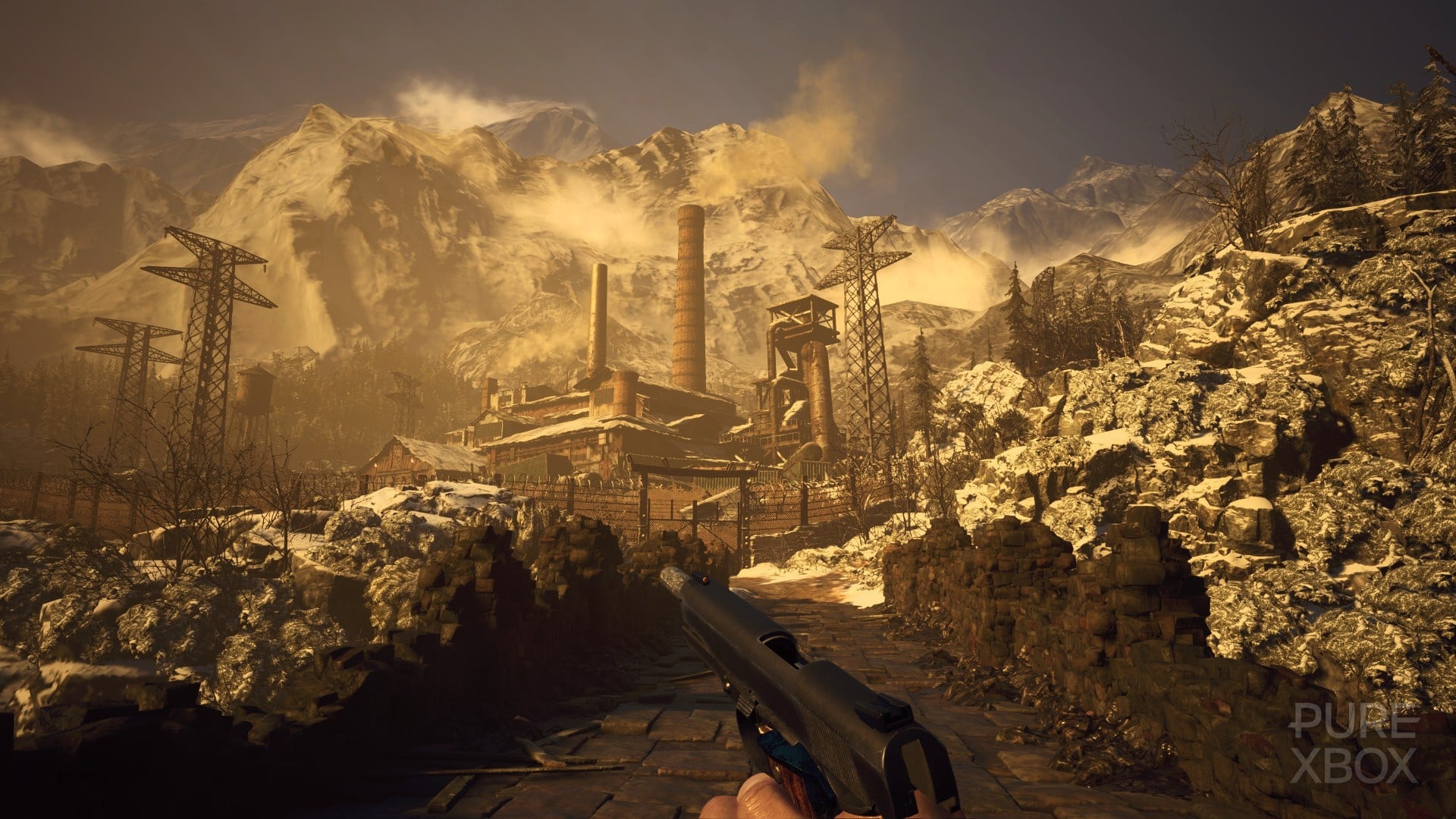
Alongside it, the eighth mainline entry in Capcom’s survival horror legacy, Resident Evil Village, became available on January 20. The timing felt deliberate. The dead of winter, the long nights—perfect for revisiting the nightmare of the Dimitrescu estate or the mechanized horrors of Heisenberg’s factory. These weren’t just games; they were events. But the wave’s structure revealed the service’s layered strategy. Before these blockbusters, subscribers on Premium and Ultimate tiers got first crack at new experiences.
“Day-one access for our Premium members is about delivering immediate value and being part of the conversation from launch minute one,” said a Microsoft spokesperson in the January 6 announcement. “Titles like Brews & Bastards and Lost in Random: The Eternal Die exemplify our commitment to diverse, quality experiences available nowhere else at that moment.”
Brews & Bastards, a tactical tavern-management RPG, hit on January 6. Lost in Random: The Eternal Die, a substantial story expansion for the critically adored dice-based adventure, followed on January 7. The message was clear: Game Pass is both a curated back catalog and a front-line launchpad. This duality continued with a shadow-drop of the classic Final Fantasy pixel remaster on January 8, a nod to legacy and preservation, and the family-friendly co-op mystery My Little Pony: A Zephyr Heights Mystery on January 15. One service, countless different players.
The critical perspective here is essential. Adding Star Wars Outlaws is a coup, but it also highlights a potential dependency on third-party partnerships whose longevity is never guaranteed. The excitement is real, but it’s leased.
Beneath the AAA sheen, Wave 1 subtly fed the service’s thriving communities. Resident Evil Village brought its robust The Mercenaries mode, a score-attack gauntlet that has fostered a dedicated competitive scene. More directly, the inclusion served as a potent primer for the upcoming Resident Evil projects rumored for 2026. For the cooperative crowd, the My Little Pony title offered a genuinely polished, low-stakes adventure—a design ethos that echoes through Xbox’s first-party successes like Grounded. This isn’t filler. It’s audience-specific curation.
“The January lineup, particularly that first wave, is a masterclass in portfolio management,” observed games industry analyst Leo Chen from DFC Intelligence. “You have the mass-market magnet in Star Wars, the critical horror darling, a hardcore RPG, a family title, and a legacy classic. It mitigates churn by attacking it on five different fronts simultaneously.”
And churn is the eternal opponent. The seven titles set for removal on January 31, including the poignant narrative RPG Citizen Sleeper 2: Starward Vector and the chaotic tower-defense of Orcs Must Die! Deathtrap, are a reminder. The Game Pass library is a flowing river, not a stagnant lake. For achievement hunters, noted by sites like TrueAchievements, the departure of titles with straightforward achievement lists adds a layer of urgency to the final days of January. The clock is always ticking.
The two weeks between Wave 1 and Wave 2 were not empty. They were a digestion period. Players plunged into the European underworld of Star Wars Outlaws or braved the horrors of Resident Evil Village. Social media channels filled with clips and screenshots. This rhythm—announcement, immersion, followed by another announcement—creates a perpetual engagement loop. It transforms a subscription from a static utility into a dynamic event calendar. By the time January 20 arrived, the community was already primed for the next revelation. Microsoft did not disappoint.
Wave 2, announced that day, was arguably more audacious. It was heavier, deeper, and pointed directly at the core gaming demographic. If Wave 1 was about breadth, Wave 2 was about depth.
Announced on January 20, the second wave felt less like an addition and more like a declaration. The tone shifted from curated variety to unapologetic intensity. This was the hardcore gamer's wave, a lineup that demanded your time and challenged your skill. It opened with a one-two punch on January 21 that is difficult to overstate: Death Stranding: Director's Cut and Ninja Gaiden: Ragebound. One is Hideo Kojima's maximalist, social-strand-system opus of connection and isolation. The other is a side-scrolling resurrection of Team Ninja's legendary character-action series, helmed by the architects of Blasphemous. They share nothing in genre or tone. They share everything in their uncompromising, auteur-driven vision.
This pairing is the beating heart of Game Pass's modern identity. It answers a fundamental question: what is a "premium" game? Is it graphical fidelity and cinematic scope, embodied by Kojima's expanded masterpiece now available on cloud, PC, and Xbox Series X|S? Or is it mechanical purity and demanding skill ceilings, represented by a Ninja Gaiden reimagining that promises to redefine the platformer? Microsoft's answer, decisively, is both. The service positions itself as the home for gaming's idiosyncratic extremes.
"The inclusion of Death Stranding: Director's Cut is a watershed moment for the service's artistic credibility," said Miranda Chase, senior editor at Edge magazine. "It's not just a major third-party get. It's a signal that the most divisive, structurally ambitious AAA experiences have a guaranteed home and audience here. This moves Game Pass beyond a mere content library into the realm of cultural preservation."
The following days layered on complexity. The Talos Principle 2 arrived on January 27, a game whose description as having "brilliant puzzles" undersells its profound and often unsettling interrogation of consciousness, faith, and humanity's legacy. Placing it beside the visceral, cathartic violence of Warhammer 40,000: Space Marine 2—noted for having "one of the best boss fights of 2024" according to GameSpot—creates a fascinating dialectic. One game asks what it means to be. The other is about the glorious, explosive act of obliterating xenos filth. This is the curated chaos of a modern subscription service.
Interwoven with these major releases was the essential, ongoing rhythm of the platform's live services. Sea of Thieves Season 18, Act 2 launched on January 22, injecting new narrative and mechanics into the six-year-old pirate saga. Grounded 2's Garden Update landed on January 27, expanding the back-yard survival world. Even the return of the Stranger Things chapter to Dead by Daylight on January 27 was a strategic move, re-engaging a massive community with nostalgic, licensed horror. These aren't standalone additions; they are adrenaline shots for established ecosystems, designed to pull lapsed players back in and reward the dedicated.
But the reality of the churn is documented with cold clarity. The seven titles exiting on January 31, including the poignant Citizen Sleeper 2: Starward Vector and the serene Lonely Mountains: Snow Riders, serve as a necessary counterpoint. The euphoria of arrival is always tempered by the melancholy of departure. For every player discovering The Talos Principle 2, another is racing to finish a narrative in Citizen Sleeper 2 before it vanishes. This transactional relationship with art—here for a limited time—fundamentally changes how players engage. It encourages a consumptive pace that can undermine the contemplative nature of a game like Death Stranding. Is the service fostering deep engagement, or just a relentless buffet-style sampling?
"Analyzing the exit list is as important as the arrival list," notes achievement tracker Ryan Willcox from TrueAchievements. "When titles with straightforward achievement sets like Paw Patrol World or specific narrative indies leave, it creates a palpable FOMO-driven surge in playtime during their final week. This isn't an accident; it's a powerful engagement driver built into the model's design."
Praising the January 2026 lineup is easy. Critiquing its implications is the real work. There's an undeniable friction between the artistic heft of these games and the medium through which they're delivered. Death Stranding is a 40+ hour meditative trek. The Talos Principle 2 demands intellectual stamina. Even Resident Evil Village, for all its action, is a meticulously paced atmospheric horror. These are not games designed for the "try it for an hour" mentality that subscription services can inadvertently promote. The risk is that these monumental works become mere items on a checklist, their impact diluted in a sea of endless options.
Microsoft seems aware of this. The tiered system is a direct response. By granting Ninja Gaiden: Ragebound and Brews & Bastards as day-one releases exclusively to Premium and Ultimate subscribers, they create a value hierarchy. The most engaged, paying subscribers get the privilege of novelty and shared discovery. The broader catalog, including the AAA ports, serves as the retention tool for the wider base. It's a clever, if commercially stark, ecosystem.
"The day-one focus for Premium tiers is a necessary evolution, but it creates a two-class system within the player base," argues consumer advocate David Park in a GamesIndustry.biz editorial from late 2025. "When the most exciting new indie experiences are gated behind the highest paywall, it undermines the communal, 'everyone in' promise that Game Pass originally marketed. The conversation fragments."
Yet, can we really argue with results? The inclusion of a title like Star Wars Outlaws, confirmed for January 13 across Ultimate and PC tiers, shatters the traditional value calculus. A $70 open-world game, playable for a fraction of the cost months after release, is an undeniable win for the player. The same goes for the entire Final Fantasy pixel remaster series, which hit on January 8 with its iconic invocation: "Earth, fire, water, wind… The light that once shone within the four Crystals was lost." This is preservation and access on a staggering scale.
The esports and competitive angle, however, feels underexploited this month. Warhammer 40,000: Space Marine 2 is a premier co-op experience, but its late-month arrival on January 29 feels like an afterthought in the rollout. The Dead by Daylight DLC is a community play, not a meta-shifter. Where is the dedicated, service-based competitive title to build a league around? The focus remains squarely on curated single-player or cooperative narratives.
"January's lineup is a collector's cabinet of brilliant, finished objects," observes veteran game critic Tamara Singh on her podcast Design Deep Dive. "It's heavy on the 'Game' part of Game Pass. But for a service that wants to be a platform, not just a playlist, I'm looking for the exclusive, persistent world that people live in for years. Sea of Thieves and Grounded updates are maintenance, not revolution. The true test will be when Microsoft drops a day-one, service-defining multiplayer title that can only exist in this ecosystem."
That criticism lands with force. For all the fireworks of Death Stranding and Star Wars Outlaws, they are visitors. Spectacular, celebrated visitors, but visitors nonetheless. The original vision for Game Pass hinted at a future where the service itself was the platform for groundbreaking, ongoing experiences. January 2026 showcases the present reality: it is an exceptionally well-managed and aggressive content aggregator. It is the best deal in gaming. But is "the best deal" the same as being the most transformative platform? The distinction matters. As players download the 11 games from Wave 2 and brace for the 7 departures on January 31, they are participating in a brilliantly executed retail model. The artistic revolution, it seems, is still loading.
The significance of Xbox Game Pass’s January 2026 cadence extends far beyond a simple list of games. It provides a crystalline snapshot of the entire video game industry’s converging pressures: preservation versus novelty, artistic ambition versus consumable content, and platform ownership versus third-party partnership. This month isn’t an anomaly; it’s a template. Microsoft has demonstrated, with surgical precision, how to manage a content ecosystem of this scale. The two-wave structure, the blend of day-one indies and legacy AAA, the scheduled departures—this is the operational playbook for a post-physical media future. The cultural impact is a normalization of access over ownership, a generation of players for whom a game’s permanent presence is no longer an expectation but a pleasant surprise.
"January 2026 will be studied as a case study in portfolio thermodynamics," says Dr. Anya Petrova, a professor of media ecosystems at USC. "The service must constantly balance high-entropy new additions with the exothermic reaction of departures to maintain system energy—that is, subscriber engagement. The specific titles are almost secondary to the thermodynamic equation. They are variables in a solved formula."
The legacy of this specific month will be its demonstration of peak curation. To have Death Stranding, The Talos Principle 2, Star Wars Outlaws, and a revitalized Ninja Gaiden coexisting under one subscription is a historical footnote in the collapse of traditional release windows. It accelerates the industry’s shift toward a streaming-era mentality, where the “long tail” of a game’s sales is replaced by its strategic value in a content bundle. For developers, particularly mid-sized studios like the one behind Ninja Gaiden: Ragebound, the guaranteed payout and visibility of a day-one Game Pass slot can be existential. The cultural conversation shifts from “Should I buy this?” to “Have you tried this on Game Pass yet?” The platform becomes the predicate.
For all its curated brilliance, the model’s weaknesses are not merely theoretical; they are baked into the January 2026 experience itself. The most glaring is the inherent tension between depth and disposability. A game like Death Stranding: Director's Cut is a monumental, slow-burn artifact. It asks for patience, for investment, for a willingness to sit with its deliberate pace. The subscription environment, with its ever-ticking clock of departures and the siren song of the next new thing, actively works against this type of engagement. It encourages a tourist’s mindset. The completion rate for these profound, lengthy games on subscription services is a closely guarded but undoubtedly sobering metric.
Furthermore, the tiered system creates a visible class divide. The most exciting new creative risks—the Brews & Bastards titles, the Ragebounds—are reserved for the Premium and Ultimate paywall. While sound business, it stratifies the community and fragments the shared discovery that fueled Game Pass’s early hype. The base-tier subscriber gets a phenomenal back catalog, but they are explicitly second-class citizens in the conversation about what’s new and next. This two-tiered structure risks creating a cultural lag within the platform’s own user base.
Finally, there’s the silent pressure on game design itself. As the service grows in influence, will developers begin to subtly shape their games for the “Game Pass playthrough”? Shorter runtimes, more immediate hooks, modular content that feels satisfying in a 10-hour stint? The service’s need for constant churn and broad appeal could become an invisible design constraint, a homogenizing force disguised as boundless choice. The spectacular variety of January 2026 may, in the long run, mask a creeping convergence of form.
The immediate future is already written in the same bi-weekly cadence. February 2026 will bring its own two waves, likely announced on February 3 and February 17. The pressure to match or exceed January’s “sizable infusion” will be immense. Industry tracking suggests a major Japanese RPG publisher is finalizing a deal to bring a beloved back-catalog series to the service in early March, a move that would further erode the notion of platform exclusivity. On the development side, watch for the Grounded 2 team’s next update announcement in late February, and expect the metrics from Sea of Thieves Season 18, Act 2 to directly influence the roadmap for Act 3 in March.
More concretely, the esports omission in January will demand a correction. Rumors persist of a dedicated, Game Pass-exclusive competitive shooter entering closed beta by April 2026, built from the ground up for the service’s social and streaming features. That project, not another marquee port, will be the true test of Microsoft’s platform ambitions. Can they foster a native hit, not just host celebrated visitors?
The seven games leaving on January 31 will create a vacuum, a momentary silence in the catalog that the February arrivals will rush to fill. This is the perpetual motion machine. It never stops. Players who finished Citizen Sleeper 2 in its final days will scan the next announcement for a narrative to replace it. Those who mastered a boss fight in Space Marine 2 will crave a new challenge. The service’s genius is in making that next thing always visible, always imminent, always just a click away. The library is a river, and we are all standing in it, watching the water flow past. The question is whether we’re finding time to look at the stones beneath our feet, or if we’re only ever watching the current.
Your personal space to curate, organize, and share knowledge with the world.
Discover and contribute to detailed historical accounts and cultural stories. Share your knowledge and engage with enthusiasts worldwide.
Connect with others who share your interests. Create and participate in themed boards about any topic you have in mind.
Contribute your knowledge and insights. Create engaging content and participate in meaningful discussions across multiple languages.
Already have an account? Sign in here

Mortal Kombat 11: A Deep Dive into Its Enduring Legacy The arena lights flicker, a digital roar erupts, and then, the c...
View Board
GTA 6 faces its toughest rival in 2026: GTA V's $10B legacy. Can Rockstar's sequel eclipse a game that redefined longevi...
View Board
Heartopia storms Steam with 17K players, blending cozy sim charm & mobile monetization, sparking a cultural clash over g...
View Board
Rockstar aims to launch a 4K, 60 FPS Red Dead Redemption 2 next-gen upgrade in Spring 2026 across PS5, Xbox Series X/S, ...
View Board
MIO: Memories in Orbit launches on Game Pass Jan 20, 2026, offering a polished metroidvania with fluid combat, hand-draw...
View Board
Solo developer Adam Hunt crafts Streetdog BMX, a love letter to BMX culture, launching January 14, 2026, on Steam with 2...
View Board
Microsoft's ambitious January 2026 Xbox Game Pass lineup signals a new era of curated entertainment, with over a dozen n...
View Board
Pathologic 3 arrives January 9, 2026, wielding time-travel to deepen its signature despair, forcing players to rewrite t...
View Board
Josef Fares' Split Fiction redefines co-op storytelling with its radical two-player-only design, selling 2M copies in a ...
View Board
Pathologic 3 arrives January 9, 2026, a punishing survival RPG where time-travel meets plague diagnosis in a dying city,...
View Board
Resident Evil Requiem blends classic survival horror with modern tech, delivering dual narratives of terror and action i...
View Board
Tekken 7’s Rage Arts, 8‑million unit sales and tournament‑ready mechanics forged a modern fighting‑game era, shaping com...
View Board
Final Fantasy XIV: A Journey Through Eorzea's Reborn Realm The city-state of Ul'dah sprawls under a pitiless sun, a dese...
View Board
Code Vein II redefines gothic action RPGs with time-bending combat, vast ruins, and a motorcycle-driven wasteland, but l...
View Board
Xbox Game Pass começa 2026 com força: Star Wars Outlaws e Resident Evil Village lideram 11 lançamentos em janeiro, redef...
View Board
Claim Fallout 1 & 2 for free via Prime Gaming before Jan 26, 2026—permanent ownership of the iconic RPGs that shaped gam...
View Board
Code Vein II invites players on a somber pilgrimage through time, blending Soulslike combat with a narrative of sacrific...
View Board
Code Vein 2 launches Jan 30, 2026, rewriting its anime Soulslike legacy with time-bending combat, deeper RPG systems, an...
View Board
Cairn redefines climbing games with physics-driven realism, forcing players to read rock faces, manage stamina, and plac...
View Board
MIO: Memories in Orbit launches Jan 20, 2026, blending punishing Metroidvania gameplay with a haunting narrative on memo...
View Board
Comments