
Explore Any Narratives
Discover and contribute to detailed historical accounts and cultural stories. Share your knowledge and engage with enthusiasts worldwide.
The film industry is a complex and collaborative art form, requiring the coordination of numerous creative and technical professionals to bring a story to life. Among these key players, the producer stands as one of the most pivotal figures, often described as the backbone of a movie. While directors and actors frequently receive the spotlight, the producer operates behind the scenes, ensuring that the project moves forward from concept to completion. Their responsibilities span creative, logistical, and financial domains, making them essential in shaping the final product.
In this article, we’ll explore the multifaceted role of a film producer, examining their key responsibilities, the different types of producers, and the skills required to excel in this demanding career. Whether you’re an aspiring filmmaker or simply curious about the inner workings of cinema, understanding the producer’s role offers valuable insight into how films are made.
A film producer is essentially the project manager of a movie, overseeing every stage of production—from development and financing to distribution. Unlike the director, who focuses primarily on the creative vision, the producer ensures that the film stays on schedule, within budget, and aligns with the intended artistic direction. They are troubleshooters, negotiators, and strategists, often making critical decisions that determine a film’s success or failure.
Producers wear many hats throughout the filmmaking process. Below are some of their most critical responsibilities:
The producer often initiates a project by acquiring a script or identifying a story worth telling. They may collaborate with writers to refine the screenplay, secure rights to source material, or even generate original concepts. During this phase, the producer assesses the project’s commercial viability, target audience, and potential budget constraints.
Securing funding is one of the producer’s most challenging tasks. They must pitch the project to studios, investors, or production companies, presenting budgets, revenue projections, and marketing strategies. This involves negotiating contracts, forming co-production deals, and sometimes leveraging personal networks to raise independent financing.
Once financing is secured, the producer assembles the core team, including the director, cast, and heads of departments (cinematography, production design, etc.). They oversee hiring, location scouting, scheduling, and acquiring necessary permits. The producer also finalizes the budget and ensures all legal and logistical paperwork is in order.
During filming, the producer acts as a problem solver, addressing on-set challenges, managing conflicts, and ensuring the production stays on track. They oversee expenditures, mediate between the creative and financial demands of the project, and sometimes step in to make critical decisions when delays or issues arise.
After principal photography wraps, the producer collaborates with editors, sound designers, and composers to shape the final cut. They may organize test screenings, gather feedback, and make adjustments before locking the edit. Additionally, they oversee marketing materials, trailer cuts, and promotional strategies.
The producer plays a crucial role in selling the film to distributors, securing theater releases, or negotiating deals with streaming platforms. They strategize release dates, coordinate film festival submissions, and sometimes participate in publicity campaigns to maximize the film’s reach.
Not all producers perform the same functions. Depending on the scale and structure of a project, different types of producers may be involved:
Often a financier or high-level executive, the executive producer may not be involved in day-to-day operations but provides funding or oversees the business side of the project. In some cases, they act as a liaison between the studio and creative team.
A line producer manages the budget and logistics of production. They handle scheduling, hiring crew members, and ensuring that the film stays within financial constraints. They are often on set daily, managing the practical aspects of filmmaking.
This type of producer is deeply involved in shaping the artistic elements of the film, working closely with the director to refine the script, visual style, and narrative flow.
Co-producers share responsibilities with the primary producer, often handling specific aspects of production, such as international financing partnerships or specialized departments.
Being a producer demands a unique blend of skills, including leadership, financial acumen, creativity, and resilience. Here are some essential qualities:
The role of the film producer is both demanding and rewarding, requiring a balance of creativity, business savvy, and logistical expertise. They are the driving force behind a movie, ensuring that vision meets execution at every stage. In the next part of this article, we’ll delve deeper into the challenges producers face, their influence on cinematic storytelling, and notable examples of producers who have left an indelible mark on Hollywood and beyond.
While the role of a film producer is undeniably influential, it comes with its own set of significant challenges. From financial pressures to creative disagreements, producers must navigate a wide array of obstacles to bring a project to fruition. The ability to handle setbacks while maintaining the film’s artistic and commercial goals is what separates exceptional producers from the rest.
One of the most persistent challenges for producers is securing and managing a film’s budget. Independent producers, in particular, must often piece together financing from multiple sources, including private investors, grants, and pre-sales agreements. Even in studio-backed productions, budget overruns can threaten a project’s viability. Producers must make tough decisions—whether cutting scenes, renegotiating contracts, or finding alternative solutions—to keep the production on track financially.
Producers frequently find themselves at the intersection of art and commerce. A director might have a bold creative vision, but if it doesn’t align with market expectations, the producer must mediate between artistic ambition and financial realities. This balancing act is particularly evident in franchise films, where studio mandates and audience expectations can clash with a filmmaker’s originality. A skilled producer knows how to advocate for creativity while ensuring the film appeals to its intended audience.
Time is money in filmmaking, and delays can inflate costs exponentially. Weather disruptions, actor availability, and technical malfunctions can all derail a production schedule. Producers must anticipate these issues, implement contingency plans, and, when necessary, make real-time adjustments to keep the project moving forward. The ability to remain calm under pressure while finding rapid solutions is a hallmark of an experienced producer.
Filmmaking is a collaborative process, and conflicts between directors, writers, actors, and crew members are inevitable. Producers often serve as mediators, ensuring that creative disagreements don’t escalate into production-halting disputes. Whether it’s reconciling a director’s vision with a studio’s demands or resolving clashes between actors and crew, diplomacy and emotional intelligence are essential skills.
Even after a film is completed, producers face the uphill battle of securing distribution. In an oversaturated market, standing out is harder than ever. Independent films often struggle to find theatrical releases, relying instead on streaming platforms or film festivals for exposure. Producers must strategize release dates, marketing campaigns, and distribution deals to maximize visibility and profitability.
The film industry is constantly evolving, with shifting trends in audience preferences, technology, and distribution models. The rise of streaming platforms has transformed how films are financed and consumed, requiring producers to adapt quickly. Changes in labor laws, tax incentives, and global market demands also impact production strategies.
While directors often receive credit for shaping a film’s narrative, producers also wield significant influence over storytelling decisions. Their involvement can determine a film’s tone, pacing, and even thematic depth, either by championing certain creative choices or steering the project toward marketability.
Producers frequently work with writers to refine scripts, ensuring they are both compelling and feasible to produce. They might suggest structural changes, character adjustments, or thematic enhancements to strengthen the story. Some producers, like Scott Rudin or Kathleen Kennedy, are known for their hands-on involvement in script development, shaping films that align with their artistic sensibilities and commercial instincts.
Casting can make or break a film, and producers often play a crucial role in selecting actors who bring the right chemistry and star power to a project. Iconic pairings—such as Martin Scorsese and Robert De Niro, or Tim Burton and Johnny Depp—were often facilitated by producers who recognized their potential collaborations.
During post-production, producers may weigh in on editing choices, advocating for cuts or reshoots that clarify the narrative or enhance emotional impact. In some cases, producers have intervened to salvage films that were struggling editorially, ensuring the final product aligns with the intended vision.
To fully appreciate the producer’s role, it’s helpful to examine the careers of some of the most influential figures in the industry. These producers have not only shaped individual films but also left lasting legacies on cinema as a whole.
While best known as a director, Spielberg has also produced countless classics through his company, Amblin Entertainment, and later DreamWorks. His producing credits include films like Back to the Future, Gremlins, and Who Framed Roger Rabbit, showcasing his ability to identify and nurture unique stories.
One of the most powerful producers in Hollywood, Kennedy has produced some of the highest-grossing franchises, including Star Wars, Jurassic Park, and Indiana Jones. Her keen sense of storytelling and project management has made her a central figure in blockbuster filmmaking.
Known for high-octane action films and compelling dramas, Bruckheimer has produced iconic movies like Top Gun, Pirates of the Caribbean, and Black Hawk Down. His films are characterized by their polished production values and mass appeal.
Regardless of his later infamy, Weinstein’s earlier career as a producer at Miramax was instrumental in shaping independent cinema in the 1990s. Films like Pulp Fiction, Shakespeare in Love, and The King’s Speech benefited from his aggressive marketing and awards campaign strategies.
Blum is the mastermind behind Blumhouse Productions, revolutionizing horror and low-budget filmmaking with hits like Paranormal Activity, Get Out, and The Purge. His model of minimal budgets and high returns has influenced the industry’s approach to genre films.
The digital age has reshaped how films are made, marketed, and distributed, and producers must continually adapt to these shifts. The rise of streaming giants like Netflix and Amazon has opened new opportunities for financing and platform releases, but it has also altered audience consumption habits. Producers now consider data analytics, digital marketing, and global audience preferences more than ever before.
Producers are the unsung architects of cinema, navigating financial hurdles, creative conflicts, and industry transformations to bring compelling stories to the screen. Their influence extends far beyond logistics—they shape narratives, foster talent, and leave indelible marks on film history. In the final part of this article, we will explore the future of producing, the evolving role of technology, and practical advice for aspiring producers aiming to carve out their own paths in the industry.
As the entertainment industry undergoes rapid transformation, the role of the producer continues to evolve in exciting and unpredictable ways. Emerging technologies, shifting audience behaviors, and new business models are reshaping how films get made and consumed. Successful producers of the future will need to embrace these changes while maintaining core storytelling principles that have always defined great cinema.
The advent of virtual production, popularized by shows like "The Mandalorian," is revolutionizing how films are shot. Producers now need to understand the capabilities of LED volume stages, real-time rendering, and virtual cinematography. These technologies allow for unprecedented creative flexibility while potentially reducing location costs, but require significant upfront investment and technical expertise.
Artificial intelligence is beginning to influence script analysis, budget forecasting, and even certain aspects of post-production. Forward-thinking producers are experimenting with AI tools that can analyze audience preferences, predict box office performance, or assist in editing. However, this raises important questions about creative authenticity that producers must navigate carefully.
Some producers are exploring how augmented and virtual reality can extend cinematic storytelling beyond traditional screens. Projects like AR companion experiences and VR spin-offs require producers to think multi-platform from the earliest development stages.
A significant shift occurring in the industry is the increasing prominence of producers from historically underrepresented backgrounds. This movement is bringing fresh perspectives to storytelling and challenging traditional production paradigms.
New funding initiatives and mentorship programs are helping diverse producers access capital and opportunities. Organizations like the Sundance Institute's Women at Sundance and the PGA's diversity initiatives are creating pipelines for talent that might otherwise be overlooked.
Producers like Ava DuVernay (Array), Destin Daniel Cretton (His Own First Productions), and Lulu Wang are demonstrating the commercial viability of stories rooted in specific cultural experiences. This represents both an artistic and financial opportunity for producers willing to champion unique voices.
The success of international productions like "Parasite," "RRR," and "The Squid Game" has proven audiences' appetite for diverse storytelling. Savvy producers are building cross-border collaborations and developing projects with global appeal from inception.
The traditional studio system no longer holds a monopoly on how films get financed and seen. Innovative producers are exploring creative pathways to bring projects to life.
Platforms like Kickstarter and Seed&Spark have enabled producers to build direct connections with audiences while securing funding. Successful campaigns often combine financial support with built-in audience engagement strategies.
While still controversial, some producers are exploring how blockchain technology can create new funding mechanisms through NFTs or tokenized investment models. Early examples demonstrate both potential and pitfalls in this emerging space.
The pandemic accelerated the adoption of day-and-date releases and premium VOD models. Producers must now carefully consider whether theatrical exclusivity, streaming premieres, or hybrid approaches best serve their projects.
For those looking to enter the field of film producing, the path is more varied than ever before. Traditional routes through studio systems remain valuable, but alternative pathways are increasingly viable.
Successful modern producers blend creative instincts with business acumen. Essential skills include:
• Financial modeling and budget management
• Contract negotiation and rights clearance
• Talent relations and team leadership
• Marketing and audience development strategies
The most memorable producers develop a recognizable creative signature—whether it's Ryan Murphy's bold storytelling, Judd Apatow's comedic sensibility, or Megan Ellison's risk-taking approach at Annapurna. Identifying and cultivating your distinct perspective helps you stand out in a crowded marketplace.
Today's producers need to be exceptional at "packaging" projects—combining the right intellectual property with appropriate talent and financing partners. This requires maintaining an extensive network across different industry sectors.
The producers who thrive will be those who recognize shifting viewing patterns early. Whether it's short-form content for TikTok, interactive storytelling, or other developing formats, flexibility is key.
Film producing is famously challenging—projects fall apart, financing disappears, releases get delayed. The ability to persevere through setbacks while maintaining relationships is perhaps the most important skill of all.
While the tools and platforms may change, certain fundamental aspects of exceptional producing remain constant:
The best producers—from David O. Selznick to today's top executives—never lose sight that compelling storytelling is at the heart of every successful film. All the financing and technical execution serves this ultimate goal.
Limitations often breed innovation. Great producers know how to turn constraints into creative opportunities rather than excuses for compromise.
Film remains a team sport. The producers who build reputations for respecting collaborators while maintaining creative visions become magnets for top-tier talent.
Understanding that films are made for audiences—not just critics, festivals, or award committees—helps producers make decisions that balance artistic integrity with entertainment value.
There's no single road to becoming a successful producer, but common trajectories include:
The film producer remains one of the most vital and dynamic roles in entertainment. As we've explored through this three-part examination, producers function as creative visionaries, financial architects, logistical problem-solvers, and ultimately cultural contributors who help shape the stories our society tells itself.
From securing that first option on a promising script to navigating the complexities of global distribution, producers steer films through every stage of their journey. The digital age hasn't diminished this role—it's simply added new dimensions and opportunities for those willing to adapt.
For audiences, understanding the producer's contribution leads to deeper appreciation of the films we love. For aspiring filmmakers, recognizing the producer's multifaceted responsibilities reveals the breadth of opportunities available in this essential creative profession.
As the industry continues evolving, one truth remains: the most successful producers will be those who can balance tradition with innovation, financial realities with creative ambitions, and immediate challenges with long-term visions for storytelling's future.




Your personal space to curate, organize, and share knowledge with the world.
Discover and contribute to detailed historical accounts and cultural stories. Share your knowledge and engage with enthusiasts worldwide.
Connect with others who share your interests. Create and participate in themed boards about any topic you have in mind.
Contribute your knowledge and insights. Create engaging content and participate in meaningful discussions across multiple languages.
Already have an account? Sign in here
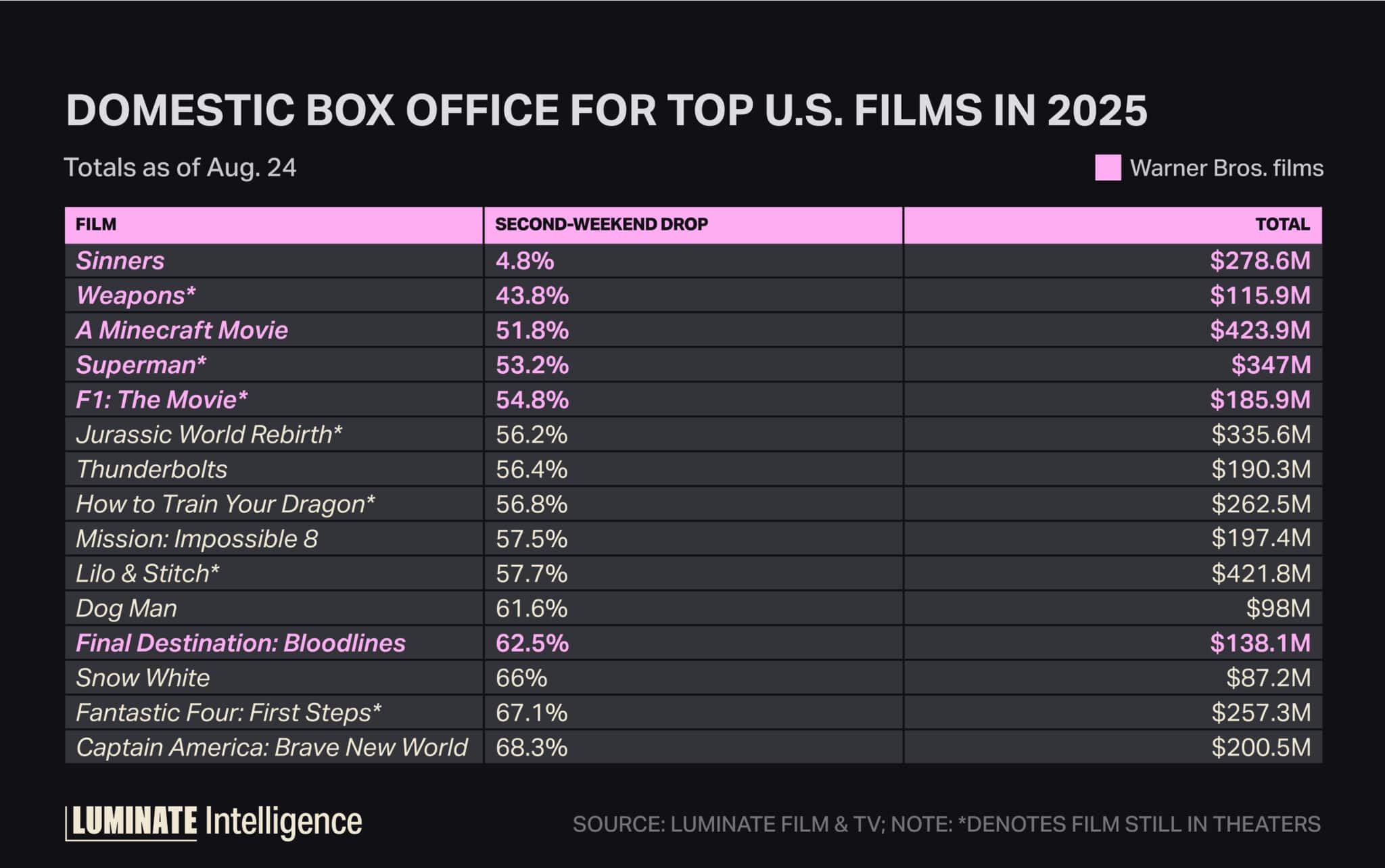
Explore the dominance of major film studios in 2025! Discover market share leaders like Disney, Warner Bros., and Univer...
View Board
Explore the indie film movement! Discover its history, key characteristics, and impact on cinema. Learn how independent ...
View Board
Discover the greatest film sequels that redefined cinema! From *The Godfather Part II* to *Avengers: Endgame*, explore c...
View Board
Explore the evolution of independent film movements, from early rebels challenging monopolies to today's digital democra...
View Board
Explore the debate around historical accuracy in films. Discover how filmmakers balance factual fidelity with narrative,...
View Board
Explore the fascinating evolution of cinema, from its silent beginnings with Edison and Lumière to the Golden Age of Hol...
View Board
Explore the latest on women in film: breaking boundaries, redefining cinema. Discover key statistics, challenges, and tr...
View Board
Explore the greatest romance films of all time! From classic book adaptations to modern love stories, discover movies th...
View Board
Explore the rise and reign of Hollywood blockbusters! From Jaws to the MCU, discover the key films, characteristics, and...
View Board
Explore the evolution of film censorship in the US, from early government bans to the Hays Code and MPAA ratings. Discov...
View Board
Explore films that redefined genres! From Star Wars to Pulp Fiction, discover the innovative storytelling, effects, and ...
View Board
Explore the powerful cultural impact of cinema worldwide. Discover how films shape society, influence culture, promote s...
View Board
Discover the greatest animation films of all time! Part 1 explores iconic movies like Spirited Away, Toy Story, and Disn...
View Board
Explore CGI's transformative impact on cinema! From early pixelated graphics to photorealistic worlds, discover how comp...
View Board
Explore the timeless appeal of iconic film characters! Discover what makes them unforgettable, from universal themes to ...
View Board
Explore the evolution of film editing, from early manual techniques with scissors and glue to today's advanced software....
View Board
Explore sound design in cinema! Learn how filmmakers use sound effects, Foley, music & spatial audio to craft immersive ...
View Board
Uncover the secrets of cinematic Easter eggs! Explore hidden jokes, visual clues, and narrative gems in your favorite mo...
View Board
Explore the incredible journey of Joe Penna, aka MysteryGuitarMan, from YouTube sensation to acclaimed filmmaker. Discov...
View Board
Unlock the power of cinematic color theory! Learn how filmmakers use color schemes to evoke emotions, enhance storytelli...
View Board
Comments