Color is a powerful tool in filmmaking, yet it often goes unnoticed by the average viewer. This silent language articulates emotion, illustrates character arcs, and enhances narrative depth without uttering a single line. In recent years, the concept of color theory within cinema has received substantial attention from filmmakers, critics, and cinephiles alike, as they recognize its potential to transform storytelling. This article delves into the fascinating world of cinematic color theory, examining how filmmakers leverage it to elevate the art of film.
The Foundation of Cinematic Color Theory
Cinematic color theory draws upon the principles found in traditional art practices, applying them to the moving image to enhance storytelling. At its core, color theory revolves around the use of color schemes and palettes that evoke specific emotional responses or connotations within a film's narrative context. Through these choices, filmmakers can reinforce themes, develop characters, and create a visual language that resonates with audiences.
Colors are typically organized using a color wheel, which displays the relationships between different hues. Primary colors are red, blue, and yellow. Secondary colors, created by mixing primary colors, are green, orange, and purple. Tertiary colors are variations formed through further mixing. Filmmakers utilize these relationships to craft harmonious, contrasting, or complementary color palettes that effectively communicate the intended mood or message.
Color Psychology in Film
The psychological impact of color is profound, influencing our perceptions and emotions, often subconsciously, as we view a film. For instance, warm colors like red, orange, and yellow are often associated with energy, warmth, and passion. Reds, in particular, might convey danger, love, or intensity, depending on the context.
Conversely, cool colors such as blue, green, and purple can evoke feelings of calm, sadness, or introspection. Blue is often used to symbolize tranquility, but it can also represent coldness or depression. Filmmakers tap into this psychological aspect of color to guide audience emotions effectively and subtly, enhancing the narrative without overt exposition.
Notable Examples in Film
Throughout cinema history, many filmmakers have demonstrated masterful use of color to enrich their storytelling. Wes Anderson is renowned for his meticulously crafted palettes that often rely on pastel hues, lending a whimsical yet poignant air to his films. In contrast, director Wong Kar-wai employs vibrant and saturated colors to amplify the emotional intensity of his films, such as "In the Mood for Love," which uses reds and deep hues to evoke longing and desire.
Perhaps one of the most iconic uses of color in film is found in Steven Spielberg's "Schindler's List." The predominantly black and white film features a poignant splash of color in the form of a little girl’s red coat. This striking choice symbolizes innocence amidst the horrors of the Holocaust and emphasizes the tragedy on a deeply emotional level.
The Role of Color Palettes
Color palettes are strategic selections of colors that define the visual tone and atmosphere of a film. Monochromatic palettes limit hues to varying tones of a single color, often employed to suggest unity or emphasize a specific theme. For example, the film "Her" uses a mostly pink and red palette, underscoring themes of love and isolation.
Analogous palettes use colors that sit next to each other on the color wheel, such as blues and greens, or reds and oranges, creating a harmonious and cohesive look. These palettes can suggest natural beauty or serenity, as seen in Terence Malick’s "The Tree of Life."
Complementary palettes use colors from opposite ends of the color wheel, such as blue and orange, to create vibrant contrast and draw attention. This approach is particularly popular in modern blockbusters, like "Mad Max: Fury Road," where the stark contrast between fiery landscapes and cool night scenes heightens the film’s dramatic tension.
Crafting Atmosphere and Tone
Color is often employed by filmmakers to establish the atmosphere and tone of a scene. The use of desaturated colors can evoke a sense of bleakness or historical authenticity, a technique effectively used in "The Road" to convey a post-apocalyptic world devoid of vibrancy and hope. In science fiction, neon colors are frequently utilized to suggest futurism and otherworldliness, as seen in Ridley Scott’s "Blade Runner" and its sequel "Blade Runner 2049."
By manipulating color saturation, brightness, and contrast, filmmakers sculpt the visual identity of their films, aligning them with the intended emotional impact. Bright, highly saturated colors can infuse scenes with vitality and excitement, as exemplified by the explosive energy of Baz Luhrmann’s "Moulin Rouge!" Conversely, reserved, muted tones may invite reflection or foreshadow tragedy, demonstrated in the restrained palette of "Manchester by the Sea."
Conclusion
Cinematic color theory is a vital component of film language, empowering filmmakers to imbue their stories with emotional depth and subtext through careful color choices. As audiences become more attuned to these visual cues, the role of color in strengthening narrative and evoking emotion will continue to captivate and inspire both creators and viewers. This exploration of color’s impact in cinema reveals its remarkable ability to transcend dialogue and action, becoming an integral layer in the multifaceted art of filmmaking.
Narrative Symbolism Through Color
In addition to setting mood and tone, color plays a crucial role in conveying symbolism and theme within a film’s narrative. Filmmakers often employ color as a metaphorical device, imbuing seemingly innocuous visuals with deeper meaning. This symbolic use of color can serve as a powerful narrative tool, providing commentary, foreshadowing events, or highlighting character development.
Color symbolism can guide the audience's understanding of a character's journey or emotional state. For instance, in "The Great Gatsby," Baz Luhrmann uses green to symbolize both Gatsby’s unattainable dreams and the decay hidden beneath the opulence of the roaring twenties. The green light at the end of Daisy’s dock represents hope and the distance between dreams and reality, capturing the essence of Fitzgerald’s critique of the American Dream.
Similarly, in "The Sixth Sense," M. Night Shyamalan deliberately uses red to signify the presence of the supernatural. The color red punctuates otherwise subdued palettes, alerting the audience to crucial plot moments and enhancing the film's tension and mystery. In both these examples, color functions as a narrative shorthand, enriching the storytelling process through visual cues.
Character Development and Color Progression
As characters evolve throughout a film, their associated color palettes may change to reflect their internal transformations or shifted circumstances. This technique of color progression allows filmmakers to visually represent character arcs without explicit dialogue, making for subtle and sophisticated storytelling.
Consider the journey of Dorothy in "The Wizard of Oz." The film begins in the sepia-toned world of Kansas before bursting into the Technicolor vibrancy of Oz. This transition not only marks the stark contrast between fantasy and reality but also mirrors Dorothy’s transformation from innocence to self-awareness. As Dorothy moves through Oz, the colors around her evolve, depicting her growth and newfound courage.
Another striking example is found in the character of the Bride in Quentin Tarantino’s "Kill Bill." Initially clad in a wedding dress, her journey of vengeance sees her donning a bright yellow tracksuit, a stark and bold sartorial choice symbolizing both her renewed strength and her path of retribution. The use of color here serves to underline the character's development and shifting motivations.
Technological Advances and Color's Evolution
The history and evolution of color in cinema have been closely tied to technological advancements. From the early days of hand-tinted films to the revolutionary introduction of Technicolor, each step has expanded the palette available to filmmakers and their storytelling capabilities.
The release of "The Wizard of Oz" and "Gone with the Wind" in 1939 marked a turning point in the use of color, showcasing the potential for Technicolor films to captivate audiences with their vivid visuals. Over the years, as film stock improved and digital tools became more sophisticated, directors have been able to push the boundaries of color manipulation to enhance their artistic visions.
Digital filmmaking and color grading software now offer unprecedented control over color. Filmmakers can finely tune saturation, hue, and contrast, enabling them to craft precise and evocative palettes that align with their creative intentions. This advancement has given rise to a new era of color storytelling, where films like "Amélie" and "La La Land" use color grading to evoke specific moods, create a unique sense of place, and transport viewers to meticulously crafted worlds.
The Challenges of Cinematic Color
Despite the power and potential of using color in film, it comes with its own set of challenges. A filmmaker’s task is to balance aesthetic appeal with narrative intention without overwhelming the audience or distracting from the story. The overuse or inconsistent application of color can lead to confusion or dilute a film’s emotional impact.
Furthermore, color perception can vary among audiences due to cultural or subjective interpretations. What signifies passion and drama to one viewer might evoke discomfort or aggression in another. As a result, filmmakers must be sensitive to these differences, ensuring that their color choices align with the universal themes and emotions they wish to convey.
Additionally, with the rise of digital screens and varying viewing environments, maintaining color consistency across formats and devices poses a technical challenge. Cinematographers and colorists must work diligently to ensure that their carefully chosen palettes retain their intended impact regardless of the platform.
The Future of Color in Cinema
As technology continues to evolve, the future of color in cinema is set to expand further, exploring new dimensions and textures. Virtual reality (VR) and augmented reality (AR) experiences are likely to push the boundaries of how color influences perception and emotion, offering immersive experiences that can transform a viewer’s connection to a film's narrative.
With each technological stride, filmmakers are granted more tools and opportunities to capitalize on color’s potent storytelling capabilities. As audience expectations grow increasingly refined, filmmakers will continue to explore innovative techniques to harness the emotive power of color, using it to navigate complex stories and convey the intricate tapestry of human emotion.
In conclusion, cinematic color theory remains a vibrant and ever-evolving facet of filmmaking. By delving deeper into the ways color shapes our understanding and appreciation of film, both creators and audiences can further unlock the potential of visual storytelling, enriching the cinematic experience for future generations.
Color Theory in Diverse Genres
The application of color theory can vary greatly across different film genres, each tailoring its use to fit unique storytelling demands and audience expectations. From the uplifting hues of animated films to the stark palettes of horror, each genre has cultivated its distinct color language that enhances and defines its narrative style.
In animated films, such as those by Pixar and Studio Ghibli, vibrant and exaggerated color schemes are often employed to create whimsical worlds that capture the imagination. Animation allows filmmakers to explore an unrestricted range of colors, using them to exaggerate emotions and establish fantastical settings that live-action may struggle to achieve. For example, in "Inside Out," colors correlate directly with characters representing emotions, with Joy’s radiant yellow contrasting strikingly against Sadness’s somber blue, visually highlighting their distinct roles.
By contrast, the thriller and horror genres often utilize desaturated color palettes to create tension and a sense of unease. These muted tones can strip scenes of vibrancy, lending an air of unpredictability or emphasizing isolation and despair. In "The Others," shadows and limited color use accentuate the film’s eerie, haunted atmosphere, constantly reminding the audience of the tension lurking in every quiet corner.
The Role of Cinematographers and Colorists
An important aspect of successfully implementing color theory in film lies with the collaboration between the director, cinematographer, and colorist. Each of these roles plays a critical part in the visual storytelling process, ensuring that the chosen color palette aligns strategically with the film’s narrative objectives.
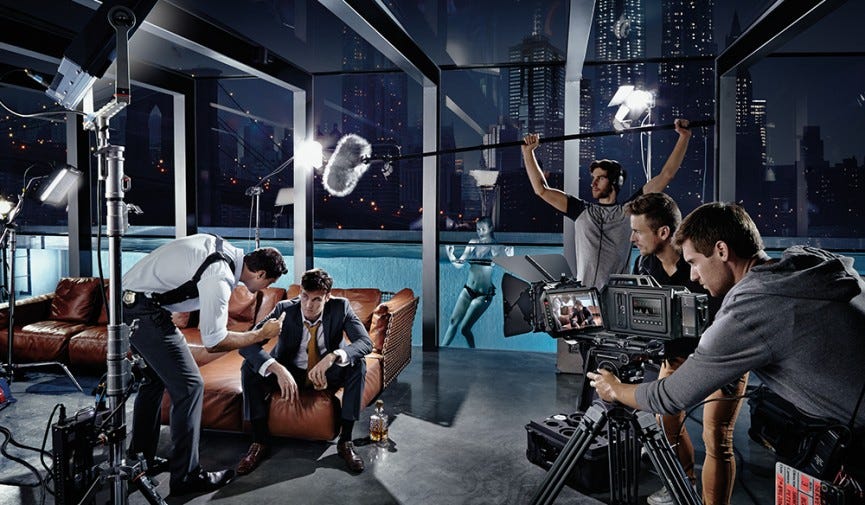
Cinematographers are instrumental in establishing the initial visual tone of the film. Through careful selection of camera settings, lighting arrangements, and filtration, they can influence how colors appear on screen, shaping the overall mood and atmosphere. By working closely with directors, cinematographers develop a coherent plan that visually represents the narrative's essence through color.
Colorists, on the other hand, come into play during the post-production phase. Armed with powerful software tools, colorists refine the raw footage, applying color grading to enhance or alter the film’s aesthetic. Their expertise allows for fine-tuning of shades and contrasts, enabling the final product to evoke specific emotional responses consistent with the director's vision. This meticulous process ensures that every frame aligns with the desired storytelling impact.
Audience Engagement Through Color
Color not only influences how stories are told but also shapes audience engagement, playing a critical role in how viewers connect emotionally and intellectually with a film. By thoughtfully integrating color into a film’s design, filmmakers draw the audience deeper into the narrative, eliciting reactions based on color’s innate ability to convey mood and meaning.
For example, in Denis Villeneuve’s "Arrival," the stark contrast between the amber-hued alien spacecrafts and the cold, muted human environments highlights the tension and alienation initially experienced between the two species. As the narrative progresses and understanding grows, the gradual blending of colors reflects the developing relationship and mutual comprehension.
Such strategic color pushes audiences to not only see but also feel the changes and growth within the film’s world, fostering an immersive viewing experience. As audiences become more aware of color theory, they may also connect these elements to broader cultural, psychological, and emotional contexts, enriching their interpretation and enjoyment of the film.
Case Studies: Iconic Films and Their Color Impact
Some films have achieved iconic status due, in part, to their masterful use of color, which has left an indelible mark on how they are perceived and remembered. These films serve as prime case studies, illustrating the effectiveness of color theory in elevating cinematic narratives.
The dystopian world of "The Matrix," directed by the Wachowskis, is defined by its distinctive green tint, symbolizing the artificial, digital construct of the Matrix itself. This deliberate filter creates a visual boundary between the reality of the Matrix and the human world, using color to contrast the two realms and deeply embedding the film's themes within its imagery.
In "Amélie," Jean-Pierre Jeunet employs a warm, saturated palette of reds and greens to evoke a sense of nostalgia and whimsy, guiding the audience through the eponymous character’s romantic and idealized Paris. Here, the intentional use of color breathes life into the film’s charm and sense of wonder.
Wes Anderson’s "The Grand Budapest Hotel" stands out for its pastel hues and symmetrically composed frames, creating a visual language that complements the film’s whimsical yet tragic narrative. The color palette, carefully coordinated with set design and costume choices, amplifies the story's stylistic quirks and emotional tones.
Conclusion: Color Theory’s Lasting Influence
In sum, cinematic color theory remains an essential facet of filmmaking, offering a visual shorthand that enhances storytelling beyond dialogue and narrative structure. As a silent language, color enriches the cinematic experience, transforming the way audiences perceive, feel, and understand films.
This exploration into color theory in cinema underscores its multifaceted role in defining genres, symbolizing themes, and affecting audience engagement. Moving forward, as technology continues to evolve and provide filmmakers with new tools, the creative possibilities for color in storytelling will only increase.
For filmmakers and audiences alike, the continued study and appreciation of color in cinema offers endless opportunities to delve deeper into the artistry of filmmaking. By recognizing and understanding this vibrant language, we celebrate the transformative power of color in illuminating the complexities and emotions that lie at the heart of every great film.
Comments
Welcome
Discover Haporium
Your personal space to curate, organize, and share knowledge with the world.
Explore Any Narratives
Discover and contribute to detailed historical accounts and cultural stories. Share your knowledge and engage with enthusiasts worldwide.
Join Topic Communities
Connect with others who share your interests. Create and participate in themed boards about any topic you have in mind.
Share Your Expertise
Contribute your knowledge and insights. Create engaging content and participate in meaningful discussions across multiple languages.
Haporium is a revolutionary platform that lets you organize your web browsing experience with customizable dashboards and boards. Create, manage, and share your favorite content collections.
Join us today and get:
The right to be one of the first pioneers
Unlimited dashboards and boards
Access to exclusive beta features
Priority support from our team
We use cookies to enhance your experience. By continuing to use this site, you agree to our Cookie Policy.













Comments