Exploring the Art of Satire in Cinema: Unforgettable Examples
Satire holds a unique place in the world of cinema, serving as a creative platform for filmmakers to critique societal norms, politics, and culture through humor and irony. This genre of storytelling transforms sharp observations into entertaining narratives, offering audiences both laughter and reflection. As we explore some of the most prominent examples of film satire, we delve into how they've cleverly used wit to mirror reality and question conventions.
The Essence of Satire in Film
Satire has long been a tool for social commentary, with cinema evolving to become one of its most potent and accessible forms. By ridiculing the status quo and highlighting hypocrisy, satire in film challenges audiences to rethink their perspectives. From exaggerated depictions of political institutions to the mockery of everyday life, filmmakers harness the power of satire to effectively communicate messages that resonate and provoke thought.
Classic Satirical Masterpieces
No discussion of film satire is complete without mentioning some of the classics that have paved the way for modern satirical cinema.
*Dr. Strangelove or: How I Learned to Stop Worrying and Love the Bomb* (1964) is a pivotal work directed by Stanley Kubrick that remains an influential piece of satirical filmmaking. The film critiques Cold War politics and the absurdities of nuclear deterrence with dark, comedic flair. By using exaggerated characters and scenarios, Kubrick provides a biting commentary on the anxieties of the nuclear age.
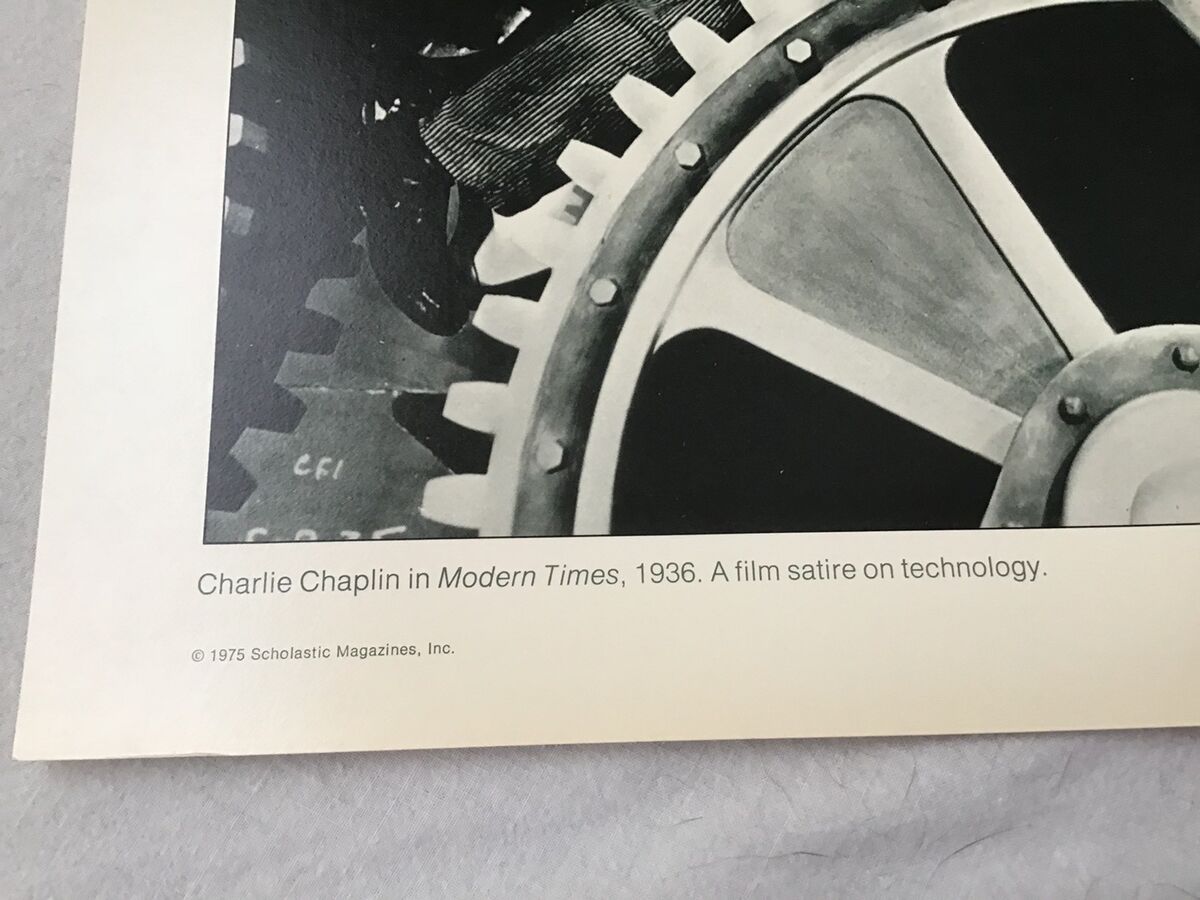
Similarly, Terry Gilliam’s *Brazil* (1985) stands out as a dystopian satire that critiques bureaucratic society. Its surreal presentation of a future dominated by an inefficient and oppressive government reflects on the absurdity of modern life. Gilliam's unique vision layers humor with a critique of over-dependence on technology and institutional control, creating a film that is both entertaining and thought-provoking.
Modern Satirical Gems
Shifting to contemporary cinema, many films have continued the tradition of using satire to address modern issues. *Thank You for Smoking* (2005), directed by Jason Reitman, is a sharp satire on the tobacco industry and its lobbying tactics. With its protagonist, a charismatic spokesperson for Big Tobacco, the film humorously yet incisively explores themes of manipulation, responsibility, and ethical dilemmas in modern capitalism.
Another notable example is Armando Iannucci's *The Death of Stalin* (2017), which dives into the chaos and absurdity following the death of the Soviet dictator. Straddling the line between comedy and dark political satire, the film portrays the power struggles within Stalin's inner circle, highlighting the ridiculous nature of authoritarian regimes. Iannucci's use of humor to criticize political structures demonstrates the enduring relevance and impact of satirical storytelling.
Satire Addressing Social Issues
Film satire also effectively tackles social norms and cultural practices, often prompting discussions about sensitive and challenging subjects. *Get Out* (2017), directed by Jordan Peele, is a groundbreaking example of horror satire that addresses race relations in America. Mixing elements of suspense with biting commentary, the film cleverly dissects liberal racism and the lingering presence of oppression. Peele uses the horror genre to expose societal truths, creating a shockingly effective satirical narrative.
Similarly, Ruben Östlund’s *The Square* (2017) takes aim at the art world and wider societal hypocrisies. The Swedish film skewers elitism and social responsibility through the lens of modern art exhibitions, raising questions about privilege, morality, and the superficiality of social justice. With its uncomfortable and humorous scenarios, *The Square* utilizes satire to engage audiences in a deeper exploration of human behavior and social dynamics.
The Role of Satirical Animation
Satire in cinema is not confined to live-action films; it extends to animation, where the medium's limitless possibilities allow for creative and bold critiques. Matt Groening's *The Simpsons Movie* (2007) expands on the satirical themes that the beloved television series has long employed. The film takes aim at environmental issues, corporate greed, and political corruption, using the fictional town of Springfield as a microcosm for larger societal critiques.
Another animated satirical success is *South Park: Bigger, Longer & Uncut* (1999), which satirizes censorship and media influence with the irreverent humor characteristic of the series. Through its exaggerated, absurd scenarios, the film critiques the overreaction of society to controversial content, using the antics of its young protagonists to highlight the hypocrisy of adult actions and decisions.
As this exploration reveals, satire remains an essential device in cinema for critiquing and reshaping perspectives. Whether addressing political, social, or cultural themes, these films employ wit and humor to shed light on truths that might otherwise remain obscured. With a range of approaches and styles, satirical films invite audiences to laugh while contemplating the underlying messages — a testament to the enduring power of satire in the world of cinema.
Satirical Storytelling and Genre Blending
A fascinating aspect of film satire is its ability to effortlessly blend with various genres, creating a hybrid form of storytelling that broadens its appeal and impact. Satirical science fiction, horror, and even romantic comedies have demonstrated the genre's versatility and effectiveness in delivering complex themes through laughter and irony.
In science fiction, *Galaxy Quest* (1999) offers a playful poke at the science fiction genre itself. Directed by Dean Parisot, this film satirizes the phenomenon of cult followings and fan conventions through the story of former TV show actors who find themselves aboard an actual spaceship. Its affectionate yet critical look at the obsessions and conventions within fan culture delivers a humorous narrative that simultaneously honors and critiques the very genre it inhabits.
Similarly, Edgar Wright's *Shaun of the Dead* (2004) exemplifies the blend of horror and satire. By infusing a zombie apocalypse scenario with sharp wit and British humor, the film not only provides entertainment but also subtly critiques societal complacency and routine. Wright's unique take on the zombie genre captures the absurdity of human behavior in crisis, providing laughs alongside chills.
In the realm of romantic comedy, *Tootsie* (1982) directed by Sydney Pollack, uses satire to address gender roles and sexism in Hollywood. The film depicts an out-of-work actor who adopts a female persona to land a job, leading to humorous yet insightful explorations of the gender dynamics prevalent in society. By flipping expectations and highlighting double standards, *Tootsie* cleverly engages with its audience, prompting reevaluation of entrenched stereotypes and societal norms.
The Impact of Political Satire
Political satire holds a special place in the pantheon of satirical films, often reflecting the absurdity of governance, policy-making, and leadership. The intricacies of power dynamics and political farce create ripe opportunities for satirical exploration, providing audiences with both amusement and a critical lens on contemporary issues.
One of the most notable examples of political satire is *Wag the Dog* (1997), directed by Barry Levinson. The film presents a fictional narrative in which a spin doctor and a Hollywood producer fabricate a war to divert attention from a presidential scandal. With its sharp wit and incisive commentary on media manipulation and political strategy, *Wag the Dog* highlights the convergence of politics, entertainment, and public perception, making audiences question the authenticity of what they see and hear.
More recently, the Adam McKay-directed *Vice* (2018) delivers a satirical portrayal of former Vice President Dick Cheney’s political career. Through an unflinching comedic style, the film examines the machinations and power plays within the U.S. government. McKay’s use of satire as a lens to view political history underscores the absurdities of leadership and decision-making, challenging viewers to confront the ramifications of unchecked power.
Continued Evolution and Influence
Satire has evolved alongside cinema, continually adapting to reflect the zeitgeist and engage with contemporary issues. Recent forays into streaming platforms and digital media have amplified its reach, allowing fresh voices and perspectives to emerge in the genre. With its ability to entertain, provoke thought, and incite dialogue, film satire remains a crucial element of storytelling that mirrors and critiques an ever-changing society.
Taika Waititi’s *Jojo Rabbit* (2019) exemplifies modern satire’s ability to blend genres and alter perspectives. By infusing a World War II story with humor and fantasy elements, the film offers a fresh, poignant look at indoctrination, prejudice, and the innocence of youth. Waititi's distinct narrative approach invites audiences to navigate sensitive topics with both empathy and critical thought, underscoring the enduring relevance of satire as a powerful storytelling tool.
Likewise, Boots Riley’s *Sorry to Bother You* (2018) merges absurdist comedy and science fiction to tackle issues of race, labor, and corporate greed. Its unpredictable, satirical journey through an alternate Oakland provides a thought-provoking, imaginative critique of capitalism and identity. Riley’s creative vision offers a compelling narrative imbued with socio-political critique, affirming the continued vitality of satire in confronting complex realities.
The Future of Film Satire
As the world continues to grapple with social, political, and cultural shifts, the demand for satirical content that offers insight and humor remains strong. With technological advancements and the rise of global connectivity, filmmakers are afforded new opportunities to push the boundaries of satire, exploring untapped potential and uncharted territories in their storytelling endeavors.
Emerging satirists from diverse backgrounds bring fresh perspectives to the genre, challenging conventions and opening dialogues on underrepresented issues and narratives. As global audiences become more interconnected, the potential for cross-cultural exchange and collaboration could lead to innovative takes on satire, further enriching the cinematic landscape.
In conclusion, film satire stands as an enduring pillar of cinema, continually challenging audiences to reflect on the human condition through humor, irony, and critique. Its evolution and ability to adapt to changing societal landscapes ensure that satire will remain a vibrant and essential form of cinematic expression. As we look toward the future, the continued blending of genres and fresh satirical voices promise to captivate, entertain, and enlighten audiences around the world.
Satire in International Cinema
While Hollywood has produced notable examples of film satire, international cinema also boasts a rich tapestry of satirical works that explore varying themes and perspectives from around the globe. These films provide insight into cultural nuances and societal critiques uniquely tailored to their contexts, offering audiences a broader view of the world through the lens of irony and wit.
One such example is South Korea's *Parasite* (2019) directed by Bong Joon-ho. This Academy Award-winning film uses black comedy and suspense to deliver a scathing critique of social inequality and class struggle. By depicting the entwined lives of two families from drastically different socioeconomic backgrounds, Bong skillfully illustrates the inherent absurdities of class divides. His use of satire not only entertains but also sparks critical discourse on global issues of wealth disparity and socio-economic structures.
European cinema, too, has a storied history of utilizing satire to examine and reflect societal quirks and injustices. Pedro Almodóvar's *Women on the Verge of a Nervous Breakdown* (1988) is a campy, vibrant satire that explores themes of love and betrayal within the chaotic world of Spanish melodrama. Known for his bold storytelling, Almodóvar employs wit and satire to critique gender roles and the cultural eccentricities of 1980s Spain, creating a narrative that is both lively and thought-provoking.
From Italy, *Caro Diario* (1993), directed by Nanni Moretti, offers a semi-autobiographical satire that examines modern life through a comedic lens. The film's episodic format allows Moretti to mock society's obsessions, from vapid television culture to the absurdities of urban planning. His clever observations, wrapped in humor, resonate with audiences, making this film a timeless piece of satirical cinema.
Technology and Satire in the Digital Age
As we navigate the age of digital media and rapid technological advancement, film satire is evolving to include critiques of our increasingly plugged-in lives. This contemporary focus on technology has given rise to a subgenre of cyber-satire that scrutinizes humanity’s complex relationship with digital spaces and innovations.
*The Social Dilemma* (2020), while technically a documentary, integrates dramatized elements to satirically expose the manipulative structures of social media platforms. By blending real-life interviews with fictional narratives, the film critiques the pervasive influence of technology on society and individual behavior. Its satirical undertones highlight the absurdity of a system where user engagement often comes at the expense of truth and mental well-being.
In a similar vein, *Black Mirror: Bandersnatch* (2018) embraces the interactive format to present a satirical take on free will and choice within the digital realm. This choose-your-own-adventure film not only entertains but also satirizes the illusion of control that technology offers, prompting viewers to consider how much autonomy they truly have in an era dominated by algorithms and constant connectivity.
The Challenges of Crafting Satire
While satire is celebrated for its ability to provoke thought and facilitate change, crafting effective satirical narratives presents distinct challenges. Striking the right balance between humor and critique without crossing into offensive territory requires skillful storytelling and deep understanding of the subject matter. Moreover, cultural and social sensitivities can vary widely, making it imperative for filmmakers to navigate their themes with care and accountability.
Additionally, shifts in audience expectations and sensibilities necessitate an adaptable approach to the genre. As society becomes more aware and vocal about issues of representation and inclusivity, satirical films must evolve to reflect these concerns while maintaining their critical edge. This evolution signifies both a challenge and an opportunity for filmmakers to pioneer new methods of engagement through satire.
The Future of Film Satire
As film continues to be an influential medium for storytelling and social commentary, the future of satire in cinema remains promising. Emerging platforms and technologies expand the possibilities for filmmakers to explore innovative formats, perhaps merging elements of interactive media and virtual reality with traditional narrative forms.
Furthermore, as global communication becomes seamless, the potential for international collaborations in film satire could lead to more diverse narratives that appeal to a much broader audience worldwide. These cross-cultural exchanges could usher in a new era of satirical works that emphasize shared global experiences while celebrating individual cultural identities.
Ultimately, film satire’s enduring relevance lies in its capacity to entertain, challenge, and provoke. As societal complexities grow, the appetite for stories that both illuminate and critique the human condition through humor and wit will persist. Filmmakers who continue to harness the power of satire, irrespective of evolving formats and themes, will undoubtedly contribute to cinema's rich tradition of reflection and engagement — a testament to the genre's timeless appeal.
In summary, the journey through the world of film satire reveals a vibrant landscape where humor meets critique. From classic masterpieces to contemporary gems and international offerings, satire remains an indispensable tool in cinema's arsenal, one that encourages audiences to laugh, think, and, ultimately, see the world through a more critical lens. As it continues to evolve, the art of film satire will undoubtedly remain a fixture in our cultural conversation, inviting us to question, reflect, and engage with both the absurdities and realities of life.
Haporium is a revolutionary platform that lets you organize your web browsing experience with customizable dashboards and boards. Create, manage, and share your favorite content collections.
Join us today and get:
The right to be one of the first pioneers
Unlimited dashboards and boards
Access to exclusive beta features
Priority support from our team
We use cookies to enhance your experience. By continuing to use this site, you agree to our Cookie Policy.














Comments