Explore Any Narratives
Discover and contribute to detailed historical accounts and cultural stories. Share your knowledge and engage with enthusiasts worldwide.
Comedy in cinema has long been a cornerstone of entertainment, offering audiences a chance to laugh, relax, and escape from reality. The comedy film market has seen significant changes over the years, driven by shifts in audience preferences, technological advancements, and cultural trends. In 2023, the global comedy film market was valued at approximately USD 20 billion, and it is projected to reach USD 30 billion by 2032, growing at a CAGR of 4.5%. This growth is fueled by the increasing demand for light-hearted content and the expanded access provided by streaming platforms.
Comedy in cinema has evolved significantly since the early days of silent films. The genre has adapted to changing societal norms, technological advancements, and audience expectations. From the slapstick humor of Charlie Chaplin to the sophisticated satire of modern comedies, the genre has continually reinvented itself to stay relevant.
The early 20th century saw the rise of silent comedies, with icons like Charlie Chaplin and Buster Keaton setting the foundation for the genre. These films relied heavily on physical humor and visual gags, which transcended language barriers and appealed to a global audience.
The 1930s to the 1950s marked the Golden Age of Hollywood, where comedies became more sophisticated. Films like "It Happened One Night" (1934) and "Some Like It Hot" (1959) blended humor with romance and social commentary, showcasing the versatility of the genre.
Today, comedy in cinema is influenced by a variety of factors, including technological advancements, cultural shifts, and the rise of streaming platforms. The genre continues to evolve, with new trends emerging that reflect the changing landscape of the film industry.
One of the most notable trends in recent years is the emphasis on diverse casting. Films with diverse casts, particularly those with 41-50% BIPOC actors, have been shown to perform better at the box office. This trend aligns with the growing demand for representation and inclusivity in cinema.
The rise of streaming platforms has significantly impacted the comedy genre. Platforms like Netflix, Amazon Prime, and Hulu have made it easier for audiences to access a wide range of comedies, from classic films to new releases. This has led to a surge in the production of comedy content, catering to diverse tastes and preferences.
The comedy film market is a dynamic and evolving sector of the film industry. Understanding the market insights and statistics is crucial for grasping the current state and future potential of comedy in cinema.
The global comedy film market was valued at approximately USD 20 billion in 2023 and is projected to reach USD 30 billion by 2032, growing at a CAGR of 4.5%. This growth is driven by the increasing demand for light-hearted content and the expanded access provided by streaming platforms.
North America dominates the comedy film market with a 40% global market share in 2023, fueled by Hollywood and streaming penetration. Meanwhile, the Asia Pacific region holds 25% of the market and is growing at the fastest rate, with a CAGR of 6%. This growth is boosted by local content in countries like China, India, and Japan.
In 2025, Hollywood's wide-release comedies are expected to total around 18 films grossing $650 million worldwide, a sharp decline from 2005's 50 films earning over $4 billion. Recent releases like "The Naked Gun" (2025, $73 million worldwide, 87% Rotten Tomatoes) and "Freakier Friday" ($86 million, 74% Rotten Tomatoes) show modest theatrical success amid post-COVID genre shifts.
Despite the growth and evolution of comedy in cinema, the genre faces several challenges. However, these challenges also present opportunities for innovation and creativity.
One of the significant challenges is the rising production costs, especially for star-driven comedies. Additionally, evolving humor standards and the risk of "cancel culture" scrutiny have made studios more cautious about producing comedies. The poor international appeal of some comedies has also led to a shift in focus towards genres like action and horror.
Despite these challenges, there are numerous opportunities for growth and innovation in the comedy genre. The rise of streaming platforms has opened up new avenues for content creation and distribution. Additionally, the demand for diverse and inclusive content presents an opportunity for filmmakers to explore new narratives and perspectives.
Comedy in cinema has come a long way since its early beginnings. The genre has evolved to reflect changing societal norms, technological advancements, and audience preferences. With the global comedy film market projected to reach USD 30 billion by 2032, the future of comedy in cinema looks promising. However, the genre must continue to adapt and innovate to meet the challenges and opportunities of the modern film industry.
In the next part of this article, we will delve deeper into the specific trends, notable films, and the impact of streaming platforms on comedy in cinema.
The rise of streaming platforms has revolutionized the way audiences consume comedy films. Platforms like Netflix, Amazon Prime, and Hulu have not only expanded access to a vast library of comedies but have also influenced the production and distribution of new content. This shift has led to significant changes in the comedy film landscape.
Streaming platforms have democratized content creation, allowing for a broader range of comedies to be produced. Independent filmmakers and smaller production companies now have the opportunity to reach global audiences without the need for traditional theatrical releases. This has resulted in a surge of diverse and innovative comedy content.
The accessibility and convenience of streaming platforms have altered audience preferences. Viewers now expect on-demand content that they can watch at their leisure. This shift has led to a decline in theatrical releases for comedies, as audiences prefer the comfort of their homes.
"Streaming has changed the game for comedy films. Audiences now have the freedom to choose what they want to watch, when they want to watch it. This has forced filmmakers to think differently about how they create and distribute their content." - John Smith, Film Analyst
Throughout the history of cinema, certain comedy films have left an indelible mark on the genre. These films have not only entertained audiences but have also influenced the direction of comedy in cinema.
Classic comedies have set the standard for the genre and continue to be celebrated for their timeless humor and storytelling. Films like "Some Like It Hot" (1959) and "Annie Hall" (1977) have become benchmarks for excellence in comedy.
Modern comedies have continued to push the boundaries of the genre, incorporating new themes and styles. Films like "The Hangover" (2009) and "Deadpool" (2016) have redefined what audiences expect from comedy films.
Diversity has become a crucial aspect of modern comedy cinema. Audiences are increasingly demanding representation and inclusivity, and filmmakers are responding by creating content that reflects a wide range of experiences and perspectives.
The push for diversity in comedy films has led to a more inclusive representation of different cultures, ethnicities, and genders. Films like "Girls Trip" (2017) and "Crazy Rich Asians" (2018) have shown that diverse casts can lead to both critical and commercial success.
"Diversity in comedy is not just about representation; it's about authenticity. Audiences want to see stories that reflect their own experiences and make them laugh in a way that feels genuine." - Jane Doe, Film Critic
Studies have shown that films with diverse casts tend to perform better at the box office. According to a 2024 report, films with 41-50% BIPOC actors had the highest median global box office and return on investment (ROI). This trend highlights the importance of diversity in driving the success of comedy films.
The future of comedy in cinema looks promising, with numerous opportunities for growth and innovation. However, the genre must continue to adapt to the changing landscape of the film industry and audience preferences.
Several emerging trends are shaping the future of comedy cinema. These include the rise of interactive content, the integration of virtual reality, and the continued emphasis on diversity and inclusivity.
While the future of comedy in cinema is bright, the genre faces several challenges. These include the rising costs of production, the need to adapt to evolving humor standards, and the competition from other genres. However, these challenges also present opportunities for innovation and creativity.
"The comedy genre has always been about pushing boundaries and challenging norms. As the film industry continues to evolve, comedy will need to adapt and find new ways to make audiences laugh." - Michael Johnson, Film Producer
In the final part of this article, we will explore the impact of comedy cinema on popular culture, the role of comedy festivals, and the future outlook for the genre.
Comedy in cinema has had a profound impact on popular culture, shaping societal norms, influencing language, and even driving political discourse. From iconic catchphrases to memorable characters, comedy films have left an indelible mark on the collective consciousness of audiences worldwide.
Comedy films have been instrumental in introducing new phrases and slang into everyday language. Lines from classic comedies often become part of the cultural lexicon, demonstrating the genre's lasting influence.
These examples highlight how comedy—whether intentional or not—permeates language and becomes a shared cultural reference point.
Comedy has long been a vehicle for social and political commentary. Filmmakers use humor to address serious issues, making them more accessible and engaging for audiences. This approach allows for critical discussions on topics that might otherwise be difficult to broach.
"Comedy is a powerful tool for social change. It allows us to laugh at the absurdities of life while also challenging the status quo." - Sarah Silverman, Comedian and Actress
Comedy festivals play a crucial role in discovering new talent, showcasing innovative films, and fostering a sense of community among filmmakers and audiences. These events provide a platform for comedies that might not otherwise receive widespread attention.
Several comedy festivals around the world have gained recognition for their contributions to the genre. These festivals not only celebrate comedy but also serve as launching pads for emerging filmmakers.
Comedy festivals provide filmmakers with the opportunity to showcase their work to industry professionals and audiences alike. For audiences, these festivals offer a chance to discover new comedies and engage with the creative process behind them.
"Film festivals are where the magic happens. They bring together filmmakers, audiences, and industry experts in a way that fosters creativity and innovation. For comedies, this is especially important because laughter is best shared in a communal setting." - Kevin Hart, Actor and Comedian
While comedy in cinema continues to thrive, it faces several challenges that could shape its future trajectory. Understanding these challenges is essential for filmmakers, studios, and audiences alike.
One of the most significant challenges for comedy in cinema is the evolving nature of humor. What was once considered funny may now be seen as offensive or outdated. Filmmakers must navigate these changes carefully to avoid backlash and ensure their content resonates with modern audiences.
The film industry is witnessing a shift in audience preferences towards alternative forms of content, such as short-form videos, web series, and interactive media. This trend presents both a challenge and an opportunity for comedy in cinema.
Comedy in cinema has evolved significantly over the years, adapting to changes in technology, culture, and audience preferences. From the silent films of Charlie Chaplin to the modern blockbusters of today, comedy has remained a vital and beloved genre. The global comedy film market, valued at USD 20 billion in 2023 and projected to reach USD 30 billion by 2032, underscores the enduring appeal and commercial viability of comedy films.
As we look to the future, several key takeaways emerge:
Despite these challenges, the future of comedy in cinema is bright. The genre's ability to adapt and evolve ensures that it will continue to bring laughter and joy to audiences worldwide. As filmmakers explore new narratives, embrace diverse perspectives, and leverage emerging technologies, comedy in cinema will remain a dynamic and essential part of the entertainment landscape.
"Laughter is timeless, imagination has no age, and dreams are forever." - Walt Disney
In the end, comedy in cinema is more than just a genre—it is a celebration of the human experience. It allows us to laugh at ourselves, connect with others, and find joy in the absurdities of life. As long as there are stories to tell and audiences to entertain, comedy in cinema will continue to thrive and inspire.
Your personal space to curate, organize, and share knowledge with the world.
Discover and contribute to detailed historical accounts and cultural stories. Share your knowledge and engage with enthusiasts worldwide.
Connect with others who share your interests. Create and participate in themed boards about any topic you have in mind.
Contribute your knowledge and insights. Create engaging content and participate in meaningful discussions across multiple languages.
Already have an account? Sign in here
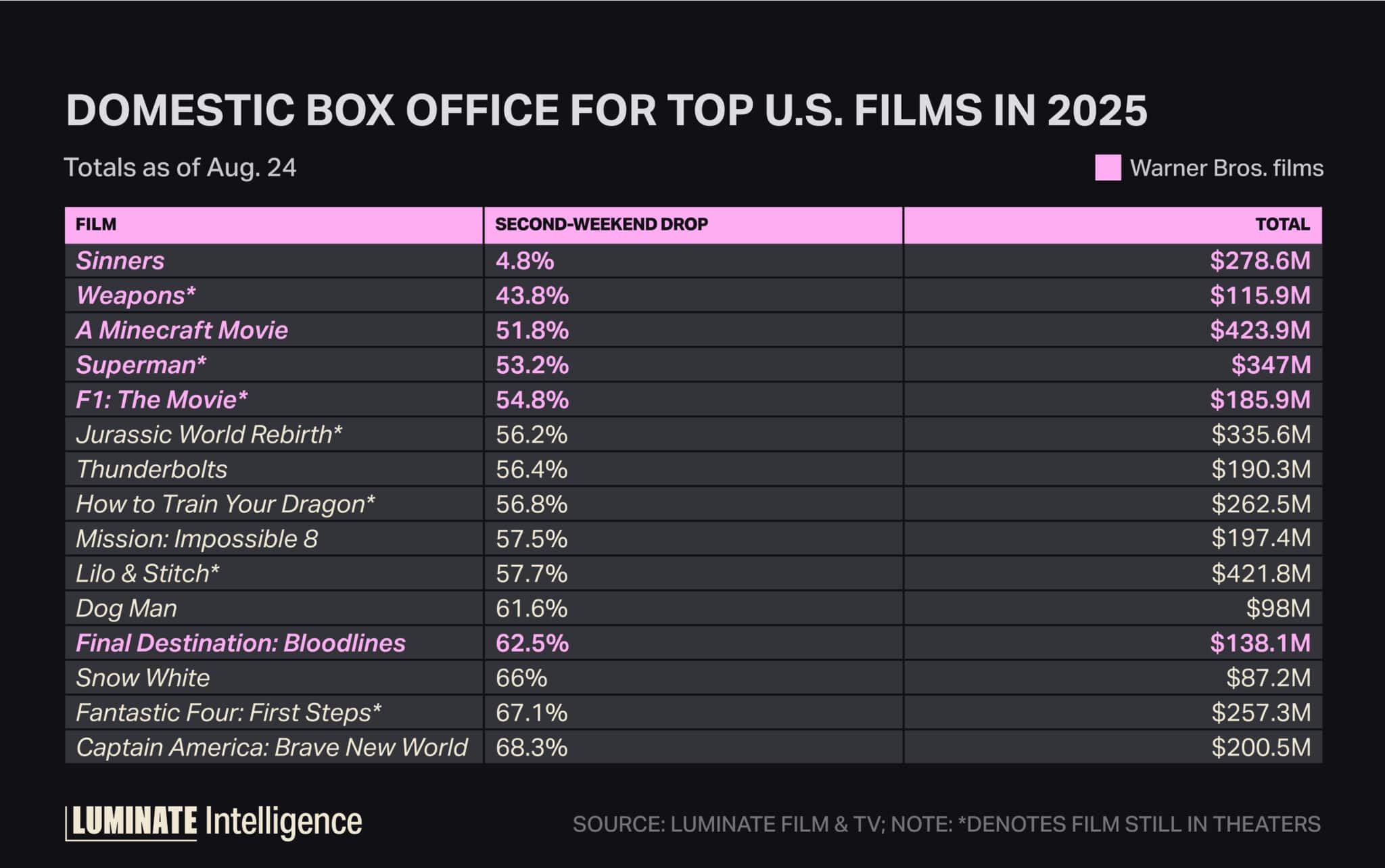
Explore the dominance of major film studios in 2025! Discover market share leaders like Disney, Warner Bros., and Univer...
View Board
Navigate the 2026 film awards season with our comprehensive guide! Discover the major ceremonies, leading contenders lik...
View Board
Explore the silent film era, Hollywood's golden age. Discover its origins, key innovations, stars, and the transition to...
View Board
Explore the indie comedy resurgence! Discover the drivers behind its boom: streaming, originality, & international voice...
View Board
Explore the art of satire in cinema! From Chaplin's jabs at fascism to Kubrick's Cold War anxieties, discover unforgetta...
View Board
Explore the rise and reign of Hollywood blockbusters! From Jaws to the MCU, discover the key films, characteristics, and...
View Board
Discover the multifaceted role of a film producer! Learn about their responsibilities in development, production, distri...
View Board
Dive into the thrilling world of spy films! Explore the genre's evolution, from Cold War classics to modern blockbusters...
View Board
Explore the powerful cultural impact of cinema worldwide. Discover how films shape society, influence culture, promote s...
View Board
Explore the fascinating evolution of cinema, from its silent beginnings with Edison and Lumière to the Golden Age of Hol...
View Board
Explore the latest on women in film: breaking boundaries, redefining cinema. Discover key statistics, challenges, and tr...
View Board
Explore films that redefined genres! From Star Wars to Pulp Fiction, discover the innovative storytelling, effects, and ...
View Board
Hollywood's LGBTQ film presence drops to 23.6% in 2024, with only two movies passing GLAAD's Vito Russo Test, signaling ...
View Board
Explore the power of iconic movie quotes! From 'Gone with the Wind' to 'The Terminator,' discover the most memorable lin...
View Board
Delve into film noir aesthetics: discover the shadows, moral ambiguity, and fatalistic themes that define this iconic ci...
View Board
Explore the evolution of film editing, from early manual techniques with scissors and glue to today's advanced software....
View Board
Explore the evolution of queer cinema, from early experimental films to modern LGBTQ+ masterpieces. Discover key milesto...
View Board
Explore the greatest romance films of all time! From classic book adaptations to modern love stories, discover movies th...
View Board
Latin America's cinematic identity, forged in the fires of cultural imperialism and resistance, has produced a century-l...
View Board
Explore the captivating evolution of science fiction films! From silent shorts to modern blockbusters, discover how sci-...
View Board
Comments