


Explore Any Narratives
Discover and contribute to detailed historical accounts and cultural stories. Share your knowledge and engage with enthusiasts worldwide.
Romance films have been one of cinema's most enduring genres, capturing the human experience of love in all its complexity and emotion. From classic Hollywood blockbusters to contemporary indie tales, these movies transport us to different worlds, allowing us to witness and feel the depth of love in its various forms. Today, we embark on a journey through some of the greatest romance films ever made, exploring their timeless themes and compelling narratives.
In the early days of motion pictures, romantic stories began to captivate audiences, weaving narratives of passion and heartbreak into the fabric of film history. One of the earliest classics is "Broken Blossoms" (1919), directed by D.W. Griffith, which introduced audiences to the nuanced portrayal of interracial romance. The film tells the story of Cheng Huan, a kind-hearted Chinese immigrant, and Lucy Burrows, a vulnerable London prostitute, whose fates intertwine against the backdrop of cultural prejudices.
"Grand Hotel" (1932) stands as another milestone, featuring a sprawling ensemble cast and multiple storylines that converge around the fictional Grand Hotel. The film explores love, jealousy, and tragedy in the lavish setting of a grand hotel, showcasing the genre's ability to blend drama and romance seamlessly. Another significant entry from this period is "Red Dust" (1932), filmed in technicolor and starring Clark Gable and Jean Harlow, which captured the raw intensity of their on-screen chemistry.
The 1940s and 1950s saw the golden age of Hollywood romance reach its peak with classics like "Casablanca" (1942). Directed by Michael Curtiz, the film follows Rick Blaine, a cynical owner of a cafe who becomes entangled with Ilsa Lund, a woman desperate to leave Casablanca with her husband. The film’s famous dialogue and emotional core have ensured it remains a beloved classic of the genre.
"Gone with the Wind" (1939) is another masterpiece that has stood the test of time. Based on Margaret Mitchell’s novel, the film chronicles the tumultuous relationship between Scarlett O'Hara and Rhett Butler across the Civil War and Reconstruction eras. With its epic scale and iconic performances, particularly Vivien Leigh as Scarlett, the movie has become a defining example of historical romance on film.
The 1950s introduced a more introspective and nuanced approach to romance, with films such as "An Affair to Remember" (1957). This romantic drama, starring Cary Grant and Deborah Kerr, tells the story of two strangers who fall in love in New York City and their attempts to find each other again after a shipwreck. Although tragically cut short, their love remains a symbol of hope and commitment.
The 1980s and beyond saw the introduction of more diverse and unconventional romance stories, with films like "Terms of Endearment" (1983). Directed by James L. Brooks, the film focuses on the complex relationship between a mother and her son-in-law. Glenn Close and Shirley Maclaine give powerhouse performances that evoke both sorrow and joy, making it a poignant tale of family ties and personal growth.
"Pretty Woman" (1990), starring Julia Roberts and Richard Gere, brought a modern twist to the classic damsel-in-distress archetype. The film captures the essence of self-worth and the transformative power of love, resonating strongly with audiences due to its relatable characters and witty dialogues.
"About Time" (2013), directed by Richard Linklater, presents a unique take on the romance genre. Starring Domhnall Gleeson and Rachel McAdams, the film follows a young man with the ability to travel back in time to alter his past and prevent future heartbreaks. Though it deals with love and loss, the film offers a whimsical and imaginative approach that sets it apart from traditional love stories.
With the rise of independent filmmaking, a new wave of romance stories has emerged, breaking away from conventional tropes and exploring more intimate and experimental storytelling. "La La Land" (2016), directed by Damien Chazelle, blends musical numbers with a romantic narrative that explores the dreams and aspirations of aspiring actors. The film won widespread acclaim, especially for Ryan Gosling and Emma Stone’s performances and the score composed by Justin Hurwitz.
"Love Actually" (2003) is another standout from the indie scene, with an ensemble cast bringing together several interconnected love stories across a holiday season. Directed by Richard Curtis, the film masterfully showcases the various ways love can manifest, from romantic liaisons to familial bonds. The film’s diverse roster of actors and its blend of humor with heartfelt moments make it a memorable entry in the romance genre.
The contemporary era also saw the emergence of films that tackle more complex issues within the framework of romance. "The Farewell" (2019), directed by Lulu Wang, tells the story of a Chinese-American family’s decision to conceal their grandmother’s terminal cancer diagnosis from her. The film explores themes of cultural identity, familial love, and the impact of honesty versus deception, offering a poignant and thought-provoking exploration of relationships under pressure.
"Lady Bird" (2017), directed by Greta Gerwig, combines wit and warmth in telling the story of a high school senior’s relationship with her mother. Saoirse Ronan’s performance as Lady Bird captures the complexities of teenage rebellion and the underlying yearning for connection. The film delves into the nuances of familial relationships and the journey towards independence, creating a touching and honest portrayal of contemporary young women.
In conclusion, the top romance films encompass a rich tapestry of storytelling, reflecting the varied and evolving nature of love. From the grandeur of epic tales to the subtleties of modern narratives, these movies continue to engage and inspire new generations of viewers. As we explore more stories in subsequent parts, we will delve deeper into how these films not only entertain but also speak to our deepest feelings and dreams about love.
The 2000s and 2010s have seen a renaissance in romance films, with filmmakers exploring more nuanced and realistic relationships. "Moulin Rouge!" (2001), directed by Baz Luhrmann, is a visually stunning and audacious take on a doomed love story set in a Parisian cabaret. With its bold musical numbers and vibrant set designs, the film captures the glamour and excess of fin de siècle Paris while delving into the characters’ inner tumult. The performances by Ethan Hawke and Nicole Kidman are both compelling and emotive, cementing the film as a modern classic.
Beyond visual spectacle, “The Notebook” (2004), based on Nicholas Sparks’ novel, offers a more traditional approach to love. Directed by Nicholas Hyams, the film follows the tumultuous relationship between Allie Conners and Noah Calhoun, set against the backdrop of a century of love and loss. While often criticized for its clichéd narrative, its performances and sweeping cinematography make it a memorable entry in the genre.
In the realm of indie cinema, films like “50/50” (2011) have garnered critical acclaim for their honest depiction of contemporary health-related challenges and interpersonal relationships. Directed by Seth Rogen and Evan Gold, the film stars Seth Rogen as Ben, a 35-year-old cancer patient who falls in love with Margot (Mila Kunis). The film explores themes of mortality, love, and second chances, offering a poignant and relatable look at modern relationships.
“Love Actually” (2003) stands as one of the most beloved romantic ensemble films of recent decades. Directed by Richard Curtis, the film weaves together multiple storylines involving a diverse cast of characters, all of whom cross paths in the run-up to the holiday season. From a single mother's attempt to connect with a boy in a school play to a young woman's unexpected romance, each story contributes to a rich tapestry of human emotion. Richard Curtis' writing is both hilarious and heartfelt, making the film a timeless classic that continues to resonate with audiences.
Another compelling example of modern romance is “The Fault in Our Stars” (2014). Directed by Josh Boone, the film is based on the bestselling novel by John Green and stars Shailene Woodley and Ansel Elgort. The movie tells the story of 17-year-old Hazel Grace Lancaster as she comes to terms with a terminal illness. Her meeting with Augustus Waters turns into a profound and transformative relationship, exploring themes of love, acceptance, and the search for meaning in life. The film’s emotional depth, coupled with its poignant soundtrack, makes it a powerful and moving experience.
The 2010s also saw the rise of films that delved into the complexities of interracial love. “The Descendants” (2011), directed by Alexander Payne, is based on the true story of George Parrish Jr. It follows Matt King, a businessman in Hawaii who is accused of murdering his wife, while his daughter, Alexandra, searches for clues. The film, starring George Clooney, explores themes of guilt, redemption, and the enduring bond of family. Payne's nuanced storytelling and Clooney's performance make it a remarkable example of contemporary romance.
“Still Alice” (2014), directed by Walter Salles, is a heart-rending film based on the life of neuroscientist Alice Howland. Starring Melissa Leo as Alice, the film follows her journey as she deals with early-onset Alzheimer's disease. The film’s exploration of love, loss, and the human condition resonates deeply, making it a powerful and moving watch. Leo’s performance, along with the poignant screenplay, earned the film critical acclaim and numerous awards, including an Academy Award for Best Actress.
A true story that transcends typical romance genres is “The Best Exotic Marigold Hotel” (2011). Directed by John Madden, the film follows a group of British retirees who relocate to a retirement home in India. The movie is both a comedy and a tale of unexpected friendship and romance, showcasing the power of love to bridge cultural divides and inspire new beginnings. The performances by Judi Dench, Penelope Creed, and Maggie Smith are all stellar, making the film a delightful and thought-provoking experience.
While many romance films focus on the romantic aspects of relationships, there is a genre that fuses romance with suspense and thrill: romantic thrillers. “Gone Girl” (2 Nick Cassavett, directed and based on the novel by Gillian Flynn, stars Ben Affleck and Rosamund Pike. The movie follows Nick Dunne, whose wife goes missing, only to be found alive in a desolate forest two years later. The film blends elements of mystery and romance, making it a gripping and emotionally charged viewing experience. The twist ending and Pike's commanding performance keep viewers engaged until the very end.
Another film that masterfully combines romance and suspense is “Hysterica” (2013), directed by James Mangold and starring Michelle Dockery and Sam Claflin. The movie is based on the true story of two 18-year-old lovers, Maria and William, who elope and face societal and family disapproval. The film’s suspenseful elements, combined with its intimate portrayal of young love, make it a compelling and memorable watch. Mangold's direction and the strong performances by Dockery and Claflin elevate the story to new heights.
From the iconic romance films of the golden age of Hollywood to the groundbreaking works of today, the genre continues to evolve, reflecting the changing times and diverse perspectives of filmmakers and audiences. The blend of romance with other genres, real-life stories, and the growing prominence of independent cinema has created a rich landscape that caters to a wide range of tastes and interests. These films not only entertain but also provide a poignant reflection on the human experience of love.
As we continue to explore the top romance films in subsequent parts, we will delve into the future of the genre and the innovations that are pushing the boundaries of what love stories can be on the big screen.
As we look towards the future, the landscape of romance films continues to expand, embracing new technologies, diverse storytelling techniques, and a broader range of narratives. One significant trend is the integration of virtual reality (VR) into filmmaking. VR allows audiences to immerse themselves directly into the world of the film, creating a more tangible and emotionally engaging experience. Films like “Cinematic VR: Valentine’s Day” offer a taste of what’s possible, using immersive technology to enhance the emotional resonance of traditional romance scenarios.
The rise of streaming platforms has also significantly impacted the genre, providing a wider array of stories and diverse voices. Streaming services like Netflix and Amazon Prime have launched original romantic dramas that challenge conventional storytelling norms. Films like “The Half of It” (2020) and “Love, Simon” (2018) not only highlight LGBTQ+ representation but also address themes of identity and coming-of-age in nuanced and empowering ways. These productions often feature talented emerging actors and directors, bringing fresh perspectives to the genre.
AI and computer-generated imagery (CGI) are also being harnessed to push the boundaries of what audiences can expect from romance films. Technologies like deep learning and generative adversarial networks (GANs) allow for more realistic and dynamic depictions of characters and environments. Films like “Avatar: The Way of Water” (2022) showcase the potential of these advancements in creating visually stunning and immersive romances set in fantastical worlds. Such technologies can enable filmmakers to bring imaginative and emotionally evocative settings to life, enhancing the emotional impact of the story.
One of the most notable trends in modern romance films is the increasing emphasis on diverse perspectives and representation. Films like “Crazy Rich Asians” (2018) broke barriers by featuring predominantly Asian casts and characters, showcasing a global perspective on love and relationships. The success of this film paved the way for more inclusive and culturally diverse storytelling. Other examples include “Parasite” (2019), which though not strictly a romance, features complex romantic and familial dynamics that reflect the socio-economic disparities in South Korea. Such films not only entertain but also challenge social norms and promote empathy.
Limited series and miniseries are also gaining traction in the romance genre, offering expanded narratives and more character development. Shows like “Killing Eve” (2018-2022) blend psychological thriller with romance, featuring a complex central relationship between two women. Similarly, “The Kissing Booth” miniseries explores the theme of forbidden love across cultures, adding layers of cultural and familial tension to the plot. These formats allow for longer storytelling and more nuanced character arcs, providing richer and more satisfying romantic experiences.
The enduring appeal of romance films lies in their ability to capture the universal experience of love in all its complexity. From the grand narratives of classical Hollywood to the innovative storytelling and diverse voices of today, these films continue to resonate with audiences across generations and cultures. As the genre evolves, it remains a vital means of exploring human emotions, breaking down barriers, and providing us with relatable and inspiring stories.
Looking ahead, it is clear that the future of romance films is bright. With continued innovation in technology, a greater emphasis on diverse representation, and a commitment to diverse storytelling, the genre will continue to thrive. As we celebrate these masterpieces, we look forward to the exciting new chapters that await in the world of romance films.
The love stories on the big and small screens will continue to touch our hearts and minds, reminding us of the enduring power of love in our lives.
Your personal space to curate, organize, and share knowledge with the world.
Discover and contribute to detailed historical accounts and cultural stories. Share your knowledge and engage with enthusiasts worldwide.
Connect with others who share your interests. Create and participate in themed boards about any topic you have in mind.
Contribute your knowledge and insights. Create engaging content and participate in meaningful discussions across multiple languages.
Already have an account? Sign in here

Explore the evolution of independent film movements, from early rebels challenging monopolies to today's digital democra...
View Board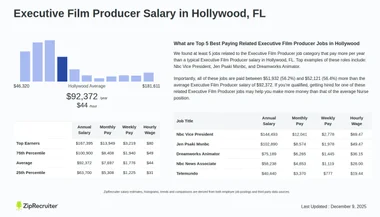
Discover the multifaceted role of a film producer! Learn about their responsibilities in development, production, distri...
View Board
Explore the rise and reign of Hollywood blockbusters! From Jaws to the MCU, discover the key films, characteristics, and...
View Board
Explore the fascinating evolution of cinema, from its silent beginnings with Edison and Lumière to the Golden Age of Hol...
View Board
Discover the greatest film sequels that redefined cinema! From *The Godfather Part II* to *Avengers: Endgame*, explore c...
View Board
Navigate the 2026 film awards season with our comprehensive guide! Discover the major ceremonies, leading contenders lik...
View Board
The evolution of film sound from a technical afterthought to a narrative's central nervous system, using tools like Dolb...
View Board
Explore the powerful cultural impact of cinema worldwide. Discover how films shape society, influence culture, promote s...
View Board
Explore the power of iconic movie quotes! From 'Gone with the Wind' to 'The Terminator,' discover the most memorable lin...
View Board
Discover the greatest animation films of all time! Part 1 explores iconic movies like Spirited Away, Toy Story, and Disn...
View Board
Explore the indie film movement! Discover its history, key characteristics, and impact on cinema. Learn how independent ...
View Board
Explore the captivating evolution of science fiction films! From silent shorts to modern blockbusters, discover how sci-...
View Board
Explore the greatest film adaptations ever! From 'Lord of the Rings' to 'Jaws,' discover movies that brilliantly transfo...
View Board
Explore the timeless appeal of iconic film characters! Discover what makes them unforgettable, from universal themes to ...
View Board
Explore social issue cinema! Discover how films tackle inequality, racism, and more, sparking crucial conversations and ...
View Board
Explore cinema's fascinating world of AI! From HAL 9000 to Her, discover iconic movies featuring sentient robots, ethica...
View Board
Hollywood's LGBTQ film presence drops to 23.6% in 2024, with only two movies passing GLAAD's Vito Russo Test, signaling ...
View Board
Explore the silent film era, Hollywood's golden age. Discover its origins, key innovations, stars, and the transition to...
View Board
Van Sant’s ‘Dead Man’s Wire’ converts a 1977 hostage crisis into a razor‑sharp thriller, exposing media manipulation and...
View Board
Uncover the secrets of cinematic Easter eggs! Explore hidden jokes, visual clues, and narrative gems in your favorite mo...
View Board
Comments