Films That Redefined Genres: A Cinematic Revolution
The world of cinema has always been a fertile ground for innovation. While countless films have dazzled audiences with stunning visuals, compelling narratives, and unforgettable performances, there is a select cadre of movies that do more than entertain—they redefine entire genres. By pushing boundaries and defying conventions, these trailblazing films have left a lasting impact on the cinematic landscape. This article explores some of the most revolutionary films that reshaped their respective genres and continue to influence filmmakers and audiences today.
1. Horror: "Psycho" (1960)
Alfred Hitchcock's "Psycho" is perhaps one of the most discussed films in cinematic history, and for a good reason. Prior to its release, horror films typically navigated supernatural realms populated by monsters and mythological creatures. Hitchcock, however, turned the genre on its head by grounding terror in the human psyche. "Psycho" presented audiences with a mundane, yet chilling scenario—a motel and its enigmatic proprietor who harbored a dark secret.
"Psycho" was groundbreaking in its structure and storytelling techniques. The film famously subverted audience expectations with its shocking midpoint murder of what appeared to be the protagonist, Marion Crane, played by Janet Leigh. Further, Hitchcock's decision to depict such visceral violence was revolutionary for its time, setting a new standard for horror and establishing the psychological thriller as a viable and popular subgenre.
2. Science Fiction: "2001: A Space Odyssey" (1968)
Stanley Kubrick's "2001: A Space Odyssey" redefined science fiction cinema by elevating it from the realm of pulpy space adventures to a form of high art. Collaborating with renowned author Arthur C. Clarke, Kubrick crafted an ambitious narrative exploring themes of evolution, artificial intelligence, and existentialism. Renowned for its meticulous attention to scientific accuracy and stunning visual effects, the film remains a benchmark for sci-fi aesthetics.
Kubrick's avant-garde approach to storytelling, characterized by sparse dialogue and an emphasis on visuals and symbolic imagery, challenged audiences to reconsider the narrative potential of the genre. "2001" broke free from linear storytelling, presenting a cinematic experience akin to a symphony or a moving painting. It set the tone for subsequent sci-fi filmmakers to explore deeper, more philosophical themes.
3. Action: "Die Hard" (1988)
The action genre is densely populated with larger-than-life heroes and explosive set pieces, but "Die Hard" redefined it by introducing a more relatable protagonist. John McClane, played by Bruce Willis, was not a superhuman action star but rather an ordinary police officer thrust into an extraordinary situation. This marked a departure from the invincible heroes of the era and introduced vulnerability into the heart of the action narrative.
With its clever plot, well-paced action sequences, and sharp dialogue, "Die Hard" reinvigorated the genre and ushered in an era of high-stakes thrillers that emphasized character development alongside explosive action. The film's influence is evident in numerous action movies that followed, many of which tried to replicate its successful formula, eventually solidifying "Die Hard" as a quintessential touchstone for modern action cinema.
4. Animation: "Toy Story" (1995)
While animation was far from new by the 1990s, with studios like Disney having been in the business for over half a century, "Toy Story" marked a pivotal moment in the medium's history. As the first entirely computer-animated feature film, it signaled the arrival of a new era in animation, spearheaded by Pixar.
Pixar not only introduced a groundbreaking animation style but also revolutionized storytelling within the medium. "Toy Story" captivated audiences with its universal themes of friendship, acceptance, and the passage of time, wrapped within an imaginative narrative featuring anthropomorphic toys. The film's success paved the way for a new wave of CG-animated films and inspired animators to push the boundaries of what was possible, both technically and narratively.
5. Musical: "Moulin Rouge!" (2001)
Musicals had long been a staple of cinema, offering escapist fantasies filled with song and dance. Yet, by the turn of the millennium, the genre had waned in popularity. Enter Baz Luhrmann's "Moulin Rouge!", a frenetic, visually striking film that reinvigorated the musical genre for a new generation.
"Moulin Rouge!" distinguished itself with its innovative use of popular music reimagined in a period setting, blending original compositions with anachronistic pop hits to create a unique musical tapestry. Luhrmann's dynamic editing style and vibrant visuals combined to produce a kaleidoscopic experience that resonated with audiences. The film's success sparked renewed interest in musicals and demonstrated the genre's capacity for reinvention and relevance.
As cinema continues to evolve, these films stand as testaments to the power of innovation and creativity. By challenging conventions and expanding the boundaries of their genres, they have paved the way for new explorations in film and storytelling. In the next installment of this article, we will delve into more films that have left a profound impact on their genres and continue to inspire filmmakers around the world.
6. Crime: "Pulp Fiction" (1994)
Quentin Tarantino's "Pulp Fiction" burst onto the scene in the mid-1990s, forever altering the crime genre and, arguably, modern cinema itself. At its core, "Pulp Fiction" is a tapestry of interconnected stories woven together with a narrative structure that defied traditional linear storytelling. Tarantino’s reliance on non-sequential storytelling, eccentric dialogue, and stylized violence set a new precedent for how crime stories could be told.
By successfully interweaving multiple plotlines involving gangsters, hitmen, and other denizens of Los Angeles, "Pulp Fiction" captivated audiences and critics alike. Its innovative narrative construction, combined with an unforgettable soundtrack and an ensemble cast delivering iconic performances, carved a new path for filmmakers. The influence of "Pulp Fiction" is evident in countless films that followed, seeking to capture its wit, style, and unique narrative flair.
7. Fantasy: "The Lord of the Rings: The Fellowship of the Ring" (2001)
While fantasy as a genre had its fair share of adaptations before the new millennium, Peter Jackson's adaptation of J.R.R. Tolkien's "The Lord of the Rings" trilogy was unparalleled in its ambition and execution. "The Fellowship of the Ring," the first installment, set a new benchmark for the fantasy genre, blending breathtaking special effects, an epic scope, and a deeply human story about friendship and courage.
Jackson's meticulous world-building and dedication to staying faithful to the original text paid off, as audiences were transported to a richly detailed and immersive Middle-earth. The trilogy's success not only elevated fantasy films but also inspired a new era of epic, high-budget adaptations that were once considered too risky to produce. It solidified the idea that fantasy films could achieve both commercial success and critical acclaim.
8. Drama: "Schindler's List" (1993)
Steven Spielberg’s "Schindler's List" redefined the historical drama genre by tackling the sensitive and harrowing subject of the Holocaust with a stark realism that had rarely been seen before in mainstream cinema. Filmed in black and white, the film provided a hauntingly authentic portrayal of this tragic period in history, focusing on the story of Oskar Schindler and his efforts to save Jewish lives during World War II.
The film's unflinching depiction of the horrors faced by Jewish victims confronted audiences with a raw and emotional narrative, challenging them to engage with history on a deeply human level. Spielberg’s respectful, yet courageous exploration of such a delicate subject matter reshaped how historical dramas could be presented, offering future filmmakers a template for tackling challenging topics with both sensitivity and power.
9. Comedy: "Groundhog Day" (1993)
Though initially presented as a light-hearted romantic comedy, "Groundhog Day," directed by Harold Ramis, has since transcended simple genre categorization, becoming a philosophical exploration of life, love, and personal growth. The film utilizes a high-concept narrative involving a temporal loop in which the protagonist, Phil Connors, played by Bill Murray, relives the same day repeatedly.
What makes "Groundhog Day" groundbreaking is its ability to blend humor with existential reflection, providing a narrative that is both entertaining and thought-provoking. The film's inventive premise and its exploration of themes such as redemption and transformation redefined what a comedy could achieve, influencing numerous films and TV shows to explore similar high-concept ideas within a comedic framework.
10. Thriller: "Se7en" (1995)
David Fincher's "Se7en" took the thriller genre into darker, more psychological territory. The film follows two detectives, portrayed by Brad Pitt and Morgan Freeman, as they hunt down a serial killer who uses the seven deadly sins as his modus operandi. Fincher's meticulous direction, coupled with a hauntingly atmospheric score and startlingly bleak cinematography, crafted a moody and suspenseful experience that subverted traditional thriller conventions.
"Se7en" was notable for its complex narrative structure and its refusal to offer easy resolutions, culminating in a shocking and unforgettable climax. The film’s impact on the thriller genre is significant, encouraging filmmakers to delve deeper into psychologically complex narratives and to embrace darker, more challenging themes. It demonstrated that thrillers could offer more than just suspense—they could provoke profound reflections on the nature of good and evil.
The cinematic landscape is rich with examples of films that have redefined their genres through innovation and daring narratives. These films have not only entertained but have also set new paradigms, prompting filmmakers to challenge existing conventions and explore uncharted territories. As we continue to delve into this exploration of genre-defining films, we will uncover more cinematic masterpieces that have transformed the industry in remarkable ways. Stay tuned for the next installment as we traverse deeper into genres and their groundbreaking representatives.
11. Documentary: "Bowling for Columbine" (2002)
Michael Moore's "Bowling for Columbine" revolutionized the documentary genre by merging investigative journalism with a distinctive narrative style characterized by humor and personal introspection. The film explores gun violence in the United States, delving into the cultural factors contributing to the high rates of gun-related incidents.
Moore’s approach was unorthodox, blending interviews, archival footage, and animated segments to present serious issues in a way that was both engaging and accessible to general audiences. His exploration of controversial and complex societal issues through a personal lens set a new standard for documentaries. "Bowling for Columbine" paved the way for a wave of social and political documentaries that strive to entertain while educating, highlighting the potential of documentaries to ignite public discourse on pressing matters.
12. Romance: "Eternal Sunshine of the Spotless Mind" (2004)
In the realm of romance, "Eternal Sunshine of the Spotless Mind," directed by Michel Gondry and written by Charlie Kaufman, offered a fresh take on the genre by blending romance with science fiction elements. The film delves into the complexities of memory and identity, portraying the emotional landscape of a couple, played by Jim Carrey and Kate Winslet, who decide to erase each other from their memories after a painful breakup.
What distinguishes "Eternal Sunshine" is its inventive narrative structure and visual storytelling, which simultaneously deconstructs and reconstructs traditional romantic narratives. The film explores themes of love, loss, and the human desire for connection with a poignant depth that set it apart as a groundbreaking piece in the romance genre. Its unconventional approach inspired a new wave of romantic films that explore the intricacies of relationships beyond typical narrative frameworks.
13. War: "Saving Private Ryan" (1998)
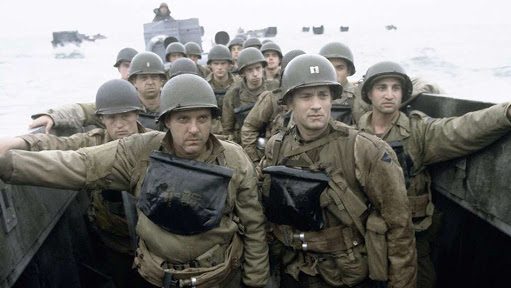
Steven Spielberg's "Saving Private Ryan" transformed the war genre with its visceral depiction of combat and its unflinching realism. The film's opening sequence, representing the D-Day landing at Omaha Beach, remains one of the most harrowing and immersive portrayals of warfare ever captured on film. Spielberg's meticulous attention to detail and commitment to historical accuracy brought a new level of authenticity to war cinema.
"Saving Private Ryan" shifted the focus from glorified heroics to the brutal realities of war, emphasizing the personal experiences and sacrifices of soldiers. This change in perspective had a profound influence on subsequent war films, encouraging filmmakers to explore the psychological and emotional toll of warfare with greater sensitivity and realism. The film’s impact is evident in the more nuanced portrayals of war stories that emerged in its wake.
14. Superhero: "The Dark Knight" (2008)
Christopher Nolan's "The Dark Knight" redefined the superhero genre by delving into complex themes and presenting a darker, more mature narrative than its predecessors. With a morally nuanced script, the film explored themes of chaos, morality, and duality, transcending the traditional superhero template. Heath Ledger’s portrayal of the Joker became iconic, showcasing the depth and potential of character-driven storytelling within the superhero framework.
"The Dark Knight" elevated the genre by proving that superhero films could be serious, thought-provoking, and appeal to a wide audience beyond comic book fans. Its emphasis on realism and character development set a new standard for superhero storytelling, inspiring a more sophisticated and narrative-driven approach in subsequent films within the genre, laying the groundwork for more ambitious projects like "Joker" and the Marvel Cinematic Universe.
15. Mystery: "Inception" (2010)
Christopher Nolan's "Inception" brought a fresh perspective to the mystery genre by entwining it with elements of science fiction and heist film. The film explores the concept of dream manipulation with a multi-layered narrative structure that challenges viewers to question the nature of reality and perception. With its intricate plot, stunning visual effects, and thought-provoking themes, "Inception" captivated global audiences and critics alike.
The film’s innovative storytelling, characterized by a nonlinear narrative and multiple layers of reality, set a new benchmark for mystery films. It encouraged filmmakers to take creative risks and embrace complex, mind-bending narratives that engage and challenge audiences. "Inception" demonstrated the potential of mystery cinema to go beyond mere puzzles and delve into philosophical explorations, influencing a generation of filmmakers interested in exploring the boundaries of narrative and form.
As we reflect on the rich tapestry of cinema, it becomes clear that these films have not only entertained but have also pushed the boundaries of their respective genres, expanding the potential of storytelling in the process. By redefining their genres, these films have challenged audiences and inspired filmmakers to think outside the box, leading to a more diverse and innovative cinematic landscape. Their legacies endure, continuing to shape and influence the ever-evolving world of film.
Haporium is a revolutionary platform that lets you organize your web browsing experience with customizable dashboards and boards. Create, manage, and share your favorite content collections.
Join us today and get:
The right to be one of the first pioneers
Unlimited dashboards and boards
Access to exclusive beta features
Priority support from our team
We use cookies to enhance your experience. By continuing to use this site, you agree to our Cookie Policy.















Comments