Explore Any Narratives
Discover and contribute to detailed historical accounts and cultural stories. Share your knowledge and engage with enthusiasts worldwide.
Historical accuracy in films has long been a topic of heated debate among critics, historians, and audiences alike. As the demand for historical films continues to rise, so does the scrutiny over how accurately these films portray real events. The tension between artistic license and factual representation remains a central issue, with filmmakers often defending their creative choices while historians advocate for greater adherence to documented records.
Recent years have seen a surge in high-profile historical films, from Oppenheimer to Killers of the Flower Moon, each sparking conversations about the ethical responsibilities of filmmakers. According to Parrot Analytics, several historical films in late 2023 achieved demand levels 10 to 25 times higher than the average film, underscoring the genre’s commercial viability and cultural significance.
The early to mid-2020s marked a notable increase in audience demand for historical fiction. Data from Parrot Analytics reveals that films in this genre frequently exceed average demand metrics, with some titles reaching 25 times the typical engagement. This trend reflects a growing public appetite for stories rooted in real events, even as debates over accuracy intensify.
Industry reports further highlight the global film production rebound, with output surpassing pre-pandemic levels by 2023. This expansion has created more opportunities for historical adaptations, as studios and filmmakers capitalize on the genre’s popularity.
Films serve as powerful cultural texts that shape public memory and collective understanding of history. When historical inaccuracies are introduced, they can distort perceptions, especially in regions where formal education on these events is limited. For instance, biopics and dramatized historical fiction often compress timelines or invent characters, which can lead to misinformation.
The ethical stakes are particularly high when films depict recent events or living individuals. Misrepresentations in such cases can cause reputational harm or perpetuate myths, whereas stories from distant history may carry different implications.
Biopics aim to depict real-life figures and events, but they often face criticism for taking creative liberties. Filmmakers may use composite characters or alter timelines to enhance dramatic effect. While these choices can make narratives more engaging, they also raise questions about the responsibility to truth.
This category includes films that invent scenes or characters while maintaining a historical setting. Examples include Napoleon and other epics that blend fact with fiction. The challenge here lies in balancing entertainment value with historical integrity.
Films that create entirely fictional narratives within real historical backdrops, such as period dramas, face fewer accuracy demands. However, they still influence audience perceptions of the era, making contextual accuracy important.
Several factors contribute to inaccuracies in historical films, including:
Some productions employ historians as consultants to ensure accuracy, though their influence varies. While this practice can improve factual representation, filmmakers often prioritize storytelling over strict adherence to historical records.
As global film production continues to grow, particularly in markets like China, the diversity of historical narratives expands. This trend introduces new cultural perspectives but also complicates the standardization of accuracy expectations.
The debate over historical accuracy in films is far from resolved. As audiences become more discerning and platforms like streaming services facilitate instant fact-checking, filmmakers face increasing pressure to balance creativity with responsibility. The next sections will explore recent controversies, audience expectations, and the future of historical storytelling in cinema.
The 2010s and 2020s have seen several high-profile historical films spark intense debates over accuracy. Oppenheimer (2023), directed by Christopher Nolan, faced criticism for its portrayal of the Manhattan Project, with historians questioning the film's depiction of key scientific and political figures. Similarly, Killers of the Flower Moon (2023), directed by Martin Scorsese, was praised for its attention to detail but also scrutinized for its narrative choices in representing the Osage Nation murders.
These controversies highlight the delicate balance filmmakers must strike between dramatic storytelling and historical fidelity. Audiences and critics alike demand both entertaining narratives and respectful representations of real events.
Social media and online platforms have amplified the scrutiny of historical films. Audiences now have the tools to fact-check films in real-time, comparing on-screen events with historical records. This shift has led to:
For example, Napoleon (2023), directed by Ridley Scott, faced backlash for its portrayal of Napoleon Bonaparte, with historians criticizing its historical inaccuracies and misleading characterizations. Such controversies underscore the growing expectation for films to adhere closely to historical facts.
Audiences today are more historically literate than ever, thanks to the accessibility of information online. This literacy has led to a heightened demand for authenticity in historical films. According to Parrot Analytics, films that are perceived as highly accurate tend to generate more positive word-of-mouth and sustained audience engagement.
Key factors that influence audience expectations include:
The rise of streaming platforms has transformed how audiences consume historical films. Platforms like Netflix, Amazon Prime, and Disney+ have made historical content more accessible, leading to:
This shift has also led to a greater emphasis on historical consultants, as platforms seek to enhance the credibility of their content. However, the influence of these consultants can vary, with some filmmakers prioritizing artistic vision over historical precision.
The future of historical films is shaped by several emerging trends, including:
These trends suggest a growing commitment to historical accuracy, even as filmmakers continue to navigate the challenges of dramatic storytelling.
Journalists play a crucial role in shaping the conversation around historical films. To provide accurate and insightful coverage, journalists should:
By adopting these practices, journalists can contribute to a more informed and nuanced discussion about historical accuracy in cinema.
The debate over historical accuracy in films is far from settled. As audiences become more discerning and technology advances, filmmakers face both new opportunities and new challenges in balancing creativity with factual representation. The final section of this article will explore the long-term implications of these trends and offer insights into how the industry might evolve in response to growing demands for accuracy and authenticity.
Filmmakers often argue that artistic license is essential for crafting compelling narratives. However, when dealing with historical subjects, this freedom must be weighed against the ethical responsibility to represent events and figures accurately. The challenge lies in determining where to draw the line between creative interpretation and misrepresentation.
Key considerations for filmmakers include:
For instance, films like Schindler’s List (1993) and 12 Years a Slave (2013) have been praised for their historical accuracy and sensitive handling of difficult subjects. These films demonstrate that it is possible to achieve both artistic excellence and historical fidelity.
Many modern productions employ historical consultants to ensure accuracy. These experts provide valuable insights into the cultural, political, and social contexts of the events being portrayed. However, their influence can be limited by:
Despite these challenges, the presence of historical consultants can significantly enhance a film’s credibility. For example, The Crown (2016–present), a historical drama series, has been noted for its meticulous attention to detail, thanks in part to its team of historical advisors.
Historical films play a crucial role in shaping public memory. They often serve as the primary source of historical knowledge for many viewers, particularly in regions where formal education on certain events is limited. This influence carries significant responsibilities, as inaccuracies can lead to:
For example, films like Braveheart (1995) and 300 (2006) have been criticized for their historical inaccuracies, which have nonetheless shaped popular perceptions of the events they depict.
The visual nature of film makes it a uniquely powerful medium for historical storytelling. Unlike books or articles, films can immerse audiences in the sights, sounds, and emotions of a bygone era. This immersive quality can be both a strength and a weakness:
To mitigate this risk, filmmakers and educators can collaborate to provide supplementary educational materials, such as documentaries or expert commentaries, that contextualize the historical events depicted in films.
Emerging technologies, such as AI-driven research tools and deepfake technology, are transforming the landscape of historical filmmaking. These advancements offer new opportunities for enhancing accuracy, including:
However, these technologies also pose ethical challenges, such as the potential for misuse of deepfake to create misleading historical narratives. Filmmakers must use these tools responsibly to avoid further distorting historical records.
Audience expectations are evolving, with viewers increasingly demanding both entertainment and accuracy from historical films. This shift is driven by:
Filmmakers who engage with audience feedback and prioritize accuracy are likely to build stronger trust and credibility with their viewers. This trust can translate into long-term success for historical films, both critically and commercially.
The debate over historical accuracy in films is complex and multifaceted. While filmmakers have a right to artistic freedom, they also bear a responsibility to represent historical events and figures with integrity. The growing demand for accuracy, driven by audience expectations and technological advancements, suggests that the future of historical filmmaking will be shaped by a commitment to both creative storytelling and factual precision.
Key takeaways for the industry include:
As the industry continues to evolve, the most successful historical films will likely be those that strike a balance between entertaining narratives and respectful, accurate portrayals of the past. By embracing this balance, filmmakers can contribute to a more informed and nuanced understanding of history, ensuring that their work resonates with audiences for generations to come.
Your personal space to curate, organize, and share knowledge with the world.
Discover and contribute to detailed historical accounts and cultural stories. Share your knowledge and engage with enthusiasts worldwide.
Connect with others who share your interests. Create and participate in themed boards about any topic you have in mind.
Contribute your knowledge and insights. Create engaging content and participate in meaningful discussions across multiple languages.
Already have an account? Sign in here

Master the art of character development! Learn to craft believable, compelling characters for film using proven techniqu...
View Board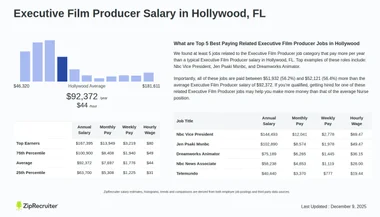
Discover the multifaceted role of a film producer! Learn about their responsibilities in development, production, distri...
View Board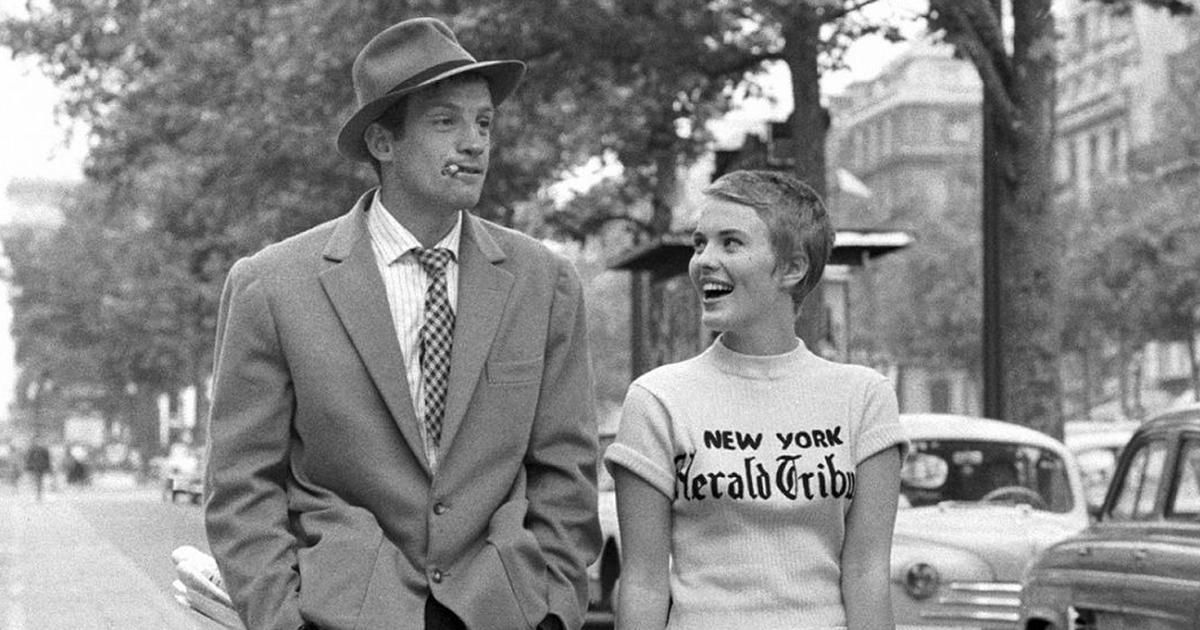
Explore the French New Wave, a revolutionary film movement that transformed cinema. Discover its origins, key filmmakers...
View Board
Delve into cinematic metaphors! Learn how visual symbolism, narrative parallels, and editing reveal deeper film meaning....
View Board
Discover the greatest film sequels that redefined cinema! From *The Godfather Part II* to *Avengers: Endgame*, explore c...
View Board
Explore the timeless appeal of iconic film characters! Discover what makes them unforgettable, from universal themes to ...
View Board
Explore cinematic landscapes: the art of visual storytelling through film. Learn techniques like mise-en-scène, lighting...
View Board
Explore the fascinating evolution of cinema, from its silent beginnings with Edison and Lumière to the Golden Age of Hol...
View Board
Discover the greatest animation films of all time! Part 1 explores iconic movies like Spirited Away, Toy Story, and Disn...
View Board
Unlock the power of cinematic color theory! Learn how filmmakers use color schemes to evoke emotions, enhance storytelli...
View Board
Explore social issue cinema! Discover how films tackle inequality, racism, and more, sparking crucial conversations and ...
View Board
Explore the evolution of independent film movements, from early rebels challenging monopolies to today's digital democra...
View Board
Explore the indie film movement! Discover its history, key characteristics, and impact on cinema. Learn how independent ...
View Board
Explore the enduring legacy of classic silent films! Discover their innovations, iconic stars, and lasting influence on ...
View Board
Explore the art of satire in cinema! From Chaplin's jabs at fascism to Kubrick's Cold War anxieties, discover unforgetta...
View Board
Explore CGI's transformative impact on cinema! From early pixelated graphics to photorealistic worlds, discover how comp...
View Board
Uncover the secrets of cinematic Easter eggs! Explore hidden jokes, visual clues, and narrative gems in your favorite mo...
View Board
Explore the latest on women in film: breaking boundaries, redefining cinema. Discover key statistics, challenges, and tr...
View Board
Explore the cultural timeline of movies that defined generations, from Baby Boomers to Millennials. Discover the films t...
View Board
Explore the evolution of film censorship in the US, from early government bans to the Hays Code and MPAA ratings. Discov...
View Board
Comments