In the world of cinema, few technological advancements have left as significant a mark as computer-generated imagery, commonly known as CGI. Initially met with skepticism, CGI has remarkably transformed the film industry, radically altering how stories are told and experienced. From the early days of clunky, digital effects to today's breathtakingly realistic virtual environments and characters, CGI has revolutionized everything from Hollywood blockbusters to independent film making.
The Genesis of CGI
The journey of CGI in cinema traces back to the late 1960s and 1970s, a period of pioneering experimentation. One of the earliest uses of CGI was in the 1973 movie "Westworld," which featured a digitized effect simulating a robot's point of view. However, it wasn't until the 1980s that CGI began to gain traction, with ground-breaking films like "Tron" (1982) that showcased digital environments. While crude by today's standards, these initial efforts paved the way for CGI's acceptance and evolution.
The leap into the mainstream occurred in 1991 with "Terminator 2: Judgment Day." Directed by James Cameron, the film introduced the world to the awe-inspiring T-1000, a liquid metal villain brought to life through the innovative use of CGI. This film demonstrated CGI's ability to create realistic, never-before-seen characters, setting a new standard for visual effects in cinema.
Enhancing Storytelling Through CGI
One of the most significant impacts of CGI is its ability to enhance storytelling. By creating environments and characters that are either impossible or prohibitively expensive to film practically, CGI provides filmmakers with the tools to bring fantastical stories to life. This has been particularly evident in genres reliant on visual spectacle, such as science fiction, fantasy, and superhero films.
The "Lord of the Rings" trilogy is a prime example of this transformative impact. Peter Jackson, the director, utilized CGI extensively to create the expansive landscapes of Middle-earth and bring creatures like Gollum to life with startling authenticity. Similarly, the Marvel Cinematic Universe has, over the last two decades, demonstrated the potential of CGI to craft cohesive and immersive worlds, filled with larger-than-life heroes and villains.
Beyond spectacle, CGI also allows for nuanced storytelling through subtle visual enhancements. In more subdued films, CGI can be used to create realistic backgrounds, alter settings, and augment practical effects without drawing attention, thus preserving the narrative's integrity and immersiveness. This subtle use of CGI is a testament to its versatility and importance in contemporary filmmaking.
Reviving and Resurrecting Characters
One of CGI's more controversial impacts is its ability to recreate and even resurrect actors on screen. This use of visual effects taps into the nostalgia of audiences, offering filmmakers a unique way to connect with viewers through the familiar faces of beloved characters. A notable example is "Rogue One: A Star Wars Story," which digitally resurrected the late Peter Cushing's Grand Moff Tarkin, utilizing cutting-edge CGI to bring the character back in a pivotal role.
While technically impressive, this practice also poses ethical questions about consent and the potential for misuse, illustrating the fine balance between innovation and respect for legacy. Reanimated performances that blur the line between reality and digital creation continue to spark debate within the industry and among audiences.
Challenges and Criticisms of CGI
Despite its many benefits, CGI is not without its critics. Some argue that an over-reliance on computer-generated effects can lead to a lack of authenticity in visual storytelling, resulting in overly polished and emotionally sterile films. This criticism has been particularly directed at films where CGI overshadows practical effects or where it lacks integration with the live-action components, leading to a jarring viewing experience.
Filmmakers like Christopher Nolan and Quentin Tarantino have voiced concerns over excessive CGI, advocating instead for practical effects, traditional filming methods, and in-camera techniques. They emphasize the palpable texture and realism achievable through these methods, which, when combined judiciously with CGI, can create a more compelling and emotionally engaging cinematic experience.
Additionally, the high costs associated with CGI can create financial pressures on filmmakers and studios, which may lead to budget constraints impacting other critical aspects of film production, such as scripting, acting, and set design. These challenges underscore the need for balance and creativity in the use of CGI to ensure it serves the story rather than becoming the spectacle itself.
As CGI continues to evolve, its role in cinema remains a subject of ongoing discussion and exploration. In the next part of the article, we will delve deeper into how CGI is reshaping the future of filmmaking, its influence on animation and visual effects industries, and the ethical considerations that accompany this powerful technology.
CGI and the Future of Filmmaking
As technology advances at an unprecedented rate, the future of filmmaking is poised to be more entwined with CGI than ever before. Innovations in computational power, artificial intelligence, and rendering techniques are pushing the boundaries of what is visually possible, enabling filmmakers to create increasingly detailed and complex cinematic worlds.
Advancements such as real-time rendering, often associated with video game technology, are making their way into film production, allowing directors and crews to visualize CGI elements during the filming process itself. This integration streamlines the filmmaking workflow, facilitates greater creativity on set, and reduces the reliance on post-production processes. As this technology matures, filmmakers will benefit from a more iterative and organic creative process, bringing more intuitive and interactive storytelling experiences to audiences.
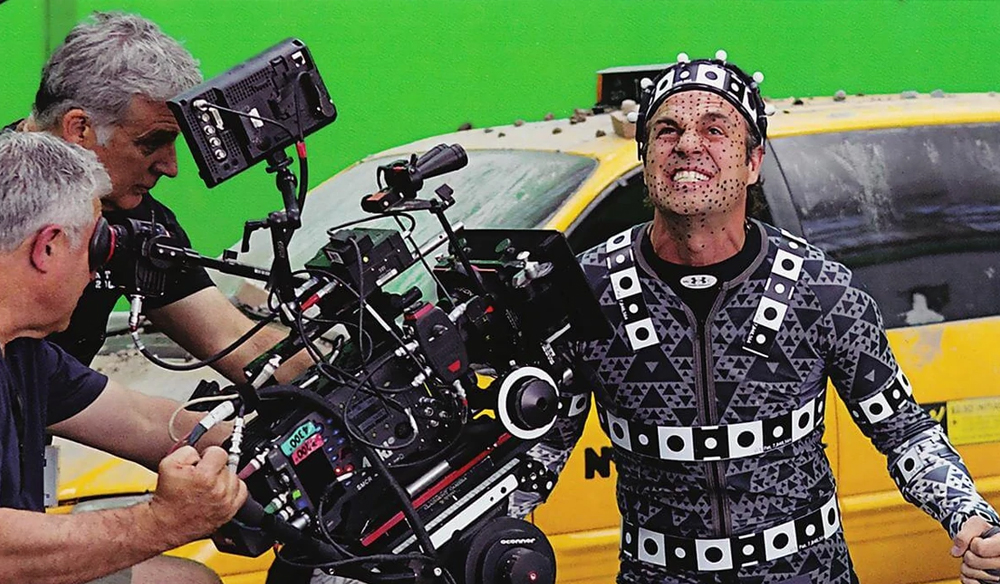
Additionally, developments in artificial intelligence and machine learning are opening new possibilities for CGI. AI-driven tools can assist in automating labor-intensive elements of CGI production, such as character rigging and background generation, allowing artists to focus on the more creative aspects of digital filmmaking. Moreover, AI can enhance motion capture processes, producing more natural and authentic character movements, pushing the boundaries of lifelike CGI performances.
The Influence of CGI on Animation
CGI has profoundly influenced the animation industry, transforming both its content and its creation process. Animated films like Pixar's "Toy Story," the first entirely computer-generated feature film, marked a pivotal moment for CGI in animation. Its release in 1995 revolutionized the industry and set new standards for storytelling, visual aesthetics, and emotional engagement in animated films.
Since then, almost every major animated film has utilized CGI to some extent. Pixar, DreamWorks, and Disney have continued to push the medium forward with increasingly sophisticated CGI techniques, creating visually stunning movies with global appeal. Films like "Frozen," "Inside Out," and "How to Train Your Dragon" demonstrate the ability of CGI to enhance traditional animation values while taking advantage of dynamic, three-dimensional storytelling.
The advent of CGI has not only improved the visual quality of animated films but has also democratized animation, making it more accessible to independent creators and smaller studios. With affordable software and hardware, filmmakers now have the tools to create high-quality CGI content without the enormous budgets previously required, expanding the diversity of voices and stories in animation.
Ethical Considerations and CGI
While the technological achievements of CGI are impressive, they come with a set of ethical considerations that filmmakers and industry professionals must negotiate. Notably, the digital resurrection of deceased actors or the use of CGI to alter or replace performances raises questions about consent, artistic integrity, and the moral rights of performers.
These concerns underscore the necessity of clear guidelines and agreements among filmmakers, actors, and estates to ensure that CGI is used responsibly and respectfully. These guidelines should address issues like actor likeness rights and the depiction of characters in scenarios that align with the actor’s previous roles and persona.
Furthermore, the potential for CGI to mislead audiences raises questions about authenticity and truthfulness in visual media. Deepfake technology, a sophisticated form of CGI, can create hyper-realistic digital replicas of individuals, sparking concerns about misinformation and privacy. As this technology becomes more widespread, the film industry will need to consider how to implement ethical practices to protect individuals and maintain public trust.
Environmental Impacts of CGI
An often overlooked aspect of CGI production is its environmental impact. While CGI can reduce the need for physical sets and on-location shooting, thus potentially lowering the carbon footprint of a production, it is also resource-intensive in terms of energy consumption. Rendering CGI scenes requires significant computational power, often relying on extensive server farms that can consume vast amounts of electricity.
To address these environmental concerns, the film industry is exploring more sustainable practices in CGI production. Innovations such as cloud-based rendering can optimize resource usage, and studios are investing in energy-efficient computing technologies. Additionally, the industry is recognizing the importance of promoting green practices not just in CGI but across all stages of film production.
As the capabilities and applications of CGI continue to expand, its impact on the film industry will undoubtedly deepen. Balancing the artistic and technical possibilities of CGI with ethical and ecological considerations will be crucial as filmmakers navigate the challenges and opportunities presented by this powerful tool. In the final part of this article, we will explore how CGI is shaping audience expectations and the evolving nature of cinematic storytelling in an increasingly digital age.
Shaping Audience Expectations
The integration of CGI into filmmaking has significantly shaped audience expectations, redefining what is considered visually impressive and achievable on screen. Viewers today are much more discerning, often demanding visual effects that are seamless and indistinguishable from reality. This shift has prompted filmmakers to continually push the envelope, striving not only for more spectacular visuals but also for greater synchronization between CGI and traditional filmmaking techniques.
In genres like science fiction, fantasy, and action, the expectation for breathtaking special effects has become a staple, setting a bar that filmmakers worldwide aim to meet or surpass. This trend is evident in major franchises like the Marvel Cinematic Universe and "Star Wars," where CGI is essential for crafting the iconic, expansive universes that fans expect. The pressure to deliver high-quality CGI has consequently elevated the role of visual effects teams, making them indispensable in the filmmaking process.
Yet, this technological marvel presents an ironic challenge: as CGI becomes more advanced and pervasive, audiences are also yearning for authenticity and emotional resonance in films. Filmmakers are tasked with ensuring that the heart of the story and character development isn't eclipsed by the technical prowess of CGI. Finding the right balance between compelling CGI and a well-crafted narrative is crucial to maintaining viewer engagement and delivering meaningful cinematic experiences.
The Evolving Nature of Cinematic Storytelling
CGI has not only influenced the aesthetics of films but has also profoundly changed the way stories are constructed and told. With CGI, filmmakers can envisage entire worlds and scenarios that defy physical limitations, introducing new narrative possibilities and complexities. This ability fosters innovative storytelling methods, encouraging directors to experiment with narrative structures and visual styles.
Virtual reality (VR) and augmented reality (AR), although still in their nascent stages within cinema, are promising frontiers for CGI's role in storytelling. These cutting-edge technologies provide immersive experiences, allowing audiences to engage with film narratives on a personal level. By placing viewers inside the story, VR and AR blur the lines between passive viewing and active participation, offering the potential to revolutionize the cinematic experience.
Moreover, the rise of streaming platforms and the demand for diverse content have given CGI a broader canvas to explore. With episodes and films released directly to digital platforms, there is a growing appetite for visually innovative content that can capture attention in a highly competitive market. CGI’s adaptability makes it a valuable asset in creating unique offerings tailored to specific audiences or storytelling needs.
The Journey Ahead
The future of CGI in cinema is as boundless as the imaginations it fuels. As technology continues to evolve, so too will the methods by which stories are crafted and shared, driven by the inexhaustible potential of CGI. Future advancements are likely to perfect the integration of CGI with augmented reality, enabling more dynamic interaction between actors and digital environments during production.
Furthermore, as CGI capabilities expand, there is potential not only for more grandiose visual storytelling but also for deeper emotional engagement through lifelike digital characters and detailed environments that resonate with audiences on a human level. The combination of sophisticated CGI and innovative storytelling could forge new paths for cinema, redefining genres and creating new ones altogether.
Ultimately, the challenge for filmmakers lies in leveraging CGI to enhance, rather than overshadow, the narratives they endeavor to tell. As the industry moves forward, it will be vital to strike a balance between technological wonder and human storytelling. This synergy will ensure that even as the digital landscape of cinema grows, it remains rooted in the timeless art of storytelling—a pursuit driven by imagination, emotion, and the shared experiences that bind us all to the world of film.
In closing, as we witness CGI shaping the present and future of cinema, it is crucial to consider both its potential and its pitfalls. By embracing the blend of traditional film practices with digital enhancements, filmmakers will continue to captivate, inspire, and evolve the cinematic experience for generations to come.
Comments
Welcome
Discover Haporium
Your personal space to curate, organize, and share knowledge with the world.
Explore Any Narratives
Discover and contribute to detailed historical accounts and cultural stories. Share your knowledge and engage with enthusiasts worldwide.
Join Topic Communities
Connect with others who share your interests. Create and participate in themed boards about any topic you have in mind.
Share Your Expertise
Contribute your knowledge and insights. Create engaging content and participate in meaningful discussions across multiple languages.
Haporium is a revolutionary platform that lets you organize your web browsing experience with customizable dashboards and boards. Create, manage, and share your favorite content collections.
Join us today and get:
The right to be one of the first pioneers
Unlimited dashboards and boards
Access to exclusive beta features
Priority support from our team
We use cookies to enhance your experience. By continuing to use this site, you agree to our Cookie Policy.

















Comments