Explore Any Narratives
Discover and contribute to detailed historical accounts and cultural stories. Share your knowledge and engage with enthusiasts worldwide.
From the earliest synchronized "talkies" to today's object-based immersive audio, sound design in cinema has evolved into a sophisticated art form that shapes how audiences experience stories. This craft involves creating, recording, editing, and mixing all non-musical audio elements to enhance emotional impact and realism.
The journey of cinematic sound design began with groundbreaking experiments in the early 20th century. By 1929, approximately 75% of films were produced as "talkies," marking a rapid industry shift from silent films to synchronized sound. This transformation reshaped both production practices and audience expectations.
The 1920s saw the film industry adopt synchronized sound technologies, moving away from silent films accompanied by live music. Innovations like sound-on-film and sound-on-disc systems paved the way for the modern cinematic experience. These early developments laid the foundation for more complex audio techniques in later decades.
The term "sound designer" gained prominence in the late 1970s, thanks to visionaries like Walter Murch, who worked on Apocalypse Now. This shift recognized sound as a creative element rather than just a technical aspect of filmmaking. Sound designers began to shape narratives through carefully crafted audio landscapes.
Several technological advancements have defined the evolution of sound design in cinema. These milestones highlight how audio innovation has continually enhanced storytelling.
The introduction of Dolby Stereo in the 1970s revolutionized cinematic sound. This technology enabled immersive surround sound experiences, becoming a standard in major film releases. It allowed filmmakers to create more dynamic and engaging audio environments, pulling audiences deeper into the story.
Modern cinema embraces object-based immersive audio formats like Dolby Atmos and DTS:X. Unlike traditional channel-based systems, these formats treat sounds as discrete "objects" in a 3D space. This innovation provides unparalleled flexibility in mixing and playback, allowing sound designers to craft more realistic and immersive experiences.
Sound design in cinema is a collaborative process involving multiple stages, from production sound capture to final mixing. Each step contributes to the overall audio experience, ensuring that every sound element supports the narrative.
High-quality production sound captured on set forms the backbone of cinematic audio. However, Foley artists play a crucial role in enhancing realism. They recreate everyday sounds—like footsteps, rustling clothes, or breaking glass—in controlled studio environments. This meticulous work ensures that every audio detail aligns with the visual storytelling.
Clear and impactful dialogue is essential for audience engagement. Automated Dialogue Replacement (ADR) allows filmmakers to re-record lines in post-production, ensuring consistency and clarity. Dialogue editors work closely with directors to maintain the emotional tone and authenticity of performances.
The landscape of sound design in cinema continues to evolve, driven by technological advancements and changing audience expectations. Several key trends are shaping the future of this craft.
With the rise of streaming platforms, sound designers must now create multiple audio mixes to meet different format requirements. A film might require stereo, 5.1, 7.1, and Dolby Atmos versions to ensure compatibility across theaters and home viewing environments. This complexity demands careful planning and execution.
Emerging AI-assisted tools are transforming sound design workflows. These tools can automate tasks like noise reduction, dialogue isolation, and even Foley generation. While they offer efficiency gains, they also spark debates about creative control and the future role of sound professionals.
Sound design in cinema is more than just technical execution—it's an art form that enhances emotional resonance and audience immersion. From early synchronized sound experiments to today's object-based audio, the evolution of sound design continues to redefine how stories are told on screen.
In the next part of this series, we'll explore the tools and techniques used by sound designers, as well as the collaborative process behind creating iconic cinematic audio experiences.
Sound design in cinema relies on a sophisticated arsenal of tools and techniques that have evolved alongside technological advancements. From field recording to digital audio workstations (DAWs), these tools empower sound designers to craft immersive auditory experiences that complement visual storytelling.
High-quality sound begins with pristine recordings. Sound designers often capture field recordings—real-world sounds recorded on location—to ensure authenticity. These recordings are then meticulously edited and layered to create rich, dynamic soundscapes. Additionally, sound libraries provide a vast repository of pre-recorded effects, from ambient noises to specialized Foley sounds, which can be manipulated to fit specific scenes.
Modern sound design in cinema heavily relies on Digital Audio Workstations (DAWs) such as Pro Tools, Nuendo, and Reaper. These software platforms allow sound designers to edit, mix, and manipulate audio with precision. Features like multi-track editing, real-time effects processing, and automation enable the creation of complex soundscapes that synchronize perfectly with visual elements.
Sound designers often employ synthesis and audio processing to create unique and otherworldly sounds. Techniques such as granular synthesis, frequency modulation, and convolution reverb allow for the manipulation of audio in ways that can evoke specific emotions or enhance fantastical elements in a film. Plugins like iZotope RX and Waves Audio provide powerful tools for noise reduction, sound enhancement, and creative audio manipulation.
Creating the perfect auditory experience in cinema is a collaborative effort involving various specialists. Each role contributes uniquely to the final sound mix, ensuring that every audio element aligns with the director's vision and enhances the narrative.
The supervising sound editor oversees the entire sound post-production process. They work closely with the director to establish the creative direction for the film's audio. This involves planning the sound design approach, coordinating with other sound department members, and ensuring that all audio elements are cohesive and support the storytelling.
Dialogue is a critical component of any film, and dialogue editors ensure that every line is clear and impactful. They clean up production audio, removing unwanted noise and enhancing clarity. Automated Dialogue Replacement (ADR) specialists re-record lines in controlled studio environments to maintain consistency and improve audio quality, especially in scenes where on-set sound capture was challenging.
Foley artists are the unsung heroes of sound design, recreating everyday sounds that bring scenes to life. From footsteps to the clinking of glasses, their work adds a layer of realism that immerses audiences in the film's world. Meanwhile, sound effects designers create and manipulate sounds to enhance dramatic moments, whether it's the roar of a dinosaur in Jurassic Park or the hum of a lightsaber in Star Wars.
The final step in the sound design process involves the re-recording mixers, who balance and blend all audio elements into the final mix. They ensure that dialogue, sound effects, and music work harmoniously, creating a seamless auditory experience. This process often involves multiple iterations and fine-tuning to achieve the desired emotional impact.
Certain films stand out for their groundbreaking use of sound design, setting new standards and inspiring future generations of sound artists. These examples highlight the power of audio in enhancing storytelling and creating unforgettable cinematic experiences.
Walter Murch's work on Apocalypse Now is often cited as a turning point in the recognition of sound design in cinema. Murch's innovative use of layered sounds, from the whirring of helicopter blades to the distant echoes of warfare, created an immersive auditory experience that transported audiences into the heart of the Vietnam War. His pioneering techniques earned him the first-ever "sound designer" credit, cementing his legacy in the field.
Ben Burtt's sound design for Star Wars revolutionized the way sound effects were created and used in cinema. Burtt employed a mix of field recordings, synthesized sounds, and creative manipulation to craft iconic audio elements like the hum of lightsabers and the roar of TIE fighters. His work not only enhanced the film's futuristic setting but also set a new benchmark for science fiction sound design.
Gary Rydstrom's sound design for Jurassic Park showcased the power of audio in creating believable, larger-than-life creatures. By blending animal recordings with synthesized elements, Rydstrom crafted the distinctive roars and movements of the film's dinosaurs. His innovative approach earned him an Academy Award and demonstrated how sound design could make the impossible feel real.
The landscape of sound design in cinema is continually evolving, driven by advancements in technology and changing audience expectations. Several emerging trends are poised to shape the future of this craft, offering new possibilities for creativity and immersion.
The adoption of immersive audio formats like Dolby Atmos and DTS:X is transforming the way sound is experienced in cinemas and homes. These formats allow sound designers to place audio elements in a three-dimensional space, creating a more engaging and realistic experience. As these technologies become more widespread, they will continue to redefine the boundaries of cinematic sound design.
Artificial Intelligence (AI) and machine learning are beginning to play a significant role in sound design. AI-powered tools can automate tasks such as noise reduction, dialogue isolation, and even the generation of Foley sounds. While these advancements offer efficiency gains, they also raise questions about the future role of sound professionals and the balance between automation and creative control.
The rise of remote collaboration and cloud-based workflows has transformed the sound design process. Tools like Avid Cloud Collaboration and Soundly allow teams to work together seamlessly, regardless of their physical location. This shift has been accelerated by the global pandemic, highlighting the importance of flexible and efficient workflows in modern film production.
As virtual reality (VR) and 360-degree video become more prevalent, sound designers are exploring new ways to create immersive audio experiences. Spatial audio techniques, such as binaural recording and ambisonics, allow for a more realistic and engaging sound environment in VR. These innovations are pushing the boundaries of what is possible in sound design, offering exciting opportunities for future storytelling.
Sound design in cinema is a dynamic and ever-evolving field that plays a crucial role in shaping the audience's experience. From the early days of synchronized sound to the cutting-edge technologies of today, sound designers have continually pushed the boundaries of creativity and innovation. As new tools and techniques emerge, the future of sound design promises even more immersive and engaging cinematic experiences.
In the final part of this series, we will delve into the challenges and opportunities facing sound designers in the modern film industry, as well as the importance of sound design in enhancing accessibility and inclusivity in cinema.
The field of sound design in cinema faces a unique set of challenges and opportunities in today's rapidly evolving film industry. From technological advancements to shifting audience expectations, sound designers must navigate a complex landscape while pushing the boundaries of creativity.
One of the primary challenges in sound design is balancing artistic vision with technical limitations. Sound designers must work within the constraints of budget, time, and available technology while striving to create immersive and impactful audio experiences. This often requires innovative problem-solving and a deep understanding of both creative and technical aspects of sound.
With the rise of streaming platforms and home entertainment systems, sound designers must now create multiple audio mixes to meet various format requirements. A single film may need stereo, 5.1 surround, 7.1 surround, and Dolby Atmos versions to ensure compatibility across different viewing environments. This complexity demands careful planning and execution to maintain the integrity of the original sound design.
Accessibility is an increasingly important consideration in sound design in cinema. Sound designers must ensure that their work is inclusive, providing options for audiences with hearing impairments. This includes creating audio descriptions for visually impaired viewers and ensuring that dialogue remains clear and intelligible for those with hearing difficulties. Additionally, the use of subtitles and closed captions must be carefully synchronized with the audio to enhance the viewing experience.
Sound design is a powerful tool for evoking emotions and deepening audience engagement. By carefully crafting audio elements, sound designers can amplify the emotional resonance of a film, making it more memorable and impactful.
The use of ambient sounds and atmospheric effects plays a crucial role in setting the mood of a film. Whether it's the eerie silence of a horror scene or the bustling noise of a crowded city, these elements help to immerse audiences in the film's world. Sound designers use a combination of field recordings, synthesized sounds, and creative processing to craft unique atmospheric experiences that enhance the narrative.
Sound design is particularly effective in building tension and suspense. Techniques such as dynamic silence, sudden sound bursts, and subtle audio cues can create a sense of anticipation and unease. For example, the iconic shower scene in Psycho relies heavily on sound design to amplify its terrifying impact. By manipulating audio elements, sound designers can guide the audience's emotional response and heighten the dramatic effect of key scenes.
Sound can also be used to deepen character development and convey subtext. The way a character's footsteps sound, the tone of their voice, or the ambient noises associated with their environment can all provide insights into their personality and emotional state. For instance, the distinct sound of Darth Vader's breathing in Star Wars instantly conveys his menacing presence and mechanical nature, adding depth to his character without the need for dialogue.
Understanding the business side of sound design in cinema is essential for aspiring sound professionals. From networking and collaboration to navigating industry standards, sound designers must be well-versed in both creative and professional aspects of the field.
Breaking into the field of sound design requires a combination of technical skills, creative talent, and industry connections. Many sound designers start their careers as assistant sound editors or Foley artists, gaining hands-on experience and building a portfolio of work. Networking with industry professionals, attending film festivals, and participating in workshops can also provide valuable opportunities for career advancement.
Effective collaboration is key to success in sound design. Sound designers must work closely with directors, producers, and other members of the post-production team to ensure that the audio aligns with the film's vision. This involves clear communication, a willingness to iterate and refine, and a deep understanding of the director's creative goals. Building strong working relationships can lead to repeat collaborations and a reputation for excellence in the industry.
The field of sound design is constantly evolving, with new technologies and techniques emerging regularly. Staying current with industry trends is essential for sound professionals who want to remain competitive. This can involve attending industry conferences, participating in online forums, and continuously updating technical skills. Organizations such as the Cinema Audio Society (CAS) and the Motion Picture Sound Editors (MPSE) provide valuable resources and networking opportunities for sound designers.
The future of sound design in cinema is bright, with numerous innovations on the horizon that promise to further enhance the auditory experience. From advancements in immersive audio to the integration of artificial intelligence, these developments are set to redefine the boundaries of what is possible in sound design.
Immersive audio formats like Dolby Atmos and DTS:X are becoming increasingly prevalent in both theatrical and home entertainment settings. These formats allow sound designers to create three-dimensional audio environments that envelop the audience, providing a more engaging and realistic experience. As these technologies continue to evolve, they will offer even greater creative possibilities for sound designers.
Artificial Intelligence (AI) is poised to revolutionize the field of sound design. AI-powered tools can automate time-consuming tasks such as noise reduction, dialogue isolation, and even the generation of Foley sounds. While these advancements offer significant efficiency gains, they also raise important questions about the role of human creativity in the sound design process. Sound designers will need to strike a balance between leveraging AI tools and maintaining their artistic vision.
The rise of virtual reality (VR) and interactive media presents exciting opportunities for sound designers. In VR, sound plays a crucial role in creating a sense of presence and immersion. Techniques such as binaural audio and ambisonics allow for a more realistic and engaging sound experience, enhancing the overall impact of VR content. As VR technology continues to advance, sound designers will play an increasingly important role in shaping these immersive environments.
Sound design in cinema is a dynamic and essential aspect of filmmaking that has evolved significantly over the past century. From the early days of synchronized sound to the cutting-edge technologies of today, sound designers have continually pushed the boundaries of creativity and innovation. Their work enhances storytelling, evokes emotions, and immerses audiences in the cinematic experience.
As we look to the future, the field of sound design is poised for even greater advancements. Emerging technologies such as immersive audio, artificial intelligence, and virtual reality offer exciting new possibilities for sound professionals. However, the core principles of sound design—creativity, collaboration, and a deep understanding of storytelling—will remain unchanged.
In conclusion, sound design in cinema is more than just a technical process; it is an art form that enriches the audience's experience and brings stories to life. As technology continues to evolve, sound designers will play an increasingly vital role in shaping the future of cinema, ensuring that the power of sound remains a cornerstone of the filmmaking process.
Your personal space to curate, organize, and share knowledge with the world.
Discover and contribute to detailed historical accounts and cultural stories. Share your knowledge and engage with enthusiasts worldwide.
Connect with others who share your interests. Create and participate in themed boards about any topic you have in mind.
Contribute your knowledge and insights. Create engaging content and participate in meaningful discussions across multiple languages.
Already have an account? Sign in here
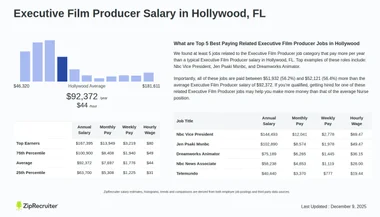
Discover the multifaceted role of a film producer! Learn about their responsibilities in development, production, distri...
View Board
Explore the indie film movement! Discover its history, key characteristics, and impact on cinema. Learn how independent ...
View Board
Explore the evolution of independent film movements, from early rebels challenging monopolies to today's digital democra...
View Board
Master the art of character development! Learn to craft believable, compelling characters for film using proven techniqu...
View Board
Explore the debate around historical accuracy in films. Discover how filmmakers balance factual fidelity with narrative,...
View Board
Unlock the power of cinematic color theory! Learn how filmmakers use color schemes to evoke emotions, enhance storytelli...
View Board
The evolution of film sound from a technical afterthought to a narrative's central nervous system, using tools like Dolb...
View Board
Uncover the film production process! From development to distribution, learn the 5 key stages of filmmaking, including p...
View Board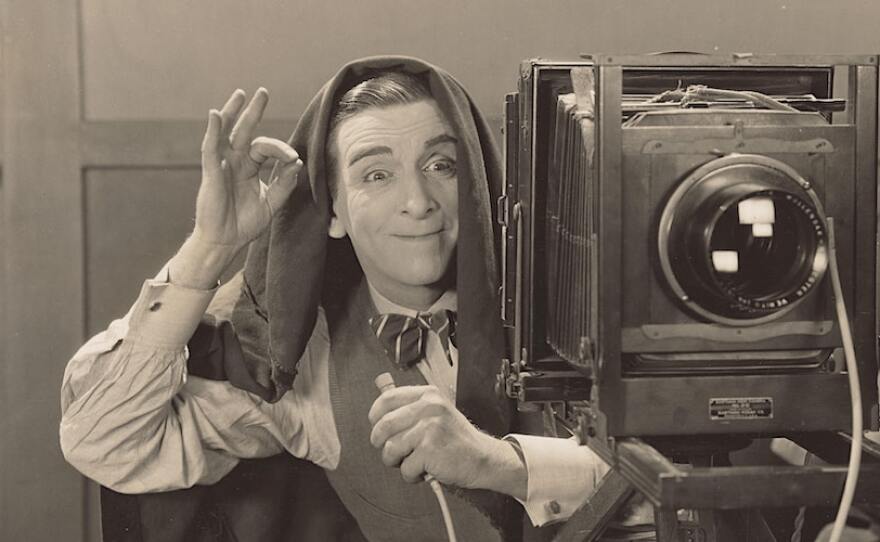
Explore the silent film era, Hollywood's golden age. Discover its origins, key innovations, stars, and the transition to...
View Board
Explore Film Market Trends 2025! Discover how streaming, local content, and tech innovations are reshaping global cinema...
View Board
Explore CGI's transformative impact on cinema! From early pixelated graphics to photorealistic worlds, discover how comp...
View Board
Explore the rise and reign of Hollywood blockbusters! From Jaws to the MCU, discover the key films, characteristics, and...
View Board
Explore the latest on women in film: breaking boundaries, redefining cinema. Discover key statistics, challenges, and tr...
View Board
Explore social issue cinema! Discover how films tackle inequality, racism, and more, sparking crucial conversations and ...
View Board
Discover why epic fantasy films like Lord of the Rings endure! Explore the magic, heroes, and grand scale that captivate...
View Board
Explore the indie comedy resurgence! Discover the drivers behind its boom: streaming, originality, & international voice...
View Board
Explore the evolution of comedy in cinema, from silent slapstick to modern character-driven stories. Discover key trends...
View Board
Explore the captivating evolution of science fiction films! From silent shorts to modern blockbusters, discover how sci-...
View Board
Explore the greatest romance films of all time! From classic book adaptations to modern love stories, discover movies th...
View Board
Explore cinematic landscapes: the art of visual storytelling through film. Learn techniques like mise-en-scène, lighting...
View Board
Comments