Explore Any Narratives
Discover and contribute to detailed historical accounts and cultural stories. Share your knowledge and engage with enthusiasts worldwide.
The term O-Kregk-Benter-Oramatisths-ths-Biotexnologias presents a significant research puzzle within the Greek biotechnology sector. This article analyzes this phrase as a potential reference to a specialized entity, executive role, or niche concept. We will explore the broader context of Greece's biotech innovation to understand where such a term might fit.
By examining established companies, research trends, and investment patterns, we can deduce possible interpretations. The full meaning of O-Kregk-Benter-Oramatisths may relate to a startup founder, a specific project, or a regional hub. This analysis provides essential context for navigating this complex field.
The phrase O-Kregk-Benter-Oramatisths-ths-Biotexnologias appears to combine Greek and potentially transliterated English words. "Biotexnologias" is clearly the Greek term for biotechnology. "Oramatisths" could translate to "visionary" or "envisioner." This suggests a title or a conceptual name rather than a registered corporate entity.
Understanding Greek corporate nomenclature is key to this investigation. Many local firms operate with bilingual branding. A search through major business directories reveals no exact match, indicating it may be a nascent venture or an internal project code.
According to industry analyses, Greece's biotech sector has seen over 15% annual growth, with more than 150 active companies driving innovation in pharmaceuticals and medical technology [2][6].
Based on linguistic analysis, several interpretations are plausible. It could refer to "The Krengk-Benter Visionary of Biotechnology," implying a leadership role or award. Alternatively, "Kregk-Benter" may be a transliteration of a foreign name or a unique brand identifier for a research initiative.
This ambiguity is common in evolving tech landscapes where projects use distinctive internal names before formal launch. The term’s structure suggests a focus on visionary (oramatisths) applied science, a hallmark of Greece's rising biotech ambition.
To contextualize any emerging name, one must first understand the established ecosystem. Greece's biotechnology industry is a dynamic pillar of the national economy. It successfully bridges academic research with commercial application, particularly in personalized medicine and biopharmaceuticals.
The sector benefits from highly skilled human capital and strong EU funding frameworks. Companies often spin out from major universities and research centers in Athens and Thessaloniki. This fertile ground is where new concepts like O-Kregk-Benter-Oramatisths could potentially originate.
While the specific term is not listed among major corporations, prominent Greek biotech firms define the market. Companies like Biogenea Pharmaceuticals focus on generic and specialty medicines [1]. Others, such as Genesis Biomed, venture into therapeutic solutions and digital health platforms.
These established entities set benchmarks for innovation, investment, and commercial success. Their areas of operation provide clues to the specialties a new visionary project might pursue. The sector's diversity ranges from drug manufacturing to advanced diagnostic tools [4][7].
The growth environment is crucial for launching any new biotech concept. Greece has seen significant venture capital inflow and EU grant funding aimed at life sciences. This financial support is a primary catalyst for transforming visionary ideas into tangible companies.
Platforms like F6S and Labiotech track this vibrant startup scene, listing dozens of Greek biotech ventures seeking funding and partnerships [3][5]. A new "visionary" project would likely engage with these same funding networks and development platforms to secure necessary capital.
Reports indicate that biotechnology and medtech are among the top three sectors for startup investment in Greece, attracting millions in equity financing annually [5].
Geographic clusters in Attica and Central Macedonia provide the physical infrastructure for biotech innovation. These hubs offer laboratories, networking, and business support services. A project dubbed O-Kregk-Benter-Oramatisths would likely be nurtured in such an ecosystem.
These clusters facilitate collaboration between academia, industry, and government. They are designed to accelerate the path from research discovery to market-ready product. This supportive environment is ideal for visionary applications of biotechnology to flourish.
For any new entry, including one potentially associated with our search term, specific high-growth niches present opportunity. Agri-biotech, marine biotechnology, and bioinformatics are areas where Greek firms show particular strength and innovation potential.
The global shift towards sustainable and personalized solutions opens further doors. A venture with "visionary" in its conceptual name would likely target one of these forward-looking subsectors. The strategy would involve filling gaps in the existing market with novel technology or approaches.
Success depends on leveraging local scientific expertise while addressing global health and environmental challenges. This requires not only technical vision but also strong business acumen and international partnership strategies.
The Greek biotechnology sector demonstrates exceptional strength in several cutting-edge applications. These specializations often blend traditional scientific knowledge with modern technological innovation. Companies are achieving global recognition in areas like biopharmaceutical development and personalized medical diagnostics.
A project embodying a "visionary" title would likely be pioneering within these or related fields. The focus is increasingly on solutions that offer higher efficacy, sustainability, and accessibility. This aligns with global health trends and creates significant market opportunities for innovative entrants.
Leading Greek biotech firms are heavily invested in R&D for novel therapeutics. This includes drug discovery for complex diseases like oncology, neurodegenerative disorders, and rare genetic conditions. The country's strong academic foundation in life sciences provides a robust pipeline for this research.
The development process increasingly utilizes advanced computational biology and high-throughput screening techniques. These methods accelerate the identification of promising drug candidates. A visionary approach likely integrates artificial intelligence to further enhance discovery efficiency and predictive accuracy.
Another major area of advancement is in diagnostic tools, particularly point-of-care testing and liquid biopsy technologies. Greek innovators are creating devices that provide faster, more accurate results with minimal invasiveness. This is crucial for early disease detection and monitoring.
These technologies often leverage microfluidics, biosensors, and nanotechnology. The goal is to make sophisticated diagnostic capabilities accessible outside traditional laboratory settings. A visionary project would push the boundaries of sensitivity and specificity in disease detection.
Robust R&D infrastructure forms the backbone of Greece's biotechnology ambitions. Significant investment has been directed toward modernizing laboratories and core facilities at research institutions and private companies. This infrastructure enables the advanced work necessary for competitive biotech innovation.
Collaboration between public research centers, universities, and private industry is a key strategy. This tripartite model ensures that basic research can be efficiently translated into applied solutions. It creates a fertile environment where visionary concepts can be rigorously tested and developed.
Greece allocates approximately 1.5% of its GDP to research and development, with life sciences receiving a substantial portion of these funds through national and European programs.
Institutions like the Foundation for Research and Technology Hellas (FORTH) and the National Centre for Scientific Research "Demokritos" are powerhouses of basic research. They provide the fundamental discoveries that fuel the applied work of biotech companies. Their state-of-the-art facilities are often accessible to startups and collaborative projects.
These centers specialize in diverse areas, from molecular biology and genetics to materials science for medical applications. They produce a steady stream of publications and patentable inventions. This ecosystem is essential for nurturing a project with visionary aspirations.
Cutting-edge biotechnology relies on access to expensive, specialized equipment. Greece has developed shared resource facilities to make technologies like next-generation sequencing, mass spectrometry, and confocal microscopy available to a wider community of researchers.
This shared model lowers the barrier to entry for smaller ventures and academic spin-offs. It ensures that innovative ideas are not hindered by a lack of capital-intensive resources. For a new visionary entity, leveraging these shared facilities would be a strategic necessity.
Bringing a biotech product to market requires successfully navigating a complex regulatory landscape. In Greece, this involves compliance with both national regulations from the National Organization for Medicines (EOF) and broader European Medicines Agency (EMA) guidelines. Understanding this pathway is critical for any new venture.
The process encompasses everything from preclinical research protocols to clinical trial authorization and market approval. A visionary project must have a clear regulatory strategy from its earliest stages. This ensures that research and development efforts align with the requirements for eventual commercialization.
Conducting clinical trials is a pivotal step in demonstrating the safety and efficacy of new therapies or diagnostics. Greece has established ethical committees and regulatory bodies to oversee this process. They ensure that trials meet the highest standards of patient safety and scientific validity.
The country participates in numerous multinational trials, providing access to diverse patient populations. For a new project, designing robust clinical studies is essential for generating compelling data. This data is what ultimately convinces regulators, investors, and the medical community of a product's value.
For a biotech venture, intellectual property (IP) is often its most valuable asset. Protecting discoveries through patents, trademarks, and trade secrets is a fundamental business activity. Greece is part of the European patent system, providing broad protection for innovations.
A strong IP portfolio not only safeguards a company's inventions but also enhances its valuation and attractiveness to partners. A visionary project must prioritize IP strategy from day one. This involves conducting freedom-to-operate analyses and filing provisional patents early in the research process.
Successful biotech firms typically file their first patent applications within the first 12-18 months of initiating core research to establish priority dates for their inventions.
The complexity of biotech IP requires specialized legal expertise. Engaging with law firms experienced in life sciences is a crucial investment. They can navigate the nuances of patenting biological materials, diagnostic methods, and therapeutic compositions.
The future of Greek biotechnology is poised for transformative growth, driven by several converging trends. Digital health integration and sustainable bio-production are becoming central themes. The sector is expected to increasingly contribute to the global bioeconomy with unique solutions.
For any emerging initiative, including those with visionary goals, understanding these trends is essential for strategic positioning. The ability to anticipate market needs and technological shifts will separate leading innovators from followers. The next decade will likely see Greek biotech expanding its international footprint significantly.
Artificial intelligence is revolutionizing every stage of biotech development, from target discovery to clinical trial design. Greek researchers and companies are actively integrating machine learning algorithms to analyze complex biological data. This approach accelerates discovery and reduces development costs.
Companies that master AI-augmented research gain a formidable competitive advantage. They can identify patterns and predictions beyond human capability. A truly visionary project would likely have AI integration at its core, using it to guide research priorities and interpret results.
There is a growing emphasis on biotechnology for environmental sustainability. This includes developing bio-based materials, bioremediation solutions, and waste-to-value processes. Greece's rich biodiversity offers unique raw materials for these green innovations.
This alignment with global sustainability goals opens access to new funding streams and consumer markets. Projects that successfully merge cutting-edge science with circular economy principles will capture significant interest. The visionary potential here lies in creating economically viable, planet-positive technologies.
Success in modern biotechnology is rarely achieved in isolation. Forming strategic international partnerships is crucial for accessing technology, markets, and expertise. Greek firms are increasingly active in European consortia and global research networks.
These collaborations can take many forms, from joint research ventures to licensing agreements and co-development deals. For a new venture, identifying the right partners can accelerate development by years. It provides validation and expands the resource base beyond local limitations.
Over 60% of successful Greek biotech startups report having at least one major international collaboration or partnership within their first three years of operation [3][5].
The pathway from academic discovery to commercial product is a critical focus area. Technology transfer offices at universities are becoming more professionalized. They help researchers patent inventions and form spin-off companies to bring ideas to market.
This process requires bridging two different cultures: academic research and business development. Successful transfer involves clear intellectual property agreements and early market analysis. A visionary academic project must engage with this process early to understand commercial requirements and potential.
In exploring the potential meaning behind O-Kregk-Benter-Oramatisths-ths-Biotexnologias, we have mapped the broader, dynamic ecosystem of Greek biotechnology. While the exact entity remains unidentified, its conceptual framing as a "visionary" aligns perfectly with the sector's ambitious trajectory. The sector's strength lies in its blend of deep scientific expertise and growing entrepreneurial spirit.
The journey from a novel concept to a successful enterprise requires navigating research, regulation, financing, and commercialization. Greece provides a supportive, if challenging, environment for this journey. Success depends on leveraging local strengths while thinking and partnering globally.
Several critical lessons emerge for any new venture aiming to make a visionary impact. First, a robust scientific foundation is non-negotiable; innovation must be built on rigorous research. Second, an integrated business and regulatory strategy is as important as the science itself.
Third, securing the right mix of talent, funding, and partnerships accelerates progress and de-risks the venture. Finally, maintaining a focus on solving real-world problems ensures market relevance and impact. These principles guide successful innovation regardless of a project's specific name or origin.
The very notion of a biotechnology visionary—an oramatisths—captures the essence of what drives this field forward. It is the ability to see not only what is, but what could be. To imagine novel solutions to health and environmental challenges and to chart a credible path to realizing them.
Whether O-Kregk-Benter-Oramatisths-ths-Biotexnologias refers to a specific individual, a team, a project, or an aspirational concept, it symbolizes the innovative spirit thriving within Greece. The country's biotech sector, with its unique strengths and growing momentum, offers a fertile ground for such vision to take root, develop, and ultimately deliver transformative benefits to society and the economy.



Your personal space to curate, organize, and share knowledge with the world.
Discover and contribute to detailed historical accounts and cultural stories. Share your knowledge and engage with enthusiasts worldwide.
Connect with others who share your interests. Create and participate in themed boards about any topic you have in mind.
Contribute your knowledge and insights. Create engaging content and participate in meaningful discussions across multiple languages.
Already have an account? Sign in here

Explore how Kary Mullis's PCR revolutionized DNA analysis, transforming medicine and genetics. Delve into his genius and...
View Board
Discover how tandem gene silencing mechanisms regulate gene expression through RNA interference and epigenetic pathways....
View Board
Explore Dr. Julio Palacios' pioneering Rhizobium genetics and agricultural genomics that revolutionized Latin American s...
View Board
**Meta Description:** Discover how Craig Venter revolutionized genomics, from decoding the human genome to creating sy...
View Board
Uncover the truth behind Zak-Mono-O-8rylos-ths-Moriakhs-Biologias. Explore its origins, modern biology connections, and ...
View Board
Discover Sydney Brenner's groundbreaking contributions to molecular biology, from cracking the genetic code to pioneerin...
View Board
**Meta Description:** Discover how Francisco Mojica, the Spanish microbiologist behind CRISPR’s groundbreaking discove...
View Board
Discover Félix d'Hérelle, the self-taught genius who revolutionized science with bacteriophages. Explore his groundbreak...
View Board
Discover the groundbreaking journey of Nobel Laureate Shinya Yamanaka, whose pioneering work in induced pluripotent stem...
View Board
Discover how François Jacob's Nobel-winning operon model revolutionized biology and shaped morphobioscience, revealing t...
View Board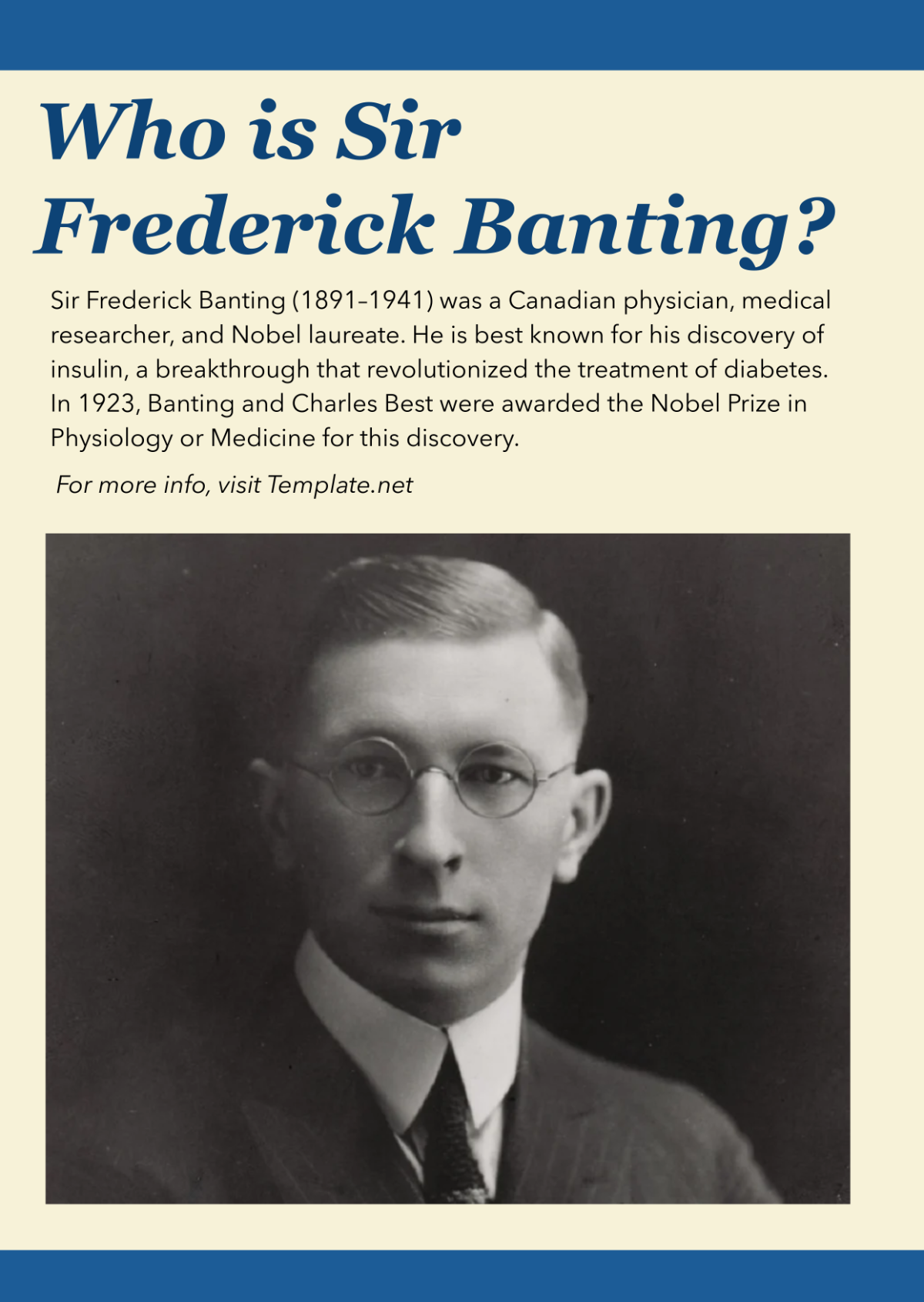
Discover how Frederick Banting's groundbreaking insulin discovery revolutionized diabetes treatment, saving millions. Ex...
View Board
Discover how AI is revolutionizing the fight against antibiotic resistance by accelerating drug discovery, predicting ou...
View Board
Discover how the Human Leukocyte Antigen (HLA) system shapes immune responses, influences disease susceptibility, and re...
View Board
Explore the life and legacy of Karl Landsteiner, the visionary who revolutionized medical science with the discovery of ...
View Board
Discover the impactful legacy of Gregor Mendel, the Father of Genetics, whose pioneering pea plant experiments laid the ...
View Board
Explore the complicated legacy of James Watson, the controversial architect of DNA. Delve into his groundbreaking achiev...
View Board
Last news about Life Sciences and Medicine Week from 28/10/2024 to 03/11/2024
View Board
Discover the groundbreaking journey of Barry Marshall, a trailblazer in gastroenterology whose bold hypotheses and revol...
View Board
Discover the groundbreaking journey of Ronald Ross, the pioneering scientist whose revolutionary understanding of malari...
View Board
"Explore Amparo Acker Palmer's neurovascular research, reshaping brain development insights and offering new therapies. ...
View Board
Comments