


Explore Any Narratives
Discover and contribute to detailed historical accounts and cultural stories. Share your knowledge and engage with enthusiasts worldwide.
Craig Venter is one of the most influential and controversial figures in modern science. A biologist, entrepreneur, and visionary, Venter has played a pivotal role in decoding the human genome and pushing the boundaries of synthetic biology. His work has not only transformed our understanding of life but has also sparked ethical debates about the future of genetic engineering. This article explores his groundbreaking contributions, his unorthodox approach to science, and his relentless pursuit of innovation.
Born on October 14, 1946, in Salt Lake City, Utah, J. Craig Venter grew up in a working-class family. His early years were marked by a rebellious spirit and a fascination with the natural world. Initially, Venter struggled in school, but his passion for science eventually led him to pursue higher education. After serving as a Navy medical corpsman during the Vietnam War, he returned to the U.S. and earned a Ph.D. in physiology and pharmacology from the University of California, San Diego.
Venter's early career was characterized by a deep interest in molecular biology and genetics. He worked at the National Institutes of Health (NIH) in the 1980s, where he began developing techniques to accelerate DNA sequencing—a field that was still in its infancy. His innovative approach would later become the foundation for his revolutionary work in genomics.
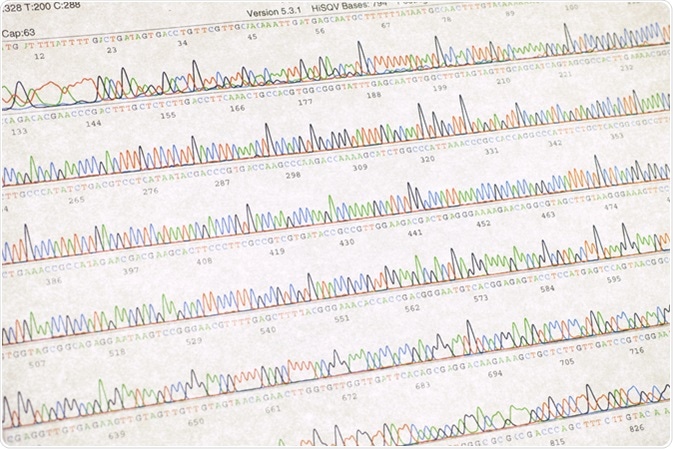
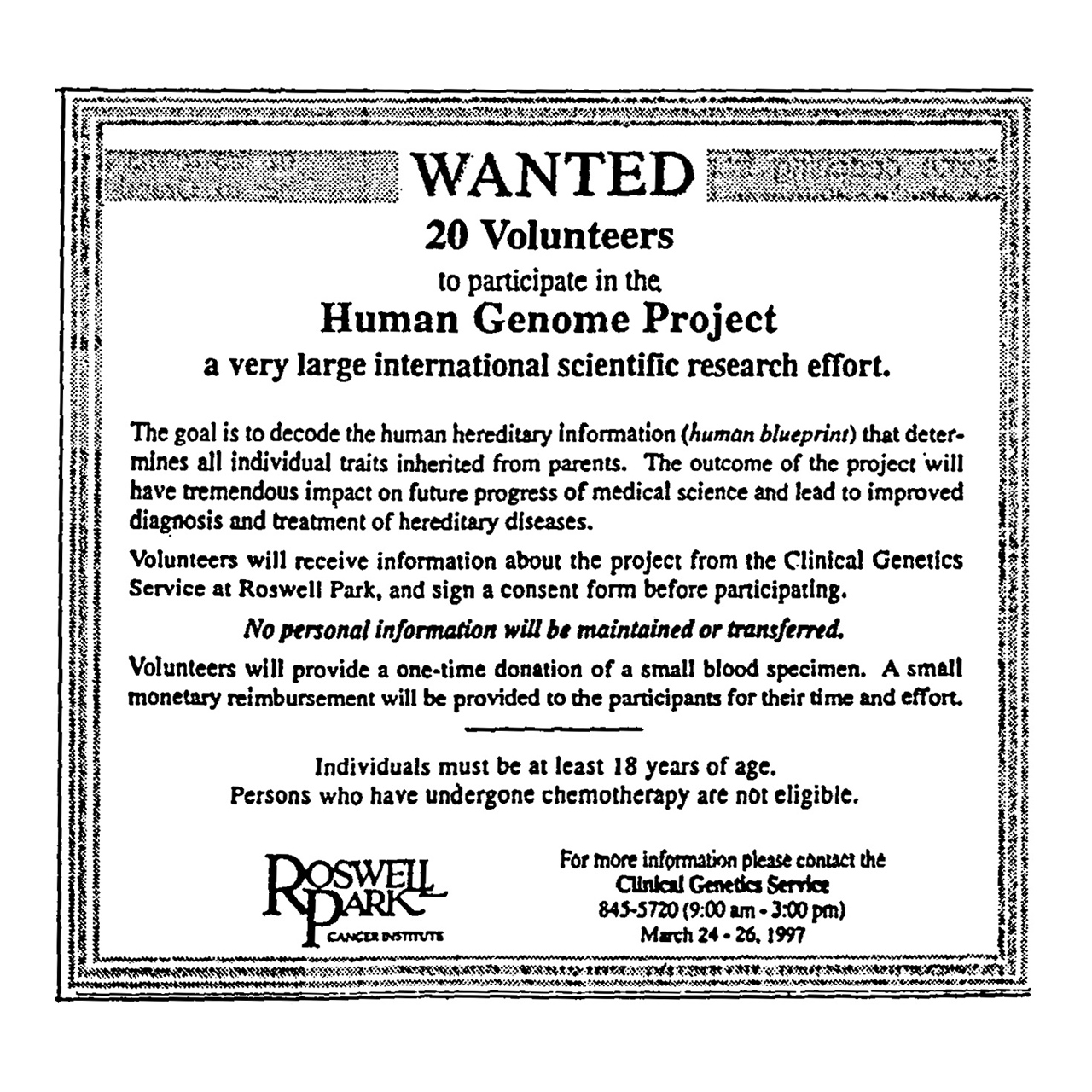
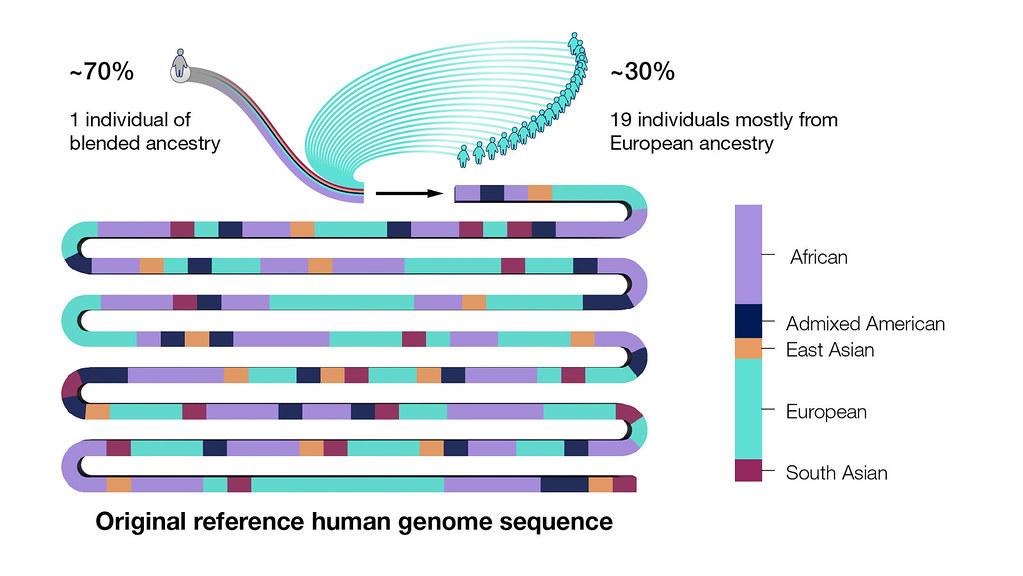
In the 1990s, the scientific community was embroiled in an intense competition to sequence the entire human genome. The Human Genome Project (HGP), a publicly funded international effort, aimed to map all human genes systematically. However, Venter believed the traditional methods were too slow and costly. Determined to find a faster solution, he pioneered a technique called "shotgun sequencing," which broke DNA into smaller fragments for rapid analysis and reassembly.
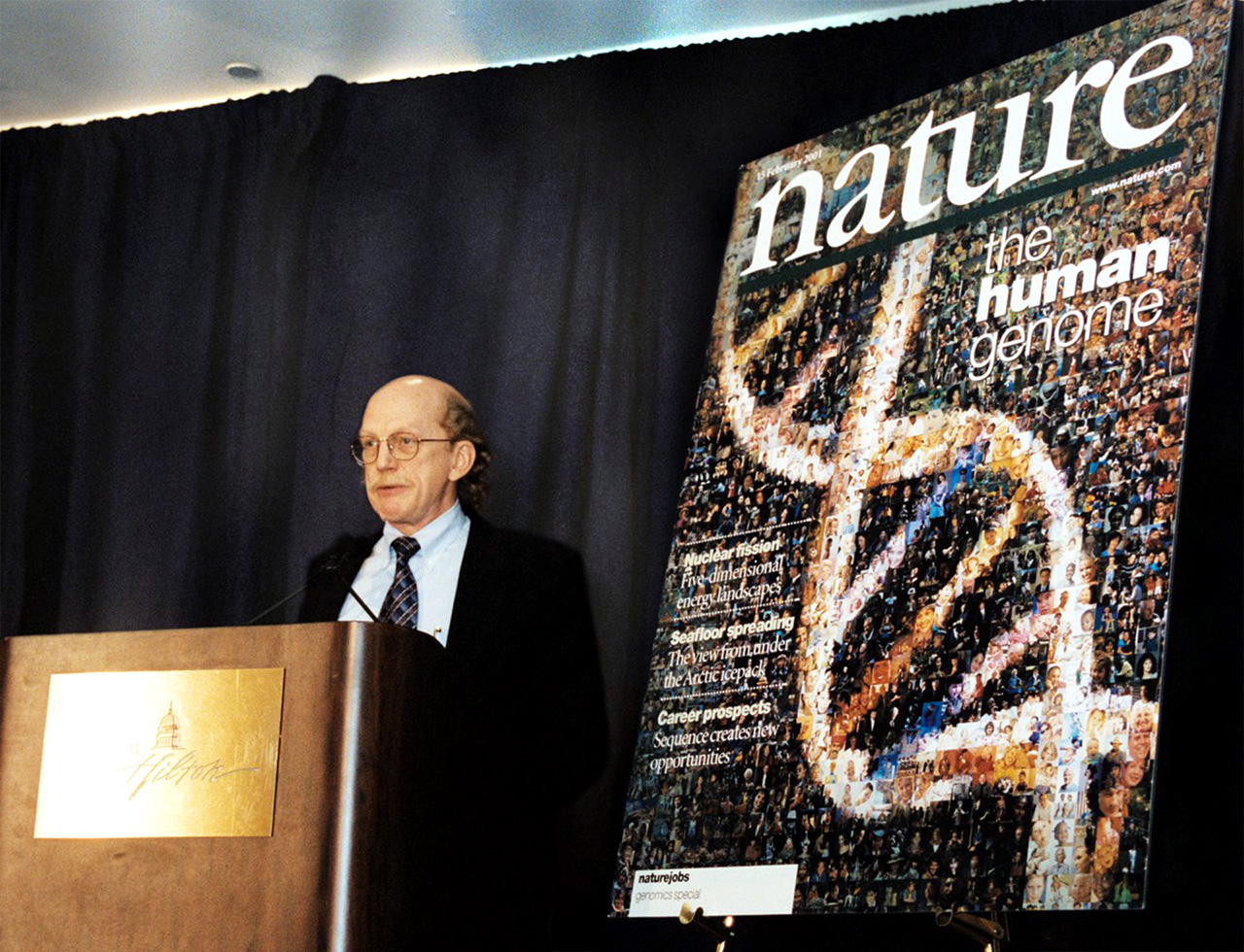
In 1998, Venter made headlines when he founded Celera Genomics, a private company backed by significant investment. His goal was to sequence the human genome before the HGP—and to do it at a fraction of the cost. The race between Celera and the public consortium became one of the most dramatic stories in scientific history. Despite fierce competition, both teams announced a draft sequence of the human genome in 2001, marking a monumental achievement for science.
Venter’s aggressive, for-profit approach to genomics drew criticism from many in the scientific community. Some accused him of attempting to privatize the human genome, while others questioned the accuracy of his sequencing methods. The tension between public and private research models fueled debates about intellectual property, open science, and the commercialization of biological data.
Yet, Venter defended his methods, arguing that competition accelerated progress and that private investment was necessary for large-scale scientific breakthroughs. His work undeniably pushed genomics into the spotlight, paving the way for the personalized medicine revolution we see today.
After Celera, Venter shifted his focus to synthetic biology—the design and construction of artificial life forms. In 2010, his team at the J. Craig Venter Institute achieved a historic milestone by creating the first synthetic bacterial cell. They synthesized a genome from scratch and successfully transplanted it into a recipient cell, effectively booting up a new form of life.
This breakthrough opened doors to revolutionary applications, from sustainable fuel production to disease-resistant crops. However, it also raised ethical concerns about the implications of "playing God" with life itself. Venter, ever the provocateur, embraced these discussions while continuing to explore the outer limits of biological engineering.
Beyond pure science, Venter has founded multiple companies, including Synthetic Genomics and Human Longevity Inc., focusing on genomics-driven healthcare and biotechnology solutions. His ventures aim to use genetic data to extend human lifespan, combat diseases, and address global challenges like climate change through bioengineered organisms.
As a scientist, entrepreneur, and thinker, Craig Venter remains a polarizing yet undeniably transformative figure. His relentless drive and willingness to challenge norms have reshaped modern biology, leaving a legacy that continues to influence research, medicine, and ethics in the 21st century.
Craig Venter’s contributions to genomics have fundamentally altered the landscape of modern medicine. By accelerating the sequencing of the human genome, his work enabled rapid advancements in personalized medicine—a field that tailors medical treatment to an individual’s genetic makeup. Today, doctors use genomic data to predict disease risks, customize drug therapies, and diagnose genetic disorders with unprecedented precision. Venter’s insistence on speed and efficiency helped make these tools accessible, reducing costs from billions of dollars to just a few hundred per genome.
One of the most immediate applications of Venter’s breakthroughs is in pharmacogenomics, the study of how genes affect a person’s response to drugs. His work laid the groundwork for identifying genetic markers that influence drug metabolism, allowing pharmaceutical companies to develop targeted therapies with fewer side effects. For example, cancer treatments like immunotherapy now incorporate genomic data to match patients with the most effective drugs, dramatically improving outcomes.
Venter’s vision of democratizing genomics also paved the way for companies like 23andMe and AncestryDNA. By proving that rapid, cost-effective sequencing was possible, he indirectly spurred an industry that lets individuals explore their ancestry, detect hereditary conditions, and even uncover predispositions to diseases like Alzheimer’s. While these services have sparked debates about privacy and data security, their existence can be traced back to the technological leaps Venter championed.
Venter’s curiosity extended beyond human DNA into the vast, uncharted territory of microbial life. His Sorcerer II Expeditions, which circumnavigated the globe collecting marine microbial samples, revealed millions of new genes and thousands of species previously unknown to science. This research highlighted the critical role of microbes in Earth’s ecosystems, from regulating climate cycles to influencing human health.
His findings contributed to the Human Microbiome Project, an initiative exploring how trillions of microbes in and on our bodies affect everything from digestion to immune function. Venter’s work showed that humans are, in many ways, superorganisms—hosting a complex microbial ecosystem that plays a vital role in our well-being. This insight has led to breakthroughs in probiotics, microbiome-based therapies, and even mental health research.
Venter also pioneered environmental DNA (eDNA) sequencing, a technique that detects genetic material in soil, water, and air to monitor biodiversity without disturbing ecosystems. This method is now a cornerstone of conservation biology, allowing scientists to track endangered species, detect invasive organisms, and assess the health of fragile habitats. His ocean research, in particular, has been instrumental in understanding microbial contributions to carbon cycling and climate change mitigation.
Perhaps Venter’s most audacious endeavor was the creation of the first synthetic cell in 2010. His team synthesized the genome of Mycoplasma mycoides from scratch and implanted it into a recipient bacterial cell, effectively producing a life form controlled entirely by human-designed DNA. This achievement marked the dawn of synthetic biology—an era where organisms can be engineered for specific purposes, from biofuels to biodegradable plastics.
Venter founded Synthetic Genomics to commercialize these breakthroughs, targeting sectors like energy, agriculture, and medicine. His team engineered algae to produce biofuels, offering a renewable alternative to fossil fuels. Other projects include designing bacteria that consume greenhouse gases or manufacture vaccines on demand. These innovations promise to address some of humanity’s most pressing challenges, including climate change and pandemics.
The creation of synthetic life raised profound ethical dilemmas. Critics argue that tinkering with life’s blueprint could have unintended consequences, such as engineered organisms escaping into the wild or being weaponized. Venter has engaged with these concerns head-on, advocating for strict regulatory frameworks while pushing the boundaries of what’s scientifically possible. His perspective is pragmatic: the risks, he argues, are outweighed by the potential benefits to humanity.
Even in his 70s, Venter remains a forward-thinking innovator. His current ventures, like Human Longevity Inc., aim to extend human healthspan using AI-driven genomics. The company’s goal is to sequence one million human genomes, correlating genetic data with health outcomes to unlock secrets of aging and disease prevention. Meanwhile, his research into synthetic biology continues to explore radical possibilities, such as designing organisms capable of surviving on Mars.
One of Venter’s most futuristic ideas is the concept of “biological teleportation”—digitizing DNA sequences and transmitting them across the globe to be reconstructed in labs. This could revolutionize medicine by enabling instant vaccine production during outbreaks or allowing astronauts to 3D-print medicines in space. While still speculative, the idea underscores his belief that biology is an information science, bound only by the limits of human ingenuity.
Beyond his research, Venter has become a vocal advocate for science education and entrepreneurship. He emphasizes the need for young scientists to think disruptively and embrace risk—much as he did. His memoir, A Life Decoded, and frequent public talks offer a blueprint for turning bold ideas into reality, cementing his role as a mentor to aspiring innovators.
As the second part of this article demonstrates, Venter’s influence spans medicine, environmental science, and synthetic biology. His willingness to challenge conventions and pursue high-risk, high-reward science continues to shape our world in ways we are only beginning to understand.
As one of the most prominent scientists of our time, Craig Venter's legacy extends far beyond his specific discoveries. His career represents a paradigm shift in how biological research is conducted, funded, and applied to real-world problems. What sets Venter apart is not just his scientific brilliance, but his unique ability to bridge academia, industry, and public policy—often stirring controversy while driving progress forward.
Venter's approach to science has always existed at the intersection of open inquiry and commercialization. While critics argue that his private ventures threatened the open-access ethos of the Human Genome Project, proponents highlight how he forced the scientific establishment to work faster and more efficiently. The tension between these two models continues today in debates over data sharing, patent rights, and AI-driven drug discovery. Venter's experiences provide valuable case studies on balancing commercial viability with scientific progress.
Interestingly, Venter has evolved his stance over time. After leaving Celera, he founded the nonprofit J. Craig Venter Institute, demonstrating his commitment to basic research. However, he maintains that intellectual property protections are necessary to incentivize expensive biomedical breakthroughs—a perspective that reflects his pragmatism and firsthand experience in turning discoveries into tangible benefits.
Through Human Longevity Inc., Venter aims to radically extend the healthy human lifespan by decoding the molecular secrets of aging. His ambitious project to sequence one million genomes seeks to identify biomarkers that predict longevity and develop personalized interventions. This research could lead to breakthroughs in regenerative medicine, with potential treatments for age-related diseases like Alzheimer's and cardiovascular disorders.
Perhaps more provocatively, Venter has theorized about using synthetic biology to enhance human capabilities. In interviews, he's speculated about engineering humans to be radiation-resistant for space travel or creating specialized immune systems that could defeat any virus—ideas that blur the line between therapy and enhancement.
Venter's work has always extended beyond Earth. His interest in extremophiles—organisms that thrive in harsh environments—has implications for finding life elsewhere in the universe. NASA has collaborated with his teams to develop DNA sequencers for the International Space Station and future Mars missions.
Most strikingly, Venter has proposed using synthetic biology to terraform Mars. By engineering microorganisms that could produce oxygen or breakdown Martian regolith, he envisions creating habitable environments before human arrival. This futuristic application demonstrates how his work in synthetic biology could fundamentally alter humanity's relationship with the cosmos.
From creating synthetic life to proposing human genetic modification, Venter consistently pushes ethical boundaries. Religious groups, bioethicists, and even fellow scientists have questioned whether some research should remain off-limits. Venter counters that caution shouldn't equate to prohibition, advocating for responsible innovation rather than outright bans on emerging technologies.
The debate crystallized around his 2010 creation of the first synthetic cell. While some hailed it as a triumph of human ingenuity, organizations like the ETC Group labeled it an act of "extreme genetic engineering" requiring global governance. Venter responded by voluntarily submitting the research for ethical reviews and calling for public dialogue—though he refuses to let fear dictate scientific progress.
As genomic data becomes more accessible, concerns about genetic surveillance have grown. Venter's companies collect vast amounts of DNA information, raising questions about privacy and potential misuse by governments or insurers. While advocating for strong data protection, Venter also argues that the benefits of population genomics—like predicting disease outbreaks—outweigh the risks.
Unlike traditional academics, Venter operates with the urgency of a Silicon Valley entrepreneur. His management approach—high-risk, fast-paced, and goal-oriented—has drawn both admiration and criticism. Former colleagues describe marathon brainstorming sessions and relentless deadlines, while detractors argue this intensity pressures scientists to cut corners.
What's undeniable is his ability to attract talent and funding. By framing big biology as an exhilarating frontier rather than incremental work, Venter inspired a generation of researchers to think bigger. His TED Talks and media appearances have made complex science accessible, though some academics resent his celebrity status and self-promotion.
Analyzing Venter's career reveals several key principles that define his approach:
Now in his late 70s, Venter shows no signs of slowing down. His current ventures include:
Perhaps most ambitiously, Venter continues working on digitizing biology—creating systems where genetic code can be designed on computers and manufactured on demand. This could revolutionize everything from medicine to materials science in the coming decades.
Evaluating Venter's impact requires appreciating both his scientific contributions and his reinvention of how science gets done. Like James Watson before him, he combined brilliance with controversy—a polarizing figure who expanded what seemed possible.
Historians may ultimately remember him for:
In his memoir, Venter wrote: "I have always been more interested in the future than the past." This forward-looking mentality explains both his extraordinary achievements and his willingness to venture where others fear to tread. As synthetic biology matures and genomics becomes increasingly central to medicine, Craig Venter's influence—for better or worse—will only grow more pronounced in the decades ahead.
Your personal space to curate, organize, and share knowledge with the world.
Discover and contribute to detailed historical accounts and cultural stories. Share your knowledge and engage with enthusiasts worldwide.
Connect with others who share your interests. Create and participate in themed boards about any topic you have in mind.
Contribute your knowledge and insights. Create engaging content and participate in meaningful discussions across multiple languages.
Already have an account? Sign in here

Explore the complicated legacy of James Watson, the controversial architect of DNA. Delve into his groundbreaking achiev...
View Board
**Meta Description:** Discover how Francisco Mojica, the Spanish microbiologist behind CRISPR’s groundbreaking discove...
View Board
Explore Dr. Julio Palacios' pioneering Rhizobium genetics and agricultural genomics that revolutionized Latin American s...
View Board
Explore the meaning behind O-Kregk-Benter-Oramatisths in Greece's thriving biotech sector. Discover key players, trends,...
View Board
Discover Sydney Brenner's groundbreaking contributions to molecular biology, from cracking the genetic code to pioneerin...
View Board
Discover how François Jacob's Nobel-winning operon model revolutionized biology and shaped morphobioscience, revealing t...
View Board
Discover the impactful legacy of Gregor Mendel, the Father of Genetics, whose pioneering pea plant experiments laid the ...
View Board
Discover how tandem gene silencing mechanisms regulate gene expression through RNA interference and epigenetic pathways....
View Board
"Discover Max Delbrück's Nobel-winning phage research that shaped molecular biology. Learn how his work revolutionized g...
View Board
Discover how Max Delbrück, a Nobel Prize-winning pioneer in molecular biology, revolutionized genetics with his bacterio...
View Board
Uncover the truth behind Zak-Mono-O-8rylos-ths-Moriakhs-Biologias. Explore its origins, modern biology connections, and ...
View Board
Discover how August Baisman revolutionized biology with gamete selection theory, reshaping our understanding of reproduc...
View Board
Discover how AI is revolutionizing the fight against antibiotic resistance by accelerating drug discovery, predicting ou...
View Board
Explore the groundbreaking contributions of Jean Dausset, the luminary in immunogenetics whose discovery of the Human Le...
View Board
"Explore Professor Amparo Acker-Palmer's research on neurovascular signaling, transforming brain development and cancer ...
View Board
Max Delbrück was a pioneering scientist whose work revolutionized molecular biology through an interdisciplinary approac...
View Board
Discover how the Human Leukocyte Antigen (HLA) system shapes immune responses, influences disease susceptibility, and re...
View Board
Last news about Biology Week from 14/10/2024 to 20/10/2024
View Board
Last news about Biology Week from 07/10/2024 to 13/10/2024
View Board
**Meta Description:** "Explore the life and legacy of Jacques Monod, Nobel Prize-winning molecular biologist who revol...
View Board
Comments