Tandem Gene Silencing Mechanisms and Pathways
Tandem gene silencing is a fundamental biological process where sequentially arranged genes are suppressed at the transcriptional or post-transcriptional level. This sophisticated regulatory mechanism ensures proper genome function and stability. Scientists continuously uncover new details about the molecular intricacies that control this vital process.
Understanding Tandem Gene Silencing
Genes organized in a head-to-tail configuration along a chromosome are particularly prone to coordinated silencing. This phenomenon acts as a crucial genome defense mechanism, protecting against the potentially disruptive effects of repetitive DNA sequences. The silencing can occur through various pathways, including RNA interference and epigenetic modifications.
The efficiency of tandem gene silencing often depends on the genomic context and the specific molecular triggers involved. Researchers have identified that this process plays significant roles in development, disease progression, and evolutionary biology. Understanding these mechanisms provides insights into fundamental cellular processes.
Key Characteristics of Tandem Arrangements
Genes in tandem repeats share identical or highly similar DNA sequences arranged consecutively. This unique organization makes them susceptible to specialized regulatory controls not typically applied to single-copy genes. The proximity of these repeats facilitates coordinated regulation through shared regulatory elements.
Studies show that tandem repeats can trigger silencing more effectively than unlinked repetitive sequences. The specific orientation and number of repeats significantly influence the silencing outcome. This characteristic has important implications for both natural gene regulation and genetic engineering applications.
Molecular Mechanisms of Silencing
The cellular machinery employs multiple sophisticated pathways to implement tandem gene silencing. These mechanisms work at different levels of gene expression, from preventing transcription to degrading already synthesized messenger RNA. The choice of pathway often depends on the organism and specific genomic context.
RNA Interference Pathways
RNA interference (RNAi) represents a primary mechanism for post-transcriptional gene silencing in tandem arrangements. This pathway involves the processing of double-stranded RNA into small interfering RNAs (siRNAs) that guide the silencing machinery. These siRNAs provide sequence specificity for targeting complementary mRNA molecules.
The core component of the RNAi pathway is the RNA-induced silencing complex (RISC). This multi-protein complex uses Argonaute proteins, which act as endonucleases to cleave target mRNA strands. The specificity comes from the bound siRNA that perfectly matches the target sequence, ensuring precise gene regulation.
- Dicer enzymes process double-stranded RNA into siRNAs
- Argonaute proteins serve as the catalytic engine of RISC
- Small interfering RNAs (siRNAs) provide target recognition
- RNA-dependent RNA polymerases amplify the silencing signal
Repeat-Induced Gene Silencing (RIGS)
Repeat-induced gene silencing (RIGS) specifically targets tandem repeats of transgenes and endogenous sequences. This mechanism recognizes the repetitive nature of the DNA arrangement rather than the specific sequence content. The efficiency of RIGS increases with the number of repeats and their proximity to heterochromatic regions.
Research demonstrates that tandem repeats trigger silencing more effectively than unlinked repeats in the genome. The silencing phenomenon shows particular strength in mammalian stem cells, where genomic stability is paramount. This suggests RIGS plays a crucial role in maintaining cellular potency and preventing aberrant gene expression.
Studies indicate that tandem repeats positioned near large blocks of heterochromatin experience enhanced silencing efficiency, highlighting the importance of genomic context in repeat-induced gene silencing mechanisms.
Epigenetic Control Mechanisms
Beyond RNA-based pathways, epigenetic mechanisms contribute significantly to tandem gene silencing. These modifications alter chromatin structure without changing the underlying DNA sequence. Epigenetic silencing often involves histone modifications and DNA methylation patterns that make genes inaccessible to the transcription machinery.
When genes organize in tandem orientation, downstream genes become particularly susceptible to epigenetic inactivation. This susceptibility arises from the spread of repressive chromatin marks along the chromosome. Histone deacetylases play a crucial role in establishing and maintaining these silent chromatin states.
Chromatin Remodeling in Tandem Silencing
Chromatin remodeling complexes physically rearrange nucleosome positions to either expose or hide gene sequences from transcriptional machinery. In tandem gene silencing, these complexes help establish compact, transcriptionally inactive chromatin structures. The remodeling process often begins at one repeat and spreads to adjacent sequences.
The establishment of heterochromatin—a tightly packed form of DNA—is a hallmark of epigenetic silencing. This condensed state prevents transcription factors and RNA polymerase from accessing gene promoters. The silent state can be maintained through cell divisions, creating stable, heritable gene silencing.
Recent Discoveries in Tandem Silencing
Scientific understanding of tandem gene silencing continues to evolve with new research findings. Recent studies have identified novel pathways and regulatory components that expand our knowledge of this complex process. These discoveries highlight the sophistication of cellular gene regulation systems.
The TRISS Pathway
A groundbreaking discovery revealed the tandem repeat–induced sexual silencing (TRISS) pathway, which operates specifically during sexual reproduction. This mechanism differs from previously known silencing pathways like quelling and meiotic silencing by unpaired DNA (MSUD). The TRISS pathway appears conserved across species, suggesting fundamental biological importance.
The TRISS mechanism involves specialized proteins including the helicase FgQde3, whose recruitment depends on FgRid activity. This pathway may represent an evolutionary link between repeat-induced point mutation (RIP) and RNAi pathways. Its discovery provides new insights into how organisms silence potentially harmful genetic elements during critical developmental stages.
Stage-Specific Regulation
Recent research demonstrates that tandem repeat-induced silencing exhibits precise temporal regulation, occurring specifically during sexual developmental stages rather than vegetative growth phases. This stage-specificity indicates sophisticated control mechanisms that activate silencing only when most biologically relevant. The finding suggests cells possess intricate timing mechanisms for repeat silencing.
The discovery of developmental stage-specific silencing has important implications for understanding how organisms manage their genomes throughout life cycles. This regulation likely prevents unnecessary energy expenditure on silencing mechanisms during periods when repetitive elements pose minimal threat. The temporal control represents an elegant evolutionary solution to resource management in gene regulation.
Critical Molecular Components in Silencing Machinery
The sophisticated process of tandem gene silencing relies on a precise ensemble of protein complexes and RNA molecules. These components work in concert to identify repetitive sequences and execute targeted gene suppression. Researchers have identified core proteins conserved across diverse organisms, highlighting the fundamental nature of this regulatory system.
Dicer Enzymes: The Initiators
Dicer enzymes serve as the entry point for RNA interference pathways in tandem silencing. These specialized ribonucleases recognize and cleave double-stranded RNA into small interfering RNAs (siRNAs) of precise lengths. The generated siRNAs typically measure 21-23 nucleotides, providing the specificity needed for targeted gene regulation.
Different organisms possess multiple Dicer variants with specialized functions. In the fungus Fusarium graminearum, researchers have identified FgDcl1 and FgDcl2 as crucial for processing dsRNA into silencing triggers. These enzymes demonstrate distinct preferences for different RNA substrates, allowing for pathway specialization within the tandem gene silencing mechanism.
- FgDcl1 processes hairpin RNA precursors
- FgDcl2 cleaves long double-stranded RNA
- Dicer-like proteins show species-specific variations
- RNase III domains enable precise cleavage activity
Argonaute Proteins: The Effectors
Argonaute proteins form the catalytic core of the RNA-induced silencing complex (RISC). These endonucleases use the siRNA as a guide to identify and cleave complementary mRNA targets. The slicing activity of Argonaute proteins directly degrades the messenger RNA, preventing protein translation.
Studies in multiple model systems have revealed that Argonaute proteins like FgQde2 and FgSms-2 are essential for effective tandem gene silencing. These proteins contain PAZ and PIWI domains that facilitate small RNA binding and catalytic activity. The conservation of these domains across eukaryotes underscores their fundamental role in gene regulation.
Research indicates that Argonaute proteins can achieve near-perfect specificity in target recognition, with single nucleotide mismatches significantly reducing cleavage efficiency by over 90%.
Helicase Proteins and RNA-Dependent RNA Polymerases
Helicase proteins such as FgQde3 and Sad-3 provide essential unwinding activity during silencing initiation. These enzymes facilitate the separation of DNA strands, making repetitive regions accessible to the silencing machinery. Their ATP-dependent activity ensures energy-efficient regulation of tandem repeat expression.
RNA-dependent RNA polymerases (RdRPs) amplify the silencing signal by generating secondary siRNAs. Enzymes like Sad-1 use existing siRNA as primers to synthesize additional double-stranded RNA from target transcripts. This amplification creates a robust and self-sustaining silencing response that efficiently suppresses tandem gene expression.
Biological Significance and Applications
The biological implications of tandem gene silencing extend across multiple domains of life science and medicine. This natural mechanism influences everything from basic cellular function to complex disease processes. Understanding these applications provides crucial insights for both fundamental research and therapeutic development.
Tumor Suppressor Gene Regulation in Cancer
In cancer biology, tandem gene organization contributes significantly to tumor suppressor inactivation. The RASSF1A tumor suppressor gene demonstrates particular susceptibility to epigenetic silencing when positioned in tandem with upstream genes. This mechanism frequently contributes to lung cancer progression and other malignancies.
Research published in Scientific Reports reveals that over 40% of lung cancers show epigenetic silencing of tandemly arranged tumor suppressor genes. The proximity of these genes to repetitive elements makes them vulnerable to chromatin modifications that suppress their anti-cancer activity. This finding has important implications for cancer epigenetics and therapeutic targeting.
- RASSF1A silencing correlates with poor cancer prognosis
- DNA methylation patterns establish stable silencing
- Histone modifications reinforce the repressed state
- Chromatin accessibility determines silencing susceptibility
Paramutation in Plant Genetics
The phenomenon of paramutation at the b1 locus in maize represents a classic example of tandem repeat-mediated silencing. This process involves RNA-mediated transcriptional silencing that can persist through generations. The tandem repeats alone prove sufficient to establish silencing, even when relocated to non-allelic positions.
Studies demonstrate that paramutation requires specific tandem repeats that generate siRNAs targeting the affected locus. The silencing effect demonstrates transgenerational stability, indicating establishment of stable epigenetic marks. This phenomenon illustrates how tandem organization can create heritable gene expression states without altering DNA sequence.
Research in PLOS Genetics shows that tandem repeats as small as 853 base pairs can induce paramutation when inserted upstream of a gene, demonstrating the potent silencing capacity of repetitive elements.
Genome Defense and Evolutionary Perspectives
Tandem gene silencing serves as a crucial genome defense mechanism against invasive genetic elements. This protective function has shaped evolutionary trajectories across diverse organisms. The conservation of silencing machinery highlights its fundamental importance in maintaining genomic integrity.
Protection Against Transposable Elements
Transposable elements represent significant threats to genome stability when activated. Tandem repeat silencing provides a first line of defense against these mobile genetic parasites. The mechanism recognizes the repetitive nature of transposon sequences and suppresses their activity through epigenetic modifications.
This defensive function prevents transposable elements from causing harmful mutations through insertional mutagenesis. The silencing mechanism particularly targets elements organized in tandem arrays, which pose greater threats due to their potential for rapid amplification. This protection has been conserved throughout eukaryotic evolution.
Viral Defense Mechanisms
Many RNAi pathways involved in tandem gene silencing originally evolved as antiviral defense systems. These mechanisms recognize double-stranded RNA replicative intermediates produced during viral infection. The same machinery subsequently adapted to regulate endogenous tandem repeats.
The antiviral origin explains the high specificity and efficiency of modern silencing pathways. Viruses often contain repetitive genomic elements that trigger the host's silencing response. This evolutionary history demonstrates how defense mechanisms can be co-opted for endogenous gene regulation.
- dsRNA recognition provides viral detection
- Sequence-specific cleavage prevents viral spread
- Amplification mechanisms enhance defense efficacy
- Epigenetic memory provides lasting protection
Evolutionary Conservation Across Species
The core components of tandem gene silencing machinery show remarkable conservation from fungi to plants and animals. Proteins like Dicer and Argonaute maintain similar functions across diverse evolutionary lineages. This conservation underscores the fundamental importance of repeat silencing in eukaryotic biology.
Despite this conservation, species-specific adaptations have produced specialized silencing pathways. The recent discovery of the TRISS pathway in fungi demonstrates ongoing evolution of tandem silencing mechanisms. These adaptations reflect specific biological needs and reproductive strategies different organisms have developed.
Experimental Approaches and Research Methods
Scientific understanding of tandem gene silencing has advanced through sophisticated experimental approaches. Researchers employ multiple techniques to investigate the molecular details of this complex process. These methods continue to evolve with technological advancements.
Genetic Screening and Mutant Analysis
Forward genetic screens have been instrumental in identifying key components of silencing pathways. Researchers induce random mutations and screen for defects in tandem gene silencing capacity. This approach led to the discovery of essential proteins like Qde2 and Dicer in various model organisms.
Mutant analysis provides functional validation of suspected silencing components. Knockout strains lacking specific genes demonstrate whether they are necessary for effective repeat silencing. Complementation experiments confirm the specificity of observed phenotypes. This genetic approach remains fundamental to pathway characterization.
Molecular Biology Techniques
Advanced molecular techniques enable detailed investigation of tandem silencing mechanisms at the biochemical level. Chromatin immunoprecipitation (ChIP) identifies protein-DNA interactions and histone modifications at tandem repeats. RNA sequencing detects small RNA populations generated during silencing initiation.
Bisulfite sequencing maps DNA methylation patterns that establish stable epigenetic silencing. These techniques provide comprehensive views of the multi-layered regulation governing tandem gene expression. The integration of multiple datasets offers systems-level understanding of this complex process.
Recent studies using CRISPR-based screens have identified over 50 candidate genes involved in various aspects of tandem repeat silencing, expanding our understanding of the regulatory network.
The continued refinement of research methods promises deeper insights into tandem gene silencing mechanisms. Single-cell technologies now enable investigation of silencing heterogeneity within populations. Live imaging approaches visualize silencing dynamics in real time, providing unprecedented temporal resolution.
Clinical Implications and Therapeutic Potential
The growing understanding of tandem gene silencing mechanisms opens exciting possibilities for clinical applications. Researchers are exploring how these natural regulatory pathways can be harnessed for therapeutic purposes. The specificity and efficiency of RNAi pathways make them particularly attractive for targeted treatments.
Gene Therapy Applications
Tandem silencing mechanisms provide templates for developing advanced gene therapy approaches. Scientists can design synthetic tandem repeats to silence disease-causing genes with precision. This approach shows promise for treating dominant genetic disorders where silencing a mutant allele could restore normal function.
Recent clinical trials have demonstrated the potential of RNAi-based therapies for amyloidosis and other protein misfolding diseases. These treatments use synthetic siRNAs that mimic natural tandem silencing pathways to reduce production of harmful proteins. The success of these trials validates the therapeutic potential of harnessing natural silencing mechanisms.
- Allele-specific silencing targets mutant genes selectively
- Synthetic tandem repeats can be engineered for specificity
- Viral vectors deliver silencing constructs to target tissues
- Regulatable systems allow dosage control of silencing
Cancer Treatment Strategies
Cancer researchers are exploiting tandem gene silencing principles to develop novel oncology treatments. The epigenetic modifications associated with repeat silencing can be targeted to reactivate tumor suppressor genes. Drugs that reverse DNA methylation or histone modifications show promise in clinical settings.
Combination therapies that integrate silencing mechanisms with conventional treatments are showing enhanced efficacy. For example, reversing RASSF1A silencing in lung cancer cells can restore apoptosis sensitivity to chemotherapy. This approach addresses both genetic and epigenetic factors in cancer progression.
Clinical studies indicate that epigenetic therapy combined with immunotherapy can achieve response rates exceeding 40% in previously treatment-resistant cancers, highlighting the power of targeting silencing mechanisms.
Agricultural and Biotechnological Applications
The principles of tandem gene silencing have revolutionized agricultural biotechnology and crop improvement. Understanding how plants naturally silence repetitive elements enables more precise genetic engineering. These applications address global challenges in food security and sustainable agriculture.
Crop Improvement and Pest Resistance
Plant biologists use tandem silencing knowledge to develop crops with enhanced resistance to pests and diseases. By engineering tandem repeats that trigger silencing of essential genes in pathogens, researchers create plants with built-in protection. This approach reduces reliance on chemical pesticides.
Virus-resistant crops represent one of the most successful applications of silencing technology. Plants engineered with tandem repeats derived from viral sequences activate RNAi pathways that provide immunity against infection. These crops have demonstrated field effectiveness while reducing environmental impact.
- Pathogen-derived resistance uses viral sequences for protection
- RNAi-based pesticides target specific insect pests
- Gene stacking creates multi-trait improvements
- Regulatory approval requires thorough safety assessment
Metabolic Engineering
Biotechnologists apply tandem silencing principles to optimize metabolic pathways in crops and industrial microorganisms. By selectively silencing competing pathways, researchers can redirect metabolic flux toward desired products. This approach has improved production of pharmaceuticals, biofuels, and nutritional compounds.
The ability to fine-tune gene expression through controlled silencing enables precise metabolic engineering. Synthetic biology approaches combine tandem repeat design with promoter engineering to create sophisticated regulatory circuits. These advances support sustainable production of valuable compounds.
Future Research Directions and Challenges
The field of tandem gene silencing continues to evolve with emerging technologies and novel discoveries. Several key challenges remain to be addressed, while new research directions promise to expand our understanding and applications of these mechanisms.
Technical Challenges in Therapeutic Development
Several significant hurdles must be overcome to fully realize the therapeutic potential of tandem silencing technologies. Delivery remains the primary challenge, as efficiently targeting specific tissues while avoiding off-target effects requires sophisticated delivery systems. Nanoparticle technologies and viral vector improvements show promise for addressing this limitation.
Another major challenge involves achieving long-term, stable silencing without triggering immune responses. The body's natural defense mechanisms against foreign RNA can interfere with therapeutic applications. Researchers are developing modified nucleotides and delivery strategies to evade immune detection while maintaining silencing efficacy.
Current research focuses on achieving tissue-specific delivery with >90% efficiency while maintaining silencing persistence for months to years, representing the holy grail of RNAi therapeutics.
Emerging Research Areas
Several exciting research directions are expanding the boundaries of tandem gene silencing knowledge. Single-cell analysis technologies are revealing previously unappreciated heterogeneity in silencing responses within cell populations. This research may explain why some cells resist silencing interventions.
The interface between tandem silencing and circadian biology represents another frontier. Emerging evidence suggests that silencing efficiency varies according to circadian rhythms, potentially explaining temporal variations in gene expression. Understanding these connections could optimize timing of therapeutic interventions.
- Single-cell omics reveals silencing heterogeneity
- Circadian regulation of silencing efficiency
- Tissue-specific variations in silencing mechanisms
- Cross-kingdom comparisons of silencing pathways
Ethical Considerations and Regulatory Frameworks
As tandem gene silencing technologies advance, ethical considerations become increasingly important. The potential for permanent epigenetic modifications raises questions about long-term consequences and intergenerational effects. Regulatory agencies are developing frameworks to ensure safe application of these powerful technologies.
International collaboration is essential for establishing consistent guidelines for silencing-based therapies and agricultural applications. Balancing innovation with precaution requires ongoing dialogue between scientists, regulators, and the public. Transparent communication about benefits and risks builds trust in emerging technologies.
Conclusion: Key Takeaways and Future Outlook
The study of tandem gene silencing has revealed sophisticated cellular mechanisms for maintaining genomic integrity and regulating gene expression. From fundamental biological insights to practical applications, this field continues to deliver significant advances across multiple disciplines.
Major Scientific Contributions
Research into tandem gene silencing has fundamentally changed our understanding of gene regulation. The discovery of multiple distinct pathways—including RNA interference, epigenetic modifications, and the recently characterized TRISS mechanism—demonstrates nature's multi-layered approach to controlling repetitive elements. These findings have rewritten textbooks on gene regulation.
The conservation of silencing machinery across eukaryotes highlights its fundamental importance in biology. From simple fungi to complex mammals, organisms share core components that manage repetitive genetic elements. This conservation provides powerful evidence for the essential nature of these regulatory systems.
- Multiple conserved pathways ensure robust silencing
- Epigenetic mechanisms provide stable, heritable regulation
- Stage-specific activation allows precise temporal control
- Cross-species conservation indicates fundamental importance
Practical Implications and Societal Impact
The practical applications of tandem silencing knowledge are already transforming medicine and agriculture. RNAi-based therapies offer new hope for treating previously untreatable genetic diseases. Epigenetic therapies are revolutionizing cancer treatment by reactivating silenced tumor suppressor genes.
In agriculture, silencing technologies enable development of crops with enhanced nutritional value, disease resistance, and environmental resilience. These advances contribute to global food security while reducing agriculture's environmental footprint. The responsible application of these technologies requires ongoing assessment of benefits and risks.
The global RNAi therapeutics market is projected to exceed $5 billion by 2028, reflecting the tremendous therapeutic potential of harnessing natural silencing mechanisms for human health.
Future Prospects and Final Thoughts
The future of tandem gene silencing research promises continued breakthroughs in both basic science and applied technologies. Emerging tools like CRISPR-based screening and single-cell analysis will uncover new dimensions of these regulatory networks. Integration with systems biology approaches will provide holistic understanding of silencing in cellular context.
Clinical applications will likely expand beyond current boundaries as delivery technologies improve and safety profiles are refined. The coming years may see approved therapies for numerous genetic disorders based on tandem silencing principles. Similarly, agricultural applications will continue to evolve with improved precision and specificity.
The study of tandem gene silencing exemplifies how fundamental biological research can yield profound practical benefits. What began as curiosity about how cells manage repetitive DNA has evolved into a field with transformative potential for human health, agriculture, and biotechnology. As research continues to unravel the complexities of these sophisticated regulatory systems, we can anticipate even more innovative applications that harness nature's own mechanisms for beneficial purposes. The ongoing dialogue between discovery and application ensures that this field will remain at the forefront of biological science for years to come.
Unveiling the Odyssey of François Jacob and Morphobioscience
The scientific journey of François Jacob represents a profound odyssey of discovery that reshaped modern biology. This article explores the revelation and narrativization of his pioneering research and its deep connections to the evolving history of morphobioscience. We will trace the path from his Nobel-winning insights to the broader implications for understanding life's complex architecture.
The Life and Legacy of François Jacob: A Scientific Pioneer
François Jacob was a French biologist whose collaborative work fundamentally altered our understanding of genetic regulation. Born in 1920, his life was marked by resilience, having served as a medical officer in the Free French Forces during World War II before turning to research. Alongside Jacques Monod and André Lwoff, he unveiled the operon model of gene control in bacteria.
This groundbreaking discovery earned them the 1965 Nobel Prize in Physiology or Medicine. Their work explained how genes could be switched on and off, a concept central to all biological development. Jacob's contributions extended beyond the operon, deeply influencing developmental biology and embryonic morphogenesis.
"The dream of every cell is to become two cells." - François Jacob
From War to the Laboratory: Jacob's Unlikely Path
Jacob's scientific career began after severe injury during the war redirected his path from surgery to research. His entry into the Pasteur Institute in 1950 placed him at the epicenter of a molecular biology revolution. This transition from medicine to fundamental research was crucial, providing a unique perspective on biological systems.
His wartime experiences cultivated a strategic mindset that he later applied to scientific problems. This background fostered a relentless drive to uncover the logical systems governing life, framing biology as an exercise in decoding complex information networks.
Deciphering the Operon: A Foundational Biological Narrative
The operon model stands as one of the most elegant narratives in modern science. Jacob and Monod proposed that clusters of genes could be regulated by a single operator switch. This model provided the first clear molecular logic for cellular differentiation and adaptation.
It answered a pivotal question: how do simple organisms manage complex behaviors? The discovery demonstrated that genes are not simply independent blueprints but are organized into functional, regulated circuits. This concept became a cornerstone for the emerging field of systems biology.
- The Lactose Operon (lac operon): The specific system studied, explaining how E. coli bacteria switch to consuming lactose when glucose is absent.
- Regulator Genes: These genes produce repressor proteins that can block transcription.
- The Operator Region: A DNA segment where the repressor binds, acting as the genetic "switch."
- Structural Genes: The cluster of genes expressed together when the operator switch is "on."
The Impact on Genetic and Embryological Thought
The operon model transcended bacterial genetics, offering a powerful metaphor for development in higher organisms. It suggested that the unfolding of form in an embryo could be directed by timed cascades of gene activation and repression. Jacob later became deeply interested in how these genetic circuits could orchestrate the complex morphogenesis of multicellular life.
This bridge between gene regulation and physical form is a key intersection with morphobioscience. Jacob's work implied that morphology is not pre-formed but computed in real-time by genomic networks. His ideas prompted biologists to reconsider embryos as self-organizing systems driven by regulated gene expression.
Exploring Morphobioscience: The Study of Biological Form
Morphobioscience is an integrative field concerned with the origin, development, and maintenance of biological form. It synthesizes concepts from embryology, evolution, genetics, and biophysics. The field seeks to understand how genetic information translates into three-dimensional structure and function.
This discipline moves beyond mere description of forms to explain the generative processes that create them. It asks not just "what does it look like?" but "how did it come to be shaped this way?" The history of this field is intertwined with the molecular revelations provided by researchers like François Jacob.
The Historical Trajectory of Form Studies
The history of studying biological form is long and rich, from Aristotle's observations to the comparative anatomy of the 19th century. The 20th century introduced two transformative paradigms: Darwinian evolution and molecular genetics. Jacob's work helped fuse these paradigms by providing a mechanism.
He showed how genetic changes in regulatory systems could produce altered forms upon which natural selection could act. This created a more complete narrative of evolutionary change, linking DNA sequence variation to phenotypic innovation. It addressed a critical gap in the Modern Synthesis of evolutionary biology.
Modern morphobioscience now employs advanced tools like live-cell imaging and computational modeling. These technologies allow scientists to visualize and simulate the dynamic processes of form generation that Jacob's theories helped to conceptualize.
The Interconnection: Jacob's Ideas and Morphobioscientific Philosophy
François Jacob's later writings, particularly his book "The Logic of Life," reveal his deep philosophical engagement with biological form. He argued that evolution works like a "tinkerer" (bricoleur), not an engineer. This metaphor suggests that new forms arise from modifying and recombining existing systems, not designing from scratch.
This concept is central to morphobioscience's understanding of evolutionary innovation. Most new anatomical structures are not wholly novel but are repurposed versions of old ones. The genetic regulatory networks Jacob discovered are the tools of this evolutionary tinkering.
His perspective encourages scientists to look for deep homologies—shared genetic circuitry underlying seemingly different forms in diverse species. This approach has been spectacularly confirmed in discoveries like the role of Hox genes in patterning animal bodies from insects to humans.
Evolution behaves like a tinkerer who, during eons upon eons, slowly reshapes his work. - François Jacob
The Narrative of Development as a Genetic Program
Jacob introduced the powerful, though sometimes debated, concept of the "genetic program." He described embryonic development as the execution of a coded plan contained within the DNA sequence. This narrative provided a framework for morphobioscience to interpret development as an informational process.
While modern science recognizes the crucial roles of physical forces and self-organization, the program metaphor was instrumental. It directed research toward deciphering the regulatory codes that coordinate cellular behavior in space and time. This quest continues to be a major driver in developmental biology and morphobioscience today.
Modern Morphobioscience: Beyond the Genetic Blueprint
The field of morphobioscience has advanced significantly beyond the initial metaphor of a simple genetic blueprint. While François Jacob's work on genetic regulation provided a foundational framework, contemporary research recognizes the immense complexity of emergent properties in biological form. Today, scientists integrate genetics with principles from physics, chemistry, and computational modeling to understand how forms self-assemble.
This evolution reflects a shift from a purely deterministic view to one that appreciates stochastic processes and self-organization. The development of an organism is now seen as a dialogue between its genetic instructions and the physical environment in which it grows. This more nuanced understanding is a direct descendant of the systems-thinking pioneered by Jacob and his contemporaries.
The Role of Physical Forces in Shaping Form
A key revelation in modern morphobioscience is the active role of biomechanical forces in development. Genes do not act in a vacuum; they produce proteins that alter cell adhesion, stiffness, and motility. These changes generate physical pressures and tensions that directly sculpt tissues, guiding the folding of an embryo's brain or the branching of its lungs.
This process, often called mechanotransduction, creates a feedback loop where form influences gene expression, which in turn alters form. It demonstrates that morphology is not a one-way street from gene to structure but a dynamic, reciprocal process. Understanding these forces is crucial for fields like regenerative medicine, where scientists aim to grow functional tissues in the lab.
- Cell Adhesion: Variations in how tightly cells stick together can cause sheets of tissue to buckle and fold, creating intricate structures.
- Cortical Tension: Differences in surface tension between cells can drive them to sort into specific layers, a fundamental step in organizing the early embryo.
- Matrix Mechanics: The stiffness or softness of the surrounding extracellular matrix can dictate whether a stem cell becomes bone, muscle, or nerve.
The Legacy of Jacob's "Tinkerer" in Evolutionary Developmental Biology (Evo-Devo)
The concept of evolution as a "tinkerer" has found its most powerful expression in the field of Evolutionary Developmental Biology, or Evo-Devo. This discipline explicitly seeks to understand how changes in developmental processes generate the evolutionary diversity of form. Jacob's insight that evolution works by modifying existing structures rather than inventing new ones from scratch is a central tenet of Evo-Devo.
By comparing the genetic toolkits used in the development of different animals, scientists have discovered profound similarities. The same families of genes that orchestrate the body plan of a fruit fly are used to pattern the body of a human, demonstrating a deep evolutionary homology. This provides concrete evidence for Jacob's narrative of evolutionary tinkering at the molecular level.
"The dream of the cell is to become two cells. The dream of the modern Evo-Devo researcher is to understand how a shared genetic toolkit builds a worm, a fly, and a human."
Hox Genes: The Master Regulators of Body Architecture
Perhaps the most stunning confirmation of Jacob's ideas came with the discovery of Hox genes. These are a set of regulatory genes that act as master switches, determining the identity of different segments along the head-to-tail axis of an animal. They are a quintessential example of a genetic module that has been copied, modified, and reused throughout evolution.
In a vivid illustration of tinkering, the same Hox genes that specify the thorax of an insect are used to pattern the mammalian spine. Variations in the expression patterns and targets of these genes contribute to the vast differences in body morphology between species. The study of Hox genes directly connects the molecular logic of the operon to the macroscopic evolution of animal form.
- Conservation: Hox genes are found in almost all animals and are arranged in clusters on the chromosome, a layout that is crucial to their function.
- Colinearity: The order of the genes on the chromosome corresponds to the order of the body regions they influence, a remarkable feature that underscores their role as a positional code.
- Modularity: Changes in Hox gene regulation can lead to major morphological innovations, such as the transformation of legs into antennae or the evolution of different limb types.
Morphobioscience in the 21st Century: Data, Imaging, and Synthesis
The 21st century has ushered in a new era for morphobioscience, driven by high-throughput technologies. The ability to sequence entire genomes, map all gene expression in a developing tissue, and image biological processes in real-time has generated vast datasets. The challenge is no longer acquiring data but synthesizing it into a coherent understanding of form.
This has led to the rise of computational morphodynamics, where researchers create mathematical models to simulate the emergence of form. These models integrate genetic, molecular, and physical data to test hypotheses about how complex structures arise. They represent the ultimate synthesis of the narratives started by Jacob—blending the logic of genetic programs with the dynamics of physical systems.
Live Imaging and the Dynamics of Development
Advanced microscopy techniques now allow scientists to watch development unfold live, capturing the dynamic cell movements that shape an embryo. This has transformed morphobioscience from a static, descriptive science to a dynamic, analytical one. Researchers can now observe the precise consequences of manipulating a gene or a physical force in real-time.
For example, watching neural crest cells migrate or observing the folds of the cerebral cortex form provides direct insight into the morphogenetic processes that Jacob could only infer. This technology directly tests his hypotheses about the temporal sequence of events in building biological form and has revealed a stunning level of plasticity and adaptability in developing systems.
The integration of live imaging with genetic manipulation and biophysical measurements is creating a more complete picture than ever before. It confirms that the narrative of morphogenesis is written not just by genes, but by the constant interplay between molecular signals and physical forces within a three-dimensional space.
Synthetic Biology and the Future of Designed Morphology
The principles uncovered by François Jacob and advanced by morphobioscience are now being actively applied in the field of synthetic biology. This discipline aims not just to understand life's design but to engineer it. Scientists are using the logic of genetic circuits—concepts directly descended from the operon model—to program cells with new functions and even new forms.
This represents a profound shift from analysis to synthesis. Researchers are building genetic modules that can control cell shape, direct pattern formation, or trigger multicellular assembly. The goal is to harness the rules of morphogenesis for applications in medicine, materials science, and biotechnology. This engineering approach tests our understanding of morphobioscience in the most rigorous way possible: by trying to build with its principles.
Programming Cellular Behavior and Tissue Engineering
A major frontier is the engineering of synthetic morphogenesis, where cells are programmed to self-organize into specific, pre-determined structures. Inspired by natural developmental processes, scientists design genetic circuits that control cell adhesion, differentiation, and movement. This has direct implications for regenerative medicine and the creation of artificial tissues and organs.
For instance, researchers have created systems where engineered cells can form simple patterns like stripes or spots, mimicking the early stages of biological patterning. These are the first steps toward building complex, functional tissues from the ground up. This work validates Jacob's vision of biology as an informational science governed by programmable logic.
- Logic Gates in Cells: Scientists implant synthetic versions of operons that function as AND, OR, and NOT gates, allowing for sophisticated decision-making within living cells.
- Pattern Formation: By engineering gradients of signaling molecules and responsive genetic circuits, researchers can guide cells to form spatial patterns, a foundational step in morphogenesis.
- Biofabrication: Programmed cells can be used as living factories to deposit specific materials, potentially growing structures like bone or cartilage in precise shapes.
Ethical and Philosophical Implications of Morphobioscience
The ability to understand and manipulate the fundamental processes of form raises significant ethical and philosophical questions. As morphobioscience progresses from explaining to engineering, it forces a re-examination of concepts like naturalness, identity, and the boundaries of life. The power to direct morphological outcomes carries with it a responsibility to consider long-term consequences.
Jacob himself was deeply reflective about the nature of life and scientific inquiry. His later writings grappled with the implications of seeing living systems as evolved historical objects and as complex machines. This dual perspective is central to modern debates in bioethics surrounding genetic modification, human enhancement, and synthetic life.
"What we can do, and what we ought to do, are separated by a chasm that science alone cannot bridge." - A reflection on the ethical dimension of biological engineering.
Reconciling Mechanism and Organicism
A persistent philosophical tension in biology is between mechanistic and organicist views of life. Jacob's "genetic program" metaphor leaned mechanistic, portraying the organism as executing coded instructions. Modern morphobioscience, with its emphasis on emergent properties and self-organization, reintroduces organicist principles.
The field today seeks a synthesis: organisms are mechanistic in their parts but organicist in their whole. They are built from molecular machines and genetic circuits, yet their final form arises from complex, dynamic interactions that are not fully predictable from parts alone. This synthesis provides a more complete and humble understanding of biological complexity.
This perspective cautions against reductionist overreach. While we can manipulate genes to influence form, the outcome is never guaranteed due to the network's robustness and adaptability. This inherent unpredictability is a crucial factor in ethical considerations about modifying complex biological systems.
Conclusion: The Integrated Narrative of Form and Information
The odyssey from François Jacob's discovery of the operon to the modern science of morphobioscience reveals an integrated narrative. It is the story of how biology learned to speak the language of information and control. Jacob's work provided the grammar—the rules of genetic regulation—that allowed scientists to begin reading the story of how form is written and rewritten through evolution.
Morphobioscience has expanded this narrative by adding the crucial chapters of physical forces, evolutionary history, and self-organization. It shows that the blueprint is not enough; you must also understand the materials, the environmental context, and the historical contingencies that guide construction. The field stands as a testament to the power of interdisciplinary synthesis in science.
Key Takeaways from Jacob's Legacy and Morphobioscience
- Genetic Regulation is Foundational: The operon model was a paradigm shift, revealing that genes are organized into regulated circuits, a principle governing all life.
- Evolution is a Tinkerer: New biological forms arise primarily from the modification and repurposing of existing genetic modules and developmental pathways.
- Form is an Emergent Property: Morphology results from the dynamic interplay between genetic information and physical processes within a three-dimensional environment.
- The Past Informs the Present: Understanding the history of an organism's lineage is essential to explaining its current form, as evolution works on inherited templates.
- Synthesis is the Future: The greatest insights will come from integrating genetics, development, evolution, and biophysics into a unified science of biological form.
The journey of scientific discovery chronicled here is far from over. The next chapters in morphobioscience will likely be written at the frontiers of computational prediction and synthetic construction. As we build increasingly accurate models and engineer more complex biological forms, we will continue to test and refine the principles first illuminated by pioneers like François Jacob.
The ultimate lesson is one of profound interconnection. The logic of life unveiled in a bacterial cell can inform our understanding of our own development and our place in the history of life on Earth. By continuing to explore the revelation and narrativization of these principles, science moves closer to a complete story—one that weaves together the threads of information, form, and time into a coherent understanding of the living world.
Julio Palacios: A Visionary Biologist in Genetic Research
Dr. Julio Palacios is a visionary biologist whose pioneering work established the foundational genomics infrastructure in Latin America. His career as a Mexican geneticist placed him at the forefront of Rhizobium genetics research, directly applying genomic science to improve agricultural sustainability. This exploration details his significant contributions to genetic research and his lasting impact on science in the developing world.
The Pioneering Legacy of Dr. Julio Palacios
Dr. Julio Palacios is recognized as a key figure who brought modern molecular biology to Mexico. After returning from advanced training abroad, he became instrumental at the National Autonomous University of Mexico's Center for Genomic Sciences (CCG). His work focused on solving practical challenges through genetic research, particularly in agriculture, which remains a critical sector for Mexico and many nations.
His visionary approach connected pure science with real-world application. Palacios understood that genomics could revolutionize food security. He dedicated his efforts to studying the bacteria that help plants thrive, aiming to harness their natural abilities through genetic understanding.
Dr. Palacios's research demonstrated that bacterial genomes contain rearrangeable segments, a discovery that opened the door to engineering more effective nitrogen-fixing variants for agriculture.
Establishing Mexican Genomics
The early 2000s marked a pivotal era for genomic science in Mexico. Dr. Palacios was central to the country's first major sequencing achievements. His leadership helped transition Mexican biology from traditional methods to cutting-edge genomic analysis. This created a skilled scientific community and necessary infrastructure for future discoveries.
His efforts ensured Mexico could participate in the global genomics revolution. The CCG became a hub for training and innovation under his influence. This legacy continues to benefit Latin American genetic research today, enabling studies on crops vital to the region's economy and culture.
Groundbreaking Work in Rhizobium Genetics
Dr. Palacios's most renowned scientific contributions are in the field of Rhizobium genetics. Rhizobia are soil bacteria that form symbiotic relationships with legumes like beans and peas. These bacteria perform biological nitrogen fixation, converting atmospheric nitrogen into a form plants can use, reducing the need for chemical fertilizers.
His research provided deep insights into the genetic mechanisms behind this symbiosis. By mapping and manipulating bacterial genes, Palacios's work aimed to create more efficient microbial partners for crops. This has profound implications for sustainable farming and environmental conservation.
- Symbiotic Plasmid Sequencing: He contributed to sequencing the 370-kb symbiotic plasmid of Rhizobium etli, a landmark project for Mexican science.
- Genome Rearrangement: His studies proved bacterial genomes have movable segments, allowing for potential genetic engineering.
- Agricultural Focus: The primary application targeted improving the symbiosis with the common bean (Phaseolus vulgaris), a staple food in Mexico.
The 370-kb Symbiotic Plasmid: A National Milestone
The sequencing of the 370 kb symbiotic plasmid stands as one of Dr. Palacios's crowning achievements. This project was Mexico's first large-scale sequencing endeavor. It provided a detailed genetic map of the plasmid, the circular DNA structure in Rhizobium etli that carries genes essential for nitrogen fixation.
This work was not just a technical feat. It unlocked a treasure trove of data for understanding how the bacterium interacts with plant roots. The knowledge gained directly supported efforts to enhance a natural process crucial for soil health and crop yields. This project placed Mexican researchers on the global genomics map.
Accolades and Recognition: The 2003 TWAS Prize
In 2003, Dr. Julio Palacios received the prestigious TWAS Prize (The World Academy of Sciences). This award is a top honor for scientists from developing countries, recognizing groundbreaking contributions to science. His winning of this prize underscores the international impact and significance of his work in genetic research.
The TWAS Prize highlighted how his research addressed both scientific excellence and regional development needs. It celebrated a career dedicated to building local capacity while tackling a globally relevant challenge: sustainable agriculture. This recognition brought well-deserved attention to the growing scientific potential within Latin America.
The TWAS Prize recognizes top developing-world scientists; Dr. Palacios was honored in 2003 for his pioneering contributions to genetics and genomics.
Impact on Science in Developing Nations
Dr. Palacios's career is a powerful case study in scientific development. He demonstrated that with vision and dedication, researchers in developing nations can lead world-class science. His work provided a roadmap for leveraging genomic sciences to solve local and global problems without relying solely on technology transfer from wealthier countries.
He inspired a generation of Mexican and Latin American biologists to pursue ambitious genomic projects. This created a virtuous cycle of training, publication, and further investment in research infrastructure. His legacy is a more robust and self-sufficient scientific community.
Contributions to Agricultural Genomics and Crop Science
The research of Dr. Julio Palacios directly fueled advancements in agricultural genomics. By focusing on Rhizobium etli and its host, the common bean, his work had immediate practical applications. This approach connected fundamental genetic discovery with the urgent need for improved food production and agricultural sustainability in Mexico and beyond.
His genomic studies provided the tools to understand and potentially enhance a critical natural process. Biological nitrogen fixation reduces dependency on synthetic fertilizers, which are costly and can cause environmental damage. Palacios's vision was to use genetic research to make this process more efficient and reliable for farmers.
The "Phaseomics" Project and Bean Genome Sequencing
Dr. Palacios was instrumental in proposing and launching the international "Phaseomics" project. This ambitious initiative aimed to sequence the genome of the common bean (Phaseolus vulgaris). As a co-proposer, he helped position Mexico as a leader in the genomics of a crop vital to global nutrition and Latin American agriculture.
This project exemplified his collaborative and forward-thinking approach. It brought together scientists from various countries to tackle a complex genomic challenge. The data generated from Phaseomics has since been used to develop bean varieties with better yield, disease resistance, and nutritional content.
- International Collaboration: The project pooled expertise and resources from multiple nations, showcasing Palacios's ability to build scientific bridges.
- Crop-Centric Science: It firmly placed the crop, not just the model organism, at the center of major sequencing efforts.
- Foundation for Future Work: The genomic resources created enabled countless subsequent studies in plant breeding and genetics.
Expanding the Genomic Portfolio: Maize, Chile, and Tomatillo
Building on the success with beans, Dr. Palacios helped expand Mexico's genomic sequencing portfolio to other essential crops. Under his influence, the Center for Genomic Sciences initiated or contributed to projects involving maize (corn), Arabidopsis, chile peppers, and tomatillos. This broadened the impact of genomic science on Mexican agriculture and biodiversity.
Each of these crops holds significant cultural and economic value. Sequencing their genomes allows scientists to identify genes responsible for desirable traits. This knowledge accelerates traditional breeding programs and opens the door to precise genetic improvements, securing food sources for the future.
His research supported agricultural genomics, expanding to maize, Arabidopsis, bean, chile, and tomatillo gene sequencing, creating a rich genetic database for national crops.
Foundational Role in Latin American Genetic Research
Dr. Julio Palacios's work transcends his individual discoveries. He played a foundational role in Latin American genetic research by building the institutions, training the people, and establishing the practices necessary for modern science. His return to Mexico marked a pivotal moment, bringing state-of-the-art molecular biology techniques back to his home country.
He championed the idea that developing nations must not just consume scientific knowledge but produce it. By proving that complex genomics could be done locally, he empowered an entire region. His career is a testament to the power of scientific capacity building as a driver of long-term development.
Building the Center for Genomic Sciences (CCG)
The Center for Genomic Sciences (CCG) at UNAM became the physical and intellectual home for Palacios's vision. He was a key figure in shaping its direction as a hub for excellence. The CCG's early milestones, including the first complete genome sequencing projects in Mexico, bear his imprint and that of his colleagues.
This center became a magnet for talented students and researchers. It provided the high-tech equipment and collaborative environment needed for large-scale genomics projects. Today, the CCG continues to be a leading institution, a legacy of its pioneering founders like Dr. Palacios.
- Infrastructure Development: He helped secure and implement the advanced sequencing and computational infrastructure critical for genomics.
- Human Capital: He trained generations of scientists who now lead their own research groups across Mexico and Latin America.
- Scientific Culture: He fostered a culture of ambitious, internationally competitive, and collaborative research.
Bridging the Gap Between Basic and Applied Science
A hallmark of Palacios's vision was his ability to bridge basic and applied science. His work on Rhizobium genetics was deeply fundamental, exploring the rearrangement of bacterial genomes. Yet, the clear application was to engineer better biofertilizers, directly benefiting agriculture. This model demonstrated the practical value of investing in basic research.
He showed that questions driven by curiosity about natural mechanisms could yield powerful technological solutions. This philosophy helped justify funding for genomic science in a developing world context. It made a compelling case for how genetic research could address national priorities like food security and economic development.
The Pre-CRISPR Era: Laying the Genomic Groundwork
Dr. Palacios's most active period predates the modern revolution in gene editing sparked by technologies like CRISPR-Cas9. His work belongs to the era of foundational genomics, where the primary goal was reading and mapping genetic codes. This groundwork was absolutely essential for the gene-editing and synthetic biology tools that followed.
Without the detailed genomic maps he helped create, later technologies would lack their precise targets. Understanding the structure and function of symbiotic plasmids and bacterial genomes provided the necessary blueprint. His contributions exemplify how science progresses in steps, with each generation building upon the last.
His work predates modern CRISPR/NGENICS but laid the foundational genomics infrastructure in Latin America that enables current and future biotechnology.
Sequencing as a Prerequisite for Engineering
In the early 2000s, simply obtaining the DNA sequence of an organism was a monumental achievement. Dr. Palacios operated in this context, where large-scale sequencing was the cutting edge. The data from these projects became public resources, freely available to scientists worldwide who would later use CRISPR to modify those very sequences.
His focus on the 370 kb symbiotic plasmid is a perfect example. That sequence data allowed researchers to identify key genes involved in nitrogen fixation. Future scientists can now use gene editing to tweak, enhance, or transfer these genes, but only because the foundational sequencing work was done first.
A Legacy Enabling Modern Precision Biology
The institutions and expertise Dr. Palacios helped establish are now engaged in modern precision biology. The CCG and similar centers across Latin America are equipped to utilize CRISPR, next-generation sequencing, and bioinformatics. This transition from mapping to editing was only possible because of the initial investments in people and technology he advocated for.
His vision ensured that Latin America was not merely a spectator in the genomics revolution but a participant. Today, researchers in the region are using these tools to develop drought-resistant crops, disease-resistant varieties, and improved microbial inoculants, directly extending the path he helped pave.
Distinction from Similar Names: Julia Palacios and Julio Collado-Vides
It is important to distinguish Dr. Julio Palacios, the Mexican geneticist, from other prominent scientists with similar names. This distinction clarifies his unique legacy and prevents conflation of their significant but separate contributions to genetic research. Understanding these differences provides a more accurate picture of the scientific landscape.
The most notable parallel is Julia Palacios, a professor at Stanford University. Her work is in population genetics and statistical phylogenetics, often applied to epidemiology and viral evolution. While both operate in the broad field of genetics, their focus, methodologies, and geographical impact are distinct.
Julia Palacios: Bayesian Methods and Big Data
Julia Palacios has established herself as a leader in developing Bayesian statistical methods for analyzing genomic data. Her research, with over 668 Google Scholar citations, tackles questions in pathogen evolution and human population history. This contrasts with Julio Palacios's wet-lab, organism-focused approach on bacterial-plant symbiosis.
Her work represents the cutting edge of computational biology and big data analytics in genomics. It highlights how the field has evolved from sequencing single plasmids to analyzing massive datasets from thousands of genomes. Both scientists, though different, showcase the diverse and expanding nature of modern genetic inquiry.
- Field: Theoretical & Computational Population Genetics.
- Focus: Phylodynamics, pathogen evolution, human migration patterns.
- Key Tool: Advanced Bayesian statistics and machine learning.
- Context: Works primarily on human and viral genomics, not agricultural microbiology.
Julio Collado-Vides: A Colleague in Genomics
Another related figure is Dr. Julio Collado-Vides, a contemporary and colleague at UNAM's CCG who served as Director. His research focuses on the transcriptional regulation of Escherichia coli, a model bacterium. While both men were instrumental in building Mexican genomics, their scientific specialties differed.
Collado-Vides's work provides a complementary foundation in microbial gene regulation. This knowledge base supports broader systems biology efforts. The collaborative environment they helped create allowed such diverse yet interconnected research programs to thrive under one institutional roof.
Dr. Julio Collado-Vides, CCG Director, focuses on E. coli regulation, a distinct but complementary field to Palacios's work on Rhizobium.
The Historical Julio Palacios: Spanish Physicist
Search results also reference a historical Julio Palacios, a Spanish physicist active in the early-to-mid 20th century. This individual led nuclear physics research at the Portuguese Cancer Institute from 1929 to 1954. It is crucial to separate this physicist's legacy from that of the 21st-century Mexican biologist.
This distinction underscores the importance of full names and context in scientific history. The shared name is coincidental, and their contributions span entirely different centuries, countries, and disciplines—physics versus biology. International symposia named in honor of the physicist, such as a 2016 event on crystallography, further attest to his separate renown.
Current Relevance and Lasting Scientific Impact
While Dr. Julio Palacios's most cited work peaks around 2007, his lasting scientific impact is undeniable. He laid the essential groundwork upon which contemporary Mexican and Latin American biotechnology is built. The current trends in agricultural genomics, including engineering enhanced nitrogen-fixing bacteria, are direct descendants of his pioneering research.
His vision of using genomics for sustainable development is more relevant today than ever. As the world seeks solutions for climate-resilient agriculture and reduced chemical inputs, the pathways he explored are at the forefront of scientific investigation. His early work provided the genetic parts list now being used in synthetic biology applications.
Sustaining the Legacy: Training the Next Generation
A primary component of Palacios's impact is the next generation of scientists he trained. These individuals now hold positions in academia, government, and industry. They carry forward the ethos of rigorous, application-oriented genetic research he championed, applying newer tools to the problems he identified.
This multiplier effect ensures his influence continues to grow. His students and collaborators are now leading their own projects in crop improvement, environmental microbiology, and genomics education. This human capital is perhaps his most valuable and enduring contribution to science in the region.
Modern Applications: From Genomics to Sustainable Agritech
The modern applications of his work are visible in the push for sustainable agritech solutions. Companies and research institutes worldwide are developing microbial inoculants based on a deep genetic understanding of plant-microbe interactions. The foundational knowledge from Palacios's studies on Rhizobium genome rearrangement informs these efforts.
Furthermore, the genomic infrastructure he helped establish allows Latin American nations to sequence and characterize their own unique biodiversity. This is crucial for conserving genetic resources and developing crops tailored to local conditions, moving beyond dependency on imported seeds and technologies.
Conclusion: The Enduring Vision of a Pioneer
Dr. Julio Palacios stands as a true visionary biologist at the forefront of genetic research in Latin America. His career was defined by a powerful combination of scientific excellence and a commitment to national development. By pioneering Rhizobium genetics and leading Mexico's first major genomics projects, he transformed the scientific capabilities of an entire region.
He demonstrated that developing nations could not only participate in but also lead in high-tech fields like genomics. His focus on agricultural applications ensured his research had tangible benefits, aligning scientific pursuit with societal need. The institutions he helped build continue to be pillars of innovation today.
Key Takeaways from a Pioneering Career
The legacy of Dr. Julio Palacios offers several critical lessons for science and society:
- Infrastructure is Fundamental: Lasting scientific progress requires investment in institutions, equipment, and trained personnel.
- Local Solutions from Global Science: Advanced genetic tools can and should be leveraged to address local challenges like food security.
- The Bridge Between Discovery and Application: The most impactful research often emerges from a clear vision of how basic discoveries can solve real-world problems.
- A Legacy of Empowerment: His greatest achievement may be empowering a generation of Latin American scientists to conduct world-class research at home.
His work laid the foundational genomics infrastructure in Latin America, proving that visionary research in developing countries has global significance and local impact.
A Continuing Inspiration for Genetic Research
As the field of genetics continues its rapid advance with tools like CRISPR and affordable sequencing, the foundational role of pioneers like Dr. Julio Palacios becomes ever clearer. He provided the essential maps and trained the first guides for the genomic exploration of Latin America's biological riches. His story is one of vision, perseverance, and transformative impact.
For current and future scientists, his career serves as a powerful model. It shows that scientific ambition is not confined by geography and that research dedicated to the public good can achieve the highest recognition. The enduring relevance of his work on sustainable agriculture ensures that his contributions will continue to be cited and built upon for decades to come, solidifying his place as a foundational figure in the history of genetic research.
Craig Venter: The Visionary Scientist Who Revolutionized Genomics
Introduction: A Pioneer in Modern Biology
Craig Venter is one of the most influential and controversial figures in modern science. A biologist, entrepreneur, and visionary, Venter has played a pivotal role in decoding the human genome and pushing the boundaries of synthetic biology. His work has not only transformed our understanding of life but has also sparked ethical debates about the future of genetic engineering. This article explores his groundbreaking contributions, his unorthodox approach to science, and his relentless pursuit of innovation.
Early Life and Education
Born on October 14, 1946, in Salt Lake City, Utah, J. Craig Venter grew up in a working-class family. His early years were marked by a rebellious spirit and a fascination with the natural world. Initially, Venter struggled in school, but his passion for science eventually led him to pursue higher education. After serving as a Navy medical corpsman during the Vietnam War, he returned to the U.S. and earned a Ph.D. in physiology and pharmacology from the University of California, San Diego.
Venter's early career was characterized by a deep interest in molecular biology and genetics. He worked at the National Institutes of Health (NIH) in the 1980s, where he began developing techniques to accelerate DNA sequencing—a field that was still in its infancy. His innovative approach would later become the foundation for his revolutionary work in genomics.
The Race to Decode the Human Genome
In the 1990s, the scientific community was embroiled in an intense competition to sequence the entire human genome. The Human Genome Project (HGP), a publicly funded international effort, aimed to map all human genes systematically. However, Venter believed the traditional methods were too slow and costly. Determined to find a faster solution, he pioneered a technique called "shotgun sequencing," which broke DNA into smaller fragments for rapid analysis and reassembly.
In 1998, Venter made headlines when he founded Celera Genomics, a private company backed by significant investment. His goal was to sequence the human genome before the HGP—and to do it at a fraction of the cost. The race between Celera and the public consortium became one of the most dramatic stories in scientific history. Despite fierce competition, both teams announced a draft sequence of the human genome in 2001, marking a monumental achievement for science.
Controversies and Ethical Debates
Venter’s aggressive, for-profit approach to genomics drew criticism from many in the scientific community. Some accused him of attempting to privatize the human genome, while others questioned the accuracy of his sequencing methods. The tension between public and private research models fueled debates about intellectual property, open science, and the commercialization of biological data.
Yet, Venter defended his methods, arguing that competition accelerated progress and that private investment was necessary for large-scale scientific breakthroughs. His work undeniably pushed genomics into the spotlight, paving the way for the personalized medicine revolution we see today.
Beyond the Human Genome: Synthetic Biology and New Frontiers
After Celera, Venter shifted his focus to synthetic biology—the design and construction of artificial life forms. In 2010, his team at the J. Craig Venter Institute achieved a historic milestone by creating the first synthetic bacterial cell. They synthesized a genome from scratch and successfully transplanted it into a recipient cell, effectively booting up a new form of life.
This breakthrough opened doors to revolutionary applications, from sustainable fuel production to disease-resistant crops. However, it also raised ethical concerns about the implications of "playing God" with life itself. Venter, ever the provocateur, embraced these discussions while continuing to explore the outer limits of biological engineering.
Entrepreneurial Ventures and Legacy
Beyond pure science, Venter has founded multiple companies, including Synthetic Genomics and Human Longevity Inc., focusing on genomics-driven healthcare and biotechnology solutions. His ventures aim to use genetic data to extend human lifespan, combat diseases, and address global challenges like climate change through bioengineered organisms.
As a scientist, entrepreneur, and thinker, Craig Venter remains a polarizing yet undeniably transformative figure. His relentless drive and willingness to challenge norms have reshaped modern biology, leaving a legacy that continues to influence research, medicine, and ethics in the 21st century.
The Impact of Venter’s Work on Genomic Medicine
Craig Venter’s contributions to genomics have fundamentally altered the landscape of modern medicine. By accelerating the sequencing of the human genome, his work enabled rapid advancements in personalized medicine—a field that tailors medical treatment to an individual’s genetic makeup. Today, doctors use genomic data to predict disease risks, customize drug therapies, and diagnose genetic disorders with unprecedented precision. Venter’s insistence on speed and efficiency helped make these tools accessible, reducing costs from billions of dollars to just a few hundred per genome.
Pharmacogenomics and Drug Development
One of the most immediate applications of Venter’s breakthroughs is in pharmacogenomics, the study of how genes affect a person’s response to drugs. His work laid the groundwork for identifying genetic markers that influence drug metabolism, allowing pharmaceutical companies to develop targeted therapies with fewer side effects. For example, cancer treatments like immunotherapy now incorporate genomic data to match patients with the most effective drugs, dramatically improving outcomes.
The Rise of Direct-to-Consumer Genetic Testing
Venter’s vision of democratizing genomics also paved the way for companies like 23andMe and AncestryDNA. By proving that rapid, cost-effective sequencing was possible, he indirectly spurred an industry that lets individuals explore their ancestry, detect hereditary conditions, and even uncover predispositions to diseases like Alzheimer’s. While these services have sparked debates about privacy and data security, their existence can be traced back to the technological leaps Venter championed.
Exploring the Microbiome and Environmental Genomics
Venter’s curiosity extended beyond human DNA into the vast, uncharted territory of microbial life. His Sorcerer II Expeditions, which circumnavigated the globe collecting marine microbial samples, revealed millions of new genes and thousands of species previously unknown to science. This research highlighted the critical role of microbes in Earth’s ecosystems, from regulating climate cycles to influencing human health.
The Human Microbiome Project
His findings contributed to the Human Microbiome Project, an initiative exploring how trillions of microbes in and on our bodies affect everything from digestion to immune function. Venter’s work showed that humans are, in many ways, superorganisms—hosting a complex microbial ecosystem that plays a vital role in our well-being. This insight has led to breakthroughs in probiotics, microbiome-based therapies, and even mental health research.
Environmental DNA (eDNA) and Conservation
Venter also pioneered environmental DNA (eDNA) sequencing, a technique that detects genetic material in soil, water, and air to monitor biodiversity without disturbing ecosystems. This method is now a cornerstone of conservation biology, allowing scientists to track endangered species, detect invasive organisms, and assess the health of fragile habitats. His ocean research, in particular, has been instrumental in understanding microbial contributions to carbon cycling and climate change mitigation.
Synthetic Biology: Creating Life in the Lab
Perhaps Venter’s most audacious endeavor was the creation of the first synthetic cell in 2010. His team synthesized the genome of Mycoplasma mycoides from scratch and implanted it into a recipient bacterial cell, effectively producing a life form controlled entirely by human-designed DNA. This achievement marked the dawn of synthetic biology—an era where organisms can be engineered for specific purposes, from biofuels to biodegradable plastics.
Applications in Industry and Sustainability
Venter founded Synthetic Genomics to commercialize these breakthroughs, targeting sectors like energy, agriculture, and medicine. His team engineered algae to produce biofuels, offering a renewable alternative to fossil fuels. Other projects include designing bacteria that consume greenhouse gases or manufacture vaccines on demand. These innovations promise to address some of humanity’s most pressing challenges, including climate change and pandemics.
Ethical and Philosophical Questions
The creation of synthetic life raised profound ethical dilemmas. Critics argue that tinkering with life’s blueprint could have unintended consequences, such as engineered organisms escaping into the wild or being weaponized. Venter has engaged with these concerns head-on, advocating for strict regulatory frameworks while pushing the boundaries of what’s scientifically possible. His perspective is pragmatic: the risks, he argues, are outweighed by the potential benefits to humanity.
The Future According to Venter
Even in his 70s, Venter remains a forward-thinking innovator. His current ventures, like Human Longevity Inc., aim to extend human healthspan using AI-driven genomics. The company’s goal is to sequence one million human genomes, correlating genetic data with health outcomes to unlock secrets of aging and disease prevention. Meanwhile, his research into synthetic biology continues to explore radical possibilities, such as designing organisms capable of surviving on Mars.
The Digitization of Life
One of Venter’s most futuristic ideas is the concept of “biological teleportation”—digitizing DNA sequences and transmitting them across the globe to be reconstructed in labs. This could revolutionize medicine by enabling instant vaccine production during outbreaks or allowing astronauts to 3D-print medicines in space. While still speculative, the idea underscores his belief that biology is an information science, bound only by the limits of human ingenuity.
Inspiring the Next Generation
Beyond his research, Venter has become a vocal advocate for science education and entrepreneurship. He emphasizes the need for young scientists to think disruptively and embrace risk—much as he did. His memoir, A Life Decoded, and frequent public talks offer a blueprint for turning bold ideas into reality, cementing his role as a mentor to aspiring innovators.
As the second part of this article demonstrates, Venter’s influence spans medicine, environmental science, and synthetic biology. His willingness to challenge conventions and pursue high-risk, high-reward science continues to shape our world in ways we are only beginning to understand.
The Legacy of Craig Venter: Science, Controversy, and Unfinished Dreams
As one of the most prominent scientists of our time, Craig Venter's legacy extends far beyond his specific discoveries. His career represents a paradigm shift in how biological research is conducted, funded, and applied to real-world problems. What sets Venter apart is not just his scientific brilliance, but his unique ability to bridge academia, industry, and public policy—often stirring controversy while driving progress forward.
Championing Open Science vs. Commercial Interests
Venter's approach to science has always existed at the intersection of open inquiry and commercialization. While critics argue that his private ventures threatened the open-access ethos of the Human Genome Project, proponents highlight how he forced the scientific establishment to work faster and more efficiently. The tension between these two models continues today in debates over data sharing, patent rights, and AI-driven drug discovery. Venter's experiences provide valuable case studies on balancing commercial viability with scientific progress.
Interestingly, Venter has evolved his stance over time. After leaving Celera, he founded the nonprofit J. Craig Venter Institute, demonstrating his commitment to basic research. However, he maintains that intellectual property protections are necessary to incentivize expensive biomedical breakthroughs—a perspective that reflects his pragmatism and firsthand experience in turning discoveries into tangible benefits.
Venter's Vision for the Future of Humanity
Extending the Human Lifespan
Through Human Longevity Inc., Venter aims to radically extend the healthy human lifespan by decoding the molecular secrets of aging. His ambitious project to sequence one million genomes seeks to identify biomarkers that predict longevity and develop personalized interventions. This research could lead to breakthroughs in regenerative medicine, with potential treatments for age-related diseases like Alzheimer's and cardiovascular disorders.
Perhaps more provocatively, Venter has theorized about using synthetic biology to enhance human capabilities. In interviews, he's speculated about engineering humans to be radiation-resistant for space travel or creating specialized immune systems that could defeat any virus—ideas that blur the line between therapy and enhancement.
Space Exploration and Astrobiology
Venter's work has always extended beyond Earth. His interest in extremophiles—organisms that thrive in harsh environments—has implications for finding life elsewhere in the universe. NASA has collaborated with his teams to develop DNA sequencers for the International Space Station and future Mars missions.
Most strikingly, Venter has proposed using synthetic biology to terraform Mars. By engineering microorganisms that could produce oxygen or breakdown Martian regolith, he envisions creating habitable environments before human arrival. This futuristic application demonstrates how his work in synthetic biology could fundamentally alter humanity's relationship with the cosmos.
The Ethical Minefield: Venter's Most Controversial Ideas
Playing God or Advancing Science?
From creating synthetic life to proposing human genetic modification, Venter consistently pushes ethical boundaries. Religious groups, bioethicists, and even fellow scientists have questioned whether some research should remain off-limits. Venter counters that caution shouldn't equate to prohibition, advocating for responsible innovation rather than outright bans on emerging technologies.
The debate crystallized around his 2010 creation of the first synthetic cell. While some hailed it as a triumph of human ingenuity, organizations like the ETC Group labeled it an act of "extreme genetic engineering" requiring global governance. Venter responded by voluntarily submitting the research for ethical reviews and calling for public dialogue—though he refuses to let fear dictate scientific progress.
The Surveillance Threat of Genetic Databases
As genomic data becomes more accessible, concerns about genetic surveillance have grown. Venter's companies collect vast amounts of DNA information, raising questions about privacy and potential misuse by governments or insurers. While advocating for strong data protection, Venter also argues that the benefits of population genomics—like predicting disease outbreaks—outweigh the risks.
Venter's Leadership Style: Maverick or Model?
Unlike traditional academics, Venter operates with the urgency of a Silicon Valley entrepreneur. His management approach—high-risk, fast-paced, and goal-oriented—has drawn both admiration and criticism. Former colleagues describe marathon brainstorming sessions and relentless deadlines, while detractors argue this intensity pressures scientists to cut corners.
What's undeniable is his ability to attract talent and funding. By framing big biology as an exhilarating frontier rather than incremental work, Venter inspired a generation of researchers to think bigger. His TED Talks and media appearances have made complex science accessible, though some academics resent his celebrity status and self-promotion.
The "Venter Method": Lessons for Disruptive Science
Analyzing Venter's career reveals several key principles that define his approach:
- Speed matters: He prioritized rapid iteration over perfection, famously saying "good enough is good enough" in sequencing
- Challenge orthodoxies: By questioning the Human Genome Project's methods, he forced the field to evolve
- Embrace competition: His rivalry with public researchers ultimately benefited science
- Think practically: Every discovery is considered for real-world applications
Unfinished Business: Venter's Ongoing Projects
Now in his late 70s, Venter shows no signs of slowing down. His current ventures include:
- Advanced AI-driven drug discovery: Using machine learning to analyze genomic datasets for new therapies
- The "Human Longevity Project": Building comprehensive health forecasts from whole-body scans and genetic data
- Synthetic food production: Engineering microbes to create sustainable protein sources
- Ocean genome mapping: Expanding his marine microbe research to address climate change
Perhaps most ambitiously, Venter continues working on digitizing biology—creating systems where genetic code can be designed on computers and manufactured on demand. This could revolutionize everything from medicine to materials science in the coming decades.
Final Assessment: Craigh Venter's Place in History
Evaluating Venter's impact requires appreciating both his scientific contributions and his reinvention of how science gets done. Like James Watson before him, he combined brilliance with controversy—a polarizing figure who expanded what seemed possible.
Historians may ultimately remember him for:
- Democratizing genomics through faster, cheaper sequencing
- Pioneering synthetic biology as a practical engineering discipline
- Bridging academic and commercial research more effectively than any scientist of his era
- Forcing ethical debates that will shape biotechnology for generations
In his memoir, Venter wrote: "I have always been more interested in the future than the past." This forward-looking mentality explains both his extraordinary achievements and his willingness to venture where others fear to tread. As synthetic biology matures and genomics becomes increasingly central to medicine, Craig Venter's influence—for better or worse—will only grow more pronounced in the decades ahead.

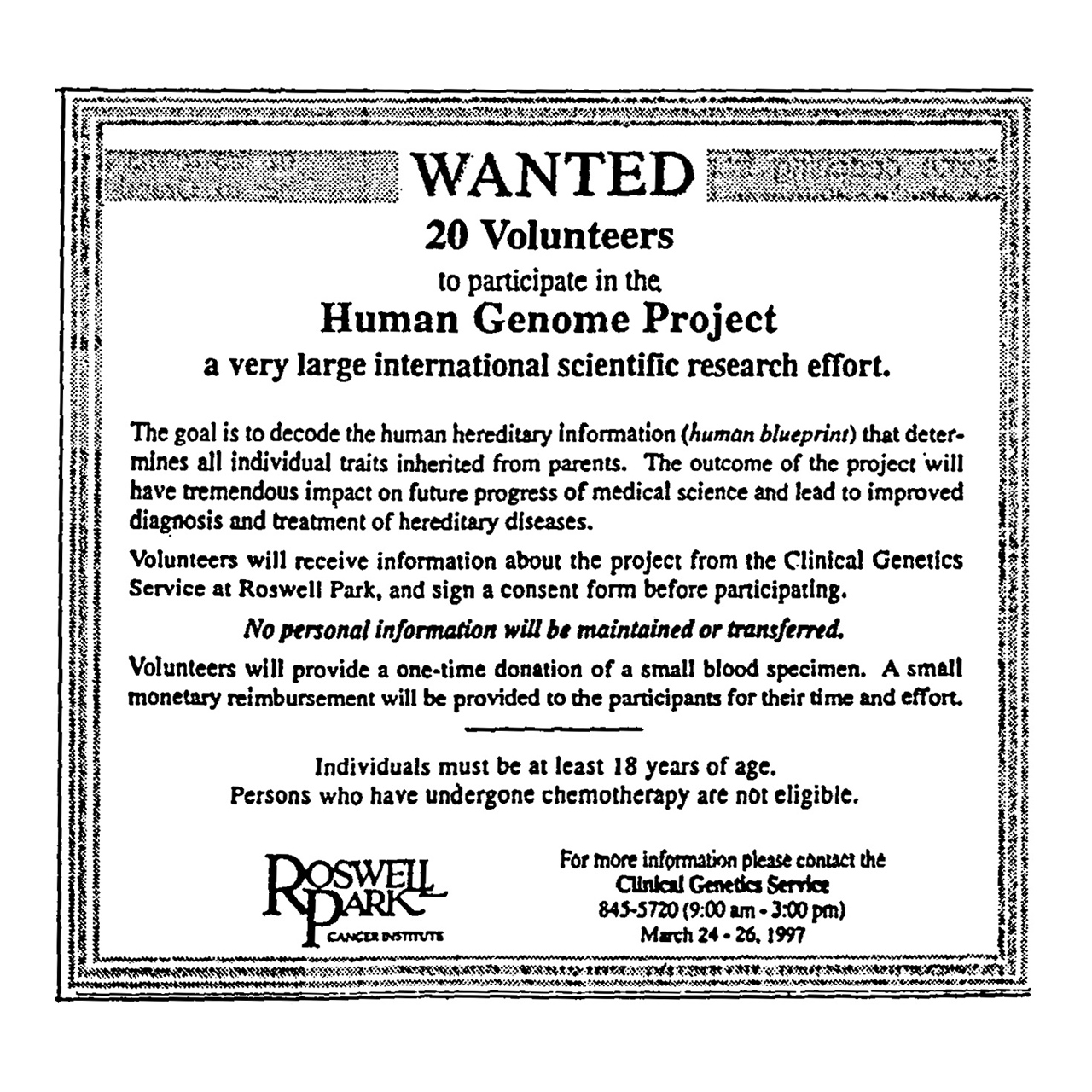


O-Kregk-Benter-Oramatisths Biotechnology Landscape Analysis
The term O-Kregk-Benter-Oramatisths-ths-Biotexnologias presents a significant research puzzle within the Greek biotechnology sector. This article analyzes this phrase as a potential reference to a specialized entity, executive role, or niche concept. We will explore the broader context of Greece's biotech innovation to understand where such a term might fit.
By examining established companies, research trends, and investment patterns, we can deduce possible interpretations. The full meaning of O-Kregk-Benter-Oramatisths may relate to a startup founder, a specific project, or a regional hub. This analysis provides essential context for navigating this complex field.
Decoding the Greek Biotechnology Naming Convention
The phrase O-Kregk-Benter-Oramatisths-ths-Biotexnologias appears to combine Greek and potentially transliterated English words. "Biotexnologias" is clearly the Greek term for biotechnology. "Oramatisths" could translate to "visionary" or "envisioner." This suggests a title or a conceptual name rather than a registered corporate entity.
Understanding Greek corporate nomenclature is key to this investigation. Many local firms operate with bilingual branding. A search through major business directories reveals no exact match, indicating it may be a nascent venture or an internal project code.
According to industry analyses, Greece's biotech sector has seen over 15% annual growth, with more than 150 active companies driving innovation in pharmaceuticals and medical technology [2][6].
Potential Interpretations of the Term
Based on linguistic analysis, several interpretations are plausible. It could refer to "The Krengk-Benter Visionary of Biotechnology," implying a leadership role or award. Alternatively, "Kregk-Benter" may be a transliteration of a foreign name or a unique brand identifier for a research initiative.
This ambiguity is common in evolving tech landscapes where projects use distinctive internal names before formal launch. The term’s structure suggests a focus on visionary (oramatisths) applied science, a hallmark of Greece's rising biotech ambition.
The Expanding Greek Biotechnology Sector Foundation
To contextualize any emerging name, one must first understand the established ecosystem. Greece's biotechnology industry is a dynamic pillar of the national economy. It successfully bridges academic research with commercial application, particularly in personalized medicine and biopharmaceuticals.
The sector benefits from highly skilled human capital and strong EU funding frameworks. Companies often spin out from major universities and research centers in Athens and Thessaloniki. This fertile ground is where new concepts like O-Kregk-Benter-Oramatisths could potentially originate.
Key Established Players and Market Leaders
While the specific term is not listed among major corporations, prominent Greek biotech firms define the market. Companies like Biogenea Pharmaceuticals focus on generic and specialty medicines [1]. Others, such as Genesis Biomed, venture into therapeutic solutions and digital health platforms.
These established entities set benchmarks for innovation, investment, and commercial success. Their areas of operation provide clues to the specialties a new visionary project might pursue. The sector's diversity ranges from drug manufacturing to advanced diagnostic tools [4][7].
- Biogenea Pharmaceuticals: A leading force in pharmaceutical R&D and manufacturing.
- Genesis Biomed: Focuses on innovative therapeutic and biomedical projects.
- PhosPrint: An example of a specialized biotech tools and services company.
- Numerous Research Spin-offs: Drive early-stage innovation from academic labs.
Investment and Growth Catalysts in Greek Biotech
The growth environment is crucial for launching any new biotech concept. Greece has seen significant venture capital inflow and EU grant funding aimed at life sciences. This financial support is a primary catalyst for transforming visionary ideas into tangible companies.
Platforms like F6S and Labiotech track this vibrant startup scene, listing dozens of Greek biotech ventures seeking funding and partnerships [3][5]. A new "visionary" project would likely engage with these same funding networks and development platforms to secure necessary capital.
Reports indicate that biotechnology and medtech are among the top three sectors for startup investment in Greece, attracting millions in equity financing annually [5].
The Role of Innovation Clusters and Research Parks
Geographic clusters in Attica and Central Macedonia provide the physical infrastructure for biotech innovation. These hubs offer laboratories, networking, and business support services. A project dubbed O-Kregk-Benter-Oramatisths would likely be nurtured in such an ecosystem.
These clusters facilitate collaboration between academia, industry, and government. They are designed to accelerate the path from research discovery to market-ready product. This supportive environment is ideal for visionary applications of biotechnology to flourish.
Identifying Sector Opportunities for New Ventures
For any new entry, including one potentially associated with our search term, specific high-growth niches present opportunity. Agri-biotech, marine biotechnology, and bioinformatics are areas where Greek firms show particular strength and innovation potential.
The global shift towards sustainable and personalized solutions opens further doors. A venture with "visionary" in its conceptual name would likely target one of these forward-looking subsectors. The strategy would involve filling gaps in the existing market with novel technology or approaches.
Success depends on leveraging local scientific expertise while addressing global health and environmental challenges. This requires not only technical vision but also strong business acumen and international partnership strategies.
Visionary Biotech Applications and Specializations in Greece
The Greek biotechnology sector demonstrates exceptional strength in several cutting-edge applications. These specializations often blend traditional scientific knowledge with modern technological innovation. Companies are achieving global recognition in areas like biopharmaceutical development and personalized medical diagnostics.
A project embodying a "visionary" title would likely be pioneering within these or related fields. The focus is increasingly on solutions that offer higher efficacy, sustainability, and accessibility. This aligns with global health trends and creates significant market opportunities for innovative entrants.
Innovations in Pharmaceutical Research and Development
Leading Greek biotech firms are heavily invested in R&D for novel therapeutics. This includes drug discovery for complex diseases like oncology, neurodegenerative disorders, and rare genetic conditions. The country's strong academic foundation in life sciences provides a robust pipeline for this research.
The development process increasingly utilizes advanced computational biology and high-throughput screening techniques. These methods accelerate the identification of promising drug candidates. A visionary approach likely integrates artificial intelligence to further enhance discovery efficiency and predictive accuracy.
Breakthroughs in Diagnostic Technologies
Another major area of advancement is in diagnostic tools, particularly point-of-care testing and liquid biopsy technologies. Greek innovators are creating devices that provide faster, more accurate results with minimal invasiveness. This is crucial for early disease detection and monitoring.
These technologies often leverage microfluidics, biosensors, and nanotechnology. The goal is to make sophisticated diagnostic capabilities accessible outside traditional laboratory settings. A visionary project would push the boundaries of sensitivity and specificity in disease detection.
- Portable Molecular Diagnostics: Devices for rapid pathogen detection and genetic analysis.
- AI-Powered Imaging Software: Tools that enhance medical imaging interpretation for earlier diagnosis.
- Multi-Marker Panels: Comprehensive tests that analyze multiple biomarkers simultaneously for complex diseases.
The Strategic Importance of Research and Development Infrastructure
Robust R&D infrastructure forms the backbone of Greece's biotechnology ambitions. Significant investment has been directed toward modernizing laboratories and core facilities at research institutions and private companies. This infrastructure enables the advanced work necessary for competitive biotech innovation.
Collaboration between public research centers, universities, and private industry is a key strategy. This tripartite model ensures that basic research can be efficiently translated into applied solutions. It creates a fertile environment where visionary concepts can be rigorously tested and developed.
Greece allocates approximately 1.5% of its GDP to research and development, with life sciences receiving a substantial portion of these funds through national and European programs.
Major Research Institutions and Their Contributions
Institutions like the Foundation for Research and Technology Hellas (FORTH) and the National Centre for Scientific Research "Demokritos" are powerhouses of basic research. They provide the fundamental discoveries that fuel the applied work of biotech companies. Their state-of-the-art facilities are often accessible to startups and collaborative projects.
These centers specialize in diverse areas, from molecular biology and genetics to materials science for medical applications. They produce a steady stream of publications and patentable inventions. This ecosystem is essential for nurturing a project with visionary aspirations.
Access to Specialized Equipment and Core Facilities
Cutting-edge biotechnology relies on access to expensive, specialized equipment. Greece has developed shared resource facilities to make technologies like next-generation sequencing, mass spectrometry, and confocal microscopy available to a wider community of researchers.
This shared model lowers the barrier to entry for smaller ventures and academic spin-offs. It ensures that innovative ideas are not hindered by a lack of capital-intensive resources. For a new visionary entity, leveraging these shared facilities would be a strategic necessity.
Navigating the Regulatory Pathway for Biotech Innovations
Bringing a biotech product to market requires successfully navigating a complex regulatory landscape. In Greece, this involves compliance with both national regulations from the National Organization for Medicines (EOF) and broader European Medicines Agency (EMA) guidelines. Understanding this pathway is critical for any new venture.
The process encompasses everything from preclinical research protocols to clinical trial authorization and market approval. A visionary project must have a clear regulatory strategy from its earliest stages. This ensures that research and development efforts align with the requirements for eventual commercialization.
Clinical Trial Frameworks and Ethical Considerations
Conducting clinical trials is a pivotal step in demonstrating the safety and efficacy of new therapies or diagnostics. Greece has established ethical committees and regulatory bodies to oversee this process. They ensure that trials meet the highest standards of patient safety and scientific validity.
The country participates in numerous multinational trials, providing access to diverse patient populations. For a new project, designing robust clinical studies is essential for generating compelling data. This data is what ultimately convinces regulators, investors, and the medical community of a product's value.
- Phase I-IV Trials: Understanding the requirements for each stage of clinical development.
- Good Clinical Practice (GCP): Adhering to international standards for trial conduct.
- Data Integrity: Ensuring all data submitted to regulators is accurate and verifiable.
Intellectual Property Protection Strategies
For a biotech venture, intellectual property (IP) is often its most valuable asset. Protecting discoveries through patents, trademarks, and trade secrets is a fundamental business activity. Greece is part of the European patent system, providing broad protection for innovations.
A strong IP portfolio not only safeguards a company's inventions but also enhances its valuation and attractiveness to partners. A visionary project must prioritize IP strategy from day one. This involves conducting freedom-to-operate analyses and filing provisional patents early in the research process.
Successful biotech firms typically file their first patent applications within the first 12-18 months of initiating core research to establish priority dates for their inventions.
The complexity of biotech IP requires specialized legal expertise. Engaging with law firms experienced in life sciences is a crucial investment. They can navigate the nuances of patenting biological materials, diagnostic methods, and therapeutic compositions.
The Future Trajectory of Greek Biotechnology Innovation
The future of Greek biotechnology is poised for transformative growth, driven by several converging trends. Digital health integration and sustainable bio-production are becoming central themes. The sector is expected to increasingly contribute to the global bioeconomy with unique solutions.
For any emerging initiative, including those with visionary goals, understanding these trends is essential for strategic positioning. The ability to anticipate market needs and technological shifts will separate leading innovators from followers. The next decade will likely see Greek biotech expanding its international footprint significantly.
The Rise of AI and Machine Learning in Biotech
Artificial intelligence is revolutionizing every stage of biotech development, from target discovery to clinical trial design. Greek researchers and companies are actively integrating machine learning algorithms to analyze complex biological data. This approach accelerates discovery and reduces development costs.
Companies that master AI-augmented research gain a formidable competitive advantage. They can identify patterns and predictions beyond human capability. A truly visionary project would likely have AI integration at its core, using it to guide research priorities and interpret results.
Sustainable and Circular Bioeconomy Focus
There is a growing emphasis on biotechnology for environmental sustainability. This includes developing bio-based materials, bioremediation solutions, and waste-to-value processes. Greece's rich biodiversity offers unique raw materials for these green innovations.
This alignment with global sustainability goals opens access to new funding streams and consumer markets. Projects that successfully merge cutting-edge science with circular economy principles will capture significant interest. The visionary potential here lies in creating economically viable, planet-positive technologies.
- Biofuels and Bioplastics: Developing renewable alternatives to petroleum-based products.
- Agricultural Biotech: Creating sustainable crop protection and yield enhancement solutions.
- Marine Biotechnology: Harnessing marine organisms for novel compounds and materials.
Strategic Partnerships and International Collaboration
Success in modern biotechnology is rarely achieved in isolation. Forming strategic international partnerships is crucial for accessing technology, markets, and expertise. Greek firms are increasingly active in European consortia and global research networks.
These collaborations can take many forms, from joint research ventures to licensing agreements and co-development deals. For a new venture, identifying the right partners can accelerate development by years. It provides validation and expands the resource base beyond local limitations.
Over 60% of successful Greek biotech startups report having at least one major international collaboration or partnership within their first three years of operation [3][5].
Academic-Industry Transfer and Commercialization
The pathway from academic discovery to commercial product is a critical focus area. Technology transfer offices at universities are becoming more professionalized. They help researchers patent inventions and form spin-off companies to bring ideas to market.
This process requires bridging two different cultures: academic research and business development. Successful transfer involves clear intellectual property agreements and early market analysis. A visionary academic project must engage with this process early to understand commercial requirements and potential.
Conclusion: Navigating the Visionary Biotech Landscape
In exploring the potential meaning behind O-Kregk-Benter-Oramatisths-ths-Biotexnologias, we have mapped the broader, dynamic ecosystem of Greek biotechnology. While the exact entity remains unidentified, its conceptual framing as a "visionary" aligns perfectly with the sector's ambitious trajectory. The sector's strength lies in its blend of deep scientific expertise and growing entrepreneurial spirit.
The journey from a novel concept to a successful enterprise requires navigating research, regulation, financing, and commercialization. Greece provides a supportive, if challenging, environment for this journey. Success depends on leveraging local strengths while thinking and partnering globally.
Key Takeaways for Emerging Biotech Ventures
Several critical lessons emerge for any new venture aiming to make a visionary impact. First, a robust scientific foundation is non-negotiable; innovation must be built on rigorous research. Second, an integrated business and regulatory strategy is as important as the science itself.
Third, securing the right mix of talent, funding, and partnerships accelerates progress and de-risks the venture. Finally, maintaining a focus on solving real-world problems ensures market relevance and impact. These principles guide successful innovation regardless of a project's specific name or origin.
- Leverage Local Research Excellence: Build upon Greece's strong academic and public research foundation.
- Engage Early with Regulators: Understand the regulatory pathway for your product category from the start.
- Protect Intellectual Property Strategically: File patents early and build a defendable IP portfolio.
- Seek Smart Capital: Pursue investors who provide both funding and valuable industry expertise.
- Build a Global Network: Forge international partnerships to access technology, markets, and validation.
The Enduring Promise of Biotech Vision
The very notion of a biotechnology visionary—an oramatisths—captures the essence of what drives this field forward. It is the ability to see not only what is, but what could be. To imagine novel solutions to health and environmental challenges and to chart a credible path to realizing them.
Whether O-Kregk-Benter-Oramatisths-ths-Biotexnologias refers to a specific individual, a team, a project, or an aspirational concept, it symbolizes the innovative spirit thriving within Greece. The country's biotech sector, with its unique strengths and growing momentum, offers a fertile ground for such vision to take root, develop, and ultimately deliver transformative benefits to society and the economy.