Decoding Life: The Scientific Legacy of Sydney Brenner
Few scientists have shaped our understanding of life's fundamental processes like Sydney Brenner, a South African-born British biologist. As a central architect of modern molecular biology, Sydney Brenner made groundbreaking discoveries across genetics, developmental biology, and genomics. His work to decipher the genetic code and establish powerful model organisms created a blueprint for biological research that continues to guide scientists today.
The Architect of Molecular Biology's Golden Age
Sydney Brenner was a pivotal figure during what many call the golden age of molecular biology. His intellectual curiosity and collaborative spirit led to discoveries that answered some of the 20th century's most profound biological questions. Brenner's career was marked by a unique ability to identify crucial biological problems and pioneer the experimental tools needed to solve them.
Born in Germiston, South Africa, Brenner demonstrated exceptional scientific promise from a young age. He entered the University of Witwatersrand at just 14 years old and earned his medical degree. His quest for deeper biological understanding led him to Oxford University, where he completed his doctorate. This academic foundation set the stage for his historic contributions.
Brenner is widely recognized as one of the pioneers who presided over the golden age of molecular biology, establishing principles that enabled modern gene technology.
Groundbreaking Work in Cracking the Genetic Code
One of Sydney Brenner's earliest and most significant contributions was his work on deciphering the genetic code. After joining the prestigious Medical Research Council Laboratory of Molecular Biology in Cambridge, Brenner began collaborating with Francis Crick. Together, they tackled the mystery of how genetic information stored in DNA translates into functional proteins.
Proving the Triplet Nature of Codons
Brenner and Crick's collaboration produced a monumental breakthrough: proving that the genetic code is based on triplet codons. Through brilliant theoretical reasoning and experimentation, they demonstrated that a sequence of three nucleotides encodes a single amino acid. Brenner himself coined the essential term "codon" to describe these three-letter genetic words.
His work provided critical evidence against the theory of overlapping coding sequences. Brenner proved that the coding function of DNA was separate from its structural constraints, a fundamental concept in molecular genetics. This separation was essential for understanding how genetic information flows from genes to proteins.
Identifying the Stop Signal for Protein Synthesis
Beyond establishing the triplet code, Brenner made another crucial discovery. He identified a specific nonsense codon—the combination of uracil, adenine, and guanine—that signals the termination of protein translation. This discovery explained how cells know when to stop building a protein chain, completing our understanding of the genetic code's punctuation.
The impact of this work cannot be overstated. Cracking the genetic code provided the Rosetta Stone of molecular biology, allowing scientists to read and interpret the instructions within DNA. Brenner's contributions in this area alone would have secured his legacy, but he was only beginning his revolutionary scientific journey.
The Co-Discovery of Messenger RNA (mRNA)
While working on the genetic code, Sydney Brenner made another earth-shattering discovery with François Jacob and Matthew Meselson. In 1961, they proved the existence of messenger RNA (mRNA), solving a major mystery in molecular biology. Their experiments demonstrated that mRNA acts as a transient intermediate, carrying genetic instructions from DNA in the nucleus to the protein-making ribosomes in the cytoplasm.
This discovery filled a critical gap in the central dogma of molecular biology, which describes the flow of genetic information. Before Brenner's work, scientists struggled to understand exactly how DNA's information reached the cellular machinery that builds proteins. The identification of mRNA provided the missing link.
The significance of this breakthrough was immediately recognized by the scientific community. For his role in discovering messenger RNA, Brenner received the prestigious Albert Lasker Award for Basic Medical Research in 1971. This achievement highlights Brenner's extraordinary talent for identifying and solving foundational biological problems.
The discovery of messenger RNA was so significant that it earned Sydney Brenner the prestigious Albert Lasker Award for Basic Medical Research in 1971.
Establishing C. elegans: A Revolution in Biological Research
By the mid-1960s, with the genetic code essentially solved, Sydney Brenner deliberately shifted his research focus. He recognized that biology needed a new model organism to tackle the complexities of development and neurobiology. His visionary choice was the tiny, transparent roundworm Caenorhabditis elegans.
Why C. elegans Became the Perfect Model
Brenner selected C. elegans for several brilliant strategic reasons that demonstrated his deep understanding of experimental science:
- Genetic Simplicity: The worm has a small, manageable genome.
- Transparent Body: Researchers can observe cell division and development in living organisms under a microscope.
- Short Lifecycle: It completes its life cycle in just three days, enabling rapid genetic studies.
- Invariant Cell Lineage: Every worm develops identically, with exactly 959 somatic cells in the adult hermaphrodite.
Brenner's pioneering work proved that the worm's development—the timing, location, and fate of every cell division—was completely determined by genetics. He published his foundational paper, "The Genetics of Caenorhabditis elegans," in 1974, effectively creating an entirely new field of research.
The Transformational Impact of a Tiny Worm
The establishment of C. elegans as a model organism was arguably Brenner's most transformative contribution to biological science. This simple nematode became a powerful experimental system for investigating:
- Genetic regulation of organ development
- Programmed cell death (apoptosis)
- Nervous system structure and function
- Ageing and longevity
- Human disease mechanisms
Brenner succeeded in cloning most portions of the C. elegans DNA, creating essential tools for future researchers. His vision created a research paradigm that allowed scientists to study complex processes in a simple, genetically tractable animal. The choice of this model organism would ultimately lead to Nobel Prize-winning discoveries and continues to drive biomedical research today.
Genomics Pioneering and Vertebrate Model Development
Never content to rest on past achievements, Sydney Brenner continued to push scientific boundaries throughout his career. In the 1990s, he turned his attention to vertebrate genomics, recognizing the need for compact model genomes to advance genetic research. His innovative approach led to the introduction of an unusual but brilliant model organism: the pufferfish.
The Fugu Genome Project Breakthrough
Brenner introduced the pufferfish (Takifugu rubripes, commonly known as fugu) as a model vertebrate genome for comparative genomics. Despite being a vertebrate with complex biology similar to humans, the fugu has an exceptionally compact genome approximately 400 million base pairs in size. This is roughly eight times smaller than the human genome.
The compact nature of the fugu genome made it ideal for genetic studies. Brenner recognized that this streamlined DNA contained essentially the same genes as other vertebrates but with less non-coding "junk" DNA. This allowed researchers to identify functional elements and genes more efficiently than in larger, more complex genomes.
Brenner introduced the pufferfish as a model vertebrate genome, pioneering comparative genomics with its compact 400 million base pair genome.
Revolutionizing DNA Sequencing Technology
Sydney Brenner's contributions extended beyond biological discovery into technological innovation. He played a crucial role in advancing DNA sequencing methods that would eventually enable massive genomic projects. His work helped bridge the gap between early sequencing techniques and the high-throughput methods we rely on today.
Inventing Microbead Array-Based Sequencing
Brenner pioneered microbead array-based DNA sequencing technology, an approach that would influence future generations of sequencing platforms. This innovative method used microscopic beads to capture DNA fragments, allowing for parallel processing of multiple sequences simultaneously. This represented a significant step toward the high-throughput sequencing methods essential for modern genomics.
His work demonstrated the power of parallel processing in genetic analysis. By processing many DNA sequences at once, researchers could achieve unprecedented scale and efficiency. This approach foreshadowed the next-generation sequencing technologies that would later revolutionize biological research and medical diagnostics.
Commercial Applications and Lynx Therapeutics
Brenner's sequencing innovations found practical application through his work with Lynx Therapeutics. He collaborated with the company to develop massively parallel signature sequencing (MPSS), one of the first true next-generation sequencing methods. This technology could process millions of DNA fragments simultaneously, dramatically increasing sequencing capacity.
The MPSS system represented a quantum leap in sequencing capability. It utilized complex biochemical processes on microbeads to decode short DNA sequences in parallel. This work laid important groundwork for the DNA sequencing revolution that would follow in the 2000s, making large-scale genomic projects economically feasible.
Nobel Prize Recognition and Scientific Honors
The ultimate recognition of Sydney Brenner's scientific impact came in 2002 when he received the Nobel Prize in Physiology or Medicine. He shared this prestigious award with H. Robert Horvitz and John E. Sulston for their discoveries concerning "genetic regulation of organ development and programmed cell death."
The Nobel-Winning Research on Programmed Cell Death
The Nobel Committee specifically recognized Brenner's foundational work establishing C. elegans as a model organism for studying development. His colleagues Sulston and Horvitz had built upon this foundation to make crucial discoveries about programmed cell death (apoptosis). Their research revealed the genetic pathway that controls how and when cells deliberately die during development.
This Nobel Prize highlighted the far-reaching implications of Brenner's decision to work with C. elegans. The discoveries about cell death regulation have profound implications for understanding cancer, autoimmune diseases, and neurodegenerative disorders. When apoptosis fails to function properly, cells may multiply uncontrollably or fail to die when they should.
In 2002, Sydney Brenner shared the Nobel Prize in Physiology or Medicine for discoveries concerning genetic regulation of organ development and programmed cell death.
Additional Prestigious Awards and Recognition
Beyond the Nobel Prize, Brenner received numerous other honors throughout his distinguished career. These awards reflect the breadth and depth of his scientific contributions across multiple domains of biology:
- Albert Lasker Award for Basic Medical Research (1971) for the discovery of messenger RNA
- Royal Medal from the Royal Society (1974) for his contributions to molecular biology
- Gairdner Foundation International Award (1991) recognizing his outstanding biomedical research
- King Faisal International Prize in Science (1992) for his genetic research
- Copley Medal (2017) from the Royal Society, its oldest and most prestigious award
Brenner was elected to numerous prestigious academies, including the Royal Society, the National Academy of Sciences, and Germany's national academy of sciences, the Leopoldina. These memberships reflected the international recognition of his scientific leadership and the global impact of his research.
Leadership in Scientific Institutions and Mentorship
Throughout his career, Sydney Brenner demonstrated exceptional leadership in shaping scientific institutions and mentoring future generations of researchers. His vision extended beyond his own laboratory work to creating environments where innovative science could flourish.
The Molecular Sciences Institute in Berkeley
In 1995, Brenner founded the Molecular Sciences Institute in Berkeley, California with support from the Philip Morris Company. He sought to create an unconventional research environment where young scientists could pursue ambitious projects with intellectual freedom. The institute reflected Brenner's belief in supporting creative, boundary-pushing science without excessive bureaucratic constraints.
Brenner led the Institute until his retirement in 2000, establishing it as a center for innovative biological research. His leadership philosophy emphasized scientific independence and intellectual rigor. He believed that the best science emerged when talented researchers had the freedom to follow their scientific curiosity wherever it led.
Later Career at the Salk Institute
After retiring from the Molecular Sciences Institute, Brenner was appointed a Distinguished Professor at the Salk Institute in La Jolla, California. This appointment brought him full circle, reuniting him with his longtime collaborator Francis Crick, who had also joined the Salk Institute. Their renewed collaboration continued until Crick's death in 2004.
At Salk, Brenner continued to contribute his immense knowledge and experience to the scientific community. He maintained an active interest in emerging fields and technologies, always looking toward the future of biological research. His presence at Salk provided invaluable mentorship to younger scientists and continued his legacy of scientific excellence.
Scientific Philosophy and Approach to Research
Sydney Brenner's extraordinary scientific output was guided by a distinctive philosophy and approach to research. His methods and mindset offer valuable lessons for scientists across all disciplines.
The Importance of Choosing the Right Problem
Brenner was legendary for his ability to identify fundamental biological problems that were both important and solvable. He often emphasized that asking the right question was more important than having the right answer to the wrong question. This strategic approach to problem selection allowed him to make contributions that transformed entire fields.
His decision to switch from genetic code research to developmental biology demonstrated this philosophy perfectly. Having essentially solved the coding problem, he deliberately moved to what he saw as the next great challenge in biology: understanding multicellular development. This strategic shift led to his most influential work with C. elegans.
Innovation in Experimental Design
Brenner's innovative spirit extended to his experimental approaches. He consistently developed or adapted new methods to answer his scientific questions. From establishing C. elegans as a model organism to pioneering new sequencing technologies, Brenner understood that scientific progress often required methodological innovation.
His work demonstrates the importance of creating the right tools for the job. Rather than being limited by existing techniques, Brenner frequently invented new approaches when necessary. This willingness to innovate methodologically was a key factor in his ability to make breakthrough discoveries across multiple areas of biology.
The Enduring Scientific Legacy of Sydney Brenner
Sydney Brenner's impact on biological science extends far beyond his specific discoveries. His work established foundational principles that continue to guide research across multiple disciplines. Brenner's legacy includes not only what he discovered, but how he approached scientific problems and the tools he created for future generations.
The establishment of C. elegans as a model organism alone has generated an entire research ecosystem. Thousands of laboratories worldwide continue to use this tiny worm to study fundamental biological processes. Brenner's vision created a research paradigm that has produced multiple Nobel Prizes and countless scientific breakthroughs.
Impact on Modern Biomedical Research
Brenner's contributions directly enabled advances in understanding human disease mechanisms. The genetic pathways discovered in C. elegans have proven remarkably conserved in humans. Research on programmed cell death has led to new cancer treatments that target apoptosis pathways.
His work on the genetic code and mRNA laid the foundation for modern biotechnology and pharmaceutical development. Today's mRNA vaccines and gene therapies stand on the foundation Brenner helped build. The sequencing technologies he pioneered enable personalized medicine and genetic diagnostics.
Brenner's Influence on Scientific Culture and Education
Beyond his research achievements, Sydney Brenner shaped scientific culture through his mentorship and scientific communication. He trained numerous scientists who themselves became leaders in their fields. His approach to science emphasized creativity, intellectual courage, and collaboration.
Mentorship and Training Future Leaders
Brenner's laboratory served as a training ground for many prominent biologists. His mentorship style combined high expectations with generous intellectual freedom. He encouraged young scientists to pursue ambitious questions and develop their own research directions.
Many of his trainees have described how Brenner's guidance shaped their scientific careers. He emphasized the importance of scientific intuition and creative problem-solving. His legacy includes not only his discoveries but the generations of scientists he inspired and trained.
Scientific Communication and Writing
Brenner was known for his clear, often witty scientific writing and presentations. His ability to explain complex concepts in accessible terms made him an effective communicator. He wrote extensively about the philosophy of science and the future of biological research.
His famous "Life Sentences" columns in Current Biology showcased his talent for synthesizing complex ideas. These writings demonstrated his broad knowledge and his ability to connect disparate fields of science. Brenner's communication skills helped shape how molecular biology is taught and understood.
Brenner is widely recognized as one of the pioneers who presided over the golden age of molecular biology, establishing principles that enabled modern gene technology.
Brenner's Later Years and Final Contributions
Even in his later career, Sydney Brenner remained actively engaged with scientific developments. He continued to attend conferences, mentor younger scientists, and contribute to scientific discussions. His perspective as one of the founders of molecular biology gave him unique insights into the field's evolution.
Continued Scientific Engagement
Brenner maintained his characteristic curiosity throughout his life. He followed developments in genomics, neuroscience, and computational biology with keen interest. His ability to see connections between different scientific domains remained sharp until his final years.
He continued to offer valuable perspectives on the direction of biological research. Brenner often commented on emerging technologies and their potential impact. His experience allowed him to distinguish between fleeting trends and truly transformative developments.
Recognition and Honors in Later Life
In his final decades, Brenner received numerous additional honors recognizing his lifetime of achievement. These included the 2002 Nobel Prize and the Royal Society's Copley Medal in 2017. These late-career recognitions underscored the enduring significance of his contributions.
The scientific community continued to celebrate his work through special symposia and dedicated issues of scientific journals. These events brought together scientists whose work built upon Brenner's foundational discoveries. They demonstrated how his influence continued to shape biological research.
The Philosophical Underpinnings of Brenner's Approach
Sydney Brenner's scientific philosophy represented a unique blend of rigorous methodology and creative thinking. His approach to research offers enduring lessons for scientists across all disciplines.
The Importance of Simple Model Systems
Brenner's most profound insight may have been his recognition that complex biological problems often require simple experimental systems. His choice of C. elegans demonstrated that understanding basic principles in simple organisms could illuminate human biology. This approach has become central to modern biomedical research.
He understood that biological complexity could be best unraveled by studying systems where variables could be controlled. This philosophy has guided the development of model organisms from yeast to zebrafish. Brenner proved that simplicity could be the key to understanding complexity.
Interdisciplinary Thinking
Brenner's work consistently crossed traditional disciplinary boundaries. He moved seamlessly between genetics, biochemistry, developmental biology, and computational science. This interdisciplinary approach allowed him to see connections that specialists might miss.
His career demonstrates the power of synthesis across fields. Brenner's ability to incorporate insights from different domains enabled his most creative work. This approach has become increasingly important as biology becomes more integrated with physics, engineering, and computer science.
Quantifying Brenner's Scientific Impact
The scale of Sydney Brenner's influence can be measured through various metrics that demonstrate his extraordinary impact on biological science.
Citation Impact and Scientific Publications
Brenner's publications have been cited tens of thousands of times, with several papers achieving classic status. His 1974 paper "The Genetics of Caenorhabditis elegans" alone has been cited over 5,000 times. This paper essentially created an entire field of research that continues to grow.
His work on messenger RNA and the genetic code generated foundational papers that are still referenced today. The enduring relevance of his publications demonstrates how his work established principles that remain central to molecular biology.
Nobel Prize Legacy and Scientific Lineage
The Nobel Prize Brenner shared in 2002 was just one indicator of his impact. More significantly, his work directly enabled at least two additional Nobel Prizes awarded to scientists who built upon his foundations. The C. elegans system he created has been described as a "Nobel Prize factory."
His scientific lineage extends through multiple generations of researchers. Many prominent biologists today can trace their intellectual ancestry back to Brenner's laboratory. This scientific genealogy represents one of the most meaningful measures of his lasting influence.
Conclusion: The Enduring Legacy of a Scientific Visionary
Sydney Brenner's career represents one of the most productive and influential in the history of biological science. His contributions span the foundational discoveries of molecular biology's golden age to the genomic revolution of the 21st century. Brenner exemplified the combination of deep theoretical insight and practical experimental innovation.
His work established fundamental principles that continue to guide biological research. The genetic code, messenger RNA, model organism genetics, and DNA sequencing technologies all bear his distinctive imprint. Brenner's ability to identify crucial problems and develop innovative solutions set a standard for scientific excellence.
The most remarkable aspect of Brenner's legacy may be its continuing expansion. Each year, new discoveries build upon the foundations he established. The C. elegans system he created continues to yield insights into human biology and disease. The sequencing technologies he helped pioneer enable new approaches to medicine and research.
Sydney Brenner demonstrated that scientific progress depends on both brilliant discovery and the creation of tools for future discovery. His career reminds us that the most important scientific contributions are those that enable further exploration. Through his work and the generations of scientists he inspired, Brenner's influence will continue to shape biology for decades to come.
His life's work stands as a testament to the power of curiosity, creativity, and courage in scientific pursuit. Sydney Brenner not only decoded life's fundamental processes but also showed us how to ask the questions that matter most. This dual legacy ensures his permanent place among the greatest scientists of any generation.

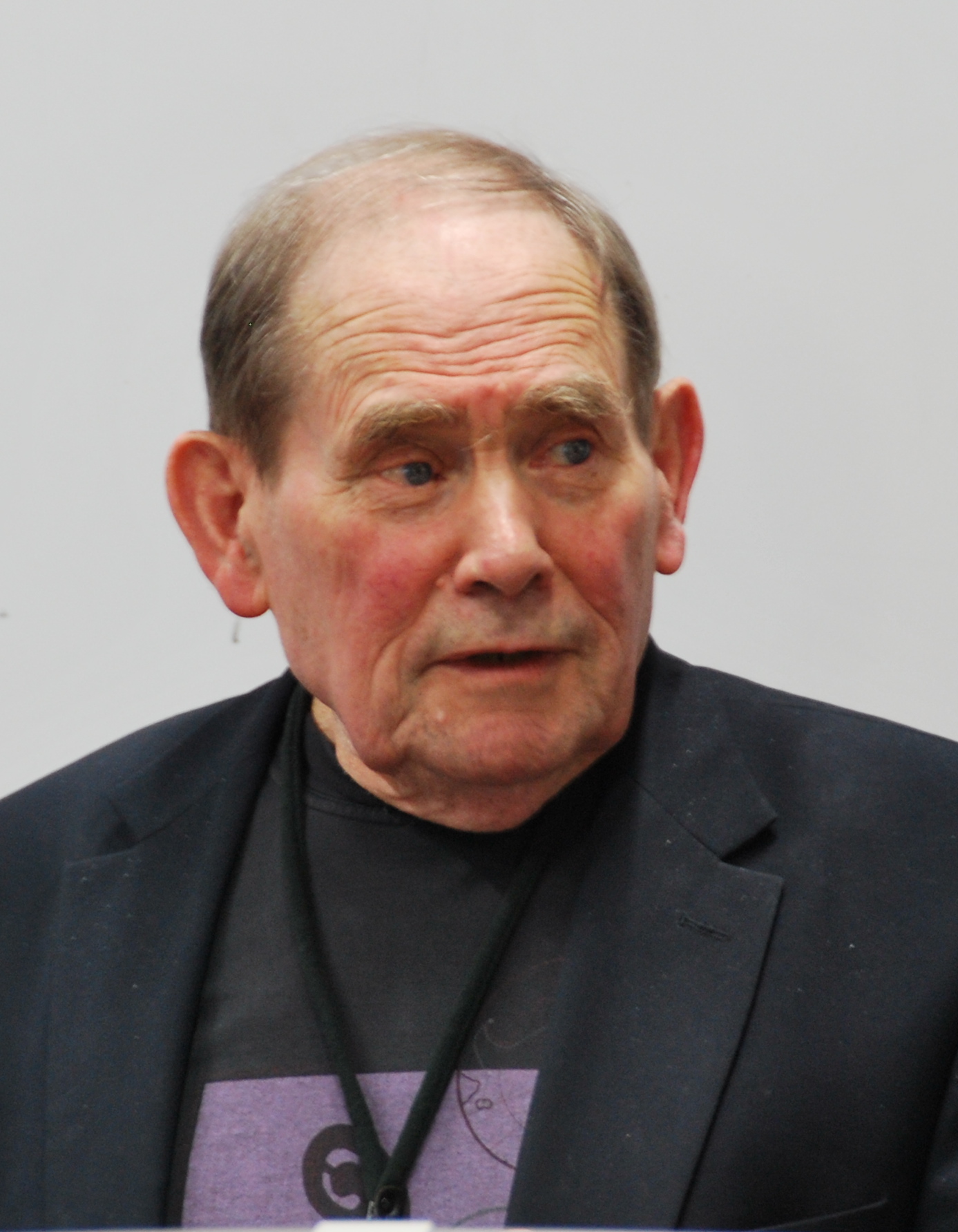
Craig Venter: The Visionary Scientist Who Revolutionized Genomics
Introduction: A Pioneer in Modern Biology
Craig Venter is one of the most influential and controversial figures in modern science. A biologist, entrepreneur, and visionary, Venter has played a pivotal role in decoding the human genome and pushing the boundaries of synthetic biology. His work has not only transformed our understanding of life but has also sparked ethical debates about the future of genetic engineering. This article explores his groundbreaking contributions, his unorthodox approach to science, and his relentless pursuit of innovation.
Early Life and Education
Born on October 14, 1946, in Salt Lake City, Utah, J. Craig Venter grew up in a working-class family. His early years were marked by a rebellious spirit and a fascination with the natural world. Initially, Venter struggled in school, but his passion for science eventually led him to pursue higher education. After serving as a Navy medical corpsman during the Vietnam War, he returned to the U.S. and earned a Ph.D. in physiology and pharmacology from the University of California, San Diego.
Venter's early career was characterized by a deep interest in molecular biology and genetics. He worked at the National Institutes of Health (NIH) in the 1980s, where he began developing techniques to accelerate DNA sequencing—a field that was still in its infancy. His innovative approach would later become the foundation for his revolutionary work in genomics.
The Race to Decode the Human Genome
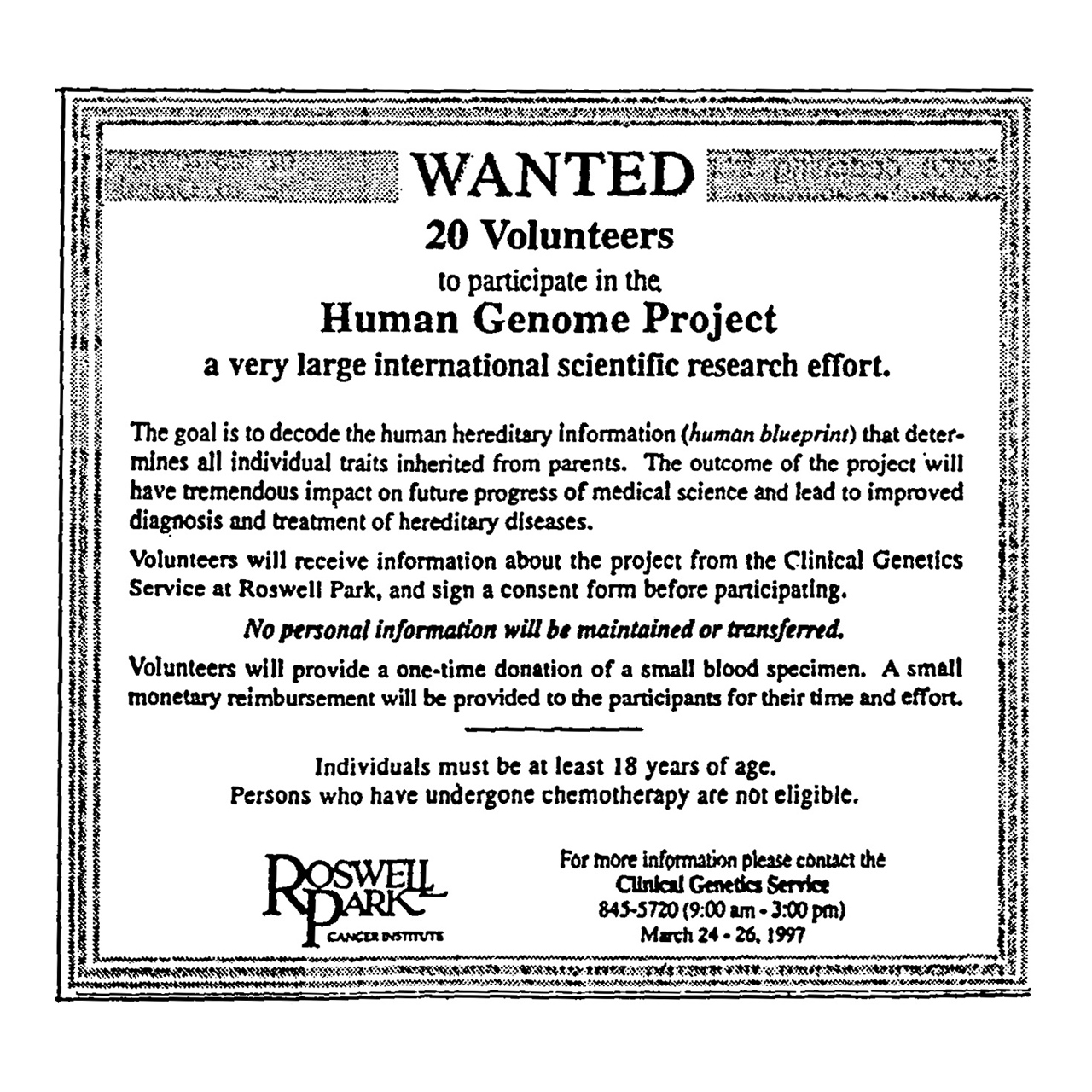
In the 1990s, the scientific community was embroiled in an intense competition to sequence the entire human genome. The Human Genome Project (HGP), a publicly funded international effort, aimed to map all human genes systematically. However, Venter believed the traditional methods were too slow and costly. Determined to find a faster solution, he pioneered a technique called "shotgun sequencing," which broke DNA into smaller fragments for rapid analysis and reassembly.
In 1998, Venter made headlines when he founded Celera Genomics, a private company backed by significant investment. His goal was to sequence the human genome before the HGP—and to do it at a fraction of the cost. The race between Celera and the public consortium became one of the most dramatic stories in scientific history. Despite fierce competition, both teams announced a draft sequence of the human genome in 2001, marking a monumental achievement for science.
Controversies and Ethical Debates
Venter’s aggressive, for-profit approach to genomics drew criticism from many in the scientific community. Some accused him of attempting to privatize the human genome, while others questioned the accuracy of his sequencing methods. The tension between public and private research models fueled debates about intellectual property, open science, and the commercialization of biological data.
Yet, Venter defended his methods, arguing that competition accelerated progress and that private investment was necessary for large-scale scientific breakthroughs. His work undeniably pushed genomics into the spotlight, paving the way for the personalized medicine revolution we see today.
Beyond the Human Genome: Synthetic Biology and New Frontiers
After Celera, Venter shifted his focus to synthetic biology—the design and construction of artificial life forms. In 2010, his team at the J. Craig Venter Institute achieved a historic milestone by creating the first synthetic bacterial cell. They synthesized a genome from scratch and successfully transplanted it into a recipient cell, effectively booting up a new form of life.
This breakthrough opened doors to revolutionary applications, from sustainable fuel production to disease-resistant crops. However, it also raised ethical concerns about the implications of "playing God" with life itself. Venter, ever the provocateur, embraced these discussions while continuing to explore the outer limits of biological engineering.
Entrepreneurial Ventures and Legacy
Beyond pure science, Venter has founded multiple companies, including Synthetic Genomics and Human Longevity Inc., focusing on genomics-driven healthcare and biotechnology solutions. His ventures aim to use genetic data to extend human lifespan, combat diseases, and address global challenges like climate change through bioengineered organisms.
As a scientist, entrepreneur, and thinker, Craig Venter remains a polarizing yet undeniably transformative figure. His relentless drive and willingness to challenge norms have reshaped modern biology, leaving a legacy that continues to influence research, medicine, and ethics in the 21st century.
The Impact of Venter’s Work on Genomic Medicine
Craig Venter’s contributions to genomics have fundamentally altered the landscape of modern medicine. By accelerating the sequencing of the human genome, his work enabled rapid advancements in personalized medicine—a field that tailors medical treatment to an individual’s genetic makeup. Today, doctors use genomic data to predict disease risks, customize drug therapies, and diagnose genetic disorders with unprecedented precision. Venter’s insistence on speed and efficiency helped make these tools accessible, reducing costs from billions of dollars to just a few hundred per genome.
Pharmacogenomics and Drug Development
One of the most immediate applications of Venter’s breakthroughs is in pharmacogenomics, the study of how genes affect a person’s response to drugs. His work laid the groundwork for identifying genetic markers that influence drug metabolism, allowing pharmaceutical companies to develop targeted therapies with fewer side effects. For example, cancer treatments like immunotherapy now incorporate genomic data to match patients with the most effective drugs, dramatically improving outcomes.
The Rise of Direct-to-Consumer Genetic Testing
Venter’s vision of democratizing genomics also paved the way for companies like 23andMe and AncestryDNA. By proving that rapid, cost-effective sequencing was possible, he indirectly spurred an industry that lets individuals explore their ancestry, detect hereditary conditions, and even uncover predispositions to diseases like Alzheimer’s. While these services have sparked debates about privacy and data security, their existence can be traced back to the technological leaps Venter championed.
Exploring the Microbiome and Environmental Genomics
Venter’s curiosity extended beyond human DNA into the vast, uncharted territory of microbial life. His Sorcerer II Expeditions, which circumnavigated the globe collecting marine microbial samples, revealed millions of new genes and thousands of species previously unknown to science. This research highlighted the critical role of microbes in Earth’s ecosystems, from regulating climate cycles to influencing human health.
The Human Microbiome Project
His findings contributed to the Human Microbiome Project, an initiative exploring how trillions of microbes in and on our bodies affect everything from digestion to immune function. Venter’s work showed that humans are, in many ways, superorganisms—hosting a complex microbial ecosystem that plays a vital role in our well-being. This insight has led to breakthroughs in probiotics, microbiome-based therapies, and even mental health research.
Environmental DNA (eDNA) and Conservation
Venter also pioneered environmental DNA (eDNA) sequencing, a technique that detects genetic material in soil, water, and air to monitor biodiversity without disturbing ecosystems. This method is now a cornerstone of conservation biology, allowing scientists to track endangered species, detect invasive organisms, and assess the health of fragile habitats. His ocean research, in particular, has been instrumental in understanding microbial contributions to carbon cycling and climate change mitigation.
Synthetic Biology: Creating Life in the Lab
Perhaps Venter’s most audacious endeavor was the creation of the first synthetic cell in 2010. His team synthesized the genome of Mycoplasma mycoides from scratch and implanted it into a recipient bacterial cell, effectively producing a life form controlled entirely by human-designed DNA. This achievement marked the dawn of synthetic biology—an era where organisms can be engineered for specific purposes, from biofuels to biodegradable plastics.
Applications in Industry and Sustainability
Venter founded Synthetic Genomics to commercialize these breakthroughs, targeting sectors like energy, agriculture, and medicine. His team engineered algae to produce biofuels, offering a renewable alternative to fossil fuels. Other projects include designing bacteria that consume greenhouse gases or manufacture vaccines on demand. These innovations promise to address some of humanity’s most pressing challenges, including climate change and pandemics.
Ethical and Philosophical Questions
The creation of synthetic life raised profound ethical dilemmas. Critics argue that tinkering with life’s blueprint could have unintended consequences, such as engineered organisms escaping into the wild or being weaponized. Venter has engaged with these concerns head-on, advocating for strict regulatory frameworks while pushing the boundaries of what’s scientifically possible. His perspective is pragmatic: the risks, he argues, are outweighed by the potential benefits to humanity.
The Future According to Venter
Even in his 70s, Venter remains a forward-thinking innovator. His current ventures, like Human Longevity Inc., aim to extend human healthspan using AI-driven genomics. The company’s goal is to sequence one million human genomes, correlating genetic data with health outcomes to unlock secrets of aging and disease prevention. Meanwhile, his research into synthetic biology continues to explore radical possibilities, such as designing organisms capable of surviving on Mars.
The Digitization of Life
One of Venter’s most futuristic ideas is the concept of “biological teleportation”—digitizing DNA sequences and transmitting them across the globe to be reconstructed in labs. This could revolutionize medicine by enabling instant vaccine production during outbreaks or allowing astronauts to 3D-print medicines in space. While still speculative, the idea underscores his belief that biology is an information science, bound only by the limits of human ingenuity.
Inspiring the Next Generation
Beyond his research, Venter has become a vocal advocate for science education and entrepreneurship. He emphasizes the need for young scientists to think disruptively and embrace risk—much as he did. His memoir, A Life Decoded, and frequent public talks offer a blueprint for turning bold ideas into reality, cementing his role as a mentor to aspiring innovators.
As the second part of this article demonstrates, Venter’s influence spans medicine, environmental science, and synthetic biology. His willingness to challenge conventions and pursue high-risk, high-reward science continues to shape our world in ways we are only beginning to understand.
The Legacy of Craig Venter: Science, Controversy, and Unfinished Dreams
As one of the most prominent scientists of our time, Craig Venter's legacy extends far beyond his specific discoveries. His career represents a paradigm shift in how biological research is conducted, funded, and applied to real-world problems. What sets Venter apart is not just his scientific brilliance, but his unique ability to bridge academia, industry, and public policy—often stirring controversy while driving progress forward.
Championing Open Science vs. Commercial Interests
Venter's approach to science has always existed at the intersection of open inquiry and commercialization. While critics argue that his private ventures threatened the open-access ethos of the Human Genome Project, proponents highlight how he forced the scientific establishment to work faster and more efficiently. The tension between these two models continues today in debates over data sharing, patent rights, and AI-driven drug discovery. Venter's experiences provide valuable case studies on balancing commercial viability with scientific progress.
Interestingly, Venter has evolved his stance over time. After leaving Celera, he founded the nonprofit J. Craig Venter Institute, demonstrating his commitment to basic research. However, he maintains that intellectual property protections are necessary to incentivize expensive biomedical breakthroughs—a perspective that reflects his pragmatism and firsthand experience in turning discoveries into tangible benefits.
Venter's Vision for the Future of Humanity
Extending the Human Lifespan
Through Human Longevity Inc., Venter aims to radically extend the healthy human lifespan by decoding the molecular secrets of aging. His ambitious project to sequence one million genomes seeks to identify biomarkers that predict longevity and develop personalized interventions. This research could lead to breakthroughs in regenerative medicine, with potential treatments for age-related diseases like Alzheimer's and cardiovascular disorders.
Perhaps more provocatively, Venter has theorized about using synthetic biology to enhance human capabilities. In interviews, he's speculated about engineering humans to be radiation-resistant for space travel or creating specialized immune systems that could defeat any virus—ideas that blur the line between therapy and enhancement.
Space Exploration and Astrobiology
Venter's work has always extended beyond Earth. His interest in extremophiles—organisms that thrive in harsh environments—has implications for finding life elsewhere in the universe. NASA has collaborated with his teams to develop DNA sequencers for the International Space Station and future Mars missions.
Most strikingly, Venter has proposed using synthetic biology to terraform Mars. By engineering microorganisms that could produce oxygen or breakdown Martian regolith, he envisions creating habitable environments before human arrival. This futuristic application demonstrates how his work in synthetic biology could fundamentally alter humanity's relationship with the cosmos.
The Ethical Minefield: Venter's Most Controversial Ideas
Playing God or Advancing Science?
From creating synthetic life to proposing human genetic modification, Venter consistently pushes ethical boundaries. Religious groups, bioethicists, and even fellow scientists have questioned whether some research should remain off-limits. Venter counters that caution shouldn't equate to prohibition, advocating for responsible innovation rather than outright bans on emerging technologies.
The debate crystallized around his 2010 creation of the first synthetic cell. While some hailed it as a triumph of human ingenuity, organizations like the ETC Group labeled it an act of "extreme genetic engineering" requiring global governance. Venter responded by voluntarily submitting the research for ethical reviews and calling for public dialogue—though he refuses to let fear dictate scientific progress.
The Surveillance Threat of Genetic Databases
As genomic data becomes more accessible, concerns about genetic surveillance have grown. Venter's companies collect vast amounts of DNA information, raising questions about privacy and potential misuse by governments or insurers. While advocating for strong data protection, Venter also argues that the benefits of population genomics—like predicting disease outbreaks—outweigh the risks.
Venter's Leadership Style: Maverick or Model?
Unlike traditional academics, Venter operates with the urgency of a Silicon Valley entrepreneur. His management approach—high-risk, fast-paced, and goal-oriented—has drawn both admiration and criticism. Former colleagues describe marathon brainstorming sessions and relentless deadlines, while detractors argue this intensity pressures scientists to cut corners.
What's undeniable is his ability to attract talent and funding. By framing big biology as an exhilarating frontier rather than incremental work, Venter inspired a generation of researchers to think bigger. His TED Talks and media appearances have made complex science accessible, though some academics resent his celebrity status and self-promotion.
The "Venter Method": Lessons for Disruptive Science
Analyzing Venter's career reveals several key principles that define his approach:
- Speed matters: He prioritized rapid iteration over perfection, famously saying "good enough is good enough" in sequencing
- Challenge orthodoxies: By questioning the Human Genome Project's methods, he forced the field to evolve
- Embrace competition: His rivalry with public researchers ultimately benefited science
- Think practically: Every discovery is considered for real-world applications
Unfinished Business: Venter's Ongoing Projects
Now in his late 70s, Venter shows no signs of slowing down. His current ventures include:
- Advanced AI-driven drug discovery: Using machine learning to analyze genomic datasets for new therapies
- The "Human Longevity Project": Building comprehensive health forecasts from whole-body scans and genetic data
- Synthetic food production: Engineering microbes to create sustainable protein sources
- Ocean genome mapping: Expanding his marine microbe research to address climate change
Perhaps most ambitiously, Venter continues working on digitizing biology—creating systems where genetic code can be designed on computers and manufactured on demand. This could revolutionize everything from medicine to materials science in the coming decades.
Final Assessment: Craigh Venter's Place in History
Evaluating Venter's impact requires appreciating both his scientific contributions and his reinvention of how science gets done. Like James Watson before him, he combined brilliance with controversy—a polarizing figure who expanded what seemed possible.
Historians may ultimately remember him for:
- Democratizing genomics through faster, cheaper sequencing
- Pioneering synthetic biology as a practical engineering discipline
- Bridging academic and commercial research more effectively than any scientist of his era
- Forcing ethical debates that will shape biotechnology for generations
In his memoir, Venter wrote: "I have always been more interested in the future than the past." This forward-looking mentality explains both his extraordinary achievements and his willingness to venture where others fear to tread. As synthetic biology matures and genomics becomes increasingly central to medicine, Craig Venter's influence—for better or worse—will only grow more pronounced in the decades ahead.