Explore Any Narratives
Discover and contribute to detailed historical accounts and cultural stories. Share your knowledge and engage with enthusiasts worldwide.
Epic fantasy films are not merely a cinematic spectacle but a narrative form that captures the imagination of audiences around the globe. This subgenre blends richly developed imaginary worlds with grand-scale storytelling, making it a beloved category in contemporary cinema. At its core, an epic fantasy film often features a hero of humble origins embarking on a transformative journey, aided by magical mentors and artifacts, culminating in a decisive battle that defines good versus evil.
Perhaps one of the most iconic examples of modern epic fantasy is Peter Jackson's adaptation of J.R.R. Tolkien’s The Lord of the Rings trilogy (2001-2003). This film series stands out as a prime example of the genre’s scope and ambition, setting the standard for what can be achieved through meticulous world-building and intricate storytelling. Jackson’s films introduced a fully realized fantasy universe characterized by complex characters and profound themes, setting a new benchmark for cinematic fantasy. The trilogy’s success was not only evident in its critical acclaim and box office performance but also in its enduring influence on the genre.
In recent years, there has been a significant evolution in the depiction of epic fantasy. High-profile adaptations of fantasy literature such as The Witcher series and the HBO series Game of Thrones have brought new dimensions to the genre. Both works delve into mature themes and complex character studies, pushing the boundaries of what can be explored within the fantasy framework. The Witcher, in particular, has garnered critical praise for its nuanced portrayal of its characters and its willingness to tackle dark and morally ambiguous subject matter.
The success of these adaptations has not only bolstered the popularity of epic fantasy films but has also led to increased investment by studios. Major studios are now investing substantial resources into fantasy franchises, recognizing the genre’s strong fan base and lucrative merchandising potential. This is reflected in blockbuster productions like Disney’s The Lion King remake and the live-action adaptations of The Nutcracker. Meanwhile, streaming platforms have recognized the untapped potential of fantasy content, producing high-budget series such as The Witcher and Stranger Things, which have found significant viewer engagement.
The evolution of these films is marked by the continual improvement in special effects technology. Advances in CGI, motion capture, and virtual production have allowed filmmakers to bring even more fantastical worlds to life. Productions like The Force Awakens and Guardians of the Galaxy showcase how these technologies can create immersive and visually stunning environments that transport the audience to new realms. Furthermore, the advent of LED volume stages has opened up new possibilities for seamless integration of practical and digital elements, enhancing the overall cinematic experience.
The appeal of epic fantasy films extends far beyond mere spectacle. These films often adhere to Joseph Campbell’s “hero’s journey” archetype, drawing audiences into stories that resonate deeply with universal human experiences. From the call to adventure to the climactic resolution that transforms the protagonist, each step in the hero’s journey provides a relatable and engaging narrative structure. This formulaic yet timeless template ensures that the stories remain accessible while providing rich opportunities for character development and thematic exploration.
Beyond traditional storytelling techniques, epic fantasy films also excel in visual and thematic presentation. Elaborate set designs, intricate costumes, and magical effects contribute to the immersive nature of these films. Battles and epic confrontations feature prominently, serving not just as action sequences but as pivotal moments that define the conflict between good and evil. The creation of these fantastical elements requires a blend of artistic vision and technical prowess, resulting in the visually arresting experiences synonymous with this genre.
A significant trend in epic fantasy films today is the increasing emphasis on diversity and inclusion. Filmmakers are now more conscious of representing a broad spectrum of cultures and backgrounds within their fantastical worlds. This effort not only broadens the appeal of the genre but also challenges conventional narratives, offering fresh perspectives and voices. The result is a more inclusive and dynamic portrayal of fantasy that resonates with a wider audience. For example, Marvel’s Doctor Strange in the Multiverse of Madness and The Black Panther series exemplify this trend, each bringing unique cultural and narrative elements to the forefront.
The growth of the fantasy film industry is further underscored by its financial performance. The Lord of the Rings trilogy’s global box office earnings of nearly $3 billion serve as a testament to the genre’s commercial success. Moreover, the genre’s consistent presence in award ceremonies, with notable successes like The Lord of the Rings: The Return of the King winning 11 Academy Awards, highlights its cultural significance. Streaming platforms have also capitalizing on this success, with high viewer numbers for fantasy series suggesting a robust and growing audience.
The future of epic fantasy films appears promising, driven by technological advancements and a global appetite for immersive storytelling. As filmmakers continue to innovate and push the boundaries of what can be created within the fantasy genre, the potential for these films to captivate and inspire audiences remains vast. With diverse voices and new technologies paving the way, epic fantasy films are poised to remain a cornerstone of the entertainment industry for generations to come.
The origins of epic fantasy films can be traced back to ancient myths and literary classics. Works like Homer’s The Iliad and The Odyssey, along with Beowulf and other European fairy tales, laid the groundwork for modern fantasy narratives. J.R.R. Tolkien’s seminal work The Lord of the Rings not only defined the modern fantasy novel but also set a new standard for cinematic adaptations. Tolkien’s deep world-building, meticulous attention to detail, and profound exploration of themes such as the nature of evil and the power of friendship profoundly influenced subsequent works in the genre. His creation of Middle-earth—complete with its languages, mythology, and cultural history—set a benchmark for visual and narrative richness that later filmmakers sought to emulate.
Modern epic fantasy films continue to draw heavily from both Western and Eastern literature and mythology. For instance, George R.R. Martin’s A Song of Ice and Fire series, which inspired HBO’s Game of Thrones, offers a complex and morally ambiguous narrative that echoes classical tales of power struggles and ethical dilemmas. Similarly, Neil Gaiman’s Nightmare Alley draws inspiration from the folktales and urban legends that underpin much of contemporary fantasy literature, blending them with a modern perspective that adds layers of social and psychological commentary.
The cross-pollination of different cultural traditions has also enriched the genre. Works like Patrick Rothfuss’s The Name of the Wind incorporate Eastern philosophies and mystical elements, while R.A. Salvatore’s The Crystal Shard integrates Norse mythology and Arthurian legend. Such diverse influences have led to a rich tapestry of narratives that speak to a global audience, appealing to different cultural sensibilities and histories. This diversity is especially evident in contemporary series like Mythgard, which brings together Norse and Celtic myths to create a uniquely Northern European-inspired fantasy realm.
One of the defining characteristics of epic fantasy films is the heroic archetype. Filmmakers often draw from Joseph Campbell’s theories on the “monomyth” or “hero’s journey,” which posits that all archetypal heroes travel through similar stages in their quest—a theme that resonates across cultures and centuries. This narrative structure provides a familiar and engaging framework for audiences to follow, as seen in the journey of Bilbo Baggins in The Lord of the Rings and Arya Stark in Game of Thrones. Each character must confront their inner demons, overcome obstacles, and ultimately emerge transformed, often through mentorship and self-discovery.
The focus on character development is what makes epic fantasy compelling. Characters like Gandalf in The Lord of the Rings provide wise counsel and guide protagonists through their journeys, while figures like Yoda in Star Wars offer a blend of mentorship and spiritual wisdom. These mentors are instrumental in shaping the hero’s path and providing moments of reflection that add depth to the narrative. Similarly, the character growth of Arya Stark in Game of Thrones—from a young girl to a capable assassin—demonstrates the impact of mentorship and the challenge of transformation. Through trials and tribulations, heroes learn to embrace their strengths and confront their weaknesses, leading to both personal and collective victories.
In the broader picture, epic fantasy films often grapple with themes of good versus evil, justice, and redemption. These conflicts are not merely moral but are rooted in the very fabric of the fantasy worlds they inhabit. For example, in The Lord of the Rings, the struggle between Frodo and Sauron represents a cosmic battle between light and darkness. Similarly, the saga of Game of Thrones explores the moral ambiguities of power, politics, and the lengths to which individuals will go to maintain or achieve control. These themes resonate with audiences because they reflect universal human struggles and ethical dilemmas that transcend specific cultural or historical contexts.
Moreover, fantasy provides a safe space to explore these themes. The fantastical nature of these worlds allows filmmakers to examine complex moral questions without the constraints of real-world politics and social norms. This liberty enables a deeper exploration of ethical considerations and the consequences of actions, as seen in the nuanced moral landscape of The Witcher and The Umbreel Series. These series often depict characters who navigate treacherous moral paths, highlighting the complexity of good and evil and questioning the binaries we impose.
Advances in technology have significantly enhanced the visual and immersive aspects of epic fantasy films. Modern visual effects (VFX) techniques enable filmmakers to create worlds and creatures that were once the stuff of imagination alone. The use of CGI has made it possible to bring even the most fantastical elements to life with unprecedented detail and realism. Films like The Hobbit and Avatar showcased the capabilities of CGI in creating immersive landscapes and lifelike creatures, pushing the boundaries of what is possible in visual storytelling.
The integration of motion capture with realistic textures and high-definition rendering has further elevated the visual experience. Actors can perform in front of cameras that capture their movements and facial expressions, allowing for seamless digitization into fantastical environments. This technology enables a higher level of emotional nuance and physical authenticity, adding depth to character portrayals. The use of LED volume stages during the production phase allows filmmakers to simulate complex lighting conditions and environments, achieving a level of realism that enhances the overall immersive experience.
Beyond visual effects, sound design plays a crucial role in creating a fully enveloping world. Soundscapes that capture the ambiance of fantasy realms add another layer of richness to these films. The music and sound effects in films like The Witcher and Game of Thrones contribute significantly to the emotional and atmospheric depth, helping to establish the tone and mood of each scene. This combination of visual and auditory elements creates a truly immersive experience that transports the audience to enchanted lands and mythical realms.
The process of making fantasy universes come alive involves meticulous planning and execution. Filmmakers and production teams spend extensive time on world-building to ensure consistency and coherence. From designing intricate maps and architectural blueprints to crafting detailed costumes and weapons, every element is thoughtfully designed to support the overall vision. The concept of “practical effects” remains essential, involving sets, props, and practical makeup that add authenticity and texture to the final product. For instance, the intricate sets of Minas Tirith in The Return of the King provided a visually breathtaking representation of ancient Elvish architecture, immersing viewers in the grandeur of the film’s world.
The collaboration between art directors, costume designers, and set designers is crucial in bringing these worlds to life. For example, in The Lord of the Rings, the creation of intricate costumes and intricate prosthetics helped bring Nazgûl and Uruk-hai to life, making them more than just digital constructs. Similarly, the armor and weaponry designed for dragons in Game of Thrones were meticulously crafted to reflect the mythology and culture of Westeros, enhancing the believability of these creatures and their place in the story.
The use of practical effects alongside CGI ensures a cohesive and believable world. Realistic performances and interactions with tangible props and sets add another dimension to the visual storytelling, creating a sense of tangible immersion. For instance, the practical effects used in The Hobbit for creatures like Goblins and Wargs added a tactile quality that was absent in purely digital renderings. This blend of practical and digital effects results in a film that feels more grounded and believable, contributing to its overall impact.
The epic fantasy genre thrives on the concept of franchises and serialized storytelling. Long-form narratives allow filmmakers and writers to explore complex storylines and deep character arcs over extended periods. Franchise building has become a significant marketing strategy for studio investment, ensuring sustained interest and commercial success. Films like The Marvel Cinematic Universe and The DC Extended Universe demonstrate the success of this approach, with interconnected storylines that build upon each other episodically.
Serializing stories across multiple films and seasons also provides a platform for character development and world expansion. Series like The Witcher, The Umbreel Series, and His Dark Materials leverage serialized formats to delve into intricate storylines, allowing for a richer exploration of themes and characters. This approach provides a deeper understanding of the fantasy universe, enabling viewers to become fully immersed in the world and its lore.
Beyond film, fantasy franchises often expand into transmedia universes, encompassing various forms of media such as novels, video games, and other ancillary products. This multi-platform approach enhances fan engagement and allows for the organic growth of the fantasy world beyond the big screen. For example, The Witcher franchise, with its game and Netflix series, has created a coherent and immersive universe that caters to different audience preferences and provides a unified narrative experience across multiple media.
As technology continues to advance, the possibilities for epic fantasy films are expanding. Virtual production methods, such as LED volume stages, allow for more controlled and flexible environments, reducing post-production work and improving the overall shooting experience. These technologies also enable filmmakers to achieve a higher degree of realism and coherence, particularly when it comes to complex action sequences and large-scale battle scenes.
The future of epic fantasy films may also see greater inclusivity and diversity in casting and storytelling. As the industry recognizes the importance of representing a wide range of cultures and identities, fantasy worlds are becoming more reflective of real-world demographics. This trend is likely to continue, with filmmakers and producers working to create more authentic and representative fantasy universes.
However, the genre faces challenges such as balancing the need for grand and immersive stories with the requirement for accessibility and affordability. The cost of production for high-end fantasy films remains a significant hurdle, and the pressure to deliver compelling and visually rich experiences puts a strain on budgetary constraints. Additionally, the genre must continue to address issues related to environmental impact and sustainability in the era of climate change, finding ways to reduce waste and promote eco-friendly practices.
Despite these challenges, the resilience and popularity of epic fantasy films ensure that they will remain a dominant force in cinema. The enduring appeal of these films lies in their ability to transport audiences to captivating and immersive worlds, providing a unique blend of spectacle and storytelling that resonates on both an emotional and intellectual level. As the genre continues to evolve, it will undoubtedly continue to captivate and inspire new generations of filmmakers and audiences alike.
One of the key factors in sustaining audience engagement is the continuous innovation within the genre. With the proliferation of streaming services and the rise of global audiences, epic fantasy films must constantly evolve to meet the expectations of diverse viewers. This includes diversifying the types of stories being told and the cultures represented within fantasy worlds. Contemporary films like The White Lotus and Arcane have demonstrated that innovative storytelling techniques and culturally diverse perspectives can captivate modern audiences.
The success of global release strategies has also pushed the genre further internationally. Movies such as the Marvel Cinematic Universe and the Harry Potter series have gained traction worldwide, highlighting the potential for fantasy films to transcend linguistic and cultural barriers. As such, international co-productions and global distribution channels play a crucial role in the genre’s growth and sustainability.
Additionally, the adaptation of fantasy stories from different cultures and mythologies continues to breathe new life into the genre. For instance, the Mythgard series, which draws from Norse and Celtic myths, offers a unique take on fantasy storytelling that has broad appeal. Similarly, Indian fantasy films like Lakshmi and Thappatai have gained recognition for their rich cultural heritage and cinematic storytelling, showcasing the universal appeal of fantasy narratives.
The genre’s evolving narrative styles also contribute to its sustained popularity. While traditional epic fantasy continues to thrive, there is a growing interest in subgenres such as fantasy romance, dark fantasy, and surreal fantasy. Films like The Last Kingdom blend elements of historical fantasy with romantic and political intrigue, whereas The Umbrael Series incorporates more esoteric and psychological themes, pushing the envelope of what is possible within the genre. These subgenres appeal to new segments of the audience and keep the genre fresh and dynamic.
Another important aspect of epic fantasy filmmaking is promoting cultural sensitivity and representation. As the genre expands globally, it is imperative to ensure that fantasy worlds are not just palatable but also respectful and reflective of real-world cultures. Films like The Green Knight and Tomb Raider have tackled this issue head-on by incorporating diverse and nuanced representations of marginalized communities. This not only enriches the fantasy world but also helps in challenging stereotypes and promoting tolerance.
Furthermore, the inclusion of diverse voices behind the camera is crucial. Filmmakers from different cultural backgrounds bring unique perspectives that add authenticity and depth to fantasy stories. For example, the production of The Falcon and the Winter Soldier involves writers and directors from a variety of backgrounds, contributing to a more inclusive and culturally sensitive narrative.
Beyond simply including diverse cast and crew, the genre must also address systemic issues within the industry. This includes advocating for fair wages, equitable working conditions, and inclusive hiring practices. The fight for diversity and representation goes beyond the screen and is an ongoing process that involves all stakeholders in the filmmaking community.
Fan communities play a vital role in sustaining the interest and engagement with epic fantasy films. Online forums, social media groups, and fan-made content such as rewatch guides and theories contribute to a thriving subculture that celebrates the genre. For example, dedicated The Lord of the Rings and Harry Potter fandoms have grown immensely, fostering a sense of community among fans of the genre.
Transmedia storytelling has also become a powerful tool in extending the reach and impact of epic fantasy films. Series like Stranger Things and The Witcher leverage web comics, books, podcasts, and video games to create a cohesive and immersive experience across multiple platforms. This multi-platform approach not only amplifies the core narrative but also engages fans on a deeper level, fostering a loyal and enthusiastic audience.
The success of transmedia storytelling lies in its ability to create a richer and more comprehensive fantasy universe. Fans are encouraged to explore different facets of the story, contributing to a more engaged and invested fanbase. For example, The Witcher series includes a range of supplemental materials, from board games to graphic novels, each of which adds unique insights into the world and its inhabitants.
Looking ahead, the future of epic fantasy films appears bright. Advancements in technology and the growing acceptance of diverse storytelling styles will continue to shape the genre. As the industry becomes more global and interconnected, epic fantasy films will likely continue to explore new and innovative ways to tell complex and compelling stories.
Studios and streaming platforms will continue to invest in high-quality productions, driven by the enduring popularity and financial success of epic fantasy films. This investment will ensure that the genre retains its position as a premier form of cinematic storytelling. Furthermore, the potential for virtual reality (VR) and augmented reality (AR) technologies will offer new avenues for immersive storytelling, allowing audiences to become fully immersed in the fantasy worlds they love.
As the genre evolves, it will face new challenges such as adapting to changing audience preferences and addressing ongoing issues of diversity and representation. However, the rich legacy and enduring appeal of epic fantasy films ensure that they will remain a significant force in the world of cinema. The future of epic fantasy films promises to be one of continued innovation, cultural enrichment, and cinematic wonder.
Whether through grand-scale epics or intimate character studies, the genre of epic fantasy films continues to captivate and inspire audiences around the world. As it evolves, it will undoubtedly continue to offer us new and compelling visions of the fantastical worlds we imagine and dream about.
Your personal space to curate, organize, and share knowledge with the world.
Discover and contribute to detailed historical accounts and cultural stories. Share your knowledge and engage with enthusiasts worldwide.
Connect with others who share your interests. Create and participate in themed boards about any topic you have in mind.
Contribute your knowledge and insights. Create engaging content and participate in meaningful discussions across multiple languages.
Already have an account? Sign in here

Unraveling the story of Thomas James Kirk III! Discover the truth behind the name, separating the YouTube personality fr...
View Board
Explore the greatest romance films of all time! From classic book adaptations to modern love stories, discover movies th...
View Board
Explore the epic journey of Star Wars from its humble beginnings to the current wave of streaming series and films, disc...
View Board
From silent eruptions to CGI-driven tsunamis, the disaster genre maps cultural dread, from 1970s all-star calamities to ...
View Board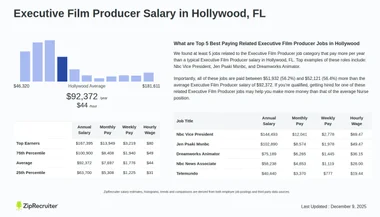
Discover the multifaceted role of a film producer! Learn about their responsibilities in development, production, distri...
View Board
Explore cinema's fascinating world of AI! From HAL 9000 to Her, discover iconic movies featuring sentient robots, ethica...
View Board
Explore the indie film movement! Discover its history, key characteristics, and impact on cinema. Learn how independent ...
View Board
Explore the timeless appeal of iconic film characters! Discover what makes them unforgettable, from universal themes to ...
View Board
A journalist maps magical realism from García Márquez’s Macondo to modern transformations, showing how history, politics...
View Board
Uncover the secrets of cinematic Easter eggs! Explore hidden jokes, visual clues, and narrative gems in your favorite mo...
View Board
Explore the evolution of queer cinema, from early experimental films to modern LGBTQ+ masterpieces. Discover key milesto...
View Board
Explore the debate around historical accuracy in films. Discover how filmmakers balance factual fidelity with narrative,...
View Board
Explore sound design in cinema! Learn how filmmakers use sound effects, Foley, music & spatial audio to craft immersive ...
View Board
Explore the powerful cultural impact of cinema worldwide. Discover how films shape society, influence culture, promote s...
View Board
Explore the indie comedy resurgence! Discover the drivers behind its boom: streaming, originality, & international voice...
View Board
Explore the fascinating evolution of cinema, from its silent beginnings with Edison and Lumière to the Golden Age of Hol...
View Board
Uncover the life of Mithridates VI Eupator, the Poison King! Explore his mastery of toxins, wars against Rome, and drama...
View Board
Explore the evolution of comedy in cinema, from silent slapstick to modern character-driven stories. Discover key trends...
View Board
Explore the cultural timeline of movies that defined generations, from Baby Boomers to Millennials. Discover the films t...
View Board
Delve into the works of various authors named David Brown. While none are considered pioneers of modern literature, disc...
View Board
Comments