


Explore Any Narratives
Discover and contribute to detailed historical accounts and cultural stories. Share your knowledge and engage with enthusiasts worldwide.
The human eye is not built for the dark. It fails at a depth of about 200 meters, where the last spectral whispers of sunlight dissolve into a permanent indigo gloom. Below the gaudy, sunlit corals of Bermuda lies a world that has, for centuries, been defined more by our ignorance than our knowledge. A frontier. In the summer of 2016, a coordinated assault on that ignorance was launched from the decks of the Baseline Explorer. Its name was Project Nekton, and its target was the twilight zone.
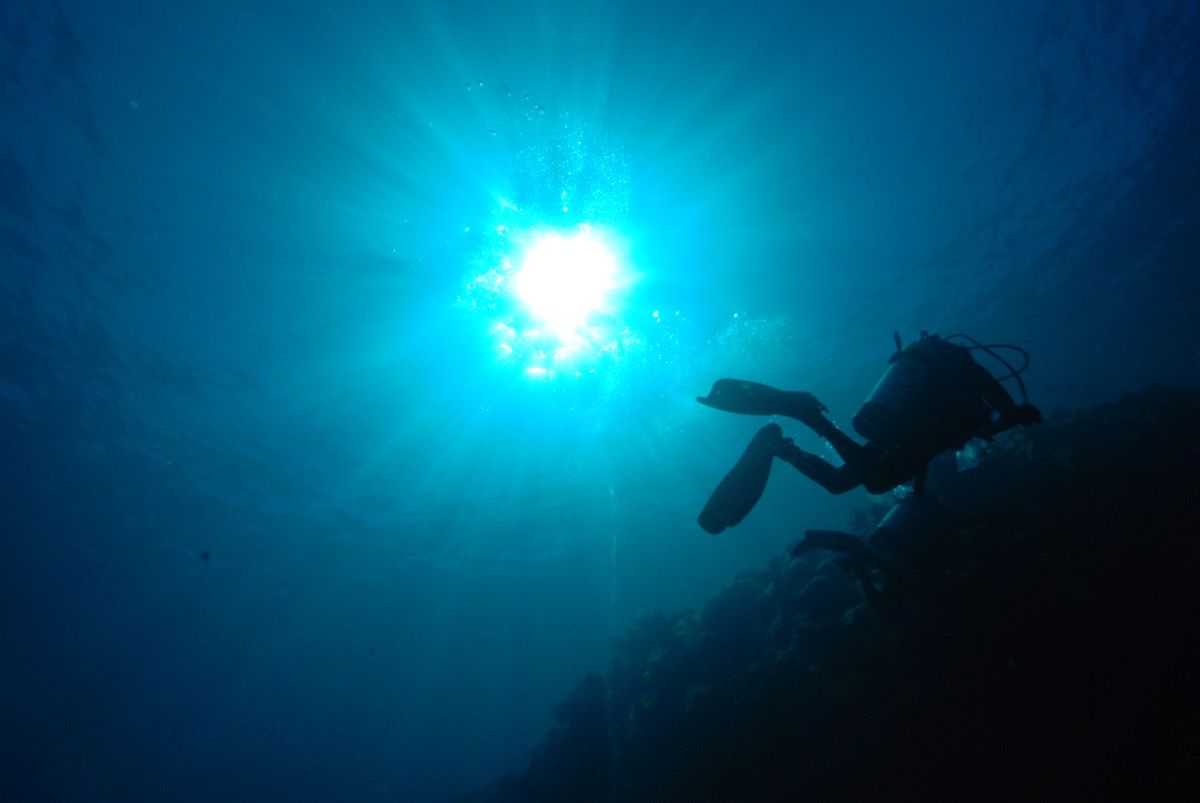
Bermuda is a geologic anomaly. It is the eroded stump of a 45-million-year-old volcano, a lonely sentinel in the northwest Atlantic that punches a hole in the deep ocean. The shallow platform surrounding it is a celebrated marine habitat, but the true mystery lay on its flanks, in the steep drop-offs where light becomes a memory. Scientists had long theorized about extensive mesophotic coral ecosystems—"twilight zone" reefs existing between 30 and 150 meters—but Bermuda’s depths were notoriously hostile to exploration. The punishing physics of gas absorption meant technical divers, using advanced closed-circuit rebreathers, could manage only 15 to 25 minutes of work on the bottom before beginning decompression obligations that could last hours.
“You are a visitor on borrowed time, in an environment that demands absolute respect,” explains Gretchen Goodbody-Gringley, a reef ecologist from the Bermuda Institute of Ocean Sciences (BIOS) who was a principal scientist on the mission.
“Every descent is a meticulously planned operation. You have one task, one transect, one collection. There is no room for error, and no second chance that day. The data you bring back is literally bought with time under immense pressure.”
Project Nekton, the inaugural mission of the UK-based Nekton Foundation and sponsored by XL Catlin, proposed a solution: overwhelm the problem. It assembled a multidisciplinary armada. The Baseline Explorer served as the mothership. Teams from Global Sub Dive and Project Baseline provided the cutting-edge technical diving expertise. Two submersibles, capable of descending far beyond diver limits, were deployed. Remotely operated vehicles (ROVs) with robotic claws and high-definition cameras extended the team’s reach. The goal was not a single snapshot, but a comprehensive survey—video transects, environmental parameter logging, seawater samples, and the careful collection of specimens across the Bermuda Platform, the Argus and Challenger Banks, and into the distant Gully Marine Protected Area off Nova Scotia.
The first dives confirmed the hypothesis of vast, unexplored reefs. But they revealed something more profound, a structural truth about the ocean that had been hiding in plain sight. Below the known mesophotic zone, the team identified and defined a brand-new ecological stratum: the rariphotic zone, or “rare light zone,” spanning from 130 to 300 meters down.
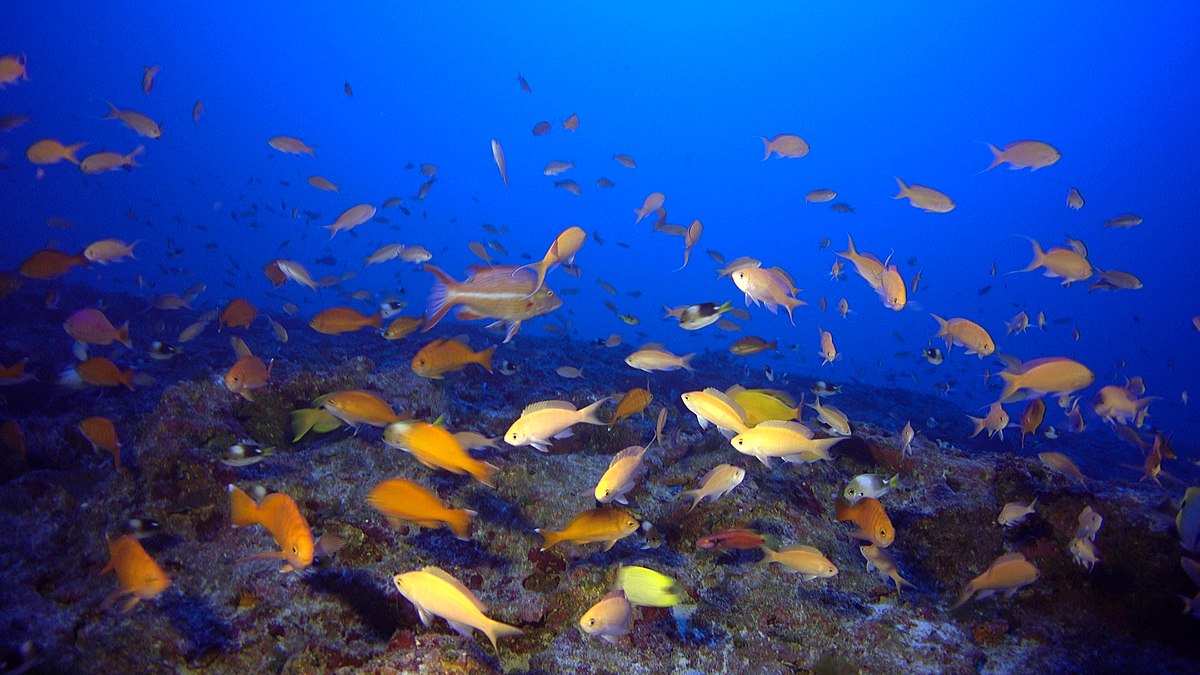
This was not merely a deeper extension of the reef above. It was a distinct world with its own cast of characters. Here, in the near-total darkness, forests of black coral thrived, some individuals stretching over two meters tall—ancient, slow-growing architectures. Sponges in bizarre, intricate forms dominated the substrate. Fish species unknown to science flitted through the beams of the submersibles. The rariphotic zone was a buffer, a previously undocumented biological compartment sandwiched between the light-dependent mesophotic communities and the truly dark, deep-sea bathyal zone below.
“The discovery of the rariphotic zone fundamentally changes how we map ocean biodiversity,” states a mission report from the Nekton Foundation.
“It is a separate province. The communities at 150 meters have more in common with each other across different sites than they do with the reef 50 meters above them. This has colossal implications for conservation; we cannot protect what we do not first define.”
The scale of novelty was staggering. By the mission’s end, the team had collected over 40,000 specimens and logged countless hours of video. Preliminary analysis pointed to more than one hundred species never before described by science. The haul was so vast it would fuel more than twenty peer-reviewed scientific papers, a data tsunami that would take years for the academic community to fully process.
While the submersibles captured headlines, much of the mission’s critical work was conducted in the painstaking, less-glamorous realm of physiology and genetics. This is where Gretchen Goodbody-Gringley operates. Her work on the mission focused on the corals themselves, not just as structures, but as living populations facing a changing ocean.
Her team collected biopsies from deep corals across different sites and depths. The goal was to map genetic connectivity. Were these deep reefs isolated, lonely outposts? Or were they connected by larval dispersal, forming a resilient network across Bermuda’s platform? Concurrently, she investigated the reproductive capacity of these deep corals. Could they spawn successfully under the increasing stress of ocean warming and acidification, which were now being detected even at these profound depths?
Another piece of her research addressed an immediate threat: the invasive lionfish. This venomous predator from the Indo-Pacific had already ravaged shallow reefs in the Caribbean and Western Atlantic. Nekton divers conducted surveys in the twilight zone, collecting fin clips for genetic analysis and stomach contents for DNA barcoding. They needed to know if the lionfish had found its way into the deep reefs, and if so, what it was eating. Was this sanctuary also under assault?
Goodbody-Gringley’s work embodies the dual nature of modern ocean exploration. It is simultaneously about the thrill of discovery and the grim calculus of extinction. One day she is documenting a coral species no one has ever seen; the next, she is measuring its vulnerability. The twilight zone, once thought remote and insulated, is now revealed as part of an interconnected column of water under siege. Her diving logs from the mission are a mix of awe and urgency. A typical entry might note the mesmerizing flow of a basket star next to a precise recording of a coral’s bleaching response at 90 meters.
The public launch of the mission’s findings was held at the Bermuda Underwater Exploration Institute on July 19, 2016. It presented a vision of an ocean far richer and more complex than previously imagined. But for the scientists on the deck of the Baseline Explorer, the celebration was tempered by the knowledge of what came next. They had pulled back the curtain. Now they had to understand what they were looking at, and fight to keep it from vanishing before it was ever truly known.
Project Nekton’s 2016 mission was not a quiet academic exercise. It was a spectacle of logistics, a ballet of multi-million dollar machinery playing out on the rolling blue stage of the Sargasso Sea. The Baseline Explorer became a floating command center buzzing with a specific, high-stakes energy. In one bay, technical divers meticulously assembled closed-circuit rebreathers, machines that recycle exhaled breath to allow longer, bubble-free dives. In another, pilots ran pre-dive checks on twin submersibles, their acrylic hemispheres offering panoramic views into the abyss. ROVs, trailing umbilical cords thick as a man’s arm, were tested on deck. The operation represented a fundamental shift in deep reef science: brute force technological access over inferential guesswork.
This approach yielded an embarrassment of riches. Forty thousand specimens. Thousands of hours of high-definition video. But this data deluge created its own problem, one that plagues modern exploration. The collection phase was swift, a matter of weeks. The analysis phase is a marathon measured in years, even decades. Many of the over one hundred suspected new species collected remain in limbo—sitting in jars of preservative in museum basements, awaiting the attention of a taxonomic expert with the specific knowledge to describe them. A sponge or a tiny crustacean from 250 meters might wait five years for its formal introduction to science. This gap between collection and classification is a critical vulnerability in a race against environmental change.
"We are discovering biodiversity at a pace that our existing scientific infrastructure cannot possibly keep up with," notes a marine taxonomist familiar with the Nekton collections, who requested anonymity due to institutional sensitivities. "The mission was a spectacular success in gathering raw material. But a new species in a vial is not a protected species. Without a name, without a published description, it is ecologically and politically invisible. The clock is ticking between discovery and documentation, and we are losing."
The biological reality of the rariphotic zone compounds this crisis. The very nature of life there is defined by slowness. In the cold, nutrient-sparse darkness, metabolism grinds to a near halt. The majestic black coral forests, some individuals standing two meters tall, are not quick growers. Preliminary analyses from the mission suggest growth rates measured in mere millimeters per year. A coral colony the size of a person could be centuries old, a living archive of ocean conditions dating back to the Renaissance.
This creates a devastating asymmetry. We can damage these ecosystems in an afternoon—with a single trawl net, an anchor drop, or the gradual creep of warming water. Their recovery, if it is even possible, would span human generations. Project Nekton’s video transects captured this fragility in high definition: landscapes of delicate, filter-feeding organisms perfectly adapted to a stable, dark world. They are the antithesis of resilient. They are masterpieces of endurance in a constant environment, making them exquisitely vulnerable to change.
Did the mission’s technological triumphalism, then, inadvertently highlight the impotence of pure discovery? You can map a forest with lasers, but that doesn’t stop the chainsaws. The project made the invisible visible, but the harder work—translating that visibility into meaningful protection—remains a murky, political struggle. Bermuda’s government received the data, but the translation of complex biogeographic maps into enforceable marine spatial plans is a slow, bureaucratic waltz.
While the search for new life dominated the narrative, one of the mission’s most ominous findings involved a known killer. Gretchen Goodbody-Gringley’s lionfish investigations in the twilight zone yielded a clear and troubling result. The invasive predator was not just present; it was thriving at depths previously considered a potential refuge for native fish. The team’s collection of stomach contents for DNA barcoding revealed a grim menu.
"The lionfish we sampled were eating everything," Goodbody-Gringley states flatly. "We found evidence of over a dozen different fish species in their guts, including juveniles of commercially important grouper and snapper. The twilight zone is not a refuge. It’s the next course on their menu. This invasion is vertical."
This finding shattered a comforting assumption. Scientists had hoped the cold temperatures and high pressure of the mesophotic and rariphotic zones might act as a natural barrier. Nekton proved otherwise. The lionfish’s penetration is a brutal case study in what marine biologists call "habitat compression." As shallow reefs degrade from warming and direct human pressure, both native species and invasive generalists are pushed deeper. The last bastions become battlegrounds. The mission’s footage sometimes captured this silent war: a flamboyant, venomous lionfish, an Indo-Pacific import, hovering motionless against a backdrop of ancient black coral that had never seen such a creature.
The genetic work on the corals themselves presented a more nuanced, but equally critical, picture. Goodbody-Gringley’s biopsies were analyzed to map population connectivity. Were these deep reefs self-seeding islands, or interconnected nodes? Early genetic results suggested a mix. Some species showed strong connectivity across the Bermuda platform, their larvae riding deep currents to colonize new territory. Others appeared isolated, unique to a specific seamount or ledge.
"This genetic map is the blueprint for resilience," explains a population geneticist at BIOS who worked on the samples. "If a reef is connected, it can be reseeded from neighbors after a disturbance. If it’s an isolated population, its loss is permanent. Nekton gave us the first chance to draw this blueprint for the deep. The bad news is, for many of these slow-growing specialists, isolation seems to be the rule, not the exception."
The most tangible immediate output from the mission was not a scientific paper, but a practical guide. Using data on species distribution and abundance, the team produced detailed bycatch identification guides for Bermudian fishermen. These charts, distributed to every commercial vessel, helped fishers distinguish between a commercially valuable deepwater snapper and a rare, slow-growing deep reef fish that should be returned. It was a direct, pragmatic application of science to governance, a nod to the fact that exploration must serve stewardship.
Less publicized, but perhaps more scientifically revolutionary, were the parasitic discoveries. In the frantic cataloging of flashy fish and towering corals, a whole universe of hidden symbionts emerged. Tiny crustaceans living exclusively on specific deep-sea sponges. Worms embedded in coral skeletons. Parasitic copepods on fish never before seen. For every new host species discovered, three or four new parasitic species likely came with it. This hidden biodiversity, the unglamorous hangers-on, represents the true complexity of the ecosystem. It’s a Russian nesting doll of discovery, and Nekton barely had time to peek inside the first layer.
"The parasites tell the real story of evolutionary history and ecosystem integration," says a marine invertebrate zoologist who studied some of the Nekton bycatch. "Finding a new fish is exciting. Finding a new parasite that has evolved alongside that fish for millions of years, that’s the golden thread. It proves this isn’t just a random assemblage of organisms; it’s a deeply evolved, co-dependent community. Its collapse would be a symphony going silent, not just a few notes missing."
This gets to the core of Project Nekton’s enduring contribution. It forced a paradigm shift in how we visualize the ocean column. The old model was simplistic: sunny shallow reef, a dim transitional zone, then the abyssal plain. Nekton’s identification of the rariphotic zone inserted a new, distinct tier into that model. It proved the slope is not a smooth gradient but a series of stratified, specialized communities. This has profound implications. A marine protected area (MPA) that stops at 200 meters is utterly meaningless for protecting a rariphotic reef community that thrives from 130 to 300 meters. You might as well build a fence that stops at a tree’s branches to protect its roots.
The mission’s final act was a public data launch at the Bermuda Underwater Exploration Institute on July 19, 2016. The presentation showed stunning footage of unknown worlds. But behind the awe was a urgent, unspoken question. The technology existed to reveal these worlds. Did the political and economic will exist to save them? Project Nekton handed Bermuda, and the world, a priceless and burdensome gift: knowledge of what we stand to lose, long before we even begin to understand what we have found.
Project Nekton’s true significance lies not in the hundred new species it cataloged, but in the brutal geological and biological context it exposed. Bermuda is a 45-million-year-old volcanic relic, a monument to deep time. The rariphotic ecosystems on its flanks evolved over epochs, their slow-growing inhabitants—corals adding a millimeter a year, sponges filtering particles for centuries—living testaments to stability. The mission’s achievement was to reveal this ancient, fragile world at the precise moment it faces anthropogenic threats operating on a human timescale: decadal warming, annual fishing pressure, instantaneous pollution events. It framed a colossal mismatch. We discovered a cathedral built over millions of years just as we realized the foundations were being dynamited.
This revelation has rippled through ocean governance. The very concept of the rariphotic zone, a term solidified by Nekton’s work, is now forcing a recalibration of marine spatial planning. Conservation models can no longer treat depth as a simple gradient. The data on genetic isolation versus connectivity is directly informing debates about MPA design. Should reserves be a series of small, isolated nodes protecting unique populations? Or should they be sprawling, interconnected networks to facilitate larval dispersal? Nekton provided the first hard data to move that conversation from theory to policy. The mission’s bycatch guides were a direct, tangible output, but its deeper legacy is the injection of three-dimensional thinking into a traditionally two-dimensional planning process.
"Nekton forced us to think in layers, like archaeologists of the present," states an ocean policy advisor who has worked with the Bermuda government. "Before 2016, our maps were essentially flat. Now, when we look at a chart of the Bermuda Platform, we see a shallow reef, then a mesophotic community, then the distinct rariphotic band, each with its own conservation needs and vulnerabilities. The mission didn't just give us new species; it gave us a new lens. And that lens reveals how crude our old protections really were."
For all its groundbreaking work, Project Nekton operates within a modern scientific paradigm that deserves scrutiny. The mission was, by design, a media-event expedition. It required massive sponsorship, sleek promotional videos, and a narrative of heroic discovery to secure funding. This model yields incredible initial data bursts, but it often struggles with the less glamorous, long-term work of monitoring. What happens to these reefs in 2024? 2034? The 2016 expedition was a brilliant flashbulb illuminating a dark room, but science needs a constant, burning candle to track change over time.
The mission’s structure also highlights a systemic issue in deep-sea biology: the collection bottleneck. Amassing 40,000 specimens is a feat of logistics. Processing, describing, and publishing findings on those specimens is a feat of underfunded, overworked academic tenacity. There is a dangerous disconnect between the pace of technologically-enabled discovery and the pace of taxonomic description. Nekton’s own findings underscore this. Many of the "over 100 new species" identified in 2016 likely remain formally undescribed eight years later, trapped in a scientific limbo that renders them invisible to conservation frameworks. The mission excelled at asking questions through discovery, but the global scientific infrastructure is failing at providing the timely answers.
Furthermore, the focus on charismatic depth zones and visible megafauna—the coral forests, the strange fish—can inadvertently overshadow the critical, cryptic diversity. The true scale of discovery was in the parasites, the meiofauna, the microbial communities living on and within the larger specimens. These organisms are the fabric of the ecosystem, yet they rarely make the press release. The mission’s public-facing success risked presenting a simplified, almost safari-like view of the deep: a tour of its large, strange animals. The less photogenic, but more ecologically fundamental, discoveries remained in the shadows of their hosts.
The work begun off Bermuda has not stalled; it has metastasized into a global campaign. The Nekton Foundation, in partnership with The Nippon Foundation, has launched the ambitious Ocean Census initiative, aiming to accelerate the discovery and description of ocean life. The lessons from Bermuda are being applied worldwide. In 2023 and 2024, similar methodologies—Autonomous Reef Monitoring Structures (ARMS), submersibles, genetic barcoding—were deployed off Guam, yielding another twenty potential new species from Pacific twilight zones. The ARMS devices, simple settling plates left for years, are a direct answer to the "flashbulb" critique, providing continuous, long-term data on invertebrate communities.
The trajectory is clear: targeted, technology-intensive baseline surveys of specific deep reef systems, followed by the deployment of long-term monitoring tools. The next major Nekton-led expedition is slated for a yet-to-be-disclosed location in the Indian Ocean in late 2025, with a focus on quantifying the impact of deoxygenation on mesophotic communities. The scientific questions are evolving from "what is there?" to "how is it changing?" The answers will be grimly quantifiable. Warming is not surface-confined; the heat is sinking. The lionfish’s vertical invasion is a proven model for other disruptive species shifts.
Back in Bermuda, the long-term monitoring continues quietly. Gretchen Goodbody-Gringley and her colleagues at BIOS are analyzing eight years of data from permanent transects. They are tracking growth, mortality, and recruitment of deep corals with a precision that was impossible before Nekton’s initial mapping. The mission’s true endpoint is not a published paper, but a sustained vigil.
The human eye may fail at 200 meters, but technology has granted us prosthetic vision. We have seen the ancient, slow world of the twilight zone. We have seen the lionfish invade it. We have seen its breathtaking fragility. Project Nekton handed us that sight, a burden of knowledge as heavy as the pressure at depth. The indigo gloom is no longer a frontier of ignorance, but a monitored patient in intensive care. The question is no longer what lives there, but for how long.
Your personal space to curate, organize, and share knowledge with the world.
Discover and contribute to detailed historical accounts and cultural stories. Share your knowledge and engage with enthusiasts worldwide.
Connect with others who share your interests. Create and participate in themed boards about any topic you have in mind.
Contribute your knowledge and insights. Create engaging content and participate in meaningful discussions across multiple languages.
Already have an account? Sign in here

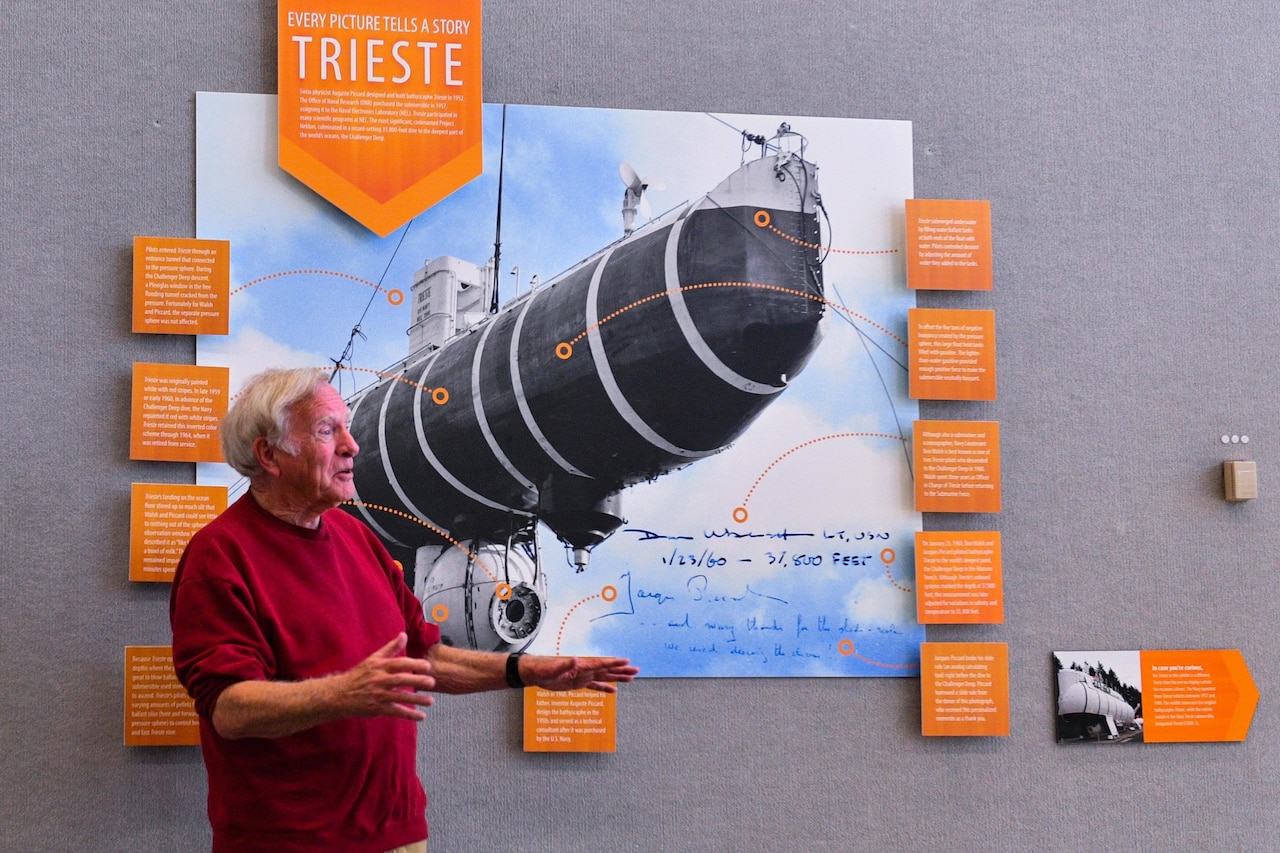
In 1960, Jacques Piccard and Don Walsh descended 10,916 meters in the Trieste, conquering Challenger Deep and reshaping ...
View Board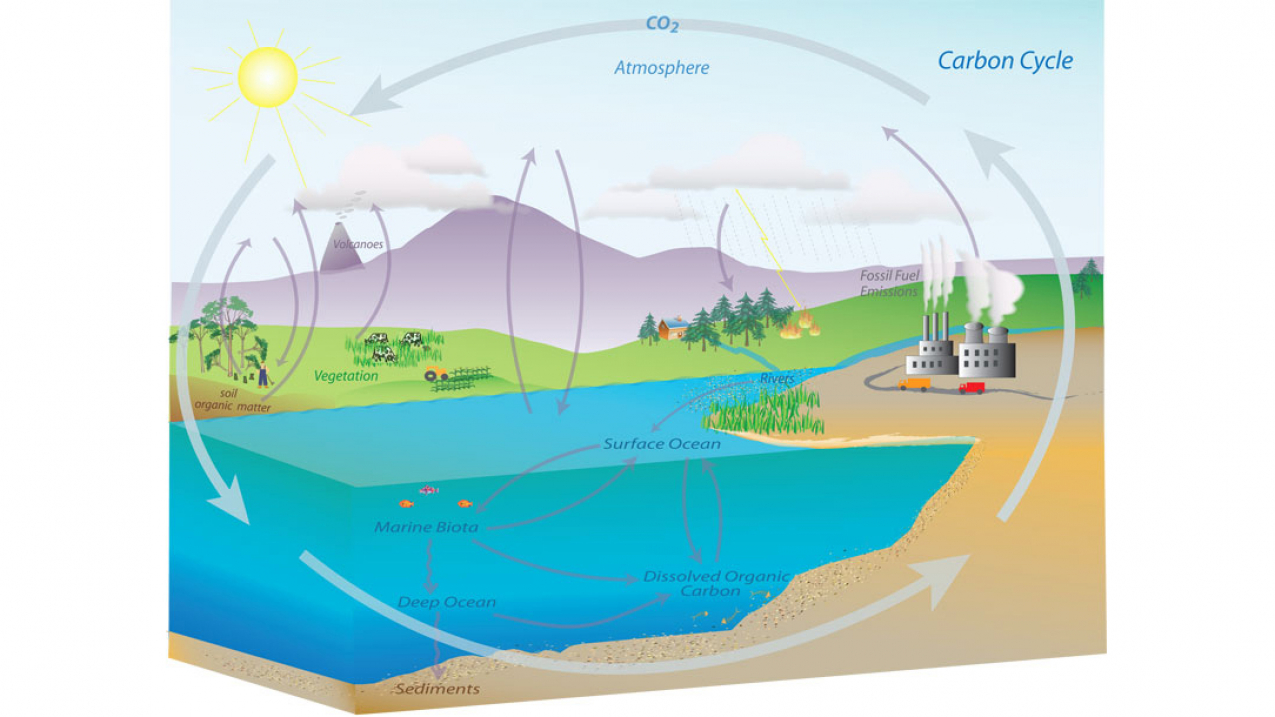
Microbial oceanographer Dr. Anya Sharma's 2025 discovery of deep-sea bacteria actively fixing carbon challenges decades ...
View Board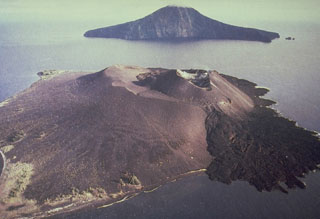
Krakatoa’s 1883 eruption unleashed tsunamis over 100 feet high, obliterating 165 coastal villages and killing 36,417, re...
View Board
Eric Decker’s 2013 four‑touchdown explosion in Denver, forged by Minnesota grit, academic rigor, and relentless red‑zone...
View Board
The 1920s Yoga Rebellion: How Asanas Defied Colonial Rule The year is 1924. The Mysore Palace, a sprawling testament to ...
View Board
Bjørn Nyland films Norway’s dimming streetlights, tests 565‑mile Tesla runs, and dissects costly electric‑road bids, off...
View Board
1996 research debunks the samurai Tabata myth, exposing the scientific creation of a four‑minute, eight‑round interval p...
View Board
Max Verstappen en 2023 : une domination sans précédent en F1 avec 19 victoires, 575 points et une symbiose parfaite entr...
View Board
From daily brother videos in 2007 to Crash Course classrooms and a $2.3 M charity telethon, the Green brothers reshaped ...
View Board
In 1932, desperate WWI veterans marched on Washington for promised bonuses, only to face tanks, tear gas, and fire from ...
View Board
Gettysburg’s 2026 Winter Lecture Series challenges Civil War memory, linking diplomacy, Reconstruction, and global stake...
View Board
Black Patriots were central to the Revolutionary War, with thousands serving in integrated units from Lexington to Yorkt...
View Board
On January 3, 1777, George Washington’s audacious night march and decisive victory at Princeton saved the American Revol...
View Board
Archaeologists uncover lost Hadrian’s Wall section in 2025, revealing a 2,000-year-old frontier’s complex legacy of powe...
View Board
MIT chemists synthesize verticillin A after 55 years, unlocking a potential weapon against fatal pediatric brain tumors ...
View Board
Archaeologists uncover a 3,500-year-old Egyptian fortress in Sinai, revealing advanced military engineering, daily soldi...
View Board
MIT researchers transform ordinary concrete into structural supercapacitors, storing 10x more energy in foundations, tur...
View Board
As America nears the 250th anniversary of 1776, the Declaration of Independence’s legacy is being fiercely debated, resh...
View Board
Discover the essentials of cryptocurrency mining: how it works, hardware choices, and profitability factors. Start your ...
View Board
Hội An : L'Archéologie d'une Âme Vietnamienne La lumière décline sur la rivière Thu Bồn. Une par une, comme obéissant à...
View Board
Comments