Explore Any Narratives
Discover and contribute to detailed historical accounts and cultural stories. Share your knowledge and engage with enthusiasts worldwide.
Marcus Salvius Otho, born in AD 32, was a Roman emperor whose reign lasted a mere three months. His rule, from January 15 to April 16, 69 AD, was the second in the tumultuous Year of the Four Emperors. This period was marked by civil war and rapid shifts in power following the suicide of Emperor Nero.
Otho was born on April 28, AD 32, in Ferentium, southern Etruria. His family was not aristocratic but was elevated by Emperor Claudius, with his father being made a patrician. Otho's early life was closely tied to Nero, and he even married Poppaea Sabina, whom Nero later took as his own wife.
After his marriage to Poppaea Sabina ended, Otho was exiled to govern Lusitania from AD 58 to 68. Despite his initial reputation for extravagance, he governed with notable integrity and competence. This period in Lusitania marked a turning point in his life, showcasing his administrative skills.
Otho's path to the throne was fraught with political maneuvering and alliances. Initially a companion of Nero, he later joined Galba's revolt against Nero, expecting to be named as Galba's successor. However, when Galba chose Piso instead, Otho conspired against Galba.
The Praetorian Guard played a crucial role in Otho's ascent to power. On January 15, 69 AD, the Praetorians declared Otho emperor after assassinating Galba. The Senate confirmed his titles on the same day, marking the beginning of his brief reign.
Otho's reign was short but eventful. He ruled for approximately 8–9 weeks, during which he faced significant challenges and made notable decisions.
One of the defining events of Otho's reign was the Battle of Bedriacum near Cremona. Otho's forces, numbering around 40,000, were defeated by Vitellius's armies. This battle was a turning point in the civil war that characterized the Year of the Four Emperors.
Despite his brief reign, Otho implemented several reforms aimed at curbing luxuries and improving the administration. His governance was marked by energy and a focus on military discipline, which earned him some respect among the soldiers.
Otho was known for his small stature and bow-legged appearance. He was also noted for his vanity, often wearing a wig and having his body hair plucked. These personal traits, while seemingly trivial, provide insight into his character and the perceptions of him during his time.
Otho's legacy is a complex one. Historical assessments view him as a paradoxical figure: a Nero-like wastrel yet a competent commander and administrator. He is often seen as more of a soldier than a civilian favorite, with his final act of suicide being praised as selfless, sparing Rome further bloodshed.
In modern times, Otho has been featured in various media, including YouTube histories and documentaries. Artifacts such as his bust in the Musei Capitolini and his aureus coin highlight the cultural preservation of his legacy. Despite the lack of major updates in historical scholarship, Otho remains a symbol of the instability that characterized the Year of the Four Emperors.
In this first part, we have explored Otho's early life, his rise to power, and the key events of his brief reign. His story is one of political intrigue, military campaigns, and personal traits that shaped his legacy. In the next part, we will delve deeper into the specifics of his reign, his military strategies, and the broader context of the Year of the Four Emperors.
The Year of the Four Emperors (69 AD) was one of the most turbulent periods in Roman history. Following Nero's suicide in 68 AD, the empire plunged into civil war as rival factions vied for control. Otho's reign must be understood within this broader context of instability and rapid power shifts.
Nero's death left a void that multiple contenders sought to fill. The empire's stability was threatened by regional armies and political factions, each backing their own candidate. This period saw four emperors—Galba, Otho, Vitellius, and Vespasian—rise and fall in quick succession.
Otho's primary rivals were Vitellius, supported by the Rhine legions, and Vespasian, who had the backing of the eastern provinces. The Praetorian Guard's loyalty was crucial, and Otho secured their support early on. However, the legions in the provinces often had their own agendas, complicating the political landscape.
Otho's military strategies were central to his brief reign. His most significant confrontation was the Battle of Bedriacum, a pivotal clash that determined his fate and the course of the civil war.
Otho quickly mobilized his forces, securing the loyalty of the Praetorian Guard and gathering support from fleets in Dalmatia, Pannonia, and Moesia. His army was a mix of experienced legionaries and hastily recruited troops, reflecting the urgency of his situation.
The Battle of Bedriacum took place near Cremona and resulted in a devastating defeat for Otho. His forces, numbering around 40,000, were overwhelmed by Vitellius's armies. The loss was catastrophic, with heavy casualties and a significant blow to Otho's legitimacy as emperor.
Despite his short reign, Otho implemented several reforms aimed at stabilizing the empire and curbing excesses. His governance style was marked by a blend of military discipline and administrative efficiency.
Otho sought to reduce the extravagance that had characterized Nero's rule. He implemented measures to curb luxuries and promote fiscal responsibility. These policies were intended to restore confidence in the imperial administration and address the economic strain caused by the civil war.
Recognizing the importance of the military, Otho focused on maintaining discipline and securing the loyalty of his troops. He offered incentives and rewards to ensure the allegiance of the Praetorian Guard and other key units. His efforts were aimed at creating a cohesive and effective fighting force.
Otho's reign and character have been the subject of various historical accounts. Ancient sources such as Suetonius, Tacitus, and Plutarch provide differing perspectives on his rule, contributing to a complex and often contradictory legacy.
Suetonius and Tacitus offer detailed accounts of Otho's life and reign. While Suetonius highlights Otho's vanity and extravagance, Tacitus provides a more nuanced view, acknowledging his administrative skills and military acumen. Plutarch, on the other hand, focuses on Otho's personal traits and his final act of suicide.
"Otho, though of a luxurious and effeminate character, showed himself in this crisis to be a man of energy and resolution." — Tacitus, Histories
Modern historians view Otho as a paradoxical figure. On one hand, he is seen as a competent administrator and military leader; on the other, his association with Nero's excesses and his violent usurpation of power are criticized. His suicide is often praised as a selfless act that spared Rome further bloodshed.
Otho's legacy is preserved through various artifacts and cultural references. These items provide tangible connections to his reign and offer insights into his life and times.
Otho has been featured in various media, including documentaries and historical reenactments. Platforms like YouTube have hosted detailed histories of his life and reign, bringing his story to a wider audience. These modern interpretations help keep his legacy alive and relevant.
In this second part, we have delved deeper into the context of the Year of the Four Emperors, Otho's military strategies, and his governance reforms. We have also explored the historical accounts and artifacts that preserve his legacy. In the final part, we will conclude with a comprehensive summary of Otho's impact on Roman history and his enduring significance.
As the defeat at the Battle of Bedriacum became evident, Otho faced a critical decision. With his forces decimated and Vitellius's armies advancing, he chose to take his own life rather than prolong the civil war. This act, though drastic, was seen as a selfless move to prevent further bloodshed.
On the night of April 15, 69 AD, Otho addressed his remaining troops, acknowledging the inevitability of defeat. He urged them to surrender to Vitellius, emphasizing the need to spare Rome from further destruction. His speech was marked by a rare combination of humility and resolve, qualities that earned him post-mortem respect.
On the morning of April 16, Otho committed suicide by stabbing himself in the chest with a dagger. He was 36 years old at the time of his death. His final words, as recorded by Suetonius, were, "It is far more just to perish one for all, than many for one." This statement underscored his belief that his death would bring an end to the conflict.
Otho's suicide had immediate and long-term consequences for the Roman Empire. His death marked the end of his brief reign but did not conclude the chaos of the Year of the Four Emperors. The power struggle continued, with Vitellius and later Vespasian vying for control.
The news of Otho's death was met with mixed reactions in Rome. While some mourned the loss of a leader who had shown promise, others viewed his suicide as a necessary sacrifice. The Senate, which had initially supported Otho, quickly shifted its allegiance to Vitellius, reflecting the volatile political climate.
Otho's death did not immediately end the civil war, but it did alter its course. Vitellius's victory at Bedriacum solidified his claim to the throne, though his reign would also be short-lived. The conflict continued until Vespasian emerged as the final victor, establishing the Flavian dynasty.
Otho's legacy is a complex tapestry of military prowess, political maneuvering, and personal sacrifice. His brief reign left an indelible mark on Roman history, serving as a cautionary tale about the dangers of power struggles and civil war.
Otho's rule offers several key lessons. Firstly, it highlights the fragility of power in the absence of a clear succession plan. Secondly, it underscores the importance of military loyalty in maintaining imperial authority. Lastly, Otho's suicide serves as a reminder of the personal sacrifices that can be required to preserve the greater good.
Otho's reign is often compared to those of his contemporaries, particularly Galba and Vitellius. While Galba was seen as overly austere and Vitellius as indulgent, Otho struck a balance between the two. His administrative skills and military acumen set him apart, though his brief tenure limited his impact.
Modern historians and scholars continue to debate Otho's place in Roman history. His reign, though short, provides valuable insights into the political and military dynamics of the time. Recent scholarship has sought to re-evaluate his legacy, highlighting his strengths and acknowledging his weaknesses.
Traditional views of Otho have often focused on his association with Nero and his perceived extravagance. However, modern interpretations emphasize his administrative capabilities and his efforts to stabilize the empire. His governance reforms and military strategies are now seen as commendable, given the circumstances.
Otho's story has been featured in various forms of popular culture, from documentaries to historical fiction. These portrayals often highlight the dramatic aspects of his reign, particularly his rise to power and his ultimate sacrifice. Platforms like YouTube have made his story accessible to a wider audience, ensuring that his legacy endures.
Otho's life and reign offer several key takeaways that are relevant to both historical scholarship and contemporary understanding of Roman history.
Otho's story is a compelling chapter in the history of the Roman Empire. His brief reign, marked by military campaigns, political maneuvering, and personal sacrifice, offers valuable insights into the dynamics of power and the consequences of civil war. While his rule was short-lived, his impact on Roman history is enduring.
In the broader context of the Year of the Four Emperors, Otho's reign serves as a reminder of the fragility of imperial authority and the importance of stability. His decision to end his life, though tragic, was seen as a selfless act that spared Rome from further destruction. This final act, more than any other, has cemented his legacy as a figure of both controversy and admiration.
As we reflect on Otho's life and reign, we are reminded of the complex interplay between power, loyalty, and sacrifice. His story continues to captivate historians and enthusiasts alike, offering a window into one of the most turbulent periods in Roman history. In the end, Otho's legacy is not just about his brief time on the throne, but about the enduring lessons his reign provides for understanding the rise and fall of empires.
Your personal space to curate, organize, and share knowledge with the world.
Discover and contribute to detailed historical accounts and cultural stories. Share your knowledge and engage with enthusiasts worldwide.
Connect with others who share your interests. Create and participate in themed boards about any topic you have in mind.
Contribute your knowledge and insights. Create engaging content and participate in meaningful discussions across multiple languages.
Already have an account? Sign in here
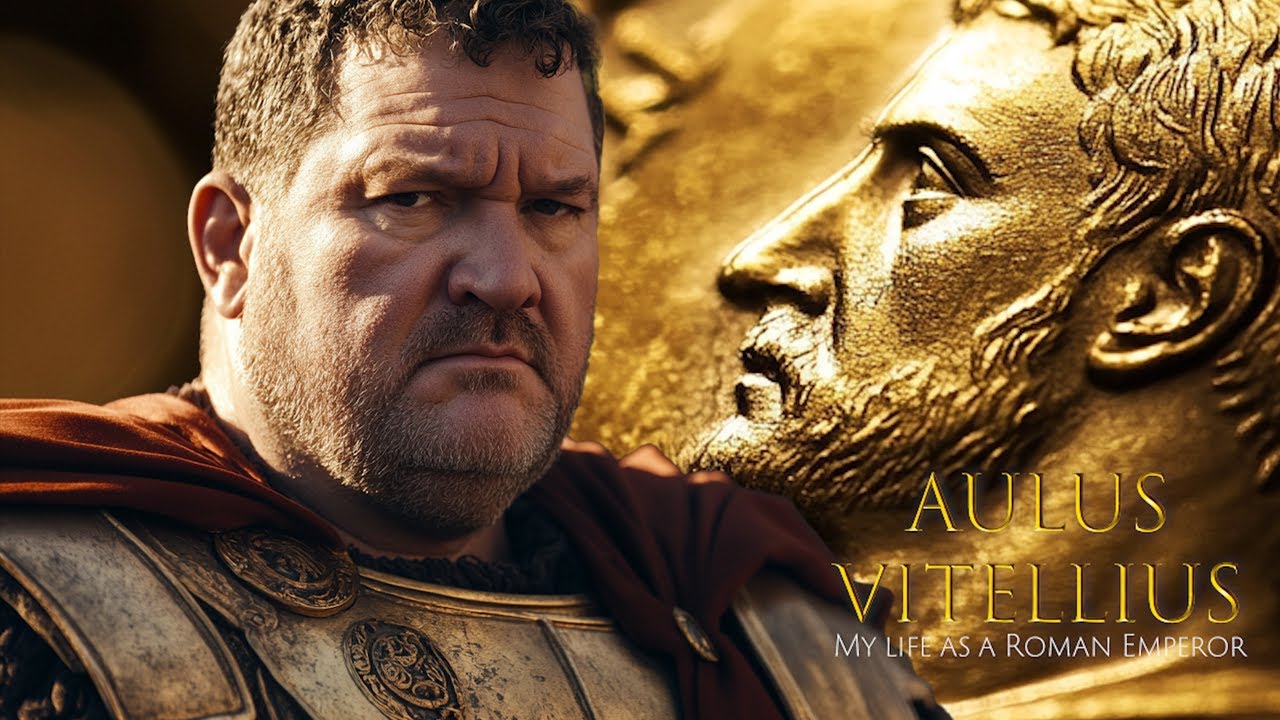
Explore the brief yet impactful reign of Aulus Vitellius, one of the Roman emperors during the chaotic Year of the Four ...
View Board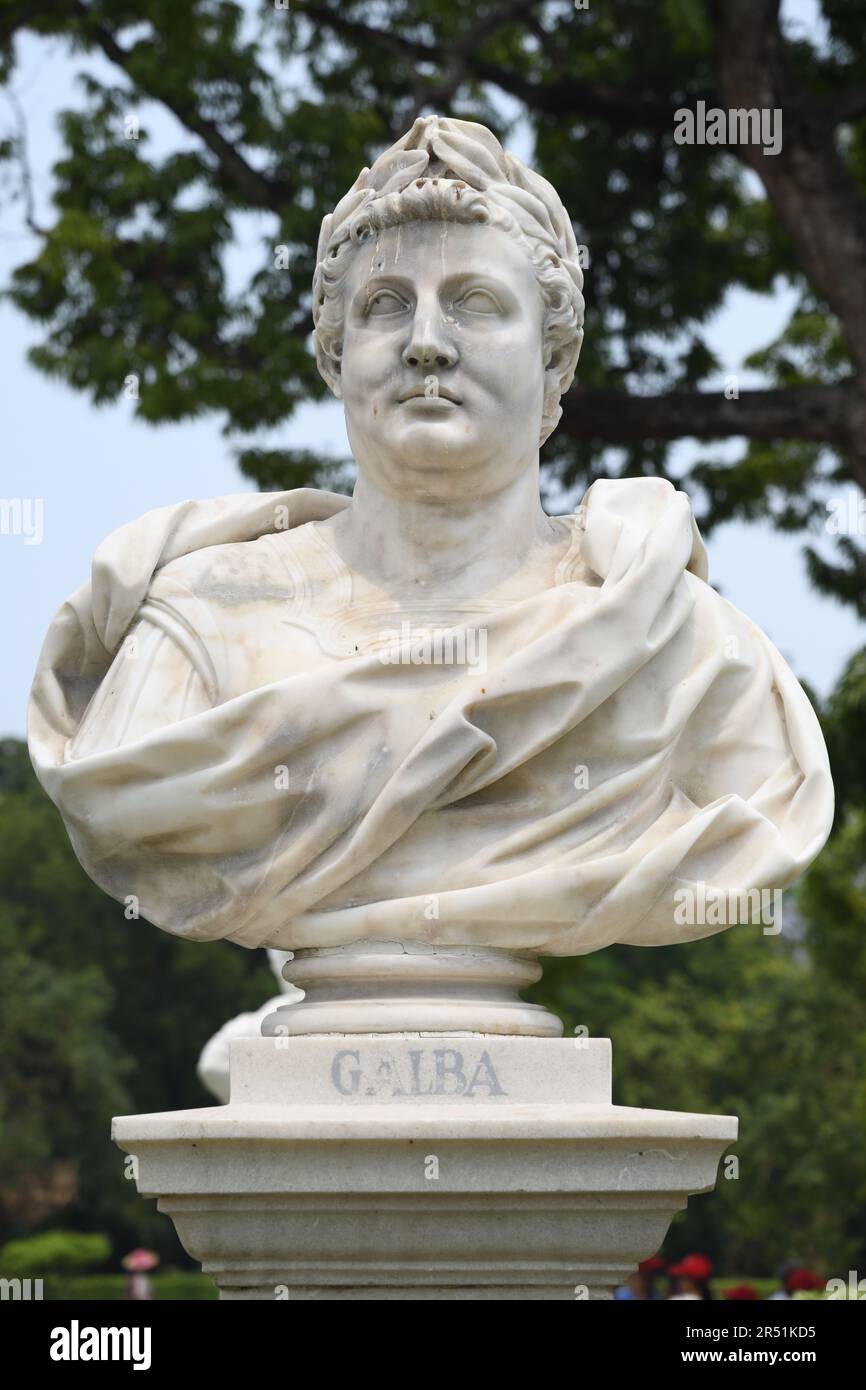
Explore the tumultuous reign of Servius Sulpicius Galba in Roman history, from his rise amidst political chaos to his sw...
View Board
Explore the transformative reign of Septimius Severus, the dynamic leader who redefined the Roman Empire with strategic ...
View Board
Discover Alexander Severus' rise, reign, and tragic fall. Explore his reforms, religious tolerance, and the chaos that f...
View Board
Discover the life and tumultuous reign of Maximinus Thrax, the first soldier-emperor of Rome, who rose to power through ...
View Board
Discover the remarkable story of Claudius, Rome's most unlikely emperor, who rose to power despite physical disabilities...
View Board
Lucius Septimius Severus: The Pious Emperor and His Legacy Introduction On January 18, 193 AD, Lucius Septimius Severu...
View Board
Valens, the Byzantine emperor from 364 to 378 AD, left a lasting legacy in the empire's history marked by significant mi...
View Board
Discover Octavia the Younger, Rome’s virtuous sister of Augustus. Explore her strategic marriages, diplomatic skills, an...
View Board:focal(1134x648:1135x649)/https://tf-cmsv2-smithsonianmag-media.s3.amazonaws.com/filer_public/49/26/4926c5f7-b1c9-4b5c-842c-cfe6cdb13a1d/panoramica_1.jpg)
Explore the intriguing and controversial reign of Nero, one of Rome's most infamous emperors, in our comprehensive artic...
View Board
Discover the pivotal role of Lucius Verus, Rome's first co-emperor, in the Parthian War and his lasting impact on Roman ...
View Board:max_bytes(150000):strip_icc()/bronze-statue-of-augustus-the-roman-emperor-at-the-entrance-of-the-reconstructed-saalburg-the-roman-fort-limes-taunus-hesse-germany-150964537-589a394c3df78caebc6facb5.jpg)
Discover Antoninus Pius, Rome's peaceful emperor, whose 23-year reign brought stability, legal reforms, and prosperity. ...
View Board
Explore the transformative reign of Theodosius I, the last emperor to rule both Eastern and Western Roman Empires. Dive ...
View Board
Explore the enduring legacy of Emperor Vespasian, the architect of stability and reconstruction in ancient Rome. This ar...
View Board
Explore the life of Aemilius Lepidus, a pivotal yet understated figure in the late Roman Republic. From his rise under J...
View Board
Discover the compelling life of Pompey the Great in this insightful article. From his meteoric rise and military brillia...
View Board.jpg)
**Meta Description:** Discover the dramatic rise and fall of Emperor Pertinax, Rome's short-lived ruler during the "Ye...
View Board
Explore the complex journey of Clodius Albinus in "Clodius Albinus: The Unfulfilled Aspirations of a Roman Usurper," as ...
View Board
Discover Caracalla, Rome's ruthless emperor who reshaped history with brutal purges and groundbreaking reforms like the ...
View Board
Discover how Manius Aquillius, a Roman general, sparked the First Mithridatic War with Pontus. Explore his military triu...
View Board
Comments