Explore Any Narratives
Discover and contribute to detailed historical accounts and cultural stories. Share your knowledge and engage with enthusiasts worldwide.
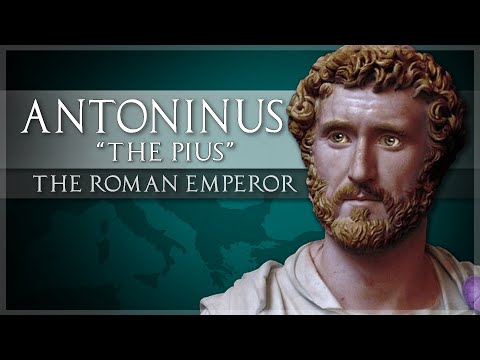
The reign of Antoninus Pius stands as a remarkable chapter in Roman history, a period defined by stability and administrative genius rather than military conquest. As the fourth of the Five Good Emperors, Antoninus Pius governed the Roman Empire from 138 to 161 AD, overseeing an era of unprecedented peace and prosperity. His leadership solidified the foundations of the Pax Romana, leaving a legacy of prudent governance that benefited all levels of society.
Born Titus Aelius Hadrianus Antoninus on September 19, 86 AD, in Lanuvium, Italy, Antoninus came from a distinguished Gallic-origin family. Before his unexpected adoption by Emperor Hadrian, he had held several key positions, including quaestor, praetor, consul, and governor of Asia. At the age of 51, he was selected as Hadrian's successor, a testament to his reputation for integrity and competence. This marked the beginning of one of the most peaceful transitions of power in the ancient world.
Emperor Hadrian's choice of Antoninus was strategic. Hadrian sought a stable, mature leader who could ensure a smooth succession. Antoninus was required to adopt Marcus Aurelius and Lucius Verus, securing the future of the Nerva-Antonine dynasty. His selection was not based on military prowess but on his administrative skill and virtuous character, qualities that would define his reign.
The name Pius, meaning "dutiful" or "respectful," was awarded to Antoninus for his unwavering loyalty to his predecessor. He successfully persuaded the Senate to deify Hadrian, an act that solidified his reputation for piety. His 23-year reign is notable for being almost entirely free of major military conflicts, a rarity in Roman imperial history. Instead of seeking glory on the battlefield, Antoninus Pius focused on internal development and legal reform.
Antoninus Pius implemented numerous reforms that improved daily life across the empire. He expanded aqueduct systems to ensure free water access for Roman citizens and enacted laws to protect slaves from extreme abuse. His legal policies promoted greater equity, and he showed particular concern for the welfare of orphans. These actions cemented his legacy as a ruler dedicated to the well-being of his people.
Historia Augusta praises his rule: "Almost alone of all emperors he lived entirely unstained by the blood of either citizen or foe."
The most significant military undertaking during his reign was the construction of the Antonine Wall in what is now Scotland. Around 142 AD, his legates successfully pushed Roman forces further north into Britain. This turf fortification, stretching across central Scotland, represented a temporary advance of the empire's frontier. It served as a powerful symbol of Roman authority and a strategic defensive line.
Today, the Antonine Wall is a UNESCO World Heritage site, attracting historians and tourists interested in Roman Britain. Ongoing archaeological projects and digital reconstructions in the 2020s continue to shed light on this remarkable structure and the period of stability it represented.
Emperor Antoninus Pius is celebrated for his profound impact on Roman civil law and domestic administration. His reign emphasized justice, infrastructure, and social welfare, setting a standard for benevolent governance. He consistently favored legal reform and public works over military aggression, believing a prosperous empire was built from within.
A cornerstone of his policy was improving the quality of life for Roman citizens. He funded the expansion and repair of vital aqueducts, ensuring a reliable, free water supply. When disasters struck, like a major fire in Rome that destroyed 340 tenements or earthquakes in Rhodes and Asia, Antoninus Pius authorized significant funds for reconstruction. His administration efficiently managed famines and other crises, maintaining public order and trust.
Antoninus Pius enacted groundbreaking legal protections for the most vulnerable. He issued edicts protecting slaves from cruel treatment and establishing that a master who killed his own slave could be charged with homicide. His laws also provided greater support for orphans and improved the legal standing of freed slaves. These reforms reflected a Stoic-influenced sense of duty and equity.
His approach to governance minimized state violence; he abolished informers and reduced property confiscations, fostering a climate of security and prosperity in the provinces.
The reign of Antoninus Pius marked the territorial and economic peak of the Roman Empire. Stretching from northern Britain to the deserts of Egypt and from Hispania to the Euphrates, the empire enjoyed internal free trade and movement under the protection of the Pax Romana. This period of stability allowed art, culture, and commerce to flourish across the Mediterranean world.
Unlike his predecessor Hadrian, who traveled incessantly, Antoninus Pius never left Italy during his 23-year reign. He governed the vast empire from Rome and his country villas, relying on an efficient communication network and trusted deputies. This centralized, peaceful administration became a hallmark of his rule.
The Roman military during this era served primarily as a defensive and policing force. Aside from the campaign that led to the Antonine Wall, there were no major wars. Legates successfully suppressed minor revolts in Mauretania, Judaea, and among the Brigantes in Britain, all without significant bloodshed. The army’s role was to secure borders and maintain the peace that enabled prosperity.
The personal virtue of Antoninus Pius was integral to his public image. He was married to Annia Galeria Faustina, known as Faustina the Elder. Their marriage was reportedly harmonious and served as a model of Roman family values. When Faustina died in 140 or 141 AD, Antoninus was deeply grieved; he had the Senate deify her and founded a charity in her name for the support of young girls.
The couple had four children, but only one daughter, Faustina the Younger, survived to adulthood. She would later marry Marcus Aurelius, the designated successor, thereby continuing the familial and political lineage of the Antonine dynasty. The prominence of the Faustinas in coinage and public monuments underscored the importance of the imperial family as a symbol of continuity and stability.
Antoninus Pius was known for his mild temper, scholarly interests, and simple personal habits. He preferred the company of friends and family at his villas to the lavish excesses of the palace. This frugal and philosophical personal life, influenced by Stoicism, mirrored his approach to governing the state.
As a legal mind, Antoninus Pius left an indelible mark on Roman jurisprudence. He was deeply involved in the judicial process, often hearing cases himself. His rulings consistently expanded legal protections and emphasized intent and fairness over rigid technicalities. This personal engagement with justice reinforced his reputation as a just ruler accessible to his people.
Several enduring legal principles were solidified under his guidance. He championed the idea that individuals should be considered innocent until proven guilty. His reforms also made it easier for freed slaves to gain full Roman citizenship, integrating them more fully into society. Furthermore, he strengthened the legal rights of children, particularly in matters of inheritance and guardianship.
This focus on equitable law created a more predictable and just legal environment. It encouraged commerce and social stability, as citizens had greater confidence in the imperial system. His legal legacy would be studied and admired for centuries, influencing later codes of law.
The death of Antoninus Pius on March 7, 161 AD, marked the end of an era of unparalleled tranquility. He was 74 years old and died from illness at his villa in Lorium. The empire he left to his adopted sons, Marcus Aurelius and Lucius Verus, was financially robust, internally stable, and at peace. His final act was to ensure a seamless transition, symbolizing the orderly governance that defined his entire reign.
Historians from the ancient world, such as those who authored the Historia Augusta, lavished praise on his character and rule. He is often contrasted with emperors who came before and after, serving as the calm center between Hadrian's restless travels and the Marcomannic Wars that would consume Marcus Aurelius. His 23-year reign remains a benchmark for peaceful and effective administration.
In contemporary historical analysis, Antoninus Pius is sometimes labeled Rome's "great forgotten emperor." This stems from the lack of dramatic wars, palace intrigues, or personal scandals that often define popular narratives of Roman history. Modern scholars, however, increasingly highlight his administrative genius. His ability to maintain peace and prosperity across a vast, multi-ethnic empire is now recognized as a monumental achievement.
His era proved that the Roman Empire could thrive not through constant expansion, but through prudent management, legal fairness, and investment in civil society.
The most visible legacy of his reign is the Antonine Wall, a UNESCO World Heritage Site. While the wall was abandoned only a few decades after its construction, its remains are a focus of ongoing archaeological study and heritage preservation. Recent projects in the 2020s involve digital reconstructions and climate impact assessments, ensuring this symbol of Roman frontier policy is understood by future generations.
The legal principles Antoninus Pius championed did not die with him. His emphasis on equity, protection for the vulnerable, and a fair judicial process influenced later Roman legal codes. The concept of a ruler's duty to care for all subjects, from slave to citizen, became a part of the imperial ideal. His policies demonstrated that law could be a tool for social cohesion and stability.
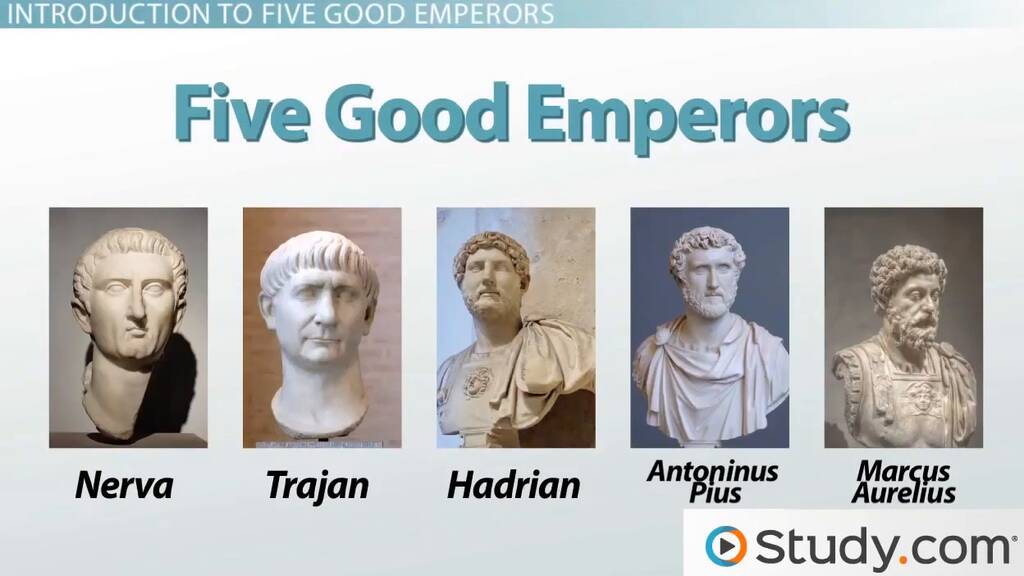
As the fourth of the Five Good Emperors, Antoninus Pius occupies a unique position. Nerva, Trajan, and Hadrian expanded and consolidated the empire. Marcus Aurelius, his successor, faced relentless wars on the frontiers. Antoninus Pius, in contrast, was the steward. He inherited a vast empire and focused entirely on its maintenance and improvement, providing a crucial period of consolidation that allowed Roman culture and economy to reach its peak.
His 22-year, 7-month reign was the longest of this dynastic sequence without a major war. This period of sustained peace was arguably the ultimate benefit to the average Roman citizen and provincial subject. Trade routes were safe, taxes were predictable, and the rule of law was consistently applied.
The emperor Antoninus Pius represents a paradigm of governance that valued peace, piety, and prudence above martial glory. His life and work remind us that the most impactful leadership is often not the loudest. By choosing to fortify the empire from within through law, infrastructure, and justice, he secured the golden age of the Pax Romana. His reign was the calm at the heart of the Roman Empire's greatest century.
In an age often fascinated by the conquests of Caesar or the intrigues of later emperors, the story of Antoninus Pius offers a different lesson. It demonstrates that sustainable prosperity is built through diligent administration, fiscal responsibility, and a commitment to civil society. He provided the stable platform from which figures like Marcus Aurelius could emerge, and he bequeathed to them an empire still at the height of its power.
His legacy is one of quiet strength. He did not seek to immortalize his name through grandiose monuments or newly conquered lands. Instead, he sought to improve the lives of those within the empire's existing borders. The title Pius—earned through duty to his father and the state—encapsulates his rule. He was dutiful to the empire's people, its laws, and its future stability.
The reign of Antoninus Pius stands as a testament to the idea that true greatness in leadership can be found in peacekeeping, not just warmaking. In today's world, his model of focused, humane, and fiscally responsible governance continues to resonate with historians and political thinkers alike. He remains the essential, if understated, pillar of Rome's greatest age.

:max_bytes(150000):strip_icc()/bronze-statue-of-augustus-the-roman-emperor-at-the-entrance-of-the-reconstructed-saalburg-the-roman-fort-limes-taunus-hesse-germany-150964537-589a394c3df78caebc6facb5.jpg)
Your personal space to curate, organize, and share knowledge with the world.
Discover and contribute to detailed historical accounts and cultural stories. Share your knowledge and engage with enthusiasts worldwide.
Connect with others who share your interests. Create and participate in themed boards about any topic you have in mind.
Contribute your knowledge and insights. Create engaging content and participate in meaningful discussions across multiple languages.
Already have an account? Sign in here
Discover the pivotal role of Lucius Verus, Rome's first co-emperor, in the Parthian War and his lasting impact on Roman ...
View Board
Explore the transformative reign of Septimius Severus, the dynamic leader who redefined the Roman Empire with strategic ...
View Board
Explore the enduring legacy of Emperor Vespasian, the architect of stability and reconstruction in ancient Rome. This ar...
View Board
Discover Alexander Severus' rise, reign, and tragic fall. Explore his reforms, religious tolerance, and the chaos that f...
View Board
Discover the legacy of Augustus, the first Roman Emperor, whose transformative reign reshaped Roman history. Explore his...
View Board
Discover Octavia the Younger, Rome’s virtuous sister of Augustus. Explore her strategic marriages, diplomatic skills, an...
View Board
Discover the remarkable story of Claudius, Rome's most unlikely emperor, who rose to power despite physical disabilities...
View Board
Discover Otho, Rome's forgotten emperor, whose brief 3-month reign in 69 AD shaped history. Explore his rise, military s...
View Board
Discover Emperor Trajan's legacy: military conquests, monumental architecture, and social welfare that shaped Rome's gol...
View Board
Discover the life and tumultuous reign of Maximinus Thrax, the first soldier-emperor of Rome, who rose to power through ...
View Board
Explore the compelling journey of Naevius Sutorius Macro, a prominent Roman Prefect, through his rapid rise and dramatic...
View Board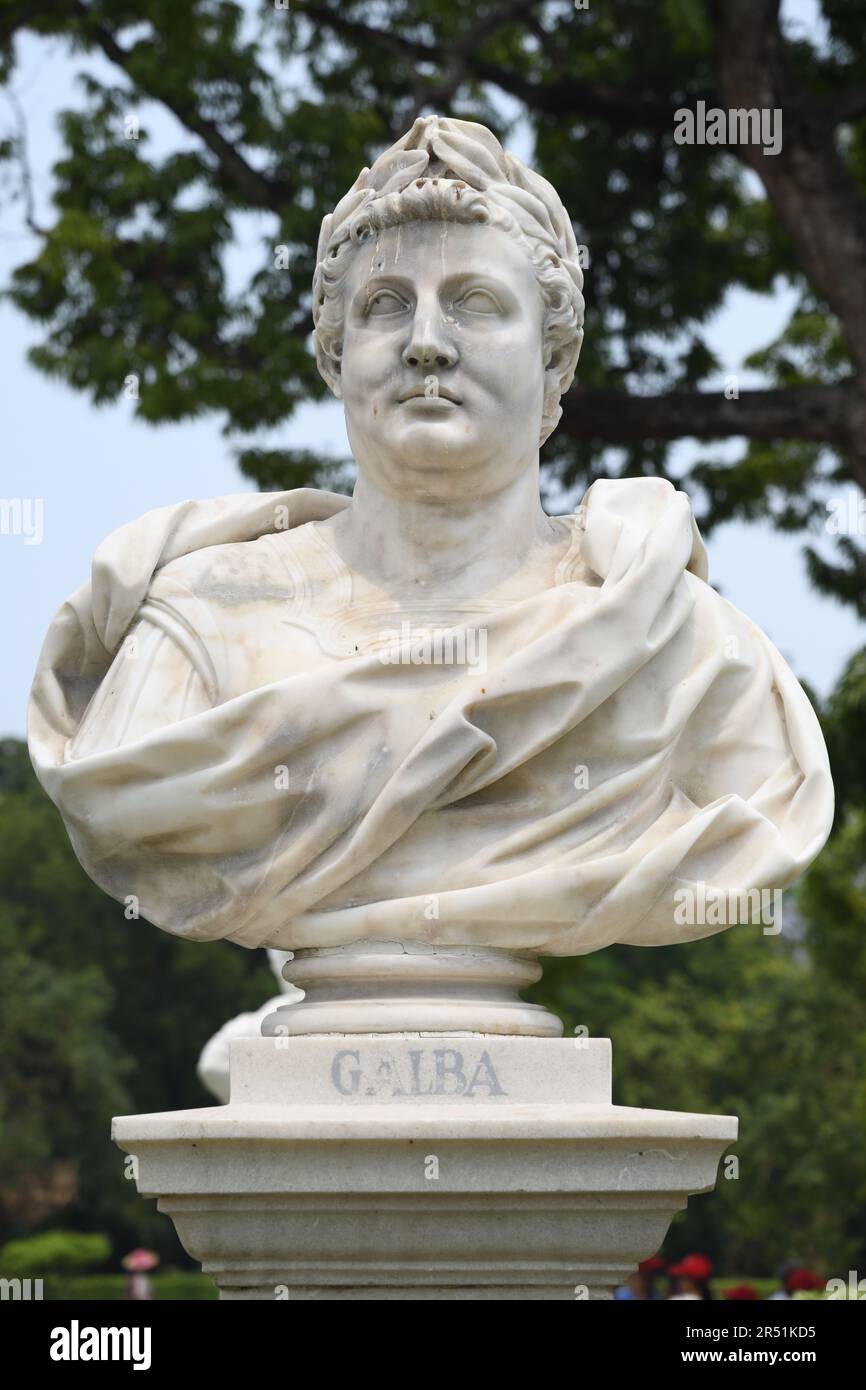
Explore the tumultuous reign of Servius Sulpicius Galba in Roman history, from his rise amidst political chaos to his sw...
View Board
Discover the fascinating life and legacy of Drusus the Younger, a Roman prince whose brilliant career was cut short by t...
View Board.jpg)
**Meta Description:** Discover the dramatic rise and fall of Emperor Pertinax, Rome's short-lived ruler during the "Ye...
View Board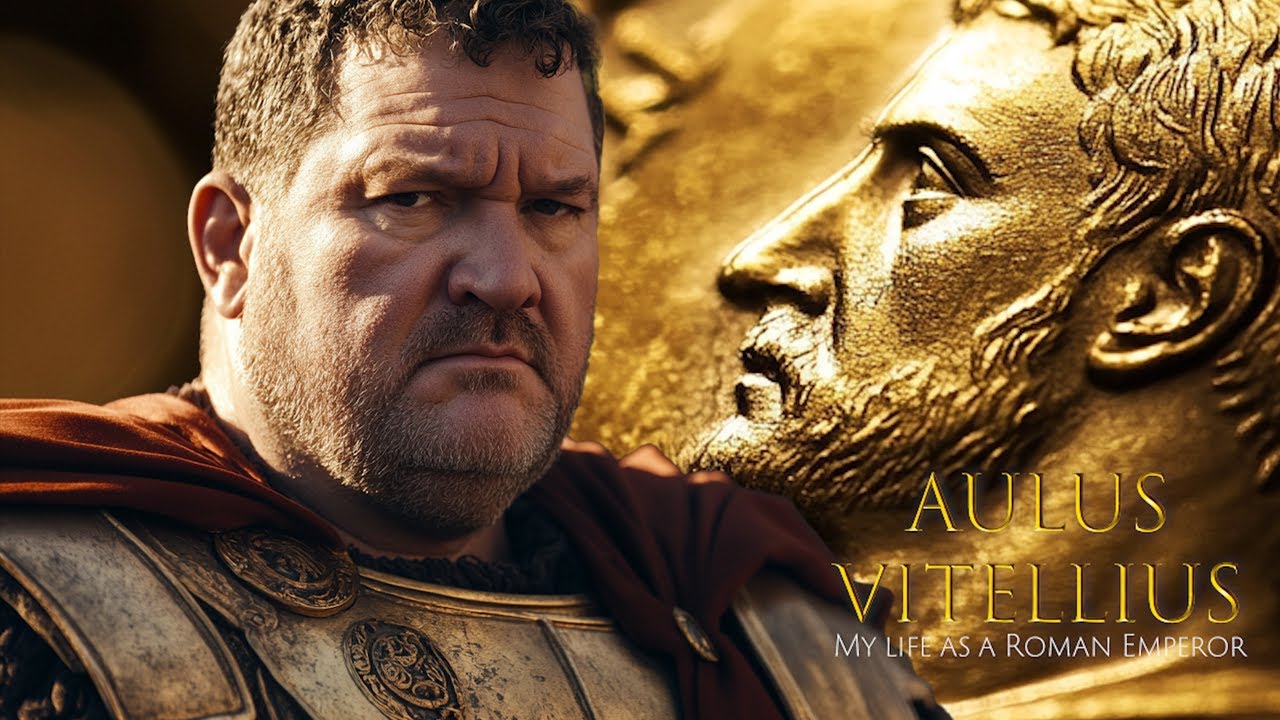
Explore the brief yet impactful reign of Aulus Vitellius, one of the Roman emperors during the chaotic Year of the Four ...
View Board
Explore the tumultuous reign of Valentinian III, Emperor of the Western Roman Empire from 425-455 AD, amid pivotal histo...
View Board
Discover Poppaea Sabina, the powerful empress of Nero’s Rome. Explore her strategic marriages, political influence, and ...
View Board
Valens, the Byzantine emperor from 364 to 378 AD, left a lasting legacy in the empire's history marked by significant mi...
View Board
Lucius Septimius Severus: The Pious Emperor and His Legacy Introduction On January 18, 193 AD, Lucius Septimius Severu...
View Board
**SEO Meta-Description:** Discover the life and legacy of Titus, Rome’s beloved emperor. From his military triumphs in...
View Board
Comments