Explore Any Narratives
Discover and contribute to detailed historical accounts and cultural stories. Share your knowledge and engage with enthusiasts worldwide.
Leonidas I, the 17th king of Sparta's Agiad dynasty, remains one of history's most celebrated warriors. His leadership at the Battle of Thermopylae in 480 BC against the Persian Empire has immortalized him as a symbol of courage and sacrifice. Born as the son of King Anaxandridas II, Leonidas inherited a legacy of strength, with his name meaning "son of a lion." His reign coincided with the Second Greco-Persian War, a pivotal conflict that shaped ancient Greek history.
Leonidas is best known for commanding a small but formidable Greek force against the overwhelming Persian army led by Xerxes I. His strategic brilliance and unwavering resolve at Thermopylae delayed the Persian advance, providing crucial time for the Greeks to regroup and ultimately secure victory in later battles like Salamis and Plataea.
Sparta's unique political system featured a dual kingship, with two royal lines: the Agiad and Eurypontid dynasties. Leonidas belonged to the Agiad line, ascending to the throne amid familial intrigue. His half-brother, Cleomenes I, had faced scandals that complicated the succession. Despite these challenges, Leonidas emerged as a respected leader, embodying the Spartan ideals of discipline and valor.
The Spartan monarchy was not absolute; kings shared power with a council of elders and an assembly of citizens. However, in times of war, the king's authority became paramount. Leonidas' leadership during the Persian invasion exemplified this dynamic, as he made critical decisions that would define Sparta's role in the conflict.
Before the Battle of Thermopylae, the Oracle of Delphi delivered a chilling prophecy to Sparta. It warned that the city would face ruin unless a king from the line of Heracles died in battle. Leonidas, recognizing the inevitability of this fate, embraced his role as the sacrificial leader. This prophecy underscored the gravity of the Persian threat and the necessity of Spartan resistance.
"Either your great and glorious city must be wasted by Persian men, Or... the bound of Lacedaemon must mourn a dead king, from Heracles' line."
This prophecy not only foreshadowed Leonidas' death but also reinforced the Spartan commitment to defending Greece. His willingness to fulfill the oracle's words demonstrated his dedication to Sparta's survival and honor.
The Battle of Thermopylae took place in a narrow coastal pass, chosen by Leonidas for its strategic advantages. The terrain funneled the vast Persian army into a confined space, neutralizing their numerical superiority. Leonidas commanded a force of approximately 300 Spartans, supplemented by allies including helots, Thebans, and Thespians.
Herodotus, the ancient historian, estimated the Persian forces to number between 100,000 and 300,000, though modern scholars debate these figures. Regardless of the exact numbers, the Greeks were vastly outnumbered. Leonidas' strategy relied on the pass's geography to maximize the effectiveness of his smaller force.
For two days, the Greek forces held off the Persian advances, inflicting heavy casualties. However, on the third day, a local named Ephialtes betrayed the Greeks by revealing a mountain path that allowed the Persians to encircle Leonidas' troops. Recognizing the impending defeat, Leonidas dismissed most of his allies to save their lives.
Only the 300 Spartans, along with 900 helots, 400 Thebans, and 700 Thespians, remained to make their final stand. The Thespians, in particular, refused to abandon their Spartan comrades, declaring, "We have lived with the Spartans, so we will die with the Spartans." This act of solidarity underscored the unity and resolve of the Greek forces.
Leonidas and his warriors fought valiantly until the end, with the king falling in battle on August 11, 480 BC. Their sacrifice delayed the Persian advance, providing invaluable time for the Greek city-states to prepare for subsequent battles. The legacy of Thermopylae endures as a testament to the power of courage and strategic brilliance in the face of overwhelming odds.
Leonidas' leadership at Thermopylae has transcended history, becoming a symbol of defiance and sacrifice. His story has been immortalized in various forms of media, most notably in the 2006 film 300, which dramatized the battle and amplified his legendary status. While the film took creative liberties, it captured the essence of Leonidas' heroism and the Spartan ethos.
Academic interest in Leonidas and the Battle of Thermopylae remains strong. Historians and archaeologists continue to study the battle's dynamics, the pass's geography, and the broader context of the Greco-Persian Wars. Recent archaeological efforts have focused on understanding the pass's reconfiguration and its impact on the battle's outcome.
Modern depictions of Leonidas often emphasize his heroism, sometimes at the expense of historical accuracy. For instance, the film 300 portrayed the Spartans as flawless warriors, omitting the complexities of their society and the realities of the battle. Historical accounts, such as those by Herodotus, provide a more nuanced view, acknowledging the contributions of all Greek forces and the strategic calculations involved.
Despite these discrepancies, Leonidas' legacy endures as a powerful narrative of resistance against tyranny. His story continues to inspire discussions on leadership, sacrifice, and the enduring impact of historical figures on modern culture.
Leonidas' effectiveness as a military leader was deeply rooted in the Spartan agoge, the rigorous training system that molded Spartan warriors from childhood. This education emphasized discipline, endurance, and combat skills, producing soldiers capable of withstanding extreme hardship. Leonidas, as a product of this system, understood the importance of unit cohesion and tactical positioning.
The Spartan phalanx, a tightly packed formation of heavily armed infantry, was the cornerstone of their military strategy. At Thermopylae, Leonidas utilized this formation to maximize the impact of his limited forces. The phalanx's disciplined movements and the Spartans' superior armor and weaponry allowed them to inflict disproportionate casualties on the Persian army.
Leonidas' tactical genius was evident in his choice of battlefield and his deployment of forces. The narrow pass at Thermopylae, or the "Hot Gates," forced the Persians into a bottleneck, nullifying their numerical advantage. This terrain allowed the Greeks to engage the enemy in a confined space where their superior training and equipment could be fully utilized.
These tactics, combined with Leonidas' leadership, allowed the Greek forces to hold off the Persians for two full days. The battle demonstrated the effectiveness of strategic planning and the importance of terrain in military engagements.
While the 300 Spartans are the most famous participants in the Battle of Thermopylae, they were not alone. Leonidas' force included a diverse coalition of Greek allies, each contributing to the defense. Understanding the composition of these forces provides a more comprehensive view of the battle's dynamics.
The Thespians, in particular, deserve special mention for their bravery. When Leonidas dismissed the majority of the Greek forces to save their lives, the Thespians chose to stay and fight alongside the Spartans. Their leader, Demophilus, declared that they would not abandon their allies, embodying the spirit of Greek unity.
The adversary faced by Leonidas was none other than the Persian Empire, led by King Xerxes I. The Persians had assembled one of the largest invasion forces in ancient history, with estimates ranging from 100,000 to 300,000 soldiers. This massive army included elite units such as the Immortal Guard, a 10,000-strong force of the empire's finest warriors.
Xerxes' strategy relied on overwhelming his enemies with sheer numbers and the psychological impact of his vast army. However, the terrain at Thermopylae neutralized this advantage, forcing the Persians into a prolonged and costly engagement. The battle highlighted the vulnerabilities of a large, diverse army when faced with a disciplined and strategically positioned force.
The Persian victory at Thermopylae came at a significant cost, both in terms of casualties and the delay it caused in their invasion plans. This delay allowed the Greek city-states to prepare for subsequent battles, ultimately leading to the Persian defeat at Salamis and Plataea.
The Battle of Thermopylae, though a tactical defeat for the Greeks, had a profound strategic impact on the Greco-Persian Wars. The delay caused by Leonidas' stand provided crucial time for the Greek city-states to organize their defenses and coordinate their efforts. This period was instrumental in the preparation for the battles of Salamis and Plataea, where the Greeks would ultimately secure decisive victories.
The battle also served as a rallying cry for Greek unity. The sacrifice of Leonidas and his warriors became a symbol of resistance against Persian domination, inspiring other city-states to join the fight. The legendary status of the 300 Spartans galvanized Greek morale and reinforced the idea that courage and strategy could overcome even the most formidable odds.
Leonidas' leadership and sacrifice at Thermopylae played a significant role in shaping the collective identity of the Greek city-states. The battle became a defining moment in the struggle for Greek independence and the preservation of their unique culture and political systems. The idea of standing united against a common enemy became a cornerstone of Greek identity.
The legacy of Leonidas and the Battle of Thermopylae has been perpetuated through various forms of art, literature, and historical accounts. From ancient texts by Herodotus to modern films and books, the story of the 300 Spartans continues to captivate audiences and serve as a reminder of the power of courage and unity.
Modern archaeological research has shed new light on the Battle of Thermopylae and the strategies employed by Leonidas. Recent studies have focused on the geography of the pass, which has undergone significant changes due to sedimentation and natural processes. Understanding the original terrain is crucial for reconstructing the battle's dynamics.
These discoveries contribute to a more accurate understanding of the battle and the tactics used by Leonidas. They also highlight the ongoing importance of archaeological research in uncovering the truths behind legendary historical events.
Despite the wealth of historical and archaeological evidence, debates persist regarding various aspects of the Battle of Thermopylae. One of the most contentious issues is the actual size of the Persian army. Herodotus' estimate of 2.6 million soldiers is widely considered an exaggeration, with modern scholars suggesting numbers closer to 100,000 to 300,000.
Another area of debate is the role of the Thebans in the battle. Some historical accounts suggest that the Thebans were forced to fight against their will and may have surrendered to the Persians. This complexity adds nuance to the narrative of Greek unity and resistance.
These debates underscore the challenges of reconstructing ancient history and the importance of critical analysis in understanding the past. They also highlight the enduring fascination with Leonidas and the Battle of Thermopylae, as scholars and enthusiasts alike continue to explore the event's many facets.
The legend of Leonidas I has transcended ancient history to become a staple in modern storytelling. The most notable portrayal is Frank Miller's graphic novel 300 and its 2006 film adaptation, directed by Zack Snyder. While the film takes creative liberties—depicting Spartans in minimalistic armor and exaggerating combat scenes—it captures the essence of Leonidas' leadership and the Spartan ethos of discipline and sacrifice.
Beyond 300, Leonidas has appeared in various films, TV series, and books, often as a symbol of unwavering courage and military genius. These portrayals, though dramatized, have reignited public interest in ancient Sparta and the Greco-Persian Wars. They also highlight the enduring appeal of historical figures who embody heroism in the face of insurmountable odds.
The influence of Leonidas extends into the gaming world, where he is frequently featured as a character in strategy and action games. Titles like Assassin’s Creed: Odyssey and Civilization VI include references to Leonidas, allowing players to engage with his legacy interactively. These games often emphasize his tactical brilliance and the historical significance of the Battle of Thermopylae.
In pop culture, Leonidas is often referenced in discussions about leadership, sacrifice, and resistance. His famous line, "This is Sparta!"—a modern invention from the 300 film—has become a cultural catchphrase, symbolizing defiance and strength. This widespread recognition underscores how historical figures can evolve into modern icons, shaping contemporary narratives of heroism.
Leonidas' leadership at Thermopylae offers timeless lessons in military strategy and tactical decision-making. His ability to leverage terrain, maximize the strengths of his forces, and exploit the weaknesses of his enemies demonstrates the importance of adaptability in warfare. Modern military academies often study the Battle of Thermopylae as a case study in defensive tactics and the effective use of limited resources.
Key takeaways from Leonidas' leadership include:
These principles remain relevant in contemporary military doctrine, where leaders must balance tactical precision with the human element of command.
Beyond his military prowess, Leonidas exemplified political and moral leadership. His decision to lead the defense of Greece, despite knowing the likelihood of death, reflects a deep commitment to his people and their freedom. This selflessness resonates in modern discussions about leadership, where ethical considerations often weigh heavily on decision-making.
Leonidas' leadership also highlights the importance of unity in the face of external threats. By rallying a coalition of Greek city-states—despite their historical rivalries—he demonstrated the power of collective action. This lesson is particularly relevant in today's geopolitical landscape, where alliances and cooperation are essential for addressing global challenges.
The story of Leonidas and the Battle of Thermopylae is a blend of historical fact and legendary embellishment. Ancient sources, particularly Herodotus, provide the primary accounts of the battle, but these texts are not without bias or exaggeration. Modern historians face the challenge of reconstructing events while distinguishing between myth and reality.
Some of the most debated aspects include:
These debates underscore the complexities of historical interpretation and the need for critical analysis when studying ancient events.
Despite the historical ambiguities, the narrative of Thermopylae endures because it encapsulates universal themes of courage, sacrifice, and resistance. The story of a small, determined force standing against overwhelming odds resonates across cultures and eras. It serves as a reminder that leadership, strategy, and moral conviction can shape the course of history, even in defeat.
The battle's legacy is also preserved through monuments and memorials. At the site of Thermopylae, a statue of Leonidas stands as a tribute to his bravery, accompanied by a plaque bearing the famous epitaph:
"Go tell the Spartans, stranger passing by, that here obedient to their laws we lie."
This inscription, attributed to the poet Simonides, immortalizes the sacrifice of Leonidas and his warriors, ensuring their memory endures for future generations.
The story of Leonidas I, the legendary king of Sparta, is more than a tale of ancient warfare—it is a testament to the enduring power of leadership, sacrifice, and unity. His stand at the Battle of Thermopylae in 480 BC, though ultimately a defeat, delayed the Persian advance and inspired the Greek city-states to rally against a common enemy. This pivotal moment in history underscores how strategic brilliance and moral courage can shape the destiny of nations.
Leonidas' legacy extends beyond the battlefield. His leadership principles—leveraging terrain, maintaining unit cohesion, and making personal sacrifices—remain relevant in military and political contexts today. Modern portrayals in film, literature, and gaming have further cemented his status as an icon of defiance, ensuring that his story continues to captivate and inspire.
As we reflect on the lessons of Thermopylae, we are reminded that true leadership is not measured by victory alone, but by the courage to stand firm in the face of adversity. Leonidas I embodies this ideal, leaving behind a legacy that transcends time and continues to resonate in the modern world.
Your personal space to curate, organize, and share knowledge with the world.
Discover and contribute to detailed historical accounts and cultural stories. Share your knowledge and engage with enthusiasts worldwide.
Connect with others who share your interests. Create and participate in themed boards about any topic you have in mind.
Contribute your knowledge and insights. Create engaging content and participate in meaningful discussions across multiple languages.
Already have an account? Sign in here

Leonidas: The Enduring Legacy of the Lion King Introduction to Leonidas: A Name Steeped in History The name Leonidas re...
View Board
Discover the heroic last stand of Leonidas and the Battle of Thermopylae. Explore the tactics, courage, and legacy of th...
View Board
Mithridates VI Eupator, the Poison King, was a formidable ruler of Pontus who expanded his kingdom and fought against Ro...
View Board
Explore the compelling tale of Agesilaus II, the influential king of Sparta, whose strategic genius and diplomatic maneu...
View Board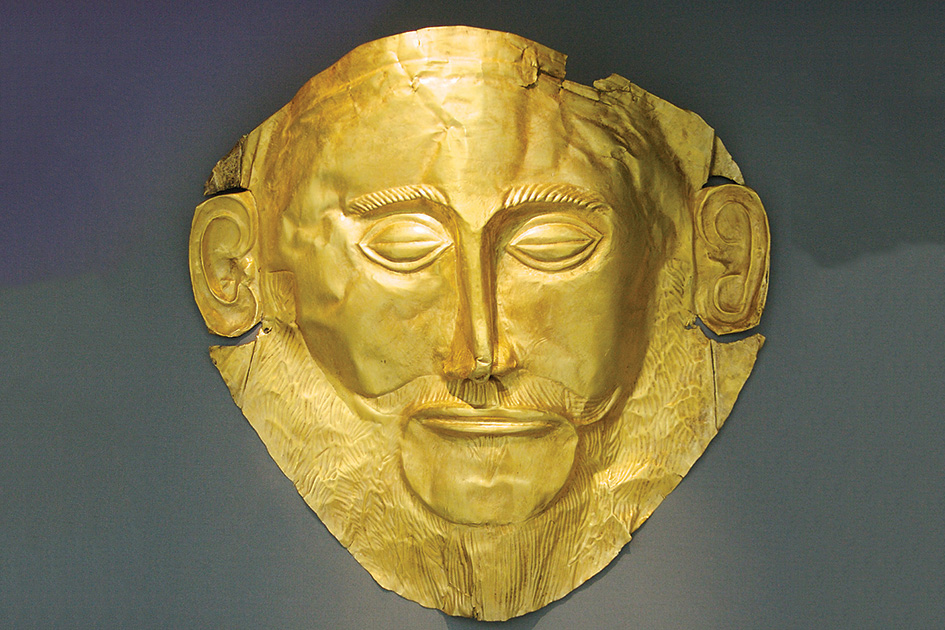
The Legend of Agamemnon: The Mythical King of Mycenae The Early Life and Background of Agamemnon Agamemnon, one of the...
View Board
Discover the life and tumultuous reign of Maximinus Thrax, the first soldier-emperor of Rome, who rose to power through ...
View Board
Explore the legacy of Pelopidas, the fearless Theban leader whose strategic brilliance and valor reshaped Ancient Greece...
View Board
Phocion: The Athenian Statesman and Strategist Introduction Phocion the Young (ca. 402–317 BC), also known simply as P...
View Board
Explore the fascinating reign of Artabanus III of Parthia, a monarch navigating through internal unrest and external thr...
View Board
Explore the remarkable legacy of Epaminondas, the visionary leader of Thebes who transformed Greek history in the 4th ce...
View Board
Explore the life of Antipater, Ancient Macedon's unsung strategist, who played a crucial role in the Macedonian Empire's...
View Board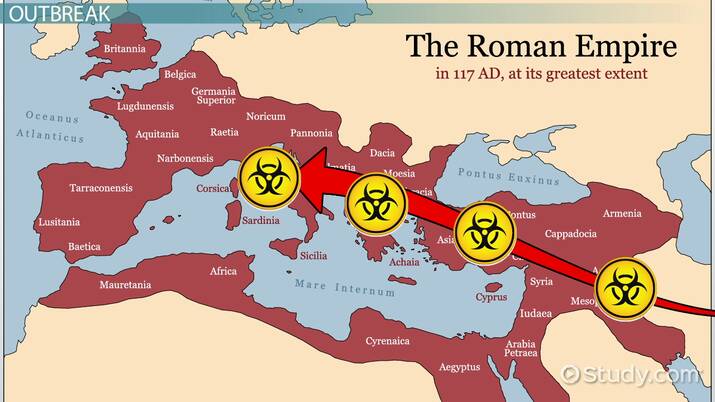
Discover the pivotal role of Lucius Verus, Rome's first co-emperor, in the Parthian War and his lasting impact on Roman ...
View Board
Discover the critical role of Parmenion, the master strategist behind Alexander the Great's legendary conquests. Explore...
View Board
"Discover how Epaminondas, the Theban general, shattered Spartan dominance with bold tactics, freed helots, and reshaped...
View Board
Spartacus: the Thracian gladiator who led history's greatest slave revolt against Rome. Explore his origins, military ta...
View Board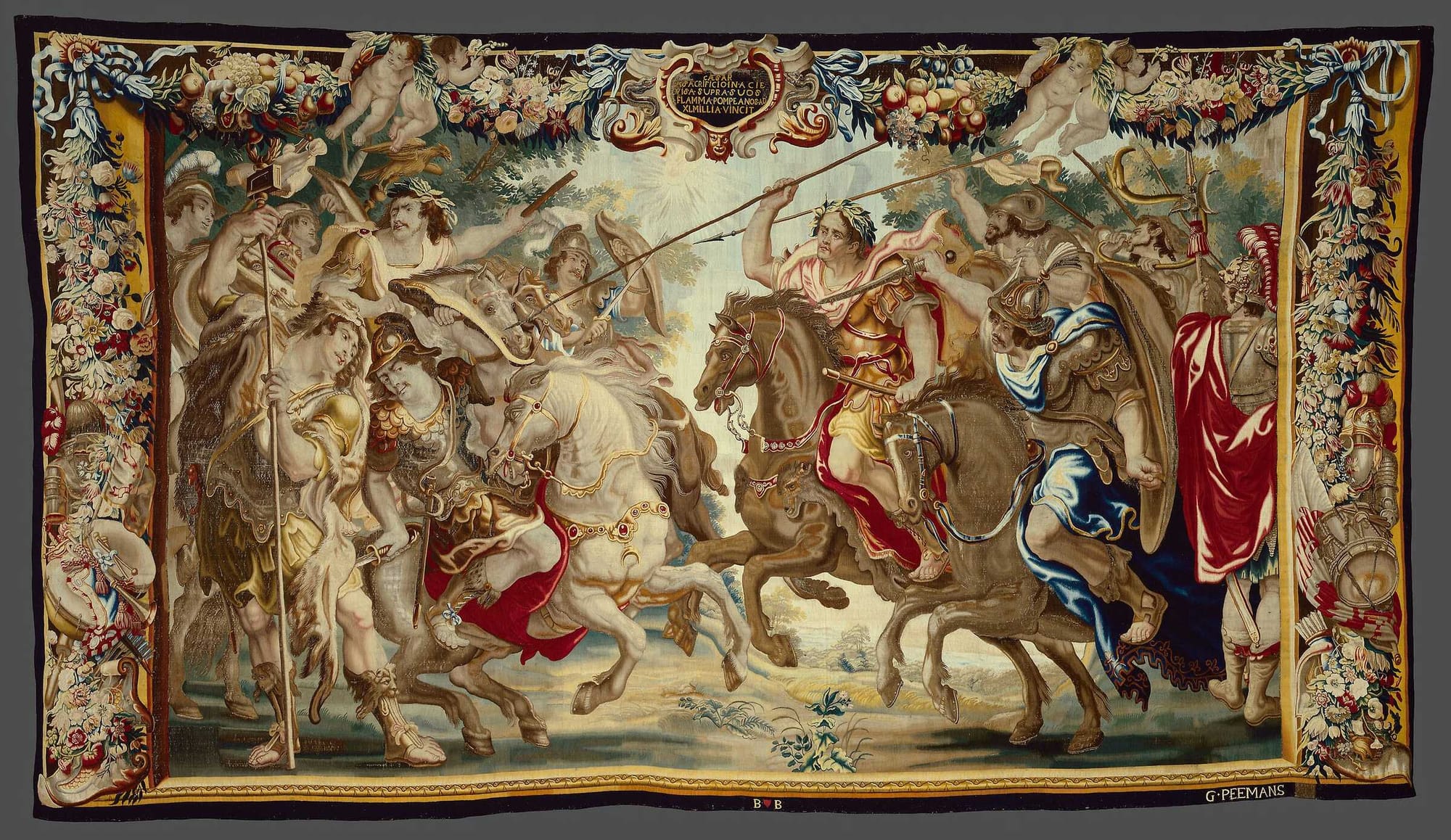
Discover the compelling life of Pompey the Great in this insightful article. From his meteoric rise and military brillia...
View Board
Explore the riveting tale of Flavius Stilicho, the last great Roman general who valiantly defended the Western Roman Emp...
View Board
Explore Themistocles: Athens' strategist who repelled Persia at Salamis, championed naval power, and shaped Western demo...
View Board
Explore the legacy of Flavius Aetius, heralded as "The Last of the Great Roman Generals," whose strategic brilliance and...
View Board
Explore the transformative reign of Septimius Severus, the dynamic leader who redefined the Roman Empire with strategic ...
View Board
Comments