The Legend of Agamemnon: The Mythical King of Mycenae
The Early Life and Background of Agamemnon
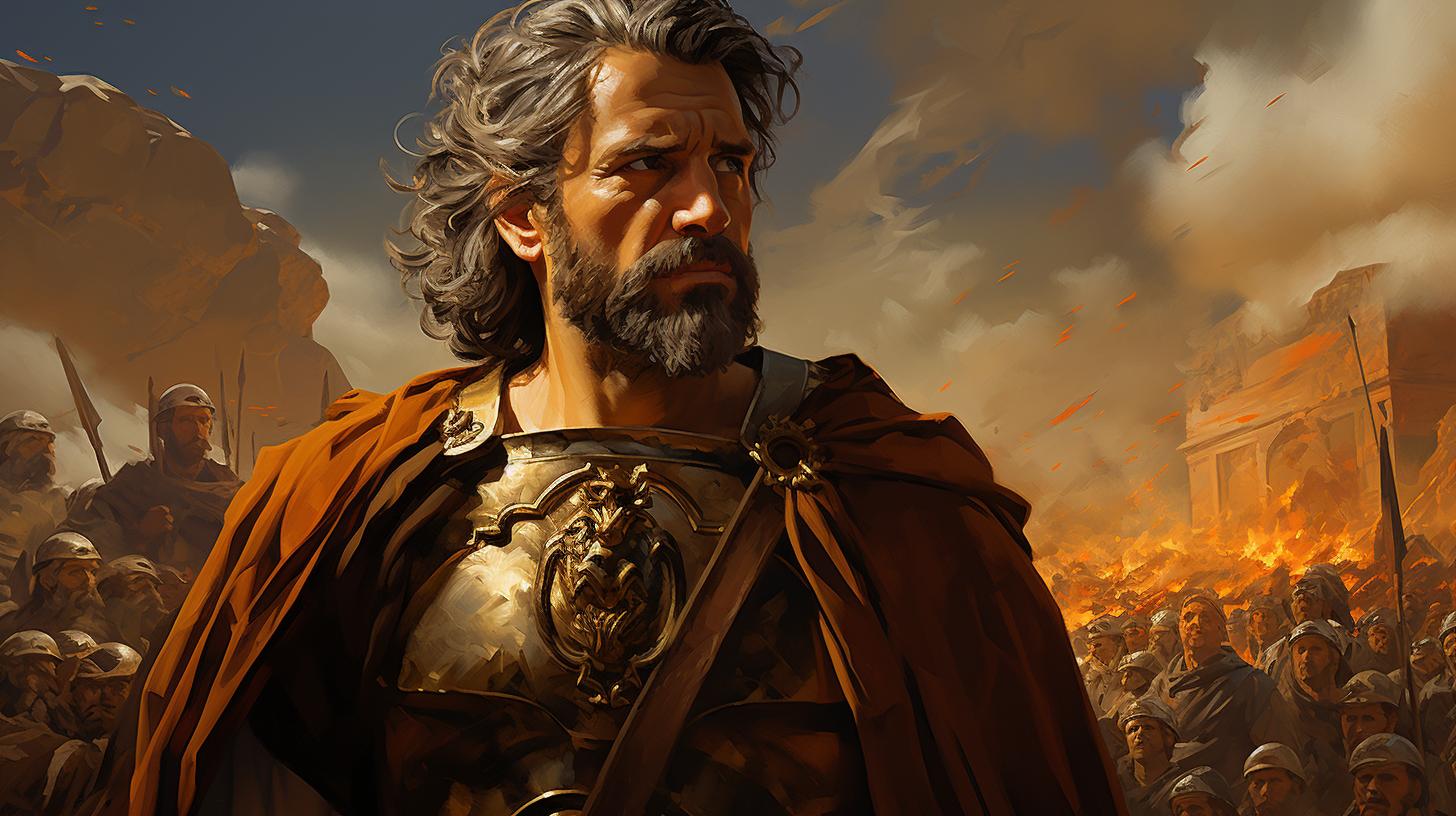
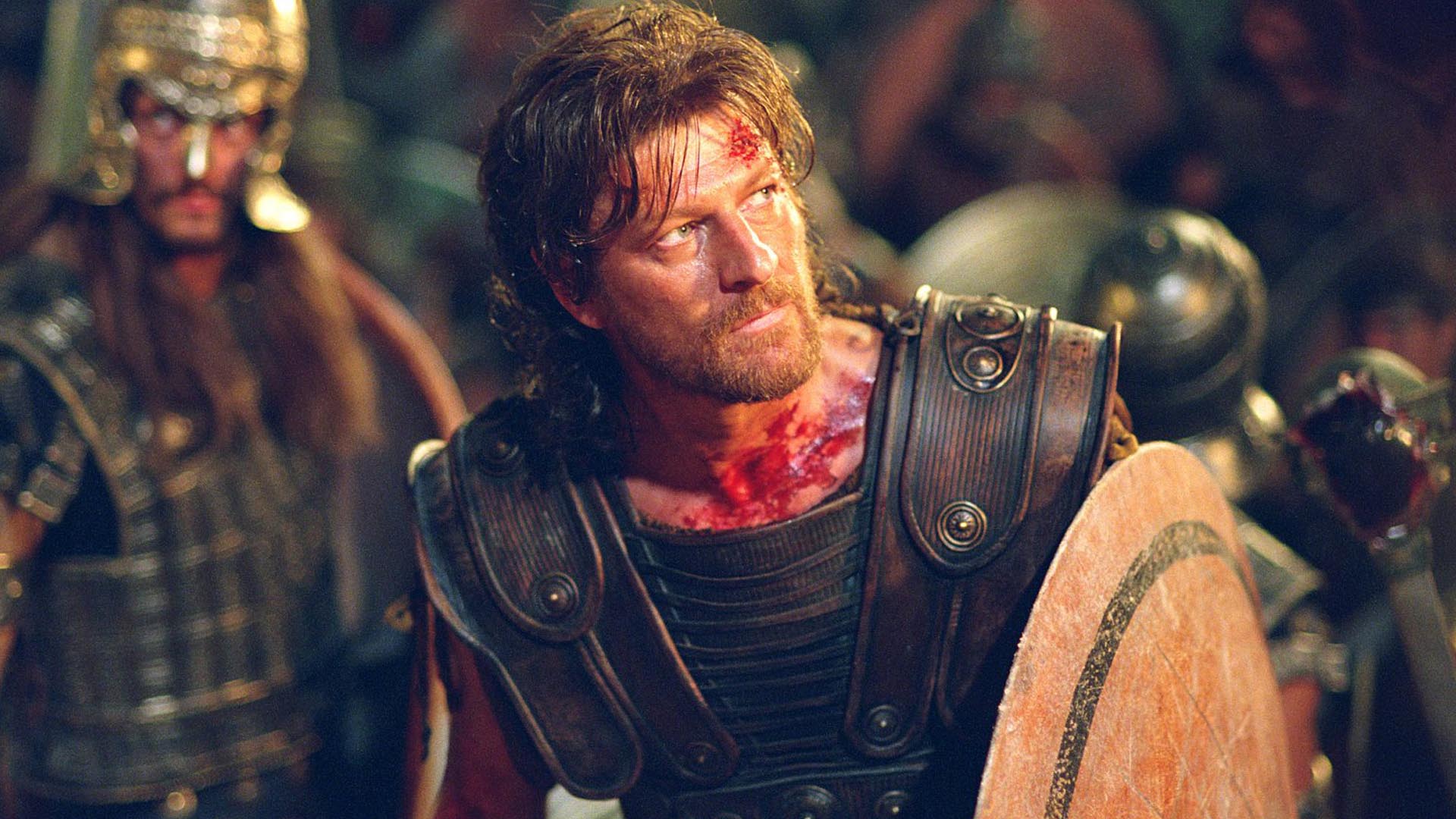
Agamemnon, one of the most renowned kings of ancient Greek mythology, plays a significant role in both epic poetry and historical storytelling. His legacy is intrinsically linked with the events leading up to and during the legendary Trojan War, as narrated vividly in Homer's *Iliad* and *Odyssey*. Born to Atreus, King of Mycenae, and Aerope, Agamemnon grew up surrounded by a rich cultural and mythological environment that would later shape his destiny.
Atreus, having murdered Thyestes, his brother, and restored power to his family, ensured that Agamemnon and his brother Menelaus, the new kings of Mycenae and Sparta respectively, were well-prepared for their roles as leaders. Despite their royal lineage and early preparation, their paths were fraught with challenges that tested their strength, valor, and wisdom.
One early challenge Agamemnon faced involved the abduction of Helen, the beautiful Queen of Sparta. According to the myth, Paris, Prince of Troy who was favored by the goddess Aphrodite, took Helen to Troy with the promise of wealth and glory. This act sparked a chain of events that led directly to the Trojan War. However, before delving into these events, it is crucial to understand the socio-political context of the time, particularly the structure and values of Mycenaean Greece.
The Mycenaean civilization, which flourished around the Late Bronze Age, was characterized by a complex social hierarchy and a strong emphasis on warfare, trade, and the gods. The king, like Agamemnon, held supreme authority over both military and civil matters, while the aristocracy maintained considerable influence over their people. This system also provided fertile ground for myths and legends, shaping societal beliefs and reinforcing the importance of heroic deeds.
In addition to his political responsibilities, Agamemnon was also a figure of great religious significance within his society. The ancient Greeks believed that their kings and rulers were chosen by the gods for leadership. This belief further emphasized the divine right of kings and underscored Agamemnon’s role not only as a mortal leader but also as someone imbued with supernatural favor.
The Abduction of Helen and Its Impact
The abduction of Helen marked the beginning of a catastrophic period for Greece and her allies. According to Homer, when Helen left with Paris, it was seen as a direct affront to the honor of Menelaus, who sought justice and retribution for this perceived insult. Menelaus turned to his brother Agamemnon, hoping for a united front against Troy.
However, the task was not as simple as it seemed. The Greeks had always been wary of committing large amounts of resources to distant wars, especially when they involved distant and unfamiliar enemies. The abduction of Helen changed this dynamic dramatically. The incident galvanized the Greek city-states, transforming a local dispute into a national crusade against Troy.
To rally support for the war effort, Agamemnon made several strategic moves. He assembled an alliance of Greek states, each pledged to contribute ships and troops. This coalition was significant because it represented a convergence of regional powers united under a common cause. Each participant brought its own strengths—some offered naval forces, others provided infantry, and there were those skilled in diplomacy or skilled archers that contributed to the overall military effort.
The assembly of so many diverse groups required meticulous coordination. Agamemnon, being both a military and political leader, played a pivotal role in orchestrating this alliance. He used a mix of persuasion, threats, and appeals to honor and glory to convince various leaders to join the cause. Key figures such as Odysseus, Achilles, and Nestor, all known for their wisdom and martial prowess, were instrumental in providing strategic advice and rallying support.
The decision to wage war against Troy was not without its controversies. Some factions within the alliance, particularly the Aetolians and the Epeans, were hesitant about leaving their homeland to fight foreign enemies. Agamemnon addressed these concerns through diplomacy and promises of substantial rewards upon victory. Nevertheless, despite the initial resistance, the majority of Greeks rallied behind their leader, driven by a combination of pride, ambition, and the belief that justice must be served.
By bringing together a formidable alliance, Agamemnon laid the groundwork for what became known as the Great Assembly at Aulis. This event marked a crucial turning point, where the Greek fleet gathered ready to sail to Troy, setting the stage for what would become one of the most iconic military campaigns in ancient history.
The Gathering at Aulis
After the Greeks had assembled their forces for the expedition to Troy, the fleet found itself stranded inexplicably at the harbor of Aulis. At first, the delay was seen merely as a logistical hitch; however, it quickly became apparent that the gods did not approve of Agamemnon's preparations. The seer Calchas prophesied that only after the sacrifice of Agamemnon's daughter Iphigenia could the winds calm and permit the fleet to depart to Troy. This revelation was a profound crisis for Agamemnon and the Greeks, grappling with the moral dilemma of sacrificing a pure young maiden to appease the gods and ensure their success.
Initially, Agamemnon struggled with the idea of making such a sacrifice. He considered various options and consulted his advisors, including Calchas, who suggested that the sacrifice would bring divine favor. Meanwhile, public opinion was divided; some supported the notion of offering Iphigenia as a necessary price for victory, while others vehemently opposed any form of human sacrifice. The tension among the Greek warriors and their families was palpable, reflecting the deep-seated fear of bloodshed and the unknown.
Despite the mounting pressure, Agamemnon's resolve began to weaken. His position was precarious, and he knew that any sign of hesitation could lead to mutiny or worse. The internal strife mirrored the external challenges: the delay in departing threatened to undermine Greek morale and open up vulnerabilities in the war effort.
The emotional climax came when Agamemnon, swayed by Calchas' insistence and the imminent threat to their cause, reluctantly agreed to sacrifice Iphigenia. The scene of the sacrifice is depicted in vivid detail across multiple ancient texts and artwork, showcasing the brutality and sacrificial nature of warfare in the ancient world. Despite his reservations, Agamemnon felt compelled to fulfill the prophecy if he wished to preserve the lives of his people and achieve victory.
The successful completion of the sacrifice brought about both a physical and spiritual turnaround for the Greeks. Not only did the winds change as predicted, but the event also served as a powerful morale booster, confirming their divine favor and invincibility. It became a defining moment that would resonate throughout subsequent generations, cementing Agamemnon's status as a both a flawed and heroic king.
This harrowing episode encapsulates the complex interplay between religion, politics, and morality in ancient Greek society. The decision to sacrifice Iphigenia highlighted the stark realities of war and the often cruel demands placed upon leaders to secure victory. Agamemnon’s actions underscored the difficult choices leaders face under extreme circumstances and the profound impact such decisions have on the course of history.
The Trojan War: The Role of Agamemnon
The successful completion of the sacrifice at Aulis marked the commencement of the legendary Trojan War. As the Greek fleet set sail, Agamemnon took command, leading a vast armada of ships and warriors toward Troy. The journey was not without its perils, and various mythological accounts describe the trials and tribulations encountered during the long and arduous voyage. Upon arrival, the Greeks found themselves embroiled in a complex web of political and military challenges.
Agamemnon's role in the war went beyond mere military leadership; he was central to the strategic planning and execution of the campaign. From the outset, he recognized the importance of a well-orchestrated strategy to overcome the formidable defenses of Troy. One of his key moves was to assemble a council of leaders from various Greek city-states, including Odysseus, Nestor, Achilles, and Diomedes. This council became the primary source of advice and strategy, ensuring that all major decisions were made collectively.
Agamemnon's leadership during the Trojan War was marked by a mix of boldness, pragmatism, and strategic foresight. He understood the importance of maintaining unity among the diverse forces under his command. At the Iliad's opening scene, Agamemnon faces a crisis when Achilles, the most formidable of Greek warriors, demands compensation for the loss of his slave Briseis. This incident is crucial as it sets in motion many of the events described in Homer's poetry. Agamemnon, in a moment of anger and hubris, demands that Chryses, whose daughter had been taken as a Trojan captive, give up his daughter as a ransom for Briseis. Chryses' prayers to Apollo are answered, and the goddess sends a plague upon the Greeks. Recognizing the severity of the situation, Agamemnon orders a reconciliation with Chryses, which temporarily restores peace.
The war itself was characterized by numerous battles, sieges, and naval engagements. Agamemnon played a multifaceted role in each of these encounters. During the famous naval battle in the fourth year of the war, as described in Book Two of the *Iliad*, Agamemnon led the Greek fleet in battle against the Trojans. Despite the initial success, the battle turned into a bitter struggle that saw the death of many warriors on both sides. Agamemnon's leadership in these battles showcased his military prowess and his ability to inspire and lead by example.
One of the most famous episodes involving Agamemnon is his confrontation with Odysseus during the planning of the Trojan Horse. According to Homer, Agamemnon initially opposed this idea, fearing the risk of betrayal. However, Odysseus convinced him that the only way to take the city was through trickery. Agamemnon then instructed Odysseus to design the wooden horse, which became the central plot point of the Iliad. The successful execution of the plan and the fall of Troy underscored Agamemnon's role in the strategic and tactical planning that ultimately led to the Greek victory.
Despite his success on the battlefield, Agamemnon faced significant challenges that threatened to derail the war effort. His arrogance and perceived arrogance during the conflict with Odysseus over the division of spoils were just one example. Another key challenge was the internal conflicts within the Greek army, especially the tensions between Agamemnon, Menelaus, and other Greek leaders. These conflicts often led to accusations of favoritism and mismanagement, which, if left unchecked, could have jeopardized the unity needed for sustained military engagement.
Agamemnon's leadership style, though sometimes harsh, was essential in maintaining the Greek morale and discipline. His insistence on strict military discipline and adherence to the laws of war was a stabilizing factor during a time of constant strife and uncertainty. However, his insistence on personal glory and his tendency to take credit for his successes, often at the expense of others, brought about his downfall.
The culmination of the Trojan War came in the form of a series of sieges and battles, eventually leading to the famous wooden horse ploy. The fall of Troy was a momentous event, but it also brought its own set of challenges. Agamemnon returned home with honors, but his victory was short-lived. As described in later epic poetry and historical accounts, Agamemnon's rule came to an unfortunate end. According to various myths, including the *Phenomena* of Aratus and the Epic of Aeneas, Agamemnon faced significant hardships after Troy fell. He was accused of plundering sacred treasures and was eventually assassinated by his own wife, Clytemnestra, and her paramour Aegisthus.
The aftermath of the Trojan War saw Agamemnon's legacy as both a hero and a tragic figure. His role in the war remains a subject of intense scholarly debate and interpretation. Some scholars view him as a flawed yet powerful leader, navigating the complexities of human conflict and divine intervention. Others see him as a paragon of hubris and self-interest, whose actions ultimately led to his downfall.
Regardless of the differing interpretations, Agamemnon's role in the Trojan War has secured his place in the pantheon of mythological heroes. His story continues to captivate readers and scholars alike, offering profound insights into the nature of power, leadership, and the human condition. His legacy continues to resonate, serving as a timeless reminder of the complexities and challenges of leading in times of crisis.
The Legacy of Agamemnon
The legacy of Agamemnon extends far beyond the confines of the Trojan War. His life and deeds have influenced countless generations, inspiring artists, poets, and historians to explore the depths of human character and the complexities of power. In literature, Agamemnon has been a recurring figure, captivating audiences with tales of courage, tragedy, and moral ambiguity.
In the literary canon, the most prominent representation of Agamemnon's legacy comes from Homer's *Iliad* and *Odyssey*, where he is depicted as both a hero and a tragic figure. While Achilles embodies the ideal of the noble warrior, Agamemnon represents the human cost of such greatness. His hubris and imperfections make him a more relatable figure, highlighting the frailties of even the most powerful leaders.
Other poets and dramatists have expanded on Homer's portrayal, enriching the narrative with deeper insights into Agamemnon's character. For instance, Aeschylus, in his trilogy "Oresteia," focuses primarily on the aftermath of the Trojan War, detailing Agamemnon's return to Mycenae and his eventual murder by Clytemnestra and Aegisthus. This narrative reveals Agamemnon's flaws in a different light, emphasizing his weaknesses and the consequences of his actions.
The Oresteia trilogy examines the cycles of revenge and justice, reflecting on the themes of guilt, redemption, and the cyclical nature of violence. Through Agamemnon's story, Aeschylus explores the psychological and emotional toll of war and the devastating impact it can have on individuals and societies. This tragic element adds a layer of complexity to Agamemnon's legacy, showing how even the most valiant leaders can fall from grace.
Dramatic depictions of Agamemnon have continued through the ages, adapting his myth to fit the cultural and societal contexts of different eras. In Euripides' *Helen*, the focus shifts entirely to the myth of Helen and her abduction, presenting Agamemnon and the Greeks as victims of circumstance rather than perpetrators of injustice. Euripides' portrayal emphasizes the human side of Agamemnon, portraying him as a man caught in a web of divine and societal expectations, thus making his fall seem inevitable.
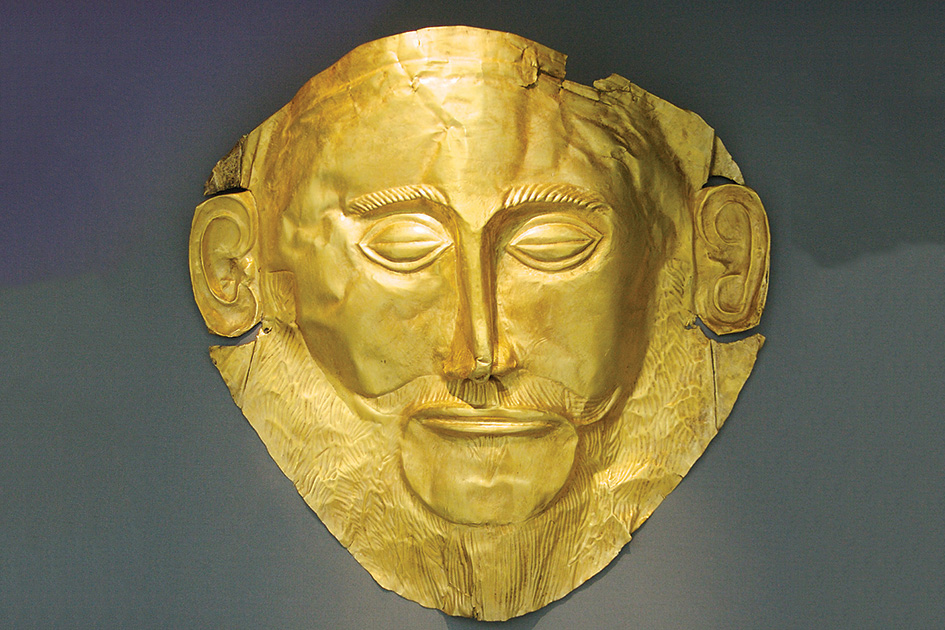
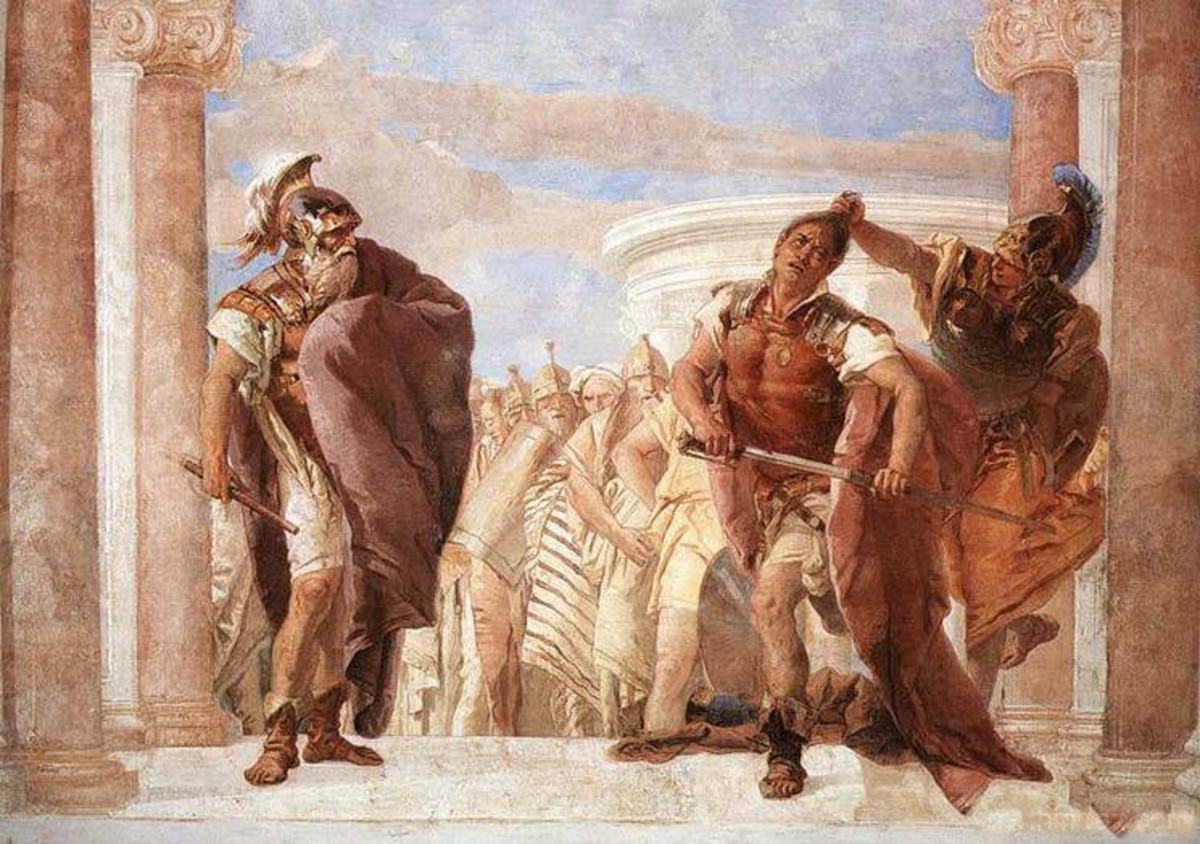
Outside of drama, Agamemnon has been a favorite subject for visual artists. Paintings, sculptures, and frescoes across various periods have depicted scenes from his life, ranging from the sacrifice of Iphigenia to his assassination. These works often provide insights into how different cultures perceived and reinterpreted his story. For example, Renaissance artists like Titian and Rubens created powerful visual representations of Agamemnon, capturing the essence of his character through their mastery of color and composition.
In modern times, Agamemnon continues to inspire artists and writers. Contemporary literature and films often draw parallels between his tale and contemporary issues, such as power, conflict, and individual responsibility. Novels like James Joyce's *Ulysses* and films like Oliver Stone's *Alexander* incorporate Agamemnon as a symbol of the moral ambiguities inherent in leadership.
Beyond literary and artistic portrayals, Agamemnon's legacy has also influenced political discourse. Throughout history, leaders have invoked Agamemnon's name to justify their actions or as a cautionary tale. For instance, statesmen may cite his hubris as a warning against excessive pride, while others may reference his military prowess as an inspiration for national strength. This dual legacy reflects the complex nature of Agamemnon himself—part hero and part warn.
Cultural artifacts and festivals dedicated to Agamemnon offer another avenue to explore his enduring influence. Towns and regions associated with Mycenae or related ancient sites often celebrate Agamemnon through reenactments, parades, and other cultural events. These celebrations not only preserve traditional narratives but also adapt them to reflect contemporary values and interests.
In conclusion, Agamemnon's legacy extends well beyond the boundaries of myth and epic poetry. His story resonates deeply with humanity's continuous struggle with power, morality, and fate. From Homeric epics to modern reinterpretations, Agamemnon remains a crucial figure in understanding the human condition and its enduring relevance in the face of changing times and contexts. His tale serves as a timeless reminder of the costs of human ambition and the cyclical nature of power and conflict.
Comments
Welcome
Discover Haporium
Your personal space to curate, organize, and share knowledge with the world.
Explore Any Narratives
Discover and contribute to detailed historical accounts and cultural stories. Share your knowledge and engage with enthusiasts worldwide.
Join Topic Communities
Connect with others who share your interests. Create and participate in themed boards about any topic you have in mind.
Share Your Expertise
Contribute your knowledge and insights. Create engaging content and participate in meaningful discussions across multiple languages.
Haporium is a revolutionary platform that lets you organize your web browsing experience with customizable dashboards and boards. Create, manage, and share your favorite content collections.










Comments