Explore Any Narratives
Discover and contribute to detailed historical accounts and cultural stories. Share your knowledge and engage with enthusiasts worldwide.
Agamemnon, the legendary king of Mycenae in Greek mythology, stands as one of the most pivotal figures in ancient lore. As the commander-in-chief of the Greek forces during the Trojan War, his leadership shaped the course of history and myth. Born into the cursed House of Atreus, Agamemnon's life was marked by triumph, tragedy, and the relentless pursuit of power.
Agamemnon's origins trace back to a lineage steeped in both royalty and infamy. As the son or grandson of Atreus, he inherited a legacy tainted by betrayal and violence. His father, Atreus, had been wronged by his brother Thyestes, leading to a cycle of vengeance that would haunt Agamemnon's reign.
The curse of the House of Atreus began with a golden lamb and a promise broken. Atreus, Agamemnon's father, had vowed to sacrifice the lamb to Artemis but reneged, keeping it for himself. This act of hubris angered the gods and set in motion a series of tragic events. Thyestes, Atreus's brother, seduced Atreus's wife, Aerope, and stole the golden lamb, leading to a brutal feud.
Agamemnon and his brother Menelaus were exiled from Mycenae by Thyestes and Aegisthus. However, with the help of King Tyndareus of Sparta, they returned to reclaim their rightful throne. Agamemnon ousted Thyestes and Aegisthus, securing his place as the ruler of Mycenae. This victory, though just, was merely the beginning of a reign fraught with challenges and moral dilemmas.
The Trojan War, a conflict immortalized in Homer's Iliad and Odyssey, was a defining chapter in Agamemnon's life. His leadership during this epic struggle showcased his strategic prowess and his ability to unite the Greek city-states under a common cause.
The war began when Paris of Troy abducted Helen, the wife of Menelaus. Agamemnon, as the elder brother and high king, rallied the Greek forces to retrieve Helen and punish Troy. He secured oaths from the Greek kings, ensuring their allegiance and support in the impending conflict.
Agamemnon's role as the commander-in-chief was not merely ceremonial. He led over 1,000 Greek ships from Aulis to Troy, contributing 100 ships from his own kingdom. His strategic acumen was evident in his ability to coordinate the efforts of various Greek heroes, including Achilles, Odysseus, and Diomedes.
One of the most controversial episodes in Agamemnon's life was the sacrifice of his daughter, Iphigenia. To appease the goddess Artemis, who had withheld favorable winds for the Greek fleet, Agamemnon was forced to make a heart-wrenching decision. He sacrificed Iphigenia, an act that would haunt him and his family for generations.
Agamemnon's leadership during the Trojan War was marked by both triumphs and setbacks. His ability to inspire and command the Greek forces was unparalleled, but his personal flaws often led to conflicts and tragedies.
Agamemnon's strategic brilliance was evident in his coordination of the Greek forces. He excelled as a strategist, slaying hundreds in his aristeia (day of glory) in Iliad Book 11. His leadership was crucial in maintaining the unity of the Greek alliance, despite the numerous challenges and conflicts that arose.
Agamemnon's reign was not without its controversies. His decision to seize Briseis, a captive of Achilles, as compensation for returning Chryseis to her father, sparked a major conflict. This act led to Achilles' withdrawal from the battle, causing significant setbacks for the Greek forces.
Agamemnon's life and reign were a complex tapestry of triumph and tragedy. From his rise to power in Mycenae to his pivotal role in the Trojan War, his story is one of leadership, sacrifice, and the relentless pursuit of justice. In the next part, we will delve deeper into Agamemnon's return from Troy, his tragic death, and the enduring legacy of his reign.
The triumphant return of Agamemnon from the Trojan War was short-lived, as his homecoming was marred by betrayal and violence. His story took a dark turn, illustrating the tragic consequences of his past actions and the relentless curse that plagued his family.
Upon his return to Mycenae, Agamemnon brought with him Cassandra, the Trojan princess and priestess of Apollo, as his prize. Cassandra, cursed with the gift of prophecy but fated never to be believed, foretold the impending doom that awaited Agamemnon. Her warnings, however, fell on deaf ears, as the king dismissed her visions as mere ravings.
Agamemnon's wife, Clytemnestra, had not forgiven him for the sacrifice of their daughter, Iphigenia. During his absence, she had taken Aegisthus, Agamemnon's cousin and the son of Thyestes, as her lover. Together, they conspired to murder Agamemnon upon his return. The king, unaware of the treachery that awaited him, walked into a carefully laid trap.
The most infamous moment of Agamemnon's downfall occurred in his own palace. As he bathed, Clytemnestra and Aegisthus struck, murdering the king in a brutal act of vengeance. This betrayal was not only a personal tragedy but also a fulfillment of the curse of the House of Atreus, which had plagued his family for generations.
Agamemnon's death marked the end of an era, but his legacy endured through the ages. His reign, though marked by tragedy, left an indelible impact on Greek mythology, literature, and culture. His story serves as a cautionary tale about the dangers of hubris, the consequences of betrayal, and the relentless nature of fate.
Mycenae, the seat of Agamemnon's power, was one of the most significant city-states of the Bronze Age. The archaeological site, known as the Palace of Agamemnon, showcases the grandeur and sophistication of his reign. Key landmarks include:
Agamemnon's story has been immortalized in numerous works of literature and art. Homer's Iliad and Odyssey provide the most detailed accounts of his role in the Trojan War, while Aeschylus's Oresteia trilogy explores the aftermath of his murder and the vengeance sought by his son, Orestes. These works have cemented Agamemnon's place as a central figure in Greek mythology.
The question of Agamemnon's historicity has long fascinated scholars and archaeologists. While he is primarily known as a mythical figure, recent discoveries and analyses have sparked debates about his potential real-life counterparts and the historical basis of his legend.
In April 2025, scholars revisited the potential historicity of Agamemnon, linking him to a real king of Cyme, an Aeolian city in Anatolia. According to ancient sources, this king's dynasty claimed descent from the Homeric Agamemnon, and his daughter married the legendary King Midas. This connection suggests a later date for the Trojan War, possibly post-Bronze Age, challenging traditional timelines.
Archaeological excavations at Mycenae and other sites have provided valuable insights into the world of Agamemnon. The discovery of the Mask of Agamemnon, a gold funeral mask found by Heinrich Schliemann, has fueled speculation about the historical basis of the myth. While the mask's association with Agamemnon is debated, it underscores the enduring fascination with his legend.
The ancient geographer Strabo described Cyme as the "largest and best" of the Aeolian cities, implying its regional dominance. This account, combined with the alleged descent of Cyme's kings from Agamemnon, adds a layer of complexity to the historical debate. It suggests that Agamemnon's influence may have extended beyond Mycenae, shaping the political landscape of Anatolia.
Agamemnon's story continues to resonate in modern culture, inspiring countless adaptations in literature, art, and media. His complex character, marked by both strength and flaw, offers a rich tapestry for exploration and interpretation.
From ancient Greek tragedies to modern novels, Agamemnon's tale has been retold in various forms. Aeschylus's Oresteia remains a cornerstone of Greek tragedy, while contemporary works like The Song of Achilles by Madeline Miller offer fresh perspectives on his role in the Trojan War. These adaptations highlight the timeless themes of power, betrayal, and redemption.
Agamemnon's character has also been brought to life on screen. Films like Troy (2004), starring Brian Cox as Agamemnon, and television series like The Odyssey have introduced his story to new audiences. These portrayals often emphasize his leadership qualities and the tragic consequences of his actions, making his story accessible to a broader audience.
The archaeological site of Mycenae, with its impressive ruins and rich history, attracts thousands of visitors each year. Tourists flock to see the Lion Gate, the Treasury of Atreus, and other landmarks associated with Agamemnon's reign. This cultural heritage not only preserves his legacy but also contributes to the local economy and global understanding of ancient Greek civilization.
Agamemnon's life and reign, though steeped in myth and tragedy, continue to captivate and inspire. From his pivotal role in the Trojan War to his tragic downfall and enduring legacy, his story offers a profound exploration of human nature and the complexities of power. In the final part of this article, we will delve into the broader implications of Agamemnon's myth, its relevance in contemporary society, and the lessons we can learn from his triumphs and failures.
The myth of Agamemnon transcends its ancient origins, offering profound insights into human nature, leadership, and the consequences of unchecked ambition. His story serves as a timeless exploration of power dynamics, familial curses, and the fragility of mortal existence in the face of divine will.
Agamemnon's leadership during the Trojan War provides valuable lessons for modern leaders. His ability to unite disparate Greek city-states under a common cause demonstrates the importance of strategic alliances and diplomatic skill. However, his flaws—particularly his hubris and tendency to prioritize personal gain over collective good—serve as cautionary tales about the pitfalls of unchecked power.
Modern psychology finds rich material in Agamemnon's myth, particularly in exploring trauma, betrayal, and intergenerational curses. The House of Atreus exemplifies how familial violence creates cycles of vengeance that span generations. Clytemnestra's murder of Agamemnon can be viewed through the lens of:
Agamemnon's narrative shares striking parallels with other mythological and historical figures, revealing universal themes in human storytelling. These comparisons underscore the archetypal nature of his character and the enduring relevance of his struggles.
Several mythological figures echo Agamemnon's journey, particularly in their roles as warrior-kings burdened by fate and familial curses:
Real-world leaders often embody aspects of Agamemnon's myth, particularly in how power and personal flaws intersect:
The city of Mycenae, Agamemnon's legendary capital, remains one of the most important archaeological sites in Greece. Its ruins offer tangible connections to the mythical past while providing insights into the Bronze Age civilization that inspired Homer's epics.
Excavations at Mycenae have uncovered remarkable artifacts and structures that bring Agamemnon's world to life:
The archaeological evidence from Mycenae plays a crucial role in the ongoing debate about the historicity of the Trojan War. Key points include:
Agamemnon's influence extends beyond ancient texts and archaeological sites, permeating modern media, education, and even political discourse. His story continues to be a source of inspiration and reflection in contemporary culture.
Modern adaptations of Agamemnon's myth have introduced his story to new audiences, often reinterpreting his character to explore contemporary themes:
Agamemnon's myth is frequently used in educational contexts to teach lessons about:
Politically, Agamemnon's story has been invoked in discussions about:
The legend of Agamemnon endures because it encapsulates universal human experiences: the struggle for power, the burden of leadership, the pain of betrayal, and the inescapable nature of fate. His story is not merely a tale of a mythical king but a mirror reflecting the complexities of human ambition and vulnerability.
Agamemnon's myth offers several enduring lessons:
Agamemnon's tale is a testament to the timelessness of Greek mythology. These stories endure because they address fundamental questions about human existence: What does it mean to lead? How do we reconcile duty with morality? Can we ever escape the mistakes of our past? Agamemnon's myth, with its blend of triumph and tragedy, continues to provide answers that resonate across cultures and centuries.
As we reflect on Agamemnon's legacy, we are reminded that myths are more than ancient stories—they are living narratives that evolve with each retelling. Whether through archaeological discoveries, modern adaptations, or educational discussions, Agamemnon's spirit lives on, challenging us to learn from his triumphs and heed the warnings of his failures. In the end, his story is not just about a king who led armies to Troy but about the enduring human quest for meaning, justice, and redemption.
Your personal space to curate, organize, and share knowledge with the world.
Discover and contribute to detailed historical accounts and cultural stories. Share your knowledge and engage with enthusiasts worldwide.
Connect with others who share your interests. Create and participate in themed boards about any topic you have in mind.
Contribute your knowledge and insights. Create engaging content and participate in meaningful discussions across multiple languages.
Already have an account? Sign in here

Explore the legendary tales of Heracles, the ultimate Greek mythological hero known for his incredible strength and resi...
View Board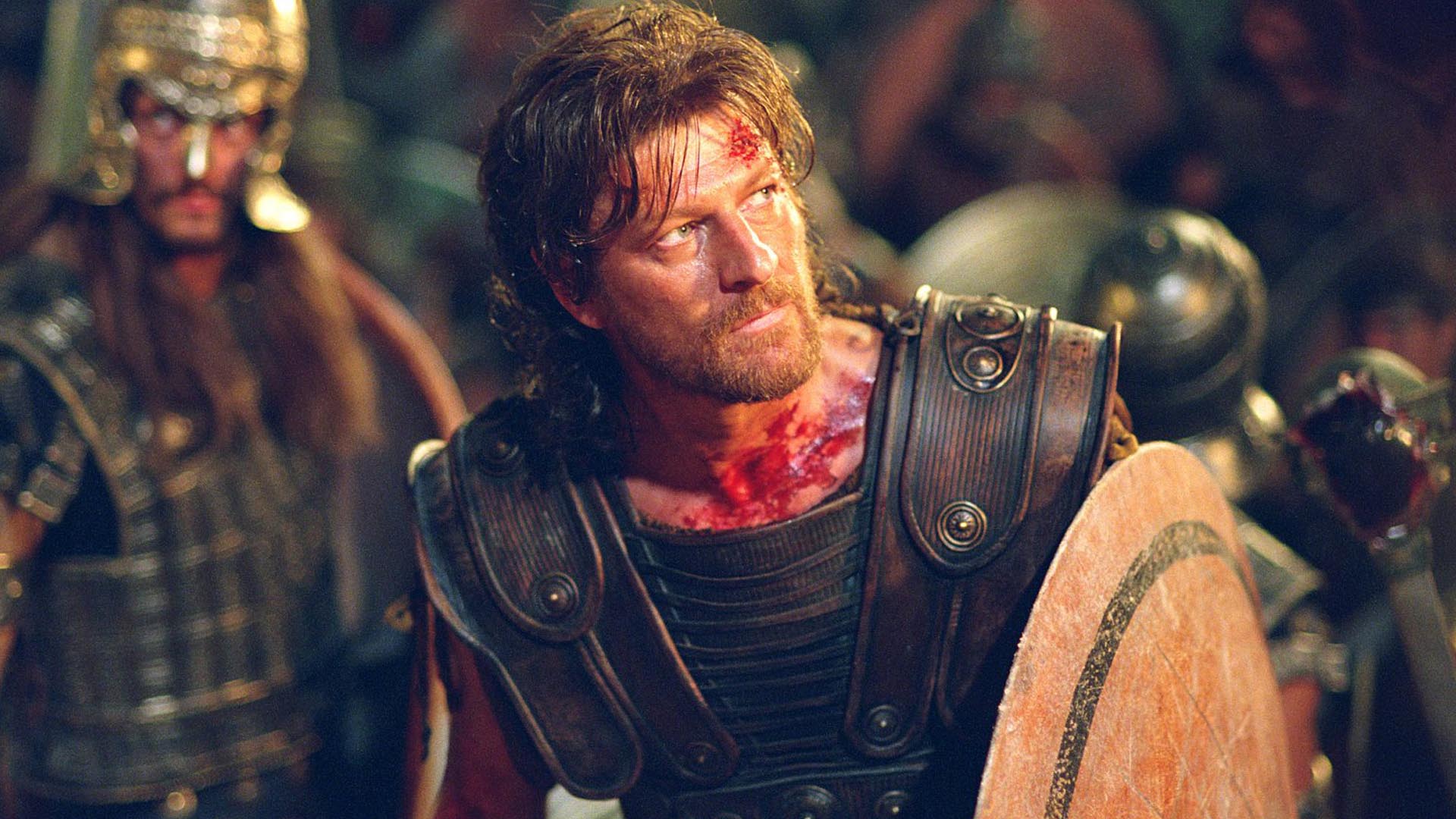
Odysseus, the cunning Greek hero of Homer's *Odyssey*, navigates mythical trials—Cyclops, Sirens, and vengeful gods—to r...
View Board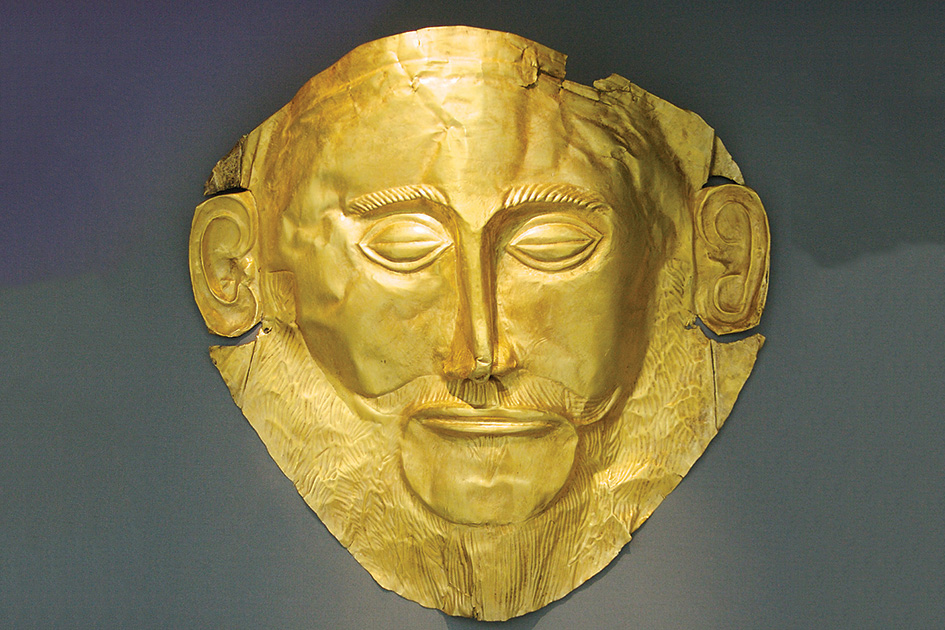
The Legend of Agamemnon: The Mythical King of Mycenae The Early Life and Background of Agamemnon Agamemnon, one of the...
View Board
Roxana: The Enigmatic Queen of Alexander the Great The Intriguing Life of Roxana In the vast empires and epic tales of...
View Board
Explore the timeless legacy of Hesiod, the poet of ancient wisdom and myth, whose works like "Theogony" and "Works and D...
View Board
Explore the legendary Kadmos & Cadmeia citadel of Thebes—mythic founder, heroic deeds, and ancient ruins. Discover how m...
View Board
Dive into the enigmatic world of Hades, the misunderstood Greek deity. Explore his complex origins, the multifaceted nat...
View Board
Discover Callimachus, the revolutionary poet-scholar of ancient Alexandria. Explore his 800 works, the first scientific ...
View Board
Mithridates VI Eupator, the Poison King, was a formidable ruler of Pontus who expanded his kingdom and fought against Ro...
View Board
Explore the enigmatic life and enduring legacy of Gaius Petronius Arbiter, Nero's arbiter of elegance. Delve into his ma...
View Board
Discover the Golden Dolphin of Delphi’s sacred symbolism—mythic ties to Apollo, Dionysus, and divine guidance. Explore i...
View Board
Explore the captivating tale of Cadmus, the overlooked hero of Greek mythology, who introduced the Phoenician alphabet t...
View Board
Explore the tumultuous reign of Ptolemy IV Philopator, a controversial Egyptian Pharaoh who led from 221 to 204 BCE. Del...
View Board
**Meta Description:** Discover Emperor Aurelian, the "Restorer of the World," who reunified Rome in just 5 years. Lear...
View Board
**Meta Description:** Discover Aristophanes, the legendary master of ancient Greek comedy whose witty satire shaped We...
View Board
Discover Attalus III, the last king of Pergamon, whose strategic bequest to Rome shaped ancient history. Explore his rei...
View Board
Explore the brutal reign of Clearchus of Heraclea, a tyrant whose 12-year rule was marked by betrayal, cruelty, and self...
View Board
Discover the fascinating life and enduring legacy of Juba II of Mauretania, the scholar-king who transformed his kingdom...
View Board
Discover the intriguing legacy of Vologases I of Parthia, a monarch whose reign during the 1st century AD marked a trans...
View Board
Uncover the timeless allure of Homer, the legendary bard whose epic narratives "The Iliad" and "The Odyssey" have profou...
View Board
Comments