Leonidas and the Battle of Thermopylae: The Legendary Last Stand
In the annals of history, few battles resonate with the heroic defiance of Leonidas and the Battle of Thermopylae. This pivotal clash in 480 BCE saw a small Greek force, led by the Spartan king, stand against the overwhelming might of the Persian army. Though ultimately a defeat, the battle became a symbol of courage and sacrifice, shaping the course of the Greco-Persian Wars and leaving an indelible mark on history.
The Historical Context of the Battle of Thermopylae
The Battle of Thermopylae was not an isolated event but a crucial moment in the Greco-Persian Wars. Following the failed invasion attempt by Darius I, his son Xerxes I sought to conquer Greece. The battle took place at the narrow coastal pass of Thermopylae, a strategic location that funneled the massive Persian army into a confined space, neutralizing their numerical advantage.
The Greco-Persian Wars and Xerxes' Invasion
The Greco-Persian Wars were a series of conflicts between the Persian Empire and Greek city-states. After Darius I's defeat at the Battle of Marathon in 490 BCE, Xerxes I launched a full-scale invasion in 480 BCE. His goal was to subjugate Greece, but the Greek city-states, led by Athens and Sparta, were determined to resist. The Battle of Thermopylae was a key part of this resistance, delaying the Persian advance and allowing the Greeks to prepare for subsequent battles.
The Strategic Importance of Thermopylae
The pass of Thermopylae, meaning "Hot Gates," was a critical bottleneck. Its narrow width, estimated to be only a few dozen yards between cliffs and the sea, forced the Persians to engage in a frontal assault. This terrain advantage allowed the Greeks to hold off the Persians for three days, despite being vastly outnumbered. The battle demonstrated the effectiveness of defensive tactics in confined spaces, a lesson that would be repeated at the Battle of Salamis.
Leonidas: The Spartan King Who Led the Last Stand
Leonidas I, the king of Sparta, was the central figure in the Battle of Thermopylae. His leadership and the sacrifice of his troops have been immortalized in history and popular culture. Leonidas commanded a force of around 7,000 Greek troops, including his elite 300 Spartans, 700 Thespians, 400 Thebans, and helots (enslaved people of Sparta).
Leonidas' Leadership and Defiance
Leonidas' leadership was marked by his unwavering resolve. When Xerxes demanded that the Greeks surrender their weapons, Leonidas famously replied, "Come and take them." This defiance set the tone for the battle and has been echoed throughout history as a symbol of resistance against tyranny. Leonidas' decision to stay and fight, even in the face of certain death, has been the subject of much debate among historians.
The Final Stand and Sacrifice
The battle lasted three days, with the Greeks initially holding the pass. However, a local named Ephialtes betrayed the Greeks by revealing a mountain path that allowed the Persians to outflank them. Realizing the impending defeat, Leonidas dismissed most of the Greek forces but chose to stay with around 2,000 troops, including his 300 Spartans, for a final stand. This rear-guard action allowed the remaining Greek forces to retreat and regroup, ultimately contributing to the Greek victories at Salamis and Plataea.
The Forces at Thermopylae: Greeks vs. Persians
The Battle of Thermopylae was a stark contrast in numbers and tactics. The Greek forces, though small, were highly trained and disciplined, while the Persian army relied on sheer numbers. Understanding the composition and strategies of both sides provides insight into the dynamics of the battle.
Greek Forces: Composition and Tactics
The Greek forces at Thermopylae were a coalition of troops from various city-states. The core of the force was the 300 Spartans, elite warriors known for their discipline and combat skills. They were joined by 700 Thespians, 400 Thebans, and a number of helots. The Greeks used the narrow pass to their advantage, forming a phalanx that could withstand the Persian onslaught. Their tactics focused on defensive positioning and coordinated strikes.
- 300 Spartans: Elite warriors, the backbone of the Greek force.
- 700 Thespians: Volunteers who fought alongside the Spartans.
- 400 Thebans: Controversial allies, some of whom surrendered.
- Helots: Enslaved people of Sparta, used as support troops.
Persian Forces: Numbers and Strategies
The Persian army, led by Xerxes I, was a massive and diverse force. Estimates of its size vary widely, from 70,000 to 300,000 troops. The Persians relied on their overwhelming numbers to break through the Greek defenses. However, the narrow pass of Thermopylae neutralized this advantage, forcing the Persians to engage in a frontal assault. Despite their numerical superiority, the Persians suffered heavy casualties, demonstrating the effectiveness of the Greek defensive tactics.
- Estimated Troops: 70,000 to 300,000.
- Tactics: Frontal assaults, relying on sheer numbers.
- Casualties: Heavy, with thousands of Persians killed.
The Battle Unfolds: Key Moments and Turning Points
The Battle of Thermopylae unfolded over three days, with several key moments that defined its course. From the initial Greek defense to the final stand, each phase of the battle showcased the tactics and resilience of the Greek forces.
Day 1-2: The Greek Defense Holds
For the first two days of the battle, the Greek forces successfully held the pass of Thermopylae. The narrow terrain funneled the Persian army into a confined space, allowing the Greeks to repel wave after wave of attacks. The Spartans, with their disciplined phalanx formation, were particularly effective in holding off the Persians. The Greeks' defensive tactics and the advantageous terrain allowed them to inflict heavy casualties on the Persians.
Day 3: Betrayal and the Final Stand
On the third day, the tide of the battle turned. A local named Ephialtes betrayed the Greeks by revealing a mountain path that allowed the Persians to outflank them. This rear-guard action allowed the remaining Greek forces to retreat and regroup. The final stand was a heroic but ultimately futile effort, as the Persians overwhelmed the remaining Greeks. Leonidas and his troops were killed, and Xerxes ordered Leonidas' body to be beheaded and crucified.
The Aftermath and Legacy of Thermopylae
The Battle of Thermopylae, though a defeat, had significant consequences for the Greco-Persian Wars. The delay caused by the battle allowed the Greek city-states to prepare for subsequent engagements, ultimately leading to victories at Salamis and Plataea. The battle also became a symbol of courage and sacrifice, inspiring future generations.
Immediate Consequences and Strategic Impact
The immediate consequence of the Battle of Thermopylae was the Persian advance into Greece. However, the delay caused by the battle allowed the Greek city-states to mobilize their forces and prepare for subsequent engagements. The Greek victories at Salamis and Plataea, which followed the Battle of Thermopylae, marked the turning point in the Greco-Persian Wars and ultimately led to the withdrawal of the Persian forces from Greece.
Cultural Legacy and Historical Significance
The Battle of Thermopylae has left an indelible mark on history and culture. It has been immortalized in literature, art, and popular culture, most notably in the 2006 film 300. The battle is often cited as an example of the power of defensive tactics and the importance of strategic positioning. It has also become a symbol of courage and sacrifice, inspiring future generations to stand against overwhelming odds.
The legacy of Leonidas and the Battle of Thermopylae continues to resonate today. The battle is a testament to the power of leadership, the importance of strategy, and the enduring human spirit in the face of adversity. As we delve deeper into the details of the battle in the following sections, we will explore the tactics, the key figures, and the lasting impact of this historic clash.
The Tactical Brilliance Behind the Greek Defense
The success of the Greek defense at Thermopylae was not merely a result of luck or terrain advantage. It was a testament to the tactical brilliance of Leonidas and his commanders. The Greeks leveraged their knowledge of the battlefield, their disciplined formations, and their understanding of Persian tactics to maximize their effectiveness. This section explores the key tactical decisions that allowed a small force to hold off one of the largest armies of the ancient world.
The Phalanx Formation: Sparta's Secret Weapon
The Spartan phalanx was a formidable military formation that played a crucial role in the Battle of Thermopylae. This tightly packed formation of heavily armed infantry, with shields locked together and spears extended, created an almost impenetrable wall. The phalanx was particularly effective in the narrow confines of the Thermopylae pass, where the Persians could not exploit their numerical superiority. The disciplined Spartan warriors, trained from childhood in the art of war, executed this formation with precision, making it nearly impossible for the Persians to break through.
- Shield Wall: The interlocking shields formed a protective barrier against arrows and melee attacks.
- Spear Length: The long spears allowed the Spartans to strike at the Persians while maintaining a safe distance.
- Discipline: Years of rigorous training ensured that the Spartans maintained formation even under intense pressure.
Terrain Exploitation: Turning the Battlefield to Their Advantage
The Greeks' understanding of the terrain at Thermopylae was a critical factor in their initial success. The narrow pass, flanked by steep cliffs on one side and the sea on the other, funneled the Persian forces into a confined space. This terrain exploitation neutralized the Persians' numerical advantage, forcing them to engage in a frontal assault where the Greeks' superior discipline and tactics could shine. Leonidas and his commanders carefully chose their position, ensuring that the Persians could not outflank them easily.
The Greeks also utilized the natural features of the battlefield to their advantage. The Phocian Wall, a defensive barrier built by the Phocians to protect against invasions, provided additional cover for the Greek forces. This wall, combined with the natural bottleneck of the pass, created a formidable defensive position that the Persians struggled to overcome.
The Role of Allied Forces: More Than Just Spartans
While the 300 Spartans have become the most famous participants in the Battle of Thermopylae, they were not alone. The Greek force was a coalition of troops from various city-states, each playing a crucial role in the defense. The contributions of these allied forces, often overlooked in popular retellings, were essential to the Greeks' initial success. This section highlights the roles of the Thespians, Thebans, and other allies who stood alongside the Spartans.
The Thespians: The Unsung Heroes of Thermopylae
The 700 Thespians who fought at Thermopylae were volunteers who chose to stand with the Spartans against the Persian invasion. Led by their general Demophilus, the Thespians fought with remarkable bravery, refusing to retreat even when it became clear that the battle was lost. Their sacrifice was a testament to the spirit of Greek unity and resistance. Unlike the Spartans, who were professional warriors, the Thespians were citizen-soldiers, making their stand all the more remarkable.
"The Thespians, though not as renowned as the Spartans, demonstrated equal courage and resolve. Their sacrifice at Thermopylae is a testament to the collective spirit of the Greek city-states."
The Thebans: A Controversial Alliance
The role of the 400 Thebans at Thermopylae is a subject of historical debate. Some sources suggest that the Thebans were coerced into joining the Greek forces, while others indicate that they fought willingly. Regardless of their motivations, the Thebans played a crucial role in the battle. However, their reputation was tarnished when a contingent of Thebans surrendered to the Persians during the final stand. This act of surrender has led to mixed perceptions of the Thebans' role in the battle, with some viewing them as traitors and others as reluctant participants.
Ephialtes: The Betrayal That Changed the Course of History
The Battle of Thermopylae is often remembered for the heroic stand of the Greeks, but it was also marked by a pivotal act of betrayal. Ephialtes, a local Greek, revealed a mountain path to the Persians, allowing them to outflank the Greek forces. This betrayal was a turning point in the battle, leading to the encirclement and ultimate defeat of the Greek rear-guard. Understanding Ephialtes' motivations and the consequences of his actions provides insight into the complex dynamics of the battle.
Who Was Ephialtes?
Ephialtes was a Greek from the region of Malis, near Thermopylae. His name, which means "nightmare" in Greek, has become synonymous with treachery. Historical accounts suggest that Ephialtes was motivated by the promise of a reward from Xerxes, who offered riches and power in exchange for his cooperation. Some sources also indicate that Ephialtes may have held a grudge against the Greeks, particularly the Spartans, which further fueled his decision to betray them.
The Mountain Path and the Persian Outflanking Maneuver
The mountain path revealed by Ephialtes, known as the Anopaea path, was a narrow and treacherous route that led behind the Greek positions. This path allowed the Persians, under the command of Hydarnes, to outflank the Greeks and attack them from the rear. The discovery of this path was a strategic masterstroke for the Persians, as it neutralized the Greeks' terrain advantage and forced them into a desperate last stand. The outflanking maneuver demonstrated the importance of local knowledge in ancient warfare and highlighted the vulnerability of even the most formidable defensive positions.
The Final Stand: Courage in the Face of Certain Death
The final stand at Thermopylae is one of the most iconic moments in military history. With the Persians outflanking their positions, Leonidas and his remaining troops knew that retreat was no longer an option. Instead, they chose to make a last stand, fighting to the death in a display of courage and defiance. This section explores the events of the final stand, the tactics employed by the Greeks, and the legacy of their sacrifice.
The Decision to Stay: Leonidas' Leadership
Leonidas' decision to stay and fight, rather than retreat with the rest of the Greek forces, has been the subject of much debate among historians. Some suggest that he was fulfilling a Spartan custom that forbade retreat, while others argue that his decision was a strategic move to delay the Persians and allow the remaining Greek forces to regroup. Regardless of his motivations, Leonidas' leadership during the final stand was a defining moment in the battle. His refusal to surrender, even in the face of certain death, has become a symbol of courage and resolve.
The Battle's Climactic Moments
The final stand at Thermopylae was a brutal and chaotic engagement. The Greeks, knowing that they were outnumbered and outflanked, fought with desperation and determination. The Spartans, Thespians, and remaining allies formed a tight defensive formation, using their shields and spears to repel the Persian attacks. The battle devolved into hand-to-hand combat, with the Greeks inflicting heavy casualties on the Persians before succumbing to the overwhelming numbers. The final moments of the battle were marked by a hail of arrows, which ultimately brought down the remaining Greeks, including Leonidas.
"The final stand at Thermopylae was not just a battle; it was a statement. A statement that even in the face of insurmountable odds, courage and defiance could leave a lasting legacy."
The Aftermath: How Thermopylae Shaped the Greco-Persian Wars
The Battle of Thermopylae, though a defeat for the Greeks, had a profound impact on the course of the Greco-Persian Wars. This section explores the immediate and long-term consequences of the battle, as well as its strategic significance in the broader context of the Greco-Persian Wars.
The Delay and Its Strategic Importance
The three-day delay at Thermopylae was crucial for the Greek war effort. It provided the Greek city-states with valuable time to mobilize their forces and prepare for the Persian advance. The battle also demonstrated the effectiveness of defensive tactics against a numerically superior foe, inspiring confidence among the Greek allies. The delay allowed the Greeks to regroup and plan their next moves, ultimately leading to the decisive victories at Salamis and Plataea.
The Battle of Salamis: Turning the Tide
The Battle of Salamis, which occurred shortly after Thermopylae, was a pivotal naval engagement that turned the tide of the Greco-Persian Wars. The Greek naval forces, led by the Athenians, decisively defeated the Persian fleet, preventing the Persians from resupplying their army and forcing them to retreat. The victory at Salamis was a direct result of the delay caused by the Battle of Thermopylae, as it allowed the Greeks to prepare their naval forces and coordinate their strategy.
The Battle of Plataea: The Final Blow
The Battle of Plataea, fought in 479 BCE, was the final major land battle of the Greco-Persian Wars. The Greek forces, led by the Spartans, decisively defeated the Persian army, effectively ending the Persian invasion of Greece. The victory at Plataea was a testament to the resilience and determination of the Greek city-states, as well as the strategic importance of the delay caused by the Battle of Thermopylae. The battle marked the beginning of the end for the Persian Empire's ambitions in Greece and solidified the Greeks' independence.
The Historical Debate: Why Did Leonidas Stay?
The decision of Leonidas to stay and fight at Thermopylae has been a subject of historical debate for centuries. Various theories have been proposed, ranging from Spartan customs to strategic considerations. This section explores the different interpretations of Leonidas' decision, as well as the evidence supporting each theory.
The Spartan Custom of No Retreat
One of the most popular theories is that Leonidas was bound by Spartan custom, which forbade retreat or surrender. According to this theory, Leonidas and his Spartans were obligated to fight to the death, regardless of the circumstances. This interpretation is supported by historical accounts of Spartan military culture, which emphasized discipline, courage, and the willingness to sacrifice for the greater good. The idea of a "no retreat" policy has been romanticized in popular culture, particularly in the film 300, but historians debate the extent to which this custom was strictly enforced.
Strategic Considerations: Delaying the Persians
Another theory suggests that Leonidas' decision to stay was a strategic move aimed at delaying the Persian advance. By making a last stand at Thermopylae, Leonidas and his troops could buy valuable time for the remaining Greek forces to retreat and regroup. This interpretation is supported by the fact that the delay at Thermopylae allowed the Greeks to prepare for the battles of Salamis and Plataea, which ultimately led to their victory. The strategic importance of the delay has led some historians to view Leonidas' decision as a calculated sacrifice rather than a blind adherence to custom.
The Role of Prophecy and Divine Will
Some historical accounts suggest that Leonidas' decision to stay was influenced by prophecy and divine will. According to these accounts, the Oracle of Delphi had prophesied that Sparta would either be destroyed by the Persians or lose a king in battle. Leonidas, believing that his death was necessary to save Sparta, chose to make a stand at Thermopylae. This interpretation is supported by the importance of prophecy and divine intervention in ancient Greek culture, as well as the role of the Oracle of Delphi in guiding Spartan decisions.
The Cultural Legacy of Thermopylae: From Ancient Times to Modern Media
The Battle of Thermopylae has transcended its historical context to become a cultural symbol of courage, sacrifice, and defiance. Its legacy has been preserved through ancient texts, modern literature, and popular media, ensuring that the story of Leonidas and his warriors continues to inspire generations. This section explores the enduring cultural impact of Thermopylae, from its depiction in ancient sources to its portrayal in contemporary films and literature.
Ancient Sources: Herodotus and the Birth of a Legend
The primary source for the Battle of Thermopylae is the Histories of Herodotus, often referred to as the "Father of History." Herodotus' account, written in the 5th century BCE, provides a detailed narrative of the battle, including the heroic stand of the Spartans and the betrayal by Ephialtes. His work not only preserved the events of Thermopylae for posterity but also shaped the way the battle was perceived in ancient Greece. Herodotus' vivid storytelling and emphasis on the Greeks' defiance against overwhelming odds helped to cement Thermopylae as a symbol of resistance and courage.
"Herodotus' account of Thermopylae is not just a historical record; it is a celebration of the human spirit in the face of adversity."
Modern Media: The 2006 Film 300 and Its Influence
The 2006 film 300, directed by Zack Snyder, brought the story of Thermopylae to a global audience. Based on Frank Miller's graphic novel of the same name, the film is a stylized and dramatic retelling of the battle, emphasizing the heroism and sacrifice of the Spartans. While the film takes creative liberties with historical accuracy, it has played a significant role in popularizing the story of Thermopylae and introducing it to new generations. The film's depiction of Leonidas as a charismatic and defiant leader has further cemented the battle's legacy as a symbol of courage and resistance.
- Visual Style: The film's unique visual style, inspired by Miller's graphic novel, created a distinctive and memorable portrayal of the battle.
- Cultural Impact: 300 sparked renewed interest in ancient Greek history and the Battle of Thermopylae, leading to increased tourism at the battle site.
- Historical Debate: The film's deviations from historical accuracy have also sparked debates among historians and enthusiasts about the true events of the battle.
Archaeological Discoveries and Historical Reassessments
Recent archaeological discoveries and historical reassessments have shed new light on the Battle of Thermopylae. These findings have challenged some long-held assumptions about the battle, providing a more nuanced understanding of the events and their significance. This section explores the latest archaeological evidence and historical interpretations, highlighting how they have reshaped our understanding of Thermopylae.
Reevaluating the Battlefield: New Insights into Terrain and Tactics
Modern archaeological studies have provided new insights into the terrain and tactics of the Battle of Thermopylae. Recent excavations and geological surveys have revealed that the pass of Thermopylae was wider than previously depicted in ancient sources and modern media. This discovery has led historians to reassess the Greeks' defensive strategies and the Persians' tactical challenges. The wider pass suggests that the Greeks' ability to hold off the Persians was even more impressive than previously thought, as it required greater coordination and discipline to maintain their defensive formation.
The Role of Helots and Other Support Troops
Historical reassessments have also highlighted the role of helots and other support troops in the Battle of Thermopylae. Helots, the enslaved population of Sparta, played a crucial role in the battle, serving as light infantry and support personnel. Their contributions have often been overlooked in favor of the more glamorous Spartan warriors, but recent scholarship has emphasized their importance in the Greeks' defensive efforts. This reassessment has provided a more comprehensive understanding of the battle, acknowledging the diverse roles played by all participants.
The Battle of Thermopylae in Military Strategy and Education
The Battle of Thermopylae has had a lasting impact on military strategy and education. Its lessons on defensive tactics, terrain exploitation, and leadership have been studied and applied in various military contexts throughout history. This section explores the battle's influence on military thought and its continued relevance in modern military education.
Lessons in Asymmetric Warfare
The Battle of Thermopylae is often cited as an early example of asymmetric warfare, where a smaller, less numerous force uses superior tactics and terrain to counter a larger, more powerful adversary. The Greeks' ability to hold off the Persians for three days, despite being vastly outnumbered, demonstrates the effectiveness of defensive positioning and coordinated tactics. These lessons have been applied in various military contexts, from ancient battles to modern conflicts, highlighting the enduring relevance of Thermopylae's strategic principles.
Leadership and Morale: The Leonidas Effect
Leonidas' leadership at Thermopylae has become a case study in military leadership and morale. His ability to inspire his troops, even in the face of certain death, has been analyzed and emulated by military leaders throughout history. The concept of the "Leonidas Effect" refers to the power of leadership to bolster morale and motivate troops to perform beyond their perceived limits. This principle has been incorporated into military training programs, emphasizing the importance of strong leadership in achieving tactical and strategic objectives.
The Battle of Thermopylae Today: Tourism and Commemoration
The legacy of the Battle of Thermopylae extends beyond history and military strategy to include tourism and commemoration. The battle site has become a popular destination for visitors interested in ancient history and the events that shaped the Greco-Persian Wars. This section explores the modern significance of Thermopylae as a tourist attraction and a symbol of cultural heritage.
The Thermopylae Monument: Honoring the Fallen
The modern Thermopylae monument, located at the battle site, serves as a tribute to the courage and sacrifice of the Greek warriors. The monument features a statue of Leonidas, as well as inscriptions honoring the Spartans, Thespians, and other allies who fought and died at Thermopylae. The site has become a place of pilgrimage for history enthusiasts and a symbol of Greek heritage and resilience. The monument's design and inscriptions reflect the enduring legacy of the battle and its significance in Greek history.
Tourism and Education: Preserving the Legacy
The Battle of Thermopylae has become a major draw for cultural tourism in Greece. Visitors to the site can explore the battlefield, visit the monument, and learn about the events that unfolded there. Educational programs and guided tours provide insights into the battle's historical context, tactics, and legacy. The site's popularity has also led to the development of museums and interpretive centers, further enhancing the visitor experience and preserving the battle's legacy for future generations.
Conclusion: The Enduring Legacy of Leonidas and Thermopylae
The Battle of Thermopylae remains one of the most iconic and inspiring events in military history. The courage and sacrifice of Leonidas and his warriors have left an indelible mark on history, shaping the course of the Greco-Persian Wars and influencing military strategy, leadership, and cultural heritage. From ancient texts to modern media, the story of Thermopylae continues to captivate and inspire, serving as a testament to the power of defiance and the enduring human spirit.
Key Takeaways from the Battle of Thermopylae
- Courage and Sacrifice: The battle exemplifies the power of courage and sacrifice in the face of overwhelming odds.
- Strategic Brilliance: The Greeks' use of terrain and defensive tactics demonstrates the importance of strategy in warfare.
- Leadership: Leonidas' leadership and the morale of his troops highlight the critical role of leadership in achieving tactical success.
- Cultural Legacy: The battle's enduring legacy in history, media, and tourism underscores its significance as a symbol of resistance and defiance.
As we reflect on the Battle of Thermopylae, we are reminded of the timeless lessons it offers. The story of Leonidas and his warriors is not just a tale of ancient warfare; it is a celebration of the human spirit's ability to rise above adversity and leave a lasting legacy. Whether through the pages of history, the silver screen, or the hallowed grounds of the battlefield, the legacy of Thermopylae continues to inspire and resonate, ensuring that the courage and sacrifice of those who stood there will never be forgotten.


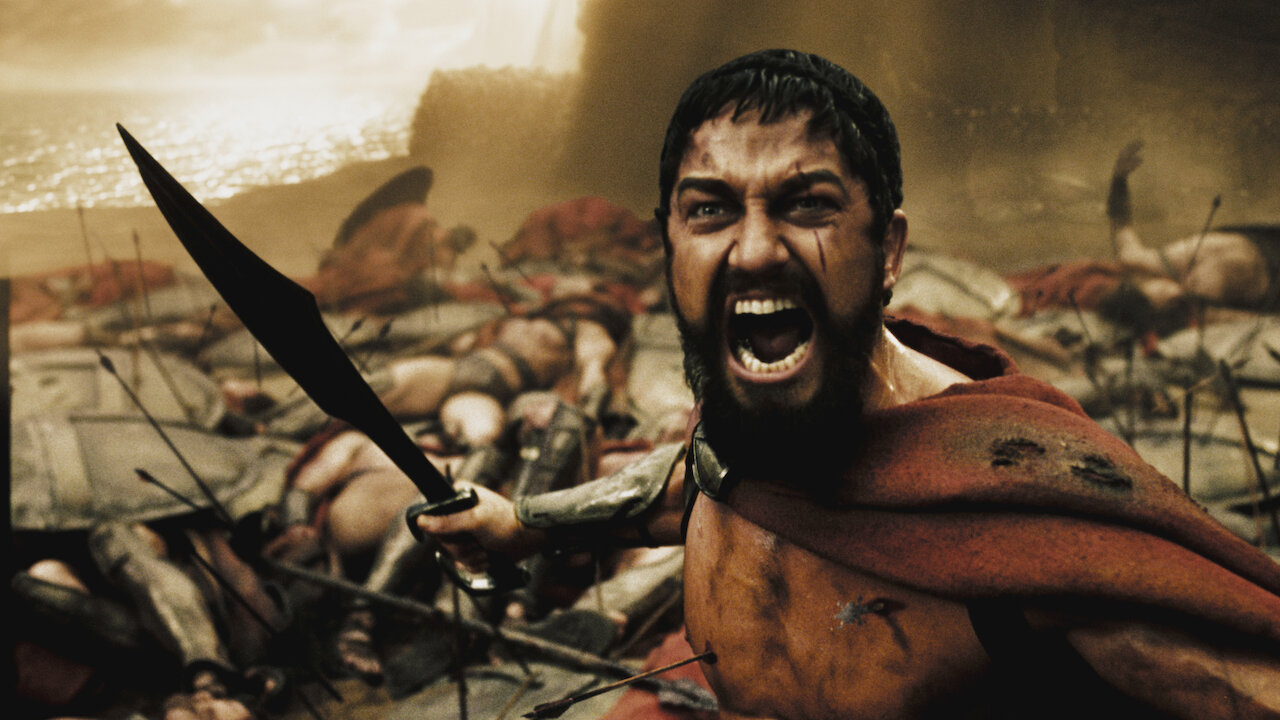

Leonidas I: The Legendary King of Sparta and His Last Stand
Introduction to Leonidas I, King of Sparta
Leonidas I, the 17th king of Sparta's Agiad dynasty, remains one of history's most celebrated warriors. His leadership at the Battle of Thermopylae in 480 BC against the Persian Empire has immortalized him as a symbol of courage and sacrifice. Born as the son of King Anaxandridas II, Leonidas inherited a legacy of strength, with his name meaning "son of a lion." His reign coincided with the Second Greco-Persian War, a pivotal conflict that shaped ancient Greek history.
Leonidas is best known for commanding a small but formidable Greek force against the overwhelming Persian army led by Xerxes I. His strategic brilliance and unwavering resolve at Thermopylae delayed the Persian advance, providing crucial time for the Greeks to regroup and ultimately secure victory in later battles like Salamis and Plataea.
The Historical Context of Leonidas' Reign
The Spartan Monarchy and Dual Kingship
Sparta's unique political system featured a dual kingship, with two royal lines: the Agiad and Eurypontid dynasties. Leonidas belonged to the Agiad line, ascending to the throne amid familial intrigue. His half-brother, Cleomenes I, had faced scandals that complicated the succession. Despite these challenges, Leonidas emerged as a respected leader, embodying the Spartan ideals of discipline and valor.
The Spartan monarchy was not absolute; kings shared power with a council of elders and an assembly of citizens. However, in times of war, the king's authority became paramount. Leonidas' leadership during the Persian invasion exemplified this dynamic, as he made critical decisions that would define Sparta's role in the conflict.
The Oracle's Prophecy and Leonidas' Fate
Before the Battle of Thermopylae, the Oracle of Delphi delivered a chilling prophecy to Sparta. It warned that the city would face ruin unless a king from the line of Heracles died in battle. Leonidas, recognizing the inevitability of this fate, embraced his role as the sacrificial leader. This prophecy underscored the gravity of the Persian threat and the necessity of Spartan resistance.
"Either your great and glorious city must be wasted by Persian men, Or... the bound of Lacedaemon must mourn a dead king, from Heracles' line."
This prophecy not only foreshadowed Leonidas' death but also reinforced the Spartan commitment to defending Greece. His willingness to fulfill the oracle's words demonstrated his dedication to Sparta's survival and honor.
The Battle of Thermopylae: Leonidas' Last Stand
The Strategic Importance of Thermopylae
The Battle of Thermopylae took place in a narrow coastal pass, chosen by Leonidas for its strategic advantages. The terrain funneled the vast Persian army into a confined space, neutralizing their numerical superiority. Leonidas commanded a force of approximately 300 Spartans, supplemented by allies including helots, Thebans, and Thespians.
Herodotus, the ancient historian, estimated the Persian forces to number between 100,000 and 300,000, though modern scholars debate these figures. Regardless of the exact numbers, the Greeks were vastly outnumbered. Leonidas' strategy relied on the pass's geography to maximize the effectiveness of his smaller force.
The Final Stand and Betrayal
For two days, the Greek forces held off the Persian advances, inflicting heavy casualties. However, on the third day, a local named Ephialtes betrayed the Greeks by revealing a mountain path that allowed the Persians to encircle Leonidas' troops. Recognizing the impending defeat, Leonidas dismissed most of his allies to save their lives.
Only the 300 Spartans, along with 900 helots, 400 Thebans, and 700 Thespians, remained to make their final stand. The Thespians, in particular, refused to abandon their Spartan comrades, declaring, "We have lived with the Spartans, so we will die with the Spartans." This act of solidarity underscored the unity and resolve of the Greek forces.
Leonidas and his warriors fought valiantly until the end, with the king falling in battle on August 11, 480 BC. Their sacrifice delayed the Persian advance, providing invaluable time for the Greek city-states to prepare for subsequent battles. The legacy of Thermopylae endures as a testament to the power of courage and strategic brilliance in the face of overwhelming odds.
Leonidas' Legacy and Cultural Impact
The Symbol of Defiance and Sacrifice
Leonidas' leadership at Thermopylae has transcended history, becoming a symbol of defiance and sacrifice. His story has been immortalized in various forms of media, most notably in the 2006 film 300, which dramatized the battle and amplified his legendary status. While the film took creative liberties, it captured the essence of Leonidas' heroism and the Spartan ethos.
Academic interest in Leonidas and the Battle of Thermopylae remains strong. Historians and archaeologists continue to study the battle's dynamics, the pass's geography, and the broader context of the Greco-Persian Wars. Recent archaeological efforts have focused on understanding the pass's reconfiguration and its impact on the battle's outcome.
Modern Depictions and Historical Accuracy
Modern depictions of Leonidas often emphasize his heroism, sometimes at the expense of historical accuracy. For instance, the film 300 portrayed the Spartans as flawless warriors, omitting the complexities of their society and the realities of the battle. Historical accounts, such as those by Herodotus, provide a more nuanced view, acknowledging the contributions of all Greek forces and the strategic calculations involved.
Despite these discrepancies, Leonidas' legacy endures as a powerful narrative of resistance against tyranny. His story continues to inspire discussions on leadership, sacrifice, and the enduring impact of historical figures on modern culture.
The Military Tactics and Leadership of Leonidas I
Spartan Training and the Art of War
Leonidas' effectiveness as a military leader was deeply rooted in the Spartan agoge, the rigorous training system that molded Spartan warriors from childhood. This education emphasized discipline, endurance, and combat skills, producing soldiers capable of withstanding extreme hardship. Leonidas, as a product of this system, understood the importance of unit cohesion and tactical positioning.
The Spartan phalanx, a tightly packed formation of heavily armed infantry, was the cornerstone of their military strategy. At Thermopylae, Leonidas utilized this formation to maximize the impact of his limited forces. The phalanx's disciplined movements and the Spartans' superior armor and weaponry allowed them to inflict disproportionate casualties on the Persian army.
Key Tactics Employed at Thermopylae
Leonidas' tactical genius was evident in his choice of battlefield and his deployment of forces. The narrow pass at Thermopylae, or the "Hot Gates," forced the Persians into a bottleneck, nullifying their numerical advantage. This terrain allowed the Greeks to engage the enemy in a confined space where their superior training and equipment could be fully utilized.
- Terrain Utilization: The pass's narrow confines restricted Persian movements, making their vast numbers irrelevant.
- Defensive Positioning: Leonidas positioned his troops behind a reconstructed wall, further enhancing their defensive capabilities.
- Selective Engagement: The Greeks engaged the Persians in waves, allowing them to rest and rotate while maintaining a continuous defense.
- Psychological Warfare: The Spartans' reputation for fearlessness and their disciplined formations intimidated the Persian forces, disrupting their morale.
These tactics, combined with Leonidas' leadership, allowed the Greek forces to hold off the Persians for two full days. The battle demonstrated the effectiveness of strategic planning and the importance of terrain in military engagements.
The Allies and Adversaries of Leonidas I
The Greek Forces at Thermopylae
While the 300 Spartans are the most famous participants in the Battle of Thermopylae, they were not alone. Leonidas' force included a diverse coalition of Greek allies, each contributing to the defense. Understanding the composition of these forces provides a more comprehensive view of the battle's dynamics.
- Spartans: 300 elite warriors, chosen for their skill and the fact that they had living sons to continue their lineage.
- Helots: 900 light infantrymen, enslaved but essential to the Spartan military machine.
- Thebans: 400 soldiers, whose loyalty was questioned due to their city's pro-Persian leanings.
- Thespians: 700 warriors who refused to retreat, demonstrating unwavering loyalty to the Greek cause.
- Other Greeks: Contingents from various city-states, including Phocians and Locrians, who were dismissed before the final stand.
The Thespians, in particular, deserve special mention for their bravery. When Leonidas dismissed the majority of the Greek forces to save their lives, the Thespians chose to stay and fight alongside the Spartans. Their leader, Demophilus, declared that they would not abandon their allies, embodying the spirit of Greek unity.
The Persian Empire and Xerxes I
The adversary faced by Leonidas was none other than the Persian Empire, led by King Xerxes I. The Persians had assembled one of the largest invasion forces in ancient history, with estimates ranging from 100,000 to 300,000 soldiers. This massive army included elite units such as the Immortal Guard, a 10,000-strong force of the empire's finest warriors.
Xerxes' strategy relied on overwhelming his enemies with sheer numbers and the psychological impact of his vast army. However, the terrain at Thermopylae neutralized this advantage, forcing the Persians into a prolonged and costly engagement. The battle highlighted the vulnerabilities of a large, diverse army when faced with a disciplined and strategically positioned force.
The Persian victory at Thermopylae came at a significant cost, both in terms of casualties and the delay it caused in their invasion plans. This delay allowed the Greek city-states to prepare for subsequent battles, ultimately leading to the Persian defeat at Salamis and Plataea.
The Historical Significance of the Battle of Thermopylae
Impact on the Greco-Persian Wars
The Battle of Thermopylae, though a tactical defeat for the Greeks, had a profound strategic impact on the Greco-Persian Wars. The delay caused by Leonidas' stand provided crucial time for the Greek city-states to organize their defenses and coordinate their efforts. This period was instrumental in the preparation for the battles of Salamis and Plataea, where the Greeks would ultimately secure decisive victories.
The battle also served as a rallying cry for Greek unity. The sacrifice of Leonidas and his warriors became a symbol of resistance against Persian domination, inspiring other city-states to join the fight. The legendary status of the 300 Spartans galvanized Greek morale and reinforced the idea that courage and strategy could overcome even the most formidable odds.
Leonidas' Role in Shaping Greek Identity
Leonidas' leadership and sacrifice at Thermopylae played a significant role in shaping the collective identity of the Greek city-states. The battle became a defining moment in the struggle for Greek independence and the preservation of their unique culture and political systems. The idea of standing united against a common enemy became a cornerstone of Greek identity.
The legacy of Leonidas and the Battle of Thermopylae has been perpetuated through various forms of art, literature, and historical accounts. From ancient texts by Herodotus to modern films and books, the story of the 300 Spartans continues to captivate audiences and serve as a reminder of the power of courage and unity.
Archaeological and Historical Research on Thermopylae
Recent Discoveries and Studies
Modern archaeological research has shed new light on the Battle of Thermopylae and the strategies employed by Leonidas. Recent studies have focused on the geography of the pass, which has undergone significant changes due to sedimentation and natural processes. Understanding the original terrain is crucial for reconstructing the battle's dynamics.
- Geographical Reconfiguration: Research indicates that the pass was much narrower in ancient times, enhancing the Greeks' defensive advantage.
- Artifact Discoveries: Excavations have uncovered weapons, armor, and other artifacts that provide insights into the battle's intensity and the combatants' equipment.
- Historical Texts: Scholars continue to analyze ancient sources, such as Herodotus' accounts, to separate myth from historical fact.
These discoveries contribute to a more accurate understanding of the battle and the tactics used by Leonidas. They also highlight the ongoing importance of archaeological research in uncovering the truths behind legendary historical events.
Debates and Controversies
Despite the wealth of historical and archaeological evidence, debates persist regarding various aspects of the Battle of Thermopylae. One of the most contentious issues is the actual size of the Persian army. Herodotus' estimate of 2.6 million soldiers is widely considered an exaggeration, with modern scholars suggesting numbers closer to 100,000 to 300,000.
Another area of debate is the role of the Thebans in the battle. Some historical accounts suggest that the Thebans were forced to fight against their will and may have surrendered to the Persians. This complexity adds nuance to the narrative of Greek unity and resistance.
These debates underscore the challenges of reconstructing ancient history and the importance of critical analysis in understanding the past. They also highlight the enduring fascination with Leonidas and the Battle of Thermopylae, as scholars and enthusiasts alike continue to explore the event's many facets.
Leonidas I in Modern Culture and Media
Cinematic and Literary Portrayals
The legend of Leonidas I has transcended ancient history to become a staple in modern storytelling. The most notable portrayal is Frank Miller's graphic novel 300 and its 2006 film adaptation, directed by Zack Snyder. While the film takes creative liberties—depicting Spartans in minimalistic armor and exaggerating combat scenes—it captures the essence of Leonidas' leadership and the Spartan ethos of discipline and sacrifice.
Beyond 300, Leonidas has appeared in various films, TV series, and books, often as a symbol of unwavering courage and military genius. These portrayals, though dramatized, have reignited public interest in ancient Sparta and the Greco-Persian Wars. They also highlight the enduring appeal of historical figures who embody heroism in the face of insurmountable odds.
Leonidas in Video Games and Pop Culture
The influence of Leonidas extends into the gaming world, where he is frequently featured as a character in strategy and action games. Titles like Assassin’s Creed: Odyssey and Civilization VI include references to Leonidas, allowing players to engage with his legacy interactively. These games often emphasize his tactical brilliance and the historical significance of the Battle of Thermopylae.
In pop culture, Leonidas is often referenced in discussions about leadership, sacrifice, and resistance. His famous line, "This is Sparta!"—a modern invention from the 300 film—has become a cultural catchphrase, symbolizing defiance and strength. This widespread recognition underscores how historical figures can evolve into modern icons, shaping contemporary narratives of heroism.
The Legacy of Leonidas I: Lessons in Leadership
Military Leadership and Strategic Thinking
Leonidas' leadership at Thermopylae offers timeless lessons in military strategy and tactical decision-making. His ability to leverage terrain, maximize the strengths of his forces, and exploit the weaknesses of his enemies demonstrates the importance of adaptability in warfare. Modern military academies often study the Battle of Thermopylae as a case study in defensive tactics and the effective use of limited resources.
Key takeaways from Leonidas' leadership include:
- Terrain Utilization: Choosing a battlefield that neutralizes the enemy's numerical advantage.
- Unit Cohesion: Maintaining discipline and morale among troops, even in dire circumstances.
- Sacrificial Leadership: Willingness to make personal sacrifices for the greater good, as seen in his fulfillment of the Oracle's prophecy.
- Selective Engagement: Engaging the enemy on favorable terms while preserving forces for critical moments.
These principles remain relevant in contemporary military doctrine, where leaders must balance tactical precision with the human element of command.
Political and Moral Leadership
Beyond his military prowess, Leonidas exemplified political and moral leadership. His decision to lead the defense of Greece, despite knowing the likelihood of death, reflects a deep commitment to his people and their freedom. This selflessness resonates in modern discussions about leadership, where ethical considerations often weigh heavily on decision-making.
Leonidas' leadership also highlights the importance of unity in the face of external threats. By rallying a coalition of Greek city-states—despite their historical rivalries—he demonstrated the power of collective action. This lesson is particularly relevant in today's geopolitical landscape, where alliances and cooperation are essential for addressing global challenges.
The Historical Debate: Myth vs. Reality
Separating Fact from Fiction
The story of Leonidas and the Battle of Thermopylae is a blend of historical fact and legendary embellishment. Ancient sources, particularly Herodotus, provide the primary accounts of the battle, but these texts are not without bias or exaggeration. Modern historians face the challenge of reconstructing events while distinguishing between myth and reality.
Some of the most debated aspects include:
- The Size of the Persian Army: Herodotus' claim of millions is widely disputed, with modern estimates suggesting 100,000 to 300,000 soldiers.
- The Role of the Thebans: Historical records suggest some Thebans may have surrendered, complicating the narrative of unified Greek resistance.
- The Spartan "300": While the core force was indeed 300 Spartans, the total Greek contingent was much larger, including helots and other allies.
These debates underscore the complexities of historical interpretation and the need for critical analysis when studying ancient events.
The Enduring Appeal of the Thermopylae Narrative
Despite the historical ambiguities, the narrative of Thermopylae endures because it encapsulates universal themes of courage, sacrifice, and resistance. The story of a small, determined force standing against overwhelming odds resonates across cultures and eras. It serves as a reminder that leadership, strategy, and moral conviction can shape the course of history, even in defeat.
The battle's legacy is also preserved through monuments and memorials. At the site of Thermopylae, a statue of Leonidas stands as a tribute to his bravery, accompanied by a plaque bearing the famous epitaph:
"Go tell the Spartans, stranger passing by, that here obedient to their laws we lie."
This inscription, attributed to the poet Simonides, immortalizes the sacrifice of Leonidas and his warriors, ensuring their memory endures for future generations.
Conclusion: The Timeless Legacy of Leonidas I
The story of Leonidas I, the legendary king of Sparta, is more than a tale of ancient warfare—it is a testament to the enduring power of leadership, sacrifice, and unity. His stand at the Battle of Thermopylae in 480 BC, though ultimately a defeat, delayed the Persian advance and inspired the Greek city-states to rally against a common enemy. This pivotal moment in history underscores how strategic brilliance and moral courage can shape the destiny of nations.
Leonidas' legacy extends beyond the battlefield. His leadership principles—leveraging terrain, maintaining unit cohesion, and making personal sacrifices—remain relevant in military and political contexts today. Modern portrayals in film, literature, and gaming have further cemented his status as an icon of defiance, ensuring that his story continues to captivate and inspire.
As we reflect on the lessons of Thermopylae, we are reminded that true leadership is not measured by victory alone, but by the courage to stand firm in the face of adversity. Leonidas I embodies this ideal, leaving behind a legacy that transcends time and continues to resonate in the modern world.