
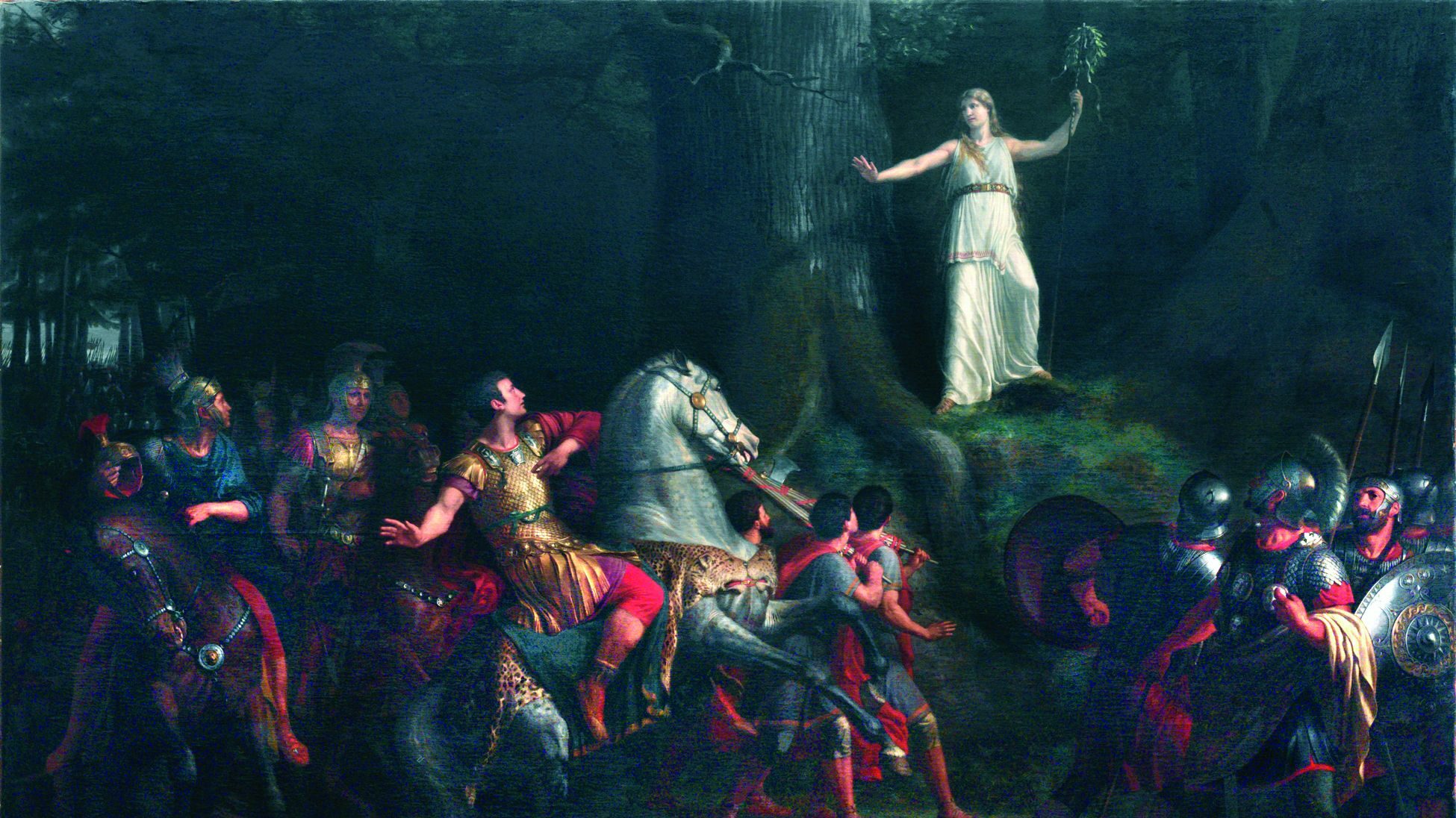
Explore Any Narratives
Discover and contribute to detailed historical accounts and cultural stories. Share your knowledge and engage with enthusiasts worldwide.
In the immediate aftermath of Drusus’ death, there was a shift in political dynamics. Tiberius, who had always held a strained relationship with Drusus, saw an opportunity to assert himself more prominently. The political landscape of Rome became increasingly unstable as Tiberius, driven partly by jealousy and perhaps a desire for total power, sought to undermine Germanicus and his position within the imperial family.
The deaths of Drusus and his wife, Antonia the Younger, who died shortly after giving birth to her son, created a power vacuum that Tiberius exploited. This loss was particularly significant as it removed a potential rival to Tiberius’ own ambitions for the throne. The young Drusus the Younger, born just months after his father's death, was initially cared for by Livia, Augustus’ wife, but eventually fell under the suspicious care of Sejanus, Tiberius’ favored praetorian prefect, who sought to manipulate the young prince for political gain.
Despite the family tensions, the legacy of Drusus the Elder continued through his descendants. His daughter Livilla married Marcius Junius Silanus, enhancing her status and ensuring her family connections remained strong. Though she later divorced Silanus and married Publius Silius, this move did little to ease the political turmoil between Tiberius and Germanicus.
Drusus the Younger, now under Sejanus’ influence, seemed to be positioned as a potential successor, albeit a tool rather than an equal partner in decision-making. Sejanus, in particular, sought to undermine any potential rivals, including the remaining members of the imperial family. This included plotting against Tiberius’ own daughter, Julia Livia, and attempting to marry Drusus to her daughter, Livilla the Younger.
The rise of Sejanus and his growing influence over Tiberius brought further instability to the government. Sejanus, who had become increasingly powerful, ultimately led to his downfall after plotting against the emperor. His execution in AD 31 marked the end of his reign and allowed Tiberius to regain control. However, the political atmosphere remained tense, with suspicions of betrayal and manipulation still prevalent.
The later years of Tiberius were characterized by the purging of political enemies and the marginalization of potential heirs. While the Julio-Claudian line continued through the younger generations, each transition brought new political challenges and suspicions. The memory of Drusus the Elder lingered, serving both as a symbol of past military glories and a cautionary tale against internal political machinations.
The writings of ancient historians, including Tacitus and Suetonius, preserved accounts of Drusus’ military exploits and political influence, providing invaluable insights into his role in shaping Roman history. Additionally, statues and monuments dedicated to him throughout Rome served as physical reminders of his significance, contributing to his lasting legacy.
Furthermore, his family connections and the interwoven dynastic links ensured that his influence extended beyond his immediate descendants. The survival of his lineage, albeit fractured and beset with political struggles, meant that his contributions to Roman governance and military expansion remained relevant well into the Flavian and later periods.
Drusus the Elder stands as a figure of immense importance in understanding the complexities of Roman imperial politics. His military prowess, political acumen, and enduring impact on Roman territorial expansion leave an indelible mark on the annals of history, continuing to captivate scholars and historians alike.
In summary, Drusus the Elder was more than just a military leader; he was a central figure in the Julio-Claudian dynasty, shaping Roman history through his strategic leadership and political alliances. His legacy, though marked by political intrigue and familial strife, remains a critical aspect of understanding the development and decline of the Roman Empire.
The final years of the Julio-Claudian dynasty, marked by political intrigue and instability, saw the rise and fall of influential members, many of whom had roots tracing back to Drusus the Elder. His influence extended beyond his immediate descendants, leaving a lasting impact on Roman governance and military strategy. The decline of the dynasty, starting with the death of Caligula in AD 41 and the subsequent reign of Claudius, further underscored the enduring relevance of Drusus' contributions.
Claudius, the stepson of Germanicus and step-grandson of Drusus the Elder, ascended to the throne after navigating the treacherous waters of Roman politics. Claudius, while not directly a soldier like his predecessors, drew on the legacy of Drusus and Germanicus to strengthen his own rule. His reign brought a period of relative stability, but also marked a shift in the direction of the empire, as Claudius focused more on internal administration and foreign diplomacy.
The death of Caligula, who was known for his erratic and often cruel behavior, opened the door for Claudius' succession. Claudius, although initially marginalized due to his apparent intellectual limitations, was seen as a stabilizing force. He continued the expansion of the Roman Empire, often citing the military successes of his predecessors as justification for further territorial acquisitions. This focus on expansion was evident in his efforts to conquer Britain, a campaign that was directly influenced by the precedent set by Drusus the Elder and Germanicus.
Claudius' reign saw a return to a more traditional Roman style governance, with a renewed emphasis on legislative and administrative reforms. His policies aimed at addressing the social and economic disparities that had become pronounced during the earlier reigns of Augustus and Caligula. Claudius' efforts to improve the legal and judicial systems, as well as his patronage of public works, such as the construction of the Aqua Claudia aqueduct, reflect the continuing impact of the legacy of Drusus the Elder and his military accomplishments.
However, the decline of the Julio-Claudian dynasty was not just a result of individual failings but also the broader socio-political and economic changes that were occurring within the empire. The increasing complexity of governance and the growing economic strain began to challenge the stability of the dynasty. Claudius' death in AD 54 led to the ascension of Nero, who quickly became notorious for his tyrannical rule and his eventual fall from power.
The fall of Nero completed the decline of the Julio-Claudian dynasty, marking the end of an era that began with the establishment of Augustus as the first Roman emperor. Nero's reign, characterized by extravagance and oppression, saw the disintegration of the political and social structures that had been built by his ancestors, including Drusus the Elder. The chaos that followed the fall of the dynasty highlighted the lasting impact of Drusus' contributions to Roman military and political power.
Despite the fall of the Julio-Claudian dynasty, the influence of Drusus the Elder continued to be felt in the subsequent histories of the Roman Empire. His military campaigns and political acumen set the stage for future Roman leaders, influencing the strategies and policies of emperors like Trajan and Augustus himself. The legacy of Drusus the Elder is particularly evident in the continued celebration of Roman victories in Germania and the expansion of the empire's territory.
The historian Tacitus, in his works such as "Annales" and "Agricola," provided detailed accounts of the military campaigns and political maneuvers of Drusus the Elder. Tacitus' works not only preserved the memory of Drusus but also served as a source of inspiration for future scholars and military leaders. The ongoing historical scholarship on Drusus the Elder continues to be a rich field of study, offering new insights into the dynamics of power, governance, and military strategy in the Roman world.
In conclusion, Drusus the Elder was not just a military leader but a central figure in the complex and often tumultuous history of the Roman Empire. His contributions to military conquest, political stability, and the development of Roman governance continued to influence the empire long after his death. The enduring legacy of Drusus the Elder is a testament to the enduring impact of individual leaders on the course of history, and his story remains a vital part of the historical narrative of ancient Rome.


Your personal space to curate, organize, and share knowledge with the world.
Discover and contribute to detailed historical accounts and cultural stories. Share your knowledge and engage with enthusiasts worldwide.
Connect with others who share your interests. Create and participate in themed boards about any topic you have in mind.
Contribute your knowledge and insights. Create engaging content and participate in meaningful discussions across multiple languages.
Already have an account? Sign in here

Discover the life of Poppaea Sabina, Roman Empress and wife of Nero. Explore her ambition, beauty, and the controversies...
View Board
Discover Gaius Petronius Arbiter, Nero's 'judge of elegance'! Explore his life of luxury, literary legacy with the Satyr...
View Board
Explore the life and legacy of Titus, Rome's popular emperor. From military victories to disaster relief, discover his i...
View Board:max_bytes(150000):strip_icc()/98952842-57a929c05f9b58974a9ef26d.jpg)
Discover Faustina the Younger, Roman Empress and wife of Marcus Aurelius. Explore her philanthropy, influence, and the c...
View Board
Discover the truth behind Messalina, the enigmatic wife of Emperor Claudius. Explore her political power, scandalous leg...
View Board
Journey through time in Pompeii, the ancient Roman city frozen in time by Mount Vesuvius. Discover its history, excavati...
View Board
Explore the life of Gaius Petronius Arbiter, Nero's 'arbiter of elegance,' and author of the *Satyricon*. Discover his i...
View Board
Explore the reign of Lucius Septimius Severus, Rome's first African emperor. Discover his military conquests, political ...
View Board
Explore the reign of Valens, Eastern Roman Emperor (364-378 AD). Discover his administrative achievements, Arian religio...
View Board
Discover Marius Maximus, the lost biographer of Roman Emperors from Nerva to Elagabalus. Explore his life, political car...
View Board
Explore the reign of Septimius Severus, Rome's first African emperor. Discover his military reforms, rise to power, and ...
View Board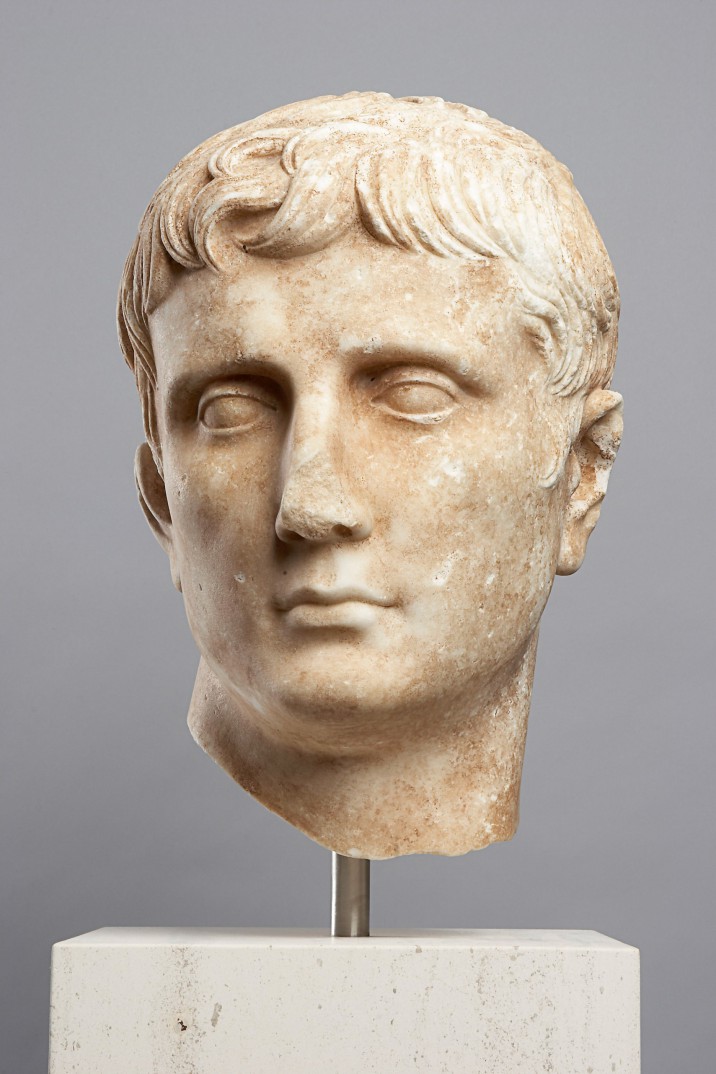
Explore the life of Augustus, Rome's first emperor. Learn how he transformed the Republic into a stable empire, ushered ...
View Board.jpg)
Discover the dramatic story of Pertinax, the Roman emperor who rose from humble beginnings to rule for just 87 days. Exp...
View Board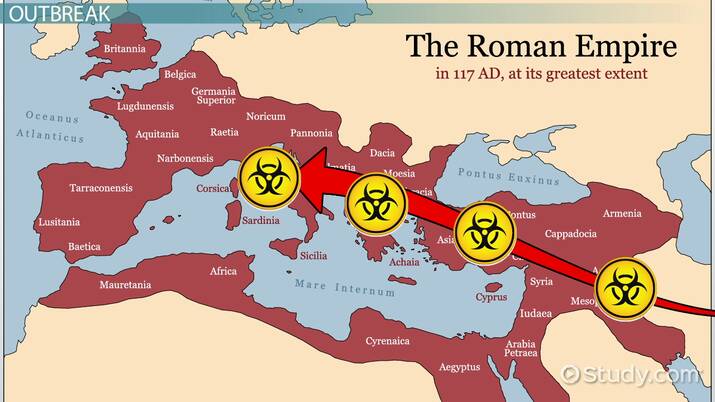
Explore the reign of Lucius Verus, Roman co-emperor with Marcus Aurelius. Discover his role in the Parthian War, the Ant...
View Board
Explore the life of Flavius Stilicho, the half-Vandal general who defended the Western Roman Empire. Discover his key ba...
View Board
Discover the story of Naevius Sutorius Macro, the ambitious Roman prefect! Learn how he orchestrated Sejanus's downfall,...
View Board
Discover Octavia the Younger's pivotal role in Roman history! Sister of Augustus, wife of Antony, and a master of diplom...
View Board
Explore the life of Ovid, the Roman poet behind Metamorphoses & Ars amatoria. Discover his early successes, exile, and l...
View Board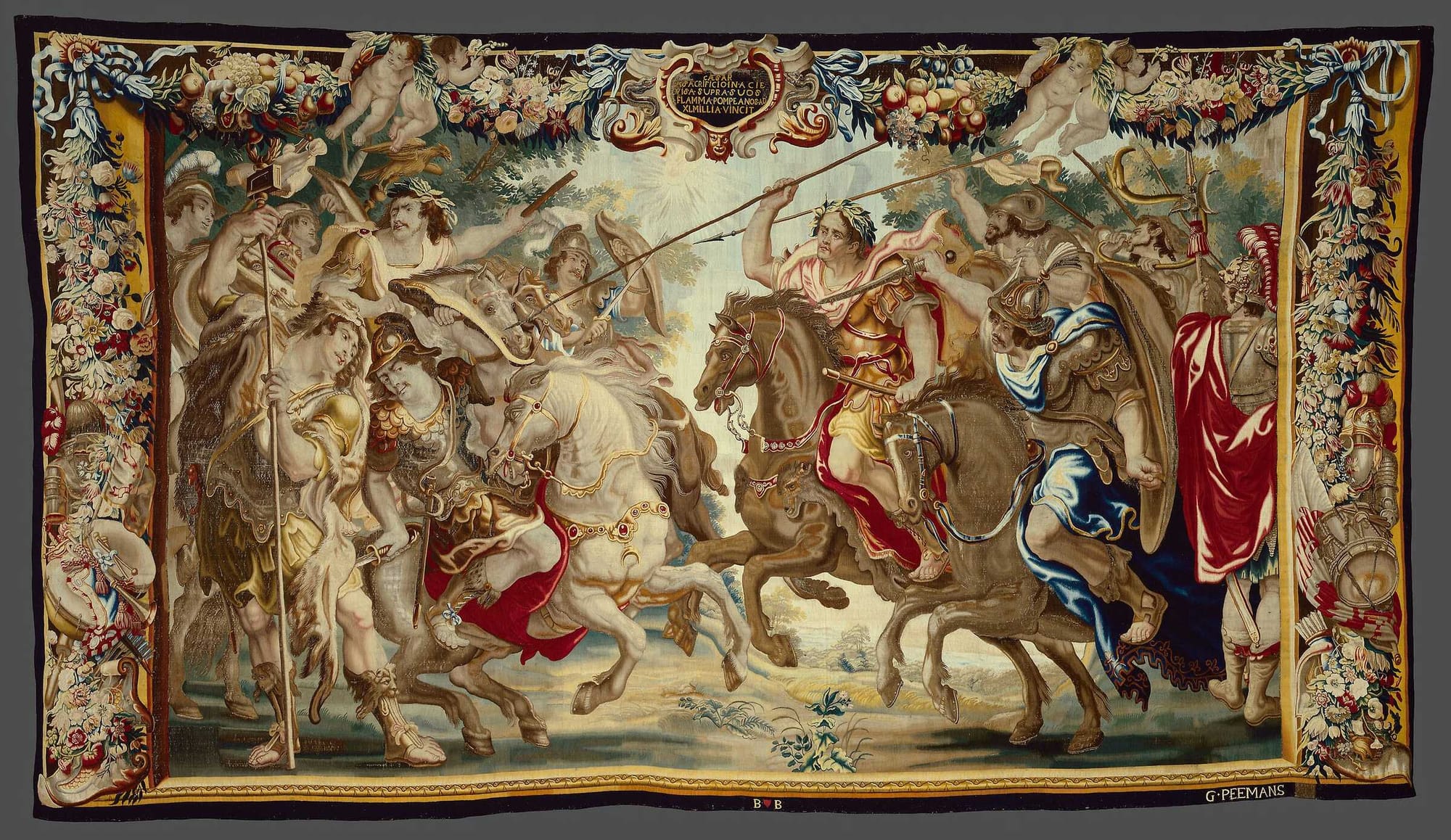
Explore the life of Pompey the Great, a Roman general whose ambition shaped the Republic. Discover his triumphs, politic...
View Board
Explore the controversial reign of Julian the Apostate, Roman Emperor who rejected Christianity. Discover his reforms, m...
View Board
Comments