The Enigmatic Life and Timeless Legacy of Ovid: Part One
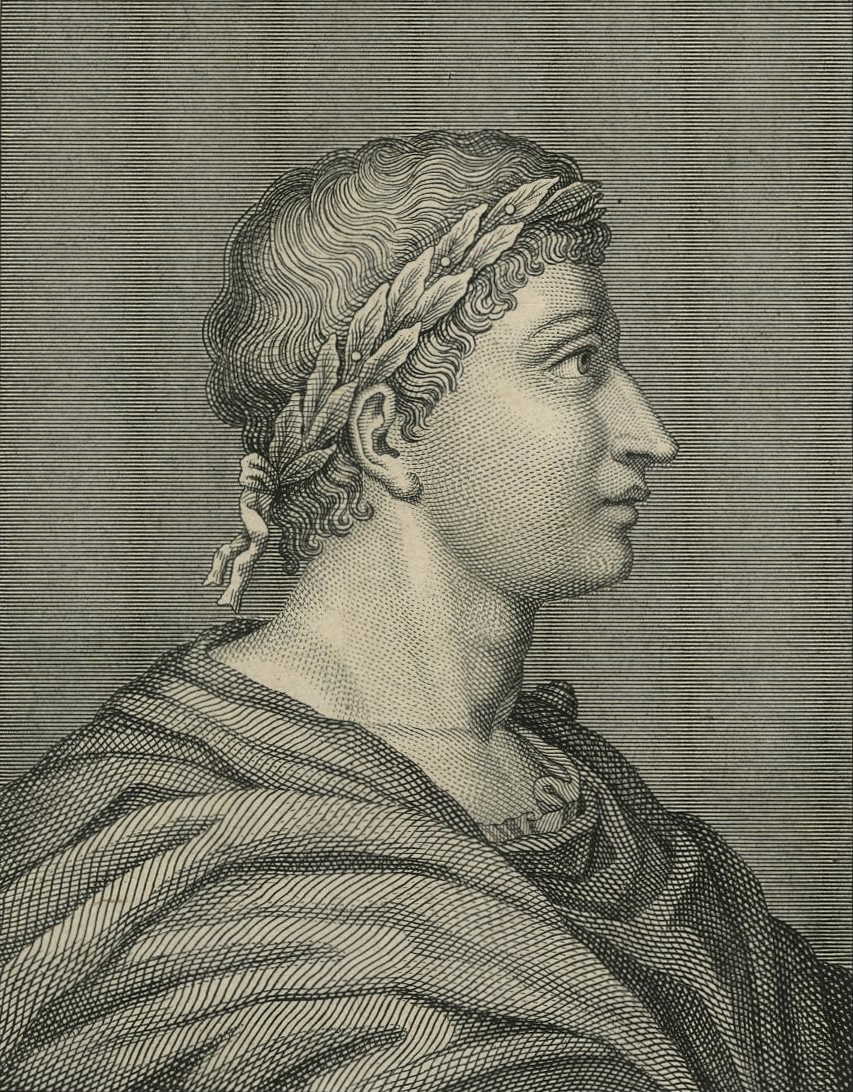
In the rich tapestry of Roman literature, few figures stand as prominently as Ovid, a poet whose work offers timeless insights into the human experience. Known formally as Publius Ovidius Naso, Ovid was born on March 20, 43 BCE, in Sulmo, a town located in what is now modern-day Italy. He emerged as a significant literary voice during the reign of Augustus, weaving intricate narratives filled with evocative imagery and emotion. Ovid’s life and works have been celebrated, dissected, and debated through the centuries, making him a fascinating subject for both classical scholars and modern readers.
The Formative Years
Ovid hailed from a well-to-do family of equestrian rank, which placed him in the minor nobility of Roman society. His parents, conscious of their son's future, sent him to Rome to be educated in rhetoric and oratory—a typical path for young men destined for public life. However, despite his training and a brief stint in civic service, Ovid’s heart was never in the political realm. Instead, he gravitated towards the arts, specifically poetry, a decision that would shape the trajectory of his life.
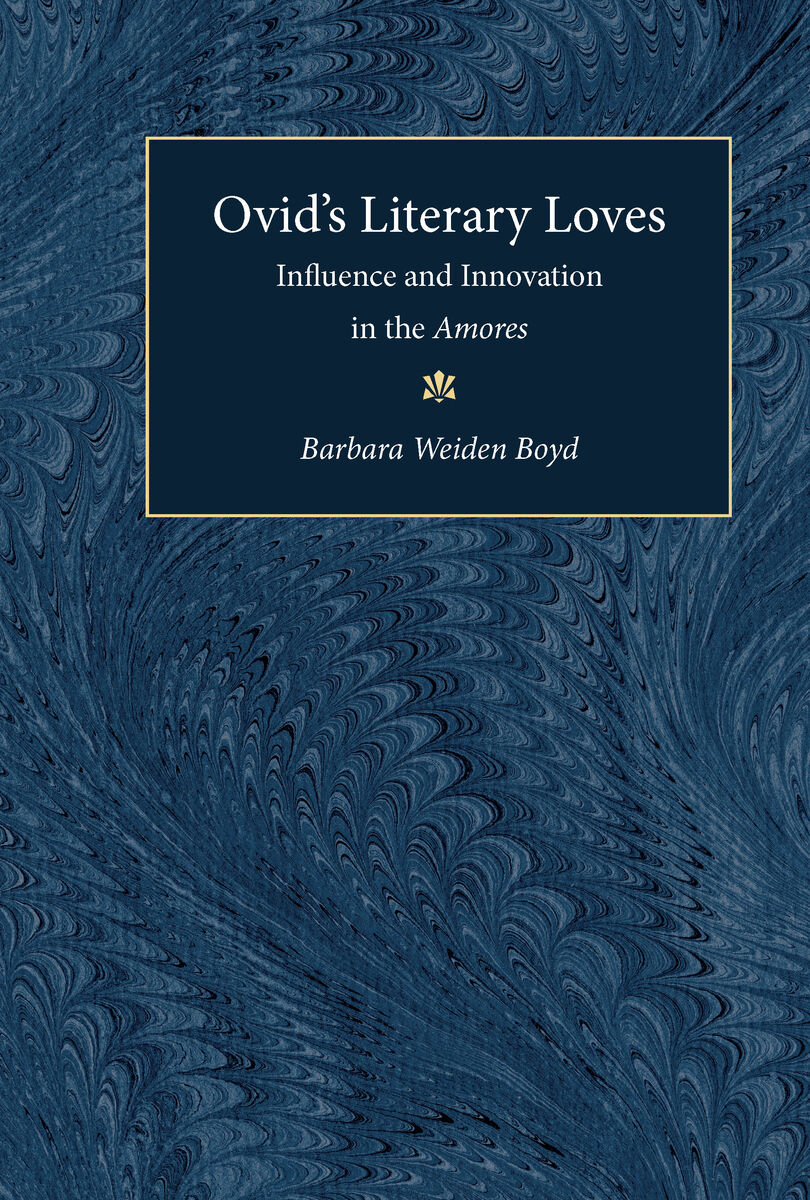
Ovid's earliest works, a collection of love elegies titled "Amores," vividly reflect his zest for life, humor, and mastery over Latin verse. This collection was succeeded by the "Heroides," a series of poetic letters from mythological heroines to their absent lovers, displaying Ovid’s exceptional ability to capture the female perspective—a rarity in Roman literature.
Ovid’s Major Works
As Ovid matured as a poet, he produced some of his most celebrated works that would secure his place in the annals of literary history. Notable among these are the "Ars Amatoria" (The Art of Love), the "Metamorphoses," and the "Fasti."
The "Ars Amatoria," a didactic poem in three books, revealed Ovid's insights into the art of seduction and romance, cleverly blurring the lines between practical advice and satire. This work, however, would later contribute to his downfall, as its candid exploration of love clashed with Augustus's moral reforms.
The "Metamorphoses" stands as Ovid’s magnum opus. Comprising fifteen books, this narrative poem is a sweeping anthology of mythological transformations, interlinking stories from the creation of the world to the deification of Julius Caesar. Through metamorphosis, Ovid explored themes of change and continuity, portraying the fluid nature of identity and the eternal struggle between fate and free will.
Lastly, the "Fasti," an incomplete poetic calendar, delves into the legends and religious practices associated with the Roman calendar months. Each segment is rich with myth and ritual, providing insights into Roman culture and Ovid’s comprehensive understanding of its traditions.
Exile and its Mysteries
Despite his success, Ovid's life took a tragic turn around 8 CE when he was suddenly exiled to Tomis (modern Constanţa, Romania) by Emperor Augustus. The precise reasons for this drastic decision remain a historical enigma. Ovid himself cryptically attributed his exile to "carmen et error"—a poem and a mistake. Scholars have long speculated whether the offending poem was indeed the "Ars Amatoria" and debated the nature of his mysterious “error.” Some suggest personal indiscretions against the imperial family; others postulate involvement in political or courtly intrigue.
The impact of exile on Ovid was profound. Removed from the cultural vibrancy of Rome, he found himself in a remote, barbaric region on the fringes of the empire. Yet even in exile, his creative spirit endured. He composed poignant poetic laments such as the "Tristia" and "Epistulae ex Ponto," works that laid bare his sorrow and longing for Rome, providing a glimpse into the emotional turmoil of a man abruptly cut off from his roots.
The first part of this exploration into Ovid's life and literary legacy sets the stage for understanding the complexities and contradictions that defined him. Ovid’s works, distinguished by their wit, elegance, and innovation, offer a glimpse into the societal norms and challenges of his time, elevating his narrative to one that speaks across centuries. As we delve deeper into the subsequent phases of his life and influence, the subsequent parts of this article will further illuminate the indelible mark Ovid left on both the literary world and the cultural fabric of his age.
Ovid’s Enduring Influence on Literature
While banished from the heart of the Roman Empire, Ovid's work never ceased to resonate with those who encountered his verses. His influence is palpable not only in the immediate decades following his life but also across the expanses of the medieval, Renaissance, and modern literary landscapes.
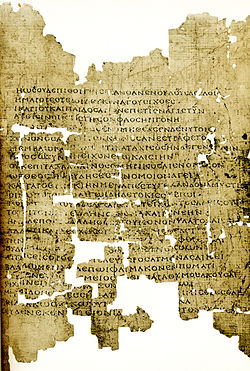
In the Middle Ages, the dissemination of Ovid's texts throughout monasteries marked him as one of the most widely read classical poets. The "Metamorphoses" in particular served as a crucial source of mythological knowledge—a cornerstone for medieval writers and artists exploring ancient tales. Despite the Church’s occasional disapproval of his more risqué themes, his stories were frequently adapted and interpreted through allegorical lenses to align with Christian virtues.
The Renaissance, with its fervent revival of classical antiquities, embraced Ovid with open arms. The rediscovery of his manuscripts invigorated a surge of creative explorations drawing from his depictions of mythological and human nature. Writers like Giovanni Boccaccio and Geoffrey Chaucer wove Ovidian themes into their narratives, while artists like Botticelli pulled inspiration from his mythic retellings for their masterpieces.
Most notably, William Shakespeare frequently echoed Ovidian motifs throughout his plays and poems. Shakespeare’s "Romeo and Juliet" brims with references drawn directly from the "Metamorphoses," particularly in the context of transformative love. Through Shakespeare and his contemporaries, Ovid’s influence seeped into the very fabric of the English language, cementing his place in the Western canon.
Interpreting Ovid in the Modern Context
As we advanced into modernity, Ovid’s works continued to appeal to the human thirst for exploration of identity, emotion, and societal norms. The adaptability and universality of his themes have allowed countless reinterpretations, affirming his continued relevance in contemporary discourse.
In the 20th and 21st centuries, Ovid's "Metamorphoses" has inspired varied adaptations across mediums, including theater, literature, and visual arts. His explorations of transformation and identity resonate with modern existential and psychological themes, frequently crossing into areas such as gender studies and postcolonial discourse.
Modern writers like Ted Hughes and David Malouf have paid homage to Ovid by reimagining his narratives in new contexts, pushing the boundaries of old myths. Hughes’s "Tales from Ovid" captures the primal energy of transformation through his vivid contemporary lens, while Malouf’s novel "An Imaginary Life" delves into Ovid’s exile with a profound emotional depth.
Moreover, Ovid's exploration of the human condition finds an echo in the psychoanalytical frameworks of thinkers like Carl Jung, who drew parallels between Ovid’s mythologies and the archetypal themes of the subconscious mind, further extending his influence beyond aesthetics to psychological inquiry.
Ovid's Cultural Legacy and Challenges
Ovid's legacy is not without its complexities. His works have consistently sparked debate about the intersections of art, morality, and society—from medieval religious critiques to modern discussions on consent and representation in literature. The depiction of passion, power, and agency in tales like "Daphne and Apollo" or "Pygmalion" brings forth critical deliberations on gender dynamics and societal influence.
Yet, the continued study and interpretation of Ovid also reveal his progressive insights, notably his capacity to weave empathy and agency into his female characters, providing layers of depth often absent in other ancient works. As with many classical authors, revisiting and critiquing Ovid offers a rich tableau for challenging dominant interpretations and exploring diverse perspectives.
In addition to the thematic richness, Ovid's stylistic choices—his deft employment of elegiac couplets and vivid storytelling—serve as a testament to his mastery of language. His legacy thus persists both in the content of his narratives and in the influence of his form, shaping the development of poetic structures in Western literature.
As we conclude this second exploration of Ovid's impact, it becomes clear that he remains a towering figure whose works continue to stir imagination and challenge perceptions. The final part of this article will delve into his personal reflections and the philosophical undertones of his later work, bringing together the threads of a narrative that spans centuries and defies temporal bounds. Ovid’s ability to speak to the timeless and the mutable conditions of life ensures his place as more than a poet of antiquity, but as a perpetual voice in dialogue with humanity’s evolving narrative.
Ovid’s Personal Reflections and Later Works
Despite the harsh conditions of his exile, Ovid’s poetic inclinations did not falter. His later works, such as the "Tristia" (Sorrows) and "Epistulae ex Ponto" (Letters from the Black Sea), provide poignant insights into his personal reflections, embodying both the sorrow of his isolation and the resilience of his spirit. These pieces are deeply introspective, reflecting a man coming to terms with his circumstance and a poignant shift from the playful wit of his earlier works to somber introspection.
In "Tristia," Ovid paints vivid pictures of his longing for his homeland and the crushing solitude of exile. This work is a masterclass in emotional depth and sincerity, providing a narrative of lamentation that is both universal and intensely personal. Through these verses, Ovid not only conveys his profound grief but also his enduring hope—a testament to his enduring humanity amidst adversity.
The "Epistulae ex Ponto," structured as letters addressed to friends, family, and possibly influential citizens of Rome, aims to plead for compassion and a reconsideration of his banishment. These writings maintain a delicate balance of reverence and vulnerability, offering heartfelt appeals that provide insights into his inner world. While ultimately unsuccessful in securing his return to Rome, these letters stand as enduring expressions of Ovid’s unyielding desire to connect with the world he loved.
The Philosophical Underpinnings of Ovid’s Work
Embedded within Ovid’s poetry, particularly evident in his later works, are philosophical reflections that extend beyond the immediate narratives. These reflections showcase an evolving understanding of fate, nature, and the human condition. Across his oeuvre, Ovid often revisits the ancient notion of metamorphosis—not simply as an external transformation but as a symbol of internal flux, human resilience, and the relentless passage of time.
Ovid’s approach to myth and narrative is underlined by an inherent skepticism of rigid structures and truths. His works often challenge the boundaries between reality and fiction, encouraging readers to explore the gray areas of ethics, identity, and destiny. Through myths of transformation, characters navigate their quests, desires, and fates, offering narratives that suggest a deeply philosophical musing on change as the sole constant in life.
Similarly, Ovid’s engagement with themes of love, power, and divine influence in his stories conveys a nuanced commentary on human desires and the often capricious nature of the divine. His narratives question the morality of gods, mortals, and the thin veil between heroism and folly in human endeavors—a contemplation that has resonated with philosophical scholars over centuries and continues to invite profound inquiry.
Ovid’s Timeless Legacy
As we conclude this exploration into Ovid’s life and legacy, it becomes clear that his works transcend their temporal origins. Ovid’s stories and musings emerge as a bridge between the ancient and the contemporary, illustrating the themes of transformation, love, and identity that remain eternally relevant.
In the modern world, Ovid's legacy is celebrated not only in academia but also across popular culture. His influence pervades movies, novels, theater, and visual arts, where reinterpretations and homages continue to unearth the profound significance his body of work possesses. Through these adaptations, Ovid’s myths are revitalized, ensuring their perpetuity in vibrant new forms.
Ovid’s mastery of language, coupled with his innovative approach to narrative and universal themes, solidifies his work as essential foundational texts in the study of Western literature. His ability to evoke humor, sorrow, and reflection continues to captivate and inspire audiences. Moreover, his life story—a tale marked by triumph, tragedy, and tenacity—serves as a profound reminder of art's enduring power in human expression.
In summation, Ovid remains a timeless progenitor of poetic imagination and philosophical inquiry. His exploration of the human psyche, conveyed through compelling narratives and intricate verse, reinforces his standing as one of history’s most influential literary figures. Through Ovid, we are reminded of the timeless interplay between art and life—a dialogue that renders the past intimately connected to the present and forms an enduring testament to the power of storytelling.
Haporium is a revolutionary platform that lets you organize your web browsing experience with customizable dashboards and boards. Create, manage, and share your favorite content collections.
Join us today and get:
The right to be one of the first pioneers
Unlimited dashboards and boards
Access to exclusive beta features
Priority support from our team
We use cookies to enhance your experience. By continuing to use this site, you agree to our Cookie Policy.










:max_bytes(150000):strip_icc()/98952842-57a929c05f9b58974a9ef26d.jpg)





Comments