
Explore Any Narratives
Discover and contribute to detailed historical accounts and cultural stories. Share your knowledge and engage with enthusiasts worldwide.
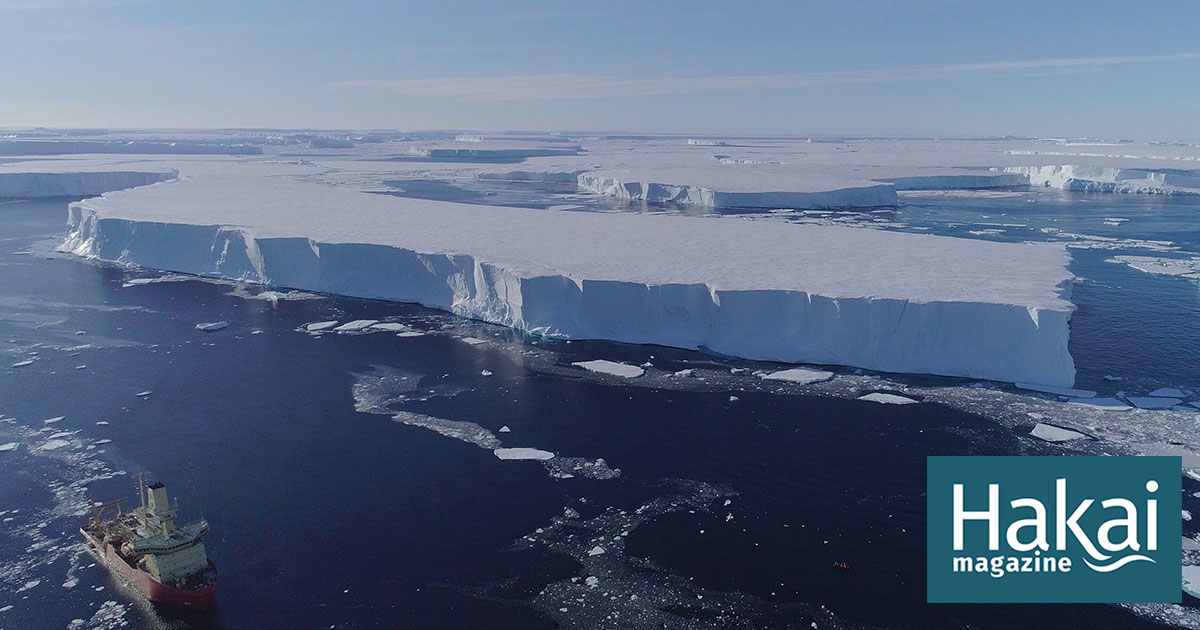
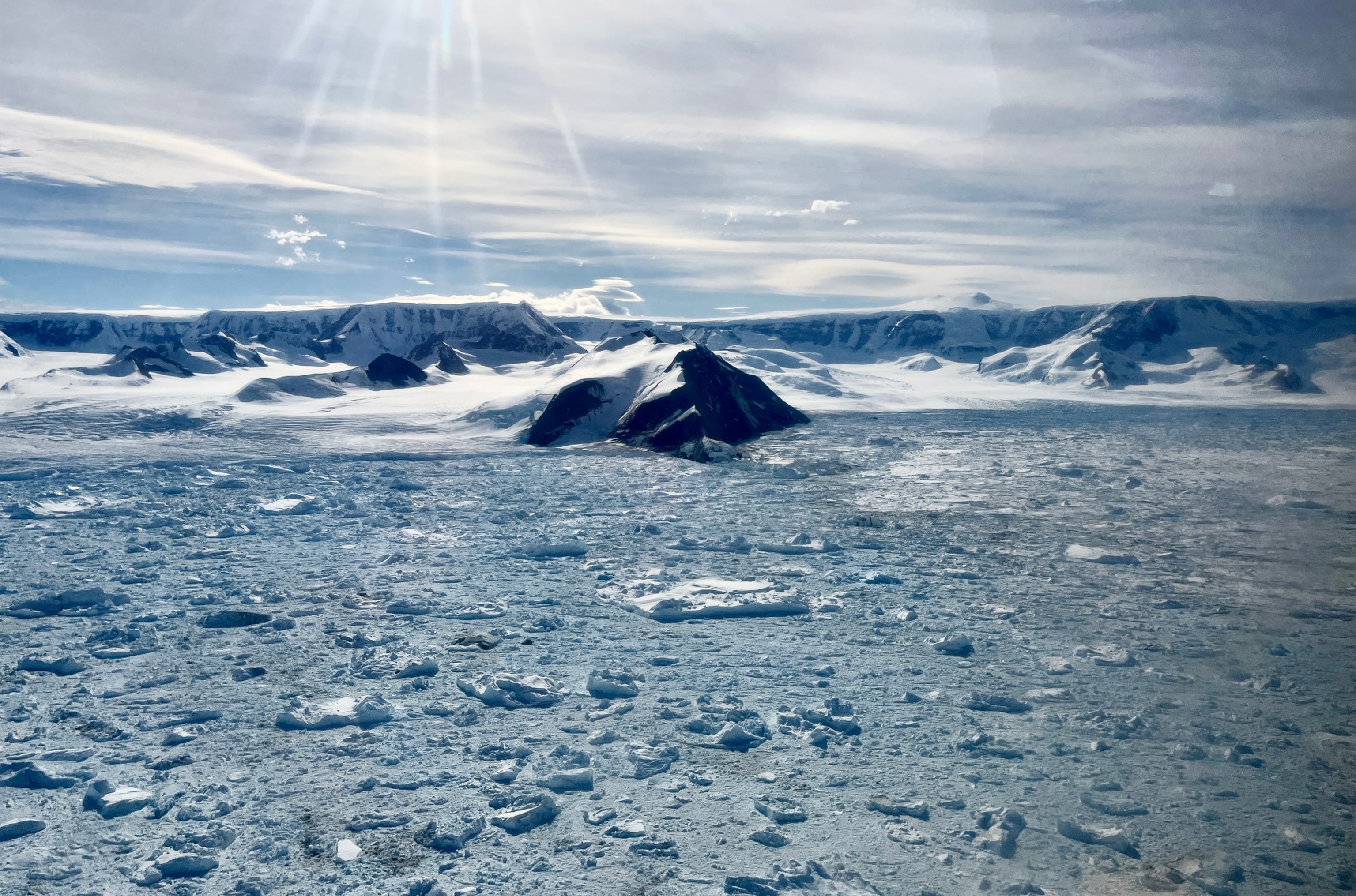
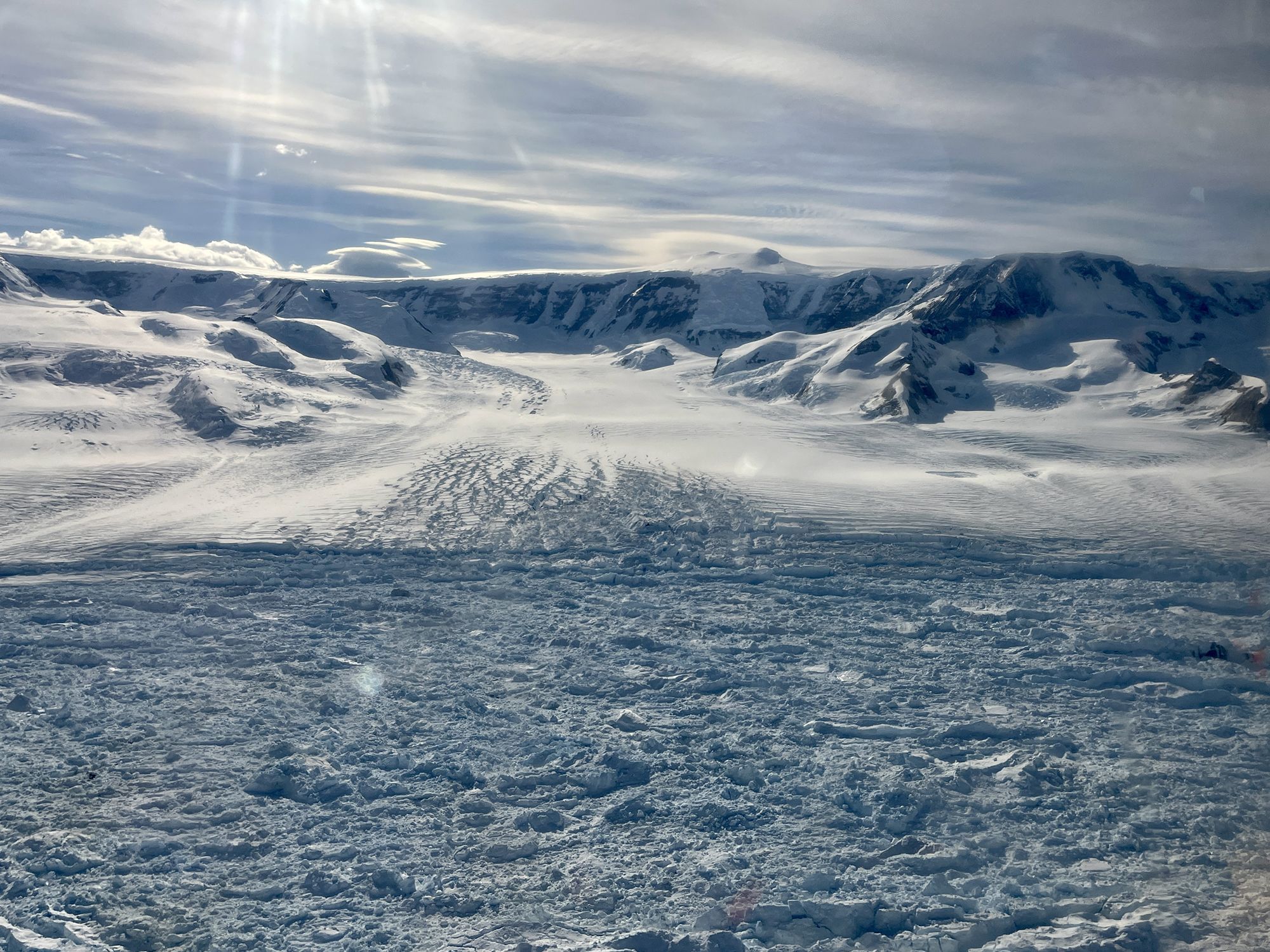
Antarctica’s Hektoria Glacier is melting at a pace never seen before, raising urgent concerns about the climate crisis and its global impact. In 2022–2023, this glacier on the eastern Antarctic Peninsula retreated nearly 25 kilometers, with some segments shrinking at a staggering 0.5 miles per day. This rapid collapse, documented in a Nature Geoscience study led by CU Boulder, marks the fastest retreat ever recorded for a grounded Antarctic glacier.
The findings are alarming. Unlike gradual melting, Hektoria’s retreat happened in sudden pulses, with some months seeing up to 8 kilometers of loss. Scientists warn that this phenomenon could destabilize other marine-terminating glaciers, accelerating sea-level rise worldwide.
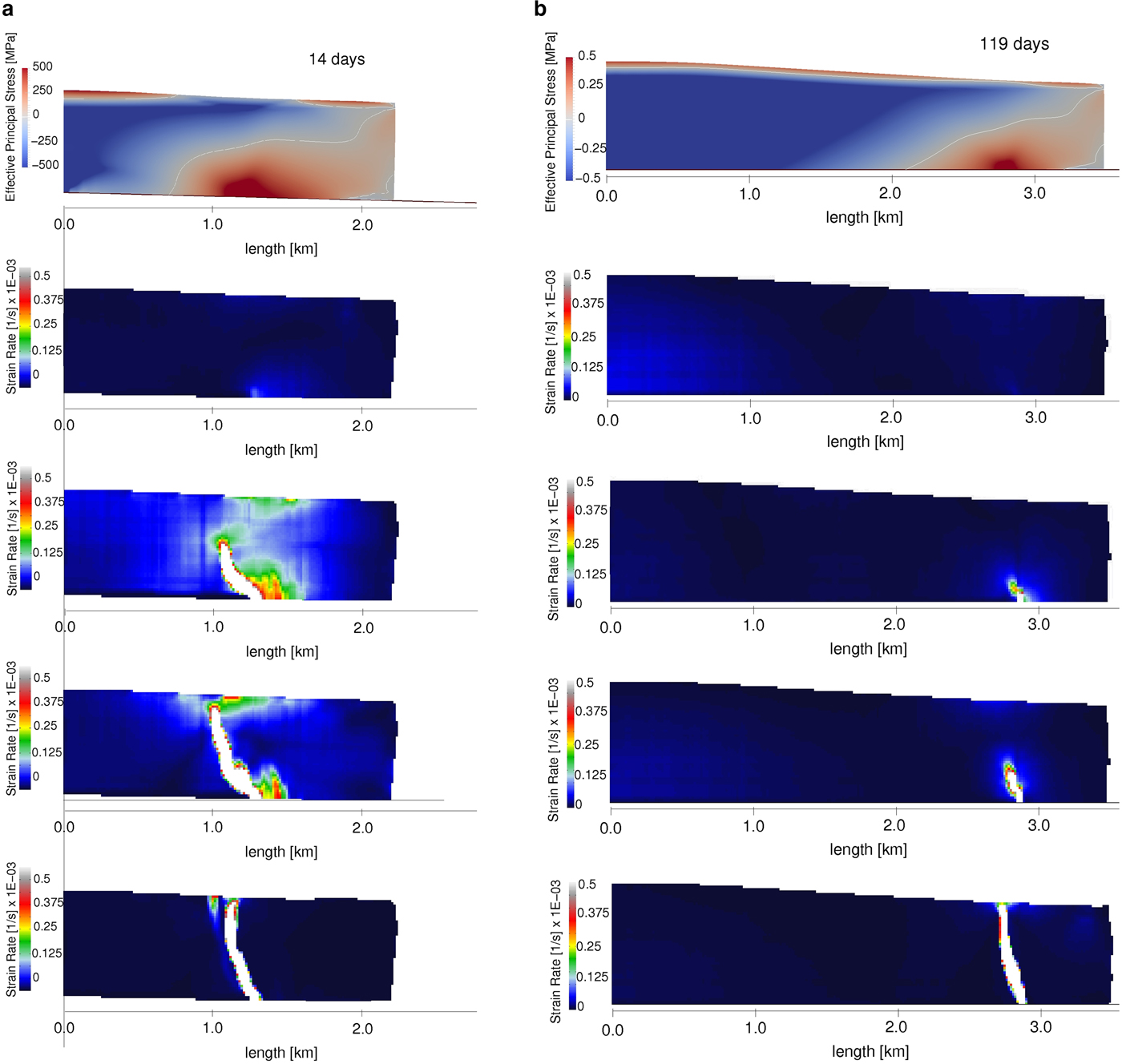
The Hektoria Glacier was once buttressed by the Larsen B ice shelf, which collapsed in 2002. Without this support, the glacier became vulnerable to buoyancy-driven calving—a process where thinning ice lifts off the seabed, allowing ocean water to undercut and fragment the glacier rapidly.
Researchers identified a critical shift in the glacier’s behavior:
The numbers are staggering:
“This is nearly an order of magnitude faster than published values for Antarctic glaciers.” — Nature Geoscience study
The Hektoria Glacier crisis isn’t just about one melting ice mass—it’s a warning. Scientists emphasize that glaciers with similar ice-plain bed geometry (flat, shallow seabeds) could face the same fate. If this pattern spreads, the consequences for sea-level rise could be severe.
Antarctica’s ice sheets hold vast volumes of water. Rapid ungrounding—where glaciers lose contact with the seabed—accelerates ice flow into the ocean, directly contributing to rising sea levels. The climate crisis is amplifying these risks, with warmer ocean waters undermining glacier stability.
Most ice-sheet models don’t fully account for buoyancy-driven calving. The Hektoria event exceeded expectations, revealing gaps in how scientists predict glacier behavior. Researchers are now calling for improved models to better represent these rapid retreat mechanisms.
Key concerns include:
To address these challenges, scientists recommend:
The Hektoria Glacier retreat is a stark reminder of the climate crisis accelerating in unexpected ways. As researchers race to understand these changes, the urgency to act on global warming has never been clearer.
The Hektoria Glacier retreat isn’t the first major ice loss in Antarctica, but its speed sets it apart. Previous collapses, like the Larsen B Ice Shelf in 2002, unfolded over months or years. Hektoria’s retreat, however, happened in dramatic pulses, with some segments disappearing in weeks.
Scientists highlight several factors that make Hektoria’s collapse unique:
For comparison, the Thwaites Glacier—often called the “Doomsday Glacier”—has retreated at about 1–2 km per year. Hektoria’s 0.5 miles per day dwarf this rate, signaling a new level of instability.
While atmospheric warming often dominates climate discussions, ocean temperatures play a crucial role in glacier retreat. Warmer water undermines ice from below, accelerating thinning and triggering buoyancy-driven calving.
In Hektoria’s case, researchers found that:
The Hektoria Glacier crisis highlights a broader threat: marine-terminating glaciers worldwide are at risk. These glaciers, which end in the ocean, are particularly vulnerable to:
If these conditions spread, glaciers in Greenland and other parts of Antarctica could face similar fates, further accelerating sea-level rise.
Experts weigh in on the significance of Hektoria’s retreat:
“This is a wake-up call. We’re seeing processes that models didn’t predict—glaciers can collapse much faster than we thought.” — Dr. Anna Crawford, Glaciologist, CU Boulder
“The speed of Hektoria’s retreat suggests we’ve crossed a threshold. Other glaciers with similar bed geometry could follow.” — Dr. Raj Patel, Oceanographer, NASA
Researchers emphasize three major concerns:
To address these risks, scientists propose:
Governments and research institutions are also calling for:
The Hektoria Glacier retreat is more than a scientific curiosity—it’s a warning. As climate change intensifies, similar events could become more common, threatening coastal communities worldwide.
Without immediate action to reduce emissions and protect vulnerable glaciers, the consequences for sea-level rise and global stability could be severe.
The rapid retreat of the Hektoria Glacier underscores the need for urgent climate policy reforms. Governments must prioritize reducing greenhouse gas emissions to slow ocean warming, which directly threatens Antarctic stability. The Paris Agreement targets may no longer be sufficient—scientists now argue for more aggressive measures to prevent irreversible glacier loss.
Experts propose several critical steps to mitigate risks:
Without these actions, the climate crisis could trigger more events like Hektoria’s collapse, worsening global sea-level rise.
To better understand and predict glacier behavior, researchers are leveraging cutting-edge technology:
These innovations could provide critical data to improve ice-sheet models and refine sea-level rise projections.
Machine learning is revolutionizing how scientists analyze glacier data. By processing vast amounts of satellite imagery, AI can:
This technology could be a game-changer in the fight against climate change.
The Hektoria Glacier retreat isn’t just a scientific issue—it’s a global concern. Rising sea levels threaten coastal cities, ecosystems, and economies worldwide. Public awareness is crucial to driving policy changes and individual actions that reduce carbon footprints.
Key messages for the public include:
While systemic change is essential, individual actions also play a role:
The Hektoria Glacier retreat is a stark reminder of the accelerating climate crisis. Its record-breaking collapse highlights vulnerabilities in Antarctic glaciers that could worsen sea-level rise globally. Scientists warn that without immediate action, similar events may become more frequent, threatening coastal communities and ecosystems.
Key takeaways from this crisis include:
The time to act is now. Governments, scientists, and individuals must work together to reduce emissions, improve monitoring, and protect vulnerable glaciers. The fate of Hektoria Glacier is a warning—one we cannot afford to ignore.
“The melting of Hektoria isn’t just about one glacier. It’s about the future of our planet.” — Dr. Elena Martinez, Climate Scientist


Your personal space to curate, organize, and share knowledge with the world.
Discover and contribute to detailed historical accounts and cultural stories. Share your knowledge and engage with enthusiasts worldwide.
Connect with others who share your interests. Create and participate in themed boards about any topic you have in mind.
Contribute your knowledge and insights. Create engaging content and participate in meaningful discussions across multiple languages.
Already have an account? Sign in here
Microbial oceanographer Dr. Anya Sharma's 2025 discovery of deep-sea bacteria actively fixing carbon challenges decades ...
View Board
AI-driven digital twins simulate energy grids & cities, predicting disruptions & optimizing renewables—Belgium’s grid sl...
View Board
Krakatoa’s 1883 eruption unleashed tsunamis over 100 feet high, obliterating 165 coastal villages and killing 36,417, re...
View Board
Michelle Phan and the Algorithm of Authenticity The year is 2007. YouTube is two years old, a platform dominated by sha...
View Board
MIT’s 2026 breakthroughs reveal a world reshaped by AI hearts, gene-edited embryos, and nuclear-powered data centers, wh...
View Board
Nel 2026, l'Intelligenza Artificiale Agente rivoluzionerà il lavoro: da semplice esecutore a pianificatore autonomo, con...
View Board
Explore the life and achievements of Joe Tasker, a British mountaineering icon. Discover his daring climbs, literary wor...
View Board
Alan Melikdjanian: The Skeptic's Visual Effects Architect The internet is a carnival of the bizarre and unbelievable. A ...
View Board
The open AI accelerator exchange in 2025 breaks NVIDIA's CUDA dominance, enabling seamless model deployment across diver...
View Board
Explore the impactful journeys of Mark Brown! From education and authorship to public speaking and digital arts, discove...
View Board
Explore the inspiring journey of Lynn Yamada Davis, also known as Cooking with Lynja. From MIT engineer to TikTok sensat...
View Board
Dive into the incredible life and legacy of Mark Henry, from Olympic weightlifting to WWE Hall of Fame. Discover his jou...
View Board
AI's explosive growth forces a reckoning with data center energy use, as new facilities demand more power than 100,000 h...
View Board
Discover Ho Chi Minh City (Saigon), Vietnam's vibrant heart! Explore war history, French architecture, bustling markets ...
View Board
Discover the diverse profiles of Amit Sharma in business. From e-commerce innovation to digital strategy, explore the le...
View Board
Agenti AI: L'Ascesa dei Sistemi Autonomi e Integrati Il sistema di controllo del magazzino ha inviato un avviso alle 3:4...
View Board
L'IA crée en quelques minutes des milliers de molécules ciblées, diminue de dix le délai pré‑clinique et valide rapideme...
View Board
Apple y Google fusionan sus cerebros de IA para renacer Siri, integrando Gemini en iOS 26.4 y prometiendo asistente cont...
View Board
Autonomous AI agents quietly reshape work in 2026, slashing claim processing times by 38% overnight, shifting roles from...
View Board
Depthfirst's $40M Series A fuels AI-native defense against autonomous AI threats, reshaping enterprise security with con...
View Board
Comments