Explore Any Narratives
Discover and contribute to detailed historical accounts and cultural stories. Share your knowledge and engage with enthusiasts worldwide.
In the bustling streets of ancient Athens, a radical philosophy emerged that challenged societal norms and materialistic pursuits. At its core was Antisthenes, the founder of the Cynic school, whose teachings on self-sufficiency (autarkeia) and asceticism (askēsis) laid the foundation for a way of life that continues to inspire modern minimalism and countercultural movements.
Born around 445 BCE, Antisthenes was a disciple of Socrates and is widely recognized as the first Cynic philosopher. Unlike his contemporaries, Antisthenes rejected conventional comforts, advocating for a life of simplicity and virtue. His philosophy centered on the idea that true happiness comes from within, not from external possessions or social status.
Antisthenes was deeply influenced by Socrates, whose emphasis on ethical living and self-examination shaped his worldview. However, Antisthenes took these ideas further, embracing a more extreme form of asceticism. He believed that virtue (aretē) was the only true good, and everything else—wealth, fame, and even physical pleasure—was irrelevant or even harmful.
His teachings attracted followers who became known as the Cynics, a term derived from the Greek word kynikos, meaning "dog-like," reflecting their rejection of societal norms and embrace of a rugged, unpretentious lifestyle.
The Cynic philosophy, as founded by Antisthenes, revolves around several key principles that challenge conventional wisdom and promote a life of freedom and self-sufficiency.
At the heart of Cynicism is the concept of autarkeia, or self-sufficiency. Antisthenes taught that true freedom comes from relying on oneself rather than external circumstances. This idea was revolutionary in a society that valued wealth and social status. For the Cynics, happiness was not found in material possessions but in the ability to live independently of them.
"Wealth and fame are not the keys to happiness; true contentment comes from within." — Antisthenes
Askēsis, or ascetic practice, was another cornerstone of Cynic philosophy. Antisthenes and his followers believed in rigorous self-discipline, often living in poverty and enduring hardships to strengthen their character. This practice was not about self-punishment but about achieving mental clarity and freedom from desire.
Parrhesia, or the freedom to speak one's mind, was a defining trait of the Cynics. Antisthenes and his followers were known for their blunt, often provocative criticism of society. They used humor, satire, and direct confrontation to expose hypocrisy and challenge authority.
This principle was not just about speaking freely but about living authentically. The Cynics believed that truth should be spoken without fear, even if it meant facing ridicule or persecution.
Antisthenes' teachings had a profound impact on later philosophical movements, particularly Stoicism. The Stoics, including figures like Zeno of Citium, drew heavily from Cynic ideas, especially the emphasis on self-control and indifference to external circumstances.
The connection between Cynicism and Stoicism is well-documented. Zeno, the founder of Stoicism, was a student of Crates of Thebes, a prominent Cynic philosopher. Many Stoic principles, such as the focus on virtue and the rejection of materialism, can be traced back to Antisthenes and the early Cynics.
According to the Internet Encyclopedia of Philosophy, the Cynics' emphasis on askēsis and autarkeia directly influenced Stoic practices, which also prioritized self-discipline and inner resilience.
Today, the principles of Cynicism resonate with modern movements like minimalism, environmentalism, and anti-consumerism. The idea of living simply and focusing on inner fulfillment is more relevant than ever in a world dominated by materialism and social media.
Antisthenes' philosophy of self-sufficiency and asceticism offers timeless lessons on living a meaningful life. By focusing on inner virtue and rejecting external distractions, the Cynics demonstrated that true freedom comes from within. Their ideas continue to inspire those who seek a simpler, more authentic way of living.
In the next part of this series, we will explore the life and teachings of Diogenes of Sinope, the most famous Cynic philosopher, and delve deeper into the practical applications of Cynic philosophy in modern life.
No discussion of Cynicism would be complete without exploring the life and teachings of Diogenes of Sinope, the most iconic figure of the Cynic school. Born around 412 BCE, Diogenes took Antisthenes' philosophy to its most extreme and theatrical form, becoming a living embodiment of Cynic principles.
Diogenes is famously said to have lived in a large ceramic jar (often mistakenly called a barrel) in the marketplace of Athens. This was not merely a symbolic gesture but a practical demonstration of his belief in autarkeia. By choosing such a humble abode, Diogenes rejected the conventional comforts of home and property, proving that happiness could be found without material wealth.
His lifestyle was a direct challenge to Athenian society, which valued luxury and social status. Diogenes' choice to live in poverty was a powerful statement about the freedom that comes from self-sufficiency.
Diogenes was known for his parrhesia, or freedom of speech, which he exercised through bold and often shocking actions. Some of his most famous exploits include:
These acts were not mere stunts but deliberate attempts to expose the hypocrisy and vanity of society. Diogenes used humor and absurdity to force people to question their values and priorities.
The Cynic philosophy was not just theoretical; it was a way of life that demanded rigorous practice. The Cynics believed that true wisdom could only be achieved through askēsis, or ascetic training, which involved both physical and mental discipline.
The Cynics practiced extreme physical asceticism as a means of achieving freedom. This included:
These practices were designed to free the individual from dependence on external circumstances, allowing them to focus on inner virtue and self-sufficiency.
For the Cynics, mental discipline was just as important as physical asceticism. They believed that true happiness came from cultivating virtue, which required constant self-examination and ethical living. Key aspects of their mental discipline included:
This mental discipline was the foundation of the Cynic's freedom, allowing them to live without fear or desire for material possessions.
The Cynics were not just philosophers; they were social critics who challenged the very foundations of society. Their rejection of wealth, power, and social norms made them some of the most radical thinkers of their time.
The Cynics saw societal norms as artificial constraints that prevented people from living authentically. They rejected:
By living outside these norms, the Cynics demonstrated that true freedom came from rejecting societal expectations and embracing a life of simplicity and virtue.
One of the most progressive ideas of the Cynics was their belief in cosmopolitanism. They saw themselves not as citizens of a particular city or nation but as citizens of the world. This idea was revolutionary in a time when identity was closely tied to one's polis (city-state).
Diogenes famously declared,
"I am a citizen of the world (kosmopolitēs)."This concept laid the groundwork for later philosophical and political ideas about universal human rights and global citizenship.
The impact of Cynicism extended far beyond its own school, influencing later philosophical movements and shaping the development of Western thought.
The most direct successor to Cynicism was Stoicism, founded by Zeno of Citium in the 3rd century BCE. Zeno was a student of Crates of Thebes, a prominent Cynic philosopher, and many Stoic principles can be traced back to Cynic teachings.
According to the Internet Encyclopedia of Philosophy, the Cynics' focus on askēsis and autarkeia was a major influence on Stoic ethics, particularly in their emphasis on virtue as the sole good.
The Cynic tradition also had a significant impact on Christian asceticism. Early Christian monks and hermits, such as St. Francis of Assisi, drew inspiration from the Cynics' rejection of materialism and their commitment to a life of poverty and simplicity.
In modern times, the Cynic philosophy has resonated with movements like:
These connections highlight the enduring relevance of Cynic ideas in contemporary society.
The philosophy of Antisthenes and the Cynics offers a powerful alternative to the materialism and social conformity that dominate modern life. By embracing self-sufficiency, asceticism, and freedom of speech, the Cynics demonstrated that true happiness comes from within, not from external possessions or societal approval.
Their radical critique of society and their commitment to living authentically continue to inspire those who seek a simpler, more meaningful way of life. In the final part of this series, we will explore how Cynic principles can be applied in today's world and examine the lasting legacy of this fascinating philosophical movement.
While the Cynics lived over two thousand years ago, their philosophy remains surprisingly relevant today. In an era dominated by consumerism, social media, and material excess, the Cynic principles of self-sufficiency, minimalism, and authenticity offer a refreshing alternative. This section explores how we can apply Cynic wisdom to contemporary life.
The Cynic rejection of material possessions aligns perfectly with the modern minimalist movement. Today, many people are embracing minimalism as a way to reduce stress, increase freedom, and focus on what truly matters. Key lessons from the Cynics include:
A study by Harvard Business Review found that people who spend money on experiences rather than material goods report higher levels of happiness. This aligns with the Cynic belief that true fulfillment comes from within, not from external possessions.
In today's digital age, asceticism can take the form of reducing our dependence on technology. The Cynics would likely view our obsession with smartphones and social media as a modern form of enslavement. Practical steps to apply Cynic principles digitally include:
Research from the Journal of Social and Clinical Psychology shows that reducing social media use to 30 minutes per day can significantly improve well-being and reduce feelings of loneliness and depression.
At its core, Cynicism is about achieving personal freedom—freedom from societal expectations, material desires, and the fear of judgment. This section explores how we can cultivate this freedom in our daily lives.
The Cynics were notorious for flouting societal conventions, and while we may not want to live in a barrel like Diogenes, we can still challenge unnecessary norms. Ways to embrace this Cynic spirit include:
A 2021 study by the American Psychological Association found that people who prioritize intrinsic goals (like personal growth and relationships) over extrinsic goals (like wealth and fame) experience higher levels of well-being and life satisfaction.
The Cynic ideal of autarkeia can be applied to modern financial practices. Achieving financial independence allows us to live on our own terms, free from the constraints of consumer culture. Steps to financial autonomy include:
The FIRE (Financial Independence, Retire Early) movement is a modern example of this Cynic-inspired approach, with many adherents achieving financial freedom by embracing frugality and smart investing.
The Cynic philosophy also has important implications for environmental sustainability. By rejecting material excess and embracing simplicity, we can reduce our ecological footprint and live in harmony with nature—a core Cynic value.
Applying Cynic principles to environmentalism involves:
A report by the United Nations Environment Programme highlights that adopting minimalist and sustainable lifestyles can significantly reduce carbon footprints and contribute to global efforts to combat climate change.
The Cynics believed in living in accordance with physis (nature), and this principle is more relevant than ever. Reconnecting with nature can improve mental health and foster a deeper appreciation for the world around us. Ways to embrace this connection include:
Studies published in Nature Journal have shown that spending at least 120 minutes a week in nature is associated with good health and well-being, reinforcing the Cynic belief in the healing power of simplicity and natural living.
The enduring appeal of Cynicism lies in its radical simplicity and uncompromising focus on virtue. As we navigate the complexities of modern life, the teachings of Antisthenes and Diogenes offer valuable insights into how we can live more authentically and freely.
Here are the most important lessons we can learn from the Cynics:
These principles are not just philosophical ideals; they are practical guidelines for living a meaningful and fulfilling life.
Many contemporary thinkers and activists embody Cynic values in their work and lifestyles. Some notable examples include:
These individuals demonstrate that the Cynic philosophy is not just a historical curiosity but a living tradition that continues to inspire and challenge us.
The philosophy of Antisthenes and the Cynics offers a timeless roadmap for achieving true freedom and happiness. By embracing self-sufficiency, rejecting material excess, and living in accordance with nature, we can cultivate a life of authenticity and virtue. The Cynics remind us that the pursuit of external validation and possessions is a futile endeavor, and that true contentment comes from within.
In a world that often prioritizes wealth, status, and conformity, the Cynic path stands as a radical alternative—a call to live simply, speak truthfully, and seek fulfillment in the pursuit of virtue. As Diogenes demonstrated with his lamp, the search for an honest and meaningful life is a journey worth taking. By integrating these ancient wisdom into our modern lives, we can achieve a deeper sense of freedom, purpose, and joy.
Ultimately, the legacy of the Cynics challenges us to question the status quo, embrace simplicity, and live with courage and integrity. In doing so, we honor the enduring spirit of a philosophy that has inspired generations to seek a life of true autonomy and self-sufficiency.






Your personal space to curate, organize, and share knowledge with the world.
Discover and contribute to detailed historical accounts and cultural stories. Share your knowledge and engage with enthusiasts worldwide.
Connect with others who share your interests. Create and participate in themed boards about any topic you have in mind.
Contribute your knowledge and insights. Create engaging content and participate in meaningful discussions across multiple languages.
Already have an account? Sign in here

Explore Chrysippus of Soli, the 'second founder' of Stoicism. Discover his groundbreaking logic, ethics, and physics tha...
View Board
Explore the profound influence of Plato, the Athenian philosopher! Discover his Theory of Forms, ideal state, and lastin...
View Board
Ανακαλύψτε τον Πλάτωνα, τον σπουδαίο φιλόσοφο της αρχαιότητας! Μάθετε για τη ζωή, την Ακαδημία, τη θεωρία των Ιδεών και ...
View BoardDiscover Anaximander, the pre-Socratic philosopher who revolutionized cosmology! Learn about his concept of the *apeiron...
View Board
Discover Damascius, the last head of Plato's Academy. Explore his life, works, exile, and philosophical impact during th...
View Board
Uncover the captivating story of Aspasia of Miletus, Pericles' companion! Explore her intellectual power, rhetorical ski...
View Board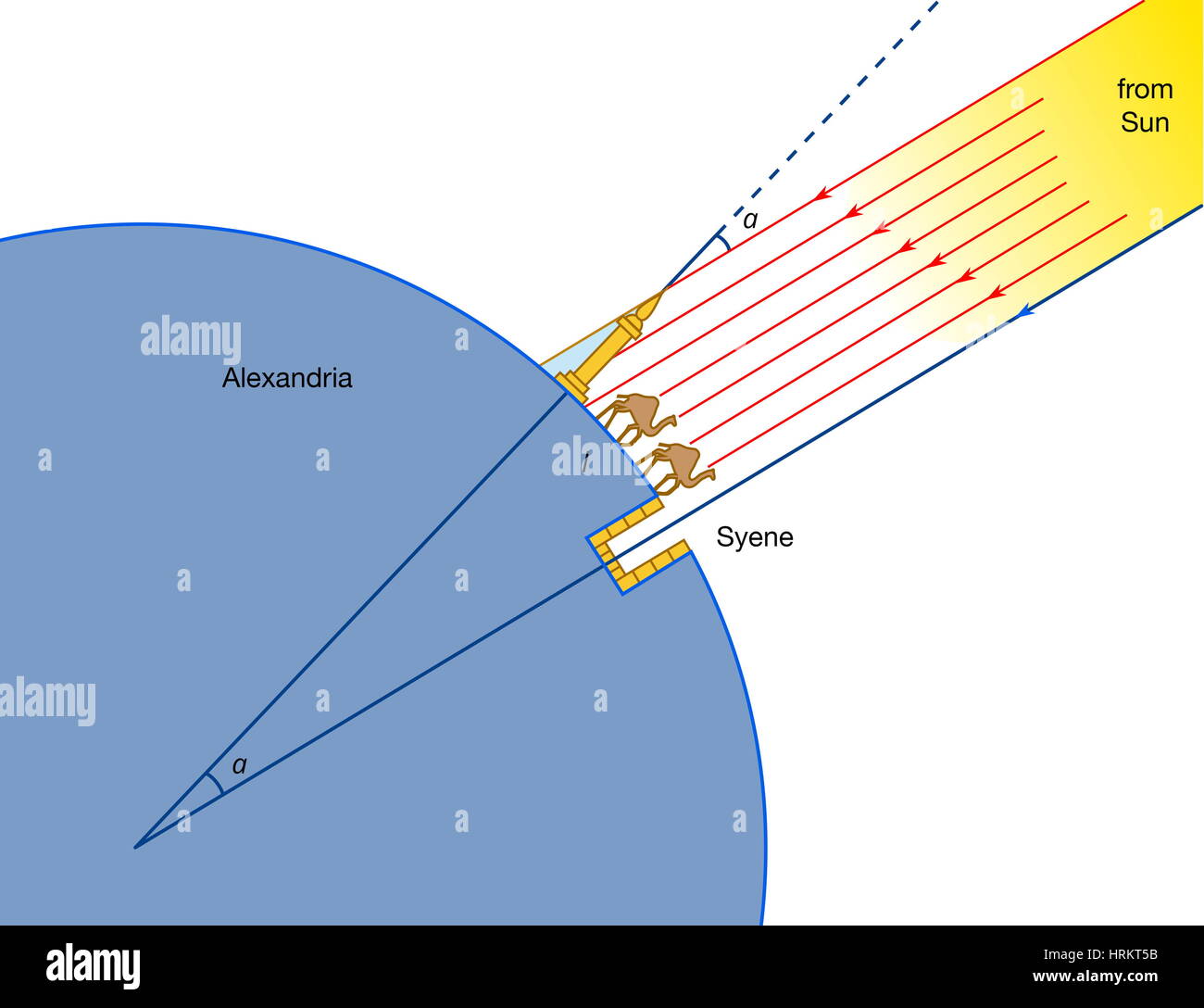
Explore the brilliance of Eratosthenes, the Ptolemaic polymath. Discover his groundbreaking calculation of Earth's circu...
View Board
Discover Scott Buchanan, the visionary behind the Great Books program. Learn about his impact on liberal arts education ...
View Board
Explore the world of Hesiod, an influential ancient Greek poet. Discover his life, major works like Theogony & Works and...
View Board
Explore the controversial reign of Julian the Apostate, Roman Emperor who rejected Christianity. Discover his reforms, m...
View Board
Explore the life of Gaius Petronius Arbiter, Nero's 'arbiter of elegance,' and author of the *Satyricon*. Discover his i...
View Board
Discover Cassiodorus, the Roman statesman and monk who preserved classical knowledge during the Dark Ages. Learn about V...
View Board
Discover Callimachus of Cyrene, a pivotal figure in Alexandrian literature. Explore his influential poetry, the groundbr...
View Board
Explore the work of Rajiv Malhotra, a leading voice in Indic thought. Discover his contributions to Dharma, challenges t...
View Board
Discover Theophrastus, the 'Father of Botany'! Explore his groundbreaking plant classification, ecological insights, & l...
View Board
Discover the life of Gaius Fabricius Luscinus, a Roman commander famed for his unwavering incorruptibility and virtue. E...
View Board
Discover Juba II, the scholar king of Mauretania! Learn about his reign, scholarship, Roman alliance, and legacy in Nort...
View Board
Discover Octavia the Younger's pivotal role in Roman history! Sister of Augustus, wife of Antony, and a master of diplom...
View Board
Uncover the captivating story of Roxana, Alexander the Great's first wife. Explore her Sogdian origins, political influe...
View Board
Explore the reign of Lucius Septimius Severus, Rome's first African emperor. Discover his military conquests, political ...
View Board
Comments