

Explore Any Narratives
Discover and contribute to detailed historical accounts and cultural stories. Share your knowledge and engage with enthusiasts worldwide.
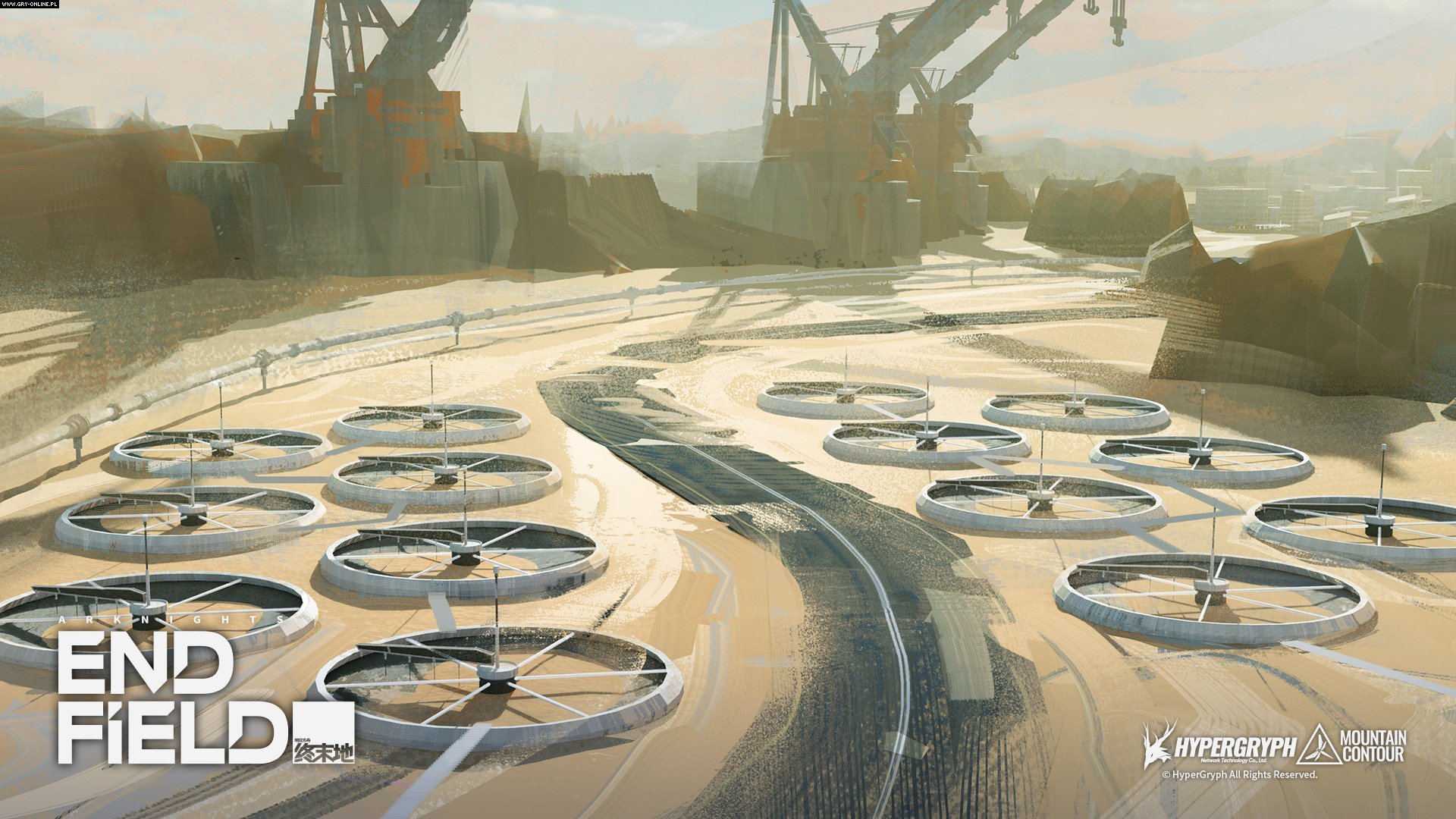
The screen flickers with a familiar, calculated chaos. Enemy units stream down a corridor, their paths a predictable lattice. Your hand-picked defenders, each a unique piece on this deadly chessboard, hold the line. This was the essence of Arknights, the tower defense gacha titan that dominated mobile screens for years. Its success was a formula, perfected and beloved. Then, on January 22, 2026, Hypergryph detonated that formula. They released Arknights: Endfield, a free-to-play action RPG for PlayStation 5, Windows, and mobile, and in doing so, they didn't just launch a game. They launched a historical experiment: what happens when a genre-defining franchise abandons its genre?
History in the video game industry is littered with the corpses of failed spin-offs. Franchises that strayed too far from their core identity, losing the magic that made them resonate. For Hypergryph, the risk was existential. The original Arknights, launched in 2019, wasn't merely popular; it was a cultural institution. Its dystopian sci-fi world of Terra, its dense lore of Oripathy and pharmaceutical conspiracies, and its punishingly strategic tower defense gameplay forged a dedicated, almost scholarly, fanbase. The game’s identity was inseparable from its grid-based, pause-and-plan combat.
Endfield shatters that grid. It transplants players to Talos-II, a new, cyberpunk-inflected planet, and hands them direct control of a four-operator squad in a semi-open world. The transition is not evolutionary; it is revolutionary. The player is no longer an omnipotent, disembodied strategist placing units. They are on the ground, switching between characters in real-time, chaining basic attacks into tactical skills and ultimate abilities. The cognitive shift is profound. You are inside the battle, not above it.
According to the critical review on Metacritic, "Endfield is an ambitious spin off that successfully transforms the tower defense roots of the original into a semi open world action RPG."
This was no mere reskin. The new combat system, which reviewers consistently described as "fast-paced" and "glamorous," was built on novel mechanics. The four-member team shares three skill gauges, a design that forces conscious allocation of resources mid-fight. An "imbalance" system rewards sustained aggression, where filling an enemy's gauge renders them vulnerable. Most intriguing are the elemental reactions—heat, electric, ice, nature—that allow for combo-driven debuffs. It is a system designed for spectacle and flow, a stark contrast to the methodical deliberation of its predecessor.
The immediate question, the one every player and critic asked upon loading the game for the first time, was simple: why? Why would a developer willingly walk away from a proven, printing-money blueprint? The answer lies in the relentless march of industry trends and audience expectations. By the mid-2020s, the open-world action RPG, not the tactical tower defense, was the dominant form for narrative-driven, service-based games. Hypergryph wasn't just making a new game; it was attempting to future-proof an entire fictional universe, to ensure the story of Terra and its successors could be told in the genre language of a new era.
If combat was the most visible rupture, the factory-building mechanics were the most unexpected graft. This wasn't a minor base-management sidebar. It became, for many players, a core pillar of the gameplay loop. In Talos-II, players establish and automate production lines, harvesting resources to fuel their progression. This mechanic served a dual historical purpose. First, it provided a tangible, systemic connection to the world, rooting the player's progression in the act of colonizing and industrializing the alien landscape. Second, it acted as a crucial bridge for the existing Arknights audience.
The original game featured a deeply strategic "Base" system—a dormitory and factory complex players optimized for passive resource generation. Endfield’s factories are that concept, evolved, exploded into three dimensions, and made interactive. It was a bone thrown to the veterans, a familiar system recontextualized. It also distinguished the game from its action-RPG competitors. You weren't just a warrior in this world; you were a foreman, an industrialist. Your power grew not only from combat loot but from the efficient hum of your assembly lines.
A YouTube analysis from Noisy Pixel noted the accessibility of the systems, pointing out that "the game includes options for lengthy NPC explanations as well as pre-fabricated design imports to assist players."
This focus on player-friendly systems was a deliberate launch strategy. Hypergryph understood the inherent friction of its genre shift. The early narrative sections, criticized by some as dialogue-heavy and slow, were a necessary lore dump for newcomers to this complex universe. The pre-fabricated factory blueprints were an olive branch to those overwhelmed by automation logistics. Every design choice in Endfield’s 1.0 version whispers the same tension: the desperate need to honor the past while courting a vast, uncertain future.
The launch window of January 2026 was its own statement. It was a bold move, avoiding the crowded holiday season to stand alone in the post-New Year lull. The gamble received immediate, tangible validation. By February 2, 2026, Arknights: Endfield had won the PlayStation Players' Choice award for January's best new game. The community, a mix of curious veterans and action-RPG enthusiasts, had voted with their controllers. The first major battle for acceptance was won. But the war for long-term relevance, for proving this wasn't a fascinating historical footnote but a new dynasty, was just beginning. The true test would be in the weeks and months to come, as players moved past the spectacle of the new and confronted the depth—or lack thereof—beneath.
Victory in the original Arknights felt like solving an elegant equation. Victory in Endfield feels like conducting a chaotic orchestra. The difference is everything. Hypergryph didn't just change the camera angle; they rebuilt the player's relationship with strategy from the ground up. The core combat loop, where players deploy and switch between four operators in real-time, is a high-wire act of resource management. Shared energy bars, combo skill triggers, and the deliberate Stagger system—where Dive Attacks build toward vulnerable states—create a rhythm that is more tactical waltz than button-mashing mosh pit.
This is where Endfield's historical gamble is most precarious. It asks the tower defense veteran to trade endless pre-mission planning for split-second, in-the-moment decisions. The attribute system, with its Physical, Heat, Electric, Nature, and Cryo damage types and reactions like Freeze, adds a layer of elemental rock-paper-scissors. It’s a system that works, often brilliantly, in controlled encounters. But does it create the same enduring, brain-itching puzzles as the original? Or has Hypergryph replaced chess with a very pretty, very complex game of whack-a-mole?
"The system emphasizes timing, positioning, and resource awareness rather than pure reflexes." — Osinko Beginner's Guide
The gear system offers a clue to their design philosophy: player sanity. Each operator equips four items with fixed main stats. Enhancement simply increases values; there is no infuriating random number generator (RNG) for rerolling. Weapons use Essences, and matching affixes is the key to endgame optimization. This is a monumental concession to quality of life, a direct repudiation of the predatory, luck-based gear grinds that define so many live-service RPGs. It suggests Hypergryph understood that asking players to learn an entirely new combat system was burden enough. They removed one layer of frustration to make room for the complexity they actually cared about: team synergy and execution.
Perhaps sensing the unease of their core audience, Hypergryph baked in a direct, almost apologetic, callback. The Imminent Incursion mode is pure tower defense. Players place HE Grenade, Surge, and Sentry towers on a grid to defend against waves. It’s a side activity, a diversion for resource gain, but its presence is symbolic. It’s a museum exhibit inside the new open-world cathedral, a quiet reassurance that the developers haven't forgotten where they came from. The problem is it feels exactly like that: a museum piece, isolated and simplistic compared to the rich, multi-layered challenges of the main Arknights.
More impactful is the Node system, a structured progression track of six objectives per level that dangles exclusive weapons and premium currency as rewards. It is a brutal, effective Skinner box. It gives the open-world exploration a direct purpose, channeling the player’s wanderings into measurable advancement. This system, more than any story beat, is what hooks players for the long haul. It provides the answer to the open-world RPG's eternal question: "What should I do next?" The answer is always: "Clear another Node."
And then there are the factories. The Automated Industrial Complex (AIC) is Endfield’s weirdest, most compelling secret weapon. This isn't decoration; it's economic engine. You mine ore, process alloys, craft components, and automate the production of the very gear you fight with. It creates a satisfying meta-loop where time spent optimizing conveyor belts directly translates to combat power. In a genre overcrowded with heroes saving the world, Endfield lets you play as a logistics manager saving the world through superior supply-chain management. It is an absurd, brilliant twist.
"Controller users can now move facilities by long-pressing a dedicated button." — RPGSite, on the Version 1.1 controller optimizations
The launch period buzz, crowned by that PlayStation Players' Choice award, was a triumph of first impressions. The true historical test for any live-service game, however, arrives with its first major update. Does the developer listen? Can they iterate? Will they support it? On March 12, 2026, Hypergryph answered with Version 1.1: "Old Deep Water Dies, by Rising Tide." This update wasn't just new content; it was a diagnostic report on the game's first six weeks of life.
The new operators, Endministrator and Rossi, are case studies in addressing player-discovered gaps. Endministrator’s ultimate, "DA CHIEF SEES YOU!", immobilizes all enemies, including bosses. This is a direct tool for controlling the chaotic, often overwhelming enemy crowds that could stymie players. Rossi is a scalpel: her unique ability to convert Arts Infliction into a defense-break Vulnerability status makes her a mandatory support for physical damage teams. These aren't just new characters; they are strategic patches, new verbs added to the player's tactical vocabulary.
More telling were the quality-of-life changes. The extended power line range, the persistent connections during combat, the improved enemy attack telegraphs—these were direct responses to player pain points. The update allowed the minimap to be accessed while riding ziplines, a minor fix that speaks volumes about the team's attention to the friction of exploration. These are not the changes of a studio resting on its launch laurels. They are the adjustments of a developer in a sustained dialogue with its player base.
"The expansion of Talos-II will continue at an even larger scale in Version 1.2." — RPGSite
The new Hydro Mining Rig, using water flow instead of electricity, expanded the factory system in a meaningful way. It wasn't just a new resource; it was a new logistical puzzle, forcing a reconfiguration of production lines. This commitment to deepening the game's strangest pillar is Hypergryph's boldest ongoing bet. They are insisting that a significant portion of their audience wants to be both a warrior and a warehouse supervisor.
Yet, for all these intelligent additions, Version 1.1 also cast a harsh light on the narrative shortcomings baked into the 1.0 launch. The update advanced the plot, but the foundational criticism remained: the writing played it safe. The world of Talos-II is a stunning, rain-slicked cyberpunk dystopia, but the moral choices within it were often binary, the characters archetypal. Where was the grim, pharmacological moral complexity of the original Arknights? The update gave players more story, but it didn't necessarily give them a better one. It treated the narrative as a quantity problem, not a quality one.
"Her Ultimate... introduces a powerful tactical layer by immobilizing all enemies within its range—including bosses—allowing squads to create decisive damage windows." — Gamespress Release on the Endministrator operator
The roadmap announcement for Version 1.2, promising a defense of the Xiranite Dam and new fluid-based factory systems, proves Hypergryph is playing a long game. They are building Talos-II piece by piece, system upon system. The player base now sits in judgment, not of a single game, but of a direction. Every new map, every new operator, every tweak to the assembly line is a data point in an ongoing experiment: can the soul of a tower defense game survive, and even thrive, in the body of an action RPG? The early returns are promising, fraught, and utterly unique. The factory must grow, but will the audience?
The story of Arknights: Endfield will not be written in its launch month reviews or its first major update. Its historical significance will be determined by a single, volatile metric: whether the meticulously constructed bridge between two genres holds under the weight of expectation and time. This is not merely a game release. It is a case study in franchise evolution, a public experiment in whether deep strategic DNA can mutate to survive in a new, more commercially dominant ecosystem. The success or failure of this experiment will echo through boardrooms in Shanghai, Seoul, and beyond, influencing how other studios manage their own aging, genre-specific titans.
Hypergryph’s maneuver was a masterclass in calculated risk. They preserved the original’s obsession with systems—layering factory automation atop elemental combos atop gear optimization—while sacrificing its core gameplay identity. This wasn't a betrayal. It was a translation. They took the vocabulary of tower defense—resource management, enemy pathing, ability timing—and translated it into the grammar of an action RPG. The Stagger gauge is the new deployment point. The shared energy bar is the new Skill Point economy. The real-time operator switching is the new pause-and-plan menu. The soul is there, but the body is entirely new.
"The game represents a calculated risk for Hypergryph—transforming a beloved tower defense franchise into an action RPG with open-world exploration elements while maintaining the strategic depth and character-driven gameplay that made the original successful." — Industry Design Analysis
The cultural impact is already visible in the fracturing of the Arknights community. Purists view Talos-II as a heresy, a shiny distraction from the pure, tactical scripture of the original. Newcomers, drawn by the open world and action combat, often find themselves bewildered by the dense lore and systemic depth. Endfield exists in this tense, productive space between audiences. It has become a litmus test for what a player values most in the Arknights universe: is it the specific puzzle of the tower defense, or is it the broader aesthetic of a dystopian world fought for by compelling, complex characters? The game forces a choice.
For all its ambition, Endfield’s compromises are its most defining feature, and they are not all successful. The narrative, while atmospherically rich, lacks the moral thorniness that gave the original its bite. The world of Talos-II is a visually stunning cyberpunk backdrop, but the stories told within it too often retreat to safe, heroic archetypes. Where is the pharmaceutical horror, the existential dread of Oripathy? The writing feels sanitized for a broader, action-focused audience, trading complexity for accessibility.
A more fundamental critique lies in the core combat loop itself. While the moment-to-moment action is engaging, the strategic ceiling feels lower than its predecessor. The original Arknights produced moments of genius, of solving a seemingly impossible stage through operator choice and placement. Endfield produces moments of competent execution. The difference is profound. The factory building, while novel, exists in a silo. Its logistical puzzles are intellectually satisfying, but they are disconnected from the tactical puzzles of combat. The game offers two deep, compelling games that happen to share a menu screen, not one unified, deeply interwoven experience. This dissonance is Endfield’s greatest weakness.
And then there is the live-service grind. The Node system, for all its directed purpose, is a transparent treadmill. The generous lack of RNG in gearing is counterbalanced by the sheer volume of material required for upgrades. The game asks for time—vast quantities of it—to progress. This is the modern free-to-play pact, but it sits uneasily alongside the game’s aspirations of being a deep, narrative-driven action RPG. You are either a manager of spreadsheets or a hero of Talos-II. The game struggles to let you be both without feeling the exhausting weight of a second job.
The immediate future is mapped with concrete dates and promised features. Version 1.2 looms on the horizon, its narrative already detailed: the Endministrator and Tianshi Zhuang mounting a defense of the Xiranite Dam against Ardashir’s siege. This update promises two new maps, a new outpost, and critically, a new fluid-based production system for the AIC factory. Each addition is a brick in the wall Hypergryph is building. They are not pivoting. They are doubling down.
The true prediction for Endfield’s legacy hinges on this doubling down. Will the narrative find its nerve, introducing the difficult choices and gray morality its world deserves? Will future combat updates introduce systems with the punishing, beautiful complexity of the original’s hardest stages? Or will the game settle into a comfortable, well-polished groove of predictable content updates, a solid action RPG that forever lives in the shadow of its more innovative ancestor?
The factories of Talos-II will continue to hum, conveyor belts laden with virtual ore. Players will continue to optimize their routes, master their elemental rotations, and clear their Nodes. But the ghost of the original Arknights, of that static, strategic grid, will haunt every new zone, every new operator. Hypergryph made a choice to abandon a genre to save a world. The final judgment on whether that choice was an act of creative courage or commercial surrender is still being rendered, one automated production line and one staggered enemy at a time.
In conclusion, Arknights: Endfield boldly reimagines its tower defense roots by merging strategic gameplay with an expansive open world. This ambitious evolution represents both a thrilling gamble and a natural progression for the franchise. Will this fusion of genres forge a new path for tactical RPGs, or will it stray too far from the formula that captivated millions?


Your personal space to curate, organize, and share knowledge with the world.
Discover and contribute to detailed historical accounts and cultural stories. Share your knowledge and engage with enthusiasts worldwide.
Connect with others who share your interests. Create and participate in themed boards about any topic you have in mind.
Contribute your knowledge and insights. Create engaging content and participate in meaningful discussions across multiple languages.
Already have an account? Sign in here

Experience Arknights: Endfield's thrilling 3D action RPG combat on PC, PS5, iOS & Android. Join the global launch with f...
View Board
Kejora’s January 2026 launch sidestepped Silksong, showcasing hand‑drawn Southeast Asian artistry in a narrative puzzle‑...
View Board
Code Vein II invites players on a somber pilgrimage through time, blending Soulslike combat with a narrative of sacrific...
View Board
Revenant Hunter manipulates time, wields blood‑code powers, and battles in a sprawling post‑apocalyptic world where ever...
View Board
Quarantine Zone: The Last Check turns zombie survival into bureaucratic horror, forcing players to make life-or-death de...
View Board
A philosopher dissects how Kanto’s badge quests, closed map, and cable‑linked trading force identity, choice, and the et...
View Board
Cairn redefines climbing games with physics-driven realism, forcing players to read rock faces, manage stamina, and plac...
View Board
Code Vein 2 launches Jan 30, 2026, rewriting its anime Soulslike legacy with time-bending combat, deeper RPG systems, an...
View Board
Dynasty Warriors Origins DLC launches Jan 22, 2026, reimagining villains as heroes with new weapons, skills, and untold ...
View Board
Code Vein 2 overhauls combat, expands customization with 200+ Formae, and rebuilds level design, addressing the original...
View Board
Heartopia storms Steam with 17K players, blending cozy sim charm & mobile monetization, sparking a cultural clash over g...
View Board
Code Vein II torna nel 2026 con un action RPG anime che unisce combattimento soulslike, viaggio nel tempo e una narrativ...
View Board
Final Fantasy XIV: A Journey Through Eorzea's Reborn Realm The city-state of Ul'dah sprawls under a pitiless sun, a dese...
View Board
Pathologic 3 arrives January 9, 2026, wielding time-travel to deepen its signature despair, forcing players to rewrite t...
View Board
Wildlight's silent launch drops Highguard, a 3v3 fantasy shooter merging wall-running, mounts and shield raids, aiming t...
View Board
Zeekerss’s solo horror co‑op Lethal Company forces four players to scavenge moon scrap under a ticking quota, sparking f...
View Board
Josef Fares' Split Fiction redefines co-op storytelling with its radical two-player-only design, selling 2M copies in a ...
View Board
Pathologic 3 arrives January 9, 2026, a punishing survival RPG where time-travel meets plague diagnosis in a dying city,...
View Board
Betrayal at Baldur's Gate transforms a blank board into a dungeon of shifting alliances and procedural terror, where 49 ...
View Board
GTA 6 faces its toughest rival in 2026: GTA V's $10B legacy. Can Rockstar's sequel eclipse a game that redefined longevi...
View Board
Comments