Understanding Isotopes: The Basic Building Blocks
An isotope is a fundamental concept in chemistry and physics, describing variants of a chemical element. These variants have the same number of protons but a different number of neutrons in their atomic nucleus. This comprehensive guide explores the definition, discovery, and types of isotopes that form the basis of modern science.
What Are Isotopes? A Fundamental Definition
Isotopes are atoms of the same element that contain an identical number of protons but a different number of neutrons. This difference in neutron count results in nuclei with different mass numbers. Despite this nuclear difference, isotopes of an element exhibit nearly identical chemical behavior because chemical properties are primarily determined by the atomic number.
The notation for an isotope includes the element's symbol preceded by its mass number. For example, the two stable isotopes of carbon are written as carbon-12 and carbon-13. The atomic number, representing the proton count, defines the element's position on the periodic table.
All known elements have isotopes, with 254 known stable isotopes existing in nature alongside many unstable, radioactive forms.
The Atomic Structure of Isotopes
To understand isotopes, one must first understand basic atomic structure. Every atom consists of a nucleus surrounded by electrons. The nucleus contains positively charged protons and neutral neutrons, collectively called nucleons. The number of protons, the atomic number (Z), is constant for a given element.
The total number of protons and neutrons is the mass number (A). Isotopes have the same Z but different A. For instance, all carbon atoms have 6 protons. Carbon-12 has 6 neutrons, while carbon-13 has 7 neutrons, making them isotopes of each other.
The Discovery and Naming of Isotopes
The concept of isotopes emerged from early 20th-century research into radioactivity. Scientists like Frederick Soddy observed that certain radioactive materials, though chemically identical, had different atomic weights and radioactive properties. This led to the revolutionary idea that elements could exist in different forms.
The term "isotope" was coined in 1913 by Scottish doctor Margaret Todd. She suggested the word to chemist Frederick Soddy. It comes from the Greek words isos (equal) and topos (place), meaning "the same place." This name reflects the key characteristic of isotopes: they occupy the same position on the periodic table of elements.
Isotopes vs. Nuclides: Understanding the Difference
While often used interchangeably, "isotope" and "nuclide" have distinct meanings. A nuclide refers to a specific type of atom characterized by its number of protons and neutrons. It is a general term for any atomic nucleus configuration.
An isotope is a family of nuclides that share the same atomic number. For example, carbon-12, carbon-13, and carbon-14 are three different nuclides. Collectively, they are referred to as the isotopes of carbon. The term isotope emphasizes the chemical relationship between these nuclides.
Major Types of Isotopes: Stable and Unstable
Isotopes are broadly categorized into two groups based on the stability of their atomic nuclei. This fundamental distinction determines their behavior and applications.
Stable Isotopes
Stable isotopes are nuclei that do not undergo radioactive decay. They are not radioactive and remain unchanged over time. An element can have several stable isotopes. Oxygen, for example, has three stable isotopes: oxygen-16, oxygen-17, and oxygen-18.
There are 254 known stable isotopes in nature. They are abundant and participate in natural cycles and chemical reactions without emitting radiation. Their stability makes them invaluable tools in fields like geology, archaeology, and environmental science.
Radioactive Isotopes (Radioisotopes)
Radioactive isotopes, or radioisotopes, have unstable nuclei that spontaneously decay, emitting radiation in the process. This decay transforms the nucleus into a different nuclide, often of another element. All artificially created isotopes are radioactive.
Some elements, like uranium, have no stable isotopes and only exist naturally in radioactive forms. The rate of decay is measured by the isotope's half-life, which is the time required for half of a sample to decay. This property is crucial for applications like radiometric dating.
Notable Examples of Elemental Isotopes
Examining specific elements provides a clearer picture of how isotopes work. Hydrogen and carbon offer excellent, well-known examples.
The Isotopes of Hydrogen
Hydrogen is unique because its three isotopes have special names due to their significant mass differences. All hydrogen atoms contain one proton, but the number of neutrons varies.
- Protium: This is the most common hydrogen isotope, making up over 99.98% of natural hydrogen. Its nucleus consists of a single proton and zero neutrons.
- Deuterium: This stable isotope contains one proton and one neutron. It is sometimes called "heavy hydrogen" and is used in nuclear reactors and scientific research.
- Tritium: This is a radioactive isotope of hydrogen with one proton and two neutrons. It has a half-life of about 12.3 years and is used in luminous paints and as a tracer.
The Isotopes of Carbon
Carbon is another element with famous isotopes that have critical applications. Its atomic number is 6, meaning every carbon atom has 6 protons.
- Carbon-12: This stable isotope, with 6 neutrons, is the most abundant form of carbon. It is the standard upon which atomic masses are measured.
- Carbon-13: Also stable, carbon-13 has 7 neutrons. It accounts for about 1% of natural carbon and is used in NMR spectroscopy and metabolic tracing.
- Carbon-14: This well-known radioisotope has 8 neutrons. It is used in radiocarbon dating to determine the age of organic materials up to about 60,000 years old.
The study of isotopes continues to be a vibrant field, with research facilities like the Facility for Rare Isotope Beams pushing the boundaries of nuclear science. The unique properties of both stable and radioactive isotopes make them indispensable across a wide range of scientific and industrial disciplines.
How Are Isotopes Formed and Produced?
Isotopes originate through both natural processes and artificial production methods. Natural formation occurs through cosmic ray interactions, stellar nucleosynthesis, and the radioactive decay of heavier elements. These processes have created the isotopic composition of our planet over billions of years.
Artificial production takes place in specialized facilities like nuclear reactors and particle accelerators. Scientists create specific isotopes for medical, industrial, and research purposes. This allows for the production of rare or unstable isotopes not found in significant quantities in nature.
Major research facilities, such as Michigan State University's Facility for Rare Isotope Beams (FRIB), are pushing the frontiers of isotope production, creating isotopes never before observed on Earth.
Natural Formation Processes
In nature, isotopes are formed through several key astrophysical and geological processes. The Big Bang produced the lightest isotopes, hydrogen and helium. Heavier isotopes were forged later in the cores of stars through nuclear fusion.
Supernova explosions scattered these newly formed elements across the universe. On Earth, ongoing natural production occurs when cosmic rays collide with atoms in the atmosphere, creating isotopes like carbon-14. Radioactive decay chains of elements like uranium also produce a variety of daughter isotopes.
Artificial Production Methods
Human-made isotopes are primarily produced by altering the nucleus of a stable atom. This is achieved by bombarding a target material with neutrons in a nuclear reactor or with charged particles in a cyclotron. The choice of method depends on the desired isotope and its intended use.
- Nuclear Reactors: These are ideal for producing neutron-rich isotopes. A stable nucleus absorbs a neutron, becoming unstable and transforming into a different isotope. This is how medical isotopes like molybdenum-99 are made.
- Particle Accelerators (Cyclotrons): These machines accelerate charged particles to high energies, which then collide with target nuclei to induce nuclear reactions. Cyclotrons are excellent for producing proton-rich isotopes used in PET scanning, such as fluorine-18.
- Radioisotope Generators: These systems contain a parent isotope that decays into a desired daughter isotope. The most common example is the technetium-99m generator, which provides a fresh supply of this crucial medical isotope from the decay of molybdenum-99.
Key Properties and Characteristics of Isotopes
While isotopes of an element are chemically similar, their differing neutron counts impart distinct physical and nuclear properties. These differences are the foundation for their diverse applications across science and industry.
The most significant property stemming from the mass difference is a phenomenon known as isotopic fractionation. This occurs when physical or chemical processes slightly favor one isotope over another due to their mass difference, leading to variations in isotopic ratios.
Chemical Properties: Remarkable Similarity
Isotopes participate in chemical reactions in nearly identical ways. This is because chemical behavior is governed by the arrangement of electrons, which is determined by the number of protons in the nucleus. Since isotopes have the same atomic number, their electron configurations are the same.
However, subtle differences can arise from the mass effect. Heavier isotopes form slightly stronger chemical bonds, which can lead to different reaction rates. This kinetic isotope effect is a valuable tool for studying reaction mechanisms in chemistry and biochemistry.
Physical and Nuclear Properties: Critical Differences
The physical properties of isotopes vary more noticeably than their chemical properties. Mass-dependent properties like density, melting point, and boiling point can differ. Heavy water (D₂O), made with deuterium, has a higher boiling point than regular water (H₂O).
The most critical difference lies in nuclear stability. Some isotopes have stable nuclei, while others are radioactive. Unstable isotopes decay at a characteristic rate measured by their half-life, the time it takes for half of the atoms in a sample to decay.
- Mass: Directly impacts properties like diffusion rate and vibrational frequency.
- Nuclear Spin: Different isotopes have distinct nuclear spins, which is the basis for Magnetic Resonance Imaging (MRI) and NMR spectroscopy.
- Stability: Determines whether an isotope is stable or radioactive, defining its applications and handling requirements.
The Critical Role of Isotopes in Modern Science
Isotopes are not merely scientific curiosities; they are indispensable tools that have revolutionized numerous fields. Their unique properties allow scientists to trace, date, image, and analyze processes that would otherwise be invisible.
From unraveling the history of our planet to diagnosing diseases, isotopes provide a window into the inner workings of nature. The ability to track atoms using their isotopic signature has opened up entirely new avenues of research.
Isotopes in Geology and Archaeology
In geology, isotopic analysis is used for radiometric dating to determine the age of rocks and geological formations. The decay of long-lived radioactive isotopes like uranium-238 into lead-206 provides a reliable clock for dating events over billions of years.
Archaeologists rely heavily on carbon-14 dating to determine the age of organic artifacts. This technique has been fundamental in constructing timelines for human history and prehistory. Stable isotopes of oxygen and hydrogen in ice cores and sediment layers serve as paleothermometers, revealing past climate conditions.
The famous Shroud of Turin was radio-carbon dated using accelerator mass spectrometry on a small sample, placing its origin in the medieval period.
Isotopes in Environmental Science
Environmental scientists use isotopes as tracers to understand complex systems. The distinct isotopic ratios of elements like carbon, nitrogen, and sulfur can fingerprint pollution sources, track nutrient cycles, and study food webs.
For example, analyzing the ratio of carbon-13 to carbon-12 in atmospheric CO₂ helps scientists distinguish between emissions from fossil fuel combustion and natural biological processes. This is critical for modeling climate change and verifying emission reports.
- Water Cycle Studies: Isotopes of hydrogen and oxygen (deuterium and oxygen-18) are used to track the movement and origin of water masses.
- Pollution Tracking: Lead isotopes can identify the specific industrial source of lead contamination in an environment.
- Climate Proxies: The isotopic composition of ice cores and ocean sediments provides a record of Earth's historical temperature.
Isotopes in Physics and Chemistry Research
In fundamental research, isotopes are essential for probing the structure of matter. The discovery of the neutron itself was made possible by experiments involving isotopes. Today, physicists use beams of rare isotopes to study nuclear structure and the forces that hold the nucleus together.
Chemists use isotopic labeling to follow the path of atoms during a chemical reaction. By replacing a common atom with a rare isotope (like carbon-13 for carbon-12), they can use spectroscopic techniques to see how molecules rearrange. This is a powerful method for elucidating reaction mechanisms.
The study of isotopes continues to yield new discoveries, pushing the boundaries of our knowledge in fields ranging from quantum mechanics to cosmology. Their unique properties make them one of the most versatile tools in the scientific arsenal.
Applications of Isotopes in Medicine and Industry
Isotopes have revolutionized modern medicine and industrial processes, providing powerful tools for diagnosis, treatment, and quality control. Their unique properties enable non-invasive imaging, targeted therapies, and precise measurements that are critical for technological advancement.
The medical use of isotopes, known as nuclear medicine, saves millions of lives annually. In industry, isotopes are used for everything from ensuring weld integrity to preserving food. The global market for isotopes is substantial, driven by increasing demand in healthcare and manufacturing.
Medical Diagnostics and Imaging
Radioisotopes are essential for diagnostic imaging because they emit radiation that can be detected outside the body. Techniques like Positron Emission Tomography (PET) and Single-Photon Emission Computed Tomography (SPECT) provide detailed images of organ function and metabolism.
A common tracer is fluorine-18, used in FDG-PET scans to detect cancer metastases by highlighting areas of high metabolic activity. Technetium-99m is the workhorse of nuclear medicine, used in over 80% of all diagnostic imaging procedures to assess heart, bone, and kidney function.
- Cardiology: Thallium-201 or Technetium-99m sestamibi is used in stress tests to visualize blood flow to the heart muscle.
- Oncology: PET scans with isotopes like gallium-68 help locate and stage tumors with high precision.
- Endocrinology: Iodine-123 is used to image the thyroid gland and diagnose disorders.
Radiotherapy and Cancer Treatment
Beyond diagnosis, radioisotopes are powerful weapons against cancer. Radiotherapy involves delivering a controlled, high dose of radiation to destroy cancerous cells while sparing surrounding healthy tissue. This can be done externally or internally.
Internal radiotherapy, or brachytherapy, places a radioactive source like iodine-125 or cesium-131 directly inside or near a tumor. Radiopharmaceuticals, such as Lutetium-177 PSMA, are injected into the bloodstream to seek out and treat widespread cancer cells, offering hope for patients with advanced metastatic disease.
An estimated 40 million nuclear medicine procedures are performed each year worldwide, with 10,000 hospitals using radioisotopes regularly.
Industrial and Agricultural Applications
In industry, isotopes serve as tracers and radiation sources. Industrial radiography uses iridium-192 or cobalt-60 to inspect the integrity of welds in pipelines and aircraft components without causing damage. This non-destructive testing is crucial for safety.
In agriculture, isotopes help improve crop yields and protect food supplies. Radiation from cobalt-60 is used to sterilize pests through the sterile insect technique and to induce genetic mutations that create hardier crop varieties. Additionally, radioactive tracers can track fertilizer uptake in plants to optimize agricultural practices.
- Quality Control: Isotopes measure thickness, density, and composition in manufacturing processes.
- Smoke Detectors: A tiny amount of americium-241 ionizes air to detect smoke particles.
- Food Irradiation: Cobalt-60 gamma rays kill bacteria and prolong the shelf life of food.
Analyzing and Measuring Isotopes
Scientists use sophisticated instruments to detect and measure isotopes with extreme precision. This analytical capability is the backbone of all isotopic applications, from carbon dating to medical diagnostics.
The key measurement is the isotopic ratio, which compares the abundance of a rare isotope to a common one. Small variations in these ratios can reveal vast amounts of information about the age, origin, and history of a sample.
Mass Spectrometry
Mass spectrometry is the primary technique for isotope analysis. It separates ions based on their mass-to-charge ratio, allowing for precise measurement of isotopic abundances. Different types of mass spectrometers are designed for specific applications.
For radiocarbon dating, Accelerator Mass Spectrometry (AMS) is the gold standard. It can count individual atoms of carbon-14, requiring samples a thousand times smaller than older decay-counting methods. This enables the dating of tiny artifacts like a single seed or a fragment of parchment.
Radiation Detection
For radioactive isotopes, detection relies on measuring the radiation they emit. Instruments like Geiger-Müller counters, scintillation detectors, and gamma cameras are used to identify and quantify radioisotopes.
In a medical setting, a gamma camera detects the radiation emitted by a patient who has been injected with a radiopharmaceutical. A computer then constructs an image showing the concentration of the isotope in the body, revealing functional information about organs and tissues.
Safety, Handling, and the Future of Isotopes
While isotopes offer immense benefits, their use requires strict safety protocols, especially for radioactive materials. Proper handling, storage, and disposal are essential to protect human health and the environment.
The future of isotope science is bright, with ongoing research focused on developing new isotopes for cutting-edge applications in medicine, energy, and quantum computing. International cooperation ensures a stable supply of these critical materials.
Safety Protocols for Radioisotopes
The fundamental principle of radiation safety is ALARA: As Low As Reasonably Achievable. This means minimizing exposure to radiation through time, distance, and shielding. Handling radioactive isotopes requires specialized training and regulatory oversight.
Protective equipment, designated work areas, and strict contamination controls are mandatory. Disposal of radioactive waste is highly regulated, with methods ranging from secure storage to transmutation, which converts long-lived isotopes into shorter-lived or stable forms.
Emerging Trends and Future Research
Research facilities like the Facility for Rare Isotope Beams (FRIB) are creating new isotopes that have never existed on Earth. Studying these exotic nuclei helps scientists understand the forces that govern the universe and the origin of elements.
In medicine, the field of theranostics is growing rapidly. This approach uses the same molecule tagged with different isotopes for both diagnosis and therapy. For example, a compound that targets a cancer cell can be paired with gallium-68 for imaging and lutetium-177 for treatment.
- Next-Generation Reactors: Research into isotopes like thorium-232 aims to develop safer, more efficient nuclear energy.
- Quantum Computing: Isotopes with specific nuclear spins, like silicon-28, are being purified to create more stable quantum bits (qubits).
- Isotope Hydrology: Using stable isotopes to manage water resources and understand climate change impacts.
Conclusion: The Pervasive Importance of Isotopes
From their discovery over a century ago to their central role in modern technology, isotopes have proven to be one of the most transformative concepts in science. They are fundamental to our understanding of matter, the history of our planet, and the advancement of human health.
The key takeaway is that while isotopes are chemically similar, their nuclear differences unlock a vast range of applications. Stable isotopes act as silent tracers in environmental and geological studies, while radioactive isotopes provide powerful sources of energy and precision medical tools.
The journey of an isotope—from being forged in a distant star to being utilized in a hospital scanner—highlights the profound connection between fundamental science and practical innovation. Continued investment in isotope research and production is essential for addressing future challenges in energy, medicine, and environmental sustainability.
As we push the boundaries of science, isotopes will undoubtedly remain at the forefront, helping to diagnose diseases with greater accuracy, unlock the secrets of ancient civilizations, and power the technologies of tomorrow. Their story is a powerful reminder that even the smallest components of matter can have an enormous impact on our world.



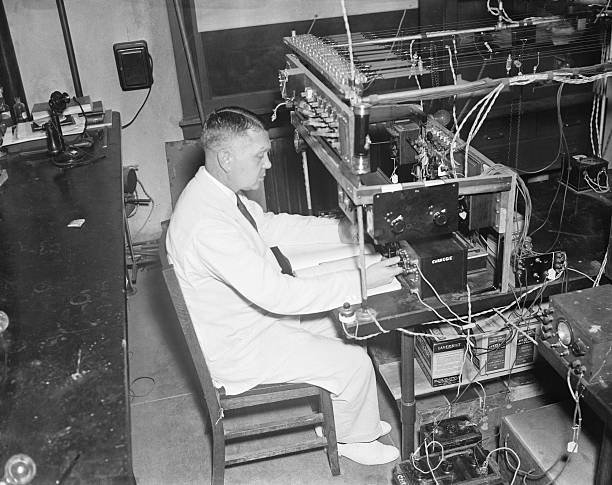
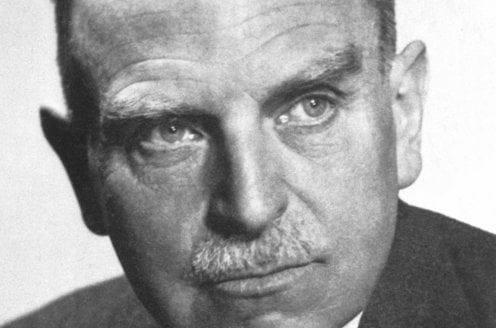
Otto Hahn: The Father of Nuclear Chemistry
Otto Hahn, a pioneering German chemist, is renowned as the father of nuclear chemistry. His groundbreaking discovery of nuclear fission in 1938, alongside collaborators Fritz Strassmann and Lise Meitner, revolutionized the field of nuclear science. This discovery earned him the 1944 Nobel Prize in Chemistry, solidifying his legacy as one of the most influential scientists of the 20th century.
Early Life and Education
Otto Hahn was born on March 8, 1879, in Frankfurt am Main, Germany. From an early age, he exhibited a keen interest in chemistry, which led him to pursue a degree in the field. Hahn studied organic chemistry at the University of Marburg and later at the University of Munich, where he earned his PhD in 1901.
Shift to Radioactivity Research
After completing his doctoral studies, Hahn shifted his focus to the emerging field of radioactivity. He worked under the guidance of William Ramsay in London and later with Ernest Rutherford at McGill University in Montreal. These experiences laid the foundation for his future discoveries in nuclear chemistry.
Key Discoveries and Contributions
Hahn's career was marked by a series of groundbreaking discoveries that significantly advanced the field of nuclear chemistry. His work not only expanded our understanding of radioactive elements but also paved the way for modern nuclear technology.
Early Discoveries
In 1904, Hahn identified radiothorium, a radioactive isotope of thorium. The following year, he discovered radioactinium while working at McGill University. These early discoveries showcased his expertise in isolating and identifying radioactive elements.
Mesothorium and Protactinium
Hahn's collaboration with Lise Meitner began in 1907 and lasted for over three decades. Together, they discovered mesothorium in 1907 and protactinium in 1918. These discoveries were crucial in understanding the complex decay chains of radioactive elements.
Nuclear Fission: The Breakthrough
The most significant achievement of Hahn's career came in 1938 when he, along with Fritz Strassmann, discovered nuclear fission. By bombarding uranium with neutrons, they observed the production of barium, proving that uranium nuclei could split into lighter elements. This discovery was a monumental leap in nuclear science and had far-reaching implications for both energy production and weaponry.
Nobel Prize and Recognition
Hahn's discovery of nuclear fission earned him the 1944 Nobel Prize in Chemistry. The award was announced in 1945 while Hahn was interned at Farm Hall, a British internment camp for German scientists. Despite the collaborative nature of the discovery, Hahn was the sole recipient of the Nobel Prize, a decision that has been the subject of much debate and controversy.
Post-War Contributions
After World War II, Hahn played a pivotal role in rebuilding German science. He served as the president of the Max Planck Society from 1946 to 1960, where he worked tirelessly to restore Germany's scientific reputation. Hahn was also a vocal opponent of nuclear weapons, advocating for the peaceful use of nuclear energy.
Legacy and Impact
Otto Hahn's contributions to nuclear chemistry have had a lasting impact on both science and society. His discovery of nuclear fission not only advanced our understanding of atomic structure but also laid the groundwork for the development of nuclear reactors and weapons. Today, nuclear fission powers approximately 440 reactors worldwide, providing about 10% of global electricity.
Ethical Considerations and Controversies
Hahn's legacy is not without controversy. The exclusion of Lise Meitner and Fritz Strassmann from the Nobel Prize has been a point of contention. Modern retrospectives highlight the collaborative nature of their work and the significant contributions of Meitner and Strassmann. Additionally, Hahn's stance against nuclear weapons has influenced ongoing ethical debates about the use of nuclear technology.
Commemorations and Honors
Hahn's contributions to science have been recognized through various commemorations and honors. The Hahn-Meitner Building in Berlin stands as a testament to his collaborative work with Lise Meitner. Furthermore, the rubidium-strontium dating method, pioneered by Hahn, is widely used in geochronology to determine the age of rocks and minerals.
Conclusion
Otto Hahn's life and work have left an indelible mark on the field of nuclear chemistry. His discovery of nuclear fission revolutionized our understanding of atomic structure and paved the way for modern nuclear technology. Despite the controversies surrounding his Nobel Prize and the ethical implications of his discoveries, Hahn's contributions to science remain unparalleled. As we continue to explore the potential of nuclear energy, Hahn's legacy serves as a reminder of the power and responsibility that come with scientific advancements.
Otto Hahn During the Nazi Era
During the Nazi regime, Otto Hahn's career faced significant challenges. His Jewish colleague Lise Meitner was forced to flee Germany in 1938 due to persecution. Despite this, Hahn and Fritz Strassmann continued their experiments, leading to the discovery of nuclear fission. Their work during this turbulent period underscored both scientific perseverance and the political pressures of the time.
Collaborative Challenges
Hahn's partnership with Meitner was severed by the rise of the Nazis. Meitner provided the theoretical explanation for fission from exile, while Hahn and Strassmann confirmed the experimental results. This separation highlight the complexities of scientific collaboration under political duress.
Uranium Project and WWII
During World War II, Hahn worked on Germany's uranium project, aiming to develop atomic weapons. The project faced numerous setbacks and ultimately failed to produce a reactor or weapon before the war's end. In 1945, Hahn was interned at Farm Hall, where he learned of the Nobel Prize awarded while detained.
Post-War Scientific Leadership
After the war, Hahn emerged as a leader in rebuilding German science. His efforts focused on restoring integrity and innovation within the scientific community, emphasizing peaceful applications of nuclear technology.
President of the Max Planck Society
From 1946 to 1960, Hahn served as president of the Max Planck Society. During his tenure, he reestablished research institutions and fostered international collaborations. His leadership helped Germany regain its standing in the global scientific community.
Advocacy Against Nuclear Weapons
Hahn was a vocal opponent of nuclear weapons, advocating for their prohibition. He emphasized the dangers of such technology in the wrong hands. His stance influenced ethical debates and policy discussions on nuclear arms control.
Impact on Modern Nuclear Technology
Today, Hahn's discovery of nuclear fission remains central to energy production and scientific research. Its applications extend beyond power generation, influencing fields like medicine and materials science.
Energy Production and Fission
Global nuclear fission powers approximately 440 reactors, supplying about 10% of the world's electricity. Hahn's work laid the foundation for these reactors, enabling clean energy alternatives amid climate change concerns.
- Fission provides steady, low-carbon energy
- Reactors operate with high safety protocols
- Technology supports energy security
Medical and Scientific Applications
Beyond energy, fission fuels medical isotopes and powers space missions. Hahn's research contributed to techniques like rubidium-strontium dating, essential for geochronology and understanding Earth's history.
"Science knows no country, because knowledge belongs to humanity." – Otto Hahn
Ongoing Debates and Recognition
Modern discussions often revisit the credit Hahn received for fission. Efforts continue to acknowledge the roles of Meitner and Strassmann. Exhibitions and institutions, such as the Hahn-Meitner Building, ensure their collective legacy endures.
Enduring Legacy of Otto Hahn
Otto Hahn's influence extends far beyond his scientific achievements, shaping institutions, education, and public understanding of nuclear science. His legacy remains a cornerstone of modern chemistry and physics.
Institutions and Namesakes
Many institutions honor Hahn's contributions. The Hahn-Meitner Building in Berlin stands as a symbol of collaborative research. Additionally, numerous scholarships and awards bear his name, encouraging future scientists to pursue nuclear studies.
- Hahn Institute for Radiation Research
- Annual Otto Hahn Medal for early-career researchers
- Exhibits at the Lindau Nobel Mediatheque
Education and Public Awareness
Educational programs frequently highlight Hahn's work. Schools and universities incorporate his discoveries into curricula, emphasizing the story of nuclear fission. Public lectures and documentaries keep his legacy accessible to new generations.
"The discovery of fission was not just a scientific event; it changed how we view our world." – Modern science historians
Ethical and Historical Reflections
Hahn's career intersected with some of the most challenging ethical dilemmas of the 20th century. His responses to these issues continue to inform debates about scientific responsibility.
Credit and Recognition
Recent scholarship has reexamined the allocation of credit for nuclear fission. While Hahn received the 1944 Nobel Prize alone, efforts aim to recognize Lise Meitner and Fritz Strassmann more prominently. Historical retrospectives increasingly emphasize their indispensable roles.
Nuclear Ethics and Policy
Hahn's vocal opposition to nuclear weapons has shaped policy discussions. His advocacy for peaceful applications of fission remains relevant in debates about energy futures. Ethical guidelines in nuclear research often cite his principles.
- Prohibitions on weapon development
- Transparency in reactor safety
- Global cooperation on nuclear waste
Conclusion: The Dual Edges of Scientific Discovery
Otto Hahn's life encapsulates the profound duality of scientific progress. His discovery of nuclear fission unlocked new energy sources and medical applications but also introduced existential risks. Balancing innovation with responsibility remains a central challenge for modern science.
Hahn's legacy teaches that scientific achievements carry societal weight. Institutions named after him continue to advance research while honoring ethical imperatives. As the world confronts climate change and energy demands, his work reminds us of both the power and the peril inherent in scientific discovery.
In the words of Hahn himself: "Science knows no country, because knowledge belongs to humanity." His discoveries, collaborations, and convictions endure as guiding principles for future generations of scientists and policymakers alike.
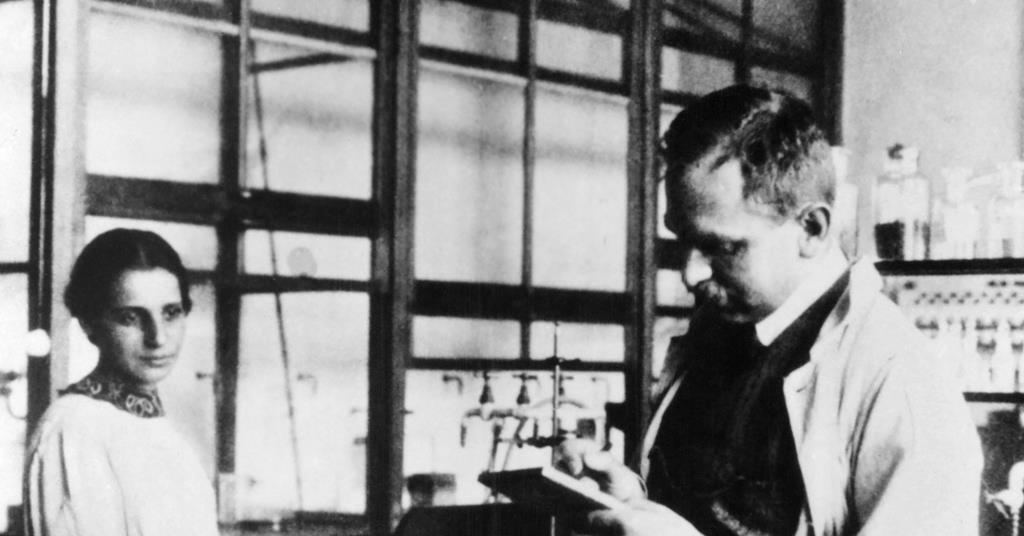
Harold Urey: Químico Nobel y el Descubrimiento del Deuterio
Harold Clayton Urey es una figura monumental en la historia de la ciencia del siglo XX. Este químico estadounidense dejó una huella imborrable en campos tan diversos como la química isotópica, la energía nuclear y la astrobiología. Su trabajo pionero, coronado con el Premio Nobel de Química en 1934, no solo revolucionó la comprensión de los elementos básicos de la materia, sino que también abrió puertas a descubrimientos sobre el origen de la vida y la historia de nuestro planeta. La vida y obra de Harold Urey representan un legado de rigor científico e innovación transversal.
Vida Temprana y Formación Académica
Harold Clayton Urey nació el 29 de abril de 1893 en Walkerton, Indiana, en el seno de una familia humilde. Sus primeros años estuvieron marcados por la dedicación al estudio y al trabajo, valores que mantendría durante toda su carrera. Tras completar la educación secundaria, comenzó sus estudios superiores en la Universidad de Montana, donde inicialmente se interesó por la zoología. Obtuvo su licenciatura en esta disciplina en 1917, un primer paso que, aunque alejado de la química, forjó su disciplina investigadora.
De la Zoología a la Química Pura
Tras graduarse, Urey impartió clases de química y zoología en la Universidad de Montana durante dos años. Esta experiencia en la docencia le permitió profundizar en la química, descubriendo su verdadera vocación. Decidió entonces dar un giro radical a su carrera y perseguir un doctorado en química física. En 1923, culminó con éxito su doctorado en la prestigiosa Universidad de California, Berkeley, bajo la tutela del eminente Gilbert N. Lewis. Su tesis doctoral versó sobre las propiedades termodinámicas de las moléculas gaseosas, sentando las bases de su futuro trabajo con isótopos.
Este periodo formativo fue crucial. La influencia de Lewis y el ambiente intelectual de Berkeley dotaron a Urey de las herramientas teóricas y experimentales que más tarde emplearía para sus descubrimientos más famosos. Su transición de la zoología a la química de vanguardia es un testimonio de su curiosidad intelectual sin límites y su capacidad para trascender las fronteras disciplinarias tradicionales.
El Descubrimiento del Deuterio y el Premio Nobel
El momento culminante de la carrera de Harold Urey llegó a principios de la década de 1930. Tras un fructífero periodo de investigación postdoctoral en Copenhague con Niels Bohr, Urey se incorporó a la Universidad de Columbia. Fue allí donde, en 1932, realizó el descubrimiento que cambiaría su vida y el curso de la ciencia moderna: el deuterio, un isótopo pesado del hidrógeno.
Urey y su equipo lograron aislar el deuterio mediante un meticuloso proceso de destilación fraccionada de hidrógeno líquido, seguido de un análisis espectroscópico que confirmó la existencia de este nuevo átomo. La abundancia natural del deuterio es extremadamente baja, aproximadamente 15 átomos por cada 100.000 átomos de hidrógeno común. Este hallazgo demostró que los elementos podían existir en formas isotópicas estables con propiedades diferentes.
El descubrimiento del deuterio no solo le valió el Premio Nobel de Química en 1934, sino que también condujo al aislamiento del agua pesada (D₂O), una sustancia con propiedades únicas cruciales para la ciencia y la tecnología.
Repercusiones del Hallazgo del Deuterio
El descubrimiento del deuterio tuvo implicaciones inmediatas y de largo alcance. El agua pesada, que contiene deuterio en lugar de hidrógeno común, se convirtió en un material de enorme importancia. Entre sus aplicaciones clave se encuentran:
- Moderador en reactores nucleares: El agua pesada frena los neutrones en las reacciones de fisión, permitiendo el control de reactores nucleares civiles.
- Trazador bioquímico: El deuterio se utiliza como marcador no radiactivo en estudios metabólicos y de reacciones químicas complejas.
- Fundamento para la bomba de hidrógeno: Su trabajo en isótopos de hidrógeno sentó las bases físicas para el desarrollo posterior de armamento termonuclear.
Por este logro trascendental, Harold Urey recibió el Premio Nobel de Química en 1934. El reconocimiento no se detuvo allí; ese mismo año también fue galardonado con la Medalla Willard Gibbs, consolidando su reputación como uno de los químicos más importantes de su generación.
Contribución al Proyecto Manhattan y la Energía Atómica
Con el estallido de la Segunda Guerra Mundial, el expertise de Urey en separación de isótopos se volvió de interés estratégico nacional. Fue reclutado para contribuir al Proyecto Manhattan, el esfuerzo secreto de los Aliados para desarrollar la primera bomba atómica. En Columbia, Urey dirigió el grupo de separación de isótopos, enfocándose en uno de los desafíos más complejos del proyecto: enriquecer el uranio-235 fisionable a partir del uranio-238 más abundante.
Su equipo investigó y desarrolló métodos como la difusión gaseosa, un proceso crítico aunque extremadamente difícil, para lograr la separación a escala industrial. Aunque este método no fue el principal utilizado en Oak Ridge, el trabajo de Urey proporcionó conocimientos científicos invaluables y alternativas tecnológicas. Además, sus investigaciones sobre el tritio, otro isótopo del hidrógeno, fueron fundamentales para el desarrollo posterior de la bomba de hidrógeno.
Una Posición Ética y Política
La participación de Urey en el Proyecto Manhattan fue compleja y marcada por una profunda reflexión ética. Tras el fin de la guerra, se convirtió en un defensor abierto del control internacional de la energía atómica. Abogó por la creación de organismos supranacionales que evitaran una carrera armamentística y promovieran el uso pacífico de la energía nuclear. Su activismo político lo llevó a asesorar al Partido Demócrata e incluso al presidente John F. Kennedy, evidenciando su compromiso con la responsabilidad social de la ciencia.
Esta etapa de su vida ilustra la dualidad del científico moderno: un creador de conocimiento que también debe enfrentar las consecuencias de sus descubrimientos. Urey transitó de ser un arquitecto de la energía atómica a ser uno de sus críticos más lúcidos, siempre guiado por un principio de beneficio para la humanidad.
El Experimento Miller-Urey y el Origen de la Vida
En la década de 1950, el interés científico de Harold Urey dio otro giro trascendental, pasando de la química nuclear a una de las preguntas fundamentales de la humanidad: el origen de la vida. Junto con su estudiante Stanley Miller, diseñó y llevó a cabo en 1953 uno de los experimentos más famosos y emblemáticos del siglo XX, conocido mundialmente como el experimento Miller-Urey. Este trabajo buscaba poner a prueba la hipótesis de que las condiciones de la Tierra primitiva podían haber generado los componentes básicos de la vida a partir de materia inorgánica.
Simulando la Sopa Primordial
El experimento consistió en simular las condiciones atmosféricas y oceánicas que se creía existían en el planeta hace miles de millones de años. En un aparato de vidrio sellado, recrearon un océano primitivo con agua caliente y una atmósfera reductora compuesta por metano, amoníaco, hidrógeno y vapor de agua. Descargas eléctricas, que simulaban los relámpagos de las tormentas prehistóricas, fueron aplicadas continuamente a esta mezcla durante varios días.
Los resultados fueron asombrosos: en una semana, el agua inicialmente clara se volvió de un color rosa y posteriormente rojo oscuro, y el análisis reveló la presencia de varios compuestos orgánicos, incluyendo cuatro aminoácidos diferentes, los bloques constituyentes de las proteínas.
Este hallazgo demostró por primera vez de manera experimental que las moléculas orgánicas complejas, esenciales para la vida, podían formarse espontáneamente bajo condiciones prebióticas plausibles. El experimento Miller-Urey se convirtió instantáneamente en la piedra angular de la abiogénesis y catapultó el campo de la astrobiología. Su legado persiste hoy, con científicos que continúan refinando el experimento con distintas composiciones atmosféricas y fuentes de energía, descubriendo incluso más variedad de compuestos orgánicos.
Pionero en Ciencias Planetarias y Geoquímica
Tras su etapa en el Proyecto Manhattan y durante su trabajo en el experimento del origen de la vida, Urey desarrolló un profundo interés por las ciencias planetarias y la geoquímica. Cuando se unió a la facultad de la Universidad de Chicago en 1945, comenzó a aplicar su maestría en el estudio de isótopos a problemas de la Tierra y el sistema solar. Su enfoque innovador revolucionó nuestra capacidad para leer la historia antigua del planeta.
El Termómetro de los Isótopos de Oxígeno
Una de sus contribuciones más perdurables en este campo fue el desarrollo de la paleotermometría por isótopos de oxígeno. Urey descubrió que la proporción entre los isótopos oxígeno-18 y oxígeno-16 en los caparazones de organismos marinos fósiles (como los foraminíferos) dependía de la temperatura del agua en la que habían vivido. Mediante el análisis meticuloso de estas proporciones isotópicas, los científicos pudieron estimar temperaturas oceánicas de hasta 180 millones de años de antigüedad.
Este método se convirtió en una herramienta fundamental para la paleoclimatología, permitiendo reconstruir el clima del pasado con una precisión sin precedentes. Hoy, las técnicas derivadas de su trabajo son esenciales para entender los ciclos climáticos naturales y contextualizar el actual cambio climático antropogénico. La geoquímica isotópica, en gran parte impulsada por Urey, es una disciplina central en las ciencias de la Tierra.
El Análisis de las Muestras Lunares del Apolo
El interés de Urey por los cuerpos celestes lo llevó a formular hipótesis sobre la formación de la Luna. Su trabajo teórico llamó la atención de la NASA, y cuando la misión Apolo 11 trajo las primeras muestras de roca lunar en 1969, Urey, ya en la Universidad de California en San Diego, fue uno de los científicos principales seleccionados para analizarlas. Su participación directa en el examen de este material extraterrestre fue un momento cumbre en su carrera.
Sin embargo, en un ejemplo notable de integridad científica, las evidencias encontradas en las muestras lunares refutaron su propia hipótesis sobre el origen de la Luna. Urey había apoyado la idea de que la Luna se había formado en frío y se había mantenido así. Los nuevos datos indicaban un pasado mucho más volcánico y caliente. Lejos de aferrarse a su teoría, Urey aceptó públicamente la nueva evidencia, demostrando que para un verdadero científico, los hechos observados están por encima de las ideas preconcebidas.
Legado y Reconocimientos de una Carrera Excepcional
A lo largo de su vida, Harold Urey acumuló una serie de honores y distinciones que reflejan la amplitud e impacto de su trabajo. Más allá del Premio Nobel, su contribución a la ciencia fue reconocida repetidamente por las instituciones más prestigiosas del mundo. Estos premios no solo celebran descubrimientos específicos, sino también una carrera marcada por la curiosidad incansable y la voluntad de explorar nuevos campos.
Galardones y Distinciones Principales
La lista de reconocimientos de Urey es extensa y cubre diversas áreas de la química, la física y la astronomía. Entre los más destacados se encuentran:
- Medalla Davy (1940): Otorgada por la Royal Society del Reino Unido por sus trabajos en el descubrimiento del deuterio.
- Medalla Nacional de Ciencias (1964): La máxima distinción científica en Estados Unidos, concedida por el Presidente Lyndon B. Johnson.
- Medalla de Oro de la Real Sociedad Astronómica (1966): Un reconocimiento a sus contribuciones pioneras en el campo de las ciencias planetarias y el estudio del sistema solar.
- Medalla Priestley (1973): El honor más alto conferido por la American Chemical Society, considerado el premio máximo de la química en Estados Unidos.
Estos galardones muestran cómo Urey fue valorado tanto por sus colegas químicos como por las comunidades de la física y la astronomía, un hecho poco común que subraya la naturaleza interdisciplinaria de su legado.
Influencia en la Educación y la Política Científica
Además de su investigación, Urey fue un educador dedicado y un defensor público de la ciencia. Escribió libros influyentes que acercaron la ciencia compleja al público general, como "Los planetas: su origen y desarrollo" (1952). También fue un mentor para numerosos científicos que luego tendrían carreras distinguidas, incluyendo a Stanley Miller y a otros que se especializaron en geoquímica isotópica.
Su activismo político posterior a la Segunda Guerra Mundial, abogando por el desarme y el control internacional de la energía atómica, refleja su profunda conciencia sobre las implicaciones éticas del trabajo científico. Urey comprendió que el conocimiento conlleva una responsabilidad, y utilizó su prestigio para influir en el debate público sobre uno de los temas más cruciales de la era moderna.
La Herencia Científica y las Aplicaciones Modernas
El legado de Harold Urey trasciende el siglo XX y continúa vivo en una amplia gama de disciplinas científicas y tecnologías modernas. Sus descubrimientos fundamentales actúan como piedras angulares en campos que van desde la energía nuclear hasta la exploración espacial y la comprensión del cambio climático. La versatilidad de su trabajo es un testimonio de cómo la ciencia básica puede generar aplicaciones transformadoras décadas después.
El Deuterio y el Agua Pesada en la Tecnología Actual
El descubrimiento del deuterio por parte de Urey no fue solo un hazo académico. Hoy, el deuterio y el agua pesada (D₂O) son materiales críticos en la industria y la investigación. Su papel como moderador en reactores nucleares de tipo CANDU es vital para la generación de energía en varios países. En la investigación científica, el deuterio se emplea como una herramienta de trazado no radiactiva en espectroscopía de RMN (Resonancia Magnética Nuclear) y en estudios de cinética química, permitiendo a los científicos seguir el camino de átomos individuales en reacciones complejas.
Además, el trabajo de Urey sobre isótopos pesados del hidrógeno es esencial para el campo de la fusión nuclear controlada. Experimentos como el ITER (Reactor Experimental Termonuclear Internacional) dependen del conocimiento profundo del comportamiento del deuterio y el tritio, isótopos cuyo estudio Urey ayudó a impulsar, en su búsqueda por recrear la energía de las estrellas en la Tierra de manera segura y sostenible.
El Miller-Urey en la Astrobiología Contemporánea
El experimento Miller-Urey sigue siendo un referente obligado en la investigación sobre el origen de la vida. Los astrobiólogos modernos continúan refinando su diseño original, probando diferentes composiciones para la atmósfera primitiva de la Tierra e incorporando nuevas fuentes de energía, como la radiación ultravioleta o el calor geotérmico. Investigaciones recientes han demostrado que, bajo condiciones ajustadas, el experimento puede producir no solo aminoácidos, sino también nucleótidos, los componentes básicos del ARN y el ADN.
Este legado experimental directo vincula a Urey con misiones espaciales modernas, como las de los rovers en Marte, que buscan compuestos orgánicos siguiendo el principio fundamental que él ayudó a establecer: donde hay los ingredientes y condiciones adecuadas, puede surgir la química de la vida.
Refinamientos y Controversias en las Teorías de Urey
Aunque el marco establecido por Urey sigue siendo sólido, el avance de la ciencia ha llevado a refinamientos e incluso a la revisión de algunas de sus hipótesis específicas. Esto no resta valor a su contribución, sino que ilustra el proceso normal y saludable del método científico, donde las ideas se ponen a prueba continuamente con nueva evidencia.
La Evolución del Modelo Atmosférico Primigenio
Una de las principales actualizaciones a su trabajo concierne a la composición de la atmósfera primitiva utilizada en el experimento Miller-Urey. La mayoría de los científicos actuales creen que la atmósfera de la Tierra joven era menos reductora de lo que se pensaba en la década de 1950, conteniendo más dióxido de carbono y nitrógeno molecular. Sin embargo, experimentos con estas mezclas actualizadas también han logrado producir moléculas orgánicas complejas, validando el concepto central de Urey y Miller.
Fuentes alternativas de moléculas prebióticas, como los respiraderos hidrotermales en el fondo oceánico o la llegada de compuestos a través de meteoritos, complementan ahora la hipótesis de la "sopa primordial". El trabajo de Urey no se ha invalidado, sino que se ha integrado en un marco teórico más amplio y robusto sobre los orígenes de la vida, mostrando cómo una idea seminal puede evolucionar y expandirse.
El Origen de la Luna: Una Hipótesis Superada
Como se mencionó, Urey defendía la teoría de que la Luna se había formado en frío y era primordial. Su análisis directo de las rocas del Apolo 11, que esperaba que respaldara su idea, terminó proporcionando pruebas en contra. La evidencia de un pasado volcánico y un océano de magma lunar fue abrumadora. La aceptación pública de esta refutación por parte de Urey es una lección magistral de ética científica. Hoy, la teoría aceptada es la del impacto gigante, donde un cuerpo del tamaño de Marte colisionó con la Tierra joven, expulsando material que formó la Luna. La contribución de Urey aquí fue, irónicamente, ayudar a descartar una idea errónea mediante la evidencia empírica que él mismo ayudó a recolectar.
Conclusión: El Arquitecto de la Ciencia Interdisciplinaria
Harold Clayton Urey falleció el 5 de enero de 1981 en La Jolla, California, dejando tras de sí un panorama científico irreconociblemente transformado por su curiosidad e ingenio. Su carrera es un poderoso ejemplo de cómo un científico puede operar con éxito en múltiples fronteras del conocimiento sin quedarse atrapado en una sola especialidad. Desde la química fundamental hasta la geología, la planetología y la exobiología, Urey construyó puentes entre disciplinas que antes parecían distantes.
Los puntos clave de su legado son claros y permanecen vigentes:
- Descubrimiento del deuterio: Un hallazgo que abrió las puertas a la química isotópica moderna y a tecnologías críticas en energía e investigación.
- Experimento Miller-Urey: La demostración experimental pionera de que los bloques de la vida pueden surgir de procesos naturales, fundamentando la astrobiología.
- Pionero en geoquímica isotópica: Desarrolló herramientas como el paleotermómetro de oxígeno-18, que permite leer la historia climática de la Tierra.
- Contribución crucial al Proyecto Manhattan: Su expertise en separación de isótopos fue vital para el esfuerzo bélico, seguida de una defensa ética del control nuclear.
- Modelo de integridad científica: Su voluntad de aceptar evidencias que contradecían sus propias teorías, como con las muestras lunares, es un estándar de conducta profesional.
El Impacto Duradero en el Siglo XXI
En el siglo XXI, el nombre de Urey sigue resonando en laboratorios, reactores nucleares y centros de control de misiones espaciales. Su trabajo es citado en investigaciones sobre el cambio climático histórico, al utilizar sus métodos isotópicos para contextualizar el calentamiento global actual. Es honrado en el nombre de cráteres lunares y en premios que llevan su nombre, como la Medalla Urey que otorga la European Association of Geochemistry.
La figura de Harold Urey se erige como la del científico completo: un investigador de mente abierta, un maestro inspirador y un ciudadano comprometido con las implicaciones sociales de su trabajo. Demostró que la búsqueda del conocimiento, guiada por la rigurosidad y la honestidad intelectual, puede iluminar desde los secretos del átomo hasta los misterios del cosmos y el origen mismo de nuestra existencia. Su vida es un recordatorio eterno de que la ciencia más profunda y transformadora nace de la capacidad de hacer preguntas sencillas sobre la naturaleza y de la perseverancia para encontrar sus respuestas.
En conclusión, la obra de Harold Urey fue fundamental para el desarrollo de la química isotópica y campos afines, legado por el que merecidamente recibió el Premio Nobel. Su historia nos invita a reflexionar sobre cómo la curiosidad científica por los componentes más básicos de la materia puede desvelar secretos del universo y cambiar el curso de la ciencia.



Thomson: A Legacy of Innovation in Professional Services
Thomson is a name synonymous with innovation and expertise, particularly in the realm of professional services. While the brand has a rich history spanning over a century, its modern incarnation, Thomson Reuters, stands as a global leader in providing specialized software, insights, and news to professionals in legal, tax, accounting, compliance, government, and media sectors. This article delves into the multifaceted world of Thomson, exploring its key segments, recent developments, and the strategic initiatives driving its growth.
Thomson Reuters: A Global Powerhouse
Thomson Reuters has established itself as a cornerstone in the professional services industry. The company's comprehensive suite of products and services caters to a diverse clientele, ensuring that professionals have access to the tools and insights they need to excel in their respective fields.
Key Segments Driving Revenue
The company's revenue is primarily driven by three key segments:
- Legal Professionals: This segment accounts for 37% of the company's revenue, offering products like Westlaw, a leading legal database.
- Corporates: Contributing 28% to the revenue, this segment provides tools and solutions tailored for corporate clients.
- Tax & Accounting: This segment makes up 19% of the revenue, offering specialized software and services for tax and accounting firms.
Together, these segments drive 82% of Thomson Reuters' total revenues, highlighting their significance in the company's financial performance.
Recent Financial Performance
In Q3 2025, Thomson Reuters reported impressive financial results:
- Organic revenue growth of 7%, with 9% growth in recurring revenue.
- Adjusted EBITDA increased by 10% to $672 million, with a margin of 37.7%.
- The Legal Professionals segment saw a 9% organic growth, while the Corporates and Tax & Accounting segments grew by 9% and 10%, respectively.
These figures underscore the company's robust financial health and its ability to deliver consistent growth.
Strategic Initiatives and AI Expansion
Thomson Reuters is at the forefront of leveraging artificial intelligence (AI) to enhance its offerings. The company's "Build, Partner, Buy" strategy has led to significant investments in AI, with over $200 million allocated annually for AI-related initiatives.
AI Investments and Acquisitions
The company's AI expansion includes several key acquisitions:
- Safe Sign: Enhances security and compliance in legal workflows.
- Materia: Focuses on AI-driven solutions for legal professionals.
- SafeSend: Provides AI-powered tools for tax and accounting firms.
These acquisitions are part of Thomson Reuters' broader strategy to integrate AI into its product suite, making its solutions more efficient and effective.
Agentic AI Solutions
One of the standout innovations from Thomson Reuters is the launch of CoCounsel, an agentic AI solution designed to assist professionals in legal, tax, and audit workflows. This AI-powered tool is a testament to the company's commitment to leveraging cutting-edge technology to enhance its services.
Market Recognition and Leadership
Thomson Reuters' dedication to innovation and excellence has earned it recognition as a leader in various markets. In 2025, the company was named a Leader in the IDC MarketScape for Worldwide Global Trade Management, specifically for manufacturers/exporters and retailers/importers.
ONESOURCE: A Global Trade Management Solution
The company's ONESOURCE platform serves over 1,500 companies and 35,000 professionals across 100 countries. This platform is a comprehensive solution for global trade management, helping businesses navigate the complexities of international trade with ease.
Financial Strength and Shareholder Value
Thomson Reuters' financial strength is evident in its recent $1 billion share repurchase completed in October 2025. The company also has $1.4 billion in cash for acquisitions and a net leverage of 0.6x, with a $9 billion capital capacity projected by 2027. These figures highlight the company's robust financial position and its commitment to delivering value to shareholders.
Conclusion
Thomson Reuters' journey is a testament to its ability to adapt and innovate in a rapidly evolving professional services landscape. From its strategic AI investments to its market-leading solutions, the company continues to set the standard for excellence in the industry. As we delve deeper into the specifics of Thomson's offerings and strategies in the subsequent parts of this article, it becomes clear that the company's legacy of innovation is far from over.
Thomson Reuters' Commitment to AI and Innovation
The integration of artificial intelligence (AI) into professional services is revolutionizing how industries operate. Thomson Reuters is at the forefront of this transformation, leveraging AI to enhance efficiency, accuracy, and decision-making across its product suite. The company's strategic focus on AI is not just about keeping pace with technological advancements but about setting new benchmarks for innovation in the professional services sector.
AI-Powered Solutions for Legal Professionals
Legal professionals face increasing pressure to deliver faster, more accurate results while navigating complex regulatory environments. Thomson Reuters addresses these challenges with AI-driven tools like Westlaw Edge and CoCounsel. These solutions use machine learning and natural language processing to streamline legal research, contract analysis, and case strategy development.
- Westlaw Edge: Offers AI-enhanced legal research capabilities, including predictive analytics to forecast case outcomes.
- CoCounsel: An agentic AI tool that assists with document review, legal drafting, and compliance checks, significantly reducing manual workloads.
These innovations are part of Thomson Reuters' broader "Build, Partner, Buy" strategy, which has seen the company invest over $200 million annually in AI development and acquisitions.
Transforming Tax and Accounting with AI
The tax and accounting sector is another area where Thomson Reuters is making significant strides with AI. The company's ONESOURCE platform, combined with AI-powered tools like SafeSend, is helping professionals automate routine tasks, reduce errors, and improve compliance.
- ONESOURCE: A comprehensive tax and accounting solution that integrates AI to simplify complex calculations and reporting.
- SafeSend: An AI-driven tool that enhances the accuracy and efficiency of tax filings and audits.
By incorporating AI into these platforms, Thomson Reuters is enabling tax and accounting professionals to focus on higher-value tasks, such as strategic planning and client advisory services.
Thomson Reuters' Global Reach and Market Leadership
Thomson Reuters' influence extends across the globe, with a strong presence in key markets such as the Americas, Europe, and Asia. The company's ability to serve a diverse clientele—ranging from law firms and multinational corporations to government agencies—underscores its versatility and adaptability in meeting the unique needs of different industries and regions.
Dominance in the Americas
The Americas account for 80% of Thomson Reuters' revenue, making it the company's largest and most strategic market. The region's robust legal, corporate, and tax sectors provide a fertile ground for Thomson Reuters' solutions, which are designed to address the specific challenges faced by professionals in these fields.
- Legal Professionals: The company's Westlaw and Practical Law solutions are widely adopted by law firms and corporate legal departments across the Americas.
- Corporates: Thomson Reuters' compliance and risk management tools are essential for businesses navigating complex regulatory landscapes.
- Tax & Accounting: The ONESOURCE platform is a go-to solution for tax professionals, offering comprehensive support for tax compliance and planning.
The company's deep understanding of the Americas' market dynamics, combined with its localized solutions, has cemented its position as a leader in the region.
Expanding Influence in Europe and Asia
While the Americas remain Thomson Reuters' strongest market, the company is also making significant inroads in Europe (17% of revenue) and Asia (3% of revenue). These regions present unique opportunities and challenges, which Thomson Reuters addresses through tailored solutions and strategic partnerships.
- Europe: The company's offerings in legal, tax, and compliance are increasingly adopted by European firms seeking to enhance efficiency and navigate regional regulations.
- Asia: Thomson Reuters is expanding its footprint in this rapidly growing market by providing solutions that cater to the specific needs of Asian businesses and legal professionals.
The company's global reach is further strengthened by its Reuters News division, which delivers real-time financial and market insights to professionals worldwide. This integration of news and professional services creates a synergistic effect, enhancing the value proposition for Thomson Reuters' clients.
Financial Strength and Shareholder Value
Thomson Reuters' financial performance is a testament to its strategic vision and operational excellence. The company's consistent revenue growth, strong profitability, and disciplined capital management have positioned it as a reliable investment for shareholders.
Consistent Revenue Growth and Profitability
In Q3 2025, Thomson Reuters reported 7% organic revenue growth, with its core segments—Legal Professionals, Corporates, and Tax & Accounting—each achieving growth rates of 9%, 9%, and 10%, respectively. This performance highlights the company's ability to deliver sustainable growth across its key business areas.
The company's adjusted EBITDA for Q3 2025 was $672 million, representing a 10% increase year-over-year. The EBITDA margin of 37.7% underscores Thomson Reuters' strong operational efficiency and profitability.
Strategic Capital Management
Thomson Reuters' disciplined approach to capital management is evident in its recent financial activities. The company completed a $1 billion share repurchase in October 2025, demonstrating its commitment to returning value to shareholders. Additionally, Thomson Reuters maintains a strong balance sheet with $1.4 billion in cash for potential acquisitions and a net leverage ratio of 0.6x, indicating a healthy financial position.
Looking ahead, the company projects a $9 billion capital capacity by 2027, providing ample resources for future investments in AI, technology, and strategic acquisitions. This financial flexibility ensures that Thomson Reuters can continue to innovate and expand its market leadership.
Thomson's Consumer Tech Brand: A Legacy Reimagined
While Thomson Reuters dominates the professional services landscape, the Thomson brand also has a rich history in consumer technology. At CES 2025, Thomson made a splash with its reimagined line of intuitive tech products, showcasing its commitment to innovation in the consumer market.
Innovative Products Unveiled at CES 2025
Thomson's presence at CES 2025 marked its North American launch, featuring a range of cutting-edge products designed for modern consumers. The company's offerings included:
- Foldable Laptops: Combining portability with powerful performance, these laptops cater to professionals and tech enthusiasts alike.
- Crypto-Secure Notebooks: Developed in partnership with Metavisio, these notebooks offer enhanced security features for cryptocurrency users.
- 24” Smart Photo Frames: Blending aesthetics with functionality, these frames provide a seamless way to display and share digital memories.
- Soundbars: Delivering high-quality audio experiences, Thomson's soundbars are designed to complement modern home entertainment systems.
These products reflect Thomson's dedication to creating stylish, connected, and intuitive tech solutions that resonate with today's consumers.
Partnerships and Licensing Ecosystem
Thomson's consumer tech brand operates through a robust licensing ecosystem, partnering with companies like Max Talent and Metavisio to bring innovative products to market. This collaborative approach allows Thomson to leverage the expertise of its partners while maintaining its legacy of quality and innovation.
The company's focus on North American growth is evident in its strategic partnerships and product launches. By aligning with leading tech firms, Thomson is well-positioned to capture a significant share of the consumer electronics market in the region.
As Thomson continues to expand its consumer tech offerings, its legacy of innovation remains a driving force, ensuring that the brand stays relevant in an ever-evolving industry.
Thomson's Strategic Vision for the Future
As Thomson Reuters continues to solidify its position as a leader in professional services, its strategic vision for the future is centered around innovation, expansion, and customer-centric solutions. The company's commitment to leveraging cutting-edge technology, particularly artificial intelligence (AI), is a cornerstone of its long-term growth strategy. By integrating AI into its core offerings, Thomson Reuters aims to enhance efficiency, accuracy, and decision-making for professionals across various industries.
Long-Term Growth and AI Integration
Thomson Reuters' "Build, Partner, Buy" strategy is a testament to its proactive approach to innovation. The company's annual investment of over $200 million in AI development and acquisitions underscores its dedication to staying at the forefront of technological advancements. This strategy not only fuels the creation of AI-powered tools like CoCounsel and Westlaw Edge but also ensures that Thomson Reuters remains a pioneer in the professional services sector.
- CoCounsel: An agentic AI solution designed to assist legal professionals with document review, legal drafting, and compliance checks.
- Westlaw Edge: A legal research platform enhanced with AI capabilities, including predictive analytics for case outcomes.
- SafeSend: An AI-driven tool that streamlines tax filings and audits, reducing errors and improving compliance.
These innovations are not just about automating routine tasks but about empowering professionals to focus on higher-value activities, such as strategic planning and client advisory services.
Expanding Market Reach and Customer Base
Thomson Reuters' global reach is a key driver of its success. With a strong presence in the Americas (80% of revenue), the company is also making significant strides in Europe (17%) and Asia (3%). This geographic diversity allows Thomson Reuters to cater to a wide range of clients, from law firms and multinational corporations to government agencies and media organizations.
The company's ability to adapt its solutions to meet the unique needs of different regions is a testament to its versatility and customer-centric approach. For instance, Thomson Reuters' ONESOURCE platform serves over 1,500 companies and 35,000 professionals across 100 countries, providing comprehensive support for global trade management, tax compliance, and risk mitigation.
Thomson's Consumer Tech Brand: Bridging Legacy and Innovation
While Thomson Reuters dominates the professional services landscape, the Thomson brand also has a rich legacy in consumer technology. At CES 2025, Thomson showcased its reimagined line of intuitive tech products, demonstrating its commitment to innovation in the consumer market. This dual focus on professional and consumer segments highlights the brand's versatility and adaptability.
Innovative Consumer Products
Thomson's presence at CES 2025 marked its North American launch, featuring a range of cutting-edge products designed for modern consumers. These offerings include:
- Foldable Laptops: Combining portability with powerful performance, these laptops cater to professionals and tech enthusiasts alike.
- Crypto-Secure Notebooks: Developed in partnership with Metavisio, these notebooks offer enhanced security features for cryptocurrency users.
- 24” Smart Photo Frames: Blending aesthetics with functionality, these frames provide a seamless way to display and share digital memories.
- Soundbars: Delivering high-quality audio experiences, Thomson's soundbars are designed to complement modern home entertainment systems.
These products reflect Thomson's dedication to creating stylish, connected, and intuitive tech solutions that resonate with today's consumers. By leveraging its legacy of innovation, Thomson is well-positioned to capture a significant share of the consumer electronics market.
Strategic Partnerships and Licensing
Thomson's consumer tech brand operates through a robust licensing ecosystem, partnering with companies like Max Talent and Metavisio to bring innovative products to market. This collaborative approach allows Thomson to leverage the expertise of its partners while maintaining its legacy of quality and innovation.
The company's focus on North American growth is evident in its strategic partnerships and product launches. By aligning with leading tech firms, Thomson is well-positioned to expand its footprint in the consumer electronics market, ensuring that the brand remains relevant in an ever-evolving industry.
Thomson's Commitment to Sustainability and Corporate Responsibility
Beyond its technological innovations and market expansions, Thomson Reuters is also deeply committed to sustainability and corporate responsibility. The company recognizes the importance of operating in an environmentally and socially responsible manner, ensuring that its business practices align with global sustainability goals.
Environmental, Social, and Governance (ESG) Initiatives
Thomson Reuters' Environmental, Social, and Governance (ESG) initiatives are integral to its corporate strategy. The company is dedicated to reducing its environmental footprint, promoting social equity, and maintaining high standards of governance. Key aspects of Thomson Reuters' ESG efforts include:
- Environmental Sustainability: Implementing energy-efficient practices, reducing waste, and promoting the use of renewable energy sources.
- Social Responsibility: Fostering diversity and inclusion within the workplace, supporting local communities, and promoting ethical business practices.
- Governance: Maintaining transparency and accountability in all business operations, ensuring compliance with regulatory requirements, and upholding the highest standards of corporate governance.
These initiatives not only enhance Thomson Reuters' reputation as a responsible corporate citizen but also contribute to the long-term sustainability of its business operations.
Community Engagement and Philanthropy
Thomson Reuters is also actively involved in community engagement and philanthropic activities. The company supports various educational and social programs aimed at empowering underprivileged communities and promoting access to information and technology. By investing in these initiatives, Thomson Reuters demonstrates its commitment to making a positive impact on society.
Conclusion: Thomson's Legacy of Innovation and Excellence
Thomson's journey is a testament to its ability to adapt and innovate in a rapidly evolving landscape. From its origins as a pioneer in media and technology to its current position as a global leader in professional services, Thomson has consistently demonstrated a commitment to excellence and innovation. The company's strategic focus on artificial intelligence, global expansion, and customer-centric solutions has positioned it as a trusted partner for professionals across various industries.
Key takeaways from Thomson's story include:
- Innovation: Thomson Reuters' investment in AI and technology is driving efficiency and accuracy in professional services.
- Global Reach: The company's strong presence in the Americas, Europe, and Asia ensures that it can cater to a diverse clientele.
- Financial Strength: Thomson Reuters' robust financial performance and disciplined capital management underscore its commitment to delivering value to shareholders.
- Consumer Tech: The reimagined Thomson brand in consumer electronics showcases the company's versatility and adaptability.
- Sustainability: Thomson Reuters' commitment to ESG initiatives and corporate responsibility highlights its dedication to making a positive impact on society.
As Thomson continues to evolve and expand, its legacy of innovation and excellence remains a driving force. Whether through its professional services or consumer tech offerings, Thomson is poised to shape the future of technology and information, ensuring that it remains a leader in the global marketplace for years to come.
In conclusion, Thomson's story is one of resilience, adaptability, and relentless pursuit of excellence. By embracing innovation and leveraging its global reach, Thomson is not just keeping pace with the changing landscape but is actively shaping the future of professional services and consumer technology. As the company continues to grow and evolve, its commitment to delivering value to customers, shareholders, and society at large remains unwavering.



Albert Einstein: The Genius Who Redefined the Universe
The Early Life of a Revolutionary Mind
Albert Einstein was born on March 14, 1879, in Ulm, a small city in the Kingdom of Württemberg in the German Empire. His parents, Hermann Einstein and Pauline Koch, were secular Ashkenazi Jews. From an early age, Einstein exhibited an extraordinary curiosity about the natural world. A pivotal moment in his childhood occurred when his father gave him a compass. The unseen force guiding the needle fascinated him, planting the seed for his lifelong quest to understand the hidden laws of the universe.
Einstein’s early education was unconventional. He struggled with the rigid structure of traditional schooling, preferring independent learning. At age 12, he taught himself algebra and geometry, swiftly mastering advanced mathematical concepts. His rebellious nature led him to clash with authority figures, but his intellectual brilliance soon became undeniable.
The Road to Scientific Discovery
In 1895, Einstein applied to the Swiss Federal Polytechnic in Zurich but failed the entrance exam. Undeterred, he completed his secondary education in Aarau, Switzerland, and was admitted the following year. There, he met Mileva Marić, a fellow physicist who would later become his first wife. Though their marriage faced numerous challenges, their intellectual partnership was significant in Einstein’s early work.
After graduating in 1900, Einstein struggled to find an academic position due to his reputation as a non-conformist. He worked as a patent examiner in Bern, a job that granted him the mental freedom to explore scientific ideas in his spare time. The year 1905, known as his "Annus Mirabilis" (Miracle Year), marked the publication of four groundbreaking papers that reshaped physics forever.
The Miracle Year: 1905
Einstein’s 1905 papers addressed fundamental questions in physics, each contributing to a new understanding of the universe:
1. The Photoelectric Effect
Einstein proposed that light behaves as discrete packets of energy called "quanta" (later named photons). This idea, foundational to quantum mechanics, earned him the Nobel Prize in Physics in 1921.
2. Brownian Motion
He provided empirical evidence for the existence of atoms by explaining the erratic movement of particles suspended in fluid—a phenomenon known as Brownian motion.
3. Special Theory of Relativity
Einstein introduced the concept that the laws of physics are the same for all non-accelerating observers and that the speed of light is constant. His famous equation, E=mc², emerged from this theory, linking energy and mass.
4. Mass-Energy Equivalence
This principle demonstrated that mass and energy are interchangeable, a cornerstone of modern physics with profound implications for nuclear energy and cosmology.
The Rise to Scientific Stardom
Einstein’s work eventually gained recognition, and by 1909, he secured a professorship at the University of Zurich. His career advanced rapidly as he moved to Prague, returned to Zurich, and finally settled in Berlin in 1914, where he became a director at the Kaiser Wilhelm Institute for Physics.
However, his personal life was tumultuous. His marriage to Mileva deteriorated, and they divorced in 1919. That same year, his General Theory of Relativity—a refinement of his earlier work incorporating gravity—was confirmed during a solar eclipse. This validation catapulted Einstein to international fame.
The General Theory of Relativity
Einstein’s general relativity redefined gravity as the curvature of spacetime caused by mass. Unlike Newton’s concept of gravity as a force, Einstein’s model described it as the warping of the cosmic fabric. Predictions like the bending of light around massive objects and gravitational waves became pivotal to astrophysics.
Einstein’s Influence Beyond Physics
Beyond his scientific achievements, Einstein was a vocal advocate for civil rights, pacifism, and intellectual freedom. He fled Nazi Germany in 1933, renouncing his citizenship and settling in the United States, where he joined the Institute for Advanced Study in Princeton. There, he continued his work while engaging in political activism, including warnings against nuclear proliferation.
His legacy is more than equations—it’s a testament to the power of curiosity, creativity, and courage in the face of convention.
[To be continued…]
Einstein in America: Exile and Legacy
When Albert Einstein arrived in the United States in 1933, he was already a global icon. The rise of the Nazi regime and the increasing persecution of Jews in Germany forced him to leave Europe permanently. He settled in Princeton, New Jersey, where he joined the Institute for Advanced Study—an intellectual sanctuary that allowed him to focus on his work without the constraints of university bureaucracy. Though he intended to continue his research in theoretical physics, his influence soon extended into politics, ethics, and education.
The Manhattan Project and Nuclear Concerns
Einstein’s famous equation, E=mc², laid the theoretical foundation for nuclear energy, but he was not directly involved in the development of the atomic bomb. Yet, in 1939, he co-signed a letter to President Franklin D. Roosevelt warning of Nazi Germany’s potential to create nuclear weapons. This letter is often credited with sparking the U.S. government’s interest in atomic research, which eventually led to the Manhattan Project.
However, Einstein deeply regretted his indirect role in the bomb’s creation after seeing the devastation of Hiroshima and Nagasaki in 1945. He became an outspoken advocate for nuclear disarmament, co-founding the Emergency Committee of Atomic Scientists and warning of the existential dangers of unchecked militarization. "The unleashed power of the atom has changed everything save our modes of thinking," he famously remarked.
The Quest for a Unified Field Theory
In his later years, Einstein dedicated himself to the unification of physics—an elusive "Theory of Everything" that would reconcile general relativity with quantum mechanics. Though he worked tirelessly, this grand vision never materialized. Many physicists considered his quest quixotic, but his relentless pursuit demonstrated his belief in the fundamental order of the universe.
Einstein’s reluctance to accept certain aspects of quantum mechanics, particularly its inherent randomness ("God does not play dice with the universe"), put him at odds with peers like Niels Bohr. Despite this, his debates with contemporaries fueled deeper inquiries into the nature of reality.
His Personal Life in Princeton
Einstein’s second marriage, to Elsa Löwenthal (his cousin), lasted until her death in 1936. He lived modestly in Princeton, developing a reputation as an absent-minded professor—often seen wandering in his signature disheveled hair and baggy sweaters. His playful personality endeared him to the public; he enjoyed sailing, playing the violin, and engaging with local children who admired his wisdom and humor.
One famous anecdote tells of a young girl who asked him for help with her math homework. Rather than dismiss her, he spent an afternoon working through the problems, later joking, "Do not worry about your difficulties in mathematics—I assure you mine are far greater."
Einstein’s Political and Humanitarian Activism
Beyond physics, Einstein was a passionate advocate for civil rights, Zionism, and global peace. He supported the establishment of a Jewish homeland but envisioned Israel as a place of coexistence, not exclusion. His outspoken criticism of racism in America led to FBI surveillance under J. Edgar Hoover, who wrongly suspected him of communist sympathies.
He was also a vocal opponent of McCarthyism, writing, "The strength of the Constitution lies in the guarantee it gives that minority opinions will be heard." His moral clarity made him a symbol of intellectual freedom during the Cold War.
Last Years and Death
In 1955, Einstein experienced internal bleeding caused by a ruptured abdominal aneurysm. When doctors suggested surgery, he refused, stating, "I have done my share; it is time to go." He passed away on April 18 at the age of 76. His brain was removed (without initial family consent) for scientific study, and his body was cremated. His ashes were scattered in an undisclosed location.
Yet, even in death, his legacy endured. The discovery of gravitational waves in 2015—exactly a century after his prediction—reaffirmed his unparalleled contributions to science.
Einstein’s Cultural Impact
Few scientists have permeated popular culture like Einstein. His wild-haired visage has become shorthand for genius, appearing on posters, T-shirts, and memes. Yet, he is often misunderstood—reduced to a caricature rather than appreciated for his revolutionary ideas.
Universities still teach his theories, and space telescopes like the James Webb probe phenomena he first described. The term "Einstein" is synonymous with brilliance, but his true greatness lay in his relentless questioning of the universe’s deepest secrets.
[To be continued…]
The Scientific Legacy of Einstein’s Unfinished Work
While Einstein passed away in 1955, his theories continue to shape modern physics in ways even he might not have anticipated. The study of black holes, gravitational waves, and the expansion of the universe all trace their foundations back to his revolutionary ideas. Today's physicists still grapple with questions Einstein first formulated nearly a century ago, proving how far ahead of his time he truly was.
The Posthumous Validation of Gravitational Waves
One of Einstein's most incredible predictions was the existence of gravitational waves - ripples in spacetime caused by massive cosmic events. For decades after he proposed them in 1916, this concept remained theoretical. In 2015, the LIGO (Laser Interferometer Gravitational-Wave Observatory) experiment finally detected these waves from colliding black holes 1.3 billion light-years away, exactly matching Einstein's calculations. This monumental discovery opened an entirely new way to observe the universe.
Einstein's Continuing Influence on Modern Technology
Remarkably, many technologies we rely on today directly result from Einstein's theories:
- GPS systems must account for time dilation effects predicted by relativity to maintain accuracy
- Semiconductor technology and lasers (Nobel Prize-winning applications of his photoelectric effect work)
- Medical imaging technologies like PET scans, which rely on particle annihilation (E=mc² in action)
- Solar panels, which convert light to electricity through the photoelectric effect
These applications demonstrate how theoretical physics manifests in practical innovations that shape our daily lives.
The Ongoing Quest for Quantum Gravity
Einstein spent his final decades pursuing a unified field theory that could reconcile gravity with quantum mechanics. Though he didn't succeed, this quest continues today through string theory, loop quantum gravity, and other approaches. The recent successful image of a black hole's event horizon (another Einsteinian prediction) has provided new data for these investigations. Modern physicists view completing Einstein's dream of unification as the "holy grail" of theoretical physics.
Einstein as the Quintessential Scientific Mind
What made Einstein's thinking so uniquely powerful? Cognitive scientists have identified several key traits that contributed to his genius:
- Visual imagination: He conducted "thought experiments" (like chasing a light beam) that revealed deep truths
- Intellectual independence: He questioned basic assumptions others took for granted
- Persistence: He spent years refining relativity despite initial skepticism
- Interdisciplinary thinking: He drew connections between physics, philosophy, and mathematics
His approach to problem-solving continues to influence how we teach science and foster creativity.
The Human Side of Genius
Beyond the science, Einstein's personal philosophy offers timeless wisdom:
- "Imagination is more important than knowledge"
- "The important thing is not to stop questioning"
- "Try not to become a man of success, but rather a man of value"
These insights reveal his belief in maintaining childlike curiosity throughout life. His ability to explain complex concepts simply ("If you can't explain it to a six-year-old, you don't understand it yourself") demonstrates his mastery of both science and communication.
The Enduring Mystery of Einstein's Brain
After his death, pathologist Thomas Harvey famously preserved Einstein's brain without permission, leading to decades of questionable research. While initial studies found some unusual features (like extra glial cells in certain regions), modern neuroscience suggests his genius likely came from how he used his brain rather than its physical structure alone. The fascination with his brain itself reflects our cultural obsession with understanding extraordinary intelligence.
Einstein in the 21st Century
Today, Einstein remains more than just a historical figure - he's an enduring symbol:
- His face is one of the most recognized globally
- "Einstein" has become synonymous with genius
- Educators use his life story to inspire students in STEM
- Artists and writers continue reinterpreting his legacy
The digital age has made his once-radical ideas accessible to anyone with internet access, spreading his influence to new generations.
A Legacy That Continues to Unfold
Einstein's impact extends beyond physics into how we conceptualize our place in the universe. From the microscopic world of quantum mechanics to the vast structure of spacetime, his work defines the framework of modern physics. As astrophysicist Neil deGrasse Tyson noted, "Everyone knows Einstein was a genius, but few appreciate how his work touches nearly every aspect of our technological society."
While we've confirmed many of his predictions, others - like wormholes and time dilation effects - continue to challenge scientists. The James Webb Space Telescope and next-generation particle accelerators may reveal more Einsteinian phenomena we can't yet imagine.
His greatest legacy may be the example he set: a humble, curious thinker who revolutionized our understanding of reality while maintaining deep humanistic values. As we solve today's great scientific mysteries - dark energy, quantum computing, the origin of the universe - we're still following the path Einstein illuminated.
In the end, perhaps Einstein's most profound lesson was this: the universe is strange, wonderful, and full of undiscovered truths waiting for those who dare to question everything. His life reminds us that imagination, when paired with rigorous thought, can reveal the deepest secrets of reality. The continuing exploration of his work proves that true genius never stops giving - even a century later, we're still catching up to Einstein.

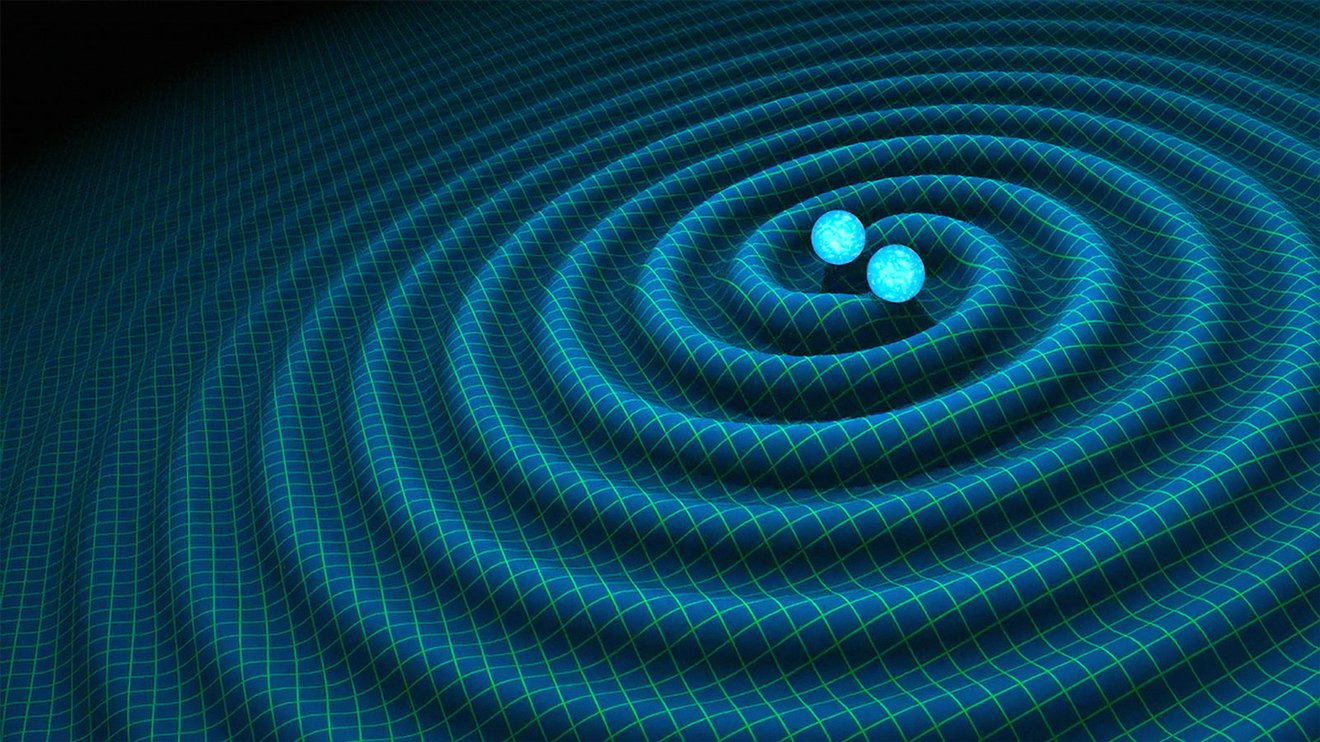

Enrico Fermi: The Architect of the Nuclear Age
Introduction: The Life and Legacy of a Scientific Giant
Enrico Fermi, often referred to as the "architect of the nuclear age," was one of the most influential physicists of the 20th century. His groundbreaking work in nuclear physics, quantum theory, and particle physics laid the foundation for modern nuclear energy and weaponry. A Nobel laureate, Fermi was not only a brilliant theorist but also an exceptional experimentalist, a rare combination that set him apart from his peers.
Born in Rome in 1901, Fermi displayed an extraordinary aptitude for mathematics and physics from an early age. His career spanned continents, from Italy to the United States, where he played a pivotal role in the Manhattan Project during World War II. Beyond his scientific achievements, Fermi was known for his humility, teaching prowess, and ability to simplify complex concepts—a trait that earned him the admiration of colleagues and students alike.
This article explores Fermi’s early life, education, major scientific contributions, and his lasting impact on science and technology.
Early Life and Education
Enrico Fermi was born on September 29, 1901, in Rome, Italy, to Alberto Fermi, a chief inspector of the Ministry of Communications, and Ida de Gattis, a schoolteacher. From a young age, Fermi exhibited an insatiable curiosity about the natural world. His older brother, Giulio, shared this passion, but tragically died during a minor surgery when Enrico was just 14. The loss deeply affected Fermi, but he channeled his grief into his studies.
Fermi’s intellectual prowess became evident during his high school years. He devoured advanced physics and mathematics books, often teaching himself concepts far beyond his grade level. A family friend, engineer Adolfo Amidei, recognized Fermi’s genius and provided him with university-level textbooks, further fueling his passion for physics.
In 1918, Fermi enrolled at the prestigious Scuola Normale Superiore in Pisa, where he earned his doctorate in physics in 1922. His thesis on X-ray diffraction showcased his early talent for experimental and theoretical work. During this time, Fermi also studied under renowned physicists like Max Born in Germany, where he deepened his understanding of quantum mechanics—a field that would later define much of his career.
Early Career and Contributions to Quantum Theory
After completing his education, Fermi returned to Italy, where he began teaching at the University of Florence and later at the University of Rome. In 1926, he formulated what is now known as Fermi-Dirac statistics, a fundamental principle in quantum mechanics that describes the behavior of particles now called fermions (named in his honor). This work was crucial in advancing the field of quantum statistics and earned him international recognition.
Fermi’s ability to bridge theory and experiment was unparalleled. In 1934, he made another groundbreaking discovery: induced radioactivity. By bombarding elements with neutrons, Fermi and his team found that they could create new radioactive isotopes. This discovery not only expanded the periodic table but also paved the way for future nuclear research.
The Nobel Prize and Escape to America
In 1938, Fermi was awarded the Nobel Prize in Physics for his work on neutron bombardment and the discovery of transuranium elements. The timing of the award was fortuitous—Fascist Italy, under Benito Mussolini, had enacted anti-Semitic laws, and Fermi’s wife, Laura Capon, was Jewish. Recognizing the growing danger, Fermi used the Nobel ceremony in Stockholm as an opportunity to flee Europe. The family emigrated to the United States, where Fermi accepted a position at Columbia University.
The Manhattan Project and the First Nuclear Reactor
With the outbreak of World War II, Fermi’s expertise became invaluable to the Allied effort. In 1942, he joined the top-secret Manhattan Project, the U.S. initiative to develop the atomic bomb. Fermi’s most notable contribution was the creation of the first controlled nuclear chain reaction. On December 2, 1942, beneath the stands of the University of Chicago’s Stagg Field, Fermi and his team successfully activated Chicago Pile-1 (CP-1), the world’s first artificial nuclear reactor.
This experiment proved that nuclear energy could be harnessed—ushering in the atomic age. The success of CP-1 directly led to the development of plutonium production reactors, which were essential for the bombs later dropped on Nagasaki and Hiroshima.
Post-War Contributions and Legacy
After the war, Fermi continued his research at the University of Chicago, where he focused on high-energy physics and cosmic rays. He also mentored a new generation of physicists, including future Nobel laureates like Chen-Ning Yang and Tsung-Dao Lee.
Tragically, Fermi’s life was cut short by stomach cancer, likely caused by prolonged exposure to radiation. He died on November 28, 1954, at the age of 53. Despite his premature death, Fermi’s legacy endures. The element fermium (Fm) was named in his honor, and the Fermi National Accelerator Laboratory (Fermilab) stands as a testament to his contributions.
Conclusion of Part One
Enrico Fermi’s life was a testament to the power of curiosity, intellect, and perseverance. From his early days in Italy to his pivotal role in the Manhattan Project, Fermi shaped the course of modern physics. In the next part of this article, we will delve deeper into his scientific methodologies, his influence on nuclear policy, and the ethical dilemmas surrounding his work.
(To be continued...)
Enrico Fermi: The Scientist, the Teacher, and the Ethical Dilemmas
Fermi’s Scientific Methodology: Bridging Theory and Experiment
One of Enrico Fermi’s most remarkable traits was his ability to seamlessly integrate theoretical and experimental physics. Unlike many of his contemporaries who specialized in one or the other, Fermi excelled in both domains. His approach was methodical yet intuitive—he often relied on back-of-the-envelope calculations, now famously called "Fermi estimates," to approximate complex problems with surprising accuracy.
A classic example of this was his estimation of the strength of the first atomic bomb blast during the Trinity test in 1945. By dropping small pieces of paper as the shockwave passed and measuring how far they moved, Fermi approximated the bomb’s yield within a reasonable margin of error—long before precise instruments could confirm it. This ability to simplify problems without losing sight of their essence made him an invaluable asset in both academic and military research.
The Fermi Paradox: A Question That Still Haunts Science
Beyond his direct contributions to nuclear physics, Fermi’s name is immortalized in the "Fermi Paradox"—a profound question about extraterrestrial life. During a casual lunch conversation in 1950, Fermi pondered the apparent contradiction between the high probability of alien civilizations existing in the universe and humanity’s lack of contact with them. His simple yet piercing question—"Where is everybody?"—sparked decades of debate among astronomers, philosophers, and futurists.
The Fermi Paradox remains unresolved, inspiring theories ranging from the "Great Filter" hypothesis (suggesting that advanced civilizations self-destruct) to the possibility that aliens are simply too far away or too different for us to detect. This intellectual legacy demonstrates Fermi’s knack for asking deceptively simple questions that uncover deep scientific mysteries.
Fermi as a Mentor: Shaping the Next Generation of Physicists
Fermi’s impact extended far beyond his own research. As a professor at the University of Chicago, he became a revered mentor, known for his clarity, patience, and willingness to engage with students at all levels. His lectures were legendary—free of unnecessary jargon, yet rich in insight. Many of his students, including Nobel laureates like Owen Chamberlain and Jack Steinberger, credited Fermi with shaping their scientific thinking.
One of his most famous pedagogical tools was the "Fermi Problem," where he challenged students to solve seemingly impossible questions (e.g., "How many piano tuners are there in Chicago?") using logical estimation. These exercises taught critical thinking and problem-solving skills that transcended physics, influencing fields as diverse as economics and engineering.
The Ethical Weight of the Atomic Age
Fermi’s work on the Manhattan Project placed him at the center of one of history’s most contentious moral dilemmas. While he was not directly involved in the decision to drop atomic bombs on Hiroshima and Nagasaki, his reactor design was instrumental in creating the plutonium used in the "Fat Man" bomb. After the war, Fermi expressed mixed feelings about nuclear weapons. He advocated for civilian nuclear energy but warned against the dangers of an arms race, joining other scientists in calling for international control of atomic technology.
In a 1946 lecture, Fermi remarked:
*"The fact that no limits exist to the destructiveness of this weapon renders its very existence and the knowledge of its construction a danger to humanity."*
This ambivalence reflects the broader tension in Fermi’s legacy: a man who pushed the boundaries of human knowledge but also grappled with its consequences.
The Chicago Pile-1 Breakthrough: A Turning Point in History
The success of Chicago Pile-1 (CP-1) on December 2, 1942, cannot be overstated. Unlike earlier experiments that relied on natural uranium, Fermi’s reactor used purified graphite as a moderator to slow neutrons, increasing the likelihood of sustained fission. The reactor was built in a squash court under Stagg Field, a deliberately inconspicuous location to avoid drawing attention.
As the reaction reached criticality, Fermi calmly announced, *"The pile has gone critical."* The team celebrated with a quiet toast—a moment of triumph overshadowed by the knowledge that this technology could be used for destruction. The experiment’s success directly enabled the Manhattan Project’s plutonium production, but it also laid the groundwork for peaceful nuclear energy.
Post-War Advocacy for Nuclear Energy
After World War II, Fermi shifted his focus to civilian applications of nuclear power. He served on the Atomic Energy Commission’s General Advisory Committee, where he advocated for nuclear reactors as a clean energy source. His vision was partly realized with the opening of the first commercial nuclear power plant in Shippingport, Pennsylvania, in 1957—a project that owed much to his earlier research.
However, Fermi remained cautious. He criticized the U.S. government’s rush to develop hydrogen bombs, arguing that scientific progress should not outpace ethical considerations. His warnings about nuclear proliferation remain eerily relevant today.
Personal Life: The Man Behind the Genius
Despite his towering intellect, Fermi was known for his humility and approachability. Colleagues described him as unpretentious, often seen biking to work or playing tennis with students. His marriage to Laura Capon was a partnership of equals—a rarity in the male-dominated scientific world of the time. Laura, a writer and activist, provided emotional stability during Fermi’s most stressful years, including their flight from fascist Italy.
Fermi’s hobbies included hiking and solving mathematical puzzles for fun. He had a dry sense of humor; when asked if he believed in extraterrestrials, he quipped, *"They are among us—but they call themselves Hungarians,"* a nod to his brilliant (and often eccentric) colleagues like Leo Szilard and Edward Teller.
Illness and Untimely Death
In 1954, Fermi began suffering from severe stomach pain. Doctors diagnosed him with incurable stomach cancer, likely caused by prolonged radiation exposure—a tragic irony for a man who had pioneered radiation safety protocols. Even on his deathbed, Fermi remained analytical, meticulously documenting his symptoms for medical science.
He passed away on November 28, 1954, at age 53. His last words to Laura were, *"I hope it won’t take long."* The scientific world mourned the loss of a visionary whose work had redefined the modern era.
Conclusion of Part Two
Enrico Fermi’s legacy is a tapestry of brilliance, ethical complexity, and enduring curiosity. From the paradox that bears his name to the nuclear reactors that power cities, his influence is everywhere. In the final part of this article, we will explore how Fermi’s ideas continue to shape modern physics, the ongoing debates over nuclear energy, and the institutions that honor his memory.
(To be continued...)
Enrico Fermi's Enduring Legacy: From Nuclear Physics to the Future of Science
The Fermi Effect: How One Man Transformed Modern Physics
Enrico Fermi's influence extends far beyond his lifetime, with his work continuing to shape multiple branches of physics. The "Fermi effect" refers to his uncanny ability to make major contributions across diverse fields - from statistical mechanics to particle physics. Today, his fingerprints can be seen in:
• Quantum computing (building on Fermi-Dirac statistics)
• Neutrino research (following his early work on weak interactions)
• Nuclear medicine (developed from his radioactive isotope research)
• Astrophysics (informed by his cosmic ray studies)
Perhaps most remarkably, Fermi's 1934 theory of beta decay introduced the concept of the weak nuclear force - one of the four fundamental forces of nature. This work alone would have secured his place in physics history, yet it was just one of many breakthroughs in his astonishing career.
Fermi's Lasting Impact on Nuclear Policy and Energy
The nuclear age Fermi helped create continues to present complex challenges. His vision for peaceful atomic energy has been partially realized - nuclear power now provides about 10% of global electricity with minimal carbon emissions. However, the weapons proliferation he warned about remains a critical issue.
Modern nuclear reactors still use variants of Fermi's original designs. The latest generation IV reactors, including molten salt and fast breeder reactors, build directly on principles he established. Meanwhile, fusion research - potentially the holy grail of clean energy - owes much to Fermi's early plasma physics work.
The ethical questions Fermi grappled with have only grown more urgent. Climate change has forced reconsideration of nuclear power's role, while geopolitical tensions highlight the dangers of nuclear weapons. Fermi's balanced approach - embracing scientific progress while demanding responsibility - serves as a model for today's researchers.
Honoring Fermi: Institutions and Recognition
Numerous scientific institutions and honors bear Fermi's name, ensuring his legacy endures:
• Fermi National Accelerator Laboratory (Fermilab) - A leading particle physics facility
• The Enrico Fermi Institute - Research center at the University of Chicago
• Fermi Gamma-ray Space Telescope - NASA's orbital observatory
• Element 100 (Fermium) - Named in his honor
• The Enrico Fermi Award - Prestigious U.S. government science prize
These institutions continue pushing boundaries in areas Fermi pioneered. Fermilab's recent muon g-2 experiments, for instance, may reveal physics beyond the Standard Model - exactly the kind of fundamental discovery Fermi would have championed.
The Fermi Paradox in Modern Context
Seventy years after Fermi first posed his famous question about extraterrestrial life, new discoveries have made the paradox more puzzling than ever. The Kepler telescope's revelation that most stars host planets - many in habitable zones - has strengthened the argument that life should be common. Yet we still have no definitive evidence of alien civilizations.
Modern attempts to resolve the paradox include:
• The "Great Filter" theory suggesting catastrophic barriers to advanced life
• The "Zoo Hypothesis" proposing aliens deliberately avoid contact
• The possibility that we're searching for the wrong signals
Fermi's simple question continues to inspire SETI research, astrobiology, and philosophical debates about humanity's place in the cosmos.
Fermi's Approach to Science: Lessons for Today
In an era of increasing specialization, Fermi's broad expertise offers important lessons:
1. **Value both theory and experiment** - His ability to bridge these worlds led to unique insights
2. **Master the fundamentals** - His famous estimation techniques relied on deep conceptual understanding
3. **Ask simple questions** - The Fermi Paradox shows how basic queries can reveal profound truths
4. **Communicate clearly** - His legendary teaching stemmed from distilling complex ideas
These principles remain vital for tackling modern scientific challenges, from quantum computing to climate modeling.
Fermi in Popular Culture and Public Memory
While not as widely known as Einstein, Fermi has appeared in various cultural works:
• Featured in the Manhattan Project TV series "Oppenheimer" (2023)
• Subject of the play "The Love of the Nightingale" (examining his moral dilemmas)
• Mentioned in science fiction like Kim Stanley Robinson's "Galileo's Dream"
• Inspiring characters in video games like the Fallout series
The Enrico Fermi High School in New York and various scholarships continue introducing new generations to his legacy. His story - of scientific brilliance combined with human complexity - makes him a compelling figure for dramatization.
Unfinished Work: What Fermi Might Have Achieved
Fermi's premature death at 53 robbed science of potentially decades more breakthroughs. Based on his research trajectory, he might have:
• Advanced early computer science (he was exploring numerical methods)
• Contributed to the emerging field of particle physics
• Developed new nuclear reactor designs
• Made progress on unified field theories
His colleagues believed he was just entering a new creative phase when cancer struck. The questions he was pondering in his final years - about cosmic rays, neutron physics, and quantum foundations - remain active research areas today.
Fermi's Legacy in the 21st Century
As we face global challenges from energy needs to existential risks, Fermi's example remains relevant:
• **For scientists* His interdisciplinary approach models how to tackle complex problems
• **For policymakers* His nuanced view of nuclear technology offers guidance
• **For educators* His teaching methods demonstrate how to inspire future researchers
• **For the public* His story illustrates both the promise and perils of scientific progress
The "Fermi way" of thinking - combining rigorous analysis with creative problem-solving - may hold keys to addressing climate change, pandemics, and other pressing issues.
Final Thoughts: The Architect of the Modern World
Enrico Fermi shaped our world more than most historical figures. The electricity powering homes, the medical imaging saving lives, even the satellites connecting our global society - all bear traces of his influence. Yet his greatest legacy may be his example of how to pursue knowledge responsibly.
As we stand on the shoulders of this scientific giant, we inherit both his brilliant discoveries and his profound questions. The nuclear age he helped create continues to evolve, as does the search for extraterrestrial life he famously pondered. In laboratories worldwide, researchers still employ his methods and build on his ideas.
Fermi's life reminds us that science is never just about equations and experiments - it's about human curiosity, responsibility, and the endless quest to understand our universe. As we face new scientific frontiers, from quantum technologies to interstellar exploration, we would do well to remember Fermi's combination of brilliance, humility, and thoughtful reflection on the consequences of discovery.


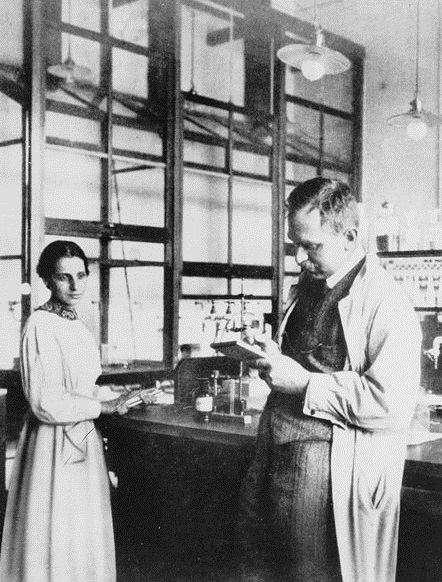
Enrico Fermi: Architect of the Atomic Age
Enrico Fermi stands as one of the monumental figures in the history of science, a brilliant mind whose contributions spanned both theoretical and experimental physics. Born on September 29, 1901, in Rome, Italy, Fermi demonstrated an astonishing aptitude for mathematics and physics from an early age. His journey into the heart of atomic theory reshaped our understanding of the universe and laid the groundwork for some of the 20th century's most transformative technologies.
Early Life and Education
Fermi's childhood was marked by a thirst for knowledge that set him apart from his peers. As the son of a railroad worker and a schoolteacher, his upbringing in a modest household did little to stifle his intellectual curiosity. A pivotal moment came with the tragic death of his brother, which led Fermi to dive deep into scientific investigations as a form of solace. Self-taught in physics, Fermi soon demonstrated his extraordinary talent, absorbing complex scientific concepts with ease.
In 1918, Fermi commenced his formal studies at the Scuola Normale Superiore in Pisa, where his academic prowess flourished. Under the mentorship of professor Luigi Puccianti, he cultivated his interests in physics and advanced rapidly beyond the standard curriculum, publishing his first scientific paper before he graduated.
Revolutionizing Quantum Theory
Fermi's early work focused primarily on statistical mechanics and quantum theory. It was here that he made one of his first landmark contributions: the development of Fermi-Dirac statistics. This mathematical formulation provided a statistical description of particles that obey the Pauli exclusion principle, now known as "fermions," a class of particles named in Fermi's honor.
His introduction of the Fermi-Dirac statistics was pivotal in explaining the behavior of electrons in metals, laying the foundation for the field of semiconductor physics and thus contributing indirectly to the birth of modern electronics. This work not only solidified Fermi’s reputation as a theoretical physicist of note but also marked him as a brilliant contributor to the burgeoning field of quantum mechanics.
The Road to Nuclear Physics
In the early 1930s, Fermi's attention shifted towards nuclear physics, an area poised for groundbreaking discoveries. He led a team of young physicists in Rome, sometimes humorously referred to as the "Via Panisperna boys," after the street where their lab was located. During this period, Fermi developed what came to be known as "Fermi's theory of beta decay," proposing that weak forces – a fundamental interaction – were involved in the decay of atomic nuclei.
This innovative approach was a cornerstone in the eventual understanding of weak nuclear interactions and was critical in laying out the theoretical framework that would eventually lead to the development of the electroweak theory. His insights into beta decay proved pivotal, forming part of the theoretical backdrop that would inform subsequent generations of physicists exploring subatomic particles and their interactions.
Artificial Radioactivity and the Discovery of Neutron-Induced Reactions
Fermi's experiments in the 1930s were instrumental in demonstrating that nuclear reactions could be achieved by bombarding elements with neutrons. This technique paved the way for the discovery of numerous radioisotopes and demonstrated the potential for harnessing nuclear fission as a source of energy. Such experiments were the first steps toward the practical exploitation of nuclear reactions for energy production, a theme that would come to dominate global scientific and geopolitical landscapes.
In 1938, Fermi was awarded the Nobel Prize in Physics for his "discovery of new radioactive elements produced by neutron irradiation." His research opened the door to innovations that would transform the scientific understanding of atomic energy and set the stage for the pivotal developments in atomic weaponry and power generation during World War II and afterwards.
Immigration to the United States and World War II
Political instability in Europe, particularly the rise of Fascism in Italy and increasing anti-Semitic laws, prompted Fermi and his family to emigrate to the United States. This decision was not only a personal escape from the ideological turmoil engulfing Europe but also a significant event in the scientific community, as Fermi transplanted his academic genius to a nation eager for technological advancement.
Upon arriving in the U.S., Fermi accepted a position at Columbia University, where he continued his groundbreaking work in nuclear physics. His move to America marked the beginning of a new chapter, one that would see Fermi play a central role in the development of both peaceful and military applications of nuclear energy.
Fermi's profound understanding of atomic theory and his pragmatic approach to experimental physics would soon become crucial assets in the upcoming global conflict, as he joined the ranks of the scientists working on the Manhattan Project and further cemented his legacy as a pivotal architect of the atomic age.
Contributions to the Manhattan Project
With the dawning threat of World War II and the race to harness nuclear energy, Enrico Fermi found himself at the forefront of one of the most secretive and significant scientific endeavors in history: the Manhattan Project. This immense research and development undertaking aimed to produce the first nuclear weapons, engaging some of the era's most brilliant minds in a bid to forge the future of warfare and energy.
While at Columbia University, Fermi, together with Leo Szilard, initiated experiments that were critical in achieving the first controlled nuclear chain reaction. This achievement was a groundbreaking milestone, demonstrating that a sustained nuclear reaction was feasible. The implications of this development were profound, setting the foundation for the use of nuclear power both as an energy source and as a weapon.
In 1942, Fermi moved to the University of Chicago, where he, along with other prominent physicists, constructed the world's first nuclear reactor, Chicago Pile-1. This unassuming pile of graphite and uranium bricks was the site where, on December 2, 1942, the first self-sustaining nuclear chain reaction occurred. Fermi’s meticulous control over the experiment and his deep understanding of nuclear processes were critical to its success.
The Aftermath and Ethical Considerations
The success of the Chicago Pile-1 experiment was a turning point that catalyzed the subsequent efforts in Los Alamos, where Fermi contributed to the development of the atomic bomb. By mid-1945, the project culminated in the testing at Trinity and the bombings of Hiroshima and Nagasaki, events that irrevocably changed the course of world history.
While Fermi's contributions to these developments were invaluable, they also posed profound ethical questions. The immense destructive potential of nuclear weapons led to intense introspection within the scientific community. Fermi himself expressed concerns over the use of atomic energy for warfare, although throughout his career, he remained primarily focused on the scientific challenges rather than their moral implications.
Post-War Successes and Academic Contributions
Following the end of World War II, Enrico Fermi continued to influence the development of nuclear science significantly. He became a naturalized U.S. citizen and accepted a professorship at the Institute for Nuclear Studies, now known as the Enrico Fermi Institute, at the University of Chicago. In this role, Fermi dedicated himself to teaching and pursuing research unfettered by the pressures of wartime exigencies.
He was instrumental in mentoring a new generation of physicists, many of whom would go on to make their own impactful contributions to science. Fermi's teaching style was appreciated for its clarity and depth, and he was known for his ability to reduce complex problems to their simplest elements, a skill that endeared him to both students and colleagues alike.
Fermi’s post-war research interests were wide-ranging, covering topics such as cosmic rays, neutrinos, and particle physics. His theoretical and experimental pursuits continued to yield insights that expanded the horizons of modern physics. Notably, his work on pion-nucleon scattering offered new understanding of the forces at play within atomic nuclei, further solidifying his reputation as a scientist whose impact transcended traditional disciplinary lines.
Legacy and Honors
Enrico Fermi's influence on science and technology has left an indelible mark. In recognition of his monumental contributions, numerous awards and honors bear his name. The most significant among these is the Fermi Award, established in 1956 by the United States Atomic Energy Commission to recognize distinguished achievements in the development, use, or control of atomic energy.
Additionally, Fermi's legacy is enshrined in various institutions and scientific terms. The Fermi National Accelerator Laboratory in Illinois, affectionately known as Fermilab, serves as a leading center for particle physics research. The term "fermions," denoting particles that abide by Fermi-Dirac statistics, and other concepts in nuclear and quantum physics are also a testament to his enduring impact.
Furthermore, his life and work exemplify the power of scientific inquiry and underscore the profound effects that science can have on society. Fermi's efforts, which straddled the aisles of theoretical and applied physics, reflect a career that was as varied as it was impactful, embodying both the promise and peril of scientific advancement.
The Enduring Influence of Fermi’s Work
As the atomic age unfolded, Fermi's discoveries became the cornerstone of multiple scientific advancements that shaped modern technology and understanding of the universe. From shaping the modern electronics industry through his work on quantum statistics to pioneering nuclear energy, Fermi's contributions provided a framework from which contemporary scientists continue to draw inspiration and understanding.
Fermi’s work laid the groundwork for the peaceful harnessing of nuclear energy, a resource that has since become a significant component of the global energy supply. His pioneering spirit and scientific acumen remain a guiding beacon for physicists, ensuring a lasting legacy within both academic and applied scientific communities.
In tracing Enrico Fermi’s profound journey, from a curious mind in early 20th-century Italy to a linchpin of the nuclear age, we gain insight not only into the evolution of physics but also into the potential for scientific enterprise to alter the world in unprecedented ways. His life’s work stands as a powerful reminder of the perennial dance between discovery and responsibility that frames human progress.
Fermi’s Insights into Particle Physics
In the latter stages of his career, Enrico Fermi shifted his focus towards the burgeoning field of particle physics. This area, dealing with the smallest known constituents of matter and the fundamental forces governing them, was ripe for exploration and rich with potential for new discoveries. Fermi's work in this field once again showcased his knack for blending theoretical insight with experimental rigor.
One of Fermi's notable contributions during this period was his involvement in the study of cosmic rays, which are high-energy particles originating from outer space. These studies were instrumental in providing insights into the interactions at subatomic levels, and they played a significant role in understanding particle collisions and the behavior of neutrinos. Fermi’s work with cosmic rays furthered the scientific community's grasp of the processes fueling stellar phenomena and contributed to the broader comprehension of the universe's fundamental workings.
Fermi also developed what is now known as "Fermi's theory of cosmic ray acceleration," which sought to explain how cosmic rays achieve their immense energies through interactions with magnetic fields in space. This theory has since been pivotal in the ongoing exploration of high-energy astrophysics, emphasizing Fermi’s lasting impact on the field.
Fermi's Pedagogical Legacy
Beyond his own research, Enrico Fermi's influence is markedly evident in his role as a teacher and mentor. His pedagogical style was characterized by clarity, intuition, and practicality, earning him the admiration of students and aspiring physicists around the world. He was renowned for his ability to distill complex ideas into comprehensible concepts without sacrificing depth or detail, a skill that made his lectures compelling and accessible.
Fermi’s legacy as a teacher can be seen in the achievements of his students, who have themselves made substantial contributions to science. Among these were several individuals who played pivotal roles in advancing physics, including Nobel laureates such as Chen Ning Yang and Tsung-Dao Lee, who extended Fermi’s insights into new frontiers.
His commitment to nurturing new talent ensured that his intellectual legacy would endure, with generations of physicists continuing to draw upon the principles and methods he espoused. Fermi's approach to science education, emphasizing thorough understanding backed by empirical evidence, helped to shape academic curricula and research methods that are still in use today.
Personal Legacy and Influence
Enrico Fermi's legacy transcends the boundaries of theoretical constructs and experimental breakthroughs; his personal qualities as a collaborator and thinker have long been celebrated by those who worked alongside him. Known for his humility, Fermi was as unassuming as he was brilliant—a man whose passion for science exceeded any desire for personal aggrandizement. His collaborative spirit and openness to diverse ideas fostered an environment where innovation thrived and where scientific inquiry was pursued for its own sake.
Fermi's impact is also discernible outside the scientific community. The implications of his work on nuclear energy and atomic weaponry have provoked deep ethical considerations, shaping global discussions about the responsible use of scientific discovery. These debates continue to inform policy-making and societal perspectives on nuclear energy and highlight the inherent responsibilities that scientists bear when their work has powerful and far-reaching consequences.
Fermi's journey from a precocious student in Italy to a pioneer of nuclear physics and a key figure in one of the most consequential scientific projects of the 20th century is a testament to the transformative power of dedication to scientific pursuit. His work laid the foundation upon which much of contemporary physics is built, emphasizing the critical importance of both exploration and ethics in the scientific enterprise.
Conclusion: The Undying Spark of Curiosity
Enrico Fermi’s life and career underscore the monumental influence that one individual can have on both the academic landscape and the global society at large. His innovations have had lasting impacts, affecting numerous aspects of modern life including energy production, military strategy, and medical technology through nuclear medicine. More importantly, they have advanced our understanding of the universe and our place within it.
Fermi’s journey continues to inspire across scientific disciplines, embodying the relentless curiosity and pursuit of knowledge that define the scientific spirit. He symbolizes the union of theory and practice, showing how groundbreaking discoveries often arise from the delicate balance between creative thought and empirical validation.
In reflecting on Fermi’s legacy, it becomes evident that scientific progress is not merely about technological advancement but also involves grappling with profound ethical questions. His career encourages current and future scientists to pursue truth with integrity, ensuring that the fruits of their labor benefit humanity in profound and positive ways.
As we continue to explore the frontiers of physics, Enrico Fermi’s enduring influence serves as a guiding light, affirming the boundless potential of human intellect and the everlasting quest for understanding the mysteries of nature. His life story remains a tribute to the pursuit of excellence, innovation, and the significant impact of a life devoted to scientific exploration.

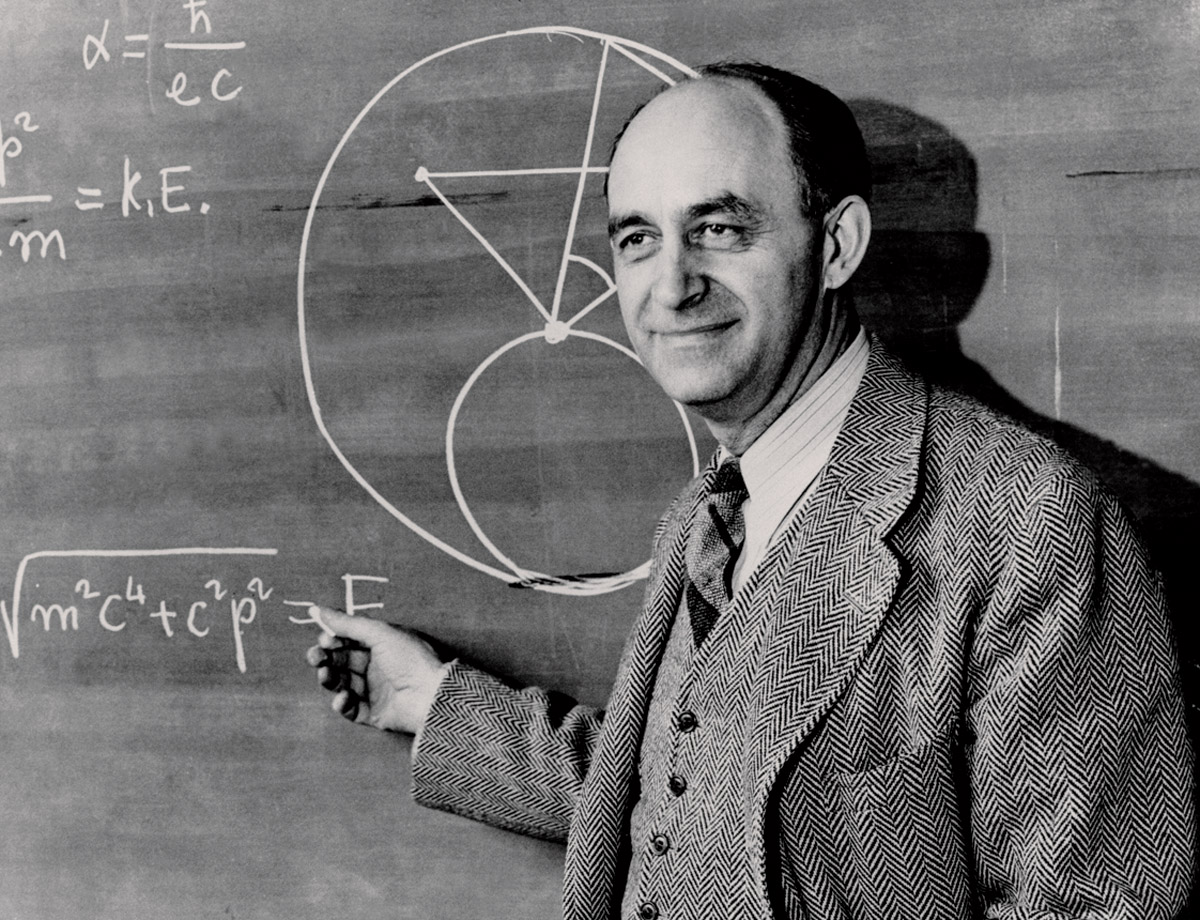
Ernest Lawrence: Pioneer of Nuclear Physics and the Cyclotron
Ernest O. Lawrence, a name synonymous with groundbreaking advancements in nuclear physics, revolutionized scientific research with his invention of the cyclotron in 1929. This Nobel Prize-winning physicist not only transformed experimental nuclear physics but also laid the foundation for modern "big science" through his leadership at the Radiation Laboratory at UC Berkeley. His contributions continue to influence medical isotope production and particle therapy, making his legacy a cornerstone of contemporary scientific innovation.
The Invention of the Cyclotron: A Breakthrough in Nuclear Physics
In 1929, Ernest Lawrence introduced the world to the cyclotron, a compact circular particle accelerator that would redefine the boundaries of nuclear research. Unlike the cumbersome apparatus previously required for nuclear experiments, the cyclotron utilized a magnetic field and high-frequency alternating voltage to accelerate charged particles in a spiral path. This innovation made higher energies accessible in a much smaller and more efficient device, paving the way for numerous discoveries in nuclear reactions and isotopes.
The Science Behind the Cyclotron
The cyclotron's design was revolutionary for its time. By employing a magnetic field to guide charged particles and an electric field to accelerate them, Lawrence's device could achieve energies previously unattainable with the technology available. This breakthrough allowed scientists to probe the nucleus of the atom more effectively, leading to the discovery of new isotopes and a deeper understanding of nuclear interactions.
One of the key advantages of the cyclotron was its compact size. Earlier accelerators required vast amounts of space and resources, making them impractical for widespread use. The cyclotron's efficiency and relative simplicity democratized high-energy physics, enabling more researchers to conduct experiments that were once the domain of only the most well-funded institutions.
Impact on Nuclear Physics Research
The cyclotron's impact on nuclear physics cannot be overstated. It facilitated the production of radioisotopes, which have since become indispensable in medical diagnostics and treatments. Additionally, the cyclotron enabled the study of nuclear reactions at energies that were previously inaccessible, leading to significant advancements in our understanding of the atomic nucleus.
Lawrence's invention also spurred the development of subsequent accelerator technologies. Modern devices such as synchrotrons and linear accelerators owe much of their conceptual foundation to the cyclotron. These technologies continue to play a crucial role in both fundamental research and practical applications, from particle therapy for cancer to the production of medical isotopes.
Ernest Lawrence: The Nobel Prize and Recognition
In recognition of his groundbreaking work, Ernest Lawrence was awarded the Nobel Prize in Physics in 1939. The Nobel Committee cited his invention and development of the cyclotron, as well as its profound contributions to experimental nuclear physics. This prestigious award solidified Lawrence's place in the pantheon of great scientists and underscored the significance of his work.
The Nobel Prize Citation
The Nobel Prize citation highlights the cyclotron's role in advancing nuclear physics. It specifically mentions the device's ability to accelerate particles to high energies, enabling the study of nuclear reactions and the production of new isotopes. The citation also acknowledges Lawrence's leadership in establishing the Radiation Laboratory at UC Berkeley, which became a hub for cutting-edge research in nuclear science.
Legacy and Influence
Lawrence's Nobel Prize was not just a personal achievement but a testament to the transformative power of his invention. The cyclotron's impact extended far beyond the laboratory, influencing fields as diverse as medicine, industry, and national defense. His work laid the groundwork for the development of nuclear energy and the establishment of national laboratories dedicated to scientific research.
Moreover, Lawrence's approach to scientific research—characterized by collaboration, interdisciplinary cooperation, and large-scale funding—set a new standard for scientific inquiry. This model of "big science" has since been adopted by research institutions worldwide, shaping the way scientific discoveries are made and applied.
Leadership in Big Science: The Radiation Laboratory at UC Berkeley
Ernest Lawrence's vision extended beyond the invention of the cyclotron. He was a pioneer in organizing and leading large-scale scientific research efforts, a model that would come to be known as "big science." At the heart of this endeavor was the Radiation Laboratory at UC Berkeley, which Lawrence founded and directed. This institution became a prototype for modern research laboratories, combining the efforts of physicists, engineers, and technicians in a collaborative environment.
Establishment and Growth of the Rad Lab
The Radiation Laboratory, or Rad Lab, was established in the early 1930s with the goal of advancing nuclear physics research. Under Lawrence's leadership, the lab quickly grew from a small group of researchers to a major scientific hub. By the 1940s, the Rad Lab employed hundreds of staff members and attracted significant funding from both federal and private sources.
This growth was fueled by the cyclotron's success and the lab's ability to produce groundbreaking research. The Rad Lab became a magnet for talented scientists, who were drawn to its state-of-the-art facilities and collaborative atmosphere. This concentration of expertise and resources enabled the lab to make significant contributions to nuclear physics and related fields.
The Big Science Model
Lawrence's approach to scientific research was characterized by its scale and scope. He recognized that tackling complex scientific problems required not only individual brilliance but also the collective efforts of large, well-funded teams. This model of "big science" involved securing substantial financial support, assembling multidisciplinary teams, and leveraging advanced technology to achieve ambitious research goals.
The Rad Lab's success demonstrated the effectiveness of this approach. It became a blueprint for other research institutions, influencing the establishment of national laboratories and shaping the organization of scientific research in the United States and beyond. Lawrence's leadership in big science set a new standard for how scientific discoveries could be made and applied on a large scale.
Ernest Lawrence's Role in Wartime Atomic Programs
Ernest Lawrence's contributions to science extended into the realm of national defense during World War II. His leadership and organizational skills were instrumental in the development of wartime atomic programs, including the Manhattan Project. Lawrence's involvement in these efforts highlighted the intersection of scientific research and military strategy, a relationship that would have lasting implications for both fields.
Organizing Nuclear Research for the War Effort
As the United States entered World War II, the need for advanced scientific research became increasingly urgent. Lawrence played a crucial role in organizing and advocating for centralized, large-scale nuclear research. His relationships with government and military leaders enabled him to secure the necessary resources and support for these critical projects.
Lawrence's management style and ability to recruit top scientific talent were key factors in the success of the Manhattan Project. He worked closely with other prominent scientists, such as J. Robert Oppenheimer, to coordinate the efforts of researchers across multiple institutions. This collaborative approach was essential for the rapid development of atomic weapons and other nuclear technologies.
Controversies and Ethical Debates
While Lawrence's contributions to the wartime atomic programs were significant, they also raised important ethical questions. The militarization of science and the development of weapons of mass destruction have been subjects of ongoing debate. Critics have questioned the role of scientists in military research, highlighting the potential consequences of their work on global security and human welfare.
Additionally, the health and safety of workers involved in early nuclear research have been a concern. Exposure to ionizing radiation and other hazards posed significant risks, and modern reassessments have examined the long-term effects on those who worked in these pioneering laboratories. These discussions underscore the complex legacy of Lawrence's work and the broader implications of scientific advancements in the context of war and national security.
Recent Commemorations and Archival Activity
Ernest Lawrence's legacy continues to be celebrated and studied through various commemorations and archival activities. His papers, instruments, and records from the Radiation Laboratory remain valuable resources for historians and scientists alike. These materials provide insights into the development of nuclear physics and the evolution of scientific research in the 20th century.
Archival Resources and Exhibitions
UC Berkeley and the Department of Energy (DOE) national laboratories house extensive archives related to Lawrence's work. These collections include early cyclotron components, laboratory records, and personal correspondence. Occasional exhibitions and scholarly publications mark significant anniversaries, such as the centenary of Lawrence's birth and the milestones of the cyclotron's development.
These archival resources are invaluable for understanding the historical context of Lawrence's contributions. They offer a glimpse into the challenges and triumphs of early nuclear research, as well as the broader impact of his work on scientific and technological advancements.
Scholarly Publications and Historical Reassessments
Recent scholarly publications have revisited Lawrence's role in the development of nuclear physics and the broader implications of his work. These studies often examine the ethical and social dimensions of scientific research, particularly in the context of wartime applications and the militarization of science.
Historical reassessments have also focused on the health and safety aspects of early nuclear research. By analyzing the experiences of workers and the evolution of safety standards, these studies provide a more nuanced understanding of the challenges faced by pioneers in the field. This ongoing scholarship ensures that Lawrence's legacy is viewed through a critical and comprehensive lens.
Conclusion: Ernest Lawrence's Enduring Impact
Ernest Lawrence's contributions to nuclear physics and scientific research have left an indelible mark on the world. From the invention of the cyclotron to his leadership in big science and wartime atomic programs, Lawrence's work has shaped the course of scientific inquiry and technological innovation. His legacy continues to influence fields as diverse as medicine, energy, and national defense, underscoring the enduring relevance of his achievements.
As we reflect on Lawrence's life and work, it is essential to consider both the triumphs and the controversies associated with his contributions. By examining the ethical and social dimensions of scientific research, we can gain a deeper appreciation for the complex interplay between discovery, application, and responsibility. Ernest Lawrence's story serves as a reminder of the transformative power of science and the importance of thoughtful stewardship in its pursuit.
The Cyclotron's Evolution: From Invention to Modern Applications
The cyclotron, invented by Ernest Lawrence in 1929, has undergone significant evolution since its inception. What began as a compact device for accelerating particles has now branched into various advanced technologies that serve critical roles in medicine, industry, and scientific research. Understanding this evolution provides insight into how Lawrence's foundational work continues to impact modern science.
From the First Cyclotron to Advanced Accelerators
The first cyclotron, built by Lawrence and his graduate student M. Stanley Livingston, was a modest 4.5-inch diameter device that could accelerate protons to energies of 80,000 electron volts (80 keV). This breakthrough demonstrated the feasibility of using a magnetic field to guide particles in a spiral path, a principle that would be refined and expanded in subsequent designs.
Over the decades, cyclotrons have grown in size and capability. Modern cyclotrons can accelerate particles to energies exceeding 1 giga-electron volt (GeV), enabling research that was once thought impossible. These advancements have been driven by the need for higher energies in particle physics experiments and the demand for more precise medical applications.
Medical Applications: Isotope Production and Cancer Therapy
One of the most significant impacts of the cyclotron has been in the field of medicine. Cyclotrons are now widely used to produce radioisotopes for diagnostic imaging and cancer treatment. For example, Fluorine-18, a radioisotope produced in cyclotrons, is essential for Positron Emission Tomography (PET) scans, a critical tool in modern medical diagnostics.
In addition to diagnostic applications, cyclotrons play a crucial role in particle therapy for cancer treatment. Proton therapy, which uses accelerated protons to target and destroy cancer cells, relies on cyclotron technology. This form of therapy offers a more precise and less invasive alternative to traditional radiation therapy, reducing damage to surrounding healthy tissue.
- Diagnostic Imaging: Cyclotrons produce radioisotopes like Fluorine-18 for PET scans.
- Cancer Treatment: Proton therapy uses cyclotron-accelerated protons to target tumors.
- Research: Cyclotrons enable the study of nuclear reactions and the development of new medical technologies.
Ernest Lawrence's Institutional Legacy: National Laboratories
Ernest Lawrence's influence extended far beyond his scientific inventions. His vision for large-scale, collaborative research laid the groundwork for the establishment of national laboratories in the United States. These institutions, which continue to drive scientific innovation, are a testament to Lawrence's leadership and his commitment to advancing knowledge through organized, well-funded research efforts.
Lawrence Berkeley National Laboratory
Founded by Lawrence in 1931 as the Radiation Laboratory, what is now known as the Lawrence Berkeley National Laboratory (LBNL) remains a leading center for scientific research. LBNL has been at the forefront of numerous discoveries, from the identification of new chemical elements to breakthroughs in renewable energy technologies.
The laboratory's mission encompasses a wide range of scientific disciplines, including physics, chemistry, biology, and environmental science. Its state-of-the-art facilities and collaborative environment attract researchers from around the world, continuing Lawrence's tradition of fostering innovation through interdisciplinary cooperation.
Lawrence Livermore National Laboratory
Another institution bearing Lawrence's name is the Lawrence Livermore National Laboratory (LLNL), established in 1952. Initially focused on nuclear weapons research, LLNL has since expanded its scope to include advancements in energy, climate science, and national security. The laboratory's work in inertial confinement fusion and high-performance computing highlights its commitment to pushing the boundaries of scientific knowledge.
LLNL's contributions to national defense and energy research underscore the enduring relevance of Lawrence's approach to big science. By bringing together experts from diverse fields and leveraging cutting-edge technology, the laboratory continues to address some of the most pressing challenges facing society today.
Impact on Scientific Research and Policy
The establishment of national laboratories under Lawrence's model has had a profound impact on scientific research and policy in the United States. These institutions have become hubs for innovation, driving advancements in fields ranging from particle physics to climate science. Their work has not only expanded our understanding of the natural world but has also informed public policy and shaped technological development.
Moreover, the national laboratories have played a crucial role in training the next generation of scientists and engineers. Through educational programs and collaborative research opportunities, they continue to inspire and nurture talent, ensuring that Lawrence's legacy of scientific excellence endures.
Controversies and Ethical Considerations in Lawrence's Work
While Ernest Lawrence's contributions to science are undeniably significant, his work has also been the subject of ethical debates and controversies. These discussions highlight the complex interplay between scientific advancement, military applications, and the responsibilities of researchers. Examining these controversies provides a more nuanced understanding of Lawrence's legacy.
The Militarization of Science
Lawrence's involvement in wartime atomic programs, particularly the Manhattan Project, has raised questions about the militarization of science. The development of nuclear weapons represented a dramatic shift in the role of scientific research, blending the pursuit of knowledge with the imperatives of national defense. This intersection has sparked ongoing debates about the ethical responsibilities of scientists and the potential consequences of their work.
Critics argue that the militarization of science can lead to a focus on applications that prioritize destruction over discovery. They point to the devastating impact of nuclear weapons as a cautionary tale about the unintended consequences of scientific advancements. These concerns underscore the need for ethical guidelines and oversight in scientific research, particularly in fields with potential military applications.
Health and Safety Concerns
The early days of nuclear research, including the work conducted at Lawrence's Radiation Laboratory, were marked by a lack of understanding about the health risks associated with ionizing radiation. Workers in these pioneering laboratories were often exposed to hazardous conditions, leading to long-term health consequences. Modern reassessments of these practices have highlighted the importance of safety protocols and the ethical treatment of research personnel.
Historical studies have documented the experiences of workers who were exposed to radiation during the early years of nuclear research. These accounts serve as a reminder of the need for robust safety standards and the ethical obligation to protect those who contribute to scientific advancements. They also emphasize the importance of transparency and accountability in scientific institutions.
Environmental and Social Impacts
The development of nuclear technologies has had far-reaching environmental and social impacts. The production and testing of nuclear weapons, as well as the operation of nuclear power plants, have raised concerns about radiation exposure, environmental contamination, and the long-term consequences of nuclear waste. These issues have prompted discussions about the ethical dimensions of nuclear research and the responsibility of scientists to consider the broader implications of their work.
In recent years, there has been a growing emphasis on the need for sustainable and responsible scientific practices. This includes efforts to minimize the environmental impact of research activities and to ensure that scientific advancements are used for the benefit of society as a whole. These considerations reflect a broader recognition of the ethical responsibilities that accompany scientific discovery.
Ernest Lawrence's Influence on Modern Physics and Technology
Ernest Lawrence's contributions to physics and technology have had a lasting impact on the scientific community and beyond. His invention of the cyclotron and his leadership in big science have shaped the trajectory of modern research, influencing fields as diverse as medicine, energy, and national security. Understanding this influence provides a comprehensive view of Lawrence's enduring legacy.
Advancements in Particle Physics
The cyclotron's development marked a turning point in particle physics, enabling researchers to explore the fundamental building blocks of matter with unprecedented precision. This work laid the foundation for subsequent advancements in accelerator technology, including the development of synchrotrons and linear accelerators. These devices have allowed scientists to probe the mysteries of the universe, from the behavior of subatomic particles to the origins of cosmic rays.
Modern particle accelerators, such as the Large Hadron Collider (LHC) at CERN, are direct descendants of Lawrence's cyclotron. These facilities continue to push the boundaries of our understanding of the physical world, demonstrating the enduring relevance of Lawrence's foundational work.
Medical Innovations and Technologies
The impact of the cyclotron on medicine cannot be overstated. From the production of radioisotopes for diagnostic imaging to the development of proton therapy for cancer treatment, cyclotron technology has revolutionized medical practice. These innovations have improved the accuracy of diagnoses, enhanced the effectiveness of treatments, and ultimately saved countless lives.
In addition to its direct medical applications, the cyclotron has also contributed to the development of new technologies and materials. For example, research conducted using cyclotrons has led to advancements in radiopharmaceuticals, which are used in both diagnostic and therapeutic applications. These contributions highlight the broad and lasting impact of Lawrence's invention on the field of medicine.
Energy and Environmental Research
Lawrence's work has also had a significant impact on energy and environmental research. The national laboratories he helped establish have been at the forefront of efforts to develop sustainable energy technologies and to address the challenges of climate change. From advancements in solar and wind energy to research on carbon capture and storage, these institutions continue to drive innovation in the pursuit of a more sustainable future.
Furthermore, the development of nuclear energy as a source of power has been influenced by Lawrence's contributions to nuclear physics. While the use of nuclear energy remains a subject of debate, its potential to provide a low-carbon source of electricity underscores the ongoing relevance of Lawrence's work in the context of global energy challenges.
Commemorating Ernest Lawrence: Exhibitions and Scholarly Work
Ernest Lawrence's legacy is celebrated and preserved through various exhibitions, archival collections, and scholarly publications. These efforts ensure that his contributions to science are remembered and that his work continues to inspire future generations of researchers. By examining these commemorations, we gain a deeper appreciation for the enduring impact of Lawrence's achievements.
Archival Collections and Historical Records
The archives of the Lawrence Berkeley National Laboratory and other institutions house a wealth of materials related to Ernest Lawrence's life and work. These collections include laboratory records, personal correspondence, and early cyclotron components, providing valuable insights into the development of nuclear physics and the evolution of scientific research.
These archival resources are essential for historians and researchers seeking to understand the context and significance of Lawrence's contributions. They offer a glimpse into the challenges and triumphs of early nuclear research, as well as the broader impact of his work on scientific and technological advancements.
Exhibitions and Public Outreach
Occasional exhibitions and public outreach initiatives highlight Ernest Lawrence's achievements and their relevance to contemporary science. These events often coincide with significant anniversaries, such as the centenary of Lawrence's birth or the milestones of the cyclotron's development. By engaging with the public, these exhibitions foster a greater understanding of the importance of scientific research and its impact on society.
For example, the Lawrence Hall of Science at UC Berkeley serves as a hub for science education and outreach, inspiring young minds to explore the wonders of the natural world. Through interactive exhibits and educational programs, the Hall of Science continues Lawrence's tradition of promoting scientific literacy and fostering a love of discovery.
Scholarly Publications and Historical Reassessments
Recent scholarly publications have revisited Ernest Lawrence's role in the development of nuclear physics and the broader implications of his work. These studies often examine the ethical and social dimensions of scientific research, particularly in the context of wartime applications and the militarization of science. By analyzing these aspects of Lawrence's legacy, researchers provide a more comprehensive understanding of his contributions and their impact on society.
Historical reassessments have also focused on the health and safety aspects of early nuclear research. By documenting the experiences of workers and the evolution of safety standards, these studies highlight the importance of ethical considerations in scientific practice. They serve as a reminder of the need for responsible and transparent research, ensuring that the lessons of the past inform the practices of the future.
Conclusion: Reflecting on Ernest Lawrence's Legacy
Ernest Lawrence's life and work represent a pivotal chapter in the history of science. From the invention of the cyclotron to his leadership in big science and wartime atomic programs, Lawrence's contributions have shaped the course of scientific inquiry and technological innovation. His legacy continues to influence fields as diverse as medicine, energy, and national defense, underscoring the enduring relevance of his achievements.
As we reflect on Lawrence's impact, it is essential to consider both the triumphs and the controversies associated with his work. By examining the ethical and social dimensions of scientific research, we gain a deeper appreciation for the complex interplay between discovery, application, and responsibility. Ernest Lawrence's story serves as a reminder of the transformative power of science and the importance of thoughtful stewardship in its pursuit.
Ernest Lawrence's Global Influence: International Collaborations and Recognition
Ernest Lawrence's contributions to nuclear physics transcended national borders, fostering international collaborations that advanced scientific knowledge worldwide. His work not only influenced American research but also inspired scientists globally, leading to the establishment of similar facilities and research programs in other countries. This international dimension of Lawrence's legacy highlights the universal impact of his innovations.
Collaborations with European Scientists
During the 1930s, Lawrence's Radiation Laboratory at UC Berkeley became a magnet for European physicists fleeing political turmoil. Notable scientists such as Niels Bohr and Enrico Fermi visited or collaborated with Lawrence, exchanging ideas that shaped the future of nuclear physics. These interactions facilitated the transfer of knowledge and techniques, accelerating progress in the field.
The cyclotron's design and applications were quickly adopted by European institutions. Laboratories in countries like the United Kingdom, France, and the Soviet Union began constructing their own cyclotrons, often with guidance from Lawrence's team. This global dissemination of cyclotron technology underscored the importance of international cooperation in scientific advancement.
Impact on Asian and Latin American Research
Lawrence's influence extended to Asia and Latin America, where his work inspired the development of nuclear research programs. In Japan, for instance, the cyclotron became a cornerstone of post-war scientific recovery, with institutions like the University of Tokyo establishing their own accelerator facilities. Similarly, countries in Latin America, such as Brazil and Argentina, invested in cyclotron technology to advance their research capabilities.
These international efforts were often supported by Lawrence's advocacy for global scientific exchange. He believed that sharing knowledge and resources was essential for progress, a philosophy that resonated with researchers worldwide. As a result, the cyclotron became a symbol of international scientific collaboration, bridging gaps between nations and cultures.
The Cyclotron in the Digital Age: Modern Innovations and Future Prospects
The principles underlying the cyclotron have evolved significantly in the digital age, with modern innovations expanding its applications and capabilities. Today, cyclotrons and their derivatives are integral to cutting-edge research and technological advancements. Exploring these developments provides insight into how Lawrence's foundational work continues to shape the future of science.
Digital Control and Automation
One of the most significant advancements in cyclotron technology is the integration of digital control systems. Modern cyclotrons utilize sophisticated software and automation to optimize particle acceleration, improving precision and efficiency. These digital innovations have reduced the margin of error in experiments, enabling researchers to achieve higher energies and more accurate results.
Automation has also streamlined the operation of cyclotrons, making them more accessible to a broader range of researchers. With user-friendly interfaces and remote monitoring capabilities, scientists can conduct experiments with greater ease and flexibility. This democratization of cyclotron technology ensures that Lawrence's invention remains a vital tool in contemporary research.
Miniaturization and Portability
Advances in materials science and engineering have led to the miniaturization of cyclotrons, making them more compact and portable. These smaller devices are particularly valuable in medical settings, where space and resources may be limited. Portable cyclotrons can be deployed in hospitals and research facilities, enabling on-site production of radioisotopes for diagnostic and therapeutic applications.
The development of compact cyclotrons has also opened new avenues for research in remote or resource-constrained environments. For example, portable cyclotrons are being explored for use in space missions, where they could facilitate the study of cosmic rays and other high-energy particles. This adaptability underscores the enduring versatility of Lawrence's original design.
Ernest Lawrence's Educational Legacy: Inspiring Future Generations
Beyond his scientific achievements, Ernest Lawrence was deeply committed to education and mentorship. His approach to training young scientists and fostering a collaborative research environment has left a lasting impact on scientific education. By examining this aspect of his legacy, we gain a deeper appreciation for his role in shaping the next generation of researchers.
Mentorship and Training Programs
Lawrence was known for his hands-on approach to mentorship, often working closely with graduate students and early-career researchers. His laboratory at UC Berkeley became a training ground for some of the most prominent physicists of the 20th century, including Luis Alvarez and Emilio Segrè. These scientists went on to make their own groundbreaking contributions, carrying forward Lawrence's tradition of excellence.
The mentorship model established by Lawrence emphasized the importance of interdisciplinary collaboration and practical experience. He encouraged his students to engage with both the theoretical and experimental aspects of physics, fostering a well-rounded understanding of the field. This holistic approach to education remains a cornerstone of modern scientific training.
The Lawrence Hall of Science: A Hub for STEM Education
In honor of Ernest Lawrence's commitment to education, the Lawrence Hall of Science was established at UC Berkeley in 1968. This public science center is dedicated to promoting STEM (Science, Technology, Engineering, and Mathematics) education through interactive exhibits, educational programs, and outreach initiatives. The Hall of Science serves as a living testament to Lawrence's belief in the power of education to inspire curiosity and discovery.
The Hall of Science's programs are designed to engage students of all ages, from elementary school children to university-level researchers. By providing hands-on learning experiences, the center fosters a lifelong love of science and encourages the next generation to pursue careers in STEM fields. This commitment to education ensures that Lawrence's legacy continues to inspire future innovators.
Ethical Lessons from Ernest Lawrence's Career
Ernest Lawrence's career offers valuable ethical lessons for scientists and researchers. His work, while groundbreaking, also raises important questions about the responsibilities of scientists in the context of military applications and societal impact. By examining these ethical dimensions, we can gain insights into the complexities of scientific research and its broader implications.
Balancing Scientific Progress and Ethical Responsibility
Lawrence's involvement in the Manhattan Project highlights the ethical dilemmas that can arise when scientific research is applied to military purposes. While his contributions to nuclear physics were driven by a desire to advance knowledge, the development of nuclear weapons introduced profound moral questions. This dual-use nature of scientific discoveries underscores the need for ethical guidelines and oversight in research.
Modern scientists continue to grapple with similar ethical considerations, particularly in fields with potential military or dual-use applications. Lawrence's career serves as a reminder of the importance of balancing scientific progress with ethical responsibility, ensuring that advancements are used for the betterment of society rather than its detriment.
Addressing Health and Safety in Research
The early days of nuclear research, including the work conducted at Lawrence's Radiation Laboratory, were marked by a lack of understanding about the health risks associated with ionizing radiation. Workers in these laboratories were often exposed to hazardous conditions, leading to long-term health consequences. This historical context underscores the importance of prioritizing health and safety in scientific research.
Today, rigorous safety protocols and ethical guidelines govern research involving radiation and other hazardous materials. These measures are a direct response to the lessons learned from the early years of nuclear research, ensuring that the well-being of researchers and the public is protected. Lawrence's legacy, in this regard, serves as a cautionary tale about the need for responsible and transparent scientific practices.
Ernest Lawrence's Enduring Impact on Science and Society
Ernest Lawrence's contributions to nuclear physics and scientific research have left an indelible mark on both the scientific community and society at large. His invention of the cyclotron revolutionized experimental physics, while his leadership in big science set a new standard for collaborative research. As we reflect on his legacy, it is clear that Lawrence's work continues to shape the trajectory of scientific discovery and technological innovation.
Key Takeaways from Lawrence's Legacy
- Invention of the Cyclotron: Lawrence's development of the cyclotron in 1929 marked a turning point in nuclear physics, enabling higher-energy experiments and the production of radioisotopes.
- Leadership in Big Science: His establishment of the Radiation Laboratory at UC Berkeley became a model for large-scale, interdisciplinary research, influencing the organization of scientific institutions worldwide.
- Medical and Technological Applications: The cyclotron's evolution has led to advancements in medical imaging, cancer therapy, and energy research, demonstrating the broad impact of Lawrence's work.
- Ethical Considerations: Lawrence's career highlights the importance of balancing scientific progress with ethical responsibility, particularly in the context of military applications and worker safety.
- Educational Influence: His commitment to mentorship and STEM education continues to inspire future generations of scientists through institutions like the Lawrence Hall of Science.
The Future of Nuclear Physics and Accelerator Technology
The principles underlying the cyclotron remain fundamental to modern accelerator technology. Contemporary devices, such as synchrotrons and linear accelerators, are direct descendants of Lawrence's invention, enabling research that pushes the boundaries of our understanding of the universe. From the study of subatomic particles to the exploration of cosmic phenomena, these technologies continue to drive scientific discovery.
Looking ahead, the future of nuclear physics and accelerator technology holds immense promise. Advancements in digital control, miniaturization, and international collaboration are poised to further expand the applications of these devices. As we stand on the shoulders of giants like Ernest Lawrence, we are reminded of the transformative power of scientific innovation and the enduring legacy of those who dare to explore the unknown.
Conclusion: Honoring a Pioneer of Nuclear Physics
Ernest Lawrence's life and work embody the spirit of scientific exploration and innovation. His invention of the cyclotron not only revolutionized nuclear physics but also laid the foundation for modern accelerator technology and big science. Through his leadership, mentorship, and commitment to education, Lawrence inspired generations of researchers to push the boundaries of knowledge and apply their discoveries for the betterment of society.
As we reflect on Lawrence's legacy, we are reminded of the complex interplay between scientific progress, ethical responsibility, and societal impact. His contributions to nuclear physics, while groundbreaking, also raise important questions about the role of scientists in shaping the future. By honoring his achievements and learning from the ethical lessons of his career, we can ensure that the pursuit of knowledge remains a force for good in the world.
In the words of Ernest Lawrence himself,
"The greatest reward for doing is the opportunity to do more."This sentiment captures the essence of his enduring impact—a legacy of discovery, innovation, and the relentless pursuit of scientific excellence. As we continue to build upon his foundational work, we honor not only the man but also the timeless principles of curiosity, collaboration, and responsibility that defined his remarkable career.
James Chadwick and the Nuclear Physics Revolution
Introduction to a Groundbreaking Discovery
The name James Chadwick is synonymous with one of the most pivotal moments in modern physics. His 1932 discovery of the neutron not only solved a long-standing mystery about atomic structure but also laid the foundation for nuclear fission, quantum physics, and countless technological advancements. This article explores Chadwick's revolutionary contribution to nuclear physics, its historical context, and its enduring impact on science and society.
The Man Behind the Neutron
Early Life and Scientific Beginnings
Born in 1891 in Cheshire, England, James Chadwick developed an early passion for physics. His academic journey led him to the University of Manchester, where he studied under Ernest Rutherford, a pioneer in nuclear research. Chadwick's collaboration with Rutherford would prove instrumental in his later discoveries.
The Breakthrough Experiment of 1932
Chadwick's most famous achievement came in 1932 when he successfully identified the neutron. Using a cloud chamber and bombarding beryllium with alpha particles, he observed a neutral particle that had previously eluded detection. This discovery explained the discrepancy between an atom's mass and the combined mass of its protons and electrons, revolutionizing our understanding of atomic structure.
The Neutron's Role in Nuclear Physics
Solving the Atomic Mass Puzzle
Before Chadwick's discovery, scientists were puzzled by the "missing mass" in atomic nuclei. The proton-electron model couldn't account for the actual mass observed in experiments. The neutron provided the missing piece, showing that nuclei contained neutral particles that contributed to mass without affecting charge.
Enabling Nuclear Fission Research
The discovery of the neutron had immediate implications for nuclear research. Within years, scientists like Otto Hahn and Fritz Strassmann used neutron bombardment to achieve nuclear fission, paving the way for both nuclear energy and atomic weapons. Chadwick himself would later contribute to the Manhattan Project during World War II.
Historical Context of the Discovery
The State of Physics in the Early 20th Century
The early 1900s saw rapid advancements in atomic theory. Rutherford's discovery of the proton (1919) and Niels Bohr's quantum model (1913) had set the stage for further breakthroughs. Chadwick's work built upon these foundations, completing the basic picture of atomic structure that we still teach today.
Greek Linguistic Connection
The phrase "O-Tzeims-Tsantgoyik-kai-h-Epanastash-sthn-Pyrhnikh-Fysikh" translates from Greek to "James Chadwick and the Revolution in Nuclear Physics." The use of "και" (kai), meaning "and," reflects the Greek language's influence on scientific terminology and highlights the global significance of Chadwick's work.
Immediate Impact and Recognition
The 1935 Nobel Prize in Physics
Chadwick's discovery earned him the Nobel Prize in Physics in 1935, one of three awards that year related to nuclear research. The committee recognized his work as "fundamental to the development of nuclear physics," a sentiment that has only grown more accurate with time.
Foundational Work for Future Discoveries
The neutron's discovery didn't just answer existing questions—it opened new avenues of research. From neutron stars in astrophysics to neutron scattering in materials science, Chadwick's work continues to inspire breakthroughs across multiple scientific disciplines.
Legacy and Modern Applications
From Theory to Technology
Today, neutron-based technologies are everywhere:
- Nuclear reactors that power cities
- Medical isotopes for cancer treatment
- Neutron scattering techniques in materials research
- Quantum computing advancements
All trace their origins back to Chadwick's 1932 experiment.
Educational Impact
Chadwick's discovery remains a cornerstone of physics education worldwide. In Greece, his work is taught as a milestone in nuclear physics, demonstrating how fundamental research can transform our understanding of the universe and lead to practical applications that benefit society.
Conclusion of Part 1
James Chadwick's discovery of the neutron represents one of those rare moments when a single experiment changes the course of scientific history. As we've explored in this first part, his work solved critical puzzles in atomic theory while opening doors to technologies that shape our modern world. In the next section, we'll examine the broader implications of Chadwick's discovery, including its role in the development of nuclear energy and its continuing influence on cutting-edge physics research.
Nuclear Energy and the Neutron's Role
From Discovery to Practical Power
The neutron's discovery didn't just advance theoretical physics—it made nuclear energy possible. Within a decade of Chadwick's experiment, scientists harnessed neutron-induced fission to create the first nuclear reactors. Today, over 440 nuclear reactors worldwide generate about 10% of global electricity, providing clean, reliable power to millions.
How Neutrons Enable Nuclear Fission
Nuclear fission occurs when a neutron strikes a heavy atomic nucleus, causing it to split and release energy. This chain reaction, first demonstrated in 1942, relies entirely on the neutron's unique properties:
- Neutrons carry no electric charge, allowing them to penetrate nuclei easily
- They can be slowed down or speed up to control reaction rates
- Each fission event releases additional neutrons, sustaining the chain reaction
Without Chadwick's discovery, this fundamental process would have remained unknown.
Medical Applications of Neutron Science
Cancer Treatment and Diagnostic Imaging
Neutron-based technologies have revolutionized medical care. Neutron capture therapy targets cancer cells with remarkable precision, while radioactive isotopes produced in neutron reactors enable advanced imaging techniques. These applications save countless lives annually and continue to evolve with new research.
Recent Advancements in Medical Isotopes
Modern medicine relies on isotopes like:
- Technetium-99m for diagnostic scans
- Iodine-131 for thyroid cancer treatment
- Lutetium-177 for targeted radiotherapy
All are produced using neutron bombardment techniques derived from Chadwick's original work.
The Neutron in Modern Physics Research
Quantum Computing and Materials Science
Current research leverages neutrons in groundbreaking ways:
- Quantum computing uses neutron scattering to study quantum materials
- Neutron stars research provides insights into extreme cosmic phenomena
- Materials science employs neutron diffraction to analyze atomic structures
These fields represent the cutting edge of physics, all building on Chadwick's foundation.
Neutron Scattering Facilities Worldwide
Major research centers continue neutron-based investigations:
- Oak Ridge National Laboratory (USA)
- Institut Laue-Langevin (France)
- Japan Proton Accelerator Research Complex
- European Spallation Source (under construction)
These facilities produce over 1,000 research papers annually using neutron techniques.
Chadwick's Influence on Scientific Methodology
Experimental Techniques That Changed Physics
Chadwick's approach to the neutron discovery established new standards:
- Precise measurement of particle interactions
- Innovative use of cloud chambers
- Systematic elimination of alternative explanations
His methodology became a model for subsequent particle physics experiments.
Collaborative Research Culture
Working with Rutherford and other physicists, Chadwick demonstrated the power of scientific collaboration. This team-based approach now dominates major physics projects, from CERN's Large Hadron Collider to international fusion research initiatives.
Educational and Cultural Impact
Physics Curricula Worldwide
Chadwick's discovery remains central to physics education:
- Taught in high school atomic structure units
- Featured in university nuclear physics courses
- Highlighted in Greek physics textbooks as a revolutionary moment
The neutron concept helps students grasp fundamental atomic principles.
Public Understanding of Nuclear Science
Through media coverage and educational programs, Chadwick's work has shaped public perception of nuclear physics. Documentaries, museum exhibits, and science festivals frequently highlight the neutron's discovery as a turning point in human understanding of the atom.
Conclusion of Part 2
From powering cities to curing diseases, the applications of Chadwick's neutron discovery touch nearly every aspect of modern life. As we've explored in this section, his work enabled technologies that were unimaginable in 1932 while establishing research methods that continue to drive scientific progress. In our final section, we'll examine Chadwick's personal journey, the ethical implications of his discovery, and how his legacy continues to inspire new generations of physicists.
James Chadwick: The Man and His Journey
From Internment to Nobel Prize
Chadwick's path to scientific greatness was far from straightforward. During World War I, he was interned in Germany for four years, where he conducted experiments with limited resources. This challenging period honed his resourcefulness and determination, qualities that would later prove crucial in his neutron experiments.
Collaboration with Scientific Giants
Throughout his career, Chadwick worked alongside some of the greatest minds in physics:
- Ernest Rutherford - His mentor and collaborator at Cambridge
- Niels Bohr - Shared ideas on atomic structure
- Lise Meitner - Corresponded about nuclear reactions
These collaborations enriched his research and expanded the impact of his discoveries.
The Ethical Dimensions of Nuclear Discovery
Dual-Use Technology and Scientific Responsibility
Chadwick's discovery had profound ethical implications. While it enabled life-saving medical treatments and clean energy, it also made nuclear weapons possible. This dual-use nature of nuclear technology presents ongoing ethical challenges that scientists continue to grapple with today.
Chadwick's Role in the Manhattan Project
During World War II, Chadwick contributed to the Manhattan Project, the Allied effort to develop atomic weapons. His involvement highlights the complex relationship between scientific discovery and its applications, a topic that remains relevant in discussions about emerging technologies.
Chadwick's Enduring Legacy in Physics
Inspiring Future Generations
Chadwick's story continues to inspire young scientists:
- His perseverance through challenges
- His methodical approach to experimentation
- His ability to recognize groundbreaking discoveries
Physics departments worldwide use his career as a case study in scientific excellence.
The Chadwick Prize and Other Honors
Numerous awards and institutions bear Chadwick's name:
- The Chadwick Prize for outstanding nuclear physics research
- The Chadwick Laboratory at the University of Liverpool
- Multiple lecture series and scholarships in his honor
These recognitions ensure his contributions remain celebrated in the scientific community.
Modern Applications Continuing Chadwick's Work
Neutron Research in the 21st Century
Current neutron science builds directly on Chadwick's foundation:
- Neutron imaging for non-destructive testing
- Neutron activation analysis in archaeology
- Neutron therapy for cancer treatment
Each of these applications traces its origins to that pivotal 1932 experiment.
Fusion Energy and the Neutron Connection
The quest for practical fusion energy relies heavily on neutron physics. Projects like ITER (International Thermonuclear Experimental Reactor) use neutron measurements to study plasma behavior, bringing us closer to the dream of limitless clean energy that Chadwick's discovery made conceivable.
Chadwick's Impact on Greek Science Education
Integration into Greek Physics Curricula
In Greece, Chadwick's work is taught as part of the nuclear physics curriculum:
- High school physics courses cover the neutron's discovery
- University programs explore its implications in depth
- Science museums feature exhibits on nuclear physics history
This educational emphasis ensures new generations understand the revolution he sparked.
Greek Media Coverage of Nuclear Physics
Greek media outlets regularly feature stories about nuclear physics milestones:
- CNN Greece covers anniversaries of key discoveries
- Scientific journals publish Greek translations of research
- Documentaries explore the history of atomic science
This coverage helps maintain public interest in Chadwick's legacy.
Conclusion: The Revolution That Changed Everything
James Chadwick's discovery of the neutron stands as one of the most transformative moments in scientific history. His work didn't just fill a gap in atomic theory—it opened entirely new fields of research and technology that continue to shape our world. From the fundamental understanding of atomic structure to the practical applications in energy, medicine, and materials science, Chadwick's contribution remains foundational to modern physics.
The story of "James Chadwick and the Revolution in Nuclear Physics" reminds us that:
- Great discoveries often come from persistent curiosity
- Scientific breakthroughs can have far-reaching consequences
- Collaboration accelerates progress in profound ways
As we look to the future of nuclear physics and its applications, we stand on the shoulders of giants like Chadwick, whose work continues to illuminate the path forward.
In an era where scientific literacy is more important than ever, Chadwick's legacy serves as both an inspiration and a reminder of the power—and responsibility—that comes with unlocking nature's deepest secrets.
Ernest Rutherford: The Father of Nuclear Physics
Ernest Rutherford, a New Zealand-born physicist and chemist, is widely regarded as the father of nuclear physics. His groundbreaking work on radioactivity, atomic structure, and the first artificial nuclear reactions has left an indelible mark on the scientific world. This article delves into the life, discoveries, and enduring legacy of one of the most influential scientists of the 20th century.
Early Life and Education
Ernest Rutherford was born on August 30, 1871, in Nelson, New Zealand. From a young age, he exhibited a keen interest in science and mathematics. His early education took place in New Zealand, where he excelled academically and earned a scholarship to attend the University of New Zealand.
Rutherford's academic prowess was evident during his university years. He earned multiple degrees, including a Bachelor of Arts, a Master of Arts, and a Bachelor of Science. His exceptional performance in his studies caught the attention of prominent scientists, leading to a scholarship to study at the University of Cambridge in England.
Studying Under J.J. Thomson
At Cambridge, Rutherford studied under the renowned physicist J.J. Thomson, who had discovered the electron. This period was crucial for Rutherford's scientific development. He worked in the Cavendish Laboratory, where he invented detectors for electromagnetic waves and studied the ionization of gases by X-rays.
Rutherford's time at Cambridge laid the foundation for his future work in radioactivity and atomic structure. His collaboration with Thomson and other leading scientists of the time provided him with the knowledge and skills necessary to make his own groundbreaking discoveries.
Key Discoveries and Contributions
Radioactivity and the Disintegration Theory
In 1898, Rutherford moved to McGill University in Canada, where he began his seminal work on radioactivity. Alongside his colleague Frederick Soddy, Rutherford developed the disintegration theory of radioactivity. This theory proposed that atoms of radioactive elements spontaneously decay, transforming into different elements.
This work was revolutionary, as it challenged the long-held belief that atoms were indivisible and unchangeable. Rutherford and Soddy's research laid the groundwork for understanding the fundamental processes of radioactive decay, earning Rutherford the 1908 Nobel Prize in Chemistry.
Identifying Alpha and Beta Radiation
Rutherford's investigations into radioactivity led him to identify and name two distinct types of radiation: alpha and beta particles. He discovered that alpha particles are helium nuclei, while beta particles are high-speed electrons. This differentiation was crucial for understanding the nature of radioactive emissions.
Additionally, Rutherford discovered radon gas, a radioactive element that is a product of radium decay. His work on the properties of radon and other radioactive substances further solidified his reputation as a leading expert in the field of radioactivity.
Formulating the Concept of Half-Life
One of Rutherford's most significant contributions to the study of radioactivity was the formulation of the concept of radioactive half-life. He demonstrated that the decay of radioactive elements follows a predictable pattern, with the time it takes for half of the radioactive atoms to decay being a constant value for each element.
This concept of half-life is fundamental to our understanding of radioactive decay and has numerous practical applications, from dating archaeological artifacts to medical imaging and cancer treatment.
The Gold Foil Experiment and the Nuclear Model
The Geiger-Marsden Experiment
In 1909, Rutherford and his colleagues Hans Geiger and Ernest Marsden conducted a series of experiments at the University of Manchester that would revolutionize our understanding of atomic structure. Known as the Geiger-Marsden gold foil experiment, this research involved firing alpha particles at a thin sheet of gold foil.
The results of the experiment were astonishing. While most of the alpha particles passed through the gold foil with little deflection, a small fraction were deflected at large angles, and some even bounced back towards the source. This unexpected behavior led Rutherford to propose a new model of the atom.
The Nuclear Atomic Model
Based on the results of the gold foil experiment, Rutherford proposed the nuclear atomic model. This model suggested that atoms are mostly empty space, with their mass concentrated in a tiny, positively charged nucleus at the center. The electrons, he proposed, orbit the nucleus at a relatively large distance.
This model was a significant departure from the previously accepted "plum pudding" model proposed by J.J. Thomson, which suggested that the positive charge of an atom was uniformly distributed throughout its volume. Rutherford's nuclear model laid the foundation for modern atomic theory and influenced the development of quantum mechanics.
Key Statistics from the Gold Foil Experiment
The gold foil experiment provided crucial data that supported Rutherford's nuclear model. Some key statistics from the experiment include:
- Approximately 1 in 8,000 alpha particles were deflected by more than 90 degrees.
- The radius of an atom was estimated to be about 10^-10 meters, while the nucleus was found to be much smaller, around 10^-15 meters.
- The experiment demonstrated that the nucleus contains almost all of the atom's mass, despite occupying a minuscule fraction of its volume.
These findings were instrumental in shaping our understanding of atomic structure and paved the way for further advancements in nuclear physics.
First Artificial Nuclear Reaction
Transmuting Nitrogen into Oxygen
In 1919, Rutherford achieved another groundbreaking milestone by conducting the first artificial nuclear reaction. He bombarded nitrogen gas with alpha particles and observed the production of oxygen and protons. This process, known as nuclear transmutation, demonstrated that it was possible to change one element into another through artificial means.
The reaction can be represented as follows:
Nitrogen + alpha particle → Oxygen + proton
This discovery was significant because it provided experimental evidence for the transformation of elements, a concept that had been theorized but not previously demonstrated in a laboratory setting.
Energy and Implications
The energy involved in this nuclear reaction was substantial, with the protons produced having an energy of approximately 7 MeV (mega electron volts). This high-energy process highlighted the immense power locked within the atomic nucleus and opened the door to further exploration of nuclear reactions.
Rutherford's achievement in artificially disintegrating the atom had profound implications for the field of nuclear physics. It laid the groundwork for the development of nuclear fission, particle accelerators, and ultimately, the atomic bomb. His work in this area continues to influence modern nuclear research and technology.
Legacy and Impact
Influence on Modern Physics
Ernest Rutherford's contributions to science have had a lasting impact on the field of physics. His discoveries and theories form the bedrock of modern atomic and nuclear physics. The nuclear model of the atom, in particular, has been instrumental in shaping our understanding of the fundamental structure of matter.
Rutherford's work has influenced numerous subsequent developments in physics, including the discovery of the neutron by his student James Chadwick, the development of quantum mechanics, and the exploration of particle physics. His legacy is evident in the continued research and advancements in these fields.
Educational and Cultural Recognition
In recognition of his immense contributions to science, Rutherford has been honored in various ways. He is often referred to as the "greatest experimentalist since Faraday", a testament to his skill and innovation in experimental physics. His life and work are celebrated in educational materials, including videos, posters, and textbooks.
Rutherford's legacy is also preserved in cultural references and exhibits. Museums and institutions dedicated to the history of science, such as the Atomic Heritage Foundation and the Science History Institute, feature displays and resources highlighting his achievements. These efforts ensure that his contributions continue to inspire future generations of scientists.
Training the Next Generation of Scientists
Throughout his career, Rutherford played a crucial role in mentoring and training young scientists. Many of his students and colleagues went on to make significant contributions to physics, including Niels Bohr, who developed the Bohr model of the atom, and Patrick Blackett, who made advancements in the study of induced nuclear transmutation.
Rutherford's leadership and guidance at institutions such as the University of Manchester and the Cavendish Laboratory at Cambridge helped to foster a new generation of physicists. His emphasis on experimental rigor and innovative thinking continues to influence scientific research and education.
In the next part of this article, we will delve deeper into Rutherford's later years, his work on proton accelerators, and the broader implications of his discoveries on modern science and technology.
Later Years and Leadership in Nuclear Research
Return to Cambridge and Proton Accelerators
In 1919, Rutherford returned to the University of Cambridge to succeed his former mentor, J.J. Thomson, as the director of the Cavendish Laboratory. This period marked a significant shift in his research focus, as he began to explore the potential of proton accelerators and further advancements in nuclear transmutation.
Under Rutherford's leadership, the Cavendish Laboratory became a hub for cutting-edge research in nuclear physics. He oversaw the development of new experimental techniques and instruments, including improved particle detectors and accelerators. These innovations allowed scientists to probe the nucleus of the atom with greater precision and depth.
Key Contributions to Nuclear Transmutation
Rutherford's work on nuclear transmutation continued to yield groundbreaking results. He and his team successfully induced nuclear reactions in various elements, further demonstrating the potential for artificial transmutation. One notable achievement was the transmutation of aluminum into phosphorus through the bombardment of alpha particles.
These experiments not only expanded our understanding of nuclear reactions but also laid the foundation for the development of particle accelerators. Rutherford's research in this area was instrumental in the eventual creation of devices like the cyclotron, which have become essential tools in modern nuclear physics.
Collaborations and Mentorship
Notable Students and Colleagues
Throughout his career, Rutherford was known for his exceptional ability to mentor and inspire young scientists. Many of his students and colleagues went on to achieve significant accomplishments in their own right. Some of the most notable figures who worked under Rutherford include:
- Niels Bohr: Developed the Bohr model of the atom, which incorporated quantum theory into Rutherford's nuclear model.
- James Chadwick: Discovered the neutron, a fundamental particle in the atomic nucleus.
- Patrick Blackett: Made pioneering contributions to the study of induced nuclear transmutation and cosmic rays.
- John Cockcroft and Ernest Walton: Successfully split the atomic nucleus using a particle accelerator, a feat that earned them the Nobel Prize in Physics.
Rutherford's mentorship extended beyond the laboratory. He was known for his encouragement and support, often providing his students with the resources and guidance they needed to pursue their own research interests. His leadership style fostered a collaborative and innovative environment that was conducive to scientific discovery.
International Collaborations
Rutherford's influence was not limited to the United Kingdom. He maintained strong connections with scientists around the world, fostering international collaborations that advanced the field of nuclear physics. His work with researchers in Europe, North America, and beyond helped to establish a global network of scientists dedicated to exploring the mysteries of the atom.
One notable collaboration was with Otto Hahn and Lise Meitner, who were conducting research on radioactivity and nuclear fission in Germany. Rutherford's insights and experimental techniques were instrumental in their work, which ultimately led to the discovery of nuclear fission.
Impact on Modern Science and Technology
Influence on Quantum Mechanics
Rutherford's nuclear model of the atom had a profound impact on the development of quantum mechanics. His discovery that atoms are mostly empty space with a dense nucleus challenged existing theories and paved the way for new models that incorporated quantum principles.
Niels Bohr, one of Rutherford's most famous students, built upon the nuclear model to develop the Bohr model of the atom. This model introduced the concept of quantized electron orbits, which was a crucial step in the evolution of quantum theory. The Bohr model, in turn, influenced the work of other prominent physicists, including Werner Heisenberg and Erwin Schrödinger.
Contributions to Nuclear Energy
Rutherford's work on nuclear transmutation and the structure of the atom laid the groundwork for the development of nuclear energy. His experiments demonstrated the immense power locked within the atomic nucleus, inspiring further research into the practical applications of nuclear reactions.
The discovery of nuclear fission by Otto Hahn and Lise Meitner in 1938 was a direct result of the foundational work done by Rutherford and his colleagues. This breakthrough led to the development of nuclear reactors and the atomic bomb, both of which have had significant impacts on global politics, energy production, and scientific research.
Advancements in Medical Imaging and Treatment
Rutherford's research on radioactivity and nuclear reactions has also had a lasting impact on the field of medicine. The principles he discovered are fundamental to modern medical imaging techniques, such as positron emission tomography (PET) scans and radiotherapy for cancer treatment.
The concept of radioactive half-life, which Rutherford formulated, is crucial for understanding the behavior of radioactive isotopes used in medical diagnostics and treatments. These isotopes are employed in a variety of applications, from imaging internal organs to targeting and destroying cancer cells.
Honors and Recognition
Awards and Accolades
Throughout his career, Ernest Rutherford received numerous awards and accolades in recognition of his groundbreaking contributions to science. Some of the most notable honors include:
- 1908 Nobel Prize in Chemistry: Awarded for his investigations into the disintegration of elements and the chemistry of radioactive substances.
- Knight Bachelor: Rutherford was knighted in 1914 for his services to science.
- Order of Merit: He was appointed to the Order of Merit in 1925, one of the highest honors in the United Kingdom.
- Baron Rutherford of Nelson: In 1931, Rutherford was elevated to the peerage, becoming a baron.
These honors reflect the immense respect and admiration that Rutherford earned from his peers and the broader scientific community. His work continues to be celebrated and studied by scientists and historians alike.
Legacy in Scientific Institutions
Rutherford's legacy is preserved in the numerous scientific institutions and programs that bear his name. Some of the most prominent examples include:
- Rutherford Appleton Laboratory: A major scientific research laboratory in the United Kingdom, named in honor of Rutherford and Sir Edward Appleton.
- Rutherford Medal and Prize: Awarded by the Institute of Physics for distinguished research in nuclear physics or nuclear technology.
- Rutherford College: A residential college at the University of Canterbury in New Zealand, named after Rutherford to honor his contributions to science.
These institutions serve as a testament to Rutherford's enduring impact on the scientific community. They continue to inspire and support research in the fields that he helped to pioneer.
Cultural and Educational Impact
Influence on STEM Education
Ernest Rutherford's life and work have had a significant impact on STEM education (Science, Technology, Engineering, and Mathematics). His discoveries and experimental techniques are taught in schools and universities around the world, inspiring students to pursue careers in science.
Educational materials, including textbooks, videos, and interactive exhibits, often feature Rutherford's experiments and theories. These resources help to make complex scientific concepts more accessible and engaging for students of all ages. Rutherford's story also serves as a powerful example of the importance of curiosity, perseverance, and innovation in scientific research.
Representation in Media and Popular Culture
Rutherford's contributions to science have been recognized in various forms of media and popular culture. Documentaries, books, and even fictional works have highlighted his achievements and their impact on the world. Some notable examples include:
- Documentaries: Programs such as the BBC's "The Atom" and "The Story of Science" have featured segments on Rutherford's life and work.
- Books: Biographies like "Rutherford: Scientist Supreme" by John Campbell and "The Fly in the Cathedral" by Brian Cathcart provide in-depth accounts of Rutherford's scientific journey.
- Exhibits: Museums, including the Science Museum in London and the Museum of New Zealand Te Papa Tongarewa, have exhibits dedicated to Rutherford's discoveries and their significance.
These representations help to bring Rutherford's story to a wider audience, ensuring that his legacy continues to inspire and educate people around the world.
Quotes and Anecdotes
Rutherford was known for his wit, charm, and memorable quotes. Some of his most famous sayings include:
"All science is either physics or stamp collecting."
"If your experiment needs statistics, you ought to have done a better experiment."
These quotes reflect Rutherford's emphasis on experimental rigor and his belief in the fundamental importance of physics in understanding the natural world. They also provide a glimpse into his personality and his approach to scientific research.
In the final part of this article, we will explore Rutherford's lasting influence on modern science, his personal life, and the enduring relevance of his discoveries in today's world.
Personal Life and Character
Family and Early Influences
Ernest Rutherford was born into a large family in Nelson, New Zealand, the fourth of twelve children. His parents, James and Martha Rutherford, were hardworking immigrants from Scotland and England, respectively. The family's emphasis on education and perseverance played a significant role in shaping Rutherford's character and ambitions.
From an early age, Rutherford demonstrated a strong work ethic and a keen interest in science. His parents encouraged his academic pursuits, and his success in school earned him scholarships that allowed him to continue his education. This support from his family was crucial in his journey to becoming one of the most influential scientists of his time.
Marriage and Later Years
In 1900, Rutherford married Mary Newton, the daughter of his landlady in Cambridge. The couple had one daughter, Eileen, who sadly passed away at a young age. Despite this personal tragedy, Rutherford remained dedicated to his work and family. His marriage to Mary provided him with a stable and supportive home life, which was essential for his scientific endeavors.
Throughout his career, Rutherford was known for his warmth, humor, and approachability. He had a unique ability to connect with people from all walks of life, from fellow scientists to students and the general public. His charismatic personality and passion for science made him a beloved figure in the scientific community.
Rutherford's Enduring Influence on Modern Science
Foundations of Nuclear Physics
Ernest Rutherford's contributions to science have had a lasting impact on the field of nuclear physics. His discovery of the atomic nucleus and his work on radioactive decay laid the groundwork for our modern understanding of atomic structure. The nuclear model he proposed remains a fundamental concept in physics, influencing countless subsequent discoveries and theories.
Rutherford's experiments with alpha and beta particles, as well as his identification of the proton, were crucial in shaping the field of particle physics. His work provided the foundation for the development of quantum mechanics and the exploration of subatomic particles. These advancements have led to breakthroughs in various areas, from energy production to medical treatments.
Impact on Technology and Industry
The practical applications of Rutherford's discoveries are vast and far-reaching. His research on radioactivity and nuclear reactions has been instrumental in the development of nuclear energy, which plays a significant role in global power generation. Nuclear reactors, inspired by Rutherford's work, provide a substantial portion of the world's electricity.
In addition to energy production, Rutherford's insights have contributed to advancements in medical imaging and treatment. Techniques such as radiotherapy and positron emission tomography (PET) scans rely on the principles of radioactivity that Rutherford helped to uncover. These technologies have revolutionized the diagnosis and treatment of various medical conditions, improving the lives of countless individuals.
Influence on Space Exploration
Rutherford's work has also had an impact on space exploration and our understanding of the universe. The principles of nuclear physics that he established are fundamental to the study of stellar nucleosynthesis, the process by which elements are formed in stars. This knowledge has been crucial in advancing our understanding of the cosmos and the origins of the elements.
Furthermore, the development of nuclear propulsion systems for spacecraft has been influenced by Rutherford's research. These systems, which utilize nuclear reactions for propulsion, have the potential to revolutionize space travel, making it faster and more efficient. Rutherford's legacy continues to inspire innovations that push the boundaries of human exploration.
Challenges and Controversies
Ethical Considerations of Nuclear Research
While Rutherford's discoveries have led to numerous beneficial applications, they have also raised ethical considerations and controversies. The development of the atomic bomb, which was made possible by the understanding of nuclear reactions that Rutherford pioneered, has had profound and often devastating consequences.
The use of nuclear weapons in warfare has sparked debates about the ethical responsibilities of scientists and the potential misuse of scientific knowledge. Rutherford himself was aware of the dual-use nature of his discoveries and advocated for the responsible application of nuclear technology. His views on the ethical implications of scientific research remain relevant in today's world.
Scientific Debates and Criticisms
Throughout his career, Rutherford engaged in scientific debates and faced criticisms from his peers. His nuclear model of the atom, for instance, was initially met with skepticism by some scientists who adhered to the older "plum pudding" model. However, Rutherford's experimental evidence ultimately convinced the scientific community of the validity of his theory.
Rutherford was known for his rigorous approach to experimentation and his insistence on empirical evidence. He often challenged prevailing theories and encouraged his students to question established ideas. This commitment to scientific integrity and innovation has left a lasting impression on the scientific community.
Rutherford's Legacy in the 21st Century
Continued Relevance in Scientific Research
In the 21st century, Ernest Rutherford's work continues to be relevant and influential. His discoveries form the basis of modern nuclear physics and quantum mechanics, which are essential for advancing our understanding of the universe. Researchers today build upon Rutherford's foundational work to explore new frontiers in science.
Contemporary scientific endeavors, such as the experiments conducted at CERN (the European Organization for Nuclear Research), owe much to Rutherford's pioneering research. The particle detectors and accelerators used in these experiments are based on principles that Rutherford helped to establish. His legacy is evident in the ongoing pursuit of knowledge about the fundamental structure of matter.
Educational Initiatives and Public Engagement
Rutherford's life and achievements continue to inspire educational initiatives and public engagement in science. Schools and universities around the world teach his theories and experiments, introducing students to the fascinating world of nuclear physics. Educational programs often highlight Rutherford's story as an example of the power of curiosity and perseverance.
Public outreach efforts, such as science festivals, museum exhibits, and online resources, also play a crucial role in sharing Rutherford's legacy. These initiatives aim to make science more accessible and engaging for people of all ages. By celebrating Rutherford's contributions, they help to foster a greater appreciation for the importance of scientific research.
Commemorations and Honors
Ernest Rutherford's impact on science is commemorated through various honors and tributes. In addition to the institutions and awards that bear his name, there are numerous statues, plaques, and memorials dedicated to his memory. These commemorations serve as a reminder of his enduring influence and the significance of his work.
One notable example is the Rutherford Memorial in Nelson, New Zealand, which honors his contributions to science and his roots in the country. Similarly, the Rutherford Lecture, an annual event organized by the Royal Society of New Zealand, celebrates his legacy by featuring prominent scientists who share their research and insights.
Conclusion: The Lasting Impact of Ernest Rutherford
Ernest Rutherford's life and work have left an indelible mark on the world of science. From his early days in New Zealand to his groundbreaking research at Cambridge and Manchester, Rutherford's journey is a testament to the power of curiosity, innovation, and perseverance. His discoveries in nuclear physics, radioactivity, and atomic structure have shaped our understanding of the universe and paved the way for countless technological advancements.
Rutherford's legacy extends beyond his scientific achievements. He was a dedicated mentor who inspired and guided numerous students and colleagues, many of whom went on to make significant contributions to physics. His leadership and collaborative spirit fostered a culture of innovation and discovery that continues to influence the scientific community today.
The practical applications of Rutherford's work are vast and far-reaching, from nuclear energy and medical imaging to space exploration. His research has not only advanced our knowledge of the natural world but has also improved the quality of life for people around the globe. However, his discoveries have also raised important ethical considerations, reminding us of the responsibility that comes with scientific knowledge.
As we look to the future, Ernest Rutherford's legacy serves as a source of inspiration and a reminder of the transformative power of science. His story encourages us to embrace curiosity, challenge established ideas, and strive for a deeper understanding of the world around us. In an era of rapid technological advancement and scientific discovery, Rutherford's contributions continue to resonate, guiding us toward new frontiers of knowledge and innovation.
In the words of Ernest Rutherford himself, "An alleged scientific discovery has no merit unless it can be explained to a barmaid." This quote encapsulates his belief in the importance of making science accessible and understandable to all. As we celebrate his life and achievements, let us also embrace his spirit of inquiry and his commitment to sharing the wonders of science with the world.