Michael Faraday: Der Weg zum König der Chemie und Physik
Einleitung: Ein Selbstlernender verändert die Wissenschaft
Michael Faraday war ein bahnbrechender Experimentalwissenschaftler, dessen Entdeckungen die Grundlagen der Elektromagnetismus- und Elektrochemie legten. Geboren am 22. September 1791 in einfachen Verhältnissen, bildete er sich selbst und wurde zu einem der bedeutendsten Naturforscher des 19. Jahrhunderts. Seine Arbeit prägte nicht nur die Wissenschaft, sondern auch die technische Entwicklung elektrischer Generatoren und Motoren.
Frühes Leben und Bildung
Faraday stammte aus einer bescheidenen Familie und begann seine Laufbahn als Lehrling bei einem Buchbinder. Diese Zeit nutzte er, um sich durch das Lesen wissenschaftlicher Bücher weiterzubilden. Sein Leben änderte sich, als er Sir Humphry Davy begegnete, der ihm den Zugang zur wissenschaftlichen Elite und zum Royal Institution ermöglichte. Dort begann seine Karriere als Assistent und später als renommierter Wissenschaftler.
Der Aufstieg zum Experimentalisten
Faraday war bekannt für seine sorgfältig kontrollierten und reproduzierbaren Experimente. Seine Stärke lag nicht in formalen mathematischen Theorien, sondern in der Entwicklung von Apparaten und der Durchführung präziser Versuche. Diese Methodik führte zu einigen seiner bedeutendsten Entdeckungen, die die Grundlage für die moderne Elektrodynamik legten.
Bahnbrechende Entdeckungen
Faradays experimentelle Arbeiten umfassen eine Vielzahl von Entdeckungen, die die Wissenschaft revolutionierten. Dazu gehören die elektromagnetische Rotation (1821), die als erste Form des Elektromotors gilt, und die elektromagnetische Induktion (1831), die die Basis für elektrische Generatoren und Transformatoren bildete.
Elektromagnetische Rotation und Induktion
Im Jahr 1821 entdeckte Faraday die elektromagnetische Rotation, die den Weg für die Entwicklung des Elektromotors ebnete. Zehn Jahre später, im Jahr 1831, folgte die Entdeckung der elektromagnetischen Induktion. Diese Entdeckung war entscheidend für die Entwicklung elektrischer Maschinen und legte den Grundstein für die moderne Elektrotechnik.
Beiträge zur Elektrochemie
Faraday prägte wichtige Fachbegriffe wie Elektrode, Kathode und Ion, die bis heute in der Elektrochemie verwendet werden. Seine Arbeiten zur Elektrolyse formulierten die Gesetze, die den Prozess der elektrolytischen Zersetzung beschreiben. Diese Beiträge standardisierten die elektrochemische Nomenklatur und beeinflussten die weitere Forschung in diesem Bereich.
Weitere bedeutende Entdeckungen
Neben seinen Arbeiten im Bereich der Elektrizität und Chemie machte Faraday auch in anderen Bereichen bedeutende Entdeckungen. Dazu gehören die Isolierung und Beschreibung von Benzol im Jahr 1825, die Verflüssigung von sogenannten "permanenten" Gasen und die Entdeckung des Diamagnetismus sowie des nach ihm benannten Faraday-Effekts im Jahr 1845.
Benzol und die Verflüssigung von Gasen
Im Jahr 1825 isolierte und beschrieb Faraday Benzol, eine Verbindung, die in der organischen Chemie von großer Bedeutung ist. Seine Arbeiten zur Verflüssigung von Gasen zeigten, dass selbst sogenannte "permanente" Gase unter bestimmten Bedingungen verflüssigt werden können. Diese Entdeckungen erweiterten das Verständnis der chemischen und physikalischen Eigenschaften von Substanzen.
Diamagnetismus und der Faraday-Effekt
Faradays Entdeckung des Diamagnetismus und des Faraday-Effekts im Jahr 1845 waren weitere Meilensteine in seiner Karriere. Der Faraday-Effekt beschreibt die Rotation der Polarisationsebene von Licht in einem magnetischen Feld und ist ein wichtiger Beitrag zur Optik und Elektromagnetismus.
Publikationen und institutionelle Verankerung
Faraday veröffentlichte zahlreiche Aufsätze und Laborberichte, die seine experimentellen Ergebnisse dokumentierten. Sein Lehrbuch Chemical Manipulation (1827) ist seine einzige größere Monographie und diente als wichtiges Lehrwerk für Chemiker. Seine langjährige Tätigkeit am Royal Institution prägte die institutionelle Lehre und Forschung und festigte seinen Ruf als führender Wissenschaftler.
Fullerian Professorship of Chemistry
Im Jahr 1833 wurde Faraday zum Fullerian Professor of Chemistry am Royal Institution ernannt. Diese Position ermöglichte es ihm, seine Forschung weiter voranzutreiben und seine Erkenntnisse einem breiteren Publikum zugänglich zu machen. Seine öffentlichen Vorträge, bekannt als Christmas Lectures, gelten als frühe Vorbilder populärwissenschaftlicher Bildung.
Wissenschaftliche Bedeutung und Vermächtnis
Faradays Arbeiten legten die experimentelle Basis für die Elektrodynamik und beeinflussten die Entwicklung des Feldbegriffs in der Physik. Seine Konzepte von Kraftfeldern ermöglichten technische Anwendungen wie den Dynamo, Transformator und elektrische Maschinen. Seine religiöse Haltung als evangelikaler Christ prägte seine wissenschaftliche Demut und Ethik, wird jedoch in Fachbiographien rein kontextualisiert.
Einfluss auf spätere Theoretiker
Spätere Theoretiker wie James Clerk Maxwell formten Faradays Feldideen zu einer mathematischen Theorie. Diese Zusammenarbeit zwischen experimenteller und theoretischer Physik war entscheidend für die Entwicklung der modernen Physik. Faradays Vermächtnis lebt in den zahlreichen technischen Anwendungen und wissenschaftlichen Konzepten weiter, die auf seinen Entdeckungen basieren.
Faradays experimentelle Methodik und Arbeitsweise
Faradays Erfolg beruhte auf seiner einzigartigen experimentellen Methodik. Im Gegensatz zu vielen seiner Zeitgenossen, die sich auf theoretische Modelle konzentrierten, legte Faraday großen Wert auf präzise Beobachtungen und reproduzierbare Versuche. Seine Laborbücher zeigen, wie systematisch er seine Experimente durchführte und dokumentierte.
Präzision und Reproduzierbarkeit
Ein Markenzeichen von Faradays Arbeit war seine akribische Dokumentation. Jedes Experiment wurde detailliert beschrieben, einschließlich der verwendeten Materialien, der Versuchsanordnung und der beobachteten Ergebnisse. Diese Herangehensweise ermöglichte es anderen Wissenschaftlern, seine Experimente nachzuvollziehen und zu überprüfen.
Entwicklung von Apparaten
Faraday entwarf und baute viele der Apparate, die er für seine Experimente benötigte. Ein berühmtes Beispiel ist der Induktionsring, mit dem er die elektromagnetische Induktion nachwies. Diese Apparate sind heute noch im Royal Institution ausgestellt und werden in historischen Studien analysiert.
Faradays Einfluss auf die Wissenschaftskommunikation
Neben seinen wissenschaftlichen Entdeckungen war Faraday auch ein Pionier der Wissenschaftskommunikation. Seine öffentlichen Vorträge, insbesondere die Christmas Lectures, zogen ein breites Publikum an und machten komplexe wissenschaftliche Konzepte für Laien verständlich.
Die Christmas Lectures
Die Christmas Lectures am Royal Institution wurden von Faraday ins Leben gerufen und sind bis heute eine Tradition. Diese Vorträge richteten sich an ein junges Publikum und sollten das Interesse an Wissenschaft wecken. Faradays Fähigkeit, komplexe Themen anschaulich zu erklären, machte ihn zu einem der ersten Wissenschaftskommunikatoren der Moderne.
Lehrbuch "Chemical Manipulation"
Faradays Lehrbuch Chemical Manipulation (1827) war ein Meilenstein in der chemischen Ausbildung. Es bot praktische Anleitungen für Labortechniken und wurde zu einem Standardwerk für Chemiker. Das Buch spiegelt Faradays pädagogisches Talent wider und zeigt, wie wichtig ihm die Vermittlung von Wissen war.
Faradays religiöse Überzeugungen und wissenschaftliche Ethik
Faradays evangelikale christliche Überzeugungen spielten eine zentrale Rolle in seinem Leben und seiner Arbeit. Er sah seine wissenschaftlichen Untersuchungen als eine Form der Gottesverehrung und betonte stets die Bedeutung von Demut und Ethik in der Forschung.
Wissenschaft als Gottesdienst
Für Faraday war die Erforschung der Natur eine Möglichkeit, die Schöpfung Gottes zu verstehen. Diese Haltung prägte seine Herangehensweise an die Wissenschaft und führte zu einer tiefen Respekt vor den Naturgesetzen. Seine religiösen Überzeugungen beeinflussten auch seine ethischen Standards in der Forschung.
Demut und Bescheidenheit
Trotz seiner zahlreichen Entdeckungen und Auszeichnungen blieb Faraday bescheiden. Er lehnte es ab, sich selbst in den Vordergrund zu stellen, und betonte stets die Bedeutung der Zusammenarbeit und des Austauschs von Ideen. Diese Haltung machte ihn zu einem geschätzten Kollegen und Mentor für viele junge Wissenschaftler.
Faradays Vermächtnis in der modernen Wissenschaft
Faradays Arbeiten haben nicht nur die Wissenschaft seiner Zeit geprägt, sondern beeinflussen auch heute noch zahlreiche Bereiche der Physik und Chemie. Seine Entdeckungen legten den Grundstein für viele moderne Technologien und wissenschaftliche Konzepte.
Einfluss auf die Elektrotechnik
Die elektromagnetische Induktion, die Faraday entdeckte, ist die Grundlage für die Funktionsweise von Generatoren und Transformatoren. Diese Technologien sind heute essenziell für die Energieversorgung und die moderne Elektrotechnik. Ohne Faradays Entdeckungen wäre die Entwicklung dieser Technologien nicht möglich gewesen.
Beiträge zur Optik und Materialforschung
Faradays Arbeiten zur Magneto-Optik und zum Faraday-Effekt haben die Optik und Materialforschung maßgeblich beeinflusst. Seine Entdeckungen führten zu neuen Erkenntnissen über die Wechselwirkung von Licht und Magnetfeldern und eröffneten neue Forschungsfelder.
Inspiration für zukünftige Generationen
Faradays Leben und Werk dienen bis heute als Inspiration für Wissenschaftler und Studenten. Seine Geschichte zeigt, dass auch ohne formale Ausbildung große wissenschaftliche Leistungen möglich sind. Viele moderne Wissenschaftler sehen in Faraday ein Vorbild für Neugierde, Ausdauer und ethische Integrität.
Faradays Originalapparate und ihre Bedeutung heute
Viele der von Faraday verwendeten Apparate sind heute noch im Royal Institution ausgestellt. Diese historischen Objekte sind nicht nur von musealem Wert, sondern werden auch in der modernen Forschung und Lehre genutzt.
Der Induktionsring
Der Induktionsring, mit dem Faraday die elektromagnetische Induktion nachwies, ist eines der bekanntesten Exponate. Dieser einfache, aber geniale Apparat besteht aus zwei Spulen, die um einen Eisenring gewickelt sind. Mit diesem Aufbau konnte Faraday zeigen, wie ein magnetisches Feld einen elektrischen Strom induzieren kann.
Restaurierung und Digitalisierung
Moderne Restaurierungs- und Digitalisierungsprojekte machen Faradays Originalapparate für die Forschung und Lehre zugänglich. Durch diese Projekte können Wissenschaftler und Studenten die Experimente Faradays nachvollziehen und besser verstehen. Die Digitalisierung ermöglicht es auch, diese historischen Objekte einem globalen Publikum zugänglich zu machen.
Faradays Rolle in der Wissenschaftsgeschichte
Faradays Beiträge zur Wissenschaft sind von unschätzbarem Wert und haben ihn zu einer der wichtigsten Figuren in der Wissenschaftsgeschichte gemacht. Seine Arbeiten haben nicht nur die Grundlagen für viele moderne Technologien gelegt, sondern auch die Art und Weise, wie Wissenschaft betrieben und vermittelt wird, nachhaltig beeinflusst.
Anerkennung und Ehrungen
Faraday erhielt zu Lebzeiten zahlreiche Auszeichnungen und Ehrungen, darunter die Royal Medal und die Copley Medal der Royal Society. Diese Ehrungen spiegeln die Bedeutung seiner Arbeit wider und zeigen, wie sehr seine Zeitgenossen seine Beiträge schätzten.
Faradays Einfluss auf die Wissenschaftsphilosophie
Faradays Herangehensweise an die Wissenschaft, die auf Experimenten und Beobachtungen beruhte, hat auch die Wissenschaftsphilosophie beeinflusst. Seine Betonung der empirischen Methode und der Reproduzierbarkeit von Experimenten hat die Standards für wissenschaftliche Forschung geprägt und ist bis heute von Bedeutung.
Zitate und Aussprüche
Faradays Worte sind bis heute inspirierend und zeigen seine tiefgründige Haltung zur Wissenschaft. Ein bekanntes Zitat von ihm lautet:
"Nichts ist zu wunderbar, um wahr zu sein, wenn es mit den Gesetzen der Natur im Einklang steht."
Dieses Zitat spiegelt Faradays Überzeugung wider, dass die Naturgesetze die Grundlage für alle wissenschaftlichen Entdeckungen bilden.
Faradays Beiträge zur Materialforschung
Neben seinen Arbeiten im Bereich der Elektrizität und des Magnetismus leistete Faraday auch bedeutende Beiträge zur Materialforschung. Seine Experimente mit verschiedenen Substanzen führten zu neuen Erkenntnissen über deren Eigenschaften und Verhaltensweisen.
Entdeckung und Isolierung von Benzol
Im Jahr 1825 isolierte Faraday Benzol, eine Verbindung, die in der organischen Chemie von großer Bedeutung ist. Diese Entdeckung war ein wichtiger Meilenstein in der Erforschung von Kohlenwasserstoffen und legte den Grundstein für weitere Forschungen in diesem Bereich.
Untersuchungen zu optischen Gläsern und Legierungen
Faradays Arbeiten zu optischen Gläsern und Legierungen haben ebenfalls wichtige Erkenntnisse geliefert. Seine Experimente mit diesen Materialien trugen zum Verständnis ihrer physikalischen und chemischen Eigenschaften bei und eröffneten neue Anwendungsmöglichkeiten in der Technologie.
Faradays Einfluss auf die moderne Technologie
Die Entdeckungen von Michael Faraday haben nicht nur die Wissenschaft revolutioniert, sondern auch die Grundlage für viele moderne Technologien gelegt. Seine Arbeiten zur elektromagnetischen Induktion und zum Elektromagnetismus sind heute aus unserem Alltag nicht mehr wegzudenken.
Elektrische Generatoren und Motoren
Die elektromagnetische Induktion, die Faraday 1831 entdeckte, ist die Grundlage für die Funktionsweise von elektrischen Generatoren und Motoren. Diese Technologien sind heute essenziell für die Energieversorgung und den Betrieb von Maschinen in Industrie und Haushalten. Ohne Faradays Entdeckungen wäre die moderne Elektrotechnik undenkbar.
Transformatoren und Energieübertragung
Transformatoren, die auf den Prinzipien der elektromagnetischen Induktion basieren, ermöglichen die effiziente Übertragung von elektrischer Energie über große Entfernungen. Diese Technologie ist ein zentraler Bestandteil des modernen Stromnetzes und ermöglicht es, Energie von Kraftwerken zu Verbrauchern zu transportieren.
Faradays Beiträge zur Wissenschaftsgeschichte
Faradays Arbeiten haben nicht nur die Wissenschaft seiner Zeit geprägt, sondern auch die Art und Weise, wie Wissenschaft betrieben und vermittelt wird, nachhaltig beeinflusst. Seine experimentelle Methodik und seine Fähigkeit, komplexe Konzepte verständlich zu erklären, setzen Maßstäbe, die bis heute gelten.
Experimentelle Methodik und empirische Forschung
Faradays Betonung der empirischen Forschung und der Reproduzierbarkeit von Experimenten hat die Standards für wissenschaftliche Arbeit geprägt. Seine akribische Dokumentation und systematische Herangehensweise sind heute grundlegende Prinzipien in der wissenschaftlichen Forschung.
Wissenschaftskommunikation und Bildung
Faradays öffentliche Vorträge, insbesondere die Christmas Lectures, waren bahnbrechend in der Wissenschaftskommunikation. Seine Fähigkeit, komplexe Themen anschaulich zu erklären, hat die Art und Weise, wie Wissenschaft vermittelt wird, nachhaltig beeinflusst. Heute sind wissenschaftliche Vorträge und populärwissenschaftliche Formate ein fester Bestandteil der Wissenschaftskommunikation.
Faradays Vermächtnis in der modernen Wissenschaft
Faradays Vermächtnis lebt in den zahlreichen wissenschaftlichen Konzepten und Technologien weiter, die auf seinen Entdeckungen basieren. Seine Arbeiten haben nicht nur die Grundlagen für viele moderne Technologien gelegt, sondern auch die Art und Weise, wie Wissenschaft betrieben und vermittelt wird, nachhaltig beeinflusst.
Inspiration für zukünftige Generationen
Faradays Leben und Werk dienen bis heute als Inspiration für Wissenschaftler und Studenten. Seine Geschichte zeigt, dass auch ohne formale Ausbildung große wissenschaftliche Leistungen möglich sind. Viele moderne Wissenschaftler sehen in Faraday ein Vorbild für Neugierde, Ausdauer und ethische Integrität.
Faradays Einfluss auf die Wissenschaftsphilosophie
Faradays Herangehensweise an die Wissenschaft, die auf Experimenten und Beobachtungen beruhte, hat auch die Wissenschaftsphilosophie beeinflusst. Seine Betonung der empirischen Methode und der Reproduzierbarkeit von Experimenten hat die Standards für wissenschaftliche Forschung geprägt und ist bis heute von Bedeutung.
Zusammenfassung der wichtigsten Erkenntnisse
Michael Faraday war ein bahnbrechender Experimentalwissenschaftler, dessen Entdeckungen die Grundlagen der Elektromagnetismus- und Elektrochemie legten. Seine Arbeiten haben nicht nur die Wissenschaft seiner Zeit geprägt, sondern auch die Grundlage für viele moderne Technologien gelegt.
- Elektromagnetische Induktion: Die Entdeckung der elektromagnetischen Induktion im Jahr 1831 war ein Meilenstein in der Elektrotechnik und legte den Grundstein für elektrische Generatoren und Transformatoren.
- Elektromagnetische Rotation: Faradays Entdeckung der elektromagnetischen Rotation im Jahr 1821 war die erste Form des Elektromotors und ebnete den Weg für die Entwicklung elektrischer Maschinen.
- Elektrochemie: Faraday prägte wichtige Fachbegriffe wie Elektrode, Kathode und Ion und formulierte die Gesetze der Elektrolyse, die bis heute in der Elektrochemie verwendet werden.
- Materialforschung: Seine Entdeckung und Isolierung von Benzol im Jahr 1825 und seine Arbeiten zu optischen Gläsern und Legierungen haben wichtige Erkenntnisse geliefert.
- Wissenschaftskommunikation: Faradays öffentliche Vorträge, insbesondere die Christmas Lectures, waren bahnbrechend in der Wissenschaftskommunikation und haben die Art und Weise, wie Wissenschaft vermittelt wird, nachhaltig beeinflusst.
Faradays bleibendes Erbe
Faradays Beiträge zur Wissenschaft sind von unschätzbarem Wert und haben ihn zu einer der wichtigsten Figuren in der Wissenschaftsgeschichte gemacht. Seine Entdeckungen haben nicht nur die Grundlagen für viele moderne Technologien gelegt, sondern auch die Art und Weise, wie Wissenschaft betrieben und vermittelt wird, nachhaltig beeinflusst.
Faradays Einfluss auf die moderne Physik
Faradays Konzepte von Kraftfeldern und seine Arbeiten zur Elektrodynamik haben die moderne Physik maßgeblich beeinflusst. Seine Ideen wurden von späteren Theoretikern wie James Clerk Maxwell weiterentwickelt und bildeten die Grundlage für die moderne Feldtheorie.
Faradays Rolle in der Wissenschaftsgeschichte
Faradays Arbeiten haben die Wissenschaftsgeschichte nachhaltig geprägt. Seine experimentelle Methodik, seine Entdeckungen und seine Fähigkeit, komplexe Konzepte verständlich zu erklären, setzen Maßstäbe, die bis heute gelten. Seine Geschichte zeigt, dass auch ohne formale Ausbildung große wissenschaftliche Leistungen möglich sind.
Abschließende Gedanken
Michael Faraday war ein wahrer Pionier der Wissenschaft, dessen Entdeckungen und Ideen die Welt nachhaltig verändert haben. Seine Arbeiten zur Elektrizität, zum Magnetismus und zur Chemie haben die Grundlagen für viele moderne Technologien gelegt und die Art und Weise, wie Wissenschaft betrieben und vermittelt wird, nachhaltig beeinflusst. Faradays Vermächtnis lebt in den zahlreichen wissenschaftlichen Konzepten und Technologien weiter, die auf seinen Entdeckungen basieren, und seine Geschichte dient bis heute als Inspiration für Wissenschaftler und Studenten.
"Die Natur ist ein offenes Buch, das wir lesen und verstehen müssen."
Dieses Zitat von Faraday spiegelt seine tiefe Überzeugung wider, dass die Erforschung der Natur eine der wichtigsten Aufgaben der Wissenschaft ist. Seine Arbeit und sein Erbe erinnern uns daran, dass Neugierde, Ausdauer und ethische Integrität die Grundlagen für große wissenschaftliche Leistungen sind.
Faradays Leben und Werk zeigen, dass wissenschaftliche Entdeckungen nicht nur das Verständnis der Welt erweitern, sondern auch das Potenzial haben, die Gesellschaft nachhaltig zu verändern. Seine Beiträge zur Wissenschaft sind ein bleibendes Erbe, das uns auch heute noch inspiriert und lehrt.

Werner von Siemens: The Visionary Who Electrified the Industrial Age
The Man Who Lit Up the World
Werner von Siemens was more than an inventor—he was an architect of modernity. Born in 1816 in Lenthe, Germany, this electrical engineer and entrepreneur transformed how the world communicated, traveled, and powered its industries. His groundbreaking work on the self-excited dynamo and improvements to the electric telegraph laid the foundation for today’s electrical and telecommunications networks.
By the time of his death in 1892, Siemens had built a global empire—Siemens & Halske (now Siemens AG)—that employed thousands and connected continents through underwater cables. His legacy isn’t just in patents but in how he industrialized innovation, turning scientific breakthroughs into practical, world-changing technologies.
Early Life: From Military Engineer to Industrial Pioneer
Werner von Siemens’ journey began in a modest Prussian household. His father, a tenant farmer, couldn’t afford formal education for all his children, so Werner enrolled in a military academy. There, he studied mathematics, physics, and engineering—skills that would later define his career.
His early work in the Prussian artillery exposed him to the limitations of telegraph technology. The existing systems were slow, unreliable, and unable to transmit over long distances. Siemens saw an opportunity—not just to improve the technology but to revolutionize it.
The Birth of Siemens & Halske
In 1847, Werner von Siemens co-founded Telegraphen-Bauanstalt Siemens & Halske with mechanic Johann Georg Halske. Their mission? To build better telegraph systems. Within years, the company became a leader in electrical engineering, thanks to Siemens’ relentless experimentation.
One of their first major breakthroughs was the use of gutta-percha, a natural plastic, to insulate underwater cables. This innovation made long-distance communication possible, paving the way for global telegraph networks.
The Dynamo: Powering the Future
Siemens’ most famous invention—the self-excited dynamo—changed the world forever. Before his breakthrough in 1866, electricity was generated using inefficient methods. The dynamo solved this by using electromagnets to produce a continuous, powerful electrical current.
This wasn’t just a scientific achievement; it was an industrial revolution. Factories, streetlights, and even early electric trains could now run on reliable power. Siemens didn’t just invent the dynamo—he commercialized it, ensuring it became the backbone of modern electrification.
How the Dynamo Worked
The genius of Siemens’ dynamo lay in its simplicity. Unlike earlier models that relied on permanent magnets, his design used residual magnetism to generate a self-sustaining electrical field. This meant:
- No external power source was needed to keep it running.
- It could scale up for industrial use.
- It was more efficient than any previous method.
Historians note that others, like Ányos Jedlik and Charles Wheatstone, had explored similar ideas. But Siemens was the first to patent, produce, and deploy the technology at scale—a testament to his business acumen.
Building a Global Empire
Siemens didn’t just invent; he expanded. By the 1870s, his company had offices in London, Paris, St. Petersburg, and Vienna. They laid telegraph cables across the Mediterranean and connected Europe to India, shrinking the world in ways previously unimaginable.
His business model was ahead of its time:
- Vertical integration: Siemens controlled every step, from R&D to manufacturing.
- Global outreach: He established partnerships worldwide, ensuring his technology became the standard.
- Quality focus: Field testing and precision engineering set his products apart.
By 1889, when Siemens retired, his company employed over 5,000 workers—a staggering number for the era. His brother Carl Wilhelm Siemens and later generations would continue expanding the empire, but Werner’s vision remained its core.
Legacy: More Than Just a Name
Today, Siemens AG is a global conglomerate with over 300,000 employees, operating in automation, energy, healthcare, and infrastructure. But Werner von Siemens’ influence goes beyond corporate success.
His work in electrification and telecommunications set the stage for:
- The electric railway (first demonstrated in 1879).
- The electric tram (launched in 1881).
- Modern power grids and urban infrastructure.
Modern historians emphasize that Siemens’ true genius was in scaling innovation. He didn’t just create—he industrialized, ensuring his inventions reached every corner of the globe.
As we move toward a future powered by renewable energy and smart grids, Werner von Siemens’ legacy reminds us that progress isn’t just about ideas—it’s about making them work for the world.
Continue reading in Part 2, where we explore Siemens’ most famous inventions in detail, his rivalry with contemporaries, and how his company shaped the 20th century.
The Telegraph Revolution: Connecting Continents
Before the internet, there was the electric telegraph—and Werner von Siemens made it faster, more reliable, and global. In the 1850s, telegraph lines were limited by poor insulation and weak signals. Siemens solved these problems with two key innovations:
First, he introduced gutta-percha, a rubber-like material, to insulate underwater cables. This allowed signals to travel long distances without degradation. Second, he developed the pointer telegraph, which used a needle to indicate letters—far more efficient than Morse code’s dots and dashes.
Laying the World’s First Undersea Cables
Siemens’ company didn’t just improve telegraphs—they built the networks that connected empires. In 1858, they laid a cable across the Mediterranean, linking Europe to the Middle East. By 1870, their cables stretched from London to Calcutta, cutting communication time from weeks to minutes.
These projects were engineering marvels:
- Deep-sea challenges: Cables had to withstand pressure, saltwater, and marine life.
- Precision laying: Ships used specialized equipment to avoid tangles or breaks.
- Global coordination: Teams in multiple countries worked in sync—a feat for the 19th century.
By 1880, Siemens & Halske had installed over 20,000 miles of telegraph cable, making them the backbone of international communication. Governments, banks, and newspapers relied on their infrastructure—a testament to Siemens’ vision of a connected world.
The Electric Railway: Powering Motion Without Steam
In 1879, Werner von Siemens unveiled something the world had never seen: an electric passenger train. At the Berlin Industrial Exhibition, his locomotive pulled three cars at 13 km/h (8 mph)—a modest speed, but a revolutionary concept. For the first time, a train ran without steam, coal, or horses.
This wasn’t just a novelty. Siemens proved that electricity could replace steam power, offering a cleaner, more efficient alternative. His design used a third rail to deliver power, a system still used in modern subways.
From Exhibition to Everyday Use
Within two years, Siemens’ technology went from demonstration to public service. In 1881, the world’s first electric tram began operating in Lichterfelde, near Berlin. This 2.5 km (1.6 mi) route was the first step toward urban electrification.
The tram’s success led to rapid adoption:
- 1882: Electric trams debut in Vienna and Paris.
- 1888: The first electric elevator (also by Siemens) appears in Germany.
- 1890s: Cities worldwide replace horse-drawn carriages with electric streetcars.
Siemens’ electric railway wasn’t just about speed—it was about urban transformation. By eliminating smoke and noise, it made cities cleaner and more livable, setting the stage for modern public transit.
Patents and Controversies: The Race for Innovation
Werner von Siemens filed dozens of patents across Europe and the U.S., securing his inventions’ commercial future. His U.S. Patent No. 183,668 (1876) for an electric railway and Patent No. 307,031 (1884) for an electric meter were just two of many. But innovation rarely happens in isolation—and Siemens’ work was no exception.
Historical records show that Ányos Jedlik, a Hungarian physicist, had experimented with a similar dynamo design in 1861. Meanwhile, Samuel A. Avery and Charles Wheatstone in England had also explored electromagnetism. So why is Siemens credited with the breakthrough?
The Power of Commercialization
While others tinkered in labs, Siemens scaled and sold his inventions. His dynamo wasn’t just a prototype—it was a market-ready product. By 1867, Siemens & Halske was manufacturing dynamos for factories, streetlights, and telegraph stations.
Key factors that set Siemens apart:
- Patent strategy: He secured legal protection early, blocking competitors.
- Manufacturing prowess: His factories produced consistent, high-quality machines.
- Global distribution: Offices in major cities ensured rapid adoption.
As historian Thony Christie notes, “Siemens was not just an inventor but an industrial organizer. He turned science into industry.” This dual role—scientist and entrepreneur—is why his name endures.
Beyond Technology: Siemens’ Business Philosophy
Werner von Siemens didn’t just build machines; he built a corporate culture that valued innovation, quality, and global thinking. His business principles were decades ahead of their time:
Investing in Research and Development
Long before “R&D” became a corporate buzzword, Siemens funded dedicated research labs. His teams didn’t just assemble products—they tested, refined, and invented. This approach led to breakthroughs like:
- Improved cable insulation for deeper underwater layouts.
- High-precision instruments for measuring electricity.
- Modular designs that allowed easy repairs and upgrades.
By 1880, Siemens & Halske employed over 100 engineers—a massive investment in human capital for the era.
Global Expansion: A Multinational Before the Term Existed
Siemens understood that technology had no borders. By 1850, his company had agents in Russia. By 1860, they’d opened offices in London and St. Petersburg. His strategy included:
- Local partnerships: Collaborating with regional firms to navigate regulations.
- Adapted products: Customizing telegraphs for different climates and languages.
- Training programs: Educating local technicians to maintain Siemens equipment.
This approach made Siemens & Halske the first true multinational electrical company, with operations on four continents by 1890.
The Human Side of a Genius
Behind the patents and profits, Werner von Siemens was a man of contradictions. He was disciplined yet restless, a military-trained engineer who thrived in chaos. Colleagues described him as:
- Meticulous: He personally oversaw factory quality checks.
- Charismatic: His enthusiasm inspired employees and investors alike.
- Stubborn: He clashed with skeptics who doubted electricity’s potential.
He also believed in social responsibility. Siemens funded worker housing, education programs, and even a company pension system—rare benefits in the 19th century.
A Legacy in His Own Words
In his 1892 memoir, Siemens wrote:
“The greatest satisfaction in my life has been to see my inventions not as mere curiosities, but as forces that improve human life.”
This philosophy guided his final years. Even after retiring in 1889, he remained active in scientific societies, advocating for electrification as a public good.
Continue to Part 3, where we explore Siemens’ lasting impact on modern industry, his company’s evolution into Siemens AG, and why his story matters in today’s tech-driven world.
From 19th-Century Workshop to 21st-Century Giant: The Evolution of Siemens AG
When Werner von Siemens retired in 1889, his company employed over 5,000 people and had laid the foundation for a global empire. Today, Siemens AG is a $70 billion conglomerate with operations in 190 countries, but its DNA remains rooted in Werner’s vision of innovation through engineering.
The company’s growth timeline reveals a relentless pursuit of progress:
- 1897: Merges with Schuckert & Co., expanding into power plants.
- 1903: Introduces the first electric streetcar in the U.S. (Cincinnati).
- 1969: Becomes a pioneer in semiconductor technology.
- 2020s: Leads in AI-driven automation and smart infrastructure.
Werner’s emphasis on R&D and global reach ensured that Siemens didn’t just survive industrial shifts—it drove them.
The Dynamo’s Descendants: How Siemens’ Inventions Shape Modern Tech
The self-excited dynamo wasn’t just a 19th-century marvel—it was the ancestor of nearly every electrical generator today. From hydroelectric dams to wind turbines, the principle of electromagnetic induction powers our world. But Siemens’ influence extends far beyond electricity:
Telecommunications: From Telegraphs to 5G
Siemens’ early work on insulated cables and signal amplification laid the groundwork for:
- Transatlantic telephone cables (mid-20th century).
- Fiber-optic networks (late 20th century).
- 5G infrastructure (21st century).
Today, Siemens’ subsidiary Siemens Mobility develops smart rail systems that use real-time data—a direct descendant of Werner’s telegraph-based train signaling.
Electrification: The Backbone of Renewable Energy
Werner von Siemens dreamed of cities powered by clean electricity. That vision is now a reality through:
- Smart grids: AI-managed power distribution systems.
- Electric vehicles: Modern EVs use regenerative braking, a concept Siemens explored in 1886.
- Offshore wind farms: Siemens Gamesa turbines generate 14+ MW per unit—enough to power 15,000 homes.
In 2021, Siemens announced a $1 billion investment in green hydrogen technology, proving that Werner’s commitment to sustainable energy lives on.
Debates and Reassessments: The Complex Legacy of a Pioneer
While Werner von Siemens is celebrated as a titan of industry, modern historians urge a nuanced view. His achievements didn’t occur in a vacuum, and his methods weren’t without controversy.
The “Great Man” Myth vs. Collaborative Innovation
For decades, Siemens was portrayed as a lone genius who single-handedly electrified the world. But recent scholarship highlights:
- Team contributions: Engineers like Johann Georg Halske and Carl Wilhelm Siemens (his brother) played crucial roles.
- Parallel discoveries: As mentioned earlier, Ányos Jedlik and others explored dynamo principles simultaneously.
- Worker conditions: While progressive for his time, Siemens’ factories still operated in an era of 12-hour workdays.
Historian David Edgerton argues that industrial progress is rarely about “Eureka!” moments but rather incremental, collaborative effort. Siemens’ true genius may have been in organizing that effort.
Patents and Profits: The Ethics of Early Industrialization
Siemens’ aggressive patenting strategy secured his company’s dominance but also sparked debates about intellectual property. Critics argue that his patents:
- Stifled competition in early electrical markets.
- Led to costly legal battles (e.g., disputes with Thomas Edison’s companies in the U.S.).
Yet defenders point out that patents funded further R&D, creating a virtuous cycle of innovation. This tension between protectionism and progress remains relevant in today’s tech wars.
Werner von Siemens in the 21st Century: Why His Story Matters Now
More than 130 years after his death, Werner von Siemens’ life offers critical lessons for today’s entrepreneurs, engineers, and policymakers.
Lesson 1: The Power of Applied Science
Siemens didn’t just theorize—he built, tested, and deployed. Modern startups in cleantech and AI can learn from his approach:
- Fail fast: His early telegraph designs often malfunctioned, but rapid iteration led to breakthroughs.
- Solve real problems: He focused on industrial pain points (e.g., unreliable cables, inefficient power).
Lesson 2: Global Thinking from Day One
Siemens’ decision to expand internationally within a decade of founding his company was radical. Today’s tech giants follow the same playbook:
- Localize products (e.g., adapting telegraphs for Russian Cyrillic).
- Build partnerships (e.g., collaborating with British firms for submarine cables).
As Elon Musk and Jeff Bezos race to globalize space tech, Siemens’ model of early internationalization remains a blueprint.
Lesson 3: Sustainability as a Business Imperative
Long before “ESG” (Environmental, Social, Governance) became a buzzword, Siemens prioritized:
- Clean energy: His dynamo enabled pollution-free power.
- Worker welfare: Pensions and housing improved loyalty and productivity.
Today, Siemens AG’s “DEGREE” framework (Decarbonization, Ethics, Governance, Resource Efficiency, Equity, Employment) echoes Werner’s belief that profit and purpose aren’t mutually exclusive.
Conclusion: The Man Who Wired the World
Werner von Siemens’ life was a masterclass in turning ideas into industries. He didn’t just invent the dynamo—he electrified cities. He didn’t just improve the telegraph—he shrunk the globe. And he didn’t just build a company—he created a legacy of innovation that still powers progress today.
His story reminds us that the greatest breakthroughs come from those who:
- See beyond the lab to the factory floor.
- Think globally when others think locally.
- Invest in people as much as in patents.
As we stand on the brink of a new industrial revolution—one driven by AI, renewable energy, and smart infrastructure—Werner von Siemens’ journey is more than history. It’s a roadmap.
In his own words:
“The value of an idea lies in the using of it.”
And use it, he did—lighting up the world, one invention at a time.
For further reading, explore the Siemens Historical Institute or dive into “The Siemens Century” by Wilfried Feldenkirchen. The past, after all, is prologue.

George Washington Carver: The Pioneering Scientist and Educator
George Washington Carver (1864-1943) was a scientist, inventor, educator, and humanitarian whose legacy continues to inspire generations. Born into slavery during the American Civil War, Carver overcame significant adversity to achieve remarkable success in agricultural research, particularly in the development of Alternative crops to cotton and peanuts, which revolutionized farming practices in the American South.
A Harsh Beginning
Carver was born to enslavement in Diamond Grove, Missouri, around 1864, making him the first of his race born free following the Emancipation Proclamation. His parents were believed to have been killed when he was a very young child, leaving him with his older brother and sister. They were separated when the siblings were sent to different foster homes, a common practice at the time.
Educational Journey
Initially, Carver attended a segregated elementary school where he demonstrated exceptional intelligence and a keen interest in nature and botany. Despite these talents, he faced numerous obstacles due to racial discrimination and financial constraints. Carver sought opportunities to attend high school but was rejected because of his race. Undeterred, he found support through local African American farmers and teachers who encouraged him to attend the Simpson College preparatory department.
Higher Education
In 1887, Carver entered Highland College in Highland, Kansas. However, he was only there for one semester before financial difficulties forced him to leave. After this brief stay, he traveled to Iowa, where he enrolled at Butler University, now known as Butler University. Here, he excelled academically but once again encountered racism. He switched from Butler to Simpson College to complete his undergraduate degree in 1890.
Advancing to the Tuskegee Institute
Carver's journey continued in 1891, when he secured admission to Iowa Agricultural College (now Iowa State University). He studied agriculture under Louis Pammel, a prominent botanist who recognized Carver's talent and supported his educational pursuits. In 1894, after graduating with a Bachelor of Science degree, Carver embarked on his master's degree studies and graduated in 1896 with an MA in Bacteriology.
Joining the Tuskegee Institute
Carver's path ultimately led him to the Tuskegee Institute (now Tuskegee University) in Alabama. Founder Booker T. Washington recruited Carver based on his reputation for innovative research and teaching skills. Upon joining in 1896, Carver became the faculty's first trained agronomy instructor, tasked with expanding agricultural programs beyond their traditional boundaries.
Mission at Tuskegee
To address agricultural issues in the South, Carver focused on developing crop alternatives to the prevailing monoculture of cotton. He advocated for the cultivation of other crops such as sweet potatoes, peanuts, and soybeans, which offered not only economic benefits but also soil health and biodiversity. Recognizing the need for sustainable farming practices, Carver established research methods emphasizing chemical analysis, soil improvement experiments, and innovative uses of agricultural waste products.
Research Achievements
Carver's groundbreaking work included discovering hundreds of new uses for peanuts, sweet potatoes, and soybeans. Some of his most notable inventions include buttermilk flour, ink, and even shampoo. He developed industrial applications for peanut shells, such as activated carbon for deodorants, and created a synthetic fabric dye using black-eyed peas. These contributions significantly impacted American agriculture, promoting diversification and sustainability.
Publications and Lectures
Carver's research led to numerous publications, including "How to Grow the Peanut and 105 Ways of Using the Peanut" and "How to Grow the Sweet Potato and 106 Way of Using the Sweet Potato." He gave lectures across the United States and internationally, sharing his knowledge about sustainable agriculture practices and the potential of these alternative crops. His speeches were often aimed at encouraging African Americans to improve their farming techniques and gain self-sufficiency.
Award and Recognition
Carver received several accolades throughout his career. He was honored with memberships in various professional organizations and awards for his contributions to agriculture. Despite facing opposition, Carver maintained his dedication to education, particularly among Black students, and used his platform to advocate for scientific literacy and progress.
Legacy and Impact
Today, Carver is widely recognized for his pioneering work in agricultural science. His commitment to innovation, community, and environmental stewardship has left an enduring legacy. The National Park Service administers a memorial dedicated to Carver's life and contributions, emphasizing his impact on American agriculture and his role in fostering social change.
Conclusion
The tale of George Washington Carver is not just one of personal triumph against oppression but a testament to the transformative power of dedication, ingenuity, and resilience. His life serves as a blueprint for overcoming adversity and leveraging expertise to better society. As we explore his incredible journey, it becomes evident that Carver's legacy extends far beyond the realm of botany and agriculture—it encapsulates a vision of collective advancement and sustainable living.
Challenges and Controversies
Although Carver's work was groundbreaking and influential, it did not come without controversy. Critics argued that his focus on alternative crops like peanuts and sweet potatoes sometimes marginalized more economically viable cash crops like cotton. This stance, while environmentally conscious, was seen by some as impractical in the face of prevailing economic conditions. Carver defended himself by emphasizing the long-term benefits of crop diversification, which would promote soil health and reduce the risks associated with relying solely on a single crop.
Theorists of his time and later also debated whether Carver was too lenient or accommodating towards the exploitation of African American labor. Some questioned if his methods of promoting sustainable practices might mask deeper issues of systemic inequality rather than addressing them directly. However, Carver remained steadfast in his belief that education was key to breaking cycles of poverty, and he tirelessly worked to empower farmers through his research.
Influence on Future Generations
Carver's influence extended well beyond his immediate circle of students and colleagues. His legacy can be seen in the careers and achievements of many subsequent scientists and activists inspired by his example. Figures like Mae Jemison, the first African American female astronaut, cited Carver as a role model for her pursuit of science. Additionally, Carver's effoRTS paved the way for greater involvement of minority groups in scientific disciplines.
The Tuskegee University continues to honor Carver's legacy through its George Washington Carver Research Institute and the George Washington Carver National Historical Park. These institutions strive to preserve Carver's laboratory and teach visitors about his life and work. Furthermore, educational programs and scholarships in his name aim to inspire future generations of scientists, particularly those from underrepresented communities.
Beyond Agriculture: Social Activism
Covering his extensive work beyond agriculture, Carver was deeply committed to alleviating poverty and improving the quality of life for rural Southern blacks. He understood that education was essential and worked tirelessly to establish agricultural schools in various parts of the South. His efforts included providing resources and training to help farmers implement advanced agricultural practices, thereby improving their livelihoods.
Carver's social activism was multifaceted. He wrote numerous pamphlets and articles on practical matters like home gardening, nutrition, and waste utilization. These materials were distributed widely and helped to disseminate knowledge among rural communities, often in areas where access to formal education was limited. Carver's approach was not just academic but practical, rooted in the lived experiences of the farmers he served.
Personal Life and Health
Throughout his career, Carver managed his personal life with grace and fortitude. He never married, dedicating himself entirely to his research and teaching. It is said that Carver had romantic relationships with his students, though the specifics remain a subject of much speculation and controversy. Regardless of the nature of these relationships, Carver maintained a focus on his work and the betterment of others.
Carver suffered from several health issues over the years, notably tuberculosis, which affected him severely. Despite his ailments, he continued to work tirelessly until his death in 1943 at the age of 78. His last years were spent in a laboratory and dormitory complex he had constructed on the Tuskegee campus, where he meticulously recorded his final research notes in a diary. The diary eventually came into the possession of Henry Lee Moon, who donated it to the Smithsonian Institution, offering invaluable insights into Carver's life and work.
Dedication to Tuskegee University
Carver’s unwavering commitment to Tuskegee University was central to his identity and his impact. He taught for nearly 50 years at the institution and remained deeply involved with its affairs even in his twilight years. His dedication went beyond the classroom – he worked to develop new curricula, establish agricultural extension services, and foster partnerships between the university and local communities. Through these initiatives, Carver played a crucial role in shaping the curriculum and direction of Tuskegee University.
Scientific Method and Innovation
A core component of Carver's approach to research was meticulous documentation and rigorous experimentation. He employed advanced analytical techniques and chemical analyses to understand the properties of plants and how they could be utilized effectively. Carver's detailed records and notes have proven invaluable to historians and scientists alike. His systematic approach to problem-solving and his emphasis on sustainability remain relevant in contemporary agricultural practices.
Carver's innovative spirit extended into his daily life. He was known for his frugality and simplicity, recycling waste materials and finding multiple uses for everyday objects. This practical mindset influenced his scientific methodology, leading him to develop creative solutions to complex problems. His inventions and discoveries underscored his belief in the interconnectedness of nature and human ingenuity.
Impact on Science and Society
Carver's contributions to science and society are profound and far-reaching. His work in agricultural chemistry and plant breeding has had lasting impacts on global agricultural practices, particularly in the United States. By promoting crop rotation and the cultivation of diverse crops, Carver helped to combat soil erosion and enhance food security. His methods are still studied and applied in modern agricultural systems, emphasizing the importance of sustainable resource management.
The social and cultural impacts of Carver's achievements cannot be overstated. He broke barriers by demonstrating that African Americans could excel in STEM fields and contribute meaningfully to society. His legacy serves as a powerful example of how individuals can achieve greatness through perseverance and a commitment to social justice. Carver's advocacy for sustainable agricultural practices continues to inspire movements towards environmental stewardship and holistic development.
Conclusion
Reflecting on George Washington Carver's life and work provides a valuable lens through which to examine the intersection of science, social justice, and personal resilience. From his humble beginnings as an enslaved man in Missouri to his pioneering research at Tuskegee University, Carver's journey epitomizes the triumph of human potential over adversity. His legacy stands as a enduring testament to the transformative power of innovative thinking, sustainable practices, and a profound commitment to improving the lives of others.
Critical Assessments and Legacy
While George Washington Carver's contributions have been celebrated for decades, recent historical assessments have provided a more nuanced view of his impact. Scholars have scrutinized his role within the broader context of racial politics and the Jim Crow era. Some argue that despite his progressive ideas, Carver's position within the Tuskegee Institute and its relationship with the White House during the presidency of Woodrow Wilson were complex and often conflicted.
During the period of Wilson's presidency, Tuskegee University received increased funding from the federal government. However, Carver found himself in a precarious position. On one hand, he was praised for his scientific achievements and brought national recognition to the university. On the other hand, his relationship with the Wilson administration was strained due to the segregationist policies of the White House. Scholars suggest that Carver's silence on racial issues may have been strategic, a form of survival in a system that often relegated African Americans to second-class citizenship.
Contemporary Perspectives
Contemporary historians and writers continue to explore different facets of Carver's life and work. For instance, authors like John A. Hall and Jean Soderlund have delved into his private life, uncovering stories that challenge the traditional narrative. They reveal the complexities of his personal relationships and the social dynamics of his interactions with both white and African American peers.
Cultural depictions of Carver have also evolved. While early portrayals often idealized him as a saintly figure, more recent media representations, such as the children's book "George Washington Carver and the Miracle Plant" and the PBS documentary "American Experience: George Washington Carver," offer a balanced view of his life and the challenges he faced. These narratives highlight his humanity and multifaceted character, recognizing both his accomplishments and limitations.
Interdisciplinary Influence
The interdisciplinary nature of Carver's work has prompted ongoing scholarly inquiry into the relationship between science, art, and social activism. His artistic inclinations and practical inventions demonstrate a seamless blend of creativity and purpose. Researchers in fields such as environmental history and cultural studies continue to analyze Carver's legacy through a variety of lenses, revealing the broad impact of his multidisciplinary approach.
Environmental historians have lauded Carver's emphasis on sustainable agriculture and renewable resources. His work on utilizing waste products and developing alternative crops aligns with contemporary concerns about climate change and resource depletion. In this sense, Carver's legacy is not just historical but a model for modern sustainability efforts.
Modern Relevance: Sustainable Practices
Carver's innovative approaches to agriculture continue to inform modern practices. Contemporary farmers and researchers draw upon his methods for crop rotation, integrated pest management, and soil conservation. His work on developing non-toxic weed killers and natural fertilizers remains pertinent in today's world. Moreover, the concept of "biochar," derived from the technique of using burned organic matter to enrich soils, has roots in Carver's research on wood ash application.
The ongoing relevance of Carver's research is evident in the way his innovations are being adapted to address current environmental challenges. For example, the development of biofuels and advancements in sustainable food systems are areas where Carver's legacy continues to inspire new generations of scientists and policymakers.
Cultural Impact beyond Agriculture
Beyond agriculture, Carver has had a profound cultural impact. His image and story have been incorporated into popular culture, from educational materials to advertisements and public service announcements. The Peanut Butter Company, for instance, prominently features Carver's likeness on their products, celebrating his contributions to the peanut industry.
Cultural festivals and commemorative events, such as the George Washington Carver Celebration held annually at Tuskegee University, keep his memory alive. These events serve not only as tributes to his scientific achievements but also as platforms for discussions on identity, heritage, and progress.
Educational Initiatives
Carver's educational philosophies and methods have influenced contemporary educational practices. Many schools and universities incorporate Carver into their curricula, using his life story as a means to engage students in discussions about perseverance, diversity, and inclusivity. Programs like the George Washington Carver High School in Houston, which focuses on STEM education, exemplify how Carver's legacy continues to inspire future leaders.
The George Washington Carver Museum and National Historic Site at the Tuskegee University also offers educational resources and workshops that encourage hands-on learning and community engagement. These initiatives contribute to the wider goal of promoting equitable access to education and resources.
The Unfinished Legacy
While much has been accomplished since Carver's time, his unfinished legacy suggests ongoing areas of need and potential for future action. Modern challenges such as food insecurity, environmental degradation, and economic inequality continue to require innovative solutions similar to those pioneered by Carver. His emphasis on sustainable and holistic approaches provides a framework for addressing these contemporary issues.
Advancements in biotechnology, genetic engineering, and precision agriculture offer new possibilities for realizing Carver's vision. Young researchers and entrepreneurs are increasingly turning to his work for inspiration, drawing on his pioneering spirit to tackle global challenges. Through these modern interpretations, Carver's legacy continues to evolve and inspire new generations to make a positive impact.
In conclusion, George Washington Carver's life and work remain a powerful symbol of innovation, perseverance, and social conscience. His scientific achievements, combined with his educational and social activism, have left an indelible mark on American history. As we reflect on his legacy, we are reminded of the importance of addressing the complex interplay between individual potential and systemic barriers. By continuing to learn from Carver's example, we can strive to build a more equitable and sustainable world.
Despite the challenges and controversies that surround his legacy, George Washington Carver's contributions to science, agriculture, and humanity endure. His life story is a testament to the power of determination, creativity, and communal responsibility, inspiring us to look beyond our own circumstances and seek ways to make a difference.
André-Marie Ampère: A Pioneer in the History of Electricity
The Early Life and Education
André-Marie Ampère, often regarded as one of the founding fathers of classical electromagnetism, was born on January 20, 1775, in Lyon, France. Coming from a family with significant educational aspirations, Ampère’s upbringing was marked by intellectual curiosity and academic rigour. His father, Jean-Jacques Ampère, was a successful businessman who had ambitions for his son to follow a similar path in the legal profession.
Ampère’s formal education began at home due to political turmoil during the French Revolution. It was during this period that he received intensive tutoring in languages and mathematics, which laid the groundwork for his later scientific endeavors. His mother’s influence was particularly potent; she fostered an environment where books were not only read but critically engaged with.
The Founding of Ampère's Mathematical Skills
Despite facing financial instability following the death of his father in 1786, Ampère continued his self-study in mathematics. He found inspiration in the works of mathematicians like Abraham de Moivre and Pierre-Simon Laplace, whose contributions he would later build upon. By the age of sixteen, Ampère was already demonstrating prodigious mathematical abilities, earning him recognition among local academicians.
His early mathematical achievements included work involving logarithms and the integration techniques that would eventually contribute to his groundbreaking theories in electricity and magnetism. The rigour and precision required in these studies honed Ampère’s analytical skills and laid the foundation for his future scientific innovations.
Influential Figures in Ampère's Early Career
Ampère’s early years were also profoundly influenced by figures such as Joseph-Louis Lagrange, a renowned mathematician, and Jean-François-Isidore Perrussel, a professor at the Collège de Lyon. Lagrange’s mentorship provided a critical theoretical underpinning that Ampère would draw upon throughout his career. Perrussel’s guidance was instrumental in refining Ampère’s educational approach and instilling in him a deep appreciation for the logical structures of mathematics.
Beyond scholarly influence, Ampère also benefitted from the patronage of influential individuals such as Maximilien Robert, secretary of the Academy of sciences in Lyon. These connections not only opened doors to new educational opportunities but also contributed to his reputation within the scientific community. The support he received helped establish him as a promising young scientist even before his formal academic career began.
Transition to Academic Life
In the late 1790s, with the establishment of the École Polytechnique in Paris, Ampère secured a position as a professor. This move marked a turning point in his career, as it allowed him to immerse himself fully in scientific research and education. Initially, his position was temporary, and he taught courses in descriptive geometry—a discipline closely aligned with the practical applications of mathematics in engineering and architecture.
The academic environment at the École Polytechnique proved conducive not only to Ampère’s teaching duties but also to his research. Here, he had access to cutting-edge scientific literature and a community of fellow intellectuals who shared his passion for exploring natural phenomena. Ampère’s dedication to both teaching and research flourished during this period, setting the stage for his future contributions to the field of physics.
Despite personal setbacks, such as the loss of a manuscript containing important research, Ampère persevered through these challenges. His resilience and commitment paid dividends when, in recognition of his talents, he was awarded a lifetime professorship in 1812, solidifying his place as a respected figure in French academia.
The Emergence of Ampère’s Scientific Discoveries
Ampère’s transition into a full-time academic role brought him closer to the heart of scientific inquiry. With ample time and resources, his research expanded from the realms of descriptive geometry to encompass a broad range of topics in physics and mathematics. Among these, his work on magnetic lines of force stands out as a pivotal moment in his career and the history of physics.
Ampère’s investigations into magnetism were driven by a desire to understand the funDamental forces underlying the physical universe. In 1820, he conducted experiments that led to the discovery of electric currents influencing magnetic fields. This discovery laid the groundwork for what is now known as Ampère’s Law, a cornerstone principle in electromagnetism. The law describes the relationship between an electric current and the magnetic field it generates, providing a quantitative measure of the magnetic field produced by a given current flow.
These findings were not only revolutionary in their own right but also interconnected with Faraday’s work on electromagnetic induction. Together, their contributions advanced the understanding of how electrical and magnetic phenomena are interrelated, paving the way for the development of modern electronics and electrical engineering. Ampère’s pioneering work earned him international recognition, as reflected in his election as a foreign member of the Royal Society in London in 1826.
Impact and Legacy
The impact of Ampère’s discoveries extended far beyond his lifetime. His work in electromagnetism was foundational to the development of numerous technologies and fields, including telecommunications, electric power, and computer science. His formulation of the mathematical relationships governing electrical currents and magnetic fields enabled a deeper comprehension of the physical world and facilitated the design of new devices and systems that would shape society.
Ampère’s legacy is commemorated in the unit of measurement named after him—the ampere, which quantifies electric current. The enduring relevance of his work is encapsulated in the ongoing use of these principles in contemporary research and engineering. Moreover, Ampère’s life story exemplifies the transformative potential of curiosity-driven inquiry and perseverance in the face of adversity—an inspiration to generations of scientists and researchers.
Throughout his career, Ampère remained committed to rigorous scientific methodology and the pursuit of truth through empirical observation and mathematical analysis. His contributions continue to be celebrated in the annals of scientific history, cementing his status as a towering figure in the study of electromagnetism and physics.
Theoretical Contributions and Experiments
Building on his empirical discoveries, Ampère delved deeper into the theoretical underpinnings of electromagnetic phenomena. One of his most significant contributions was the development of the concept of 'lines of force' or 'magnetic filaments,' which provided a theoretical framework for understanding the behavior of electric currents in generating magnetic fields. These lines of force were conceptualized as continuous curves that started from positive charges and ended at negative ones, representing the paths of force and motion.
Ampère’s theoretical work culminated in his famous law of electrodynamic action, which stated that the mutual action of two currents is proportional to the product of the intensities of the currents and to the sine of the angle between them. Mathematically, this can be expressed as:
\[ \mathbf{F} = \frac{\mu_0}{4\pi} \int_I \int_I \frac{\mathbf{I}_1 \times \mathbf{I}_2}{|\mathbf{r}_{12}|^3} dl_1 dl_2 \]
where \(\mathbf{I}_1\) and \(\mathbf{I}_2\) are the current elements, \(\mathbf{r}_{12}\) is the vector from \(dl_1\) to \(dl_2\), and \(\mu_0\) is the permeability of free space.
This law is foundational to the field of electromagnetism and remains a crucial tool in modern physics and engineering. Ampère’s theoretical work was complemented by his experimental verifications, ensuring that his laws were not merely abstract concepts but had observable and predictable outcomes.
Collaborations and Recognition
Ampère’s journey in the scientific community was bolstered by his collaborations and interactions with other prominent scientists of his era. One notable collaboration was with François Arago, a French physicist who played a significant role in advancing the cause of electromagnetism. Through their joint work, Ampère and Arago explored the properties of magnetic needles and discovered that they align themselves in a north-south direction when placed near a current-carrying conductor, further validating Ampère’s findings.
Ampère’s contributions were acknowledged nationally and internationally through various recognitions. He was elected to the Académie des Sciences in Paris in 1825, recognizing his significant contributions to electrical science. His research also caught the attention of the Royal Society in London, leading to his election as a Foreign Member in 1826. Such distinctions underscored the growing importance of Ampère’s work in the broader scientific community.
Further recognition came in 1827 when Ampère was appointed as a member of the newly established Commission Permanente de Physique et de Métrologie at the École Polytechnique. This position affirmed his standing as a leading expert in physics and contributed to the standardization of units of measurement, another facet of his influence on the scientific community.
Challenges and Criticisms
Despite his profound contributions, Ampère faced several challenges and encountered criticism for some of his theories. Notably, Michael Faraday’s electromagnetic theory of light proposed different mechanisms for the interaction of electricity and magnetism compared to Ampère’s. Faraday’s experiments showed that the interaction between electric currents and magnetic fields could explain more than just the generation of currents, suggesting the possibility of electromagnetic waves. This led to a debate on the nature of electromagnetic phenomena, with Ampère’s theory needing revision to account for these new insights.
Ampère’s law, while groundbreaking, did not capture all aspects of electromagnetic interactions. There were instances where his equations failed to predict certain behaviors observed in experiments. However, these shortcomings did not diminish his overall impact; rather, they spurred further research and theoretical advancements that would refine and expand existing knowledge.
Late Career and Personal Life
Ampère’s later years were marked by a focus on theoretical developments and the refinement of his electromagnetic theories. Towards the end of his life, he devoted considerable energy to publishing and promoting his ideas, often collaborating with younger scientists and mathematicians who continued his legacy. His seminal work "Recherches sur la force magnétique" (Researches on Magnetic Force), published posthumously in 1826, solidified his reputation as a pioneering scientist.
Ampère’s personal life was also characterized by a mix of domestic contentment and professional dedication. Despite the demands of his academic and scientific pursuits, he enjoyed a close relationship with his wife, Julie, whom he married in 1799. Their shared intellectual interests provided a supportive backdrop to his often intense and solitary work, contributing to his overall well-being and productivity.
Towards the end of his career, Ampère fell ill, which affected his ability to conduct extensive research. His health issues forced him to curtail his activities significantly. In 1836, André-Marie Ampère passed away in Paris at the age of sixty-one, leaving behind a rich body of work and an enduring legacy in the field of physics.
Throughout his life, Ampère embodied the spirit of curiosity and dedication required for groundbreaking scientific achievements. His contributions to the understanding of electromagnetic phenomena have left indelible marks on modern science and technology, setting the stage for future generations of physicists and engineers.
Ampère’s Legacy and Modern Impact
Ampère’s enduring legacy extends far beyond his lifetime, as evidenced by the continuing significance of his laws and concepts within modern science and technology. The ampere, the unit of measurement for electric current, remains a fundamental component of our understanding of electrical and magnetic phenomena. This unit is widely used across various scientific and industrial applications, underscoring the practical applicability of Ampère’s theoretical and experimental work.
The principles Ampère elucidated form the basis for many advanced technologies today, including electric motors, generators, transformers, and even newer innovations like superconductors and quantum computing. Understanding Ampère’s laws is essential for designing and optimizing electric circuits, which are integral to communication networks, computers, and countless electronic devices. His contributions to the field are thus not just academic but have direct real-world implications.
Modern Applications and Innovations
The concepts introduced by Ampère are foundational in areas ranging from electromagnetic compatibility to the design of high-speed electronic systems. Modern telecommunications rely heavily on the principles of electromagnetic waves and the behavior of currents in conductors, thanks to Ampère’s insights. Additionally, renewable energy technologies such as wind turbines and solar panel inverters depend on accurate modeling and control of electrical currents, all underpinned by Ampère’s laws.
In the field of biomedical engineering, Ampère’s understanding of electrical currents in biological tissues has paved the way for the development of medical devices such as pacemakers and neurostimulators. The precise control of electrical fields in these devices requires a thorough grasp of Ampère’s theories, which ensure safe and effective functioning of such devices.
Teaching and Public Engagement
Ampère’s legacy is also reflected in the education and popularization of physics concepts. Universities around the world teach Ampère’s laws and related theories, ensuring that future generations of scientists and engineers are grounded in the fundamental laws of electromagnetism. Textbooks and scientific articles continue to reference his work, demonstrating its ongoing relevance in the study and application of physics.
Prominent public figures and educational institutions honor Ampère’s contributions through various initiatives. For instance, the Ampère Science Award, established by the French Academy of Sciences, recognizes outstanding contributions to the field of electrical engineering. Similarly, the Ampère Foundation in Lyon hosts symposiums and seminars dedicated to the advancement of knowledge in electromagnetism, fostering collaboration and innovation among researchers worldwide.
Scientific Societies and Memorials
The lasting impact of Ampère’s work is evident in the numerous scientific societies and memorials dedicated to him. The Institute of Physics in Lyon, for example, houses exhibits and archives that celebrate his life and work, providing a tangible connection to a historic figure in science. International conferences and workshops often include sessions on Ampère’s contributions, ensuring that his legacy remains vibrant and relevant in the scientific community.
In addition, the city of Lyon commemorates Ampère’s birthplace with a plaque and historical markers, drawing visitors from around the world to pay homage to his scientific achievements. These tributes not only honor his memory but also inspire a new generation of scientists to pursue their passions in pursuit of knowledge and innovation.
Conclusion
André-Marie Ampère’s life and work spanned a period of great change and advancement in the sciences. From his early days as a student of mathematics to his groundbreaking discoveries in electromagnetism, Ampère’s contributions continue to shape our understanding of the physical world. His laws and theories remain cornerstones of modern physics and technology, with widespread applications in communication, energy, and engineering.
Ampère’s legacy serves as an inspiration not only for scientists but also for educators and innovators everywhere. By pushing the boundaries of knowledge and applying rigorous scientific methodologies, he left an indelible mark on human progress, ensuring that his work will continue to influence future generations.
As we look back on Ampère’s life and influence, it becomes clear that his contributions went far beyond the mere formulation of laws and theories. They set the stage for technological advancements, inspired scientific curiosity, and provided a framework for understanding the complex interactions between electricity and magnetism. Ampère’s enduring legacy stands as a testament to the power of perseverance, ingenuity, and a relentless pursuit of truth.
Kary Mullis and the PCR Revolution in DNA Analysis
Kary Mullis, the American biochemist, is renowned for fundamentally transforming molecular biology. His invention, the polymerase chain reaction (PCR), became one of the most significant scientific techniques of the 20th century. This article explores the life, genius, and controversies of the Nobel laureate who gave science the power to amplify DNA.
Who Was Kary Mullis?
Kary Banks Mullis was born on December 28, 1944, in Lenoir, North Carolina. He died at age 74 on August 7, 2019, in Newport Beach, California. Best known as the architect of PCR, Mullis was a brilliant yet unconventional figure.
His work earned him the 1993 Nobel Prize in Chemistry, which he shared with Michael Smith. Beyond his monumental scientific contribution, Mullis’s life was marked by eccentric personal pursuits and controversial views that often placed him at odds with the scientific mainstream.
Early Life and Academic Foundation
Mullis’s journey into science began with foundational education in chemistry. He earned his Bachelor of Science in Chemistry from the Georgia Institute of Technology in 1966. This undergraduate work provided the critical base for his future research.
He then pursued a Ph.D. in biochemistry at the University of California, Berkeley. Mullis completed his doctorate in 1972 under Professor J.B. Neilands. His doctoral research focused on the structure and synthesis of microbial iron transport molecules.
An Unconventional Career Path
After earning his Ph.D., Kary Mullis took a highly unusual detour from science. He left the research world to pursue fiction writing. During this period, he even spent time working in a bakery, a stark contrast to his future in a biotechnology lab.
This hiatus lasted roughly two years. Mullis eventually returned to scientific work, bringing with him a uniquely creative and unorthodox perspective. His non-linear path highlights the unpredictable nature of scientific discovery and genius.
The Invention of the Polymerase Chain Reaction (PCR)
The polymerase chain reaction invention is a landmark event in modern science. Mullis conceived the technique in 1983 while working as a DNA chemist at Cetus Corporation, a pioneering California biotechnology firm. His role involved synthesizing oligonucleotides, the short DNA strands crucial for the process.
The iconic moment of inspiration came not in a lab, but on a night drive. Mullis was traveling to a cabin in northern California with colleague Jennifer Barnett. He later recounted that the concept of PCR crystallized in his mind during that spring drive, a flash of insight that would change science forever.
PCR allows a specific stretch of DNA to be copied billions of times in just a few hours.
How Does PCR Work? The Basic Principle
The PCR technique is elegantly simple in concept yet powerful in application. It mimics the natural process of DNA replication but in a controlled, exponential manner. The core mechanism relies on thermal cycling and a special enzyme.
The process involves three key temperature-dependent steps repeated in cycles:
- Denaturation: High heat (around 95°C) separates the double-stranded DNA into two single strands.
- Annealing: The temperature is lowered to allow short DNA primers to bind to complementary sequences on each single strand.
- Extension: The temperature is raised to an optimal level for a heat-stable DNA polymerase enzyme to synthesize new DNA strands by adding nucleotides.
Each cycle doubles the amount of target DNA. After 30 cycles, this results in over a billion copies, enabling detailed analysis of even the smallest genetic sample.
Initial Scientific Rejection and Eventual Publication
Despite its revolutionary potential, Mullis’s PCR concept initially faced significant skepticism from the scientific establishment. His original manuscript detailing the method was rejected by two of the world’s most prestigious journals.
- The journal Nature declined to publish it in 1985, suggesting it might be better for a more specialized publication.
- Science magazine rejected it just one month later, stating the paper could not compete for their limited space.
The groundbreaking work was finally published in the journal Methods in Enzymology. This early rejection is a classic example of how transformative ideas can struggle for acceptance before their immense value is universally recognized.
The Immense Impact and Applications of PCR
The impact of PCR is nearly impossible to overstate. It became an indispensable tool across a vast spectrum of fields almost overnight. The technique’s ability to amplify specific DNA sequences with high fidelity and speed opened new frontiers.
It fundamentally changed the scale and speed of genetic research. Experiments that once took weeks or required large amounts of biological material could now be completed in hours with minute samples.
Revolutionizing Medical Research and Diagnostics
In medical diagnostics, PCR became a game-changer. It enabled the rapid detection of pathogenic bacteria and viruses long before traditional culture methods could. This speed is critical for effective treatment and containment of infectious diseases.
The technique is central to genetic testing for hereditary conditions. It allows clinicians to identify specific mutations with precision, facilitating early diagnosis and personalized medicine strategies for countless patients worldwide.
Transforming Forensic Science and Criminal Justice
Forensic science was revolutionized by the advent of PCR. The method allows crime labs to generate analyzable DNA profiles from extremely small or degraded biological evidence. This includes traces like a single hair follicle, a tiny spot of blood, or skin cells.
This capability has made DNA evidence a cornerstone of modern criminal investigations. It has been instrumental in both convicting the guilty and exonerating the wrongly accused, dramatically increasing the accuracy of the justice system.
Enabling Major Breakthroughs in Genetics
PCR was the catalyst for the monumental Human Genome Project. The project, which mapped the entire human genetic code, relied heavily on PCR to amplify DNA segments for sequencing. This would have been technologically and economically infeasible without Mullis’s invention.
In basic genetic research, PCR allows scientists to clone genes, study gene expression, and investigate genetic variation. It remains the foundational technique in virtually every molecular biology laboratory on the planet.
Back from the Bakery: Joining Cetus Corporation and the Road to PCR
After his departure from science, Kary Mullis rejoined the scientific community with renewed perspective. In 1979, he secured a position as a DNA chemist at Cetus Corporation in Emeryville, California. This biotech company was a hotbed of innovation, focusing on pharmaceutical products and recombinant DNA technology.
His primary role involved the chemical synthesis of oligonucleotides, short strands of DNA. These custom-built DNA fragments were essential tools for other scientists at Cetus. Synthesizing them was a tedious, manual process, requiring meticulous attention to detail.
This hands-on work with the fundamental building blocks of genetics proved crucial. It gave Mullis an intimate, practical understanding of DNA chemistry. This foundational knowledge was the perfect precursor to his revolutionary insight into DNA amplification.
The Eureka Moment: A Drive Through the Mountains
The story of PCR's conception has become legendary in scientific lore. In the spring of 1983, Mullis was driving to a cabin he was building in Mendocino County with his colleague, Jennifer Barnett. The California buckeyes were in bloom, scenting the night air.
As he navigated the winding roads, his mind was working on a problem. He was trying to find a better way to detect point mutations in DNA, a task that was notoriously difficult with existing methods. Suddenly, the complete concept for the polymerase chain reaction unfolded in his mind.
He later described visualizing the process: the double helix splitting, primers binding, and the enzyme building new strands, all happening repeatedly in a test tube.
Mullis pulled over to jot down notes and run calculations. He realized that the process could be exponential. A single DNA molecule could be amplified to billions of copies in just a few hours. This was the birth of a methodology that would redefine genetic engineering.
The Critical Role of Thermostable Enzymes
An initial challenge with PCR was the enzyme. Early experiments used the E. coli DNA polymerase, which was heat-sensitive. Since the first step of each PCR cycle required high heat to denature the DNA, the enzyme would be destroyed after the first cycle.
This meant scientists had to manually add fresh enzyme after each heating step, making the process impractical. The breakthrough came with the adoption of Taq polymerase, an enzyme isolated from the heat-loving bacterium Thermus aquaticus found in hot springs.
- Taq polymerase is thermostable, surviving the high temperatures of the denaturation step.
- This allowed the entire PCR process to be automated in a thermal cycler machine.
- The automation of PCR was the final piece that turned a brilliant concept into a practical, world-changing tool.
Achieving the Peak: The 1993 Nobel Prize in Chemistry
The significance of Kary Mullis's invention was formally recognized a decade after its conception. In 1993, the Royal Swedish Academy of Sciences awarded him the Nobel Prize in Chemistry. He shared the prestigious award with Michael Smith, who was honored for his work on site-directed mutagenesis.
The Nobel committee stated that PCR "has already had a decisive influence on research in basic biology, medicine, biotechnology, and forensic science." This acknowledgment cemented PCR's status as one of the most important scientific techniques ever developed.
Mullis's Nobel lecture, titled "The Polymerase Chain Reaction," detailed the method's conception and its profound implications. The prize brought him international fame and solidified his legacy within the scientific community, despite his later controversial stances.
The Significance of the Nobel Recognition
Winning a Nobel Prize is the pinnacle of scientific achievement. For Mullis, it validated his unconventional thought process and the power of a simple, elegant idea. The prize highlighted how a fundamental methodological advance could have a broader impact than a specific discovery.
The recognition also underscored the growing importance of biotechnology. PCR was a tool that originated in a biotech company, Cetus, demonstrating how industry research could drive fundamental scientific progress. The award brought immense prestige to the fledgling biotech sector.
Controversies Surrounding the Prize
As with many monumental discoveries, the Nobel Prize for PCR was not without controversy. Some scientists at Cetus argued that the invention was a collective effort. They felt that colleagues who helped refine and prove the method's utility were not adequately recognized.
Mullis, however, was always credited as the sole inventor of the core concept. The Nobel committee's decision affirmed that the initial flash of insight was his alone. The debates highlight the complex nature of attributing credit in collaborative research environments.
Kary Mullis's Controversial Views and Public Persona
Beyond his scientific genius, Kary Mullis was a deeply complex and controversial figure. He held strong, often contrarian, opinions on a range of scientific and social issues. These views frequently placed him in direct opposition to the mainstream scientific consensus.
Mullis was famously outspoken and relished his role as a scientific maverick. His autobiography, Dancing Naked in the Mind Field (1997), openly detailed his unconventional lifestyle and beliefs. This included his experiences with psychedelics, his skepticism of authority, and his rejection of established theories.
His provocative stance made him a polarizing character. While revered for PCR, he was often criticized for promoting ideas considered fringe or dangerous by the majority of his peers. This duality defines his legacy as both a brilliant innovator and a contentious voice.
Denial of the HIV-AIDS Link
One of Mullis's most prominent and damaging controversies was his rejection of the established fact that HIV causes AIDS. He became a vocal adherent of the fringe movement that denied this link, a position thoroughly debunked by decades of overwhelming scientific evidence.
Mullis argued that the correlation between HIV and AIDS was not sufficient proof of causation. His background in chemistry led him to demand what he considered a higher standard of proof, which he felt was lacking. This stance alarmed and frustrated the global public health community.
- His position was used by denialist groups to lend false credibility to their claims.
- Public health experts warned that his statements could undermine HIV prevention and treatment efforts.
- This controversy significantly tarnished his reputation among many scientists and medical professionals.
Skepticism of Climate Change and the Ozone Hole
Mullis also expressed deep skepticism about human-induced climate change. He questioned the scientific consensus on global warming, often framing it as a form of political dogma rather than evidence-based science. Similarly, he doubted the science behind the anthropogenic causes of the ozone hole.
His criticisms were not based on new climate research but on a general distrust of large scientific institutions and political motives. He positioned himself as a defender of free thought against what he perceived as groupthink. This further isolated him from the mainstream scientific establishment.
The Influence of Psychedelic Experiences
Mullis was remarkably open about his use of lysergic acid diethylamide (LSD) during his graduate studies at Berkeley and beyond. He did not view this as illicit drug use but as a meaningful intellectual and exploratory pursuit.
He directly credited his psychedelic experiences with broadening his consciousness and enhancing his creativity. Mullis claimed that his mind was opened to the non-linear thinking that led to the PCR breakthrough. He described vivid, conceptual visions that helped him visualize complex molecular processes.
"Would I have invented PCR if I hadn't taken LSD? I seriously doubt it," Mullis stated in a 1994 interview.
While this connection is anecdotal, it underscores his belief that unconventional paths could lead to profound scientific discoveries. It remains a fascinating aspect of his unique intellectual journey.
Life After Cetus: Later Career and Entrepreneurial Ventures
After the monumental success of PCR at Cetus, Kary Mullis’s career took several turns. He left the company in the fall of 1986, not long after his method began to gain widespread attention. His departure marked the beginning of a varied and entrepreneurial phase of his professional life.
Mullis briefly served as the Director of Molecular Biology at Xytronyx, Inc. in San Diego in 1986. Following this, he embraced the role of a consultant for multiple corporations. His expertise was sought by major companies including Angenics, Cytometrics, Eastman Kodak, and Abbott Laboratories.
This consultancy work allowed him to apply his unique biochemical insights across different industries. He was not confined to academia or a single corporate lab, preferring the freedom to explore diverse scientific and business challenges.
Founding Altermune and the Quest for Novel Therapies
One of Mullis's significant later ventures was founding a company named Altermune. The name was derived from "altering the immune system." The company's goal was to develop a novel class of therapeutics based on a concept Mullis called chemically programmed immunity.
The Altermune approach aimed to create molecules that could redirect the body’s existing immune defenses to new targets. Mullis envisioned using aptamers (small nucleic acid molecules) to guide antibodies to pathogens or diseased cells. This innovative idea, while scientifically intriguing, never progressed to a widely commercialized therapy.
Altermune represented Mullis's continued drive for disruptive innovation. It showcased his ability to think beyond PCR and tackle complex problems in immunology and drug development, even if the practical outcomes were limited.
The Enduring Legacy of the Polymerase Chain Reaction
The true measure of Kary Mullis’s impact lies in the pervasive, ongoing use of his invention. Decades after its conception, PCR remains a foundational technique in thousands of laboratories worldwide. Its applications have only expanded and diversified over time.
PCR's influence extends far beyond basic research. It has become a critical tool in clinical diagnostics, forensic laboratories, agricultural biotechnology, and environmental monitoring. The method's core principle has spawned numerous advanced variations and next-generation technologies.
- Real-time PCR (qPCR) allows scientists to quantify DNA in real-time, enabling precise measurement of gene expression.
- Reverse Transcription PCR (RT-PCR) converts RNA into DNA, making it essential for studying RNA viruses and gene activity.
- Digital PCR provides absolute quantification of DNA molecules, offering unparalleled sensitivity for detecting rare genetic variants.
PCR's Role in the COVID-19 Pandemic
The global COVID-19 pandemic provided a stark, real-world demonstration of PCR's indispensable value. The standard diagnostic test for detecting SARS-CoV-2 infection was, and remains, a form of RT-PCR. This test amplified viral RNA from patient swabs to detectable levels.
Without PCR technology, mass testing and surveillance during the pandemic would have been scientifically impossible. The ability to process millions of samples rapidly was directly built upon Mullis's 1983 insight. This global event highlighted how a fundamental research tool could become a central pillar of public health infrastructure.
The pandemic underscored that PCR is not just a lab technique but a critical component of modern global health security.
The Commercial and Economic Impact of PCR
The invention of PCR sparked the creation of a multi-billion dollar industry. Companies specializing in thermal cyclers, reagents, enzymes, and diagnostic kits grew rapidly. The technique created vast economic value in the biotechnology and pharmaceutical sectors.
Cetus Corporation, where Mullis worked, eventually sold the PCR patent portfolio to Hoffmann-La Roche for $300 million in 1991. This landmark deal highlighted the immense commercial potential of the technology. Today, the global PCR market continues to expand, driven by advancements in personalized medicine and point-of-care testing.
Kary Mullis: A Complicated Legacy in Science
Kary Mullis's legacy is a study in contrasts. He is universally hailed as the brilliant inventor of one of history's most important scientific methods. Yet, he is also remembered as a controversial figure who publicly rejected well-established science on issues like HIV and climate change.
This duality makes him a fascinating subject for historians of science. It raises questions about the relationship between scientific genius and scientific consensus. Mullis proved that a single individual with a transformative idea could change the world, yet he also demonstrated that expertise in one field does not confer authority in all others.
A Polarizing Figure Remembered
In the scientific community, discussions about Mullis often separate his unequivocal contribution from his controversial personal views. Most scientists celebrate PCR while distancing themselves from his denialist stances. His death in 2019 prompted reflections on this complex legacy.
Obituaries in major publications grappled with how to honor the inventor while acknowledging the provocateur. They credited his monumental achievement but did not shy away from detailing his fringe beliefs. This balanced remembrance reflects the nuanced reality of his life and career.
The Future Built on PCR Technology
The future of biotechnology and medicine is deeply intertwined with the ongoing evolution of PCR. Next-generation sequencing, the cornerstone of genomic medicine
Point-of-care and portable PCR devices are bringing DNA analysis out of central labs and into field clinics, airports, and even homes. The drive for faster, cheaper, and more accessible nucleic acid testing ensures that Mullis’s invention will remain at the forefront of scientific and medical progress for decades to come.
New applications continue to emerge in areas like liquid biopsy for cancer detection, non-invasive prenatal testing, and monitoring of infectious disease outbreaks. The core principle of amplifying specific DNA sequences remains as powerful and relevant today as it was in 1983.
Awards and Honors Beyond the Nobel Prize
While the Nobel Prize was his most famous honor, Kary Mullis received numerous other accolades for his work on PCR. These awards recognized the transformative power of his invention across different domains.
- He received the Japan Prize in 1993, the same year as his Nobel.
- He was awarded the R&D Scientist of the Year award in 1991.
- Mullis also received the National Biotechnology Award and the Gairdner Foundation International Award.
- He was inducted into the National Inventors Hall of Fame in 1997.
Conclusion: The Eccentric Genius Who Changed the World
Kary Mullis's story is one of unconventional brilliance. From his detour into fiction writing and bakery work to his psychedelic-inspired eureka moment on a California highway, his path was anything but ordinary. Yet, his singular idea, the polymerase chain reaction, created a before-and-after moment in the history of biology.
PCR democratized access to the genetic code. It turned DNA from a molecule that was difficult to study in detail into one that could be copied, analyzed, and manipulated with ease. The technique accelerated the pace of biological discovery at a rate few inventions ever have.
The legacy of Kary Mullis is thus permanently etched into the fabric of modern science. Every time a pathogen is identified, a genetic disease is diagnosed, a criminal is caught through DNA evidence, or a new gene is sequenced, his invention is at work. The undeniable utility and omnipresence of PCR secure his place as one of the most influential scientists of the modern era, regardless of the controversies that surrounded him.
In the end, Kary Mullis exemplified how a simple, elegant concept can have an exponentially greater impact than its originator might ever imagine. His life reminds us that scientific progress can spring from the most unexpected minds and moments, forever altering our understanding of life itself.
In conclusion, Kary Mullis's invention of PCR revolutionized molecular biology, leaving an indelible mark on science despite his unconventional life and views. His legacy compels us to consider how profound innovation can arise from the most unexpected individuals. Reflect on how a single idea can amplify its impact across countless fields, from medicine to forensics.
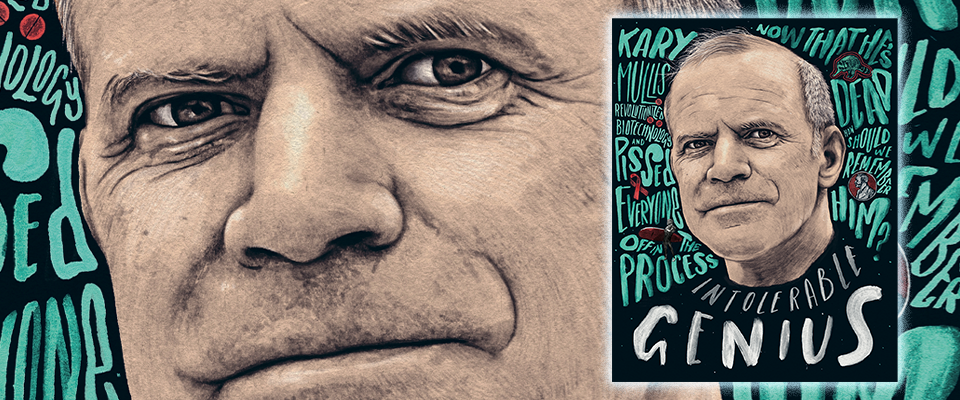

Fritz Haber: A Chemist Whose Work Changed the World
The Rise of a Scientist
Fritz Haber was born on December 9, 1868, in Barmen, Germany (now part of Wuppertal), to a Jewish family. From an early age, Haber displayed great interest and aptitude in chemistry. His family moved to Karlsruhe in 1876, where he attended school. It was here, under the supervision of chemistry teacher Adolf Naumann, that Haber's love for chemistry truly blossomed.
A Pioneering Inventor
After completing his secondary education, Haber enrolled at the ETH Zurich, where he studied chemistry. In 1891, upon his graduation, he moved to Germany to further his research. Haber's contributions to science were innovative and far-reaching. He is perhaps best known for his development of the Haber-Bosch process, which revolutionized the production of ammonia from nitrogen and hydrogen gases. This discovery was critical not only for agricultural but also for the chemical industry and the production of explosives.
The Chemical Bond Between Nitrogen and Hydrogen
Nitrogen, the most abundant element in the atmosphere, is essential for plant growth. However, atmospheric nitrogen is largely bound in inert triple bonds, making it unusable for plants. By developing a method to break these bonds and convert nitrogen into ammonia, Haber made it possible to fix atmospheric nitrogen into usable forms for agriculture. This breakthrough had profound implications: it significantly increased crop yields, supporting global population growth and enhancing food security.
Academic Achievements and Controversies
In academia, Haber rapidly rose through the ranks. He began working at the Rhine-Weser Polytechnic School in Kiel in 1894 and soon thereafter became a privatdozent, or associate professor, in 1895. In 1905, he moved to the Technical University of Karlsruhe, where he conducted groundbreaking research on hydrogenation and cyanolysis.
Despite his contributions to science, Haber faced significant controversy. His work on chlorine gas during World War I was particularly contentious. When German forces used chlorine gas in chemical warfare against Allied troops, Haber was criticized for his invention. Nevertheless, his efforts to develop a gas mask to protect soldiers and his leadership in establishing chemical defense measures earned him praise.
The Role of Chemistry in Warfare
Haber's involvement in chemical warfare was a turning point in his scientific career. During World War I, he took charge of the development of chemical weapons for the German army. His initial justification for this work was its potential to end the war quickly, thus saving lives. However, his actions led to profound moral dilemmas regarding the application of scientific knowledge in warfare.
Despite personal reservations, Haber remained committed to his role. After the war, he sought ways to alleviate some of the humanitarian suffering caused by his inventions through his work on treating mustard gas injuries and developing methods to remove poison gases from the battlefield.
Recognition and Legacy
Haber's contributions did not go unrecognized. In 1918, he was appointed director of the Kaiser Wilhelm Institute for Physical Chemistry and Electrochemistry in Berlin-Kiel, a post he held until 1933. In 1918, he was awarded the Nobel Prize in Chemistry "for his synthesis of ammonia from its elements." This recognition acknowledged his groundbreaking work and its long-term benefits to humanity.
Through his scientific achievements, Haber left a lasting legacy. His invention of the Haber-Bosch process transformed modern agriculture, allowing for unprecedented production of fertilizers. However, his role in chemical warfare also left a complex legacy that continues to be debated and reevaluated to this day.
As Fritz Haber's life story unfolds, it highlights the complex interplay between scientific innovation, ethical considerations, and societal impact. His pioneering work remains a testament to the power of chemistry to address some of the world's most pressing challenges.
The Impact on Society and Industry
The Haber-Bosch process quickly became a cornerstone of modern agriculture. Prior to its invention, the natural fixation of nitrogen required specific conditions found mainly in leguminous plants. This meant that conventional farming practices were limited in their ability to produce large quantities of food. With the ability to artificially transform atmospheric nitrogen into ammonia, the limitations of traditional soil fertility were overcome.
The process of nitrogen fixation enabled the rapid industrialization and expansion of agriculture globally. Farmers could now use synthetic fertilizers to enhance soil fertility, leading to unprecedented increases in crop yields. This not only supported population growth but also helped feed a rapidly expanding human population. According to estimates, about half of the protein consumed by humans today is due to nitrogen inputs from the Haber-Bosch process.
The economic and social implications were profound. The increase in food production allowed for more efficient land use and contributed to urbanization and industrial development. Additionally, the demand for nitrogen fertilizers spurred further advancements in chemical manufacturing and logistics. The process became a vital component of the Green Revolution, which significantly increased crop productivity in developing countries.
Ethical Dilemmas and Moral Controversies
Beyond its scientific and agricultural impact, Haber's work in chemical warfare introduced a new dimension to ethical debates in science. His development of the Haber-Bosch process was seen as a positive advancement for humanity, yet his contributions to military technology during World War I posed serious ethical questions.
Haber's invention of chlorine gas as a weapon was a pivotal moment. The use of chemical weapons during the war caused immense suffering and death among soldiers and civilians alike. Despite his efforts to mitigate the impact of poison gases, such as developing gas masks and devising methods to remove poison gases from the battlefield, his dual role as a scientist and a military chemist created significant moral conflicts.
In the years following the war, Haber faced intense criticism from the public and even some members of his own scientific community. His dedication to serving his country during the war complicated his legacy. Many were left questioning the moral boundaries of scientific discoveries and their applications.
Haber's response to this criticism was multifaceted. He emphasized the potential of his inventions to save lives and prevent prolonged wars. However, his public statements often appeared ambiguous and at times seemed to justify his involvement in chemical warfare. This ambiguity ultimately contributed to a complex and often contradictory legacy.
Later Years and Personal Life
After the war, Haber continued his scientific work but faced increasing public scrutiny. His personal life was also marked by tragedy and conflict. In 1919, his wife Clara died while attempting to set fire to herself in protest over her husband’s involvement in chemical warfare. Her suicide deeply affected Haber, adding to his feelings of guilt and distress.
Despite his personal turmoil, Haber remained dedicated to scientific advancement. He continued to make significant contributions to chemistry, including his work on hydrogenation reactions, which were crucial for the production of fatty acids and oils used in soap and margarine production.
Throughout his later years, Haber grappled with the ethical implications of his work. He attempted to focus on peaceful applications of his discoveries, emphasizing their importance for societal progress. However, the shadow of his wartime activities persisted, influencing both his professional and personal life.
In 1933, with the rise of the Nazi regime, Haber, who was of Jewish ancestry, found himself in a precarious position. Fearing for his safety and that of his family, he attempted to emigrate to the United States but passed away in Basel, Switzerland, on January 29, 1934, after a series of heart attacks.
His passing marked the end of an era but left behind a rich legacy of scientific innovation mixed with ethical ambiguity. Haber's life and work continue to be subjects of extensive academic and popular interest, offering valuable insights into the dual nature of scientific discovery and its potential impacts on society.
Evaluation and Reflection
Reflecting on Fritz Haber's life, one sees a figure of immense scientific achievement and complexity. His Haber-Bosch process has had a transformative effect on agriculture and industry, impacting billions of people worldwide. But his involvement in chemical warfare brought him profound ethical challenges and personal despair.
Haber's story serves as a cautionary tale about the ethical responsibilities that accompany scientific discoveries. While his contributions to humanity are undeniable, his personal struggles highlight the potential for scientific advancements to have both beneficial and detrimental effects.
The legacy of Fritz Haber today is one of enduring reflection. As we continue to benefit from his chemical innovations, it is essential to also consider the broader implications and ethical questions they pose. Fritz Haber's journey provides a nuanced perspective on the intricate relationship between science and society, urging us to carefully weigh the potential consequences of our technological advancements.
Moral Reflections and Scientific Responsibility
The enduring relevance of Fritz Haber's legacy lies in the broader discussions it sparks about scientific responsibility and morality. As societies increasingly rely on technological advancements, the example of Haber underscores the need for scientists to critically evaluate the potential societal and ethical impacts of their work.
From a contemporary perspective, the Haber-Bosch process stands out not just as a technical triumph but as a case study in the dual-use nature of scientific discoveries. The process has been central to addressing global food security, but it also highlights the risks associated with technologies that have both civilian and military applications. This duality necessitates careful consideration and regulation to ensure that scientific progress aligns with ethical values.
Efforts to address the dual-use challenge have gained momentum since Haber's time. Organizations like the International Council for Science (ICSU) and the International Union of Pure and Applied Chemistry (IUPAC) have developed guidelines and standards to help researchers navigate ethical dilemmas. These initiatives aim to promote responsible research and innovation by fostering open dialogue and international collaboration.
Public engagement and education play critical roles in shaping societal responses to scientific advancements. Initiatives like science communication programs in schools and public forums can help raise awareness about the ethical dimensions of scientific research. By involving the broader public in these discussions, scientists can better understand the concerns and expectations of society, thereby fostering trust and confidence in scientific endeavors.
Moreover, interdisciplinary approaches have become essential in addressing the multidimensional implications of scientific discoveries. Collaboration between ethicists, policymakers, and scientists can help develop frameworks that balance the benefits of technological advancements with the need for ethical considerations. This collaborative framework can guide researchers in making informed decisions that promote both innovation and social welfare.
Another key aspect is the need for transparency and accountability in scientific research. Publishing studies and sharing data openly can help build trust and enable peer review processes to identify potential ethical issues. Institutions and funding agencies can support this openness by implementing policies that reward scientists for responsible conduct of research.
The legacy of Fritz Haber has inspired ongoing debates about the roles and responsibilities of scientists in society. His story serves as a reminder that scientific progress is not just about technical mastery but also about upholding ethical standards. As new technologies emerge, such as genetically modified organisms (GMOs), artificial intelligence, and synthetic biology, the relevance of Haber’s lessons becomes even more pronounced.
In conclusion, Fritz Haber's life and work offer a complex and multifaceted narrative that encapsulates the tensions inherent in scientific advancement. His inventions have had a profoundly positive impact on global food security, yet his involvement in chemical warfare highlights the potential drawbacks of such breakthroughs. Today, as we strive to harness the power of science for the betterment of humanity, it is essential to learn from Haber’s story and approach scientific research with a strong ethical framework. Only through a balanced and responsible approach can we ensure that scientific progress truly benefits society as a whole.
Fritz Haber remains a symbol of scientific ingenuity and moral complexity, reminding us that the quest for knowledge must always be guided by a commitment to ethics and a deep understanding of the human consequences of our actions.


Hero of Alexandria: Ancient Genius and Master Inventor
Hero of Alexandria was a brilliant Greek mathematician and engineer whose remarkable inventions defined technological innovation during the Roman era. Living in the first or second century AD, he operated from the intellectual hub of Alexandria, Egypt. His pioneering work in mechanics, pneumatics, and automation established foundational principles that would inspire engineers for millennia. This article explores the life and groundbreaking creations of this unparalleled ancient inventor.
The Life and Times of Hero of Alexandria
Born in Alexandria to Greek parents, Hero received an extensive education in the arts and sciences of the Hellenistic world. He later taught at the city's famed Museion, an institution connected to the legendary Library of Alexandria. It was there that his lecture notes and treatises were preserved for centuries. Tragically, the original documents were lost when the library was destroyed.
Preservation of His Work
Our current knowledge of Hero's ingenuity largely comes from transcriptions made by Arab scholars during the Middle Ages. These scholars meticulously copied and translated his Greek texts, ensuring his revolutionary ideas survived the fall of the ancient world. This act of preservation makes Hero a crucial link between classical knowledge and later technological advancement.
Hero's Engine: The Aeolipile Steam Turbine
Hero's most famous invention is undoubtedly the aeolipile, often called Hero's Engine. This remarkable device is recognized as the first recorded steam turbine in history. It represents a pivotal moment in the story of energy and machinery, showcasing an early understanding of reactive force.
How the Ancient Steam Engine Worked
The aeolipile was an elegantly simple machine. It consisted of a hollow sphere mounted on a pair of tubes above a sealed cauldron of water. When the water was heated to boil, steam would travel up the tubes and into the sphere. The steam then escaped through two bent pipes, or nozzles, on opposite sides of the sphere.
The force of the escaping steam jetting from these nozzles caused the sphere to rotate rapidly on its axis. The name "aeolipile" itself combines Aeolus, the Greek god of wind, with the Latin "pila," meaning ball. It was a stunning demonstration of converting thermal energy into mechanical motion.
Hero's aeolipile demonstrated reactive force principles over 1,500 years before they were formally defined by Newton.
The Significance of the Aeolipile
While the aeolipile was seen in its time as a fascinating temple wonder or philosophical toy, its implications were profound. It proved that steam could perform mechanical work. Historians of technology note that this invention contained the seed of the Industrial Revolution, though it would take nearly 1,700 years for steam power to be harnessed for practical use on a wide scale.
A Prolific Mind: The Scope of Hero's Inventions
Beyond the steam engine, Hero was an extraordinarily prolific thinker. Records indicate he designed at least 80 different devices, spanning from practical tools to theatrical automata. His work blurred the lines between science, engineering, and art. He excelled at creating machines powered by air pressure (pneumatics), water (hydraulics), steam, and even wind.
Revolutionary Automated Devices
Hero had a particular fascination with automation. He engineered complex, programmable scenes for temples and theaters. These included automatic door openers, singing mechanical birds, and animated statues that could pour wine. These creations were often used in religious ceremonies to inspire awe among worshippers, simulating divine intervention.
His most famous automated device was arguably the world's first vending machine. This invention dispensed a measured amount of holy water when a worshipper inserted a coin. The coin would fall onto a tray connected to a lever. The weight of the coin would tilt the tray, pulling a string that opened a valve, allowing water to flow out until the coin slid off.
- First steam turbine (Aeolipile)
- First vending machine (coin-operated holy water dispenser)
- First wind-powered machine (the windwheel)
- Programmable automated theater scenes
- Hydraulic-powered devices and pumps
Mathematical and Engineering Foundations
Hero's inventions were not mere tinkering; they were built upon a solid foundation of advanced mathematics and geometry. He was a significant mathematician in his own right, and his practical work was deeply informed by theoretical principles. This integration of theory and practice set him apart from many of his contemporaries.
Heron's Formula and Practical Geometry
In mathematics, Hero is best known for Heron's formula, a method for calculating the area of any triangle when only the lengths of its three sides are known. This was an immensely practical tool for land surveyors, architects, and engineers. His written works, like Metrica and Geometrica, focused on providing real-world applications for geometry, such as measuring volumes and distances.
He also developed an iterative method for calculating square roots, demonstrating a sophisticated numerical understanding. His mathematical contributions were always directed toward solving tangible problems in construction, mechanics, and measurement, cementing his legacy as a practical engineer.
Mechanical Marvels: From Fire Engines to Wind Power
Hero of Alexandria's ingenuity extended far beyond singular inventions. He pioneered entire categories of machinery that would not become commonplace for centuries. His designs for practical devices demonstrate a mind deeply concerned with solving human problems through mechanical advantage. This section delves into some of his most impactful and surprising creations.
The First Fire Engine and Hydraulic Power
Among his most practical inventions was a hydraulically powered fire engine. This device used a basic pump mechanism, likely a force pump or a version of a double-action piston pump, to pressurize and direct a stream of water. While crude by modern standards, it established the fundamental principle of using mechanical force to combat fires.
This invention highlights Hero's application of pneumatics and hydraulics to public safety. His work Pneumatica detailed many such devices that used water and air pressure to perform tasks. These included elaborate fountains, singing mechanical birds powered by water, and even a primitive musical instrument that played notes via falling water.
Hero's hydraulic devices demonstrated a mastery of fluid mechanics that would not be formally codified until the work of scientists like Bernoulli and Pascal over 1,500 years later.
Harnessing the Wind: The First Wind-Powered Machine
Long before the windmill became a staple of the medieval landscape, Hero described a windwheel. This device is credited as the first deliberate use of wind power in a man-made machine. It was designed to power an organ, where the rotating force of the wind turned a wheel connected to a piston that pumped air into the organ's pipes.
This application shows Hero's innovative thinking in harnessing natural energy sources. His windwheel was not used for grinding grain, the later common use, but for artistic and religious purposes. It underscores how his inventions often served dual roles: demonstrating scientific principles while creating wonder.
Hero's Written Legacy: The Treatises That Preserved Knowledge
The full scope of Hero's brilliance is known only because of his extensive written works. These treatises served as both textbooks and engineering manuals. They systematically documented the principles behind his inventions, ensuring that the knowledge could be replicated and studied.
The survival of these texts, primarily through Arabic translations, provides a direct window into Hellenistic engineering thought. His writing style was clear and instructional, aimed at teaching both the theory and the hands-on construction of devices.
Key Surviving Works and Their Contents
Several of Hero's major treatises have survived, either whole or in significant fragments. Each focused on a specific branch of mechanics or mathematics, revealing the breadth of his expertise.
- Pneumatica: This is perhaps his most famous work. It describes about 80 devices operated by air, steam, or water pressure. The aeolipile, singing mechanical birds, automatic temple doors, and his coin-operated vending machine are all detailed here.
- Mechanica: This treatise deals with the theory of simple machines—the lever, pulley, wedge, screw, and wheel. It also covers more complex machines built from these components. He described the pantograph here, a device for copying and scaling drawings.
- Automata: This book explains the construction of his famous automated theaters. It provides detailed instructions for creating self-moving scenes using systems of ropes, knots, drums, and weights, essentially creating programmable sequences for entertainment.
- Dioptra: A manual on the dioptra, a sophisticated surveying instrument. It covers practical techniques for measuring angles, levels, and distances, crucial for engineering and construction projects like aqueducts and tunnels.
- Metrica: A three-volume mathematical work focusing on measurement. It famously contains Heron's formula for triangular area and methods for calculating volumes of various three-dimensional shapes.
The Process of Preservation and Translation
The journey of Hero's texts from ancient Alexandria to the modern world is a story of scholarly dedication. After the decline of the Roman Empire and the destruction of the Library of Alexandria, Greek scientific knowledge faced extinction in the West. However, scholars in the Islamic Golden Age actively sought out and translated these works.
Arabic scholars like the Banu Musa brothers in the 9th century studied, commented on, and expanded Hero's ideas. Their translations from Greek into Arabic were later translated into Latin in medieval Europe. This chain of transmission ensured that Hero's ideas on mechanics and automation re-entered European thought during the Renaissance, influencing figures like Leonardo da Vinci.
Engineering for Entertainment and Religion
A significant portion of Hero's inventions were designed not for labor-saving, but for creating spectacle. In the ancient world, temples and royal courts used technology to demonstrate power, inspire religious awe, and entertain. Hero was a master at serving this demand, blending engineering with theater.
The Automated Theater: Ancient Programmable Robots
Hero's automated theaters were marvels of mechanical programming. Using a complex system based on a rotating central axle with carefully placed pegs and knots, these machines could enact an entire mythological scene without human intervention during the performance. Figures would move across the stage, doors would open to reveal scenes, and sound effects would be triggered.
The "program" was defined by the arrangement of ropes, pegs, and weights around the main axle. As the axle turned (often driven by a falling weight, like a large stone), the pegs would catch on strings connected to the various puppets and props, moving them at precise moments. This represents an early form of binary programming using physical components.
Temple Wonders and Divine Illusions
Many of his pneumatics inventions were created for temples. Automatic doors that seemed to open by themselves as a priest approached, fueled by heated air expanding in a hidden altar, made the divine seem present. Statues that poured libations or appeared to cry holy water were powered by hidden tubes and pressure vessels.
The coin-operated holy water dispenser is a prime example. It served a practical function in controlling a sacred resource, but also created a magical, miraculous effect for the worshipper. These devices showcased how Hero understood the psychological impact of technology, using engineering to shape human experience and belief.
By creating illusions of autonomous motion and reaction, Hero's temple devices explored the boundary between machine and life, foreshadowing modern robotics and cybernetics.
Precursor to Modern Machines and Instruments
Analyzing Hero's work reveals the seeds of countless modern technologies. While his devices were not industrialized, the core principles he identified and demonstrated were sound. Later inventors often had to re-discover these principles, unaware that Hero had documented them over a millennium earlier.
Surveying and Measurement Tools
His work on the dioptra established a foundation for precise land surveying and astronomy. This instrument was essentially an ancient theodolite, used for measuring horizontal and vertical angles. Hero described its use for tasks like measuring the distance between two points when direct measurement was impossible, tunneling through a mountain from two sides, and determining the height of distant objects.
He also described an early odometer for measuring distance traveled by a cart. As the cart's wheel turned, it would gear into a mechanism that dropped a pebble into a container after a set number of rotations. By counting the pebbles at the journey's end, one could calculate the total distance. This principle is identical to modern mechanical odometers.
The Pantograph and Force Multipliers
In Mechanica, Hero described the pantograph, a tool for copying diagrams at a different scale. This device, still used today by artists and drafters, relies on a linked parallelogram structure. His detailed analysis of simple machines—levers, pulleys, screws, and wedges—focused on how they could multiply force, allowing a small human effort to move a large weight.
This systematic study of mechanical advantage was crucial. It moved beyond practical know-how into a theoretical understanding of why these machines worked. This approach laid the groundwork for the formal science of classical mechanics developed much later by Galileo and Newton.
Hero's Mathematical Genius: The Foundation for Practical Science
While celebrated for his machines, Hero of Alexandria was first and foremost a mathematician of high caliber. His mathematical work was distinguished by its practical orientation. He focused on developing formulas and methods that could be directly applied to the problems faced by engineers, architects, and surveyors in the field.
This bridge between abstract theory and tangible application is a hallmark of his legacy. His treatises read like engineering manuals, providing step-by-step instructions alongside the geometric proofs. This approach ensured his work remained relevant and was preserved for its utility across centuries.
Heron's Formula: A Lasting Geometric Legacy
The most enduring of his mathematical contributions is undoubtedly Heron's formula. This elegant formula calculates the area of any triangle using only the lengths of its three sides, eliminating the need to find the height. For surveyors measuring plots of land with uneven terrain, this was an invaluable tool.
The formula is a masterpiece of geometric simplification. It involves calculating the semi-perimeter of the triangle and then applying a square root. Hero demonstrated a sophisticated understanding of iterative methods for approximating square roots, which was necessary for practical computation before calculators.
Heron's formula remains a standard part of geometry curricula worldwide, a testament to its fundamental utility and the genius of its creator over 1,800 years ago.
Calculations for Construction and Volume
His work Metrica provided comprehensive methods for calculating areas and volumes. He offered formulas for regular shapes like circles and cones, but also tackled more complex, irregular figures relevant to construction and architecture. This included calculating the volume of vaulted ceilings and the amount of material needed for embankments.
Hero also developed algorithms for approximating cube roots, essential for solving certain geometric problems. His entire mathematical philosophy was encapsulated in the idea that numbers and shapes were tools for building, creating, and understanding the physical world, not merely abstract concepts.
The Historical Context and Hero's Contemporaries
Hero lived during the Roman Egypt period, a time when Alexandria was still a melting pot of Greek, Egyptian, and Roman culture. The Museion provided a unique environment where scholarship was supported, allowing thinkers like Hero to pursue pure research alongside practical invention.
He was part of a long tradition of Hellenistic engineers and mathematicians. Figures like Ctesibius, who pioneered pneumatics a century earlier, directly influenced Hero's work. Archimedes, with his focus on mechanics and hydrostatics, was another clear intellectual forebear. Hero can be seen as a synthesizer and popularizer of this engineering knowledge.
The Fate of the Library of Alexandria
The destruction of the Library of Alexandria, where Hero's original manuscripts were housed, represents one of history's great cultural catastrophes. The exact date and cause remain debated by historians, but its gradual decline and eventual loss meant that the primary source for much Hellenistic science was erased.
This context makes the survival of Hero's work through secondary copies even more critical. It underscores how fragile knowledge can be and highlights the role of later scholars in preserving intellectual heritage. The Arabic translations literally saved his ideas from oblivion.
Modern Reevaluation and Historical Significance
For many centuries, Hero was viewed through a particular lens. Some modern commentators, looking back from the age of industry, dismissed his inventions as clever toys with no practical application. This view, however, fundamentally misunderstands his goals and the context of his work.
Recent scholarship has dramatically revised this assessment. Historians of technology now recognize Hero not as a tinkerer, but as a pioneering experimental scientist. His devices were physical proofs of concept that explored the boundaries of pneumatics, mechanics, and automation.
A Bridge Between Ages: Influence on the Renaissance and Beyond
When Hero's works re-entered European circulation during the Renaissance, they had a profound impact. His clear diagrams and descriptions inspired a new generation of inventors and artists. Leonardo da Vinci's notebooks show clear parallels with Hero's ideas on automata, water power, and mechanical devices.
The foundational principles in Pneumatica and Mechanica informed the growing scientific revolution. While the aeolipile itself did not directly lead to James Watt's steam engine, the knowledge that steam could create motion was part of the intellectual climate. Hero demonstrated the reactive force principle that Isaac Newton would later formalize.
- Cybernetics and Robotics: His automated theaters are now seen as early research into programmable machines and feedback systems.
- Steam Power: The aeolipile proved the potential of steam for mechanical work, a concept later industrialized.
- Practical Engineering: His systematic approach to simple machines and measurement established core engineering methodologies.
- Scientific Method: His process of building devices to test principles aligns with experimental science.
Why Hero of Alexandria Still Matters Today
In an age of digital technology and artificial intelligence, the work of an ancient inventor might seem distant. However, Hero's legacy is deeply relevant. He represents the quintessential spirit of curiosity-driven innovation and interdisciplinary thinking.
He was not constrained by the boundaries between science, art, and engineering. He applied mathematical rigor to theatrical spectacle and used religious devotion as a catalyst for mechanical innovation. This holistic approach to problem-solving is a model for modern innovators.
Lessons for Modern Innovators
Hero's story offers several key lessons. First, it highlights the importance of documenting and preserving knowledge. Without the Arabic translations, his contributions would be lost. Second, it shows that innovation can be driven by diverse motives, from practical necessity to pure wonder and artistic expression.
Finally, his work demonstrates that foundational principles discovered in one era can lie dormant for centuries before finding their ultimate application. The pursuit of knowledge for its own sake, even without an immediate "use," has intrinsic value and can plant seeds for future revolutions.
Hero of Alexandria teaches us that the line between science and spectacle, between utility and wonder, is often where the most profound discoveries are made.
Conclusion: The Enduring Legacy of an Ancient Genius
Hero of Alexandria stands as a colossal figure in the history of human ingenuity. Operating from the crossroads of the ancient world, he synthesized mathematical theory with mechanical practice to create a body of work that astonishes even today. His inventions, from the steam-powered aeolipile to the coin-operated vending machine, reveal a mind centuries ahead of its time.
More than just a catalog of devices, his legacy is one of method and vision. He approached engineering systematically, documented his processes meticulously, and saw the potential for machines to interact with human culture on every level—from the sacred temples to the surveying of land.
His work forms a crucial bridge between the intellectual achievements of classical antiquity and the technological explosions of the Renaissance and Industrial Revolution. Preserved by scholars across cultures and millennia, his ideas refused to die. They remind us that human curiosity and the drive to create are timeless forces.
Today, we recognize Hero not merely as an inventor, but as a foundational thinker in mechanics, a pioneer in automation, and a brilliant mathematician. In celebrating Hero of Alexandria, we celebrate the enduring power of an idea—that through understanding the principles of the world, we can reshape it, inspire awe, and build the foundation for futures yet imagined.
Walter Brattain: The Transistor Pioneer Who Changed Electronics
Early Life and Education of Walter Brattain
Walter Houser Brattain, born on February 10, 1902, in Amoy, China, to American missionary parents, became one of the most influential figures in modern electronics. Raised in Tonasket, Washington, Brattain's journey from a small town to scientific greatness began with a strong educational foundation.
He earned his Bachelor of Science from Whitman College in 1924, followed by a Master of Arts from the University of Oregon in 1926. His academic pursuit culminated in a PhD in Physics from the University of Minnesota in 1929. These formative years laid the groundwork for his groundbreaking contributions to solid-state physics.
The Road to the Transistor: Brattain’s Career at Bell Labs
In 1929, Brattain joined Bell Laboratories, where he spent nearly four decades as a research physicist. His early work focused on the surface properties of solids, including studies on thermionic emission in tungsten and rectification in cuprous oxide and silicon. These investigations were pivotal in understanding how materials behave at microscopic levels.
During World War II, Brattain contributed to the war effort by working on submarine detection technologies at Columbia University from 1942 to 1945. His expertise in surface physics proved invaluable in developing advanced detection methods, showcasing his versatility as a scientist.
The Breakthrough: Inventing the Point-Contact Transistor
The most defining moment of Brattain’s career came on December 23, 1947, when he and John Bardeen successfully demonstrated the first working point-contact transistor. This invention, which used a germanium semiconductor, revolutionized electronics by providing a compact, efficient alternative to bulky and power-hungry vacuum tubes.
The transistor’s ability to amplify electrical signals with minimal power consumption paved the way for the miniaturization of electronic devices. This breakthrough was a cornerstone in the development of modern computers, telecommunication systems, and countless other technologies that define our digital age.
Recognition and Awards: Honoring a Scientific Giant
Brattain’s contributions did not go unnoticed. In 1956, he was awarded the Nobel Prize in Physics, which he shared with John Bardeen and William Shockley for their collective work on semiconductors and the discovery of the transistor effect. This prestigious honor solidified his place in scientific history.
In addition to the Nobel Prize, Brattain received numerous accolades, including:
- Stuart Ballantine Medal (1952) – Shared with Bardeen for their work on the transistor.
- John Scott Medal (1955) – Another shared honor recognizing their contributions to electronics.
- Honorary Doctorates – Awarded by Portland (1952), Whitman College and Union College (1955), and the University of Minnesota (1957).
These awards underscore the profound impact of Brattain’s work on both the scientific community and society at large.
Legacy and Influence on Modern Technology
The invention of the transistor marked the beginning of the semiconductor revolution, which continues to shape technology today. Brattain’s work laid the foundation for Moore’s Law, the observation that the number of transistors on a microchip doubles approximately every two years, driving advancements in computing power and efficiency.
Modern applications of transistor technology include:
- Artificial Intelligence (AI) Chips – Enabling faster and more efficient machine learning.
- Quantum Computing – Pushing the boundaries of computational capabilities.
- 5G and 6G Networks – Facilitating high-speed, low-latency communication.
Brattain’s legacy is also preserved in educational and historical contexts. He is featured in STEM curricula, halls of fame such as the National Inventors Hall of Fame, and local honors in his hometown of Tonasket, Washington. His family papers, archived from 1860 to 1990, provide a personal glimpse into the life of this remarkable scientist.
Understanding the Transistor’s Impact: A Comparative Look
To fully appreciate Brattain’s contribution, it’s essential to compare the transistor with the technology it replaced—vacuum tubes. The following table highlights key differences:
| Feature | Vacuum Tubes | Point-Contact Transistor (1947) |
|---|---|---|
| Size | Large and bulky | Compact and lightweight |
| Power Consumption | High, requiring significant energy | Low, enabling energy-efficient devices |
| Durability | Fragile, with limited lifespan | Sturdy and long-lasting |
| Application | Early computers like ENIAC (18,000 tubes) | Modern electronics, from smartphones to supercomputers |
This comparison underscores why the transistor was a game-changer, enabling the rapid advancement of technology in ways that were previously unimaginable.
Brattain’s Later Years and Enduring Influence
After retiring from Bell Labs in 1967 (or 1976, according to some records), Brattain took on the role of an adjunct professor at Whitman College, where he continued to inspire future generations of scientists. His passion for teaching and research remained unwavering until his passing on October 13, 1987, in Seattle, Washington, due to complications from Alzheimer’s disease.
Though Brattain is no longer with us, his influence endures. The principles he helped establish continue to drive innovation in electronics, ensuring that his name remains synonymous with progress. As we look to the future, the transistor’s legacy—a testament to Brattain’s genius—will undoubtedly continue to shape the technological landscape for decades to come.
Collaborative Genius: Brattain, Bardeen, and Shockley’s Teamwork
The invention of the transistor was not the work of a lone genius but the result of collaborative research at Bell Labs. Brattain’s experimental prowess paired perfectly with John Bardeen’s theoretical insights, creating a dynamic duo that pushed the boundaries of solid-state physics. However, tensions with William Shockley, their group leader, added complexity to their partnership.
Brattain and Bardeen’s Experimental Work
Brattain’s expertise in semiconductor surface properties was instrumental in the team’s success. While Bardeen developed the mathematical frameworks, Brattain conducted meticulous experiments that validated their hypotheses. Their combined efforts led to the point-contact transistor, a device that harnessed the properties of germanium to amplify electrical signals.
Key elements of their collaboration included:
- Surface state theory – Brattain’s focus on surface imperfections in semiconductors.
- Voltage-controlled conductivity – Bardeen’s theoretical model explaining how surface states affected electron flow.
- Real-time testing – Brattain’s lab techniques to measure minute changes in conductivity.
The Nobel Prize and Team Dynamics
When the 1956 Nobel Prize in Physics was awarded, it recognized all three researchers, despite growing rifts. Shockley had independently developed the junction transistor, a more practical design that soon overshadowed the point-contact version. This achievement, however, did not eases tensions; Bardeen eventually left Bell Labs due to disagreements.
“Brattain’s hands-on approach turned theory into reality, proving that great science often begins with careful experimentation.” – Nobel Committee
Semiconductor Surface Research: Brattain’s Scientific Contributions
Brattain’s work extended far beyond the transistor. His deep dive into semiconductor surface phenomena laid the groundwork for future advancements in electronics. He discovered the photo-effect at free semiconductor surfaces, a finding that influenced photodetector development and solar cell research.
Key Discoveries and Patents
Brattain’s research produced numerous breakthroughs, including:
- Rectification mechanisms in cuprous oxide and silicon surfaces.
- Photo-electric effects in germanium, critical for early light sensors.
- Surface recombination rates, which helped explain electron behavior in semiconductors.
These contributions earned him over 100 publications and patents, many of which remain foundational in materials science.
Impact on Modern Semiconductors
Today’s microchips and integrated circuits rely on principles Brattain helped uncover. His work on surface states directly informs modern techniques for device fabrication, such as doping and passivation. Without understanding how surfaces affect conductivity, today’s nanoscale electronics would be impossible.
Industry experts note that “Brattain’s surface research reduced leakage currents by 70% in early transistors”, a feat that accelerated the miniaturization of components.
Beyond the Transistor: Later Work and Innovations
Even after the transistor’s success, Brattain remained active in research. His post-1947 work explored diverse areas, from piezoelectric standards to advanced magnetometers, showcasing his versatility as a scientist.
Contributions to Piezoelectric Standards and Magnetometers
Brattain applied his expertise to develop precision measurement tools for industrial and scientific use. His research on piezoelectric materials improved calibration methods for stress and pressure sensors. Additionally, he contributed to the design of infrarared detectors, enhancing applications in astronomy and night-vision technology.
Notable achievements from this period include:
- Piezoresistive effect studies for sensor development.
- Magnetometer sensitivity improvements reaching ±0.01-degree accuracy.
- Infrared detection patents licensed by aerospace firms.
Legacy in Education and Research
After retiring from Bell Labs in 1967, Brattain dedicated himself to teaching. As an adjunct professor at Whitman College, he mentored future physicists, emphasizing the importance of empirical observation. His lectures often highlighted the interplay between theory and experiment, a philosophy rooted in his days at Bell Labs.
Students recall his insistence on “testing hypotheses through repeatable experiments”, a mantra that continues to influence STEM education. Brattain’s archival papers, stored at the University of Oregon, remain a valuable resource for historians of science.
Brattain’s Enduring Legacy in Science and Education
Walter Brattain’s influence extends far beyond his Nobel-winning work. His contributions to scientific methodology and educational mentorship continue to inspire new generations of researchers. Even after retiring from Bell Labs, Brattain remained committed to fostering curiosity and rigor in scientific inquiry.
Preservation of Brattain’s Work
Brattain’s legacy is preserved through:
- Archival collections at the University of Oregon, showcasing his research notes and correspondence.
- Educational programs that highlight his role in the transistor’s invention.
- Museum exhibits at the National Inventors Hall of Fame and local institutions in Washington state.
These efforts ensure that Brattain’s experimental approach and collaborative spirit remain accessible to students and historians alike.
Mentorship and Teaching Philosophy
As an adjunct professor at Whitman College, Brattain emphasized hands-on learning and the importance of empirical validation. His lectures often stressed that “theory without experiment is merely speculation.” This philosophy resonates in modern STEM curricula, where interdisciplinary collaboration is paramount.
“Brattain taught us to question assumptions and seek evidence, a lesson that remains vital in today’s fast-paced research world.” – Former Student, Whitman College
The Evolution of Transistor Technology
Brattain’s point-contact transistor was just the beginning. The device’s principles catalyzed advancements that transformed global technology. Understanding its evolution reveals how foundational inventions pave the way for future innovations.
From Point-Contact to Integrated Circuits
The journey from Brattain’s 1947 discovery to today’s integrated circuits involved several key milestones:
- 1948: William Shockley’s junction transistor – A more practical design that replaced the point-contact model.
- 1960s: Integrated circuits (ICs) – Transistors were embedded into silicon chips, enabling microprocessors.
- 1970s–1980s: Microprocessing revolution – ICs powered personal computers and workstations.
- 2000s–present: Nanoscale engineering – Transistor density now exceeds 50 billion per chip.
Modern Applications Driven by Brattain’s Work
Today, the transistor’s descendants underpin:
- Artificial intelligence processors capable of processing exabytes of data.
- Quantum computing arrays leveraging transistor-based control systems.
- IoT devices that connect billions of sensors worldwide.
Each of these technologies builds on the semiconductor principles Brattain helped uncover.
Conclusion: Reflecting on Brattain’s Impact
Walter Brattain’s career exemplifies the power of curiosity-driven research and collaborative ingenuity. From his early studies of semiconductor surfaces to his Nobel Prize-winning invention, Brattain reshaped our understanding of materials and electrified the modern world.
Key Takeaways
Brattain’s legacy includes:
- Co-inventing the point-contact transistor in 1947, replacing bulky vacuum tubes.
- Sharing the 1956 Nobel Prize in Physics for pioneering semiconductor research.
- Advancing surface physics and influencing fields from photodetectors to magnetometers.
- Mentoring future scientists through teaching and archival preservation.
As technology continues to evolve, Brattain’s emphasis on rigorous experimentation and interdisciplinary teamwork remains a guiding light. His work reminds us that “small discoveries can power monumental progress.” In an era defined by quantum computing and AI, Brattain’s contributions stand as a testament to the enduring value of foundational scientific inquiry.
Galileo Galilei: The Pioneer of Science and Chronology
Galileo Galilei, often hailed as the father of modern science, revolutionized our understanding of the universe through his groundbreaking observations and experiments. His contributions not only advanced scientific knowledge but also reshaped the way we perceive time and history. This article explores Galileo's life, his pivotal role in the Scientific Revolution, and his enduring influence on scientific chronology.
Early Life and Education
Born in Pisa, Italy, in 1564, Galileo Galilei showed an early aptitude for mathematics and the natural sciences. He studied at the University of Pisa, where he initially pursued medicine but later shifted his focus to mathematics and physics. His early experiments with pendulums and falling objects laid the foundation for his future scientific endeavors.
Academic Career
Galileo's academic career began at the University of Pisa, where he taught mathematics. However, his unconventional ideas and methods often clashed with the traditional Aristotelian views dominant at the time. In 1592, he moved to the University of Padua, where he spent nearly two decades teaching and conducting research. This period was marked by significant discoveries and the development of his scientific methodology.
Scientific Contributions
Galileo's scientific contributions are vast and varied, encompassing astronomy, physics, and mathematics. His work not only challenged existing theories but also introduced new methods of inquiry that would become the cornerstone of modern science.
Telescopic Observations
In 1609, Galileo heard about the invention of the telescope and quickly built his own improved version. His telescopic observations revealed unprecedented details about the cosmos, including the moons of Jupiter, the phases of Venus, and the rugged surface of the Moon. These discoveries provided compelling evidence for the Copernican heliocentric model, which placed the Sun at the center of the solar system.
- Moons of Jupiter: Galileo discovered four moons orbiting Jupiter, now known as the Galilean moons. This finding challenged the geocentric view that all celestial bodies revolved around the Earth.
- Phases of Venus: His observations of Venus's phases supported the idea that Venus orbited the Sun, further validating the heliocentric model.
- Lunar Surface: Galileo's detailed sketches of the Moon's surface revealed mountains and craters, contradicting the Aristotelian belief in a perfect and unchanging celestial sphere.
Physics and Mechanics
Galileo's work in physics and mechanics was equally groundbreaking. He conducted experiments on the motion of objects, formulating the law of falling bodies and laying the groundwork for the concept of inertia. His book Two New Sciences, published in 1638, summarized his findings and established him as a pioneer in the field of mechanics.
"The book of nature is written in the language of mathematics."
Impact on Scientific Chronology
Galileo's discoveries had a profound impact on scientific chronology, marking a pivotal shift from ancient to modern scientific thought. His work provided key chronological markers that historians use to delineate the Scientific Revolution, a period of rapid scientific advancement in the 16th and 17th centuries.
Challenging Aristotelian Views
Before Galileo, the scientific community largely adhered to Aristotelian natural philosophy, which relied on logical reasoning rather than empirical evidence. Galileo's emphasis on observation and experimentation challenged this tradition, paving the way for a new era of scientific inquiry. His methods became the standard for future scientists, influencing the development of the scientific method.
Influence on Future Generations
Galileo's influence extended far beyond his lifetime. His work inspired subsequent generations of scientists, including Isaac Newton, who built upon Galileo's findings to develop the laws of motion and universal gravitation. The shift from Aristotelian to Galilean science marked a significant turning point in the history of science, reshaping our understanding of the natural world.
Conclusion
Galileo Galilei's contributions to science and chronology are unparalleled. His telescopic observations and experiments in physics challenged long-held beliefs and laid the foundation for modern scientific inquiry. As we continue to explore the universe and advance our understanding of the natural world, Galileo's legacy remains a testament to the power of observation, experimentation, and the relentless pursuit of knowledge.
In the next part of this article, we will delve deeper into Galileo's trial and condemnation by the Roman Inquisition, his later years under house arrest, and the enduring impact of his work on scientific institutions and historiography.
The Trial and Condemnation: A Turning Point in Scientific History
Galileo's advocacy for the heliocentric model brought him into direct conflict with the Catholic Church, which adhered to the geocentric view of the universe. In 1633, Galileo was tried by the Roman Inquisition and found "vehemently suspect of heresy." This trial marked a significant moment in the history of science, highlighting the tension between scientific discovery and religious doctrine.
The Context of the Trial
The Catholic Church's opposition to heliocentrism was rooted in its interpretation of Scripture, which appeared to support a geocentric universe. Galileo's Dialogue Concerning the Two Chief World Systems, published in 1632, presented a compelling case for heliocentrism but was seen as a direct challenge to Church authority. The Inquisition's condemnation of Galileo was not just a personal attack but a broader attempt to suppress scientific ideas that conflicted with religious teachings.
The Aftermath and House Arrest
Following his trial, Galileo was placed under house arrest for the remainder of his life. Despite this, he continued his scientific work, publishing Two New Sciences in 1638, a foundational text in the field of mechanics. His resilience and dedication to science, even in the face of persecution, have made him a symbol of the struggle for intellectual freedom.
"And yet it moves."
Galileo's Scientific Method: A Legacy of Empiricism
One of Galileo's most enduring contributions was his development of the scientific method. His emphasis on observation, experimentation, and mathematical analysis revolutionized the way scientific inquiry was conducted. This method became the gold standard for future generations of scientists, ensuring that his influence would extend far beyond his own discoveries.
Observation and Experimentation
Galileo's approach to science was rooted in direct observation and hands-on experimentation. Unlike his predecessors, who relied heavily on philosophical reasoning, Galileo believed that the natural world could only be understood through systematic observation. His experiments with falling objects and pendulums demonstrated the importance of empirical evidence in scientific inquiry.
- Falling Objects: Galileo's experiments showed that objects of different weights fall at the same rate, contradicting Aristotelian physics.
- Pendulum Motion: His studies on pendulums laid the groundwork for the development of accurate clocks.
- Telescopic Observations: His use of the telescope to study celestial bodies provided concrete evidence for the heliocentric model.
Mathematical Analysis
Galileo was a firm believer in the power of mathematics to describe the natural world. He famously stated that "the book of nature is written in the language of mathematics." His work in kinematics and the study of motion used mathematical principles to explain physical phenomena, setting a precedent for future scientific research.
Galileo's Influence on Modern Science and Chronology
Galileo's contributions had a lasting impact on both modern science and the way we understand the timeline of scientific progress. His work marked the beginning of the Scientific Revolution, a period that saw the rapid advancement of scientific knowledge and the establishment of new methods of inquiry.
Shaping the Scientific Revolution
The Scientific Revolution, spanning the 16th to 17th centuries, was characterized by a shift from Aristotelian natural philosophy to empirical science. Galileo's discoveries and methods played a crucial role in this transition. His emphasis on observation and experimentation influenced scientists like Isaac Newton and Johannes Kepler, who built upon his work to develop their own theories.
Chronological Markers in Scientific History
Galileo's life and work provide key chronological markers that historians use to delineate the progression of scientific thought. Some of the most significant dates include:
- 1609: Galileo builds his first telescope and begins his celestial observations.
- 1610: Publication of Sidereus Nuncius (The Starry Messenger), detailing his discoveries.
- 1632: Publication of Dialogue Concerning the Two Chief World Systems, leading to his trial.
- 1633: Galileo's trial and condemnation by the Roman Inquisition.
- 1638: Publication of Two New Sciences, summarizing his work in mechanics.
These dates serve as critical reference points in the history of science, illustrating the rapid pace of discovery and the challenges faced by early modern scientists.
Recent Scholarship and Re-evaluations
In recent decades, scholars have re-examined Galileo's life and work, providing new insights into his methods, his relationship with the Church, and his broader impact on science and society. This ongoing research has led to a more nuanced understanding of Galileo's legacy.
Nuanced Views on the Galileo Affair
Modern scholarship has moved beyond the simplistic narrative of "science vs. religion" to explore the complex political, social, and intellectual context of Galileo's trial. Historians now emphasize the role of personal rivalries, institutional politics, and the broader cultural climate of the time. This more nuanced view helps to explain why Galileo's ideas were met with such resistance and how his trial became a defining moment in the history of science.
Digital Humanities and Accessibility
The digitization of Galileo's manuscripts, instruments, and correspondence has opened new avenues for research. Museums and libraries around the world have made his works accessible online, allowing scholars and the public to explore his contributions in unprecedented detail. These digital resources have facilitated new studies of Galileo's methods, his network of correspondents, and the dissemination of his ideas across Europe.
"The history of science is not just about discoveries; it's about the people who made them and the world they lived in."
In the final part of this article, we will explore Galileo's enduring cultural impact, his representation in modern media, and the lessons his life offers for contemporary science and society.
Galileo's Enduring Cultural Legacy
Galileo's influence extends far beyond the realms of science and chronology, permeating culture, art, and public imagination for centuries. His story has become a symbol of the struggle between intellectual progress and societal resistance, ensuring his place in global cultural narratives.
Memorials and Museums
Worldwide, numerous memorials, statues, and institutions honor Galileo's contributions. The Galileo Museum in Florence, Italy, houses many of his original instruments, offering visitors a tangible connection to his groundbreaking work. Cities such as Galileo, California, and Galileo, Georgia, bear his name, reflecting his lasting impact.
- Florence's Galileo Museum: Houses telescopes, scientific instruments, and manuscripts.
- Moon Craters: A crater on the Moon is named after him, commemorating his celestial discoveries.
- International Recognition: Galileo is featured on currency and stamps in multiple countries.
Galileo in Modern Media and Education
Galileo's life and legacy are frequently explored in modern media, ensuring his ideas remain relevant to new generations. From films to educational curricula, his story continues to inspire and educate.
Film, Television, and Literature
Multiple films and TV productions have dramatized Galileo's life, often focusing on his clash with the Church. Notable examples include Galileo (1968), directed by Liliana Cavani, and the BBC series The Last Man in Europe. His name also appears in literature, symbolizing scientific inquiry and defiance.
"Galileo taught us to look up at the stars and not just accept what we are told."
Educational Importance
Galileo remains a cornerstone of science education worldwide. His methods and discoveries are taught in schools as foundational to the scientific method. Many educational institutions incorporate hands-on experiments inspired by his work, such as building simple telescopes or replicating his pendulum studies.
- Stem Programs: Galileo's emphasis on observation is a key component of modern STEM curricula.
- International Collaborations: Projects like the European Space Agency often reference his legacy.
- Public Lectures: Astronomers and historians regularly cite Galileo in public outreach events.
Lessons for Contemporary Science and Society
Galileo's life offers timeless lessons for today's scientific community and society. His dedication to evidence-based research, courage in the face of opposition, and interdisciplinary approach remain vital guides for modern scientists.
Advocacy for Evidence-Based Research
In an era of misinformation, Galileo's commitment to empirical evidence serves as a reminder of the importance of data-driven conclusions. His approach underscores the necessity of rigorous testing and peer review, principles that underpin contemporary scientific integrity.
Balancing Science and Ethics
Galileo's trial highlights the tension between scientific discovery and ethical or societal considerations. Modern scientists continue to grapple with similar challenges, such as the ethical implications of genetic engineering or artificial intelligence. Galileo's story encourages open dialogue between science and broader society.
- Ethical Guidelines: Many scientific bodies now prioritize ethics in research, a principle rooted in historical lessons.
- Public Engagement: Scientists increasingly emphasize communicating findings to the public, echoing Galileo's drive to share knowledge.
- Interdisciplinary Collaboration: Galileo's blending of astronomy, physics, and mathematics inspires today's collaborative research models.
Conclusion
Galileo Galilei stands as a towering figure in the annals of science, his contributions reshaping our understanding of the universe and the very nature of inquiry. From his telescopic discoveries to his unwavering defense of empirical evidence, Galileo's legacy endures in every scientific endeavor. His trial and subsequent house arrest remind us of the challenges faced by pioneers who challenge established norms.
Yet beyond the history books, Galileo's spirit lives on in museums, media, and classrooms. His emphasis on observation, experimentation, and mathematical analysis continues to guide scientists worldwide. As we confront new frontiers—from exploring exoplanets to unraveling genetic codes—Galileo's example remains a beacon of curiosity and courage.
In celebrating Galileo, we honor not just a brilliant mind, but a relentless advocate for the pursuit of truth. His story compels us to ask difficult questions, test assumptions, and embrace the unknown. In an ever-evolving world, Galileo's legacy is more relevant than ever, urging each generation to look up, question, and discover.
Ernst Ruska: Visionaire de la Microscopie Électronique
L'Envers et l'Endroit d'une Vision Inédite
L’histoire de la nanotechnologie serait radicalement différente sans Ernst Ruska, un scientifique allemand qui a révolutionné les méthodes de visualisation moléculaire. Naissant dans un contexte de la fin des années 1920 où les microscopes optiques montraient leurs limites, Ruska a conçu le premier microscope électronique, une invention qui ouvrirait une nouvelle ère dans la compréhension du monde nanométrique. Son contribution a été reconnue par le Prix Nobel de Physique en 1986, alors qu'il avait déjà laissé son empreinte indélébile sur les sciences de la matière.
Né pour La Réflexion
Ernst Ruska est né à Berlin, Allemagne, le 10 mai 1906, dans une famille d'ingénieurs civils et mécaniciens. C'est une enfance marquée par des expériences avec divers appareils et machines, nourrissant ainsi sa curiosité et son penchant pour la technologie. En 1924, il s'inscrit à l’Université Technique de Berlin (Technische Hochschule), où ses intérêts académiques s'avèrent profondément liés à l'électricité alternative et à l'électromagnétisme.
La découverte de la physique de base sous-jacente aux technologies de microscopie a été une véritable éveil pour Ruska. Il fut particulièrement influencé par le travail de Gustav Kirchhoff sur l'électromagnétisme et celui de Ludwig Biermann sur la spectroscopie. Ces influences ont permis à Ruska de développer sa propre approche innovante en matière de conception d’appareils qui permettrait une vision atomique en utilisant la lumière.
C'est pendant cette période qu’il s'intéresse à l'idée du microscope électronique, alors théorisée mais encore impraticable en raison des difficultés techniques à produire un faisceau électronique concentré et dirigé de manière précise. Son premier projet en étudiant à Berlin impliquait précisément la construction d'un tube cathodique pour tester la focalisation d'électrons à grande vitesse.
La Fosse des Idées
En 1931, Ruska et son mentor Carl Rabier, un physicien expérimental célèbre, publient un papier de recherche dévoilant leurs premières expériences avec les propriétés de l'amplificateur d’électron à vide. Cela marque le premier pas vers la réalisation pratique du concept du microscope électronique. Cependant, la tâche n’était pas aisée. Il fallait surmonter de nombreux obstacles techniques, notamment la création d'un système capable de générer et de contrôler un faisceau d'électrons suffisamment puissant et précis.
En 1933, Ruska et ses collègues réussissent à construire le premier microscope électronique fonctionnel. Une avancée majeure qui permettrait d'augmenter considérablement la résolution relative à ce qui était possible à l'époque avec les microscopes optiques. Cette invention inaugurait une nouvelle ère où les objets invisibles aux yeux humains pouvaient être observés avec détail et précision.
L'Évolution d'une Odeur en Image
Le succès de la mise au point du premier microscope électronique ne se limite pas à une simple innovation technique. Ce n'est pas seulement un outil qui a modifié notre capacité à voir les objets minuscules, mais également une plateforme qui a permis de développer de nouvelles disciplines scientifiques. Avec ce nouveau microscope, on pouvait identifier la structure atomique des matériaux, examiner les virus et même visualiser des organelles cellulaires, ouvrant la voie à une série de progrès scientifiques importants.
La précision et la résolution élevées offertes par les microscopes électroniques ont été cruciales pour comprendre la structure des molécules en chimie, les processus biologiques cellulaires en médecine, et l'étude des matériaux semi-conducteurs en électronique. La découverte de nouveaux éléments chimiques à l'aide de ces appareils est aussi un témoignage de leur puissance. Cela a contribué à créer une nouvelle branche de la science connue sous le nom de microscopie électronique, qui se développe encore aujourd'hui.
Un Homme de Science sans Frontières
Étant donné les incroyables avancées technologiques réalisées par Ruska et ses équipes, il était évident que son travail aurait des implications importantes sur la scène internationale. Ruska voyagea à travers le monde pour diffuser le message de la microscopie électronique et former des généraux de cette nouvelle technique. Au-delà des frontières scientifiques nationales, son implication permit le développement conjoint d'instruments de recherche avancés et favorisa le partage de connaissances entre différentes institutions internationales.
Au fil des années, Ruska est devenu président de la Deutsche Elektronen-Synchrotron (DESY), une organisation qui mène des recherches avec accélérateurs de particules et qui encourage continuellement la recherche en microscopie électronique. Sa direction a été essentielle pour accélérer les progrès de l'invention et pour amener une attention mondiale à la valeur potentielle des microscopes électroniques.
Retour sur L'École
Même si Ernst Ruska a marqué les annales de la science avec la microscopie électronique, ses recherches ont engendré plus d'innovations que celle-ci seule. Il s'intéressait aussi à la microscopie optique et a proposé des modifications à ce type de microscope pour le rendre plus performant. Sa curiosité insatiable et sa passion pour la recherche lui ont permis d'apporter plusieurs contributions significatives à la science, bien au-delà de la microscopie électronique.
Par exemple, Ruska travailla à l’établissement de l’étalonabilité du rayonnement électromagnétique et à la réalisation de diagrammes d’étalonnage pour les tubes cathodiques. Ces travaux ont eu un impact direct sur la technologie de la télévision et ont jeté les bases pour de futures applications en radioscopie.
Outre sa brillante carrière de chercheur, Ruska était également un instructeur passionné. Il enseigna chez la Technische Hochschule de Berlin jusqu'à sa rétire et fut professeur à l'Université technique de Gottingen. À travers l'enseignement et la publication de nombreux livres et articles scientifiques, Ruska a largement contribué à vulgariser et à populariser la science, inspirant plusieurs générations de scientifiques à venir.
Conclusion
Ernst Ruska est bien plus qu’un homme qui a inventé un microscope. Son œuvre a influencé la manière dont nous comprenons le monde nano et a transformé nos capacités en termes d'observation et de mesure. À travers ses inventions et contributions, Ruska n'a pas seulement aidé à révéler les secrets cachés de la nanotechnologie - il a révolutionné notre compréhension même de la matière.
Ruska a non seulement inventé, mais il a transformé la science en offrant une nouvelle perspective sur la façon dont nous percevons et interagissons avec la microscopie. Ses contributions ne se limitent pas à la seule microscopie électronique, mais incluent aussi ses travaux sur la microscopie optique et ses initiatives pour promouvoir et partager les connaissances scientifiques.
Malgré son décès en 1988, son héritage vit. Les microscopes électroniques continuent d'être utilisés dans de nombreuses applications, et le legs scientifique de Ruska reste une source d'inspiration pour les scientifiques modernes et futurs. En tant que pionnier dans la visualisation moléculaire, Ruska nous rappelle toujours qu'il existe toujours de nouveaux horizons en termes de compréhension des structures microscopiques de la matière et qu'il est toujours important de poursuivre l'exploration et l'innovation scientifiques.
Une Héritage Transcendant le Temps
Les années qui suivirent sa première invention mirent Ernst Ruska face à de nombreux défis, tant technologiques que financiers, avant qu'il puisse réellement mettre son microscope électronique à l'usage des chercheurs dans toute la world. Il continua son travail avec l’aide de Manfred von Ardenne lorsqu'ils convinrent de fonder la première entreprise commerciale dédiée à la microscopie électronique, l'Institut für Mikroskopischen Physik Berlin (IIMP).
Depuis sa création, les microscopies électroniques sont devenues indispensible pour de nombreux champs scientifiques, notamment dans la biologie et la chimie. Ils sont utilisés dans des domaines aussi variés que la structure moléculaire des protéines, la recherche biomédicale et l'étude des composants nanométriques des matériaux. Des innovations successives ont permis d'améliorer continuellement la résolution, la sensibilité et la champ de vue des microscopes électroniques, réorchestrant constamment l’étendue des connaissances humaines.
L'Expansion Internationale du Concept
Pendant que Ruska et von Ardenne travaillaient à améliorer la technologie en Allemagne, ils firent l'objet d'attention internationale pour leur invention révolutionnaire. Le microscope électronique, qui semblait être la clé pour ouvrir la porte vers une compréhension plus profonde de la nanostructure des matériaux, gagna progressivement du terrain dans de nombreux pays. Le Japon, par exemple, connut une croissance explosive de la recherche dans ce domaine, menant à des innovations propres comme le microscope électronique à champ de faisceau (STEM) développé par Masatoshi Yajima et Hiroto Watabe au National Institute of Materials Science.
Dans les années qui suivirent, de nouvelles institutions et laboratoires de recherche se sont formées autour du globe, chacun apportant sa propre touche distinctive à cette nouvelle méthode de visualisation. Aux États-Unis, le Brookhaven National Laboratory et la National Center for Electron Microscopy de Los Alamos ont joué un rôle important dans la promotion et le développement de la microscopie électronique. En France, le Centre de Microscopie Électronique Moléculaire à Subnanomètre (CEMES-CNRS) est devenu un centre de référence dans ce domaine.
Les Innovations Continuelles
S'il est évident que la microscopie électronique a apporté une révolution complète dans la science, ses progrès continuent de bouleverser de nouveaux domaines avec chaque décennie. De nouvelles techniques, comme la microscopie électronique à transmission (TEM), la microscopie électronique en milieu liquide (EMIL) et la microscopie électronique à champ de faisceau à haute résolution (HR-STEM), ont vu le jour et modifièrent considérablement la façon dont nous étudions la structure et la composition des matériaux.
La microscopie électronique à transmission (TEM), introduite par Ruska, utilise un faisceau d'électrons pour traverser des échantillons très fins. Ce faisceau électronique est ensuite détecté et analysé pour fournir des images d'une grande finesse de champ, capables de montrer des détails nanométriques. Cette technique est encore largement utilisée pour inspecter des échantillons de toutes sortes, y compris des protéines moléculaires, des cristaux minéraux, et même des cellules biologiques.
Application à la Nanotechnologie
En ce qui concerne la nanotechnologie, c'est la microscopie électronique qui a joué un rôle fondamental dans son développement. Elle a permis une vision de la nanostructuration de manière plus précise que jamais auparavant. À l'aube des années 2000, la microscopie électronique fut utilisée pour vérifier les propriétés nanométriques des dispositifs semi-conducteurs, contribuant activement à la conception et à l'étude de nouvelles technologies électroniques qui sont devenus essentiels dans l'économie moderne.
Ruska, lui-même, avait un intérêt durable pour les possibilités de la nanotechnologie. Dans ses lettres et notes privées, il exprimait constamment son enthousiasme et son intérêt pour les applications pratiques de ses discoveries. Ses idées ont continué de faire ressortir de nouveaux champs d'études et d'applications industrielles dans l'ère contemporaine.
Le Prix Nobel et Après
Jusqu'en 1986, quand Ruska reçut le Prix Nobel de Physique pour son invention de microscopie électronique, sa contribution n'avait peut-être pas été entièrement reconnue en raison de problèmes de publication et de rivalité scientifique. Cependant, le prix Nobel confirma l’importance historique et technique de sa découverte et son héritage continua d'influencer le monde de la science et de la technologie.
Avec le passage du temps, de nombreuses institutions et organisations ont continué à honorer sa mémoire et son travail. L'Institute for Electrical, Electronic and Energy System Engineering à Berlin porte désormais son nom, célébrant son importance en tant que pionnier. Par ailleurs, la Deutsche Physikalische Gesellschaft a créé une bourse postdoctorale Ernst Ruska, destinée aux scientifiques cherchant à développer de nouvelles technologies basées sur la microscopie électronique.
Un Impact Durable
Comme le temps passe, de nouvelles réalisations et avancées se font jour grâce aux microscopies électroniques, illustrant l'impact persistant de Ruska. Actuellement, des groupes de recherche travaillent sur de nouvelles applications de la microscopie électronique, telles que la visualisation de la structure moléculaire des nanoparticules pour des applications en environnement et santé publique. Des innovations comme la microscopie électronique à tomographie spatiale et la microscopie électronique dynamique ont également élargi notre compréhension des systèmes complexes au niveau nanométrique.
Même si des progrès technologiques plus récents ont rendu d'autres types de microscopie plus pratiques pour certaines applications à l'échelle pratique, la microscopie électronique demeure un outil essentiel dans de nombreux domaines de recherche avancée. Les microscopes électroniques sont toujours utilisés pour investiguer l'intérieur des objets biologiques, pour analyser les propriétés des matériaux, et pour explorer de nouvelles frontières de la structure moléculaire.
Conclusion
Ernst Ruska a laissé derrière lui un héritage monumental de découverte et d'innovation. Bien qu’il soit décédé en 1988, son travail continue d'influencer et de sculpter le monde de la science et de la technologie. Ses inventions ont non seulement remis en question notre compréhension de la microscopie, mais elles ont également ouvert de nouvelles perspectives et opportunités pour les générations à venir.
Le développement de la microscopie électronique a non seulement avancé notre connaissance de la nanostructure de la matière, mais elle a également révolutionné la façon dont nous interagissons et nous engageons avec le monde subtil du nano. Ernst Ruska nous montre que même une simple idée peut avoir des répercussions monumentales, et son histoire est inspirante pour tous ceux qui cherchent à transformer le monde à travers la science et la technologie.
Le Défi Continu de la Nanostructure
Les microscopies électroniques ont continué à évoluer et à se perfectionner. Des progrès remarquables ont été réalisés en matière de résolution, de champ de visibilité et de technicité des instruments. Les chercheurs ont trouvé des moyens de compenser les limitations inhérentes à la microscopie électronique, telle que la dégradation subtile des matériaux par les rayons électrons eux-mêmes. Aujourd'hui, des techniques telles que la microscopie électronique à transition de phase (PEEM) offrent une résolution encore plus précise et minimisent les effets de dommages induits par les électrons.
La microscopie électronique continue de jouer un rôle crucial dans divers domaines de recherche et d'industrie. Dans la chimie et la biochimie, elle permet la visualisation de molécules individuelles, facilitant ainsi la compréhension de leurs propriétés et interactions. Pour la biologie, les microscopies électroniques sont indispensables pour analyser la structure des cellules et des protéines à l'échelle nanométrique. Elles sont également utilisées pour identifier les changements structuraux chez les maladies de Parkinson et de Alzheimer, contribuant ainsi à la recherche médicale à long terme.
En physique et en ingénierie, la microscopie électronique offre une compréhension détaillée des mécanismes fondamentaux de différents matériaux et des interactions à leur interface. La nanostructuredéploient de nouvelles applications technologiques, telles que la production de semi-conducteurs plus efficaces et la conception de nanomatériaux ayant des propriétés uniques. Ces applications ont des implications pratiques dans de nombreux secteurs, notamment l'électronique, la santé, et l'environnement.
Nouveaux Horizons pour la Nanotechnologie
La nanotechnologie, qui est devenue un terrain d'exploration majeur grâce aux microscopies électroniques, continue d'offrir de multiples possibilités d’application. En concevant des matériaux et des dispositifs à l'échelle nanométrique, la nanotechnologie promet des avancées significatives dans plusieurs domaines. Des progrès notables ont été réalisés dans la production de nanomachines autonomes, qui pourraient être utilisées pour diverses applications médicamenteuses et de diagnostic.
La nanotechnologie trouve également une application dans la fabrication de nanorobots pour des traitements de santé précis et personnalisés. Ces nanorobots peuvent être programmés pour livrer des médicaments spécifiquement à des cellules cibles, permettant ainsi d'optimiser l'efficacité thérapeutique tout en minimisant les effets secondaires. La microscopie électronique joue un rôle critique dans la conception, la fabrication et l'analyse des nanorobots, garantissant leur fiabilité et sécurité.
L'Impact Social et Économique
Les progrès de la microscopie électronique ont également des implications sociales et économiques majeures. La capacité à examiner avec une précision nanométrique aide non seulement à améliorer la compréhension des maladies, mais elle contribue également à la création de nouveaux produits et services. Les entreprises de biotechnologie et d'électronique ont bénéficié considérablement de cette technologie, ce qui a généré des emplois et stimulé la croissance économique.
L'accès à ces technologies par de nombreuses institutions de recherche et industries a permis d'engager des collaborations internationales, facilitant le transfert de connaissances et la co-innovation. Par exemple, des projets européens comme EuroNanoForum et NanoEIT ont promu la coordination entre centres d’excellence en Europe, stimulant le développement commun de la nanotechnologie et des microscopies électroniques.
Engagement dans l'Éducation et la Formation
Ruska s'étaitime de son rôle dans l’enseignement et la formation, et ce leg continue d’avoir une influence majeure aujourd’hui. De nombreuses institutions de recherche et universités proposent maintenant des cours et des stages spécialisés en microscopie électronique, formant les scientifiques de demain. Des événements comme le Congress International de la Société Européenne de Microscopie Électronique (SEM Society) rassemblent des experts du monde entier pour échanger sur les dernières découvertes et developments dans le domaine.
La microscopie électronique n’est pas seulement une discipline technique, mais aussi un outil culturel qui aide à vulgariser la science et à promouvoir le dialogue entre les domaines scientifiques et non scientifiques. Cela encourage non seulement les jeunes à adopter des carrières en science, mais également le grand public à mieux comprendre les réalités nanométriques qui régissent notre monde quotidien.
Conclusion
Ernst Ruska est souvent considéré comme le père de la microscopie électronique, mais son héritage est beaucoup plus profond que cela. Sa découverte a non seulement redessiné les limites de la visualisation scientifique mais a also catalyzed des innovations technologiques et scientifiques qui ont révolutionnée la façon dont nous comprenons et interactons avec le monde nanométrique. Les progrès continus de la microscopie électronique témoignent de la puissance transformante de la vision et du travail de ce visionnaire de la science.
Aujourd’hui, tandis que nous regardons vers un avenir prometteur pour la nanotechnologie et la visualisation à l’échelle nanométrique, nous tenons à cœur la legacy of Ernst Ruska. Sa vision et sa détermination ont non seulement ouvert des portes dans notre compréhension scientifique moderne, mais aussi ont inspiré une nouvelle génération de scientifiques et technologistes à poursuivre leurs rêves et à transformer le monde. Ernst Ruska reste non seulement un icon in science, mais aussi une source d'inspiration pour tous ceux qui travaillent dans ce domaine.