Kary Mullis and the PCR Revolution in DNA Analysis
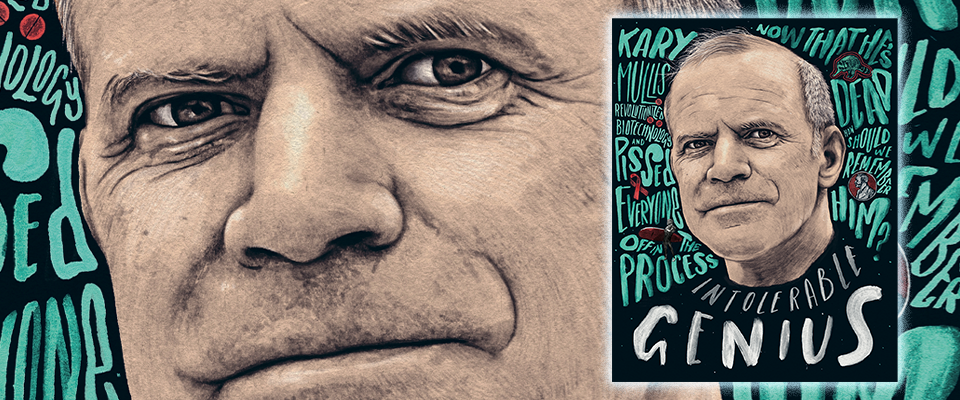
Kary Mullis, the American biochemist, is renowned for fundamentally transforming molecular biology. His invention, the polymerase chain reaction (PCR), became one of the most significant scientific techniques of the 20th century. This article explores the life, genius, and controversies of the Nobel laureate who gave science the power to amplify DNA.
Who Was Kary Mullis?
Kary Banks Mullis was born on December 28, 1944, in Lenoir, North Carolina. He died at age 74 on August 7, 2019, in Newport Beach, California. Best known as the architect of PCR, Mullis was a brilliant yet unconventional figure.
His work earned him the 1993 Nobel Prize in Chemistry, which he shared with Michael Smith. Beyond his monumental scientific contribution, Mullis’s life was marked by eccentric personal pursuits and controversial views that often placed him at odds with the scientific mainstream.
Early Life and Academic Foundation
Mullis’s journey into science began with foundational education in chemistry. He earned his Bachelor of Science in Chemistry from the Georgia Institute of Technology in 1966. This undergraduate work provided the critical base for his future research.
He then pursued a Ph.D. in biochemistry at the University of California, Berkeley. Mullis completed his doctorate in 1972 under Professor J.B. Neilands. His doctoral research focused on the structure and synthesis of microbial iron transport molecules.
An Unconventional Career Path
After earning his Ph.D., Kary Mullis took a highly unusual detour from science. He left the research world to pursue fiction writing. During this period, he even spent time working in a bakery, a stark contrast to his future in a biotechnology lab.
This hiatus lasted roughly two years. Mullis eventually returned to scientific work, bringing with him a uniquely creative and unorthodox perspective. His non-linear path highlights the unpredictable nature of scientific discovery and genius.
The Invention of the Polymerase Chain Reaction (PCR)
The polymerase chain reaction invention is a landmark event in modern science. Mullis conceived the technique in 1983 while working as a DNA chemist at Cetus Corporation, a pioneering California biotechnology firm. His role involved synthesizing oligonucleotides, the short DNA strands crucial for the process.
The iconic moment of inspiration came not in a lab, but on a night drive. Mullis was traveling to a cabin in northern California with colleague Jennifer Barnett. He later recounted that the concept of PCR crystallized in his mind during that spring drive, a flash of insight that would change science forever.
PCR allows a specific stretch of DNA to be copied billions of times in just a few hours.
How Does PCR Work? The Basic Principle
The PCR technique is elegantly simple in concept yet powerful in application. It mimics the natural process of DNA replication but in a controlled, exponential manner. The core mechanism relies on thermal cycling and a special enzyme.
The process involves three key temperature-dependent steps repeated in cycles:
- Denaturation: High heat (around 95°C) separates the double-stranded DNA into two single strands.
- Annealing: The temperature is lowered to allow short DNA primers to bind to complementary sequences on each single strand.
- Extension: The temperature is raised to an optimal level for a heat-stable DNA polymerase enzyme to synthesize new DNA strands by adding nucleotides.
Each cycle doubles the amount of target DNA. After 30 cycles, this results in over a billion copies, enabling detailed analysis of even the smallest genetic sample.
Initial Scientific Rejection and Eventual Publication
Despite its revolutionary potential, Mullis’s PCR concept initially faced significant skepticism from the scientific establishment. His original manuscript detailing the method was rejected by two of the world’s most prestigious journals.
- The journal Nature declined to publish it in 1985, suggesting it might be better for a more specialized publication.
- Science magazine rejected it just one month later, stating the paper could not compete for their limited space.
The groundbreaking work was finally published in the journal Methods in Enzymology. This early rejection is a classic example of how transformative ideas can struggle for acceptance before their immense value is universally recognized.
The Immense Impact and Applications of PCR
The impact of PCR is nearly impossible to overstate. It became an indispensable tool across a vast spectrum of fields almost overnight. The technique’s ability to amplify specific DNA sequences with high fidelity and speed opened new frontiers.
It fundamentally changed the scale and speed of genetic research. Experiments that once took weeks or required large amounts of biological material could now be completed in hours with minute samples.
Revolutionizing Medical Research and Diagnostics
In medical diagnostics, PCR became a game-changer. It enabled the rapid detection of pathogenic bacteria and viruses long before traditional culture methods could. This speed is critical for effective treatment and containment of infectious diseases.
The technique is central to genetic testing for hereditary conditions. It allows clinicians to identify specific mutations with precision, facilitating early diagnosis and personalized medicine strategies for countless patients worldwide.
Transforming Forensic Science and Criminal Justice
Forensic science was revolutionized by the advent of PCR. The method allows crime labs to generate analyzable DNA profiles from extremely small or degraded biological evidence. This includes traces like a single hair follicle, a tiny spot of blood, or skin cells.
This capability has made DNA evidence a cornerstone of modern criminal investigations. It has been instrumental in both convicting the guilty and exonerating the wrongly accused, dramatically increasing the accuracy of the justice system.
Enabling Major Breakthroughs in Genetics
PCR was the catalyst for the monumental Human Genome Project. The project, which mapped the entire human genetic code, relied heavily on PCR to amplify DNA segments for sequencing. This would have been technologically and economically infeasible without Mullis’s invention.
In basic genetic research, PCR allows scientists to clone genes, study gene expression, and investigate genetic variation. It remains the foundational technique in virtually every molecular biology laboratory on the planet.
Back from the Bakery: Joining Cetus Corporation and the Road to PCR
After his departure from science, Kary Mullis rejoined the scientific community with renewed perspective. In 1979, he secured a position as a DNA chemist at Cetus Corporation in Emeryville, California. This biotech company was a hotbed of innovation, focusing on pharmaceutical products and recombinant DNA technology.
His primary role involved the chemical synthesis of oligonucleotides, short strands of DNA. These custom-built DNA fragments were essential tools for other scientists at Cetus. Synthesizing them was a tedious, manual process, requiring meticulous attention to detail.
This hands-on work with the fundamental building blocks of genetics proved crucial. It gave Mullis an intimate, practical understanding of DNA chemistry. This foundational knowledge was the perfect precursor to his revolutionary insight into DNA amplification.
The Eureka Moment: A Drive Through the Mountains
The story of PCR's conception has become legendary in scientific lore. In the spring of 1983, Mullis was driving to a cabin he was building in Mendocino County with his colleague, Jennifer Barnett. The California buckeyes were in bloom, scenting the night air.
As he navigated the winding roads, his mind was working on a problem. He was trying to find a better way to detect point mutations in DNA, a task that was notoriously difficult with existing methods. Suddenly, the complete concept for the polymerase chain reaction unfolded in his mind.
He later described visualizing the process: the double helix splitting, primers binding, and the enzyme building new strands, all happening repeatedly in a test tube.
Mullis pulled over to jot down notes and run calculations. He realized that the process could be exponential. A single DNA molecule could be amplified to billions of copies in just a few hours. This was the birth of a methodology that would redefine genetic engineering.
The Critical Role of Thermostable Enzymes
An initial challenge with PCR was the enzyme. Early experiments used the E. coli DNA polymerase, which was heat-sensitive. Since the first step of each PCR cycle required high heat to denature the DNA, the enzyme would be destroyed after the first cycle.
This meant scientists had to manually add fresh enzyme after each heating step, making the process impractical. The breakthrough came with the adoption of Taq polymerase, an enzyme isolated from the heat-loving bacterium Thermus aquaticus found in hot springs.
- Taq polymerase is thermostable, surviving the high temperatures of the denaturation step.
- This allowed the entire PCR process to be automated in a thermal cycler machine.
- The automation of PCR was the final piece that turned a brilliant concept into a practical, world-changing tool.
Achieving the Peak: The 1993 Nobel Prize in Chemistry
The significance of Kary Mullis's invention was formally recognized a decade after its conception. In 1993, the Royal Swedish Academy of Sciences awarded him the Nobel Prize in Chemistry. He shared the prestigious award with Michael Smith, who was honored for his work on site-directed mutagenesis.
The Nobel committee stated that PCR "has already had a decisive influence on research in basic biology, medicine, biotechnology, and forensic science." This acknowledgment cemented PCR's status as one of the most important scientific techniques ever developed.
Mullis's Nobel lecture, titled "The Polymerase Chain Reaction," detailed the method's conception and its profound implications. The prize brought him international fame and solidified his legacy within the scientific community, despite his later controversial stances.
The Significance of the Nobel Recognition
Winning a Nobel Prize is the pinnacle of scientific achievement. For Mullis, it validated his unconventional thought process and the power of a simple, elegant idea. The prize highlighted how a fundamental methodological advance could have a broader impact than a specific discovery.
The recognition also underscored the growing importance of biotechnology. PCR was a tool that originated in a biotech company, Cetus, demonstrating how industry research could drive fundamental scientific progress. The award brought immense prestige to the fledgling biotech sector.
Controversies Surrounding the Prize
As with many monumental discoveries, the Nobel Prize for PCR was not without controversy. Some scientists at Cetus argued that the invention was a collective effort. They felt that colleagues who helped refine and prove the method's utility were not adequately recognized.
Mullis, however, was always credited as the sole inventor of the core concept. The Nobel committee's decision affirmed that the initial flash of insight was his alone. The debates highlight the complex nature of attributing credit in collaborative research environments.
Kary Mullis's Controversial Views and Public Persona
Beyond his scientific genius, Kary Mullis was a deeply complex and controversial figure. He held strong, often contrarian, opinions on a range of scientific and social issues. These views frequently placed him in direct opposition to the mainstream scientific consensus.
Mullis was famously outspoken and relished his role as a scientific maverick. His autobiography, Dancing Naked in the Mind Field (1997), openly detailed his unconventional lifestyle and beliefs. This included his experiences with psychedelics, his skepticism of authority, and his rejection of established theories.
His provocative stance made him a polarizing character. While revered for PCR, he was often criticized for promoting ideas considered fringe or dangerous by the majority of his peers. This duality defines his legacy as both a brilliant innovator and a contentious voice.
Denial of the HIV-AIDS Link
One of Mullis's most prominent and damaging controversies was his rejection of the established fact that HIV causes AIDS. He became a vocal adherent of the fringe movement that denied this link, a position thoroughly debunked by decades of overwhelming scientific evidence.
Mullis argued that the correlation between HIV and AIDS was not sufficient proof of causation. His background in chemistry led him to demand what he considered a higher standard of proof, which he felt was lacking. This stance alarmed and frustrated the global public health community.
- His position was used by denialist groups to lend false credibility to their claims.
- Public health experts warned that his statements could undermine HIV prevention and treatment efforts.
- This controversy significantly tarnished his reputation among many scientists and medical professionals.
Skepticism of Climate Change and the Ozone Hole
Mullis also expressed deep skepticism about human-induced climate change. He questioned the scientific consensus on global warming, often framing it as a form of political dogma rather than evidence-based science. Similarly, he doubted the science behind the anthropogenic causes of the ozone hole.
His criticisms were not based on new climate research but on a general distrust of large scientific institutions and political motives. He positioned himself as a defender of free thought against what he perceived as groupthink. This further isolated him from the mainstream scientific establishment.
The Influence of Psychedelic Experiences
Mullis was remarkably open about his use of lysergic acid diethylamide (LSD) during his graduate studies at Berkeley and beyond. He did not view this as illicit drug use but as a meaningful intellectual and exploratory pursuit.
He directly credited his psychedelic experiences with broadening his consciousness and enhancing his creativity. Mullis claimed that his mind was opened to the non-linear thinking that led to the PCR breakthrough. He described vivid, conceptual visions that helped him visualize complex molecular processes.
"Would I have invented PCR if I hadn't taken LSD? I seriously doubt it," Mullis stated in a 1994 interview.
While this connection is anecdotal, it underscores his belief that unconventional paths could lead to profound scientific discoveries. It remains a fascinating aspect of his unique intellectual journey.
Life After Cetus: Later Career and Entrepreneurial Ventures
After the monumental success of PCR at Cetus, Kary Mullis’s career took several turns. He left the company in the fall of 1986, not long after his method began to gain widespread attention. His departure marked the beginning of a varied and entrepreneurial phase of his professional life.
Mullis briefly served as the Director of Molecular Biology at Xytronyx, Inc. in San Diego in 1986. Following this, he embraced the role of a consultant for multiple corporations. His expertise was sought by major companies including Angenics, Cytometrics, Eastman Kodak, and Abbott Laboratories.
This consultancy work allowed him to apply his unique biochemical insights across different industries. He was not confined to academia or a single corporate lab, preferring the freedom to explore diverse scientific and business challenges.
Founding Altermune and the Quest for Novel Therapies
One of Mullis's significant later ventures was founding a company named Altermune. The name was derived from "altering the immune system." The company's goal was to develop a novel class of therapeutics based on a concept Mullis called chemically programmed immunity.
The Altermune approach aimed to create molecules that could redirect the body’s existing immune defenses to new targets. Mullis envisioned using aptamers (small nucleic acid molecules) to guide antibodies to pathogens or diseased cells. This innovative idea, while scientifically intriguing, never progressed to a widely commercialized therapy.
Altermune represented Mullis's continued drive for disruptive innovation. It showcased his ability to think beyond PCR and tackle complex problems in immunology and drug development, even if the practical outcomes were limited.
The Enduring Legacy of the Polymerase Chain Reaction
The true measure of Kary Mullis’s impact lies in the pervasive, ongoing use of his invention. Decades after its conception, PCR remains a foundational technique in thousands of laboratories worldwide. Its applications have only expanded and diversified over time.
PCR's influence extends far beyond basic research. It has become a critical tool in clinical diagnostics, forensic laboratories, agricultural biotechnology, and environmental monitoring. The method's core principle has spawned numerous advanced variations and next-generation technologies.
- Real-time PCR (qPCR) allows scientists to quantify DNA in real-time, enabling precise measurement of gene expression.
- Reverse Transcription PCR (RT-PCR) converts RNA into DNA, making it essential for studying RNA viruses and gene activity.
- Digital PCR provides absolute quantification of DNA molecules, offering unparalleled sensitivity for detecting rare genetic variants.
PCR's Role in the COVID-19 Pandemic
The global COVID-19 pandemic provided a stark, real-world demonstration of PCR's indispensable value. The standard diagnostic test for detecting SARS-CoV-2 infection was, and remains, a form of RT-PCR. This test amplified viral RNA from patient swabs to detectable levels.
Without PCR technology, mass testing and surveillance during the pandemic would have been scientifically impossible. The ability to process millions of samples rapidly was directly built upon Mullis's 1983 insight. This global event highlighted how a fundamental research tool could become a central pillar of public health infrastructure.
The pandemic underscored that PCR is not just a lab technique but a critical component of modern global health security.
The Commercial and Economic Impact of PCR
The invention of PCR sparked the creation of a multi-billion dollar industry. Companies specializing in thermal cyclers, reagents, enzymes, and diagnostic kits grew rapidly. The technique created vast economic value in the biotechnology and pharmaceutical sectors.
Cetus Corporation, where Mullis worked, eventually sold the PCR patent portfolio to Hoffmann-La Roche for $300 million in 1991. This landmark deal highlighted the immense commercial potential of the technology. Today, the global PCR market continues to expand, driven by advancements in personalized medicine and point-of-care testing.
Kary Mullis: A Complicated Legacy in Science
Kary Mullis's legacy is a study in contrasts. He is universally hailed as the brilliant inventor of one of history's most important scientific methods. Yet, he is also remembered as a controversial figure who publicly rejected well-established science on issues like HIV and climate change.
This duality makes him a fascinating subject for historians of science. It raises questions about the relationship between scientific genius and scientific consensus. Mullis proved that a single individual with a transformative idea could change the world, yet he also demonstrated that expertise in one field does not confer authority in all others.
A Polarizing Figure Remembered
In the scientific community, discussions about Mullis often separate his unequivocal contribution from his controversial personal views. Most scientists celebrate PCR while distancing themselves from his denialist stances. His death in 2019 prompted reflections on this complex legacy.
Obituaries in major publications grappled with how to honor the inventor while acknowledging the provocateur. They credited his monumental achievement but did not shy away from detailing his fringe beliefs. This balanced remembrance reflects the nuanced reality of his life and career.
The Future Built on PCR Technology
The future of biotechnology and medicine is deeply intertwined with the ongoing evolution of PCR. Next-generation sequencing, the cornerstone of genomic medicine
Point-of-care and portable PCR devices are bringing DNA analysis out of central labs and into field clinics, airports, and even homes. The drive for faster, cheaper, and more accessible nucleic acid testing ensures that Mullis’s invention will remain at the forefront of scientific and medical progress for decades to come.
New applications continue to emerge in areas like liquid biopsy for cancer detection, non-invasive prenatal testing, and monitoring of infectious disease outbreaks. The core principle of amplifying specific DNA sequences remains as powerful and relevant today as it was in 1983.
Awards and Honors Beyond the Nobel Prize
While the Nobel Prize was his most famous honor, Kary Mullis received numerous other accolades for his work on PCR. These awards recognized the transformative power of his invention across different domains.
- He received the Japan Prize in 1993, the same year as his Nobel.
- He was awarded the R&D Scientist of the Year award in 1991.
- Mullis also received the National Biotechnology Award and the Gairdner Foundation International Award.
- He was inducted into the National Inventors Hall of Fame in 1997.
Conclusion: The Eccentric Genius Who Changed the World
Kary Mullis's story is one of unconventional brilliance. From his detour into fiction writing and bakery work to his psychedelic-inspired eureka moment on a California highway, his path was anything but ordinary. Yet, his singular idea, the polymerase chain reaction, created a before-and-after moment in the history of biology.
PCR democratized access to the genetic code. It turned DNA from a molecule that was difficult to study in detail into one that could be copied, analyzed, and manipulated with ease. The technique accelerated the pace of biological discovery at a rate few inventions ever have.
The legacy of Kary Mullis is thus permanently etched into the fabric of modern science. Every time a pathogen is identified, a genetic disease is diagnosed, a criminal is caught through DNA evidence, or a new gene is sequenced, his invention is at work. The undeniable utility and omnipresence of PCR secure his place as one of the most influential scientists of the modern era, regardless of the controversies that surrounded him.
In the end, Kary Mullis exemplified how a simple, elegant concept can have an exponentially greater impact than its originator might ever imagine. His life reminds us that scientific progress can spring from the most unexpected minds and moments, forever altering our understanding of life itself.
In conclusion, Kary Mullis's invention of PCR revolutionized molecular biology, leaving an indelible mark on science despite his unconventional life and views. His legacy compels us to consider how profound innovation can arise from the most unexpected individuals. Reflect on how a single idea can amplify its impact across countless fields, from medicine to forensics.

Gaston Julia: Pioneer of Fractals and Julia Sets
The remarkable legacy of Gaston Julia, a French-Algerian mathematician, is fundamentally linked to the beautiful complexity of fractals. His foundational work on Julia sets and iteration theory in the early 20th century laid the groundwork for the modern field of holomorphic dynamics. Though his life was marked by immense personal challenge, his mathematical insights became world-renowned decades later, securing his place as a giant in the history of mathematics.
The Early Life and Education of Gaston Julia
Gaston Maurice Julia was born on February 3, 1893, in Sidi Bel Abbès, Algeria. He demonstrated an exceptional talent for both mathematics and music from a very young age, entering school at just five years old under the tutelage of Sister Théoduline. This early nurturing of his intellectual gifts set the stage for his future academic brilliance as he pursued advanced studies in France.
Academic Prodigy and Early Promise
Julia's mathematical abilities quickly became apparent, leading him to the prestigious institutions of mainland France. His potential was recognized by leading mathematicians of the era. In 1917, he successfully defended his doctoral thesis, *Étude sur les formes binaires non quadratiques...*, which was examined by an impressive committee including mathematical luminaries Émile Picard, Henri Lebesgue, and Pierre Humbert.
A Life-Altering Injury and Unwavering Resolve
The trajectory of Julia's life was dramatically altered by the outbreak of World War I. Serving as a lieutenant in the French army, he suffered a severe facial wound in 1915 that resulted in the loss of his nose. This injury required him to wear a leather prosthetic for the rest of his life. Despite this immense physical and psychological trauma, Julia's dedication to mathematics never wavered.
Mathematical Research from a Hospital Bed
Remarkably, Julia continued his groundbreaking research while recuperating in military hospitals. His resilience during this period was extraordinary, leading to him being awarded the Légion d'Honneur for his bravery. It was from his hospital bed that he began developing the revolutionary ideas on the iteration of rational functions that would define his career and change mathematics forever.
Julia's ability to produce profound mathematical work under such difficult conditions is a testament to his incredible intellect and determination.
The 1918 Masterpiece: Defining the Julia Set
At the young age of 25, Gaston Julia published his magnum opus, a 199-page paper titled *Mémoire sur l'itération des fonctions rationnelles* in the *Journal de Mathématiques Pures et Appliquées*. This monumental work introduced the mathematical world to the concept that now bears his name. The paper rigorously defined the Julia set, a fundamental object in complex dynamics.
Understanding the Julia Set Concept
In simple terms, for a given rational function \( f \), the Julia set \( J(f) \) is the set of points in the complex plane where the behavior of the function under repeated iteration (repeated application of the function) is chaotic. Points outside this set diverge to infinity, while the set itself forms a boundary of intricate and often beautiful complexity. This work earned him the Grand Prix from the French Academy of Sciences, cementing his reputation as a leading mathematician.
- Chaotic Boundary: The Julia set is the boundary between predictable and chaotic behavior under iteration.
- Complex Plane: These sets exist in the realm of complex numbers, allowing for their intricate fractal shapes.
- Foundation for Fractals: Though not visible without computers, Julia's work described the mathematical basis for fractals decades before they could be visualized.
Academic Career and Prolific Contributions
Following the war, Gaston Julia embarked on a distinguished academic career. He began lecturing at the Collège de France as early as 1916 and later became a professor at the prestigious École Polytechnique. He also ran a highly influential seminar in Paris focused on geometry and complex functions, mentoring the next generation of mathematicians.
Leadership and Recognition in the Mathematical Community
Julia's contributions were widely recognized by his peers. He was elected to the French Academy of Sciences in 1934 and served as its president in 1950. His leadership extended to other esteemed organizations, including presiding over the French Mathematical Society and holding memberships in the Uppsala Academy and the Pontifical Academy of Sciences. In 1950, he was promoted to Officer of the Légion d'Honneur.
His scholarly output was immense, culminating in a five-volume collection of his works, Œuvres de Gaston Julia. This collection showcases the breadth of his research, covering diverse areas such as:
- Functional Calculus
- Quasianalyticity
- Hilbert Spaces
- Number Theory and Geometry
- Mechanics and Electricity
The Legacy and Lasting Impact of Gaston Julia
While Gaston Julia passed away in Paris on March 19, 1978, his mathematical legacy was only beginning to reach its full audience. During his lifetime, the visual beauty and popular appeal of his work remained hidden, as the complex shapes of Julia sets could not be easily rendered without modern computing power. The true renaissance of his ideas occurred in the 1970s and 1980s.
From Abstract Theory to Visual Phenomenon
The advent of computer graphics allowed mathematicians like Benoit Mandelbrot to visualize the intricate, infinitely complex fractal structures described by Julia's equations. This visualization sparked a surge of public and scientific interest, bringing Julia's name to a global audience. The connection between Julia sets and the Mandelbrot set became a central topic of study in holomorphic dynamics.
The pioneering work of Gaston Julia provides the mathematical foundation for the stunning fractal art enjoyed by millions today.
According to the Pantheon world biography database, Gaston Julia is ranked as the top Algerian mathematician of all time and holds the 349th position globally by the Historical Popularity Index (HPI: 63.45). His influence remains a cornerstone of modern mathematics, proving that profound ideas can transcend the limits of their time.
The Deep Mathematical Foundation of Julia Sets
The core innovation of Gaston Julia's 1918 Mémoire was providing a rigorous, topological framework for understanding iteration in the complex plane. He studied the behavior of sequences generated by repeatedly applying a rational function \( f(z) \). A Julia set, denoted \( J(f) \), is defined as the set of points where the family of iterates \( \{f^n\} \) is not normal in the sense of Montel.
Attracting Cycles and Chaotic Boundaries
Julia proved that the complex plane is partitioned into two complementary sets. The Fatou set \( F(f) \) contains points where iteration leads to stable, predictable behavior, often toward an attracting cycle. The Julia set is its boundary and the locus of chaotic behavior. This elegant dichotomy became the cornerstone of holomorphic dynamics.
Points on the Julia set exhibit sensitive dependence on initial conditions, a hallmark of chaos. Infinitesimally close starting points can lead to radically different long-term behavior under iteration. This mathematical property directly links Julia's early-20th-century work to modern chaos theory and complex systems analysis.
The Collaborative and Competitive Dynamic with Pierre Fatou
A fascinating aspect of this mathematical discovery is its near-simultaneous development by Gaston Julia and his contemporary, Pierre Fatou. Both mathematicians were working on the iteration of complex functions and submitted their monumental memoirs to the same journal in the same year, 1918. This parallel development created a rich intellectual dialogue.
Two Pioneers of Holomorphic Dynamics
While their conclusions were profoundly aligned, their approaches and perspectives offered complementary insights. Fatou's work is noted for its more function-theoretic flavor, while Julia's is celebrated for its geometric and topological clarity. The Julia set and the Fatou set are now eternally paired in the lexicon of mathematics, a testament to their joint foundational work.
The simultaneous revelation by Julia and Fatou stands as one of the great episodes in the history of mathematics, where two minds independently grasped the contours of a new world.
Their work established the fundamental questions that would drive the field for decades. Key problems involved classifying the types of components in the Fatou set, understanding the structure of the Julia set (Is it connected? Is it a fractal?), and describing the possible behaviors of points under iteration.
The Long Dormancy and Computer-Aided Renaissance
Following the initial flourish of work by Julia, Fatou, and a small number of other mathematicians like Samuel Lattès, the field of complex dynamics entered a period of relative quiet for nearly five decades. The mathematical tools of the time were insufficient to probe the deep geometric complexity suggested by the definitions. Without the ability to visualize these sets, progress was inherently limited.
Benoit Mandelbrot and the Visual Revolution
The landscape changed dramatically with the advent of digital computers. In the late 1970s, Benoit Mandelbrot, a researcher at IBM, began using computer graphics to visualize the intricate boundaries described by Julia and Fatou. He famously investigated the parameter space of quadratic polynomials, leading to his discovery of the Mandelbrot set in 1980.
- Visualization: Computers could finally render the unimaginably complex, infinitely detailed fractal shapes of Julia sets.
- Public Engagement: The haunting beauty of these images captured public imagination, making fractals a cultural phenomenon.
- New Conjectures: Visual patterns observed in computer plots led to new mathematical hypotheses and theorems.
This visual revolution re-animated the entire field. Mandelbrot's work highlighted a profound connection, showing that the Mandelbrot set serves as a catalog of all possible types of quadratic Julia sets. Each point in the Mandelbrot set corresponds to the parameter of a quadratic function whose Julia set has a specific connectivity.
Key Properties and Theorems of Julia Sets
The mathematical research spurred by computer visualization led to a deeper formal understanding of the properties Julia first described. Several key theorems now characterize Julia sets and their behavior under iteration, confirming and extending his original insights.
Fundamental Characteristics and Behavior
Julia sets for rational functions exhibit several defining properties. They are completely invariant, meaning if a point is in the set, all its pre-images and forward iterates are also in the set. Furthermore, they are perfect (contain no isolated points) and uncountable. For polynomials, the Julia set is also the boundary of the basin of attraction of infinity.
Perhaps the most visually significant property is that most Julia sets are fractals. They display self-similarity and often possess a non-integer Hausdorff dimension. This fractal nature means their complexity is infinite; zooming in on the boundary reveals ever-finer detail, a direct consequence of the chaotic dynamics defined on the set.
| Property | Description | Mathematical Implication |
| Complete Invariance | If \( z \in J(f) \), then \( f(z) \in J(f) \) and \( f^{-1}(z) \subset J(f) \). | The entire Julia set is mapped onto itself by the function. |
| Perfect Set | Contains no isolated points; every point is a limit point. | Indicates a complex, cohesive structure. |
| Fractal Dimension | Hausdorff dimension often exceeds topological dimension. | Quantifies the intricate, space-filling complexity of the set. |
Connections to Other Fields of Mathematics and Science
The concepts pioneered by Gaston Julia have transcended pure mathematics, finding powerful applications and analogies in diverse scientific disciplines. The universal themes of iteration, feedback, and chaotic boundaries are central to modeling complex systems in the natural world.
Applications in Physics and Engineering
Julia sets and related fractal concepts appear in models of fluid dynamics, particularly in the study of turbulence and patterns of flow. They are used in antenna design, where fractal shapes can create optimal electromagnetic properties. Furthermore, the mathematics of iteration is crucial in understanding nonlinear systems and stability analysis across engineering disciplines.
Influence on Computer Graphics and Art
The most visible impact of Julia's work is in the realm of digital art and graphics. Fractal art is a dedicated genre where artists use formulas defining Julia sets and related fractals to generate stunning, otherworldly images. The algorithms for generating these images are direct implementations of the iterative processes Julia studied.
- Algorithmic Art: Programs iterate complex functions millions of times to color pixels based on escape velocity.
- Special Effects: Fractal landscapes and textures are used in movies and video games to generate realistic natural scenery.
- Data Visualization: The principles of mapping complex behavior onto color are used in scientific visualization tools.
Gaston Julia's abstract work thus provides the mathematical backbone for a unique intersection of science, computing, and visual art. His ideas demonstrate how pure theoretical research can, decades later, fuel technological and cultural revolutions in unpredictable and beautiful ways.
Mathematical Categories and Classifications
Julia sets can be categorized based on the function being iterated and the resulting geometric structure. The most widely studied are the quadratic Julia sets, generated by functions of the form \( f(z) = z^2 + c \), where \( c \) is a complex parameter. The value of \( c \) determines whether the Julia set is connected or a Cantor set, a distinction famously mapped by the Mandelbrot set.
Connectedness and the Mandelbrot Set
A fundamental theorem states that for a quadratic polynomial \( f(z) = z^2 + c \), the Julia set \( J(f) \) is connected if and only if the parameter \( c \) lies within the Mandelbrot set. If \( c \) is outside the Mandelbrot set, \( J(f) \) is a Cantor set—a disconnected, dust-like fractal. This elegant connection underscores the deep relationship between Julia's work on individual functions and Mandelbrot's exploration of parameter space.
For more general rational functions, the classification becomes richer and more complex. Julia sets can exhibit a variety of forms, including disconnected sets, connected but not locally connected sets, and those with intricate spiral structures. Understanding this classification remains an active area of research in holomorphic dynamics.
Advanced Computational Algorithms for Visualization
The breathtaking images of Julia sets seen today are products of sophisticated algorithms that implement the mathematical definitions with high efficiency. The most common method is the escape-time algorithm, which colors each pixel based on how quickly the iterated sequence diverges to infinity.
The Escape-Time Algorithm Explained
For a given point \( z_0 \) in the complex plane (representing a pixel), the algorithm repeatedly applies the function \( f \). If the magnitude of \( z_n \) exceeds a certain bound (e.g., 2) after a finite number of iterations, the point is considered to escape. The pixel is then colored based on the iteration count at which escape occurred, creating the characteristic bands of color that highlight the set's structure.
- Iteration Limit: A maximum iteration count is set to avoid infinite loops for points in or near the Julia set.
- Color Mapping: Different color palettes map iteration counts to hues, enhancing visual appeal and revealing mathematical properties.
- Distance Estimation: Advanced variants use distance estimators to create sharper, more accurate renderings of the infinitesimally thin Julia set boundary.
Another powerful technique is inverse iteration. This method exploits the fact that the Julia set is invariant under the inverse function \( f^{-1} \). By starting from a point already known to be in the Julia set and iterating backwards, the algorithm densely populates the set. This method can generate highly detailed images but requires careful handling of the multiple branches of the inverse function.
Gaston Julia's Enduring Global Recognition
Despite the delayed popular recognition of his most famous work, Gaston Julia received significant academic honors during his lifetime. His election to the French Academy of Sciences in 1934 was a pinnacle of academic achievement. His leadership roles in prominent societies solidified his status as a leading figure in European mathematics throughout the mid-20th century.
Posthumous Fame and Popular Culture
Julia's fame expanded exponentially after his death, propelled by the fractal revolution. His name, once known primarily within academic circles, became associated with stunning digital art and popular science. Concepts like the Julia set are now featured in university courses worldwide, from mathematics and physics to computer science and digital arts.
Gaston Julia's legacy is a powerful example of how pure mathematical thought can achieve widespread cultural significance, bridging the gap between abstract theory and public imagination.
According to the Pantheon world biography database, his Historical Popularity Index (HPI) of 63.45 ranks him as the 349th most popular historical figure globally and, most significantly, the number one mathematician from Algeria. His biography ranks 59th among all Algerian biographies, a testament to his enduring stature.
Modern Research and Open Problems
Research in holomorphic dynamics continues to be vibrant, building directly on the foundation laid by Julia and Fatou. Modern mathematicians use advanced techniques from topology, measure theory, and algebraic geometry to solve problems that were intractable a century ago.
Current Frontiers in the Field
Significant open problems persist. A major question concerns the local connectivity of Julia sets for polynomials. Is the Mandelbrot set itself locally connected? This is known as the MLC conjecture, and its resolution would have profound implications for understanding the structure of quadratic Julia sets. Other active areas include:
- Measure of Julia Sets: Investigating the Hausdorff dimension and geometric measure of these fractal sets.
- Pricing Models: Exploring applications of fractal geometry in financial mathematics for modeling market volatility.
- Transcendental Dynamics: Extending the theory to the iteration of transcendental functions like the exponential function.
- Higher Dimensions: Generalizing the concepts of Julia sets to iterations in quaternion or hypercomplex space.
Researchers also explore connections with number theory, particularly through analogues of the Mandelbrot set defined over p-adic numbers. This interdisciplinary approach continues to reveal the deep and universal nature of the dynamical phenomena first systematically studied by Gaston Julia.
Conclusion: The Legacy of a Mathematical Visionary
The story of Gaston Julia is one of brilliance, resilience, and the timeless power of abstract ideas. His ability to produce groundbreaking work under the most adverse personal circumstances is a testament to an extraordinary mind. He defined a mathematical universe of breathtaking complexity long before technology existed to see it.
Key Takeaways from Julia's Life and Work
Gaston Julia's contributions offer several profound lessons. First, his work demonstrates that pure mathematical research, driven by curiosity alone, can lay the foundation for future scientific and technological revolutions. Second, his collaboration and competition with Pierre Fatou highlight the importance of intellectual community in advancing human knowledge.
Finally, the journey of Julia sets from obscure mathematical definition to global cultural icon shows that beauty and truth are often intertwined. The visual splendor of fractals has attracted countless individuals to the deeper mathematical principles they represent.
- Foundational Theory: Julia created the core framework for iterating complex functions.
- Resilience: He persisted in his research despite a severe war injury.
- Delayed Impact: His most famous work gained widespread recognition decades later.
- Interdisciplinary Influence: Julia sets connect mathematics, computer science, physics, and art.
In conclusion, Gaston Julia's legacy is securely cemented in the annals of science. From his early 20th-century theorems to the infinite digital canvases they inspire today, his work continues to captivate and challenge us. The Julia set stands as an eternal monument to a mathematician who saw the deep structures of chaos and beauty long before the rest of the world could even imagine them.



Felix d Herelle: Pioneer of Bacteriophages
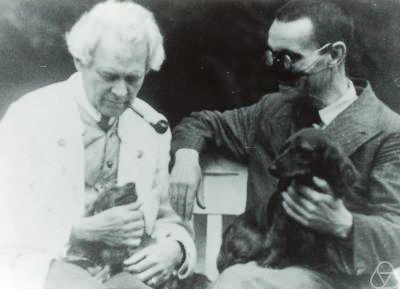
The story of Félix d'Hérelle is one of unconventional genius. Born in Montreal in 1873, this French-Canadian microbiologist revolutionized science with a discovery that would shape modern medicine and molecular biology. Félix d'Hérelle is celebrated as the co-discoverer of bacteriophages, the viruses that infect bacteria. Despite having only a high school education, his pioneering work in phage therapy and biological pest control cemented his legacy.
His journey from self-taught scientist to world-renowned researcher is a testament to sharp observation and intellectual daring. D'Hérelle's work laid the foundation for entire fields of study, from virology to genetic engineering.
The Unlikely Path of a Microbiological Genius
Félix d'Hérelle's early life did not predict a future as a scientific luminary. His formal education ended with high school. Yet, an intense curiosity about the natural world drove him to teach himself microbiology. This self-directed learning became the cornerstone of a remarkable career that defied the academic norms of his era.
He began his practical work far from Europe's prestigious institutes. D'Hérelle served as a bacteriologist at the General Hospital in Guatemala City. There, he organized public health defenses against deadly diseases like malaria and yellow fever.
From Sisal to Locusts: A Pivotal Assignment
D'Hérelle's path to discovery took a decisive turn in Mexico. Initially, he was tasked with studying the alcoholic fermentation of sisal residue. This industrial project unexpectedly led him into the world of insect pathology.
While investigating diseases affecting locusts, he made a critical observation. On agar cultures of bacteria infecting the insects, he noticed clear spots where the bacterial lawn had been wiped out. This simple observation sparked the idea of using pathogens to control pests.
Joining the Pasteur Institute and Early Recognition
In 1911, d'Hérelle's growing expertise earned him a position at the famed Pasteur Institute in Paris. He started as an unpaid assistant, yet his talent quickly shone. He gained international attention for his successful campaigns against Mexican locust plagues.
He utilized a bacterium called Coccobacillus to devastate locust populations. This work established him as an innovative thinker in applied microbiology. It also foreshadowed his future title as the "father of biological pest control."
His methods represented a groundbreaking approach to agriculture. They preceded modern biocontrol agents like Bacillus thuringiensis (Bt) by decades. The stage was now set for his most profound contribution to science.
The Groundbreaking Discovery of Bacteriophages
The year 1917 marked a watershed moment in microbiology. On September 10, Félix d'Hérelle published a landmark note in the Comptes rendus de l'Academie des sciences. He described a mysterious "obligate intracellular parasite" of bacteria. This discovery would define his career and alter the course of biological science.
The discovery occurred during World War I. D'Hérelle was investigating a severe dysentery outbreak afflicting a French cavalry squadron. He filtered bacterial cultures from sick soldiers and observed something extraordinary.
The filtrate, even when diluted, could rapidly and completely destroy cultures of dysentery bacteria. D'Hérelle termed the invisible agent a "bacteria-eater," or bacteriophage.
Methodological Brilliance in Virology
D'Hérelle's genius extended beyond the initial observation. He developed a simple yet powerful technique to quantify these invisible entities. He serially diluted suspensions containing the phage and spread them on bacterial lawns.
Instead of uniformly killing the bacteria, the highest dilutions created discrete, clear spots called plaques. D'Hérelle reasoned correctly that each plaque originated from a single viral particle.
- He counted the plaques on the most diluted sample.
- He multiplied that count by the dilution factor.
- This calculation gave him the number of bacteriophage viruses in his original suspension.
This method established the foundational plaque assay, a technique still central to virology today. Between 1918 and 1921, he identified different phages targeting various bacterial species, including the deadly Vibrio cholerae.
A Note on Precedence: Twort vs. d'Hérelle
History notes that British microbiologist F.W. Twort observed a similar phenomenon in 1915. However, Twort was hesitant to pursue or promote his finding. D'Hérelle's systematic investigation, relentless promotion, and coining of the term "bacteriophage" made his work the definitive cornerstone of the field.
His discovery provided the first clear evidence of viruses that could kill bacteria. This opened a new frontier in the battle against infectious disease.
The Dawn of Phage Therapy
Félix d'Hérelle was not content with mere discovery. He immediately envisioned a therapeutic application. He pioneered phage therapy, the use of bacteriophages to treat bacterial infections. His first successful experiment was dramatic.
In early 1919, he isolated phages from chicken feces. He used them to treat a virulent chicken typhus plague, saving the birds. This success in animals gave him the confidence to attempt human treatment.
The first human trial occurred in August 1919. D'Hérelle successfully treated a patient suffering from severe bacterial dysentery using his phage preparations. This milestone proved the concept that viruses could be used as healers.
He consolidated his findings in his 1921 book, Le bactériophage, son rôle dans l'immunité ("The Bacteriophage, Its Role in Immunity"). This work firmly established him as the father of phage therapy. The potential for a natural, self-replicating antibiotic alternative was now a reality.
Global Impact and Controversies of Phage Therapy
The success of d'Hérelle's initial human trial catapulted phage therapy into the global spotlight. Doctors worldwide began experimenting with bacteriophages to combat a range of bacterial infections. This period marked the first major application of virology in clinical medicine.
D'Hérelle collaborated with the pharmaceutical company L'Oréal to produce and distribute phage preparations. Their products targeted dysentery, cholera, and plague, saving countless lives. This commercial partnership demonstrated the immense therapeutic potential he had unlocked.
However, the rapid adoption of phage therapy was not without significant challenges. The scientific understanding of bacteriophage biology was still in its infancy. These inconsistencies led to skeptical reactions from parts of the medical establishment.
The Soviet Union Embraces Phage Research
While Western medicine grew cautious, the Soviet Union enthusiastically adopted d'Hérelle's work. In 1923, he was invited to Tbilisi, Georgia, by microbiologist George Eliava. This collaboration led to the founding of the Eliava Institute of Bacteriophage.
The Institute became a global epicenter for phage therapy research and application. It treated Red Army soldiers during World War II, using phages to prevent gangrene and other battlefield infections. To this day, the institute remains a leading facility for phage therapy.
The partnership between d'Hérelle and Eliava was scientifically fruitful but ended tragically. George Eliava was executed in 1937 during Stalin's Great Purge, a severe blow to their shared vision.
Challenges in the West
In Europe and North America, phage therapy faced a more skeptical reception. Early clinical studies often produced inconsistent results due to several critical factors that were not yet understood.
- Poor Phage Purification: Early preparations often contained bacterial debris, causing adverse reactions in patients.
- Phage Specificity: Doctors did not always match the specific phage to the specific bacterial strain causing the infection.
- Bacterial Resistance: The ability of bacteria to develop resistance to phages was not fully appreciated.
The discovery and mass production of chemical antibiotics like penicillin in the 1940s further sidelined phage therapy in the West. Antibiotics were easier to standardize and had a broader spectrum of activity. For decades, phage therapy became a largely Eastern European practice.
Expanding the Scope: Public Health and Biological Control
Félix d'Hérelle's vision for bacteriophages extended far beyond individual patient treatment. He was a pioneering thinker in the field of public health. He saw phages as a tool for preventing disease on a massive scale.
He conducted large-scale experiments to prove that bacteriophages could be used to sanitize water supplies. By introducing specific phages into wells and reservoirs, he aimed to eliminate waterborne pathogens like cholera. This proactive approach was revolutionary for its time.
Combating Cholera Epidemics
D'Hérelle applied his public health philosophy to combat real-world epidemics. He traveled to India in the late 1920s to fight cholera, a disease that ravaged the population. His work there demonstrated the potential for community-wide prophylaxis.
He administered phage preparations to thousands of individuals in high-risk communities. His efforts showed a significant reduction in cholera incidence among those treated. This large-scale application provided compelling evidence for the power of phage-based prevention.
Despite these successes, logistical challenges and the rise of alternative public health measures limited widespread adoption. Yet, his work remains a landmark in the history of epidemiological intervention.
Return to Biological Pest Control
D'Hérelle never abandoned his early interest in using microbes against insect pests. His discovery of bacteriophages reinforced his belief in biological solutions. He continued to advocate for the use of pathogens to control agricultural threats.
His early success with Coccobacillus against locusts paved the way for modern biocontrol. This approach is now a cornerstone of integrated pest management. It reduces the reliance on chemical pesticides, benefiting the environment.
D'Hérelle is rightly credited as a founding father of this field. His ideas directly anticipated the development and use of Bacillus thuringiensis (Bt), a bacterium used worldwide as a natural insecticide.
Scientific Recognition and Academic Pursuits
Despite his lack of formal academic credentials, Félix d'Hérelle achieved remarkable recognition. His groundbreaking discoveries could not be ignored by the scientific community. He received numerous honors and prestigious appointments.
In 1924, the University of Leiden in the Netherlands appointed him a professor. This was a significant achievement for a self-taught scientist. He also received an honorary doctorate from the University of Leiden, validating his contributions to science.
His work earned him a nomination for the Nobel Prize in Physiology or Medicine. Although he never won, the nomination itself placed him among the most elite researchers of his generation. His legacy was secured by the profound impact of his discoveries.
The Nature of Viruses and Theoretical Contributions
D'Hérelle was not just an experimentalist; he was also a theorist who pondered the fundamental nature of life. He engaged in spirited debates about whether bacteriophages were living organisms or complex enzymes. He passionately argued that they were living viruses.
His theories on immunity were also advanced. He proposed that bacteriophages played a crucial role in natural immunity. He suggested that the body's recovery from bacterial infections was often mediated by the natural activity of these viruses.
- Theory of Natural Immunity: D'Hérelle believed phages in the environment provided a first line of defense.
- Debate on Viral Life: His arguments helped shape the early field of virology.
- Host-Parasite Relationship: He provided a clear model for understanding obligate parasitism.
These theoretical battles were vital for the development of microbiology. They forced the scientific community to confront and define the boundaries of life at the microscopic level.
Later Career and Move to Yale
In 1928, d'Hérelle accepted a position at Yale University in the United States. This move signaled his high standing in American academic circles. At Yale, he continued his research and mentored a new generation of scientists.
His later work focused on refining phage therapy techniques and understanding phage genetics. He continued to publish prolifically, sharing his findings with the world. However, his unwavering and sometimes stubborn adherence to his own theories occasionally led to friction with colleagues.
Despite these interpersonal challenges, his productivity remained high. His time at Yale further cemented the importance of bacteriophage research in American institutions.
Later Years and Scientific Legacy
Félix d'Hérelle remained an active and prolific researcher well into his later years. After his tenure at Yale University, he returned to France, continuing his work with undiminished passion. He maintained a laboratory in Paris, where he pursued his investigations into viruses and their applications.
Despite facing occasional isolation from the mainstream scientific community due to his strong-willed nature, his dedication never wavered. He continued to write and publish, defending his theories and promoting the potential of bacteriophages. His later writings reflected a lifetime of observation and a deep belief in the power of biological solutions.
D'Hérelle passed away in Paris on February 22, 1949, from pancreatic cancer. His death marked the end of a remarkable life dedicated to scientific discovery. He left behind a legacy that would only grow in significance with time.
The Modern Revival of Phage Therapy
For decades after the antibiotic revolution, phage therapy was largely forgotten in the West. However, the late 20th and early 21st centuries have witnessed a dramatic resurgence of interest. The driving force behind this revival is the global crisis of antibiotic resistance.
As multidrug-resistant bacteria like MRSA and CRE have become major public health threats, scientists have returned to d'Hérelle's work. Phage therapy offers a promising alternative or complement to traditional antibiotics. Modern clinical trials are now validating many of his early claims with rigorous scientific methods.
- Personalized Medicine: Phages can be tailored to target specific bacterial strains infecting a patient.
- Fewer Side Effects: Phages are highly specific, reducing damage to the body's beneficial microbiome.
- Self-Replicating Treatment: Phages multiply at the site of infection until the host bacteria are eliminated.
Research institutions worldwide, including in the United States and Western Europe, are now investing heavily in phage research. This represents a full-circle moment for d'Hérelle's pioneering vision.
Foundation of Molecular Biology
Perhaps d'Hérelle's most profound, though indirect, legacy is his contribution to the birth of molecular biology. In the 1940s and 1950s, bacteriophages became the model organism of choice for pioneering geneticists.
The "Phage Group," led by scientists like Max Delbrück and Salvador Luria, used phages to unravel the fundamental principles of life. Their experiments with phage replication and genetics answered critical questions about how genes function and how DNA operates as the genetic material.
Key discoveries like the mechanism of DNA replication, gene regulation, and the structure of viruses were made using bacteriophages. The 1969 Nobel Prize in Physiology or Medicine was awarded to Delbrück, Luria, and Herschel for their work on phage genetics.
This means that the tools and knowledge that underpin modern biotechnology and genetic engineering can trace their origins back to d'Hérelle's initial isolation and characterization of these viruses. He provided the raw material for a scientific revolution.
Honors, Recognition, and Lasting Tributes
Although Félix d'Hérelle did not receive a Nobel Prize, his work earned him numerous other prestigious accolades during his lifetime. These honors acknowledged the transformative nature of his discoveries.
He was awarded the Leeuwenhoek Medal by the Royal Netherlands Academy of Arts and Sciences in 1925. This medal, awarded only once every decade, is considered the highest honor in microbiology. It recognized him as the most significant microbiologist of his era.
He was also made an honorary member of numerous scientific societies across Europe and North America. These memberships were a testament to the international respect he commanded, despite his unconventional background.
The Eliava Institute: A Living Legacy
The most enduring tribute to d'Hérelle's work is the Eliava Institute of Bacteriophage, Microbiology, and Virology in Tbilisi, Georgia. Founded with his close collaborator George Eliava, the institute has remained a global leader in phage therapy for over a century.
While the Western world abandoned phage therapy for antibiotics, the Eliava Institute continued to treat patients and refine its techniques. Today, it attracts patients from around the globe who have infections untreatable by conventional antibiotics.
The institute stands as a physical monument to d'Hérelle's vision. It continues his mission of healing through the intelligent application of natural biological agents.
Conclusion: The Enduring Impact of Félix d'Hérelle
Félix d'Hérelle's story is a powerful reminder that revolutionary ideas can come from outside established systems. His lack of formal academic training did not hinder his ability to see what others missed. His greatest strength was his power of observation and his willingness to follow the evidence wherever it led.
He was a true pioneer who entered uncharted scientific territory. His discovery of bacteriophages opened up multiple new fields of study. From medicine to agriculture to genetics, his influence is deeply woven into the fabric of modern science.
Key Takeaways from a Revolutionary Career
The life and work of Félix d'Hérelle offer several critical lessons for science and innovation.
- Curiosity Drives Discovery: A simple observation of clear spots on a细菌 lawn led to a world-changing breakthrough.
- Application is Key: D'Hérelle immediately sought to apply his discovery to solve real-world problems like disease and famine.
- Persistence Overcomes Skepticism: He championed his ideas relentlessly, even when faced with doubt from the establishment.
- Interdisciplinary Vision: He effortlessly connected microbiology with medicine, public health, and agriculture.
His career demonstrates that the most significant scientific contributions often defy traditional boundaries and expectations.
A Legacy for the Future
Today, as we confront the looming threat of a post-antibiotic era, d'Hérelle's work is more relevant than ever. Phage therapy is being re-evaluated as a crucial weapon in the fight against superbugs. Research into using phages in food safety and agriculture is also expanding.
Furthermore, bacteriophages continue to be indispensable tools in laboratories worldwide. They are used in genetic engineering, synthetic biology, and basic research. The field of molecular biology, which they helped create, continues to transform our world.
Félix d'Hérelle's legacy is not confined to the history books. It is a living, evolving force in science and medicine. From a self-taught microbiologist in Guatemala to a father of modern virology, his journey proves that a single curious mind can indeed change the world. His story inspires us to look closely, think boldly, and harness the power of nature to heal and protect.

Hero of Alexandria: Ancient Genius and Master Inventor
Hero of Alexandria was a brilliant Greek mathematician and engineer whose remarkable inventions defined technological innovation during the Roman era. Living in the first or second century AD, he operated from the intellectual hub of Alexandria, Egypt. His pioneering work in mechanics, pneumatics, and automation established foundational principles that would inspire engineers for millennia. This article explores the life and groundbreaking creations of this unparalleled ancient inventor.
The Life and Times of Hero of Alexandria
Born in Alexandria to Greek parents, Hero received an extensive education in the arts and sciences of the Hellenistic world. He later taught at the city's famed Museion, an institution connected to the legendary Library of Alexandria. It was there that his lecture notes and treatises were preserved for centuries. Tragically, the original documents were lost when the library was destroyed.
Preservation of His Work
Our current knowledge of Hero's ingenuity largely comes from transcriptions made by Arab scholars during the Middle Ages. These scholars meticulously copied and translated his Greek texts, ensuring his revolutionary ideas survived the fall of the ancient world. This act of preservation makes Hero a crucial link between classical knowledge and later technological advancement.
Hero's Engine: The Aeolipile Steam Turbine
Hero's most famous invention is undoubtedly the aeolipile, often called Hero's Engine. This remarkable device is recognized as the first recorded steam turbine in history. It represents a pivotal moment in the story of energy and machinery, showcasing an early understanding of reactive force.
How the Ancient Steam Engine Worked
The aeolipile was an elegantly simple machine. It consisted of a hollow sphere mounted on a pair of tubes above a sealed cauldron of water. When the water was heated to boil, steam would travel up the tubes and into the sphere. The steam then escaped through two bent pipes, or nozzles, on opposite sides of the sphere.
The force of the escaping steam jetting from these nozzles caused the sphere to rotate rapidly on its axis. The name "aeolipile" itself combines Aeolus, the Greek god of wind, with the Latin "pila," meaning ball. It was a stunning demonstration of converting thermal energy into mechanical motion.
Hero's aeolipile demonstrated reactive force principles over 1,500 years before they were formally defined by Newton.
The Significance of the Aeolipile
While the aeolipile was seen in its time as a fascinating temple wonder or philosophical toy, its implications were profound. It proved that steam could perform mechanical work. Historians of technology note that this invention contained the seed of the Industrial Revolution, though it would take nearly 1,700 years for steam power to be harnessed for practical use on a wide scale.
A Prolific Mind: The Scope of Hero's Inventions
Beyond the steam engine, Hero was an extraordinarily prolific thinker. Records indicate he designed at least 80 different devices, spanning from practical tools to theatrical automata. His work blurred the lines between science, engineering, and art. He excelled at creating machines powered by air pressure (pneumatics), water (hydraulics), steam, and even wind.
Revolutionary Automated Devices
Hero had a particular fascination with automation. He engineered complex, programmable scenes for temples and theaters. These included automatic door openers, singing mechanical birds, and animated statues that could pour wine. These creations were often used in religious ceremonies to inspire awe among worshippers, simulating divine intervention.
His most famous automated device was arguably the world's first vending machine. This invention dispensed a measured amount of holy water when a worshipper inserted a coin. The coin would fall onto a tray connected to a lever. The weight of the coin would tilt the tray, pulling a string that opened a valve, allowing water to flow out until the coin slid off.
- First steam turbine (Aeolipile)
- First vending machine (coin-operated holy water dispenser)
- First wind-powered machine (the windwheel)
- Programmable automated theater scenes
- Hydraulic-powered devices and pumps
Mathematical and Engineering Foundations
Hero's inventions were not mere tinkering; they were built upon a solid foundation of advanced mathematics and geometry. He was a significant mathematician in his own right, and his practical work was deeply informed by theoretical principles. This integration of theory and practice set him apart from many of his contemporaries.
Heron's Formula and Practical Geometry
In mathematics, Hero is best known for Heron's formula, a method for calculating the area of any triangle when only the lengths of its three sides are known. This was an immensely practical tool for land surveyors, architects, and engineers. His written works, like Metrica and Geometrica, focused on providing real-world applications for geometry, such as measuring volumes and distances.
He also developed an iterative method for calculating square roots, demonstrating a sophisticated numerical understanding. His mathematical contributions were always directed toward solving tangible problems in construction, mechanics, and measurement, cementing his legacy as a practical engineer.
Mechanical Marvels: From Fire Engines to Wind Power
Hero of Alexandria's ingenuity extended far beyond singular inventions. He pioneered entire categories of machinery that would not become commonplace for centuries. His designs for practical devices demonstrate a mind deeply concerned with solving human problems through mechanical advantage. This section delves into some of his most impactful and surprising creations.
The First Fire Engine and Hydraulic Power
Among his most practical inventions was a hydraulically powered fire engine. This device used a basic pump mechanism, likely a force pump or a version of a double-action piston pump, to pressurize and direct a stream of water. While crude by modern standards, it established the fundamental principle of using mechanical force to combat fires.
This invention highlights Hero's application of pneumatics and hydraulics to public safety. His work Pneumatica detailed many such devices that used water and air pressure to perform tasks. These included elaborate fountains, singing mechanical birds powered by water, and even a primitive musical instrument that played notes via falling water.
Hero's hydraulic devices demonstrated a mastery of fluid mechanics that would not be formally codified until the work of scientists like Bernoulli and Pascal over 1,500 years later.
Harnessing the Wind: The First Wind-Powered Machine
Long before the windmill became a staple of the medieval landscape, Hero described a windwheel. This device is credited as the first deliberate use of wind power in a man-made machine. It was designed to power an organ, where the rotating force of the wind turned a wheel connected to a piston that pumped air into the organ's pipes.
This application shows Hero's innovative thinking in harnessing natural energy sources. His windwheel was not used for grinding grain, the later common use, but for artistic and religious purposes. It underscores how his inventions often served dual roles: demonstrating scientific principles while creating wonder.
Hero's Written Legacy: The Treatises That Preserved Knowledge
The full scope of Hero's brilliance is known only because of his extensive written works. These treatises served as both textbooks and engineering manuals. They systematically documented the principles behind his inventions, ensuring that the knowledge could be replicated and studied.
The survival of these texts, primarily through Arabic translations, provides a direct window into Hellenistic engineering thought. His writing style was clear and instructional, aimed at teaching both the theory and the hands-on construction of devices.
Key Surviving Works and Their Contents
Several of Hero's major treatises have survived, either whole or in significant fragments. Each focused on a specific branch of mechanics or mathematics, revealing the breadth of his expertise.
- Pneumatica: This is perhaps his most famous work. It describes about 80 devices operated by air, steam, or water pressure. The aeolipile, singing mechanical birds, automatic temple doors, and his coin-operated vending machine are all detailed here.
- Mechanica: This treatise deals with the theory of simple machines—the lever, pulley, wedge, screw, and wheel. It also covers more complex machines built from these components. He described the pantograph here, a device for copying and scaling drawings.
- Automata: This book explains the construction of his famous automated theaters. It provides detailed instructions for creating self-moving scenes using systems of ropes, knots, drums, and weights, essentially creating programmable sequences for entertainment.
- Dioptra: A manual on the dioptra, a sophisticated surveying instrument. It covers practical techniques for measuring angles, levels, and distances, crucial for engineering and construction projects like aqueducts and tunnels.
- Metrica: A three-volume mathematical work focusing on measurement. It famously contains Heron's formula for triangular area and methods for calculating volumes of various three-dimensional shapes.
The Process of Preservation and Translation
The journey of Hero's texts from ancient Alexandria to the modern world is a story of scholarly dedication. After the decline of the Roman Empire and the destruction of the Library of Alexandria, Greek scientific knowledge faced extinction in the West. However, scholars in the Islamic Golden Age actively sought out and translated these works.
Arabic scholars like the Banu Musa brothers in the 9th century studied, commented on, and expanded Hero's ideas. Their translations from Greek into Arabic were later translated into Latin in medieval Europe. This chain of transmission ensured that Hero's ideas on mechanics and automation re-entered European thought during the Renaissance, influencing figures like Leonardo da Vinci.
Engineering for Entertainment and Religion
A significant portion of Hero's inventions were designed not for labor-saving, but for creating spectacle. In the ancient world, temples and royal courts used technology to demonstrate power, inspire religious awe, and entertain. Hero was a master at serving this demand, blending engineering with theater.
The Automated Theater: Ancient Programmable Robots
Hero's automated theaters were marvels of mechanical programming. Using a complex system based on a rotating central axle with carefully placed pegs and knots, these machines could enact an entire mythological scene without human intervention during the performance. Figures would move across the stage, doors would open to reveal scenes, and sound effects would be triggered.
The "program" was defined by the arrangement of ropes, pegs, and weights around the main axle. As the axle turned (often driven by a falling weight, like a large stone), the pegs would catch on strings connected to the various puppets and props, moving them at precise moments. This represents an early form of binary programming using physical components.
Temple Wonders and Divine Illusions
Many of his pneumatics inventions were created for temples. Automatic doors that seemed to open by themselves as a priest approached, fueled by heated air expanding in a hidden altar, made the divine seem present. Statues that poured libations or appeared to cry holy water were powered by hidden tubes and pressure vessels.
The coin-operated holy water dispenser is a prime example. It served a practical function in controlling a sacred resource, but also created a magical, miraculous effect for the worshipper. These devices showcased how Hero understood the psychological impact of technology, using engineering to shape human experience and belief.
By creating illusions of autonomous motion and reaction, Hero's temple devices explored the boundary between machine and life, foreshadowing modern robotics and cybernetics.
Precursor to Modern Machines and Instruments
Analyzing Hero's work reveals the seeds of countless modern technologies. While his devices were not industrialized, the core principles he identified and demonstrated were sound. Later inventors often had to re-discover these principles, unaware that Hero had documented them over a millennium earlier.
Surveying and Measurement Tools
His work on the dioptra established a foundation for precise land surveying and astronomy. This instrument was essentially an ancient theodolite, used for measuring horizontal and vertical angles. Hero described its use for tasks like measuring the distance between two points when direct measurement was impossible, tunneling through a mountain from two sides, and determining the height of distant objects.
He also described an early odometer for measuring distance traveled by a cart. As the cart's wheel turned, it would gear into a mechanism that dropped a pebble into a container after a set number of rotations. By counting the pebbles at the journey's end, one could calculate the total distance. This principle is identical to modern mechanical odometers.
The Pantograph and Force Multipliers
In Mechanica, Hero described the pantograph, a tool for copying diagrams at a different scale. This device, still used today by artists and drafters, relies on a linked parallelogram structure. His detailed analysis of simple machines—levers, pulleys, screws, and wedges—focused on how they could multiply force, allowing a small human effort to move a large weight.
This systematic study of mechanical advantage was crucial. It moved beyond practical know-how into a theoretical understanding of why these machines worked. This approach laid the groundwork for the formal science of classical mechanics developed much later by Galileo and Newton.
Hero's Mathematical Genius: The Foundation for Practical Science
While celebrated for his machines, Hero of Alexandria was first and foremost a mathematician of high caliber. His mathematical work was distinguished by its practical orientation. He focused on developing formulas and methods that could be directly applied to the problems faced by engineers, architects, and surveyors in the field.
This bridge between abstract theory and tangible application is a hallmark of his legacy. His treatises read like engineering manuals, providing step-by-step instructions alongside the geometric proofs. This approach ensured his work remained relevant and was preserved for its utility across centuries.
Heron's Formula: A Lasting Geometric Legacy
The most enduring of his mathematical contributions is undoubtedly Heron's formula. This elegant formula calculates the area of any triangle using only the lengths of its three sides, eliminating the need to find the height. For surveyors measuring plots of land with uneven terrain, this was an invaluable tool.
The formula is a masterpiece of geometric simplification. It involves calculating the semi-perimeter of the triangle and then applying a square root. Hero demonstrated a sophisticated understanding of iterative methods for approximating square roots, which was necessary for practical computation before calculators.
Heron's formula remains a standard part of geometry curricula worldwide, a testament to its fundamental utility and the genius of its creator over 1,800 years ago.
Calculations for Construction and Volume
His work Metrica provided comprehensive methods for calculating areas and volumes. He offered formulas for regular shapes like circles and cones, but also tackled more complex, irregular figures relevant to construction and architecture. This included calculating the volume of vaulted ceilings and the amount of material needed for embankments.
Hero also developed algorithms for approximating cube roots, essential for solving certain geometric problems. His entire mathematical philosophy was encapsulated in the idea that numbers and shapes were tools for building, creating, and understanding the physical world, not merely abstract concepts.
The Historical Context and Hero's Contemporaries
Hero lived during the Roman Egypt period, a time when Alexandria was still a melting pot of Greek, Egyptian, and Roman culture. The Museion provided a unique environment where scholarship was supported, allowing thinkers like Hero to pursue pure research alongside practical invention.
He was part of a long tradition of Hellenistic engineers and mathematicians. Figures like Ctesibius, who pioneered pneumatics a century earlier, directly influenced Hero's work. Archimedes, with his focus on mechanics and hydrostatics, was another clear intellectual forebear. Hero can be seen as a synthesizer and popularizer of this engineering knowledge.
The Fate of the Library of Alexandria
The destruction of the Library of Alexandria, where Hero's original manuscripts were housed, represents one of history's great cultural catastrophes. The exact date and cause remain debated by historians, but its gradual decline and eventual loss meant that the primary source for much Hellenistic science was erased.
This context makes the survival of Hero's work through secondary copies even more critical. It underscores how fragile knowledge can be and highlights the role of later scholars in preserving intellectual heritage. The Arabic translations literally saved his ideas from oblivion.
Modern Reevaluation and Historical Significance
For many centuries, Hero was viewed through a particular lens. Some modern commentators, looking back from the age of industry, dismissed his inventions as clever toys with no practical application. This view, however, fundamentally misunderstands his goals and the context of his work.
Recent scholarship has dramatically revised this assessment. Historians of technology now recognize Hero not as a tinkerer, but as a pioneering experimental scientist. His devices were physical proofs of concept that explored the boundaries of pneumatics, mechanics, and automation.
A Bridge Between Ages: Influence on the Renaissance and Beyond
When Hero's works re-entered European circulation during the Renaissance, they had a profound impact. His clear diagrams and descriptions inspired a new generation of inventors and artists. Leonardo da Vinci's notebooks show clear parallels with Hero's ideas on automata, water power, and mechanical devices.
The foundational principles in Pneumatica and Mechanica informed the growing scientific revolution. While the aeolipile itself did not directly lead to James Watt's steam engine, the knowledge that steam could create motion was part of the intellectual climate. Hero demonstrated the reactive force principle that Isaac Newton would later formalize.
- Cybernetics and Robotics: His automated theaters are now seen as early research into programmable machines and feedback systems.
- Steam Power: The aeolipile proved the potential of steam for mechanical work, a concept later industrialized.
- Practical Engineering: His systematic approach to simple machines and measurement established core engineering methodologies.
- Scientific Method: His process of building devices to test principles aligns with experimental science.
Why Hero of Alexandria Still Matters Today
In an age of digital technology and artificial intelligence, the work of an ancient inventor might seem distant. However, Hero's legacy is deeply relevant. He represents the quintessential spirit of curiosity-driven innovation and interdisciplinary thinking.
He was not constrained by the boundaries between science, art, and engineering. He applied mathematical rigor to theatrical spectacle and used religious devotion as a catalyst for mechanical innovation. This holistic approach to problem-solving is a model for modern innovators.
Lessons for Modern Innovators
Hero's story offers several key lessons. First, it highlights the importance of documenting and preserving knowledge. Without the Arabic translations, his contributions would be lost. Second, it shows that innovation can be driven by diverse motives, from practical necessity to pure wonder and artistic expression.
Finally, his work demonstrates that foundational principles discovered in one era can lie dormant for centuries before finding their ultimate application. The pursuit of knowledge for its own sake, even without an immediate "use," has intrinsic value and can plant seeds for future revolutions.
Hero of Alexandria teaches us that the line between science and spectacle, between utility and wonder, is often where the most profound discoveries are made.
Conclusion: The Enduring Legacy of an Ancient Genius
Hero of Alexandria stands as a colossal figure in the history of human ingenuity. Operating from the crossroads of the ancient world, he synthesized mathematical theory with mechanical practice to create a body of work that astonishes even today. His inventions, from the steam-powered aeolipile to the coin-operated vending machine, reveal a mind centuries ahead of its time.
More than just a catalog of devices, his legacy is one of method and vision. He approached engineering systematically, documented his processes meticulously, and saw the potential for machines to interact with human culture on every level—from the sacred temples to the surveying of land.
His work forms a crucial bridge between the intellectual achievements of classical antiquity and the technological explosions of the Renaissance and Industrial Revolution. Preserved by scholars across cultures and millennia, his ideas refused to die. They remind us that human curiosity and the drive to create are timeless forces.
Today, we recognize Hero not merely as an inventor, but as a foundational thinker in mechanics, a pioneer in automation, and a brilliant mathematician. In celebrating Hero of Alexandria, we celebrate the enduring power of an idea—that through understanding the principles of the world, we can reshape it, inspire awe, and build the foundation for futures yet imagined.
Decoding Life: The Scientific Legacy of Sydney Brenner
Few scientists have shaped our understanding of life's fundamental processes like Sydney Brenner, a South African-born British biologist. As a central architect of modern molecular biology, Sydney Brenner made groundbreaking discoveries across genetics, developmental biology, and genomics. His work to decipher the genetic code and establish powerful model organisms created a blueprint for biological research that continues to guide scientists today.
The Architect of Molecular Biology's Golden Age
Sydney Brenner was a pivotal figure during what many call the golden age of molecular biology. His intellectual curiosity and collaborative spirit led to discoveries that answered some of the 20th century's most profound biological questions. Brenner's career was marked by a unique ability to identify crucial biological problems and pioneer the experimental tools needed to solve them.
Born in Germiston, South Africa, Brenner demonstrated exceptional scientific promise from a young age. He entered the University of Witwatersrand at just 14 years old and earned his medical degree. His quest for deeper biological understanding led him to Oxford University, where he completed his doctorate. This academic foundation set the stage for his historic contributions.
Brenner is widely recognized as one of the pioneers who presided over the golden age of molecular biology, establishing principles that enabled modern gene technology.
Groundbreaking Work in Cracking the Genetic Code
One of Sydney Brenner's earliest and most significant contributions was his work on deciphering the genetic code. After joining the prestigious Medical Research Council Laboratory of Molecular Biology in Cambridge, Brenner began collaborating with Francis Crick. Together, they tackled the mystery of how genetic information stored in DNA translates into functional proteins.
Proving the Triplet Nature of Codons
Brenner and Crick's collaboration produced a monumental breakthrough: proving that the genetic code is based on triplet codons. Through brilliant theoretical reasoning and experimentation, they demonstrated that a sequence of three nucleotides encodes a single amino acid. Brenner himself coined the essential term "codon" to describe these three-letter genetic words.
His work provided critical evidence against the theory of overlapping coding sequences. Brenner proved that the coding function of DNA was separate from its structural constraints, a fundamental concept in molecular genetics. This separation was essential for understanding how genetic information flows from genes to proteins.
Identifying the Stop Signal for Protein Synthesis
Beyond establishing the triplet code, Brenner made another crucial discovery. He identified a specific nonsense codon—the combination of uracil, adenine, and guanine—that signals the termination of protein translation. This discovery explained how cells know when to stop building a protein chain, completing our understanding of the genetic code's punctuation.
The impact of this work cannot be overstated. Cracking the genetic code provided the Rosetta Stone of molecular biology, allowing scientists to read and interpret the instructions within DNA. Brenner's contributions in this area alone would have secured his legacy, but he was only beginning his revolutionary scientific journey.
The Co-Discovery of Messenger RNA (mRNA)
While working on the genetic code, Sydney Brenner made another earth-shattering discovery with François Jacob and Matthew Meselson. In 1961, they proved the existence of messenger RNA (mRNA), solving a major mystery in molecular biology. Their experiments demonstrated that mRNA acts as a transient intermediate, carrying genetic instructions from DNA in the nucleus to the protein-making ribosomes in the cytoplasm.
This discovery filled a critical gap in the central dogma of molecular biology, which describes the flow of genetic information. Before Brenner's work, scientists struggled to understand exactly how DNA's information reached the cellular machinery that builds proteins. The identification of mRNA provided the missing link.
The significance of this breakthrough was immediately recognized by the scientific community. For his role in discovering messenger RNA, Brenner received the prestigious Albert Lasker Award for Basic Medical Research in 1971. This achievement highlights Brenner's extraordinary talent for identifying and solving foundational biological problems.
The discovery of messenger RNA was so significant that it earned Sydney Brenner the prestigious Albert Lasker Award for Basic Medical Research in 1971.
Establishing C. elegans: A Revolution in Biological Research
By the mid-1960s, with the genetic code essentially solved, Sydney Brenner deliberately shifted his research focus. He recognized that biology needed a new model organism to tackle the complexities of development and neurobiology. His visionary choice was the tiny, transparent roundworm Caenorhabditis elegans.
Why C. elegans Became the Perfect Model
Brenner selected C. elegans for several brilliant strategic reasons that demonstrated his deep understanding of experimental science:
- Genetic Simplicity: The worm has a small, manageable genome.
- Transparent Body: Researchers can observe cell division and development in living organisms under a microscope.
- Short Lifecycle: It completes its life cycle in just three days, enabling rapid genetic studies.
- Invariant Cell Lineage: Every worm develops identically, with exactly 959 somatic cells in the adult hermaphrodite.
Brenner's pioneering work proved that the worm's development—the timing, location, and fate of every cell division—was completely determined by genetics. He published his foundational paper, "The Genetics of Caenorhabditis elegans," in 1974, effectively creating an entirely new field of research.
The Transformational Impact of a Tiny Worm
The establishment of C. elegans as a model organism was arguably Brenner's most transformative contribution to biological science. This simple nematode became a powerful experimental system for investigating:
- Genetic regulation of organ development
- Programmed cell death (apoptosis)
- Nervous system structure and function
- Ageing and longevity
- Human disease mechanisms
Brenner succeeded in cloning most portions of the C. elegans DNA, creating essential tools for future researchers. His vision created a research paradigm that allowed scientists to study complex processes in a simple, genetically tractable animal. The choice of this model organism would ultimately lead to Nobel Prize-winning discoveries and continues to drive biomedical research today.
Genomics Pioneering and Vertebrate Model Development
Never content to rest on past achievements, Sydney Brenner continued to push scientific boundaries throughout his career. In the 1990s, he turned his attention to vertebrate genomics, recognizing the need for compact model genomes to advance genetic research. His innovative approach led to the introduction of an unusual but brilliant model organism: the pufferfish.
The Fugu Genome Project Breakthrough
Brenner introduced the pufferfish (Takifugu rubripes, commonly known as fugu) as a model vertebrate genome for comparative genomics. Despite being a vertebrate with complex biology similar to humans, the fugu has an exceptionally compact genome approximately 400 million base pairs in size. This is roughly eight times smaller than the human genome.
The compact nature of the fugu genome made it ideal for genetic studies. Brenner recognized that this streamlined DNA contained essentially the same genes as other vertebrates but with less non-coding "junk" DNA. This allowed researchers to identify functional elements and genes more efficiently than in larger, more complex genomes.
Brenner introduced the pufferfish as a model vertebrate genome, pioneering comparative genomics with its compact 400 million base pair genome.
Revolutionizing DNA Sequencing Technology
Sydney Brenner's contributions extended beyond biological discovery into technological innovation. He played a crucial role in advancing DNA sequencing methods that would eventually enable massive genomic projects. His work helped bridge the gap between early sequencing techniques and the high-throughput methods we rely on today.
Inventing Microbead Array-Based Sequencing
Brenner pioneered microbead array-based DNA sequencing technology, an approach that would influence future generations of sequencing platforms. This innovative method used microscopic beads to capture DNA fragments, allowing for parallel processing of multiple sequences simultaneously. This represented a significant step toward the high-throughput sequencing methods essential for modern genomics.
His work demonstrated the power of parallel processing in genetic analysis. By processing many DNA sequences at once, researchers could achieve unprecedented scale and efficiency. This approach foreshadowed the next-generation sequencing technologies that would later revolutionize biological research and medical diagnostics.
Commercial Applications and Lynx Therapeutics
Brenner's sequencing innovations found practical application through his work with Lynx Therapeutics. He collaborated with the company to develop massively parallel signature sequencing (MPSS), one of the first true next-generation sequencing methods. This technology could process millions of DNA fragments simultaneously, dramatically increasing sequencing capacity.
The MPSS system represented a quantum leap in sequencing capability. It utilized complex biochemical processes on microbeads to decode short DNA sequences in parallel. This work laid important groundwork for the DNA sequencing revolution that would follow in the 2000s, making large-scale genomic projects economically feasible.
Nobel Prize Recognition and Scientific Honors
The ultimate recognition of Sydney Brenner's scientific impact came in 2002 when he received the Nobel Prize in Physiology or Medicine. He shared this prestigious award with H. Robert Horvitz and John E. Sulston for their discoveries concerning "genetic regulation of organ development and programmed cell death."
The Nobel-Winning Research on Programmed Cell Death
The Nobel Committee specifically recognized Brenner's foundational work establishing C. elegans as a model organism for studying development. His colleagues Sulston and Horvitz had built upon this foundation to make crucial discoveries about programmed cell death (apoptosis). Their research revealed the genetic pathway that controls how and when cells deliberately die during development.
This Nobel Prize highlighted the far-reaching implications of Brenner's decision to work with C. elegans. The discoveries about cell death regulation have profound implications for understanding cancer, autoimmune diseases, and neurodegenerative disorders. When apoptosis fails to function properly, cells may multiply uncontrollably or fail to die when they should.
In 2002, Sydney Brenner shared the Nobel Prize in Physiology or Medicine for discoveries concerning genetic regulation of organ development and programmed cell death.
Additional Prestigious Awards and Recognition
Beyond the Nobel Prize, Brenner received numerous other honors throughout his distinguished career. These awards reflect the breadth and depth of his scientific contributions across multiple domains of biology:
- Albert Lasker Award for Basic Medical Research (1971) for the discovery of messenger RNA
- Royal Medal from the Royal Society (1974) for his contributions to molecular biology
- Gairdner Foundation International Award (1991) recognizing his outstanding biomedical research
- King Faisal International Prize in Science (1992) for his genetic research
- Copley Medal (2017) from the Royal Society, its oldest and most prestigious award
Brenner was elected to numerous prestigious academies, including the Royal Society, the National Academy of Sciences, and Germany's national academy of sciences, the Leopoldina. These memberships reflected the international recognition of his scientific leadership and the global impact of his research.
Leadership in Scientific Institutions and Mentorship
Throughout his career, Sydney Brenner demonstrated exceptional leadership in shaping scientific institutions and mentoring future generations of researchers. His vision extended beyond his own laboratory work to creating environments where innovative science could flourish.
The Molecular Sciences Institute in Berkeley
In 1995, Brenner founded the Molecular Sciences Institute in Berkeley, California with support from the Philip Morris Company. He sought to create an unconventional research environment where young scientists could pursue ambitious projects with intellectual freedom. The institute reflected Brenner's belief in supporting creative, boundary-pushing science without excessive bureaucratic constraints.
Brenner led the Institute until his retirement in 2000, establishing it as a center for innovative biological research. His leadership philosophy emphasized scientific independence and intellectual rigor. He believed that the best science emerged when talented researchers had the freedom to follow their scientific curiosity wherever it led.
Later Career at the Salk Institute
After retiring from the Molecular Sciences Institute, Brenner was appointed a Distinguished Professor at the Salk Institute in La Jolla, California. This appointment brought him full circle, reuniting him with his longtime collaborator Francis Crick, who had also joined the Salk Institute. Their renewed collaboration continued until Crick's death in 2004.
At Salk, Brenner continued to contribute his immense knowledge and experience to the scientific community. He maintained an active interest in emerging fields and technologies, always looking toward the future of biological research. His presence at Salk provided invaluable mentorship to younger scientists and continued his legacy of scientific excellence.
Scientific Philosophy and Approach to Research
Sydney Brenner's extraordinary scientific output was guided by a distinctive philosophy and approach to research. His methods and mindset offer valuable lessons for scientists across all disciplines.
The Importance of Choosing the Right Problem
Brenner was legendary for his ability to identify fundamental biological problems that were both important and solvable. He often emphasized that asking the right question was more important than having the right answer to the wrong question. This strategic approach to problem selection allowed him to make contributions that transformed entire fields.
His decision to switch from genetic code research to developmental biology demonstrated this philosophy perfectly. Having essentially solved the coding problem, he deliberately moved to what he saw as the next great challenge in biology: understanding multicellular development. This strategic shift led to his most influential work with C. elegans.
Innovation in Experimental Design
Brenner's innovative spirit extended to his experimental approaches. He consistently developed or adapted new methods to answer his scientific questions. From establishing C. elegans as a model organism to pioneering new sequencing technologies, Brenner understood that scientific progress often required methodological innovation.
His work demonstrates the importance of creating the right tools for the job. Rather than being limited by existing techniques, Brenner frequently invented new approaches when necessary. This willingness to innovate methodologically was a key factor in his ability to make breakthrough discoveries across multiple areas of biology.
The Enduring Scientific Legacy of Sydney Brenner
Sydney Brenner's impact on biological science extends far beyond his specific discoveries. His work established foundational principles that continue to guide research across multiple disciplines. Brenner's legacy includes not only what he discovered, but how he approached scientific problems and the tools he created for future generations.
The establishment of C. elegans as a model organism alone has generated an entire research ecosystem. Thousands of laboratories worldwide continue to use this tiny worm to study fundamental biological processes. Brenner's vision created a research paradigm that has produced multiple Nobel Prizes and countless scientific breakthroughs.
Impact on Modern Biomedical Research
Brenner's contributions directly enabled advances in understanding human disease mechanisms. The genetic pathways discovered in C. elegans have proven remarkably conserved in humans. Research on programmed cell death has led to new cancer treatments that target apoptosis pathways.
His work on the genetic code and mRNA laid the foundation for modern biotechnology and pharmaceutical development. Today's mRNA vaccines and gene therapies stand on the foundation Brenner helped build. The sequencing technologies he pioneered enable personalized medicine and genetic diagnostics.
Brenner's Influence on Scientific Culture and Education
Beyond his research achievements, Sydney Brenner shaped scientific culture through his mentorship and scientific communication. He trained numerous scientists who themselves became leaders in their fields. His approach to science emphasized creativity, intellectual courage, and collaboration.
Mentorship and Training Future Leaders
Brenner's laboratory served as a training ground for many prominent biologists. His mentorship style combined high expectations with generous intellectual freedom. He encouraged young scientists to pursue ambitious questions and develop their own research directions.
Many of his trainees have described how Brenner's guidance shaped their scientific careers. He emphasized the importance of scientific intuition and creative problem-solving. His legacy includes not only his discoveries but the generations of scientists he inspired and trained.
Scientific Communication and Writing
Brenner was known for his clear, often witty scientific writing and presentations. His ability to explain complex concepts in accessible terms made him an effective communicator. He wrote extensively about the philosophy of science and the future of biological research.
His famous "Life Sentences" columns in Current Biology showcased his talent for synthesizing complex ideas. These writings demonstrated his broad knowledge and his ability to connect disparate fields of science. Brenner's communication skills helped shape how molecular biology is taught and understood.
Brenner is widely recognized as one of the pioneers who presided over the golden age of molecular biology, establishing principles that enabled modern gene technology.
Brenner's Later Years and Final Contributions
Even in his later career, Sydney Brenner remained actively engaged with scientific developments. He continued to attend conferences, mentor younger scientists, and contribute to scientific discussions. His perspective as one of the founders of molecular biology gave him unique insights into the field's evolution.
Continued Scientific Engagement
Brenner maintained his characteristic curiosity throughout his life. He followed developments in genomics, neuroscience, and computational biology with keen interest. His ability to see connections between different scientific domains remained sharp until his final years.
He continued to offer valuable perspectives on the direction of biological research. Brenner often commented on emerging technologies and their potential impact. His experience allowed him to distinguish between fleeting trends and truly transformative developments.
Recognition and Honors in Later Life
In his final decades, Brenner received numerous additional honors recognizing his lifetime of achievement. These included the 2002 Nobel Prize and the Royal Society's Copley Medal in 2017. These late-career recognitions underscored the enduring significance of his contributions.
The scientific community continued to celebrate his work through special symposia and dedicated issues of scientific journals. These events brought together scientists whose work built upon Brenner's foundational discoveries. They demonstrated how his influence continued to shape biological research.
The Philosophical Underpinnings of Brenner's Approach
Sydney Brenner's scientific philosophy represented a unique blend of rigorous methodology and creative thinking. His approach to research offers enduring lessons for scientists across all disciplines.
The Importance of Simple Model Systems
Brenner's most profound insight may have been his recognition that complex biological problems often require simple experimental systems. His choice of C. elegans demonstrated that understanding basic principles in simple organisms could illuminate human biology. This approach has become central to modern biomedical research.
He understood that biological complexity could be best unraveled by studying systems where variables could be controlled. This philosophy has guided the development of model organisms from yeast to zebrafish. Brenner proved that simplicity could be the key to understanding complexity.
Interdisciplinary Thinking
Brenner's work consistently crossed traditional disciplinary boundaries. He moved seamlessly between genetics, biochemistry, developmental biology, and computational science. This interdisciplinary approach allowed him to see connections that specialists might miss.
His career demonstrates the power of synthesis across fields. Brenner's ability to incorporate insights from different domains enabled his most creative work. This approach has become increasingly important as biology becomes more integrated with physics, engineering, and computer science.
Quantifying Brenner's Scientific Impact
The scale of Sydney Brenner's influence can be measured through various metrics that demonstrate his extraordinary impact on biological science.
Citation Impact and Scientific Publications
Brenner's publications have been cited tens of thousands of times, with several papers achieving classic status. His 1974 paper "The Genetics of Caenorhabditis elegans" alone has been cited over 5,000 times. This paper essentially created an entire field of research that continues to grow.
His work on messenger RNA and the genetic code generated foundational papers that are still referenced today. The enduring relevance of his publications demonstrates how his work established principles that remain central to molecular biology.
Nobel Prize Legacy and Scientific Lineage
The Nobel Prize Brenner shared in 2002 was just one indicator of his impact. More significantly, his work directly enabled at least two additional Nobel Prizes awarded to scientists who built upon his foundations. The C. elegans system he created has been described as a "Nobel Prize factory."
His scientific lineage extends through multiple generations of researchers. Many prominent biologists today can trace their intellectual ancestry back to Brenner's laboratory. This scientific genealogy represents one of the most meaningful measures of his lasting influence.
Conclusion: The Enduring Legacy of a Scientific Visionary
Sydney Brenner's career represents one of the most productive and influential in the history of biological science. His contributions span the foundational discoveries of molecular biology's golden age to the genomic revolution of the 21st century. Brenner exemplified the combination of deep theoretical insight and practical experimental innovation.
His work established fundamental principles that continue to guide biological research. The genetic code, messenger RNA, model organism genetics, and DNA sequencing technologies all bear his distinctive imprint. Brenner's ability to identify crucial problems and develop innovative solutions set a standard for scientific excellence.
The most remarkable aspect of Brenner's legacy may be its continuing expansion. Each year, new discoveries build upon the foundations he established. The C. elegans system he created continues to yield insights into human biology and disease. The sequencing technologies he helped pioneer enable new approaches to medicine and research.
Sydney Brenner demonstrated that scientific progress depends on both brilliant discovery and the creation of tools for future discovery. His career reminds us that the most important scientific contributions are those that enable further exploration. Through his work and the generations of scientists he inspired, Brenner's influence will continue to shape biology for decades to come.
His life's work stands as a testament to the power of curiosity, creativity, and courage in scientific pursuit. Sydney Brenner not only decoded life's fundamental processes but also showed us how to ask the questions that matter most. This dual legacy ensures his permanent place among the greatest scientists of any generation.

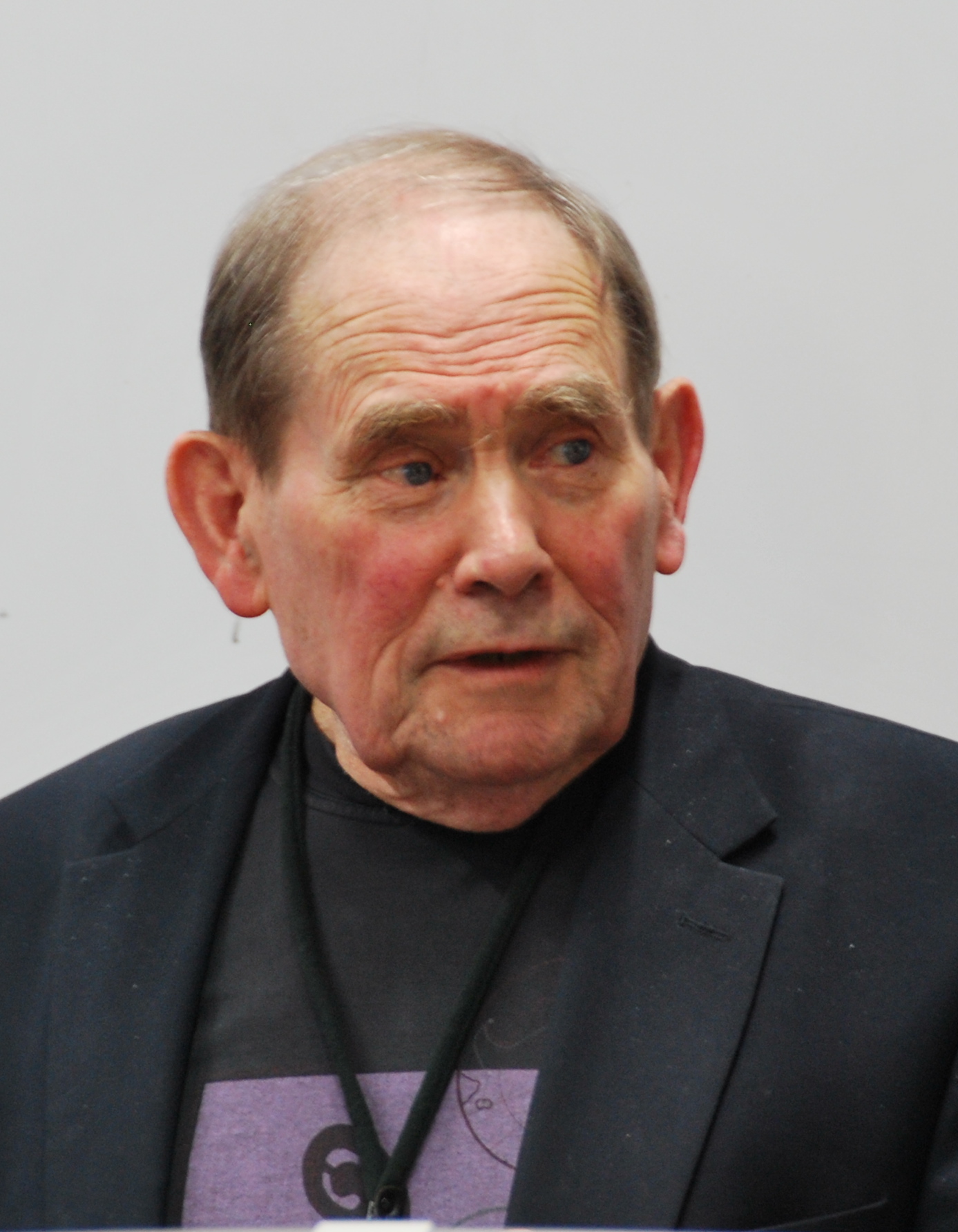
Lead Market Outlook: Trends, Demand, and Forecasts to 2032
The global lead market remains a cornerstone of modern industry, driven by its essential role in energy storage and industrial applications. With a history spanning over 5,000 years, this durable metal is primarily consumed in the production of lead-acid batteries. Current market analysis projects significant growth, with the sector expected to expand at a compound annual growth rate (CAGR) of 5.9%, reaching approximately USD 38.57 billion by 2032.
Understanding Lead: A Durable Industrial Metal
Lead is a dense, blue-gray metal known for its high malleability and excellent corrosion resistance. It possesses a relatively low melting point, which makes it easy to cast and shape for a wide array of applications. These fundamental properties have made it a valuable material for centuries, from ancient Roman plumbing to modern technological solutions.
Key Physical and Chemical Properties
The metal's ductility and density are among its most valuable traits. It can be easily rolled into sheets or extruded into various forms without breaking. Furthermore, lead's resistance to corrosion by water and many acids ensures the longevity of products in which it is used, particularly in harsh environments.
Another critical property is its ability to effectively shield radiation. This makes it indispensable in medical settings for X-ray rooms and in nuclear power facilities. The combination of these characteristics solidifies lead's role as a versatile and reliable industrial material.
Primary Applications and Uses of Lead
The demand for lead is overwhelmingly dominated by a single application: lead-acid batteries. This sector accounts for more than 80% of global consumption. These batteries are crucial for starting, lighting, and ignition (SLI) systems in vehicles, as well as for energy storage in renewable systems and backup power supplies.
Beyond batteries, lead finds important uses in several other sectors. Its density makes it perfect for soundproofing and vibration damping in buildings. It is also used in roofing materials, ammunition, and, historically, in plumbing and paints, though these uses have declined due to health regulations.
Lead-Acid Batteries: The Dominant Driver
The automotive industry is the largest consumer of lead-acid batteries, with nearly every conventional car and truck containing one. The rise of electric vehicles (EVs) and hybrid cars also creates demand for these batteries in auxiliary functions. Furthermore, the growing need for renewable energy storage is opening new markets for large-scale lead-acid battery installations.
These batteries are favored for their reliability, recyclability, and cost-effectiveness compared to newer technologies. The established infrastructure for collection and recycling creates a circular economy for lead, with a significant portion of supply coming from recycled scrap material.
Global Lead Market Overview and Forecast
The international lead market is poised for a period of measurable growth coupled with shifting supply-demand dynamics. According to the International Lead and Zinc Study Group (ILZSG), the market is expected to see a growing surplus in the coming years. This indicates that supply is projected to outpace demand, which can influence global pricing.
The ILZSG forecasts a global surplus of 63,000 tonnes in 2024, expanding significantly to 121,000 tonnes in 2025.
Despite this surplus, overall consumption is still increasing. Demand for refined lead is expected to grow by 0.2% in 2024 to 13.13 million tonnes, followed by a stronger 1.9% increase in 2025 to reach 13.39 million tonnes. This growth is primarily fueled by economic expansion and infrastructure development in key regions.
Supply and Production Trends
Global mine production is on a steady upward trajectory. Estimates indicate a 1.7% increase to 4.54 million tonnes in 2024, with a further 2.1% rise to 4.64 million tonnes anticipated for 2025. This production growth is led by increased output from major mining nations like China, Australia, and Mexico.
The refined lead supply presents a slightly more complex picture. It is expected to dip slightly by 0.2% in 2024 to 13.20 million tonnes before rebounding with a 2.4% growth in 2025 to 13.51 million tonnes. This reflects the interplay between primary mine production and secondary production from recycling.
- Mine Supply 2024: 4.54 million tonnes (+1.7%)
- Mine Supply 2025: 4.64 million tonnes (+2.1%)
- Refined Supply 2024: 13.20 million tonnes (-0.2%)
- Refined Supply 2025: 13.51 million tonnes (+2.4%)
Leading Producers and Global Reserves
The landscape of lead production is dominated by a few key countries that control both current output and future reserves. Understanding this geographical distribution is critical for assessing the market's stability and long-term prospects.
China is the undisputed leader in production, accounting for a massive 2.4 million metric tons of annual mine production. This positions China as both the top producer and the top consumer of lead globally, influencing prices and trade flows. Other major producers include Australia (500,000 tons), the United States (335,000 tons), and Peru (310,000 tons).
Global Reserves and Future Supply Security
When looking at reserves—the identified deposits that are economically feasible to extract—the leaderboard shifts slightly. Australia holds the world's largest lead reserves, estimated at 35 million tons. This ensures its role as a critical supplier for decades to come.
China follows with substantial reserves of 17 million tons. Other countries with significant reserves include Russia (6.4 million tons) and Peru (6.3 million tons). The concentration of reserves in these regions highlights the geopolitical factors that can impact the lead supply chain.
- Australia: 35 million tons in reserves
- China: 17 million tons in reserves
- Russia: 6.4 million tons in reserves
- Peru: 6.3 million tons in reserves
Regional Market Analysis: Asia Pacific Dominance
The Asia Pacific region is the undisputed powerhouse of the global lead market, accounting for the largest share of both consumption and production. This dominance is fueled by rapid industrialization, urbanization, and a massive automotive sector. Countries like China and India are driving unprecedented demand for lead-acid batteries, which are essential for vehicles and growing energy storage needs.
China's role is particularly critical, representing over 50% of global lead use. The country's extensive manufacturing base for automobiles and electronics creates a consistent and massive demand for battery power. However, this growth is tempered by environmental regulations and government crackdowns on polluting smelters, which can periodically constrain supply and create market volatility.
Key Growth Drivers in Asia Pacific
Several interconnected factors are fueling the region's market expansion. The rapid adoption of electric vehicles (EVs) and two-wheelers, even with lithium-ion batteries for primary power, still requires lead-acid batteries for auxiliary functions. Furthermore, the push for renewable energy integration is creating a surge in demand for reliable backup power storage solutions across the continent.
- Urbanization and Infrastructure Development: Growing cities require more vehicles, telecommunications backup, and power grid storage.
- Growing Automotive Production: Asia Pacific is the world's largest vehicle manufacturing hub.
- Government Initiatives: Policies supporting renewable energy and domestic manufacturing boost lead consumption.
- Expanding Middle Class: Increased purchasing power leads to higher vehicle ownership and electronics usage.
Lead Market Dynamics: Supply, Demand, and Price Forecasts
The lead market is characterized by a delicate balance between supply and demand, which directly influences price trends. Current forecasts from the International Lead and Zinc Study Group (ILZSG) indicate a shift towards a growing market surplus. This anticipated surplus is a key factor that analysts believe will put downward pressure on lead prices through 2025.
Refined lead demand is projected to grow 1.9% to 13.39 million tonnes in 2025, but supply is expected to grow even faster at 2.4% to 13.51 million tonnes, creating a 121,000-tonne surplus.
Price sensitivity is also heavily influenced by Chinese economic policies and environmental inspections. Any disruption to China's smelting capacity can cause immediate price spikes, even amidst a broader surplus forecast. Investors and industry participants must therefore monitor both global stock levels and regional regulatory actions.
Analyzing the 2024-2025 Surplus
The projected surplus is not a sign of weak demand but rather of robust supply growth. Mine production is increasing steadily, and secondary production from recycling is becoming more efficient and widespread. This increase in available material is expected to outpace the steady, solid growth in consumption from the battery sector.
Key factors contributing to the surplus include:
- Increased Mine Output: New and expanded mining operations, particularly in Australia and Mexico.
- Efficiency in Recycling: Higher recovery rates from scrap lead-acid batteries.
- Moderating Demand Growth in China: A slowdown in the rate of GDP growth compared to previous decades.
The Critical Role of Lead Recycling
Recycling is a fundamental pillar of the lead industry's sustainability. Lead-acid batteries boast one of the highest recycling rates of any consumer product, often exceeding 99% in many developed economies. This closed-loop system provides a significant portion of the world's annual lead supply, reducing the need for primary mining.
The process of secondary production involves collecting used batteries, breaking them down, and smelting the lead components to produce refined lead. This method is more energy-efficient and environmentally friendly than primary production from ore. The Asia Pacific region, in particular, is seeing rapid growth in its secondary lead production capabilities.
Economic and Environmental Benefits of Recycling
The economic incentives for recycling are strong. Recycled lead is typically less expensive to produce than mined lead, providing cost savings for battery manufacturers. Furthermore, it helps stabilize the supply chain by providing a domestic source of material that is less susceptible to mining disruptions or export bans.
From an environmental standpoint, recycling significantly reduces the need for mining, which minimizes landscape disruption and water pollution. It also ensures that toxic battery components are disposed of safely, preventing soil and groundwater contamination. Governments worldwide are implementing stricter regulations to promote and mandate lead recycling.
- Resource Conservation: Reduces the depletion of finite natural ore reserves.
- Energy Efficiency: Recycling lead uses 35-40% less energy than primary production.
- Waste Reduction: Prevents hazardous battery waste from entering landfills.
Lead Market Segments: Battery Type Insights
The lead market can be segmented by the types of batteries produced, each serving distinct applications. The Starting, Lighting, and Ignition (SLI) segment is the largest, designed primarily for automotive engines. These batteries provide the short, high-current burst needed to start a vehicle and power its electrical systems when the engine is off.
Motive power batteries are another crucial segment, used to power electric forklifts, industrial cleaning machines, and other utility vehicles. Unlike SLI batteries, they are designed for deep cycling, meaning they can be discharged and recharged repeatedly. The third major segment is stationary batteries, used for backup power and energy storage.
Growth in Stationary and Energy Storage Applications
The stationary battery segment is experiencing significant growth, driven by the global need for uninterruptible power supplies (UPS) and renewable energy support. Data centers, hospitals, and telecommunications networks rely on lead batteries for critical backup power during outages. This demand is becoming increasingly important for grid stability.
Furthermore, as countries integrate more solar and wind power into their grids, the need for large-scale energy storage systems grows. While lithium-ion is often discussed for this role, advanced lead-carbon batteries are a cost-effective and reliable technology for many stationary storage applications, supporting the overall stability of renewable energy sources.
- SLI Batteries: Dominant segment, tied directly to automotive production and replacement cycles.
- Motive Power Batteries: Essential for logistics, warehousing, and manufacturing industries.
- Stationary Batteries: High-growth segment for telecom, UPS, and renewable energy storage.
Environmental and Regulatory Landscape
The environmental impact of lead production and disposal remains a critical focus for regulators worldwide. While lead is essential for modern technology, it is also a toxic heavy metal that poses significant health risks if not managed properly. This has led to a complex web of international regulations governing its use, particularly in consumer products like paint and plumbing.
In many developed nations, strict controls have phased out lead from gasoline, paints, and water pipes. The U.S. Environmental Protection Agency (EPA), for example, has mandated the replacement of lead service lines to prevent water contamination. These regulations have successfully reduced environmental exposure but have also shifted the industry's focus almost entirely to the battery sector, where containment and recycling are more controlled.
Global Regulatory Trends and Their Impact
The regulatory environment is constantly evolving, with a growing emphasis on extended producer responsibility (EPR). EPR policies make manufacturers responsible for the entire lifecycle of their products, including collection and recycling. This has accelerated the development of sophisticated take-back programs for lead-acid batteries, ensuring they do not end up in landfills.
In China, intermittent smog crackdowns and environmental inspections can temporarily shut down smelting operations, causing supply disruptions. These actions, while aimed at curbing pollution, create volatility in the global lead market. Producers are increasingly investing in cleaner technologies to comply with stricter emissions standards and ensure operational continuity.
- Occupational Safety Standards: Strict limits on worker exposure in smelting and recycling facilities.
- Product Bans: Prohibitions on lead in toys, jewelry, and other consumer goods.
- Recycling Mandates: Laws requiring the recycling of lead-acid batteries.
- Emissions Controls: Tighter restrictions on sulfur dioxide and particulate matter from smelters.
Technological Innovations in the Lead Industry
Despite being an ancient metal, lead is at the center of ongoing technological innovation, particularly in battery science. Researchers are continuously improving the performance of lead-acid batteries to compete with newer technologies like lithium-ion. Innovations such as lead-carbon electrodes are enhancing cycle life and charge acceptance, making these batteries more suitable for renewable energy storage.
Advanced battery designs are extending the application of lead into new areas like micro-hybrid vehicles (start-stop systems) and grid-scale energy storage. These innovations are crucial for the industry's long-term viability, ensuring that lead remains a relevant and competitive material in the evolving energy landscape.
Enhanced Flooded and AGM Battery Technologies
Two significant advancements are dominating the market: Enhanced Flooded Batteries (EFB) and Absorbent Glass Mat (AGM) batteries. EFB batteries offer improved cycle life over standard batteries for vehicles with basic start-stop technology. AGM batteries, which use a fiberglass mat to contain the electrolyte, provide even better performance, supporting more advanced auto systems and deeper cycling applications.
These technologies are responding to the automotive industry's demands for more robust electrical systems. As cars incorporate more electronics and fuel-saving start-stop technology, the requirements for the underlying battery become more stringent. The lead industry's ability to innovate has allowed it to maintain its dominant market position in the automotive sector.
Advanced lead-carbon batteries can achieve cycle lives exceeding 3,000 cycles, making them a cost-effective solution for renewable energy smoothing and frequency regulation.
Challenges and Opportunities for Market Growth
The lead market faces a dual landscape of significant challenges and promising opportunities. The primary challenge is its environmental reputation and the associated regulatory pressures. Competition from alternative battery chemistries, particularly lithium-ion, also poses a threat in specific high-performance applications like electric vehicles.
However, substantial opportunities exist in the renewable energy storage sector and the ongoing demand for reliable, cost-effective power solutions in developing economies. The established recycling infrastructure gives lead a distinct advantage in terms of sustainability and circular economy credentials, which are increasingly valued.
Navigating Competitive and Regulatory Pressures
The industry's future growth hinges on its ability to innovate and adapt. Continuous improvement in battery technology is essential to fend off competition. Simultaneously, proactive engagement with regulators to demonstrate safe and responsible production and recycling practices is crucial for maintaining social license to operate.
Market players are investing in cleaner production technologies and more efficient recycling processes to reduce their environmental footprint. By addressing these challenges head-on, the lead industry can secure its position as a vital component of the global transition to a more electrified and sustainable future.
- Opportunity: Growing demand for energy storage from solar and wind power projects.
- Challenge: Public perception and stringent environmental regulations.
- Opportunity: Massive automotive market requiring reliable SLI batteries.
- Challenge: Competition from lithium-ion batteries in certain applications.
Future Outlook and Strategic Recommendations
The long-term outlook for the lead market is one of steady growth, driven by its irreplaceable role in automotive and energy storage applications. The market size, valued at USD 24.38 billion in 2024, is projected to reach USD 38.57 billion by 2032, growing at a CAGR of 5.9%. This growth will be fueled by rising vehicle production and the global expansion of telecommunications and data centers requiring backup power.
The geographic focus will remain firmly on the Asia Pacific region, where economic development and urbanization are most rapid. Companies operating in this market should prioritize strategic investments in recycling infrastructure and advanced battery technologies to capitalize on these trends while mitigating environmental risks.
Strategic Imperatives for Industry Stakeholders
For miners, smelters, and battery manufacturers, several strategic actions are critical for future success. Diversifying into high-value segments like advanced energy storage can open new revenue streams. Building strong, transparent recycling chains will be essential for ensuring a sustainable and secure supply of raw materials.
Engaging in partnerships with automotive and renewable energy companies can help align product development with future market needs. Finally, maintaining a proactive stance on environmental, social, and governance (ESG) standards will be non-negotiable for attracting investment and maintaining market access.
- Invest in R&D: Focus on improving battery energy density and cycle life.
- Strengthen Recycling Networks: Secure supply and enhance sustainability credentials.
- Monitor Regulatory Changes: Adapt operations to comply with evolving global standards.
- Diversify Geographically: Explore growth opportunities in emerging markets beyond China.
Conclusion: The Enduring Role of Lead
In conclusion, the global lead market demonstrates remarkable resilience and adaptability. Despite well-documented environmental challenges and increasing competition, its fundamental role in providing reliable, recyclable, and cost-effective energy storage ensures its continued importance. The projected market growth to over USD 38 billion by 2032 underscores its enduring economic significance.
The industry's future will be shaped by its ability to balance economic growth with environmental responsibility. The high recycling rate of lead-acid batteries provides a strong foundation for a circular economy model. Technological advancements are continuously expanding the metal's applications, particularly in supporting the global transition to renewable energy.
The key takeaway is that lead is not a relic of the past but a material of the future. Its unique properties and well-established supply chain make it indispensable for automotive mobility, telecommunications, and power grid stability. As the world becomes more electrified, the demand for dependable battery technology will only increase, securing lead's place in the global industrial landscape for decades to come. Strategic innovation and responsible management will ensure this ancient metal continues to power modern life.



Re Alexis: The Historical Truth of a Cypriot Rebellion
The story of Re Alexis is a powerful chapter in Cypriot medieval history. It chronicles a major peasant and serf uprising against Frankish rule in the 15th century. This article explores the historical reality of Re Alexis, his rebellion, and its lasting legacy as a symbol of resistance and Cypriot identity.
The Rise of Re Alexis: From Serf to King
Re Alexis emerged from the village of Milea in the Famagusta region. Originally a serf under the harsh feudal system, he managed to improve his social position significantly. He became an ostler and messenger for the Frankish rulers. This role granted him a unique freedom of movement across the island.
Exploiting Mobility to Organize Revolt
His position was a perfect cover for revolutionary activity. Alexis used his travel privileges to secretly organize discontented Cypriots. He connected with other serfs and peasants who suffered under Frankish feudal oppression. The stage was set for a widespread insurrection when a power vacuum appeared within the ruling Lusignan dynasty.
Sources indicate the rebellion successfully captured key cities, including Nicosia, Morphou, Limassol, and Lefka, establishing its base in Leukonoiko.
The Historical Context of Frankish Rule in Cyprus
To understand the rebellion, one must grasp the conditions of Frankokratia in Cyprus. The island was under the control of the Lusignan dynasty, a Frankish Catholic ruling class. They imposed a strict feudal system on the predominantly Greek Orthodox population.
- Heavy Taxation: Cypriot peasants and serfs faced crippling taxes and feudal dues.
- Limited Rights: They had severely restricted legal and social rights under their Frankish lords.
- Economic Exploitation: The system was designed for the economic benefit of the Frankish elite.
This environment of systemic oppression created widespread resentment. It provided the fertile ground from which a leader like Re Alexis could rally popular support.
The 1426-1427 Rebellion: A Detailed Account
The Re Alexis uprising began in 1426, taking advantage of internal Lusignan conflicts. It quickly grew from localized discontent into a full-scale revolutionary movement. The rebels demonstrated surprising military organization and strategy.
Military Successes and Administrative Establishment
The rebel forces achieved remarkable early success. They seized control of several major urban centers. In Leukonoiko, Re Alexis was proclaimed king. He established a form of self-rule and implemented a radical policy of land redistribution to the peasants.
This move directly attacked the core of the Frankish feudal system. It promised a fundamental change in the social and economic order. The rebellion was not merely a protest but an attempt to create a new, Cypriot-led state.
The Brutal Suppression and Execution
The Frankish establishment, alarmed by the rebellion's success, marshaled a powerful counter-force. They were aided by the Knights Hospitaller and reinforcements from the West, including figures like Fra Angelo Spitalli and Antonio da Milano.
The rebel forces were eventually overwhelmed. Re Alexis was captured, subjected to torture, and publicly executed by hanging in Nicosia on May 12, 1427. His death marked the end of the organized rebellion, though its memory lived on.
Analyzing the Historical Sources and Bias
Modern understanding of the event must account for the bias in primary sources. The main chronicler, Leontios Machairas, worked as an officer for the Franks. His account often portrays the rebels as "bad people" or brigands.
Other sources, like the Chronicle of Amadi and Florius Boustronius, offer different clues. They mention rebels using crossbows, suggesting a more organized military force than mere bandits. This indicates the rebellion had structure, training, and clear political aims.
Academic trends now critically reassess these Frankish sources, seeking a more balanced view of the rebels' motivations and organization.
Contemporary historians emphasize the need to read these accounts critically. They recognize the rebellion as part of broader class tensions in medieval Cypriot society, not simply as lawlessness.
Modern Relevance and Cultural Legacy
The story of Re Alexis has transcended its medieval context. In modern Cyprus, it has been revisited as a potent symbol. The rebellion is now seen as an early fight for social justice and Cypriot self-determination.
- Symbol of Resistance: He is celebrated as a hero of popular resistance against foreign domination.
- Academic Reassessment: Scholars publish monographs analyzing the socio-economic causes of the revolt.
- Cultural Commemorations: Public lectures and events, like those at the European University of Cyprus, keep the history alive.
Connections to Contemporary Struggles
Commentators often draw parallels between this medieval struggle and modern fights for workers' and farmers' rights. The core issues of land ownership, fair taxation, and political representation remain resonant. This connection ensures the story of Re Alexis remains relevant in public discourse and national narrative-building.
The legacy of Re Alexis continues to evolve. It is a key part of understanding Cyprus's complex historical identity. The next section will delve deeper into the academic interpretations and the specific events that shaped this pivotal uprising.
Unpacking the Socioeconomic Causes of the Revolt
The Re Alexis rebellion was not a spontaneous event but the culmination of deep-seated economic grievances. The feudal system imposed by the Lusignans created a rigid class structure designed to exploit the native population. Cypriot serfs, known as paroikoi, were bound to the land and subjected to the will of their Frankish lords.
Their burdens were immense and multi-faceted, creating a powder keg of discontent. The primary drivers of the uprising were economic oppression and a complete lack of social mobility for the island's Greek Orthodox majority.
The Crushing Weight of Feudal Obligations
The Frankish lords extracted wealth from the Cypriot peasantry through a complex system of taxes and dues. These obligations left little for the farmers to subsist on, fueling immense resentment.
- Heavy Corvée Labor: Serfs were forced to work a set number of days each week on the lord's domain without pay.
- Exorbitant Tithes and Taxes: A significant portion of their agricultural produce was taken as payment to the lord and the Latin Church.
- Restricted Land Rights: Peasants had no ownership rights and could be evicted at the lord's discretion.
This system ensured that the native Cypriot population remained in a state of perpetual poverty. The success of a few, like Re Alexis himself in becoming an ostler, was a rare exception that proved the rule.
The Military Strategy and Organization of the Rebels
Contrary to early Frankish sources that depicted them as disorganized bandits, the rebels demonstrated significant military coordination. Their ability to capture and hold major urban centers points to a well-planned insurgency. Re Alexis leveraged his knowledge of the island's geography and Frankish defenses gained from his role as a messenger.
Historical accounts mentioning rebels armed with crossbows suggest a level of training and resourcefulness that contradicts the "rabble" narrative.
Key Strategic Victories
The rebellion's initial phase was marked by rapid and decisive actions. The rebels capitalized on the temporary weakness of the Frankish authorities to strike strategic targets.
They successfully seized control of Nicosia, the capital, a major propaganda and strategic victory. The capture of key ports like Limassol and agricultural centers like Morphou disrupted Frankish supply lines and economic output. Establishing their headquarters in Leukonoiko allowed them to create a defensible base of operations.
Establishing a Counter-Government
The most revolutionary aspect of the rebellion was not just its military success but its political ambition. By proclaiming Re Alexis as king, the rebels asserted their sovereignty. They established a parallel government that directly challenged Lusignan authority.
- Land Redistribution: The act of distributing land to the peasants was a direct attack on the feudal economic model.
- Symbolic Legitimacy: The proclamation of a kingship aimed to create a legitimate alternative to Frankish rule.
- Local Administration: They set up their own systems of governance in the territories they controlled.
This move transformed the uprising from a simple revolt into a genuine revolutionary movement with a clear vision for a new social order.
Contemporary Academic Interpretations and Debates
Modern scholarship has moved beyond the biased chronicles of the Frankish era. Academics now analyze the Re Alexis uprising through the lenses of class struggle, post-colonial theory, and identity formation. This has led to a much richer and more nuanced understanding of the event.
Historians like Chrysovalantis Kyriacou have published significant work re-evaluating the rebellion. Their research connects the event to broader Byzantine history and identity, seeing it as an expression of a suppressed Greek Orthodox populace.
Challenging the Frankish Narrative
A key focus of recent academic work is deconstructing the perspective of chroniclers like Leontios Machairas. These writers were often employed by the Frankish nobility and had a vested interest in portraying the rebels negatively.
Terms like "bad people" and "thieves" are now understood as political labels rather than factual descriptions. Scholars point to the rebels' actions—such as organized military tactics and land redistribution—as evidence of a political revolution. The rebellion is increasingly framed as a fight for social liberation rather than mere lawlessness.
Publications such as kimintenia.com actively challenge the traditional Frankish sources, advocating for a history written from the perspective of the oppressed.
The Rebellion in Cypriot National Consciousness
In contemporary Cyprus, the story of Re Alexis has been embraced as part of the nation's cultural heritage. It serves as a powerful narrative of resistance against foreign domination. The rebellion is commemorated in public lectures, academic conferences, and popular media.
- Symbol of Defiance: He is celebrated as an early national hero who defied an oppressive regime.
- Educational Tool: The story is used to teach about Cypriot history and the enduring themes of justice and freedom.
- Academic Revival: Monographs and doctoral theses continue to explore new dimensions of the uprising.
This academic and cultural revival ensures that the historical truth of Re Alexis continues to be debated and understood in ever-greater depth. The final part of this article will examine the rebellion's aftermath and its enduring legacy in the modern world.
The Aftermath: Suppression and Long-Term Consequences
The suppression of the Re Alexis rebellion was swift and brutal. The combined forces of the Lusignan loyalists, the Knights Hospitaller, and Western mercenaries proved too powerful for the rebel army. The Frankish rulers were determined to make an example of the insurgents to prevent future uprisings.
Following his capture, Re Alexis was subjected to torture and publicly executed in Nicosia. His death on May 12, 1427, was intended to be a definitive end to the movement. The Frankish authorities reasserted control over the captured cities and restored the feudal status quo with even greater vigilance.
Immediate Impact on Cypriot Society
The immediate aftermath saw a harsh crackdown on the surviving rebels and their supporters. The failed revolution likely led to increased surveillance and repression of the Cypriot peasantry. However, the underlying economic and social injustices that sparked the revolt remained completely unresolved.
- Reinforced Feudalism: The feudal system was reinstated, maintaining the exploitative conditions.
- Political Consolidation: The Lusignan dynasty temporarily solidified its rule, though it remained unstable.
- Legacy of Resistance: The memory of the rebellion and its bold aims lived on in popular consciousness.
The rebellion, while militarily defeated, planted a seed of political consciousness. It demonstrated that organized resistance against the Frankish overlords was possible, a lesson not forgotten by future generations.
The Cultural and Symbolic Legacy of Re Alexis
Over the centuries, the figure of Re Alexis transformed from a historical rebel into a powerful cultural symbol. In modern Cyprus, he is often invoked as a national hero and a champion of the oppressed. His story resonates with themes of self-determination, social justice, and resistance to foreign domination.
As noted in contemporary media, the rebellion is symbolically connected to "the slaves of the land and the rayahs," linking it directly to Byzantine heritage and Cypriot identity.
Commemoration in Modern Cyprus
The legacy of Re Alexis is actively kept alive through various cultural and educational initiatives. These efforts ensure his story remains a relevant part of the national narrative.
- Academic Lectures and Publications: Scholars regularly present new research, like the 2021 online lecture by Chrysovalantis Kyriacou.
- Media Coverage: News outlets commemorate anniversaries, such as the 598-year mark of his execution, highlighting his symbolic role.
- Public Discourse: He is referenced in discussions about contemporary struggles for farmers' and workers' rights.
This ongoing engagement shows how medieval history is continually reinterpreted to speak to present-day concerns. The rebellion provides a foundational myth of resistance that is integral to Cypriot cultural identity.
Re Alexis in Comparative Historical Context
The 1426-1427 Cypriot revolt was not an isolated event. It fits within a wider pattern of popular uprisings across medieval Europe and the Mediterranean. Peasants and serfs frequently rebelled against feudal excesses, from the Jacquerie in France to the English Peasants' Revolt.
What makes the Re Alexis rebellion distinctive is its scale and political ambition within the insular context of Cyprus. The proclamation of a rival kingship and the implementation of land redistribution policies set it apart from more rudimentary protests over taxes. It represented a direct challenge to the very legitimacy of Frankish rule.
Parallels with Other Medieval Revolts
Like other peasant revolts, it was born from extreme economic exploitation and a lack of legal recourse. Similar to Wat Tyler's rebellion in England, it featured a charismatic leader from the lower classes who organized a serious military threat. As with many such uprisings, it was ultimately crushed by the superior military resources of the established nobility.
This comparative analysis helps historians understand the Re Alexis uprising not as a bizarre anomaly but as a Cypriot expression of a widespread medieval phenomenon. It underscores the universal tensions inherent in rigid feudal societies.
Conclusion: The Enduring Historical Truth
The historical truth of Re Alexis emerges from a critical synthesis of the sources. Moving beyond the biased Frankish chronicles, we see a complex story of oppression, organization, and ambition. He was a serf who rose to challenge an entire political order, and his rebellion was a serious attempt to overturn the feudal system in Cyprus.
The key takeaways from this examination are clear and multifaceted. They provide a complete picture of why this event remains significant nearly six centuries later.
- Economic Injustice as Catalyst: The rebellion was fundamentally caused by the brutal exploitation of the Cypriot peasantry under Frankish feudalism.
- Strategic and Political Insurgency: It was a well-organized military and political movement, not a disorganized riot.
- Lasting Cultural Symbol: Re Alexis has been reclaimed as a potent symbol of Cypriot resistance and identity in modern times.
- Academic Reassessment: Contemporary scholarship continues to refine our understanding, challenging old narratives and uncovering new insights.
The Final Verdict on a Cypriot Revolutionary
Re Alexis stands as a towering figure in Cypriot history. His life and death encapsulate the fierce struggle between an oppressive ruling class and the yearning for freedom among the common people. While his revolution was extinguished, the memory of its aims was not.
Today, the story of the Re Alexis rebellion serves as a powerful reminder of the long arc of Cypriot history. It connects the medieval past to ongoing conversations about justice, autonomy, and national identity. The truth, rescued from partisan chronicles, reveals a chapter of courageous, if ultimately tragic, resistance that continues to inspire and inform the present.
Frederick Banting: Nobel Laureate Who Discovered Insulin
Sir Frederick Grant Banting stands as a monumental figure in medical history. His co-discovery of insulin in the early 1920s transformed a deadly diagnosis into a manageable condition. This article explores his life, his groundbreaking research, and his lasting legacy in diabetes care and beyond.
A Canadian physician and surgeon, Banting's work saved and continues to save millions of lives worldwide. His Nobel Prize-winning achievement at the age of 32 remains one of science's most profound humanitarian breakthroughs. We will delve into the journey that led to this momentous discovery.
Early Life and Path to Medicine
Frederick Banting was born on November 14, 1891, on a farm near Alliston, Ontario. His rural upbringing instilled a strong sense of perseverance and hard work. Initially, he enrolled at Victoria College, University of Toronto, to study divinity and become a minister.
A pivotal change in direction occurred when he transferred to the study of medicine. He graduated in 1916, as World War I raged in Europe. His medical training was accelerated due to the wartime need for physicians. This decision set him on the path that would later change the world.
Service and Injury in World War I
After graduation, Banting immediately joined the Canadian Army Medical Corps. He served as a surgeon in England and later in France. During the Battle of Cambrai in 1918, he displayed exceptional courage while treating wounded soldiers under heavy fire.
Despite being severely wounded in the arm by shrapnel, he continued to care for patients for over sixteen hours. For his heroism, he was awarded the Military Cross, one of the highest military honors. This injury, however, complicated his initial plans for a career as an orthopedic surgeon.
Post-War Medical Practice and Research Idea
After the war, Banting completed his surgical training and began a practice in orthopedic surgery in London, Ontario. He also took a part-time teaching position at the University of Western Ontario. It was while preparing a lecture on the pancreas in October 1920 that a transformative idea struck him.
He read a medical journal article linking pancreatic islets to diabetes. Banting conceived a novel method to isolate the internal secretion of these islets. He famously scribbled his idea in a notebook: "Diabetus. Ligate pancreatic ducts of dog. Keep dogs alive till acini degenerate leaving Islets. Try to isolate the internal secretion of these to relieve glycosurea."
The Historic Discovery of Insulin
Driven by his hypothesis, Banting moved to Toronto in the summer of 1921 to pursue his research. Professor J.J.R. Macleod of the University of Toronto provided laboratory space and resources. Macleod also assigned a young medical student, Charles Best, to assist Banting for the summer.
Their early experiments involved surgically ligating the pancreatic ducts in dogs to degenerate the enzyme-producing cells, leaving the islet cells intact. They then extracted the material from these islets, which they initially called "isletin."
Critical Experiments and Refinement
The team faced numerous challenges and failures. However, by July 30, 1921, they successfully extracted a pancreatic extract that lowered the blood sugar of a diabetic dog. This proved the extract's life-saving potential. The substance was soon renamed insulin.
To purify the extract for human use, biochemist James Collip joined the team later in 1921. His expertise was crucial in refining a sufficiently pure and consistent batch of insulin. This collaborative effort was intense and sometimes fraught with personal tension.
Banting and Best famously sold the insulin patent to the University of Toronto for a symbolic $1, with Banting stating, "Insulin belongs to the world, not to me."
First Human Trial and Immediate Impact
The first human recipient was a 14-year-old boy named Leonard Thompson, who was dying from type 1 diabetes in Toronto General Hospital. The first injection in January 1922 caused an allergic reaction due to impurities. After Collip's further purification, a second injection was administered.
The results were nothing short of miraculous. Thompson's dangerously high blood glucose levels dropped to near-normal ranges. His strength returned, and he gained weight. Leonard Thompson survived, living for another 13 years with insulin therapy, proving the treatment's revolutionary efficacy.
The Nobel Prize and Controversy
In 1923, the Nobel Assembly awarded the Nobel Prize in Physiology or Medicine for the discovery of insulin. The prize was awarded jointly to Frederick Banting and J.J.R. Macleod. This decision immediately sparked controversy, as it overlooked the direct laboratory contributions of Charles Best and James Collip.
Feeling that Best's role was seminal, Banting publicly announced he would share his prize money with his young assistant. Macleod later split his share with Collip. This episode highlights the often-complex nature of attributing credit in scientific discoveries made by teams.
- Youngest Winner: At 32, Banting became the youngest Nobel laureate in Physiology or Medicine at that time.
- First Canadian: He was also the first Canadian to win a Nobel Prize in this category.
- Enduring Debate: Historical accounts continue to analyze the contributions of all four key figures.
The award solidified the importance of insulin on the world stage. It also brought Banting immense fame and pressure. Despite the acclaim, he remained deeply committed to the humanitarian purpose of his work, ensuring affordable access to the life-saving hormone.
Banting's Later Scientific Career and Aviation Medicine
After the whirlwind of the insulin discovery and Nobel Prize, Frederick Banting continued his scientific pursuits with vigor. He was appointed a professor at the University of Toronto and continued medical research. However, his interests expanded significantly beyond endocrinology into new and critical fields.
He dedicated considerable energy to cancer research and the study of silicosis. Banting also maintained his artistic side, taking up painting as a serious hobby. His paintings, often landscapes, provided a creative outlet from his intense scientific work.
Pioneering Contributions to Aviation Medical Research
With the growing threat of World War II, Banting turned his formidable research skills to a national defense priority. In 1939, he was appointed Chairman of Canada's Associate Committee on Aviation Medical Research. He threw himself into this role, focusing on the physiological challenges faced by pilots.
His committee's work was pragmatic and directly aimed at improving pilot safety and performance. Key research areas included the effects of high-altitude flight, oxygen deprivation, and G-forces on the human body. Banting understood that aviation medicine was crucial for Allied air superiority.
- Carbon Monoxide Detection: His team developed improved methods for detecting deadly carbon monoxide in aircraft cabins.
- Protective Eyewear: They pioneered the development of anti-fogging and shatterproof goggles for pilots.
- Early Helmet Design: Research was conducted on protective helmets to mitigate the impact of crashes and turbulence.
- Cold Weather Survival: Studies focused on the physiology of survival in extreme cold for downed airmen.
This work established a foundation for Canadian expertise in aerospace medicine that continues to this day. Banting's ability to pivot from a laboratory-focused researcher to a leader in applied military science demonstrated his versatility and deep patriotism.
The Tragic Death of a National Hero
Frederick Banting's life was cut short on February 21, 1941. He was en route to England aboard a Lockheed Hudson bomber to deliver crucial research findings and discuss wartime collaboration in aviation medicine. The plane crashed shortly after takeoff from Gander, Newfoundland, killing Banting and two other crew members instantly.
The pilot, Captain Joseph Mackey, survived the crash and later recounted that Banting, though seriously injured, helped him escape the wreckage before succumbing to his own injuries. This final act of heroism was consistent with Banting's character, evidenced decades earlier on the battlefields of WWI.
Banting's death at age 49 was mourned across Canada and the scientific world as a profound loss. Prime Minister Mackenzie King called him "one of Canada's greatest sons," and he was given a state funeral in Toronto.
The Enduring Legacy of His Final Mission
His mission to England underscored the strategic importance he placed on his aviation research. The work of his committee directly contributed to the safety and effectiveness of Allied air crews throughout the war. While the insulin discovery defined his public legacy, his contributions to wartime science were a significant second act.
The crash site remains a place of historical significance. A memorial was later erected near Musgrave Harbour, Newfoundland. His death highlighted the risks taken by scientists and personnel during the war, even those not on the front lines of direct combat.
Frederick Banting's Legacy and Honors
Frederick Banting's legacy is multifaceted, encompassing medical innovation, national pride, and ongoing scientific inspiration. His name is synonymous with one of the most important medical breakthroughs of the 20th century. This legacy is preserved through numerous honors, institutions, and continued public remembrance.
In Canada, he is celebrated as a national hero. His image appeared on the Canadian $100 bill for many years until the series was redesigned. This prominent placement on the banknote was a testament to his status as a figure of monumental national importance.
Institutions and Memorials
Several major institutions bear his name, ensuring his contributions are never forgotten. The Banting and Best Department of Medical Research at the University of Toronto continues his tradition of inquiry. Banting House in London, Ontario, where he had his crucial idea, is now a National Historic Site of Canada and museum dubbed "The Birthplace of Insulin."
Furthermore, the Banting Research Foundation was established to fund innovative health research in Canada. World Diabetes Day, observed on November 14th, is held on his birthday, creating a permanent global link between his legacy and the ongoing fight against the disease.
- Banting Postdoctoral Fellowships: Prestigious Canadian government awards for top-tier researchers.
- Statues and Plaques: Numerous public memorials exist across Canada, including at the University of Toronto and the Parliament of Canada.
- International Recognition: He was knighted by King George V in 1934, becoming Sir Frederick Banting.
The Centennial of Insulin and Modern Reflections
The year 2021 marked the 100th anniversary of Banting and Best's initial successful experiments. This centennial was commemorated worldwide by diabetes organizations, research institutions, and patient communities. It was a moment to reflect on how far treatment has come and the distance still to go.
The University of Toronto and other institutions hosted special events, publications, and exhibitions. These highlighted not only the historical discovery but also its modern implications. The centennial underscored insulin as a starting point, not an endpoint, in diabetes care.
From Animal Extract to Modern Analogs
The insulin Banting's team extracted from dogs and later cows was life-saving but imperfect. It was relatively short-acting and could cause immune reactions. Today, thanks to genetic engineering, we have human insulin and advanced analogs.
Modern synthetic insulins offer precise action profiles—rapid-acting, long-acting, and premixed varieties. This allows for much tighter and more flexible blood glucose management. Delivery methods have also evolved dramatically from syringes to insulin pumps and continuous glucose monitors.
Despite these advancements, the core principle Banting proved—that replacing the missing hormone could treat diabetes—remains the bedrock of therapy for millions with type 1 diabetes worldwide.
Ongoing Challenges and Access to Medicine
A central theme of the 2021 reflections was Banting's humanitarian ethos. His decision to sell the patent for $1 was a conscious effort to ensure broad, affordable access. This stands in stark contrast to modern controversies over the high cost of insulin in some countries, particularly the United States.
Advocates often invoke Banting's original intent in campaigns for drug pricing reform. The centennial served as a reminder that the moral imperative of accessibility is as important as the scientific breakthrough itself. Ensuring all who need insulin can afford it is viewed by many as fulfilling Banting's vision.
Recent articles from institutions like the University of Toronto have also revisited his lesser-known legacy in aviation medicine. This has brought a more complete picture of his scientific career to public attention, showcasing his versatility and commitment to applying science to urgent human problems, whether chronic disease or wartime survival.
The Team Behind the Discovery: Collaboration and Controversy
The story of insulin’s discovery is a powerful case study in scientific collaboration and its attendant complexities. While Frederick Banting is the most famous name associated with insulin, he worked within a talented team. The roles of Charles Best, J.J.R. Macleod, and James Collip were all indispensable to the final success.
Banting provided the initial hypothesis and relentless drive, while Best executed the day-to-day experiments with skill and dedication. Macleod provided the essential institutional support, laboratory resources, and broader physiological expertise. Collip’s biochemical prowess was critical for purifying the extract for human use.
Analyzing the Nobel Prize Decision
The Nobel Committee's 1923 decision to award the prize only to Banting and Macleod remains a subject of historical debate. This choice reflected the scientific conventions of the era, which often credited the senior supervising scientist and the principal ideator. The contributions of junior researchers like Best and specialists like Collip were frequently overlooked.
Banting’s immediate and public decision to share his prize money with Best was a clear acknowledgment of this perceived injustice. Similarly, Macleod shared his portion with Collip. This action speaks to the internal acknowledgment within the team that the discovery was a collective achievement.
- Banting's Role: Vision, surgical skill, and determination.
- Best's Role: Technical execution of experiments and data collection.
- Macleod's Role: Supervision, resources, and scientific guidance.
- Collip's Role: Biochemical purification for clinical application.
Modern historical analysis tends to recognize the "Toronto Four" as the complete team behind the discovery. This nuanced view honors the collaborative nature of modern scientific breakthroughs, where diverse expertise is essential for turning an idea into a life-saving therapy.
Banting's Personal Life and Character
Beyond the laboratory, Frederick Banting was a man of strong character, humility, and diverse interests. He was known for his straightforward manner, resilience, and a deep sense of duty. These personal qualities profoundly shaped his scientific and medical career.
He married twice, first to Marion Robertson in 1924, with whom he had one son, William. The marriage ended in divorce in 1932. He later became engaged to Henrietta Ball, who was with him in Newfoundland before his final flight. His personal life, however, was often secondary to his consuming dedication to his work.
The Artist and the Scientist
Banting found a creative counterbalance to his scientific work in painting. He was a skilled amateur artist who took his painting seriously, studying under prominent Canadian artists like A.Y. Jackson of the Group of Seven. His landscapes demonstrate a keen eye for detail and a love for the Canadian wilderness.
This artistic pursuit was not merely a hobby; it was a refuge. It provided a mental space for reflection and a different mode of seeing the world. The combination of scientific rigor and artistic sensitivity made him a uniquely rounded individual, showing that creativity fuels innovation across disciplines.
Colleagues noted that Banting was intensely focused and could be stubborn, but he was also generous and deeply committed to the humanitarian application of science, famously forgoing vast wealth to ensure insulin reached those in need.
The Global Impact of Insulin on Diabetes Treatment
The introduction of insulin marked a paradigm shift in medicine. Before 1922, a diagnosis of type 1 diabetes was a virtual death sentence, particularly for children. Patients were subjected to starvation diets that only prolonged life for a short, miserable period.
Insulin therapy transformed this bleak reality almost overnight. It was the first effective treatment for a chronic endocrine disease, proving that hormone replacement could successfully manage a previously fatal condition. This paved the way for subsequent hormone therapies.
From Survival to Thriving: The Evolution of Diabetes Management
The initial goal of insulin therapy was simple survival. Today, the objectives are vastly more ambitious: enabling people with diabetes to live long, healthy, and fulfilling lives. Advances built upon Banting’s work have made this possible.
Modern diabetes care focuses on tight glycemic control to prevent complications such as heart disease, kidney failure, and blindness. Technology like continuous glucose monitors (CGMs) and insulin pumps allows for unprecedented precision in management. These tools represent the ongoing evolution of Banting’s foundational discovery.
- Increased Lifespan: Life expectancy for people with type 1 diabetes has increased by decades.
- Quality of Life: Modern regimens allow for greater dietary flexibility and physical activity.
- Ongoing Research: Work continues on islet cell transplantation, artificial pancreases, and ultimately, a cure.
Banting's Legacy in Modern Medical Research
Frederick Banting’s legacy extends far beyond the molecule of insulin. His story continues to inspire new generations of researchers, physicians, and students. He embodies the ideal of the physician-scientist who moves seamlessly from patient-oriented questions to fundamental laboratory investigation.
Research institutions that bear his name, like the Banting and Best Department of Medical Research, continue to operate at the forefront of biomedical science. The Banting Postdoctoral Fellowships are among Canada’s most prestigious awards, attracting top scientific talent from around the world to conduct research in the country.
Lessons for Today's Scientists
Banting’s career offers several enduring lessons. It demonstrates the power of a simple, well-defined idea pursued with tenacity. It highlights the critical importance of collaboration across different specialties. Most importantly, it shows that scientific achievement is fundamentally connected to human benefit.
His decision regarding the insulin patent remains a powerful ethical benchmark. In an era of biotechnology and pharmaceutical commerce, Banting’s stance that a life-saving discovery "belongs to the world" challenges us to balance innovation with accessibility and equity.
Conclusion: The Enduring Significance of Frederick Banting
Frederick Banting’s life was a remarkable journey from a rural Ontario farm to the pinnacle of scientific achievement. His co-discovery of insulin stands as one of the most transformative events in the history of medicine. It turned a deadly disease into a manageable condition and gave hope to millions.
His legacy is not confined to a single discovery. His heroic service in two world wars, his pioneering work in aviation medicine, and his artistic pursuits paint a portrait of a complex and multifaceted individual. Banting was a national hero who embodied perseverance, ingenuity, and profound humanity.
The story of insulin is ongoing. While Banting and his team provided the key that unlocked the door, scientists continue to build upon their work, striving for better treatments and a ultimate cure. The centennial celebrations in 2021 were not just about honoring the past but also about reinforcing commitment to the future of diabetes care.
Frederick Banting’s greatest legacy is the breath of life he gave to countless individuals and the enduring inspiration he provides to all who seek to use science as a force for good. His work reminds us that dedicated individuals can indeed change the world.
In remembering Sir Frederick Banting, we celebrate more than a historical figure; we celebrate the very ideal of scientific progress in the service of humanity. His life continues to inspire a simple, powerful truth: that curiosity, coupled with compassion, can conquer some of humanity’s most daunting challenges.
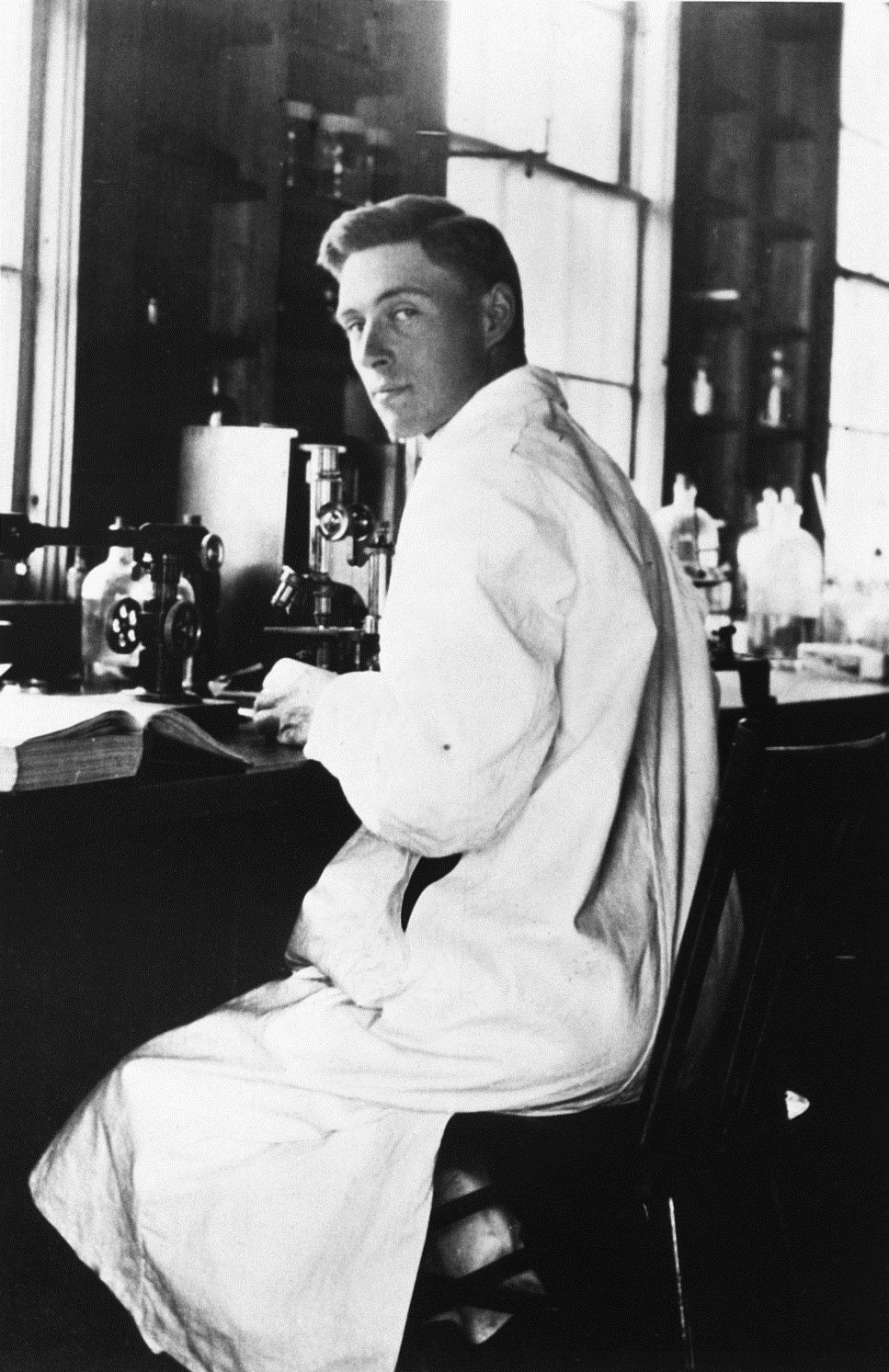


Édouard Branly: The Radio Coherer Inventor
The pioneering work of French physicist Édouard Branly fundamentally shaped modern communication. Best known as the inventor of the coherer, his device was the first practical detector of radio waves. This crucial component enabled the breakthrough of wireless telegraphy.
His 1890 discovery of radioconduction unlocked a new era of technology. Today, Branly is celebrated as a foundational figure in the history of radio and electrical engineering.
Early Life and Academic Foundations
Édouard Branly was born on October 23, 1844, in Amiens, France. His intellectual journey was marked by a profound dedication to both science and medicine. He pursued higher education with remarkable vigor, earning two separate doctoral degrees.
He received his doctorate in physical sciences in 1873. Nearly a decade later, in 1882, he also earned a doctorate in medicine. This dual expertise uniquely positioned him for interdisciplinary research.
Education and Dual Doctorates
Branly's educational path was exceptional. His deep understanding of physics provided the theoretical basis for his inventions. His medical training later informed his parallel career in therapeutic practices.
This combination of disciplines was uncommon for the time. It allowed Branly to approach problems from multiple angles. His work often bridged the gap between pure science and practical application.
Teaching Career at Catholic University
In 1875, Branly began his long tenure as a professor of physics. He taught at the Catholic University of Paris for over 50 years. His commitment to education influenced generations of students.
His academic role provided a stable platform for his experimental research. Throughout his life, he balanced teaching, invention, and a medical practice. This multifaceted career defined his professional legacy.
The Path to the Coherer Discovery
Branly's most famous invention did not emerge in a vacuum. It was the culmination of earlier scientific observations and his own meticulous experiments. The key phenomenon he explored was the effect of electromagnetic waves on materials.
Precursors and Influential Experiments
Several scientists paved the way for Branly's breakthrough. In 1879, David Hughes observed that his carbon microphone was sensitive to electrical disturbances. Later, in 1884, Temistino Calzecchi-Onesti noted that metal filings conducted electricity under an electromotive force.
The most direct inspiration came from Heinrich Hertz. In 1888, Hertz conclusively demonstrated the existence of electromagnetic waves. Branly aimed to find a reliable method to detect these mysterious "Hertzian waves."
Branly refined a simple tube of metal filings into the first practical radio wave detector, presenting his coherer to the Académie des Sciences in 1890.
The Eureka Moment: Radioconduction
Branly's crucial experiment involved a circuit containing loose metal filings. Normally, these filings exhibited high electrical resistance. When exposed to electromagnetic waves from a spark gap transmitter, they suddenly cohered.
This dramatic drop in resistance allowed current to flow. Branly termed this effect radioconduction. He had discovered a repeatable and detectable response to radio waves.
- Key Component: A glass tube filled with metal filings (often nickel-silver).
- Key Behavior: High resistance normally, low resistance when activated by radio waves.
- Key Innovation: The "decoherer" mechanism, often a small tapper, to reset the filings.
Invention of the Branly Coherer
Branly transformed his observation into a functional device around 1890. The Branly Coherer became the first widely used radio wave detector. It was simple in construction yet revolutionary in impact.
The basic setup included a transmitter with a spark gap and a receiver circuit containing the coherer. A demonstration for the Académie des Sciences showed signals could be sent without wires. This was the seminal moment for practical wireless telegraphy.
How the Coherer Worked
The operation of the coherer was elegantly straightforward. In its resting state, the loose metal filings barely conducted electricity. An incoming radio wave induced a small current between the metal particles.
This caused them to cling together or cohere, forming a better conductive path. The sudden drop in resistance could then trigger a relay or sounder. To reset the device for the next signal, a light tap would separate the filings again.
Immediate Impact and Adoption
The invention was rapidly adopted and improved by other wireless pioneers. British physicist Oliver Lodge incorporated it with Hertzian oscillators. He also coined the term "coherer" that we use today.
Most famously, Guglielmo Marconi used refined versions of the coherer in his groundbreaking long-distance experiments. Marconi publicly credited Branly's foundational work after his successful cross-Channel transmission in 1899.
Honors and Recognition During His Lifetime
Édouard Branly received significant acclaim for his contributions to science. His honors reflect the high esteem in which he was held by both academic and national institutions.
Prestigious Awards and Prizes
Branly's work was recognized with several major prizes. He won the grand prix at the monumental 1900 Paris Exposition. This placed him at the forefront of technological innovation at the dawn of the 20th century.
In 1903, he was awarded the prix Osiris, then one of France's most prestigious scientific awards. These accolades cemented his reputation as a leading inventor and physicist of his era.
National and Papal Honors
The French government honored him with the Legion of Honour. He achieved the high ranks of Officer and later Grand Croix. In 1899, he also received the title of Commander of the Order of St. Gregory the Great from the Pope.
His devout Catholic faith was an integral part of his life. This papal recognition was personally significant. It highlighted the harmony he saw between his faith and his scientific pursuits.
Branly's discovery was designated an IEEE Milestone in Electrical Engineering and Computing in 2010, over a century after his invention.
Legacy of the Coherer in Wireless Telegraphy
The coherer was the enabling technology for the first generation of wireless communication. Before its invention, detecting radio waves was a difficult laboratory exercise. Branly's device made reliable wireless signaling a practical reality.
Its simplicity and effectiveness spurred rapid international development. Inventors like Marconi, Lodge, and Popov integrated coherers into their systems. This directly led to the first transatlantic wireless signal in 1901.
From Laboratory Curiosity to Global Communication
Branly's initial demonstration was a short-range experiment. However, it proved a fundamental principle: electromagnetic waves could be used to transmit information. Engineers quickly scaled this concept for real-world use.
Marconi's famous improvements focused on increasing the range and reliability of transmission. The core detection mechanism, however, remained the coherer for many critical early years. It was the heart of the first commercial and maritime wireless sets.
- Maritime Safety: Coherer-based radios became standard on ships, leading to famous rescues like the RMS Titanic in 1912.
- Military Adoption: Navies worldwide adopted wireless telegraphy for fleet coordination, revolutionizing naval strategy.
- News Reporting: Wireless reports from international correspondents sped up global news dissemination dramatically.
Technical Refinements and Obsolescence
The coherer, while revolutionary, had inherent limitations. It was a relatively slow device, insensitive to weak signals, and required mechanical resetting. By around 1907, more sensitive detectors like the crystal diode and later the vacuum tube began to replace it.
These new technologies enabled voice transmission (radio telephony) and more complex broadcasting. The coherer's role was foundational but brief, marking the explosive infancy of wireless. Its historical importance, however, remains unparalleled.
Guglielmo Marconi explicitly credited Branly after the 1899 Dover-Boulogne transmission, sending a telegram that stated his historic signal used "Branly's apparatus."
Branly's Other Scientific Research and Medical Work
While the coherer defines his legacy, Édouard Branly was a prolific researcher in multiple fields. His dual doctorates fueled a career split between advanced physics and medical therapy. He published significant work on topics ranging from electrical capacitance to human physiology.
This interdisciplinary approach was a hallmark of his intellect. He saw connections between physical phenomena and biological systems. His medical practice specialized in the emerging fields of electrotherapy and physiotherapy.
Contributions to Physics and Instrumentation
Beyond radioconduction, Branly conducted detailed studies on electrical resistance in thin films. He investigated the properties of platinum deposited on glass. This work contributed to the broader understanding of materials science.
He was also an ingenious designer of scientific instruments and demonstrations. His skill lay in creating clear, effective apparatus to illustrate complex principles. Many of these devices were used in his long teaching career at the Catholic University.
A Pioneering Electrotherapist
Branly ran a medical clinic where he applied electrical currents for therapeutic purposes. This practice, known as electrotherapy, was a novel field in the late 19th century. He treated patients using techniques derived from his deep understanding of electricity.
His medical work was not separated from his physics research. Instead, he sought scientifically rigorous applications for electrical energy in medicine. He represents an early model of the physician-scientist, bridging two demanding professions successfully.
Later Life, Faith, and Historical Recognition
Édouard Branly lived a long life, witnessing the global transformation his invention helped initiate. He remained active in academia and his medical practice well into his later years. His Catholic faith was a central pillar of his identity and worldview.
He passed away on March 24, 1940, in Paris. His funeral was a national event, reflecting his status as a French scientific hero. His legacy is preserved through numerous honors and educational references.
A Devout Catholic in the Scientific Community
In an era sometimes marked by tension between faith and science, Branly saw no conflict. He was a committed Catholic who integrated his religious beliefs with his scientific pursuits. This harmony was recognized by the Vatican, which bestowed upon him a high papal honor.
He served as a prominent example that rigorous scientific inquiry and devout religious faith could coexist. His life challenged simplistic narratives about the relationship between religion and science in the modern age.
The 2010 IEEE Milestone Award
Over a century after his discovery, Branly received a supreme technical accolade. In 2010, the Institute of Electrical and Electronics Engineers designated his work an IEEE Milestone in Electrical Engineering and Computing.
This honor places his discovery of radioconduction among the most pivotal events in technological history. It formally recognizes the coherer as a foundational component for all subsequent radio and wireless systems.
- Milestone "Discovery of Radioconduction by Édouard Branly, 1890."
- Location: The original site of his experiments at the Catholic Institute of Paris.
- Significance: It honors the first reliable detector of radio-frequency electromagnetic waves.
Educational Portrayal and Popular Understanding
Today, Édouard Branly is a staple figure in the history of science and technology curricula. He is universally presented as a key precursor to Marconi and the radio age. His story highlights the importance of fundamental discovery in enabling later innovation.
Educational resources often focus on the elegant simplicity of the coherer experiment. It serves as a perfect teaching tool for explaining early radio principles. Branly's interdisciplinary career also offers a compelling model for students.
Branly in Museums and Public Memory
Several museums feature Branly's original apparatus or replicas. These exhibits contextualize his work within the broader narrative of communication history. His name is attached to schools, streets, and academic prizes, particularly in France.
The Musée des Arts et Métiers in Paris holds significant artifacts related to his work. Public memory celebrates him as a brilliant inventor whose device connected the world. His portrait often appears alongside those of Hertz, Lodge, and Marconi.
Common Misconceptions and Clarifications
A frequent simplification is crediting Marconi alone with "inventing radio." Informed historical accounts correctly position Branly as the inventor of the first critical detection component. Marconi was the brilliant engineer and entrepreneur who commercialized and scaled the technology.
Another point of clarification involves the term "coherer" itself. While Branly invented the device, the name was actually coined by Oliver Lodge. Understanding these nuances provides a richer picture of how collaborative and incremental scientific progress truly is.
Branly taught physics for over 50 years at the Catholic University of Paris, influencing countless students while conducting his groundbreaking research.
The Coherer's Role in Scientific Progress
The story of the coherer is a classic case of a discovery seeking an application. Branly was investigating a curious physical effect, not aiming to build a global communication network. His fundamental research provided the essential tool that made wireless telegraphy possible.
This underscores the vital importance of supporting pure scientific inquiry. Breakthroughs often come from exploring unexplained phenomena without a immediate commercial goal. Branly's radioconduction effect is a prime example of this principle.
From Effect to Application: A Timeline
The development from observation to world-changing technology happened with remarkable speed. This timeline highlights the key steps involving Branly's work.
- 1888: Heinrich Hertz proves the existence of electromagnetic waves.
- 1890: Édouard Branly discovers radioconduction and builds the first coherer.
- 1894: Oliver Lodge demonstrates wireless signaling using a coherer, naming the device.
- 1896: Guglielmo Marconi files his first patent in Britain for wireless telegraphy using an improved coherer.
- 1899: Marconi achieves the first cross-Channel wireless transmission, publicly crediting Branly.
- 1901: The first transatlantic wireless signal is sent, using a coherer-based receiver.
This rapid progression from laboratory effect to transatlantic communication took just over a decade. It showcases how a single enabling invention can accelerate technological progress exponentially.
Édouard Branly's Enduring Scientific Influence
The influence of Édouard Branly extends far beyond the specific technology of the coherer. He represents a critical link in the chain of discovery that brought humanity into the wireless age. His methodology of careful observation and experimental refinement serves as a model for scientific inquiry.
Branly demonstrated how a focused investigation into a subtle physical effect could yield world-changing applications. His work underscores the importance of fundamental research in driving technological revolutions. Modern communication systems, though vastly more complex, still rely on the basic principle of detecting electromagnetic waves that he helped pioneer.
Philosophy of Science and Interdisciplinarity
Branly's career stands as a testament to the power of interdisciplinary thinking. By mastering both physics and medicine, he cultivated a unique perspective. He approached problems holistically, seeing connections between different domains of knowledge.
This approach is increasingly valued in contemporary science and technology. Breaking down silos between specialties can lead to unexpected innovations. Branly's life provides a historical precedent for the modern integrated researcher.
Branly in the Context of Other Wireless Pioneers
Understanding Branly's role requires viewing him within a constellation of inventors. The birth of radio was a collaborative, international effort with many contributors. Each played a distinct part in transforming a theoretical concept into a practical tool.
Branly's specific contribution was providing the first reliable detector. Others, like Hertz, proved the waves existed; Lodge improved and named the device; Marconi engineered commercial systems. This collaborative narrative is essential for an accurate history of technology.
A Network of Discovery: Key Figures
- Heinrich Hertz (1857–1894): Provided the theoretical foundation by generating and detecting electromagnetic waves in his lab.
- Édouard Branly (1844–1940): Invented the practical coherer detector, enabling reliable reception of wireless signals.
- Oliver Lodge (1851–1940): Demonstrated wireless telegraphy publicly, refined the coherer, and coined its name.
- Guglielmo Marconi (1874–1937): Aggressively developed, patented, and commercialized wireless telegraphy on a global scale.
- Alexander Popov (1859–1906): Independently developed a similar lightning detector and radio receiver in Russia.
This network shows that technological breakthroughs are rarely the work of a single isolated genius. They are built upon a foundation of shared knowledge and incremental improvements.
Branly received France's highest honors, including the Grand Croix of the Legion of Honour, for his service to science and the nation.
The Physical Legacy: Artifacts and Memorials
Tangible reminders of Branly's work are preserved in museums and public spaces worldwide. These artifacts connect us directly to the dawn of the wireless era. They serve as powerful educational tools and monuments to human ingenuity.
Original coherers built by Branly are prized historical items. They are studied not only for their technical design but also as icons of a pivotal moment. Seeing these simple devices makes the leap from theory to application vividly clear.
Notable Sites and Collections
The Musée des Arts et Métiers in Paris holds significant Branly-related instruments. Other institutions, like the Science Museum in London and the IEEE History Center, also preserve his legacy. The site of his experiments at the Catholic Institute of Paris is marked by the IEEE Milestone plaque.
His name is immortalized on the Eiffel Tower, listed among 72 French scientists and engineers. Streets, schools, and academic awards bear his name, ensuring his memory endures in French cultural and educational life.
Modern Relevance and Lessons for Today
In our hyper-connected world of 5G and satellite internet, Branly's coherer seems like a primitive relic. However, the story of its invention holds timeless lessons. It teaches us about the nature of discovery, the importance of basic research, and the unpredictable path from experiment to global impact.
Branly was not trying to build a radio. He was investigating a curious effect. His work reminds us that transformative technologies often emerge from pursuing pure curiosity. This principle continues to drive innovation in fields like quantum computing and artificial intelligence today.
From Radioconduction to the Internet
The coherer was a fundamental "enabling technology." It solved a critical bottleneck—detection—that allowed wireless systems to function. In a similar way, modern technologies like the transistor or the laser were initially niche discoveries that later enabled entire industries.
Branly's journey from the lab bench to global recognition mirrors the path of many modern tech pioneers. The cycle of discovery, development, and diffusion remains a constant in technological progress. His story validates the long-term value of investing in scientific exploration.
Common Questions About Édouard Branly
Several recurring questions arise about Branly's life and work. Clarifying these points helps solidify a more accurate and nuanced understanding of his historical role.
Did Édouard Branly Invent the Radio?
No, Édouard Branly did not invent the radio as a complete system. He invented the coherer, which was the essential first radio wave detector. The radio as a practical communication tool resulted from the combined work of many individuals, with Branly providing a crucial component.
Attributing the entire invention to one person oversimplifies a complex historical process. Branly's contribution was foundational but specific to the detection mechanism.
Why Is He Less Famous Than Marconi?
Guglielmo Marconi receives more public recognition because he was the brilliant entrepreneur and engineer who successfully commercialized and marketed wireless technology. He secured patents, formed a powerful company, and achieved dramatic public demonstrations.
Branly, in contrast, was a professor and researcher focused on the scientific principle. He did not aggressively patent or promote his invention for commercial gain. History often remembers the business-minded implementer more vividly than the original discoverer.
What Was the Significance of His Medical Work?
Branly's medical practice in electrotherapy was a significant part of his professional life. It reflected his belief in the practical application of physical science for human benefit. This work placed him at the forefront of a now-established field: using electrical energy for therapeutic purposes.
It also highlights the breadth of his intellect. He was not a narrow specialist but a true polymath who contributed meaningfully to two distinct professions.
Conclusion: The Lasting Impact of a Fundamental Discovery
Édouard Branly's legacy is securely anchored in the foundation of modern communication. His discovery of radioconduction and invention of the coherer provided the key that unlocked wireless technology. Without a reliable detector, the waves proven by Hertz would have remained a laboratory curiosity.
His life exemplifies the integration of deep faith with rigorous science, a model of the devoted scholar. His dual careers in physics and medicine showcase the power of interdisciplinary thinking. The honors he received, culminating in the 2010 IEEE Milestone, affirm his permanent place in the history of engineering.
Key Takeaways and Final Thoughts
- Branly's coherer was the first practical radio wave detector, making wireless telegraphy possible.
- His work was recognized as an IEEE Milestone in 2010, cementing its historical importance.
- He excelled in two fields, holding doctorates in both physical science and medicine.
- He represents the critical role of fundamental research in enabling future technological revolutions.
- His story is a reminder that major innovations are often built upon the foundational work of less-heralded pioneers.
As we navigate our wirelessly connected world, it is worth remembering the simple tube of metal filings that started it all. Édouard Branly's curiosity and precision turned a curious effect into a global transformation. His journey from the lab in Paris to the pinnacle of scientific honor underscores a timeless truth: profound discoveries often begin with observing the subtle, unexplained phenomena right in front of us.