Tim Berners-Lee: The Architect of the World Wide Web
In the annals of technological history, few individuals have made as profound an impact as Sir Tim Berners-Lee. Often hailed as the architect of the World Wide Web, Berners-Lee's transformative work in the late 20th century created the very foundation upon which much of our modern digital lives depend. As a visionary computer scientist, his contributions have facilitated unprecedented global communication, reshaped industries, and changed how society accesses information.
Early Life and Education
Tim Berners-Lee was born on June 8, 1955, in London, England. The son of computer scientists Mary Lee Woods and Conway Berners-Lee, he was introduced to the world of computing at a young age. With his parents both working on the early Ferranti Mark 1, one of the first commercially available computers, Berners-Lee's interest in technology was all but inevitable. This early exposure would prove crucial in shaping his future career.
Berners-Lee attended Queens College at the University of Oxford, where he pursued a degree in physics. During his time at Oxford, he exhibited a keen interest in electronics, building his own computer using a soldering iron, TTL gates, and a M6800 processor. This venture, though modest, foreshadowed the innovative spirit that would later characterize his career. Upon graduating in 1976, Berners-Lee began his career as an engineer, working at various firms where he honed his skills in telecommunications and software engineering.
From Concept to Creation: The Birth of the World Wide Web
In 1980, Berners-Lee's career took a pivotal turn when he began working as an independent contractor for CERN, the European Organization for Nuclear Research in Switzerland. It was here that he conceived an idea that would radically alter the landscape of digital communication. Recognizing the inefficiencies in managing and sharing information among researchers, Berners-Lee proposed a decentralized, hypertext-based system.
Building upon this initial concept, Berners-Lee developed a working prototype, "ENQUIRE," a program that allowed users to store and retrieve information in a non-linear fashion. Though rudimentary, ENQUIRE demonstrated the potential of linking information across computers, sowing the seeds for what would later become the World Wide Web.
Returning to CERN in 1989 as a full-time employee, Berners-Lee took his vision further. He proposed an expansive project that would enable researchers worldwide to share information effortlessly. Seamlessly integrating concepts from ENQUIRE and tapping into the burgeoning world of internet protocols, Berners-Lee designed the initial specifications for URLs (Uniform Resource Locators), HTTP (Hypertext Transfer Protocol), and HTML (Hypertext Markup Language). These core components laid the groundwork for the web as we know it today.
Launching the Web and Its Initial Impact
By Christmas 1990, with crucial assistance from Robert Cailliau, a Belgian engineer and fellow CERN member, Berners-Lee had successfully implemented the first web server and web browser. The World Wide Web was born, a name devised to encapsulate the intricate design of a universal, interconnected digital space.
The impact of Berners-Lee's creation was nothing short of revolutionary. For the first time, users could access information from servers across the globe through a simple, user-friendly interface. This innovation not only democratized access to information but also catalyzed the rapid expansion of the internet. By the mid-1990s, the web had become an indispensable tool for academic, commercial, and personal communication, ushering in a new era of digital connectivity.
The World Wide Web Consortium and Ongoing Legacy
In 1994, recognizing the need for coherent development and open standards, Berners-Lee founded the World Wide Web Consortium (W3C) at MIT. This international body consists of member organizations that oversee the evolution of web standards to ensure the internet remains a robust, open platform for all. By eschewing the commercialization of the web, Berners-Lee secured its open nature, allowing innovation and competition to flourish.
Berners-Lee's guiding philosophy throughout his career has been the belief in the power of universal access to information. His insistence on keeping the web as a neutral, decentralized medium has championed the idea of an inclusive digital world, where knowledge and opportunities are accessible to all, irrespective of geographic and socio-economic barriers.
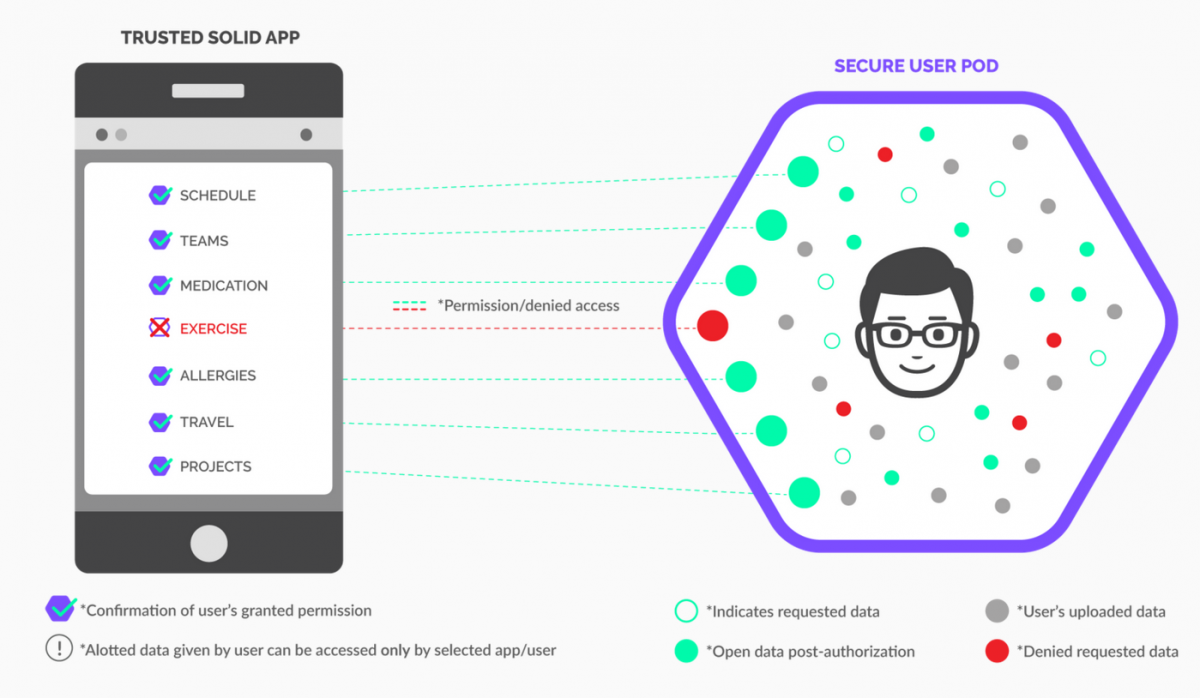
Continued advocacy for privacy and digital rights underscores his lasting impact. In recent years, Berners-Lee has been vocal about the challenges facing the modern web, including issues of privacy, data ownership, and the monopolistic tendencies of tech giants. His latest initiative, Solid, seeks to empower users with greater control over their personal data by redesigning the web's underlying architecture.
As we stand on the brink of a new era of technological innovation, Sir Tim Berners-Lee's contributions continue to resonate strongly. His work has not only shaped our past and present but also serves as a guiding light for the digital future, underscoring the timeless value of an open, accessible internet.
A Visionary for Open Access and Digital Freedom
Tim Berners-Lee's philosophy did not stop at merely creating technological groundwork; it extended into the ideological realm of digital freedom and open access. From the outset, his vision for the World Wide Web was not one driven by profit, but rather a democratic and inclusive platform that could bridge divides and foster innovation. Berners-Lee's unwavering commitment to an open internet has profoundly influenced the web's development trajectory and its role as a global public good.
The decision to make the World Wide Web technology available to everyone without licensing fees in the early 1990s was pivotal. This decision allowed a plethora of developers, entrepreneurs, and researchers to build on Berners-Lee’s work, leading to exponential innovation and the creation of an expansive digital ecosystem. This openness is a stark contrast to the proprietary systems that prevailed at the time, which were restricted by patent controls and financial barriers.
Berners-Lee’s belief in the power of collective innovation continues to inspire initiatives across the globe, from open-source software development to collaborative research networks. By ensuring the web remained a shared space, Berners-Lee has helped nurture a culture of democratized knowledge, where information and technology are tools for empowerment rather than exclusion.
Challenges and Advocacy in the Modern Digital Landscape
As the web has evolved, so too have the challenges that come with a hyper-connected world. Tim Berners-Lee has been outspoken about these challenges, emphasizing the need to protect the fundamental principles he championed. Among these challenges are issues of privacy, data rights, and the concentration of power within technology behemoths.
The rise of social media platforms and search engines has brought unprecedented data collection, often without users' explicit consent or understanding. Berners-Lee views this as a deviation from the web's original ideals of empowerment and self-determination. He has frequently highlighted the ethical responsibilities of companies and developers to respect user privacy and to safeguard digital rights.
In response to these pressing concerns, Berners-Lee has launched several initiatives aimed at reclaiming the web for its users. The most notable is the Solid project, which emerged to tackle the issues of data autonomy and privacy. Solid aims to provide individuals with the means to control how their data is stored and shared across the web. By promoting decentralized data management, the project seeks to return control to users and prevent undue exploitation by centralized entities.
This advocacy extends beyond technology into policies and regulations. Berners-Lee has engaged with governments and international organizations to promote policies that protect the openness of the internet. His efforts have included advisories to the European Union on data protection regulations and participation in efforts to bridge the digital divide in underserved regions.
The Net Neutrality Debate
Another crucial issue Berners-Lee has engaged with is the battle for net neutrality. The principle of net neutrality asserts that internet service providers (ISPs) must treat all data on the internet the same way, without discrimination or differential charging by user, content, site, platform, or application. Berners-Lee has been a staunch advocate for this principle, arguing that it is essential for maintaining the open nature of the web.
Without net neutrality, the web risks becoming a tiered system where only companies that can afford to pay premium fees can ensure their content is delivered swiftly to users. This scenario harms small businesses, stifles innovation, and limits the diversity of voices and opinions online. Berners-Lee has consistently warned against legislative moves to dismantle net neutrality protections and has lobbied for their maintenance across different nations.
His stance is a powerful reminder of the enduring need to protect the elements that make the web a unique and transformative platform. Through his work and advocacy, Berners-Lee ensures that the web remains a tool for progress—a place where ideas can be shared freely and fairly, without the barriers of censorship or financial competition.
The Ongoing Relevance of Berners-Lee's Vision
As digital technology continues to evolve at breakneck speed, the principles laid down by Tim Berners-Lee serve as a vital touchstone for those who navigate this complex landscape. The challenges facing the modern internet—from fake news and misinformation to concerns about surveillance—make Berners-Lee’s commitment to a free, open, and unencumbered web more relevant than ever.
His vision continues to inspire not only developers and policymakers but also educators and community organizers dedicated to ensuring digital equity. By promoting digital literacy, Berners-Lee encourages a generation of users and creators who are equipped to navigate an increasingly digital world ethically and responsibly.
In a world deeply entwined with technology, Sir Tim Berners-Lee's legacy remains pivotal. His aspirations for a universal web, accessible and beneficial for all, underline the importance of safeguarding digital freedoms and ensuring that technology serves humanity as a whole. His work serves as a constant reminder that, while technology may advance, the core values of openness, inclusivity, and equity must continue to guide its development.
The Innovator's Recent Ventures and Initiatives
In addition to his advocacy for digital rights, Tim Berners-Lee has been actively involved in ongoing technological innovation. One of his more recent ventures, Inrupt, further underscores his commitment to revolutionizing the web. Co-founded in 2018, Inrupt aims to help Solid achieve widespread adoption, enabling users to better control their personal data across different platforms and services. By establishing partnerships with leading enterprises and developers, Inrupt seeks to create a more secure and decentralized internet ecosystem.
The potential implications of Inrupt’s success are vast. By shifting data ownership back to individuals, the platform could significantly disrupt existing business models that rely heavily on data monopolization. It envisions a reimagined digital landscape where user empowerment is prioritized, fostering an environment that aligns with Berners-Lee's original vision for the web.
In addition to his work with Solid and Inrupt, Berners-Lee remains engaged with numerous academic and technological discussions concerning the future of the internet. He continues to collaborate with institutions and participate in events that explore emerging technologies such as artificial intelligence and blockchain, examining ways to integrate these advancements while respecting the fundamental principles of user control and privacy.
Honors and Recognitions
Throughout his illustrious career, Tim Berners-Lee’s contributions to technology and society have been acknowledged with an array of prestigious awards and honors. In 2004, he was knighted by Queen Elizabeth II for his groundbreaking work on the World Wide Web, becoming Sir Tim Berners-Lee, an acknowledgment of his monumental impact on modern civilization.
In addition to his knighthood, Berners-Lee has received multiple accolades, including the inaugural Millennium Technology Prize in 2004, the highest international honor for technological innovation. This award recognized his invention and subsequent efforts to maintain an open, free web. In 2007, he was inducted into the Internet Hall of Fame, further solidifying his place among the most influential figures in the history of the internet.
In recent years, Berners-Lee has been an active participant in conferences and forums worldwide, where he continues to advocate for the values of openness and collaboration in the technological sphere. His insights are highly sought after in discussions concerning the web's role in societal development and its future trajectory.
A Legacy of Influence and Inspiration
As we reach the overarching conclusions of Tim Berners-Lee's narrative, it's evident that his influence extends beyond technology and into the broader societal fabric. His work has inspired countless individuals in various fields, from computer science and engineering to education and policymaking. Each innovation and initiative underlines his commitment to a web that serves humanity as a whole.
Berners-Lee's advocacy for digital literacy and inclusivity resonates in today’s educational and developmental frameworks, encouraging programs that prioritize universal access to technology and information. By championing a digitally inclusive world, he has helped pave the way for efforts to bridge the digital divide—a critical endeavor as society becomes ever more interconnected and technologically oriented.
Beyond technical acumen, Berners-Lee embodies the guiding principle that technology must evolve ethically, with consideration for its social and cultural implications. His vision for a free and open web instills a sense of responsibility among developers, educators, and policymakers to approach digital innovation with an emphasis on human rights and social equity.
Conclusion
The profound legacy of Sir Tim Berners-Lee is a testament to the enduring power of an individual's vision combined with perseverance and an ethical commitment to positive global change. In inventing the World Wide Web, he transformed not only technology but the very manner in which we interact with the world, making knowledge more accessible and creating a platform ripe for collaboration and innovation.
While challenges persist in the digital realm—issues concerning privacy, data security, and the power dynamics of information—Berners-Lee’s foundational work and ongoing advocacy serve as guiding beacons. His efforts remind us that the web's potential for good far outweighs any pitfalls, as long as we remain vigilant stewards of its underlying principles.
In an era marked by rapid advancement and unprecedented connectivity, the ideals envisioned by Tim Berners-Lee continue to shape our digital landscape, urging us to foster a culture of openness, fairness, and shared wisdom. His story is one of resilience, intellect, and an unwavering belief in the power of technology to unite and uplift humanity, ensuring that the transformative capability of the internet remains an accessible and equitable resource for all.
Haporium is a revolutionary platform that lets you organize your web browsing experience with customizable dashboards and boards. Create, manage, and share your favorite content collections.























Comments