



Explore Any Narratives
Discover and contribute to detailed historical accounts and cultural stories. Share your knowledge and engage with enthusiasts worldwide.
The year 2025 has seen an alarming surge in global security threats, from mass shootings to escalating armed conflicts. Recent incidents, including the Brown University shooting and the Bondi Beach Hanukkah attack, highlight the growing volatility in both domestic and international arenas. As authorities issue heightened holiday alerts, the need for comprehensive security measures has never been more urgent.
On December 14, 2025, a deadly shooting at Brown University in Providence, Rhode Island, left two people dead and nine others injured. The gunman remains at large, sparking widespread concern over campus safety. Authorities have intensified their search efforts, but the incident has already reignited debates over gun control and mental health support in educational institutions.
In a chilling act of terrorism, a Hanukkah celebration at Bondi Beach in Sydney, Australia, was targeted, resulting in at least 12 fatalities. The attack, condemned by UN Secretary-General António Guterres as a "heinous deadly attack," underscores the rising tide of antisemitic violence globally. The incident has prompted calls for stronger protections for religious minorities and heightened security during public gatherings.
Russian forces have captured Pokrovsk in Ukraine’s Donetsk Oblast after intense fighting. The strategic victory marks a significant shift in the Russo-Ukrainian War, raising concerns over Ukraine’s ability to defend its eastern territories. Additionally, a Russian missile strike on Dnipro killed four civilians and injured over 40, further escalating tensions.
In a stark reminder of the persistent threat posed by ISIL, an attacker killed two US service members and a civilian interpreter in Palmyra. The incident highlights the ongoing instability in Syria and the risks faced by international forces operating in the region. The US has vowed to respond decisively, but the attack underscores the challenges of eradicating extremist groups.
Israel’s recent actions have drawn international condemnation. The country issued evacuation orders in southern Lebanon ahead of airstrikes targeting Hezbollah. Furthermore, Israel approved nearly 800 new settler homes in the West Bank, a move that violates a US-brokered ceasefire and international law. These developments threaten to derail fragile peace efforts in the region.
A tragic building collapse in Fez, Morocco, claimed the lives of 22 people and left several others injured. The incident has raised questions about urban infrastructure safety and the need for stricter building regulations in rapidly growing cities.
In a brazen attack, a drone strike targeted a UN base in Sudan’s Kordofan region, killing six peacekeepers and injuring eight. The incident highlights the increasing dangers faced by international aid workers in conflict zones and the urgent need for enhanced security protocols.
In a rare positive development, Belarus released 123 political prisoners, including Nobel laureate Ales Bialiatski, following US sanctions relief. The move signals a potential thaw in relations between Belarus and Western nations, though skepticism remains about the longevity of these reforms.
Amid the rising violence, the FBI and Homeland Security have issued heightened alerts for the holiday season. A November 26 intelligence bulletin warned of potential threats from various assailants, emphasizing the need for vigilance in public spaces. Authorities are urging citizens to report suspicious activities and remain cautious during large gatherings.
The UN Alliance of Civilizations has expressed concern over the role of digital platforms in fueling division and violence. Social media, in particular, has been identified as a tool for spreading extremist ideologies and inciting hatred. Efforts to counter this trend include initiatives to promote peacebuilding among youth and foster intercultural dialogue.
The events of 2025 paint a stark picture of a world grappling with escalating violence and geopolitical tensions. From mass shootings to armed conflicts, the challenges are multifaceted and require coordinated international responses. As we move forward, the focus must remain on strengthening security measures, promoting peace, and addressing the root causes of these crises.
In the next section, we will delve deeper into the economic and humanitarian responses to these crises, as well as the role of international organizations in mitigating their impact.
The International Monetary Fund (IMF) has released $1.2 billion in aid to Pakistan, bringing the total assistance to $4.5 billion since 2024. This financial support aims to stabilize Pakistan’s economy, which has been severely impacted by political instability and natural disasters. The funds are expected to help rebuild infrastructure, support social programs, and restore investor confidence.
India’s largest airline, IndiGo, has been ordered to reduce its flights by 5% following a series of cancellations and delays. The directive comes as the airline struggles with operational inefficiencies and passenger complaints. This move highlights the broader challenges facing the aviation industry, including rising fuel costs and labor shortages.
Spanish authorities have successfully dismantled a Morocco-Spain drug trafficking network that utilized helicopters to transport narcotics. The operation, which involved coordination between multiple law enforcement agencies, resulted in numerous arrests and the seizure of significant quantities of drugs. This crackdown underscores the ongoing battle against transnational organized crime and the innovative methods employed by traffickers.
In response to the rising threat of extremism, international organizations are stepping up their efforts. The UN Alliance of Civilizations has launched initiatives to engage youth in peacebuilding activities, aiming to counter the influence of extremist ideologies. These programs focus on education, intercultural dialogue, and community engagement to foster a culture of tolerance and understanding.
In Timor-Leste, school feeding programs are making a significant impact by supporting local farmers and improving child nutrition. These programs not only provide meals to students but also create a stable market for local agricultural products. The initiative has been praised for its dual benefits of addressing hunger and boosting the local economy.
A new agreement between Guatemala and Germany is facilitating the migration of skilled workers to address labor shortages in Germany. This program offers Guatemalan professionals the opportunity to work in various sectors, including healthcare and engineering. The initiative is expected to provide economic benefits to both countries while addressing critical workforce gaps.
The United Nations Assistance Mission for Iraq (UNAMI) has officially ended its mission, marking a "new chapter" in Iraq’s development. The transition reflects the country’s progress in stabilizing its political and security situation. However, challenges remain, including the need for continued support in reconstruction and governance reforms.
The recent violations of the US-brokered ceasefire in the Middle East have raised concerns about the effectiveness of diplomatic efforts. Israel’s approval of new settler homes in the West Bank and its military actions in southern Lebanon have drawn international condemnation. Experts argue that sustained dialogue and adherence to international law are essential for achieving lasting peace.
The United Nations continues to play a pivotal role in addressing global security threats. From condemning terrorist attacks to supporting peacekeeping missions, the UN’s efforts are crucial in maintaining international stability. However, the organization faces challenges, including funding shortages and political divisions among member states.
Non-governmental organizations (NGOs) and civil society groups are also making significant contributions to crisis response. These organizations provide essential services, including healthcare, education, and legal aid, in conflict-affected regions. Their grassroots efforts often fill the gaps left by larger international bodies, ensuring that vulnerable populations receive the support they need.
To address the rising tide of violence and instability, a multifaceted approach is required. This includes enhancing intelligence-sharing among nations, improving border security, and investing in counterterrorism programs. Additionally, addressing the root causes of extremism, such as poverty and political marginalization, is essential for long-term stability.
Efforts to promote peace and dialogue must be prioritized. Initiatives that foster intercultural understanding, such as educational exchanges and community engagement programs, can help bridge divides and reduce tensions. Furthermore, supporting mediation efforts in conflict zones can pave the way for sustainable peace agreements.
In the final section, we will explore the long-term implications of these crises and the steps needed to build a more secure and stable world.
The global security crises of 2025 are not just humanitarian tragedies—they also carry severe economic repercussions. Countries affected by conflict, such as Ukraine and Syria, face long-term damage to infrastructure, trade disruptions, and reduced foreign investment. The IMF’s $4.5 billion aid package to Pakistan highlights how financial institutions must step in to prevent economic collapse in unstable regions.
Beyond the immediate loss of life, mass shootings and terrorist attacks leave deep psychological scars on survivors and communities. The Brown University shooting and Bondi Beach attack have triggered widespread anxiety, particularly in educational and religious spaces. Mental health support systems must be strengthened to address trauma and prevent long-term societal harm.
The UN Alliance of Civilizations has warned that digital platforms are increasingly used to spread extremist ideologies and incite violence. Social media algorithms, which prioritize engagement, often amplify divisive content, contributing to radicalization. Governments and tech companies must collaborate to implement stricter content moderation policies and counter-misinformation campaigns.
The drone attack on UN peacekeepers in Sudan demonstrates how cyber-enabled warfare is becoming a critical threat. Hackers and state-sponsored groups can disrupt military operations, target critical infrastructure, and even manipulate public opinion. Strengthening cybersecurity defenses is essential to protect both civilian and military assets.
While often overlooked, climate change plays a role in intensifying global insecurity. Resource scarcity, extreme weather events, and displacement due to environmental degradation can fuel conflicts. For example, the building collapse in Fez, Morocco, may be linked to poor urban planning and environmental stress. Sustainable development policies must be integrated into security strategies.
Natural disasters, such as floods and droughts, disproportionately affect vulnerable populations, leading to mass migration and social unrest. The IMF’s financial aid to Pakistan includes provisions for climate resilience, recognizing that economic stability cannot be achieved without addressing environmental challenges.
The events of 2025 have made it clear that global security threats are evolving in complexity and scale. From the Brown University shooting to the Bondi Beach attack, from the Russo-Ukrainian War to the ISIL resurgence in Syria, the world faces interconnected challenges that demand coordinated responses.
Governments, international organizations, and civil society must work together to address the root causes of violence, strengthen security measures, and build resilient communities. The path forward requires not only military and economic strategies but also investments in education, mental health, and sustainable development. Only through unified action can we hope to create a safer, more stable world for future generations.
As we move into the new year, the lessons of 2025 must guide our efforts toward peace, justice, and global cooperation. The time for action is now.


Your personal space to curate, organize, and share knowledge with the world.
Discover and contribute to detailed historical accounts and cultural stories. Share your knowledge and engage with enthusiasts worldwide.
Connect with others who share your interests. Create and participate in themed boards about any topic you have in mind.
Contribute your knowledge and insights. Create engaging content and participate in meaningful discussions across multiple languages.
Already have an account? Sign in here

"Global security threats rise in 2025: violence, terrorism, and conflicts. Stay informed on critical events and solution...
View Board
"Master engaging content writing! Learn storytelling, active voice & audience targeting to captivate readers & boost int...
View Board
Master the art of writing engaging articles in 2025 with expert SEO strategies, storytelling techniques, and interactive...
View Board
Master writing engaging articles with expert tips on headlines, storytelling, SEO, and visuals. Boost reader retention, ...
View Board
Discover proven strategies to craft **engaging content** that captivates readers, drives action, and builds lasting conn...
View Board
Top 2025 Content Creation Trends: AI, Short-Form Video & Hyper-Personalization Introduction: The Evolution of Content C...
View Board
Explore December 2025's armed conflicts, global developments, and humanitarian crises. Get insights on political shifts ...
View Board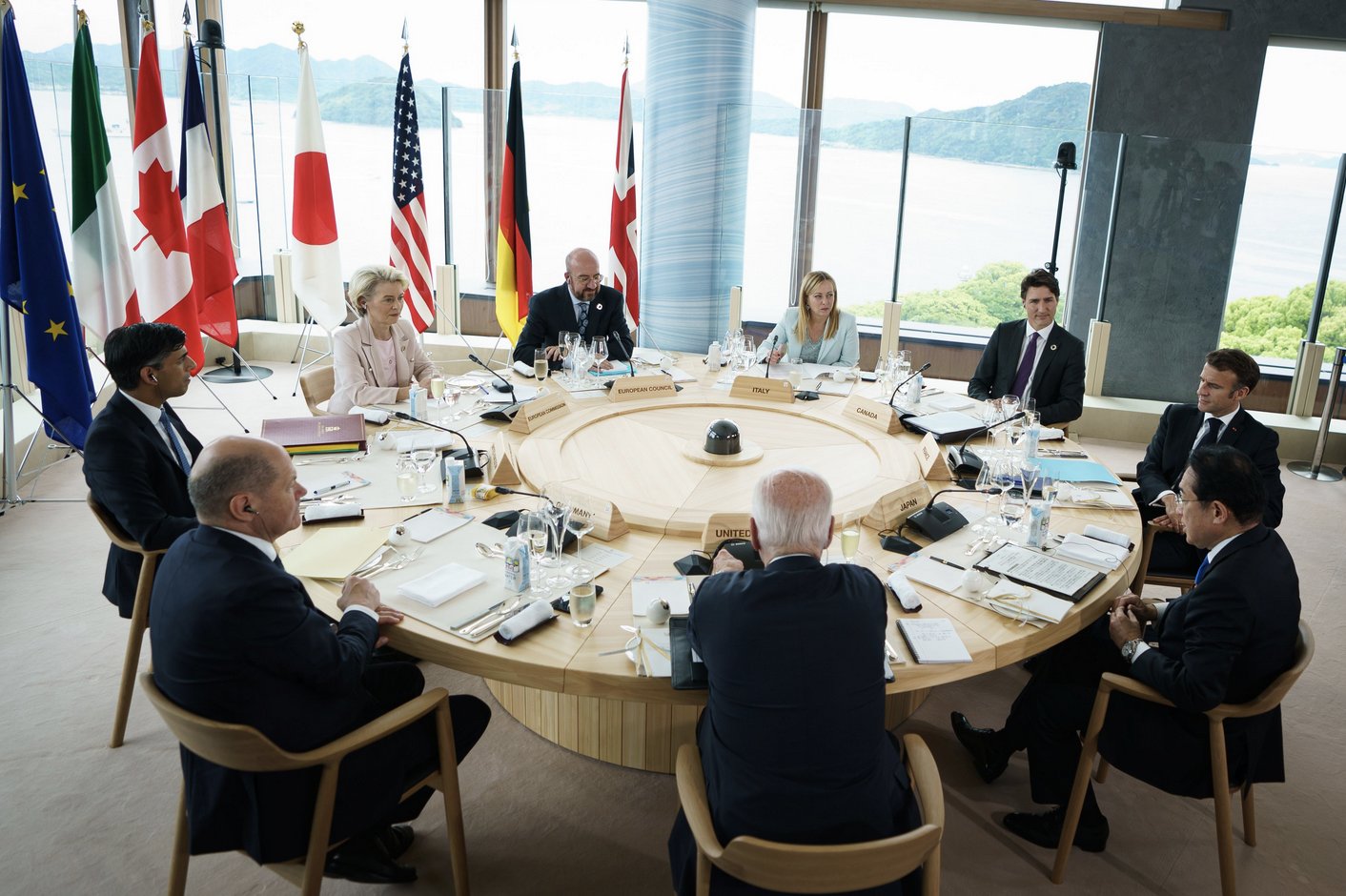
Delve into the incredible journey of Colin Robertson, a trailblazer in diplomatic relations, known for his strategic con...
View Board
"Stay informed on December 2025's global security threats: mass shootings, terror attacks, and war updates. Get the late...
View Board
Explore the fascinating reign of Artabanus III of Parthia, a monarch navigating through internal unrest and external thr...
View Board
Jimmy Carter, morto a 100 anni, lascia un'eredità di umiltà, fallimenti politici e successi umanitari senza precedenti, ...
View Board
Discover the top content creation and web design trends for 2025, from AI-driven personalization to immersive interactiv...
View Board
Mithridates VI Eupator, the Poison King, was a formidable ruler of Pontus who expanded his kingdom and fought against Ro...
View Board
Discover Mosul, Iraq’s historic crossroads of empires, from its golden Zangid era to the brutal ISIS occupation and the ...
View Board
Master SEO content writing in 2025 with AI tools, E-E-A-T principles, and search trends to create high-ranking, engaging...
View Board
Discover 2025's top content trends: AI personalization, short-form video, and immersive experiences. Boost engagement an...
View Board
Discover the top content creation trends for 2025, including AI-driven strategies, short-form video dominance, and immer...
View Board
Discover the top content creation and web design trends for 2025, from AI-driven personalization to immersive AR/VR expe...
View Board
Explore the remarkable life and legacy of Constantine XI Palaiologos, the final Byzantine Emperor, who stood as a beacon...
View Board
Michael Collins: The Architect of Irish Independence Michael Collins (1890–1922) remains one of Ireland's most pivotal ...
View Board
Comments