

Explore Any Narratives
Discover and contribute to detailed historical accounts and cultural stories. Share your knowledge and engage with enthusiasts worldwide.
Creating engaging content is the cornerstone of successful communication in today's digital landscape. Whether you're crafting blog posts, social media updates, or marketing materials, the ability to captivate your audience is essential. Engaging writing not only holds attention but also drives action, fostering deeper connections with readers. In this guide, we’ll explore proven strategies to elevate your content, ensuring it resonates and inspires.
At its heart, engaging writing addresses the needs and emotions of your audience. It’s not just about conveying information—it’s about making that information compelling and relatable. According to experts, the most effective content leverages storytelling, active voice, and varied sentence structures to create a dynamic reading experience. This approach transforms static text into a fast-paced narrative that keeps readers hooked from start to finish.
Before you write a single word, take the time to understand who your audience is. What are their interests, pain points, and preferences? Tailoring your content to their demographics and needs ensures it feels personal and relevant. For example, if you're writing for young professionals, a conversational tone with practical tips will likely resonate more than a formal, academic style.
Research shows that content designed with a specific audience in mind performs significantly better. It’s not just about what you say, but how you say it. Use language that speaks directly to your readers, making them feel understood and valued.
In a sea of repetitive content, originality stands out. Avoid regurgitating the same ideas found elsewhere. Instead, dive deep into quality research to uncover fresh insights or unique perspectives. This not only positions you as a thought leader but also provides real value to your readers.
For instance, if you're writing about productivity, don’t just list generic tips. Share data-backed strategies or personal anecdotes that illustrate your points. This approach makes your content more engaging and memorable.
Storytelling is a powerful tool in engaging writing. It transforms abstract ideas into relatable experiences, making your content more immersive and emotionally resonant. Whether you're sharing a personal journey or crafting a fictional scenario, stories create a connection that facts alone cannot.
One of the most effective storytelling frameworks is the three-act structure. This classic approach involves:
This structure keeps readers engaged by building suspense and anticipation. For example, a blog post about overcoming procrastination could follow a student struggling with deadlines, their journey to find solutions, and their eventual success.
To make your stories compelling, focus on vivid characterization. Give your characters depth—flaws, motivations, and relatable traits. When readers see themselves in your characters, they become emotionally invested in the narrative.
Emotional connections are key. Use descriptive language to evoke feelings, whether it’s excitement, empathy, or curiosity. For instance, instead of saying, “She was nervous,” describe her “fidgeting with her pen, heart pounding as she waited for the results.” This level of detail draws readers in and makes your writing more engaging.
Passive voice can make your writing feel dull and detached. In contrast, active voice injects energy and clarity, making your content more dynamic. It’s a simple yet powerful way to enhance readability and engagement.
Active voice places the subject at the forefront, creating a sense of immediacy. For example:
The active version is shorter, clearer, and more direct. It keeps the reader’s attention and makes your writing feel more alive and engaging.
Action-oriented language encourages readers to take action. Use strong verbs like “discover,” “transform,” or “achieve” to inspire movement. Words like “you,” “imagine,” and “instant” also create a sense of urgency and personal connection.
For example, instead of saying, “This product can help with weight loss,” try, “Transform your body and boost your confidence with this proven solution.” The latter is more compelling and motivates readers to engage further.
Monotony is the enemy of engagement. To keep readers interested, vary your sentence and paragraph lengths. Mix short, punchy sentences with longer, more descriptive ones. This creates a natural rhythm that makes your writing easier and more enjoyable to read.
Sentences longer than 20 words can lose impact. Break them up to maintain clarity and momentum. For example:
Before: “Despite the challenges she faced, including a lack of resources and support from her team, she managed to complete the project on time and exceed expectations.”
After: “She faced numerous challenges—limited resources and little team support. Yet, she completed the project on time. And she exceeded expectations.”
The revised version is more dynamic and engaging, holding the reader’s attention more effectively.
Transitions guide readers smoothly from one idea to the next. However, overusing the same transitional phrases can become repetitive. Vary your language to keep the flow natural. For example, instead of repeatedly using “in addition,” try alternatives like “furthermore,” “moreover,” or “what’s more.”
Similarly, avoid repeating the same words or phrases. Use synonyms to add variety and richness to your writing. This not only improves readability but also enhances the overall engagement level of your content.
In today’s digital age, visuals and community interaction play a crucial role in engaging writing. Incorporating images, charts, or infographics can break up text and make complex information more digestible. Additionally, encouraging social sharing and comments fosters a sense of community, making your content more interactive and relatable.
Visuals complement your writing by providing a visual break and reinforcing key points. For instance, a blog post about fitness trends could include before-and-after photos, workout charts, or short videos. These elements not only enhance understanding but also make the content more shareable and engaging.
Engagement doesn’t end with the last sentence. Encourage readers to share their thoughts in the comments or on social media. Pose questions, ask for opinions, or invite them to share their own experiences. This two-way dialogue builds a community around your content, increasing its reach and impact.
For example, end your post with a question like, “What’s your biggest challenge when it comes to [topic]? Share your tips in the comments!” This simple call-to-action can spark meaningful conversations and deepen reader engagement.
Your headline is the first impression readers have of your content. A well-crafted headline can mean the difference between a click and a scroll-past. It should be clear, compelling, and tailored to your audience’s needs.
Start by identifying the core benefit of your content. What problem does it solve? What value does it provide? Use this as the foundation for your headline. For example, instead of a generic title like “Tips for Better Sleep,” try something more specific and engaging, such as “Struggling to Sleep? 5 Science-Backed Tips for a Restful Night.”
Aim to write 15 or more variations of your headline. Test different angles—some may focus on curiosity, others on urgency or benefit. The goal is to find the one that resonates most with your audience.
While it’s important to grab attention, avoid misleading clickbait. Your headline should accurately reflect the content while still being intriguing. For example, “You Won’t Believe What Happens Next!” may generate clicks, but it often leads to disappointment if the content doesn’t deliver.
Instead, focus on clear value propositions. Headlines like “How to Double Your Productivity in 30 Days” set expectations and promise tangible benefits, making them more effective in the long run.
In the next part of this guide, we’ll dive deeper into advanced techniques for engaging writing, including the use of data and statistics, the art of persuasion, and strategies for maintaining reader interest throughout longer content. Stay tuned for more insights to elevate your writing skills!
In the world of engaging content, facts and figures serve as powerful tools to build trust and authority. Readers are more likely to engage with content that is backed by credible data, as it provides a solid foundation for your arguments. Incorporating statistics not only enhances your credibility but also makes your writing more persuasive and impactful.
Statistics can transform abstract claims into concrete evidence. For example, stating that "78% of consumers prefer brands that personalize their content" carries more weight than simply saying "personalization is important." This approach helps readers understand the real-world relevance of your points, making your content more compelling.
When using data, ensure it comes from reputable sources. Cite studies, surveys, or industry reports to lend authority to your writing. This not only strengthens your arguments but also positions you as a knowledgeable and trustworthy source.
While data is valuable, presenting it in a dry or complex manner can lose readers. Instead, use visual aids like charts, graphs, or infographics to make statistics more digestible. For example, a pie chart showing market share percentages is far more engaging than a paragraph of numbers.
Additionally, contextualize your data by explaining its significance. Don’t just state that "email marketing has a 4400% ROI." Explain what this means for businesses—such as higher conversions and cost-effective customer retention. This helps readers see the practical implications of the data.
Persuasive writing is a cornerstone of engaging content. Whether you're crafting a sales pitch, a blog post, or a social media update, the ability to influence and convince your audience is crucial. Effective persuasion involves understanding your readers' motivations and addressing their needs with compelling arguments.
Persuasion is deeply rooted in psychology. Techniques like social proof, scarcity, and reciprocity can significantly enhance your writing’s impact. For instance, highlighting that "9 out of 10 customers recommend this product" leverages social proof to build trust.
Scarcity creates urgency, prompting readers to act quickly. Phrases like "Limited-time offer" or "Only a few spots left" tap into the fear of missing out (FOMO), driving engagement and conversions. Reciprocity, on the other hand, involves offering value upfront—such as a free guide or discount—to encourage readers to reciprocate with their attention or loyalty.
A strong call-to-action (CTA) is essential for guiding readers toward the next step. Whether it’s signing up for a newsletter, downloading a resource, or making a purchase, your CTA should be clear, concise, and action-oriented.
Avoid vague phrases like "Click here." Instead, use specific language that highlights the benefit, such as "Download your free guide now" or "Join thousands of satisfied customers today." This approach makes your CTA more compelling and increases the likelihood of reader action.
Long-form content offers the opportunity to delve deep into a topic, but it also presents a challenge: keeping readers engaged from start to finish. Without strategic structuring, even the most valuable content can lose its audience. Here’s how to maintain interest throughout extended pieces.
Large blocks of text can overwhelm readers. To improve readability, break your content into smaller sections with clear subheadings. This allows readers to scan and find the information most relevant to them.
For example, a guide on digital marketing could be divided into sections like:
Each section should focus on a specific aspect of the topic, making it easier for readers to follow along and stay engaged.
Anecdotes and examples bring your content to life. They provide real-world context, making abstract concepts more relatable. For instance, if you're discussing the benefits of remote work, share a story about a company that increased productivity by 30% after implementing flexible work policies.
These narratives create an emotional connection, keeping readers invested in your content. They also serve as proof points, demonstrating the practical application of your ideas.
Interactive elements like quizzes, polls, or embedded videos can significantly boost engagement in long-form content. These features encourage readers to participate actively rather than passively consume information.
For example, a blog post about financial planning could include a savings calculator or a quiz to help readers assess their financial health. These tools not only enhance the reading experience but also provide personalized value, making your content more memorable.
Emotions are a powerful driver of engagement. Content that evokes feelings—whether joy, curiosity, or even frustration—resonates more deeply with readers. By tapping into emotional triggers, you can create a stronger connection and encourage readers to take action.
Different emotions can be leveraged depending on your content’s goal. For example:
By understanding your audience’s emotional landscape, you can tailor your writing to strike the right chord and keep them engaged.
While emotions are powerful, they should be balanced with logical arguments and data. Overly emotional content can come across as manipulative, while purely factual writing may lack relatability. The key is to weave emotion into a factual narrative.
For instance, a post about climate change could start with a compelling story about a community affected by rising sea levels, then transition into data-driven solutions. This approach combines emotional appeal with actionable insights, making your content both engaging and credible.
Engaging writing isn’t one-size-fits-all. The way you craft content for a blog post may differ from how you write for social media or email newsletters. Understanding the nuances of each platform ensures your message resonates with its intended audience.
Social media thrives on brevity and visual appeal. Posts should be concise, with a clear hook in the first few words. Use eye-catching visuals, emojis, and hashtags to increase visibility and engagement.
For example, a Twitter post about productivity might read: “🚀 Struggling to stay focused? Try the Pomodoro Technique—25 minutes of work, 5 minutes of rest. Boost your efficiency today! ProductivityTips”
Email newsletters require a balance of personalization and value. Start with a friendly greeting, then deliver content that addresses the reader’s needs. Use short paragraphs and bullet points to improve readability.
For instance, an email about healthy eating could begin with: “Hi [Name], tired of fad diets? Discover 5 simple, science-backed tips to eat healthier without sacrificing flavor.”
Blog posts allow for in-depth exploration of topics. Use a mix of storytelling, data, and practical tips to keep readers engaged. Break up text with subheadings, images, and interactive elements like polls or embedded tweets.
For example, a blog post about remote work could include:
This structure ensures your content is both informative and engaging, catering to readers who seek detailed insights.
In the final part of this guide, we’ll explore advanced techniques for refining your writing style, including the use of power words, the importance of editing, and strategies for building a loyal readership. Stay tuned for the concluding insights to master the art of engaging writing!
Words carry weight, and some words carry more than others. Power words are terms that evoke emotion, create urgency, or trigger curiosity. Incorporating these into your writing can significantly enhance its impact, making it more compelling and engaging for readers.
Power words are persuasive, emotionally charged terms that capture attention. They can be categorized based on the emotions they evoke:
For example, instead of saying, "This product is good," you could say, "This revolutionary product is guaranteed to transform your routine." The latter is far more engaging and persuasive.
While power words are impactful, overusing them can dilute their effect. The key is to strategically place them where they’ll have the most impact—such as in headlines, subheadings, and calls-to-action.
For instance, a headline like "Unlock the Secret to Doubling Your Productivity Overnight" is more compelling than "Tips to Improve Productivity." The power words here—"Unlock," "Secret," "Doubling," "Overnight"—create intrigue and urgency.
Great writing isn’t just about the first draft—it’s about the editing process. Refining your content ensures clarity, coherence, and engagement. Even the most skilled writers rely on editing to polish their work and make it resonate with readers.
Start by reading your content aloud. This helps you catch awkward phrasing, repetition, or unclear sentences. Pay attention to:
For example, instead of writing, "This is a good tool for managing tasks," you could refine it to, "This powerful tool streamlines task management, saving you time and effort."
Getting feedback from others can provide fresh perspectives on your writing. Peer reviewers can spot inconsistencies, suggest improvements, or highlight areas where clarity is lacking.
Consider joining writing groups or using platforms where you can share your work for constructive criticism. This collaborative approach helps you refine your content and ensures it resonates with a broader audience.
Engaging writing isn’t just about a single piece of content—it’s about building a relationship with your audience. Consistency, authenticity, and interaction are key to fostering a loyal readership that keeps coming back for more.
Readers thrive on predictability. Whether it’s a weekly blog post, a monthly newsletter, or daily social media updates, consistent content keeps your audience engaged and anticipating your next piece.
Develop a content calendar to plan your topics and publishing schedule. This not only helps you stay organized but also ensures you’re delivering valuable, relevant content on a regular basis.
Authenticity builds trust. Readers are more likely to engage with content that feels genuine and relatable. Develop a unique voice that reflects your personality or brand values.
For example, if your brand is known for its humor, infuse your writing with wit and playful language. If your focus is on professionalism, maintain a polished and informative tone. The key is to stay true to your identity while connecting with your audience.
Engagement is a two-way street. Encourage your readers to share their thoughts, ask questions, or provide feedback. This can be done through:
For instance, end your posts with a question like, "What’s your biggest challenge with [topic]? Share your experiences in the comments!" This invites readers to engage and fosters a sense of community.
To truly master engaging writing, it’s essential to refine your style continuously. This involves experimenting with different techniques, analyzing what works, and adapting to your audience’s evolving preferences.
Analogies and metaphors make complex ideas more accessible and memorable. They create vivid mental images that help readers understand and retain information.
For example, explaining a complicated process like SEO could be simplified with an analogy: "Think of SEO like gardening. You plant seeds (keywords), nurture them with quality content (water and sunlight), and over time, your efforts bloom into higher rankings (a thriving garden)."
Storytelling isn’t just for novels or blog posts—it can be woven into any type of content, from social media captions to email newsletters. Even a simple product description can benefit from a narrative touch.
For instance, instead of listing features, tell a story: "Meet Sarah, a busy mom who struggled to find time for self-care. With our time-saving meal kits, she now enjoys healthy, home-cooked dinners in under 30 minutes—giving her more time to spend with her family."
Variety keeps your content fresh and engaging. Experiment with different formats to see what resonates most with your audience. Some ideas include:
Each format offers a unique way to present information, catering to different reader preferences and keeping your content dynamic.
Creating engaging content is both an art and a science. It requires a deep understanding of your audience, a mastery of storytelling, and a commitment to continuous refinement. By incorporating the techniques discussed in this guide—from leveraging data and power words to building a loyal readership—you can elevate your writing and captivate your audience.
To summarize, here are the essential strategies for crafting engaging content:
Remember, engaging writing is not about perfection—it’s about connection. Whether you're crafting a blog post, a social media update, or an email newsletter, focus on delivering value, evoking emotion, and inspiring action. With practice and persistence, you’ll master the art of creating content that not only captures attention but also leaves a lasting impression.
Now, it’s your turn. Take these insights, apply them to your writing, and watch as your content transforms from ordinary to extraordinary. The world is waiting for your story—start writing, and make it engaging.



Your personal space to curate, organize, and share knowledge with the world.
Discover and contribute to detailed historical accounts and cultural stories. Share your knowledge and engage with enthusiasts worldwide.
Connect with others who share your interests. Create and participate in themed boards about any topic you have in mind.
Contribute your knowledge and insights. Create engaging content and participate in meaningful discussions across multiple languages.
Already have an account? Sign in here

"Master engaging content writing! Learn storytelling, active voice & audience targeting to captivate readers & boost int...
View Board
Master writing engaging articles with expert tips on headlines, storytelling, SEO, and visuals. Boost reader retention, ...
View Board
Top 2025 Content Creation Trends: AI, Short-Form Video & Hyper-Personalization Introduction: The Evolution of Content C...
View Board
"Stay informed on December 2025's global security threats: mass shootings, terror attacks, and war updates. Get the late...
View Board
Discover the top content creation and web design trends for 2025, from AI-driven personalization to immersive interactiv...
View Board
Master the art of writing engaging articles in 2025 with expert SEO strategies, storytelling techniques, and interactive...
View Board
Master SEO content writing in 2025 with AI tools, E-E-A-T principles, and search trends to create high-ranking, engaging...
View Board
Discover the top content creation and web design trends for 2025, from AI-driven personalization to immersive AR/VR expe...
View Board
Explore December 2025's armed conflicts, global developments, and humanitarian crises. Get insights on political shifts ...
View Board
"Explore 2025's growing global security threats, from mass shootings to geopolitical tensions. Understand national respo...
View Board
"Discover 2025’s top web trends: AI, short videos & personalization. Expert tips to boost engagement & performance. Stay...
View Board
Discover 2025's top content trends: AI personalization, short-form video, and immersive experiences. Boost engagement an...
View Board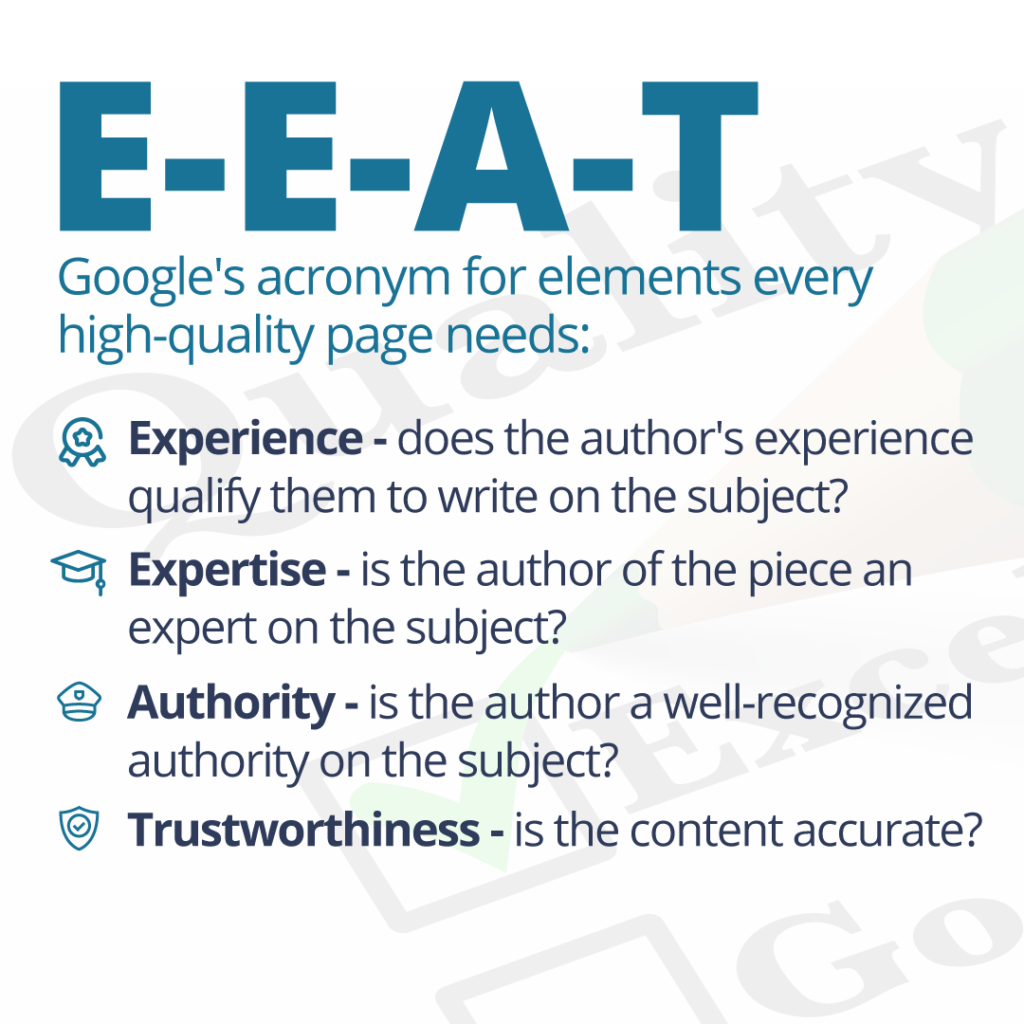
Discover how Google's December 2025 Core Update impacts rankings and learn actionable strategies to adapt. Stay ahead wi...
View Board
"Discover 2025's top web trends: AI content, short videos & real-time personalization. Learn how to adapt & boost engage...
View Board
Discover the top content creation trends for 2025, including AI-driven strategies, short-form video dominance, and immer...
View Board
Discover the top AI and tech trends of 2025, from agentic AI to healthcare breakthroughs and cybersecurity advancements....
View Board
Discover the top AI trends of 2025 reshaping business & tech, from agentic AI to sovereign infrastructure. Stay ahead wi...
View Board
Discover Backlink Creators, a non-profit community for organic link building. Join to exchange backlinks, collaborate, a...
View Board
Explore the influential career of Lindsay Ellis, a trailblazer in film criticism and internet culture, known for her ins...
View Board
Discover the captivating journey of Daniel Santomé Lemus, a digital creator who has conquered global audiences with his ...
View Board
Comments