

Explore Any Narratives
Discover and contribute to detailed historical accounts and cultural stories. Share your knowledge and engage with enthusiasts worldwide.
The technological landscape of 2025 is being fundamentally reshaped by the rapid maturation and convergence of artificial intelligence. This year marks a pivotal shift from experimental pilots to strategic, enterprise-wide deployments. From agentic AI systems to specialized industry models, AI is becoming deeply embedded in infrastructure, healthcare, and software development.
Economic pressures and geopolitical tensions are accelerating a focus on sovereign capabilities and specialized chips. Simultaneously, massive investments and regulatory actions are setting the stage for the next decade of innovation. This article explores the defining trends, backed by recent data and developments, that are setting the agenda for business leaders.
A defining shift in 2025 is the move toward agentic AI. These are autonomous systems that can learn, make decisions, and collaborate with minimal human intervention. McKinsey highlights this as a key trend, noting the consolidation of narrower AI categories into one overarching AI category.
These agents are transitioning from labs to real-world applications in logistics, virtual coworking, and software development. Microsoft predicts measurable impacts on research and development throughput as these systems handle complex, multi-step tasks.
The initial wave of generative AI focused on content creation. The new wave focuses on action and workflow automation. Agentic AI systems can manage entire processes, such as coordinating supply chains or handling customer service resolutions end-to-end.
This autonomy promises significant productivity gains. However, it also raises important questions about oversight, security, and integration into existing business ecosystems. The development frenzy in this space signals its perceived transformative potential.
Robust AI infrastructure is critical for supporting these advanced systems. Recent U.S. government initiatives highlight this priority. On August 28, 2025, the National Science Foundation launched the Integrated Data Systems and Services (IDSS).
This initiative added 10 new datasets to the National AI Research Resource (NAIRR) Pilot, broadening access for researchers and fueling innovation.
Furthermore, innovations in credit scoring demonstrate applied AI's power. Fair Isaac (FICO) secured patents on October 25, 2025, for explainable AI models. These models use alternative data to score previously "unscorable" consumers, enhancing financial inclusivity.
As AI becomes more pervasive, edge computing is rising in importance. Processing data closer to its source reduces latency, improves privacy, and enhances reliability. This is crucial for real-time applications like autonomous vehicles and industrial IoT.
Trends in software development for 2025 emphasize edge functions and distributed databases. This architectural shift supports the decentralized, responsive nature of modern agentic AI applications and smart devices.
The healthcare sector is witnessing a massive infusion of capital directed toward AI-driven research. On October 2, 2025, the U.S. Department of Health and Human Services announced it had doubled funding for childhood cancer research.
A key priority of this funding is leveraging artificial intelligence for early detection, advanced diagnostics, and personalized treatment plans. This move underscores a broader trend where AI is seen as a pivotal tool in tackling some of medicine's most complex challenges.
The World Economic Forum identifies technology convergence as a major theme. AI is increasingly intertwined with biotechnology, leading to next-generation therapies. Examples include engineered living therapeutics and the application of AI-microfluidics for precision medicine.
This convergence accelerates drug discovery and materials science, enabling breakthroughs that would be impossible through traditional research methods alone. The focus is shifting toward highly specialized AI models designed for specific scientific domains.
The corporate landscape is reacting to these technological shifts through significant consolidation. Two landmark deals in 2025 signal strategic moves to control integrated platforms and security stacks.
These mergers reflect a drive toward comprehensive, AI-powered solutions that can manage complex, interconnected digital environments. Companies are building end-to-end capabilities to serve enterprise clients better.
Business investment faces headwinds from policy uncertainty. Potential Trump-era tariff extensions create IT spending hesitation, potentially slowing investments despite the strong focus on AI. Concurrently, a regulatory push for transparency is underway.
The EXPERTS Act, passed on November 19, 2025, mandates greater transparency in federal rulemaking and limits industry delays. This reflects a growing demand for clarity and stability as transformative technologies like AI become more regulated.
Geopolitical tensions are accelerating a global move toward sovereign AI capabilities. Nations and major corporations are investing heavily in localized AI infrastructure and chip production to mitigate supply chain risks. This trend, identified by McKinsey, goes beyond geopolitics to include building resilience and competitive advantage.
The focus is shifting toward application-specific semiconductors designed for AI workloads rather than generic CPUs. This specialization drives efficiency and performance gains essential for training next-generation models. It also underpins the development of national research resources like the enhanced NAIRR Pilot.
Building sovereign technology stacks involves the entire pipeline: from chip design and fabrication to data governance and model training. Countries are establishing national strategies to ensure their economies are not dependent on foreign-controlled technologies. This is particularly evident in the realms of quantum computing and artificial intelligence.
The World Economic Forum notes that managing the risks of technological concentration is a top priority, with sovereign infrastructure seen as a key mitigation strategy.
For businesses, this means navigating a more complex, regionally fragmented technology landscape. It also presents opportunities for providers offering compliant, localized cloud and AI services.
A powerful theme for 2025 is using technology convergence to tackle climate and sustainability challenges. The World Economic Forum's Top 10 Emerging Technologies list highlights innovations that combine AI, biotechnology, and materials science to redesign industrial processes.
Key areas of focus include structural battery composites, where batteries become part of a product's structure, and advanced nuclear designs. These technologies are projected to reach deployment within the next 3 to 5 years, representing a significant shift in energy and manufacturing.
Convergence is leading to smarter, more efficient systems. AI models are being used to optimize energy grids, while new materials enable technologies like osmotic power generation. The goal is a fundamental redesign for circularity and reduced environmental impact.
This trend is driven by both regulatory pressure and significant economic opportunity, attracting major investment from the public and private sectors.
The software development lifecycle is being reshaped by AI and security imperatives. The rise of agentic AI is not just a product trend but a tool for developers themselves. AI assistants are evolving from code suggestors to autonomous agents that can manage parts of the development pipeline.
Concurrently, the integration of security, termed DevSecOps, is becoming non-negotiable. Automated code scanning, software supply chain verification, and AI-powered threat detection are now embedded in modern CI/CD workflows. This is a direct response to the increasing sophistication of cyberattacks.
Tools are focusing on reducing cognitive load and automating mundane tasks, allowing developers to focus on architecture and innovation. Edge computing demands new paradigms, leading to growth in serverless edge functions and globally distributed data platforms.
The massive consolidation in cybersecurity, exemplified by the $25 billion Palo Alto-CyberArk deal, reflects the need for unified platforms that can provide comprehensive protection across identities, endpoints, and networks in an AI-augmented world.
The intersection of AI and biology is producing some of the most groundbreaking innovations. Following the doubled HHS funding for childhood cancer research, AI is being leveraged for early detection and personalized therapeutic regimens. This goes beyond analysis to active design.
The next generation of therapies includes engineered living therapeutics and novel applications of drugs like GLP-1s. AI models specialized for molecular design are drastically shortening the drug discovery timeline, moving from years to months in some cases.
A specific convergence highlighted by innovation foresight firms is AI-microfluidics. This combination allows for ultra-precise manipulation and analysis of cells and fluids. Applications are emerging in reproductive health, enabling new levels of diagnostics and treatment personalization.
These advances signal a move toward truly predictive and preventive healthcare, powered by specialized AI models trained on vast biological datasets.
Amidst these technological leaps, businesses face a complex economic landscape. While generative AI has demonstrated clear productivity boosts in knowledge work, broader IT investment is cautious. Uncertainty around trade policies and tariffs can slow capital expenditure, even in high-priority areas like AI.
However, the pressure to adopt AI for competitive advantage is immense. Companies are seeking measurable ROI through operational efficiency, automated customer interactions, and accelerated R&D. Sectors like e-commerce and telecommunications continue to see growth driven by 5G and personalized experiences.
The conversation is shifting from cost-center to value-driver. Leaders are looking beyond pilot projects to quantify AI's impact on revenue, market share, and innovation speed. Microsoft and others point to measurable impacts on R&D throughput as a key metric.
The consolidation of AI into a single, overarching strategic category means it is now a boardroom priority, integral to long-term planning across all business functions.
Success requires navigating not only the technology but also the talent gap, ethical considerations, and evolving regulatory frameworks like the EXPERTS Act, which demands greater transparency from both government and industry.
As artificial intelligence becomes more powerful and pervasive, 2025 is a pivotal year for establishing its governance. Regulatory bodies worldwide are moving from principle-based guidelines to enforceable rules. The U.S. EXPERTS Act, mandating transparency in rulemaking, exemplifies this shift toward holding both developers and deployers accountable.
This regulatory push aims to address critical concerns around bias, explainability, and the societal impact of autonomous systems. For businesses, this means compliance is no longer optional but a core component of AI strategy. Proactive governance can also serve as a competitive differentiator, building trust with consumers and partners.
Initiatives like FICO's patented models for scoring "unscorable" consumers highlight the industry's move toward explainable AI. Regulatory trends will increasingly demand that AI decisions, especially in finance, healthcare, and hiring, are not just accurate but also interpretable. This builds essential trust in automated systems.
Transparency is becoming a key feature, not a bug, essential for scaling AI applications in regulated industries and for public acceptance.
Companies investing in ethical AI frameworks and audit trails will be better positioned to navigate the coming wave of legislation. This aligns with the U.S. Office of Science and Technology Policy's recognition of AI's role in accelerating discovery responsibly.
The trends established in 2025 set the trajectory for the latter half of the decade. Agentic AI will evolve from single-task automation to managing complex, multi-agent ecosystems that collaborate across organizational boundaries. The convergence of AI with other deep technologies like quantum computing and synthetic biology will unlock new frontiers.
Infrastructure will continue to be a major battleground, with competition in specialized semiconductors and sovereign cloud services intensifying. The successful companies will be those that master not just the technology, but the entire stack from silicon to solution, coupled with robust governance.
The narrative is shifting from AI as a replacement to AI as a collaborator. The future of work will be defined by human-AI teams, where agents handle routine complexity, freeing humans for strategic creativity and oversight. This requires significant investment in workforce reskilling and organizational change management.
Navigating the 2025 landscape requires a proactive and strategic approach. Leaders must move beyond experimentation to orchestrate a coherent AI-powered transformation across their organizations. This involves making critical choices about infrastructure, talent, and partnerships.
Building a competitive advantage will depend on leveraging convergent technologies to solve specific industry problems. Whether in sustainable materials, precision health, or secure software, the winners will integrate AI deeply into their core value proposition.
To harness these trends effectively, organizations should consider the following strategic actions:
The technological trends of 2025 paint a picture of an era where artificial intelligence transitions from a disruptive novelty to a foundational, integrated force. The convergence of agentic AI, specialized infrastructure, and biotechnology is creating unprecedented opportunities for innovation and efficiency. The massive M&A activity, like the $25 billion cybersecurity deals, underscores the strategic rush to control comprehensive platforms.
Sovereignty and sustainability have risen to the forefront, driven by geopolitical and environmental pressures. The doubling of government funding for AI-driven healthcare research and the expansion of the NAIRR Pilot with 10 new datasets demonstrate significant public-sector commitment to leading in this domain.
Several critical themes emerge as the defining legacies of 2025's tech evolution:
The path forward requires a balanced focus on explosive innovation and responsible implementation. Companies that can master both the technical complexity and the human dimensions of this change will define the next decade. The infrastructure decisions made today, the talent cultivated, and the ethical frameworks established will determine competitive advantage in an increasingly autonomous and intelligent world.
The era of AI as a science project is over. The era of AI as the core engine of business and societal progress has definitively begun. Success will belong to those who can strategically integrate these vast capabilities to deliver tangible value, build resilience, and navigate the evolving landscape with both ambition and responsibility.




Your personal space to curate, organize, and share knowledge with the world.
Discover and contribute to detailed historical accounts and cultural stories. Share your knowledge and engage with enthusiasts worldwide.
Connect with others who share your interests. Create and participate in themed boards about any topic you have in mind.
Contribute your knowledge and insights. Create engaging content and participate in meaningful discussions across multiple languages.
Already have an account? Sign in here

Discover the top AI and tech trends of 2025, from agentic AI to healthcare breakthroughs and cybersecurity advancements....
View Board
The open AI accelerator exchange in 2025 breaks NVIDIA's CUDA dominance, enabling seamless model deployment across diver...
View Board
Explore December 2025's armed conflicts, global developments, and humanitarian crises. Get insights on political shifts ...
View Board
Узнайте, почему искусственный интеллект станет основой экономики 2025 года, как он трансформирует бизнес и государство, ...
View Board
Discover the top content creation trends for 2025, including AI-driven strategies, short-form video dominance, and immer...
View Board
Discover 2025's top content trends: AI personalization, short-form video, and immersive experiences. Boost engagement an...
View Board
Discover the top content creation and web design trends for 2025, from AI-driven personalization to immersive AR/VR expe...
View Board
"Discover 2025's top web trends: AI content, short videos & real-time personalization. Learn how to adapt & boost engage...
View Board
# Sayak Chakraborty: A Comprehensive Profile of a Tech Innovator ## Meta Description "Explore the inspiring journey of ...
View Board
"Discover 2025’s top web trends: AI, short videos & personalization. Expert tips to boost engagement & performance. Stay...
View Board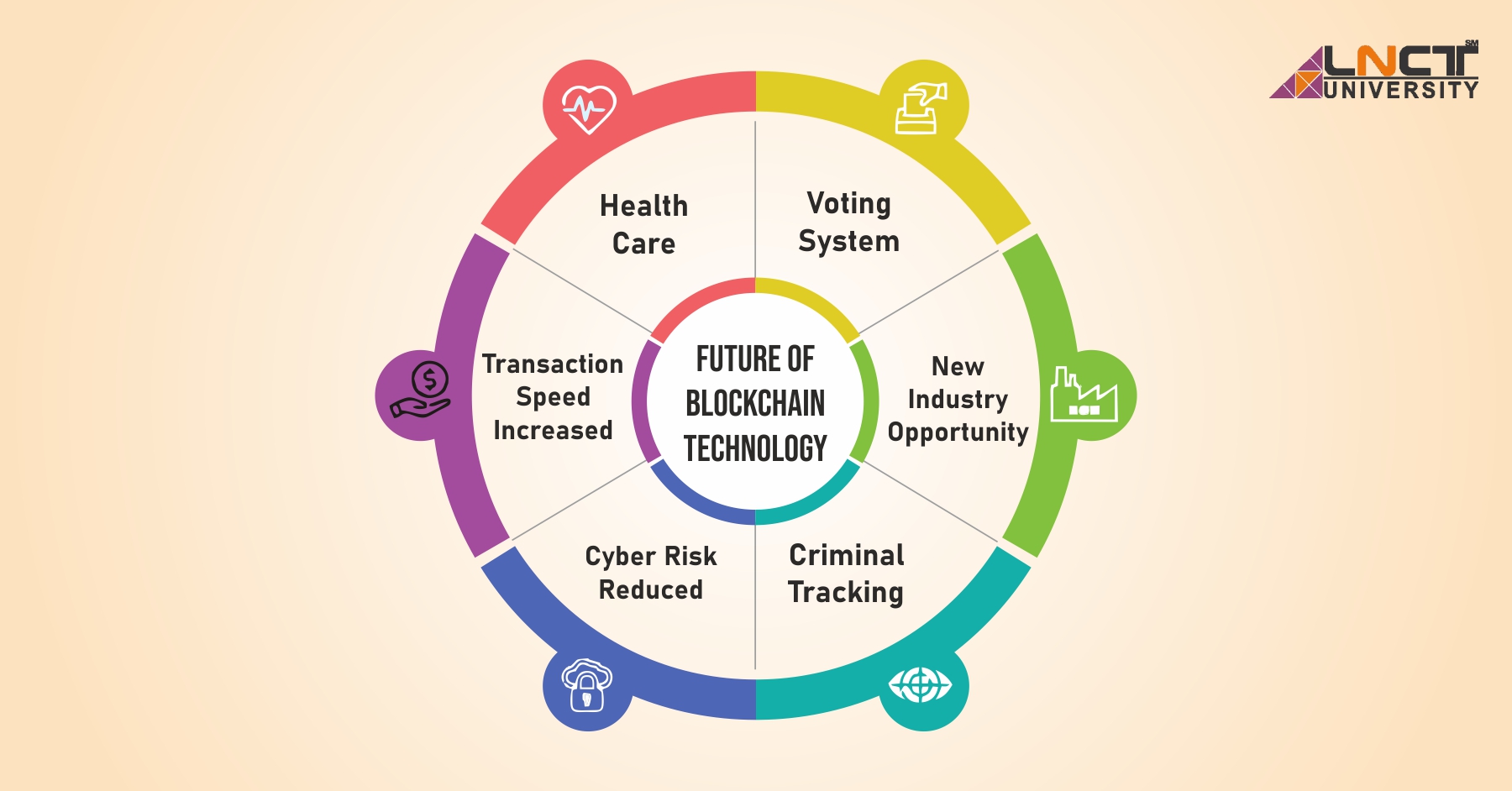
Discover the revolutionary potential of blockchain technology beyond cryptocurrencies. Understand its core components, f...
View Board
Master writing engaging articles with expert tips on headlines, storytelling, SEO, and visuals. Boost reader retention, ...
View Board
Scopri come SoftBank sta mobilitando $22,5 miliardi per OpenAI entro il 2025, la più grande scommessa sull'IA. Strategie...
View Board
Alexis Jordan is a renowned tech entrepreneur and philanthropist, known for developing innovative solutions and promotin...
View Board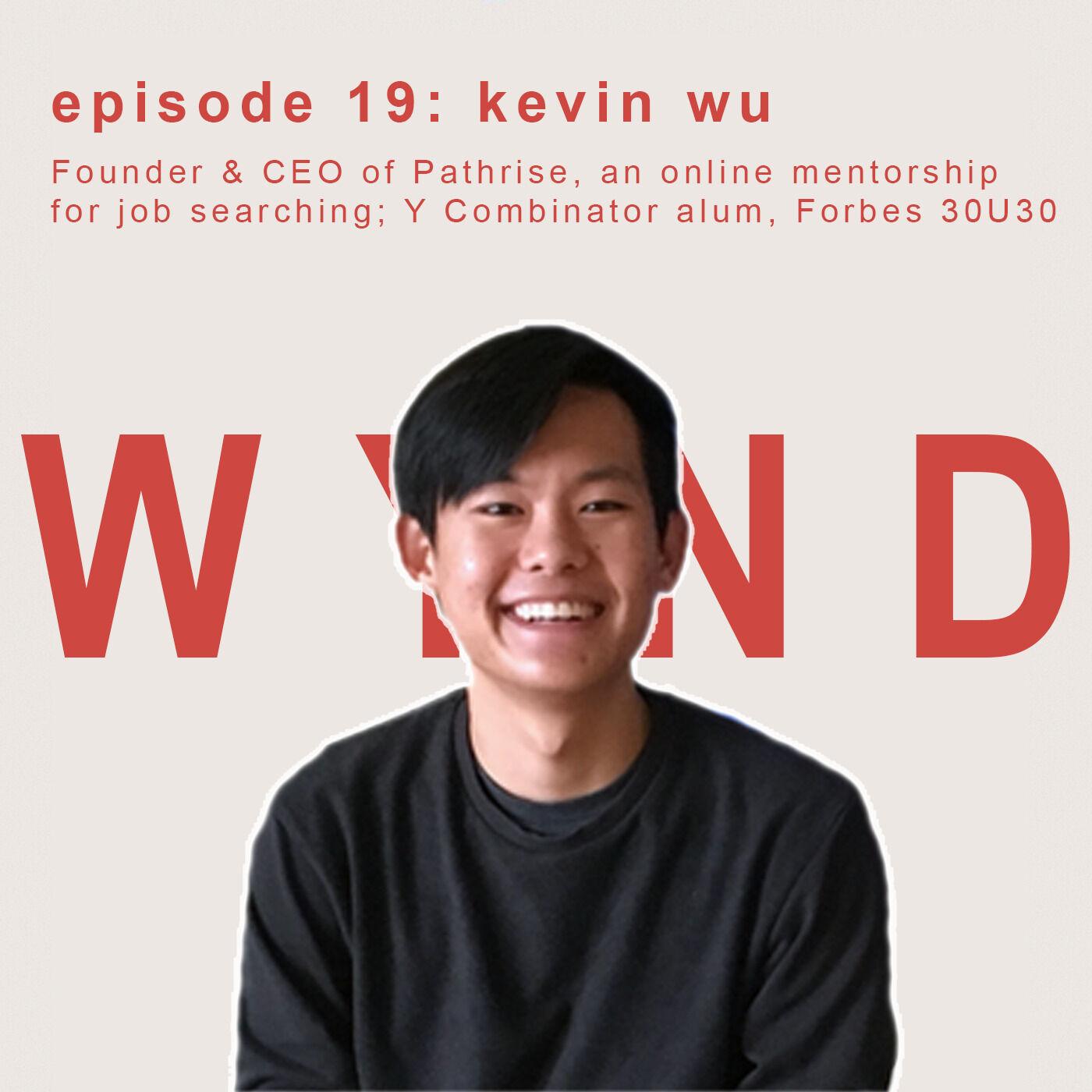
Discover the inspiring journey of Kevin Wu, a leading entrepreneur and visionary reshaping the tech industry. From his r...
View Board
Discover the inspiring journey of Steven Lannum, a visionary tech entrepreneur known for his innovation and leadership. ...
View Board
Master SEO content writing in 2025 with AI tools, E-E-A-T principles, and search trends to create high-ranking, engaging...
View Board
Last news about Computer Science Week from 28/10/2024 to 03/11/2024
View Board
Michael Messineo's journey from entrepreneur to visionary leader, spanning fintech, real estate, and healthtech innovati...
View Board
Erfahren Sie, wie Quantencomputing die Consumer Electronics revolutioniert – von Cloud-Diensten bis zu integrierten Quan...
View Board
Comments