Top 2025 Content Creation Trends: AI, Short-Form Video & Hyper-Personalization
Introduction: The Evolution of Content Creation in 2025
Content creation in 2025 is undergoing a seismic shift, driven by AI-driven automation, immersive technologies, and an unrelenting demand for authenticity. As audiences crave more personalized, engaging, and trustworthy experiences, creators and brands must adapt to stay relevant. This article explores the most impactful content creation trends shaping the digital landscape this year.
From the rise of short-form video to the integration of AR/VR experiences, the trends of 2025 reflect a blend of technological innovation and human-centric storytelling. Whether you're a marketer, content creator, or business owner, understanding these trends will help you craft strategies that resonate with modern audiences.
The Dominance of AI in Content Creation
Hyper-Personalization at Scale
AI-driven content creation is no longer a futuristic concept—it’s a present-day reality. In 2025, AI tools are enabling hyper-personalization, tailoring content to individual user preferences in real time. According to recent studies, 70% of consumers expect brands to understand their needs and deliver relevant content instantly.
AI algorithms analyze user behavior, engagement patterns, and even browsing history to create dynamic content experiences. For example, an e-commerce site might adjust product recommendations based on a user’s past interactions, while a news platform could modify article depth based on the reader’s knowledge level.
Automation of Repetitive Tasks
Beyond personalization, AI is automating time-consuming tasks like editing, SEO optimization, and content repurposing. Tools like ChatGPT and other generative AI platforms assist in brainstorming, drafting, and refining content, allowing creators to focus on strategy and creativity.
One notable trend is the "AI glow-up"—where AI enhances existing content by improving clarity, tone, and engagement. However, human oversight remains crucial to maintain credibility and authenticity.
Predictive Insights for Audience Behavior
AI isn’t just reactive—it’s predictive. Advanced analytics tools now forecast audience behavior, helping creators anticipate trends before they go mainstream. This proactive approach allows brands to stay ahead of the curve, crafting content that aligns with emerging interests.
For instance, AI can identify rising topics on social media, suggesting content ideas that are likely to gain traction. This data-driven strategy minimizes guesswork and maximizes impact.
The Short-Form Video Revolution
Why Short-Form Video Dominates in 2025
Short-form video continues to reign supreme, with platforms like TikTok, Instagram Reels, and YouTube Shorts leading the charge. In 2023, 70% of U.S. digital video viewers consumed content on smartphones, a trend that has only accelerated.
The appeal of short-form video lies in its snackable, engaging nature. Audiences prefer quick, visually compelling content that delivers value in seconds. Brands that leverage this format effectively see higher engagement rates and better conversion metrics.
AI Simplifies Video Production
Creating high-quality short-form videos no longer requires a professional studio. AI-powered tools automate editing, add captions, and even suggest optimal posting times. This democratization of video production empowers creators of all skill levels to produce polished content.
Moreover, AI-driven analytics help creators refine their approach by identifying which elements—such as hooks, transitions, or calls-to-action—resonate most with viewers.
Authenticity Over Polish
While AI enhances production, audiences still crave authenticity. In 2025, user-generated content (UGC) and behind-the-scenes footage perform better than overly polished videos. Brands that embrace raw, relatable storytelling build stronger connections with their audiences.
This shift reflects a broader trend toward purpose-driven content, where authenticity and transparency are prioritized over perfection.
Immersive and Interactive Content Formats
The Rise of AR and VR Experiences
Augmented Reality (AR) and Virtual Reality (VR) are transforming content consumption. From interactive product demos to virtual tours, these technologies create immersive storytelling experiences that captivate audiences.
For example, retail brands use AR filters to let customers "try on" products virtually, while real estate companies offer VR property tours. These innovations not only enhance engagement but also drive conversions.
Micro-Interactions and Scroll Animations
Web design in 2025 embraces micro-interactions—small animations or responses to user actions—that make digital experiences more engaging. Scroll-triggered animations, hover effects, and dynamic buttons keep users engaged and encourage deeper exploration.
These subtle yet effective techniques improve user experience and reduce bounce rates, making them a staple in modern web design.
Shoppable Videos and Interactive Polls
Interactive content is no longer optional—it’s essential. Shoppable videos allow viewers to purchase products directly from video content, streamlining the path to conversion. Meanwhile, polls, quizzes, and live streams foster real-time engagement, turning passive viewers into active participants.
Brands that incorporate these elements see higher retention rates and stronger audience loyalty.
Authenticity and Sustainability in Content
The Shift Toward Brutalist Web Design
In 2025, brutalist web design is making a comeback. Characterized by bold layouts, vibrant contrasts, and minimalistic aesthetics, this trend emphasizes authenticity and functionality over excessive embellishment.
Brands adopting brutalist design often pair it with dark mode updates, which reduce eye strain and improve accessibility—a key consideration in modern web development.
Employee and Influencer Storytelling
Audiences today trust real people more than faceless corporations. Brands are leveraging employee stories and influencer collaborations to humanize their content. This approach builds credibility and fosters deeper emotional connections.
For example, behind-the-scenes content featuring team members or day-in-the-life videos from influencers resonate strongly with audiences seeking genuine connections.
Eco-Friendly Web Practices
Sustainability is no longer just a buzzword—it’s a content trend. Brands are adopting eco-friendly web practices, such as optimizing images for faster load times (reducing energy consumption) and using green hosting solutions.
This commitment to sustainability aligns with audience values, enhancing brand reputation and trust.
Conclusion: What’s Next for Content Creation?
The content creation trends of 2025 highlight a dynamic blend of technology and humanity. AI-driven tools enable unprecedented personalization and efficiency, while immersive formats and authentic storytelling deepen audience connections.
As we move forward, the key to success lies in balancing innovation with human creativity. Brands that embrace these trends—while staying true to their core values—will thrive in the ever-evolving digital landscape.
Stay tuned for Part 2, where we’ll dive deeper into voice optimization, zero-party data strategies, and the future of trust ecosystems in content marketing.
Hyper-Personalization and Real-Time Engagement Strategies
Data-Driven Content Adaptation
In 2025, hyper-personalization goes beyond basic segmentation. Advanced AI analyzes real-time data—such as browsing history, engagement patterns, and even cursor movements—to adapt content dynamically. For example, an article might adjust its depth based on a reader’s prior knowledge, offering simplified summaries or expert-level details instantly.
A recent study highlights that 65% of consumers prefer brands that adjust content in real time. This approach not only boosts engagement but also increases conversion rates by up to 30%. Brands leveraging these tools see higher retention and loyalty.
Live Interaction Tools for Immediate Feedback
Real-time engagement thrives on interaction. Tools like live polls, Q&A sessions, and conversational voice formats keep audiences actively involved. These features turn passive readers into participants, fostering deeper connections. For instance, live-streamed product demos with instant Q&A often generate 40% more leads than static videos.
Platforms also use scroll-triggered animations and micro-interactions to respond to user behavior. These subtle cues—such as loading a related article when a user scrolls—enhance user experience and reduce bounce rates by 22%.
Snackable Visuals: SEO and Mobile Optimization
Bite-Sized Graphics and GIFs
Snackable visuals dominate 2025, with GIFs, infographics, and mini-videos driving engagement on mobile devices. These formats capture attention quickly and are optimized for SEO. Research shows that pages with visual content see 2x more shares than text-heavy pages.
Creators use AI to generate auto-optimized visuals that load faster and rank higher in search results. For example, an infographic about sustainability trends might include keywords and alt-text tailored for voice search, boosting visibility.
Voice Search and Visual SEO
Additionally, visual SEO focuses on image compression, descriptive tags, and schema markup. Proper optimization ensures that visuals appear in image search results, driving 15% more traffic to websites.
Zero-Party Data and No-Fluff Content
Helpful Guides and Expert Collaborations
Audiences now prioritize zero-party data—information users voluntarily share about their preferences. Brands combat “content fluff” by creating helpful guides that ask questions upfront and deliver tailored solutions. For example, a financial services site might offer a quiz that recommends products based on user inputs.
Collaborations with industry experts also build trust. Articles co-authored by recognized professionals see 3x higher engagement and are more likely to be shared organically. This approach aligns with the shift toward purpose-driven storytelling.
Interactive Tools for First-Party Insights
Interactive tools—such as calculators, assessment forms, and preference surveys—gather first-party data while providing immediate value. A fitness brand might use a calorie-calculator tool that recommends personalized workout plans, capturing user data and driving conversions.
These tools also improve SEO. By offering actionable insights, sites earn backlinks and social shares. Over time, this organic growth boosts domain authority and rankings. Brands using interactive tools report 35% higher conversion rates compared to static content.
Preparing for the 2026 Trust Ecosystems
Interconnected Content Networks
Experts predict “trust ecosystems” will define 2026, where content, brands, and users form interconnected networks. These ecosystems rely on transparent data practices and user-generated validation. For instance, a skincare brand might integrate user reviews, lab test results, and influencer endorsements into a single, verifiable hub.
This approach builds long-term credibility. Websites that prioritize transparency see 60% higher customer retention. Audiences are more likely to trust brands that openly share sources and methodologies.
Audit-Ready and Purpose-Driven Content
To thrive in trust ecosystems, content must be regularly audited for accuracy and relevance. Brands use AI to monitor outdated information and update it in real time. This practice reduces the risk of misinformation and maintains SEO performance.
Content also shifts toward purpose-driven narratives—stories that align with audience values. Whether highlighting eco-friendly practices or community impact, purpose-driven content resonates deeply. Campaigns with a clear purpose achieve 4x higher engagement than generic promotions.
Future Predictions: Content Trends for 2026 and Beyond
Emerging Technologies Shaping Content
As we look ahead to 2026, several technologies will redefine content creation. Generative AI will become even more advanced, producing entire campaigns—from copy to visuals—while maintaining ethical guidelines. Quantum computing may enable real-time analysis of global audience behavior, allowing brands to adjust strategies in milliseconds.
Immersive technologies like spatial computing and next-gen VR will blend physical and digital experiences. For example, users could interact with 3D product demonstrations in their living rooms, boosting engagement and reducing return rates. Early adopters of these tools expect to see 25% higher conversion rates by 2026.
The Expansion of Trust Ecosystems
Trust ecosystems will evolve into interconnected networks of content, brands, and users. These systems will rely on blockchain verification to ensure transparency and authenticity. A recent forecast suggests that brands participating in trust ecosystems could achieve 60% higher customer loyalty compared to traditional approaches.
Audiences will demand audit-ready content—materials that are regularly updated and verified. Tools like AI-powered fact-checking will become standard, reducing misinformation and building long-term credibility.
Actionable Strategies for Modern Content Teams
Leveraging AI for Efficiency and Creativity
To stay competitive, content teams must integrate AI tools without sacrificing creativity. Here are key strategies:
- Use AI for content ideation and SEO optimization, but retain human oversight for tone and brand voice.
- Automate repetitive tasks like metadata generation and social media scheduling to free up time for strategic work.
- Implement AI analytics to predict audience trends and adjust content calendars dynamically.
A study shows that teams using AI for workflow automation report 40% faster content production without compromising quality.
Building Authentic Audience Relationships
Authenticity remains a cornerstone of success. Focus on these tactics to deepen connections:
- Share employee stories and user-generated content to humanize your brand.
- Create purpose-driven campaigns that align with audience values, such as sustainability or social justice.
- Use interactive formats like live Q&As and polls to foster two-way dialogue.
Brands that prioritize authenticity see 3x higher engagement and stronger community loyalty. A 2025 Deloitte survey found that 74% of consumers are more likely to support brands with transparent practices.
"‘In 2026, the brands that thrive will be those that blend cutting-edge technology with unwavering authenticity.’ — Industry Expert, 2025"
Conclusion: Thriving in the Era of AI and Authenticity
The content creation landscape of 2025 demands a balanced approach. AI-driven tools offer unprecedented efficiency and personalization, while authentic storytelling builds the trust that drives long-term success. From short-form videos to immersive AR experiences, the trends highlighted here underscore a shift toward dynamic, audience-centric experiences.
As we move into 2026 and beyond, the brands that adapt to these trends—while staying true to their core values—will lead the way. The future of content creation isn’t about choosing between technology and humanity; it’s about using the former to amplify the latter. By combining innovation with integrity, content teams can craft experiences that resonate, engage, and endure in an ever-changing digital world.
How to Write Engaging Content That Captivates Readers
Creating engaging content is the cornerstone of successful communication in today's digital landscape. Whether you're crafting blog posts, social media updates, or marketing materials, the ability to captivate your audience is essential. Engaging writing not only holds attention but also drives action, fostering deeper connections with readers. In this guide, we’ll explore proven strategies to elevate your content, ensuring it resonates and inspires.
Understanding the Core Principles of Engaging Writing
At its heart, engaging writing addresses the needs and emotions of your audience. It’s not just about conveying information—it’s about making that information compelling and relatable. According to experts, the most effective content leverages storytelling, active voice, and varied sentence structures to create a dynamic reading experience. This approach transforms static text into a fast-paced narrative that keeps readers hooked from start to finish.
Know Your Audience
Before you write a single word, take the time to understand who your audience is. What are their interests, pain points, and preferences? Tailoring your content to their demographics and needs ensures it feels personal and relevant. For example, if you're writing for young professionals, a conversational tone with practical tips will likely resonate more than a formal, academic style.
Research shows that content designed with a specific audience in mind performs significantly better. It’s not just about what you say, but how you say it. Use language that speaks directly to your readers, making them feel understood and valued.
Prioritize Quality Research and Unique Angles
In a sea of repetitive content, originality stands out. Avoid regurgitating the same ideas found elsewhere. Instead, dive deep into quality research to uncover fresh insights or unique perspectives. This not only positions you as a thought leader but also provides real value to your readers.
For instance, if you're writing about productivity, don’t just list generic tips. Share data-backed strategies or personal anecdotes that illustrate your points. This approach makes your content more engaging and memorable.
Mastering the Art of Storytelling in Writing
Storytelling is a powerful tool in engaging writing. It transforms abstract ideas into relatable experiences, making your content more immersive and emotionally resonant. Whether you're sharing a personal journey or crafting a fictional scenario, stories create a connection that facts alone cannot.
The Three-Act Structure
One of the most effective storytelling frameworks is the three-act structure. This classic approach involves:
- Setup: Introduce the characters and setting, establishing the status quo.
- Confrontation: Present a problem or challenge that disrupts the norm.
- Resolution: Show how the protagonist overcomes the obstacle, providing a satisfying conclusion.
This structure keeps readers engaged by building suspense and anticipation. For example, a blog post about overcoming procrastination could follow a student struggling with deadlines, their journey to find solutions, and their eventual success.
Using Vivid Characterization and Emotional Connections
To make your stories compelling, focus on vivid characterization. Give your characters depth—flaws, motivations, and relatable traits. When readers see themselves in your characters, they become emotionally invested in the narrative.
Emotional connections are key. Use descriptive language to evoke feelings, whether it’s excitement, empathy, or curiosity. For instance, instead of saying, “She was nervous,” describe her “fidgeting with her pen, heart pounding as she waited for the results.” This level of detail draws readers in and makes your writing more engaging.
The Power of Active Voice and Action-Oriented Language
Passive voice can make your writing feel dull and detached. In contrast, active voice injects energy and clarity, making your content more dynamic. It’s a simple yet powerful way to enhance readability and engagement.
Why Active Voice Matters
Active voice places the subject at the forefront, creating a sense of immediacy. For example:
- Passive: “The report was written by Sarah.”
- Active: “Sarah wrote the report.”
The active version is shorter, clearer, and more direct. It keeps the reader’s attention and makes your writing feel more alive and engaging.
Inspiring Action with Strong Verbs
Action-oriented language encourages readers to take action. Use strong verbs like “discover,” “transform,” or “achieve” to inspire movement. Words like “you,” “imagine,” and “instant” also create a sense of urgency and personal connection.
For example, instead of saying, “This product can help with weight loss,” try, “Transform your body and boost your confidence with this proven solution.” The latter is more compelling and motivates readers to engage further.
Structural Variety: Keeping Readers Hooked
Monotony is the enemy of engagement. To keep readers interested, vary your sentence and paragraph lengths. Mix short, punchy sentences with longer, more descriptive ones. This creates a natural rhythm that makes your writing easier and more enjoyable to read.
Breaking Up Long Sentences
Sentences longer than 20 words can lose impact. Break them up to maintain clarity and momentum. For example:
Before: “Despite the challenges she faced, including a lack of resources and support from her team, she managed to complete the project on time and exceed expectations.”
After: “She faced numerous challenges—limited resources and little team support. Yet, she completed the project on time. And she exceeded expectations.”
The revised version is more dynamic and engaging, holding the reader’s attention more effectively.
Using Transitions and Synonyms Strategically
Transitions guide readers smoothly from one idea to the next. However, overusing the same transitional phrases can become repetitive. Vary your language to keep the flow natural. For example, instead of repeatedly using “in addition,” try alternatives like “furthermore,” “moreover,” or “what’s more.”
Similarly, avoid repeating the same words or phrases. Use synonyms to add variety and richness to your writing. This not only improves readability but also enhances the overall engagement level of your content.
Integrating Visuals and Community Engagement
In today’s digital age, visuals and community interaction play a crucial role in engaging writing. Incorporating images, charts, or infographics can break up text and make complex information more digestible. Additionally, encouraging social sharing and comments fosters a sense of community, making your content more interactive and relatable.
The Role of Visuals in Engagement
Visuals complement your writing by providing a visual break and reinforcing key points. For instance, a blog post about fitness trends could include before-and-after photos, workout charts, or short videos. These elements not only enhance understanding but also make the content more shareable and engaging.
Encouraging Social Interaction
Engagement doesn’t end with the last sentence. Encourage readers to share their thoughts in the comments or on social media. Pose questions, ask for opinions, or invite them to share their own experiences. This two-way dialogue builds a community around your content, increasing its reach and impact.
For example, end your post with a question like, “What’s your biggest challenge when it comes to [topic]? Share your tips in the comments!” This simple call-to-action can spark meaningful conversations and deepen reader engagement.
Optimizing Headlines for Maximum Impact
Your headline is the first impression readers have of your content. A well-crafted headline can mean the difference between a click and a scroll-past. It should be clear, compelling, and tailored to your audience’s needs.
Writing Headlines That Resonate
Start by identifying the core benefit of your content. What problem does it solve? What value does it provide? Use this as the foundation for your headline. For example, instead of a generic title like “Tips for Better Sleep,” try something more specific and engaging, such as “Struggling to Sleep? 5 Science-Backed Tips for a Restful Night.”
Aim to write 15 or more variations of your headline. Test different angles—some may focus on curiosity, others on urgency or benefit. The goal is to find the one that resonates most with your audience.
Avoiding Clickbait While Maintaining Intrigue
While it’s important to grab attention, avoid misleading clickbait. Your headline should accurately reflect the content while still being intriguing. For example, “You Won’t Believe What Happens Next!” may generate clicks, but it often leads to disappointment if the content doesn’t deliver.
Instead, focus on clear value propositions. Headlines like “How to Double Your Productivity in 30 Days” set expectations and promise tangible benefits, making them more effective in the long run.
In the next part of this guide, we’ll dive deeper into advanced techniques for engaging writing, including the use of data and statistics, the art of persuasion, and strategies for maintaining reader interest throughout longer content. Stay tuned for more insights to elevate your writing skills!
Leveraging Data and Statistics to Boost Credibility
In the world of engaging content, facts and figures serve as powerful tools to build trust and authority. Readers are more likely to engage with content that is backed by credible data, as it provides a solid foundation for your arguments. Incorporating statistics not only enhances your credibility but also makes your writing more persuasive and impactful.
The Impact of Data on Reader Engagement
Statistics can transform abstract claims into concrete evidence. For example, stating that "78% of consumers prefer brands that personalize their content" carries more weight than simply saying "personalization is important." This approach helps readers understand the real-world relevance of your points, making your content more compelling.
When using data, ensure it comes from reputable sources. Cite studies, surveys, or industry reports to lend authority to your writing. This not only strengthens your arguments but also positions you as a knowledgeable and trustworthy source.
How to Present Data Effectively
While data is valuable, presenting it in a dry or complex manner can lose readers. Instead, use visual aids like charts, graphs, or infographics to make statistics more digestible. For example, a pie chart showing market share percentages is far more engaging than a paragraph of numbers.
Additionally, contextualize your data by explaining its significance. Don’t just state that "email marketing has a 4400% ROI." Explain what this means for businesses—such as higher conversions and cost-effective customer retention. This helps readers see the practical implications of the data.
The Art of Persuasion in Engaging Writing
Persuasive writing is a cornerstone of engaging content. Whether you're crafting a sales pitch, a blog post, or a social media update, the ability to influence and convince your audience is crucial. Effective persuasion involves understanding your readers' motivations and addressing their needs with compelling arguments.
Understanding the Psychology of Persuasion
Persuasion is deeply rooted in psychology. Techniques like social proof, scarcity, and reciprocity can significantly enhance your writing’s impact. For instance, highlighting that "9 out of 10 customers recommend this product" leverages social proof to build trust.
Scarcity creates urgency, prompting readers to act quickly. Phrases like "Limited-time offer" or "Only a few spots left" tap into the fear of missing out (FOMO), driving engagement and conversions. Reciprocity, on the other hand, involves offering value upfront—such as a free guide or discount—to encourage readers to reciprocate with their attention or loyalty.
Crafting Compelling Calls-to-Action
A strong call-to-action (CTA) is essential for guiding readers toward the next step. Whether it’s signing up for a newsletter, downloading a resource, or making a purchase, your CTA should be clear, concise, and action-oriented.
Avoid vague phrases like "Click here." Instead, use specific language that highlights the benefit, such as "Download your free guide now" or "Join thousands of satisfied customers today." This approach makes your CTA more compelling and increases the likelihood of reader action.
Maintaining Reader Interest in Long-Form Content
Long-form content offers the opportunity to delve deep into a topic, but it also presents a challenge: keeping readers engaged from start to finish. Without strategic structuring, even the most valuable content can lose its audience. Here’s how to maintain interest throughout extended pieces.
Breaking Content into Digestible Sections
Large blocks of text can overwhelm readers. To improve readability, break your content into smaller sections with clear subheadings. This allows readers to scan and find the information most relevant to them.
For example, a guide on digital marketing could be divided into sections like:
- Understanding Your Audience
- Crafting a Content Strategy
- Measuring Success with Analytics
Each section should focus on a specific aspect of the topic, making it easier for readers to follow along and stay engaged.
Using Anecdotes and Real-World Examples
Anecdotes and examples bring your content to life. They provide real-world context, making abstract concepts more relatable. For instance, if you're discussing the benefits of remote work, share a story about a company that increased productivity by 30% after implementing flexible work policies.
These narratives create an emotional connection, keeping readers invested in your content. They also serve as proof points, demonstrating the practical application of your ideas.
Incorporating Interactive Elements
Interactive elements like quizzes, polls, or embedded videos can significantly boost engagement in long-form content. These features encourage readers to participate actively rather than passively consume information.
For example, a blog post about financial planning could include a savings calculator or a quiz to help readers assess their financial health. These tools not only enhance the reading experience but also provide personalized value, making your content more memorable.
The Role of Emotional Triggers in Engaging Writing
Emotions are a powerful driver of engagement. Content that evokes feelings—whether joy, curiosity, or even frustration—resonates more deeply with readers. By tapping into emotional triggers, you can create a stronger connection and encourage readers to take action.
Identifying Key Emotional Triggers
Different emotions can be leveraged depending on your content’s goal. For example:
- Curiosity: Use intriguing questions or teasers to pique interest. Example: “What if you could double your income in six months?”
- Urgency: Highlight time-sensitive opportunities. Example: “Don’t miss out on this exclusive deal—ends soon!”
- Empathy: Address common pain points. Example: “Struggling with work-life balance? You’re not alone.”
By understanding your audience’s emotional landscape, you can tailor your writing to strike the right chord and keep them engaged.
Balancing Emotion with Facts
While emotions are powerful, they should be balanced with logical arguments and data. Overly emotional content can come across as manipulative, while purely factual writing may lack relatability. The key is to weave emotion into a factual narrative.
For instance, a post about climate change could start with a compelling story about a community affected by rising sea levels, then transition into data-driven solutions. This approach combines emotional appeal with actionable insights, making your content both engaging and credible.
Optimizing Content for Different Platforms
Engaging writing isn’t one-size-fits-all. The way you craft content for a blog post may differ from how you write for social media or email newsletters. Understanding the nuances of each platform ensures your message resonates with its intended audience.
Writing for Social Media
Social media thrives on brevity and visual appeal. Posts should be concise, with a clear hook in the first few words. Use eye-catching visuals, emojis, and hashtags to increase visibility and engagement.
For example, a Twitter post about productivity might read: “🚀 Struggling to stay focused? Try the Pomodoro Technique—25 minutes of work, 5 minutes of rest. Boost your efficiency today! ProductivityTips”
Crafting Email Newsletters
Email newsletters require a balance of personalization and value. Start with a friendly greeting, then deliver content that addresses the reader’s needs. Use short paragraphs and bullet points to improve readability.
For instance, an email about healthy eating could begin with: “Hi [Name], tired of fad diets? Discover 5 simple, science-backed tips to eat healthier without sacrificing flavor.”
Adapting for Blog Posts
Blog posts allow for in-depth exploration of topics. Use a mix of storytelling, data, and practical tips to keep readers engaged. Break up text with subheadings, images, and interactive elements like polls or embedded tweets.
For example, a blog post about remote work could include:
- A personal anecdote about transitioning to remote work
- Statistics on productivity and job satisfaction
- A checklist for setting up a home office
This structure ensures your content is both informative and engaging, catering to readers who seek detailed insights.
In the final part of this guide, we’ll explore advanced techniques for refining your writing style, including the use of power words, the importance of editing, and strategies for building a loyal readership. Stay tuned for the concluding insights to master the art of engaging writing!
Harnessing the Power of Power Words in Writing
Words carry weight, and some words carry more than others. Power words are terms that evoke emotion, create urgency, or trigger curiosity. Incorporating these into your writing can significantly enhance its impact, making it more compelling and engaging for readers.
What Are Power Words?
Power words are persuasive, emotionally charged terms that capture attention. They can be categorized based on the emotions they evoke:
- Urgency: "Now," "Instant," "Limited-time"
- Curiosity: "Secret," "Unveiled," "Revealed"
- Excitement: "Amazing," "Revolutionary," "Game-changing"
- Trust: "Proven," "Guaranteed," "Certified"
For example, instead of saying, "This product is good," you could say, "This revolutionary product is guaranteed to transform your routine." The latter is far more engaging and persuasive.
How to Use Power Words Effectively
While power words are impactful, overusing them can dilute their effect. The key is to strategically place them where they’ll have the most impact—such as in headlines, subheadings, and calls-to-action.
For instance, a headline like "Unlock the Secret to Doubling Your Productivity Overnight" is more compelling than "Tips to Improve Productivity." The power words here—"Unlock," "Secret," "Doubling," "Overnight"—create intrigue and urgency.
The Importance of Editing and Refining Your Writing
Great writing isn’t just about the first draft—it’s about the editing process. Refining your content ensures clarity, coherence, and engagement. Even the most skilled writers rely on editing to polish their work and make it resonate with readers.
Self-Editing Techniques
Start by reading your content aloud. This helps you catch awkward phrasing, repetition, or unclear sentences. Pay attention to:
- Grammar and punctuation: Errors can distract readers and undermine credibility.
- Sentence structure: Vary lengths to maintain rhythm and avoid monotony.
- Word choice: Replace weak or vague words with stronger, more precise alternatives.
For example, instead of writing, "This is a good tool for managing tasks," you could refine it to, "This powerful tool streamlines task management, saving you time and effort."
The Role of Peer Reviews
Getting feedback from others can provide fresh perspectives on your writing. Peer reviewers can spot inconsistencies, suggest improvements, or highlight areas where clarity is lacking.
Consider joining writing groups or using platforms where you can share your work for constructive criticism. This collaborative approach helps you refine your content and ensures it resonates with a broader audience.
Building a Loyal Readership Through Consistent Engagement
Engaging writing isn’t just about a single piece of content—it’s about building a relationship with your audience. Consistency, authenticity, and interaction are key to fostering a loyal readership that keeps coming back for more.
Consistency in Content Creation
Readers thrive on predictability. Whether it’s a weekly blog post, a monthly newsletter, or daily social media updates, consistent content keeps your audience engaged and anticipating your next piece.
Develop a content calendar to plan your topics and publishing schedule. This not only helps you stay organized but also ensures you’re delivering valuable, relevant content on a regular basis.
Authenticity and Voice
Authenticity builds trust. Readers are more likely to engage with content that feels genuine and relatable. Develop a unique voice that reflects your personality or brand values.
For example, if your brand is known for its humor, infuse your writing with wit and playful language. If your focus is on professionalism, maintain a polished and informative tone. The key is to stay true to your identity while connecting with your audience.
Encouraging Reader Interaction
Engagement is a two-way street. Encourage your readers to share their thoughts, ask questions, or provide feedback. This can be done through:
- Comment sections on blog posts
- Polls and surveys on social media
- Q&A sessions or live chats
For instance, end your posts with a question like, "What’s your biggest challenge with [topic]? Share your experiences in the comments!" This invites readers to engage and fosters a sense of community.
Advanced Techniques for Refining Your Writing Style
To truly master engaging writing, it’s essential to refine your style continuously. This involves experimenting with different techniques, analyzing what works, and adapting to your audience’s evolving preferences.
Using Analogies and Metaphors
Analogies and metaphors make complex ideas more accessible and memorable. They create vivid mental images that help readers understand and retain information.
For example, explaining a complicated process like SEO could be simplified with an analogy: "Think of SEO like gardening. You plant seeds (keywords), nurture them with quality content (water and sunlight), and over time, your efforts bloom into higher rankings (a thriving garden)."
Incorporating Storytelling Across All Content
Storytelling isn’t just for novels or blog posts—it can be woven into any type of content, from social media captions to email newsletters. Even a simple product description can benefit from a narrative touch.
For instance, instead of listing features, tell a story: "Meet Sarah, a busy mom who struggled to find time for self-care. With our time-saving meal kits, she now enjoys healthy, home-cooked dinners in under 30 minutes—giving her more time to spend with her family."
Experimenting with Different Formats
Variety keeps your content fresh and engaging. Experiment with different formats to see what resonates most with your audience. Some ideas include:
- Listicles: "10 Ways to Boost Your Creativity"
- How-to Guides: "A Step-by-Step Guide to Starting a Podcast"
- Case Studies: "How Company X Increased Sales by 200%"
- Interviews: "Expert Insights on the Future of Digital Marketing"
Each format offers a unique way to present information, catering to different reader preferences and keeping your content dynamic.
Conclusion: Mastering the Art of Engaging Writing
Creating engaging content is both an art and a science. It requires a deep understanding of your audience, a mastery of storytelling, and a commitment to continuous refinement. By incorporating the techniques discussed in this guide—from leveraging data and power words to building a loyal readership—you can elevate your writing and captivate your audience.
Key Takeaways for Engaging Writing
To summarize, here are the essential strategies for crafting engaging content:
- Know Your Audience: Tailor your content to their needs and preferences.
- Use Storytelling: Weave narratives to create emotional connections.
- Leverage Data: Back your claims with credible statistics.
- Incorporate Power Words: Use persuasive language to evoke emotion.
- Edit Ruthlessly: Refine your writing for clarity and impact.
- Encourage Interaction: Foster a sense of community with your readers.
- Experiment with Formats: Keep your content fresh and dynamic.
Remember, engaging writing is not about perfection—it’s about connection. Whether you're crafting a blog post, a social media update, or an email newsletter, focus on delivering value, evoking emotion, and inspiring action. With practice and persistence, you’ll master the art of creating content that not only captures attention but also leaves a lasting impression.
Now, it’s your turn. Take these insights, apply them to your writing, and watch as your content transforms from ordinary to extraordinary. The world is waiting for your story—start writing, and make it engaging.


Global Security Crises Escalate: Mass Shootings, Terror Attacks, and War Updates in December 2025
December 2025 has seen a disturbing surge in global security threats, from mass shootings in the US to terrorist attacks in Australia and escalating conflicts in Ukraine and the Middle East. As the holiday season approaches, authorities remain on high alert amid rising violence and geopolitical tensions.
Deadly Mass Shootings Shake the US and Australia
A shooting at Brown University in Providence, Rhode Island, left two dead and nine injured, with the gunman still at large. Meanwhile, a Hanukkah celebration at Bondi Beach in Sydney turned tragic as a terrorist attack claimed at least 12 lives, targeting the Jewish community.
Brown University Shooting: Gunman Remains at Large
On December 14, a deadly shooting at Brown University killed two people and injured nine others. Eight victims were initially critically wounded, with seven now stable and one remaining in critical condition. Authorities continue to search for the gunman, who remains unidentified.
Bondi Beach Terror Attack: Antisemitic Violence Surges
The Hanukkah celebration attack in Sydney has raised alarms about rising antisemitic violence. UN Secretary-General António Guterres condemned the attack as a "heinous deadly assault," reflecting broader concerns over digital-fueled division and extremism.
Ongoing Armed Conflicts: Ukraine, Syria, and Israel-Palestine
As global security threats intensify, armed conflicts in Ukraine, Syria, and the Middle East continue to escalate. Russian forces have captured Pokrovsk in Ukraine, while Israel's actions in Lebanon and the West Bank violate ceasefire agreements.
Russia Captures Pokrovsk in Ukraine’s Donetsk Oblast
Russian forces have taken control of Pokrovsk after heavy fighting, marking a significant shift in the Russo-Ukrainian war. Meanwhile, a missile strike in Dnipro killed four and injured over 40, highlighting the ongoing humanitarian crisis.
ISIL Attack in Syria Kills US Service Members
An ISIL attacker struck a convoy in Palmyra, Syria, killing two US service members and a civilian interpreter. The attack underscores the persistent threat of terrorism in the region despite ongoing counterterrorism efforts.
Israel’s Actions Violate Ceasefire, Escalate Tensions
Israel has issued evacuation orders in southern Lebanon ahead of airstrikes targeting Hezbollah. Additionally, the approval of nearly 800 new settler homes in the West Bank violates a US-brokered ceasefire, further destabilizing the region.
Other Global Crises: Morocco, Sudan, and Belarus
Beyond mass shootings and armed conflicts, December 2025 has seen additional crises, including a building collapse in Fez, Morocco, a drone attack on UN peacekeepers in Sudan, and the release of political prisoners in Belarus.
Building Collapse in Fez Kills 22
A tragic building collapse in Fez, Morocco, has resulted in 22 deaths and multiple injuries. The incident highlights ongoing concerns about infrastructure safety in the region.
Drone Attack on UN Base in Sudan Kills Peacekeepers
A drone strike on a UN base in Sudan’s Kordofan region killed six peacekeepers and injured eight others. The attack underscores the growing dangers faced by international aid workers in conflict zones.
Belarus Releases Political Prisoners After US Sanctions Relief
Belarus has released 123 political prisoners, including Nobel laureate Ales Bialiatski, following US sanctions relief. The move signals a potential shift in diplomatic relations amid ongoing geopolitical tensions.
As the world grapples with these global security threats, authorities remain vigilant, particularly during the holiday season. Stay tuned for further updates on these developing crises.
Global Security Threats: Holiday Alerts and Rising Extremism
As mass shootings and terrorist attacks dominate headlines, security agencies worldwide are on high alert. The FBI and Homeland Security have issued heightened holiday warnings, citing risks from lone assailants and organized extremist groups.
FBI and Homeland Security Issue Holiday Alerts
A November 26 intelligence bulletin warned of potential threats during the holiday season. Authorities emphasize vigilance in crowded spaces, religious gatherings, and public events. The Bondi Beach attack underscores the urgency of these warnings.
Antisemitic Violence and Digital Extremism
The Hanukkah celebration attack in Sydney reflects a broader rise in antisemitic violence. The UN has expressed concern over digital-fueled division, where online radicalization leads to real-world attacks. Social media platforms face pressure to curb hate speech.
Humanitarian and Economic Crises Amid Global Turmoil
Beyond armed conflicts and security threats, economic instability and humanitarian disasters persist. The IMF’s $1.2 billion aid to Pakistan highlights ongoing financial struggles, while IndiGo’s flight reductions signal operational challenges.
IMF Releases $1.2 Billion to Pakistan Amid Crisis
The International Monetary Fund (IMF) has disbursed $1.2 billion to Pakistan, part of a $4.5 billion package since 2024. The funds aim to stabilize the economy amid inflation and political unrest. However, long-term recovery remains uncertain.
IndiGo Ordered to Cut Flights by 5% After Cancellations
India’s aviation regulator has mandated a 5% reduction in IndiGo flights following widespread cancellations. The move aims to improve reliability but may disrupt travel plans for thousands. Passenger frustration grows as airlines struggle with operational inefficiencies.
Positive Developments Amid Global Challenges
Despite the prevailing crises, some regions report progress. Guatemalan migration to Germany and Timor-Leste’s school feeding programs offer glimpses of hope amid global turmoil.
Guatemala and Germany Strengthen Skilled Migration
A new agreement facilitates skilled migration from Guatemala to Germany, addressing labor shortages in Europe. This partnership benefits both nations, providing economic opportunities for migrants and filling critical workforce gaps.
Timor-Leste’s School Feeding Programs Support Local Farmers
In Timor-Leste, school feeding initiatives have improved child nutrition while boosting local agriculture. Farmers supply fresh produce to schools, creating a sustainable cycle of economic and social benefits. The program serves as a model for other developing nations.
Key Statistics: A Snapshot of December 2025 Crises
The following data highlights the severity of recent events:
- Brown University shooting: 2 killed, 9 injured (7 stable, 1 critical)
- Bondi Beach attack: 12+ killed
- Dnipro missile strike: 4 killed, 40+ injured
- Palmyra ISIL attack: 3 killed (2 US military, 1 civilian)
- Fez building collapse: 22 killed
- Sudan UN base attack: 6 peacekeepers killed, 8 injured
"The world faces unprecedented challenges, from terrorism to economic instability. International cooperation is more critical than ever." — UN Secretary-General António Guterres
As 2025 draws to a close, the global community must address these security threats and humanitarian crises with urgency. The coming months will test resilience and diplomacy on multiple fronts.
Geopolitical Tensions: Ukraine, Middle East, and Beyond
The final weeks of 2025 have seen geopolitical tensions reach a boiling point. From Russia’s advances in Ukraine to Israel’s controversial actions in Lebanon and the West Bank, the global landscape remains volatile.
Russia’s Pokrovsk Offensive: A Turning Point in Ukraine
Russian forces have captured Pokrovsk in Donetsk Oblast, marking a significant shift in the Russo-Ukrainian war. The city’s fall follows weeks of heavy fighting, with Ukrainian forces struggling to hold key positions. Analysts warn that further Russian advances could destabilize the region.
The missile strike in Dnipro, which killed four and injured over 40, underscores the humanitarian cost of the conflict. Civilian infrastructure, including hospitals and residential areas, continues to bear the brunt of the violence.
Israel’s Ceasefire Violations and Regional Escalation
Israel’s approval of nearly 800 new settler homes in the West Bank has drawn international condemnation. The move violates a US-brokered ceasefire and undermines peace efforts. Additionally, evacuation orders in southern Lebanon precede airstrikes targeting Hezbollah, raising fears of a broader conflict.
The UN has reiterated that settlements are illegal under international law. However, Israel’s actions suggest a disregard for diplomatic pressure, further complicating Middle East stability.
Global Responses: Diplomacy, Sanctions, and Humanitarian Aid
As crises escalate, the international community has responded with a mix of diplomatic efforts, economic sanctions, and humanitarian aid. These measures aim to mitigate conflicts and support affected populations.
Belarus Releases Political Prisoners After US Sanctions Relief
In a surprising move, Belarus has released 123 political prisoners, including Nobel laureate Ales Bialiatski. The decision follows US sanctions relief, signaling a potential thaw in relations. However, skeptics argue that the regime’s human rights record remains problematic.
UN and IMF Interventions: Aid Amid Crisis
The UN’s response to the Sudan drone attack highlights the risks faced by peacekeepers. Meanwhile, the IMF’s $1.2 billion aid to Pakistan aims to stabilize the economy amid inflation and political unrest. These interventions reflect the global community’s efforts to address both security and economic challenges.
Lessons Learned: Addressing Root Causes of Global Crises
The events of December 2025 offer critical lessons for policymakers and security experts. Addressing the root causes of violence, extremism, and economic instability is essential for long-term stability.
Combating Extremism and Digital Radicalization
The Bondi Beach attack and other acts of terrorism underscore the need to combat digital radicalization. Social media platforms must enhance moderation efforts to curb hate speech and extremist content. Governments should invest in counterterrorism strategies that address both online and offline threats.
Strengthening Economic Resilience
Economic crises, such as those in Pakistan and Belarus, highlight the importance of financial stability. The IMF’s aid packages provide temporary relief, but long-term solutions require structural reforms and international cooperation.
Conclusion: A Call for Global Unity and Action
December 2025 has been a month of unprecedented challenges, from mass shootings and terrorist attacks to escalating armed conflicts and economic crises. The global community must prioritize the following actions:
- Enhance security measures to prevent further attacks during the holiday season.
- Address geopolitical tensions through diplomacy and adherence to international law.
- Combat extremism by tackling digital radicalization and promoting tolerance.
- Support humanitarian efforts to assist victims of conflicts and economic instability.
"In times of crisis, unity and decisive action are our greatest tools. The world must stand together to overcome these challenges." — UN Secretary-General António Guterres
As we approach 2026, the lessons of December 2025 must guide our collective response. Only through global cooperation, strategic diplomacy, and unwavering commitment to peace can we navigate the complexities of our time. The path forward demands vigilance, resilience, and a shared determination to build a safer, more stable world.
SEO Content Writing in 2025: Mastering AI, E-E-A-T, and Search Evolution
Introduction: The New Era of SEO Content Writing
In 2025, SEO content writing has transformed dramatically, driven by AI advancements and evolving search engine algorithms. With 85% of marketers now using AI tools for content creation, the focus has shifted to balancing automation with human expertise and authenticity. Google's AI Overviews (AIOs) and the rise of answer engines like Bing and Perplexity have redefined how content is discovered and consumed.
This article explores the latest trends, strategies, and best practices for creating SEO-optimized content that ranks well, engages readers, and drives conversions in 2025. From leveraging AI tools to mastering E-E-A-T (Experience, Expertise, Authoritativeness, Trustworthiness), we'll cover everything you need to stay ahead in the competitive world of digital marketing.
The Rise of AI in Content Creation
AI Tools as Content Drafting Assistants
AI-driven content creation has become mainstream, with tools like Jasper, Copy.ai, and Writesonic helping marketers generate drafts quickly. These tools enable higher content volume and broader keyword targeting, but they require human refinement to ensure uniqueness and brand alignment.
According to CoSchedule research, 85% of marketers now use AI for content creation. This trend highlights the importance of using AI as a starting point, not a final solution. Human writers must enhance AI-generated content with personal anecdotes, case studies, and original insights to meet Google's E-E-A-T standards.
Google's AI Overviews and Zero-Click Searches
Google's AI Overviews (AIOs) are expanding to all queries, increasing zero-click searches where users get answers directly from the search results. This shift presents both challenges and opportunities for content creators.
AIOs now include an average of 11 citation links per overview, with only 20-26% overlapping the top 10 SERP links. This means smaller, niche sites have a better chance of gaining visibility if they provide unique, high-quality content. Optimizing for AIOs requires a focus on original insights, structured data, and clear, concise answers to common questions.
Mastering E-E-A-T for SEO Success
Understanding E-E-A-T and Its Importance
E-E-A-T stands for Experience, Expertise, Authoritativeness, and Trustworthiness. Google has fully integrated these factors into its evaluation criteria, prioritizing content that demonstrates real-world experience and credibility.
To excel in E-E-A-T, content must include:
- Personal anecdotes and real-life examples
- Case studies and data-driven insights
- Author bios with credentials and experience
- Original research and unique perspectives
Building Trust Through Authenticity
Readers in 2025 demand authentic, expert-driven content that goes beyond generic AI output. Storytelling and personal branding are key to building trust and engagement.
Incorporate elements like:
- Behind-the-scenes stories about your brand or process
- Interviews with industry experts
- User-generated content and testimonials
- Transparency about sources and methodologies
By focusing on authenticity, you not only improve your SEO rankings but also create a stronger connection with your audience.
Adapting to Search Engine Evolution
The Shift to "Ranch Style" SEO
Gone are the days of single, massive "skyscraper" posts. In 2025, "Ranch Style" SEO is the new norm—creating multiple interlinked, focused pieces that each offer unique experiences and insights.
This approach involves:
- Breaking down broad topics into specific, targeted articles
- Using internal linking to connect related content
- Ensuring each piece provides information gain—new perspectives or fresh data
Optimizing for Voice and Visual Search
With the rise of voice assistants and visual search tools, optimizing content for these formats is no longer optional. By 2025, voice search optimization is a non-negotiable aspect of SEO.
Key strategies include:
- Using natural language and conversational keywords
- Structuring content with clear, concise answers to common questions
- Incorporating alt text and image descriptions for visual search
- Ensuring mobile-friendliness and fast load times
By adapting to these trends, you can ensure your content remains visible and relevant in an ever-changing search landscape.
Conclusion: The Future of SEO Content Writing
The world of SEO content writing in 2025 is defined by AI integration, E-E-A-T principles, and the evolution of search engines. To succeed, marketers must embrace AI tools while prioritizing human expertise and authenticity.
In the next sections, we'll delve deeper into hyper-personalization, multi-platform distribution, and advanced technical SEO strategies to help you stay ahead of the curve. Stay tuned for more insights and actionable tips to master SEO content writing in 2025.
Hyper-Personalization and Interactive Content
The Demand for Customized User Experiences
In 2025, hyper-personalization has moved beyond basic customization. Users now expect content tailored to their specific needs, preferences, and behaviors. This trend is driven by advancements in AI and data analytics, allowing brands to deliver highly relevant experiences.
Key strategies for hyper-personalization include:
- Using AI-driven recommendations based on user behavior
- Creating dynamic content that adapts to user preferences
- Implementing interactive elements like quizzes, polls, and calculators
- Leveraging user data to personalize email campaigns and content suggestions
Blending Digital and Real-World Elements
To stand out in 2025, content must bridge the gap between digital and real-world experiences. This approach enhances engagement and builds stronger connections with audiences.
Examples of blending digital and real-world elements include:
- Augmented Reality (AR) experiences that allow users to visualize products in their environment
- Virtual events with interactive features like live Q&A sessions
- Location-based content that provides personalized recommendations based on user location
- Gamification techniques to encourage user participation and engagement
Multi-Platform Distribution and Diversified Traffic Sources
The Rise of Social Search and Answer Engines
In 2025, social search and answer engines like Bing and Perplexity have become major traffic sources. Platforms like TikTok, Instagram, and YouTube are no longer just for social media—they're now key players in search.
To optimize for social search, consider the following strategies:
- Creating short-form video content optimized for TikTok and Instagram
- Using keyword-rich captions and hashtags to improve discoverability
- Incorporating transcripts and titles for YouTube videos to enhance SEO
- Leveraging user-generated content to build authenticity and engagement
Diversifying Traffic Sources for Sustainable Growth
Relying solely on Google for traffic is no longer a sustainable strategy. In 2025, diversifying traffic sources is essential for long-term success.
Key tactics for diversifying traffic include:
- Optimizing for Bing and other search engines
- Leveraging email marketing to drive repeat visits
- Building a strong social media presence across multiple platforms
- Exploring partnerships and collaborations to reach new audiences
Advanced Technical SEO Strategies
The Importance of Fast, Mobile-Friendly Sites
Technical SEO remains a critical foundation for success in 2025. Fast, mobile-friendly sites with seamless user experiences are non-negotiable for conversions and rankings.
Key technical SEO strategies include:
- Ensuring fast load times with optimized images and caching
- Implementing mobile-first design principles
- Using structured data to enhance search visibility
- Optimizing for voice and visual search with schema markup
Enhancing User Experience with Shoppable Content
In 2025, shoppable content has become a game-changer for e-commerce and lead generation. This trend involves integrating shopping features directly into content, making it easier for users to convert.
Examples of shoppable content include:
- Embedded product forms within blog posts and articles
- Interactive product catalogs with real-time inventory updates
- Live shopping events with integrated checkout options
- Personalized product recommendations based on user behavior
Leveraging AI for Content Refinement
Using AI for Drafts and Humanizing for E-E-A-T
AI tools are invaluable for generating content drafts quickly, but human refinement is essential to meet E-E-A-T standards. The key is to use AI as a starting point and then enhance the content with unique insights and expertise.
Best practices for AI content refinement include:
- Using AI to generate initial drafts and outlines
- Adding personal anecdotes and case studies to humanize the content
- Incorporating original research and data to provide information gain
- Editing for accuracy and clarity to avoid AI hallucinations
Avoiding AI Hallucinations and Ensuring Accuracy
One of the biggest challenges with AI-generated content is the risk of hallucinations—incorrect or fabricated information. To maintain credibility, it's crucial to fact-check and verify all AI-generated content.
Strategies for ensuring accuracy include:
- Cross-referencing AI-generated facts with reliable sources
- Using expert reviews to validate complex information
- Implementing editorial guidelines for AI content refinement
- Regularly updating content to reflect the latest industry trends and data
Conclusion: Staying Ahead in SEO Content Writing
The landscape of SEO content writing in 2025 is dynamic and multifaceted. From leveraging AI tools to mastering E-E-A-T principles, the key to success lies in balancing automation with human expertise.
In the final section, we'll explore the future of SEO content writing, including emerging trends and technologies that will shape the industry in the years to come. Stay tuned for more insights and actionable tips to master SEO content writing in 2025 and beyond.
The Future of SEO: Emerging Trends and Technologies
AI and Machine Learning in Search Algorithms
As we look beyond 2025, AI and machine learning will continue to reshape search algorithms. Google's AI Overviews and similar technologies are just the beginning. Future advancements will likely include more sophisticated natural language processing and predictive search capabilities.
Content creators must stay ahead by:
- Monitoring AI-driven search trends and algorithm updates
- Adapting content strategies to align with predictive search patterns
- Investing in AI tools that enhance content creation and optimization
- Focusing on user intent to deliver highly relevant content
The Rise of Decentralized Search and Blockchain
Decentralized search engines and blockchain technology are poised to disrupt traditional SEO. These innovations promise greater transparency, security, and user control over data.
Preparing for decentralized search involves:
- Understanding blockchain-based SEO and its implications
- Optimizing for decentralized platforms like Presearch and Bitclave
- Emphasizing data privacy and ethical content practices
- Exploring tokenized incentives for user engagement
Sustainable SEO: Long-Term Strategies for Success
Building Evergreen Content with Information Gain
Evergreen content remains a cornerstone of sustainable SEO. However, in 2025 and beyond, the focus shifts to creating content that provides information gain—offering new insights, fresh data, and unique perspectives.
To create evergreen content with information gain:
- Conduct original research and publish proprietary data
- Update existing content with new trends and statistics
- Incorporate expert interviews and case studies
- Use interactive elements to enhance user engagement
Developing a Content Ecosystem with Ranch Style SEO
The "Ranch Style" SEO approach—creating multiple interlinked, focused pieces—is essential for building a robust content ecosystem. This strategy not only improves SEO but also enhances user experience by providing comprehensive coverage of topics.
Key steps to develop a content ecosystem:
- Identify core topics and break them into subtopics
- Create pillar pages that serve as hubs for related content
- Use internal linking to connect related articles and guide users
- Regularly audit and update content to maintain relevance and accuracy
Measuring Success: Key Metrics and KPIs for 2025
Beyond Traffic: Focusing on Quality and Conversions
In 2025, quality traffic and conversions take precedence over sheer volume. Metrics like bounce rate, time on page, and conversion rate provide deeper insights into content performance.
Essential KPIs to track include:
- Engagement metrics (time on page, scroll depth, social shares)
- Conversion rates (lead generation, sales, sign-ups)
- User intent alignment (how well content matches search queries)
- E-E-A-T signals (author credibility, content accuracy, trustworthiness)
Leveraging Advanced Analytics and AI Insights
Advanced analytics tools and AI-driven insights are crucial for measuring and optimizing content performance. These tools help identify trends, predict user behavior, and refine content strategies.
Utilize the following tools and techniques:
- Google Analytics 4 for comprehensive user behavior analysis
- AI-powered SEO tools like Clearscope and SurferSEO for content optimization
- Heatmaps and session recordings to understand user interactions
- Predictive analytics to anticipate future trends and user needs
Conclusion: Mastering SEO Content Writing in 2025 and Beyond
The world of SEO content writing in 2025 is characterized by rapid advancements in AI, evolving search algorithms, and the growing importance of E-E-A-T. To succeed, content creators must embrace innovation while maintaining a focus on authenticity, user intent, and information gain.
Key takeaways for mastering SEO content writing include:
- Leveraging AI tools for content creation while ensuring human refinement
- Prioritizing E-E-A-T principles to build trust and credibility
- Adapting to new search trends, including AI Overviews and decentralized search
- Creating a content ecosystem with Ranch Style SEO for comprehensive coverage
- Focusing on quality metrics and conversions over mere traffic volume
As we move forward, the integration of AI, blockchain, and advanced analytics will continue to redefine SEO strategies. By staying informed, adapting to change, and prioritizing user experience, content creators can navigate the complexities of SEO in 2025 and beyond. The future of SEO content writing is bright for those who embrace innovation, authenticity, and a relentless focus on delivering value to their audience.
In this ever-evolving landscape, the most successful content creators will be those who not only keep pace with technological advancements but also remain committed to the fundamental principles of quality, relevance, and trust. Here's to creating content that ranks, resonates, and drives results in 2025 and beyond.



Top Web Content Trends in 2025: AI, Short-Form Video & Personalization
As we move into 2025, the digital content landscape is evolving at an unprecedented pace. AI-driven content creation, short-form video dominance, and real-time personalization are reshaping how editors and marketers approach web content. Staying ahead of these trends is no longer optional—it’s essential for maintaining competitiveness in an increasingly crowded digital space.
This article explores the key trends shaping web content in 2025, backed by the latest research and industry insights. Whether you're an editor, content creator, or digital marketer, understanding these shifts will help you refine your strategy and deliver content that resonates with modern audiences.
AI Integration: The New Standard in Content Creation
Artificial Intelligence (AI) has transitioned from an emerging technology to a mainstream tool in content creation. According to recent surveys, 69% of marketers now use AI to assist in content production, with 72% reporting better results from AI-assisted workflows. This shift is transforming how editors draft, edit, and optimize content.
How AI is Changing Editorial Workflows
AI tools are streamlining repetitive tasks, allowing editors to focus on higher-value activities. Here’s how AI is making an impact:
- Drafting and Outlining: AI can generate initial drafts, suggest outlines, and even repurpose long-form content into shorter formats.
- Editing and Proofreading: Advanced AI models help catch grammatical errors, improve readability, and ensure consistency in tone.
- SEO Optimization: AI-driven tools analyze search trends and suggest keyword placements to enhance visibility.
- Personalization: AI enables dynamic content adjustments based on user behavior, ensuring a tailored experience.
The Human Touch Remains Essential
While AI enhances efficiency, human oversight is still critical. Editors must ensure accuracy, maintain brand voice, and comply with platform policies. AI is a powerful assistant, but it doesn’t replace the nuanced judgment of a skilled editor.
"AI reduces repetitive production overhead, but human expertise remains necessary for fact-checking, tone, and compliance."
Short-Form Video: The Dominant Engagement Format
In 2025, short-form video continues to dominate social media platforms like TikTok, Instagram Reels, and YouTube Shorts. This format is not just a trend—it’s a fundamental shift in how audiences consume content. Brands that leverage short-form video effectively see higher engagement and better acquisition rates.
Why Short-Form Video Works
Short-form videos are designed for the attention economy, where users scroll quickly and demand instant value. Key advantages include:
- High Engagement: Videos under 60 seconds capture attention more effectively than text or static images.
- Platform Algorithms: Social media platforms prioritize video content, giving it broader reach.
- Monetization Potential: Short-form videos are easier to monetize through ads, sponsorships, and affiliate links.
Balancing Short-Form and Long-Form Content
While short-form video excels in engagement, long-form content remains vital for SEO, thought leadership, and establishing E-E-A-T (Experience, Expertise, Authoritativeness, Trustworthiness). Editors should adopt a multi-format strategy, repurposing long-form content into bite-sized videos and snippets.
For example, a detailed blog post can be broken down into:
- A 30-second teaser video for social media.
- A carousel post highlighting key takeaways.
- A threaded tweet series for quick consumption.
Real-Time Personalization: Tailoring Content to User Behavior
Dynamic personalization is no longer a luxury—it’s an expectation. In 2025, websites and apps are increasingly using AI to adapt content, layouts, and calls-to-action (CTAs) based on user behavior and preferences in real time.
How Personalization Enhances User Experience
Personalized content improves engagement by delivering relevant information to users. Key benefits include:
- Higher Conversion Rates: Tailored CTAs and product recommendations drive more clicks and sales.
- Increased Dwell Time: Users spend more time on sites that feel customized to their interests.
- Better Data Collection: Personalization strategies often tie into first-party data initiatives, helping brands build direct relationships with audiences.
Implementing Personalization Responsibly
With growing concerns over data privacy, editors must ensure personalization complies with regulations like GDPR and CCPA. Transparency in data collection and user consent is paramount. Brands that prioritize ethical personalization build trust and foster long-term loyalty.
In the next section, we’ll dive deeper into interactive content formats, sustainable web design, and how editors can integrate these trends into their workflows. Stay tuned for Part 2!
Interactive and Immersive Content: Boosting Engagement
In 2025, interactive content is becoming a cornerstone of digital engagement. From AR/VR filters to shoppable videos and live Q&A sessions, brands are leveraging immersive experiences to captivate audiences and gather first-party data. This trend aligns with the growing demand for content that not only informs but also involves the user.
The Rise of Shoppable and Clickable Videos
One of the most impactful developments in interactive content is the rise of shoppable videos. These allow viewers to click on products within a video and purchase them instantly, reducing friction in the buyer’s journey. Platforms like Instagram and TikTok have integrated these features, making them essential for e-commerce brands.
- Higher Conversion Rates: Shoppable videos bridge the gap between discovery and purchase, leading to more direct sales.
- Enhanced User Experience: Viewers can explore products without leaving the video, keeping engagement high.
- Valuable Data Insights: Brands gain insights into which products resonate most, allowing for better inventory and marketing decisions.
AR/VR Filters and Live Interactive Experiences
Augmented Reality (AR) and Virtual Reality (VR) are no longer confined to gaming—they’re transforming content marketing. Brands use AR filters on platforms like Snapchat and Instagram to create engaging, shareable moments. Meanwhile, live Q&A sessions and interactive webinars foster real-time connection with audiences.
"Interactive experiences are tied to first-party data strategies, requiring careful consent and governance to build trust."
Sustainable and Performant Web Design: Balancing Creativity and Efficiency
As digital experiences become more complex, sustainable web design is gaining traction. In 2025, editors and designers are prioritizing performance optimization and eco-friendly practices to reduce load times and energy consumption without sacrificing creativity.
Key Trends in Sustainable Design
Several design trends are emerging to meet these goals:
- Intentional Motion: Subtle animations that enhance user experience without overwhelming performance.
- Variable Fonts: Fonts that adapt to different screen sizes, reducing the need for multiple font files.
- Block-Based Layouts: Modular designs that improve load speed and scalability.
- Reduced Bloat: Streamlining code and assets to minimize energy use and improve accessibility.
Why Performance Matters for SEO and Accessibility
A fast, efficient website isn’t just good for the environment—it’s critical for SEO rankings and user accessibility. Search engines like Google prioritize sites with quick load times, while users with slower connections or disabilities benefit from optimized designs. Editors must collaborate with developers to ensure content is both engaging and performant.
E-E-A-T and Authentic Content: The Shift Toward Helpful, Expert-Driven Material
In 2025, Google’s E-E-A-T guidelines (Experience, Expertise, Authoritativeness, Trustworthiness) are more influential than ever. Audiences and platforms alike are rewarding substantive, expertise-driven content over shallow, SEO-first pieces. This shift emphasizes the need for editors to prioritize authenticity and depth.
The Importance of Subject-Matter Experts
To meet E-E-A-T standards, brands are increasingly relying on subject-matter experts to create and review content. This approach ensures accuracy, builds credibility, and aligns with Google’s emphasis on helpful content. Editors should:
- Collaborate with industry experts for in-depth articles and guides.
- Incorporate author bios and credentials to establish trust.
- Avoid overly promotional language that undermines authority.
Balancing SEO and Authenticity
While SEO remains important, editors must avoid sacrificing quality for keyword stuffing. Instead, focus on:
- Natural Keyword Integration: Use keywords organically within high-quality content.
- Comprehensive Coverage: Address topics thoroughly to satisfy user intent.
- Transparency and Citations: Link to reputable sources and disclose affiliations.
"Audiences reward substantive, expertise-driven content over shallow SEO-first pieces."
Repurposing Content: Maximizing Value Across Platforms
In 2025, content repurposing is a standard workflow for editors. Extracting micro-assets—such as clips, quotes, and infographics—from long-form content allows brands to feed multiple channels efficiently. This strategy not only saves time but also ensures consistency across platforms.
Effective Repurposing Strategies
Editors can optimize repurposing by:
- Extracting Key Moments: Turn highlights from webinars or podcasts into short video clips.
- Creating Visual Snippets: Design quote graphics or carousels for social media.
- Adapting for Newsletters: Summarize blog posts into digestible email updates.
Tools for Automated Repurposing
AI-powered tools like creative automation platforms help editors scale repurposing efforts. These tools can:
- Generate multiple formats from a single piece of content.
- Optimize assets for different platforms (e.g., vertical videos for TikTok, square images for Instagram).
- Schedule posts to maintain a consistent publishing cadence.
In Part 3, we’ll explore metrics evolution, first-party data strategies, and actionable steps for editors to implement these trends. Stay tuned!
Metrics Evolution: Beyond Clicks to Meaningful Engagement
In 2025, the way we measure content success is shifting. While traditional metrics like page views and click-through rates remain relevant, editors are now prioritizing quality engagement signals. These include time in view, completion rates, and meaningful interactions (e.g., comments, shares, and saves).
Why Engagement Quality Matters
Platforms and audiences alike are rewarding content that fosters genuine connection. Key metrics to track include:
- Dwell Time: How long users spend actively engaging with content.
- Scroll Depth: Whether users consume content fully or drop off early.
- Interaction Rates: Likes, shares, and comments that indicate resonance.
Adapting to New KPIs
Editors should work with analytics teams to refine their dashboards, focusing on:
- User Retention: Are audiences returning for more content?
- Conversion Paths: How does engagement translate to desired actions?
- Sentiment Analysis: What emotions or reactions does content evoke?
"Meaningful interactions—like comments and shares—are becoming more valuable than passive clicks."
First-Party Data Strategies: Navigating a Cookieless Future
With the decline of third-party cookies, brands are shifting toward first-party data collection. This trend emphasizes the importance of building direct relationships with audiences through consent-based interactions.
How Editors Can Support First-Party Data Initiatives
Editors play a crucial role in creating content that encourages voluntary data sharing. Strategies include:
- Interactive Content: Quizzes, polls, and assessments that users opt into.
- Gated High-Value Assets: E-books, whitepapers, or exclusive videos in exchange for email sign-ups.
- Personalized Newsletters: Tailored updates that incentivize subscription.
Ethical Considerations and Compliance
Transparency is key. Editors must ensure:
- Clear Consent Mechanisms: Users should understand what data is collected and why.
- Secure Data Handling: Compliance with regulations like GDPR and CCPA.
- Value Exchange: Users should receive tangible benefits (e.g., personalized recommendations) in return.
Actionable Steps for Editors in 2025
To thrive in this evolving landscape, editors must adopt a proactive, multi-faceted approach. Here are key steps to implement:
1. Integrate AI Tools Strategically
Leverage AI for efficiency while maintaining human oversight:
- Use AI for drafting, editing, and repurposing.
- Reserve human expertise for fact-checking, tone, and compliance.
2. Embrace Multi-Format Storytelling
Repurpose content across platforms to maximize reach:
- Turn long-form articles into short-form videos, carousels, and threads.
- Extract key quotes and statistics for social media snippets.
3. Prioritize Accessibility and Performance
Ensure content is inclusive and optimized:
- Add captions, transcripts, and semantic HTML.
- Optimize load times with sustainable design practices.
4. Focus on E-E-A-T and Authenticity
Build trust through expertise-driven content:
- Collaborate with subject-matter experts.
- Avoid overly promotional or shallow material.
Conclusion: The Future of Web Content is Here
The digital content landscape in 2025 is defined by AI integration, short-form video dominance, and real-time personalization. Editors who adapt to these trends—while maintaining a focus on authenticity, accessibility, and performance—will lead the way in creating impactful, engaging content.
Key takeaways for success:
- Adopt AI tools to streamline workflows but retain human oversight.
- Repurpose content across formats to maximize reach.
- Prioritize E-E-A-T to build trust and authority.
- Embrace interactive and immersive experiences to boost engagement.
- Optimize for performance and sustainability in web design.
The future of web content is dynamic, user-centric, and driven by innovation. By staying ahead of these trends, editors can create content that not only ranks well but also resonates deeply with audiences. The time to act is now—start integrating these strategies to future-proof your content in 2025 and beyond.




Top Web Content Trends for 2025: AI, Short-Form, and Personalization
Introduction: The Evolution of Web Content in 2025
The digital content landscape is undergoing a seismic shift in 2025. AI-driven content creation, short-form video dominance, and real-time personalization are reshaping how editors and marketers approach web content. As attention spans shrink and competition intensifies, staying ahead requires adopting these trends while maintaining authenticity and performance.
According to recent studies, 69% of marketers now use AI to assist in content creation, with 72% reporting better results from AI-enhanced workflows. This shift isn’t just about efficiency—it’s about meeting audience expectations for dynamic, engaging, and personalized experiences. Editors must balance automation with human oversight to ensure quality and compliance.
The Rise of AI in Content Creation
How AI is Transforming Editorial Workflows
AI is no longer a futuristic concept—it’s a mainstream tool for content creators. From drafting and editing to SEO optimization and repurposing, AI is streamlining repetitive tasks. This allows editors to focus on strategy, creativity, and quality control.
Key AI applications in 2025 include:
- Automated drafting for blog posts, social media, and newsletters
- SEO optimization with real-time keyword suggestions
- Content repurposing across multiple formats (e.g., turning a blog into a video script)
- Personalization engines that adapt content to user behavior
However, human oversight remains critical. AI can generate content quickly, but editors must ensure accuracy, brand voice, and compliance with platform policies. The best workflows combine AI efficiency with human expertise.
Statistics: AI Adoption in Content Marketing
69% of marketers now use AI for content creation, with 72% reporting improved results in engagement and efficiency.
These numbers highlight the growing reliance on AI, but they also underscore the need for editors to adapt and upskill. AI tools are only as effective as the strategies behind them.
Short-Form Video: The Dominant Content Format
Why Short-Form Video Rules Social Media
Short-form video continues to dominate social platforms like TikTok, Instagram Reels, and YouTube Shorts. Its snackable, vertical format is perfect for mobile users and algorithms favor it for higher reach and engagement.
Brands are leveraging short-form video for:
- Acquisition (attracting new audiences)
- Engagement (keeping users interacting)
- Conversion (driving sales through shoppable content)
Despite its popularity, short-form video isn’t replacing long-form content. Instead, it complements it. Editors should repurpose long-form content into micro-assets (clips, quotes, highlights) to feed social channels.
The Role of Editors in Short-Form Content
Editors play a crucial role in optimizing short-form video:
- Script refinement for clarity and impact
- Captioning and accessibility (captions improve SEO and inclusivity)
- Repurposing strategies (extracting key moments from long-form)
As platforms prioritize video, editors must adapt their workflows to include visual storytelling alongside traditional text-based content.
Real-Time Personalization: The Future of User Experience
How Dynamic Content Enhances Engagement
Real-time personalization is transforming how users interact with websites and apps. Content, layouts, and CTAs now adapt in-session based on user behavior, preferences, and past interactions.
Key benefits of personalization include:
- Higher engagement (users see content tailored to their interests)
- Improved conversions (personalized CTAs perform better)
- First-party data collection (valuable for post-cookie marketing)
Editors must work closely with data teams to ensure personalization is ethical, compliant, and effective. Consent and transparency are critical in this era of data privacy.
Implementing Personalization in Editorial Workflows
To succeed with personalization, editors should:
- Use AI-driven tools to segment audiences
- Test dynamic content variations (A/B testing)
- Monitor engagement metrics (time on page, click-through rates)
Personalization isn’t just about technology—it’s about understanding audience needs and delivering value at every touchpoint.
Conclusion: Adapting to the Future of Web Content
The trends shaping web content in 2025—AI integration, short-form video, and real-time personalization—are here to stay. Editors who embrace these changes while maintaining authenticity and quality will thrive in this competitive landscape.
In Part 2, we’ll dive deeper into interactive content, sustainable design, and the role of E-E-A-T in modern SEO. Stay tuned for actionable insights to elevate your editorial strategy.
Interactive and Immersive Content: Engaging Audiences in 2025
The Rise of AR, VR, and Shoppable Experiences
Interactive content is no longer optional—it’s a necessity for brands looking to boost engagement and capture first-party data. Augmented reality (AR) filters, virtual reality (VR) experiences, and shoppable videos are transforming passive viewers into active participants.
Key interactive formats gaining traction include:
- Shoppable videos (clickable products within video content)
- Live Q&A sessions (real-time audience interaction)
- Polls and quizzes (gamified engagement tools)
- AR try-on filters (virtual product previews)
These formats not only increase dwell time but also provide valuable insights into user preferences. Editors should collaborate with designers and developers to integrate interactive elements seamlessly into their content strategies.
Why Interactive Content Works
Interactive content succeeds because it:
- Encourages active participation rather than passive consumption
- Provides personalized experiences tailored to user inputs
- Generates first-party data for targeted marketing
According to industry reports, interactive content can increase engagement rates by up to 50% compared to static content. This makes it a powerful tool for editors aiming to stand out in crowded digital spaces.
Sustainable and Performant Web Design: Balancing Creativity and Efficiency
The Shift Toward Eco-Friendly Digital Experiences
Sustainability is no longer just a buzzword—it’s a core consideration in web design trends for 2025. As digital consumption grows, so does the environmental impact of data-heavy websites. Editors and designers are now prioritizing:
- Reduced bloat (optimized images, minimal scripts)
- Efficient motion design (intentional animations)
- Variable fonts (reducing load times)
These practices not only lower carbon footprints but also improve page load speeds, which directly impacts SEO and user experience.
Performance Metrics That Matter
Google’s Core Web Vitals remain a critical benchmark for web performance. Editors should focus on:
- Largest Contentful Paint (LCP) (loading speed)
- First Input Delay (FID) (interactivity)
- Cumulative Layout Shift (CLS) (visual stability)
Websites that excel in these areas see higher rankings and lower bounce rates. Editors must work with developers to ensure content is both visually compelling and technically optimized.
E-E-A-T and Authenticity: The Pillars of Trustworthy Content
Why Expertise and Authority Matter More Than Ever
Google’s E-E-A-T guidelines (Experience, Expertise, Authoritativeness, Trustworthiness) are shaping content strategies in 2025. Audiences and algorithms alike reward substantive, expertise-driven content over shallow, SEO-first pieces.
To align with E-E-A-T, editors should:
- Feature subject-matter experts as authors or contributors
- Cite credible sources and data-backed insights
- Maintain transparency in sourcing and disclosures
Content that demonstrates authenticity and depth performs better in search rankings and builds long-term audience trust.
The Role of Editors in Upholding E-E-A-T
Editors are the gatekeepers of content quality. Their responsibilities include:
- Fact-checking claims and statistics
- Ensuring consistent brand voice and tone
- Optimizing for accessibility (captions, alt text, semantic HTML)
By prioritizing E-E-A-T, editors future-proof their content against algorithm updates and audience skepticism.
Repurposing Content: Maximizing Value Across Platforms
Turning Long-Form Content into Micro-Assets
Repurposing is no longer a bonus—it’s a workflow standard. Editors must extract maximum value from every piece of content by adapting it for multiple formats:
- Blog posts → Social media snippets, infographics
- Videos → Short clips, GIFs, quotes
- Podcasts → Transcripts, audiograms, tweet threads
AI tools can automate parts of this process, but human editors ensure context and quality are preserved across formats.
Tools for Efficient Repurposing
Editors can leverage tools like:
- Creative automation platforms (e.g., Canva, Adobe Express)
- AI-powered summarization (e.g., Jasper, Copy.ai)
- Video editing software (e.g., CapCut, Descript)
These tools streamline repurposing while allowing editors to focus on strategy and storytelling.
Conclusion: Staying Ahead in 2025’s Content Landscape
The trends shaping web content in 2025—interactive experiences, sustainable design, E-E-A-T compliance, and repurposing—demand a proactive approach from editors. By embracing these shifts, content teams can create engaging, high-performing, and future-proof digital experiences.
In Part 3, we’ll explore emerging metrics, AI ethics, and actionable steps to implement these trends in your workflow. Stay tuned for the final insights to elevate your content strategy.
Emerging Metrics: Measuring Success Beyond Clicks
Moving Beyond Traditional KPIs
In 2025, engagement quality is surpassing raw traffic as the primary measure of content success. Editors must track metrics that reflect meaningful interactions, including:
- Time in view (how long users actively engage)
- Completion rates (for videos and long-form content)
- Interaction depth (scroll depth, clicks, shares)
These metrics provide deeper insights into audience behavior and content effectiveness than traditional vanity metrics like page views.
Aligning Metrics with Business Goals
Editors should collaborate with analytics teams to:
- Define custom KPIs tied to brand objectives
- Use A/B testing for dynamic content variations
- Monitor conversion funnels from content to action
Brands using advanced engagement metrics see up to 30% higher conversion rates compared to those relying solely on traffic data.
AI Ethics and Editorial Responsibility
Navigating the Challenges of AI-Generated Content
While AI accelerates content production, it introduces ethical dilemmas. Editors must address:
- Bias in algorithms (ensuring diverse perspectives)
- Transparency (disclosing AI assistance)
- Copyright concerns (avoiding plagiarism)
Human oversight remains critical to maintain brand integrity and audience trust.
Best Practices for Ethical AI Use
To leverage AI responsibly, editors should:
- Audit AI tools for bias and accuracy
- Combine AI outputs with human expertise
- Implement clear attribution policies
This approach ensures AI enhances—rather than replaces—authentic storytelling.
Actionable Steps for Editors in 2025
Immediate Workflow Adjustments
Editors can start optimizing their processes by:
- Adopting AI-assisted drafting tools for efficiency
- Integrating interactive elements into 30% of content
- Prioritizing mobile-first, short-form video formats
Small, strategic changes can yield significant ROI improvements.
Long-Term Strategic Shifts
For sustained success, focus on:
- Building a cross-functional content team (editors + designers + data analysts)
- Investing in sustainable web design training
- Developing a first-party data strategy for personalization
These investments future-proof content operations against evolving digital trends.
Conclusion: The Future of Web Content is Here
The 2025 content landscape demands a balance between innovation and authenticity. Editors who master AI integration, interactive formats, and data-driven personalization—while upholding E-E-A-T principles—will lead the industry.
Key takeaways for success:
- Embrace AI as a tool, not a replacement
- Prioritize engagement over vanity metrics
- Design for sustainability and performance
- Repurpose strategically across platforms
The future belongs to editors who adapt quickly, measure wisely, and create content that resonates. Start implementing these trends today to stay ahead in 2025 and beyond.

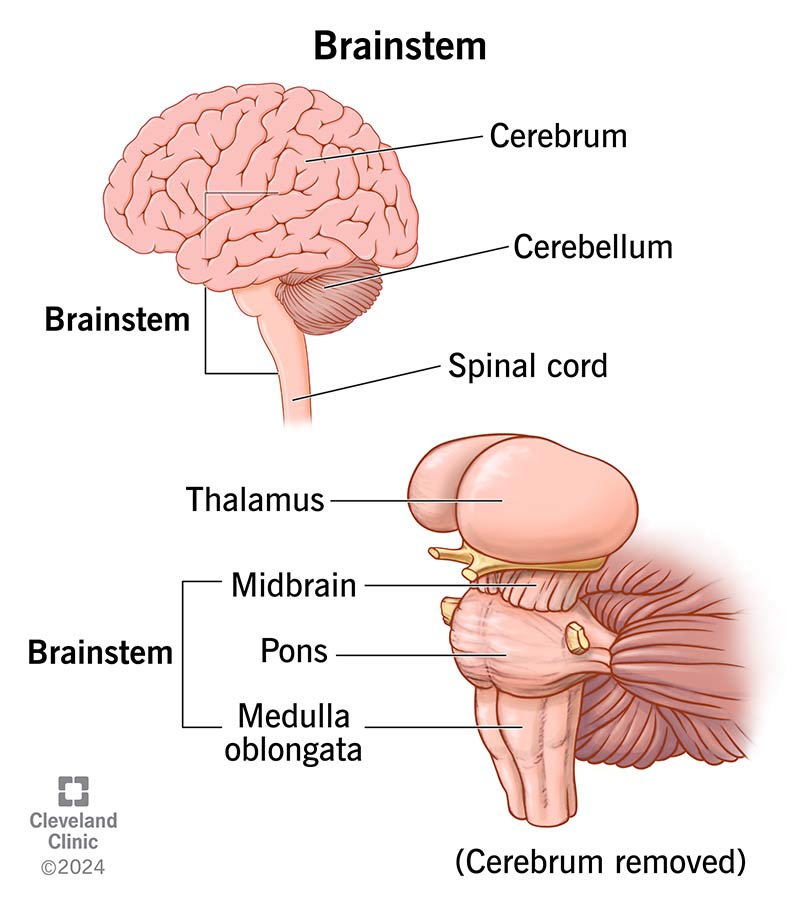


Top AI and Tech Trends Shaping 2025: A Deep Dive
Introduction to the AI and Tech Landscape in 2025
The year 2025 marks a pivotal moment in the evolution of artificial intelligence (AI) and technology. As industries adapt to rapid advancements, key trends are emerging that promise to redefine how businesses and consumers interact with technology. From agentic AI to breakthroughs in healthcare and cybersecurity, this article explores the most impactful developments shaping the future.
According to recent data, the U.S. National Science Foundation expanded its National AI Research Resource (NAIRR) Pilot in August 2025, adding 10 new datasets to foster broader AI research access. This move underscores the growing importance of AI infrastructure in driving innovation across sectors.
The Rise of Agentic AI: Autonomous Systems Take Center Stage
One of the most transformative trends in 2025 is the rise of agentic AI. These autonomous systems are designed to learn, adapt, and collaborate, moving beyond traditional AI models. Unlike static algorithms, agentic AI can dynamically adjust to new data, making it ideal for applications in logistics, virtual assistants, and software development.
McKinsey highlights that agentic AI is transitioning from pilot projects to full-scale deployments. Companies are leveraging these systems to enhance productivity and streamline operations. For instance, autonomous AI agents are now being used in supply chain management to optimize routes and reduce delivery times.
Key Applications of Agentic AI
- Logistics and Supply Chain: AI agents autonomously manage inventory and predict demand.
- Virtual Coworkers: AI-powered assistants handle repetitive tasks, freeing up human workers for strategic roles.
- Software Development: Autonomous systems assist in coding, debugging, and deploying applications.
Microsoft predicts that agentic AI will have a measurable impact on R&D throughput, accelerating innovation cycles across industries. This shift is not just about automation but about creating systems that can collaborate with humans in real-time.
Healthcare AI: A New Era of Personalized Medicine
The healthcare sector is experiencing a revolution driven by AI-powered solutions. In October 2025, the U.S. Department of Health and Human Services (HHS) doubled funding for childhood cancer research, with a strong emphasis on AI for detection, diagnostics, and personalized treatment. This investment reflects the growing role of AI in transforming patient care.
AI is being integrated into various aspects of healthcare, from early detection of diseases to personalized treatment plans. For example, AI algorithms analyze medical imaging data to identify anomalies with higher accuracy than traditional methods. Additionally, AI-driven microfluidics are enabling advancements in reproduction and precision medicine.
Breakthroughs in AI-Driven Healthcare
- Early Detection: AI models analyze patient data to identify diseases at earlier stages.
- Personalized Treatment: AI tailors treatment plans based on individual genetic profiles.
- Microfluidics and AI: Combining AI with microfluidics for advanced diagnostics and research.
The convergence of AI and biotechnology is addressing critical challenges, such as misinformation in medical data and the need for more efficient drug discovery processes. As AI continues to evolve, its impact on healthcare will only deepen, leading to better outcomes for patients worldwide.
Cybersecurity Consolidation: Major M&A Deals in 2025
The cybersecurity landscape is undergoing significant consolidation, driven by high-profile mergers and acquisitions. In 2025, Hewlett Packard Enterprise (HPE) completed its $13.4 billion acquisition of Juniper Networks, while Palo Alto Networks agreed to purchase CyberArk for approximately $25 billion. These deals highlight the growing importance of cybersecurity in an increasingly digital world.
As cyber threats become more sophisticated, companies are investing heavily in advanced security solutions. The consolidation trend is driven by the need for comprehensive security platforms that can protect against a wide range of threats, from ransomware to data breaches.
Impact of Cybersecurity M&A Deals
- Enhanced Security Solutions: Combined expertise leads to more robust security platforms.
- Market Competition: Consolidation reduces the number of players, increasing competition among the remaining firms.
- Innovation Acceleration: Merged companies can pool resources to develop cutting-edge security technologies.
The cybersecurity market is expected to continue its rapid growth, with AI playing a crucial role in threat detection and response. As businesses and governments prioritize security, the demand for advanced cybersecurity solutions will only increase.
Conclusion: The Future of AI and Tech in 2025 and Beyond
The trends shaping 2025 reflect a broader shift toward autonomous, intelligent systems that can adapt and collaborate. From agentic AI to breakthroughs in healthcare and cybersecurity, these developments are setting the stage for a future where technology is more integrated into our daily lives.
As we move forward, the convergence of AI, biotechnology, and sustainability will continue to drive innovation. Companies that embrace these trends will be well-positioned to lead in the next era of technological advancement.
AI Infrastructure and Data Accessibility: Fueling Innovation
The foundation of AI advancement in 2025 lies in robust infrastructure and accessible data. The U.S. National Science Foundation’s launch of the Integrated Data Systems and Services (IDSS) in August 2025 marked a significant milestone. By adding 10 new datasets to the National AI Research Resource (NAIRR) Pilot, the initiative aims to democratize AI research, enabling broader participation from academia and industry.
This expansion is critical for fostering explainable AI models, particularly in credit assessment. For instance, Fair Isaac (FICO) secured patents in October 2025 for AI models that use alternative data to score "unscorable" consumers. This innovation enhances financial inclusivity by providing credit access to individuals previously excluded from traditional systems.
Key Developments in AI Infrastructure
- Expanded Datasets: The NAIRR Pilot now includes diverse datasets, accelerating AI research across sectors.
- Explainable AI: FICO’s patents highlight the importance of transparency in AI-driven credit scoring.
- Collaborative Research: Public-private partnerships are driving AI infrastructure growth, ensuring broader access to critical resources.
The focus on data accessibility is not just about quantity but also about quality. High-quality, diverse datasets are essential for training AI models that are fair, accurate, and inclusive. As AI continues to permeate various industries, the role of infrastructure in supporting these advancements cannot be overstated.
Sustainability and Energy: Converging Technologies for a Greener Future
In 2025, the intersection of AI and sustainability is driving innovations that address some of the world’s most pressing environmental challenges. The World Economic Forum identifies technology convergence—such as AI combined with biotech, materials science, and energy—as a key trend. These convergences are leading to breakthroughs in structural battery composites, osmotic power, and advanced nuclear energy.
One notable example is the development of structural batteries, which integrate energy storage into building materials. This innovation reduces the need for separate battery systems, making structures more energy-efficient. Similarly, osmotic power harnesses the energy generated from the difference in salt concentration between freshwater and seawater, offering a sustainable alternative to traditional energy sources.
Emerging Sustainable Technologies
- Structural Battery Composites: Buildings and vehicles can now store energy within their structures, reducing reliance on external power sources.
- Osmotic Power: A renewable energy solution that leverages natural salt gradients to generate electricity.
- Advanced Nuclear Energy: Safer and more efficient nuclear reactors are being developed to provide clean energy at scale.
The push for sustainability is also evident in the redesign of industrial processes. Companies are adopting AI-driven solutions to optimize energy use, reduce waste, and minimize their carbon footprint. For example, AI algorithms are being used to monitor and adjust manufacturing processes in real-time, ensuring maximum efficiency with minimal environmental impact.
Edge Computing and DevSecOps: The Future of Software Development
The software development landscape in 2025 is being reshaped by two major trends: edge computing and DevSecOps. As businesses increasingly rely on real-time data processing, edge computing has emerged as a critical solution for reducing latency and enhancing privacy. By processing data closer to its source, edge computing minimizes the need for centralized cloud servers, improving speed and security.
Meanwhile, DevSecOps—the integration of security into DevOps practices—is becoming a standard in software development. This approach ensures that security is not an afterthought but a fundamental part of the development process. Automated scanning, supply chain verification, and continuous monitoring are key components of DevSecOps, helping organizations mitigate risks and comply with regulatory requirements.
Key Trends in Software Development
- Edge Functions: Deploying serverless functions at the edge to enhance performance and reduce latency.
- Distributed Databases: Leveraging decentralized databases to improve data accessibility and resilience.
- Automated Security Scanning: Integrating security checks into CI/CD pipelines to identify vulnerabilities early.
The adoption of edge computing and DevSecOps is driven by the need for faster, more secure, and scalable software solutions. As industries continue to digitalize, these trends will play a pivotal role in shaping the future of software development.
Biotech and AI: Revolutionizing Healthcare and Beyond
The convergence of biotechnology and AI is unlocking new possibilities in healthcare, agriculture, and environmental science. In 2025, advancements in engineered living therapeutics and GLP-1 therapies are transforming the treatment of chronic diseases. These therapies use AI to design personalized treatments that target specific biological pathways, improving efficacy and reducing side effects.
Another groundbreaking development is the integration of AI and microfluidics. This combination is revolutionizing diagnostics and research, enabling precise control over fluid flows at microscopic scales. For example, AI-driven microfluidic devices are being used to analyze blood samples with unprecedented accuracy, facilitating early disease detection and personalized medicine.
Innovations in Biotech and AI
- Engineered Living Therapeutics: AI-designed treatments that use living cells to target diseases.
- GLP-1 Therapies: Personalized treatments for metabolic disorders, enhanced by AI-driven insights.
- AI-Microfluidics: Advanced diagnostic tools that combine AI with microfluidic technology for precision medicine.
The synergy between biotech and AI is also driving progress in agriculture. AI models are being used to optimize crop yields, predict disease outbreaks, and develop sustainable farming practices. These innovations are critical for addressing global food security challenges and reducing the environmental impact of agriculture.
Economic Pressures and Regulatory Developments in 2025
Despite the rapid advancements in AI and technology, economic pressures and regulatory changes are shaping the landscape in 2025. The reinstatement of Trump-era tariffs has introduced uncertainty in the IT sector, slowing investments in some areas. However, the focus on AI and cybersecurity remains strong, driven by the need for innovation and security in an increasingly digital world.
On the regulatory front, the EXPERTS Act, passed in November 2025, mandates greater transparency in rulemaking processes. This legislation aims to limit industry delays and ensure that regulatory frameworks keep pace with technological advancements. Additionally, the CAA permitting reforms, advanced in December 2025, are streamlining approval processes for critical infrastructure projects, including those related to AI and energy.
Key Regulatory and Economic Trends
- Tariff Impacts: Economic uncertainty due to tariffs is affecting IT investments, though AI remains a priority.
- EXPERTS Act: Enhances transparency in rulemaking, reducing delays in regulatory processes.
- CAA Permitting Reforms: Accelerates approvals for infrastructure projects, supporting AI and energy initiatives.
Navigating these economic and regulatory challenges requires a strategic approach. Companies that adapt to changing policies and invest in resilient technologies will be better positioned to thrive in this dynamic environment.
The Role of Quantum Computing in AI Advancement
Quantum computing is emerging as a game-changer in AI development, offering unprecedented computational power to solve complex problems. In 2025, governments and private sector leaders are accelerating investments in quantum initiatives to mitigate risks and unlock new opportunities. The U.S. Office of Science and Technology Policy (OSTP) recognizes quantum computing as a critical tool for advancing AI, particularly in fields like drug discovery, materials science, and cryptography.
One of the most promising applications of quantum computing is in AI-driven drug discovery. Traditional methods of developing new medications are time-consuming and costly, but quantum algorithms can simulate molecular interactions at an atomic level, significantly speeding up the process. This convergence of quantum computing and AI is expected to revolutionize healthcare by enabling the rapid development of personalized treatments.
Quantum Computing Applications in AI
- Drug Discovery: Quantum simulations accelerate the identification of potential drug candidates.
- Materials Science: AI models leverage quantum computing to design advanced materials with unique properties.
- Cryptography: Quantum-resistant algorithms enhance cybersecurity in an era of increasing digital threats.
The integration of quantum computing into AI is still in its early stages, but the potential is immense. As research progresses, we can expect breakthroughs that will redefine industries, from healthcare to finance. Companies that invest in quantum-AI convergence today will be at the forefront of innovation in the coming years.
The Impact of 5G and E-Commerce on Digital Transformation
The rollout of 5G technology continues to drive digital transformation across industries, enabling faster connectivity and more reliable data transmission. In 2025, the combination of 5G and AI is unlocking new possibilities in e-commerce, autonomous vehicles, and smart cities. Businesses are leveraging these technologies to enhance customer experiences, optimize operations, and create new revenue streams.
In the e-commerce sector, 5G-powered AI is revolutionizing the way consumers shop. Faster load times, personalized recommendations, and augmented reality (AR) shopping experiences are becoming standard features. Retailers that adopt these technologies are seeing higher engagement rates and increased sales. Additionally, AI-driven logistics are improving supply chain efficiency, ensuring that products reach customers faster and more reliably.
5G and AI in Digital Transformation
- Enhanced E-Commerce: Faster connectivity and AI personalization improve the online shopping experience.
- Autonomous Vehicles: 5G enables real-time data processing for safer and more efficient self-driving cars.
- Smart Cities: AI and 5G work together to optimize traffic flow, energy use, and public services.
The synergy between 5G and AI is also transforming industries like manufacturing and healthcare. In manufacturing, AI-powered robots with 5G connectivity can operate with greater precision and adaptability. In healthcare, remote monitoring and telemedicine are becoming more accessible, thanks to the high-speed, low-latency capabilities of 5G networks.
Addressing Ethical and Societal Challenges in AI
As AI continues to advance, ethical and societal challenges are coming to the forefront. Issues such as bias in AI algorithms, job displacement, and privacy concerns require careful consideration. In 2025, governments, businesses, and researchers are working together to develop frameworks that ensure AI is used responsibly and equitably.
One of the most pressing concerns is algorithm bias, which can perpetuate discrimination in areas like hiring, lending, and law enforcement. To combat this, organizations are implementing explainable AI models that provide transparency into how decisions are made. Additionally, diverse datasets and inclusive design practices are being adopted to minimize bias and ensure fairness.
Key Ethical Considerations in AI
- Algorithm Bias: Ensuring AI models are trained on diverse datasets to prevent discriminatory outcomes.
- Job Displacement: Addressing the impact of automation on the workforce through reskilling programs.
- Privacy Concerns: Implementing robust data protection measures to safeguard user information.
Another critical challenge is the potential for job displacement due to AI-driven automation. While AI can enhance productivity, it also raises concerns about the future of work. Governments and businesses are responding by investing in reskilling and upskilling programs to prepare workers for the jobs of tomorrow. By fostering a workforce that can adapt to technological changes, societies can mitigate the negative impacts of automation.
Conclusion: The Future of AI and Technology in 2025 and Beyond
The year 2025 represents a turning point in the evolution of AI and technology. From the rise of agentic AI to breakthroughs in healthcare, sustainability, and cybersecurity, the trends shaping this year are setting the stage for a future where technology is more integrated, intelligent, and impactful. As industries continue to adopt these advancements, the potential for innovation and growth is boundless.
Key takeaways from the trends discussed include:
- Agentic AI is transforming industries by enabling autonomous, adaptive systems.
- Healthcare AI is revolutionizing diagnostics and personalized medicine.
- Cybersecurity consolidation is driving the development of comprehensive security solutions.
- Quantum computing is unlocking new possibilities in AI-driven research and development.
- 5G and AI are accelerating digital transformation across sectors.
- Ethical AI frameworks are essential for ensuring responsible and equitable use of technology.
As we look ahead, the convergence of AI, biotechnology, sustainability, and quantum computing will continue to drive progress. Companies that embrace these trends and invest in innovation will be well-positioned to lead in the next era of technological advancement. The future of AI and technology is not just about what these tools can do but how they can be harnessed to create a better, more sustainable, and equitable world for all.
In this rapidly evolving landscape, staying ahead requires a commitment to continuous learning, adaptation, and responsible innovation. By leveraging the power of AI and technology, we can address global challenges, unlock new opportunities, and shape a future that benefits everyone.




Major AI Trends Reshaping Business and Technology in 2025
The technological landscape of 2025 is being fundamentally reshaped by the rapid maturation and convergence of artificial intelligence. This year marks a pivotal shift from experimental pilots to strategic, enterprise-wide deployments. From agentic AI systems to specialized industry models, AI is becoming deeply embedded in infrastructure, healthcare, and software development.
Economic pressures and geopolitical tensions are accelerating a focus on sovereign capabilities and specialized chips. Simultaneously, massive investments and regulatory actions are setting the stage for the next decade of innovation. This article explores the defining trends, backed by recent data and developments, that are setting the agenda for business leaders.
The Rise of Agentic AI and Autonomous Systems
A defining shift in 2025 is the move toward agentic AI. These are autonomous systems that can learn, make decisions, and collaborate with minimal human intervention. McKinsey highlights this as a key trend, noting the consolidation of narrower AI categories into one overarching AI category.
These agents are transitioning from labs to real-world applications in logistics, virtual coworking, and software development. Microsoft predicts measurable impacts on research and development throughput as these systems handle complex, multi-step tasks.
From Generative to Agentic Workflows
The initial wave of generative AI focused on content creation. The new wave focuses on action and workflow automation. Agentic AI systems can manage entire processes, such as coordinating supply chains or handling customer service resolutions end-to-end.
This autonomy promises significant productivity gains. However, it also raises important questions about oversight, security, and integration into existing business ecosystems. The development frenzy in this space signals its perceived transformative potential.
Infrastructure and Data: Fueling the Next AI Wave
Robust AI infrastructure is critical for supporting these advanced systems. Recent U.S. government initiatives highlight this priority. On August 28, 2025, the National Science Foundation launched the Integrated Data Systems and Services (IDSS).
This initiative added 10 new datasets to the National AI Research Resource (NAIRR) Pilot, broadening access for researchers and fueling innovation.
Furthermore, innovations in credit scoring demonstrate applied AI's power. Fair Isaac (FICO) secured patents on October 25, 2025, for explainable AI models. These models use alternative data to score previously "unscorable" consumers, enhancing financial inclusivity.
The Edge Computing Imperative
As AI becomes more pervasive, edge computing is rising in importance. Processing data closer to its source reduces latency, improves privacy, and enhances reliability. This is crucial for real-time applications like autonomous vehicles and industrial IoT.
Trends in software development for 2025 emphasize edge functions and distributed databases. This architectural shift supports the decentralized, responsive nature of modern agentic AI applications and smart devices.
Healthcare AI Receives Unprecedented Funding
The healthcare sector is witnessing a massive infusion of capital directed toward AI-driven research. On October 2, 2025, the U.S. Department of Health and Human Services announced it had doubled funding for childhood cancer research.
A key priority of this funding is leveraging artificial intelligence for early detection, advanced diagnostics, and personalized treatment plans. This move underscores a broader trend where AI is seen as a pivotal tool in tackling some of medicine's most complex challenges.
Convergence with Biotechnology
The World Economic Forum identifies technology convergence as a major theme. AI is increasingly intertwined with biotechnology, leading to next-generation therapies. Examples include engineered living therapeutics and the application of AI-microfluidics for precision medicine.
This convergence accelerates drug discovery and materials science, enabling breakthroughs that would be impossible through traditional research methods alone. The focus is shifting toward highly specialized AI models designed for specific scientific domains.
Major Consolidation Reshapes Tech and Cybersecurity
The corporate landscape is reacting to these technological shifts through significant consolidation. Two landmark deals in 2025 signal strategic moves to control integrated platforms and security stacks.
- Hewlett Packard Enterprise completed its $13.4 billion acquisition of Juniper Networks, aiming to strengthen its networking and AI-driven edge-to-cloud offerings.
- Palo Alto Networks agreed to acquire CyberArk for approximately $25 billion on July 30, 2025, highlighting the intense consolidation in the cybersecurity sector.
These mergers reflect a drive toward comprehensive, AI-powered solutions that can manage complex, interconnected digital environments. Companies are building end-to-end capabilities to serve enterprise clients better.
Regulatory and Economic Pressures
Business investment faces headwinds from policy uncertainty. Potential Trump-era tariff extensions create IT spending hesitation, potentially slowing investments despite the strong focus on AI. Concurrently, a regulatory push for transparency is underway.
The EXPERTS Act, passed on November 19, 2025, mandates greater transparency in federal rulemaking and limits industry delays. This reflects a growing demand for clarity and stability as transformative technologies like AI become more regulated.
Sovereign AI and the Race for Specialized Hardware
Geopolitical tensions are accelerating a global move toward sovereign AI capabilities. Nations and major corporations are investing heavily in localized AI infrastructure and chip production to mitigate supply chain risks. This trend, identified by McKinsey, goes beyond geopolitics to include building resilience and competitive advantage.
The focus is shifting toward application-specific semiconductors designed for AI workloads rather than generic CPUs. This specialization drives efficiency and performance gains essential for training next-generation models. It also underpins the development of national research resources like the enhanced NAIRR Pilot.
Mitigating Risk Through Sovereign Stacks
Building sovereign technology stacks involves the entire pipeline: from chip design and fabrication to data governance and model training. Countries are establishing national strategies to ensure their economies are not dependent on foreign-controlled technologies. This is particularly evident in the realms of quantum computing and artificial intelligence.
The World Economic Forum notes that managing the risks of technological concentration is a top priority, with sovereign infrastructure seen as a key mitigation strategy.
For businesses, this means navigating a more complex, regionally fragmented technology landscape. It also presents opportunities for providers offering compliant, localized cloud and AI services.
Sustainability Through Technological Convergence
A powerful theme for 2025 is using technology convergence to tackle climate and sustainability challenges. The World Economic Forum's Top 10 Emerging Technologies list highlights innovations that combine AI, biotechnology, and materials science to redesign industrial processes.
Key areas of focus include structural battery composites, where batteries become part of a product's structure, and advanced nuclear designs. These technologies are projected to reach deployment within the next 3 to 5 years, representing a significant shift in energy and manufacturing.
Redesigning Industrial Systems
Convergence is leading to smarter, more efficient systems. AI models are being used to optimize energy grids, while new materials enable technologies like osmotic power generation. The goal is a fundamental redesign for circularity and reduced environmental impact.
- AI for Climate Modeling: Advanced models are improving the accuracy of climate predictions and assessing mitigation strategies.
- Engineered Materials: New composites and alloys are enabling lighter, stronger, and more sustainable products.
- Carbon Capture and Utilization: Convergence of chemistry, engineering, and AI is making CCU processes more efficient and scalable.
This trend is driven by both regulatory pressure and significant economic opportunity, attracting major investment from the public and private sectors.
The Evolution of Software Development and Security
The software development lifecycle is being reshaped by AI and security imperatives. The rise of agentic AI is not just a product trend but a tool for developers themselves. AI assistants are evolving from code suggestors to autonomous agents that can manage parts of the development pipeline.
Concurrently, the integration of security, termed DevSecOps, is becoming non-negotiable. Automated code scanning, software supply chain verification, and AI-powered threat detection are now embedded in modern CI/CD workflows. This is a direct response to the increasing sophistication of cyberattacks.
Prioritizing Developer Experience and Safety
Tools are focusing on reducing cognitive load and automating mundane tasks, allowing developers to focus on architecture and innovation. Edge computing demands new paradigms, leading to growth in serverless edge functions and globally distributed data platforms.
The massive consolidation in cybersecurity, exemplified by the $25 billion Palo Alto-CyberArk deal, reflects the need for unified platforms that can provide comprehensive protection across identities, endpoints, and networks in an AI-augmented world.
Breakthroughs in Biotechnology and Precision Health
The intersection of AI and biology is producing some of the most groundbreaking innovations. Following the doubled HHS funding for childhood cancer research, AI is being leveraged for early detection and personalized therapeutic regimens. This goes beyond analysis to active design.
The next generation of therapies includes engineered living therapeutics and novel applications of drugs like GLP-1s. AI models specialized for molecular design are drastically shortening the drug discovery timeline, moving from years to months in some cases.
AI-Microfluidics and Reproductive Health
A specific convergence highlighted by innovation foresight firms is AI-microfluidics. This combination allows for ultra-precise manipulation and analysis of cells and fluids. Applications are emerging in reproductive health, enabling new levels of diagnostics and treatment personalization.
- High-Throughput Screening: AI-driven labs-on-a-chip can rapidly test thousands of drug candidates or genetic markers.
- Precision Medicine: Models can predict individual patient responses to treatments based on their unique biological data.
- Diagnostic Accessibility: Portable, AI-powered diagnostic devices bring advanced medicine to remote or resource-limited settings.
These advances signal a move toward truly predictive and preventive healthcare, powered by specialized AI models trained on vast biological datasets.
Economic Realities and the Productivity Promise
Amidst these technological leaps, businesses face a complex economic landscape. While generative AI has demonstrated clear productivity boosts in knowledge work, broader IT investment is cautious. Uncertainty around trade policies and tariffs can slow capital expenditure, even in high-priority areas like AI.
However, the pressure to adopt AI for competitive advantage is immense. Companies are seeking measurable ROI through operational efficiency, automated customer interactions, and accelerated R&D. Sectors like e-commerce and telecommunications continue to see growth driven by 5G and personalized experiences.
Measuring the AI Impact on Business Outcomes
The conversation is shifting from cost-center to value-driver. Leaders are looking beyond pilot projects to quantify AI's impact on revenue, market share, and innovation speed. Microsoft and others point to measurable impacts on R&D throughput as a key metric.
The consolidation of AI into a single, overarching strategic category means it is now a boardroom priority, integral to long-term planning across all business functions.
Success requires navigating not only the technology but also the talent gap, ethical considerations, and evolving regulatory frameworks like the EXPERTS Act, which demands greater transparency from both government and industry.
Regulatory Frameworks and Ethical AI Governance
As artificial intelligence becomes more powerful and pervasive, 2025 is a pivotal year for establishing its governance. Regulatory bodies worldwide are moving from principle-based guidelines to enforceable rules. The U.S. EXPERTS Act, mandating transparency in rulemaking, exemplifies this shift toward holding both developers and deployers accountable.
This regulatory push aims to address critical concerns around bias, explainability, and the societal impact of autonomous systems. For businesses, this means compliance is no longer optional but a core component of AI strategy. Proactive governance can also serve as a competitive differentiator, building trust with consumers and partners.
Building Trust Through Explainable AI
Initiatives like FICO's patented models for scoring "unscorable" consumers highlight the industry's move toward explainable AI. Regulatory trends will increasingly demand that AI decisions, especially in finance, healthcare, and hiring, are not just accurate but also interpretable. This builds essential trust in automated systems.
Transparency is becoming a key feature, not a bug, essential for scaling AI applications in regulated industries and for public acceptance.
Companies investing in ethical AI frameworks and audit trails will be better positioned to navigate the coming wave of legislation. This aligns with the U.S. Office of Science and Technology Policy's recognition of AI's role in accelerating discovery responsibly.
Future Outlook: The 2025-2030 Horizon
The trends established in 2025 set the trajectory for the latter half of the decade. Agentic AI will evolve from single-task automation to managing complex, multi-agent ecosystems that collaborate across organizational boundaries. The convergence of AI with other deep technologies like quantum computing and synthetic biology will unlock new frontiers.
Infrastructure will continue to be a major battleground, with competition in specialized semiconductors and sovereign cloud services intensifying. The successful companies will be those that master not just the technology, but the entire stack from silicon to solution, coupled with robust governance.
The Human-AI Collaboration Paradigm
The narrative is shifting from AI as a replacement to AI as a collaborator. The future of work will be defined by human-AI teams, where agents handle routine complexity, freeing humans for strategic creativity and oversight. This requires significant investment in workforce reskilling and organizational change management.
- Augmented Creativity: AI will act as a co-pilot in design, engineering, and scientific discovery.
- Democratized Expertise: Specialized AI models will make expert-level knowledge accessible in fields from law to medicine.
- Continuous Learning: Systems and workforce will need to adapt in real-time to new tools and capabilities.
Strategic Recommendations for Business Leaders
Navigating the 2025 landscape requires a proactive and strategic approach. Leaders must move beyond experimentation to orchestrate a coherent AI-powered transformation across their organizations. This involves making critical choices about infrastructure, talent, and partnerships.
Building a competitive advantage will depend on leveraging convergent technologies to solve specific industry problems. Whether in sustainable materials, precision health, or secure software, the winners will integrate AI deeply into their core value proposition.
Actionable Steps for Implementation
To harness these trends effectively, organizations should consider the following strategic actions:
- Audit AI Readiness: Evaluate your data infrastructure, talent pool, and governance policies. Prioritize gaps that could hinder scaling.
- Invest in Sovereign Resilience: Assess supply chain and infrastructure dependencies. Explore partnerships for localized or specialized compute resources.
- Pilot Agentic Workflows: Identify high-volume, rule-based business processes for initial agentic AI deployment, focusing on measurable ROI.
- Embed Ethics by Design: Integrate explainability, bias testing, and compliance checks into your AI development lifecycle from the start.
- Foster Cross-Disciplinary Teams: Break down silos between IT, data science, domain experts, and ethics officers to drive responsible innovation.
Conclusion: Integrating the 2025 AI Landscape
The technological trends of 2025 paint a picture of an era where artificial intelligence transitions from a disruptive novelty to a foundational, integrated force. The convergence of agentic AI, specialized infrastructure, and biotechnology is creating unprecedented opportunities for innovation and efficiency. The massive M&A activity, like the $25 billion cybersecurity deals, underscores the strategic rush to control comprehensive platforms.
Sovereignty and sustainability have risen to the forefront, driven by geopolitical and environmental pressures. The doubling of government funding for AI-driven healthcare research and the expansion of the NAIRR Pilot with 10 new datasets demonstrate significant public-sector commitment to leading in this domain.
Key Takeaways for the Future
Several critical themes emerge as the defining legacies of 2025's tech evolution:
- AI is Now a Horizontal Capability: It is no longer a vertical trend but an essential layer across all business functions and industries.
- Specialization is Key: The future belongs to specialized models, specialized chips, and industry-specific solutions, not generic tools.
- Convergence Drives Breakthroughs: The most powerful innovations will occur at the intersection of AI, biotech, energy, and materials science.
- Governance is a Strategic Imperative: Ethical, explainable, and compliant AI is a prerequisite for scale and public trust.
The path forward requires a balanced focus on explosive innovation and responsible implementation. Companies that can master both the technical complexity and the human dimensions of this change will define the next decade. The infrastructure decisions made today, the talent cultivated, and the ethical frameworks established will determine competitive advantage in an increasingly autonomous and intelligent world.
The era of AI as a science project is over. The era of AI as the core engine of business and societal progress has definitively begun. Success will belong to those who can strategically integrate these vast capabilities to deliver tangible value, build resilience, and navigate the evolving landscape with both ambition and responsibility.