Explore Any Narratives
Discover and contribute to detailed historical accounts and cultural stories. Share your knowledge and engage with enthusiasts worldwide.
Writing engaging articles is both an art and a science. In today's fast-paced digital world, capturing and retaining reader attention requires more than just good ideas—it demands strategic structure, compelling storytelling, and SEO optimization. Whether you're crafting content for LinkedIn, blogs, or professional publications, mastering these techniques can transform your writing from overlooked to outstanding.
The digital landscape is saturated with content, making it harder than ever to stand out. According to recent studies, the average reader spends less than 15 seconds on a webpage before deciding whether to stay or leave. This statistic underscores the importance of creating highly engaging content that immediately grabs attention and delivers value.
Engaging articles not only attract readers but also encourage sharing, boost SEO rankings, and establish authority in your niche. For professionals, particularly on platforms like LinkedIn, well-crafted articles can open doors to networking opportunities, partnerships, and career growth.
A compelling headline is your first—and sometimes only—chance to hook a reader. Research shows that 80% of readers will read your headline, but only 20% will proceed to the body. This makes your headline the most critical element of your article.
To craft an effective headline:
"On average, 5 times as many people read the headline as read the body copy." — David Ogilvy
Modern readers skim content before committing to a full read. To accommodate this behavior, structure your articles for maximum scannability:
For example, LinkedIn articles that incorporate these elements see 30% higher engagement rates compared to those with dense, unstructured text.
Storytelling is a powerful tool for making your content relatable and memorable. Personal anecdotes, case studies, and real-world examples help readers connect emotionally with your message.
Consider these storytelling techniques:
Richard Branson, founder of Virgin Group, often uses personal stories in his articles to illustrate business lessons. This approach not only engages readers but also humanizes his brand.
SEO is no longer optional—it’s essential for visibility. Keyword research helps you understand what your audience is searching for and allows you to tailor your content accordingly.
Key steps for effective keyword integration:
While SEO is crucial, your primary focus should always be on serving the reader. Search engines prioritize content that provides value, answers questions, and keeps users engaged.
To balance SEO and readability:
LinkedIn’s algorithm, for instance, favors articles that combine keyword optimization with high engagement metrics like likes, comments, and shares.
Before diving into writing, test your article ideas to ensure they resonate with your audience. LinkedIn polls, Twitter surveys, and email feedback are excellent tools for gauging interest.
For example:
Experts recommend writing 15 or more headlines for each article. This exercise helps you refine your messaging and identify the most compelling hook.
Tips for headline testing:
Data shows that articles with optimized headlines receive up to 50% more shares on social media platforms.
Writing engaging articles is a dynamic process that combines creativity, strategy, and continuous refinement. By focusing on strong headlines, scannable structures, and compelling storytelling, you can create content that not only attracts readers but also keeps them coming back for more.
In Part 2 of this series, we’ll dive deeper into advanced techniques, including the use of visuals, interactive elements, and editing strategies to polish your articles to perfection. Stay tuned!
In an era where attention spans are shrinking, visuals and interactive elements play a crucial role in keeping readers engaged. Studies show that articles with relevant images receive 94% more views than those without. This underscores the importance of integrating multimedia to break up text and reinforce your message.
Visuals serve multiple purposes in engaging articles:
When selecting images, opt for high-quality, relevant visuals that align with your content. Infographics, charts, and diagrams are particularly effective for data-heavy topics. For example, an article on "The Future of Remote Work" could include a graph showing the growth of remote jobs over the past five years.
Interactive content takes engagement to the next level by involving the reader directly. Some effective interactive elements include:
LinkedIn articles that incorporate interactive elements see a 40% increase in time spent on page, signaling higher engagement and interest.
Even the most well-researched and creatively written articles can fall flat without proper editing. Editing is the final step that ensures your content is polished, professional, and ready for publication.
No writer produces perfect content in the first draft. Multiple rounds of proofreading help catch errors in grammar, spelling, and punctuation, while also refining clarity and flow. Consider these best practices:
According to a study by The Writers College, articles that undergo at least three rounds of editing are 60% more likely to be shared due to their polished and professional appearance.
Consistency in formatting enhances the reader’s experience by making your content easy to follow. Key formatting elements to standardize include:
Articles with consistent formatting are perceived as more trustworthy and professional, which can significantly impact reader engagement and credibility.
While basic storytelling can make your content more relatable, advanced techniques can elevate your articles to new heights. These methods help you connect with readers on a deeper level and keep them invested in your message.
The Hero’s Journey is a classic storytelling structure that can be adapted to article writing. It follows a protagonist (which could be your reader) as they face challenges, overcome obstacles, and achieve success. Here’s how to apply it:
For example, an article titled “How I Overcame Writer’s Block and Doubled My Productivity” could follow this framework to create a compelling narrative that resonates with aspiring writers.
Anecdotes are short, personal stories that illustrate a larger point. They add a human touch to your writing and make abstract concepts more tangible. Tips for using anecdotes effectively:
For instance, an article on time management might begin with a personal story about missing a deadline due to poor planning, then transition into actionable tips for better organization.
Incorporating data and statistics into your articles not only adds credibility but also makes your content more persuasive. Readers are more likely to trust and engage with information that is backed by evidence.
To ensure your data is accurate and trustworthy, use reputable sources such as:
Always cite your sources to maintain transparency and build trust with your audience. For example:
According to a 2024 report by HubSpot, articles with statistics are 3x more likely to be shared on social media.
How you present data can significantly impact its effectiveness. Consider these strategies:
For instance, instead of simply stating that “remote work has increased,” you could present a graph showing the percentage growth of remote jobs from 2020 to 2025, along with a brief analysis of the trend.
Not all platforms are created equal, and tailoring your content to fit the specifics of each can greatly enhance its performance. Whether you're writing for LinkedIn, a personal blog, or a professional magazine, understanding platform nuances is key.
LinkedIn is a platform for professionals, so your content should reflect a balance of expertise and approachability. Key strategies for LinkedIn articles include:
Articles on LinkedIn that follow these guidelines see higher engagement rates, including more likes, shares, and comments.
Blogs allow for more personal expression and in-depth exploration of topics. To maximize engagement on your blog:
Blogs that combine personal storytelling with data-driven insights tend to build loyal readerships and higher retention rates.
Creating engaging articles is a multifaceted process that requires a blend of creativity, strategy, and technical skill. From crafting compelling headlines to leveraging visuals and data, each element plays a vital role in capturing and retaining reader attention.
In Part 3 of this series, we’ll explore final touches, including call-to-action strategies, promotion techniques, and measuring success to ensure your articles achieve their full potential. Stay tuned for the concluding insights that will help you master the art of engaging content creation.
A well-written article should not only inform or entertain but also inspire action. Call-to-actions (CTAs) guide readers toward the next step, whether it’s subscribing to a newsletter, downloading a resource, or engaging in a discussion. A strong CTA can increase conversion rates by up to 80% when executed effectively.
Depending on your article’s purpose, you can use various types of CTAs:
For example, LinkedIn articles with engagement CTAs receive 3x more comments than those without, fostering a sense of community and interaction.
To maximize the effectiveness of your CTAs, follow these best practices:
A study by Copyhackers found that articles with clear, benefit-driven CTAs see a 50% higher click-through rate compared to generic requests.
Writing an engaging article is only half the battle—promotion is key to ensuring your content reaches the right audience. Without a solid promotion strategy, even the best articles can go unnoticed.
Social media is a powerful tool for amplifying your content’s reach. Here’s how to use different platforms effectively:
Articles promoted across multiple social platforms see a 200% increase in traffic compared to those shared on just one platform.
Email remains one of the most effective ways to distribute content directly to your audience. To leverage email marketing:
According to HubSpot, emails with personalized subject lines have a 26% higher open rate, making them a critical tool for content promotion.
To refine your article-writing strategy, it’s essential to track performance metrics. Analytics provide insights into what’s working and what needs improvement.
Focus on these critical metrics to gauge your article’s success:
Articles with a low bounce rate (below 40%) and high time on page (over 3 minutes) are typically more engaging and valuable to readers.
Several tools can help you monitor and analyze your article’s performance:
Using these tools, you can identify patterns and adjust your strategy to maximize engagement and reach.
Writing engaging articles is an ongoing process that requires continuous learning and adaptation. Here are some final tips to ensure long-term success:
The digital landscape is constantly evolving, and staying informed about emerging trends is crucial. Follow industry leaders, subscribe to newsletters, and participate in webinars to keep your skills sharp.
Don’t be afraid to try new formats, styles, or topics. Experimentation can lead to breakthroughs in engagement and creativity. For example, mixing video content with written articles can attract a broader audience.
Engage with your readers by responding to comments, asking for feedback, and fostering discussions. A loyal community can become your biggest advocate, amplifying your reach through word-of-mouth and shares.
Writing engaging articles is both a science and an art. From crafting compelling headlines to leveraging visuals, storytelling, and data, each element plays a vital role in capturing and retaining reader attention. By focusing on SEO optimization, strategic promotion, and performance analytics, you can create content that not only resonates with your audience but also drives meaningful action.
Remember, the key to long-term success lies in continuous improvement. Stay curious, experiment with new techniques, and always prioritize delivering value to your readers. With these strategies, you’ll be well on your way to mastering the art of writing engaging articles that leave a lasting impact.
Now it’s your turn—put these insights into practice and watch your content soar to new heights!





Your personal space to curate, organize, and share knowledge with the world.
Discover and contribute to detailed historical accounts and cultural stories. Share your knowledge and engage with enthusiasts worldwide.
Connect with others who share your interests. Create and participate in themed boards about any topic you have in mind.
Contribute your knowledge and insights. Create engaging content and participate in meaningful discussions across multiple languages.
Already have an account? Sign in here

Master the art of writing engaging articles in 2025 with expert SEO strategies, storytelling techniques, and interactive...
View Board
Discover proven strategies to craft **engaging content** that captivates readers, drives action, and builds lasting conn...
View Board
"Master engaging content writing! Learn storytelling, active voice & audience targeting to captivate readers & boost int...
View Board
Master SEO content writing in 2025 with AI tools, E-E-A-T principles, and search trends to create high-ranking, engaging...
View Board
"Stay informed on December 2025's global security threats: mass shootings, terror attacks, and war updates. Get the late...
View Board
Discover the top content creation and web design trends for 2025, from AI-driven personalization to immersive interactiv...
View Board
Explore December 2025's armed conflicts, global developments, and humanitarian crises. Get insights on political shifts ...
View Board
Discover the top content creation and web design trends for 2025, from AI-driven personalization to immersive AR/VR expe...
View Board
Discover 2025's top content trends: AI personalization, short-form video, and immersive experiences. Boost engagement an...
View Board
"Explore 2025's growing global security threats, from mass shootings to geopolitical tensions. Understand national respo...
View Board
Top 2025 Content Creation Trends: AI, Short-Form Video & Hyper-Personalization Introduction: The Evolution of Content C...
View Board
"Discover 2025’s top web trends: AI, short videos & personalization. Expert tips to boost engagement & performance. Stay...
View Board
Discover the top AI trends of 2025 reshaping business & tech, from agentic AI to sovereign infrastructure. Stay ahead wi...
View Board
Discover the top content creation trends for 2025, including AI-driven strategies, short-form video dominance, and immer...
View Board
David Brown: A Pioneering Figure in Modern Literature Digital media has transformed the literary landscape in myriad wa...
View Board
Explore the allure of enduring film franchises and their impact on cinema. Discover how iconic series like "Star Wars" a...
View Board
Discover how fan theories are reshaping modern cinema, turning audiences into active co-creators. Explore the dynamic in...
View Board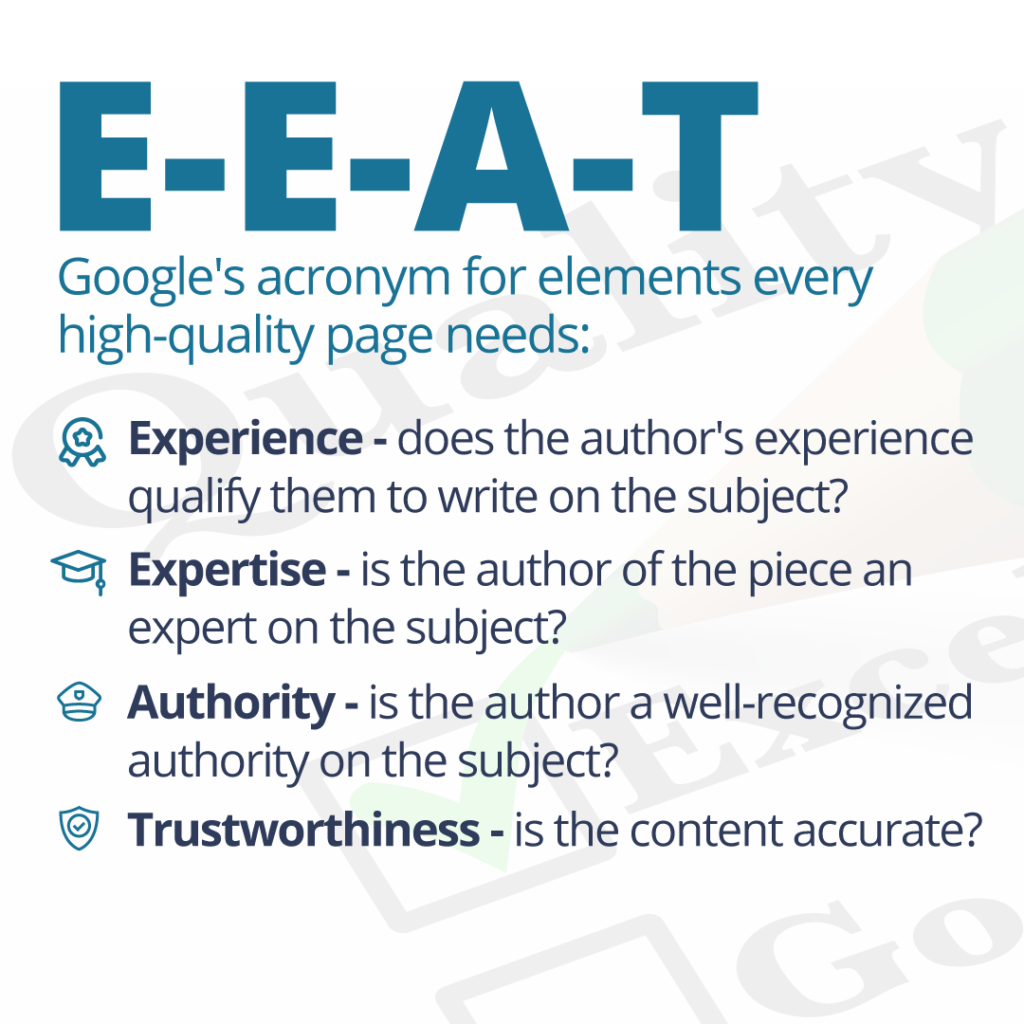
Discover how Google's December 2025 Core Update impacts rankings and learn actionable strategies to adapt. Stay ahead wi...
View BoardDavid Dobrik's rise to fame as a YouTube sensation and his evolution into a multifaceted influencer, entrepreneur, and c...
View Board
Explore the influential career of Lindsay Ellis, a trailblazer in film criticism and internet culture, known for her ins...
View Board
Comments