Explore Any Narratives
Discover and contribute to detailed historical accounts and cultural stories. Share your knowledge and engage with enthusiasts worldwide.
Greece, a land steeped in history and culture, continues to captivate the world with its rich heritage. In 2025, the country stands as the world's top cultural heritage destination, boasting 18 UNESCO World Heritage Sites that span millennia. From the ancient ruins of Mycenae to the Byzantine monasteries of Meteora, Greece's cultural tapestry is as diverse as it is profound. This article delves into the significance of O-Omhros-O-My8ikos-Poihths-ths-Arxaias-Elladas, exploring the recent developments, key facts, and the enduring allure of Greece's cultural heritage.
Greece's cultural heritage is a testament to its enduring legacy. The country's 18 UNESCO World Heritage Sites are a blend of ancient, classical, Byzantine, and Orthodox Christian influences. These sites not only attract millions of tourists but also serve as a bridge connecting the past with the present. The Acropolis of Athens, the Meteora monasteries, and the ancient city of Mycenae are just a few examples of the architectural and historical marvels that define Greece's cultural landscape.
Greece's UNESCO World Heritage Sites are a testament to its rich history. These sites include:
Heritage tourism is a significant contributor to Greece's economy. In 2024, it generated €20 billion, supporting jobs in hospitality, retail, and the arts. The country's cultural heritage sites are not just historical landmarks but also vital economic assets that drive local economies and foster cultural exchange.
Greece's commitment to preserving and promoting its cultural heritage is evident in the recent developments and initiatives undertaken by the Ministry of Culture. These efforts aim to enhance the visitor experience, protect historical sites, and ensure the sustainable management of cultural resources.
In September 2025, the Ministry of Culture completed the restoration of the Churches of Saint Anna and Christ Pantocrator in Veria. This project is part of a broader initiative that has seen over €25 million invested in the Imathia region since 2019. These restoration efforts are crucial for preserving Greece's architectural heritage and ensuring that future generations can appreciate these historical treasures.
A significant development in 2025 is the launch of the cultural routes network, funded by a €50 million EU Recovery and Resilience grant. This initiative aims to connect thematic heritage itineraries across various regions, promoting regional connectivity and enhancing the visitor experience. The cultural routes network is a testament to Greece's commitment to integrating its cultural heritage into broader economic and social development strategies.
The European Heritage Days, held on September 28, 2025, were a highlight of Greece's cultural calendar. The Acropolis Museum hosted free events focused on the Erechtheion, with the theme "Architectural heritage - bridging past and future." These events included sold-out tours and free evening access, attracting thousands of visitors and showcasing the enduring appeal of Greece's cultural heritage.
The Greek Ministry of Culture has launched the “Cultural Charter of Development and Prosperity”, a comprehensive plan that runs until 2030. This charter aims to integrate heritage protection, museum upgrades, and urban links to sites like Byzantine Anchialos for economic growth and job creation. The charter is a strategic framework that underscores the importance of cultural heritage in driving sustainable development and prosperity.
The Cultural Charter of Development and Prosperity has several key objectives:
Greece's commitment to its cultural heritage is further evidenced by the €1.3 billion national cultural investment program, the largest in the country's history. This program, funded by EU NSRF/RRF funds, aims to open 28 new museums by 2028 and allocate €100 million for projects in Thessaly, including the ancient city of Demetrias. These investments are crucial for preserving Greece's cultural heritage and ensuring its continued relevance in the modern world.
While Greece's cultural heritage is a source of national pride and economic benefit, it also faces several challenges. Overtourism, climate change, and urbanization are significant threats that require careful management and innovative solutions. The Greek Ministry of Culture is actively addressing these challenges through various initiatives and strategies.
Overtourism is a pressing issue for popular sites like the Acropolis and Santorini. The influx of visitors can lead to erosion and damage to historical structures. To mitigate these effects, the Ministry of Culture has allocated over €25 million for restorations and sustainable strategies. These efforts include visitor management plans, conservation projects, and the promotion of lesser-known cultural sites to distribute tourist traffic more evenly.
Climate change poses a significant threat to Greece's cultural heritage. Rising temperatures, increased rainfall, and extreme weather events can accelerate the deterioration of ancient structures and artifacts. The Heritage Site Management Field School in Athens, held in June 2025, focused on training participants to address these threats. The field school emphasized the importance of climate-resilient management practices and the role of indigenous knowledge in heritage preservation.
The European Days of Conservation-Restoration 2025 highlighted the importance of preserving Greece's antiquities. This event brought together experts, conservators, and policymakers to discuss best practices and innovative techniques for heritage conservation. The focus on conservation and restoration underscores Greece's commitment to safeguarding its cultural heritage for future generations.
Greece's cultural heritage is a testament to its rich history and enduring legacy. The country's 18 UNESCO World Heritage Sites, recent developments in heritage management, and the Cultural Charter of Development and Prosperity underscore the importance of preserving and promoting Greece's cultural treasures. While challenges like overtourism and climate change pose significant threats, the Greek Ministry of Culture is actively addressing these issues through innovative strategies and substantial investments. As the world's top cultural heritage destination in 2025, Greece continues to inspire and captivate visitors from around the globe.
Beyond its monumental sites, Greece's living heritage plays a vital role in preserving cultural identity. In 2025, UNESCO recognized four new elements of Greece's Intangible Cultural Heritage, including the beloved Karagiozis shadow theater. These traditions, passed down through generations, offer a dynamic counterpoint to static archaeological sites, creating a holistic cultural experience for visitors and locals alike.
The Greek government has prioritized the preservation of traditional arts through targeted initiatives. The 2025 Melina Mercouri Prize, awarded by UNESCO and Greece, celebrated projects that safeguard cultural landscapes using indigenous knowledge. This award highlights Greece's commitment to protecting not just physical sites but also the living traditions that give them meaning.
Key traditional arts receiving renewed attention include:
The €50 million EU-funded cultural routes network represents Greece's most ambitious heritage connectivity project to date. These thematic itineraries link:
One standout route follows the journey of O-Omhros-O-My8ikos-Poihths-ths-Arxaias-Elladas, connecting literary landmarks with archaeological sites mentioned in ancient texts. This approach creates immersive experiences that appeal to both history enthusiasts and casual travelers.
Ongoing excavations continue to uncover Greece's hidden past. In 2025, archaeologists made significant discoveries that challenge existing historical narratives and attract global scholarly attention.
Notable findings from 2024-2025 include:
These discoveries not only enrich our understanding of ancient Greek civilization but also create new tourism opportunities. The Ministry of Culture has developed specialized archaeological tours that allow visitors to witness ongoing excavations at select sites.
Greece is leveraging cutting-edge technology to document and preserve its archaeological treasures. Innovative methods include:
The Acropolis Museum's digital restoration project allows visitors to see how the Parthenon sculptures originally appeared in full color—a revelation that has changed public perception of ancient Greek art.
Heritage tourism's €20 billion annual contribution to Greece's economy extends far beyond major attractions. Smaller communities are experiencing revitalization through cultural tourism initiatives that create sustainable livelihoods.
Several regions demonstrate how cultural heritage drives economic transformation:
While heritage tourism brings economic benefits, it also presents challenges that require careful management:
The Ministry of Culture's sustainable tourism strategy includes measures like:
Greece recognizes that long-term heritage preservation requires investing in education and professional training. The country has become a global leader in heritage management education through innovative programs.
The Heritage Site Management Field School in Athens, held annually since 2021, has trained over 500 professionals from 30 countries. The 2025 program focused on:
Participants gain hands-on experience at sites like the Temple of Bassae, which has been under protective tenting since 1987 due to its fragile condition.
Greek universities are expanding their heritage-related offerings:
These academic initiatives ensure a steady pipeline of skilled professionals to manage Greece's cultural resources. International collaborations, such as the partnership with the Getty Conservation Institute, bring global expertise to local preservation challenges.
Greece's cultural heritage efforts have gained international acclaim, fostering valuable collaborations that enhance preservation capabilities and global visibility.
The 2025 Melina Mercouri Prize not only honored Greek conservation projects but also strengthened Greece's position as a leader in cultural heritage management. The prize, named after the famous Greek actress and politician, recognizes innovative approaches to:
Greece's collaboration with UNESCO extends to joint initiatives like the World Heritage Marine Programme, which protects underwater cultural heritage in the Mediterranean.
The European Union remains a crucial partner in Greece's heritage preservation efforts. Beyond the €50 million cultural routes funding, EU programs support:
The European Heritage Label has been awarded to several Greek sites, including the Ancient Theatre of Epidaurus, recognizing their European significance and promoting transnational cultural dialogue.
As Greece approaches 2030, its cultural heritage strategy evolves to address emerging challenges while capitalizing on new opportunities. The Cultural Charter of Development and Prosperity provides a roadmap for the next five years, with ambitious goals that include:
The integration of O-Omhros-O-My8ikos-Poihths-ths-Arxaias-Elladas into modern cultural narratives ensures that Greece's ancient literary and artistic traditions remain vibrant and relevant. Through innovative preservation techniques, sustainable tourism practices, and international collaborations, Greece is positioning itself as a global model for cultural heritage management.
The challenges ahead—from climate change to overtourism—are significant, but Greece's proactive approach and substantial investments demonstrate a commitment to preserving its cultural legacy for future generations. As the world's top cultural heritage destination, Greece continues to inspire through its remarkable ability to bridge ancient traditions with modern innovations.
The digital revolution has transformed how the world engages with Greece's cultural treasures. In 2025, the country has embraced cutting-edge technologies to make its heritage more accessible than ever before, breaking down geographical barriers and creating immersive experiences that appeal to global audiences.
Greece's museums and archaeological sites are leading the way in digital innovation. The Acropolis Museum now offers a virtual reality tour that allows visitors to explore the Parthenon as it appeared in 438 BC, complete with vibrant colors and missing elements. This experience has increased visitor engagement by 60% since its launch in 2024.
Other notable digital initiatives include:
The Greek Ministry of Culture has digitized over 1 million artifacts and documents, creating one of the world's most comprehensive online cultural archives. This digital repository includes:
This initiative not only preserves fragile artifacts but also makes them accessible to researchers and enthusiasts worldwide. The National Archaeological Museum's online collection received 2.3 million virtual visits in 2025 alone.
Greece's cultural heritage sector creates a powerful economic multiplier effect that extends far beyond direct tourism revenue. The €20 billion annual contribution generates secondary economic benefits that transform local communities and national industries.
The heritage economy supports diverse employment opportunities:
Notably, the restoration projects in Veria created 400 new jobs in 2025, reducing local unemployment by 18%. These positions range from skilled artisans to digital content creators, demonstrating the diverse career paths enabled by cultural heritage.
Cultural tourism catalyzes growth in complementary sectors:
The €1.3 billion cultural investment program has particularly benefited small businesses, with 70% of contracts awarded to local enterprises in 2025.
While Greece's cultural heritage faces numerous challenges, climate change represents the most urgent and complex threat. Rising temperatures, extreme weather events, and sea-level rise are accelerating the deterioration of ancient sites at an alarming rate.
Different regions face distinct climate-related challenges:
A 2025 study revealed that 60% of Greece's UNESCO sites are at high risk from climate impacts, with some structures deteriorating 30% faster than previous estimates.
Greece is implementing pioneering solutions to protect its heritage:
The Temple of Bassae serves as a test case for these innovations, with its protective tenting system now incorporating climate control technology to regulate temperature and humidity.
Greece recognizes that sustainable heritage preservation requires active community participation. Local engagement programs ensure that cultural sites remain relevant to contemporary society while fostering a sense of ownership among residents.
Initiatives connecting communities with their heritage include:
The "Heritage in Our Hands" program reached 15,000 students in 2025, creating a new generation of cultural ambassadors.
Volunteer programs play a crucial role in heritage preservation:
These grassroots efforts not only preserve cultural sites but also strengthen social cohesion and local pride.
As a global leader in cultural heritage management, Greece both adopts international best practices and shares its expertise with other nations. This exchange of knowledge enhances preservation efforts worldwide.
Greece has successfully implemented strategies from other countries:
The Heritage Site Management Field School incorporates these international approaches into its curriculum, creating a global standard for heritage education.
Greece shares its expertise through various international platforms:
The 2025 Melina Mercouri Prize has become a model for recognizing indigenous knowledge in conservation, inspiring similar awards in other regions.
Greece's cultural heritage stands as a testament to human creativity and resilience across millennia. From the ancient verses of O-Omhros-O-My8ikos-Poihths-ths-Arxaias-Elladas to the digital innovations of 2025, Greece continues to bridge past and present in remarkable ways. The country's 18 UNESCO World Heritage Sites, vibrant living traditions, and groundbreaking preservation techniques create a cultural ecosystem that is both profoundly ancient and dynamically modern.
The economic impact of heritage tourism—generating €20 billion annually—demonstrates that cultural preservation and economic development can go hand in hand. However, challenges like overtourism and climate change require ongoing innovation and international cooperation. Greece's proactive approach, including the €1.3 billion cultural investment program and pioneering climate adaptation strategies, positions the country as a global leader in sustainable heritage management.
As we look to the future, Greece's cultural heritage will continue to evolve through digital transformation, community engagement, and international collaboration. The Cultural Charter of Development and Prosperity provides a visionary roadmap for preserving this legacy while ensuring it remains accessible and meaningful to future generations. In an increasingly globalized world, Greece's cultural heritage serves not just as a national treasure but as a universal inspiration—a living connection to our shared human story that continues to captivate, educate, and unite people across continents and centuries.
The story of O-Omhros-O-My8ikos-Poihths-ths-Arxaias-Elladas and Greece's cultural heritage is far from static; it is a dynamic narrative that grows richer with each discovery, each restoration, and each new generation that engages with its timeless wonders. As Greece continues to write new chapters in this extraordinary cultural journey, the world watches, learns, and remains endlessly inspired by the cradle of Western civilization.
Your personal space to curate, organize, and share knowledge with the world.
Discover and contribute to detailed historical accounts and cultural stories. Share your knowledge and engage with enthusiasts worldwide.
Connect with others who share your interests. Create and participate in themed boards about any topic you have in mind.
Contribute your knowledge and insights. Create engaging content and participate in meaningful discussions across multiple languages.
Already have an account? Sign in here
Sulaymaniyah, a city in northern Iraq, is a cultural and historical gem with a rich heritage, unique blend of Kurdish, A...
View Board
Explore the captivating blend of ancient history and vibrant modernity in Athens, the cradle of Western civilization and...
View Board
Explore the rich tapestry of Tripoli, a city where ancient history and vibrant modern culture intertwine. Discover Tripo...
View Board
Explore the captivating history of Aleppo, one of the world's oldest cities, tracing its journey from ancient trade hub ...
View Board
Explore Dili's captivating blend of history and culture in this enthralling journey through East Timor's capital. Discov...
View Board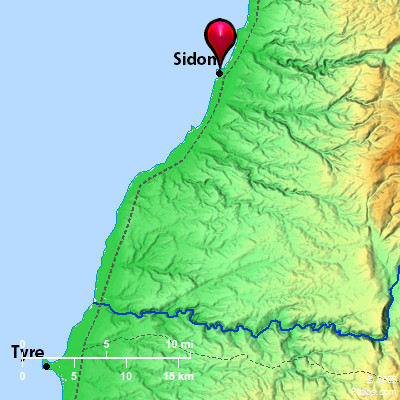
Discover the ancient wonders of Sidon, a coastal gem on the Mediterranean Sea known for its rich tapestry of history and...
View Board
Discover Santiago de Compostela, the timeless pilgrimage capital. Explore its UNESCO-listed Old Town, marvel at the Cath...
View Board
Explore Tashkent's 2200-year Silk Road legacy, from ancient trade hubs to modern marvels. Discover its rich history, vib...
View Board
Discover the enigmatic heritage of Famagusta, a walled medieval port city in Cyprus. Explore its rich history, from anci...
View Board
"Explore the cultural richness and vibrant spirit of Kolkata, India's 'City of Joy.' Delve into its colonial history, ar...
View Board
Discover the enchanting allure of Thimphu, Bhutan's capital, where ancient traditions harmonize with modern life. Explor...
View Board
Mandalay, the former capital of Myanmar, is a city steeped in royal history and cultural heritage, featuring ancient tem...
View Board
The Historical Gem of Salamanca: A Tapestry of Culture and Heritage Introduction Cities often reflect the soul of thei...
View Board
Explore Chennai, the vibrant gateway to South India, where history meets modernity. Discover its rich colonial past, cul...
View Board
Discover Jericho, the world’s oldest city, with 9,000 years of history. Explore its ancient walls, Neolithic tower, and ...
View Board
Discover the timeless allure of Damascus, one of the world's oldest continuously inhabited cities. Journey through its r...
View Board
Explore Hanoi, Vietnam's capital, where ancient history meets modern dynamism. Discover a city rich in cultural landmark...
View Board
Discover the timeless allure of Fez, a city steeped in Moroccan culture and history. Explore the ancient medina, vibrant...
View Board
Discover the allure of Brașov, a Romanian gem nestled in the Carpathian Mountains, blending medieval charm with modern v...
View Board
Bagan: A Living Legacy of Myanmar's Past The Enchanting Heritage of Bagan Bagan, also spelled Pagan, is a sprawling ar...
View Board
Comments