Explore Any Narratives
Discover and contribute to detailed historical accounts and cultural stories. Share your knowledge and engage with enthusiasts worldwide.
Callimachus, born around 310–240 BCE, stands as the pioneer of Hellenistic poetry, revolutionizing literary traditions with his refined, scholarly approach. As the librarian of the Library of Alexandria, he championed leptotes—a delicate, intricate aesthetic—rejecting grand epics in favor of concise, polished works. His influence stretched from ancient Greece to Rome, shaping poets like Catullus and Virgil.
Callimachus was born in Cyrene, a Greek colony in modern-day Libya, before relocating to Alexandria, the intellectual hub of the Hellenistic world. There, he became a scholar at the Library of Alexandria, cataloging its vast collections and composing poetry that blended erudition with elegance.
Callimachus broke from Homeric traditions, advocating for short, refined poems over sprawling epics. His style emphasized literary artistry, mythological reinterpretation, and deep scholarly knowledge, setting the stage for Hellenistic poetry.
Though much of his work survives only in fragments, Callimachus’s impact endures. Modern scholars leverage digital corpora and translations to revive his texts, highlighting his role as a bridge between classical and Hellenistic literature.
As Hellenistic poetry gains renewed academic attention, Callimachus’s genius—once dismissed as overly intricate—is now celebrated for its postmodern irony and self-referential depth.
Continue to Part 2 for a deeper exploration of his major works and enduring influence.
Callimachus’s literary output was vast and varied, spanning multiple genres that defined Hellenistic poetry. His works were characterized by their intellectual depth, mythological innovation, and meticulous craftsmanship.
Aitia, meaning "causes" or "origins," is one of Callimachus’s most celebrated works. This four-book collection of aetiological poetry explores the myths behind religious rituals, customs, and natural phenomena. Unlike traditional epics, Aitia focuses on concise, elegant narratives that blend scholarship with poetic beauty.
Callimachus’s Hymns are a testament to his ability to merge religious devotion with literary sophistication. These six surviving hymns honor gods like Zeus, Apollo, and Athena, but they are far from traditional. Each hymn is a masterclass in metrical precision and narrative innovation.
Callimachus’s Epigrams are among his most influential works, showcasing his ability to convey profound ideas in just a few lines. These short, polished poems often explore themes of love, death, and myth, with a sharp, witty edge.
As the chief librarian of the Library of Alexandria, Callimachus played a pivotal role in preserving and organizing ancient knowledge. His work there was not just administrative but deeply intellectual, shaping the way literature was studied and cataloged.
One of Callimachus’s most enduring contributions was the Pinakes, a 120-volume catalog of the Library’s holdings. This monumental work was the first known comprehensive library catalog, setting the standard for future bibliographic systems.
Callimachus’s tenure at the Library of Alexandria was marked by his commitment to preserving and interpreting Greek literature. His scholarly approach extended beyond cataloging to include textual criticism and literary analysis.
At the heart of Callimachus’s literary philosophy was the concept of leptotes, or "slenderness." This aesthetic principle emphasized brevity, precision, and elegance, rejecting the grand, sprawling narratives of earlier epics.
Callimachus famously declared,
"A big book is a big evil."This statement encapsulates his disdain for the Homeric epic tradition, which he viewed as overly verbose and lacking in refinement. Instead, he championed short, polished works that prioritized quality over quantity.
Callimachus’s poetry was deeply intertwined with his scholarly pursuits. His works are rich with allusions to obscure myths, historical details, and literary references, reflecting his vast knowledge and intellectual curiosity.
Continue to Part 3 for a deeper dive into Callimachus’s enduring influence and his legacy in modern scholarship.
The impact of Callimachus extended far beyond his own era, shaping the trajectory of both Greek and Roman literature. His innovative approach to poetry and scholarship left an indelible mark on subsequent generations of writers, critics, and intellectuals.
Roman poets of the late Republic and early Empire were deeply indebted to Callimachus, adopting his aesthetic principles and thematic innovations. His emphasis on brevity, erudition, and mythological playfulness resonated with poets who sought to elevate Roman literature to the sophistication of Greek models.
Callimachus’s influence was not limited to poetry; his scholarly methods and bibliographic innovations shaped the development of classical scholarship for centuries. His work at the Library of Alexandria set a precedent for how texts were preserved, organized, and interpreted.
After centuries of relative obscurity, Callimachus experienced a renaissance in modern scholarship, particularly in the 19th and 20th centuries. Advances in papyrology, digital humanities, and literary criticism have allowed scholars to reconstruct and reinterpret his fragmented works, shedding new light on his genius.
The recovery of ancient papyri has been instrumental in reviving Callimachus’s legacy. Key discoveries include:
The advent of digital corpora and online repositories has democratized access to Callimachus’s works, making them available to scholars and enthusiasts worldwide. Key developments include:
Modern literary criticism has reevaluated Callimachus’s role in the development of Western literature, highlighting his postmodern qualities and intertextual depth.
Callimachus’s contributions to literature and scholarship are vast, but several key takeaways define his enduring legacy:
Callimachus redefined poetic excellence by championing leptotes—a commitment to brevity, precision, and elegance. His rejection of grand epics in favor of short, refined works marked a turning point in literary history, influencing generations of poets who valued artistic craftsmanship over sheer scale.
His poetry was deeply intertextual, weaving together myth, history, and literature with unparalleled erudition. This scholarly approach elevated poetry to an intellectual pursuit, blending creative expression with rigorous research.
As the creator of the Pinakes, Callimachus laid the groundwork for library science and bibliographic organization. His methods of cataloging and critiquing texts set standards that enduringly shaped how knowledge is preserved and accessed.
From Catullus and Virgil to contemporary poets, Callimachus’s influence is evident in the emphasis on lyrical precision, mythological innovation, and erudite playfulness. His work remains a touchstone for those who see poetry as both an art and a scholarly endeavor.
Callimachus was more than a poet; he was a visionary who reshaped the literary landscape of the ancient world. His insistence on quality over quantity, his mastery of mythological storytelling, and his pioneering contributions to scholarship ensure his place as a foundational figure in Western literary tradition.
Today, as digital tools and modern criticism continue to uncover new layers of his work, Callimachus’s legacy grows ever more vibrant. His poetry challenges us to see the ancient world through a lens of intellectual curiosity and artistic innovation, reminding us that great literature transcends time. Whether through the elegance of his hymns, the wit of his epigrams, or the depth of his scholarship, Callimachus remains an enduring symbol of the power of words to inspire, provoke, and enchant.
In an era where brevity and precision are often prized, Callimachus’s principles feel remarkably contemporary. His life and work invite us to embrace the beauty of the concise, the richness of the erudite, and the enduring magic of poetry.
Your personal space to curate, organize, and share knowledge with the world.
Discover and contribute to detailed historical accounts and cultural stories. Share your knowledge and engage with enthusiasts worldwide.
Connect with others who share your interests. Create and participate in themed boards about any topic you have in mind.
Contribute your knowledge and insights. Create engaging content and participate in meaningful discussions across multiple languages.
Already have an account? Sign in here
Discover Callimachus, the revolutionary poet-scholar of ancient Alexandria. Explore his 800 works, the first scientific ...
View Board
Discover the life and enduring legacy of Theocritus, the father of pastoral poetry. Explore his pioneering work in ancie...
View Board
Discover Gaius Valerius Catullus, Rome’s fiery poet of love and scandal. Explore his 116 surviving poems, from passionat...
View Board
Uncover the timeless allure of Homer, the legendary bard whose epic narratives "The Iliad" and "The Odyssey" have profou...
View Board
Discover Theocritus, the ancient Greek poet who invented pastoral poetry. Explore his life, the famous Idylls, and his e...
View Board
Explore the enigmatic life and enduring legacy of Gaius Petronius Arbiter, Nero's arbiter of elegance. Delve into his ma...
View Board
Discover how Cassiodorus, a Roman scholar, preserved classical knowledge during the fall of Rome. Explore his life, work...
View Board
Livy, Rome's great historian, chronicled its rise from myth to empire in "Ab Urbe Condita," blending fact and legend to ...
View Board
Discover the profound impact of Quintus Ennius, the pioneering poet who transformed Roman literature. Explore his life, ...
View Board
Explore the timeless legacy of Hesiod, the poet of ancient wisdom and myth, whose works like "Theogony" and "Works and D...
View Board
Delve into the enigmatic legacy of Macrobius in late antiquity, a scholar whose works bridged the wisdom of classical an...
View Board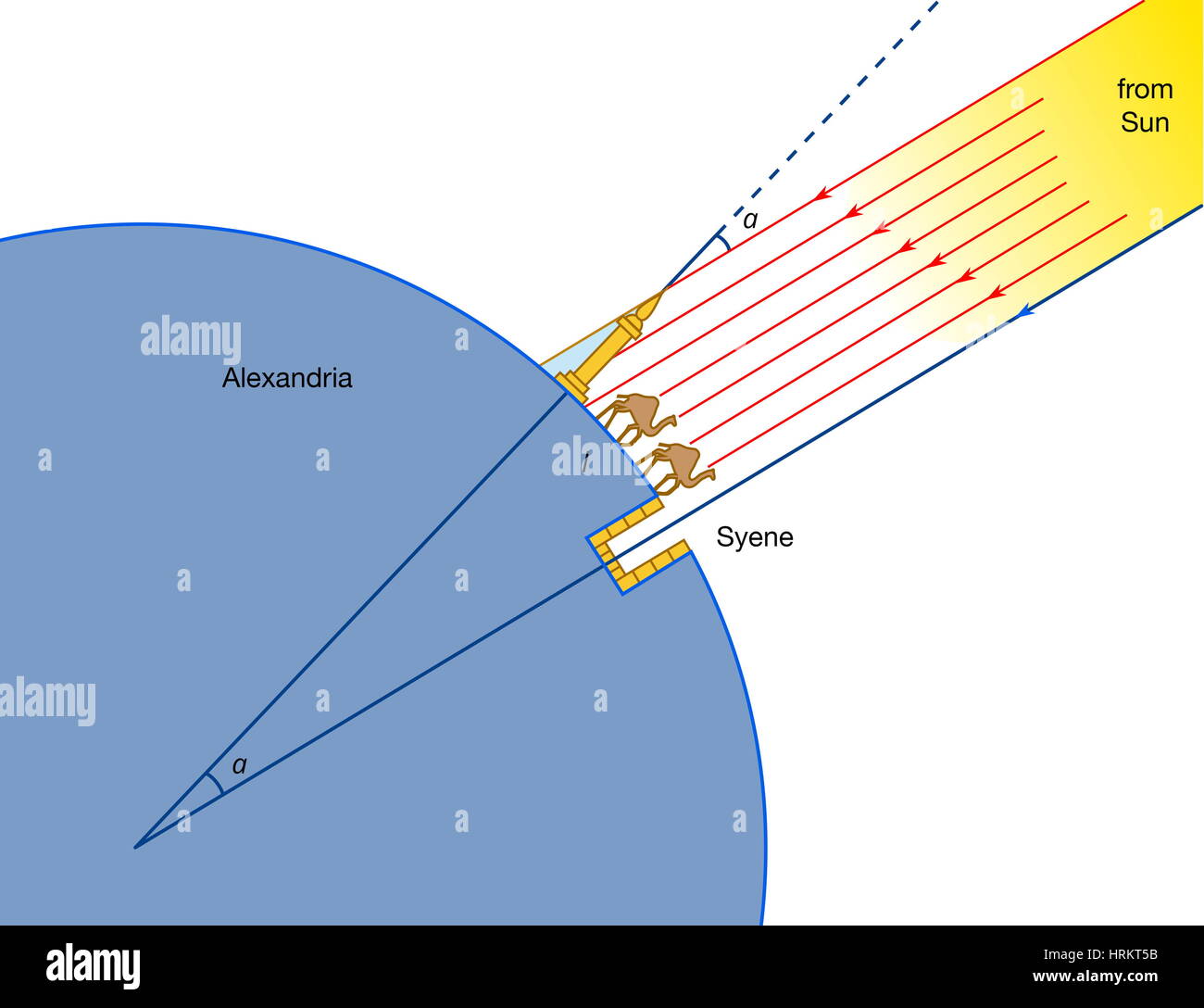
Eratosthenes: The Ptolemaic Genius of ancient Greece Eratosthenes of Cyrene (c. 276–194 BC) was not only a polymath and...
View Board
>**Meta Description:** Explore the life and legacy of Sophocles, the master of Greek tragedy. Learn about his major work...
View Board
Discover the intriguing legacy of Aeschines, a distinguished yet often overshadowed orator from classical Athens. This a...
View Board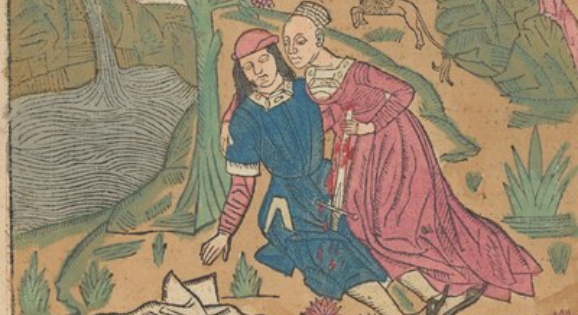
Explore the captivating life and enduring influence of Roman poet Ovid in "The Enigmatic Life and Timeless Legacy of Ovi...
View Board
Explore the life and profound impact of Seneca the Younger—Stoic philosopher, statesman, and playwright in ancient Rome....
View Board
Discover the enigmatic life of Aspasia of Phocis, an influential yet overlooked figure in ancient history. Unveil her su...
View Board
Roxana: The Enigmatic Queen of Alexander the Great The Intriguing Life of Roxana In the vast empires and epic tales of...
View Board
Discover the fascinating life and enduring legacy of Juba II of Mauretania, the scholar-king who transformed his kingdom...
View Board
Explore the profound impact of Samuel Johnson, an 18th-century literary giant known for his groundbreaking work, "A Dict...
View Board
Comments