Explore Any Narratives
Discover and contribute to detailed historical accounts and cultural stories. Share your knowledge and engage with enthusiasts worldwide.
Film restoration projects are vital in safeguarding the rich history of cinema. As the global film restoration services market is projected to reach $1.3 billion by 2033, growing at a 10% CAGR, the importance of these initiatives cannot be overstated. This article delves into the significance, techniques, and recent advancements in film restoration, highlighting how they contribute to preserving cinematic heritage for future generations.
Film restoration is more than just a technical process; it is a cultural imperative. Films are not merely entertainment but also historical documents that reflect societal values, trends, and events. By restoring degraded films, we ensure that these cultural artifacts remain accessible and relevant.
Governments and organizations worldwide recognize films as essential heritage assets. For instance, nations like India, China, and Japan are investing heavily in restoration projects to maintain their cultural identity. The Asia Pacific region is leading this charge with a 9.2% CAGR, driven by robust government support and a booming film industry.
The resurgence of interest in classic films among younger audiences has fueled the demand for restoration. Streaming platforms and home entertainment systems require high-quality digital versions of these films, making restoration projects more critical than ever. The market's growth is further propelled by advancements in AI-powered restoration software and cloud-based platforms.
The film restoration market is a blend of major firms and specialized providers. Some of the key players include:
The film restoration landscape has seen significant advancements in recent years:
Film restoration involves a variety of techniques, each tailored to address specific issues in degraded films. These techniques can be broadly categorized into traditional and digital methods.
Traditional restoration techniques focus on physical repair and chemical processes. These include:
Digital restoration leverages advanced technology to enhance and preserve films. Key techniques include:
Film restoration serves a wide range of applications, each contributing to the preservation and accessibility of cinematic history.
Film archives are the primary beneficiaries of restoration projects. These archives house vast collections of films, many of which are in urgent need of preservation. Restored films are stored in controlled environments to prevent further degradation.
Restored films are often re-released in theaters or distributed through streaming platforms. This not only generates revenue but also introduces classic films to new audiences. The Criterion Collection, for example, is renowned for its high-quality restorations and distributions.
Film restoration plays a crucial role in protecting cultural heritage. By preserving films, we safeguard the stories, traditions, and historical events they depict. This is particularly important for films that document significant cultural or historical moments.
Beyond mainstream applications, film restoration also serves niche markets. These include educational institutions, research organizations, and private collectors who require high-quality versions of specific films for study or personal enjoyment.
Film restoration projects are essential for preserving the legacy of cinema. With the global market projected to reach $1.3 billion by 2033, the importance of these initiatives is clear. From traditional techniques to cutting-edge digital solutions, film restoration ensures that our cinematic heritage remains accessible and vibrant for future generations.
In the next part of this article, we will explore the technological advancements driving film restoration, the challenges faced by restoration experts, and the future prospects of this vital industry.
The field of film restoration has witnessed remarkable technological advancements in recent years. These innovations have not only improved the quality of restored films but also made the process more efficient and accessible. From AI-powered restoration software to cloud-based platforms, technology is revolutionizing the way we preserve cinematic history.
Artificial Intelligence (AI) has emerged as a game-changer in film restoration. AI algorithms can analyze and repair damaged film frames with unprecedented accuracy. These tools can automatically detect and correct issues such as scratches, dust, and color fading, significantly reducing the time and effort required for manual restoration.
One notable example is the use of AI in restoring classic films. In 2020, AI-powered software was introduced, enabling the restoration of films that were previously considered beyond repair. This technology has opened new possibilities for preserving and revitalizing old and damaged films.
The adoption of cloud-based platforms in 2022 has further streamlined the film restoration process. These platforms allow restoration experts to collaborate remotely, share resources, and access advanced tools from anywhere in the world. This has not only accelerated project completion but also facilitated international cooperation in preservation efforts.
Cloud-based solutions also offer scalable storage and processing capabilities, making it easier to handle large volumes of film data. This is particularly beneficial for major restoration projects that involve extensive digitization and enhancement of film archives.
High-resolution scanning is another critical advancement in film restoration. This technique involves converting analog films into high-quality digital formats, capturing every detail and nuance of the original film. Digital tools then enhance these scans, correcting colors, removing imperfections, and restoring the film to its former glory.
The introduction of specialized facilities in 2024 has further bolstered these efforts. These facilities are equipped with state-of-the-art scanning and digital restoration tools, ensuring that films are preserved with the highest possible quality.
Despite the significant advancements in technology, film restoration is not without its challenges. Restoration experts face numerous obstacles, from physical degradation of films to financial constraints. Understanding these challenges is crucial for developing effective strategies to overcome them.
One of the most significant challenges in film restoration is the physical degradation of films. Over time, films can suffer from various forms of damage, including:
Addressing these issues requires a combination of traditional and digital techniques, as well as a deep understanding of film chemistry and preservation methods.
Film restoration is a costly endeavor, requiring significant investment in technology, expertise, and resources. Many restoration projects struggle with financial constraints, particularly those involving lesser-known or independent films. Securing funding and sponsorships is often a major hurdle for preservation efforts.
However, the growing recognition of films as cultural heritage assets has led to increased government and organizational support. Nations like India, China, and Japan are investing heavily in restoration projects, recognizing their importance in preserving cultural identity.
While technology has greatly advanced the field of film restoration, it is not without its limitations. AI-powered tools, for example, may struggle with highly degraded films or those with unique artistic qualities. Additionally, the digital restoration process can be time-consuming and resource-intensive, requiring specialized expertise.
To overcome these challenges, restoration experts often employ a hybrid approach, combining traditional techniques with digital tools. This ensures that the unique characteristics and artistic integrity of the original film are preserved.
Several notable film restoration projects have demonstrated the power and importance of preservation efforts. These projects not only revive classic films but also introduce them to new audiences, ensuring their continued relevance and appreciation.
One of the most famous film restoration projects is the restoration of Fritz Lang's "Metropolis" (1927). This iconic silent film was thought to be lost in its complete form until a nearly complete print was discovered in Argentina in 2008. The restoration process involved extensive digital and manual techniques to repair damaged frames, correct colors, and reconstruct missing scenes.
The restored version of "Metropolis" was premiered in 2010, receiving widespread acclaim for its fidelity to the original vision. This project highlighted the importance of international collaboration and the potential of digital restoration techniques.
Another notable example is the restoration of "The Wizard of Oz" (1939). This beloved classic underwent a comprehensive digital restoration in 2013, involving high-resolution scanning, color correction, and digital enhancement. The restored version was released in theaters and on home entertainment platforms, introducing the film to a new generation of viewers.
The success of this project demonstrated the commercial viability of film restoration, as well as its role in preserving cultural heritage. The restored version of "The Wizard of Oz" continues to be a popular choice for film enthusiasts and scholars alike.
The restoration of "Lawrence of Arabia" (1962) is another landmark project in the field of film preservation. This epic film underwent a meticulous restoration process in 2012, involving the repair of damaged film negatives, digital enhancement, and color correction. The restored version was released in theaters and on Blu-ray, receiving critical acclaim for its stunning visual quality.
This project underscored the importance of preserving films in their original format, as well as the potential of digital tools to enhance and revitalize classic cinema. The restored version of "Lawrence of Arabia" remains a testament to the power of film restoration.
The future of film restoration looks promising, with continued advancements in technology and growing recognition of its cultural significance. As the global film restoration services market is projected to reach $1.3 billion by 2033, the industry is poised for significant growth and innovation.
Emerging technologies, such as machine learning and blockchain, are expected to play a crucial role in the future of film restoration. Machine learning algorithms can further enhance the accuracy and efficiency of restoration processes, while blockchain technology can ensure the authenticity and provenance of restored films.
Additionally, advancements in virtual reality (VR) and augmented reality (AR) may open new possibilities for immersive film experiences, allowing audiences to engage with restored films in innovative ways.
The future of film restoration will also be shaped by increased collaboration and partnerships between archives, restoration firms, and cultural organizations. These collaborations can facilitate the sharing of resources, expertise, and funding, ensuring that more films are preserved and accessible to audiences worldwide.
Governments and organizations are recognizing the importance of film preservation, leading to increased support and investment in restoration projects. This trend is expected to continue, driving the growth and innovation of the film restoration industry.
The film restoration market is expanding beyond traditional applications, with new segments emerging to meet diverse needs. These include:
These expanding market segments are creating new opportunities for restoration experts and firms, further driving the growth and innovation of the industry.
In the final part of this article, we will explore the impact of film restoration on cultural heritage, the role of government and organizational support, and the future prospects of this vital industry.
Film restoration plays a pivotal role in preserving cultural heritage, ensuring that the stories, traditions, and historical events depicted in films are not lost to time. As the global film restoration services market grows, so does its impact on cultural preservation and identity.
Films serve as historical documents, capturing the essence of different eras and societies. Restoring these films allows us to preserve these narratives for future generations. For example, newsreels and documentaries from the early 20th century provide invaluable insights into significant historical events, such as wars, political movements, and social changes.
By restoring these films, we ensure that their historical content remains accessible and accurate. This is particularly important for educational purposes, as restored films can be used in schools and universities to teach students about history in a engaging and immersive way.
Films are a reflection of cultural identity, showcasing the unique traditions, values, and artistic expressions of different societies. Restoring films from various cultures helps maintain this identity and promotes cultural diversity. For instance, the restoration of classic Bollywood films has played a crucial role in preserving India's rich cinematic heritage.
Governments and cultural organizations worldwide are recognizing the importance of film preservation in maintaining cultural identity. Countries like China and Japan have launched extensive restoration projects to safeguard their cinematic history, ensuring that their cultural narratives are not lost.
The success of film restoration projects often hinges on the support of governments and cultural organizations. These entities provide the necessary funding, resources, and expertise to ensure that restoration efforts are successful and sustainable.
Many governments have established initiatives to support film restoration. These initiatives often include funding programs, tax incentives, and partnerships with restoration firms. For example, the European Union has launched several programs to preserve Europe's cinematic heritage, providing grants and resources to restoration projects.
In the United States, the National Film Preservation Board works to identify and preserve films that are culturally, historically, or aesthetically significant. This board collaborates with archives, studios, and restoration experts to ensure that these films are restored and accessible to the public.
Cultural organizations and film archives play a vital role in film restoration. These entities often house vast collections of films and have the expertise to handle delicate restoration processes. For example, the British Film Institute (BFI) has been at the forefront of film preservation, restoring and digitizing numerous classic films.
Partnerships between archives and restoration firms have become increasingly common. These collaborations leverage the strengths of both parties, with archives providing access to original film materials and restoration firms offering advanced technological solutions. This synergy has led to the successful restoration of many iconic films.
Several film restoration projects stand out for their innovation, impact, and success. These case studies highlight the potential of restoration efforts and the importance of preserving cinematic history.
Abel Gance's "Napoleon" (1927) is a landmark in silent cinema, known for its innovative techniques and epic scale. The film underwent a comprehensive restoration by the British Film Institute and photographer Kevin Brownlow. This project involved reconstructing the original version, which included multiple camera techniques and a complex score.
The restored version of "Napoleon" was premiered in 2016, receiving widespread acclaim for its fidelity to Gance's original vision. This project demonstrated the importance of meticulous research and collaboration in film restoration.
The restoration of "The Red Shoes" (1948) by Michael Powell and Emeric Pressburger is another notable example. This Technicolor classic underwent a digital restoration by the UCLA Film & Television Archive and The Film Foundation. The process involved high-resolution scanning, color correction, and digital enhancement to revive the film's vibrant colors and intricate details.
The restored version was released in 2009, introducing a new generation of audiences to this cinematic masterpiece. This project highlighted the potential of digital tools in preserving the artistic integrity of classic films.
Claude Lanzmann's "Shoah" (1985) is a monumental documentary about the Holocaust, spanning over nine hours of footage. The restoration of this film was a complex and sensitive process, involving the repair of damaged film negatives and the enhancement of audio quality. The United States Holocaust Memorial Museum and Yad Vashem collaborated on this project, ensuring that the film's historical and emotional impact was preserved.
The restored version of "Shoah" was released in 2013, serving as a powerful educational tool and a testament to the importance of preserving historical documents. This project underscored the role of film restoration in maintaining the memory of significant historical events.
While film restoration has made significant strides, it continues to face challenges that must be addressed to ensure its long-term success. However, the future prospects of this industry are promising, with advancements in technology and increased support from governments and organizations.
Financial constraints remain a significant challenge in film restoration. Securing funding for restoration projects can be difficult, particularly for lesser-known or independent films. To overcome this, restoration experts are exploring innovative funding models, such as crowdfunding, partnerships, and sponsorships.
Technological limitations also pose challenges, particularly in the restoration of highly degraded films. However, advancements in AI-powered tools and digital enhancement techniques are continually improving the accuracy and efficiency of restoration processes. These technologies are expected to play a crucial role in addressing these challenges.
The future of film restoration is bright, with several trends and developments shaping its trajectory. These include:
As the global film restoration services market is projected to reach $1.3 billion by 2033, the industry is poised for significant growth and innovation. This growth will be driven by the increasing recognition of films as cultural heritage assets and the continued advancements in restoration technology.
Film restoration is a vital endeavor that ensures the preservation of cinematic history and cultural heritage. From the restoration of iconic classics like "Metropolis" and "The Wizard of Oz" to the preservation of historical documents like "Shoah", restoration projects play a crucial role in maintaining our collective memory and identity.
The advancements in technology, such as AI-powered restoration software and cloud-based platforms, have revolutionized the field, making it possible to restore films with unprecedented accuracy and efficiency. However, challenges such as financial constraints and technological limitations remain, requiring innovative solutions and increased support from governments and cultural organizations.
As we look to the future, the prospects of film restoration are promising. With the global market projected to grow significantly, driven by the increasing demand for preserved films and the expansion of digital platforms, the industry is set to thrive. The continued collaboration between archives, restoration firms, and cultural organizations will further drive this growth, ensuring that our cinematic heritage is preserved for generations to come.
In conclusion, film restoration is not just about repairing old films; it is about safeguarding our cultural legacy and ensuring that the stories, traditions, and historical events depicted in these films remain accessible and relevant. As technology continues to advance and support for restoration projects grows, the future of film preservation looks brighter than ever, promising a rich and vibrant cinematic heritage for years to come.
Your personal space to curate, organize, and share knowledge with the world.
Discover and contribute to detailed historical accounts and cultural stories. Share your knowledge and engage with enthusiasts worldwide.
Connect with others who share your interests. Create and participate in themed boards about any topic you have in mind.
Contribute your knowledge and insights. Create engaging content and participate in meaningful discussions across multiple languages.
Already have an account? Sign in here

Discover the evolution of film preservation techniques, from traditional photochemical methods to cutting-edge digital a...
View Board
Explore the transformative journey of independent film movements in cinema history. Delve into how these rebellious forc...
View Board
Hollywood's Golden Age: A Golden Era in Film History When one thinks of Hollywood's Golden Age, a time of unparalleled ...
View Board
Explore the rich history of cinema with "Pioneers of Film Making: The Visionaries Who Shaped Cinema." Delve into the inn...
View Board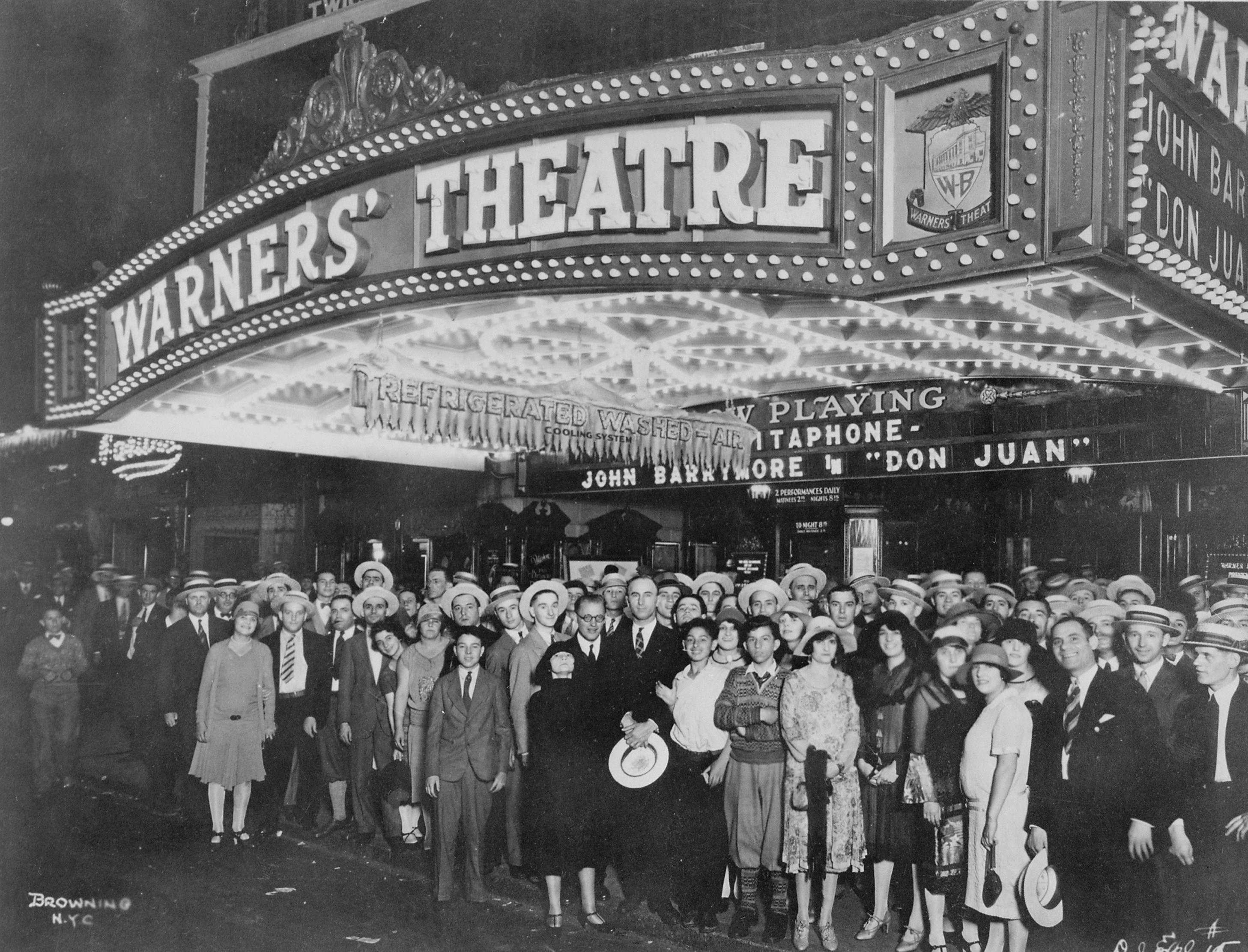
Explore the captivating universe of silent films in our comprehensive two-part article. Discover how these pioneering fi...
View Board
The Silent Film Era: The Golden Age of Hollywood The Silent Film Era was a period in movie history that spanned from th...
View Board
Dive into the world of cinema's most prestigious accolades as we explore the Oscars, Cannes, BAFTA, and more. Discover t...
View Board
Explore the debate over historical accuracy in films, balancing truth and storytelling. Discover how filmmakers navigate...
View Board
"Filmmaking technology revolutionizes visual storytelling with advancements in digital cameras, editing software, virtua...
View Board
Explore the mesmerizing world of cinematography in our comprehensive guide, "The Art of Cinematography: A Dance of Light...
View Board
Explore the evolution and enduring appeal of Hollywood blockbusters in our in-depth article. Discover how these cinemati...
View Board
Discover the enduring magic of classic silent films—pioneering visual storytelling, groundbreaking techniques, and timel...
View Board
Discover the latest film market trends 2025, including global growth projections, regional shifts, and technological inn...
View Board
Discover the evolving film industry economics, from global growth trends to tech innovations. Learn how streaming, AI, a...
View Board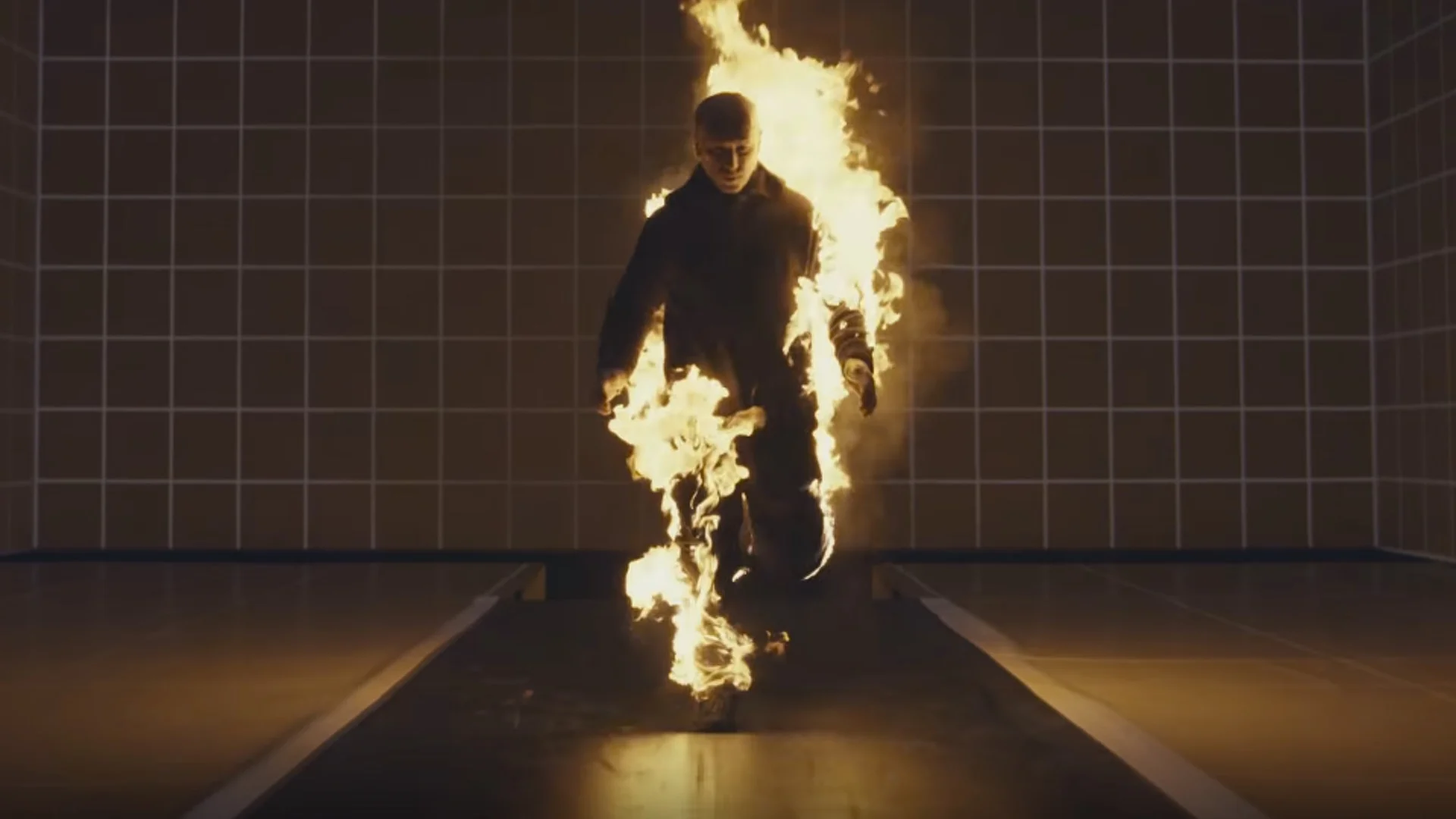
Explore the fascinating evolution of movie stunts from the silent era to the 21st century in this comprehensive chronicl...
View Board
Discover how sound design in cinema shapes storytelling, from early innovations to modern immersive audio. Explore the a...
View Board
Explore the magic of the greatest film adaptations that have seamlessly transformed beloved books into cinematic masterp...
View Board
The Evolution of Queer Cinema: A Journey Through Time In recent decades, the world of cinema has witnessed a significan...
View Board
Explore the transformative impact of CGI in cinema, from its early skepticism to its revolutionary role in storytelling ...
View Board
Explore the dynamic evolution of cinema in the 21st century as technological innovations, streaming services, and indie ...
View Board
Comments