Explore Any Narratives
Discover and contribute to detailed historical accounts and cultural stories. Share your knowledge and engage with enthusiasts worldwide.
The film industry economics landscape is evolving rapidly, shaped by digital transformation, global market shifts, and changing consumer behaviors. With the global motion picture market projected to grow from $51.7 billion in 2024 to $78.64 billion by 2029, understanding this complex ecosystem is crucial for stakeholders. This article explores the key drivers, challenges, and trends defining the modern film industry.
The global film industry is experiencing significant growth, driven by streaming platforms and digital consumption. The broader movies and entertainment market is expected to expand from $101.33 billion in 2024 to $201.55 billion by 2033, reflecting a CAGR of 7.94%. This growth underscores the industry's resilience and adaptability in a post-pandemic world.
The United States remains a dominant force in the film industry, contributing significantly to global revenues. In 2024, the US film industry supported 856,000 jobs and generated an economic impact of $102 billion. Meanwhile, India leads in film production, with over 2,500 films annually, showcasing the diversity and vibrancy of global cinema.
The film industry has faced numerous challenges in recent years, from the COVID-19 pandemic to economic slowdowns and shifting consumer preferences. Despite these hurdles, the industry has shown remarkable resilience and innovation.
Global box office revenues declined by 8% in 2024, partly due to China's 24% drop amid economic slowdown. However, projections indicate a rebound, with revenues expected to exceed $34 billion in 2025. The US domestic box office reached $3.53 billion by June 2025, following a $8.57 billion total in 2024.
Production levels fell globally by 20% and in the US by 40% in Q2 2024 post-strikes. Hollywood spending dropped to $11.3 billion, 20% below 2022 levels. To counteract this, California expanded film tax credits to $750 million effective July 2025, aiming to retain productions and boost local economies.
Independent film production is on the rise, driven by incentives like the UK's 40% tax credit for independents. This trend highlights the growing importance of diverse and innovative content in the global film landscape.
The film industry encompasses various sectors, including production, distribution, exhibition, and ancillary markets like streaming. The workforce is heavily freelance-based, facing an official unemployment rate of 8.6%, likely higher due to the gig nature of many roles.
The COVID-19 pandemic slashed production by 40% in 2020, but the industry has shown signs of recovery. However, the decoupling of production surges from box office performance in 2024 indicates a shifting landscape where digital platforms play an increasingly vital role.
Despite the digital shift, non-digital formats still claim 61% of consumer E&M spending in 2024. This highlights the enduring appeal of traditional cinema experiences, even as streaming platforms gain prominence.
The film industry is witnessing several emerging trends that are reshaping its future. From the rise of streaming platforms to the impact of production incentives, these trends offer both opportunities and challenges for industry stakeholders.
On-demand platforms like Netflix and Disney+ are driving revenue through original content and global distribution. The growth of social video ads is also notable, with a 20% increase in 2025. These trends underscore the importance of digital strategies in the modern film industry.
Countries like Canada are gaining an edge due to a weak currency and stable incentives. Potential US tariffs under new political leadership could accelerate the outflow of productions from California, highlighting the need for competitive incentives to retain local film industries.
Emerging markets like Egypt have doubled their film output, while China is boosting domestic production despite a box office slump. The average US ticket price is $9.85, with approximately 3.1 billion tickets sold domestically in 2022. These regional dynamics showcase the diverse and evolving nature of the global film market.
In conclusion, the film industry economics landscape is complex and multifaceted, shaped by global trends, regional dynamics, and technological advancements. Understanding these factors is crucial for navigating the challenges and opportunities that lie ahead.
The film industry is undergoing a technological revolution that is transforming every stage of production. From pre-production to post-production, advancements in technology are enhancing efficiency, creativity, and cost-effectiveness. These innovations are not only changing how films are made but also how they are distributed and consumed.
Virtual production techniques, such as those used in "The Mandalorian," are becoming increasingly prevalent. These methods leverage real-time rendering and LED volume stages to create immersive environments, reducing the need for costly on-location shoots. Additionally, advancements in computer-generated imagery (CGI) are allowing filmmakers to create more realistic and complex visual effects, enhancing the overall cinematic experience.
Artificial intelligence (AI) and machine learning are playing significant roles in the film industry. AI is being used for script analysis, predicting box office success, and even generating script ideas. Machine learning algorithms are also employed in video editing and color grading, streamlining post-production processes and reducing costs.
The adoption of 4K and 8K resolution technologies is becoming standard in film production. These high-resolution formats provide superior image quality, enhancing the viewing experience. Furthermore, immersive technologies such as virtual reality (VR) and augmented reality (AR) are being explored for interactive storytelling and marketing campaigns.
Streaming platforms have revolutionized the film industry, offering new avenues for content distribution and consumption. These platforms have not only changed how audiences watch films but also how films are produced and financed. The rise of streaming has led to a shift in the traditional film industry model, with significant implications for all stakeholders.
Streaming giants like Netflix, Amazon Prime, and Disney+ are investing heavily in original content. This trend has led to a surge in high-quality productions that might not have found a home in traditional theatrical releases. Exclusive releases on streaming platforms are also becoming more common, attracting top-tier talent and offering diverse storytelling opportunities.
One of the most significant advantages of streaming platforms is their global reach. Films can now be distributed worldwide simultaneously, breaking down geographical barriers and reaching audiences in remote areas. This global distribution model has also made films more accessible to diverse audiences, fostering a more inclusive film industry.
The rise of streaming platforms has had a profound impact on traditional cinema. While theaters still play a crucial role in the film industry, the shift towards digital consumption has led to a decline in box office revenues. However, this has also spurred innovations in the theatrical experience, such as IMAX, 4DX, and other immersive technologies, to attract audiences back to cinemas.
The film industry faces a myriad of economic challenges, from fluctuating box office revenues to the high costs of production. However, these challenges also present opportunities for innovation and growth. Understanding the economic landscape is crucial for stakeholders to navigate the complexities of the industry effectively.
Box office revenues have been volatile in recent years, influenced by factors such as the COVID-19 pandemic, economic slowdowns, and shifting consumer preferences. In 2024, global box office revenues declined by 8%, with China experiencing a 24% drop. However, projections indicate a rebound, with revenues expected to exceed $34 billion in 2025.
The cost of producing films has risen significantly, with high-budget films often requiring investments of hundreds of millions of dollars. Effective budget management is crucial to ensure profitability. Studios are increasingly turning to co-productions and international partnerships to share costs and mitigate financial risks.
Governments around the world are offering incentives and tax credits to attract film productions. For instance, California expanded its film tax credits to $750 million in 2025 to retain productions. Similarly, the UK offers a 40% tax credit for independent films, encouraging local and international filmmakers to shoot in the country. These incentives play a vital role in supporting the film industry and boosting local economies.
The film industry is increasingly recognizing the importance of diversity and inclusion. From on-screen representation to behind-the-scenes roles, efforts are being made to create a more inclusive and equitable industry. This shift is not only a moral imperative but also a strategic one, as diverse stories and perspectives resonate with global audiences.
On-screen representation has become a focal point in the film industry. Audiences are demanding more diverse stories and characters that reflect the richness of human experiences. Films like "Black Panther" and "Crazy Rich Asians" have demonstrated the commercial success of diverse storytelling, paving the way for more inclusive content.
Efforts to increase diversity behind the scenes are also gaining traction. Initiatives to support women directors, writers, and producers are being implemented by major studios and independent organizations. Programs such as the Sundance Institute's Women at Sundance and the Geena Davis Institute on Gender in Media are working to address gender disparities in the industry.
The film industry is a powerful medium for cultural exchange. International co-productions and collaborations are fostering a greater understanding and appreciation of diverse cultures. Films like "Parasite" and "Roma" have showcased the universal appeal of stories that transcend cultural boundaries, highlighting the importance of global perspectives in cinema.
Film festivals and awards play a crucial role in the film industry, serving as platforms for discovering new talent, celebrating artistic achievements, and promoting cultural exchange. However, the landscape of film festivals and awards is evolving, influenced by technological advancements and changing industry dynamics.
The COVID-19 pandemic accelerated the shift towards virtual and hybrid film festivals. Platforms like Sundance, Cannes, and Toronto International Film Festival (TIFF) have embraced digital formats, making festivals more accessible to global audiences. This trend is likely to continue, offering a blend of in-person and virtual experiences.
Awards such as the Academy Awards, Golden Globes, and BAFTAs continue to hold significant prestige in the film industry. However, the digital age has brought new challenges and opportunities. Social media and streaming platforms have amplified the reach and impact of these awards, making them more influential in shaping audience preferences and industry trends.
Emerging trends in film festivals include a greater focus on diversity, sustainability, and innovation. Festivals are increasingly highlighting films that address social and environmental issues, as well as those that push the boundaries of storytelling and technology. These trends reflect the evolving priorities and values of the film industry and its audiences.
In conclusion, the film industry is navigating a complex and dynamic landscape, shaped by technological advancements, economic challenges, and evolving audience preferences. Understanding these factors is crucial for stakeholders to thrive in this ever-changing environment.
The film industry has become increasingly globalized, with productions, distributions, and audiences spanning across borders. This globalization has brought both opportunities and challenges, reshaping the economic landscape of the industry. Understanding these dynamics is essential for stakeholders to navigate the complexities of the global film market.
Cross-border co-productions have become a strategic approach for filmmakers to share costs, access new markets, and leverage diverse talent. Countries like Canada, the UK, and Australia offer attractive incentives for international co-productions, fostering collaboration and innovation. These partnerships not only reduce financial risks but also enhance the cultural richness of films.
The globalization of the film industry has led to a more diverse and fragmented audience base. Streaming platforms have played a significant role in this shift, making films accessible to global audiences. Understanding regional preferences and cultural nuances is crucial for filmmakers to create content that resonates with diverse viewers. For instance, the success of films like "Parasite" and "Crouching Tiger, Hidden Dragon" highlights the universal appeal of culturally rich storytelling.
While globalization offers numerous opportunities, it also presents challenges in terms of distribution and marketing. Navigating different regulatory environments, cultural sensitivities, and market dynamics can be complex. However, advancements in digital distribution and social media marketing are helping filmmakers overcome these challenges, enabling them to reach global audiences more effectively.
The film industry is increasingly recognizing the importance of sustainability and environmental responsibility. From reducing carbon footprints to adopting eco-friendly production practices, the industry is making strides towards a more sustainable future. These efforts not only benefit the environment but also resonate with audiences who prioritize eco-conscious consumption.
Green production practices are gaining traction in the film industry. Studios and production companies are implementing measures to reduce waste, conserve energy, and minimize carbon emissions. Initiatives such as the Green Production Guide and the Albert Consortium provide resources and guidelines for sustainable filmmaking. These practices include using renewable energy sources, reducing single-use plastics, and adopting digital workflows to minimize paper waste.
Technology is playing a crucial role in promoting sustainable filmmaking. Advancements in virtual production and digital effects are reducing the need for physical sets and location shoots, thereby lowering the environmental impact. Additionally, cloud-based collaboration tools are streamlining production processes, reducing the need for travel and physical resources.
Audiences are increasingly demanding eco-conscious content that reflects their values and concerns. Films that address environmental issues and promote sustainability are gaining popularity. Documentaries like "An Inconvenient Truth" and "Before the Flood" have raised awareness about climate change, inspiring audiences to take action. This trend highlights the importance of aligning film content with global sustainability goals.
The film industry is poised for continued evolution, driven by technological advancements, changing consumer behaviors, and global economic trends. Understanding these future trends is crucial for stakeholders to stay ahead of the curve and capitalize on emerging opportunities.
Interactive and immersive storytelling is set to revolutionize the film industry. Technologies like virtual reality (VR), augmented reality (AR), and interactive filmmaking are creating new avenues for audience engagement. Platforms like Netflix's "Bandersnatch" and VR film festivals are pioneering this trend, offering audiences a more personalized and immersive viewing experience.
Data analytics is becoming an indispensable tool in the film industry. From predicting box office success to optimizing marketing strategies, data-driven insights are helping studios make informed decisions. Advanced analytics tools are also being used to understand audience preferences, tailor content, and enhance the overall viewing experience. This trend underscores the importance of leveraging data to drive innovation and growth.
The film financing landscape is evolving, with new models emerging to support independent and diverse filmmaking. Crowdfunding platforms like Kickstarter and Indiegogo are democratizing film financing, allowing filmmakers to bypass traditional funding channels. Additionally, blockchain technology is being explored for transparent and decentralized financing, offering new opportunities for investment and collaboration.
The film industry economics landscape is complex and multifaceted, shaped by a myriad of factors including technological advancements, globalization, sustainability efforts, and evolving audience preferences. Navigating this landscape requires a deep understanding of these dynamics and a strategic approach to leveraging opportunities and mitigating challenges.
The future of the film industry is bright, with numerous opportunities for growth and innovation. By staying abreast of emerging trends, embracing new technologies, and prioritizing sustainability and inclusivity, stakeholders can navigate the complexities of the industry and thrive in this ever-evolving landscape. The key to success lies in adaptability, creativity, and a deep understanding of the global film market dynamics.
In conclusion, the film industry economics landscape is a dynamic and exciting field, offering endless possibilities for those who are willing to embrace change and innovate. As the industry continues to evolve, stakeholders who remain agile and forward-thinking will be well-positioned to capitalize on the opportunities that lie ahead, shaping the future of cinema for generations to come.
Your personal space to curate, organize, and share knowledge with the world.
Discover and contribute to detailed historical accounts and cultural stories. Share your knowledge and engage with enthusiasts worldwide.
Connect with others who share your interests. Create and participate in themed boards about any topic you have in mind.
Contribute your knowledge and insights. Create engaging content and participate in meaningful discussions across multiple languages.
Already have an account? Sign in here

Discover the latest film market trends 2025, including global growth projections, regional shifts, and technological inn...
View Board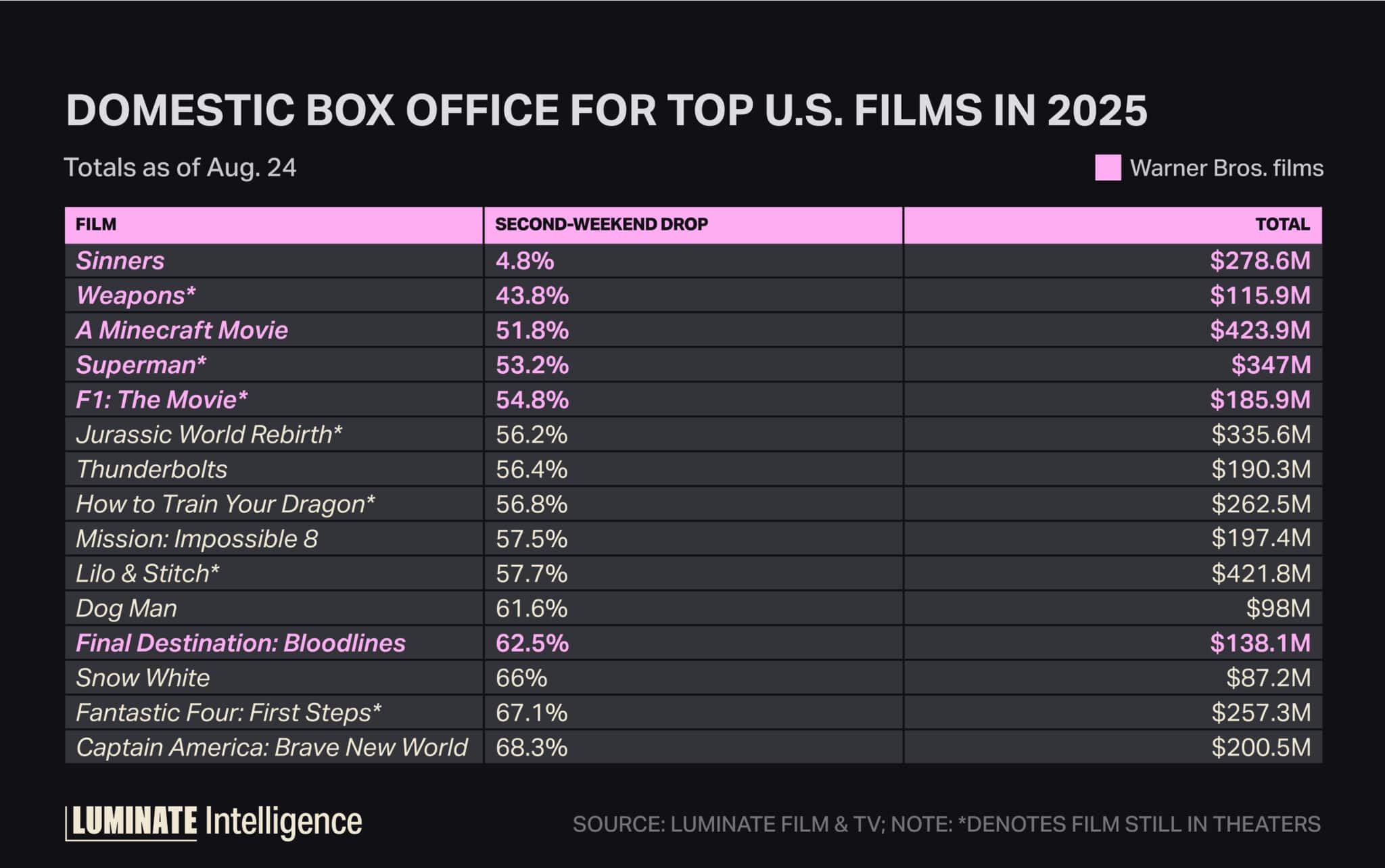
The film industry in 2025 is dominated by major studios, with Warner Bros, Disney, Universal, Sony, and Paramount contro...
View Board
Discover the fascinating evolution of box office records in "Box Office Records: A Cinematic History." Explore how iconi...
View Board
Discover how indie comedy films are redefining cinema with low budgets, high ROI, and authentic storytelling. Explore th...
View Board
Explore the evolution and enduring appeal of Hollywood blockbusters in our in-depth article. Discover how these cinemati...
View Board
Last news about Cinema Week from 17/11/2025 to 23/11/2025
View Board
Last news about Cinema Week from 21/04/2025 to 27/04/2025
View Board
Last news about Cinema Week from 28/04/2025 to 04/05/2025
View Board
Last news about Cinema Week from 10/11/2025 to 16/11/2025
View Board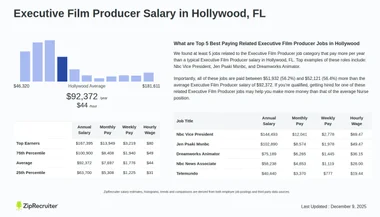
Explore the multifaceted role of film producers, from securing financing to post-production, and discover how they shape...
View Board
Explore the captivating legacy of spy films in "The Thrilling Legacy of Spy Films: A Cinematic Odyssey." Delve into the ...
View Board
Explore the world of record-breaking cinema with our in-depth look at movies that shattered expectations and set new ben...
View Board
Explore the multifaceted role of producers in filmmaking, from initializing visionary narratives to managing logistics, ...
View Board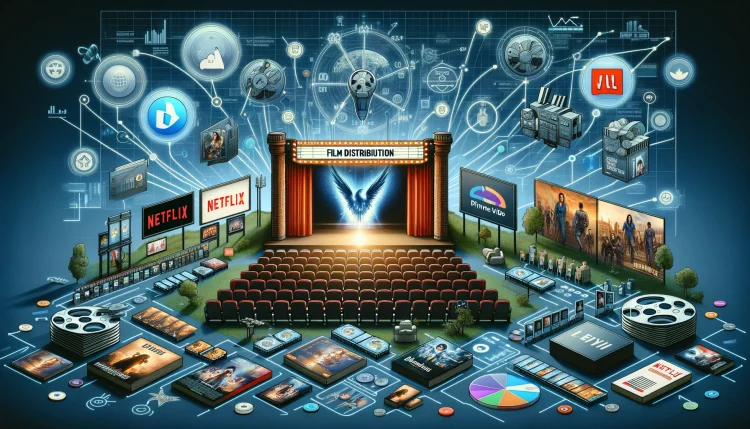
The film distribution industry is evolving with technological advancements, changing consumer habits, and shifting marke...
View Board
Last news about Cinema Week from 05/05/2025 to 11/05/2025
View Board
The Silent Film Era: The Golden Age of Hollywood The Silent Film Era was a period in movie history that spanned from th...
View Board
Explore the captivating history and impact of film remakes in "The Evolution and Allure of Film Remakes: A Cinematic Jou...
View Board
Last news about Cinema Week from 24/11/2025 to 30/11/2025
View Board
Explore the dynamic evolution of cinema in the 21st century as technological innovations, streaming services, and indie ...
View Board
The Cultural Impact of Cinema: A Global Force Since the inception of cinema in the late 19th century, the medium has not...
View Board
Comments